Exploring cutting-edge battery technology, this episode features Mujib Jaws from Our Next Energy, who discusses the development of a new battery capable of achieving a 600-mile range on a single charge. The conversation dives into the challenges of electric vehicle range, the physics behind energy consumption, and the innovative design strategies that enhance energy density without increasing battery size. The episode also touches on the importance of a sustainable supply chain and the future of electric vehicles in the market, making it a compelling listen for those interested in the evolution of EV technology.
"...at's one of the most sophisticated. You know, the Lucid Air is just a wonderful vehicle, highly sophisticated..."
Select text to request an explanation
I'll online after hours. It brought to you by Bridge Stone Tires, Solutions
for Your Journey and by Borg Warner. Hey Gary, John, how arem?
I'm doing well. I'm excited about today's show. I got a lot
to learn here. Yes, we're gonna we're gonna We're gonna learn all about
some new battery technology. We're gonna learn about electricity. We're gonna talk about
other things, and I should just point out talking about electricity. August seventeenth,
nineteen eleven, Charles Kettering patented the electric starter, which basically gave rise to where we're at today. That's exactly right. Yeah, instead of having
to crank engines by hand y'all you had to do was I don't know if they pushed a button or if they had the button on the floor. You
know, you'd step on it. A lot of the old cars, that's
how you activated the starter was a button on the floor. So in the
twenty twenty, nineteen twelve Cadillac's first application of that so interesting technology that, as I say, brought us to where we're at today. So let's that's
get on with the show. Yeah, let's bring in our guests here,
got magib Jaws from our Next Energy one and Nicole Wakeland to our fellow juror on the North American Car and Truck and Utility of the Year Award. Hey
guys, great to have you both. Thank you, good to be with
you. So mujib give us, give us the elevator pitch of what our
Next Energy is all about. We're working on developing us supply chain around batteries
that are made out of sustainable materials like iron, but not compromising range.
We're going after meeting not only the range goals of today's electric cars, but we want to push up to a six hundred mile capability on a single charge.
Really to give an opportunity or the mass markets to take route and to make every car an electric car, not just a novelty in your driveway, and get rid of that sort of notion that electric cars have a bunch of compromises that you have to make, especially in planning and route planning and charging on trips. We want to really resolve that you can take an electric vehicle,
you can tow with it, you can really accomplish your mission and make every car an electric cars. So that's what we're all about, and we're
happy to be here in Michigan doing this work together. Now, would you
say six hundred mile range? I mean, anybody could do that, right
if you just put in a massive battery. I'm guessing you're not talking about
doing that. What we're talking about is making the battery the same size as
today's electric vehicle battery, but with twice the energy density. The important combination
that we think is coming is as you drive energy up and the same size and weight, which you effectively did, is you got more energy out of the same material content, you drove the cost of the bat per kilogram down.
You're really moving in the right direction for improving cost, improving energy density.
And then what you do what you do in the market, and my opinion is you offer a base and then a premium range option and people will then choose where they want to be, and then they're deciding which electric car do I want, what range level do I want? Not? Do I
want one or not? And that's a different level of thought processes. We
want to unlock that next market, and we think it's even the majority of the market that's going to sit on the sidelines waiting for the range to be high enough that they can you know, accomplish a mission like Audubon speeds.
You know, eighty miles per hour and zero degree c is a fifty percent reduction in range, and almost every electric car that's made right now, that's the problem that we're really trying to overcome is adding to real world range capability and making sure that you have a good experience driving an electric car. All
right, So so so unpack that a little bit. Okay, So if
I have a car and it's the dead a winner here in Detroit, and I'm driving on seventy five going eighty miles an hour, and if I start out with a charge of two hundred mile range, let's say it's BINGO one hundred, you're going to get one hundred. And why is that? Because
of three factors. First factor is that when you drive eighty miles per hour,
it is very different and it's exponentially increasing the load in the vehicle.
As I'm driving a vehicle at fifty five versus eighty, my power consumption has gone up exponentially. That's because of the physics equation related to drag coefficient pronto
area. The second factor, and so that causes the range reduction of about
thirty percent. The remaining ten to twenty percent additional reduction is due to climate
needs. Where I have heat, I've got to abible to heat the vehicle.
And also the batteries resistance was worse because the battery he's cold, so the battery's resistance is not as good. It's also not as efficient. And
then as you need heat and then you drive fast, those factors stacked on each other will cause you to have somewhat alarming loss and range. And at
that level, you can't take a road trip without having to stop roughly every hundred miles to charge. And I've experienced that. I've gone from Detroit to
Chicago in the middle of winter. I've owned for fifteen years. I counted
one day I have had eight different electric vehicles. And in these electric vehicle
types trucks, suv, sedans. You can make a sedan more efficient,
and then that drag coefficient factor is not as pronounced. But if you drive
a pickup truck or an suv, there is a problem with respect to the physics of that vehicle consuming a lot more energy at higher speeds, and eighty miles per hours no longer an arbitrarily high number that's a normal speed. As
speed limits have climbed up, that's a very regular thing that people will do.
But chief it was very interesting interested to see you're claiming you've got an LFP chemistry. Is that right? And you're saying you're now within six percent
of the energy density of an NMC you know, nickel omanganese cobalt battery.
How do you achieve that through system design? The chemistry of the cell has
always had a thirty to forty percent gap, depending on which nickel cobalt sell you measure against. The chemistry is not something that we have been able to
remarkably change. What we've done is we've changed the system level density by being
able to pack more cells in the same space and then reduce the weight of everything that is not cell, the enclosure, the materials, the enclosures made out of the thickness of all the metals, the lack of cross members, the ability to integrate SELL to pack drives us to a much higher weight efficiency.
And that's an important factor as we're designing batteries with LFP, is that we can close pack everything without any kind of restriction because the batteries don't have the risk of thermal runaway, so we can have a higher volume and mass percentage of cell to pack. And to give you an example, a cylindrical
pack typically is thirty two percent of the total volume of the pack is SELL.
Whereas we've designed a pack the areas one seventy six percent of the pack is sell. That's why we're lifting the energy density up as we went down
the road of systems integration at a pack level and not just doing this at a chemistry level. So so to explain, so basically, the batteries that
have cylindrical cells right now, they are cell to module, module to pack, that's right, and so to do that they need a lot of stuff in between, which gets it to the thirty two percent level. You guys
are just stacking everything together. In a lot of cases, we're bonding,
we're a boxing. We're integrating the cell directly to the cold plate, which
is exactly the bottom of the pack. We are not putting separate parts in.
We're trying to create multi function for everything. The enclosure is the hermetic
seal to make sure water doesn't get in. It's also the cooling. It's
also the structural member. The cell contributes to structure if you go back to
the way an aircraft wing uses honeycomb thin metal skins, and then there's a lot of structural stability in that. We're using the cell can, which is
aluminum, as kind of like a honeycomb lattice, So we're imitating an aircraft structure of honeycomb architecture. The cell became the honeycomb architecture, and then the
box itself becomes the top and bottom skin, and we're developing that architecture, and it turns out in a remarkable way. The batteries are stiffer and more
durable because of that integrated design. And I'm just gonna ask a question about
the range that you have on there for that Gemini. It says you're charging
a six hundred mile range, and you're saying you want something where people are going to feel like I don't need to have my EV for some days in my gas car for the road trips. Is do you think six hundred is
the sweet spot where suddenly people won't be worrying about range anymore. I think
that it gets you to a real world condition of three hundred and fifty to four hundred miles without worrying about lots of noise factors, and that is a common regional trip where it was too much of a hassle to fly. You
want to be able to drive, and you're in that middle ground where you definitely look appreciate the opportunity to take a comfortable electric vehicle that has a lot of self driving features with it. In my world, in the context of
today's electric car sized at around three hundred miles, we're delivering around two hundred and that's way too short because you're almost guaranteed to need to stop. And
in some cases in July fourth weekend, for example, I took a road trip from San Francisco to Lake Tahoe and I found myself waiting in a charging line for two hours, and it was no longer fast charged because every station was full. An example like that where real world kind of gets in your
way. And even if that only happens once in a while, you're only
taking a road trip once in a while. If you take that road trip
and you have a bad experience and it costs you a couple hours, you might think twice about doing an electric car as your only vehicle. And that's
the idea that we have here at one is we're here to knock down the future obstacles. One obstacle can be ranged not being enough, and we're you
know, we're putting it at six hundred. Maybe the right number is seven
hundred, or it was five to fifty, but we want it to be higher than where it is by two x. And that's our starting point.
The second thing is we don't think fires and throw them a runaways should be a part of any experience possibility. We want to make that a thing in
the past. So we're trying to get materials that are intrinsically safe, that
don't have oxygen, self oxidation, or combustion as part of a failure mode.
Those ideas become the central pillars and how we build up this US supply chain. Well, well, speaking of the oxidation part, the fire part,
So explain to us why batteries light on fire spectacularly. I mean,
we all saw pictures of that ship where the vehicles were burning on it, and why it is that your chemistry doesn't do that? Yeah, well,
okay, So if you take the three ingredients in a fire it's oxygen, fuel, and some ignition, you have to you have to start the reaction ignition. That's called a failure. The batteries shorted, so that in this
case, is any battery could just short the ignition is present. Then the
second thing is you have to have fuel. Well, inside a battery is
carbon and electrolyte. You have all kinds of fuel in a battery, so
plenty of fuel sitting there. The third ingredient is oxygen. Well, what's
not known and not very commonly talked about. If I say I have a
nickel cobalt manganese battery, what I should be saying is I have a nickel cobalt manganese oxygen battery. Because a third of the weight of the cathode is
oxygen. Inside the molecular structure of the NCM is oxygen. If one third
of the entire cathode material is made up of oxygen, I definitely have the ingredient there. What do I need to get rid of or to liberate the
oxygen is just a single short. The moment I have a short, the
oxygen comes out, it creates combustion, It gets everything hot, and then it goes further and then it keeps on going. And that's the idea of
thermal runaway and a phosphate battery. LFP is lithium iron phosphate. The formula
of the battery is PO four. It's not O two, it's not oxygen,
it's phosphate. And as it's phosphate, can't liberate that key ingredient which
is then causing combustion, which is oxygen. So going back to your LFP
battery, then you're building a plant, right, you expect to have a plant going up next year and then these batteries in production in twenty twenty five, Is that right? Yeah, it's actually a little bit faster than that.
So we have the building. We actually are moving equipment into the building
as I speak. We've received our first equipment. By the end of this
year, we'll have the battery factory running at around ten thousand cells a month.
It's like a low volume level, but it's giving us enough to be able to make every type of cell, validate the cell, get our supply chain ready, and get our workforce training done. End of next year we'll
be at around thirty thousand packs equivalent a year, and then the end of the following year around one hundred thousand equivalent per year. So is this a
build it? And they will come or do you have actually yo yam orders
for these. We have a market started with commercial truck and bus and then
utility grid, and those are really two important markets that precede automotive. They
help us get our supply chain ready. They help us get our first pack
into production. We have nine customers on the commercial side. We have a
major utility that's working with us on the grid pairing solar and storage together.
As we're now doing those markets as predecessor markets. The launch of this battery
pack that you're seeing on the screen that happened earlier this year uses an LFP cell that is also being used in the grid space. As we get that
selling production, which is IRA A compliant using North American supply chain for raw materials as an eventual step that we take, we're ready then in a better way for automotive. We think automotive will take root, but it might take
somewhere around twenty twenty six time frame, as opposed to happen right away.
Why do you think it's going to take that much longer for automotive to sort of buy into this and make the switch. I think automotive is already buying
into this, but automotive has a longer gestation period. As you develop your
relationship with automotive companies, the relationship also has to go through their product development cycle, which is that you do the development of a battery and a platform, and then the safety testing and then the three years effectively that it takes to move everything into production. So we are on a cycle with automotive,
but we didn't try to target automotive as our first market. I think that
it's better to build revenue, stability, yield, get even a positive effectively, stand our company up as a healthy business independent of automotive, and then bring automotive in. And automotive OEMs like that strategy. They don't want to
be first. And it's also a lot to take on in terms of working
capital and just scaling a company at the speed of automotive if you do that as a very first step. Wigee. One thing I don't understand is that,
Okay, if if you talk to you know, a late person who knows a little bit about EVS, and you know, you say NMC, you know, and that's that's the good stuff, and you talk about LFP, that's the compromise stuff. It's not as good as so so it sounds
to me that you're you're sort of not exactly flipping that, but but you're changing that. I mean, so how do you make this real? I
mean, yeah, what's the difference. Okay, so if you if you're
a battery supplier and I am a battery supplier, and you're constrained to solve a problem and someone says, Okay, I'm going to give you a form factor of a cell, and that cell is you're defined. Your cell is
defined, and now your chemistry is NCM or LFP. I'll have to admit
we're going to be thirty to forty percent lower and energy density and range right off the bat. But what we decided to do when we started one is
we're not acting like a battery supplier. We're actually positioning ourselves as a pack
systems integrator, which we're then solving a different problem. We're working on structural
packs that are stiffer. We're trying to help the OEMs with better attributes where
they can mount it, with simpler mounting strategies. We're taking all of the
interior waste out of the pack that was traditionally there, and we're like moving the materials problem where we might spend more money on an enclosure that saves weight less money on catholic material like nickel and cobalt. Better supply chain still be
lower cost, but I might have made a decision internally that I'm going to spend more money on that enclosure to make up for the fact that I want lighter materials. I want a better performing system. That's how we're closing the
gap. If I'm asked to simply close the gap by providing a cell,
I only have one tool in my toolbox. You give me the whole system.
I have cooling, I have enclosure, I have battery management, I have bus bars. I have wiring. We got rid of all the wiring.
You won't see any high voltage cables in our battery pack. We go
a bus bar to bus bar to bus bar. We laid it out in
a sequence where it begins and ends at the battery management. We eliminated all
the high voltage wiring and connectors. That stuff costs money. It's a lot
of money, actually, a lot of copper, a lot of connector.
Every time a connector's orange, it's like three times the price, just because it's called a high voltage connector. We got rid of those things because not
only is that helping us on cost, it helps us on weight, helps us on volume, it helps us in integration and in the simplest other way to think about it. The original phones that came out that were large and
bulky, they had a battery door. You pull the battery door off and
you pull the battery out, and you put a new battery in the new phones. And you could pick any company, any type of smartphone. Their
batteries are integrated and they're permanently integrated. You don't you can't get to the
battery. Well, it's because they want the integration to create a better total
product. And we're doing the same thing on our pack design as total integration
of everything bus bars and welding and avoiding connectors and multi functions for the enclosure and cooling and all of the other parts that are integrated. But jeeb,
you may have just solved saved AM Radio two in the process, because my understanding is it's those orange cables that cause all the problems with AM. Yeah,
that's right. Hey, so you've got another battery type that you're working
on, right, two different chemistries tell us about that and I'm particularly interested in this because you mentioned this earlier of being able to tow long distances.
Yes, So what Gemini's idea is as you think about the thesis of the company with sustainability and materials and trying to get higher energy density, we love we love the idea of LFP being like a foundational battery, and I think of it as ten twenty year foundational level where you don't need to keep switching chemistry. That blue battery that's showing that it has a driving connection to the
motor in burder that is the same LFP battery that we're in with any electric vehicle today. And what we did to make that battery go further is we
designed a special second battery chemistry that only has one job in life, and that is to turn on and recharge the first battery. So it's a range
extender that means of two important attributes get changed. I don't need it to
have the same life, so it's durability can be less ninety percent less to be exact, and then I don't need it to have the same power, as it doesn't need to have the same power. I don't need to have
any kind of worry about this really high current, I can design it to be very efficient and basically as low power, low cycle life. I unlock
a bunch of chemistries that are sitting on the bookshelf that have been invented for many many years over the years, but not used in automotive because they weren't durable or they weren't powerful enough. And that second chemistry is called anote free.
We get to the high energy because we deleted graphite that made room for more active material on the cathode side. It's a cathode separator and a copper
foil. As we did that, we quickly doubled the energy density of the
cell just by that one move, and we made the factory smaller. We
don't need mixing and coding and calendaring and all the stuff in the factory, so the cell became low cost. I'm using a low cost manganese rich cathode.
As that cathode is there, it's twenty percent less lithium, sixty percent less graphite, seventy five percent less nickel, has zero cobalt, and it's effectively twice the energy density. It's a thousand and one hours per leader at
a cell level. Then we integrate those together. We alternate them between the
LFP and the ANOTE free and in the context of doing that, we're basically showing that you can do range extension with LFP being that baseline battery still so we're still LFP every day power trains organized around LFP's voltage and power, and the range extender comes on when you need it in a long trip. That
gives you the ability to tow and handle high speeds, handle different vehicle types, handle long trips. And we think that the batteries the choices that customers
will make on battery. You can then have small, medium, large batteries
and you can decide kind of what vehicle platform makes sense for your use, whether the batteries should be upsized or not. So would the six hundred mile
range be a Gemini battery or would it be an aries two battery a Gemini battery? Okay, the area's two battery is targeting the today's range, call
it three hundred plus three hundred and fifty miles. In that range, it's
where the OEMs are comfortable as their baseline range numbers are. And many many
customers love electric vehicles, including myself, that can perform that way, but that's not the spectrum that really solves all the applications, and that's the context of this is a family vehicle call it an suv, a minivan, or a truck that has a lot of other implications and its ability to move people around and handle harsher duty cycles including towing and things like that. With your
total systems approach then and using LFP, what can you do about costs?
Because you know, anybody who solves the battery cost problem pretty much solves everything.
Yeah, you know, interestingly, Gemini is cost modeled out at around fifty dollars a kilo one hour right now, that's lead acid battery level.
Wow, that's cheaper than the lowest costs that I could have predicted for where LFP will ever get to LFP. You know, if I go to where
the lowest cost centers are in the world is China, you can make an LFP cell for mid sixty dollars per kilo one hour. Arrange we can make
it aoid free cell for fifty dollars pakillo what hour here in the US.
And that's just us getting started. As time goes on, I think we
can even improve that. I think what's interesting about though dual battery architecture is
we have the ability to size the second tank, the long range part of it, and it could be we make fifty kilo a lot hours for every day one hundred and fifty miles, and we could make one hundred, one hundred and fifty, two hundred, two hundred and fifty. We can go
up to four hundred kilo hours. We have enough energy density to grow that
second battery to a much larger level, and therefore we're growing the battery size in the lowest cost domain because it is a battery that's free of graphite, free of cobalt, free of you know, it's using low cost materials though.
H So, as you were mentioning the price of building this battery in China, now you're in southeastern Michigan. You're building the plan in Southeast Michigan.
You've talked about sustainable supply chain. What does that mean, Well,
first, it means a qualified supply chain. Like the very first problem we're
going to have is we need those same material performance and even if it's not at scale, then we need to start figuring out how to capitalize and scale.
So the ability for our company to move forward and to scale up other suppliers. Is that we need the performance of the materials to come in line
with the best materials in the market. Once we're at that point, then
as we grow, we want our suppliers to grow, and I think it will take and I've done a little bit of overlapping between how China's market grew and where we are now in the last five years of growth, and if I superimpose them, they actually line up very nicely, almost like you're looking at the future and I see an eight year gap. So if roughly we're
eight years in the past and we're trying to accelerate and catch up, I can also predict the scale, the volume, and the cost because I can go backwards and look at where things were, and that's how we're mapping out the need to bring on our supply chain and how to accelerate our investments.
I think fundamentally, the IRA is an important equalizing tool, and my appreciation to those thought leaders that put that together, because I think they got the numbers just right. Thirty five dollars Parkilo, what hour cell, ten dollars
Parkillo, what hour pack. It's a great equalizer. Eventually, it's a
competitive advantage, and it gives us time to get this market started. And
as we get it started and the supply chain gets a boost from local OEM's wanting US suppliers, that's going to give us the ability to raise up the factories that we need to be competitive. So you're talking about getting the materials
from the US or North America at least, and all the other stuff that you guys need to make batteries from here. Yeah, we're talking about full
North American supply chain by the end of this decade for sure, but by twenty twenty six time frame, I want graphite and catholic material sourcing locally as well, meaning that we get all we get the key bill of material functions here, and we're working towards that. We have great partnerships that have been
previously announced on catholic material we have some that are not announced on anode or graphite material. Remember, the anode free cell is also light on materials.
We're trying to like the best batteries are the ones that use less materials, so we're moving in that direction a bit as well. But we have a
lot of work to do. It's not easy to lift a supply chain up
at the same time. Like in our case in the US, we're building
the market, then we're building battery companies like one that are trying to make products. Then we're building the ecosystem of suppliers all simultaneously. So in that
context, we have we have to take judicious steps to grow on small, medium, large scales. What we're doing is we're at ten megawatt hours this
year, We're at two point seven giggle what hours end of next year, then we're at ten giggle what hours the end of twenty five. That gives
us the ability to scale over time using commercial truck and bus, then utility, then automotive to start accelerating beyond that. Yeah, go into the utility
a little bit. I'm fascinated that you're looking at storage. Well, you
know, LFP graphite is a well known durable material for utility scale storage, but has not previously had the cost structure that others have been capable of doing with nickel cobalt batteries, and so LFP graphite now is valued because also the IRA has an investment tax credit that makes batteries fifty seven percent cheaper than they were last year, and that's what's giving that market a lift is that market
wants to grow in its scale of utility energy storage because solar storage is becoming cheaper than fossil fuel generation as new capacity has brought online, they're looking forward to gaining access to that capacity. Real good. I know you're busy.
I know you've got to get off to other things. It's been fantastic having
you on the show. We're going to have you back. We've got to
keep track of all this because what you're talking about is just brilliant. I
love what I'm here and here well, thank you very much. It's good
to be with all of you and your questions. We're also giving us insight
on the topics that we should be thinking about more as well. Loved being
with you and would love to join you again. Thank you, thank you,
Thanks so much. Real good. We're going to take a quick commercial
break and be back to talking about more things of cars and the industry.
How do you breached down? Tire stock Shorter on what roads? Is there
hydrotrack technology? But you don't have to know how the science works, just
where the brain is. What really matters is they're breached out. Wow,
interesting stuff. Six hundred mile range being able to tow. Wow, if
they can give you that six hundred mile range, really that's the kicker for me. I just I just don't want to have to stop at random scary
hotels or the only place in the entire route where there's one working charge, or at two pm or two am and think like I'm going to die trying to charge my car right now, I just all right, So Nicole, you you actually experienced that, Just just just tell the audience a little bit about that that situation. Took a long trip in an EV did I took
a drive from Disneyland to Disney World specifically in an EV to see how fast we could do it, not like speed, I'm not trying to break the law, but if you just drive and you charge when you need to charge, and you just you know, you're sort of trying to hit that sweet spot between the ten and eighty percent to get you know, don't charge all the way to a hundred, and be judicious about how fast you're going so you're not too heavy on the you know, the pedal, And to see how we could do it and are one of the biggest challenges was just trying to find someplace to charge, and they were limited, like there's limited availability
when you get into the middle of that route. You know, you're in
Los Angeles, no problem, You're you know, in a city in Texas, or you're close to Florida and Orlando. Plenty of places. But sometimes
you're like in the middle of desert and there's one spot available to you and you get off the highway and cross your fingers. And there were some that
were There was literally a hotel that looked like it should have been from the Chainsaw massacre and there were like four charging staking and no one there in one little flickering light like make it as spooky as you could conceivably you get.
And then we went to the first, you know one, and it's giving us like seven kilowatts, and the next one said no, we don't like your payment. The next one, we're down to the fourth one and it
finally charges and it's slow, but it's at least charging, but it's scary, like you're sitting there with your head just kind of swiveling around the whole time, thinking I can't relax here, this is this is all the things Mom would have said, you don't do that, and like doing it to charge my car. If I'd had a little bit more of a range,
you'd have more flexibility to say, I am not stopping at that hotel.
I'm going to you know a little further down the road to get some juice there. So I would just like to see more range. Please see the
question there, big Barney Watson on what were you driving? Yeah, I
was driving the EV six, not the GT and I'm going to forget the exact trim, but it was one of the not the GT one because the range on that is less because of how the power comes out of that one.
So I was driving an EV six, which was fantastic. I love
driving that. Yeah, the Key EV six, I love driving it.
It was great, you know, and it charges faster. You know that
that Hyundai architecture that charges faster than some of the other guys. So you're
in and out as quick as we could be, as much as we were hamstrung by the charging network itself. But yeah, it's when I wanted more
range. I thought it had so much range. I thought it was gonna
be great. I'm thinking, no, I want more. So when he's
saying six hundred, I'm thinking, like, bring it that will make me think about buying an EV so you don't have to go to the Bates Hope Motel again. I want hanging it at the Bates Motel. It was scary,
Harry, So you know it's it's interesting. So, so JD Power
came out with its assessment of charging. They did study for the last couple
of years and this new study, and they found that satisfaction with charge public charging is actually decreasing. It's not getting better, it's getting worse, and
it's it's like, so they discovered that so level two charger infrastructure in the US it declined sixteen points two six seventeen out of a thousand. Okay,
so we're getting we're getting very low there. And then DC fast charging dropped
by twenty points to six fifty four. And the thing that I found was
that, surprise, surprise, the Testlas supercharger is the one that people love the most, the one that's doing the best, and it's at seven thirty nine points out of a thousand. Okay. Number two is charge point at
six oh six. Okay, So we have seven thirty nine second place six
h six, and Electrify America is at five thirty eight at the bottom.
So, I mean, and they all also found that twenty percent of the people that are going into a charge place are leading without a charge because of the things you mentioned. You know, it doesn't want to take your payment,
or it doesn't work. Yeah, I mean, it's just all these
So how are we going to get more evs even if you have more range?
You know? I think the thing is because it's sort of one of
those things. When evs were really weird, right, nobody had them.
There are half a dozen people in your town that maybe even heard of them, right, nobody knew what they were. Then it became more and more
popular. People start buying them, become more affordable, Like, okay,
now they're not weird to see on the streets. So now people have them.
Your friends have them. Your friends are telling you the stories about their
nightmares charging. Before you didn't really hear it. Now you have a little
bit more, either firsthand because you were with them, or you know, you heard them say, oh my gosh, that road trip I did it Christmas was miserable because of this that So I think the perception is more people are hearing about the challenges, and as you hear about those challenges makes it, you know, you're less willing to take the chance, like I don't want to do that. I heard about his trip at Christmas. He hated
it. So I think the thing that needs to happen is that the charging
networks. It's not the vehicles, it's the charging network. It has to
get more robust. They have to have it in places where you don't feel
unsafe, and it has to just work. And that's the thing. Tesla's
work and they're bright, and then these fits. You know, it's a
nice spot and there's like thirty little glowing Tesla's superchargers there on the side of the road, happily welcoming you. And you have one leg that looks like
it's kind of working in a corner at the Bates Motel. You can't have
that. You have to have them be places where people would want to stop
with their kids in the car. And you know, I know that everybody
is making efforts to introduce more charging stations and to improve the network, because I talked to someone in Electrify America at one point after I had done this drive, and he said one of the challenges early on was you couldn't just put an ivy chargers wherever you want. You have to find somebody who's willing
to let you put it there in that hotel or that property, or that mall or that store in their parking lot, and then there has to be enough electric grids support in that area to make it not outrageously expensive to get all the equipment there and run the necessary cables. So sometimes it was a
little bit of a matter of like, well, this is all we got.
It's this, or we have nothing. Well, they need to step
up. It's like, okay, now let's get some better ones. The
options are out there. I think it was because of that early rush and
just trying to give people anything. Now they're gonna they've gotta make an effort
to not just give us anything, but give us better. That's what has
to happen. Yeah, you know a couple of things. Just listening to
Nicole talk there, I wonder if part of this is, you know, up until very recently, it was the early adopters who were buying evs, and they forgave a lot of problems. They knew what they were getting into.
And now as evs slightly become a bit more mainstream, you've got people's whose expectations are far far higher, and their tolerance for any problem a lot lot lower. And and you know, just the fact that more people are
are using these. You know, Jeb announced our said it himself, he
had to wait two hours. I mean that would kill my interest in an
EV, having to sit around for two hours waiting to charge it, exactly, and all those little things like as you start, you know, like you said, the early adopter just says, I want an EV because I want an EV. I want to experience it. I know it's not going
to be a perfect experience and things are still evolving, but I want to be the first guy in the block to have an EV in my driveway.
Okay, fine, you're willing to tolerate it, but you know that mom and dad in a road trip with their kids do not want to tolerate having to spend an extra two hours sitting waiting to charge when the kids have now they're done, they want to get out of the car. They want to
be wherever you're supposed to be, or someone who's by themselves and it's late at night and you can't find those people. Don't aren't necessarily buying an EV
because YAYEV the experience, Like, no, I want something that's going to work in the context of my life, the same reason we have a million different ice vehicles out there. You want something that works for you. Maybe
it's a truck, maybe it's a hatchback, maybe it's a fancy sitting.
You need to be able to pick and have the same experience with an EV or you're it's like it fails you. I mean, and it's an expensive
purchase. It's what like the second most expensive thing most people buy. If
that experience fails you, you're frustrated, you're angry. So John, you
said that that people have higher expectations now, But the thing that I wonder about is is is that really the case? Or is it simply saying to
themselves. You know what if I go to that shell station or that beat
P station, you know, I get the beef jerky, I get the slurpee, I get my fuel on, I'm out of there. Okay.
So if you're able to do the same thing with an EV, same you know you and you don't necessarily want to hang out at the gas station, right, I mean, you know, there's only so many vape supplies you possibly can buy at a certain point. So it's just like, no,
no, non't, just just get it done and and you know, and the real purpose is to take the trip, not to go to the gas station. So the real purpose is to just get the electrons on board and
leave. And you know, not the feel threatened when you do that,
because you know, if you can drive down, you know, you can pass as many gas stations as you want before you go into that one gas station where you don't think that the guy is going to you know, tie you up and throw you in the back. It's just so I just don't
see this is an elevated expectation. I just think it's a normal expectation.
Well what I meant was elevated expectations versus the early adopters. You know,
early adopters, like I said, they're willing to tolerate a lot. You
know, they're they're blazing a new path here, whereas you know, mainstream people just want to your point, Garry, they want the same kind of experience that they've had with ice. Even though a lot of people I hate
going to the gas station. Uh you know, women, especially touching the
nozzle that so many people have and it smells the gasoline yuck, and and then just the cost of gasoline people. I mean, that's one thing that's
really driving an interest in evs. In fact, we ran two stories today
and out Daily that I thought was very interesting. I think was it a
JD Power survey. They found that forty eight percent of car buyers will very
likely consider an EV for their next purchase. So you're, write, Nicole,
if the charging system gets built up and it's reliable and all that, those people are ready to go in. But to your point, charging infrastructure
better be there. But the other thing that just floored me, seventy one
percent of car buyers have no idea of all this ira A money that's available to be able to buy one. You know, we're we're in the business,
so we're hyper aware of the seven thousand, five hundred dollars max that you can get as a tax credit if you everything you know falls into place the right way in terms of the battery and all that sort of thing.
But I'll bet you the numbers even higher. Most people are unaware that you
can get up to a thousand dollars tax credit to put on a home charger in place. I think it's and you know, you would think that when
you walk into a dealership because they want to sell you a car, right that they would sort of make you aware of what's available because it varies a little bit from state to state depending on what your state may or may not give you. You would think that the dealer and the interest of getting a
car off the lot would say, hey, by the way, you have all these incentives that are going to help make this a little more affordable and make this something that you can buy into. But I've had friends who have
literally gone to look at an EV and they come back. I'm like,
do you know there's a rebate you can get money on that? Like what,
I did you not go to the dealer? Yes? Did they not
tell you? Nope? And they, like you said, they have no
idea and it's commonplace to us because it's our business. But that it doesn't
get down to the consumer level is unfortunate because I think people also think they're more expensive than they will actually be once those rebates all come through. You
know, that doesn't surprise me in the least. I have not shopped for
an electric car, so I can't tell that experience, but I've bought New Ice Cars, and of course I'm in the Bosnos. Maybe that's all to
unfair to a salesperson. I knew far more about the vehicle than they ever
did. Whatever vehicle I want to buy, I knew far more than they
did. What I found is that most salespeople know how to do all the
paper work. End of story. All right, John, you're you're an
unfair comparison. Let's just you know you're you're you're the outlier. Let's let's
let's make that clear. Okay, So either one of you just go to
Ford dot com or Chevrolet dot com or Chevy dot com or whatever it is, and go to where it says evs and bingo. It immediately tells you
you're going to get a rebate. You have the opportunity to say, you
know what state you live in, bang, it's going to tell you you got this money. So so I am surprised that what you said, what
seventy one percent of these people are not looking at a website before they go to a dealership. I mean, I don't think it's that they're not looking
at a website. Okay, now we're not We're not. John and Gary
Nicole were average Jos who don't do this all the time. When you start
looking for a car, it is overwhelming. You click on every website and
there's a video, and there's a graphic, and this is the brakes, and this is the new EV stuff, and this is and there's oh and we have this fancy stereo system. There is so much information as you're just
trying to figure out which of these five cars do I like the best, Like you're just looking at the car, You're not you get an idea of the costs, like these are in my budget, but there's so many details on that page unless you're scrolling down the sort of like which I almost kind of think it was a boring part. Okay, I gotta warranty for this
many miles. Like the stuff at the bottom, Like, admit it,
we all look at the stuff at the bottom. You don't look at that
first. You're looking at the car to see if the car is something that
will work for you. And I think sometimes it's just lost in the which
of these three or four evs is the one that works best for my life bar and can fit the kids, or can't fit the kids, or has more power. I think it sort of gets lost in translation, and it
is so much information. People need the reminder when they walk in the door,
this is what's available to you, and that reminder just doesn't happen.
So, speaking of people who are going to buy cars, Cox Automotive announced this week that the average car loan now is at nine point four eight percent, and according to KBB, the average transaction price for a vehicle is forty eight thousand, three hundred and thirty four dollars. Okay, so I ask
you both, are these numbers going to make a robust auto industry or are we looking at a situation that is becoming increasingly untenable for people. It feels
crazy to me to hear those numbers. I know they're real movies, they're
trusted organizations, but part of my brain sort of looks at and says, are you guys sure about that? Is that actually the state of the state.
It doesn't feel like it's sustainable, It doesn't feel like something most people can do, and it feels like it sets people up to be betting off a little bit more than they can chew when it comes to their car.
I mean, if that average transaction price that is high, like you would expect it to be much lower, given how that interest rate. But I
don't know. Yeah, I think the numbers are a little bit misleading in
this sense. You know, up until very recently, we didn't have one
hundred and ten thousand dollars Escalades. We didn't have one hundred and ten thousand
dollars Grand Wagon Ears. So you know, the up upscale side of the
market has gone crazy expensive. And I guess what, they can't build them
fast enough either. That's that's the other thing. And so you know,
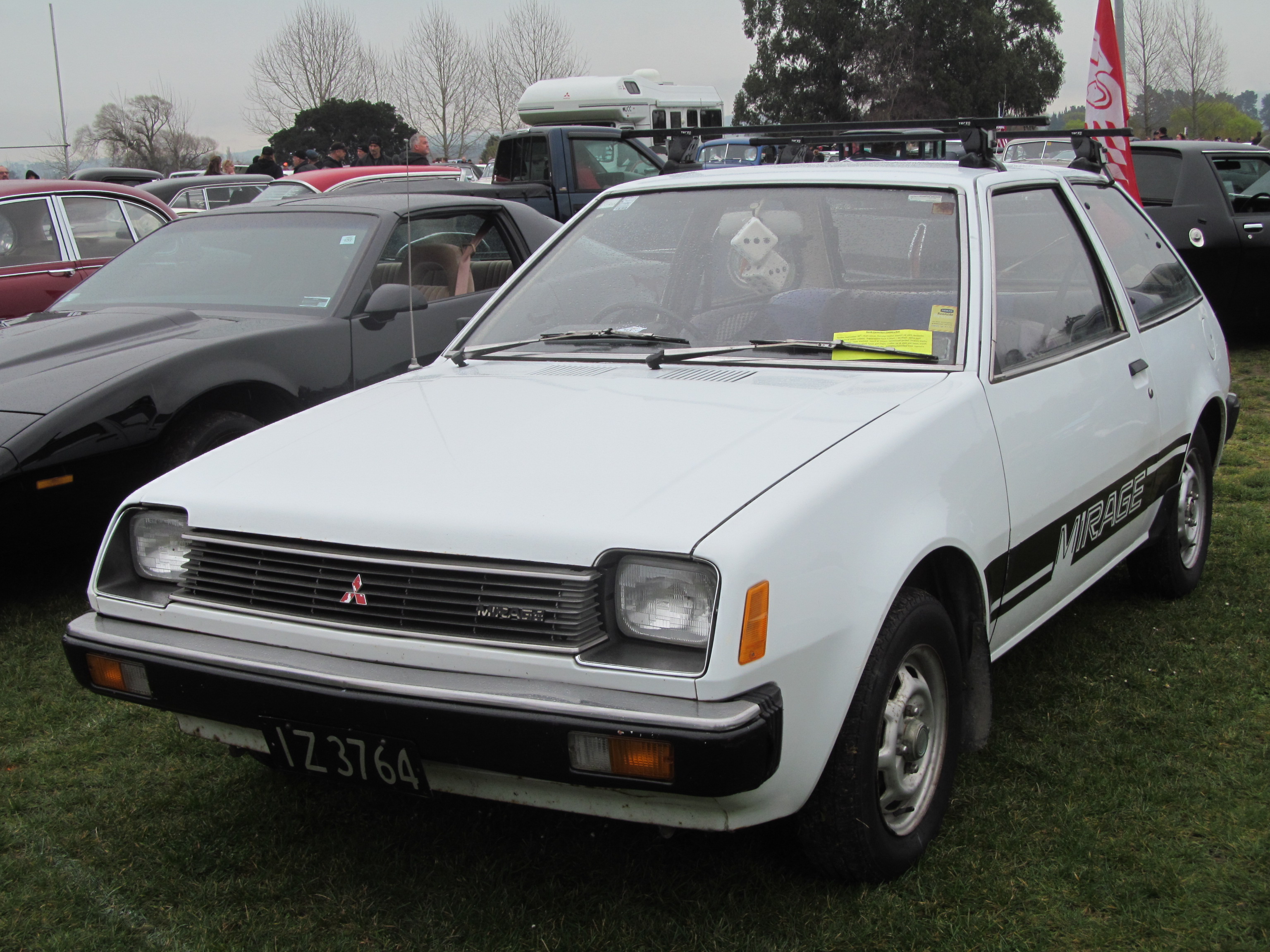
when you say you know that the average cost of a car is forty eight thousand dollars, there's lots of good cars that you can buy for well under forty lots of good cars you can buy in the twenty eight to thirty three thousand dollars range. And here's the crazy thing. Mitsubishi just dropped the Mirage,
cheapest car you could buy in America a little over seventeen thousand dollars.
Everybody's bitching about a price of cars, it's too high. Why don't they
come out with something we can afford. Well, Mitsubishi had it, and
guess what, no one bought it. So you know, people, have
you driven a Mitsubishi Mirage John not in years and I wouldn't either. Yeah,
so answer the question. But if the if the whole thing is,
why don't they make something affordable and there's something affordable and nobody buys it, it's that's not what people want. Really, you know, what the average
American wants is something like a fully loaded Chevrolet suburban that'll burn rubber across the intersection, get forty miles to the gallon, and cost eighteen thousand dollars.
That's what they want, Yes, but they're not going to get that, never, not anymore. So they're gonna get what was it, the Cadillac
Escalade, the IQ that they just announced it is going to start at one hundred and thirty five thousand dollars, is starting price on that. But again,
what's happening is the lower income people are priced out of I was about to say getting priced out. No, they're priced out of the market.
The used car market is the only thing for them. And so what the
auto industry, and this is a big danger for the autowa industry, I think, is they keep going after the people who have got the money to spend big bucks on a car. And so that's the only thing that they're
building these days pretty much, or certainly when production was constrained because of COVID and then the chip shortage. I mean, if you can only make X
number of vehicles, why don't you make the ones that you can make some profit on? And so that's how you end up with an average forty eight
thousand dollars, you know, MSRP, because you've got everything so heavily loaded.
And even look at what people are going out when they're buying a new car, They're they're loading them up. I mean, look at the GMC
success with the Denali in the eighty four range. People are when they go
to buy something, they want everything on it. Yeah, and it's I
don't know, at what point enough people, because if you're buying them really expensive cars, you're probably a floor able to afford buying them more often too, So you keep buying these really pricey cars. At what point to people
who don't have the funds for that suddenly pushed back and say, well, I'm not buying a car. We're going to drive this beat up camera until
it dies, which is never because toos never die. But there's gonna be
a point where it's like they're just what are these people going to do?
Right? No, no, they call You're absolutely right. And that's why
the average age of a car keeps getting older and older every single year because exactly to your point, people are saying, I'm just not buying even a newer used car because I can't afford it. Well, so, so there's
there's another option that may happen here, and that would be the Chinese OEMs decide to come to the US market. And so last week, the founder
and chairman of by D, the big giant Chinese vehicle manufacturer, said it's time for the Chinese auto industry to quote demolish the old legends of what had been thought to be Chinese cars. And he said, quote the time has
come for Chinese brands. Now what what what happens to the US market?
What happens to the US carmakers? If if these guys say, yeah,
that's what we're going to do and they're gonna eat the tariff? What is
a tariff? John twenty seven point twenty seven point five percent for Chinese cars
coming into the US? Right, And you know, and people said,
no, I don't know that that can't happen, and so Morning Console just did a some some research and they discovered that gen Z adults, which are in gen Z's like twenty percent of the US population, they don't really have a bad feeling about Chinese products or Chinese things. I mean, so,
what do you guys think might happen there? I don't, you know,
And you're right, like the younger generation might not have the you know, don't buy stuff in China thing that older generations have. But by the same
point, like I think it's going to come down to really whether the car that they bring over. It can't just be affordable, it also has to
be good, Like, it has to appeal to that consumer, because I don't think it's as much whether it's from China or not that will dissuades especially like gen Z from buying it. If it doesn't hit the mark for gen
Z, they're not going to buy it, you know. And there is
a certain element I think no matter who you are, again, cars are expensive, no matter whether you're buying a bargain car one hundred and thirty five thousand dollar car, it's a big purchase. You don't want to take a
chance at what you're buying isn't going to be around. You want to buy
it from a company that's going to be here for two years or three year yet didn't work come out, or they just don't succeed. So there's beyond
there's like some risk there that I don't know how gen Z would react to that. Are they going to think about the fact if a company comes to
the US and they don't succeed in the US now they have absolutely no support for their new Chinese car. Not saying they're all going to fail, but
it's a it's a risk. You don't know what's going to happen if they
come over. Well, you know, we don't see it in the US,
but the Chinese are taking over markets all over the world right now, Latin America, Central America, Africa, the Middle East, Eastern Europe, Southeast Asia. They have not come to the US, partly because of the
import tariff, but also because US China relations are not so great right now and they're kind of gun shy to come here, and their whole attitude has been, Hey, you know, we don't have to go to the US right now. We can go take over the rest of the world market.
Then we can talk about going into the US. In Europe, they're deeply
worth because of the success that the Chinese have. In fact, collective Chinese
made vehicle market share is almost even steven with German vehicles in Europe now, which is an astonishing statement. And you know that's why in Europe you keep
hearing more and more talk of we've got to raise the tariffs, We've got to slow these guys down somehow. And I've said it before, I'll say
it again right now. When the Chinese come to the US market, they
will absolutely take over the lower end of the market. They will just bulldoze
everybody out. They're going to have good looking cars, very well made with
the latest technology, that is going to be thousands of dollars cheaper than what anybody else will sell you. So, so, John, when you say
at the lower end of the market, okay, I wonder whether they might not come in with something higher than bottom in order to say, hey, we're you know, we're not the bargain basement here, we're right additive vehicles.
Right. But well, remember there is what two hundred three hundred Chinese
car companies. There's going to be some that come in on the high end,
like Neo Neo is you know, going after all the lucks end ones.
Chapung is another one that's going more high end. By D seems to
be able to play any segment of the market that you want to. And
there are other Chinese companies that are going to concentrate on the cheap end.
And when I say cheap end, you'll be able to buy I believe, even with the tariff, a very very nice Chinese car somewhere in the sixteen to eighteen thousand dollars range electric no less. And so that's that's what I
mean, take over the bottom end of the market and they've they've got the cost structured, the economies of scale to be able to do that. So
what happens to the domestic manufacturers when that happens, John, Well, look who they're going to, claver are the Japanese and the Koreans first, because we're are the Americans. The American they're not in the low end of the
market. They've given up on low cost cars essentially, or if they do
have low cost ones, you know, GM's bringing them from Korea forwards, bringing them in from Mexico. You know, the Detroit three are concentrated on
trucks and SUVs. That's probably the safest place to be right now in the
marketplace. But you know, Toyota, Honda, Nissan, Mitsubishi, Subaru,
even Hondai and Kia to a degree, those are the ones who are going to be the most threatened by the Chinese. And if you look at
where I've been talking about Latin America, Africa, Southeast Asian the light, it's the Chinese who are absolutely claboring Japanese and Korean automakers. So maybe building
these super expensive SUVs over here is not such a bad move after all.
Maybe the strategy is that many far, so far, and if we get Mujeeb's battery and you can tow for six hundred miles, those things our bulletproof from a sales standpoint. Yes, So, Nichole, since since you're more
consumer oriented than John and I certainly are, I mean so, so, I mean, what's your sense of how things are going in the market right now? I think, you know, I think it's it's tough for consumers.
I think people, you know a lot of people who held off buying vehicles, and we're sort of trying to see how the whole like hybrid battery and ev battery thing worked out. There was a lot of nervousness about that
are looking at buying cars right now, and because pricing is so just crazy and supply is still crazy, and if you want to get that car, you you could need it today and you're not going to get it for eighteen months. If you're if you're at all even remotely concerned about what the trim
is, you know it might be one on the lot and you take it or leave it, wait a year and a half. I think I think
there's a lot of I think there's a lot of frustration. You know,
it's always it's always a challenging process to buy a car. Nobody trusts going
to the dealership. Everybody walks in kind of like I'm ready, like you're
you're ready for a pipe because you don't want to get taken advantage of And then to walk in and see there's nothing available, very limited availability, and you have to order things. Prices are high and you have, in some
cases, depending on the car, these markups that you know, couple thousand, ten thousand, if it's a really hot car that someone's looking for.
It's a frustrating time to be a consumer. You know, it's frustrating you've
been holding on your cars. Like you said, people are holding on longer
than they used to and then to find out, Okay, I held on to my car for an extra few years and what do I get for that?
Oh? Now they're outrageous and I have to wait with this for another
year to get what I want. So I think it's a frustrating time for
people looking to buy a new car. So do you think that you know,
in John, you've talked about this a little bit, but I mean the frustration that exists when people go to dealerships, the anxiety, the angst, the anger, all the other a's that might be associated with that.
I mean, is there a possible ability that there might be some change in the way cars go to market? I mean Ford's talking about the possibility of
of you know, selling it their evs directly online, you know, pick it up at the dealer, but you don't go through that negotiation thing.
I mean, is there something real going to happen or are we just going to continue on? Well, the automaker is going to try And you mentioned
Ford, and you know I would hasten to add there are some terrific dealers out there. There are some really good ones and you're you're not going to
go through all the angst and anxiety. But unfortunately they seem to be the
exceptions, not not common across the board. And I agree with you,
Nicole. You know, last time I went to buy a car, oh
my god, it was it was the same old crap that you heard about decades ago, same old, same old, you know all. You know,
can you help me a little bit? This is the salesperson talking to
me. You got it, Give me a little bit more here, because
I'm frightening with my manager for you, which I knew absolutely was not the case whatsoever. So you're going through that stuff. But to your point,
Gary Ford's going to try, franchise laws in the United States are pretty damned strict and essentially what they say, if you're an automaker and you have used a franchise dealership to sell your vehicles, that's all you can do from here to eternity. You have to use them. You cannot go away from them
whatsoever. You know, it's only the startups who have never used franchise dealerships
before, and they're still struggling, you know, because dealership lobbies are extremely powerful, and you know, Tesla in most states is limited to a handful of stores at past and some not even that. You know, I was
stunned at this latest law that was just enacted in Florida where even up to a year after a car has been sold to a consumer, if an automaker comes out with an over the year update and they want to sell you more range or more horsepower or some other kind of service hands free driving even though it's a year since the sale in Florida, the dealer gets eight percent of the revenue from that, and that just shows you how powerful the lobby is.
So, you know, kudos to Jim Farley at Forward for trying to change things because it's a horrifically inefficient system. We'll see if you can pull
it off and if others can too. Yeah. I had an OEM say
to me once that the most challenging part they had with dealerships was that the deal when a dealer didn't do the right thing, it tarnishes the brand forever.
And it's one dealer, and that is the perception that everybody will have that dealership forever, and they get the call at their little corporate customer service and it was really all the guy I wanted was a loner car for two hours. You couldn't help them with that. Like these little things like they
feel like some of them feel like it's a weak link, that it has a negative impact on the brand. But it's what they're it's what they're stuck
with, right right, you know. I thought it's interesting, John,
you mentioned the over the air updates and I saw that Lucid head a recall and it was three separate things, and two of the problems could be handled with over the air updates. The third was loose nuts on the windshield wiper
assembly. And I was thinking, you know, at the end of the
day, doesn't it all come down to things like windshield wiper assemblies. I
mean, that's exactly right. It's always the little niggling things that you know,
and and they're so maddening. I mean, that's a safety item,
right, If your wipers don't work and it's in the rain, that's a dangerous situation. So but it's funny. I mean, that's that's that's that's
that's one of the most sophisticated. You know, the Lucid Air is just
a wonderful vehicle, highly sophisticated, and you know, the electric motors are exquisite, and I mean it's just it's just the whole thing and the over the year updates and we're all like, oh, that's gonna fix everything.
But you know, at the end of the day, somebody's got to take a wrench and fix these things. And you know, wrenches have been with
us almost since there have been hammers almost. I mean, it's just like
so crazy, right. My favorite was still what was it the bas four
acts of the Slayer of the wheels falling off, the wheels coming off, and it's like wheels, guys, I felt like we had wheels down right.
Okay, that's right. Hey, look we got to wrap it up
here. But Nicole, it's been such a pleasure and having you on the
show. I love your feedback and everything that you brought up. Thanks,
thank you too much that it was fun. Guys. Yeah, things look
good and Darry we'll do it again next week. We will. I'll don'tline.
The after Hours just brought to you by Bridge Stone Tires, Solutions for Your Journey and by Borg Warner. If you like this program, I would
like to learn more about the automotive industry, check out our website at autoline dot tv, or look for us on YouTube on the auto Line channel
Request an explanation for:
6 cars
6 cars featured
Request an Explanation
Heard something you'd like explained? We'll add it to this episode.
Sign in to request explanations for terms you heard.
Want to learn more?
Browse our glossary for plain-English explanations of automotive terms, jargon, and concepts.
See something that's not quite right? Our annotations are AI-generated and can sometimes miss the mark.
Click the flag icon on any annotation to suggest a correction.