A panel of automotive experts discusses the competitive landscape for electric vehicles in the U.S., focusing on whether any automaker can truly challenge Tesla's dominance. They explore the strengths and weaknesses of legacy brands like GM and Ford, the evolving consumer perceptions of EVs, and the challenges of scaling production. Key insights include the importance of brand loyalty, the impact of pricing strategies, and the technological advantages Tesla holds, particularly in manufacturing and charging infrastructure. The conversation highlights the ongoing transformation in the automotive industry and the potential for new players to emerge.
"...n I was at Auto Blog, Green compare Bolt or Chevy Volt and Nissan Leaf sales against each other. That do..."
Select text to request an explanation
Out online after hours is brought to you by Bridge Done Tires Solutions for your journey. Everybody, thanks for joining us today. John, as those of
you who are watching this can see, is not here today. For the
past few weeks, we've been doing UAW strike all the time. This time
we're not going to do UAW strike. But in case anybody's wondering for just
had a press conference talking about Kentucky truck being taken down and needless to say, they're rather upset about that. But we're going to do something different.
We're going to have or the smartest people that I know in this industry talk primarily about Tesla. So Sean, let's bring them all in. Okay,
we'll get that screen. It's just full of people. So Greg McLear,
the editor in chief of auto Blog, welcome to the show. Hey,
it's okay. We've got Sebastian Sebastian Blanco. Last time you were on the
show your freelance Now you're the editor in chief of Automotive Engineering International, So congratulations on the job and welcome back to the show. Thank you very much,
pleasure to be here. We've got Stephanie Brinley, who's the associate director
of Auto Intelligence at S and P Global Mobility, Steph, thanks coming back, Hey, thanks for having me back. Appreciate it. And last,
but not least, we have Brett Smith, independent researcher who's been studying this industry for longer than the rest of us will admit. So okay, So,
so the theme of this show is can anybody in the US take on Tesla? Now, you know, every time it seemed that there would be
a new vehicle coming out there was an EV, they'd say, oh, it's a Tesla beater. I would maintain that like, nobody can really beat
them, but taking them on is the issue. So you know, let's
let's let's do a quick round that round the horn here? Do you think
anybody can do it? Greg? So? I think an area of opportunity
is actually in trucks. You know, the cyber truck has faced some challenges
actually, you know, going from concept to production. Some of the different
things like you know, the shatter proof sort of class you know may or may not be you know, real things. And then we've seen you know,
the Detroit three and some other challengers like Rivian you know, really step up with some very credible products. I think it's going to be interesting to
see, you know, how consumers you know, react to this. Where's
their brand loyalty going to lay? Are you going to be like, maybe
you're electric first, and that maybe meeans Tesla. Perhaps you're you know,
Chevy or Forward first, and that means maybe you want to steer towards like the Silverado ev or you know, the Lightning. So I actually think,
you know, no surprise trucks are worth that Detroit three can make some inroads.
And then you've got guys like like Rivian. I think, in particular
with the R one S and the R one t you know, they could kind of you know, do like a side sort of movement as well.
So that's why I think it's gonna take place right now. That's where it
seems like if Tesla has a vulnerable flank, I think it's more on the trucks and SUVs. Sepastian. I absolutely think someone can take on Tesla.
They've been trying. Like you said, we've heard the various various adjectives for
different especially the higher end sports cars that that you know, whatever BMW Mercedes released in the last few years always had a Tesla beating angle to him when they came out. I don't see that as much anymore. But I don't.
I think that's because the companies aren't saying we're going to attack them out less or we're going to go after you know, this particular high end market.
The amount of you know, investment that we see in US the industry proves that they're both willing and I believe able to take on Tesla. It
just in the US especially, they have such a lead, but that can't last forever. I don't believe that will Forever's a long time exactly, stuff
forever. It's a very long didn't We were somewhere in the last couple of
days, you know, the fact that GMU, say, have fifty percent US market share came up, So you know that wasn't forever ago, was it? It was just sixty years or so. Yeah, Uh, there's
opportunity for somebody to take on Tesla. I think what we really need to
remember here, as we're talking about a transformation of the of the industry as a whole, it's not just about electric. It's about converting ice buyers into
electric buyers, and that that's going to take more than one brand. It's
going to take more than one attitude. It's going to take more than one
company. So I think that the people that other companies will be able to
The question really that we're seeing is it's not going to happen quickly. It's
not going to be in twenty twenty four that you're suddenly going to go, WHOA, this other X y Z company in the US is really taking all all of Tesla's share, and we really do see. I mean, Tesla
can dominate the EB side of the market for a good another decade. So
even as we have other automakers coming in with really credible product, with product that consumer's life, when they finally get all of the production stuff down and they get the inventory where they want it, it doesn't mean that Tesla will not still be the leader in the segment. Tesla may still be the leader,
they just won't be alone anymore. Brett what she said with a couple
of caveats, and I think absolutely I agree with Stepan. It is just
really articulate and helpful on that. This is I've heard John and you a
couple of times over the last month or so on underline after hours talking about the strike and the challenges with that this is an incredibly transformational time in this industry and for the foreseeable future. Is that six months, two years,
five years, I don't know, Tesla is just going to run rough shot over the competition. It's going to be really hard for these companies to get
this right. As you Gary pointed out at the beginning, how many times
have we heard someone say, Hey, this is the Tesla beater. You're
not there yet. It's going to be tough for these companies. They're learning
a whole new business. I used to say back in the earli early days
of Tesla when I would do interviews and such on media. So you know
that they're great for the industry because they're showing first how hard it is to be a car company. But they're also showing how you can really push the
envelope and be creative. And I think all of these companies after ten years,
twelve years, are still trying to figure that out. Then we can
talk about the consumers later, but just that transformation right now is so difficult for these companies, you know. But it seems to me, you know,
Okay, so as you're talking about like this is going to take a long time, Okay, but it's not like FACED did last week. I
mean, this has been something that's been going on for a decade, and why hasn't there been a credible response to this because they I think maybe the first couple of years their heart wasn't fully into it. Yeah yeah, yeah,
you know, you really you had sort of efforts on paper that sounded like they would be okay, but you know, and about twenty nineteen twenty twenty, you know, the tone the tone changed. It changed from how
do I support ice and figure out how to maybe figure out how to do above too? Okay, we're going to do the beve when the ice is
going to suffer, But that that conversation within OEM's and where they're going to put their money and how they're going to budget things didn't really start to totally shift until twenty twenty give or take up. Until then, it was like
how do we balance and how do we make sure we do everything? And
it shifted for a number, not everybody, but it shifted for a number about that time. And that was only, you know, four years ago,
so we're still we're still early days. Transformation in the auto industry can't
take five years. It's going to take twenty five because cars take four to
five years to develop and they're on the road for Stephanie, do these car companies have twenty years to make it? Yes, and not every single company
can. But I'm not going to call who's going to survive the next five
years and who's going to go under. I'm not going to do that,
but that, yeah, you can do that. I'll'll let you do that,
and I'll sit back and wind watching it. But yeah, I don't
think this is This is not a zero sum game. It doesn't mean that
everyone will survive equally. It doesn't mean that every company maintains the status that
they have today. It may mean things that change, but it's not quite
a zero sum game. And certainly some automakers have much more risk and have
much more vulnerability than others do. But you know, not everyone needs to
fall away to you know, twenty million units of Tesla year. That seems
I think on the point of something changing recently. My question for the group
because I can't think of a recent time when we really thought of a new EV as a compliance car, something we certainly heard many, many times in the twenty tens for many many automakers like you said, that isn't quite the mentality anymore of these Well, we need to for the credits. We need
you to hit our cafe standards whatever it was at the different times, or to have something to placate our customers. Now you're right, it's like,
okay, fine, we'll design a whole new platform, we'll make whole new deals with different battery partners, we'll do all this new technology that can take advantage of this new platform, and then our new cars will come out.
And some of those are here, some of those are still coming. But
the yeah it's Tessa has been around what are we out here up twenty ish years now, but the real fight has only just started. I agree,
all right, So so Sebastian, clarify this for me. So basically you're
saying, is is that for a number of years the traditional OEMs half asked their efforts on EV's some of them for sure, Yeah okay, and now they're saying we're we're going to do it. Okay. So if I'm a
consumer and I say to myself, well, wait a minute, you know they they had all those you know, those crappy cars before. Why should
I believe they have a good one. Now, fair question. I would
think that anybody who is still trying to answer that right now knows enough about the history to know these things. If you're just coming into it with where
you know, you didn't think about an EV, you don't even know the term compliance car. You're just going shopping right now. I don't think that's
part of the conversation. You might know that someone had an EV, but
all you know is, oh, now my neighbor has one and I want to get one. I don't think that history is going to negatively affect new
buyers, and the people who know that there was such a thing as a compliance car should also know that it doesn't exist anymore. Here's a thought.
So Kia yesterday talked about their EV nine pricing, it's it's not cheap, right. You expected it wasn't going to be inexpensive. You expect it was
going to be up there. And as I was looking at it, I
don't have the full answer to the question. But so there's two layers to
it. On one hand, great, you've got a three to row full
size family SUV for a segment that tends to be a little bit more cognizant of how much things cost. You've got the key to Tell your Ride that
goes from thirty five thousand to about fifty five thousand, and you've got this thing that starts just above tell your Ride. Are they going to run into
an issue where even if somebody wants an EV of that size, they go eighty grand for a Q seventy five. Okay, it's an electric, so
maybe it should be more expensive. But even if they can afford it,
are they going to have the faith and the brand to put that much money into it? And I feel like we might see a number of brands run
into that. We've seen brands run into that on ice products. For decades,
brands have tried to push past a price point that the consumers are willing to take, and some of them have been able to push through and make it work, and some of them haven't, at least for that product.
Not the companies have gone down, but those products haven't necessarily work they wanted.
And I think that looking at that EV nine pricing and kind of comparing it to tell your ide understanding that electrics are more expensive, even that does open another whole other level. You know, Mercedes Benz can charge this,
you know can Akia, Canekiah get like up there and are consumers willing and ready to spend that kind of money. We'll see and I would take it
further. Sebastian, you talked about compliance cars, You're right. I think
they're now trying to find aspirational cars. They're trying to find cars that consumers
want to step out and buy. And there are a couple examples, but
are there examples that really show us that they can do this? To Stephanie's
point, where you know, there's going to be even probably with incentives, there's going to be a difference in pricing for a while, and a difference in performance and some important characteristics and others maybe not as important. Have we
got to the point where they are they're not making compliance cars, but are they making aspirational electric vehicles for the broader market yet? So? Do you
think, Greg? You know, I think an area like some of the
legacy automakers in particular, can kind of make up ground and maybe charge with some of these evs are worth is through design. If you look at some
of the new Chevies, like the Blazer looks outstanding, the EV the Silverado very attractive, you know, And I think you get people actually seeing the products and they say, well, okay, do I want to pay thirty fifty, you know whatever, one thousand dollars for a Chevy. Then they
find out, well, hey it's electric, and hey this is what the interior looks like. And I think you could definitely, you know, again,
make up some ground. You're seeing some of the challenger brands too,
you know, like Fisker, Lucid, et cetera. You know how many
you know, Design awards did the Lucid air Wind when it rolled out, like everybody was drooling over that thing. And then we saw the price and
you're like, wow, wait, here's this company that you've never heard of, and they're they're charging six figures for it, okay, And then you get inside the car and you're like, okay, yeah, this is this is really quite something. And I think, you know, I think that's
an area that they can try to make up some ground. You saw it
a little bit. I think with like you know, the EV six,
you know, the Hyundai Ionic five, people really were into those cars and it made I think it made more consumers think, well, you don't want to spend this much money on a Hyundai. That's a long existential question.
But when you say it's electric and it looks like this nineteen eighty something concept, yeah, you get more people into the party. Wait. So okay,
here's here's something that shocked me. I sent you all yesterday some numbers
that were the first six months of the year. Kelly Blue Book came out
with numbers through Q three today. So you guys haven't heard these numbers yet,
okay. Tesla sales okay, in the United States through the third quarter
were four hundred and ninety three thousand, five hundred and thirteen vehicles sold in the United States. In second place Chevy forty nine thousand, five hundred and
thirty one Okay. So basically it's it's like a factor increase. And so
you know, one of the headlines from from Cox Automotive, who you know, put this thing together, was that Tesla now only has the aforementioned fifty percent of the market. Okay, but the market has gotten bigger. But
you know, Brett, you've studied manufacturing a lot. You know, all
of these companies that have you know, fifty thousand, thirty thousand, twenty thousand sales, Where are the economies of scale scale isn't there and it won't be for a long time. Obviously, GM loves to talk about the LTM
platform and there's some real value in that, but yeah, these vehicles are low volume and Gary, I remember our friend John McElroy and myself sitting in the Myelin Correctional Institution visiting a friend five years ago, John talking about by twenty three twenty four, there's going to be this blood letting of vehicles because there's going to be so many models out there and there's going to be relatively few buyers and nobody's going to get that scale. And I think John's headed
right on almost to the date when he talked about twenty four model year, where we're getting to a point where as Sebastian pointed out, they're no longer compliance vehicles. There's some really exciting stuff and there's lots of lots of them,
but none of them are at volume except for Tesla, and really Tesla's getting all their volume from the Model three platform and they're crushing it with that.
And for these companies that have used their existence on volume and scale, that's a long, long murky metal to get through. It is a long
MARKU Midlic you know, when you look at a traditional sort of innovation chart, you know you're still in the innovative buyer stage until about thirteen percent.
You don't actually get into kind of the first wave of early buyers until you're at thirty thirty five percent. We are still at seven percent EV market share,
so we haven't gotten to the mainstream buyer yet. Yeah, there are
more and more products that are coming that will fill that need, and the price points are varied. I mean, I brought up the EV nine as
being expensive, but there's there's price points all over the place. If you
want peer EV, you can find a way to get it, and you can get it in a bunch of different packages right now. But we haven't
come close, really, and there's a gap between that thirteen percent and getting to that thirty four percent that that is very difficult in any industry to jump, and we still haven't done that yet, and that is this murky middle that we're talking about. From twenty four probably to twenty seven, we put
together numbers and in twenty seven it was twenty six. I've got a peak
sort of model count, and I'm looking at it by a propulsion system.
So ConA and ConA eb is too right. We're about six hundred and thirty
different vehicles you can choose from in about twenty twenty six. That's more than
the US buyers. So you're saying there'll be that many vehicles that are electric
vehicles, or that many vehicles across the board total. And I did this
count splitting out electric and ice propulsion, so that because right now people are thinking about them a little bit differently, and we aren't yet. We will
be, but we are not yet at the stage where it behaves like hybrid in that it's just a camera. Do you buy hybrid or non hybrid camera.
We're not quite there yet. We will ultimately, and for some of
these things we might it might shift a little bit like that ConA right now on a Nikona could kind of be that way right now because you can get an ev ConA or a regular ConA. So I counted those exciting. But
we've got about six hundred and thirty in that year, and we'll see a peak and we will see things come down. We will see some ice vehicles
go away, we will see some consolidation within name plates, within model ranges.
It won't stay there, but we're going to have a really ugly couple of years in terms of what Brett says, scale and in terms of marketing, and in terms of getting helping consumers understand what's really out there. I
mean, we have to remember a lot of people just come in and you know, pop in, buy a car, five or six years pop back out. They're not keeping up with all of this stuff. And if they
pop back in and there's six hundred things to choose from, you know, they're gonna they're they're not necessarily going to do the in depth research and some of the quick answer okay, but if by at ev okay, isn't the first thing you're going to think about is oh, Tesla's ev buy a Tesla and they'll have positive for some people and as negative for others. There's no
brand in the world that's positive for everyone. So I think that I think
it costs both ways for Tesla. For some people it's absolutely positive and for
some they don't want the Tesla. You know, I think still in that
kind of ubiquitous state right now where they're like where the Prius was fifteen twenty years ago, where when you think hybrid, you think Prius, when you think electric you think Tesla now too. I think a couple of you guys
were saying there it's going to be a little bit more of a controversial proposition.
You know, some people based on like what Elon Musk has done just throughout his life and the way he's run Tesla, people are taking different approaches to that. There's you know, people who have different positions on electric cars.
So it's interesting. The brand has never been more you know, ubiquitous,
never more transcendent, but it's also probably never been more controversial. I
don't know if that's going to impact sales. I mean because you know,
as you were mentioning they're Gary, it's they're head and shoulders above everybody else.
They have this like nineteen sixty one you know, hedge of money like GM. But you know, we'll see that could change well, So so
you know, it's interesting. So Greg, your colleagues over at the Yahoo
financed did a survey of electric vehicle in tenders and possible buyers and in this poll has taken September twenty ninth through October first, so it's it's really fresh and you know, talking about who people think of and the company that came in number one as people were thinking about buying an electric vehicle was Toyota at thirty percent. Tesla came in second. Tesla came in second at twenty three
percent, Honda third at twenty percent, GM fourth at fifteen percent, and FOD at fourteen percent. Okay, so so basically, let's see how many
how many uh what the electric vehicles has Toyota sold through October earl through the third quarter? I think maybe they've sold like three x four to nine number
of cars. Well, it was it was a little better than that se
fashion. I was just trying to make a joke about that. Yes,
so they sold sixty five hundred let's see. But that's the Power brand.
Because the question isn't isn't what EV's are out there? Because you're asking somebody
wh doesn't necessarily know, the question is who would you buy an EV from?
They answered the brand that they like and that they know and they already you know, trust, that's not the question of what's available. Slightly,
So how do people how do the people at General Motors feel about being at fifteen percent half of what Toyota's number is. They don't mind every time they
sell a big suburban and it's kind of mean if you ask, you know, if you put it to GM when you've got multiple brands in there, I mean, none of those brands probably would have gotten over the fifteen.
So I'm not saying it would have suddenly changed. But at the same time,
that's a different question. Toyota is a brand versus Chevrolet as a brand.
Toyota is a is a brand versus GM is a GM is not a brand, it's a company. So I'm not sure you know how they can
form as a brand any company and then only came at at fourteen. Yes,
yes, I'm like, I'm not saying it was mean that it would make Chevrolet rank higher than GM ranked, But I do think there's a little bit of awkwardness in the way that that is phrased. But I don't know
if the data was if they just combined the GM brands and just put it that way, or what they did so well and one hand, this kind of hintset a larger, perhaps answer to the overall question if anyone can take on Tesla. Obviously, this muddy area is muney few years this. Stephanie
was mentioning that we're all kind of talking about before we get to you know, either the all EV lineup of you know, fifteen years from now or some something approaching that, you know, when the what's the right way to say, it's like, as as these things shake out, is the auto industry when it's all electric really that different than the auto industry when it's all ice, other than there may be some new players or will people still go back to Yeah, I like this brand. I like the Bronco or the
Mustang or whatever. Now there's an electric version or whatever model. You know,
they happen to have an affinity for. The shakeout period will be rough.
But yeah, when we get to when we get to the point where people then can actually choose between these brands, I think that stuff will become more important than that Toyota at thirty percent will be like, oh now we can capitalize, even though right now, yeah, what are you going to buy from a Toyota that's an EV so so Sebastian Are you basically saying that that with you know the exception of a Rivian or Elucid or somebody that that drops in you know, around around the margins that that pretty much the auto industry will be the same. I know, and I don't think the same.
I can see it, I can see customers approaching it the same way.
There may be different, you know, like obviously Tesla's going to be there that that wasn't there fifty years ago when GM had half the sales of the country. But the idea of how consumers go to the store, go
or go to the dealership or try to buy their cars, Okay, now you can do it online, but you still have some sort of you know this thing where that Stephanie mentioned where you don't pay attention for a long number of years, then you just see what's available, get what you think is the best one, and then you're out of the market for another couple of years. That's going to be the same, I think, whether it's EVS
or ices, unless we really shift into a mobility, you know, car sharing type of world, which may affect you know, it may work in some places, but I don't think we'll be everywhere, you know, in the near future at all. So I think the general attitudes and the way
people shop and the way that these other brands can remain relevant will kind of be the same as it was, no matter what the powertrains are, so so Brett. What I was suggesting to Sebastian that the auto industry might be
the same you shiopt your head. No, And as a person who listens
to the podcast, you our listeners don't know that you were shaking your head now, so I want to know what you're thinking. Yes, in fact
I listened to it. I don't watch it, so yeah, I think
again, I go back to what has said at the beginning, Gary, I think we are in a remarkably transformational time. I think Sebastian to an
extent, is right. It's going to be an industry. We're going to
build cars. People will buy cars, but how we do it, who
does it, and maybe even who sells them is going to probably be different than we are now, a lot different maybe, And I think that for decades have been involved in this industry thirty five years. We talk about a
transition and the endpoint is great, but we forget sometimes when we talk about that big picture, about the pain that goes with that transformation and the opportunity that goes with it. And over the next decade or so, we're going
to see some enormous pain in this industry. I think mister Paine is talking
and worried about that pain right now as our every vehicle manufacturer CEO in the business, and I think, yes, we will have probably have cars for sale for individual use. I don't think we're not going to talk about connected
automated vehicles right now. We're probably going to be buying cars in a similar
kind of mind think that we do now in ten years. But that system,
just from gigab presses or these ways that this industry is changing, change how we build them, change who builds them, who supplies parts, and that transformation from an automotive industry is just going to be gut wrenching and incredibly opportunist. All right, all right, So so add some specificity to what
you mean by pain. I mean we throw words around like, well,
they're going to be the pain. What does that mean? Going to look
like they are going to be companies I think at every level that are drastically different in five and ten years than they are now. Certainly on the first
during the second and third tier supply bases we know right now is going through this transition from ice to EV already. Throw on top of that this last
month's worth of labor strife they're in trouble. You look at this bigger suppliers,
they are transitioning Shuffler, it's talking about the Tesco purchased this year this week. You see that kind of transition. Those those affect not only the
names on the companies, but the facilities down through the system. You look
at all of these car companies right now that are building internal combustion engine cars and doing a wonderful job at it, but doing an electric vehicle, as we're seeing from each of them, is a different beast. And do they
have that skill set? How are they going to get that skill set?
And will the consumers wait until they get that skill set or maybe on the flip side, will they will they be able to delay a little bit and still build a whole lot of big trucks that the big profits off of.
It's just yeah, they are, and maybe they get a little less enthusiastic about government regulation from EPA going forward. All right, so you guys all
poop pooed my sales advantage thing. So we're gonna we're gonna take we're gonna
take a quick break here from our friends at Bridgetone that we're going to come back, and I want you guys to pooh pooh. What I think is
the second advantage, which is Tesla's costing advantage. So we'll be back in
a moment. How do you breach then tire stop shorter on what roads?
Is their hydro track technology, But you don't have to know how the science works, just where the break is. What really matters is their bridge stone.
Okay, and we are back so earlier this year. Routers are our
friend Joe White, who was on the show a couple of weeks ago at the Raiders they reported that Tesla this goes back to Q three twenty twenty two, but they just figured this all out this year. Or that Tesla is
making a gross profit per vehicle of fifteen thousand, six hundred and fifty three bucksky, which means little if anything until you know that General Motors was making three eight hundred and eighteen dollars per vehicle and Ford three thousand, one hundred and fifteen dollars per vehicle. So we've seen Tesla changing prices in a way
that is unprecedented in this industry. I mean, it always seems to me
that you know, they printed up the stickers, they stuck them on the windows, and they that was the price for a long time, right, So but Tesla's able to say we'll cut that fifteen grand and well will make less, but we'll still be all right. I think decision as other automakers
have maken in the past. The dynamic is a little bit different, for
sure, But I mean cutting the price and putting an incentive on the kind of the same thing. You feel like you've got enough room to increase your
scale by drapping your price. That's that's a tried and trusted, tested strategy.
The Tesla does have more wiggle room to work with than the other automakers more point. Yeah, it's those listening. I was just making a very
large thing and and it is and how that's going to play out over time is we're just gonna have to watch. But I do watch Tesla sometimes and
think, Okay, you're doing things on a different scale and with with a little bit of different attitude. But man, dropping prices to get more volume
hate nothing new. It is nothing new. They can use it, okay,
but Stephanie, but Stephanie can can the others afford to do that?
That's that's I mean, isn't that fundamentally the question to me, so we saw Fords responded and said, okay, we're going to cut the price of the mock e right, yeah, but you know, can afford take as as Brett would say, can they take the pain of that? Right?
That's that's the question. And I don't have the answer how which company can
afford that pain and for how long they can afford that pain. But the
scale isn't there yet, as we talked about it. It's just not.
It's not there for electric vehicles past Tesla right now. It will be,
we think at some points, and it's going to be difficult to go through.
I don't know. I'm not going to again that still going back to
not saying who's going to win and who's going to lose. But the fundamental
is not super is not super? Is not is not super different, The
scale and the impact of it is different. The flamboyance with which they can
do it, the fact that Tesla's stock price seems to be quite related to the fact that they'll eventually have a car that drives itself and you just run it to your neighbor, and your neighbor then doesn't have a car. I
guess, I don't know, But that's why these stack price is supposed to be so high because then the owner can make some money off the car later.
Like all of that's very improving yet or we're not even close to being able to do that. So Tesla can do some things now that who knows
for how long it can As as this transformation happens, and when you finally get to that mainstream thirty four percent thirty six percent of the market, will people behave a little bit differently. They they may ask different questions. Tesla
might they're the darling right now, but man, nobody's the darling forever.
We know that, all right, Greg? So so what do you see
happening here in terms of this costing advantage? I mean, you know,
an auto blog as you you guys are covering pricing as part of what you do, and you know, are looking at green vehicles, all of which seem to be very expensive except for these vehicles that are coming someday. You
know, I look at the Chevy number, which you know, as I say I said earlier, was number two in sales, and that comes down to the bolt and that was when the bolt was like basically you know, a hot deal at like what twenty eight grand somewhere around there, and what General Motors decided to do. Oh that's right, let's drop the bolt,
and they drop the bolt, and oh, but we're going to bring it back. Yeah, if you're going to bring that back, I guarantee it's
not going to be twenty eight grand. So what do you see? It
does seem like there is an opportunity during this transition. I know we've talked
about sort of the pain that will be felt, but right now, the way I would look at it, if you're like one of the Detroit three, or perhaps you know, like Mercedes, Volkswagen, et cetera, is you're sort of investing in your future. Sell the car, law a loss,
sell the electric car, maybe in a very slim margin. You got
to get those consumers into your showrooms or perhaps online in the future thinking that you're an electric car maker too, because right now, according to the study that we've been talking about, people think it's Tesla and Toyota apparently, so you need to get those people in there thinking that you are an electric maker, an a credible one. I think that's where, especially the Detroit we
can win is when you drive many of the EV's they're they're very good.
You know, the Bolt was a very solid car for the price, and I think that's what you do. You do have to sort of play the
long game here. You gotta get that showroom traffic, try to figure out
ways to reach consumers and see where it goes. And I think that's also
where you do get a little bit of a It's an interesting tactic. I
don't know if I would even call it an advantage right now, but the price swings of like the different teslas, I mean, it's wild. It
reminds me again, like Stephanie said, of you know different like you know, employee pricing for everybody, or like here's the of the hood. So
you know, it's a little kind of wild, for lack of a better way to put it. But I think it also, like you know,
it gives you know, it gives some uncertainty, and that's maybe where like some of the legacy automakers can can sort of be the comforting place you could go and say, hey, this is how much the car costs, and go there depends on us, we'll overcharge you. Agreeing with Greg on an
investment and having to do that and having eight customers the other part of that, to Brett Woodsie too is manufacturing and the technology. You can't We've seen
automakers try to just do an EV in twenty four hours or give or take right. You cannot develop this technology overnight. If an automaker is not going
to explore it, is not going to invest in it, is not going to figure out how to do it, they're not going to catch up.
That's the automaker that doesn't catch up, the automaker that's not playing in this and not really thinking and going, well, maybe maybe it won't happen.
None of them are doing that at this point. But that's who loses,
because even if they lose money on these vehicles right now, they need to develop that technology and expertise as well as bringing their customers in. They need
to figure out how to build it. And they're doing that, but it
takes time. Okay, Suggassin, we haven't heard from you on the costing
advantage. I have some I haven't seen the numbers that you talked about there.
I want to see that things. Do you know, is the the
cost per vehicle? Does that factor in other things that the companies make,
like the like the EPA credits that Tesla was able to take advantage of, or is that like somehow pure this is just what it costs us to make the car and what we're able to sell it for. Because Tesla's had many,
many, many years of gaining money basically from the other automakers taking their money because they weren't making EV's and those things are going to go away.
So if those are somehow wrapped into that, that that fifteen thousand figure or whatever it was, then that will dramatically change. I assume I haven't paid
as much attention to this since for a couple of years, shifting away from from daily coverage, But anytime, you know, if Tesla's able to make that much profit off of or extra money off of when EV, there's nothing that says Toyota or GM can't do that. I mean, they have the
engineers, they have the teams, they have the resources the our D department to figure that out. And as we were saying, they're only recently getting
serious. You know, we can look at Nissan and GM as some of
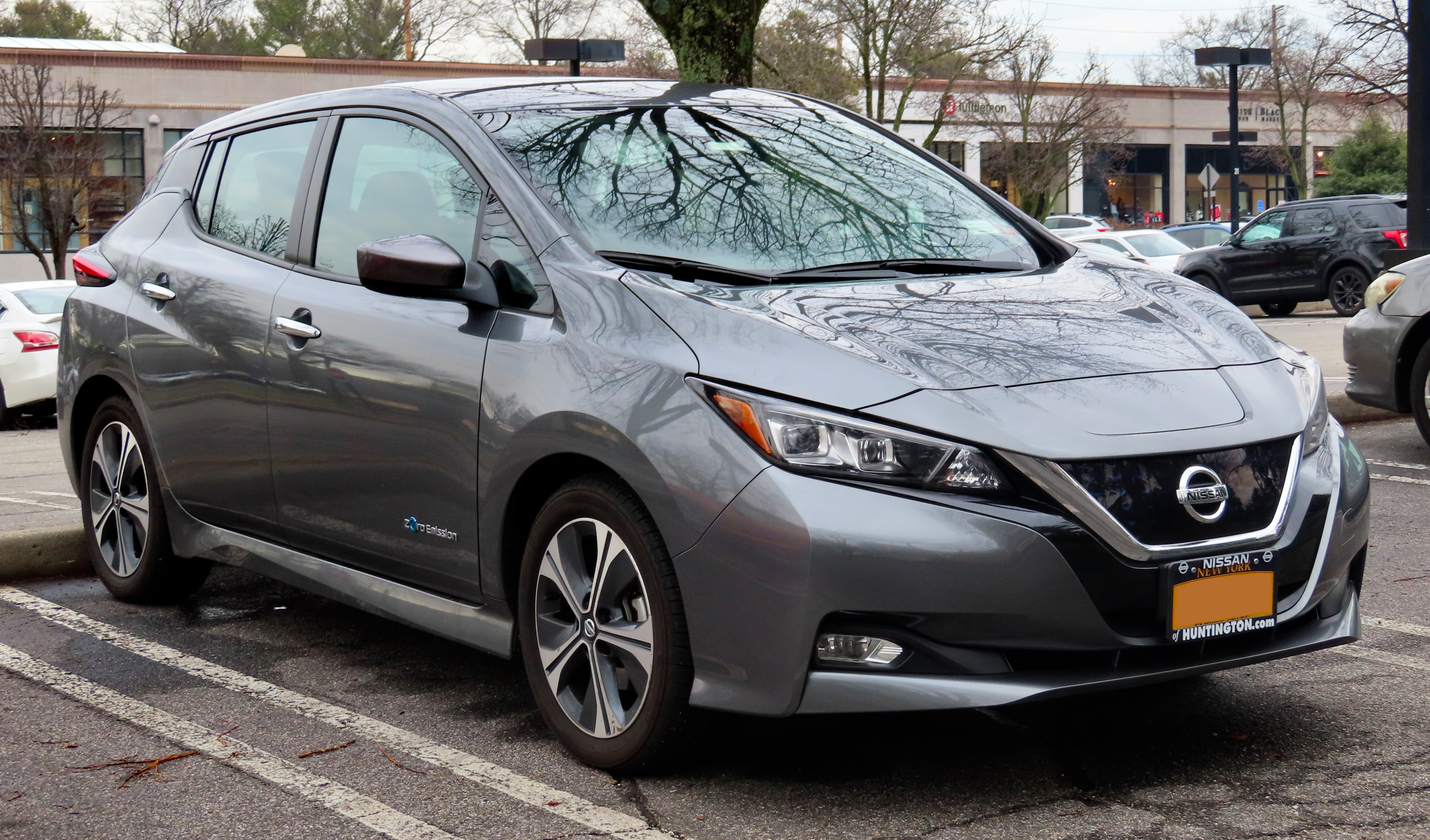
the early people who were serious with the Leaf and the Bolt, you know, ten to fifteen years ago. Volt excuse me, still one of the
worst naming choices ever. But you know, like if they want to catch
up, I just have to. I have some faith in these big oms
that have been around for one hundred years that they can figure that out.
There's nothing that Tesla's doing. I don't think on the manufacturing side that's that
unique or different or special that someone else can't come in and copy it.
They just invested and really worked on it. So, Okay, they can
make more money from an ebe good for you, you know, take take that and do something. But aside from this mess of a cyber truck coming
up, you know what's what's next for Tesla? Is it's okay the roadster
at some point, like the future, I don't think looks super bright for Tesla, especially with other automakers coming in and saying okay, let's play.
So when you say the future doesn't look super bright for Tesla, I mean, how how far along is it that you're in this future where it's not as bright? I mean, if you've had so much space for a long
time to sort of compete by yourself, and all of a sudden you have real competition, I don't know, I don't I guess I guess by saying as bright the to have a tenfold you know, uh advantage in sales numbers against your nearest competitor. I don't know. I would. I would be
very surprised if we still see that in five years. Let's put it that
way, and you think a traditional OEM will come come to before, I don't think another startup's going to do it. I think someone will be like,
hey, look, if Tessa is able to make you know this much extra money off of an eb hey, why don't we do that? And
they'll I don't know, like, don't you just think that the rest of the industry is also full of smart people, Like Testa is not the only one who's like, yeah, we can do this. We're going to figure
this out. Like competition seems to force people to be like, all right,
we can do that too, and then beat you at some point.
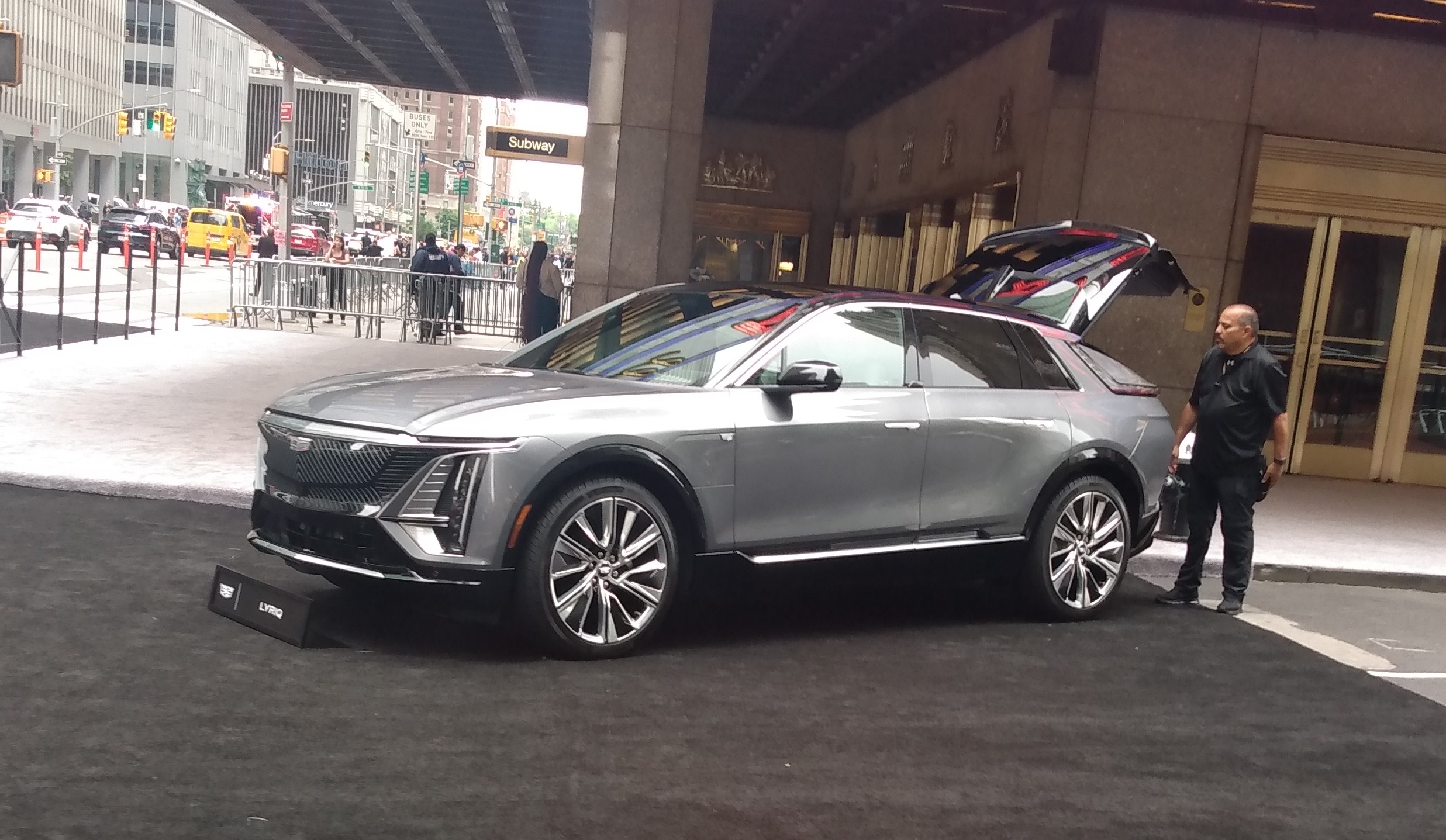
Well, okay, so playing the devil's advocate here, let's let's say, for example, that Cadillac has lots of SMA our people, and I think cad like does have lots of smart people. Okay, so far they've sold
fifty three hundred lyrics. Okay, fifty three hundred lyrics, which is a
very good car. I mean, it's it's fin but why is it so
few? Yeah? Come on, you know. And this is where it's
interesting watching GM because they haven't really talked much about production issues but that other than to say they exist, but they're not. They haven't gone through the
pain. They haven't really gotten that production to the scale they wanted to be
at. The problem has, as I understand, is not so much there's
a bunch of lyrics sitting around that they can't move as they don't have lyrics to move exactly. On the Mustang Makie, you've got more Mustang makis around
and those are those are slowing down. And I was in a totally separate
meeting talking about this the other day, and so the hey, by the way, Mustang Makie is four years old. Now everything slows down in this
fourth year, right other than Tesla Model three amount of why which the production issue. So anyway, it's interesting I think that that GM is is now
they are going their brands are going to have a little bit of a struggle because so much was promised and because it's taking a little bit longer to get to where they want to in that near term pain, there is a little bit of that. Now, if somebody who wanted a lyric yesterday and couldn't
get one, and and couldn't wait and had to go buy something else, goes and buy something else, there is nothing to say that in three years they won't give Leric another try. So we could still be temporary pain.
Even though the optics look kind of bad right now. You're just people aren't
sure because they say they're going to have these and the and they're still really hard to find. But everything's hard to okay, that's part of its paint
to Brett's pain. Point though, in three years you're gonna you're gonna live
that down, my friend always. In three years from now, that person
that didn't buy the lyric, I mean, what's the likelihood they're going to say, Oh, I'll try Cadillac again. Why wouldn't they? I mean,
there's nothing fundamentally to say that they wouldn't. I can't guarantee they will
or they won't. Nobody can't. But if it was an availability issue,
and not that they decided they thought it was ugly or they decided it was whatever. If it was availability issue, there isn't really something that will stap
them, and that says you cannot. The only thing that would stop them
is if they were absolutely in love with what they bought and they decided they didn't want to try Cadillac again because what they bought turned out to, you know, knock their socks off even more than they thought the Cadillac one that would stop them or whatever, Or they're in a different life stage at that point and when they go back, the lyric doesn't fit for whatever it is that they want. There's reasons for them not to come back, but the
availability in and of itself is probably not not It's not like, ah, they didn't have it yesterday. So I'm never ever going to like at that
brand again. I don't. I don't think that that the majority of buyers
will will feel that way, But I think there's still space in there.
And then there's others who you know, don't know what's there and are looking for it, and in three years open up their browser and go what's there, and there's going to be a can and they'll be like, Hey, that's kind of cool. Why don't I take a look at it? Stephanie.
From what you say, it sounds like it's actually not there. There
aren't very many out there there right So, Gary, I want to go back to something Sebastian said that I think is interesting on the diversity of product.
I mean, Tesla makes a couple of products, and they've done a phenomenal job getting scale off of those products. They've been the Model esque.
Some will tell you hasn't been redone in a long long time, but they still sell them the Model three. It's going through kind of a product change
now, they still sell a lot of them. When we look at the
traditionals, they're approaching this by saying, we need to get several different models for each brand out there, and that creates complexity, creates cost, it creates a lot of things. Based on how they've done things in the past,
they have to do them going forward, understandably, but it delays that opportunity to get the volume to get a product out there and enough quantity that people know that product is there. And I think that that old, very
historically effective model plan is challenged right now in this transition because you'll have those out there, but you don't and going forward, you've got to figure out how to get some volume out there, and is it volume at each brand or is it one brand that really focuses on it like Tesla's doing in one model HM. And also so like playing different games, you know, like
you've got as like three or four cars or borderline iconic. Dare I say?
And that Chevy's like, we're going to sell you a dozen or half a dozen different ones. If you don't like these, come on over to
Cadillac. And we have got to say, Greg, the first model is
a whole lot more cost effective than the second model. Whether it's better long
term we can talk about. But boy, for that near term, it's
way more cost effective. So let me let me throw another number out there.
And this is Stephanie. This is from your colleague Tom Libby, who
was looking at consumer loyalty, and so they looked a look at brand loyalty.
So within the luxury segment where they put Tesla, the loyalty to Tesla, meaning when somebody goes back into market to buy another vehicle, the loyalty is sixty eight point five percent. All other loyalty or all other premium brands
minus Tesla is at forty four point nine percent. Okay, So people who
own a Tesla buy a Tesla, and people who buy I don't know, a lyric may not buy another lyric. I mean again, this, I
mean this strikes me is being nearly insurmountable. Can you all disagree with me?
That's a boring world. So I have to disagree just because I don't
want to only write about Tesla's you know, and that all part of what impacts that too is like we've talked about the volume, isn't that that's what these buyers are doing. And Tesla's at three or four percent market share here
and evs are seven percent of the market. That's taking a small slice.
It's it's real numbers. So I'm not suggesting that that's not true, but
it's a small slice. And when you think about your neighbor and do they
really stick with the brand and what do they do? Some do, some
don't. And as you change lifestyle, if stages, if Tesla doesn't have
a product that works for your lifestyle, then you're going to have to move on. One of the reasons that Chevrolet has a number of product And another
thing I would add though, too, is as you look at the way this comes out, you know, you've seen Ford narrow down the segments that's going to participate in and it's always really been strong as a Ford brand, and a little bit of Lincoln Mercury didn't last forever. GM has always been
a conglameorration of brands, and these companies in general are behaving with their history, and I think that there's challenges and dangers with that because you have to figure out how to mold your history to the new realities of today. But
if you try to do that by ignoring your history, you're going to fail.
So GM has to take the approach that they're having in a lot of ways. The challenge is making sure that they can adapt to what today is
while still being true themselves nothing a person, a company. You never win
if you try to not be yourself. You know that. So I feel
like these companies are doing that and it's it gives. It gives each one
of them different set of challenges and different set of opportunities as they behave that way. But if they don't, if they try to be mini Tesla,
that's not a successful route for a company who's not Tesla. All right,
So let me throw this one out there, and then I know Greg's going to leave in a moment, So I want Greg to answer first, then you can leave. Okay, So talking about General Motors going back to its
history, why didn't General Motors resurrect Saturn and that would become its electric brand.
Well, that is definitely a curve ball I didn't see coming. It's
interesting because you know, if you talk about you know, if the past is never even passed. You know, it's interesting because GM in this case
is the challenger. You know, they're what Honda and Toyota were in the
nineteen seventies nineteen eighties. So to me, that's like a tremendous advantage.
They can learn some of the mistakes they made, perhaps being like overconfident or you know, producing products that aged out and serving different customers. At this
point, they sort of know how to be not only like the you know, the king, but also the scrappy underdog and perhaps how to fight that off. So I think in that case, you know, that's that's where
some of the you know, advantages can lie. As far as bringing back
Saturn, yeah, I don't think that's the right place to Maybe also postmobile rocket eighty eight with electric power, that sounds pretty good to me. Well,
you know, bringing back brand has been phenomenally successful, right, Jary, can I take a shot of that sure about one word dealers? Mhm,
you can't if you're going to okay, But but you know, we've we've heard Jim Farley basically say that in terms of going forward with with their electric products, that they want to just see correct that, you know, again more of the direct consumer model using dealers as intermediaries rather than as the sales point. So maybe not a big problem. You still if they're still
using them for service, it's still a problem. And getting a dealer franchise
agreement and then getting out of one is still a problem. I don't think
dealers necessarily have to go away. I think that the direct consumer kind of
buying approach and it's really about the buying, it's about the actual financing.
I think there's a mix that ends up happening, and I think that's right.
Dealers are certainly part of this equation, And Stephanie, I don't want to imply that dealers are the problem. It's just the challenge in that model.
I think dealers can serve effective as important part of the business process.
But all of those Chevrolet dealers and GMC dealers and Cadillac dealers would look at that model that you described Gerian's Wait a second, where are we in this?
Well, all those all those dealers basically had a beef when they created the Saturn brand, right, and that suddenly became, you know, the the highest quality, highest level of consumer satisfaction of any general motors brand.
I mean, so that certainly has to say something. There's definitely a did
you want to be skeptically that there's definitely a connection there not so much about why Saturn could ever should have maybe been brought back. But many of you,
both both those of us here talking any and listeners probably might be familiar with the name Chelsea Sexton, early EV advocate, very passionate, and she worked at Saturn for many years, and one of her main points was that one things that one of the things OEM you know at large, don't understand as much is that EV shoppers and EV fans are just like any other automotive fans. They love their technic, they love their car, love the technology
whatever it is about. You know that someone loved about an old you know,
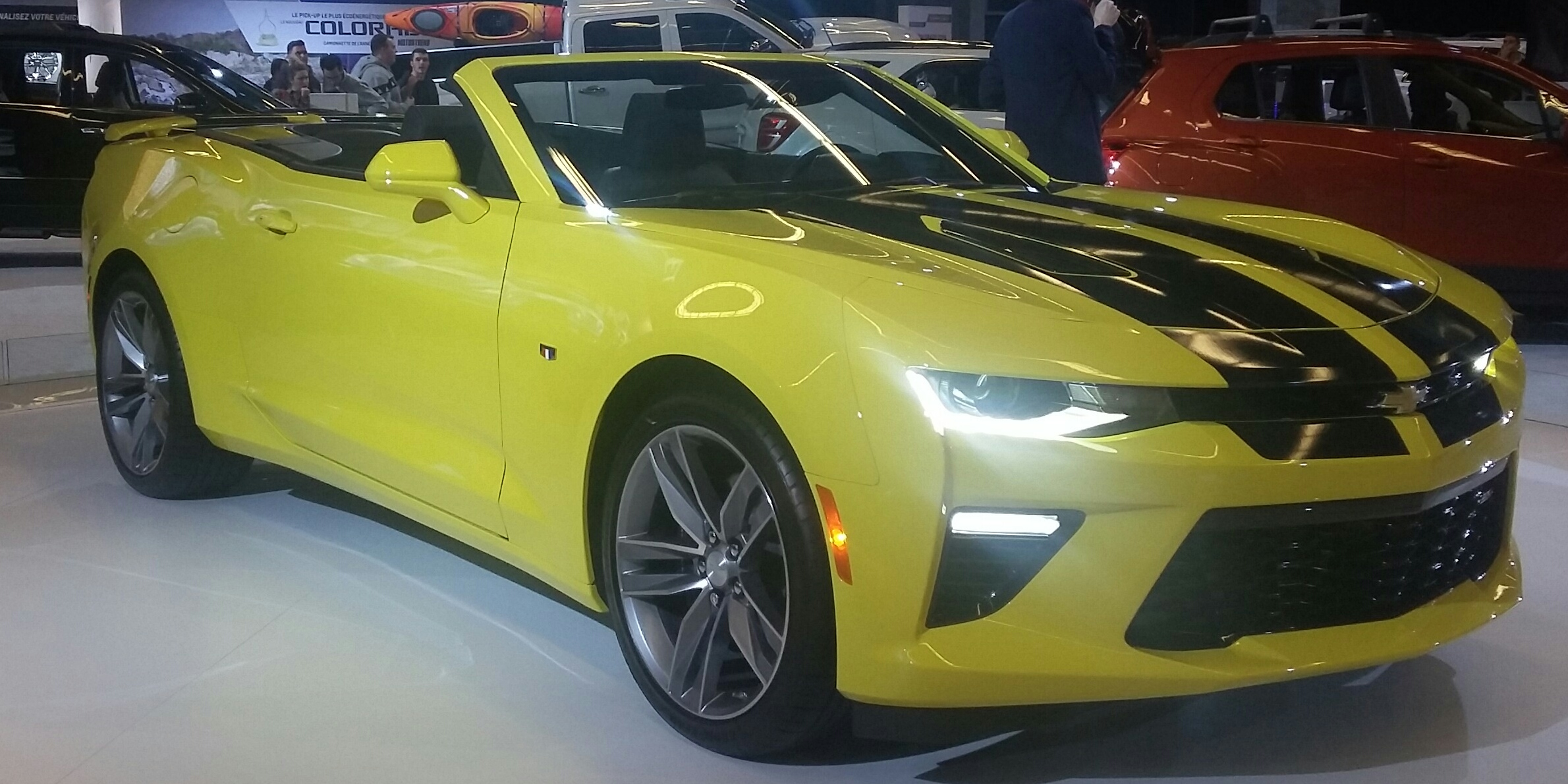
Camaro from the sixties, they can also love about an EV in the twenty twenties, something about it that is inherent to like this speaks to me, this is cool. I want to show this off, I want to
tinker this whatever. And okay, it doesn't have to be a Saturn car,
but oem sort of looking at the bigger picture of making things that people will really be attracted to and want to show off. Like that. That
goes back to the thing I was trying to say earlier. But I don't
know, just because we're shifting powertrains and there is going to be this tumult, this pain until we get there. But the end result I think is
going to be an industry or at least a lot of drivers who are very similar to what we've had before, even as you know, we increase options for various mobilities and things like that, you know, as these companies say they want to do. All right, so we're gonna go to my final
advantage, because we've only got like five minutes left, I would suggest that Tesla also has a technology advantage over others. Okay, and what I mean
by this is technology in terms of, you know, the aforementioned Lucid has the you know, it has the top range, but it also has a very very high price. You know, Tesla's right up there in terms of
range numbers, in terms of its battery technology. Then it's manufacturing technology.
I mean, Brett, you you referenced the giga castings before. I mean
that is completely revolutionizing the way cars are are being built and being manufactured.
And so suddenly hundreds of stampings and and weldments are giving way to these large castings. That's an advantage. And last, but not least, they decided
that their charging regime would be the North Americans you know, charging standard.
They just called it the charging standard. They made it up. I mean,
we could call online after hours the standard of Rolling the Rolling Stone times.
The Rolling Stones one time said we're the greatest rock and roll band in the world, and they became that because so so basically now we see virtually every OEM in the world say yeah, we're gonna go for that, that Tesla standard. We're signing on, We're going to be part of it.
So again I'm a consumer and I'm saying, wow, they're all signed on to this Tesla thing. They must be really good at making evs. So
technology advantage, do you guys give me that one? At least the other
two for charging absolutely yeah, well, yeah, there's mixed some charging.
But I do think they have a technology advantage. And the reason I they
it's mixed the charging is you've got so many automakers that have gone to the andred Vrolet that are going to something that the chargers superchargers don't support, and Tesla's not really a fan of bi directional charging, and you've got a number of automakers who have made that part and person of why you should buy their EV So there's still some there's still some questions out there, but generally speaking, yes, Tesla has a technology advantage. Would I would say it's as
much an innovation advantage. They're more able and more willing to innovate and fail
and succeed and move forward. And I think that's where this auto industry and
garry, we've talked about this for years. This industry has historically understandably with
the investment, it's been very cautious and that time and maybe some ways has passed and we've been certainly go ahead. It's it's it's going to be interesting.
I think part of that is investment, and I think frankly part of that ends up being, you know, the cost when something goes wrong.
I mean, the cost when something goes wrong has been massive, and various companies have been able to survive it. Tesla hasn't had it happened to them
yet, but that that sort of reckoning, it may never happen to Tesla, but that sort of reckoning in an organization, and have some of them haven't multiple times, is going to change the way that they think about things and they and it kind of has to if you've if you've got that many out there, I would suggest that the cyber truck has been a thing's gone wrong. Situation. Now it may go right, maybe, but in the
last two years, I think there's been a lot of things gone wrong on that. So, yeah, they've failed, they've changed, they failed,
they've but yeah, I think that ability and willingness is different. And part
of it is they didn't have much to lose in the head to do this, and part of it was they came from a different background, and how does this industry adapt or adopt that. So, Sebastian, you've been You've
been covering evs longer than I think any of us other than you have.
I mean, yeah, so I put to you, you know, stephanely talked about the comparatively low percentage of people who buy evs. You know,
we're seeing the federal government like giving away money for people to buy these things, you know, I mean, I think if they gave away money to buy hemys, we'd all have chargers in our So do you see market demanded for evs? Or is this simply a Tesla phenomenon? Oh? No,
there's a market demand, of course there is. Is there as strong for
you know, like a cheap just ice that someone needs to get to work.
There's there's not that since that product isn't as easily available, there's very little real demand for that because maybe people just look briefly and say it's not there. But the way I've always seen it is at the beginning, especially
in the early days, with so few things that you know, Tesla's fighting Nissan for a very small pie and then if if they someone buys a Leaf, and not that these vehicles were directly competitive because the cross were so different, but they were still the only electric vehicles, right, so we would you know, at back at when I was at Auto Blog, Green compare Bolt or Chevy Volt and Nissan Leaf sales against each other. That doesn't make
any sense now, but it made a lot of sense back then because those were the that's what that's what was available. So you looked at it.
There's the pie has gotten bigger, and now you have more people who can who can reasonably consider I might want a piece of that high, the range is longer, the price has come down whatever it's been over over you know, as the industry's changed, that grows demand. And Okay, sure you
made a point. You know there's seven percent or whatever it is or I'm
sorry, So if you forgot the number of the overall market, can we say that's huge demand? No, but it's higher than it was last year,
and it's higher than it was the year before, and it's higher than it was before then. And if we're going to make predictions, I'll go
on a limb say next year it'll be higher again. You know that.
I don't think that's it. I don't think that's a bold statement in any
way. It's wild. That's just crazy. You know. Okay, we're
gonna we're gonna mark this on the tape and we're going to come back to you. To me, that speaks to demand, is it is the demand
that I believe could and should exist. No, but there is demand,
Yes, yes, there is there is demand, and there is all right.
So so I want to make a final point, and this will this will just completely throw away everything that I said about Tesla through this this last hour which which struck me that yesterday Exon Mobil announced it is going to be paying fifty nine point five billion dollars to buy a company that will provide it greater access to get oil from the permium basis or premium basin. Excuse me,
Okay, so I say to myself, hmmm, seems like Exon Mobile thinks there's a future in gasoline that yet, and you know, and oil is used for more than gasoline too, so like petroleing is something that we need and you know, for other things too. So I'm just I'm just
sort of guessing the uh tesline. The the bigger part. Yeah, I
will go back to what I've said a lot recently, is fifty of consumers think gasoline is outdated, fifty think it is the future, and they would It's just a really tough consumer market right now. The politics are so deep
and severe that even if you have the right answer, you're not able to get there because of the politics, and I think that you're going to see a lot of that in the next eleven, twelve thirteen months. We're going
to see an enormous amount of that comeback. And I think you're going to
see you know, I was on the airplane a while ago and lady said, what are you doing as well? I do research on automotive vehicles,
specifically electric vehicles. She unbuckled her seatbelt, got up, pointed at me,
and started yelling at me, saying it was a communist plot to destroy America, and I kid you not. She got up and stood in point
I'm sorry. On the other side, you could probably say I would do
that. Yeah, you've done that to me, she went on. But
I think I think there are some real strong arguments that the Guessline combustion engine is still an important part of our future. How we make that transition and
how fast is is really up for question. I am not a not a
proponent of either. I think elected vehicles are spectacular. A truckload of Chevy
Blazers going down the road a couple of days ago with those are gorgeous.
But I think there's a lot of people in this country that just aren't buying in and won't buy in, not not because of the technology, but because of the politics. All right, Semaster, when you get the last word,
that's an entirely separate discussion. One hundred percent agree with with Brett that
that is that is a factor maybe we when we had the industry hasn't had to deal with to this degree. I mean, there's always been the hybrid,
not always there's been a you know, the hybrid versus gas guzzler's sort of discussion since the Prius and the Insight and everything came out. But this
removing your car, you're which car you buy, making it so much connected to some sort of political outlook, that's unfortunate, fascinating, and yeah, we can talk about that different time. So we got to wrap this up,
Brett. So yeah, So Sebastian, you said we'll talk about this
at a different time. We will do another one of these shows. I
think it was a lot of fun. So Stephanie Brinley, thank you for
joining us. Brett Smith, Sebastian Blanco. I've had a blast, and
I hope you guys enjoyed it too, And I hope you and the audience enjoyed it as well, so thanks for joining us and we'll be back next week. Thank you. Out Online after Hours is brought to you by bridge
Stone Tires Solutions for your journey. If you like this program, I would
like to learn more about the automotive industry, check out our website at Autoline dot tv, or look for us on YouTube on the Autoline channel.
Request an explanation for:
16 cars
Scroll for more
16 cars featured
Request an Explanation
Heard something you'd like explained? We'll add it to this episode.
Sign in to request explanations for terms you heard.
Want to learn more?
Browse our glossary for plain-English explanations of automotive terms, jargon, and concepts.
See something that's not quite right? Our annotations are AI-generated and can sometimes miss the mark.
Click the flag icon on any annotation to suggest a correction.