A lively discussion unfolds as car critics Henry Payne and Mark Phelan share insights on the current state of the automotive industry. They delve into the challenges faced by major manufacturers like GM and Ford in transitioning to electric vehicles, highlighting software issues and pricing strategies. The conversation also touches on the competitive landscape, including the rise of Chinese automakers and the importance of brand identity. With a mix of humor and expertise, the critics evaluate the future of iconic brands and the implications of government regulations on the market.
TOPIC: Reporter Roundtable PANEL: Henry Payne, The Detroit News; Mark Phelan, Detroit Free Press; Gary Vasilash, shinymetalboxes.net; John McElroy, Autoline.tv
"entry level vehicles, at the same time that they're you know, struggling to meet these government mandates with electric vehicles. Chevy sells more fifty thousand dollars a year vehicles than anybody else. They're just Silverado's and Tahoes. Chevy's not a cheap brand. Chevy does need to have an affordable vehicle on the Tracks."
"I would argue you need at least five if if all of your dealers sell all of your brands, which is essentially what the former Chrysler group does. You know, they're all Dodge, Ram and Chrysler. I think it's a material. I think that you know, if you can just keep building uh"
"... Honda, behaves like a Honda. The Kia EV six, the Hyundai Ionic six, the Kia EV nine, I mean, these are different..."
Select text to request an explanation
I'll online after hours. It's brought to you by Bridge Stone Tires, Solutions
for your journey, and by Intrepid Control Systems over the air engineering boost your game. That's a lash, Jean. How are you? I'm doing great?
How are you doing good? So, you know, for many of
our viewers this morning, they were without AT and T cell service with the network going down, and I began to wonder about all of the vaunted services that are being promulgated by OEMs, about how wonderful it will be to connect to the cloud and so on and so forth. And here's AT and T
that is down for hours, and I mean emergency services were not able to get phone calls, and on and on and on. I mean, what's
your take on that. I hate living in the future, that's my take.
You know, here's the future. It was also supposed to be grand
and everything works, and there's that's one of the great life. In the
movie space Balls, you know, there's some malfunction in one of the spaceships and you know, dark helmets common as geez. Even in the future,
nothing works. So that's where we're at. It's a tough situation. I
think. I think that there's probably a lot of rethinking going on. You
know, what is in the vehicle in what does the vehicle connect to outside?
What's the redundancy, what's the backup? What's planned? B right?
And it's quite a situation, it is. Well, actually we should ask
our two guests here today because we got two car critics here. These guys
probably drive more cars. They drive more cars than we do. Gary,
we drive a lot of cars. They drive more cars than any ten people
we know. Yeah, exactly. So we've got Henry Payne, car critic
for the Detroit News, Mark Feeling, car critic for the Detroit Free Press.
They've been on the show before. I don't know if you guys have
ever been on the show together before, though. That's great to be here
with Mark. Yeah, yeah, Mark. I must say Mark, Marks
was so kind to me over the years because I can't into the Detroit News on the editorial side. I came in as a cartoonist and a writer on
the editorial page and and but always an auto guy. You know, I'm
just marinated and auto since I was a kid. So Mark and I got
to know each other pretty pretty quick. He's the auto guy. You know,
we talk outside of the office, and so we were friendly right away.
And then when I became auto critic about ten years ago, ten years into my tenure at Detroit News, Mark was really helpful sort of bringing me into the fold and uh, you know, telling me how things work.
So thank you. Yeah. Yeah, Mark's Mark's a good guys the other
Yeah. Yeah, when I met him, he was only five foot two,
you know. So Mark, estimate, how many cars do you drive
a year? Oh? Lord, more than one a week because I tried
not to. So there's one hundred cars right off? Yeah, yeah,
probably at least at least multiple cars, yes, so even more than one a week. From that, how many cars do you drive, Henry?
Do you think a year? A year? Yeah? One hundred, easy,
over one hundred, that's probably about right. Yeah, I just figure
a couple of week. Yeah. And you guys get in just about everything
pretty much. Yeah, yeah, try to try to drive everything to do.
I think we drive a lot of cars twice because you're constantly comparing.
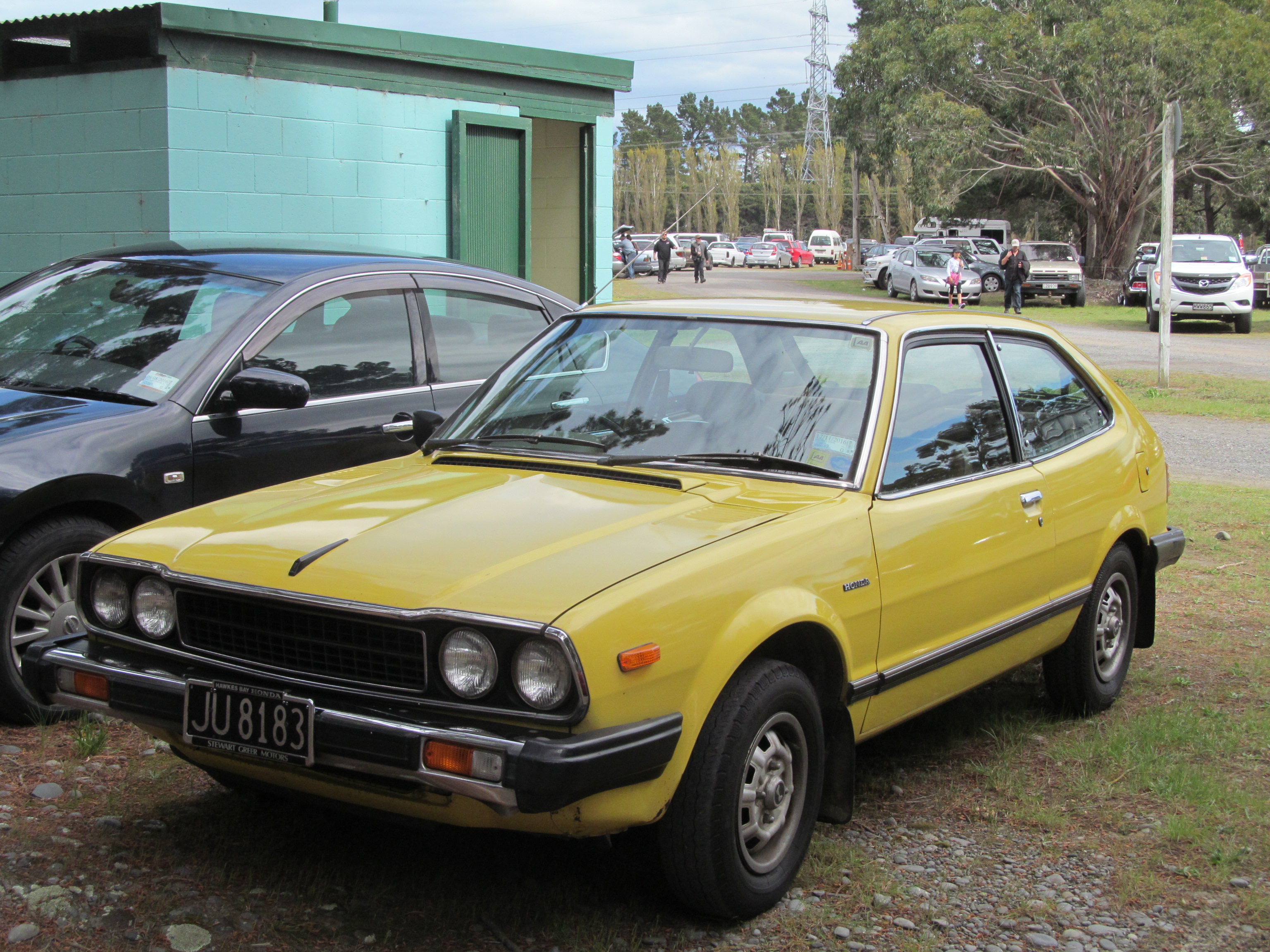
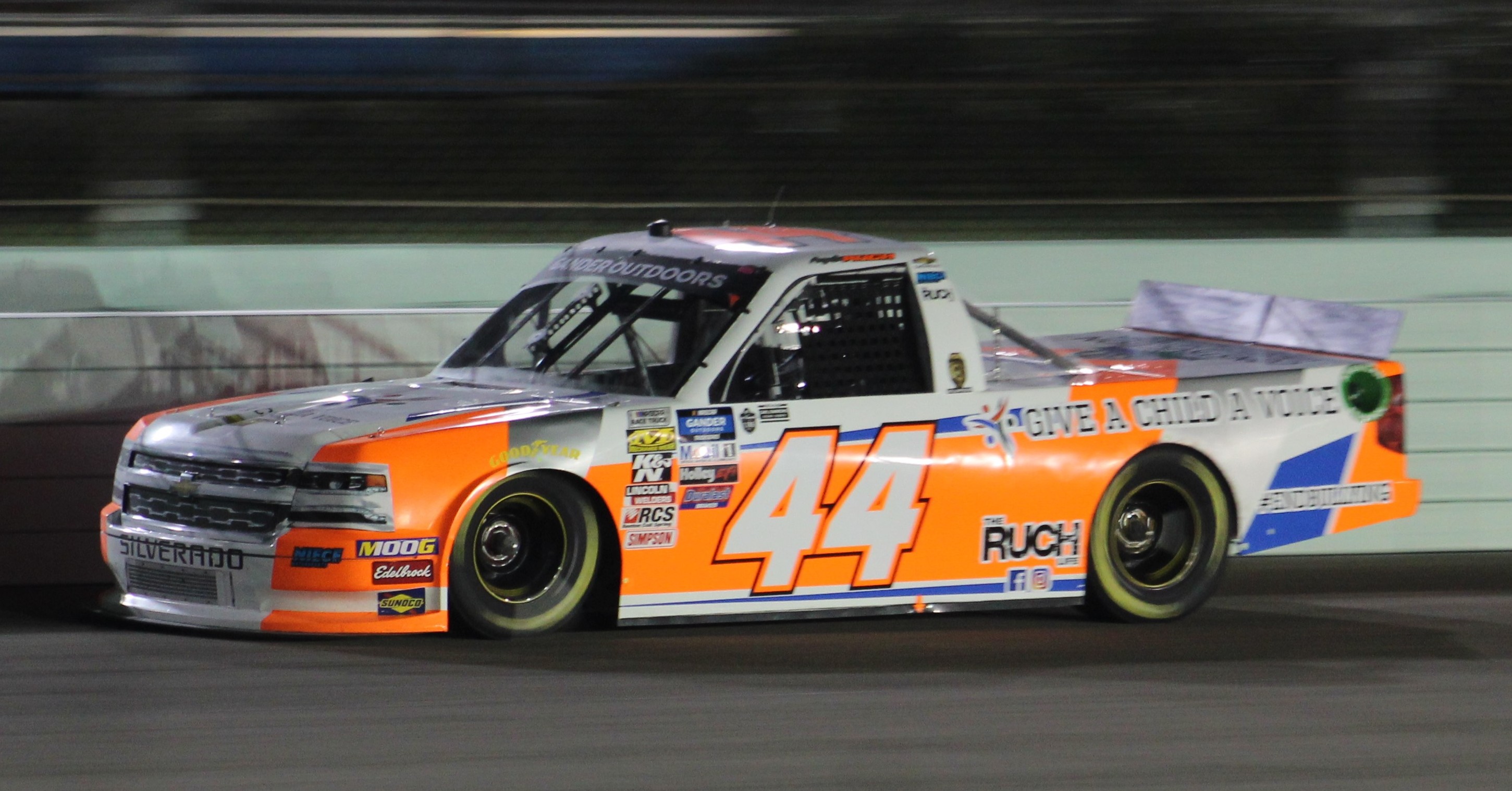
And I also I also I race cars, so I get into a variety of cars off road as well, and and and I like to get into use cars, kind of get into old cars, which is refreshing because so much has changed in this industry. Let me kill you. If a car
doesn't have a backup camera, I don't know what to do. Yeah,
right, Well, and some of the new windows were designed with the assumption that nobody would ever use the backup camera the rearview mirror. Yeah. Yeah,
but yeah, and as well as all the new vehicles that come out, we got to keep abreast of what are the leaders that are already out there. So, I mean, you know, I got out of you
know, on the cord. I've got to drive an ultimate at some port
at some point. There's just there's a lot of stuff to keep tracking.
Yeah. And then when we're both the car of the your jurists and so
then when that eye as are you guys, and so that's you know, that's another uh, you know, deep immersion. And some of those cars
you end up driving three times before you cast your vote. Yeah. So
this is why we have you guys here today because you have driven so many cars. You guys know what's in the market right now. You guys have
a good sense of what's coming to the market. And you guys also have
your finger on the pulse of how these car companies are doing what promises they're making, what promises they're keeping, and and so let's sort of walk through some of these companies and you know, and and let's see where it goes.
I mean, don't don't have to stick to like Okay, we're going to talk about this car, this car, this car. So you know
in general, okay, So Chevrolet has been making arguably stalwart efforts to become more electrified. Yet you know, we're seeing problems with the evs slowly coming
out. We've seen the Colorado at Canyon now having a software problem. So,
Mark, what do you think is going on over at Chevy and what can we look forward to from Chevy. I'm already going to go off the
board and brought it into a little bit. It's a GM thing, not
just a Chevy thing. And it's funny. I had been writing columns for
a while saying they've got a real problem. First of all, the engineering
of all the electric vehicles seems to be outstanding. I mean the ones that
I've driven, I imagined, the ones you've driven. On vehicle introductions and
the like. They deliver on all of the promises that they make, but
when they get out into the real world. They've got software crashes that essentially
render them unusable. And I think at this point what I had thought was
an ev problem is a software problem. GM really needs to get a hand
around, get its hands around the software that they're putting into new vehicles, because that is getting in the way of getting a lot of people into some pretty good products. That in batteries, right. I mean, they haven't
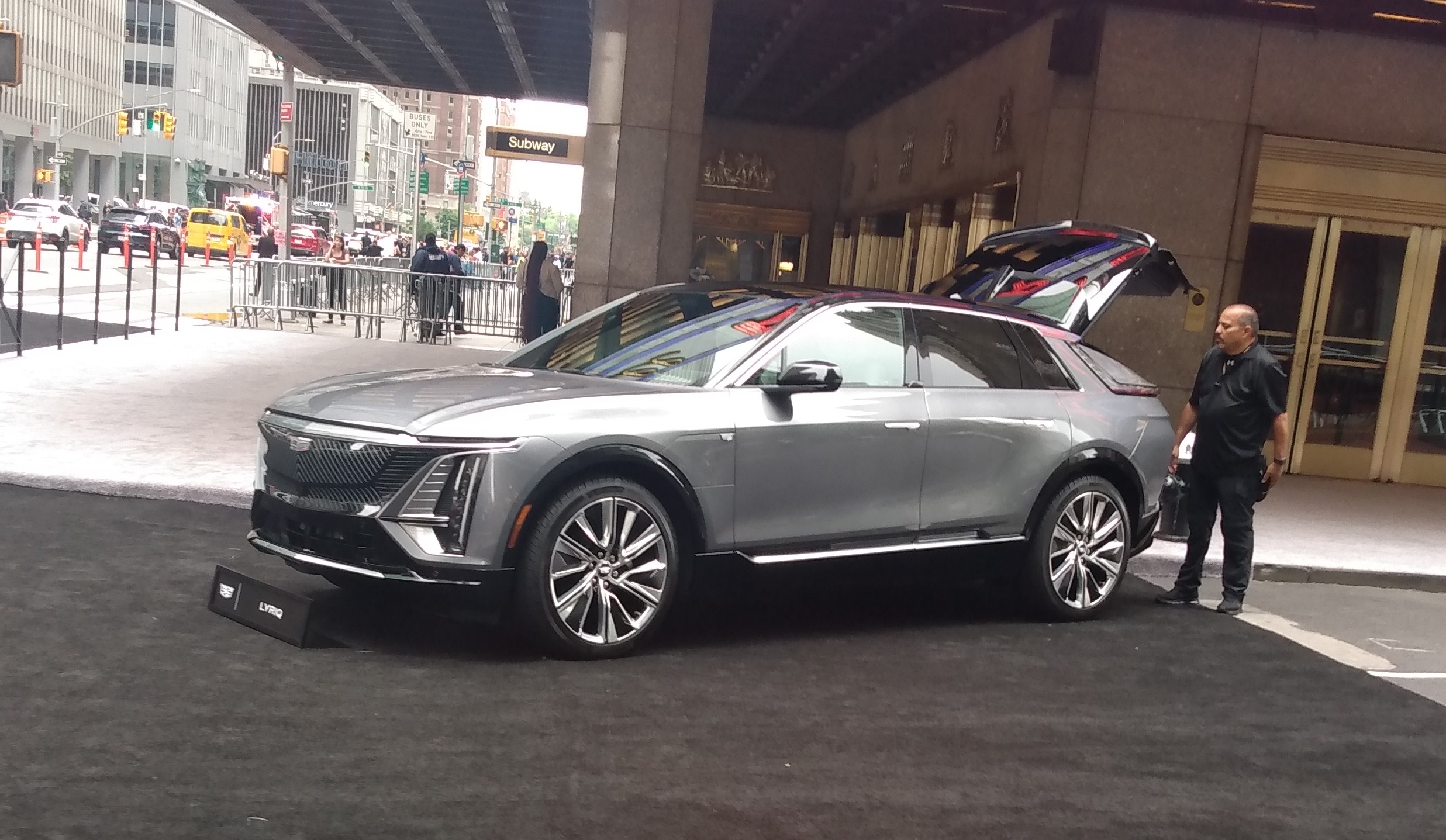
been able to build batteries from what I've sid mixed, you know, because we got a viewer, very lower viewer contact me, he says, you know, I got a Cadillac Lyric and a bought one from my wife.
We've had no problems with that thing whatsoever, not a software glitch. So
you know, it seems to be hit or miss with GM. Based on
that and the batteries, I think, I think that problem they have figured out at least they had bought the wrong equipment and equipment who's being delivered slowly to build the batteries, and that they seem to have sorted out at least to a greater extent, I think than the ongoing problems with software. My
understanding is that the stuff that led them to allow us all to drive.
And I think I speak for all of us is when I say, like the Chevy Blazer EV back in December, but then all of a sudden they weren't selling him anymore. Those problems, from what I understand, are all
software, not battery. You know what I want to know too, is
GM sold one hundred thousand am evs in China last year. One hundred thousand,
you know, so they built all the batteries, and I haven't heard of any software glitch problems coming out of the Chinese media about these things.
What the heck man? I just shout out to John Volker, another NACTOY
juror and one of the great specialists in electric vehicles. He texted me today
a story that he wrote that's in Inside EV's today that goes through all of the GM altm EV problems and it gets into China and it addresses it basically from what he says, two things different. They're using the LTM brand name,
but different actual battery cells, and they are using Chinese sourced manufacturing equipment.
And China already makes so many batteries that they didn't have the same problems getting them built. But what about the software? Then? He said,
he just addressed the batteries. Yeah. Yeah, So, Henry, what
do you think about we'll bring it back to Chivrolet despite mister Feelin's efforts to make it broader. Time, you know, we'll talk about these vehicles.
I mean, you know, the Blazer EV may be wonderful, but I mean it seems to me that the consumers are going to be a little skittish about a vehicle that has these problems. Yeah. I think all these brands,
particularly the mainstream brands, have a real challenge right now. I mean
we have in the industry. I mean, the government has been down the
throats of these manufacturers like this since the nineteen seventies. Nineteen seventies created real
problems for this industry, you know, ultimately leading to bankruptcies. I think
I think let's get a shout out to them and failure that crushed the entire world economy. It wasn't just bad auto making, No, I'm talking about
the eighties Chrysler when Chrysler needed okay, okay, yeah, yeah, bad management. Yeah. I mean you know that that that that initial seventies tail
where uh, you know, Detroit manufacturers were really good about building big cars, all of a sudden, couldn't build big cars anymore because they couldn't meet cafe laws. And now you have you know, we just reviewed this week
a fifty thousand dollars Honda Prologue. All the Hondas that I've driven, have
been, have bought, have been Civics and Accords and entry level things.
Here comes Honda with its first EV. It's a fifty thousand dollars thing.
Is that is that where Honda lives? Same thing? You can pay that
much for an Odyssey or Passport. I looked it up when I was writing
my pro life column. Yeah, no, exactly, Yeah, I mean
that's that's their entry level EV. It's not a twenty thousand dollar EV.
It's a fifty thousand dollars EV. Same for Blazer. Blazer comes in with
the EV. It's the same price as a Cadillac Lyric. I mean,
is it is really hard to make electric cars cheap? And I think Chevy
to go to your point, Gary, this is a brand and affordable brand that is that is struggling to make an affordable EV. I mean the Bolt
and the and the Bold EV were you know, fifteen thousand dollars north of attracts, which is a comparable suv and and what I've been struck struck by with this EV is they've come in hard Chevy has with the Bolt and and the Bold Euv and ultimately going up trying to go electric. At the same
time, they've come in with a spectacular redesign of the Chevrolet Tracks twenty one thousand dollars car I would say arguably is the best entry level car in the market. So they're still aware of what their brand is, which is affordable
entry level vehicles, at the same time that they're you know, struggling to meet these government mandates with electric vehicles. Chevy sells more fifty thousand dollars a
year vehicles than anybody else. They're just Silverado's and Tahoes. Chevy's not a
cheap brand. Chevy does need to have an affordable vehicle on the Tracks.
You're right, it's a great vehicle on the Trailblazers wonderful too. What is
GM thinking pricing a lyric the same as a Blazer? I mean, Alfred
Sloan is spinning in his grave. Remember he created this whole stair step,
you know, move up the GM brands from Chevy to Pontiac to Buick, to Oldsmobile to Cadillac, and having a Cadillac costs the same as a Chevy, I think is madness from a brand standpoint, having a Cadillac that is the same kind of vehicle. Particularly, I mean, there have been Chevy
pickups that cost more than Cadillacs. Right now, Corvettes have cost as much
as a lot of Cadillacs. But having the two of them in the same
segment that one baffles me. The LIC is a great buy, the lyrics,
great cart exactly. I love it christ to sell right, But to
have a Chevy at the same way I think is going to destroy brand value.
Well, yeah, I don't understand why they brought the Chevy in as a loaded vehicle that had to cost fifty sixty thousand dollars, you know in base. Why why didn't they say, if you want to spend sixty grand
on a GM, your midsized suv, God bless you, here's a Lyric And if you want to spend forty grand, we got a great blaser for you. Well they could have. They did. The point you were saying
earlier that that you know their general motors is delivering on its promises in effect, but isn't it sort of backsliding in terms of what it is telling people they will be paying for these vehicles. So for example, you know,
you mentioned we're all jurors for the North American Car Truck and Utility of the Year. We all drove the Silverado EV, which was supposed to start at
forty thousand dollars in g What was the one that we drove the work truck for what was it? Seventy five bucks. It's a game, but it's
the same shell game everybody plays. There will eventually be a Silverado Ev that
you know, priced in the fourties. They're just not in any hurry to
start making them because they if they can ever actually get up to speed building the others, they'll be making more money on the ones in the fifties, sixties and seventies. But I feel like that's the same thing they do.
Every automaker has a base model that they hope and pray will be one percent of their sales mix. But you know, again you look at these disruptions,
I mean when governments come in and disrupt markets. In nineteen seventies,
huge opening for the Japanese the Japanese came in and and got a toe hold on this market because of the cafe laws. You have to say, and
just what Mark's talking about, not sure, I totally buy that in the sense that Japanese came in well before cafe laws. So they were making big
inroads in the early seventies before any emission standards really showed up or safety stands, and they won Baby Boomer generation over with much better quality. I mean,
you know, toyotas and small they made, but they made economy, but they made cafe because they had fuel commomy. They're small car and there
was the oil embargo, and step were like, gee whiz, we want to buy cars that that get good miles per gallon. We can buy a
big car from Detroit and it's not going to have very good range in terms of our fuel efficiency. I'll buy a Civic. And then when GM and
Forden Chryslers tried building small fuel efficient cars, they had never done it here because America had the cheapest gas in the world, and so they were bad at it for more than a decade. And the Japanese were coming in with
really high, you know, quality stuff because Japan was a small country with very high taxes on fuel. So you're right, Henry, American gasoline taxes
should be higher. That would have fixed. But what I'm saying is there's
an opening. Now, I give it. Given what we're talking about here,
there is a real opening for the Chinese totally to come in at the low level, just like the Japanese came in here in the seventies. And
because of these government regulations, it's a big It's not because of government regulation, so it's because of basic economics. They're coming in and they're going to
build less expensive cars because nobody knows who they are, nobody trusts them, and if they're good, they will end up becoming trusted relied upon. Well,
look, the reason that there's a big opening here, and I agree with you there's a big opening is you know, I'm quoting Carlos Tavares now CEO of Stalantis, the Chinese have a thirty percent cost advantage. Whether it's
ice or ev it doesn't matter, They've got it on both. That's how
they're going to get into this market because the domestics have essentially abandoned the market for inexpensive cars. There are some exceptions, the tracks which comes from Korea.
There's the Ford Maverick, which comes from Mexico. But as for being
built in the US by one of the domestics with the eua W labor, they've essentially just about abandon anything under thirty thousand dollars. So let me ask
you guys. So you're you're the Detroit guys. Okay, and you know
John just mentioned that, you know you have the tracks coming from Korea and in Mexico. I think no trailblazers Mexico. Sorry, right, yeah,
my mistake. And and you know another car that is that came out last
year, the the Buick and Vista, gorgeous looking car. Again it's sort
of the the entry level thing. And again it's a it's a car that
was you know, developed for the Korean and Chinese markets. Does does that
matter anymore? No? Oh? And the investors made in China, right,
No? Made? Oh the visions? Okay, well, the they
they do make Invistas in China, but they don't sell them. You're the
ones they sell here. They're making in Korea. Yeah, okay, yeah,
but no, I don't think it matters. I mean, I think
most buyers don't know where the vehicle is building here in Detroit A lot do, but even here a lot don't. And also, I mean it's a
global economy. If the automakers are investing here, building things, developing things,
making significant volumes of them here, I don't know that we even should care if they also build some less expensive vehicles in places, you know, where you know labor is cheaper. I'm not sure. But in your careers,
I mean, you guys been doing this for long enough that you know that there was a point in time when that was a big deal. I
mean, like the format Japanese cars were like, you know, they shouldn't be here, and and so on. That's rather manu fact. I mean,
you had you had tariff threats from John Dingle and Dick that part the you know, the big powerful Midwestern democrats that you know, big big tariffs back in the eighties. And you also Japanese started I want to throw Ronald
Reagan into the mix, right, the one who put the voluntary Restraint agreement that got the Japanese to agree to limit how many cars they exported to the Yeah, that was that was a huge issue. And then and then in
the in the and then the Japanese start building cars here, and you also had basic economics. At some point you build enough of them that it just
makes more sense because of currency fluctuations and shipping and a variety of other things to build things where you sell them, right, yeah, right, all right, So so we've we've talked about John Watters from more than fifteen minutes.
Now let's switch over to Ford. So you know, there there's the
you know, the aforementioned Maverick, which you know, the hybrid is just kill. They just can''t build them, can't build enough of those cars,
you know, in they're they're turning down the volume on the f one fifty lightning as they're turning up the volume on the Maverick, you know, seeing that there's greater acceptance for hybrid technology than there seems to be full ev technology.
They recently cut the price still again for the Mustang mach e. No,
they lost their subsidy too, And so you know, what do you guys make of the Ford motor Greater acceptance for a vehicle with a base price of twenty thousand dollars than there is for one of the base where the ones they're building starting the effric is up close to twenty four thousands, twenty three in change. I thought the base was still around twenty two. Okay,
but still they're taking pricing is to use the industry. In fact, that
just for the average, and it's still a bargain. Average transaction price for
the Maverick is actually thirty two thousand. Oh yeah, well the ones,
the ones, they're attracted by the cheap price and they go, yeah, but I want this, this and this. Well that plus the facts that
I mean most people who buy cars, who buy new cars are relatively affluent anyway. I mean, the average price of a new car is forty eight
grand, a thirty thousand, you know dollar. Maverick is still less steal
Yeah, but yeah, I mean the Maverick. Maverick's a brilliant vehicle.
And whoever conceived and executed that should be the CEO of Ford Motor Company itself.
Well, and and to that point, I think Ford really knows what his brand is. I think of particularly the US auto companies, arguably any
big auto company. Ford knows exactly what it is. It is not going
off making these big promises like GM we're going to be all electric, We're going to be Tesla. They are focused on and they call them their icon
strategy Mustang, F one fifty, what's the Bronco? I mean they know
this, Okay, Now, Henry, tell me how brilliant they are when it comes to Lincoln. Yeah, we're talking for it, right, we'll
go talk to Yeah, I mean, hell is wrong with Linc? Before
we do that? Can I say one of the things, the icon strategy
is brilliant. But the other side of that coin is they've got three things
that they built twelve and people cared about him F one fifty, Mustang and Bronco, And they spent a lot of time building and things that they never managed to get people to care about. Yeah. I would throw Transit into
one of those icons too, the same but Henry, but you know, despite this icon thing, Ford has been been shoveling in the money in terms of his electrification strategy. Well everybody does. I mean no, but I
mean it's just like so you know, and so you know, Farley on the one hand is saying, oh, you know, hybrids are no good.
Now Farley saying hybrid's good. Farley saying we're going all ev didn't give
a date, but said they're going all and now it's like, well, we're gonna let the market decide about that. So I'm not saying, which
is what you said all along, we'll be two thirty, We'll be one hundred percent twenty thirty five if our customers are there. Right, every automaker
has struggled with it, and they've all give them themselves asterisks and it's hard to do. And look how much the whole outlook on EV has changed.
Two years ago. If you said, as a CEO of a car company,
we're going all in on EV's boom, Wall Street was all over at your stock one up. Today. If you say we're cutting back on EV's,
Wall Street's all over and your stock goes up. I don't remember seeing
GM or Ford stucks going up that much during my career. Basic right,
it wasn't, But it wasn't Wall Street play because they're all obsessed with Tesla.
I mean, you sent this trillion dollar value monster over there, and they you know, understandably you want to get some of that. But you
know, back to Ford, you know they understand the value of a Mustang V eight, for example. I just I got back from Daytona a couple
of weeks ago. They are all in on GT three racing. They're out
there racing their Mustang against Portion nine to eleven's against corvettes. They know what
their brand is. It is a V eight and then they go often they
make a Mustang Bucky and a Ford Lightning so they can gain enough government credits so they can keep making the V eight because the V eight is what they're that's that's their core brand. So I think I think Ford understands who they
are, even as they struggle like every brand does with this electric transition.
Okay, Mark, you have the future plan for Ford, their Automotive News future products. So what what what the Bible? Okay? So what what
products are we going to presumably see from them? Okay? How many of
them are iconic? Let's see this year they are suggesting there will be an
addition to the Mustang lineup and a freshening of the Bronco. Those are the
only two things that would qualify as icons. Here there's Maverick Expedition Explorer.
Sorry, the F one fifty gets a freshening as well, and the Bronco Sport. So I mean the icons, you know, are the cars that
they promote. Bus to your point, you know, they build a lot
of other stuff, and the Explorer that was once the leader in its segment, and it was a big popular segment, and man, how much have they squandered that? Well that was all the firestone tire rollover fiasco thing.
They never recovered from that, you know. I you know, I've seen
the new Explorer and what really hit me right now, it's just a mild refresh. And I think we're seeing a lot of mild refreshes of ice products
as these legacy automakers try to milk their ice products for as much revenue and profit as they possibly can. And so I don't think we're going to see
huge redesigns of ice products going forward. We're just going to see this continuous
refresh, you know, not spend a lot of money, put some new headlamps and tail lamps and aftware screen on the dashboard and call it a day.
Yep, yep. And I think you're right. I do think that
as every automaker realizes just how hard it is to build large numbers of ev as well, we'll probably see a little bit of a shift to some more money going into refreshing and new versions of ice like GM when they you know, backtracked and they said, yeah, plug in hybrid's we're going to build those again. So I think we'll see a little bit but your life.
I mean, you know, most of the internal combustion vehicles are going to be tweaks rather than you know, turning a new page. Here's a question
for you guys. Last week we had Larry Burns on the show, former
R and D head a General Motors, and one of the things he was talking about after the show was trying to get the industry back to being a fashion business, you know, where you could redesign cars every one to two years, you know, going back to the annual styling change. But that's
a lead into my question for you guys. Can Tesla continue to do there's
no improved, no styling change or okay, the three got a mild mild change, they've delayed the one for the Why Henry, you own a Tesla?
What do you think can Tesla continue to enjoy the kind of growth that it's had if the cars all look the same as you know, a three today looks like a three yesterday and so on and so forth. Yeah,
No, I don't feel any my Tesla's at twenty nineteen, I don't feel any great urge to go out and buy the new twenty twenty four with the mild refresh it, I think, and it's fair. I mean, as
with Tesla, you know, it's fascinating to have this disruptive company in here doing things differently, you know, from the design we're talking about, to dealerships to autopilot. It's it's just great to have a company in the business
here asking all these questions. They advertise themselves a technology company as long as
the hardware holds up in my car, because the real fascination with the Tesla is I am just constantly getting over the air updates. I mean, there's
no automobile I've ever owned that updates every month like my cell phone does.
So I think that's where they concentrate on their customers making the drive experience.
Is it enough and we'll see if that's if that's enough. So far it
has been. They continue to dominate this space, even though we've all predicted
that is the legacy automakers came in, they would suffer, and arguably they've They've had to cut prices significantly, but they still dominate this space and the legacy automakers are just in with their you know, with a toe in the pool right now too. I mean the volumes that they can build, but
the customers don't want them. I mean customers don't want evs. Hendily sales
are going up every month, and they will go up at the end of this year. I mean EV sales registrations increased fifty three percent in twenty twenty.
Gers like that. They're people who want them. You can't say people
don't want them. And fifty three percent of people bought them last ye.
I'm saying the majority of us in that case say that the total market is not ready for them. Yet over a million Americans bought EV Oh yeah,
I bought it, bought I bought two. Yeah, I love evs.
No, but I'm saying, I'm saying you have you have a federal government that's saying sixty sixty seven percent of your sales have to be EV by two thousand and thirty two. Well, that's going to change everything that you say
it's going to change. I'm just saying that is what these companies are facing.
Twenty twenty proposed. This is on the books twenty twenty six in California,
thirty five percent of your sales, Okay, have to be EV otherwise you get fined and twenty. But here's the thing right now, right now
everybody talks about California is up to sixteen percent of EV sales. That's that's
Tesla driven. You look at the Legacy automatics, they're the ones who can
build them. Their sales are at two three percent. You've got to go
from two percent to thirty five percent in two years. Okay. The Biden
administration proposals to slow down some of the targets that they're pushing forth are a reasonable recognition of the fact that these things are hard to build. But it's
it's not her affection that people don't want them. Back to John. Back
to John's question, So should this become a fashion industry more than it is?
Okay? I want an answer on that. One and two is a
company that doesn't refresh its exterior fashion, which we have long thought was the most important carb part of the vehicle purchase. Can they continue to make profit?
If I can say the first thing on this, If Tesla does decide that it's important to make design statements, please God keep the guy who designed the cyber truck away for a mission. I mean, look, that's von
hotel So and he's done all their vehicles. You know, Franz knows what
he's doing. Franz, that was not a mistake. I know a lot
of people hate the styling on that truck. It's absolutely not a mistake.
I've seen was looking truck I've ever seen. There's a lot of people in
the design community who are bowing down to that truck. And you know,
Sid me, a god amongst designers, was the one who came out and when he first saw it said, Tesla has completely changed the form language for pickup trucks from here on out. But you don't understand that's the autocritic the
Detroit Free Press. Yeah, Sydney Marpha, No, No, I mean
will they will sell everyone that they build. But I don't know that that's
the vehicle that I would point to as the case that Tesla should become a design driven company. Is all I'm saying. Ok, but fashion, you
know, I mean Bob Luss used to say this all the time as well.
The problem is that GM forgot that the auto industry is the is a fashion business, and it's right you build a beautiful car, the in Vista.
We love it because it's affordable, it's also gorgeous. It's a gorgeous
twenty five thousand dollars car. Right, That's magic when you can do that.
So yeah, I don't know if we'll ever see you know, recycling changed styling as often as they used to Bush build a beautiful car, people are gonna want to buy it. Yeah, yeah, but it's it's hard.
I mean, you know, the regulations are such with pedestrian standards, with with aerow standards, fuel economy standards. I mean, these these these
automakers really have to work inside of an envelope that's much more restrictive than if you go back to some of those great Harvey Earl that we saw at the Detroit Institute of Arts recently, you know, where they're doing cars that look like jets with wings on them and everything. You just can't do that these
you know, years and years and years ago, we had Jack Tallmack, former headed design Forward, on the show and he said, you know, hawks are designed for you know, a given performance, if you will.
Eagles are canaries are he says, they don't look the same. So his
argument was forget all this talk about aerodynamics and and regulations, it's up to us designers, yes, to take that and just make it beautiful. And
every new regulation pedestrian protection, pedestrian protection led to some really ugly front ends and hoods. And after about three eight years of building really ugly front ends
and hoods, the designers figured out, oh, I can still meet the regulation and build something beautiful. So my belief and my experience is that every
new exterior regulation there is a learning curve on how do we meet that and make it beautiful? And I think they can do it. They can.
Time out. We've got to take a quick commercial break. Shout out to
our sponsors. How do you bridge down? Tire stock shorter on what roads
is their hydro track technology. But you don't have to know how the science
works, just where the brain is. What really matters is they're bridged out.
We want to know what drives you are testing. O t A Connected
Car diagnostics, remote testing. Intrepid Control Systems is here to help you work
from anywhere. Intrepid Control systems driven by your data. All right, we're
back talking all things cars here. Okay, so we've talked about two of
the three in Joe White, our colleague from Reuters, has has come up with a great term for how to describe the detried companies. He's now calling
them the MC three. Sort of a tribute, right, tribute Yeah,
since uh, since yeah, and so so so. The third of the
MC three Stilantis a k A. Chrysler. I mean, I think we
probably still refer to it more as Chrysler than Stilantis. Up. You know,
I'm sure people in Europe have smoke coming out of their ears, So what's going on over there. We're a lot of a lot of different owns
in the last couple of decades. It's always got to be tough. Obviously,
Marcioni was brilliant when he came in and recognized the value of Jeep as a global brand and ram and that that's where their money is. But again,
you know, these are these are not these are not easy brands to electrify. Jeeps trying, But you know, how do you how do you
make an electric car? Well, they're making great claims what they're plugging hybrids,
but the cars, I mean, how do you how do you make an electric car that goes? Well, what do you guys think our pea
haves the next thing. I mean, you know, so the bev BEVs
are still growing, They're going to grow again this year, but they're not growing where the industry planned for them to be. Our pe haves. There's
a place for them, there absolutely is, and you know, for some people they may be the long term ancer. I think, you know,
ten years from now, you know, I would be surprised if the growth in evs has not substantially outpaced growth in plug in hybrids. But plug in
hybrids are a perfect solution for a lot of people. We just reported in
Outline Daily today p HAVE sales are booming in China, booming, and China's got regulations that encourage also, sorry Henry, it's in rural areas and smaller cities where the pea heads where people need more range. And there's probably even
in China, which has pretty advanced charging infrastructure, probably more people who are doing farm work and things like that that don't have access to charging. So
no, I mean, plug in hybrids they are a great, horribly underappreciated technology here in America. But again there's a reason that General Motors decided not
to bridge to evs. They went all in on evs because plugins are expensive
to bring two different Tria trains into a car, to bring an engine block and a battery in, and it adds to the complexity, adds to cost.
And you know, I get the e V that that EV transition, that the EV is simple, it's it's cheap, it's less labor intensive.
So but it's a totally different lifestyle the way you drive an EV versus a gas car. You know, look at Hurts experience. I mean Hurts.
Hurts was a disaster because people walked in and said that that that car does not meet our needs. The p the piece didn't tell people how we're aware
to charge them before they handed them the key either, and well they didn't give them. They gave them a card and they didn't even know how to
open the door. That's the thing with the plug in is you get into
a plug in and you know how to operates, operates just like a gas car. The question is is it just too too expensive? I mean,
the beauty, the beauty of the Chevy tracks is it's just a gas engine.
It's twenty one thousand bucks, all right, So far be it for me to argue with one of my guests. But you know, so your
argument of oh, you have two power trains, that's too expensive. Hmm.
Did anybody tell Toyota that, Well, they seem to be doing pretty darn well with with hybrid, not plug. But but again, the argument
against hybrids was that you have two systems. Okay, so what is that?
What is the difference between a plug and hybrid? In a hybrid basically
a larger battery. That's that's it, okay, plus the plug. But
I mean, so so this argument basically of the two power trains, I mean, it's one that that you know. And so what is the most
valuable company That isn't Tesla on Earth? Oh that's right, it's Toyota and
hybrids in every single one of their products. And to make your point and
talking about plugins consumer or it's recently you did a study and plug in hybrids are very susceptible to quality problems because they've got two different power trains, except Toyota plug in hybrids, which are as reliable as every other damn thing that they build. And then they found that just straight hybrids were the most reliable.
Yes, but Toyota's plug in hybrids were basically on a power with their their their regular hybrids. So the Toyota can do as Toyota can make it
affordable. Toyota can build them with good quality. Are all points that cannot
be reinforced enough? All right, So we've we've missed here on on stillantis
so so I so Chrysler, will Chrysler exists in five years Chrysler people brand the Mini then that's it. Well, that's basically what they have right now,
which, by the way, as a PF yep. What do you
think, Henry, I don't know, Okay, predict anything five years from now? All right? Dodge, yes, yes, and what will they
have have? Maybe it's on your chief. I can tell you they're going
to have what's the name of the v Hurricanes? You have dog Dodges.
People would be buying buying Dodge Hurricanes. According to the Automotive News Future Product
Pipeline product placement, in five years, they will have the electric charger, the electric Challenger, and an electric crossover, perhaps two electric crossovers. Hornet
doesn't mention the Hornet, but the Hornet would still be in production then, so the Hornets. Okay, So here's a question for you guys. How
many vehicles do you need in a brand for it to survive and thrive.
I would argue you need at least five if if all of your dealers sell all of your brands, which is essentially what the former Chrysler group does.
You know, they're all Dodge, Ram and Chrysler. I think it's a
material. I think that you know, if you can just keep building uh
pacificas and call them Chrysler Pacificas and it's like if your last name had a hyphen in it. Yeah, I hear what you're saying, Mark, But
you know, now you're up against the Toyota that only has one brand, so one advertising budget, one sales and service budget. You know, advertise
the whole brand. You just do ads for the Chrysler Pacifica and at the
end you say, get it at your Chrysler Ram Jeep dealer. That's how
it looks to me. I could be completely misreading this. So you guys
you mentioned earlier. You know, one of the iconic brands of Ford is
Bronco, and in Broncos seems to be doing a pretty good job of eating Jeep's lunch. That's where all the four Lightning employees are going, right.
They're all even the two lightning shifts and going and working on. Broncos can't
make enough of them. So what does Jeep do come up with a new
vehicle? I mean, you know, the Wrangler is getting long in tooth.
The I like the Bronco Alash. But the best thing about the Bronco
is that it puts some competitive pressure on Jeep engineers because they had been making the Wrangler was the best of its kind. They had been making it steadily
better, but they hadn't had to meet anybody or beat anybody. Bronco came
along and said, yeah, okay, you think you're pretty good top this?
Did Jeep walk away? Did it try to expand expand the brand too
much? You know, you go from everything from a dinky little Renegade to
this giant monster grand wagon ear. Is that too much bandwidth? I mean,
you know, Jeep, what's the image rugged outdoors, off road, hardcore, rubicon trail renegade, and the Renegade doesn't fit that image. I
don't think most Jeep owners, first of all, never do any of that stuff. They love to be associated with a brand that can do it.
Grand Cherokee owners, how many of them ever go off road? Old Cherokee
owners. No, they buy the idea of the capability, but they but
they don't. They expect a little more capability than if they were buying,
you know, a Chevy Blazer. But that's about it, I think.
But there's no reason they can't. The problem with the Grand Wagoneer is that
their building is poorly and they may have messed up in the basic definition of what that vehicle should be. I mean, they're pricing it up opposition to
an Escalade. And have they given us the stuff to compete against Escalades and
Mercedes, you know, g l S's. You know, the the market
seems to be saying no. I mean my sense, and you guys will
get a proper Jeep expert on this so it'll clear this up someday. But
my sense is that the Jeep went renegade because you know, they were they were trying to become a mega brand. I mean, this was they they
were. They were their volumes are increasing so fast under mar ARCHIONI that that
I can see where they thought, you know, we can make Jeep into four, we can make Jeep into Chevy. We can cover this whole bandwidth.
And I like the renegade I thought that was a great little entry level car. But I at the same time, I think they also figured out
the Jeep is. Jeep is a premium brand. I mean, Jeep is
buick. Jeep is an It's not an entry brand that you can make.
So people cross shout BMW's and Mercedes with Jeeps. It's extraordinary in the luxury
segment. So I think they're they're realizing where their margins are. It's at
the higher end. It's with more premium and luxury customers, and that's where
you make me make your money. I'm an old Porsche guy, I mean
Porsche. I still own a nineteen eighty seven Porsche nine to twenty four.
Porsche thought, you know, we got a great brand. We're going to
make entry level porches for twenty thousand bucks. And at some point they said,
you know, why are we messing around with that kind of margin.
Look at the margin we can make north of seventy thousand dollars. I think
that's what jeep Is realized. But Henry, this cross shopping with these higher
brands, I mean, isn't fundamentally the cross shopping predicated on the capability, the jeepness of Jeep versus you know, nice leather. I'll take it.
I will take a Jeep Wrangler off road before I'll take a Mercedes g Wagon off road. It is better. I mean, it is real, that
brand capability is real, and that's what gets them our premium. But isn't
there a danger from I think with John was suggesting that they're sort of losing their way by trying to be too many things. But Jeep is a global
brand, and we were talking about the Renegade like it's a failure. The
Renegade is a great success. They sell lots and lots of Renegades and build
lots and lots of Renegades in South America and Europe. It was always a
marginal player here, you know, And and it's long in tooth. Now
I think it makes perfect sense, you know, to drop it. Sergio
Marchioni was a genius. He you know, put together a brilliant structure of
a company. But he was also a guy who never met a product program
that he didn't want it to lay a lot of a lot of Stilantis, a lot of Chrysler Ram Dodges, you know, problems Jeep Ram Dodges problems.
Right now, Lie at the foot of replacement vehicles that should have been introduced four or five years ago. I mean, Jeep sales would not be
you know, down, you know, the way they are if they had replaced the Cherokee, which was I believe their second best selling vehicle at the time, rather than just letting it age into complete obsolescence and shut down the plant. So, I mean, you know, Jeep yeah, has has.
There's a place for a wide variety of Jeeps, and there are markets you know that will buy them. There'll probably be a little renegade like your
vehicle from GP here again at some point Bush, even if there's not, there will be in China, there will be in South America, there will be in Europe. So isn't the Jeep Avenger more like a renegade than yes?
And they're selling it in Europe right now, and I think it may have been the European Car of the Year last year, but I would have to look it up to be sure. The venture is electric, right,
yes, yeah, all righta all right, So we've got fifteen minutes to do all the Asian companies, all right, So before we get to Toyota, you know, you guys mentioned that you both have driven and I haven't.
So the Honda Prologue, which then sort of brings us back to general motors because basically, isn't the Prologue on a general motors platform and uses at LTM batteries, motors and software. Yes, they're both made in Mexico.
Yeah, in the same plant as GM plants the Blazer Evy. So the
two cars are going down the same line. Or they have stars I know.
Yeah. Yeah. So's got its own engineers and they're running their own
safe safety cy gates in production, and they're very outspokenly optimistic about being able to get forty thousand this year, that they will sell twenty thousands a lot.
Yeah. Again, I this is to me, this is the brand
this is the brand ev problem. If you've got fifty grand to spend,
you're going to spend it on a bmwix sorry BMWi four, a Tesla Model Y or a Honda Prologue. I just think that's a very difficult space for
Honda. Then, Henry, look at the success that Hundi and especially Kia
are having with fifty and sixty thousand dollars evs, you know, and pre COVID. If you had said to me, John, and four years Kia
is going to be selling cars that cost sixty grand. I would have laughed.
I would have said, no, the market will never go for it.
And yet, if you look at the Hyundai group as a group, Hondai, Kiya, Genesis, they're only number two to Tesla in this sales.
Yeah, but they're selling thirty volumes of thirty thousand. You got to
start someplace. That's I mean compared to Doro though, I mean growth.
But those are luxury numbers, thirty thousands. The average price of a new
vehicle now is forty eight THO. I'm sorry. Hondas of Honda. Honda
deals one hundred thousand plus volume segments, so I you know, I think that's hard, Okay. Is it a good volume? Yeah? The prologue,
and it looks and feels like a Honda. I think there's no common
sheet metal with the Blazer. It they call it Neo rugged, which must
have made some designer terribly happy. It's a new look, but it will
look consistent with other Hondas. And I think the interior looked and felt like
a Honda two. Yeah. The one, the one disappointment I have with
an interior, because Honda Hana has been killing it in interiors with the new Civic and the Accord. You know, this, this cool Honeycomb may I
had a real style to it, and and this, and and I thought the Prologue was it didn't have much character in that regard. You don't know
how restricted they are because they are sharing a platform with another automaker. But
again, you know, to me, the Honda Prologue competes against the Honda Passport. Honda Passport is ten thousand dollars less, has double the range,
fills up, you know, four hundred miles in one minute. You know.
Again, I you know, it's just a really I just think it's a really hard sell for these meanstream brands to go into ease. So do
you guys think there's any possibility that at some point, maybe in five years, that General Motors will absorb Honda. No, not a chance. And
he's thinking about it. At least you didn't choot a don Away. Yeah.
Yeah, who knew that that Pugia would buy Chrysler. I mean,
I know, it's it's a who's surprised Chrysler got sold again? Though,
I think John, I think we're going to see not so much mergers of big companies like that, as a lot more joint projects like this prologue you know, uh being shared with GM and Honda and GM are sharing development of fuel cells too, by the way, and the accuracy d X shares with the cadillacic lyric, right, and it's going to come out of the same plant. So yeah, you know, I've talked to GM and Honda people,
and the GM people especially have been said, we've got a great relationship here. Boy do we work together. Well, yeah, So I think
we're going to see a lot more of that. In fact, we reported
this week on Autoline Daily Renault Stalantis, who was the other one, sean that we're talking about getting together and Volkswagon talking about like like airbus, you know, airbuses. Know, these different countries have got together to build air
aircraft to compete against Boeing. Well, those three companies are doing this because
they're scared silly about the Chinese coming into their market and they realize they've got to do something fast. So I think we're going to see a lot more
collaboration. I'll tell you other thing that was interesting though. I was out
at the Consumer Electronics show, and and and Honda showed its first EVS.
Yeah, because because they're they're Adam, I mean their own not shared with you. I mean there is right, there is Adam and aount going on
all ev as GM is. I mean their timeline is longer twenty forty into
twenty thirty five, but they have there. They are absolutely committing to EVS.
But they they obviously don't like the LTM platform. And and they they
they they talked a lot about this new platform that they're going to build their vehicles on, is going to be is going to be lighter and more efficient.
I mean, this isn't engineering. All these companies have their own cultures.
This is this is obsessively obsessively engineered brand. And I think they really
want to do their own platform. And I think that that makes it harder
for these companies to I didn't even propose that idea. Could I ask a
fast question of that of ven Reville. I was not at the Consumer Electronics
show. I read carefully the materials how to put out about their vehicles,
and I read a lot of stuff, We'll be lighter, we'll have better batteries, we'll go farther in twenty thirty, which all strikes me as far enough away. That's and not connected to anything they revealed about hardware. Now,
I thought it was kind of sketchy, there was less detail than I would have hoped for, but very much committed to it as opposed to doing any more development development. I think all TAM is just they just wanted to
get into the market, you know, And and I woke up one day and realized it was way behind everybody. They needed a stop gap. They
ran to GM, said jump on the Ultium platform with us. But the
Ultium platform makes sense for General Motors, which is a full line manufacturer.
Honda is not. They really aren't. I mean, they're very broad,
but they're not a full line. And GM wants a platform where one size
fits all right, you just drop different top hats on it. That's brilliant
strategy for GM, not so for Honda. So I can see to do
it's all, you know, it's prologue. Weighed fifty six hundred pounds.
Oh you were able to get the weight out of you. Yeah, you
know that's not again, that's what you're heavy? Yeah, and you and
it's fun to drive, but you feel the weight in the prolugue in a way that you don't do any other Honda I've ever driven, because the Ultium platform is a compromise to fit everything that's right. Because there's Tesla. A
Tesla Model X is a forty nine hundred pound car. That's their you know,
comparable sized car, the Tesla Model three, so it's four thousand pounds are a lot less. That's one of the debates right now is do you
go and play the top hat game where you have a common platform and just drop different platforms top hats on it, or do you build purpose build evs just for the duty cycle that they're going to go through. And I think
both strategies might actually be able to work. I think GM is going to
do both. I mean LTM, the LTM is not a vehicle platform.
LTMs a bunch of batteries and motors and software. There is a different EV
only vehicle platform that underpins the Blazer and the Lyric. But they're going to
do multiple different sizes of those, So I mean, there'll be different skateboards.
It's just longer or wider or you know, narrower, but but everything's essentially the same. So I just thought I just I just thought of another
GM Honda collaboration that we probably don't want to mention. That would be Cruise,
which goes back to my beginning of the show with the at and t outters. But we won't go there, all right, So so so let's
let's let's touch on Toyota and then get to the crea in companies. So
it seems to me that I mean, we had Sheldon Brown, the chief engineers to Coma on the show three or four weeks ago, and you know, talking about, you know, their dedication to Tacoma, which is basically still dominating the mid sized pickup truck, you know, and you know, you get the sense that, you know, trucks at least in this market are not what you associate necessarily with Toyota. God, yes, the Tacoma
they built their reputation on it, right, but I mean you take me, I would say the Camera is basically the camera and the Corolla are probably more California. Henry, I agree. I mean, look at the never
got a feeling guy. So you know, you know, I made a
list. I mean, we have this long list of all these vehicles that
they have. I mean, it was just shocking to me when you know,
when when you when you see that many products, I mean, are they like, is there momentum on their side Toyota? Yeah, absolutely,
Like like it's on Jupiter's side. Try stap on the biggest planet in the
Solar system. Yeah yeah. And and they've got a million individual models,
but they're not shy about letting them go and bringing them back later. I
mean, you know some companies you gets, you know, harassed, get harangued when when they drop a model, line drops them right and left.
When people get tired of them. When was the last time you thought about
a Selica or an m R two. They'll just keep trying and they'll keep
selling them. I think, you know, I'm struck. I mean,
we talk a lot about these days about Tesla as a disruptor. I mean,
just remember what a disruptor to Toyota was when it came in to this market, to the point that GM, you know, co owned a plant within the Numi plant just so they could learn. You know, how do
these guys do this? How do you make cars so consistently with such good
quality? And I think they're different in that sense. They they have a
much longer view of things They've gotten a lot of blowback by not making ev promises. Like a lot of these companies, I think they look a lot
longer on trends. That's why they're committed to hybrids. I was struck by
I went to Japan for the first time last year just how much that I mean that that is a highly competitive market as ours is. They dominate their
domestic market. It's remarkable how how many Toyotas there were. I just think
that's it's a very good company. They know what they are and they and
they build for the long run. My favorite Toyota story is the first Lexus
I took on a track was the two door RC. Yeah, the RC
when they introduced that into the market. And I went out on track of
the RC and I'm going around the car with the engineer and had a truck break on it. And every other sports car has you know, has a
has had one, you know, the little digital digital break. Uh.
And And I said to the engineer, I said, you have a truck break. You mean a handbreak, No truck break. It was a pedal
parking break, parking breath, that's all I called a truck breck. And
I said, I'll translate for you. He said, I if it ain't
broke, don't fix it, you know. I mean they they don't do.
They just don't make. They don't get into an extreme cost. They
just keep making things. And they don't worry about being first with the technology
exactly either. I mean, talk to folks at consumer reports. They'll tell
you all day long Honda and Toyota, despite their technical reputations, they are very conservative about rolling out new technology. Well, it's back to what Henry
said. If it ain't broke, don't fix it, you know. And
I want something sick sigma in your manufacturing plants that tells you go work on some other problem. It says, John, how do you how do you
see Toyota? Look, you know, it's a phenomenal company, like you
said, it's second in size in terms of market cap only to Teslad.
But I think you know, if you look at their sales over the last decade, they've sort of topped out at eleven million units. The company's not
growing, and I think they're going to lose their ass in Southeast Asia because they sell a lot of cheap little cars. Daihatsu's, for example, which
is owned by Toyota, a lot of cheap corollas like in South East Asia, and I think they're going to get their clocks cleaned by the Chinese.
I think they're going to lose millions of units of sales before the decade's out.
Is there any company that will not lose the Chinese? Well, you
know, the Chinese are going to take over the lower end of the market.
So whoever plays in the low end kiss your ass goodbye seriously, because they're going to come in and take it over. So that's mainly going to
impact the Japanese and the Korean automakers, uh, some Europeans to to that degree. Interestingly, the Detroit three have essentially abandoned that segment in those markets.
They'll be largely unaffected in that region of the world. Okay, so
we should move on to the Koreans because we're like that like a minute and a half. All right, So, so you guys have mentioned the expense
of Kia the EV nine three row, I mean the only three row.
Well there is that row in the back of yeah x yeah, and doesn't the s have AI yes as a three row yeah, but yeah, three rows as we I mean jumpers not to jump your question, but I'm going to compare an EV nine in an EQUS just because I I to John's point earlier. I think it's really interesting that that both Hyundai and Kia are looking
at this EV opportunity to move themselves premium. I mean, the the Hauna
looks like a Honda, behaves like a Honda. The Kia EV six,
the Hyundai Ionic six, the Kia EV nine, I mean, these are different cars. They still have Kia and Hyundai badges on them. They are
different, they are they are different model lines, and I'm interested if those catch on as premium. I had a buddy of mine recently wanted to buy
his first electric car. I took him a Tesla. I took them behind
a Ionic five. Loved both of them. I said, which one did
you buy? He said, I got fifty thousand dollars. I'm buying the
Tesla. I'm not buying a Hyundai. You know, so you got that
brand issue. But they're they're they're really interesting in how different I think these
cars are from their core brand. And they're definitely steps. You know that
they are allowing the manufacturers to get into markets that ten years ago they wouldn't have dreamt were available to them. I think, Look, I still believe
the market's going to go. EV may not happen in the timeframe we thought
two years ago, but it's going to happen anyway. And I think the
two that have really three maybe that have really sat on their hands here, or Toyota, Honda, Nissan in the fact that they've let the Koreans, Honda, Kia, even Genesis, really you got to conclude that boom.
They've established a foothold in the EV segment. They're way ahead of Toyota,
Honda, Nissan, and that's where the cross shopping really takes place. So
it's a luxury vs. Or a luxury product right now, right now,
and that's what they're all applying to that right But to me, they the key EV nine is more of a luxury product than a prologue, right.
Yeah. I think it's a more foreseeable extension of the Telluride, but it
is a luxury can I can I believe you said about Toyota, the Toyota needs to get more serious about their electric vehicles. The activists who are giving
them a hard time saying that they are betraying you know something by continuing to build your trucks and hybrids. They're completely missing the point. There is a
place for all those vehicles. But Toyota is the biggest car company in the
world, and every Easy they have sold so far has been irrelevant. They
need to introduce something to show they're serious about the technology, and then they need to keep building millions of other things. They're working on it. I
mean, we all know the cars that they put out there. What is
it, the EZ Easy four X or whatever. It's a compliance car.
It's a compliance which puts out in everybody else is actually a good car.
I really like it, but it's not competitive. But what I'm getting at
is Toyota has not talked a lot about this. They have a crash program
in Japan going on. They call it the BEV Factory, and they're toying
around with everything that Tesla is, Giga cast things new they're not calling it unboxed, but new assembly processes and the like we need. They know they're
behind Tesla. They know this, and right now, Achio, they're letting
Achio parade around the world with is I Told you So? Kind of mantra.
But behind the scenes, Toyota's working feverishly to come out with a competitive EV and we need to see it. I think, Well, I mean
I just basically think, Okay, you had this giant corporation that has all of this intellectual horsepower and engineering prowess and manufacturing prowess. You know, they're
they're working on everything. I mean, you know, they know what their
customers want to it, and you know, and and and you know, Larry Burns last week had had one of the most brilliant statements of all you know that what we're doing with a lot of these electric vehicles is we're digging the lithium out of the mines and then sticking in the parking lot. I
mean, and that's what it's coming down to. And and to go to
the point of Genesis going back to the Koreans because I'm trying to mus is that Genesis announced today they're going to slow down their EV program and they're going to be developing more hybrids. Interesting figure, So Henry, you're right,
and that with that, we ought to end the show because if Henry's there's nothing more to say. No, I'm just being facetious. It's been terrific
having you guys here. Yeah. Great, great to be here. Yeah,
always great to be here. Yep. We're good, so Gary,
unless you've got something burning, will wrap it up. We'll wrap it up.
Okay, Thanks everybody for having tuned in. All online after Hours is
brought to you by bridge Stone Tires, solutions for your journey, and by Intrepid Control Systems over the air engineering boost your game
Request an explanation for:
34 cars
Scroll for more
34 cars featured
Request an Explanation
Heard something you'd like explained? We'll add it to this episode.
Sign in to request explanations for terms you heard.
Want to learn more?
Browse our glossary for plain-English explanations of automotive terms, jargon, and concepts.
See something that's not quite right? Our annotations are AI-generated and can sometimes miss the mark.
Click the flag icon on any annotation to suggest a correction.