Sales trends in the SUV and pickup markets are shifting, with notable declines in full-size pickups as consumers gravitate towards smaller, more affordable options. Experts Charlie Chesbrough from Cox Automotive and Mike Colias from the Wall Street Journal discuss the impact of rising prices, interest rates, and changing consumer preferences on vehicle purchases. They explore the implications for manufacturers like Ford and GM, who may need to adapt their strategies to meet evolving market demands, particularly as electric and hybrid vehicles gain traction. The episode also touches on the competitive landscape, including the rise of Chinese automakers.
TOPIC: Car Sales PANEL: Charlie Chesbrough, Cox Automotive; Mike Colias, The Wall Street Journal; Gary Vasilash, shinymetalboxes.net; John McElroy, Autoline.tv
"...y well, and that's made in China, and for its new Nautilus or Lincoln's new Nautilus is being made in China,..."
Select text to request an explanation
I'll do online after hours is brought to you by Bridge Stone Tires Solutions for your journey, Gary John, how aren I'm doing well? You ready to
learn today? I'm ready to learn every day that we're on there because we
get people who know far more than I do and me right, and it's always a good thing to have them. So Dollo, we've got a veritable
library of Congress of information here sitting in Charlie chessbro from Cox Automotive Senior economists with Cox, and thanks for being back on the show. Happy to be
here, Thanks for having me and Mike Colias, who is with the Wall Street Journal, who probably knows more about the business of the auto industry than maybe Charlie knows a little bit more. Yes, I know how to ask
a lot of questions at a little bit more, but you know how to ask the right questions. That's the key. So Charlie Cox did its review
of Q one twenty twenty four give us the headlines. Well, I think
on the whole, it was a good month. The numbers came in yesterday
and we finished with about a fifteen point five new vehicle SAR fifty point five million, which was pretty much where expectations were at, and it's a little bit the sales pace has been a little bit crazy in the first quarter.
We started the first quarter in the low fifteens, and in February I jumped to the high fifteens, and then in March it finished right in the middle.
So it's hard to get a real feel. It's just sort of where
where this market's headed right now. But it was up about five to six
percent over what we had done in the first quarter last year, so we are headed on the right trajectory. The one little caveat with that, though,
is that there was two extra selling days this year than there was in the first quarter last year. Well, February and March had an extra day,
so that's about two three percent a day right there. So on a
DSR daily selling basic flat from where we finished last year from ooh, if you look at the sales pace, we actually had a little bit faster sales pace in Q four than what we had in the Q one. So the
question we're kind of looking into as we go forward from here is was that kind of an early indication that maybe the pace is slowing just a little bit as we head into the spring and summer, or is the star just kind of jumping around because maybe all of our adjustments are a little bit wacky in the post COVID days right now? Well, couldn't the Q four twenty three
sales boost be predicated on people saying, oh, my goodness, we just had that strike, I better buy a car now. Well, there's all
kind of that could be a contributing factor. We could have seen strong Q
four sales because a lot of people coming out to buy in the Christmas rush.
There were quite a few deals out there that we hadn't seen in a long time. At Christmas time, a couple of the luxury brands did quite
well. A lot of explanations what it could have possibly could it possibly been,
But my sense is in general it was just maybe the market taking a little bit of a step back from where we finished the year last year kind of on a crescendo, and we're just starting a little bit of a slower pace this year. What I expect or if there's all these deals that were
in Q four, it pulls sales forward that are not happening right now and maybe happen. And that's one of the things we're wrestling with for consumers out
there, there's not a lot of reason to go out and buy a vehicle today because if I wait till tomorrow, I'll probably get a better price, I'll probably get have more inventory to choose from. You know, incentives are
constantly going a little bit higher, it seems like in the market today.
So for many consumers, the urgency of you know, I needed to go out and buy because inventory was lean and if I didn't get out there and get it, someone else is going to grab that vehicle. Well, that's
not the market today now. It is is if I wait, it's a
very good chance that price might come down a little bit. And so there's
just not a lot of urgency out there for consumers to go vehicle shopping right now. It sounds like what you're saying is that the pent up demand that
we've seen over the last three or four years, it's been the pandemic era has largely evaporated. I mean, at one point, I remember some stat
like there was five million people who were just kind of needed a car and couldn't get one or weren't willing to go into the market. And I thought
I heard one of the OEMs. In the last few days say that that's
kind of evaporated. I think so. I mean, if you needed a
car two three years ago, you can only wait so long, and then if you can't get a new car, you're going to go into the used market and get a vehicle there. And we do know that during the lean
times on the new vehicle side, a whole bunch of folks were pushed into the used vehicle market because they did need transportation. So it does seem,
you know, the one area that you might say that there is possibly some pent up to me and is with fleet customers, maybe in the rental car and some of the commercial fleet. But even then, we just got the
March numbers and fleet was essentially flat or down just a hair and some of the early numbers we had so far, so we're not seeing a whole bunch of fleet growth this year thus far. Either different segments did better than others
and vice versa. But the one that jumped out at me was full size
pickups. Ford did not have a good pickup month full size F series.
Neither did RAM, but GM seemed to do okay, and Toyota had a pretty good month. Yeah, they held up okay, the full size pickup
segments really been kind of on the decline in the last couple of years.
It had a big surge in twenty twenty sort of in the immediate post COVID days. A lot of folks went out and bought pickup trucks. They had
some crazy zero for seventy two and I think some zero for eighty four offers sort of in March or excuse me, in April and May sort of after COVID first hit and we saw truck share go quite high. But since then,
since twenty twenty, it's just been dropping every year, in part because of the supply shortage issues that we had back in twenty twenty one. And
now I just think these high prices, as well as the housing slump that we're dealing with from these high interest rates, have just kind of chased away, you know, folks being able to afford these pickup trucks, and with the housing crunch that we've got now there's just not a lot of demand right there from contractors to buy these vehicles. What are they going into mid size
because you know, I look at the new Ranger terrific truck, although it's not there in volume, Yes, they're still suffer around from the UAW strike.
The new Toyota to call them a fantastic truck. GM has redone to
Colorado and Canyon. Are the full sized buyers migrating to mid size? You
know? The data suggests that they are now. I had them talk to
individual buyers to say, you were going to buy a full size and you buy mid. I can't tell you that, but when we look at the
data, you can see full size shares going down like this, and you can see small and mid sized pickup going like that. And in fact,
small and midsize has risen to be the ninth largest vehicle segment. Now it's
doubled almost from about two percent to about four percent of the market. But
it's really kind of a phenomenon we've seen across the board against all product segments.
When you look at utilities, mid size utilities are going down, subcompact and subcompact shares are rising. You look at cars, even compact cars,
even though all cars are going down the last decade, compact car shar has actually been rising a little bit, even though mid sized car is essentially flat.
So we are seeing sort of the shift to small and I think it's just consumers trying to look for affordability. They need the functionality while they're looking
for well small price, the smaller price necessarily, and so they're ending up in a smaller sized vehicle. And I think that's one of the issues when
we look at some of the manufacturers like RAM in particular, Stillantes, they don't have a pickup truck in that sort of Maverick category. Maverick's been selling
like crazy. I think their numbers were up ninety percent. I think you're
over razing numbers, right. They can't make enough of these things, and
GM and and stillentists don't have a competing product, and it appears that that's what consumers want, that you know, good fuel economy, small pickup truck, and there's not much competition out there for that. Maverick of eighty two
percent, it was a number eighty two percent. No, no, no,
no, I mean the number of vehicles sold it like twenty thousand or Maverick is thirty nine thirty nine thousand. But the majority of those are probably
hybrids, at least that's historically what Maverick has done, more hybrids than not.
So they're I think they're really hitting on on the hybrid theme. There
just one more and full sized truck just because it's so important to the bottom line. Right, Is it settling out? I think I saw it's about
thirteen percent of share of the market had, like you said, had gone down each of the last several Do you think it sort of settles out at a pre pandemic level at that point and that was just kind of a pandemic housing market spike or do you think there's something structural going on there? Well,
I don't know. I mean, it seems to me it's going to
be hard to see pickup share really come roaring back until we see the housing market come roaring back and more activity from that sector. But as I said,
you know, we've made such a big move on these prices on these pickup trucks the last couple of years. You know, the average market price
sort of pre COVID to where we are today is about a twenty five percent increase. But you know, some of these brands, like you know,
Jeep and Ram, they're looking at forty forty five percent is the average monthly payment increase that they're now offering to their customers. I think some of these
pickup trucks just got out of the range of a lot of the that customer base that's looking for that product. So I think they're going to have to
start thinking about a smaller price point, smaller sized vehicle in order to tap into that buyer. So, you know, it's interesting that, I mean,
you were mentioning the compact suv is up, the midsize suv is down, and it's interesting that, you know, you have this increase of like eighteen percent and this decline of sixteen percent. So it's like almost as though
one is looking at like a dealership going no, not that one. I'm
going to get that one, and you know, you know, and you have the you know, subcompact suv is up by eight percent, but compact car is up seven percent. I mean, small numbers, but still significant
sorts of things. So is this a price issue as it is with the
trucks. I mean, just across the board that consumers are facing a squeeze
or they're coming to a realization like I can't afford to spend this much money each and every month on that thing in the driveway, or they're unwilling to spend that kind of money. But yeah, I think consumers are in a
little bit of consumers are a little bit of a revolt that they don't have a lot of choices these days. If they still need that functionality, they
just have to go for a vehicle that's more into their price point. And
I think that's why we're seeing some of the brands, like Buick actually had a pretty good quarter. You know, this sort of affordable luxury position that
they've kind of put themselves in might be a good sweet spot in the market right now as people are looking for you know, they want the best.
Of course, everybody wants the best, but they're looking to make wise financial choices and that might be leading them to where Buick's at right now. I
was going to say on a subcompact. I mean, you can criticize GM
for a lot of things right now, but affordable cars isn't one of them.
They're actually trying on that front on like a lot of the other brands.
I mean, they've got the Buick and Vista, which is really a great value of the Chevy Tracks, Trailblazer. I mean, a lot of
stuff under thirty thousand GM is. I think sort of made it a strategic
point to say we're not going to abandon that entry level, entry level by and maybe they picked the right time to do that with interest rates being as high as they've been. Yeah, and if you and you look at you
know, this year in particular, like you know, Jeep has got the Cherokees kind of you know, dying off as they're waiting for the new one to come in. Some of their other entry products are getting a little bit
old at this point, and for it has kind of gotten you know, they've kind of abandoned any kind of the lower price points at this point.
So I think GM kind of got a little bit of a sweet spot for themselves and going after that that low end part of the market. Some of
your numbers that stunned me. Stalantis. You guys have said the Hyundai group
including Kia Genesis will outsell it and or did outsell it. Yeah, the
questions whether Honda is going to and it is kind of going to outsell Stalantas and what the hell is going wrong at Stalantis? I mean the way handas,
I mean, they had great growth. You know, it's a little
bit misleading some of these numbers because Honda and Toyota last year were in a really tough spot. They had no product. Honda came back a little bit
before Toyota did, so the numbers are going to be kind of weird this year when we look at so of the year over year changes. But a
year ago right now, those those two brands, Hontaing and Toyota had very very little product availability. They got a lot more now and they're taking back
a lot of the market share that they had lost before. And we're seeing
that one of the big brands that's suffering from that is Hyundai and Kia, I mean both of them. They had a great year last year, but
we're seeing their sales are starting stagnate a little bit, which seems in due probably in large part because Honda and Toyota are back. Yeah, I mean
a big I mean huge twenty one point five percent year over year increase for Toyota twenty one point five percent and Honda they're at sixteen point four percent over last year. But again, they had terrible first quarters last year, especially
Honda. So yeah, Hyundai was down a little bit but not much.
But the fact that they're now number three in the US market. The group
that shocked me for four yeah, I think they're four GM. Toyota Ford.
Oh yeah, correct, excuse me, number four. But still Dearborn,
their ears are burning. They're burning up right now, is talking about
but Stilantis maybe number six if Honda O would sells it, and I think maybe by the end of the year we may be there if the current pace kind of goes unless all of a sudden, you know, these RAM trucks start to catch fire. Well, they got a new model just out coming
out right now, so that could help. It could help, But they
got a lot of ground to cover. It's not for a lack of inventory
though. I mean, last I checked, Stilantis has you know, more
inventory than anybody else. They got a lot of inventory. Yeah, and
your day supply. The one that has the greatest day supply is Dodge with
one hundred and fifty five days supply, and then then there's Ram, then there's Jeep, and I mean it's just like and you've got seventy three days is the average in the industry. But did Dodge build up a huge bank
of chargers and challengers knowing that they're going away, you know, for a year at least the electric ones coming out, So I I just wonder if if they built up a big bank to go, and we got to have something for our dealers to sell because this electric charger. I don't know.
Yeah, I tell you. When you look at Staliansis's Q one numbers,
I think the one that really jumped out at me is that their their most successful brand in the first quarter in terms of year over year growth was Fiat.
Yeah, but they sold like one hundred and fifty. You gotta take
your wins where you can get them. It twelve percent growth, Yeah,
you gotta be happy with that. What's that? I mean, they're not
even selling to a day no, I think, and I think that's a big question is Stanis has to start thinking about I mean, is it time to start shutting down some of these brands like the like Alpha. Do we
need to sort of concentrate on how expensive it is to shut down a brand?
You know, how you shut down a brand? And I think this
is what you're doing, just let it die. Yeah, And well maybe
maybe that's what they're doing. So how many how many vehicles need to be
sold for something to be profitable? Oh gosh, I don't know the answer
to that. I mean, I think there's all kinds of stuff that goes
into that but I would assume most vehicles need it, you know, probably at least I would think twenty to thirty thousand even be considered functional. That
you know, you would even worth make it worthwhile. But I think for
every manufacturer it's going to vary on their own. It's going to depend on
the price point, you know, where the vehicle is and all that sort of thing. But look, I mean, to tool up a plant,
I think you got to have close to two hundred and fifty thousand a year out of a plant. And if you're a dealership, imagine being a Fiat
dealer. I don't know how many dealers they've got in the US, but
you're selling one hundred and fifty probably more than they need. Well for sure.
Look I mean if you do the numbers, they're selling less than two a day. That's over how many dealers. How do you survive as as
well? You have multiple franchises, right, not just a Fiat one,
But how do you keep that going at less than two cars a day nationwide?
Spread out over how many dealers? Well? And the market today should
be a favorable market to a Fiat brand. You know, people are looking
for smaller SUV type vehicles and that's kind of what they make. But yeah,
it's a no go, so fine, Charlie's a too early to answer the question of whether or not the car companies are going to keep their promise to not, you know, stuff the stuff the dealer lots go back to the days of one hundred day supply of vehicles, like they said they would do when they hit the vehicle shortage after the pandemic and everyone was making money, the dealers, the OEMs, they swore they wouldn't go back, and I'm wondering, I saw some of the inventory levels seemed like they were getting back to pre pandemic days. Is it too early to answer that question which
every dealer has pushed back on. They all assume that they're going to go
right back to what they did before because they're going to be chasing market share.
Where you seeing that in terms when you saw the first quarter numbers.
I have to say, when COVID came and we saw the inventory levels fall and negotiating go out the window, and that the MSRP was the price take it or leave it, I thought, Wow, the industries finally figured it out. You know, we finally have this whole thing, and we're never
going to go back. And boy, as soon as that, you know,
as soon as COVID kind of passed, we're right back to where we were before. We're looking at total inventory levels now as we measure it of
just under about three million right now, and it was about three three and a half million was sort of the pre COVID levels. So we're as an
industry, we're essentially back to that. Sounds like we're seeing incentives too,
are back as well. So in the next six months should tell it.
I mean, yeah, three millions a little below what it used to be, so if it goes up another half million, maybe we're right back to where we were. We're heading back to where we were. But that's in
the aggregate. If you look at some of the different brands, there's a
very as I said in our comments last week, there was a very wide position out there for the way the brands are at. The Stalantis brands are
looking at massive days of supply, they're having to get very aggressive with their incentives. Hyundai brands are starting to see some of their inventories rise. I
don't have the March data yet, but in February they had the largest year over year change in their level of incentives of any other brand out there, So they're having to kind of up the up the money on the hood themselves.
But you've got Honta and Toyota still in an incredibly tight inventory situation where there although their days of supply is rising, I mean, they're coming in and going out. It's not like anything's building there. But that's how they've
always operated. They always always on low and they seem to be doing it
even now. They seem to be doing it well, even with their inventory
less super Rules though, and super U has historically been one of the lowest.
Yeah, suber Us starting to go up a little bit. Uh Nissan
is back towards one hundred days to supply them, so they're returning to the old days. So right now we're in a situation where part of the industry
is dealing with very high levels of inventory and they're having to get very aggressive with their pricing. And you've got a whole other section of the industry that's
still looking pretty good. Profits are strong, and they're in a situation of
do I have to respond to these discounts that my competitors offering out there, or can I sit tight and not get aggressive with incentives, and that's the battle that we're going to look at all year. I think. So you
guys have Toyota at thirty five days supply the least amount of vehicles sitting there.
So someone's going to go in and look at a camera and say that's the price. But then they're going to go down the street and look at
a court and say that's the price. But then they're going to schov a
dealer into the Malibu and say, Wow, that's a hell of a deal.
Well it's always that's generally how it's always been that way. But yeah,
I think that's what you're looking at. You're going to see very aggressive
incentives from the Detroit three, and you know, a lot of the Asian manufacturers sitting pretty tight. You guys seem to be more bullish on later in
the year too. In fact, I think your dealers survey said that they
think the second quarter is going to be a whole lot better than the first.
Any new revelations for us in that regard, well, one, I think they're just optimistic. I hope springs eternal, so our dealers are concerned
about the way things are today, but they do think three months from now things are going to be a little bit better. I think in general,
there's a lot of kind of talk that the FED is going to start lowering rates at some point this year, whether it's June we start the rate cuts or later in the year, I think a lot of folks think, well, there's two or three that are going to be coming. All of that
will help, you know, the interest rates out there in this affordability issue we're dealing with. So I think that's kind of permeated some of the dealership
thinking as well that the next half of the year should be a little bit better, a little bit freer money than what we're dealing with right now.
But I will say I think that things could be you know, it's going to be a slope growth path till we get there. And as I said,
we saw today that the fleet numbers showed we're essentially flat on a year over year basis. Retail was up a little bit, so that was a
positive indication. But I think the growth rates now that we've had sort of
the recovery from the depths of where we are at, the inventory is all recovered now we're sort of back to normal. More or less, it's going
to be a lot harder to get those sales from here. The growth rates
are going to be a lot more constrained than what they've been the last couple of years, but there will be growth. Our expectation is growth. We're
saying a little bit. We expect just a little bit better sales this year
than what we Yeah, but what you've said so far on a daily selling rate basis, we're flat versus last year. We're basically and a fifteen point
five star is okay, but I thought we'd be doing better. I think
it's okay. But given what the historical run up we've seen in interest rates,
I think the industry should be pretty pleased that we absorbed all of us, you know, the shocks that we've been through the last couple of years, and then to throw the Fed's monetary policy tightening over the last two years.
The fact that sales has still recovered in that environment, I think is something to at least be pleased with. I wish it could be better,
but you know, I'll take any growth that we can get it. When
you've had this kind of increase in interest rates that we've had, well, let's talk electric cars and hybrids and plug in hybrids, because that seems to be one of the bright spots in the industry right now. You know,
what are some of your thoughts on that. Well, we saw in the
first quarter that that hybrids were selling like hotcakes. I think I saw in
Toyota's report of their raft fours or hybrids, fifty percent of Honda crvs are now hybrids. In fact, Toyota total sales, if I got it right,
something like thirty six over one out of street Toyotas goes out the doors, and I think it was low twenties a year ago. So it's it's
made a massive shift for them. And you know, the industry right now,
you have some brands, a lot of people are interested in these hybrids.
Consumers are looking for these things. They're looking for ways to ins insulate
themselves from volatile gasoline prices. Some manufacturers are well positioned to take advantage of
that, like a Honda, like a Toyota. Some manufacturers are not.
You know, You've got you know, Suber out there. You know,
they don't have any hybrids out there, and they just started with an EV that's not getting much attention at all. So they've got a long way to
go. The twenty percent of the market, they don't really have much to
compete at. Mazda really didn't have anything to offer. Now they're going to
have some plug in hybrids coming to the market here pretty soon, but they've been kind of slow to the game. So you know, some brains are
going to have a lot of product out there. You know, Toyoto has
got electrics, they got hybrids, Hota's got hybrids. Some brains don't have
that variety, and I think we're going to find that consumers are going to penalize them for that. Over the next couple of years. EV sales.
You guys are predicting one point seven million evs to be sold this year.
That would be a fifty four percent increase. I mean that's really healthy,
and it's more bullish than others that you know. Mary Barr, I think,
has talked about one point six million. I think Warren Brown was talking
about almost one point six So if you guys at one point seven, you're you're pretty bullish on electrics. Yeah, we're still pretty We still think there's
a lot of growth over the near term that you know, there's a whole bunch of new product that's getting introduced to the market. There's still interest from
consumers out there. It may be a little bit high. I'm a little
suspect on whether we're going to hit that number given sort of the crazy news around EV's the last few weeks. But there is a lot of product that's
coming to market, and certainly the electric Blazer, I think it could be a a big winner. And I wouldn't rule out Tesla just yet. I
mean, they've had a tough run so far, but they still have a good product. They still have a lot of pricing control that they could still
manipulate price quite a bit. They've got the new cyber truck coming out.
You know, we haven't seen big volumes from it, but it still could could help boost it. So we do see that there is still some upside
potential for evs. But I will say I think there may be more competition
coming from hybrids than maybe what we thought originally, and we may see hybrid share. Take take some of those EV sales this year, and what do
you think plug and hybrids, Well, they're about almost two percent of the market right now. And what's interesting is is, you know, the big
leader of plug and hybrids is still ants of all companies, they've kind of made a little niche for themselves in the market. I think there's certainly upside
potential with those. As I said, MAS has got a couple plug in
hybrids coming to market, so I think there is going to be upside to that. But I don't know. I mean, it seems like if you're
doing a hybrid, I don't know that plugging makes as much sense. It's
just going with the self charging version of it. So I'm like, does
your reporting show any sense of why people are going to hybrids? Yeah,
we did a story a few weeks ago on this and it was a big question, like these things have been around for a long time, right, so why are they taking off? And I think the two things we landed
on one. I think the buzz around EV's has gotten a lot of like
and you've got some EV curious buyers out there who do the research and then kind of come, you know, get up to the edge of the cliff and decide that they can't take the leap, but oh, here's this, here's this hybrid, or even a plug in in the showroom. I think
that's been a factor I also think that a lot of companies have just quietly, methodically been adding hybrids to their lineup over time. Haven't gotten the big
Super Bowl commercials you know around them, but they're there, And like a Toyota, I think there's a hybrid version of almost every nameplate in the showroom, and so it's just gotten easier for a consumer to say, there's no stigmatude anymore either. Right like twenty years ago, if you draw a Prius,
it's like, you know, it was like sort of a nerdmobile, and now it's just another option. And by the way, you can get
better power out of it. You save thirty or forty percent on gas.
So it's just I think a confluence of things that have just led buyers to decide that I'm buying a hybrid is not that big a deal. It's not
a big departure from what they're used to know. I was just gonna if
I get to say yeah, yea yeah. One other thing I think and
I agree with that, and one other thing I think that's going on behind the scenes it doesn't get enough attention, is the gasoline prices rose significantly in the post COVID market, and in fact from April of twenty twenty until June of twenty twenty two, gasoline prices rose three dollars and twenty five cents a gallon in this country. And if you look at any kind of consumer sentiment
indexes from the University of Michigan or Conference Board, June of twenty twenty two, consumer confidence was the lowest it's ever been in measured history. Everybody,
you know, worse than nine to eleven attacks. Everyone thought things was terrible.
And that was the month the gasoline hit five dollars and five cents a gallon across the country. And I think that sent shockwaves in people that you
know, every dollar moving gasoline is about fifty dollars a month to the average car driver, So you adding one hundred and fifty dollars a month to my fuel costs. Now, it wasn't for a long period of time. It
was only for a few weeks, but it still remains elevated. But I
do think it kind of woke up consumers that I'm still vulnerable at the gasoline prices and as crazy as the I think people look at how crazy is the world today and the fighting in the Middle East, how crazy is it to think the gasoline prices could zoom up back again, don't I want to try and insulate myself from that. And I do think that's part of the reason
the hybrids are getting as much attention as they are. But one thing that
Mic raised that I agree with too is all the early hybrids they look different.
You know, they were designed differently, different grills, everything, to really stand out so the people buying them could show everybody else they were doing their part to save the planet. Now it's it's just a little badge maybe
that says hybrid, and it so you can buy one to your point and just blend in with everyone else. You don't have to stand out and say,
look at me, I'm driving a hybrid. Yeah, I think I
think the hybrid story, both plug in and regular hybrids, has legs for sure, because I think the the car companies are going to look at this, and you know, they've already acknowledged that the EV thing is taking off more slowly than expected. None of them are walking away, but they're delaying
plans. And I just think they see now that this bridge is necessary.
And you know, there were some companies that said, like, why would I do a plug in. Why would I put two essentially two power plants
under one hood. You know, Well, the answer we've learned is because
the consumer wants it, right, I mean, people don't want the uncertainty many people of just an ev where you've got to find a place to plug in. I just think that the strategic pivot is on toward hybrid. Our
old friend bob lest was the guy who was first and foremost against the two power trains as being a solution. And what I find to be very funny
is, you know, we're mentioning the success that toy as having. So
it's electrified vehicles in the first quarter, which is roughly two hundred and seven thousand units, is greater than the number of all of the Buicks, all of the Cadillacs, and all of the GMC vehicles sold in the first quarter.
So clearly that's showing that, you know, consumers are voting with their wallace that they are Hey, let's take a quick commercial break right now.
We got a lot of other things that we can be talking about, but a great shout out to our sponsor bridged on it. And by the way,
if you like this kind of conversation watching it, why don't you subscribe subscribe to our out of line newsletter or to our YouTube channel. Thanks.
When the elements are working against you, being confident in your grip on the road is what really matters. Bridge through a lens of tires, improved acceleration
in wet conditions. All right, we're back talking all things automotive. Here
a big story broke today, Mike. I'm sure you guys are all over
it. Ford is delaying several key electric vehicles. Yeah, and the three
row crossover, which we all assume would be some sort of explorer type fully electric vehicle. They've kind of signaled that they were going to do this,
they pushed it back a couple of years. I think, on the one
hand, it's not surprising because Jim Farley has been very upfront about the fact that we've got to let the consumer catch up to this and the demands out there, and we've got to like use our capital wisely. On the other
hand, you know, if you if you try to figure out what's going to drive ev adoption. Charlie mentioned all the models coming out, I mean,
you've got to be in more set, you know, for as much as as long as we've talked about EV's there's almost nothing in three row SUV, right, and that's one of the one of the biggest, one of the most lucrative segments. I think EV nine Rivian. I can't think of
many more. You know, you'd think of Family Holler, EV be something
that you'd want to get in the market. So, I mean, these
companies are up against really tough calls to figure out where they put their capital and whether or not they're going to get too far ahead of the consumer.
It looks like in this case, Ford thought that was a couple few years too early, but you're kind of seeding that seeding that head start now to Rivy in Ta Kia. You know, that's an important segment. And they
are postponing their new electric pickup truck in Tennessee by a year. Yeah,
and that's obviously you know, that's that's the franchise for for Ford and Jim Farley's talked about that a ton, about how innovative that that product's going to be. I think that one, you know, we've seen the market for
electric pickups maybe hasn't been what people thought. People realize the shortcomings that still
exist for you know, battery power, to try to tow things and you know, the infrastructure where you need it, you know, a lot of times in rural areas isn't going to be there. So I mean that one
makes a little more sense to me, like you can kind of take a wait and see on that. Again, you're going to have cyber truck out
there, and that's kind of seating that. But I don't really see them
as direct competitors and that necessarily, so that one makes a little more sense to me that they might want to wait and see what happens. Do you
think some of this has to do with with Ford saying, hey, we've got to start generating more profits, and if we have diversions into evs, that's taking away from selling more ic vehicles, and that's going to make us more money than selling these ECE. Yeah. I mean, I think that's
part of the calculus. And I think Ford's looking at this like they could
be in a really good spot here because they're one of the few that were sort of had chips on in every you know, they did back off of Hybrid's a little bit during all the EV hype, but they never walked away from them and they and they still have that sort of heritage to lean on.
They've got some really good hybrid products, some average spent a hit.
You know, they've got the F one fifty. Then they've they've been out
there with the straight ev products. They got the Lightning in market, they
made a name for themselves for battery powered pickups. The Machi has been a
relative success. You know, it's obviously hit pricing problems, and then they've
obviously got the franchise of F one fifty in internal combustion. So I think
they're the kind of company if they play it right, they could kind of be able to toggle between these these powertrain technologies over the next decade and meet the consumer where they are now. They've got to fix a lot of other
things, like be able to launch them on these products without problems and that sort of thing, but they could be pretty well positioned. And I think
that's what you're seeing is they're trying to figure out where that sweet spot is what the consumer wants. And I mean part of that announcement today was they're
going to have a hybrid version of every nameplate, I believe by twenty thirty, So that shows you kind of where they're leaning in right now and another big piece of news that broke today byd getting into the pickup segment. Did
you see that? Charlie went that one. Oh, yeah they are.
It's an electric truck. It's I don't think it P half. Oh it's
a P half. Oh whoa, that's right. So, I mean,
and they're not just for China, They're going into two other big pickup markets, well I should say big but strong pickup segment, Australia and South Africa.
So I mean, I think anybody in the mid sized pickup segment had a heart attack when I saw that. Yeah, that's all I mean truly.
But you know, this gets back to this question of you know, you guys seeing full sized pickups going down? Is well their share going down,
right, and they've they've been so very important to the Detroit companies.
How does this work itself out? I mean, do they You know one
of the things that you guys showed is that you know, the average transaction price is forty seven grand, and you know, back in twenty nineteen it was like on the order of thirty seven grand. It so it's like a
twenty seven percent increase, even more than that gasoline you're talking about how do the companies deal with perhaps you know, fewer platinum editions in more work truck editions. Well, I mean, clearly profitability is going to suffer. We
see that from our dealers quite a bit. That you know, in early
twenty twenty two and twenty twenty three, the profitability was great. You know,
incentives were low, inventories were lean, there wasn't much negotiating. We're
charging over MSRP people charging all that was going on. But that's all gone.
We're going back to the way things were before. I think for the
manufacturers it's the same story that you know, their profitability. Clearly they're not
going to make the same kind of profits they did, having to get much more aggressive on the incentives that they are now. But I do think that
when we look at the pickup truck segment of the full size pickup I think it's going to have challenging prospects over the near term of looking at any kind of significant growth. Everybody, everybody, lots of folks still need pickup trucks.
They just can't afford these sixty seventy eighty thousand dollars pick up trucks.
And so I think the manufacturers that can come to market with the Mavericks Buid coming to the market with something affordable, They're going to grab a whole bunch of market share. And I think Ram in particular, how to think about
getting a low price pickup truck out there so that they can start competing with that lower end. I think they already are thinking about that. I mean,
there's been rumors in the press about them doing something, and you know they've It's not just you know what Auburn Hills can make, right, They've they've got small pickup out of Brazil that they could tap potentially. I think
they sell it in Mexico as well. Yeah, I'm surprised for taking so
long. I mean, you know, it's the markets today. On the
profitability point, though, I feel like pricing has held up better than a lot of people thought. I mean twenty twenty one, twenty two, obviously
pricing was off the charts and people were paying, you know, more than they ever had. But it hasn't come down the way that I mean.
I think Wall Street was expecting it to just drop like a rock, kind of back to pre pandemic days. I think gm CFO a week or two
ago said that, you know, they had baked in to two and a half percent price drop this year. They've not seen that yet. They said
the same thing last year. It was more resilient than they expected. So
I think American consumers, even with the interest rates being as high as they are, have shown this kind of resiliency to say, like, you know, all right, if it's forty eight grand, fifty grand, I'm gonna we just haven't seen that deterioration. Is that what you're seeing in the numbers.
I think that's right. I mean people are still out there. You
know, I myself went out and bought a new Ford Explorer. Oh my
god. You know, these things are crazy expensive. But that's just what
the price of these things are nowadays. There's no escaping it. You can
get away with, you know, a couple of thousand here or there, but these things are expensive. No. I think one of the big things
we're seeing with pricing is is that the product mix has gotten a little bit more lower costs. As I said, there's a big shift towards you know,
the smaller size of vehicles, so that's lowering it. And I think
one of the underlying stories of why we saw vehicle prices rising so much over the last couple of years and getting all this meat attention was really the rise of Tesla and Model three, a mode of y which had average price points above sort of the national average. So as they were quickly getting to four
percent plus market share, that was sort of driving up the average price out there as well, because those Model wives were selling like hotcakes and taking up the average with it. But I think as we look at the market today,
yeah, prices are down about two percent year over year, We're down about five percent from our peak in December of twenty twenty two, and we hit almost fifty thousand dollars, but we're not getting back to thirty seven thousand dollars anytime soon, so we're looking at these high prices going forward. Well,
let's talk Tesla more, because that was then Today, I mean, they just reported first quarter sales that were blow what they were a year ago.
We haven't seen that kind of a drop in quite a while. The
stock price took a pounding, although I was looking at it today it had a nice little jump to it. But what do you make of what's going
on at Tesla? Well, I mean there's a lot of stuff going on
with you know, the leadership of Pesla and all that. I won't even
touch on that. I think in terms of what's going on with the product
itself, it's a little long in the tooth. You know, we've Tesla
was a big story a couple of years ago. The Model Why has been
around for a while. Model it's a great vehicle, but you get inside
of it, it's pretty sparse, and there's some real competition out there now, some of these electric vehicles coming out which have all the bells and whistles and look fantastic. If I'm spending the same amount of money, I might
want to get one of these other vehicles as opposed to kind of a stripped down, minimalist Model Why. And so I just think they're in the Model
three. I know they just had a refresh of that, but it's still
a pretty small mind the script, there's just not a lot to it.
So I just think they've kind of they're a bit of a victim of their own success. They had a great run up, great success, and now
they're they're not no longer the new guy in the block, and they have to sort of defend market share now, and it's a different position for them than they've been in before. You know, Elon kind of reminds me of
Henry Ford in the regard that he's stuck too long with the Model T and by the time got around to do in the Model A, it was too late. GM had surpassed them and they never got that leadership back. Yeah.
I just think that that that cost consciousness that's in the DNA of Tessel because they were a startup company for a long time and when they're sort of on their deathbed at the production hell and everything. You know, every gram
had of weight and costs had to earn its way in the car, right and so you couldn't do multiple model the model year changeovers and have five different name plates, and so they just sort of stuck with that even with all the success they've had, and I do think that that narrow lineup is now hurting them. But you know, as expensive as the cost of the battery
is, you've seen Ford's ev strategy has been largely you know, we can't be in every you know, every segment, we can't have model year changeovers, and we've got to pick our battles on this. GM has been a
little more like historically, you know, they want to serve the whole market, so they've got a lot of top hats coming. But I just think,
you know, the three row suv. Do you think that if Elon
could have a do over on the cybertuck you might say, why not just a really you know, well executed three row family ev I just think that that would hit a sweet spot in the market, unlike the cyber trucks.
So something with volume. Yeah, well, I mean that's what that's what
he needs, right, And I think you're right, And I personally think it would be relatively easy to do a three row suv off the cyber truck.
Yeah, right, yeah, And I don't know, maybe that's in the plan. We haven't heard anything about that. I think the next car,
as you mentioned, is a twenty five thousand dollars small car, which also is a volume play. But that's going to be tough, so tough
to make money off of or just to create. Well yeah, I mean
I think that's where he's talked about the Mexico plant, and we haven't The last he's talked about that, it wasn't really it didn't sound like a real active plan. I think that that's the plan is either there or I don't
know if Berlin could do a small car like that, but yeah, I mean it's going to be a lower margin, a lower margin product, whereas I feel like a three row big SUV family Holler in the US. You
know you got more price sealing to play with there. So I do think
though, as I just say real quick, as we're talking about EV's, I do feel like a narrative has been lost over the last couple of years, which is why buy an EV? Like, what is the what is
the the the argument that you can give to a consumer is to choose this product, And it seemed like it was always well, you're going to save a ton of money on fuel economy. It's cheaper to charge your vehicle than
it is to fill it up with gas link is that the case? Like,
I don't even know if that's true. And I'm an auto analyst,
right I study these I don't even know clearly know what does it cost to you know, how much am I going to save fuel if I get this this EV versus buying a gas version of it? I don't think any of
those questions are clearly answered, even in the industry today. So it's a
hard I don't know how they make the case to a consumer buy an electric vehicle when you know you're buying all kinds of risk regarding you know, the battery and depreciation and charging and all these issues. What's the compelling argument for
if it's not you're going to save money in gasoline? I mean, is
at zero to sixty and two seconds? I mean some people care about that.
I think a lot of drivers don't. Other than that, I think
the industry's kind of lost sight of why are you going to get consumers into these things? If it's not to save money? What is it. I
just talked to a political consultant yesterday who's done a bunch of polling on all this stuff, and he said, the number one reason to get people into evs as you sell them you never go to a gas station. Again,
a lot of people, particularly women, do not like going to gas stations.
That's extremely appealing to them. Also, if you can charge it home
boy, that's really appealing. You know, charge your vehicle overnight while you
sleep, that's really good. The acceleration, Yeah, that appeals to your
heads like me, you enthusiasts, but not necessarily to the general publication or to the general public, and you know, smoother, quieter that that's all appealing to But the biggest thing is you never go to a gas station again.
Well, but you go to a charging stations, the same idea.
I think it's really more the But I think the selling point is so you can think about the money you can save on gasoling because you don't have to ever go to a gas station again. I'm just like, I don't think
the industry's communicated what those savings are. That's right, So, Mike,
to what extent when you talk to executives at the OEMs, are they saying that, basically, we're doing this because we need the regulatory credits that come with evs in order to stain our business. Yeah, I mean, I
think that's always been one big factor, and they've been they've been upfront about that. But at some point it turned from these compliance cars, you know,
a Chevy Spark it would get one hundred miles if you're lucky fifty in the winner and it flipped at some point. And this is the other factor
is when Tesla came on and it became apparent that they were actually going to start making cars and volume and they became a real threat. I think that's
when the industry started actually trying to make compelling you know evs. I mean,
Ford's talked about this, GMS talked about these aren't compliance cars. They
were really trying to make great products, and they have in many cases.
I just think now it's you know, they're seeing that they got ahead of consumers. I mean, yes, regulatories kind of the stick the carrot has
always been the valuation of Tesla, but lost in the shuffles been like where the consumer's at with this? And so once we bloped through those early adopters,
it's gonna be a lot harder and then it's going to come down to price. You got to get the cost out of the battery. I mean,
it's a long it's a long slog at this point, but I think that I think that the formula for it making sense. And I do think
in most states you're going to save a lot of money if you just charge at home, if you can almost exclusively charge it home. So the formula
is someone who's got a big, nice garage that you can put a two twenty panel in, and you it's probably a third car that you don't have to take on road trips. You charge it overnight every night, you know,
you figure out what the best time is to charge, to get the best rates, run around town, dropping kids off at practice. You almost
never have to charge in public. I mean, for a lot of people
you can pull that off, and you know, but many more people, you know, that doesn't work. You live in an apartment, you know.
So there is a subset of the population that can save a lot of money and they get to avoid the gas station and they can feel good about the you know, the climate factor and all that. So you know,
I think for a lot of people it still works. And surveys show there's
a lot of people who are still really interested in evs, So you know, we shouldn't write the oh bit just yet. That's right, and in
fact that that's what it shows. There's a lot of interest in it,
but the price isn't right and they want to see more evs around so that there is a comfort factor that Okay, it's safe for me to go get one. Yeah, then when they buy this hybrid, they'll say, damn,
I'll never need to buy a EV Well, I think both in both cases. You rarely talk to people who will go back, you know,
and as someone who a Tesla owner, someone who owns an EV, I'm sure there's a few that come back and say I don't want to see this thing ever again. But almost exclusively the people I've talked to, they would
they look at internal combustion as like this quaint idea, you know, like like whale oil lamps or something right, And and I think hybrid is the same thing. I mean, I bought a hybrid car a year and a
half ago. I don't think just because there are so many good options,
I'd be hard pressed to not buy another hybrid unless it's something you know, some Corvette or well, I guess they do have a hybrid core, but something real specific, they didn't have a hybrid option. I mean, there's
a hybrid option in almost every category you would look at, and they're a little more fun to drive, you get more power, you save a lot, save a lot on gas. So I think the hybrid thing's going to
stick. And yeah, I mean both hybrid and EV I think have have
a really good business case and use case. So you know you mentioned before
that when Ford made the announcement that they're going to be providing hybrids for their whole showroom. Do you think General Motors is being sufficiently aggressive on pivoting to
hybrids. I think it's early days. Based on what they've said. I
mean, they've said that they're going to do some plug in hybrids in response to the consumer demand not materializing as they expected. We don't know what that
looks like. We don't know if that's just a few Cadillacs or if there's
a real effort underway to spread it across the lineup. I think I think
there probably needs to be based on what we've seen. I mean the EPA
regulations that came out a few weeks ago. The government initially when they floated
those didn't even like really factor in plug in hybrids to the equation. Now
the government saying, well, you know, we think you need to get to X by twenty thirty two. I think it's roughly two thirds of the
fleet being evs, but that can look at number of different ways, and it could be fifty two or fifty four percent full evs and then you know, sixteen, eighteen, twenty percent plug in hybrids. So I think that
even the government's kind of looking at this going we need to kind of meet the consumer where they are. And so I do think you're going to see
strategically the companies moving in that direction. I think GM pretty much has to
at this point. Now you mentioned that Corvette. I mean, remember we
drove that for next right here. I was blown away by that, and
it's just like I'd forgotten about that car. I mean, you never hear
anything about it, right, But just to follow up on what you said too, i'd been I was talking to a GM powertrain exect last year and he said, look, we're developing hybrids for the South American market. So
if top management decides we need to pivot, he says, we've got the technology to do it. Now, how quickly can they get that in the
showroom. That's the real question. Just because you have it on the shelf
is one thing. Getting it in the showroom and volume is another. Charlie,
When you guys, are you hearing things about like what the government wants by twenty thirty two, I mean, does any of the data that you're looking at indicate to you that we're going to get there? I mean,
it's it's hard to see it seems. I mean, some things have to
change. For example, to really get the kind of penetration levels we want
the adoption rates of these electrics, we might have to do something with gasoline prices being so low that we may need some kind of gasoline tax. You
look at Europe that's had very aggressive adoption rates of evs, Well, it's because underlying gas prices are eight nine dollars a gallon. That makes a complaint
argument too, you can save a lot of money driving an EV. I
don't know that it's the same argument here when that's going to propose a gasoline and I say it, I mean it's a political suicide, political suicide.
So I think it's going to be very challenging to get that without something to move consumers towards evs, given all the risks that still exists there. Certainly
I think that you're right. They do work for some people you have a
garage, but a whole bunch of people don't have any of those qualifications and aren't going to have that option. So I do think it's going to be
very challenging to get to where the government's trying to push us at without more govern intervention, which none of us lands. But what do you do?
So I think in the US, the federal government could could back off if it's clear in three years or five years that consumers just aren't cooperating, right, and surely a change in administration, all bets are off. We saw
it last time with the Trump administration. They could come in and on day
one at least roll back Cafe and EPA. I just if you're a GM
or Ford, what do you do with the fact. I don't think you
can play chicken with the EU regulators or with China, right, So, you know, you kind of run the risk of being on an island selling big pickups and SUVs when the rest of the world is kind of passing you by. So I like, strategically, I just don't know, you know,
how you play that. You can't just walk away from the EV thing.
And I don't think they're saying they're going to. But when you're trying
to calibrate the timing of these big capital investments, it gets really tricky to push it out too far when every day in the headslines, the BYD store, b Whydy's making a pickup truck, Like, you know, what do you do with that? If you're Mary Barr? Well, remember we're looking
at it in twenty twenty four lenses. By twenty twenty seven, we're going
to have next generation platforms, next generation batteries. We're going to see far
more charging public charging stations than there are right now. We're going to see
the cost of the batteries continue to drop. They do every year. The
industry gets smarter and better at how to make these things. And I'm not
talking about massive drops, but the cost will come down. And so that's
why I'm thinking twenty twenty seven, the ED segment's going to look a whole lot better than it does now. But to get to what the administration's talking
sixty two percent BEV and PEV by twenty thirty two, I don't see that happening at all. And I'm a proponent of these things, and I don't
see it to happen. See And I think the problem done is that,
Okay, use twenty twenty seven. And you know, so we've heard from
General Motors their plans that they're going to have in twenty twenty five which have been put off, and we heard Ford's plans twenty been put off. I
think that we're seeing a whole lot of punting in twenty twenty seven is going to be punted to twenty twenty nine, and then good, you know what I mean. It's just like and if if they're becoming more conscientious of how
much this is costing them vis a v the number of people that you're seeing buying them, I think there's going to be great reticence on their behalf to really plow a lot, you know, more money into this. And then
if you know, the seventy five hundred dollars goes away, if the credits they're getting for battery packs goes away, then what's the consumer demand look like?
Well? And I mean you look at it from their global footprint.
You know, both GM and FORD are a lot smaller globally than they were before, so that the one market that they sell a lot in is here.
You're the laggard of the world in terms of EV adoption. So what
where where do you build the scale? Is the question. I mean,
you know, if you're just taking the slow approach in North America and everywhere else in the world is going gangbusters on evs, and there has been some slow down in Europe too, I mean, it's it's a global thing, but I just think that the Ford and GM just how tired they are to the North American market. It's going to be hard for them to build,
to build scale when the consumer's not cooperating as much as they needed them to.
And that's what it is. It's a race to scale, you know.
And if you look at I've talked about this before, Tesla did not turn a profit until it started selling fifty thousand model threes every quarter, i e. Two hundred thousand a year. That to me is the magic number.
You got to sell two hundred thousand a year of a given model, maybe a couple of different top hats on the same chassis, same platform, but that's the only thing that's going to get you there. Now, that's
mid market if you're if you're selling more expensive cars, the volume requirement comes down, but if you're selling cheaper ones, the volume requirement has got to go up. I think they're in a real buying You're exactly right. We
risk being just a regional market and don't have products that we can that our companies can manufacture to sell globally, and we certainly don't want to be in that position. Well, look five years ago, twenty nineteen, I said
and I'm just pulling a number out of the air. By the year twenty
thirty one out of three vehicles sold in the US will be electric thirty three percent. I'm still sticking to that number. I don't see any reason to
change my mind. But Charlie, to that point of not being able to
sell elsewhere, I mean, f one fifties are not sold in vast numbers anywhere else but here, and for it's doing okay with them. Suburbans with
you know, a few exceptions to governments around the world are not sold elsewhere in vast numbers, and you know, GM's doing gangbusters with that. I
mean, so it's almost as though, you know, the mindset is like the ones we build, we make money on and if nobody else wants them, we don't care. Well. And that may be, I mean,
it may be they just decide we're just going to make pickup trucks and and we're going to specialize in that or big SUVs and and not mess with all the other product segments. I just think, you know, generally, you
know, the industry was always you had to have a big product portfolio.
You got to have products for the consumer at every stage in life. But
maybe that, you know, for these Detroit three, maybe they need to get away from that and specialize much more so than they even have already.
H If they're going to decide we're not going to try to compete quobally in all these different products, well think about it. When when they had those
full lineups, they were oligopolies, right, it was GM Ford and Chrysler, and the imports were inky dinky little fire so nothing. Now that's completely
changed. And Gary and I were talking about this before the show. GM
forded Chrysler cannot build let's call them affordable cars, cheap cars in the United States with the UAW labor they can't do it. All of their affordable price
come from Mexico, China, or South Korea. That's it. And so
this is a real dilemma for them. If if all they're going to do
is rely on full size pickups in SUVs. Boy, if what if America
wakes up one day and goes, yeah, I don't need anything that big anymore, not small, but nothing that I mean, It's over for them totally. So they put themselves in a in a very strategically tenable position.
They got to be able to compete, And to me, this is why what Tesla's doing with the unboxed assembly process, we'll learn what Ford's doing with its skunk worts in California, what Tesla or Toyota's doing with its bed factory.
You got to design cost out, you got to design it out of the product, you got to design it out of the process, because if you don't do that, you're not going to survive, you know. And
you just look at you know, saying about abandoning large sex segments. You
know, Toyota and Honda are doing good. You know, you've got camera,
Accord, Civic, Corolla. Go to a Ford store. You can't
find anything like that, right, Yeah, No, And then they just basically said we can't do it. Yet in Europe they continue to build cars,
so somewhat, I mean they're getting out of it there too, But I mean same with Stilantis. Stalantis doesn't make any sedan's, you know,
unless you look at the three hundred which is going away and the charger as a replacement. But look, they're all looking at segments in terms of where
can we make money or not, and if we can't make money, we're out of that segment. I mean, why are we taking good shareholder money
to provide zero return in fact, just just burn it all up so they can't do that bonfire out back. That's exactly the big question hanging over the
industry right now that I hear is like, what happens if the UYD does build that plant in Mexico and there isn't some protection and it's a measure that is put in place and those well like, very credible, well made cars come pouring in from the Mexican border. I mean, those are they're going
to be buyers lining up, especially given what you just said about the fact that there's nothing at the bottom end of the lineups of a lot of the OEMs. Now, So, I mean, I think that that's the big
risk that you know, the industry and politicians on both sides are starting to try to figure out how we protect against that. The future of Chinese made
EV's coming in from Mexico. Yeah, and but you know, the biggest
threat is to Toyota, Honda, Nissan, and Hondai Kiya because those cheap Chinese cars are going we just talked about the Detroit three have largely abandoned that segment. But to your point, when you see buy d saying we're going
to make a pe have pick up, it's like, yeah, I was on that threatens the Detroit three. Now, yeah, I think it is
a long term threat. I think it is a threat, right, and
we're talking right. It's happening now in Europe, right. I think I
saw where BYD's first shipments of cars coming into some German port, like it was like national news that was like they're coming, you know, And I mean China made evs are being sold right now in Europe, and I think the Germans are, you know, there's a bit of panic going on about what this means for the market. Yeah, well, we'll see how the
registration numbers come in. But I was looking at it recently. The g
League Group was number five or six in Europe in EV sales, and the MG was number four by model, and you go down the list and there's a bunch of Chinese names on there too. So yeah, and they're only
just getting going. They're just going to get stronger and stronger. And this
is why the Europeans are saying, hey, wait a minute, maybe we better do something like the Americans and try to stop this from happening. Charlie,
do you see any sensitivity in the market to brands from China or do you think that's transparent to people. I mean, I think they'll initially have
a tough go, just like the Koreans had, just like the Japanese had back in the day. But I think with some good marketing they can conquer
sort of any preconceived notions Americans might have. I do remember looking back,
you know, ten fifteen years ago, when China first started making automobiles, when we started to think, well, maybe they could be a threat, And there was this video on YouTube of a crash dummy in a Chinese vehicle hitting a wall and you just see the steering column just puncture through the airbag and into the head of the crash test dummy, And that just always sort of sat in my mind of it. That's a Chinese vehicle, and I
think for a lot of people, that's just sort of the general impression that you're going to be risking your life and these things. But if they can
conquer that, I think low cost will get you a long way, if you can put up come up with a product that people feel fairly comfortable with.
Yeah, Look, the question has been answered, you know when the Japanese first came in, and they did. And then I remember when Honda
built its assembly plant in Ohio and people said, well, will people buy Japanese cars made in America? You know, we're we're all hyper aware of
all this stuff. The general public, they don't. They don't care.
If it looks good, the price is right, and it appeals to them, they'll buy it. Well, the Buken Vision is doing very well,
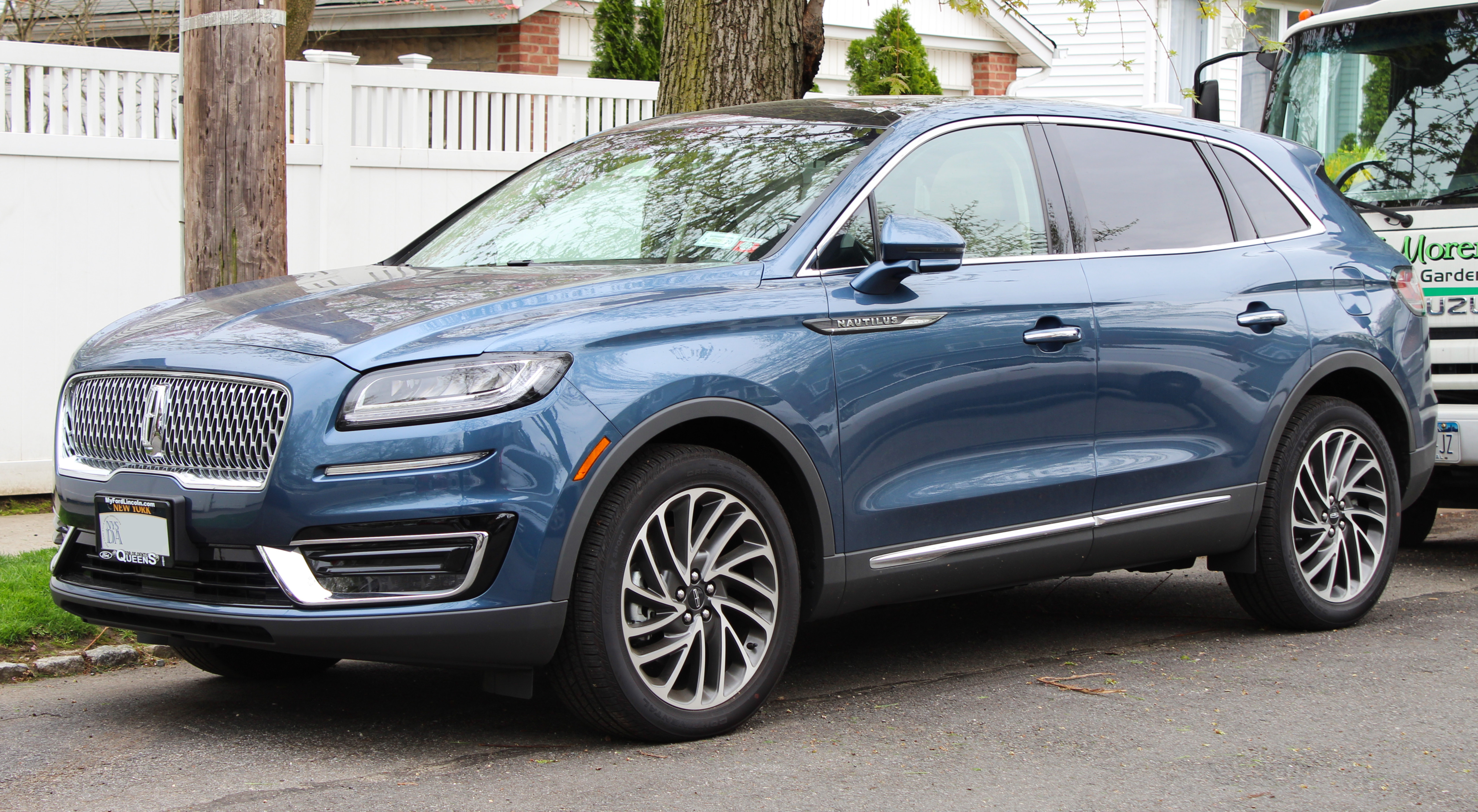
and that's made in China, and for its new Nautilus or Lincoln's new Nautilus is being made in China, and it should should do well. I mean,
it's an amazing Carr Bolvo Pollstar. They just had record sales. So
I think there'll be a hue and cry about it, and especially in Union strong areas, there will be a big hue and cry and the rest of the country will just go on as it always has. So it doesn't sound
good for the MC three. It's probably not. But I will say,
you know, public opinion, as we can see these days, can be manipulated in Swede and politicians may target these Chinese vehicles and oh they will, and they become Fanoagrata target one of these yeah, yeah, yeah, yeah, no, they already will. And you know, look at the attacks
on the battery plants that are taking place, at least in Michigan. It's
interesting with all this h investment in evs going into a red state like Georgia, you're not hearing any objection to that at all. And so I think
that was the explicit involvement of CNTL on the Forard plant, right, This is the reason why you saw some of that, some of that backlash, right. I think some of that's going to get normalized, and that to
your point on the red states. You know a lot of people think that
if a Trump administration comes in, you know, all the IRA spending is just going to get frozen and blown up. And I don't think that can
happen because most of the investment is going into red states. I mean between
Rivian, which they press the pause, but but Hyundai, those two plants in Georgia alone, You're talking fifteen billion dollars going into Georgia. Are those
congressmen from those states are they going to stop that? I don't think.
So I agree with you in the sense that, look, if a Trump administration comes in and pulls the rugout on all the CV stuff. You're going
to financially cripple the Detroit three for sure and everybody else that's made all these investments in the United States. I mean, it's going to be a financial
blood bat. It already is tough. You pull that out, man,
They're in deep trouble. The battery production tax credits alone, I mean,
I think a lot of companies sort of bake that into some of those decisions about how much money they're going to get based on the number of cells they're going to build in those plants. That would wreck the economics pretty quick,
I think if that stuff went away. But I think that's going to be
harder to do then to roll back the EPA regulations, which I think is relatively start or it's been done in increasing histories. And I said, you
don't have to roll back the the rags. All you got to do is
roll back the date by which they have to be met. So if you
gave the industry two more design cycles to meet all that stuff, boy, would it be a whole lot easier. And you don't have to change the
rags. You still got to meet this, but instead of twenty thirty two
maybe it's twenty thirty eight or twenty forty, so well, look we got to wrap this up. But Mike great having me back on the show.
Charlie, you two, this has been a fantastic discussion and Gary, you and I will just keep on doing these next week, yeah, I'll don't.
Line After Hours is brought to you by bridge Stone Tires. Solutions for your Journey
Request an explanation for:
18 cars
Scroll for more
18 cars featured
Request an Explanation
Heard something you'd like explained? We'll add it to this episode.
Sign in to request explanations for terms you heard.
Want to learn more?
Browse our glossary for plain-English explanations of automotive terms, jargon, and concepts.
See something that's not quite right? Our annotations are AI-generated and can sometimes miss the mark.
Click the flag icon on any annotation to suggest a correction.