
Exploring the intersection of automotive technology and market realities, this episode features insights from Mike Ramsey of Gartner and Joe White from Reuters. They discuss the hype cycle of electric vehicles (EVs) and autonomous vehicles (AVs), analyzing their current market positions and future potential. The conversation touches on the challenges faced by automakers, including overinvestment in EVs, the complexities of autonomous technology, and the impact of global markets, particularly China. The episode also delves into the evolving landscape of digital services in vehicles and the implications of tariffs on Chinese automakers.
"...ng to do that yeah. Yeah. Well I was sitting in a silverado Ev today well and waste some time looking at their l..."
Select text to request an explanation
I'll dontline after Hours is brought to you by bridge Stone Tires Solutions for your journey. All right, Gary John, welcome back, time to do a
show. Yeah, I am back. I just spent the last two weeks
in Ireland and it was pretty cool. We traveled around the country because I
wanted to go to the places where my grandparents had been born and grown up in both Northern Ireland and regular Ireland, I guess you could call it.
And that was really cool. But the most fun was actually driving in Ireland
because you know, the steering wheels on the right hand side of the road, you're driving on the left hand side of the road. And we took
a lot of back roads to get to places because who wants to drive on the freeway right? The roads, honest to God, in some places are
narrower than it's incredible, and you got to and it's all lindy and up and down and everything, so it's like rally driving the whole time. It
was the best part of the trip in some way, but you had to be looking way ahead and if you caught another car coming, you knew there's not enough road to go by, you know one, so you start looking instantly. Whe's a little whitest lightly whiter place where I can pull off or
they would do the same and then you didnch by each other and wave and all that. So anyway, it was a blast. I love driving over
there, so so welcome back. We had two great shows without you.
Thanks, We'll have a greater show today. I am absolutely confident of that
what we might Mike Ramsey of Gartner. Yeah, it's great to be here.
Yeah, for all the Mike Ramsey, I am a former journalist who had the last almost eight years have been at Gartner and now I run the Automotive and Transportation group there. So looking forward to talking to you guys about
whatever comes up. Yeah, and we've got Joe White from Reuters coming to
the end of your Reuter's run. Yes, I am taking the summer off,
retiring at a May thirty one, all right, and yeah, then we'll see we'll go away because we want you to keep going and not going away. Like I said, it's taking the summer off is literally what I
plan to do, and then I'll be here in the fall and see what happens. That's cool, excellent, So Mike, part of your job is
to look at new technologies, and they're the thing that we talk about probably most on the show are EV's and to a large extent avs. So sort
of position for us where you guys see this from a technology slash business point of view. Yeah, I mean at this point. So, one of
Gartner's main products is something called the hype cycle. And the hype cycle is
literally a shape in a way that is broken up into five segments, and it has the innovation trigger, which is kind of when a technology really will just say, is recognized as being something that is coming been commercialized. Then
you have that is followed by the peak of hype. And so when people
say something this think this technology has hit the peak of hype, they probably didn't even know it came from Gartner. But we have this HiPE cycle that
describes it, followed by the best named one, the trough of disillusionment, the slope of enlightenment, and finally the plateau of productivity. And while it's
not perfect, While it's not perfect, what it tries to do is track technologies over time versus expectations, so expectations being the hype okay, and the idea of the hype cycle is that the technology by the time it's useful will never reach the expectations that had at the peak of hype. So by the
time that we're really actively using the tech, no one will care about it, at least not the way that they did when it was at the peak of hype. With evs, they are almost you know, their their basic
climbing the slope and probably getting pretty close to the plateau of productivity. We
don't need everyone to be using evs for them to be at that point.
I think of the market definition is twenty percent of the market. So the
I actually think that with electric vehicles. Now, when we have a technology
like this, we start to break it into pieces. Say, Okay,
EV's is too big of a category. Now we have to like break it
into smaller categories because the's like what like what kind of smaller categories? Well,
you know, maybe you would say, you would start to talk about battery technology, right what about iron phosphate batteries versus lithium ion batteries versus solid state batteries, right, Like you would start to say, what are the differentating differentiating technologies that you know, we're not just talking about EV's, We're talking about like technologies that support that. So it's Mike, it's really interesting
that you say that evs are the Gardner kind of categorizes EV's is on the on the plateau of productivity right almost, because honestly, from what I see, it seems it sounds more like they're on the you know, the the trough of despair or whatever. This disllusionment I'm mixing up with, you know,
but with other things, but the but the trophic disillusionment, because you know, you have all these companies, including Tesla that have that have you know, by sort of by their own behavior, recognized that they invested way out ahead of a profitable demand, okay, and they're all pulling back, hitting the brakes and whatnot. So how do you sort of square that?
Yeah, I mean, it's it's kind of interesting because I Gardner is very global, and it it definitely changes my viewpoint on a lot of technologies.
For example, Tesla, for sure, you know, it's starting to have some some growing pains or second round of growing pains, and some of the others not doing as well. But if you go to China in April,
I think fifty percent of the sales of new vehicles were plug in vehicles in the largest market in the world, right, I mean, they are the only real big market and they have fifty percent, so we have well, we're screwing around here in the US. The big market, the one that
really matters, is already transitioning, and there's some other markets that are further along as well. So it's not impossible to imagine that we could. You
know that the US is kind of and we've always known this, it's sort of an outlier market, and the time forgot. Yeah, we're an outlier
market, and we're becoming more outlier e right, like we're becoming less like the rent holder were exceptional. I mean, it's a profitable market, but
it's like it's not what the rest of the world is except for one thing.
Going back to China for a second, by east, on what I've read, there's only three Chinese companies selling evs that are profitable dyd Tesla and Leauto, and Leauto is e reps. They're not even pure battery electrics.
And based on what I've read, no nobody else is making money on you.
He's over there. There's no question that. I mean, it's almost
like, you know, it doesn't matter right. I mean that a lot
of these these companies are going to be probably going out of business or will be consolidated. I don't. Well, but once the market is already there,
then okay, if we take the company's success out and we look at just the consumer, the consumer is already said we're going to buy these.
And interestingly, I mean you guys probably remember Scott Burgess or maybe he was a he had been here before. He's been he's been on the show.
He's been on the show many times. Well, he is now a professor
in Kazakhstan and a town called Almadi, and he said that Chinese made evs are everywhere and Almadi and Kazakhstan they're absolutely a huge percentage of the vehicles on the road. So sometimes I think in the US we can get very a
little bit myopic about, yeah, what is going on in the rest of the world with evs. So that to answer your question, I think that
it is true that there's probably overgrowth, over investment, and there'll be some consolidation, but I still think that we're probably past the point of our ev is going to work out. I mean, they're going to work out probably,
So so you're looking at the point of view of the technology has proven itself and the technology is being applied, and the technology can be applied more extensively than it is now. Right. But then from a market point of
view, whether or not there's big acceptance that's not necessarily germane to the technologies agreed level of Yeah, I mean it is. The high cycle is designed
to look mostly at the technology and penetration, not so much about individual companies and how well they're doing and what. Guessing this market, especially from consolidation,
is a tough one to guess. I think that, like, for
example, a V's, the big consolidation that had happened with all the vendors that came up with autonomous vehicle solutions happened two years later than I expected.
I think they just got so much money that they could just survive a lot longer than I anticipated. And so we probably guessed wrong on some of you
know, on where we put dots on the hype cycle. You know,
you're thinking, Okay, this is going to be the year that they all kick the bucket or they consolidate, and they many of them lasted another couple of years before they raised their white flags, so to speak. Yeah,
I'm speaking of autonomous vehicles. You know, I remember the acronym connected,
autonomous, shared an electric case, and it seems like we're down to like E and at best I've shared uber D or legit. But but autonomous where
is that? Because it seems like there's been again nothing but bad news,
especially if you live in this United States about autonomous vehicles. I mean they're
under restigation by the FEDS on and on to where you know, where where is what's your the Gartner take on autonomous at this point. Well, so,
you know, it's interesting because again one of the rules about the hype cycles that can't a dot on the hype cycle can't move backwards. There's a
lot of reasons behind this, but that the hype cycle itself is not one thing we publish like eighty hype cycles, and that the technologies on the hype cycles are independent of the hype cycle. Okay, so they can appear on
multiple hype cycles. You might have one EDGI, there's like an EDGI hype
cycle. Well, EDJI could be everything from you know, a doctor's tool
that does analysis to a you know, autonomous vehicle. Right. So,
as a result, because of that and dots can't move backwards. They're independent
of the actual hype cycle. Where avs are is basically at the bottom of
the trough of disillusion, at the very bottom and actually inching towards the slope.
So they've hit the bottom and are going up according to our measurement, very slowly. We still have them at ten years to the plateau. So
from where they're at now to the plateau is five to ten years. That
means does that very byregion though, for example, I keep reading all the time of more av Robotaxi's operating in China. Yeah, I would love for
that to be regional. Is really a global thing, but it's the truth
is that all of the technologies fall under this like yeah, but there are examples where it might be further ahead or not as far ahead. And in
general, what I would say about avs is that the business elements of autonomous vehicles, for sure, are suffering right now. Right there. It's like
blood on the streets and you see you know, emotionals cutting people. You
know, we don't know what's going to happen with crews after its problems.
I think Zeke's just recently got in trouble. You know, and so it
just under investigations. Well, you know, it's just it's like one bad
thing eftery the other. That said, the quality of the capabilities for avs
continues to move forward. The cost of the sensors continues to come down.
The cost of the computers that drive these autonomous vehicles are going way down.
Not just the cost and power are like compute power, but also the literal power like consumption. So that's like, you know, with these computers,
they need to draw less energy, they need to do more compute capability and in a smaller size to really actually be able to support a commercial product.
Right, all that has happened. The vehicles are getting better. So it
looks terrible, but from an engineering perspective, where we are further along than we were five years ago. I have always personally had a lot of problems
with the robotaxi business model and never bought even for a minute. Now this
is just me. I never bought for a minute the idea behind robocabs making
financial sense because ultimately, you automate things and Joe's probably heard me talk about this before, you automate things that are dangerous, okay expensive, you know those are the two Those are the two highest need for automation. Then you
go down the list of you know, the it has a business a very strong business case in an area where you face less regulation and most importantly, where there's low complexity. All if you look at automation of anything, essentially
that's what gets automated. So when you raise up super high complexity like the
middle of downtown New York or San Francisco, and you put consumers in the vehicles instead of you know, business people, or you don't do it.
You know, there's not like that. Drivers of cabs they may be crazy,
but there they do a pretty decent job of getting there alive, right, and they're not that expensive relatively speaking. We're talking we're not talking about
two hundred thousand dollars drivers of coal mining trucks in you know, Western Australia.
Okay, these you're saying, those are things that could be automated because they have these issues and they're not involving lots of people in complex areas or or like deers making you know, big play in terms of AI. Sure
to kill the fields because you know what's going to run into super lower complexity, right, the worst case scenario is they plow over a groundhog, right, I mean so which and by the way, they've got all kinds of sensors to avoid I mean, gund hooks maybe not, but deer and stuff like that. Anyway, So that's where you see it having more immediately applicable,
applicable And actually this is I mean, this is something we've talked about.
We talked to clients a lot about they get frustrated the robot taxis at all a bus and you say, well, you know, interestingly, if you look around, there have been some interesting things that have evolved over the past ten years. As a result, you can now get an autonomous lawnmower
right to mow fields. Can you envision ten years ago anyone being able to
afford building or deploying an autonomous lawnmower. Well, now they're available, maybe
not wide spread, but it is a thing that exists. You know,
you can buy an eight hundred dollars DGI drone that is autonomous. I mean
it is a basically an autonomous vehicle. Now you know, you're not going
to put a person on it, but if you ask it to go fly around some buildings and take pictures and come back, it'll do it. Those
are all technologies essentially have been developed from the vision systems that you know, we're designed for autonomous vehicle applications. So, in your trophical disillusionment, it
seems that if the technology is developed and there are players that aren't involved but they're not doing as well, they may drop out, but the development will continue by companies that are more robust in this area. So do you see
companies like Waymo and Cruz and Zeokes and ded, you know, continuing on the path using the technology, or do you see even further fallout there?
Yeah? I mean I expect there'll be more consolidation. Iways looking at it
like this, like what in addition to the robocab you know, conundrum, I'll call it like there's no business market for robocabs in my view, not much. Why do you say that because cab drivers are not that expensive?
I mean, let's go back to the China la especially in China, but job no, no, no exactly. I mean if you are a Westerner,
especially in China, but also really just a Chinese businessman, you probably have a driver, right who does lots of things for you besides move the car around that do you rather have an autonomous vehicle or your own personal driver who like is basically an autonomous You know, you know I'm questioning only because you know, the companies that run cab services or you know, Lift or Uber are dying to get the driver out of there. They think they're going
to be able to make a whole lot more money once they get the driver out. So are we here. That was true when Travis Kalanix said that
when they were losing money handover fist and they were in a blood sport with all the with Lyft and others to to try to both recruit drivers and build up their market share. You don't hear the CEO of Uber talking about it
at all now, right, Well, because there's lots of reasons. One,
they raised the price significantly for rides, they're not subsidizing rides anymore, and mysteriously Uber is profitable as a result. They they are. I don't
think that there is actually as much demand for a an autonomous robocab as people would think. I do think that there's a demand for an autonomous personal vehicle
that drives me to Traverse City, you know, while I play video games.
People clearly they're buying Tesla Auto Pilot. Well do it doesn't actually do
what, but well, they wanted to just pick up on the point about Uber. It's a really interesting point, and it does seem like one of
the things that Uber did was they said, look, how can we take these drivers and have them do more valuable things like delivery, right, which is really hard for a robo taxi to do. Robotaxi cannot put a package
of food or a package or whatever on the porch. You know, it
can't do that. But you know, and I haven't looked at Uber's financially
super closely, but my understanding is a lot of their the transition to profitability is because they have started to you have these folks who are in the cars do do more stuff, deliver stuff, do other stuff that's more value added, better revenue, hence more profit. I mean, so Uber eats versus
Yeah, Uber eats versus just driving cab from I mean, I think that's part of what they've done. Plus also right, I mean the new CEO.
You know it's done a lot of things like can post discipline on costs.
Yeah, yeah, the yeah, the autonomous vehicle. I just want
to come in the Automas vehicle thing. It does seem like it's it's kind
of hit a pivotal point. And again in the United States, I think
John, your point about China is right. I think that that's a different
it's a different universe there a different also, I think, a different regulatory universe. But in the United States, it really does feel like, you
know, the sort of the thing that maybe the technologists didn't factor in was the extent to which you know a lot of people in the public, not all and regulators, we're going to start to say, you know, hold on cotton pick a minute. You know, we're not comfortable with that that
the technology that's been put on the road is up to a level of safety that we're going to accept. And you know, you put the dots together.
You you know, all the major I think all the major av robocap companies are now under investigation. But and it's a Biden administration, there's definitely
something up there. But that seems to have been a problem though. And
you because I think you mentioned we automated things that are low regulation, Well, this space is not low regulation anymore, not the same way it was maybe at the beginning. Oh no, no, doubt. In fact,
I think that there's this has been there has been a I don't know what the status of this legislation is at this point, but for literally two two presidents uh worth of time, there have been bills floating around and the federal at the federal level trying to put rules around autonomous vehicles that have never made it anywhere. Seemingly no one's that opposed, which is kind of amazing,
Like I you know, nobody really has been opposed. There have been some
pushback from trucking organizations, but generally speaking, trucking organizations, trucking union teams, teamsters, trucking industry is looking forward to it. Yeah, but I
think the teamsters, I think the teamsters actually have had a lot of influence on this because because you know, Donald Trump and Joe Biden share a very few things in common. One of them, right, is the desire for
union votes. So just throw it in there. I mean, okay,
do you see the commercial application of a v's You know, Aurora just came out last week talking about how well I was doing it, and I thought it was interesting that had a pie chart which broke down the costs of a mile and basically, in the case of trucking, the driver is a pretty good piece of that dollar. Do you see it playing out there better than
wending its way through downtown Detroit? I mean, trucking has always made way
more since now it still has big problems. Okay, and I still don't
expect it to like take over. But if you looked at what the business
model is for autonomous trucking versus robocams, it is way better. Like,
I mean, there's no question. Just kind of my five things that I
usually use with clients is like, Okay, is it dangerous? It's this.
I think it's the second most dangerous job, and at least in North America, truck driving is a truck driver behind like logger, you know, I think it's it's pretty high. It's pretty high, it's dangerous. Is
it expensive, yes, I mean truck drivers make significantly more money than cab drivers do. Is it in a complex environment? Somewhat but not nearly as
complex as a lot of the environments that like a robocab would be in.
Is it in a heavily regulated environment? Yes, this is the down right,
This is the you know. And is it a business application or a
consumer application? Business. So it checks basically, we'll call it three and
a half to four boxes of the five for being a good autonomous application versus a crap one, whereas a robocab literally checks no boxes. Right. Well,
you know, I so let me throw this out at you because I'd love to get your response to it. You know. I recently saw the
mayor of Detroit Might dug In give his State of the city address, and afterwards there was some Q and A, and one of the things he was talking about is the city is investing in more buses. As we all know,
public transportation in Detroit it's not very good. But it's a massive city.
What is it, one hundred and twenty one hundred and thirty square miles.
It's spread out hugely. And they were asking why isn't there more rail,
Why isn't there more bus? And he said, look, rail makes
no sense whatsoever. You know, where people live, that whole pattern is
shifting, and once you put in rail, it's sunk. You know,
it's not at all flexible. And he said, so we are buying more
buses, but he said, I'm not going to throw all this money into buses with robocabs right around the corner, which are far better suited to meeting the transportation needs of detroit ters, who because you know Detroit, you know, it's sort of like the spokes of wheel as you guys know what goes out, So you can have major arteries, but then people still got to walk a mile or two or whatever to get from the bus stop to their home or vice versa. And he's saying the Detroit's vision is much more based
in the future, not now, not in ten years, but maybe twenty years. And you know, you buy a city bus, it's going to
be around for twenty years. That's how long they keep them around. Sure,
So his whole thing is, we're not going to go crazy on transportation because right around the corner is the solution. Okay, I mean I think
that if you want to say, like, what's a true statement, I actually do think that in ten years, ten years from today we'll call it, what are we in the middle of twenty twenty four and twenty thirty four, that there will be legitimate robocab service. Okay, how widespread that will
be, I don't know, but I think that it's given how the speed with which the technology has evolved so far, that that will be something that could exist. Now does it make sense in terms of replacing a bus system?
Can I tell you what some cities have done and actually think this makes a lot more sense than just replace facing all the transportation with this is they've used platforms like super Uber. Okay, we'll call it a super app for
transportation and they say, okay, well this app will get you from I will get from here to the other side of Detroit. And it says,
okay, you need there's no buses near you, so we will book through not even through Detroit, but like book the app will book an uber for you to take you to the bus stop and it will take you to there right before this bus is coming to take you to the final spot. Now
that in the context of an autonomous vehicle, in the context of a major city that has promise, right like, you can't put one hundred thousand or even let's call it ten thousand autonomous cabs running around Detroit to ferry everyone around.
That's not going to work. It will never happen. But if you
have an app that can coordinate, you know, the city services, right with a handful maybe twenty cars that are going and picking up people who are in an island where they're not close to a bus stop or they don't have confidence how to get there and pull them to where they need to go.
That can work. That actually works right now. If you go to Berlin,
there's an app called Gelby that that effectively does this today. Yeah,
okay, you know, multiple modes of transportation on appen a different providers.
It's not all like city services, but it's coordinated through a central Appen exactly is all that stuff, but it is this like Uber black versus regular Uber, meaning that it's expensive comparatively speaking. Well, yeah, I mean the
as a city, that first part of the transportation that you're providing to that person is very expensive relative to the person on the bus. But as a
means of providing transportation to everyone, rather than having let's call it fifteen more bus routes that are half empty, it's super cheap, you know what I mean. Like you if you can't provide, if you can't provide transportation to
everybody, providing you know, this on demand transportation to little islands of places in a city the size of Detroit, it makes way more economic sense.
Now, I don't know what Detroit is considered in terms of those things.
But other cities have done this, and actually the cities that like this model more tend to be smaller cities that don't have as much capital. So,
you know, I begin to wonder, you know, this, this whole multimodal transportation thing, I mean, isn't that going to require a whole lot in the way of sensors that we'll be able to tell in real time where the assets are to make this app, you know, to make the app work, because I mean, otherwise you know, you're sitting there going, you know, come on, I need to get there. It's almost yeah,
I mean, it's basically it's a basic requirement is that all the assets are connected and sending their location to everything, which mostly is done through phones, but city buses have commercial telematics that send the information up to you know, a transportation management system. And there are some cities in China, of
course, where where you know, there's some advantages to not having democracy, right, they can just they can just put in platforms. But then there's
there's a city Ali Baba got in trouble in. I think it's I think
it's hung Zhou where they are based. Because when they started growing. They
it went Hungho was this beautiful tourist town, and they started growing and it became overrun with people, and the traffic was really terrible. And so they
basically built a traffic platform called city Brain that use that connects all the traffic lights and monitors them with lights or with cameras rather and intelligently dynamically changes the signaling across the entire city whenever. You know, if you're at a stop
light and there's no one there, just turns green and vice versa, and a reduced congestion by like fifteen percent and sped up traffic cross the city.
Well, that kind of stuff is possible, but only if you have connected every day traffic light in a city of five million people. But that's going
to happen anyway. I mean, everything connect is john because I've been hearing
about smart cities for the longest time, and I mean, yes, I mean, and you just provided one. There's examples where it's happened, but
sort of overall, yeah, because I happened. A little transmitter isn't that
much to put on, and you know, traffic lights burnout and guys got to get up there on a cherry picker and fix them in all and it's easy enough to add something like that. And so, you know, I
was just reading this week that the University Michigan's been collaborating with Birmingham Michigan using data from GM on Star vehicles to time the traffic lights. And they said
all they need is about six percent of the traffic to be beaming data and that's statistically significant enough for them. So you know, you don't have to
have every single vehicle connected, but you do have to have the ability to individually time lights. But I think it could happen fairly quickly. You know,
most lights around today, at least in this area, have got cameras and sensors. True. True, And yet I mean when I drove here,
there was a traffic jam five miles long, you know, because they've closed down. And I mean it seems like that anyway, This maybe is
off topic, but it seems like on the one maybe maybe it is on topic. The promise of data software connected systems never seems to get realized in
the real world, you know, and and and and it's always something you know, it's you know, there's not enough public investment. You know,
there's it turns out it's unprofitable. I mean the five things that you listed,
my I think that's the thing that And as someone who's written about this stuff a lot, I mean I've got my own hype cycle problem where I you know, vigorously and passionately, right, you know, the revolution you will be televised here it comes. You know, it's autonomous vehicles, it's
electric vehicles, it's software defined vehicles. And then you're like, wait a
minute, like two years ago something, this was all supposed to happen and it hasn't. What's going on? And I do think that there is that
that problem. No, there is, and I think delivery you know,
full circle in this discussion with the hype cycle, you know, it goes through a definite pattern. And then in the investor community and the investor community,
I think they pay a lot of attention to the what Gartner has to say about stuff like this because you can already see the investor community is done with autonomous and electric vehicles, right, Well, maybe not totally with electric vehicles there, but but yeah they are. They're like, it's they're chasing
AI, right, Ai AI AI, And that's all we want to talk about. It's all we yeah, okay, but doesn't doesn't AI lend itself
to a VS. Oh yeah, of course, I mean so that they
win either way. Well, I mean, just to be just to be
clear. The current hot obsession and AI is a sub segment of AI called
generative AI, which is is really widely misunderstood, but effectively it is what's driving all the investments of large language models, the large language models. Although
interestingly for those of us in the auto industry around it, the auto industry has been one of the oldest users of generative AI in engineering platforms, probably longer than anybody outside of some aerospace really, yeah, we got to take a quick break, but but just finish that thigh were they used it?
You know, there are models, There are a lot of vendors that basically you get design parameters and you say, hey, can you design me a cylinder head right with these with these parameters, and it'll come up with some crazy cylinder head you could never make in a plant, right, but it would be very efficient, right. No. I I've seen that used for
body structures, and you know, they don't look like any of today's body structures. They look very organic, as if they've grown exactly and yeah,
so all terror is doing yeah, exactly exactly. Were one of the earliest
makers of generative engineering models for that and they use like a bone growth algorithm or something that that is the basis of their engineering platform. Okay, we
got to take a quick break. Shout out to our fantastic sponsor, Bridgestone.
Will be back to talk more about the automotive industry. When the elements
are working against, being confident in your grip on the road is what really matters still in a lens of tires, improved acceleration in wet conditions, like all the investment that Ford and others were doing. Okay, we're back right,
So what what what else is on your list area? Okay, so
we're talking. We were talking about China before, and I don't want to
let this go and I want your opinions on this. The tariff situation that
the back to the eighties, that eighties show. What do you think,
Joe? Yeah, so choking aside, it does feel like the nineteen eighties,
And I know there's lots of reasons why. It's probably when you say
the nineteen eighties, you mean all the tariffs and stuff against the Yeah, that's right. So that's that's you know, Ronald Reagan of all people,
you know, had the voluntary uh import quotas or export quotas. It's limits
limits the shipments of Japanese vehicles from Japan, which were then you know, the the the the hair on fire threat. And you know, we're a
real threat, right just as the Chinese evs are now. And so in
Detroit and Washington signed on for big tariffs. Let's keep let's keep them out,
you know, protect the hometown industry, protect the home team jobs.
Of course, you know viewers will know that. What happened next was the
Japanese said, fine, we'll build factories inside the United States or inside what became the NAFTOS now USMCA trade Zone. We'll build our supply chain. We'll
bring them along with us. And you know, okay, fast forward,
and I just wrote about something about this this past week. You know,
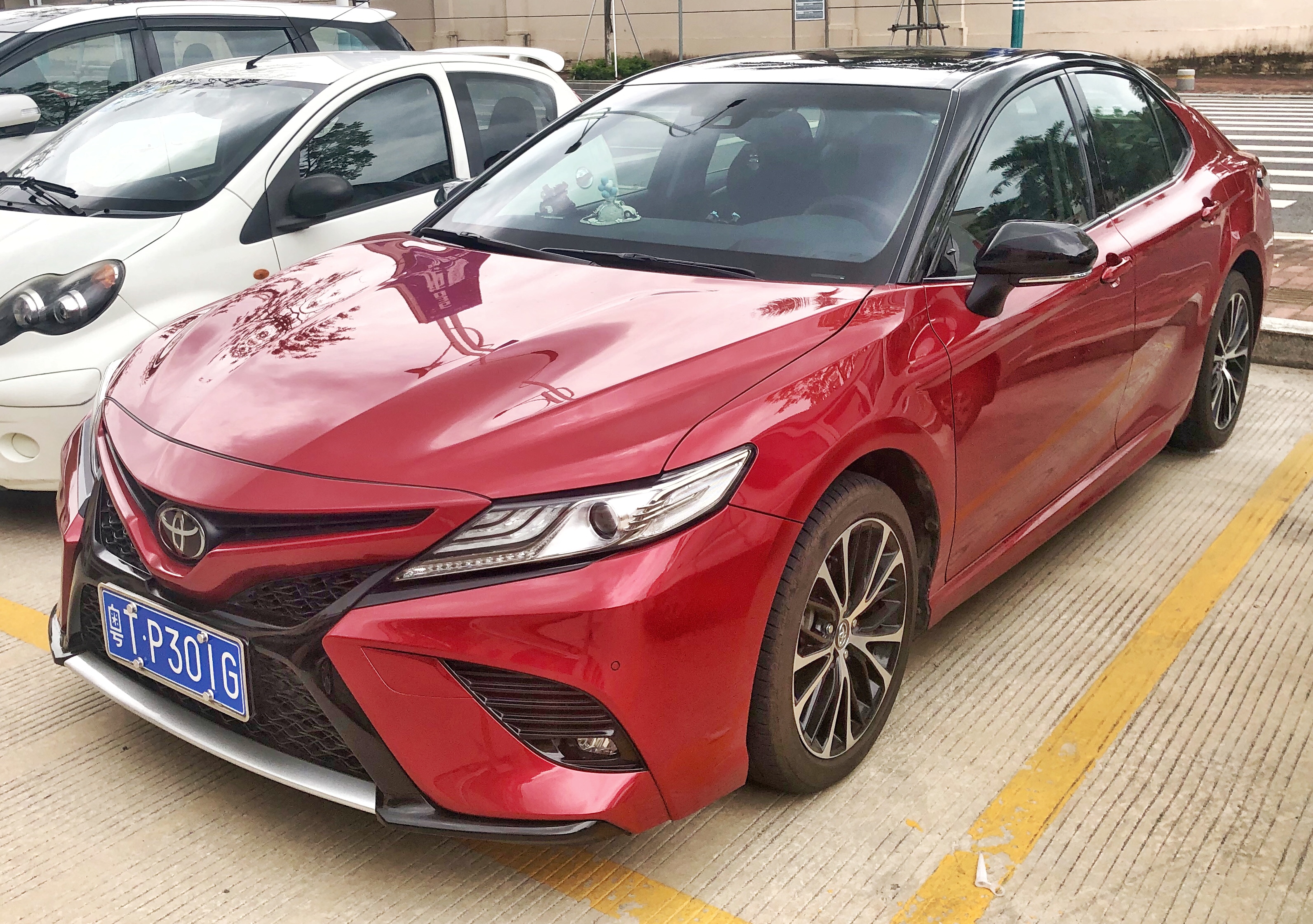
here's here's Toyota Georgetown, one of the largest auto assembly plants anywhere in the world, certainly one of the largest in the Toyota system, largest in North America, banging out Toyota cameras. This is there. They just lost their
ninth generation Toyota Camray and they started in nineteen eighty eight. Meanwhile, GM
is killing its camera fighter, the Malibu has you know, just broomed it and getting rid of it because it's not really doing anything for them. It's
the third best selling Chevy come on, okay, fine, but if it was doing so great, they wouldn't have killed it. They killed it.
So point being, and of course is you know, all sorts of create South Korean and European and Japanese run factories in the United States. So the
protection didn't last. I mean, it may be bought. I'm not even
sure. It bought half a product cycle for the United States. And now
you have the same thing going on with the Chinese automakers. And yes,
there's lots of reasons why the circumstances are not exactly the same. I get
that. But here again, here's BYD announcing this past week. Yes,
we're going to build a plant in Mexico, which is within the USMCA North American Free Trade Zone. And what are they gonna build there, Why they're
gonna build a hybrid pickup truck. And oh heavens no, we have no
intention of bringing this to the United States. Fine, Okay, fine,
that's true until it's not. And I just I think and by the way,
I'm now channeling views that I've heard from, you know, people who are smarter about the industry than I am, People work who make decisions in the industry, who know perfectly well that United States and the European automakers in Europe, where was also talk of tariffs are going to get maybe a product cycle of relief. I'm not even sure that Europeans get that because the Chinese
are already there factory, They're already there the builliing factors. So anyway,
that's it just feels like there's especially in the United States, there's this like, oh yeah, fine, we'll have one hundred percent terrifying these Chinese EV's.
We'll keep them out and everything will be fine unless they start coming in through Mexico, Vietnam, you know, unit Europe, right, because these you know they're going to have they're going to have the Chinese are going to have factories in the European Union anyway, so there's a wrinkle on it, you know, just picking up so, uh. Gina Raymondo, the USA
Commerce Secretary, is launching an investigation on national security grounds as to the threat that Chinese connected cars could pose. And I think this is actually a very
clever protectionist move because you know, if if you just do a straight tariff, China can go to the World Trade Organation, which is richly ironic that they would complain about trade practices of other countries. Nonetheless, they can go
to the wto My guess is the US would choose to ignore it. But
that sort of goes against everything that we built up over since the end of the Second World War of free trade all around the world. But if you
say, knowledge the point, but this is on national security grounds, we have to ban these cars because they could be beaming back in photo. So
but now, Mike, I want to ask you a question, because this is actually Johnny Maker is a great point. Isn't a lot of the technology,
the sensors and so on, and the electronics that enable connected vehicles, There isn't a lot of that, no matter what brand you're talking about, sourced in China. I mean great deal of I mean tons of electronics are
sourced there. And it gets challenging, what especially when you go down further
into the supply chain, right like when in the base materials. The you
know, it's very it's like almost impossible to extricate you know, a lot of aspects of the supply chain from from China. There are the for things
like telecommunication control units you know, that are in the that are the basis of a lot of connected vehicles. The big suppliers of that are not necessarily
Chinese suppliers, right, So Harmon is a big supplier, which is now owned by Samsung, which is a Korean company. But you know, and
then but if you go down into where do all of their components come from, that gets very tricky. I wouldn't even I have no idea, to
be totally honest with you, but the many of the chips that are in you know, that are providing connectivity and are in the vehicles absolutely are sourced in China. And so I think that the effort just kind of I mean,
Joe knows way better than me. That was my very first thought was
this tariff is just going to have unintended consequences, you know, that are going to actually someday probably disadvantage the US because it gives the Chinese companies all of the reason to put all the capital into Mexico. And then build the
plant and then you know, if it works out. Now they've got Honda
Marysville, they've got Georgetown, Toyota, they've got you know, all of the infrastructure is in place. So what does this do from the standpoint of
technology development? So basically what it is is that we build these walls around
and don't let these products in that could have some interesting technology that the domestic companies would have to compete against. Right, But if those products are not
coming in, these companies don't need to compete against it. If they're not
competing, they're not going to be developing. I mean, is this a
possible unintended consequence. Yeah, I think so. I mean, I don't
know if you've been. I was in Frankfurt in December for a work thing,
and and I they have a neo dealership there, which is a whole other interesting thing. Their neo dealership is like also has this giant working like
co working space as part of the dealership, like a coffee shop. Yeah,
yeah, literally, so it's like a coffee shop. It has like
conference rooms and all kinds of stuff and all. Yeah, here's four or
five cars, a bunch of cars. It's kind of interesting, but you
know, it's in kind of a cool spot. It's right next to a
Polestar dealership, which is also sort of a Chinese company. I got,
I mean, like right next to a Polestar dealership in downtown Frankfurt. And
I went in there and all I could think of was I'm sitting there because I I hadn't been in a lot of NEOs, was this car is pretty sweet and it has a lot of interesting, you know, technology in it that is not available in other vehicles. Like if you've seen the little the
little talking icon on you know, on the dashboard with the little smiley face and big eyes and big eyes. I was like, that's something I never
asked for, but someone would like this, right, you know. And
and to your point, Gary, I think that, yeah, I mean I think that that you need to see that live and in person. And
I haven't been back to China since twenty nineteen, but when I was there in twenty nineteen, now five years ago, I remember thinking when I was going around, I'm like, Wow, the Chinese automakers have more technology in their vehicles than even the the European elite manufacturers have in their current vehicles.
That's right, that's why, which is what they and they, by the way, the European premium brands know that frantically. Well, they're all running
to China. And so that's what's really interesting about this. You know,
Carlos Tavaris has said we shouldn't have tariffs and we need to learn how to compete. But how is he learning how to compete? He's running to leap
Motor in China and say build cars for us, give us your platform, give us your technology and your supply chain and your supply chain. And now
that means every other auto maker, legacy auto maker has got to look and see do we do the same thing. Yeah, no, we partner with
the Chinese, not partner to build cars in China. Get but we need
their technology, we need their low cost. We got to turn everything over
to them. And just to just to piggyback on that point. Also Gary's
point. If Stillantis is doing that, and they are right very publicly,
very openly, then and you're competing with Stillantis in North America, do you have you know, how long can you can you say, oh, it'll all be fine. We got one hundred percent tariffs and we don't have to
worry about the Chinese. Well, no, you actually have to worry about
Carlos Tavaris and Stillantis because if they can you know, integrate the technology, figure out a way to package it to a Western taste and bring it in at a cost level that's you know, lower than yours, you have a problem you in this case being GM or Ford or Toyota or whoever. Right,
So, yeah, I mean it's an interesting I mean, first of all, it's not I know, this is not a political show. But
in this one instance, we have to remember it's twenty twenty four. It's
presidential election year. People are going to say things in order to win votes
in the state of Michigan. Right, they can say a lot of stuff,
But whether it's smart policy going to look like smart policy in twenty twenty five or twenty twenty six is a whole nother thing. And yeah, I
think it's going to be interesting, honestly. I mean, having said a
bunch of stuff that sort of doesn't give the Detroit companies credit, I will now say something that I think does, which is I cannot imagine that Jim Farley, Mary Bara, carl Us to ours or the people who run the operation in North American operations. Any of the other companies are going to say,
we're fine, it's all it's all good, We're covered now right.
What they're all going to say is, this is a movie. We we
know how this movie ends. Some of the people lived that movie, Jim
Farley being one, so when Mary Barr being another. So we don't need
we don't let's go to the end of the script here. We need to
get competitive now, right, And I think you'll see. I think Crane's
story Business or one of the publications just today had a story about how Ford is sending send a letter out to supplier saying we need to cut costs on revs. We need to get more competitive, you know, because they know
it's not going to be okay. They do know, they know that in
spades. That's that's why I think, getting back to your your question,
Gary, it'd be a whole lot smarter for the administration to come out and say, look, one hundred percent tariff, but if there's a time limit, make up the time that it's going to be a decade and now we're going to phase it out over X number of years. So there's your window
get competitive or die, right, that's not gonna happen. I know it's
not gonna happen, but that's what should happen. That's what should happen.
We'll put you in charge of industrial pology. I m king things will be
brilliant. I was just gonna say, I mean it just I mean,
I just keep thinking about what you were saying earlier about you know, compared to the rest of the world, the US is sort of in a backwater situation, and I just think that this adds to that problem. Could and
you know, and I think that, you know, I think we would like to think that we are technological leaders, right. You know, we
put man on the moon. It was a long time ago, manah,
but we did it. Okay. But but the point is is that,
so, you know, how do you grow the technologies? How do you
keep the technologies going? Because I mean, cause I think about it that
all right, So he has to put those tariffs on because if you think about the IRA pouring all of that money into battery plants, the IRA pouring all of that money into tax credits for individuals to buy these things. And
if suddenly people are saying, you know, oh, I think I'll go buy one of those by d seals, you know, I mean, it's just it undercuts all of that. So on the one hand, you know,
it's understandable, but on the other, ultimately, what does it do?
Yeah, well, I mean I have two thousand and it's like one.
On like technology innovation, the US still just kicks butt when it comes to innovation in cutting edge technologies right, Like we're talking about artificial intelligence generative AI. The US is totally leading all of that, you know innovation.
If you look at all of the other really cutting edge stuff from you know, medical, you know, yeah, exactly, we are leaders in this.
Manufacturing though, I think that we the problem that many of these companies have is that they are manufacturing companies, right, and they at their core and the rest of the world unfortunately has gotten a lot better than the US at a lot of aspects of manufacturing in terms of like Europe, for example.
The part of my job is to do you know, advancements in digital manufacturing, and you know, like the factory of the future, those are not in the United States, like, none of them. They're all in
Europe, They're all in Asia. Why does the United States have No?
I don't want to say no, but virtually no super advanced, highly automated lights out factories. Why I don't know. I don't know the answer to
that question. Well, there's lots of different reasons. But one of the
reasons is that we have kind of leaned heavily into you know, highly profitable manufacturing that is based on you know, large format auto plants and things like that, and the rest of the manufacturing you know, stuff has has been manufacturing everywhere else not been a priority in the United States for many decades, most of my lifetime. And so you know, the best in the brightest
don't say, you know what, I'm going to go get a degree.
I'm getting into manufacturing. That's starting to change a little little bit, a
little little bit, that's all. And so manufacturing is I mean, you
know, kids are told by their parents, they're told by their their teachers, you don't want to go work in a factory. I mean, manufacturing
buy and large is look down on, which I think is a tragedy because I think it's some of the coolest stuff going. I think it's the most
challenging and the like. But I think that's the root cause of it is
manufacturing is not given the priority that other countries give. Yeah, And it's
funny because you would think it's like, oh, low labor costs in China, you know, that's what drives manufacturing. But actually China is where all
of these like super automated, extremely high tech factories are located, right, So they're automating out, they're automating out super low cost human beings. Yes,
yeah, here's this, here's a subject I wanted to raise. It's
it's it's a little bit off what we're just talking about. So two three
four years ago, you know, the answer to the question how are incoming automaker is going to make money on electric vehicles was they were going to make money by selling all kinds of software services through the through the dashboard of the car. And we've talked a little bit about this, but I kind of
want to get your take on this. What's happened to all of that?
Yeah, because it doesn't seem like very much of that has materialized to a significant degree. Well, I mean, I think there's still hope, but
a lot of it. Again, I'm going to go back to the av
business model thing. One problem straight off the bat is the automakers have to
understand pricing, which is that if you are going to make me pay in dribs and drabs for things, you have to lower the price of the vehicle, right, And they just don't want to do that ever, you know, so like so it's until I can buy a thirty thousand dollars BMW instead of a fifty thousand dollars BMW and then subscribe to all the extra Wang doodles, they're going to struggle with a business model based on recurring revenue for functions
just straight up. However, I also think that there's just a lot of
technical problems that are extremely difficult to overcome with a large global fleet, and even Tesla, I think is starting to get to the scale where they having more and more issues with trying to deliver software over the air to fix everything.
And when you have more than one model, and you have a global footprint, and you may have multiple component suppliers for the same components, and you have different creators of that software. The one of the reasons why this
is not taken off is because, and without getting two technical you have to develop a software bill of materials, meaning like this is all the stuff that's in that car, right, for the hardware. Then you also have to
have one for the software, and it changes when every single car has different sets of components made by different companies which have different software in them. The
complexity just goes to plaids so to speak. Right from like it just goes
like totally crazy and plaid and makes it extremely difficult, no matter how smart these guys are to download software to fix stuff. And then you also you
have to sort of abandon the functional safety ideas that I'm going to test the crap out of this thing before we put new software into the vehicle. So
then you have to figure out how do I virtualize software in chips, you know, not just in a physical vehicle. But I have to like create
a virtual version of a Chevy Malibu rested soul, I guess going forward, and then like test how all the new software would be running, you know, before I downloaded into the vehicle. It just gets extremely complex. So
the business model is a problem. They're still trying to figure out what can
I sell, you know, that will make this work. But I also
think the technical problem of having the electrical architecture right and the development processes, the testing processes, and then the organization. You've seen all the companies try
to figure out how do I do this? Exactly? I have a bunch
of mechanical engineers and a you know, a development process based on testing, and now I've got to have a big software group. And who runs them?
Is it engineering? Is it it runs? Hence these they tell me
hiring people from siliconry Exactly. It's why Apple is like getting cleaned out because
they're like, oh god, you know Apple does this, we should hire all their people who does over their upgrades? So Joe are me Are you
thinking from the standpoint of, you know, not necessarily getting more range from your ev by getting subscription versus the buying stuff through Yeah, I think I think my question although and I think my question was more that was more about these sort of generating revenue piece and and and you know, ford Pro does seem to be having success. So you can see their margins are a lot
bigger they I mean, they've for is pretty public, somewhat public about the extent to which ford Pro software ford Pro is generating revenue from software. So
okay, fine, they're disclosing that. You can see something's there, but
elsewhere you don't you don't see or hear very much about the problems. Is
so, I've seen multiple presentations on stuff that you can do, could do, you know, digital commerce in your car could do. And it's like,
oh, you can search what kind of sports events are happening in the city that you're going to, and you can buy tickets, and oh, you can arrange for to get a hotel, and and you can find a parking location. And I'm like, my phone can do all of that.
I'm already paying for my phone. You think I'm going to pay some stupid
car company extra money to do what my phone can do? No way.
And then they've tried other things, you know, the classic example BMW with the heated seats. You know, people have an idea. I bought this
car and it should do these things. And I'm not going to pay you
another dime to have my car do what it should do anyway. So the
challenge is, I see it to your question, Joe, for the industry is how can we get people to pay for things that only their car can do? And right now, the only thing that I see that's working is
supercrews and Blue Crews and full self driving. Yeah, I'll pay a monthly
fee to take my hands off the wheel and let the car drive because my phone can't do that well. And there's some like there's some psychology there,
but I think some of it is because we sort of understand that full self driving or whatever is a supported product. Mean, it's not like you can't
just download it. It has to have a direct connection to some platform that's
adding new content and making sure that it works correctly. So the concept of
subscribing to it through some sort of digital connection, I think it makes a little bit of sense. You know, I've talked about this before. I
can't remember Jo if we've ever talked about it. But if you look at
Tesla, they usually get called out as the look they're doing it, but if you look at what they actually do, they actually don't do what most of the other companies are doing. First of all, the connectivity is free
to the car for eight years. You get it. You're not paying extra
for that. You just get over the air updates and software updates, and
almost all of those are free. You don't pay for any of their upgrades
and new widgets and stuff. That's just part of the deal. What do
you pay for? Well, if you want all the neat features like car
karaoke and blah blah blah, all the other stuff that is a incredibly damaging ten dollars a month or you know, like even less if you buy the whole year in advance and then you get all the features, that's it.
So there's the free and then there's ten dollars a month. Guess what they
have seventy or eighty percent penetration rate on that because it's so affordable. It's
true, Yeah, but it's not. Yeah, it's not. I mean
basically it's just the same as a Spotify subscription. I mean it's sort of
like that. I mean, to your point, the smartphone stuff caps,
I agree with you one hundred percent. It's caps what the car companies can
charge for that, and full self driving is an exception to that. Right
they charge no, no, all thousand dollars right right? Even that right
is they're being forced now to cut to cut the press down to eight grand.
And you know, as Supercrews and Blue Crews get more capable if they keep hold the price, which is what twenty five hundred dollars or something like that, I think they're going to force Tesla to cut its price even more or could. But yeah, the only sent place where anyone's making money to
your point, Joe, is in commercial services. You know fleet managers who
say, oh, you can monitor all my vehicles, there's state of charge if they're electric, you can handle all the insurance and the utility, and yeah, I'll pay. Predictive maintenance. Industry has done that, and now
for has packaged it in a way exactly, And so that is you know why Ford is getting this chunk of change. And it goes back to what
you were saying earlier about you know A vs. Commercial applications, Yes,
but consumer applications maybe not so much. Which then you know a contractor will
pay for pro but an individual is unlikely to pay Ford Motor. Yeah.
No, I right, I mean, even though maybe you arguably do it about it, but you're right, I mean when I mean, I don't really want to pay for anything that duplicates was on my smartphone. And in
terms of predictive maintenance, which is a value, there's no question about it.
I want Ford or to keep picking on Forward, GM or anybody, any company, Toyota, predictive maintenance should be coming from them as part of the deal, exactly. Right, if my brakes are about to go out,
they should tell me, like, come on the digital property it mm hm does anyone make the digital promise? You know, there are some features
like you're basic. I think GM on Star has some basic health monitoring features
that you just get with the vehicle, and I mean, but you're right there. There is actually a consumer problem with predictive maintenance, which is this
like if I, well, let's go to the business section, which is if I'm a fleet manager and I get a predictive warning on my trucks, I do it right, I say, oh, the tires need to be changed on this truck. If it's me and I get a warning and says,
Mike, you need to change the tires, I'm like, that's a thousand bucks screw that, you know. I'm not They're just trying to get
me to the dealer exactly my wallet right exactly, which they may not be doing. But that's what you think, yeah, exactly. That's the problem
is people people ignore the warnings that they get for a predict That's why they have not really done well for consumers. Like what's the percentage of people that
ignore recalls? It's pretty high. One out of four or something like that
just are like whatever, Yeah, I mean right as we I mean the Takata recall being exhibit a right where it's a serious business. It's not just
a nuisance. It could kill you or people to kill you. People don't
do it. Yeah, I mean just to kind of say, on the
digital services, I think I personally think that all of the car companies will eventually do something like they're doing, which is they'll charge for maybe autonomy right supported autonomy, and then they will have an app store, you know, like Apple, where if I go in and I want to download some you know, Michigan wallpaper to my screens and the inside of the vehicle, I
can buy that for fifty bucks and everything else will be free. It'll just
be part of the deal. Kind of like that's what I think is going
to end up happening, and Volkswagen actually is kind of moving in that direction.
They they plan to do an app store with third party developers who you know, will build applications and you'll be able to download them into your vehicle.
I don't know where that stands actually, but I know that they announced it at CS. I think they're planning to do that yeah. Yeah.
Well I was sitting in a silverado Ev today well and waste some time looking at their large screen and they have the Google play Store on there. Yeah.
Now it doesn't the complete play Store. I don't think it is available
there, but I mean it's astonishing. Yeah, the things that you can
put. But does GM get that money or does Google get the money?
GM doesn't get them money, so that yeah, so that's a that's a that is a Google operating system, not the free one. This is the
right Yeah, and it connects to the Google Play Store and yeah they no, no, no, they don't. GM does not get the money for
apps that you buy and download into. There were weird things like parking in
Singapore. Yeah I don't yeah, yeah, yeah, that's anyway. Yeah,
yeah, I don't know. Well, hey, look we're at the
top of the hour here, we're gonna have to wrap up, Like Mike, thanks so much for coming on, Joe. Great to have you back
and here Gary will do it again next week. Yeah, it's great to
be back. Even though I'm driving on the right hand side of the right
now, I have to keep telling yourself that's right. I'll online After hours
is brought to you by bridge Stone Tires. Solutions for your journey
Request an explanation for:
3 cars
3 cars featured
Request an Explanation
Heard something you'd like explained? We'll add it to this episode.
Sign in to request explanations for terms you heard.
Want to learn more?
Browse our glossary for plain-English explanations of automotive terms, jargon, and concepts.
See something that's not quite right? Our annotations are AI-generated and can sometimes miss the mark.
Click the flag icon on any annotation to suggest a correction.