The discussion centers on the inevitable transition to electric vehicles (EVs), featuring insights from Mike Colaias, author of 'Inevitable: Inside the Messy Unstoppable Transition to Electric Vehicles.' The episode explores the challenges faced by legacy automakers like Ford and GM in adapting to EV technology, the competitive landscape with Chinese manufacturers, and the impact of government policies. Notable anecdotes include the evolution of the Chevy Volt and the struggles of traditional companies to innovate in a rapidly changing market. The conversation also touches on the complexities of dealer relationships and the future of combustion engines.
"...t Tesla, and I will look forward. when I redo the Silverado program, do I dare put as much capacity in Mexico..."
Select text to request an explanation
Speaker 1: Hey, everybody, thanks for joining us today. We're going to
have another great show.
Speaker 2: And I say that.
Speaker 1: Because I say that every show and guess what you're about to be true?
Speaker 3: We do.
Speaker 1: So let's let's tell everybody who we've got here. We
got Mike colaias with the Wall Street Journal. Now we're
not have you ever written a book before?
Speaker 4: No? First book?
Speaker 5: First book.
Speaker 1: We're going to be talking all about his book. We've
got Joe White here.
Speaker 2: Pull it, surprize winning author.
Speaker 1: I will hasten to add and great always having you on the show too, Joe.
Speaker 3: Good and now we only we only get the best people.
Speaker 2: That's right, right, I'll got a settle for you and me too.
Speaker 5: I'll put it, put it a plug for what I'm doing.
So I've well, I've retired from writers but I've launched the High Speed Rodeo newsletter on substack and I'm writing about the auto the street. But I'm only doing it
once or twice a week. Okay.
Speaker 2: Are you charging for it?
Speaker 5: If you want to? If you want to pay, I
let you. Okay, if you want to. If you want
to get it for free, that's fine too. We're a startup, Okay,
so say it again Substack and the Substack High Speed Rodeo, High Speed Rodeo.
Speaker 6: Okay, it's a lot like the newsletter you were doing for writers, which is which I found invaluable. So I
sign sign up right away, thank you.
Speaker 1: I always read Joe's newsletter at Reuters because, as I said, it crackled.
Speaker 2: It was great to read.
Speaker 5: We're trying to make this one crackle too.
Speaker 1: Okay, but now Gary's going to make us all look like a bunch of doom coffs.
Speaker 3: You've been You've been nailing them like bang bang bang bang bang.
Speaker 5: So this this one's a little harder.
Speaker 2: I see, I told you.
Speaker 4: Okay.
Speaker 3: So this goes back to February sixth, nineteen oh nine, so it's one hundred and nineteen years ago. There was
a scandalous feature added to an automobile. Scandalous, scandalous.
Speaker 5: What might this be? A back seat?
Speaker 2: Yeah, that's a good guess.
Speaker 5: Good guess, But no.
Speaker 7: I'm going to say an uga horn.
Speaker 3: That's not scandalous.
Speaker 4: God, Okay, it was.
Speaker 3: It was on Okay, it's on the exterior of a car.
Speaker 1: No, I'll bet it is the spirit of Xstasy hood ornament on a Rolls.
Speaker 2: Royce see, but because she was naked.
Speaker 5: Okay, Okay, so you're absolutely right.
Speaker 3: So it was it was a specific Rolls Royce silver Ghost that was manufactured for John the second Baron Montague of Bouleau.
Speaker 4: It was the So the.
Speaker 3: Object was designed this and it was based on the mistress of the guy who bought the car. Okay, so
this is this is.
Speaker 5: His customizing your ride. But I mean just think about
this is.
Speaker 3: His mistress and secretary. And so now it's known as
the Spirit of Ecstasy. It was initially known as the
Whisper because she had her finger in front of her mouth, because she was hiding the fact that she was the mistress of the.
Speaker 2: That I did not know.
Speaker 5: And if Rolls Royce has any sense, they'll offer people the opportunity to have a custom made hot armament just like that.
Speaker 3: And I'm just scan someone three D printed and it'd be good to go. All right, So let's let's move.
So you wrote a fantastic book. I mean, I'm just
gonna flat out say that, and it's it's titled Inevitable Inside the Messy Unstoppable Transition to Electric Vehicles. Now, okay,
we're gonna talk about electric vehicles. But I also got
to say this. I mean, somebody's gonna say, oh, it's
a book about you know, the carrent is gonna be boring.
Speaker 4: No, it is.
Speaker 5: It is fabulously written.
Speaker 3: And I will give an example. You're right, while Elon
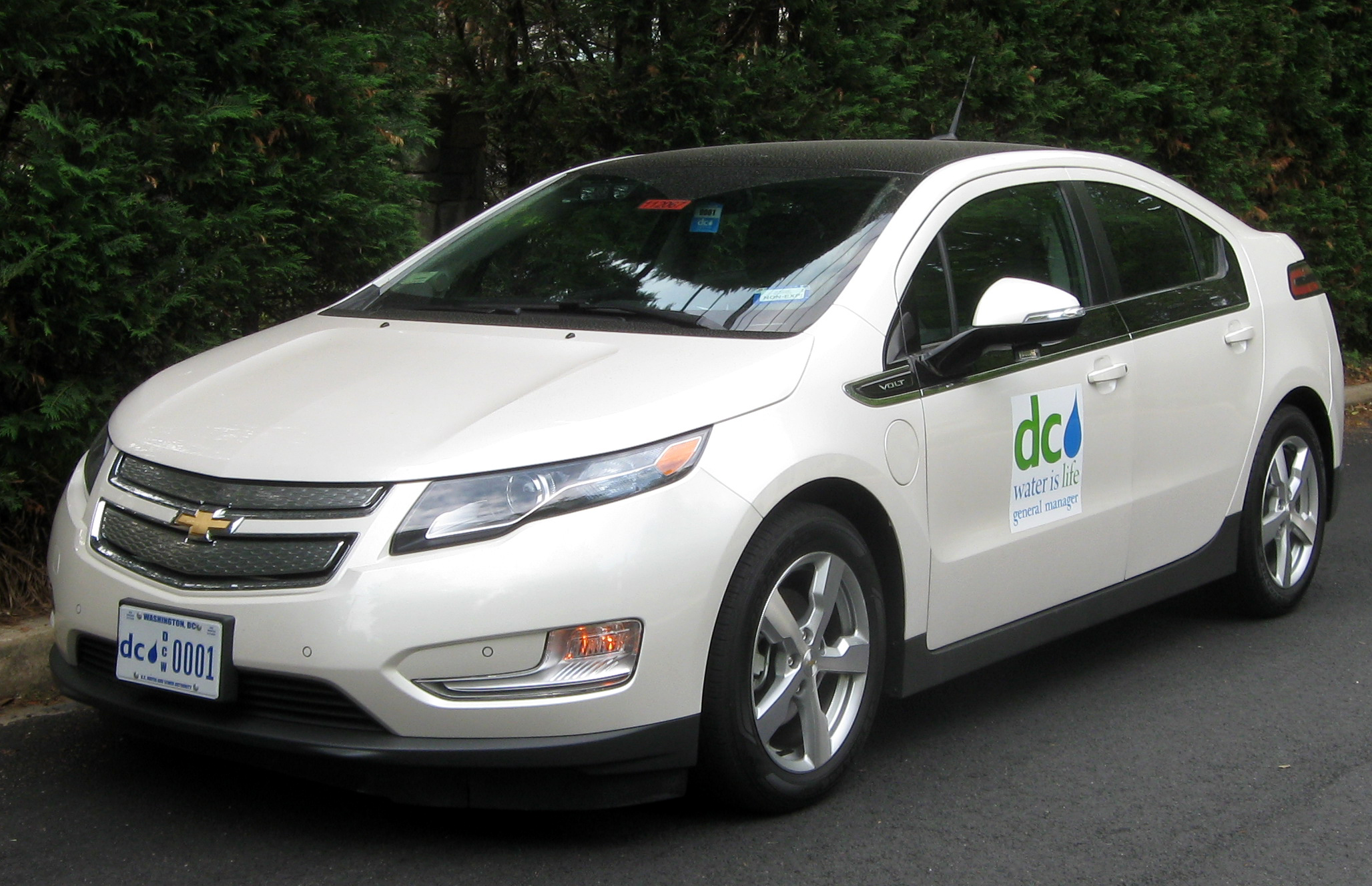
Musk's Tesla is coming out with sexy roadster convertibles and sleek, stylish sedan, Jim was putting forth the automotive equivalent of nurses shoes. I mean, that's that's just brilliant.
Speaker 6: I mean, I mean we all saw it, right, I mean that was you know, the Vault, the prototype Vault, the show car Volt was supposed to be.
Speaker 4: You know it was.
Speaker 6: It was a really beautiful car, like stylish and.
Speaker 2: Went through I don't know if you guys remember the designer a g.
Speaker 5: I remember this. I remember seeing go ahead and describe
it because I remember seeing this very sleek prototype. I thought, huh,
that might work. But what happened.
Speaker 6: Because this is it was Bob Lutz's baby, right, and and so he he really wanted to lean into this needs to be an emotional, you know, stylish thing.
Speaker 4: It's like the same thing that Elon was doing at the time.
Speaker 6: And then you know, once they got into the you know, the product development sphere, and it was like, well, this thing isn't aerodynamic enough, and it's got to go on the Chevy Cruise platform and this and that. And then
it came out and it's not a volt wasn't a bad looking car, and it was considered a marble, but it just they dismissed the mark of what luck really want.
Speaker 4: It was this, like people are going to lust after this.
Speaker 6: You know, it's it's an engineering feat, but it's also you know, beautiful sheet metal and uh you know, well that have made a difference with GM. If like you know,
sees this EV story way back then before Tesla emerged, probably not, but it's an example of how, you know, the traditional automakers just couldn't really ever embrace evs and and sort of start over from scratch and we're going to do this, you know, the way it should be done.
Speaker 1: That's a fascinating story because I would say, odd beautiful product breaks down a lot of barriers.
Speaker 7: You know, if they had stuck with that concept, I think it.
Speaker 5: Would isn't a bolt basically the forerunner of the thing that's now being touted, which is the E rev right it's the the end, the small gas motor that's recharging a battery, and it's essentially electric car with a guest generator on board. And as I've been reading about e revs,
I said, wait a minute, isn't that basically, I mean, maybe with there's certain tails that are not the same, but fundamentally that's the concept of the volt that's right.
And but even so, I mean even Carr and Mike I was reading this, I mean, so I think that the Machi, I don't have it. I'm not hung up
about the Machi Mustang Machi. The Ford Mustang Machi being
a Mustang and bothered me that much. And I think
it's a reasonably attractive looking vehicle. And at the time
when it came out, I thought, oh good on Ford.
But you dug into this, and I was reading in your in your book, you dug in this, and it's and it's like the Machi is like it. Once you
get past the surface, it's kind of a it's kind of a disaster.
Speaker 4: Yeah.
Speaker 6: Yeah, I mean that's kind of the opening, uh in the introduction of book. It's just the scene in Dearborn
where they Jim Farley, the CEO, really wanted to like see what was under the sheet metal. I mean he
was seeing, like, economics don't look very good here, and Tesla's all of a sudden has higher profit margins than anyone in the industry, Like, how are they doing this?
And you know these tear downs you guys know happened all the time, but you know, for a CEO to order it and like put these two vehicles in the same warehouse and they had just this is months after they hired Doug Field from you know, former Tesla, the godfather of the Model three. I think so he kind
of oversaw this teardown. And yeah, the guts of the
this is in Farley's telling of it, the guts of the Machi were just you know, way more rivets and bolts and you know, holding stuff up that didn't need to even be in the car, and tons of added weight, wiring, harness mess and so it was yeah, I think you know, they've said that this wasn't a this wasn't a new platform.
We just we needed to get something out and you know, it is a good looking car and it does have a fan base, but you know, the under the sheet metal, it was a different story.
Speaker 5: Well to quote quote you to you.
Speaker 3: They made the discovery that Tesla held a three to four thousand dollars cost advantage simply by having a cleverer design for its internal components.
Speaker 6: Yeah, like not even not even myterier. We're not even
talking materials. It was just like how they how they designed,
you know, engineer to put these parts and eliminating things that didn't need to didn't need to be there, fasteners.
Speaker 1: And that's because Tesla approaches vehicle design from a total vehicle standpoint, whereas traditional automakers like Ford have silos of organization.
You know, they've got powertrained, they've got chassis, they've got body, they've got interior, they've got HVAC, and the list goes on and on, and they all worked to optimize their design and then they try to put it all together and synthesize it.
Speaker 2: Tesla doesn't do it that way.
Speaker 1: Tesla approaches a design from a total holistic standpoint, and that's how you start to get cooperation going. Wait a minute,
we don't need bolts to hold that on on that on.
We put them together use one bowl.
Speaker 6: And Musk and dug Field that both talked about how they were so close to going under that they knew they like, every ounce of anything that went into that car had to earn its way in, you know, so they were just like it was like a miser's mentality, you know that. I think desperation sort of forces you
to do that. The traditional corp companies probably wouldn't, you know,
put that effort in.
Speaker 3: So so this discovery of the three to four thousand dollars penalty, let's call it, that is that, in addition to the additional cost of the battery.
Speaker 6: Oh yeah, I think Tesla's Tesla's battery costs are considerably lower. Yeah,
that that that number does not include, right, does not include any battery advantage that Tesla, that Tesla would have.
Speaker 4: It's just what you're starting with. So that's what you know.
Farley's you know, had popped off when when when they did that exercise.
Speaker 5: Well yeah, yeah, and other people had their heads chopped off, right, yeah, well your careers chopped off.
Speaker 6: It was yeah, I think and you know, at the context of that, at that time, it was like the Machi was at won a bunch of design awards and it was you know, it was really starting to take off.
Speaker 4: And so you know, I think you know Farley.
Speaker 6: Farley's in the book a lot, and we quote him in the media a lot because he's he's pretty frank about the warts and what the industry is up against, and so you know in a way that you know, a lot of a lot.
Speaker 4: Of executives might not be.
Speaker 6: And he, you know, you guys know how he is, he'll call this stuff out.
Speaker 5: So well, yeah, it's interesting. How yeah, I mean, I
was gonna say, I seconding that, and and you know, I'm not sure this is totally to his to Forward's benefit, but I think it's to their credit that they are trans more transparent by far than any other legacy automaker in terms of what how their evs are performing, and in Ford's case, you know, not performing very well financially.
They lost forty eight thousand plus a vehicle last year.
It's a it's a real problem. But on the other hand,
if you don't show that, how do you kind of motivate people? I mean, it's kind of a way of
creating that scarcity and that to force engineer, you know, some kind of innovation. I guess because you say we can't,
we can't keep doing that.
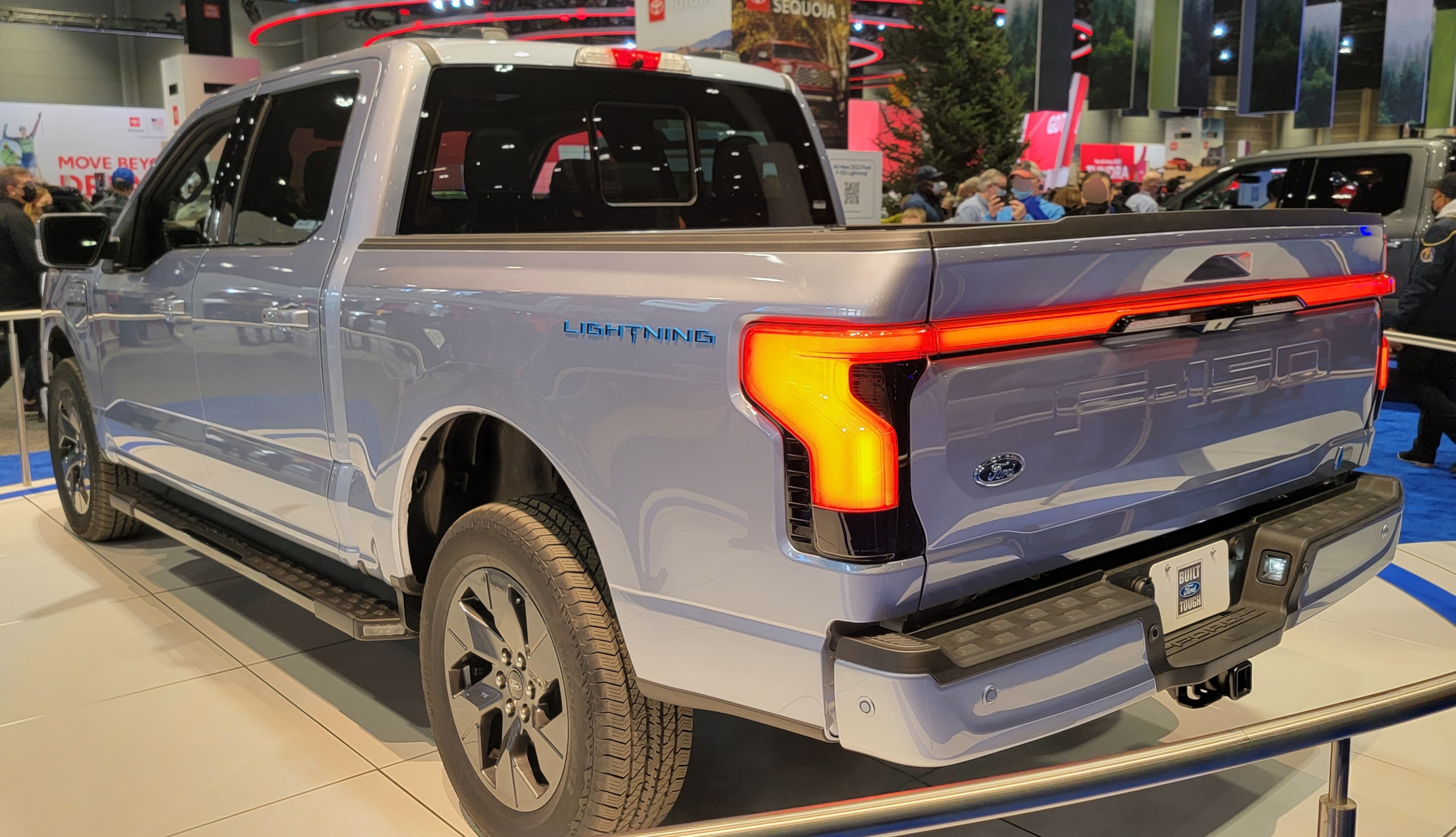
Speaker 1: I cut Forward some slack because both the Mind and the Lightning were rush jobs. Ford recognized it was way
behind and it was like, man, we got to get out with something fast.
Speaker 7: And they did, and.
Speaker 2: They're they're we've all driven them.
Speaker 1: They're very decent vehicles, and to the Machi's credit, it's out selling the gas a lean version of the Most Thang two to one. They're never going to make money
on it though, never ever, ever, ever, ever. What do
you think about their second gen effort here, Mike and especially the skunk Works.
Speaker 4: Yeah, I mean he's talked about this a lot.
Speaker 6: I think this is this is how you know, he talks about it a lot like you might have heard Tesla talk about it six seven years ago. I mean,
a very sort of frugal mentality. Everything's got to earn
its way onto the onto the car, you know.
Speaker 4: I think I was. I got to walk through I wrote.
Speaker 6: A profile on for the paper, and I got to walk through the design center and he and Doug Field were like hunched over on a laptop like looking at like line items for this.
Speaker 4: I think the first.
Speaker 6: Vehicle that's going to come off that new platform. This
is still two years from now, but it's like a size truck and they're like.
Speaker 4: You know, do we really need a funk? Like I
don't know, do we need to heat a steering wheel?
Speaker 6: And you know, it's just like and then and then at one point, Farley's like, wait a minute, if we take all this stuff out, it like it could be really crappy. So you like, let's get people in a
room who we trust and like, let's you know, figure this out.
Speaker 4: But but I mean, you know, the two year delay, I don't know.
Speaker 6: I know they're working really hard on the stuff that's already out, the lightning and the machi to try to like, how do we stop this five billion dollars in bleeding.
Speaker 1: Well, you know, in the earnings call, I think cherry House said they've taken a billion dollars in cost out and yet they still lost five and.
Speaker 5: Yet they're projecting yet another five and a.
Speaker 6: Half as pressure on pricing because there's demand in the US is not there right.
Speaker 1: Well, even that, if you're losing forty eight thousand dollars a vehicle, the more you.
Speaker 5: Make, the more you lose.
Speaker 1: So I mean it's almost like, uh, you know a catch twenty two. You want to be successful at this
and get scale but the more scale you get, the more you're losing.
Speaker 5: So much. I mean, going through your book, So I
mean it's not the same, but the echoes for me are there of the kind of sort of the collision with the confrontation with Toyota in the nineteen eighties. I
mean this there's a very similar kind I mean, and I guess it's talking ab Vius to China, and I hope we get to talk about that and what you found out about China. But this real is that, Okay,
we have a new technology, and in Toyota's case, it was a manufacturing process, it wasn't the fundamentals of the car, which I think is a big difference. Right, that's a
big difference. But there was this kind of like, Okay,
do we need to take this seriously? Yes, we do. Okay,
what are they doing? And they kind of missing it right,
missing what they're doing? And maybe maybe it's Tesla that
I should be using Tesla's to Toyota in this analogy, like the slow realization winmen, they're not playing the same game we are, or at least they're playing the game in a very different way. And that seems like that's
there are some analogies there.
Speaker 6: Yeah, And well now even Toyota went through that reckoning on its own. There's a little bit in the book
on that where they were they did this deep dive study, you know, internal study on how Tesla was was doing it.
In one of the conclusions and this was like Akio's kind of right hand man who was in charge of this project. And one of the conclusions like, we can't
continue to think like Toyota. We got to think like
Tesla and these other EV startups. And I think it's
again just that innovator's dilemma, right, are we really going to just like embrace this new thing when the old thing is the one paying the profits. I mean, that's
exactly what is still going on today. And so are
you going to do a clean sheet EV and and build all of that elect you know, electrical architecture to do remote updates and you know all the stuff that Tesla has done and the Chinese have done. I just
think it's it's taking a long time for the traditional traditional car companies to just you know, swallow hard and start over on.
Speaker 4: Some of this stuff. And it's it's expensive and.
Speaker 5: It's hard, really expensive.
Speaker 2: So so in your book, you.
Speaker 3: You describe the situation the legacy manufacturers have as as the threat being existential, and you know, there is a lot of the Chinese competition that you describe in there, and I'm wondering, So, you know, you talk about by D and then you talk about the Chinese government and on the one hand, how clever and I'm not going to be able to pronounce his name, frekly you will be able to pronounce his name. You said it many times,
Li shang Fu. I think.
Speaker 6: I'm forgetting too. It's this is the sort of diplomat
who now, this.
Speaker 3: Is the guy, this is the guy who is running the company, and sort of like he comes up with the idea of copying but making it better. Yes, yes, yes,
And so you're saying, Okay, this guy's a very clever engineer who has these ideas of the better ways to make electric vehicles. But at the same time you say
that the Chinese government made a decision in two thousand and nine that they would go forward with evs, And I'm wondering, what is your sense of what made the greatest amount of advantage or was it both the thinking of this entrepreneur as well is the government support.
Speaker 6: I mean, I think it was. I think it was
BYD along with several others. But I mean, so going back,
it's a young industry right over there. They invited VW
and GM over to you know, and others to JV with these Chinese companies, and the Chinese automakers were sort of competing alongside and trying to learn, but they couldn't they couldn't refine the internal combustion technology. And I think
there was this collective reckoning in the Chinese government that this is just we're never going to catch up. There
was a sort of document prepared by this one diplomat and his name's escaping me that he like, this is how we leaped forward and beat everyone was to go electric, betting that the rest of the industry was never going to do that because they weren't going to abandon you know, the thing that was paying the bills, the same exact bet that Elon Musk was making around the same time, and the you know, the mid odds and you know, so massive thumb on the scale, right like huge, and centers for people to buy electrics, incentives for the companies
to build them, charging in for CERTU. There's like twenty
to twenty five times the number of fast.
Speaker 4: Speed chargers in China than there are in the US.
Speaker 6: So like they've just brought to bear all these advantages supply chain, you know, the battery supply chain, obviously whatever government you know funding, I mean, we don't have great visibility into that labor. I mean, there's all kinds of
things that China's probably brought to bear that you could never do here, right obviously, but it's all kind of culminated in like solving these two big pain points that are keeping EV adoption down in other places, which is price and charging infrastructure.
Speaker 4: And it's just it's.
Speaker 6: Worked, and now it's approaching fifty percent of the market.
And so that's why from a consum like from the car company perspective, I just don't know how you ignore that and you know, slow walk your evs because the US is slowed down. I mean they know, and Barley
talks a lot about this, that they're going to eventually have to compete against these like stylish quality, affordable evs coming out of China, and now they're pumping them out to the to the whole.
Speaker 5: World absolutely, I mean, I mean said at the conference in Detroit this week put on by the Chicago Fed, and a number of times people that are talked about how in Mexico, which has a pretty open market, has not restricted Chinese cars much at all. Chinese cars not
twenty percent of Chinese I think Chinese brands, but Chinese made, Chinese made vehicles. Maybe it's actually no, it's not Chinese brands.
Chinese made vehicles including Ford and GM and other imports are twenty percent of the market. Yet, so you know,
being sort of the low cost producer of a of a of a of a desirable product, you know you can still win. Like I was really interested in the postry,
but you're talking about China where you were talking about c at L and Robin Sang and how because that seems to be a really it's the not so secret sauce in the Chinese ev operation is that there was an advanced battery making infrastructure there already for what mainly consumer electronics, right, But talk about that because it seems like that is really a big part of the story about the Chinese come to be so dominant.
Speaker 6: Yeah, that was actually one of my favorite like people I talked to for the books, Bob Gallion the battery technology expert.
Speaker 4: All your viewers are probably familiar with him.
Speaker 2: He's been on the show.
Speaker 6: He's yeah, he's, you know, chief engineer I think of the EV one battery. You know, it was longtime battery
expert at GM, Delphi Magna. So he's in his like
mid mid to late fifties doing this talk at a battery conference in I think Shinjen and it's twenty eleven, so it's not like ancient history. And Robin Zang approaches
him and says, let's go. You know, I've heard about
your work. Let's go have Let's go have dinner with
a few of my engineers, you know. And Bob goes
to this hotel nearby after the conference and there's sixty engineers sitting in this room and like there's ten tables and they all have like a framed picture of some magazine cover that he was on about batteries, you know, and so they and they like did you know, had a big meal and did shots and everything.
Speaker 4: And then and then after that he's.
Speaker 6: Like Robin Zeng told Bob, he said, I'm starting an EV battery company.
Speaker 4: I want you to come work for me.
Speaker 6: And Bob's first thought was like, my wife's gonna kill me.
I mean, I'm like, I'm about to reside that the requirement, right, And he went over there and so like, again, twenty eleven's not recent, but it's not that far back that c C ATL didn't exist. The company was named ATL
at the time because it was all consumer electronics.
Speaker 4: They eventually became a huge supplier to the iPhone.
Speaker 6: But Bob Gallion, who you know, was in the system just kind of like you know, trying to get the ev thing going for thirty years in the US, HAPPED stumbles into this opportunity in China and he was the number two employee CTL, and you know, the rest is kind of history. It's the biggest battery company in the
world now. And there was a number of examples like
that in the book where people who had been in the Detroit three system kind of in the hybrid electrification space and just kind of latched on to some opportunity in China and they were moving at light speed and we were just kind of plodding along.
Speaker 3: Do you see this as being analogous. You know, we
were talking about Toyota earlier of when Deming went to Japan and taught them about quality, and they said, oh, this is a very good idea, and let's let's even make an award for the man because he's so good.
And then you have you know, guys like Bob Gullion going to China and people are saying, oh, these batteries, that's a very good idea. Let's you know, make zillions
of them.
Speaker 4: Yeah.
Speaker 6: I mean, you know, I think China was on a mission and they were probably just scrounging for, you known, anyone they could find to help them with the expertise, and you know, Bob was one of them, trying to think.
There was another guy named Jack Cheng who he was a longtime forward executive Fiat Chrysler kind of in like supply chain, purchasing, realm and same thing. He was at
the twenty fifteen Shanghai or Beijing Auto Show and William Lee, the founder of Neo, approaches him says, hey, I want to start a car company. And Jack's like, he's this
guy's like a really character. He most recently the CEO
of Fox KHN. And he was like, you guys are
a bunch of tech guys. You don't know anything about
starting a car company. And then and then he called
his son in his son in the US, who was like in the consulting world.
Speaker 4: He's like, do you know what anything.
Speaker 6: About you know this this company I think they had started at that point.
Speaker 4: It wasn't called Neo.
Speaker 6: It was called something else, and I had a couple of different names, yes, the next something. But his son
looked this up and quickly found that, like Ali Baba was one of the financial backers. He's like, oh, you
might want to take this. So he left Fiat Chrysler
and started with Neo. And you know, it wasn't like
it was smooth.
Speaker 4: He said.
Speaker 6: He he had this conference with like two hundred suppliers to try to woo people into like coming and you know supplying parts for Neo, which is like a pretty risky thing for a supplier to get, you know, to do this startup. And this Jack guy, he plays the guitar,
so he said, he played like the Guns and Roses song at this like conference there at and uh and then at the end he kind of approached everyone who he knew from his prior you know days at Ford and Chrysler and he's like, all right, so how is it?
Speaker 4: How about it?
Speaker 6: And and these guys were like, yeah, I mean it's a startup Chinese electric car company. Like so, according to Jack,
he had to really like dig deep into the pockets to you know, pay these suppliers more than they would normally to join these programs.
Speaker 4: But Neo now is you guys know the Neo story.
It's and it you know, had to get bailed out a couple of times, and it was ugly.
Speaker 7: I don't think they're making money.
Speaker 4: Yeah, yeah, they're still losing their cars.
Speaker 2: Branding ordinarily well.
Speaker 5: Yeah yeah, and they do seem right, and they have the Neo houses and they're branding. They've yeah, they seem
to have done a really good job. Was sort of
the customers a parents user experience anyway. I mean, I'm yeah, right,
it may be seen. It does seem like, you know,
you know, there's there's there's like over one hundred Chinese EV companies, right, but maybe what six six or eight of them are are are are worth watching my sense, And e ID is like first first of all, and then and then Gilie and so on. But Neo's in that,
and Neo's in that. I think Neo is still in that.
Speaker 1: There's a couple of others that I would rate ahead of them, at least in terms of profitability. Number one,
Lee Outriado's making money, Great Wall is profitable, and they're starting to become pretty serious. But here's what I wanted
to ask you, Mike, eedis in Europe not going anywhere.
Nobody's making money, eighties in America not really growing like everyone thought, everyone except for Tesla, losing their shirt on the whole thing. It's become highly politicized, both here and
in Europe too, by the way. And so you've got this,
this pretty big chunk of the car buying public who wants nothing to do with EV's. And yet the title
of your book is inevitable. You see this happening no
matter what.
Speaker 2: Why.
Speaker 6: Yeah, well, the word messy and the subtitle is doing a lot of work.
Speaker 5: And uh, maybe I did messy inevitable.
Speaker 6: And I do do this nifty thing where I don't exactly define what isn't what is inevitable.
Speaker 4: So I'll do it here.
Speaker 6: You know, I think it's the ev part of the market continues to grow and expand, I think, along with hybrid and plug and hybrid and a sort of ump plug and hybrid with EV's as well. Internal combustion declines
obviously at much different speeds around the globe.
Speaker 4: Right, this is the trick.
Speaker 6: It's like there's multiple EV transitions playing out. You know,
if China's almost half the market now, you know obviously that is tipped. And so I think that's what everyone's
watching is like the extent to which they are able to push these out into other markets, and it really is going to have to be North America, Europe, and.
Speaker 4: To some extent South America.
Speaker 6: There's no infrastructure in other places, you know, there's not enough the grid can't handle evs in places like you know, some parts of Asia and Africa, and.
Speaker 2: So they're pushing in there too.
Speaker 5: Yeah, in India right there, combustion they can't still have those.
Speaker 6: But anyway, you know, I think I don't know if we polled all of the analysts that we talk to all the time about what in the US, what's the percentage of EV sales in twenty thirty I think it's probably like somewhere between fifteen and twenty percent, and then twenty thirty five, I.
Speaker 4: Think, correct me if I'm wrong.
Speaker 6: I think you'd probably look at a third to forty percent.
I think that's probably roughly what the experts think, which is which.
Speaker 5: Which respectively are two x and three to four x of what it is right now.
Speaker 4: Right, that's still a huge move.
Speaker 6: And so you know, I think we all know the battery costs, Like they're figuring out smarter ways to put them to get together, right, And that's a big The efficiency part is a big piece of this. FP is
going to do a lot more work in this transition that people thought. I think plugins and hybrids are going
to be a part of the story for decades. Right,
It's all like and I think I say that at some point in the book, like the idea of electrons powering how you get around is here to stay and is only going to grow.
Speaker 3: Right, So you also seen your book. Twenty years from
now in American car shopper probably will still be able to walk into a showroom and buy a car with a gas engine. There may even be ample selection.
Speaker 4: I think that's right.
Speaker 6: I think, you know, heavy duty trucks, like, there's all kinds of reasons why it's not going away, which is just going to make the job harder for the car companies, right, I mean, how do you manage all this?
Speaker 5: So I mean just again, it's a conference I was at.
There was some and I forget exactly who put these slides up there kind of blurring, but I remember the gist.
So an economist said that Chicago fed Thomas Clear and his research partner at Jim Rubens sign did a deep dive on powertrains and they found that the number of different gasoline engines being produced in North America that has shrunk, I want to say, thirty or forty percent. John. It's
looks like you know, you know what I'm talking about.
So you know, behind the curtain, the OEM automakers have been saying, Okay, look we're going to have to you know, our future, the future of ice is a smaller future.
We're going to have to shrink the population of combustion engines and shrink the variation, which, by the way, something they probably should have been doing, said they were going to be doing twenty years ago. Right, So that's happening, right,
that that pulling away of investment and sort of the sort of realizing, Okay, we don't need sixty I think with sixty engines, we can get by it with thirty or you or fewer. So I agree, I think that
automakers have kind of come to this conclusion that that massively investing in combustion technology is kind of foolish. They
can they can start to narrow that down. And you know,
the other thing that I'll say again this was a topic, but I think it's on point, is if you look at kind of the pace of Chinese innovation in this space, or actually Chinese innovation generally, look at the deep seek freak out where you know this, oh my gosh, they can they can do AI at one tenth the cost and twice the speed, you know, the machine to change the world kind of formula. You know, a week from now,
we could wake up and find out that c at L has done a similar trick with battery trick but a similar set of innovations with batteries, like oh yeah, we finally got a sodium battery that we can produce at scale, right or whatever. So I do think that
there's that that that I mean, I think EV the EV super bowls are wrong. I think the EV super
pessimists may also be wrong. And that's kind of what
I took away from reading reading.
Speaker 6: Your Yeah, I think that's I think that's a good way to put it on the battery stuff. I just
feel like we've always heard these battery breakthroughs are coming.
Speaker 4: They just it's just this grind over time.
Speaker 6: But if you look at what that grind has produced, I mean ten years ago, you know, what was it the leaf and the bolt and they were good hundred miles, Yeah, you know, and we're three hundred is not unusual now.
So you know, range goes up, charging infrastructure gets filled out, you know, and I think younger people are more.
Speaker 4: Open to buying evs and older people.
Speaker 6: And one thing on also on a carmaker side of it, is like these are these are the tools that they want that they need to use to do the other stuff that they want to do, which is autonomous driving and all the digital you know, over the year updates, making your car rolling smartphone, Like you can do that on an internal combustion, but it's not as efficient and easy to do as it is on an EV. So
I just think there's so many reasons that the industry is not going to get off this this path.
Speaker 3: So you mentioned you mentioned Doug Field before, and so you know Doug worked at Segwe, Doug worked at Apple, then Dive worked at Tesla, and I will look forward.
And you point out in the book that the way Doug fort the way Doug Fields sees it, the most important aspect of car ownership should be this ever changing digital experience. It's inside the car rather than the contours
or the colors of the sheet metal, the hardware which is wrapped. And now he clearly has Farley's ear, right,
I mean, and what I wonder about is does a guy like Doug Field say, you know, the auto industry is a little off by being worried about propulsion systems or about sheet metal, that it ought to be experiential more than anything else. And so this digitization, the software
to find vehicle, that's where it's at.
Speaker 6: Well, I think you could look at Tesla right now and some of the criticism around how they don't update their cars enough and it gets things get stale, right, And so I do think that there are some of that where sure, maybe you don't need a refresh, you know, a new front facia every year and a half, like the industry's always done, but people are always going to care about what the car looks like.
Speaker 4: You know, I think his point.
Speaker 6: You know, I remember this conversation with him, and he's like, you know, people don't show off their iPhones anymore like that, the you know, the value to them isn't like how it's it's all of the apps.
Speaker 4: You download and like the way you use it.
Speaker 6: And he's looking at the vehicle like that, And I think, to your point, I think.
Speaker 4: The auto industry is you know, different than that.
Speaker 6: But I think his broader point is it is going to the race now is in the tech that you're going to infuse into these cars, And if we ever do get to fully autonomous, I mean that's going to be you know, true in spades, right, It's going to be all about the experience. And and I think they're
thinking ahead to that a whole other can.
Speaker 4: Of worms that's self driving. You know, who knows who knows?
Different show, different book.
Speaker 5: Yeah, well yeah, yeah, you talk. Some think you talk
a fair amount. I think about about the about dealers
and how auto dealers are. I think you have one
auto dealer who you know, kind of goes through a kind of a stormy back and forth and decides to keep the Cadillac store right, and another one who I think maybe sells out. But I want to ask you
as you talk to these folks. One of the things
that I'm curious about is that to what extent do you think that the relationship between the automakers and the auto dealers is a problem, because when you get into kind of over the year upgrades and all this kind of basically service revenue stuff that traditionally has been and is has been, is today how dealers make their money right, service and all that stuff. And it seems to me
that's a big friction point for the legacy automakers is that they want to go do all that cool Tesla software stuff, but the dealers are they have to fight with the dealers about who gets the benefit of that.
Speaker 4: Yeah, no question.
Speaker 6: I mean we all know what the auto executive, if they were in the room, would say, we value our dealer network, and you know, we think it's an advantage because it provides a service network, and that I think that is true. And I've got a big Tesla store
down the street from me and Arbor that looks awful lot like a dealership. But I yeah, this is a
huge friction point, I think, and it's I think it's not just the fight over.
Speaker 4: The subscription future digital revenue.
Speaker 6: It's just you know, wanting that touch point, the automakers and brands wanting the touch point with the customers. And
I think there's been some of this transition for them has been about let's see if we can, you know, if not completely marginalize the dealers, at least shove them out of the way enough to work we're closer to the customers. We've seen it with the Honda Sony car
that's supposed to be a direct to consumer.
Speaker 1: You know, this week Florida dealers Volkswagen dealers are suing suing Scout and Volkswagon over the fact that Scout wants to sell direct and they don't want to, which I find incredibly ironic because here you've got dealers saying they really don't like electric cars. You got this guy Moreno,
I think they're congressman that was elected in Ohio. That's saying,
you know, we don't want but when it comes to selling direct, they don't want the car companies to sell them.
They don't want to sell them, but they don't want car companies selling.
Speaker 5: But the car companies one what did far we say?
He said two thousand dollars a vehicle. That's that that
they're that they're behind Tesla in terms of just the retail friction in the system and the cost of the system little you know, added to all the money that they're behind elsewhere where.
Speaker 1: Do you guys think, God, this is going to go, especially this lawsuit and and guess what, this is just the first of I think fifty lawsuits where we will be five this where that's the answer to your question.
And the California Dealers Dealer Association UH issued Volkswagen to cease and desist order, which Volkswagen says it's going to ignore, which I'm sure is going to trigger another lossuit. But
I think this is going to go through lawsuits and everything.
Speaker 3: What's the number one market for Tesla? Oh, that's right, California.
So somehow they seem to have gotten over that direct sun.
Speaker 2: But here, here's the.
Speaker 1: Thing is that Tesla never had an kind of financee or franchise agreement with any suppliers, right, and pretty much the way that franchise laws are written. If you're an
automaker and you use franchise dealers, I'm sorry, but for the rest of eternity, you're handcuffed to the franchise stuff.
Speaker 6: Yeah, the franchise laws were meant to protect existing dealers from the OEMs coming and taking over. If you if
if you're a car company that never had dealers, then you know you shouldn't have a problem.
Speaker 3: Right, even though they do have a problem yet International scout dealers, yes, oh yeah, sure regular yeah absolutely, yeah, we sure going.
Speaker 5: But you know, honestly, I mean, Volkswagen maybe should take this as kind of a backhanded compliment that dealers are basically saying, no, scouting was pretty good when I get our hands on that. So you know that maybe although
I'm may be that yeah, I mean, you know, I mean I raised the question because I think it's a it's a fundamental problem that you know, it's one of several elephants in the room that as far as I can tell, has not been resolved, and we'll get bigger over time.
Speaker 2: There's only two ways to resolve it.
Speaker 1: You do what Tesla did, which is go into every single state legislature and work out some sort of a deal.
So here in Michigan, you got this Tesla store in ann Arbory. You've got another exhibit place, I guess is
what i'd call it up in Troy. But you still
cannot register the car in the state of Michigan. You
can buy a Tesla and then you got.
Speaker 7: To take it out of state to get it titled, and.
Speaker 2: Then you can bring it back.
Speaker 5: I thought they'd worked out a deal to fix that.
Speaker 1: Well maybe they have, Joe, but it's still a pain in the neck in most states to try to buy a Tesla, which is amazing. I mean, think of what
the company could do if this was unfettered, so you can go workout deals and or I'm surprised no one's done this yet. Take it to the Supreme Court because
my view of the situation is these franchise laws are restraint of interstate trade, which I learned in high school was illegal.
Speaker 2: And I got I gotta believe either.
Speaker 1: Volkswagon with deep pockets is going to go and slug this out through multiple mode to the lawsuits, or somebody's got to take it to the Supreme.
Speaker 5: Thought years ago, I thought Tesla was going to do it, and they didn't.
Speaker 2: They did not.
Speaker 5: They backed away from it.
Speaker 1: They took it to the Circuit Court of Appeals and lost, and then that's when they they stopped pushing it in terms of appeals. And I've asked some people, why wouldn't
they push that, And it comes back to what you guys were saying of Farley, saying it's a two thousand dollars per car cost disadvantage to use franchise dealers. And
I've had people in the retail end of the business tell me John he wants to stick the legacies with this system.
Speaker 2: He sees this as a big advantage.
Speaker 6: Well, they've really is really backed off of the you know what they were talking about initially, which is essentially a direct to consumer model and taking much more control, and there was a big pushback and they've backed off of that and really changed.
Speaker 1: I think the reason they've backed off is the EV sales never materialized, which.
Speaker 3: Goes to the point of of Mike, you know, speaking a forward when they were telling dealers, you know, you have to spend x amount of money to be able to sell these vehicles, and boy, these vehicles are going to just fly off the lot. And therefore, you know
you're going to pay for trying to infrastructure, You're going to pay for, you know, equipment in your service tomorrow, you're going to pay pay, pay And now they're backing off of that right and they're even saying to the dealers, well, we'll reimburse you for some of those costs that you've paid.
Speaker 4: Is is it.
Speaker 3: Possible that the car companies are recognizing that their irrational exuberance about electric vehicles may put them at odds with their dealers, and that they ought to settle down a little bit in that regard.
Speaker 6: Yeah, I think they're I think they're calibrating to the state of play on the ground right which is, you know, this is not fifteen to twenty percent of our business yet, and so we need to you know, what's paying the bills right now, or pick up truck sales in Texas, and we need to make sure those those dealers are happy.
I think that's exactly what's happened, right.
Speaker 5: It's interesting, I mean, looking at again, maybe picking up on another of the book, I mean, you you chronicle this period of just just a few years ago where there was this arms race, right, you know, and then everyone's boasting about the billions that were going to spend.
The leac auto compan is all to spend billions buying this, buying that, buying into minds, buying into the supply chain, and talk a little bit about that because it seems like the buyer's remorse on a lot of this stuff must be pretty intense at this point.
Speaker 6: Yeah, well, yeah, I think you know, Mary Barr Jim Farley would probably say, like we needed to position ourselves, you know, to industrialize this when it happens. But they
probably could have done some percentage, and I don't know what that is. Maybe they could have spent half.
Speaker 4: Or a quarter.
Speaker 6: I saw some analyst note and I don't I never followed up with Ford on this that said, like John Lawler, the CFO who just let step down from CFO of Ford and now I think vice chairman. But he made
a comment in some analyst meeting and it ended up in this note about how this is one of the biggest regrets of his career was jumping in on the hype cycle during the EV rush. So that should probably
tell you something that I know, Blue Oval City, you know, the big complex down in Tennessee where they're going to make EV trucks. They had talked about half a million
vehicles there and I think, you know, the latest is maybe one hundred and fifty to start out, so it's roughly you know.
Speaker 1: Good luck with that, yeah, right, I mean, because you know, you're turning on the earnings call. Farley was saying, you know,
full size electric pickups just don't make any of the you can't buys all the numbers.
Speaker 6: Yeah, and I don't know if that's where they start to build some of the skunkwirk stuff. That's that's my
belief is that's just do something, well, have to do something with it.
Speaker 5: But that probably makes sense, do something with it.
Speaker 6: Yeah, yeah, but no, I for sure some buyers remorse.
But at the same time, you know, I think there's this belief that they've got to they're going to have to and Pete, you know, I guess that the existential question also could just mean do these companies exist as shrunken versions of them themselves as regional car makers for however long the combustion engine you know story plays out.
Speaker 4: You know, I don't know how.
Speaker 5: It's going to We'll talk about that a little more.
Speaker 3: I mean, so you're seeing conceivably it could be that the Legacy automakers just say, maybe we're not going to be that big in this game, and therefore we'll continue to make full sized SUVs and pick up trucks and make the money and.
Speaker 6: If the runway for internal combustion is a lot longer than everyone thought. I think that that, you know, I
think that that could become something of a strategy. I mean,
look at the geographic footprint of a company like GM pulled out of Europe. Everything's fine where we've got North
America in China. Now you basically don't have China anymore.
You know, they're not pulling out of that market fully, but we've all we all know what's happen been there and that you know, they're.
Speaker 4: Now losing money. They're never going to be big in
China anymore.
Speaker 6: So now it's North America and still fairly strong in South America, but doesn't really you know, produce the profit.
Speaker 4: So now you're just basically.
Speaker 6: Reliant on this one region where evs aren't taking off, but they're taking off much more in Europe and the market has tipped in China.
Speaker 4: So what do you do with that?
Speaker 6: I don't want to be in the CEO chair over at GM or Ford, but you know, so I don't know, you got what do you what do you think is going to happen? Do they just lean into internal combustion?
I don't think you can do that.
Speaker 5: Yeah, No, I've thought about to some and I do think that that I do think that that it's not a risk. It seems to be becoming a reality that
they will become regional operations and and kind of operating as public utilities in the sense that you know, the political leadership and I'm pretty certain this tould be true no matter who is in the White House, will want automotive jobs. They're great paying jobs. You know, there's all
you know, we saw that in the last election and we'll see it again. So provide jobs, sustain you know,
are a manufacturing base because you know, that's what makes the first class country and and oh by the way, uh try to make enough money so that you can, you know, kind of put out a decent product. But
it does seem like that kind of national champion regional role is kind of what it is. Kind of what
they're being pushed into. And if the Chinese and if
the Chinese manufacturers continue pushing out into you know, all the other markets in the world, right, what's left.
Speaker 3: But Joe is this is this regional manufacturing primarily ice based.
Speaker 5: Well that's a well, right, so that yeah, I mean, you know, if I knew, I wouldn't tell you I would go invest in. But but no, But I think
for the near term, right I think, I think, yes, it is. It is ice based, I mean all the
combustion base. It's I mean, what if GM four and
really even Stillanti's sence is a little bit of a different duck. But GM and Ford they make virtually all
their money on North American truck and suv and the financing and service parts thereof.
Speaker 1: Right, but they have that because look at Japan, you know, losing production quickly as the Chinese takeover the markets that the Japanese had nominated, notably in Asia. You've got the
Japanese government trying to put Honda and Nissan together. Honda
very reluctantly. Now, Nissan says, now, so they don't even
want part.
Speaker 5: What you want us to be a subsidiary exactly.
Speaker 1: You look at Korea with a rapidly shrinking population right now and a market that's not growing at all. And Europe,
which I think is the canary in the coal mine as far as North American market goes.
Speaker 7: Is in deep, deep, deep trouble.
Speaker 1: Three million units in sales below what it was pre COVID.
Absolutely no sign of it coming back. So really, if
you look outside of what's outside of China, what's going on, the Detroit to GM and Ford look to be the best positioned of anybody else in the world.
Speaker 8: Rights of dollars, you know, they just reported yesterday five billion dollars was electriate electate and they expected five point five this year.
Speaker 5: So we're going to run an experiment over the next four years in this country, which is you know, I again, you know, six months will be wrong. But I believe
that the President of United States and the people around it mean what they say about rolling back the fuel economy and greenhouse gas emissions targets left behind by the Biden administrations. And I think they believe. I believe that
they mean what they say about pushing or trying to withdraw California's UH power to set their own rules and demand percent by twenty thirty five. So you will have
a market I think that will be to some large degree deregulated when it comes to what powertrain you're going to at least for the next four years. And so
let's see what happens, right, And I'm not sure, by the way, un to the point of your book, And I'm not sure that that inevitably means that electric vehicles go to zero, because there's still maybe a lot of people say, I don't care what the government says. I
like that.
Speaker 6: Yeah, yeah, I mean, don't you think that the executives of the companies are so fed up with the whipsaw policy in the US that they just have to run their businesses the way they they've They've got to have some sort of north star here, and you know, sure I I one hundred percent he's going to roll back the EPA, and you know, the Biden rules probably weren't achievable anyway, so the industry really it.
Speaker 5: Would have been softened anyway by whoever.
Speaker 6: Yeah, but I just think that, you know, if you're head of product development or the CEO of one of these US car companies, you've got to plan the way that you see your global competitive landscape playing out.
Speaker 1: And look, we've seen a shift in their thinking because if you go back just two three years ago, the thinking was, and I was fully in on this, if you want a really efficient EV it's got to be a dedicated platform in a dedicated assembly plant. And now
because sales have not gone the way everyone thought they were.
It's like, oh, from a capital investment standpoint, we cannot afford to do that. So now we need platforms that
will take anything. BEVP, have E REV hybrid ice, and
they've got to be in plants that can build whatever is going down the line.
Speaker 2: They just dropped just.
Speaker 5: Where BMW I think Toyota now Honda and Honda I guess just made some significant investments in Marysville right to kind of go that way. Yeah, you're right, I agree.
It does seem like, you know, that kind of the flexibility.
Whatever the additional cost is to build in that flexibility and the architectures is it's probably less than going all in on you know, five hundred thousand Louisville City and then having to say, oh wait, no, stop, can't do that exactly right. Yeah, well, you.
Speaker 3: Point on your book that that Ford spent seven billion dollars for the battery plant in Blue Old City, which was the largest investment they'd ever made.
Speaker 6: Yeah, and two battery plants, three battery plants altogether, but if you count the Kentucky too, one's been mothballed, one is about to open, I think, and then the EV truck plant and another battery plant Tennessee. But yeah, biggest
investment capital investment in the company.
Speaker 3: So they push all these chips onto the table, and now they're discovering that you're not gonna get much of a return from that.
Speaker 5: So my question is is that.
Speaker 3: At what point can they no longer afford to keep up these sorts of investments. I mean, let's say it's
it's not seven billion, but you know it's ratcheted back for you know, the skunk warks vehicles, that's still money.
I mean, they've they've got they got a versus they'd say, you know what, maybe we should think about, you know, you know, bringing some of that Mexican production north of the border for the big trucks.
Speaker 4: Is this conceivable?
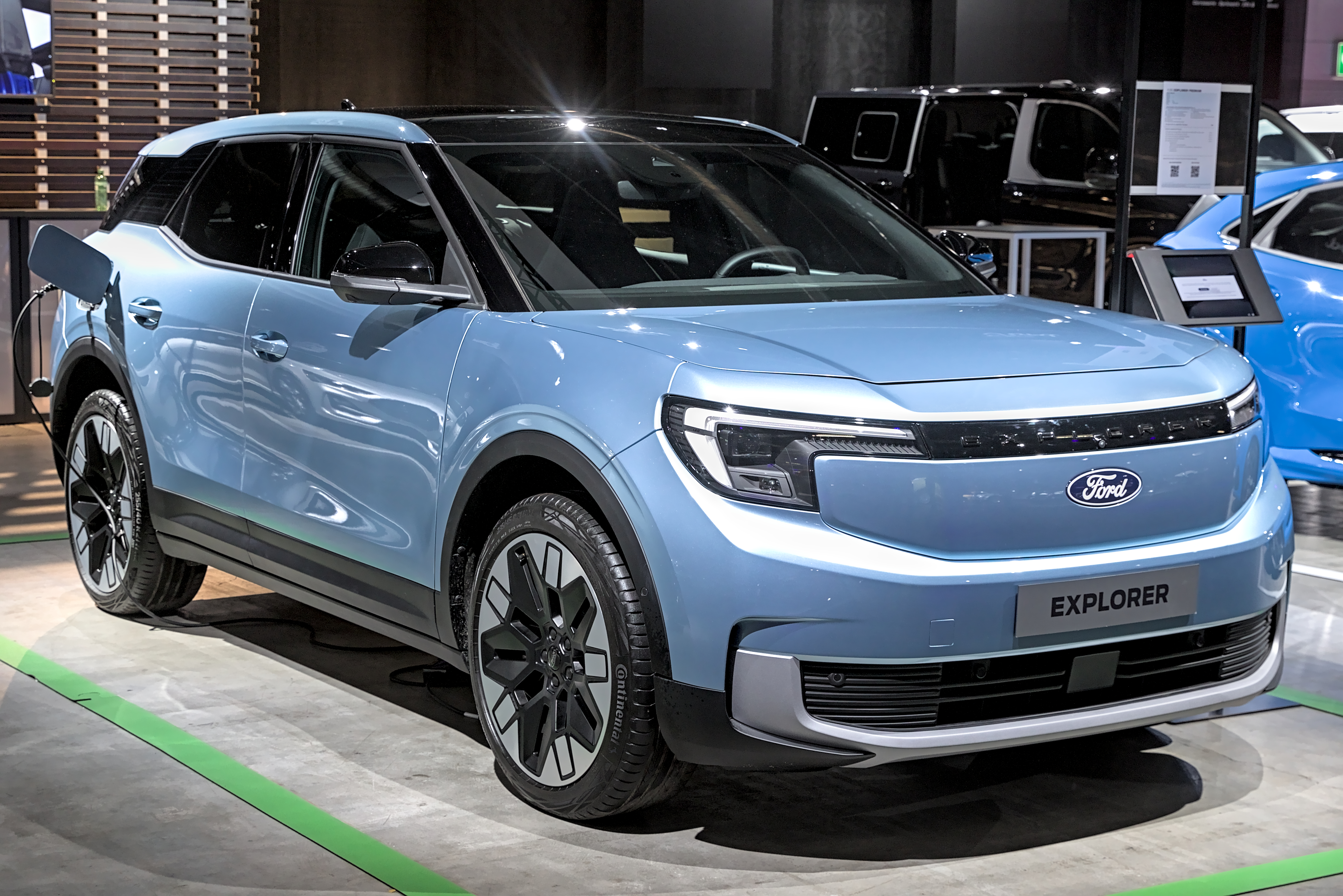
Speaker 6: I mean I think I think they've already slow walked some projects, canceled. So they canceled that explorer size ev.
Speaker 1: They'll say, oh, we're not going to do it next year, We're going to do it two years. It's probably never
going to happen. So they're all backing off. And I'll
bet you there's planners in Dearborn right now figuring out, what are we going to do with Blue Oval City, Because we're not going to sell even one hundred and fifty thousand full sized trucks unless they're e reps, So I would expect e reps to go in there well, and.
Speaker 6: Blue just had a good story about the real push into e revs by Ford. And Ford's got some advantages
there because they never did a band and they stopped talking about hybrids for a few years, right, but they never really abandoned that that They've got heritage there.
Speaker 4: In DNA, and I think they'll really lean into knowledge.
I think they should.
Speaker 2: So you know, we'll learn today or this year.
Speaker 1: I should say when the Ram pickup e rev comes out, how well the full size pickup segment accepts that a key is going to be pricing. But you know, remember
they're claiming like a six hundred mile range with that thing, so it takes care of all the range anxieties. It
drives like erevs, drive like an electric because you're so you get great low end torque, you get the smoothness, you get the quietness, all that kind of stuff.
Speaker 2: So we'll see how that goes.
Speaker 1: But I actually I want to switch gears and go back to a little bit more of what we were talking about in terms of buyer's remorse, but this time looking at Tesla, because the sales numbers coming out of Europe right now are horrifically bad, and so there's you know, look at the beginning of every quarter Tesla sales are down.
They always build up to a crescendo at the end of the quarter. We know probably some buyers realize there's
a new model y coming or refreshed, so maybe they're holding back. But I mean that this, you know, it
was like sixty percent down in Germany, sixty percent down in France and France, and in the forty percent range in the Netherlands and the Scandinavian countries. Is this because
of Elon's politics?
Speaker 2: What do you guys think?
Speaker 5: I mean, I read some of the coverage of this, and it does seem like there's at least a coincidence there, or a meaningful coincidence where there is polling showing that there are a lot of people who were who are not happy with Elon Musk's behavior and his meddling in German politics and those kinds of things, and just his behavior in general, his political behavior and so yeah, I do think there's a problem there. I mean, it sort
of stands to reason, right, I mean that there'd be some people, you know, especially in Europe, who find some of the things he's said in support of the far right German AfD party, some of the way he certain gestures he's made on public stages here in the United States pretty off putting, right, And if you've been to Germany, you know that it's not funny. You know, that kind
of stuff's not funny there. So yeah, but you know
what I mean, I think, you know, right, let's wait till the end of the quarter, because who knows, you know, if you put enough price relief in the marketplace and do this and do that, maybe it overcomes that.
Speaker 6: When Elon's on record is saying he doesn't really care how we price these cars because he thinks everyone that goes out the door is eventually going to be able to accept some sort of full self drive, autonomous you know, product that they'll pay a lot of money for. So
you know, these are just like the Razor blades and you know, or the race.
Speaker 5: Data feeding data to his machine and right, and.
Speaker 6: I think he's viewing Tesla Lesson less as an electric car company, and he says this right, it's it's an I robotics company and that's that's where the future is.
And so I don't think that's why he doesn't care about the subsidies going away. And he's on record as
saying governments shouldn't support evs. He knows that's going to
probably hurt Tesla on the shore run. But I think
he's onto bigger and better things in his mind.
Speaker 5: Right.
Speaker 1: So, jumping topics yet again, Gary, last week's show all about tariffs. We talked tariffs inside out and backwards, and we.
Speaker 5: Were almost right.
Speaker 3: You and I and our colleagues were almost wrong. The
well they thought that they thought they'd be applied on the first correct and we said, hmm, maybe not, so we got the thirty day reprieve.
Speaker 2: So what's your lesson learned out of this whole tariff kerfuffle.
Speaker 3: I think that there probably ought to be more copies of Economics one oh one books in offices in Washington to understand the consequences of this, which are not good regardless of how you look at this.
Speaker 5: Well, yeah, and I'm at the FED conference yesterday. The
president of the Chicago Fed Austin Goolsby and named some people may remember he was a senior advisor to Barack Obama.
President Obama went during the auto rescue, auto bailout, whatever you want to call it. He had, he had, he had.
His speeches is worth definitely worth looking up, I think for a lot of people. To this point, he basically said, look,
number one, we learned, we learned hard lessons during the pandemic about what happens when complex supply chains get gummed up and you have input. You know, the costs within
the supply chains go up. And during the potemic is
you couldn't get stuff so that the costs went up.
And if but tariffs are kind of tariffs on on on on on pieces of the supply chain, particularly US or Canada, Mexico for North America, would basically be like a repeat of the pandemic where you'd have this sudden double digit spike. And he said that, you know, at
the FED, they've now learned that that sort of thing cannot be dismissed as transitory. Right, there's some four letter
word now at the FED that those inflationary impacts can be quite long lastings. And and he's I mean, he
didn't say this way. He was obviously more careful, but
his basic message was we're watching. We're watching, and if
and if tariffs produce a spike in input costs like they're kind of designed to do, we're going to be at the FED will be vigilant and probably have to put up interest He didn't say this, but the implication was interest rates will go up because their job is to fight inflation. And then he said, and then you
get a witches brew for the auto industry of higher supply chain, higher costs through in the supply chain for a lot of people. There at the limit of how
far they can raise prices to the to the retail customer, right, probably the corporate customer too, and you have higher interest rates, which act as a tax on the consumer. And so yeah,
it's going to be in just see to see how it plays out and whether you know, indeed the the tariffs actually ever happened, right.
Speaker 6: Yeah, I mean I was talking to auto executives all the way up until last weekend who are just in denial, like there's no way that this can happen, because he's got a you know, it was a game of chicken, right, and you know, we'll see though a lot of the stuff that the administration's doing now. You know, I don't
think people were prepared for, right. So I think that
if you're in the auto industry, one of these Mama Pop part suppliers or GM or forward, you've got to take this stuff pretty seriously and have like real contingencies plans in place if this were to happen.
Speaker 5: And that's the Mama Pops you know, tier two, tier three smaller suppliers who don't have the capital cushion to play these games. And that was a big concern amongst
the people at the conference. So I mean, you know,
having to have like a like put money and put money in the emergency fund just in case that's bad.
They don't have that money. If the tariffs actually were
to go on, or you know, Canada and Mexico retaliate with with tariffs on cross border, these companies would have to put money, you know, put money and pay the money, right, they have to pay the tariffs and then try to go back to the automaker and say could we please have our twenty five percent top up? And everyone listening
to the show knows how those conversations are going to go and maybe it'll be brutal. Maybe six to twelve
months later you might get half away asked for. Right,
that's how the game is played. But these companies can't
afford it. And so again, very similar to COVID where
right the smaller suppliers. I think we're the ones who
struggled the most with this stuff.
Speaker 3: Oh yeah, Well, as our friends at SMP Global Mobility said, if these tariffs are implemented, a twenty five percent duty on the average twenty five thousand dollars landed cost of a vehicle from Mexico and Canada could add up to six and fifty bucks to the price of a new vehicle, and then it only goes up from there.
Speaker 5: Right.
Speaker 1: So my lesson learned out of all this, though, was that whenever Trump says something, it's his opening negotiating you know, Uh what.
Speaker 2: Am I trying to say?
Speaker 1: Uh not tactics, his open negotiating offer.
Speaker 2: Here's my offer.
Speaker 1: I'm gonna slap tariffs on you guys unless you do this, Let's negotiate. And uh so, I don't think the tariffs
are going to There'll be another flare up at the end of what he said thirty days. So when the
thirty days is up, it's going to be another big flare up and he's going to ask for more, and then we're going to have this. We'll do another show
on that, right, we'll come and then I don't think anything's going to happen. Well, he's going to get something
that he says that's good enough, declare victory.
Speaker 6: I want there were probably a lot of federal workers who thought all this stuff about these cuts that they wanted to do weren't going to happen, and now they're in early retirement or you know, kicked off the payroll overnight.
Speaker 4: So like that's what I mean by.
Speaker 6: The administry feels a little two point zero feels a little different. And so I think, you know, it's spooked
people in the industry. I think that people think that
the Mexico Canada thing could get Maybe it's just a couple of months, but it could happen.
Speaker 4: Yeah.
Speaker 3: The thing it strucks me is that it's almost as though we're pretending that there is a Mexican auto industry in a Canadian auto industry and they're trying to sell their products into our country, versus the fact that these are our industries that are basically building stuff over there.
Speaker 5: No, that's right, I mean that's right. I mean thirty
plus or more years of USMCA of NAFTA, USMCA integrated, integrated and integrated North American Auto industry, North American industry is now basically it acts as if it's borderless, right, I mean, by and large, Actually, if it's borderless, and if you suddenly put up a border in the form of a significant you know, twenty five percent turff's pretty significant. Yeah,
I guess I. I mean that's the part of the
part of the problem here is that nobody knows.
Speaker 4: Right.
Speaker 5: You're sitting there trying to figure out, like what's my where am I supposed to build factories? Or am I
supposed to invest where am I supposed to you know, put you know, when I redo. In GM's case, if
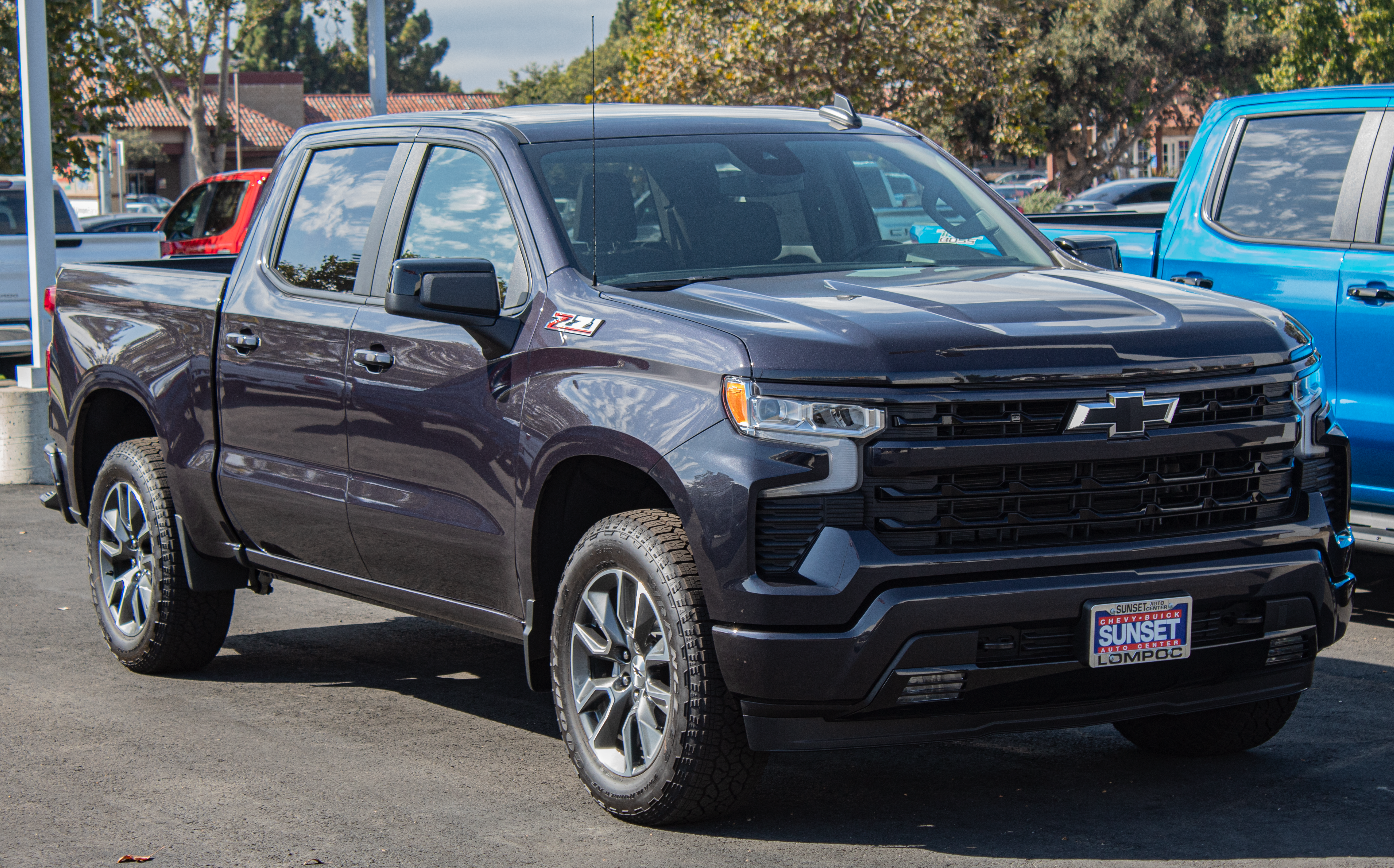
when I redo the Silverado program, do I dare put as much capacity in Mexico as I as they now have, which is significant. I forget the numbers, but it's a lot.
They bring a lot of trucks up from Mexico. GM,
they're pretty exposed. Do they really want to bring that
entire factory up anyway? So there's all these really complex decisions.
The problem is that, you know, Trump is consistent about in a few things, and one of the things he's consistent about is tariffs. He seems to really believe that,
you know, a way to fund the government is through tariffs.
And again, there are people at the conference who we're talking about, how you know, look through the fog. And
the number one priority for Trump and the Republican party in Congress is extending, reaffirming, possibly making permanent the tax cuts that Trump and the Republicans that acted in twenty seventeen.
That is job one. That is, that is the prime directive.
And it may be that they try to figure out well tariffs could pay for that, and anyways, there's a long discussion about how that might not work and so on, and so far it's very complicated. But but they're looking
for revenue sources to pay for this fairly substantial tax cut.
So I don't know, you know.
Speaker 2: Maybe we do get Terry.
Speaker 5: I think, I think. I think what we've learned from Trump,
and it's only been two years, I'm sorry, two weeks, what we've learned from Trump is that he actually kind of means what he says. Right, you know, he said
all sorts of things, and he's doing those things.
Speaker 6: But then the last time it was we're going to tear up NAFTA and completely redo it. It was like a rebrand,
you know, So like you don't know, yes, but I do feel like this time around it there's more teeth to what.
Speaker 4: He's been saying.
Speaker 3: Well, but you know, you were looking at China in what they're doing in the EV space and in the way they're developing. I mean, is it advantageous for North
America to compete as North America versus North America not existing in effect in terms of competing it's just the US versus China in this space?
Speaker 6: Oh yeah, I think it's you know, certainly the region working together and had the advantages of trade free borders is going to at least give you, you know, something to This is a big task, right, trying to take on China.
Speaker 4: They've got so.
Speaker 6: Many advantages in supply chain and government support and scale.
So yeah, you take whatever scale that you know this region has been able to put together over thirty years and hamstring that not good timing maybe for right, but.
Speaker 1: Remember a key thing, and we talked about this a little bit earlier. None of the Chinese companies are making
money on they're even with the exception of bu id and Lee, and Lee just saw its finances get hammered a bit.
Speaker 2: Also, there's uh really been some interesting.
Speaker 1: Stuff that BYD's debt is significantly higher than what's been reported not by the media but in its own financial statements.
So China's formidable, and it's a it's an incredibly competitive industry.
It's auto industry. Is I think you can compete against it.
Speaker 2: I really do.
Speaker 1: But you need things like Ford skunk Works. You need
totally different thinking. You need companies like Tesla to be
able to do well.
Speaker 5: Yes, I agree, I mean, I agree with that. I
think to sort of say, you don't. It's very dynamic
and you don't necessarily know like who's going to be competitive long term and who's not. But and again I'm
channeling the people I've been spending the last two days with instability and unpredictability in a capital intensive business with five, ten, fifteen, twenty year product and investment cycles is not good. They
I mean the Chinese government again, Mike, I'm sure reports as you show this in your book, the Chinese government has been consistent and fairly stable in in its policies around EVS and and and technology innovation and and.
Speaker 2: And we are not not hey with that. We're going
to have to wrap this up. Joe White, always good
to have you on the show.
Speaker 1: Mike, I hope all kinds of people buy your book.
I'm going to have to read it. I have not
read it yet, but I got enough of a taste of it here today.
Speaker 4: To plenty cliff notes.
Speaker 5: So I'll get you going good.
Speaker 1: And Gary, let's be back here again next week doing another Absolutely we're good.
Speaker 2: I want to thank all of you for having tuned in.
Request an explanation for:
10 cars
Scroll for more
10 cars featured
Request an Explanation
Heard something you'd like explained? We'll add it to this episode.
Sign in to request explanations for terms you heard.
Want to learn more?
Browse our glossary for plain-English explanations of automotive terms, jargon, and concepts.
See something that's not quite right? Our annotations are AI-generated and can sometimes miss the mark.
Click the flag icon on any annotation to suggest a correction.