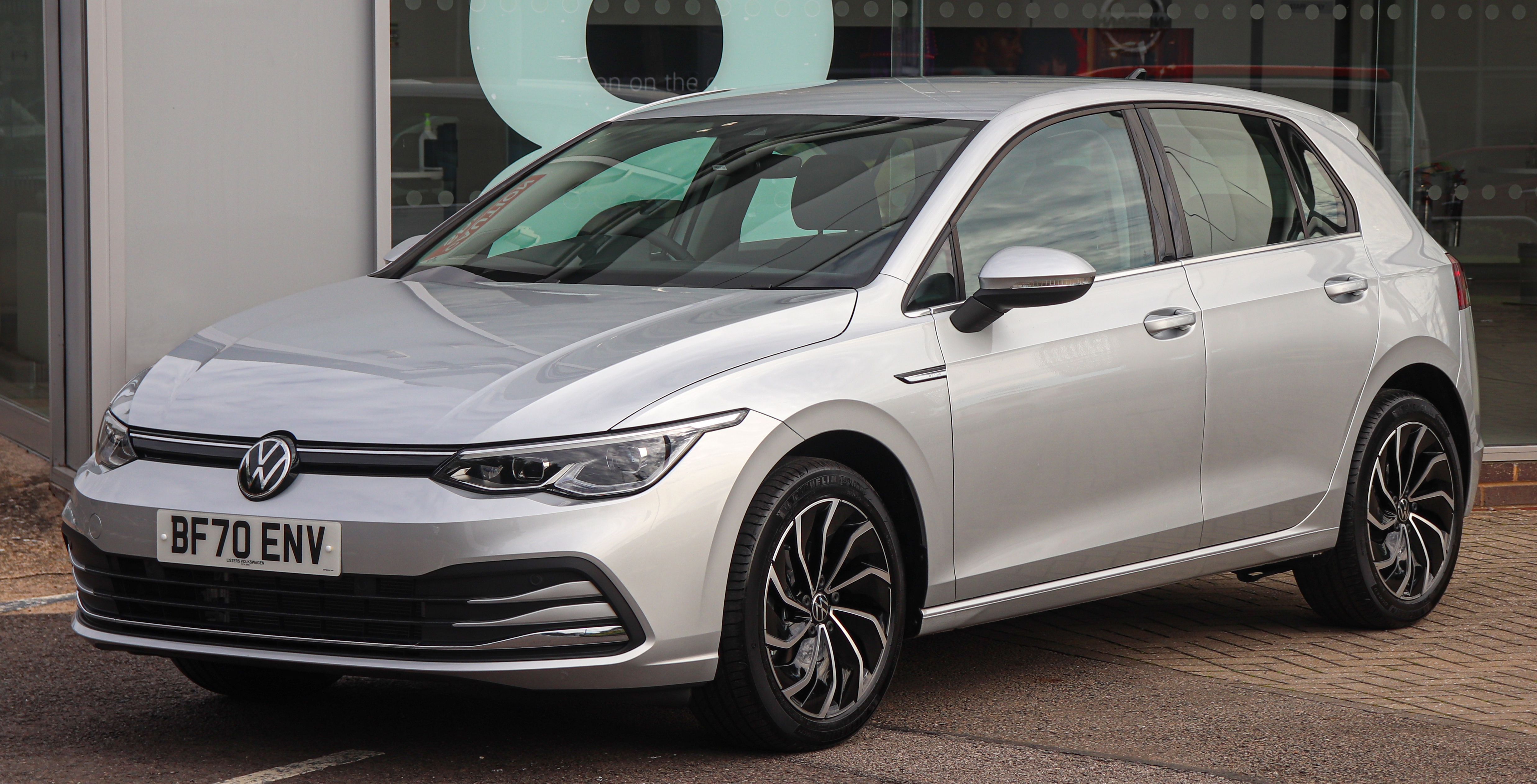
Car critics Mark Feeling and Greg Miglior join the discussion, diving into the latest automotive trends and reviews. They share insights on the 2025 Hyundai Ioniq 5's impressive updates, the soon-to-be-discontinued Subaru Legacy, and the evolving landscape of electric vehicles. The conversation also touches on Nissan's uncertain future, the impact of Chinese automakers, and the latest JD Power vehicle dependability rankings. With a mix of humor and expertise, the episode offers a comprehensive look at the current state of the automotive industry.
Topics:car criticshyundai ioniq 5subaru legacyelectric vehiclesnissan futurechinese automakersjd power rankings
TOPIC: Global Auto News PANEL: Mark Phelan, Detroit Free Press; Greg Migliore, AutoGuide; Gary Vasilash, shinymetalboxes.net; John McElroy, Autoline.tv
"...so if we look at what we have now for the Lincoln Nautilus is built in China, right, I mean, and you guys ha..."
Select text to request an explanation
Speaker 1: Hey, everybody, welcome to Auto Line after hours. We're going
to be talking a lot about cars today. We always
talk about car but we're really going to talk about cars because we got two of the greatest car critics in the automotive journalism world with us today, Mark Feeling from the Detroit Free Press. We got Greg miglior too,
and Greg, remind me where you're auto Guide. All right,
and but as y'all know, Gary is going to pummel.
Speaker 2: Us with question Seohan, you've gotten like the last six in a row, rights, I mean it's and some of them have been like completely unknowable, and you got it was just Yeah, we're going to have an investigation by like the FCC is going to come in because this is like a game show where there's no awards, Like I said.
Speaker 1: No pol Right, well, I'm out of here.
Speaker 2: So it's somebody's birthday today. This isn't this isn't the
this isn't the quiz, but it is somebody important, not any not here, somebody important in the industry turned eighty eight today. John is going to guess who this person
is eighty eight. I guarantee, I guarantee it uh not.
Speaker 1: I need another clue, Now, what's.
Speaker 3: Is in it?
Speaker 1: Ninety it's like ninety two or three or something like that.
Speaker 2: You're warm? Of course, there aren't many people that olds
that are that are warm. That too, all right, Roger Penske,
Oh all right, everybody knew that one. All right, But
that was that wasn't the That wasn't the quiz because that was I thought that would be like immediately answered.
So so this one, okay, February twentieth, nineteen oh nine, this car company was founded and there is a connection to General Motors today nineteen oh nine, nineteen oh nine, February twentieth.
Speaker 1: The only thing I can think of it wasn't Grabowski your guests too.
Speaker 2: Yeah, sorry explained who Groubowski was.
Speaker 1: Not GMC.
Speaker 3: That's what I was thinking.
Speaker 1: Yeah, it started out as Grabowski Motors and then there was some other convoluted things. I mean.
Speaker 4: That it stood for General Motors is something or other.
That's what everybody thought.
Speaker 2: Well, although there has been a dispute about the Krebowski thing, is basically said no, no, no, that that that isn't it.
But that's not the right answer. You can't say you
can't say kenval No.
Speaker 1: It started way before that before that, Yeah, Cadillac was like nineteen I'm gonna okay, wasn't it.
Speaker 2: It's not Lincoln Okay.
Speaker 1: No, Lincoln was like that was later. It came later, yeah.
Speaker 4: But it was still but it was Leland wasn't founded.
Speaker 2: Yeah, so he left and then he founded Lincoln and then yeah, but it's not Lincoln either, Okay. Another cave is it's
a it's a company that no longer Existsmobile. No, no,
maybe getting warmer there.
Speaker 5: Opal No, no, no, okay's way older.
Speaker 2: All right, so I'll even narrow it down even more.
It was founded in Detroit, so it wouldn't be Opal, and it wouldn't be Hupmobile, and it wouldn't be Buick was founded in old Mobile was Lansing?
Speaker 1: Yeah, olds King before nineteen oh nine?
Speaker 2: Where was Pontiac founded?
Speaker 4: Pontiac? Yeah, I'm getting I don't feel crazy.
Speaker 2: Do you think Pontiac was founded in Pontiac?
Speaker 4: I do.
Speaker 2: I'll bet it was. I feel like i've But didn't
it start out as Oakland though? It was.
Speaker 1: So they named it after Chief Pontiac. All right, city
of Pontiac, but which was named after Chief Pontiac too much?
Speaker 4: But isn't.
Speaker 2: Isn't the city of Pontiac in Oakland County?
Speaker 4: It is?
Speaker 2: Yes, okay, coincidence.
Speaker 1: So are you saying Oakland? No? Okay, we give up.
Speaker 4: We're eliminating him.
Speaker 2: All right, So here here it is. Here it is
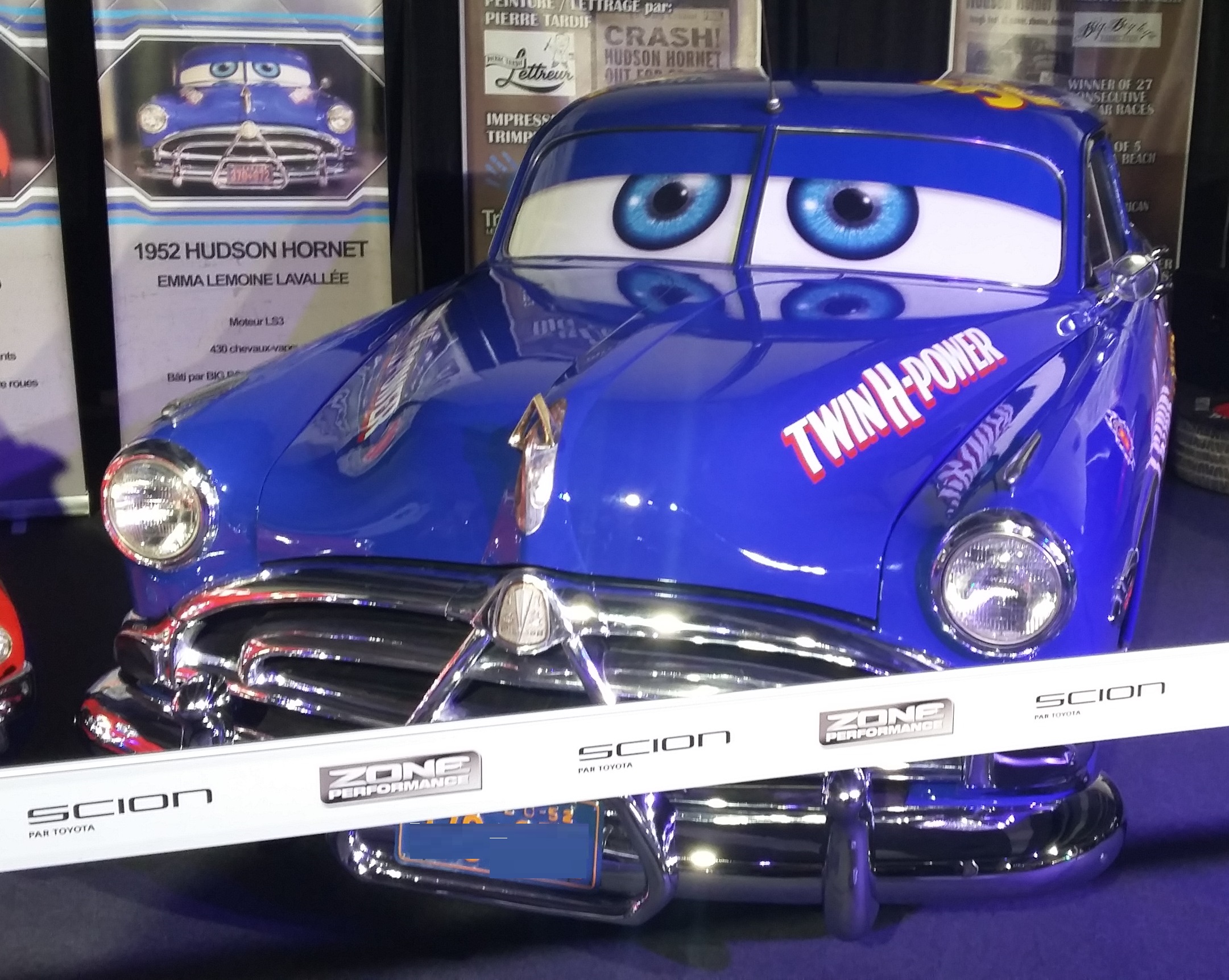
the Hudson Motor Car Company, the fabulous Hudson Hornet. And
it was it was it was founded by the Hudson family. Okay.
Speaker 4: Was that the same Hudson family as the store? Yes, yes,
I never thought of that.
Speaker 2: Yeah. And where's General Motors headquarters going to be? Uh,
they're going to move out of the Renaissance Center and they're going to move to the the new Hudsonsville building, which is which is built on the spot that was the original Hudson's Department store.
Speaker 4: The carman is starting to get scary.
Speaker 2: We are all weaving, weaving. It's a weave.
Speaker 1: We're all so much smarter now we are. So anyway,
let's talk cars. So so okay, so that car critics here,
So let's start criticizing.
Speaker 2: All right, criticize a car mark.
Speaker 4: The last couple of things I've written, I really liked the twenty twenty five Hyundai Ionic five. It's like it's
a new car. I mean it was so it was.
It's an electric compact suv. It was first introduced about
three years ago and it was a perfectly nice, competent vehicle.
But three years ago it wasn't even at the front of the pack. And for twenty twenty five they redid
the battery chemistry. It charges faster, it's got a longer range,
it's got the first factory installed Tesla charging port. They
push buttons in. They listened to us. I feel so seen.
Somebody who had all kinds of flat panel stuff said no, we're going to put some buttons in so the controls are easier. I drove it last week and there was,
like I said, a Buntil now it was competent. Now
I think it's in the first rank. Wow.
Speaker 1: The only thing I object to is I'm calling it an suv. I mean it's like a five door.
Speaker 5: Yeah, it's a golf Basically, you're gonna say, Greg I would say, you drove the x RT one too, right, I did. That's almost like the over landing sort of
thing they're trying to go for, right, and that's I don't.
Speaker 4: Know, but with really kind of minimal actual uproad capability, but it looks good and it was did you drive through any of that deep send?
Speaker 5: No, I didn't make that triple. My frame of reference
ends as a twenty twenty four Ionic five.
Speaker 4: What's very nice. And they did tweak the stability control
and they had some very deep powderly send at one point and it was fish shaling and going kept going smoothly.
So it had a little bit of extra capability and an inch of lift.
Speaker 1: Mark, I surprised to read, maybe it was in your article too, that the Ionic five and the Performance version does not get these.
Speaker 4: Upgrade even though it's a twenty twenty five model, it is on a different development cycle. In the words of Hyundai,
they're built.
Speaker 1: On the same plant, just put the new parts on that.
Speaker 4: It baffles me too. But the the Ionic end, which
is also terrific, I think it's great, but it does not get the battery chemistry or the I don't think it gets the new buttons. It doesn't get the Tesla
charging port for a while, so no I I I. Yeah,
that's weird.
Speaker 2: So so let me ask you, so, Mark, with you drive multiple cars, all new refreshes, what have you? Okay,
how does this rank in terms of a change, a mid cycle change that you're familiar with, so additional.
Speaker 4: That's a great question because generally I usually wouldn't cross the street to see a mid cycle change, and this takes the vehicle to another level. It's really terrific, and
it's a great example of the kind of you know, modernization and update ability that EV people talk about all the time. But I've never seen it this complete. And
again first you know factory and well to Tesla charging port and everybody who buys one gets a free CCS adapter as well. Just I mean, really well put out package.
Speaker 1: Greg, What have you jorven that recently? That July?
Speaker 5: Well, I've been thinking not like well, yeah, I've been thinking Sedan's recently. I just got to the soon to
be departed Super Legacy. You know, they said, I think
it was last year, they're going to end production and these are among the final loans I think of it.
So I really liked it. It's, you know, a nicely
equipped vehicle. I had one of the kind of mid
to upper trims, you know, very super ruie, you know that kind of like basic interior. My dog liked it
because dogs like super is right, good room for the kid, in back. The whole family actually liked it. But I
kept thinking to myself because I had been in the Mazda c X fifty the week before that, so you could argue you might cross shop these a little bit, you know, different sizes. I just kept thinking, I think
it would have rather been in the c X fifty or a Honda CRV or or something like that. And
I like, you guys, I like driving a sedan as much as the next guy. I think there's so much fun.
But it's just kind of was like, you know what, I feel like, this is why they're killing this car off.
I was all set to write this like schmaltzy, like you know, send off article, and now I'm like, okay, I'll maybe i'll write something.
Speaker 2: A little edgier. I don't know.
Speaker 1: So why are they getting rid of it?
Speaker 4: You know?
Speaker 5: So they're going to open up production at their factory, and I think it's Indiana.
Speaker 3: For just more crossover production.
Speaker 5: Originally they said it was gonna be EV's, but it looks like that's probably not gonna be the case. So
I think they also build a Forester there as well, so it could be another line of Foresters or something like that. Or maybe a model that they haven't announced yet.
Speaker 2: You know, I was just recently in the Genesis g eighty sedan and again, you know, you drive a whole bunch of back to back SUVs. You know, I've been
in c X fifty. You were in the c X fifty,
and you know, you get into sedan and you and you realize it is fun to drive cars.
Speaker 3: Yeah, you know what I mean.
Speaker 2: It's just like maneuverable, and it's just it's just such a nice feeling. And you know, you talk about, you know,
like the interior of the Hunt I that you were just in. I mean, you just look at the interiors
of these these Genesis vehicles. I mean, as I was
in a GV sixty or seventy earlier this week, and it's just like, damn, these guys are getting it done, and the question is how do they afford it?
Speaker 1: Well, look, you know Undai has clearly decided that it needs a premium brand because it looks at the kind of money that Mercedes and BMW make and says we want to do that too. And they're a challenger, right,
So they're they're styling is edgier, following the whole Hyundai group Mantra. You get a lot of value for the money,
and it seems to be working. And I say seems
to be because I have a hard time trying to find sales data on how Genesis is doing in the US globally. I can't find any numbers on it. They
just don't seem to break that out. And maybe that's deliberate.
Maybe this the sales are not as great as you know, somebody like me looking for I would expect them be.
Speaker 4: They're still in the five digits a year area, so, which is not a lot. They're not sitting the world
on fire.
Speaker 1: But again I mean it's a good vehicle, yeah they are.
Speaker 2: But I mean you get back to this this whole thing of like, Okay, so they have this very low volument.
As you know, we all know, scale is everything, right, and you know, as you have the big scale, you're able to afford you know, the nicer amenities, which you know has always been a mystery to me. And we
talked about this a little bit a few weeks ago about Mazda. I mean, how is Mazda able to have
such nice interiors on their cars when their sales are you know, compared to a CRV or a raft for Equinox or Escape so very low. I mean, how can
they do that?
Speaker 1: Well, Look, Mozda turned the corner last year in US, I mean its sales were up strong, I mean really strong.
In fact, I've always puzzled why Mazda didn't out sell Subaru because I personally, I think mazd does look better, nicer materials, drive better and all that. Uh, But Subaru's
clearly you know, found its right Ische.
Speaker 2: Correct northeast, right mountains well that traditionally they were always good there.
Speaker 1: But now Subaru is really expanded where it sells cars.
But but last year Mazda sales were really strong. But
you know, getting back to what you were saying Gary about Genesis is this is what you see with non American companies. They're willing to look for the long term
for a payoff. Hyundai Group will keep investing in into
Genesis until it finally hits that scale. It makes a
bunch of money, and they'll take years to It's a point of pride, not just a business case. They want
to be able to show the world that they can be as best as anybody in the luck segment. And
I think they'll they'll stick with it until they pull it off.
Speaker 4: And they're not that far out. I mean in terms
of technology, styling, the perception of the brand, no wverre close, but the actual product stack up pretty darn well.
Speaker 5: I think I think they get a lot of the little things right too, you know, like the interior finishings, like some of the different like things in Hyundai's where you see they have that like old school like bulb radio thing that they'll show up on the dash.
Speaker 2: Yeah, you know.
Speaker 5: The steering in Genesis cars I think is standing. You know,
they really, I mean it's all there, but you just you need somebody to look at it and be like, yeah, I want to drive that, because how many times do we probably recommend a Hyundai Akia Genesis to somebody and they're like, oh, I don't know, you know, I mean, is it good, and you're like, yeah, it is. It's
really good, you know. And so there is that that
hill the climb.
Speaker 1: So I drove a Toyota Corolla Cross Hybrid this week, and I'll start off by saying I think Toyota is one of the best car companies in the world. I
think it's got some of the best made cars with the longest lasting cars.
Speaker 4: Has anyone ever argued with you.
Speaker 2: I think he's getting ready to throw under the bus that.
Speaker 1: I hated driving this thing. I hated it, and it's
all because of the hybrid power train. Four cylinder CVT
It's mush. It's pure mush. And this is a problem
with four cylinder cdts. You know, you step into it,
the CBT go, you know, the engines up and down the rev range. It's all this moaning and growing. I
hate Look the cars put together very well. I'm sure
that the people who buy it are going to love it.
I could not get out of this thing fast enough.
I couldn't stand that.
Speaker 4: Can I ask a question, Yeah, do you feel that way about four cylinder CVTs in Subarus? Andy sums Okay.
Speaker 1: It's a problet cinder CVTs, and in fact, it goes beyond CBTs. You'll even find this with automatic transmission, small
displacement four cylinder engines. You got to work them so much.
Speaker 4: I'm driving a twenty twenty five Chevy reverse right now.
It's got a two point five liter four cylinder turbo and it's working way too hard in that vehicle, So I agree. I was just curious because I think Toyota
and their hybrids they make trade offs that I wish they wouldn't. I feel like their NVH is always bad,
and it's because they optimize so much for the for the Miller cycle that they're willing to trade a little bit of ENVH for fuel economy and people accept it.
So that's why I was wondering.
Speaker 2: Okay, so I'm driving a I'm driving a Prius plug in.
It's called now because they've changed the name twenty twenty five from Priest Prime. But actually I've got a primary.
But I got to tell you, Mark, when you get in a car, you see it's got a full tank of gas and you've got a range of well over five hundred miles. I'm that guy who says, what, I'll
take your liver, I'll take the buzzing.
Speaker 4: And I'm not saying they're wrong. I just think it's
a conscious decision that affects their driveability. And I was
wondering if that was the case with the CBT too.
But you feel the same way about cdts in other brands.
Speaker 1: So in smaller displacement force only engines when you get up into bigger displacement engines, you don't notice the problem and nearly as much. And I got to give a
bit of a shout out to Honda with its hybrid system, which is sort of a combination series and parallel and because of that, you know, the engine is extend essentially a range extender, except it does connect mechanically in certain driving conditions. But what I'm getting at is it drives
more like an electric, not like an electric, more like one, and so you don't get as much of moaning and groaning out of the Honda CBT or the hybrid.
Speaker 4: I think that's part of how they tune the Miller cycle as well, because they Toyota is just willing to put up with more engine vibration I think in their hybrids, and because they're the dominant player, people think that that's what hybrids are supposed to feel.
Speaker 1: Why do people buy hybrids to get, you know, great fuel economy. So clearly Toyota has said you want fuel economy,
you got fuel economy, but there's trade.
Speaker 4: Offs, and I do prefer Hondas for driveability. I'm with
you one hundred percent, all right.
Speaker 2: So I was driving the new Nissan Morano this week, and gorgeous on the inside. I mean, they've really done
a nice job. Not really happy with their power train
on this so much. But I got to ask you, guys,
how do you think consumers feel about Nissan with all of the roiling that we hear in the news about their revivability. I mean, is somebody gonna chunk down a
lot of dough on a car in wonder whether that's going to be with us five years from now?
Speaker 5: I don't think so. That's I'll go out on a
limb here. I don't think so, because I feel like
enough people think Nissan, sure, you know, they maybe they like sort of lump at a cut below Toyota and Honda, maybe even Subaru, but it's like they know what it is.
It's a brand that everybody's heard of. And I also
think maybe outside of our like little bubble, people don't know, like, hey, Nissan and Honda are merging, and like the world's so crazy that like two car companies that are you vaguely are aware of.
Speaker 3: Maybe don't care, you know. So that's kind of my thought.
Speaker 4: I suspect, first of all, I rejoice in the fact that apparently Nissan and Honda are not merging, because I think that was just the most cataclysmic plan that I've ever seen covering the auto industry. But I think that
there is a risk. I'm working on a column right
now because I've had a couple of people right to me asking, you know, am I safe if I buy a Nissan now? Will the brand still be around in
five years? And I think the answer is absolutely yes.
I mean, they're too big. Somebody will acquire them. There's
no way they're going to disappear, and whoever acquires it will probably run them better. Frankly, but I do think
that there's going to come a time when they start running into the survivability question, uh, being on consumers' minds.
Speaker 1: Yeah, well, it's interesting that I'm fascinated that Mark got questions from from readers saying a couple of because I'm with Greg, it's got.
Speaker 2: Very knowledgeable readers.
Speaker 4: Yeah, yeah, yeah, you don't get anything passed.
Speaker 1: But I'm with Greg, I think outside of our little bit, I mean, we follow this stuff, you know, daily, literally, and I think that the general public has no clue that Nissan's even in trouble.
Speaker 5: Well, I go back to almost like you remember when all the different brands were sort of being sold off and chopped up. And I remember people would say, hey, well,
what do you think about Jaguar, you know, and land Rover, And it's like, sure, if anything, you're.
Speaker 3: In probably better shape.
Speaker 5: You know, they have people who are actually pouring money into it, and you know, you're random stuff broker. Once, well,
SAB was a different thing, but I don't know. I
think people tend to maybe not worry about that as much like I don't even know who owns the most stock in Apple right now, right.
Speaker 4: So, you know.
Speaker 2: So so the question I have is that, okay, you know, back into the bubble. I mean, we've heard we've heard
Fox con might be a suitor for Nissan, but then they said no, no, no, we would rather just be a supplier to Nissan. And then we've heard about like KKR
and other investment banks might or investment organizations might buy into Nissan. I mean, what's what's the best outcome for
them for Nissan? For Nissan?
Speaker 4: Personally, I tend to think Fox KHN, but Fox Cohn does love deals they can walk away from, You're right.
I mean they did hasten to say oh no, we'd work with them. We wouldn't want to own them. But
I mean they've got they've got money, and they've got ambitions, you know. I mean, if I were a Nissan dealer,
I would feel pretty good about the future. If I
were a Nissan executive and Yokohama, I wouldn't.
Speaker 5: I Also, I agree with you, like maybe Fox Cohn or a Fox Khn like company, like a company that makes things and knows that it's hard to make things.
I feel like that would be a better home than like an Angel investor or a hedge fund or somebody that comes in and they're like, Okay, fifteen percent off the top, we're going to cut everything, We're gonna make money.
Speaker 3: I don't think that.
Speaker 5: Like Cerberus, I don't think a company like them would be what we want.
Speaker 4: Can we assume everybody who's watching knows why Fox Cohn is or should we do a quick Asterisk?
Speaker 3: Well?
Speaker 4: Quick Asterisk a contract manufacturing company based in Taiwan produces a lot of electronics, including an awful lot of iPhones.
They have tried to get into evy production in the auto industry and they continue to want to do that.
Speaker 2: And they own the LARTs on plant right. They own
the LARTs Toime.
Speaker 4: They do, and that would be a good example of one of the deals that they walked away. They were
able to walk away from any commitment to a failing company.
Speaker 1: See, what I think Nissan needs is a new carlost going.
I think there's Look. Remember when Going came in, it
was as bad a basket case as it is today, maybe even worse. And Going came in and went, we're
going to clean out all the stuff that doesn't make sense and we're going to get these things going again.
And boom. It took them about a year and they
started generating really big profits. I think that's all it
needs again right now. Not Going because there's too much
baggage with him.
Speaker 4: And take him if he willing to do it.
Speaker 1: That's I think the Japanese with Rome and jail as soon as he landed in Tokyo, that's the problem.
Speaker 4: I mean, Nissan has made itself work from home.
Speaker 1: I think I Look, I believe it's manageable. Look, I
believe in the power of leadership, and I believe that the right leader could go in there, kick ass, take names, and turn that place around.
Speaker 4: Let me ask you a question. Then, when Honda's the
CEO meba decision said that, all things considered, we think we should own it because you know, that's the only way you can turn it around fast enough. And Thesa
said no, no, no, no no. Wasn't that an example
of them turning down somebody who is going to come in and make those tough decisions.
Speaker 1: Listen, I think Meba and Honda, my I don't think Honda wanted any part of this. Yeah, that's my believer.
I believe that the Japanese government is trying to make this happen because the Japanese auto industry is in decline right now, and I've put out a video about this that I mean, Japan's auto production is like three million units lower than it was just a decade ago. Their
population is shrinking, and on outside markets, the Chinese are kicking their teeth in the words death spiral is using.
Speaker 4: Yeah, I wouldn't say that.
Speaker 1: I wouldn't say that, not death spiral. But so anyway,
I think the Japanese government has been behind trying to make this merger happen. I think Conda didn't want any
part of it, and so Handa started throwing out things, you're going to be a subsidiary of ours, and that that ePower hybrid. You got to get rid of that.
It's no good. And Nissan's like, nah, we're not going
to be a subsidiary. We're going to keep our technology.
And the deal's not happening, all right.
Speaker 2: So I had two questions. One we've talked on the
show about this industry is got too many players and needs to reduce players. Why doesn't it just go away?
For question number one? And question number two is Renault
announced its earnings and did pretty damn good in twenty twenty four.
Speaker 4: And anounced that Nissan dragged it down.
Speaker 2: But I mean, but but who is you know? I mean,
who's his partner? You know? I mean, so they've got
this this European company that's doing quite well comparatively speaking to other European companies, that's teamed up with them.
Speaker 4: And they locked up the guy from the European company who was capable of running him. I mean, I get
back to just a conviction that they are not willing to be managed Nissan. I don't know, yeah, Nissan, And
I don't know how you get around that.
Speaker 2: So do they go away?
Speaker 4: No?
Speaker 2: I mean, but why why why shouldn't they go away?
Speaker 4: Dealer Networks all over the world, and god knows how many millions of vehicles inside a well known brand. I mean,
somebody will pick up those assets.
Speaker 2: I think, well, look at Chrysler.
Speaker 5: Even Chrysler has been almost like unkillable. How many times
has that company circled the drain and it's still here, right, And that's a great thing. And I to me, Nissan
seems very similar at that point.
Speaker 2: And you know, if you're except for a Nissan's got a show room full of vehicles and Chrysler's got what.
Speaker 6: But if well you're talking company, what is Nissan gosh that you could compare to Jeep in Ram in terms of asset value.
Speaker 5: If you were going to try to reconstitute Chrysler Group tomorrow, you would have a much stronger portfolio. To your point,
mark then like Nissan has currently like Jeep, Chrysler, Ram, Dodge, that's a showroom right there. You know, Nissan's got like, well, okay,
you know, the Morano cool, the Titan's gone. It's like
you start to look at all the different things and it's like they haven't invested in their products very much in the last five years.
Speaker 3: And I think it shows a.
Speaker 2: Right to be fair to Nissan. Nissan is a company,
Chrysler is a brand, So the Chrysler brand.
Speaker 4: I'm not I'm not I'm not the one who's defending the Chrysler brand.
Speaker 2: I'm not saying you're defending them.
Speaker 4: No, No, I think the corporation I think has got assets the Chrysler brand. Honestly, I mean.
Speaker 3: Yeah, I know that's on a macro level.
Speaker 5: That's kind of my point is that like Chrysler, LC, Stilantis, North America, whatever they are, that still things sort of exists.
That group of brands, even though it's almost you know, many times you know, gone under and it's just car companies can be hard to kill, it seems like.
Speaker 3: So, I don't know, okay, but.
Speaker 2: General Motors has done a good job over the years of killing brands, kicking and selling a job.
Speaker 3: I don't know.
Speaker 4: They should. They should have euthanized Pontiac twenty years sooner.
I mean, you know, they had a brand stable that was built for a fifty percent market share, and a fifty percent market share is unnatural in an open market, ye know, they but they spent you know, thirty years trying to defend it, you know, and and almost went out of business on the way.
Speaker 2: So, so you guys disagree with my point that they do a good job. Do you remember so you remember that,
you may remember this. Remember Spy magazine. They had a
cover and it was like it had the dog and the guy had a gun to the dog's head by this magazine or shoot this dog. It's like, you know,
buy this vehicle or kill this brand.
Speaker 1: Yeah, but remember General Motors pretty much only killed Oldsmobile.
The Obama Task Force, Automotive task Force killed all the other ones.
Speaker 4: They should have done. I mean GM should That's what
I meant what I said, I didn't think they did a good job managing it. They were dragged, kicking and
screaming into getting rid of several brands that you shouldn't still exist in a couple that should never have been created.
Speaker 2: Well, its names.
Speaker 1: Hummers back as a brand, but as a sub brand to GMC.
Speaker 4: And will it still be around in eight years. I
wouldn't put my own money on that Hummer or GMC.
Hummer GMC is unkillable, just like their trucks.
Speaker 1: Frankly, GMC makes a lot of money, so yeah, it's not going away. But yeah, look it costs a lot
of money to close down a brand. If you go back,
what was it twenty years ago or whatever when they killed Oldsmobile, it cost them a billion dollars just to buy out the dealers, and so like Fiat, Fiat's a brand that should not be in the American market anymore.
They don't sell anything. My own personal belief is that
Stillantes doesn't want to buy out the dealers. Sure, it's
just slowly starving them until they die off on their own, and it saves a bunch of money.
Speaker 4: You could say the same thing about Alfa Romea.
Speaker 5: Yeah, you know, yeah, I would argue Alpha's cars are at least more fun. They're sex here most fiats, Like
I would like to drive multiple Alphas.
Speaker 1: Yeah, no, I agree totally Greg.
Speaker 3: But yeah, it's a good investment. Yeah.
Speaker 2: Would you be a dealer if somebody said to you, gee, Greg, we have this opportunity for you have the Alpha dealership.
Speaker 3: Well if you make a lot of money on service, right, be.
Speaker 2: Like wow, harsh, harsh.
Speaker 3: Yeah, I mean it's it's not a solid business case in the US.
Speaker 5: But I mean, depending on what your dealer floor plan looks like, maybe a little bit of like a.
Speaker 4: Brand halo it'd be kind of cool, you know, in the corner along the same place as Jeep and UH and Rams.
Speaker 3: Yeah, I mean.
Speaker 2: It's some mark you've You've mentioned cheap in Rams.
Speaker 4: You didn't mention Dodge. I think that Dodge could have
a future. I don't think it is a tent pole
that makes the company survivable or not.
Speaker 2: So could have a future quote you, Yeah, and I would.
Speaker 4: I wouldn't be shocked if, you know, if it doesn't.
But you know, but but the underlying structure that is, you know, was North America is now stilland to North America does not rely on Dodge because Dodge has sort of winnowed itself. I hope that their new plan pays off.
I liked the Daytona Charger. Ev do I get that
name right? I feel like I'm always getting those two
words backwards. But it's a great car. I hope people
buy it. I hope they do more of them. But
it's not the key to survivability for the organization. I
don't think.
Speaker 5: I think it's a building block too though, like you know, yeah, I mean, because it's their fun cars. It's like in
American Alpha with more scale. Same kind of like Ethos
of design power. You know, they've they've well positioned for
EV's right now. I think nobody's more surprised than probably
most of us that dodges this EV halo. But then
you look at the six pack, you know, and those are vehicles.
Speaker 4: That are the ones with the internal combustion engines.
Speaker 5: Yeah, yeah, yeah, So I mean people might are going to like six cylinder chargers with that Hurricane six.
Speaker 3: I mean I think that.
Speaker 2: Do you think he will? I mean, he doesn't like
those fours, yeah, and I'm not so sure he's going to be.
Speaker 5: I think chargers sounds pretty good, right.
Speaker 1: The only problem is that they're walking away from the Hemi name, and the Hemi name that's a god and for those muscle car buyers, that's magic magic. And to say, yeah,
but it's got more power and more toric and better fuel efficiency and smooth, it's like, yeah, but it's not a Hemmy.
Speaker 4: But they've already sort of called that back in the universe, and I wouldn't be surprised if your hemy gets resussited.
Speaker 1: I agree totally, Mark. I agree, especially with Kaniscus back
in the saddle, so to speak, that he's going to say, do you guys want to be you know, ecologically pure, or do you want to make a lot of money.
Let's put the hammy back in the lineup.
Speaker 4: It's a word. I mean, bring it back, sell a
bunch of them at some point, ease it into you know, using it on some other engine that people still love.
That makes a lot of noise.
Speaker 2: So so are you suggesting, Mark, because we may be making news here that there will be a V eight engine in a forthcoming Dodge vehicle.
Speaker 4: I would be surprised if there were not. Well, they've
already be in two years.
Speaker 3: I'd drink.
Speaker 1: They say the Hemi stays and the Durango srt.
Speaker 4: I believe they said that. I belie you may be right.
Speaker 1: So that to me was the first sign of oh, oh, they're not throwing the last shovel fulls of dirt on the grave.
Speaker 4: I forgot about that because I'm just stummed that there is a Durgo replacement in the works. I was so
sure that was not going to happen because they sold so few of that vehicle. But you are absolutely right,
I believe that is the case.
Speaker 1: Well, remember, the Drango is a variation of the Grand Cherokee, so.
Speaker 4: A Grand Cherokee they no longer build. No, it's the
last generation.
Speaker 1: This is the last generation Grand Cherokee.
Speaker 4: Yeah.
Speaker 3: Yeah.
Speaker 4: When was the last time you saw a new Durango program?
It was twenty eleven.
Speaker 1: Oh no, no, they've note that forever.
Speaker 4: That's what I'm saying. Yeah, yeah, it's it's it is
not based on the same architecture as the current Grand Cherokee and Grand cherokeel.
Speaker 1: That's what I'm getting at is any new Durrango will be off the current.
Speaker 4: I misunderstood your point. I'm sorry.
Speaker 2: Yeah, so okay, but yeah.
Speaker 4: Within two years, I will say, there will be a Dodge car with a heavy and with a V eight heavy. Yeah.
Speaker 2: So okay, so what does this say? You know, you
made the point John about like, okay, do you want to be green or do you want to get green?
That's terrible? I mean, so what's going on in that space?
I mean, so the aforementioned charger Daytona or Daytona charger, whichever.
Speaker 4: Thank you. I'm so glad I'm not the only one
who's used.
Speaker 2: Okay, but that was going to be pure electric until they announced like ah well maybe, well, but.
Speaker 4: That was always the plan. That it was going to
be a multi drive train strategy for that architecture, so that that's not a sudden change. There were always going
to be some that had hybrid and ice engines in it.
Speaker 2: So what happens if like, the EV goes like this and the internal combustion just goes like that, I'll be surprised.
You'll be surprised.
Speaker 4: I will be surprised.
Speaker 1: Yeah. I don't think they're going to sell many of
the EV chargers. I don't think that.
Speaker 4: Do you think the EV sales for the country will be you know, this year up versus last year or down down?
Speaker 1: I mean, well, if Trump pulls all the subsidies, sales of evs will go down.
Speaker 4: I people can be wrong, but I've spoken to two really well positioned analysts who say that even if all the subsidies get pulled, they will still be up from last year.
Speaker 1: Who okay, yeah, I'd like to see that.
Speaker 4: Yeah, So I don't think I can't just count the possibility and at some point EV's we're going to have to sell without the subsidies. Anyway, I would just assume
the subsidies stayed in place for a couple of years.
But if they get Yanks now instead of you know, you know, three years from now it was going to happen.
Speaker 5: I think it could be like, I mean, polarizing obviously, but like throw politics aside. Like we actually did a
study at auto Guide where we asked buyers like, will you buy another EV? And the people who already owned Tesla's, Rivians,
et cetera were like, yeah, it was like ninety percent, like we're going to do it again, and the ones who didn't were like, not going to flip back over.
So I sort of feel like, if you're in an EV, you're gonna buy one anyway, and that's seventy five hundred bucks.
You know, if it's priced competitively, you know, maybe you split the difference.
Speaker 1: Or so well, you know, when you're talking Rivians, most of those people don't qualify for the rebate anyway. And
when you're at the upper level Tesla's, they don't qualify anyway.
So yeah, if you don't qualify, you're you're probably gonna go buy an EV if you were in the market for one anyway. But I think with uh, I mean, look,
we've seen Germany pull subsidies and sales have tanked. We've
seen China pull subsidies and sales went down.
Speaker 3: Is that true?
Speaker 1: Yeah, China, in China. Yeah, even in China. So, uh,
you pull the subsidies here, I just see sales going down.
Speaker 2: So did these people you talk to indicate that there would be significant growth or are we talking about a point one all?
Speaker 4: If they if they yank seventy five hundred dollars off the table and there's any growth, I think that's noteworthy.
But no, the the the person who put a number on it said that they assumed that the the subsidies would go away. It would be a question of when
because there are some legislative things that would have to be done, but that they would go away. And this
EVS would end the year at eleven percent of new vehicle sales, up from about nine percent this year.
Speaker 1: Yeah, No, that's significantly.
Speaker 2: I think what is going to be more troublesome is the elimination of the money for building out the charging network, that I think will be.
Speaker 4: As I understand it, though a lot of that money has already been turned over the states to the states, which means it's very difficult to claw back because it's no longer federal money. At that point. I've never seen
a couple.
Speaker 2: Down under a dog. My friend.
Speaker 1: We got to get into some of the news this week.
What did you guys make of Ford delaying the F one fifty program by a year.
Speaker 5: It's I mean that's I mean for Ford, that's like seismic, right, I mean, because they always you guys have seen those powerpoints where it's like the F one fifty year. The
F series by itself is close to being a fortune five hundred company or something.
Speaker 2: I mean it's being a country, right.
Speaker 5: Yeah, I mean the GNP or whatever is like spectacular.
I think it's hugely significant, you know, because it is just such a bread and butter product for them. If
you read the rationale, it does make sense, right, Like you know, you're trying to they're trying to, like you know, be tossled in these waves of just uncertainty. But I
mean it's I mean, for a single product for a company, it doesn't get any bigger than the F one fifty or four.
Speaker 2: Jarry, would you what was your reading? Well, I I
you know, one of the things that occurs to me is is that we never talk about her. You never
hear people really talking about is the fact that vehicles are being so well built nowadays, and they have such capability nowadays that you'd say to yourself, why do you need to change something? It's it's it's good. So if
they can milk another year out of it, which would mean big savings for them, they've been the process of trying to say, what two billion dollars this year?
Speaker 1: There's a billion right there.
Speaker 2: I just I just give him the point of view, if you know what, this is a damn good truck.
We can make it run longer than we had planned on, but you know, good on us.
Speaker 1: Here's the danger I see for four. Number one is
the RAB four outsold the F one fifty last year.
It's like the first time in forty seven years or something like that. And you know, because Ford always reports
series by two fifty to three, fifty to four to fifty to five fIF.
Speaker 4: No, I agree. I have no idea how many individual
left one fifties were sold over the last forty years.
Did the rabout sell them others or not?
Speaker 1: My understanding is no. And the other thing too is
GM has taken market share in the full size truck segment, so you know, you delay your I mean that one fifty is the crown jewels of the company. Right, you
push that program back a year, ye're leaving yourself vulnerable.
Speaker 4: And Ram as well, I mean they're a player.
Speaker 1: Well, let's see if RAM can turn itself around, because it's lost a lot of sales with the whole mess that's.
Speaker 4: Been the lost sales because they killed an outdated model and then acted like they were surprised that it had went gone away. I mean everything about the products hundred
Classic under Fiat Chrysler for the Chrysler for Jeep and Ram was a mess. Jeep sales are down. Well, ge
it killed the Renegade and the Cherokee. That was thirty
percent of your sales. What did you expect? And the
was it? The RAM Classic whatever they called the carryover model.
They had extended its life for three years already. It
was going to go away at some point. They don't
get points for being surprised that the sales went down.
Speaker 5: To your sort of like core point. Originally it was like,
I mean, the Ram fifteen hundred, I think it was up for Truck of the Year right on its own.
That's a spectacularly good product. I mean I gave it
some points not going of our ballots here, but it was a really good vehicle. So to your point, John,
with the F one fifty getting delayed like a year, there's opportunity for Ram and Chevy to kind of slip in there and be capable.
Speaker 4: And they're introducing the Extended Range Electric RAM this year.
Charges So no, I mean it's it's a huge challenge for Ford. I think it's also and this is I
think implicit in what someone else said. It is just
more evidence that, you know, big capital intensive companies are petrified by a lack of stability in planning. And I
mean they have no idea how much is steel going to cost, how much is aluminium going to cost? I mean,
if you can defer that uncertainty, God bless you.
Speaker 1: Great point.
Speaker 2: Right, So, so you mean they got that, and you know darn well that when they come out with their next variant of the F one fifty based on the current platform, you know it'll be you know, the unobtainium edition.
It'll have more bells and whistles than that Ram Platinum that we all rolled that one day. I mean, Ranch, yeah, yeah,
Ranch yeah. And people will be in these things there
go damn, this is amazing and I I think they're going to do just fine.
Speaker 4: What one other thing, if I can say, they did defer the launch of their bundogle Evy Blue Oval City in Tennessee and Kentucky until twenty twenty seven, which was the same year that the new F one fifty was supposed to launch. And Ford does not have a great
track record of launching vehicles smoothly, So not launching both of those in the same.
Speaker 2: Too big program a really.
Speaker 4: Good idea too. I mean, I think to an extent,
they're making a virtue out of necessity.
Speaker 5: You talk about opportunity in the truck space too. You know,
we mentioned that the RAM Classic is going away now that it's as super old. Maybe this will force them
to build a competitive mid size truck because I always thought RAM executives were like, yeah, you know, you could do all these mid sized trucks and smaller trucks if you want, that's great, but we're selling all these old trucks that we developed and paid for fifteen years ago.
Speaker 1: Well, they are coming out with the Midsidze. They're going
to put it into the Belvidere plant in Illinois that's already been in the h Yeah. Yeah, that's so, that's
well known that that is coming. But Gary, what I
wanted to get to is you want companies to go a way too many companies Nicola Nicola files for bankruptcy.
Speaker 2: All right, gent Now, we did have Trevor Milton on this show.
Speaker 1: Did have Trevor on the show.
Speaker 2: For an entire hour, Yes, and from his cell No, this was this was before all that started. But it
was shortly before all that that started that And I must give a shout out to our number of our viewers.
Speaker 1: After that show was over, said John, wake up, this guy's a fraud. You know, can't you see through I
didn't see through it.
Speaker 2: But that guy, you know he used to be, said that Steve Jobs created a reality distortion field around him.
I mean that you talk to him and you, you know, believe that you could float or you know, what have you.
Milton was like, I mean we had him on.
Speaker 1: But remember they were just like, Yeah, the reason I believed in him is remember who were his backers, Bosh, the big German supplier company, if Echo, the big European truck company, General Motors. Remember GM was the one who
filed industry right right, Yeah, he was the guy who signed the filing because he's running the place now.
Speaker 4: But I mean, I'm still stunned that somebody that smart and that connected couldn't make any on the boat for this long at Nicola.
Speaker 2: So the question then becomes, okay, so you know, what their plan was was they would be building you know, class eight trucks, class six trucks that would be powered by electricity and or hydrogen. Originally it was going to
be hydrogen. Then they made the transition over to electric
as well, and that was you know, where they were going.
And they even remember they even showed a a light dude, you pick up truck.
Speaker 1: That's right, that's what GM was going to get. Yeah,
what was the name of that thing?
Speaker 4: Yes, thank you, Sean.
Speaker 2: Yes, So you know, you have that situation. But then
the you know, so we've often said, you know that the real sweet spot for hydrogen or electric vehicles is in the commercial space because it's you know, and and as you remember that that Nicola was going to set up these hydrogen stations that they were going to have solar powered and it was going to be you know, along the truck routes and they'd have that all worked out.
They go bankrupt. But the thing that is is that Okay,
so the question is is this a problem with the technology or is this a problem with the financing because they were SPAC and you know, raised all kinds of money.
But then you look at the other companies that, you know, canoees.
Speaker 1: Recently, every SPAC company, I think is automotive SPAC company has gone out of business. So is it that I
think that's yeah. Look, SPAC was a way for you know,
the FCC, no no FTC, sec SEC, thank you Mark commissioned.
So anyway, they said, oh, you know, these startup companies should have faster access to capital, so we're going to allow this SPACK you know, special purpose acquisition corporation to happen.
And I think that in restrospect, it's good to see a company struggle to try to put a business plan together and get investors and all that thing and make a product. These guys, the SPAC guys, we're getting billions
without making anything except for a nice PowerPoint presentation and it hasn't worked.
Speaker 4: Well. Money was cheap right at the time. I mean
interest rates were low. You know, you had a better
chance of getting a return on your investment if you scattered it between five speculative investments, then if you put it in teagles, so the money went there, well, look there were a lot and a lot of it disappeared there.
Speaker 1: We need to talk about Rivian in the same breath then, because Rivian did not go the spack route, did not do that. And they not only are they around, they
just announced that they're going to have a gross profit for the fourth quarter, which is an important metric. It
doesn't mean the company's profitable, but a gross profit indicates that, Okay, now you can pay for everything that it takes to build a vehicle. And they claim that they're probably going
to have a gross profit for the full year this year.
So I don't know, what do you think about Rivian?
Speaker 5: Yeah, I think Rivian did a really smart thing because most of us probably it came on our radars water around like sixteen seventeen somewhere in there. But the company
was found in like Tennish ballpark. It and their CEO
and founder Rja Scarring was like, we're going to go in stealth mode. We're gonna do this for like years
until we get things right. We're going to attract different
sorts of investment. And it seemed like they when they
left the port, you know, they had a stronger ship, whereas with these like SPACs, you know, like Fisker, Lordstowne, you know, Nikola. Now it's like you name it. They
just they use the shipping analogy. They were torpedoed right away.
And I think it also didn't help with a lot of these They're like, hey, let's do electric, let's do hydrogen, and companies that have been building cars for one hundred years they're struggling with this. So you're like, hey, we're
going to build this car, and oh, by the way, the technology we're banking on still has so much uncertainty.
I mean, like it didn't help. You know, when the
infrastructure is not there and you're trying to grapple with that.
It's just too much, you know.
Speaker 4: And I mean get usked. Was it the technology or
was it the finances? I mean, I think it was
the specific technology that these companies were using. That doesn't
mean that it's the underlying technology of electricity as as a means of transportation. But yeah, I mean, I mean
to go back to the painful Nicola example. I mean
they had the faked investment presentation, you know, where they said their vehicle was running on its own power and was it rolling downhill?
Speaker 1: It was rolling down a hill.
Speaker 2: Yeh. But but my point is is that, Okay, so Nicola, Fisker, Lordstown,
so like Lordstown. Was it because they went with wheel
motors rather than having a set up that.
Speaker 3: That was lightning has I mean right?
Speaker 5: I mean when you look at that one that was the slam dunk, they ran out of money. They kept
running money. Although I actually thought their vehicle was like
eighty percent there, I thought they got closer than almost anybody else without making it Fisker, they didn't get as close.
Speaker 4: Look, no, either time.
Speaker 1: The bottom line on most of these companies is they've been badly run.
Speaker 4: And it was a gold rush, and a lot of people always strike out in gold rushes. Yeah.
Speaker 5: I think there was also the thought that like ev adoption was going to be maybe like like if it was twelve percent this year, that would be an impressive market share, especially with the legacy players. But if you're
a new company, you really needed to be like twenty five percent or something to grab that piece of the pie.
Speaker 4: Well, there were a lot of people who thought that making cars was easy. Yeah, turned out that they were
all really wrong.
Speaker 5: Right, Well, Apple got out of it, and I think they have a little bit of money.
Speaker 4: Yeah, that's Google.
Speaker 2: Yeah, speaking of vvs.
Speaker 1: Trump is looking to kill the cow a foreign you zev mandate good luck and uh, what do you think, Mark?
Speaker 4: I mean, people have people have been taking that to federal court for forty years now fifty and it hadn't worked yet. I mean, you know, maybe you know, he
appointed enough judges his first time around that he gets further.
But I mean, right now, history says, you know that that regulation wins when it goes to when it's taken to court.
Speaker 5: There is so much legal precedent there. There would be
very tough for him to overturn that, you.
Speaker 4: Know, and said that about abortion too.
Speaker 2: Well, what do you think, Gary, Well, I mean to Mark's point that, I mean, if you look at the way the California exemption is written in the Clean Air Act, you the to take it down. There are a lot
of big hurdles they have to get over. They have
to prove that you know, this is unobtainable, that they can't do this, this is you know, fraudulent blah blah blah blah blah, And I don't think that they can prove any of those things in court. I think that'll mark,
It'll be it'll be tough.
Speaker 4: Could I make one other part I do I mean?
I think? I mean the the incentives that we're talking about,
the federal tax credits and things like that were put in place to encourage manufacturing of batteries and evs in the country, and a lot of battery plants were pulled forward and are starting up now and hitting their stride.
And most of them are in states like Georgia and Kentucky and you know, and Tennessee, which in South Carolina, which have very strong Republican congressional delegation delegations, and most of them have Republican governors. I wonder if at some
point some people who have mister Trump's ears will say, these jobs are in our state, and whether that moderates the the the wish to get rid of all this. See.
Speaker 1: I think Trump's going to succeed this time. My own
read of the situation. You know that some Republican senator
I think, introduced a bill in Congress to rescind the EPA's waiver to be able to set its own emission standards and Also, dealers in the ZEV States are up in arms against this because starting the twenty twenty six model year, there's already twenty twenty six models hitting right, So in all the ZEV states this year, by law, thirty five percent thirty five percent of all the vehicles
sold in those states have to be electric. None of
them are anywhere close to achieving that. So that means
one of two things. Dealers will have to limit the
ice vehicles that they sell and or car companies are going to face massive fines. And I just don't think
it's gonna stay well.
Speaker 4: Regulations get modified, which is what has happened just about every time the reality has not coincided with the regulation so far.
Speaker 1: Yeah, I think this time Trump will succeed in getting Congress to say, sorry, EPA, that waiver is no longer any good to your guys.
Speaker 4: Points.
Speaker 1: There's gonna be a lot of lawsuits over this. It's
going to get tied up in court for at least a couple of years. I just my read is he's
going to succeed.
Speaker 5: Sorry, I just keep thinking that California, for example, will keep like charging out that hill, you know, like they're gonna like the Attorney General of California, I forget the name, will probably just keep suing. And I think to Mark's point,
I do think there's enough judges that are gonna see the past precedent and at least sort of keep this for a couple of years.
Speaker 3: We'll see. I don't know.
Speaker 5: I'm no legal legal that's for sure, but it just it seems like it that's a really uphill battle. Ironically,
both seventy five hundred dollars tax credit that dates to the Bush administration and nine and then the Clean Air Act is Nixon like, what's seventy three seventy four? So joy,
how much politics have changed? I guess I don't know.
Speaker 4: And it's possible that they will be able to get a repeal of the existence of the entire EPA through Congress.
Speaker 1: But I don't think that.
Speaker 4: No, no, But I mean starting with the clear Clean Air Act, and if you could go from there, who knows what house might be on the target, But it's possible they will Bush. It's a big if, I think.
Speaker 3: So.
Speaker 2: John, you have a background in South America, and we see that China is now taking a very decided interest in building vehicles there in Brazil, Brazil, and so what's your what's your take on how their growth in other parts of the world is going to go and whether that is going to have any impact on this market.
Speaker 1: Well, wow, there's a lot to unpacked there. So Number one,
Chinese are growing exponentially across the world. You know, two
years ago they surpassed Japan in terms of exports. This
year their exports will be up even more. They're starting
to get push back from countries including Brazil, Mexico, others who were going, whoa, whoa, whoa, we didn't want that many Chinese cars. And so the Chinese are smart and
they're saying, okay, we'll building your country. You know, we'll
create jobs. And byd in fact, is taking over in
an area in northern Brazil that Ford abandoned. So you
got to believe that the governor of that state in Brazil is going to say, come on in, we need the jobs. And they're going to come in with good
looking cars with good technology that are substantially cheaper than everything else, and they're just going to continue to take market share in South America. This will hurt companies like
General Motors, which still has a pretty significant presence in South America. Pougeot, Renault, Fiat very strong in South America.
They're going to be the ones who pay the price.
Speaker 2: For or Renod just signed a deal JII for Brazil.
Speaker 1: Yeah. If you can't lick them, join them.
Speaker 2: So, you know, you look at that and they're saying, oh, but I mean, okay, what is the impact do you think of You know, we were talking earlier about Okay, we're in the bubble, we know all this stuff. But
you know what happens when more and more regular consumers discover that there's this really nice looking car that's available for sale in fill in the blank country that is substantially lower than prices of vehicles here.
Speaker 1: Look, I think Trump has created the narrative of we don't care what the rest of the world is doing.
We're going to protect our automotive industry. We're going to
put up tariffs, we're going to raise the prices of our cars in a bid to try to bring back.
Speaker 4: But that's really not protecting the industry. That's driving costs
up two levels. People can't pay correct, which isn't good
for forger gm Orstlantis.
Speaker 1: Yeah, but what I'm getting at is Americans who have traveled overseas for years, for decades, have come back and said, mad, there's some cool cars out there that we can't have.
And you know, Mark, I know you drove a lot in Europe and you wrote articles going, my god, I had this little diesel and this thing that got phenomenal fuel economy. Why can't we have something like this in
the American market. So there's been those kinds of complaints,
but there's been no big public uprising to say we want Chinese cars in America.
Speaker 5: We think, Greg, I think if they're cheap enough, I think Americans would probably be interested just as another you know, sort of branded option. I mean, I think just when
you think about to use like the phone example, you know, I mean there's iPhones and then there's all sorts of Android examples, you know, and people don't really know who makes you know, the Samsung or where it's made. And
I mean, I think when you just look at it strictly from it like a product standpoint, people might be interested.
If it was at the right right point, maybe you could buy it online if it was easy enough, you know, people might be into that.
Speaker 2: But I mean, okay, so if we look at what we have now for the Lincoln Nautilus is built in China, right, I mean, and you guys have driven it. It's nice car.
Speaker 3: It's a very nice car.
Speaker 4: I know, nobody has ever knocked bought it because it's built in China. And the same thing for the Buick condition.
Speaker 1: Right yeah, Well, look look at the Chinese success in Europe.
Speaker 4: Yep.
Speaker 1: You know what is happening in Europe would happen here if we let gave the Chinese the same access to this market.
Speaker 5: I think it's interesting too that because we know that Chinese auto industry is heavily subsidized by you know, the Chinese government, and I think they're sort of willing to pay the freight to try to get into different markets, whether it's South America or Europe. You know, Europe's a
great example of a really mature market where to get into it you almost have to take losses for years.
I mean, look at what the domestic like the Americans did you know? Finally, you know, Mary Barra about ten
years ago was like this is trench warfare, to use a European analogy. We can't make any money here, We're
out of here. We're going to spend this on like
evs or other things, and GM gave up market share and volume just to try to make more money, whereas I think the Chinese companies are in an earlier part of their growth trajectory, so they're willing to spend that money.
Speaker 2: So do you guys think this is going to have an impact on us? John obviously thinks that you want percent.
Speaker 4: I mean, you know, whether there's some cars imported, or you know there are Chinese companies that start building plants in Oklahoma or you know some other state that's willing to give them huge incentives, they'll be here. And you're right,
it's your cost. But if social quality, I mean, BID
makes some gorgeous cars that you could sell here in.
Speaker 1: A minute on the quality of them.
Speaker 4: Though I haven't heard anybody in Europe say that about you.
Speaker 1: No, not in Europe, but there's I've seen videos out of China of Chinese people complaining about not the fit and finish, but the durability of the cars. And in
the real cheap ones, Well, that's true.
Speaker 4: That the quality has to be there, but I mean, we're we're dangerously close to having the same conversation that people had about Japanese cars in nineteen seventy two. I
think what we say, Oh yeah, Japanese that that's cheap stuff.
Speaker 1: Speaking of quality, did you guys see this JD Power vehicle dependability study that General motors scored spectacularly well, so they.
Speaker 2: Were above average for them? No, they were, they were
above average.
Speaker 1: Yeah, we're above average. But you know, it's hard to
be above average in a market like this, especially if you're one of the biggest players. If you're the biggest player,
to be above average, that's hard to do. But anyway, lexus.
Speaker 2: Gets back to my point about the F one fifty.
It's built better than it was years ago. So yeah,
keep it longer the ability.
Speaker 1: But you know, to me, the so I got the list here, Lexis was number one, No surprise there, Buick was number two, Mazda three, Toyota four, no surprise there.
Then Cadillac Chevrolet GMC. I had a poor shot. I
had a BMW ahead of Mini.
Speaker 4: And happy days at the rens stay.
Speaker 1: And uh yeah, I was stunned to see. See. I
still don't put one hundred percent faith in the JD Power sir, right, But.
Speaker 2: Okay, so let's explain. This is a vehicle dependability study
is this is somebody owns the vehicle for three years, right, and so they have it in the garage. This is
their ownerships. They survey actual owners So these are people
who are saying now. So the question is is do
you say, you know, like, jeez, I made a mistake by buying this fill in the blank, but I'll say it's great just because I spent all that money on it, or not or not right, But.
Speaker 1: I mean GM has been perennially below average and it's been slowly moving up the scale, So I thought that was pretty good. And then just so you guys got
the worst of the worst in descending order, land Rover, Audi, Jeep, Chrysler, and Volkswagen dead last.
Speaker 5: I'm a little surprised about Audi, to be honest. I
haven't seen where they've been ranking the last few years, but they seem generally pretty well screwed together. That's interesting
to me, right, the GM one. To your point, though,
if I were a General Motors SMA or something, I would be walking around with JD Power trophies because I mean, that's just such a huge win for them, and so many people look at buying their cars just like whether it's a phone or like a dryer or a refrigerator.
You see the JD Power logo, You're like, Okay, yeah, that sounds good. This equinox sounds pretty good. Sure, so
that's I think that's a huge win for GM.
Speaker 1: I was surprised, so question and with that, unless you've got a burning topic together, got.
Speaker 2: Lots of burning topics show, but burn the studio down really good.
Speaker 1: Let's wrap it up, Mark, Greg, thanks so much for coming on the show. Great having you guys here, Thanks
to do it and Gary, You and I will be back next week and we hope all of you are able to join us. That
Request an explanation for:
16 cars
Scroll for more
16 cars featured
Request an Explanation
Heard something you'd like explained? We'll add it to this episode.
Sign in to request explanations for terms you heard.
Want to learn more?
Browse our glossary for plain-English explanations of automotive terms, jargon, and concepts.
See something that's not quite right? Our annotations are AI-generated and can sometimes miss the mark.
Click the flag icon on any annotation to suggest a correction.