Alan Tobb from the University of Michigan's Electric Vehicle Research Center discusses groundbreaking advancements in EV battery technology, including the use of electron microscopes to study individual battery particles. He highlights the importance of multidisciplinary collaboration, even involving neuroscientists, to enhance battery efficiency. The conversation covers the future of electric vehicles in the U.S., the challenges of infrastructure, and the potential for hybrid battery systems. Tobb emphasizes the need for innovation in both batteries and motors to maintain competitiveness in the automotive industry.
Topics:ev battery technologymultidisciplinary researchelectric vehicle infrastructurebattery efficiencyhybrid battery systemsmotor technologycommercialization of technologyelectric vehicle market trendscollaboration with academia
"... about a couple products. We asked about the jeep Cherokee, you know, saying well it's we you know, saying i..."
Select text to request an explanation
Speaker 1: Auto Line After Hours is brought to you by Bridgestone Tires, Solutions for Your Journey and by Borg Warner. The automotive
industry continues to evolve, and so do the opportunities to define it. Borg Warner, one of the world's most admired companies,
gets partners where they need to go. Let's do something
big together.
Speaker 2: Thanks for joining us, everybody. We've got an interesting show
coming up today. We're going to be talking about a
lot of electric car technology in the first half of the show. We'll get into the news of the week
in the second half. But the first half we've got
Alan Tobb. He runs the University of Michigan's Electric Vehicle
Research Center. Did I get that whole title right? You
have to.
Speaker 3: Well, research is what we'd do, but we're the EV Center.
Speaker 4: The EV Center, Okay.
Speaker 2: We've also got Eric Lawrence from the Detroit Free Press with us. Great to have you here as well, Eric,
and of course Gary John.
Speaker 4: How are you. I'm doing pretty good?
Speaker 5: So we got the real professional here to talk about.
Speaker 1: That's right.
Speaker 5: EV batteries not not the stuff that we make up the week after week.
Speaker 2: It's gonna be so we should also add for those who do not know. Alan Tobb was the former chief
technology officer at General Motors, is that right?
Speaker 3: Or a vice president Global R and D.
Speaker 4: Vice President Global R and D.
Speaker 3: Tom Stevens the CTO.
Speaker 2: Okay, Alan was gracious enough to invite me about two months ago. I think it was to a conference, a
symposium that you were putting on at the university, talking all about EV's and the like. But before my panel started,
and this is what I'd love to hear you get into, there was a guy showing some of the research that you were doing at your center in terms of making batteries more efficient. And if I got this right, you're
you're gonna have to fill in the gaps he was talking about moving it was like one ion or something like that, and using electron microscopes to go into the battery.
Speaker 6: Well, we actually presented two main areas. One was on
the fundamentals of battery research and so what Professor Lee has learned how to do is actually measure and watch a single particle, active particle that would be in a boundary, watch it charge and discharge and able to see how long that takes does it fracture.
Speaker 3: When it charges, which is part of the expansion.
Speaker 2: When you say a particle, I mean you're talking inky, dinky little piece.
Speaker 6: I'm talking about the individual active either n mc LFP particle.
He's actually able to isolate a single particle and has learned to simulate the environment within a full battery cell. So,
and it sort of shows the span of what we're doing in the center.
Speaker 2: And here's where I want to follow up. But he
was saying something about and I'm not a technologist, this way over my head, but he said something about it.
They were trying to measure I don't know if it was the charge or the resistance or something like that, and they were not getting the results or they could not measure the results. And then somebody on the team said, Hey,
what's a battery. It's an electrochemical device. What's a human brain,
it's an electrochemical device. Why don't we go talk to
the neurologists in the School of medicine and asked them and they said, oh, if you want to measure that, you do this and it worked. And I thought, this
is mind blowing that we're talking to neuroscientists on how to make batteries for evs better.
Speaker 3: If you think about the challenges or up.
Speaker 6: And it's not just the batteries, it's the better motor, the better power electronics. The days of it being the
single person in a lab getting the eureka are over.
The problems are too complex, the materials are at the processing is really gotten very extensive, and everything now is multidisciplinary.
And by the way, that's one of the advantages we have being at u M. We have basically the full
breadth of research and everything from medicine to dentistry, to materials, to physics to engineering, and so we can form teams that bring in the insights from that range, right, you know, and again we're doing it. We're doing at the single
particle level, we're modeling at the molecular and atomic level, and we're doing full sized vehicle studies as well with the companies. So it's it's what we call multi scale research, right,
everything from the atom all the way to the vehicle.
Speaker 5: Okay, Ellen, So what's interesting about your background is that you know, you have credibility. You worked at the car companies,
you worked at Forward before General Motors. So when you
look at the research that's going on in your facility, how do you see this as having applicability to these commercial ventures in the near term.
Speaker 3: Yeah.
Speaker 6: Well, first, just for a little background for your audience, we just finished our second year as the Electric Vehicle Center.
The state gave us a grant of one hundred and thirty million dollars in the university gave us another twenty And you know, we have at the University a history of working with companies to help them as well as doing you know, breakthrough science. The way we set this
up for the state, and why did they do this in the first place, right, there's a concern about us losing our position and whether it's Michigan, the motor city of Detroit as a leader in automotive not just technology, but in education, in workforce development. And so could we
as the University of Michigan establish a public private partnership that is industry driven relative to your point, Garrier. And
so we have at this point twenty industry partners that are what we call our supercharged partners, right, you know, paying dues, but more importantly, they participate on every project. Right,
And so the goals is not only defining the goal of what a consortium will do. They put in kind
engineering support on the projects. So the goal of every
project we do is set by industry, whether it's technology, whether it's workforce development.
Speaker 3: And so.
Speaker 6: What we're doing is taking our basic fundamental knowledge as academics but applying it to the problems that our industry partners define. And so you know, we're not doing science
for science sake. On watching the individual particles, right, the
companies are giving us some of their advanced battery materials and we're studying how does that really behave differently than our existing ones. On the motors, you know, we're working
on ripple free. You know if you saw that one,
you know, how do we get the efficiency of the motor up?
Speaker 3: And so it's applied projects.
Speaker 6: But done through breakthroughs in the science behind it.
Speaker 5: Is this pretty competitive research.
Speaker 6: Well, the way we've set this up is on the borderline of pre competitive the way you know, and it took some doing within the university. The way we set
it up is we use the state money to fund the university research, the graduate students of the faculty, the companies.
We only do projects if there's at least three companies on it. They do their participation through in kind. If
there's joint ip between a company and the university for a nominal fee, we give them exclusive rights. The purpose
of this center from the States perspective once again, was to help companies make sure we succeed through this transition successfully.
Those that are in Michigan is probably every other week, you know, MDC sends me some company thinking of coming to Michigan. We meet with them, and so the goal
is commercialized technology.
Speaker 3: Now.
Speaker 6: At the same time we're producing students for the industry and engineers and publications. But the goal is to commercialize
the IP.
Speaker 3: Now.
Speaker 6: We have just launched some smaller projects which are university only.
That's where the university will maintain the IP. You know,
it's not ready for what we call one of those big roadmap projects, and that can lead to a startup or get the technology far enough it can become one of the bigger ones.
Speaker 2: So Elan, where do you see electric cars going, especially in the US right now? As you say, we're in
danger of losing any competitiveness if we don't get our act together. Sales are not growing as fast because of politics.
They become highly politicized. There's a good chunk of the
car buying public it wants nothing to do with them.
As you know legislation has been introduced in the House of Representatives to eliminate all the incentives for evs.
Speaker 6: What's your outlook, Well, let me describe it as we've exited the hype face which many new technologies go through.
This was a hyper hypeface because it went beyond first adopters of new technology to addressing a social environmental concern.
Speaker 3: So on top of.
Speaker 6: All new technology to go through the high phase, we now had government incentives because of our CO two concern subsidizing the sales that created demand that was not sustainable.
I and many others believe. And whether you're saying it's
twenty twenty nine or twenty thirty one, right by end of decade, assuming our continued progress and cost reduction of batteries and better thermal management, all the things we're tackling on the vehicle, the cost of ownership of I'm going to limit this to light vehicles of above will be better than that of an IC higher still higher up front costs. But I mean, I still remember I reached
twelve months when I had my bolt, realized I hadn't done anything right.
Speaker 3: So I call up the dealer, Well, go rotate the tires my son and low we rotate the tire.
Speaker 6: I didn't believe it, so I called up my buddy over at GM, and it said can.
Speaker 3: This be true?
Speaker 6: Well yeah, and now twenty four months change the cabin filter.
I think about that, right, I mean, I plug my vehicle in at night. I have the special plan from
DTE cost me between one and two dollars per gallon equivalent.
That far off sets the initial higher cost, which is dropping rapidly when we reach value to custom I actually think, now we're in an era where it's not I'm making a compromise on my vehicle or my cost of ownership to save the environment. So I'm back to I have
a better vehicle that happens to be good for the environment.
Now I'll enter the natural growth and transition. Once I
hit value to customer, that happens.
Speaker 3: So the only.
Speaker 6: Covey in on it is the infrastructure to charge. So
I'll put that in perspective. You know, before I was
at GM, I was at Ford and you know my last position there, I was doing a new vehicle and you know I had moved from R and D to body engineering. Now they gave me a vehicle, so I'm
talking to all the you know, seasoned chief engineers.
Speaker 3: What do I do? And one of the best advice
I got was.
Speaker 6: Add some surprise and delights. I don't know what you're delivering,
but don't compromise on something people already like. And we
may not like going to the gas station much easier pulling my grind plug in. But on the times when
I'm on a long trip or I you know, they were putting a new roof on, I couldn't get in my garage. We've trained people to a four point eight
minute full recharge.
Speaker 5: That'll take them four hundred miles.
Speaker 6: Three hundred Most people won't go below the quarter tank, right, So what are the three things we need, particularly on the battery to make this happen? And I believe we're
on track for that. We have to get the battery
costs below one hundred dollars per kilo wire everybody says we're on path to seventy five. It has to last
for life a vehicle because I'm not too expensive to replace, and I have to be able.
Speaker 3: To do that with multiple ultra fast charging.
Speaker 6: We can do any two of those three today, and I and others believe we're on track, and you know, we're working with the companies to get there. By end
of decade, we can approach all three. Then it's just
a matter of getting the highway chargers in place and then work with dting consumers who by the way, are members, or make sure the home charging can work. So I
actually but by end a decade we're at a tipping point.
Speaker 5: But you know, you said that we've trained people over the last century basically to do the four point nine minute fill up. Right, Okay, what's the delta between the
best fast charging time and that four point nine minutes?
Speaker 6: The you know, if I use ABC or you know, various OEMs have stated different things. I'd say, you're five
minutes to eighty five point five minutes to eighty percent of charge, and I'd say for most people, that's fine.
Speaker 3: It's interesting, you know, I was going, what's so magical about three hundred miles?
Speaker 6: You know, you can lots find lots of stuff in the history books on the emotive industry. I have not
found the document where someone said that is the right number.
Speaker 3: So you know, you do back of the.
Speaker 6: Envelope math, right, for most people on their commutes, that means one gas station trip a week, and if you're on the highway, it's about time for bio break, right, So I don't you know the charging changes a lot.
Speaker 3: Right because you're at home.
Speaker 6: It doesn't not inconvenient to pull in every night and plug in, at least for those in.
Speaker 3: The suburbs with garages. I suspect I'll call it the.
Speaker 6: Bio break on the highway or you know, go have lunches still there. But I think until we get to
six minutes with whether it's eighty eighty five, ninety percent of recharge, we're asking the customers to modify their behavior, and some will do it. But don't ask someone to
change what they're used to. Don't ask me to take
If I'm a convenience store, that's great, right, you know, I mean the ones that have the little store next to the next to the pump, so you go in and buy stuff. I actually think we have to solve
all three and we're on our way.
Speaker 3: To do it. And that's when you're a tipping point. Right.
Speaker 6: It's a better vehicle, it's got lower dominance structure. I
mean it took me when I got my first EV it took me two weeks to stop squealing the burning rubber every time I started, right, you know, I mean, and I don't feel guilty the minute I turn it on.
I knew enough about automotive emissions to know let the catalyst heat up, so I'm not doing that much knocks and socks emission.
Speaker 3: Now I turned the key and I back out, right.
Speaker 6: So plus the styling and design flexibility, it's better for the oh yams. Right, So it's a better vehicle on
its way to better value to the customer.
Speaker 3: And we'd be you know, if.
Speaker 6: I had one thing I would ask Congress and the administration to do is keep the Nevy program on the one that's installing the fast chargers on the highway. We can't,
as this country full of cycle of learning behind on real world field experience.
Speaker 3: And so so.
Speaker 5: You're suggesting that if we look at Germany, I mean they're building what it's like, every fifty kilometers on the highway, we.
Speaker 3: Have a charger.
Speaker 5: And the goal here was to every fifty miles to have a charger on the on the highway. But that was.
Speaker 6: SUBSIDIARCT subsidized by the federal government, which is it's new technology, right, And you have to remember some of part of the infrastructure cost of it's not just putting the charger. You
start putting in a bank of charges. Now I need
a substation, right, So how do I do that? Remember
we're public utilities and rates are controlled, so there is a role of the government helping to subsidize the infrastructure, right, I mean.
Speaker 3: That has to happen.
Speaker 6: But without it, we're at risk of losing our automotive industry, right or falling behind the technology curve to some of our overseas competitors. I happen to think the vehicle part
will happen. The infrastructure better.
Speaker 1: Keep up with it.
Speaker 7: What do you think about other types of technology in terms of like the coils in the roadway things like that, other ways of charging the vehicles are keeping them charged?
Speaker 3: Well, we started I'll go back to my GM days.
Speaker 6: I mean we were looking at inductive charging at the time time. Remember, I mean we weren't necessarily selling a
better vehicle. We were going after an energy problem. And
you do have some losses that you don't get with a plug that's been pretty much gotten down to the low single digits. I'm looking at a country that can't
keep its roads paved However, some of the experiments they're talking about, like in Detroit at bus stops, you know, places where a vehicle is going to go, it'll be it needs to run often, and you know, I'm not gonna have the drivers step out and plug it in.
There are certain applications I think that makes sense.
Speaker 2: There's another aspect to the powered roads that makes a lot of sense to me if it plays out the way the visionaries are talking. Those roads actually collect a
lot of data. They know traffic patterns, time of day,
intensity or not. They can absolutely tell what kind of
vehicle is driving over them, just based on the wheelbase as the front axle and then the rear axle goes over it, and they know the weight of it and the like, and they can monetize that data. And so
there some companies at least this was the case, you know, because we've got what a block or so down in Detroit that's already got these things in there. And I
talked to the companies that are putting it in and what they're saying is, let us pave the roads so you the state do not have to pave it, will pave it, but we get access to the data.
Speaker 6: But I would challenge you between cameras and B to B and V to X. Can I do it without
that infrastructure?
Speaker 5: Can't you do it with one of those pneumatic hoses that you got on the street.
Speaker 6: You know, the first subway in New York was a pneumatic push, no kidding.
Speaker 3: Then they found electric motors.
Speaker 4: Alan.
Speaker 2: We also saw a GM announce I think it was this week that they're coming out with lithium manganese.
Speaker 4: Rich Ford talked about it.
Speaker 3: We talked about it.
Speaker 4: What do you think is this a way to go or what well.
Speaker 6: You basically have today NMC and LFP right where you do a compromise on energy density? The answer is going
to be somewhere in between, particularly not just for cost, but for availability of critical minimals metals and so you're going to watch, but I think you're also starting those announcements the idea of hybrid batteries. Right, So my actual
battery pack would have modules of different chemistry that we would then manage with our battery management system to enable faster charging.
Speaker 3: Right.
Speaker 6: You know, so now I can get a performance cost reduction by not just going to a single chemistry cell.
Speaker 5: So let me you know, for the consumer.
Speaker 4: Okay.
Speaker 5: One of the things that occurs to me is that when these announcements come out, now maybe only people like us pay attention to them, and that you know, normal people just passes right by them. But so we're suggesting
to them that they want to buy a vehicle with a new power system, a new propulsion system, and then they hear about whether it's these NMC batteries or these LFP batteries. Now there's going to be these l m
R batteries. G I don't know if I'm going to
get the right one, and therefore there would be a natural hesitation to think, you know, like I don't know if I want to buy it. It'd be like if
you you bought an automobile and you can only get shell gas for it or mobile gas for it. I mean,
isn't that part of a problem here.
Speaker 6: Well, we're at a stage where we're still in experimentation and validation.
Speaker 3: I mean, never mind the chemistry.
Speaker 6: Is it going to be pouched cylindrical or now you know, just for the announcements for prismatic.
Speaker 3: Liquid electrolyte or do I wait for solid state?
Speaker 6: Right, and you sort of Toyota announcement and then it's a definition of what does you know this?
Speaker 3: Many people interpret what solid state is?
Speaker 6: So how do you manage the adoption of a fast changing technology.
Speaker 3: And consumer knowledge and acceptance? Right?
Speaker 6: I mean one answer is the least program right where you're putting the risk back on the OEM instead of the buyer. The difference is when it came to cell phone,
you were trading that. I mean, that was no longer
useful after eighteen to twenty four months. How do we
handle marketing, consumer education, and the changing infrastructure with a product that's going to be on the road for twelve to fifteen years, you know? And if you look at
the durability of above compared to an IC, it might be in eighteen years.
Speaker 3: Right.
Speaker 6: So part of that I think was exacerbated by the hyper hype phase.
Speaker 3: But other industries have.
Speaker 6: Gotten through this, right and in the end, you know, I still remember, you know, what do you advertise when you're doing a vehicle?
Speaker 3: Right? I remember I was a body engineering.
Speaker 6: We're making the transition to aluminum, right, other than us, you know, when you take a magnet, when you went to the old auto shows, consumer couldn't care less or no, And when it came to the engines, Well, they would know if it was diesel or I see or gas.
The number of cylinders, why that make a difference. You know,
marketing ended up picking certain terms that became consumer discernible.
I don't know how much today's consumer they know what it costs, they know how you know, they know what the range is. There's nothing on the label that says
what the battery is unless it's an odium, right, So you know, we've developed a consumer that has learned to do eighteen month product development cycles, right, you know, and the cell phone and the computer helped them do that.
I you know, I'm an engineer. I let the marketing
folks figure this out. But I have a feeling that's
going to be the least of our problems. Right, it's there,
But I don't know how overwhelming that is.
Speaker 2: Yeah, no, Look, it's going to be fascinating. You've got
the different chemistries.
Speaker 4: How do you mark that?
Speaker 2: I would say, don't even try to market that, you know, unless it's too a true blue EV officionado. But you know,
you've got hybrid electric vehicle, plug in electric vehicle, extended range electric vehicle, elect battery electric. I mean the consumer
is so confused right now. It's like, I think it's
the industry needs to keep things basic. Here's the price
of the car, here's what it does. Don't worry about
what's under the hood.
Speaker 6: But you're also talking about whether it's a benefit or a negative for the incumbents versus the new BEV only players.
Speaker 3: Right, they're driving one architecture of power train.
Speaker 6: Versus the incumbents which have to nurse the old ones and do these intermediate ones.
Speaker 4: That's their chain.
Speaker 6: It's capital straining, it's engineering straining. But right now the
marketplace needs them all.
Speaker 5: So in your center, are participants new EV companies or do they tend to be the legacy companies.
Speaker 3: Right now?
Speaker 6: We started with funded by the State of Michigan, pulling together OEMs, tier ones, lower suppliers and infrastructure.
Speaker 3: Among the big guns, right, And why did I do that?
You know?
Speaker 6: I mean, we were free to structure this however we wanted to other than the fact it was there to serve companies.
Speaker 3: That was our mandate. I've been involved most of.
Speaker 6: My career, you know, before I moved to the universey inside a company, and three quarters of that career in the research labs versus engineering. I know how hard it
is for a captive research organization to actually get technology out of the lab onto the vehicle, and so I wanted to set this up so it would be pull from the end customer. Now, I said, now we're going
after startups, right, So I wanted the agenda to be driven by the end cost you know, the end OEMs and ciero ones. But now that we have that roadmap,
now we're going after the startups, right. So they're coming
on board as we speak.
Speaker 3: That's great.
Speaker 2: Look, we're gonna have to wrap up this segment. It's
been great having you on the show.
Speaker 3: Thanks for this.
Speaker 2: Yeah, and I love the kind of work that you're doing at the university there. It's definitely going to move
EVS forward.
Speaker 6: If I could just have one closing comment, it's please, let's hear it. Uh, you know, I give it talks.
You know, outside my whole life. I was downtown in
Detroit on a panel and you know, we were talking and going around. It was around electric it was everything electrification, autonomous,
and at the end of thing, you know you're you wind down, Okay, we're done, the moderators. Well, one more thing,
why don't we get some clothes and comments, you know, thinking about the last one on there, I'm in Detroit, I go, you know, it's time for us to rebrand as the emotor city. It was the first time in
my career I got a standing ovation. We've made our
vision statement to make Michigan and whether you consider it the university of the state or the emotor capital, and so I think that's what we have to get ready for.
We've led in the baseline combustion motor. Now it's time
to be the leaders in emotive.
Speaker 5: All right, I got one more question. Do motors get
a sufficient amount of attention in all of this ev development?
I mean, everybody talks about batteries. I've never heard anyone
talk about motors.
Speaker 6: Right now, basically about fifty percent of portfolio is on the battery, about a third on the motors, and we're launching our infrastructure. So in the public, everybody talks about
the batteries because it has been the highest cost element in the application space. The motors, the power electronics, and
what nobody talks about, and we're going after big time, is the thermal management. We got used to handling high
temperature exhaust. You know, carnif it's easy to get rid
of that heat and use it. Each element wants to
be a different temperatures, So we're going just as hard after the motors, the power, electronics, and the thermal management as we are the batteries.
Speaker 7: Are the concerns about safety, fires and things like that, are they're overblown in your mind?
Speaker 6: Or well, what I always remind people, you can't take gasoline onto a navy ship.
Speaker 3: Look today's vehicles.
Speaker 6: If there is a runaway event normally caused by say a puncture, but it can also be just a you know, a decay of the.
Speaker 3: Battery cell and you have a fire.
Speaker 6: We have both gas evisions and very hard to put out.
It's still infrequent. We're getting better at it. Remember you
have that same phenomenon today's baseline vehicles. But there are
breakthroughs on the next generation of batteries that's going to dramatically reduce that. I mean, it's basically once you eliminate
the liquid electrolyte that that is the issue. So I'd
say stay tuned. You're seeing some announcements of what they
call in the solid state battery, which solves that. They're
also saying, well, maybe I'll put it on the hybrid law first. Right, So, but today, if you look at
the statistics, it's no more of a problem, effect less of a problem.
Speaker 3: Than I see vehicles.
Speaker 6: But you know the moniker is do no harm right.
Speaker 3: Having it once is once too many.
Speaker 2: Look, Alan, we're gonna have to have you back and talk about some of those other things.
Speaker 4: But we're gonna have to wrap this up. Thanks again
for coming on.
Speaker 3: Well, thanks for the invite.
Speaker 4: I appreciate it very good. We're going to take a
quick commercial break. We'll be back in just a moment.
Speaker 8: Performance that shines even in the rain. That's what really matters.
Rich don't pretends to tires, improved grip and wet conditions.
The automotive industry continues to evolve, and so do the opportunities to define it.
Speaker 1: Forg Warner, one of the world's most admired companies, gets its partners where they need to go.
Speaker 4: Let's do something big together. All right, we're back. Thanks
for being with us here.
Speaker 2: We're going to talk about a bunch of things going on in the industry this week.
Speaker 4: But first, I think Gary's got a history question.
Speaker 2: I do.
Speaker 1: So this goes back to.
Speaker 5: May fifteenth, nineteen forty two. Now, as you know, because
you're interested in this World War II history, I mean least we entered the war on December eighth, nineteen forty one.
So this event April April May fifteenth, nineteen forty two relates to the auto industry.
Speaker 4: What might it be?
Speaker 2: I gotta you want to take a guess, Air, Eric, do you have an ia? Well, I think that always has,
Like Gary's going to ask automotive related sciences, automotive related, So you know, I've got to believe this was probably when the jeep entered service.
Speaker 4: Nope, no, Eric, you want to take a stab.
Speaker 5: Just think to think broadly automotive in general.
Speaker 4: Oh okay, I got another idea.
Speaker 3: That good.
Speaker 4: That's when.
Speaker 2: Motor vehicle production, civilian motor vehicle production came to a screeching halt to convert for a wartime.
Speaker 4: Nope, Oh my gosh.
Speaker 7: Just a new type of new type of motor or something or technology.
Speaker 4: You stumped us, all right? What you got there?
Speaker 3: All right?
Speaker 5: So May fifteenth, nineteen forty two is when gas rationing began in the United States.
Speaker 3: Okay, so.
Speaker 5: Initially there were seventeen states. By the end of December,
it was across the board, So regular people got a whopping four gallons of gas. That was they got these
tickets for a week or it was a weekly thing.
So this meant that they had a rate so approximately sixty miles because the average MPGs back then were fifteen miles per gallon. Now, if you were a member of Congress,
you got unlimited amounts of fuel. And if you were
a person who was you know, important, like you were a doctor or someone like.
Speaker 4: That, you've got more gasoline.
Speaker 2: I think you got a ration bush with little coupons that you would pull out and get your allottment.
Speaker 5: So you know, we heard Alan talking about the amount of travel that people actually do just back then, Yeah, to reduce it somewhat.
Speaker 7: Well, yeah, I wondered, like, uh, and there was a time before there were gas stations everywhere, so I mean clearly there was this some kind of transition there.
Speaker 3: So yeah, well.
Speaker 2: Let's talk about what what been going on in the we the news this week. One of the things we
saw get reported maybe Antonio Filosa is going to be the new head of Stalantis. He's right now running Stalantis
North America.
Speaker 7: Eric, what do you think, Well, it sounds sounds like a good possibility. I think they've well folks have said
maybe you know, a finalist or good, good possibility. You know,
we've certainly heard good things. Folks talk positively about him.
Dealers were like immediately relieved when when the new folks came into Auburn Hills. I mean, there's a whole different vibe.
I think, uh stilantis, I think obviously and last last several months obviously, but tough, tough times nonetheless. But but yeah,
I've heard a lot of energy that he brings, and you know, he's been successful in other his other roles.
Speaker 5: So okay, if he gets the job, that basically means he leaves Auburn Hills and he goes to Europe, right, I mean, that goes to Paris, So he'd be running the whole shooting match, you.
Speaker 7: Know, unless they unless they change it up. Maybe they're
going to really focus on North America like they should.
But yeah, no, presumably he would.
Speaker 5: But I mean so the thing that I wonder is, Okay, then they've got to fill that role, right okay, And I mean if you think about the the industry right now, I mean if you were to say, okay, what if Mary Barrow decided to for whatever reason. What if Jim
Farley decided to leave for any reason. I mean, it
doesn't seem like there's a big strong bench back there to fill in these roles. I mean, if you think
about pre Farley getting the job, I mean you had guys like Hirich who was there, and I mean it's like, Wow, there's guys that you can pick and see who they are.
I don't see that right now in Detroit.
Speaker 4: You know, part of it is.
Speaker 2: You we don't see the exposure to the media of the executive suite that we saw in the past. I mean,
you know, they used to hold at least annual press conferences where they would bring.
Speaker 4: All the automotive media in.
Speaker 2: They have all the top executives of the company, and at least once a year you got to meet and you know, greet and talk and learn.
Speaker 4: And that doesn't happen anymore.
Speaker 2: And so I am positive they actually have pretty good bench strength.
Speaker 4: We just don't know who those people are.
Speaker 2: Yeah, but we got what yeah, yeah, okay, State change tis to run us to Lantis, North America.
Speaker 4: It's not a bad idea.
Speaker 5: So we don't see these people. But Eric and his colleagues,
who are who are reporting on this beat on a regular basis?
Speaker 4: Who are who are there?
Speaker 5: I mean you would see them, maybe we wouldn't, And I mean do you have a sense of.
Speaker 7: Well, yeah, I think that's I mean, Keniscus would seem to be a good good name to throw out there.
But you know, I agree in terms of like the the exposure, it's it's it's been less obviously since the pandemic.
I mean, so it's it's harder to get a good sense of that. But there are folks and of course
Atlantis they lost other folks too, so that there was a lot of transition there during the Tavares period.
Speaker 5: But yeah, there's so there's another new name that came into town and that could be a possible successor Sterling Anderson.
Speaker 4: Well not coming into town. He's working out in Caln.
But I mean he's yeah, he's coming. No, no, no,
I I agree here in Detroit.
Speaker 2: I mean, here's a guy who ran the Y program Model Y program at Tesla Teslag.
Speaker 4: He's been involved in Aurora.
Speaker 2: He's I think we're a technology which was he a co founder with Chris Urmson, which which so that that that came.
Speaker 5: Out of like the work that was done at Google that now we have Waimo and so he'd done that, and h because I thought it was very interesting that he's chief Product Officer among other parts of his title, right and uh and he's got like all the product stuff reporting to him in Global oh really global too.
Speaker 4: Oh interesting. And he's working out at the GM Technical
Center in California and they didn't want to move.
Speaker 2: You know, So what do you think Eric could well, I mean, could he be at least the next Mark Royce.
Speaker 4: For the company.
Speaker 5: If not, I would say easily could be the next Mark Rice. And you know, because because you know Mark,
dear friend of the show. But let's face it, he's
he's got gasoline rank for his veins.
Speaker 4: I mean, yes, he.
Speaker 5: Is supportive of EVS in a big way, but you know, you know, ultimately, you know Mark, is it real?
Speaker 4: Well yeah, yeah, yeah, but look I learned this last night.
Speaker 2: So you know, recently Ford announced it was not going to do centralized zonal compute program for its ice vehicles.
It's shutting that program down. It's throwing everything out to
its skunk works, which is working on advanced stuff i e.
Electric or probably extended range as well. So GM's not
doing that. GM is developing a centralized zonal compute system
that will go equally into BEVs or ice products. And
I thought that was interesting. And I don't know if
that's coming up under Stirling Anderson now or it probably is, but.
Speaker 4: Very interesting to serve for three days.
Speaker 5: Yes, you've got business cards yet?
Speaker 4: Yeah?
Speaker 7: Could that be like hedging bets? You know Silantis with
their platforms, they talked about that a lot, right, you're prepared for whatever, So maybe that was the direction you.
Speaker 2: Know, for GM or Ford Man for GM, Yeah, for G Yeah, I think GM approaches. Why do we want
two different systems. We want to get massive economies of scale,
Let's develop one system that goes in any others. My
read of the Ford situation is they've got to milk their ice products for as much profit as they can possibly get. Going to centralizedonal extremely expensive. You know, you've
got to essentially get rid of all your old componentry and go with new stuff. And my read of it
is forward. It's like, oh, we don't want to put
all that costs into.
Speaker 4: The ice products.
Speaker 2: This is what's keeping the company alive at this point, so let's just keep them separate and it I find this fascinating that GM is like, no, we want one system goes in any of our vehicles.
Speaker 5: I you know, clearly, I don't know. But I've got
to wonder whether that would not be suboptimal that if you were to engineer something specifically for an electric propulsion system versus an ice.
Speaker 2: I don't think it's I think the system should be not even know the system. Whether you want to put
a hydrogen fuel cell in there shouldn't matter. It's remember,
this is the nervous system of the vehicle. It's like
all the nerves running throughout your body that's taking in this case either power or software instructions to it. It
shouldn't care whether what kind of propulsion system is in the car.
Speaker 5: But if you took this nervous system and put it in a dog, it wouldn't work.
Speaker 1: Out quite so well.
Speaker 5: Like I said, I right, so we got to we gotta throw stilentis in the mix. So it was interesting
that they're delaying their elect vehicles still again for their their their pickup truck.
Speaker 2: Now will it get canceled altogether? I mean, well, why
are they delaying it? Because they know electric full size
electric pickups BEVs is.
Speaker 4: The public doesn't want it. The truck buying public does
not want those trucks.
Speaker 5: So you don't think the summer of twenty twenty seven will be seeing a RAM fifteen hundred.
Speaker 2: Why bring out something to the market that you know is dead on arrival? Now if they made it an
e rev okay rev.
Speaker 5: The e rev is supposed to come out late last year, and now it's going to be Q one of twenty six.
Speaker 4: See, yeah, so what's going on?
Speaker 7: Well, they're working there, I guess just I mean, really, everybody's in a waiting gets a waiting game, right just to see how things flesh out a little bit.
Speaker 2: I think Delantis has so much on its plate right now to get straightened out.
Speaker 4: Trying to bring out.
Speaker 2: A product like either an erev or abev is like, we got other fires to put out. But I think
I would not be surprised to see the BEV version canceled.
Speaker 5: Really, Yeah, so you don't think that they'd want they'd want scale. I mean, yeah, but you got to you
gotta do something with that charger Daytona platform.
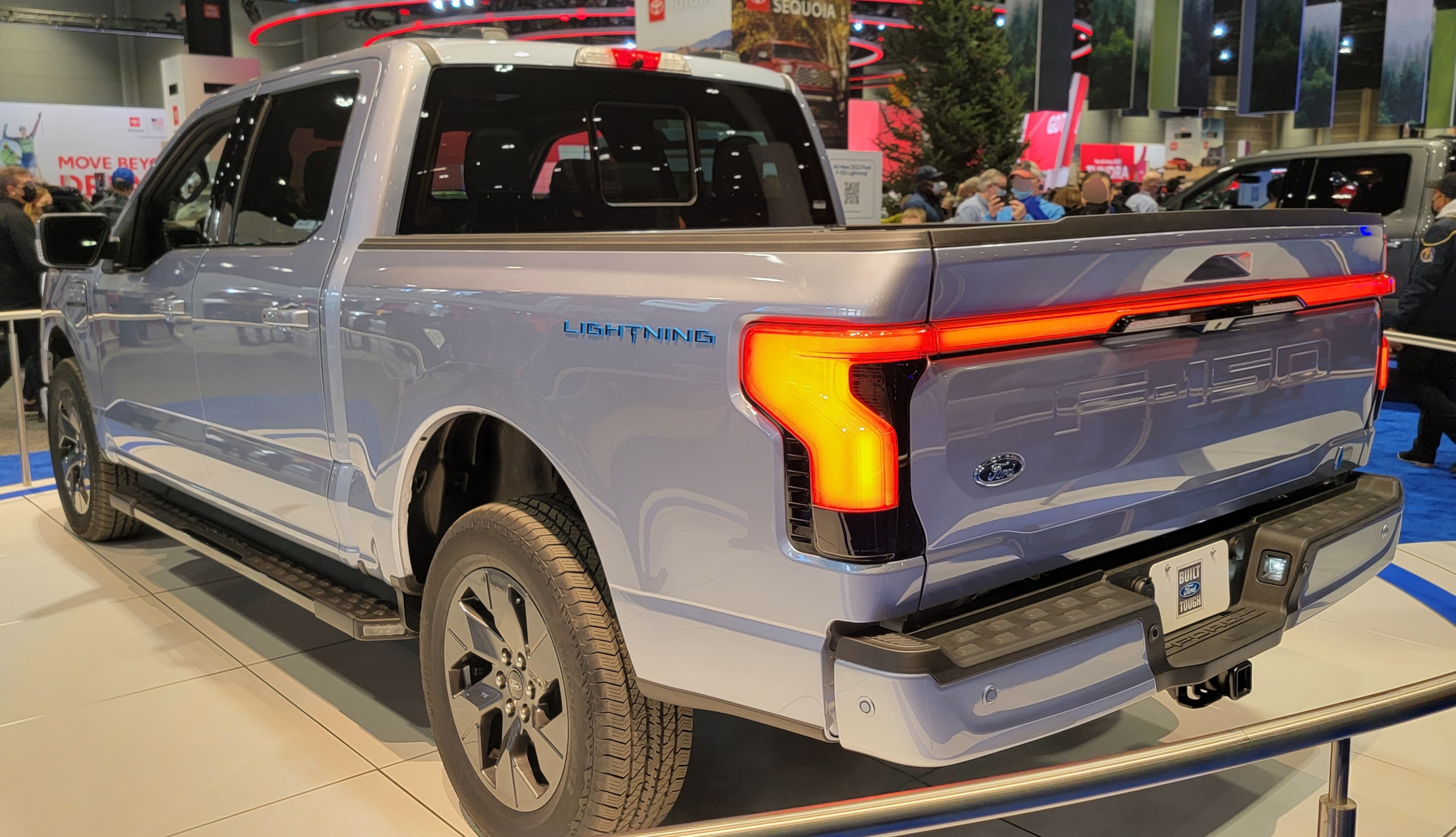
Speaker 2: I know, but look at sales of the Ford f one fifty Lightning.
Speaker 5: I saw that I sold the cyber truck for the first pome.
Speaker 4: Yeah, we did it really wow.
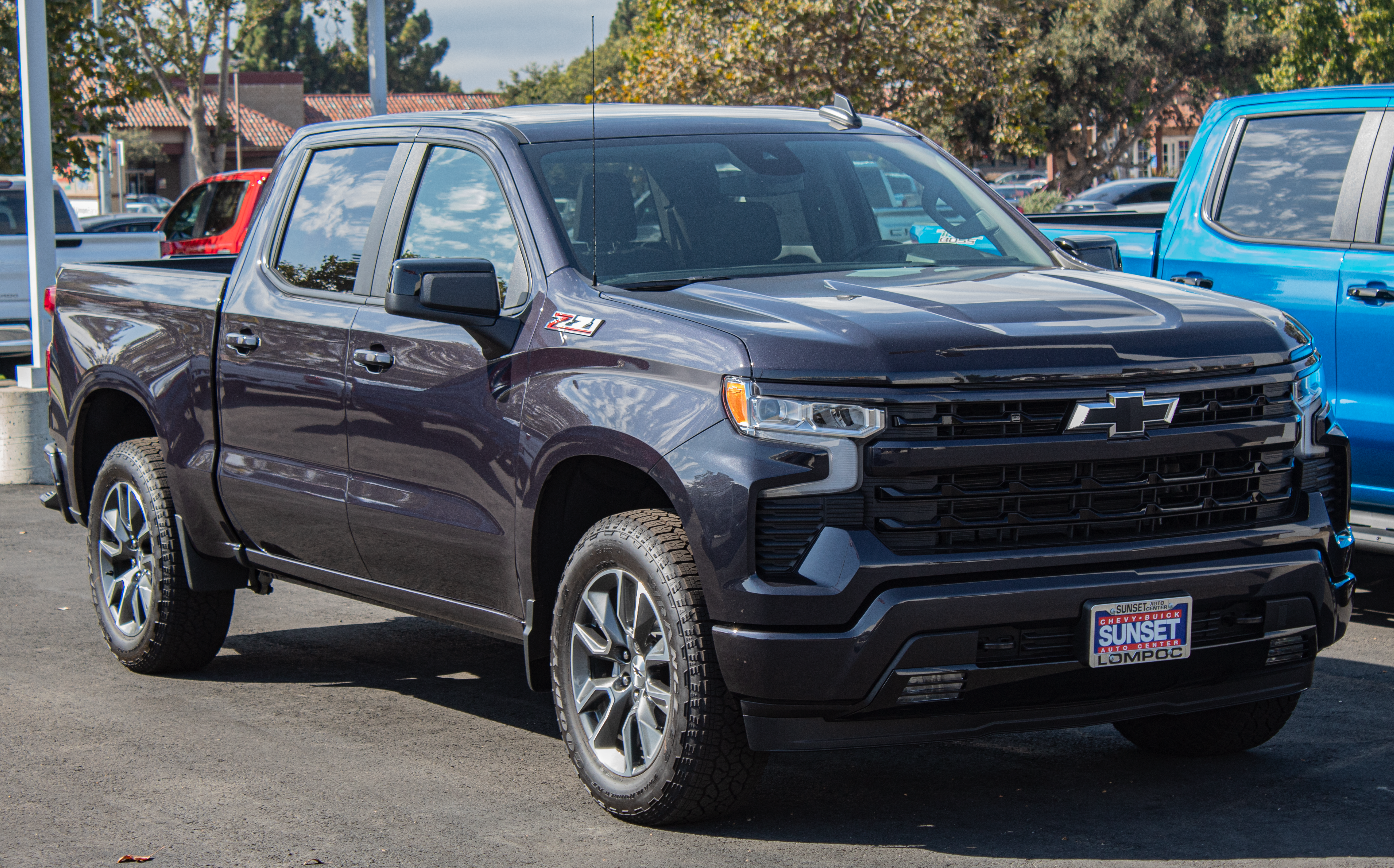
Speaker 2: Well, you know, the cyber truck has its own issues, and if you look at on the electric Chevrolet Silveratto, the sales are nowhere. So why would you as the
land to say, yep, let's go to market with something that we just know is going.
Speaker 4: To be a disaster, a sales disaster.
Speaker 7: They can they can wait and you know, just they can't wait and see how things play out. Then, like
you mentioned the charger, I mean they you know, they've they've got electrification out there, so.
Speaker 5: Things we got one.
Speaker 4: Yeah, we're with the.
Speaker 3: Times, right right.
Speaker 5: Okay, So John, do you do you think that you know, you mentioned talking to Allan about how the EV thing is not taking off as robustly as had been anticipated, where you know, you know, Eric is mentioning this sort of wait and see about what's going to happen in terms of, you know, what the government is going to do related to electric vehicles? What's your what's your feeling
about twenty five twenty six.
Speaker 4: Yeah, so.
Speaker 2: Let me say that for years now, since like around twenty eighteen twenty nineteen, I thought that EV sales would hit about thirty percent market share in the US, Roughly one out of three vehicles, including commercial would be UH light commercial would be battery electric UH. And I thought
all along that the tipping point, I'm a little bit more optimistic than Alan. I thought it would come in
the twenty twenty seven twenty twenty eight timeframe. Why because
that's when we're going to see next gen BV platforms, We're going to see next gen batteries, There'll be more infrastructure.
So I thought twenty seven and twenty eight is when things would start to build up. But now we've got
an administration that's trying to gut all incentives for it, both for buying evs and for putting in the infrastructure and for building the batteries, and so hey, I can't to my forecast with that kind of thing. I think
we'll be lucky to hit twenty percent market share of BEVs by the end of the decade.
Speaker 5: So the Anderson Economic Group came out with some adjusted numbers related to the terrace, and so I will quote directly from them. So this is this is where they
see high impact. That's their term. High impact says higher
on the tariff impact lists. Are full sized luxury SUVs,
some be evs in products assembled in Europe and Asia.
These vehicles are expected to see a tariff impact of wait for it, ten to twelve thousand dollars, with some battery electric vehicles in European and Asian luxury vehicles having an estimated tariff impact exceeding fifteen grand models in this group include the Mercedes g Wagon, another Mercedes Bran sedans.
So we can say, oh, the Mercedes, just add some money to the msrpal problem, land Rover and range Rover models, some BMW models and the Ford mock E.
Speaker 4: Yeah, now think about that.
Speaker 5: I mean, you've got all these lux vehicles and then they're saying, oh, but by the way, this is a high impact area.
Speaker 2: Sure. Look, you know, let's just say the factory price
of the Machi is forty thousand bucks. That's a ten
thousand dollars tariff at twenty five percent. And you know
the other interesting thing too in the last week is the Detroit three including Stilantis as part of that came out excoring Trump cutting this trade deal with the UK where the UK vehicles will only pay a ten percent tariff.
UK vehicles being Bentley Rolls, Royce, Mini, Jaguar, Land Rover, which by the way, come into this market with almost zero US content, whereas Mexican or Canadian made vehicles with gobs of US content in them have to pay a twenty five percent tariff. And I think this is where
the industry might get traction with Congress going what are we doing here? We're hurting our own industry while you,
mister President, are out cutting deal with the British. Here
it's giving them a clear advantage that's going to hurt our industry.
Speaker 7: And those those brands you mentioned too, their customers are less price sensitive right than some of these other companies, so you know it they maybe they don't need you know.
Speaker 4: That break as much, isn't it?
Speaker 5: Isn't it possible that that deal was cut because if you look at the number of vehicles that are exported from the UK.
Speaker 4: To the US, a lot, it's it's it's.
Speaker 1: Not a lot.
Speaker 2: But the fear is, Look, if you cut that kind of a deal with the British, you know what happens if you cut these other deals and leave Mexico and Canada out, you know, hang them out to dry.
Speaker 3: Uh.
Speaker 2: You know, the North American industry. They're the administration likes
that are not needs Canada and especially Mexico.
Speaker 5: It's one way of getting one of those right.
Speaker 2: The another I was today at the Automate show in downtown Detroit. Automate is this show all about automation. I
don't know if you guys have seen it. Show Sean,
maybe you can show that that that panorama shot, but they love their while a lot of robots, and we'll get into that in a second, but all kinds of automation.
They had over eight hundred and sixty exhibitors there from all over the world.
Speaker 4: I was I was impressed.
Speaker 2: There were all kinds of cobots, you know, because I mean, you know, we were talking about cobots, cobots, collaborative robots, you know, robots that can work right next to a human being without being caged off for safety reasons.
Speaker 4: They're everywhere now.
Speaker 2: But the one thing, I don't know if you can show that grinding machine Shunk and maybe Gary you were probably aware of this, or maybe Eric you had heard of self programming robots, robots that you do not have to program, and I would We've got this example of I think Sean's running the video now of it's a robot with a grinder grinding off some metal on this steel block. But I saw another example of a pipe,
pretty thick metal pipe being welded to a steel plate.
And the guy explained to me, all you do is you take pictures around of what you know, the work elements that you've got, those are digital, You feed them into the robot it uses AI and then using human language type Dan, you just tell the robot weld the pipe to the plate.
Speaker 4: It doesn't. I was floored by that.
Speaker 5: It's a shame you miss the show. And we had
Mike sicco from was talking about all this stuff.
Speaker 2: That stuff, Oh I did miss that yet, but self programming.
Speaker 5: Line is where all the information I know. Listen, man,
this just as you just find this stuff out.
Speaker 4: We're bleeding edge, there's no question absolutely.
Speaker 5: But you know then so so all of that automation that you saw there, you know it raises the point of bringing manufacturing back to the United States. So I
happened to be in the Hondai metaplant earlier this week in Savannah, Georgia, and I'm mean, you want to talk about an automated plant. This was the most sensational car
plant I've ever been in my life. WHOA Okay, now
it's you know, not saying something and you know, and certainly you know, you get a new vehicles smells nice, looks goods clean. Right, you go too, a new factory.
It looks good, smells nice, you know, the whole thing.
But I mean, I mean this this had a vaulted roof in general assembly, a vaulted roof with skylights in it. Okay,
it used to be the factories would never have windows because the sunload. They figured it would have an effect
on the way things would come together. Yeah right, But
I mean you want to talk about robots. They even
had the Boston Dynamics Spot. There were two of spots
in there that were being used for inspecting vehicles. I
mean things are walking up and doing. Vehicles were being
moved around on automated guided vehicles. I mean it was
even like these cars coming to the end of the line and these little AGVs go under it, lift the thing up, move it off the line, and then position it so then they can go to the next station for test.
Speaker 4: I mean it's like this place is awesome, right, and.
Speaker 5: This is you know, you want manufacturing to come back here have plants like that, people are really gonna want to work in them.
Speaker 7: But that's going to be the But that's the research that's so that means maybe factories do come back.
Speaker 3: Or or whatever fewer workers, right, That's.
Speaker 2: Exactly what it means, exactly, And that's why I was so wild by these self programming robots.
Speaker 4: Anybody I could do it. I could program a robot.
I don't know anything about this stuff. So what's the biggest.
Speaker 5: Let me know a car that part's going in and yeah, what what's.
Speaker 4: The biggest problem?
Speaker 2: When you talk to anybody who runs a manufacturing operation, can't get the people they need, cannot get it, especially younger people. They don't want to work in factories. What's
an even bigger problem than that, skilled trades people, they cannot get the skills that they need. So if you've
got all this automation and you've got self programming stuff that any idiot like me could even do, that's exactly how you're going to bring manufacturing back to the US.
Speaker 4: And you're not going to worry about UAW level wage rates.
Speaker 2: Because you're going to get these human And I saw the humanoid robots there too, and these humanoid robots, I'm told will cost about two hundred thousand bucks well a UAW worker by the end of the contract.
Speaker 4: All in cost to the company, it's going to be about one hundred and forty thousand a year.
Speaker 2: So you buy one of these robots, it pays for itself in about a year and a half.
Speaker 4: That's how I.
Speaker 2: What I think all this move to bring more manufacturing back to the US. It will create jobs, yes it will,
but not nearly as many as as a lot of people seem to think.
Speaker 5: Although I disagree with you about humanoid robots, I'll go along this line that humanoid robot could.
Speaker 4: Work two shifts.
Speaker 3: Yeah, exactly.
Speaker 5: So basically the payback period.
Speaker 4: Is less one year.
Speaker 5: That's right around the clock, right, I figure he wants a coffee break at some point.
Speaker 4: They got to charge themselves.
Speaker 5: We charge themselves or you know stuff.
Speaker 4: Un Yeah, but yeah, no, it was have a smoke.
Speaker 2: It was extraordinary what I saw on the show floor there and the place is packed.
Speaker 4: I mean it was.
Speaker 5: And this is part of the industry that I think that that you know, people don't think about enough. I
mean we all look at the end product and we see the we see the vehicle and you know, talk about all of its elements, but you know, this this whole coming together of all of these elements and coming together, you know, reliably, with you know, few errors, some some not as well as others, but ideally few errors.
Speaker 3: I mean, that.
Speaker 5: Stuff is is just amazing.
Speaker 4: Yeah, it really is.
Speaker 2: In fact, one thing that I really liked is how many school groups were going through there. I'm talking high
school and probably college too, because when you walk through that place, it's like, Wow, this is cool stuff. All
of a sudden, these students are going to be thinking manufacturing's cool, whereas if you go out into the general public, it's like, eh, manufacturing. I don't want any part of it.
I don't want to work in a factory. I hear
that from my parents, I hear that from my teachers, I hear that from my friends.
Speaker 4: I don't want any part of it.
Speaker 2: Whereas I think it was brilliant of the organizers to bring all these school groups through.
Speaker 5: Well, I'm sure what was it Crystal Ray that we had on the show, right, I'm sure that they had their people there in great numbers, and possibly you.
Speaker 4: Know the Crystal Ray.
Speaker 2: I mean, you saw the student that we had. They're
going to be running the companies, not working in the factories.
Speaker 4: Kids are sharp, they are sharp, That's right.
Speaker 5: So what are you seeing out there as you're doing your reporting? I mean, what's your sense of the mood
among you know, the oees and supplier community in the business community at large that you you.
Speaker 7: Well, I gather. I mean there's been this kind of
sigh of relief. I guess recently. I was I was
talking to somebody yesterday about this idea that you know, there was we we're talking about waiting for things to shake out a little bit, but that you know, people are waiting to make decisions. So I think that's still
that's still a factor obviously. So but you know, excitement
with with that looks like maybe some trade deals will happen.
But I think that colors everything right now. So just
a lot of a lot of questions, you know, we'll see, you know, you know, questions about leadership. It's stilantis that
sort of thing. But but yeah, I think I think
we'll see maybe maybe things will start to shake out.
Maybe you'll start to see some movement that you haven't seen for a while, I hope.
Speaker 2: So, I mean, just this industry needs certainty. I can
tell you right now, nobody wants to spend a dime if unless they have to. Something breaks, of course you've
got to fix it. But there's such a reluctance to
cut any deals, to make any investments, and so they know really what's going to happen. And I think it's
going to be several months before we have any clarity on that, that's my guess.
Speaker 5: But I was gonna say, but but you know, both you guys, I mean, do you think that Okay, So the investments that an auto company has to make, okay, it's it's a long term investment, right. I mean, they're
they're spending you know, cubic tons of money to do this stuff, to put in a factory, you know, and and so so they look at it and they say, Okay, a few months from now, maybe they'll have some clarity and they'll say, okay, you know this is going to be the terriff impact on us, and you know, so we can see what that is. But you know, a
an administration lasts only so long the factory is still going to be there. They're probably still going to be
paying the mortgage on the factory. You know, for a
long time, and then the question becomes do they make that investment? I mean, is it valuable to you? And
I mean I was reading something recently that that you know, Tim Cook of Apple, and you know, there's all this pressure on Apple to do more products here, and he made the point he said, you know, one of the things that we did discover during the pandemic was the fact that you want to have your supply chain actually spread because you know, if one area goes down, you can do something, you know somewhere else, right, And and so you know, I've got to believe that if your General Motors and Ford and Stilantis, you know, you're you're thinking sort of the same thing. And so what is
the willingness going to be to make these huge investments in you know, bricks and mortar and new factories and new equipment.
Speaker 7: Well, you know, to that point, like the recent call with Stalantis after for the first quarter, one of the analysts had asked about asked about a couple products. We
asked about the jeep Cherokee, you know, saying well it's we you know, saying it was gonna be made him the next one's gonna be made in Mexico. You know,
are you you were considering that and the answer was no, it's a kind of full steam ahead. That's they they're
not changing that because of that idea about the cycle being longer than you know, I guess politics. So so
we'll see, but yeah, it takes a while for these things to move.
Speaker 4: Well.
Speaker 2: Hopefully we'll have some clarity, like I said, this summer and things will pick up again, but it's it's going to be a pretty dicey road between now and then.
Speaker 4: So we should wrap this up.
Speaker 2: Eric Lawrence from the Detroit Free Press, thanks so much for being on the show.
Speaker 7: Thanks for having me.
Speaker 2: Yeah, and Gary, you and I will be back here again next week, absolutely, and we hope all of you join us then.
Speaker 1: Auto Line after Hours. It's brought to you by bridge
Stone Tires, Solutions for Your Journey, and by Borg Warner.
The automotive industry continues to evolve, and so do the opportunities to define it. Borg Warner, one of the world's
most admired companies, gets partners where they need to go.
Let's do something big together.
Request an explanation for:
8 cars
Scroll for more
8 cars featured
Request an Explanation
Heard something you'd like explained? We'll add it to this episode.
Sign in to request explanations for terms you heard.
Want to learn more?
Browse our glossary for plain-English explanations of automotive terms, jargon, and concepts.
See something that's not quite right? Our annotations are AI-generated and can sometimes miss the mark.
Click the flag icon on any annotation to suggest a correction.