00:31
If you're the purchasing manager at a manufacturing plant, you know having a trusted partner makes
00:36
all the difference.
00:38
That's why hands down you count on Granger for auto-reordering.
00:42
With on-time restocks, your team will have the cut-resistant gloves they need at the
00:46
start of their shift.
00:48
And you can end your day knowing they've got safety well in hand.
00:52
Call 1-800-GRANGER, click Granger.com or just stop by.
00:56
Granger for the ones who get it done.
01:02
Hey everybody, thanks for joining us on AutoLine After Hours.
01:05
Mr. Gary is here as always, I'm doing well, you too.
01:11
So we've got to let everybody know, we've got Venkatesh Prasad from the Center for
01:15
Automotive Research in Ann Arbor.
01:18
Who goes by Prasad?
01:21
And we've got Paul Eisenstein from headlightnews.com.
01:24
Headlight, no, no, no, no, headlight.news, no.com.
01:29
We've got people from a site in Arkansas.
01:32
We wouldn't want that at all.
01:34
So we've got to give you your title because it is an important title and then a little
01:39
bit of your background to put this all into context.
01:42
You're the Senior Vice President of Research and Chief Innovation Officer at the Center
01:46
for Automotive Research.
01:48
And before that, you had more than 26 years at Ford and, notably, you founded and led
01:57
the Ford Silicon Valley Labs in Palo Alto.
02:00
So that's quite a statement as we hear more and more about things coming out of Silicon
02:11
Good to see you all here.
02:13
So, I mean, you're a tech guy.
02:17
So give us your overview of what the landscape looks now in the auto industry in terms
02:24
Fascinating, I'd say, as technology just does its job.
02:30
It pushes along and forces a lot of what it enables and sometimes it just tries to change
02:41
and doesn't really wait for much to happen.
02:45
So, Saddo, we're seeing a real divergence here with the new EV startups taking a totally
02:53
different approach to doing cars, especially when it comes to technology versus the legacy
02:59
Do you see that converging at any point in what I'm thinking is software-defined vehicles,
03:04
zonal compute, and that sort of thing?
03:06
Yeah, I think there'd be selective convergences and by that, I mean the legacy car makers
03:16
and these are those who have to find free cash flow by selling highly profitable products
03:22
and those profits come from products that they know how to make and make well and where
03:27
there's a clear consumer demand, customer demand, and those tend to be internal combustion
03:33
And so they can reselluate those vehicles and tune them in a way in which they can
03:41
sell them profitably.
03:42
And so while they do that, make the free cash flow they need and put that into the
03:48
growth business, they would sooner or later and they have, and you've seen these play out
03:55
in a number of forms, they need new capabilities.
03:59
And to find those new capabilities, they either build or they buy or they partner.
04:05
And so when they look to partner, they look to partner with certainly trusted,
04:10
tested suppliers that they have, but then those tested and trusted suppliers also
04:15
have to have new capabilities.
04:17
And so that's when the startups come in, that's when people who are experimenting
04:21
without the burden of having to run a legacy operation and have two operating systems,
04:29
ICE and EV, can quickly adapt to the changes needed, but they don't have scale.
04:36
And so they're looking for that validation and so that's when those partnerships
04:41
I'm curious about where the industry is going versus what consumers are asking for.
04:48
Now I'm a tech person.
04:50
I mean, I always have boxes of new things to play with, but at the same time, I get
04:56
into a lot of new cars and either I have the Microsoft Word Syndrome where there's
05:03
tons of stuff that I either never knew I had or don't use.
05:08
And there's many a time where I just get angry, Rivian putting controls for your
05:16
mirrors and your seats and your vents on the touchscreen.
05:21
And when I look at studies and when I talk to a lot of consumers, I get this mixed
05:26
message, people want the technology, but they're angry at their technology.
05:31
So I wonder if you can address this, this sort of schizophrenia, if you will,
05:38
Yeah, I think that dichotomy is a valid and legitimate one.
05:42
I think going back to sort of the framing of that whole question against the
05:49
context of what technology does, and ultimately firms have to take
05:53
technologies, companies have to take technologies and then tune it to what
05:56
the market needs in the near term and midterm and long term.
06:00
And then they pretty quickly discover that the design question, the meta
06:05
design question, how do you design, how do you take technology that's doing
06:09
its job as I said earlier on, but then in some sense harness that to get the
06:14
optimal design you need for the profits you need, the customer satisfaction
06:19
you need, all that to happen.
06:20
And that then comes to a usability design question down below.
06:24
But there's also the bigger design of how do you design the
06:27
organization, how do you design what goes into making these things
06:30
And I think these are all still emerging being tested out.
06:34
And so just the fact that you can't just go open the door latch and the
06:39
expectation was that if you couldn't open it you'd try again and that was
06:44
like a magic number of 130 milliseconds or so.
06:47
Today you press a button and you go past 130 milliseconds you got away for a
06:53
And so that's, we've gotten used to it in some sense humans have
06:55
gotten trained with these digital interfaces that we have no tolerance
07:00
for when you went to an analog interface.
07:02
Just by opening a latch, mechanical one, if it doesn't open in that 130
07:07
some milliseconds you're going to try it again because that's what we're used to
07:10
with mechanical systems.
07:11
And you see this digital thing you press a button on a light glows and then
07:14
you hear a click, right?
07:15
That already has gone past your time budget for human acceptance.
07:19
And so there's a number of user interface questions that are going
07:22
to come up at the individual sort of widget level but also at the system
07:27
Do you see some automakers pulling back?
07:30
I hear this anecdotally and I've seen a few things.
07:33
Hyundai has put more emphasis on having secondary controls for example for
07:39
climate and for audio as opposed to keeping everything just on the touch
07:45
Yeah, I think there was certainly a rush to put everything on the touch
07:50
screen because it seemed that there was a good way to reduce costs,
07:57
But there's a recognition that at the end of the day you want
07:59
to go from A to B and you want to come back safely and you want to also
08:03
perhaps allow that to happen without necessarily being on a screen yet
08:10
another time because you're so screen inundated from the time one wakes
08:16
up to when we go to sleep.
08:18
And so you want that little bit, perhaps this is that, that'll come
08:21
back and say I don't want that.
08:23
I just want to drive without that screen.
08:25
So Prasad, John mentioned startup EV companies are appearing.
08:32
You mentioned the legacy companies that have the cash flow from ICE.
08:38
OK, so it seems that these are two entirely different cultures yet
08:44
both of these cultures are competing in the same marketplace.
08:50
So how do either of these companies perform successfully,
08:57
perform in a way that will allow technological advances such as
09:02
autonomous driving or more EVs?
09:06
If you're an HVAC technician and a call comes in, Granger knows
09:10
that you need a partner that helps you find the right product fast
09:14
And you know that when the first problem of the day is a clanking
09:17
blower motor, there's no need to break a sweat.
09:21
With Granger's easy to use website and product details,
09:24
you're confident you'll soon have everything humming right along.
09:27
Call 1-800-GRANGER, click Granger.com or just stop by.
09:31
Granger, for the ones who get it done.
09:36
Yeah, no, I think it's through staged and carefully
09:40
orchestrated partnerships, a series of partnerships
09:43
where the startups can offer a lot with the right kind of support,
09:50
can offer a lot of innovation designs or innovative designs
09:59
but also production innovations, pathways.
10:04
But the large manufacturers, the producers have that scale.
10:07
They have the ability to take things to scale
10:10
and be able to then industrialize it, if you will.
10:14
I think that's where the complementary capabilities lie.
10:20
So you think it's complementary versus...
10:25
I think there'll be a bit of both.
10:26
I mean, clearly you've seen Tesla take its form and grow
10:31
and BYD go to scale and they haven't been dependent
10:37
on a legacy car maker.
10:40
But you have others who are coming to the marketplace now
10:45
and one can see that they have the need for scale and it's not easy.
10:52
And the legacy car makers need to move quickly
10:56
and need to move with the ability to both balance their legacy portfolio
11:04
and quickly move when they have the opportunity to do so
11:08
with respect to the EVPs.
11:11
So yes, they have in-house designs but there's always the capability
11:14
that takes you to the next level that often you find on the outside
11:20
because you might have it in-house
11:22
but you might see it proven just enough on the outside
11:26
whereas the in-house version may not have had the chance
11:29
to get that early proof that you need in terms of design iterations.
11:34
Gary, I know you had some info from some recent studies
11:38
from the Center for Automotive Research
11:40
that triggered some questions in your mind.
11:43
Well, okay, so you guys most recently did the study of tariffs.
11:48
And now we got reporting today
11:51
that there's closer to a deal of the EU
11:53
which may bring it down to 15% from the 25% it did before.
11:58
But so when you guys did this study
12:00
and our friend Edgar Fowler who was on the show
12:04
who was involved in this. Also from Carr.
12:07
So you were saying that it would be an increased cost
12:10
of $107.7 billion to all US automakers
12:14
and the increased cost of $41.9 billion to the D3 automakers
12:19
and it impacted D3 production volume of 6.8 million vehicles.
12:24
So this is just cost of producing vehicles in the United States
12:29
and talk to us a little bit about that.
12:33
I mean, and then I want to mention you guys used
12:35
as one of your data points the American Automobile Labeling Act
12:40
and I was shocked to see some of the numbers
12:43
in terms of the Detroit 3 and what their domestic content is.
12:48
Right, so I think on the 108, roughly 108,
12:53
107.7 billion dollar number.
12:56
I think the best way to look at this
12:59
is to look at how that cost gets distributed.
13:07
So there's two parts.
13:08
What the sources of the, what the line items are
13:11
that result in that cost.
13:13
And that was based on the assumption that there's a uniform
13:15
25% tariff on all trading partners
13:18
with no relief for any existing agreement.
13:22
And then you can, so you look at that total amount
13:26
and then you say, well, who are all the players here
13:30
that at the end of the day need to come together
13:34
for this industry to be viable
13:35
and for consumers to benefit.
13:37
And that's the suppliers who supply components
13:41
and subsystems to the OEMs.
13:45
And then the finished products get distributed
13:48
and you have the dealers who then take it to the end user.
13:53
And so no one explicitly or otherwise until they have to
13:58
wants to speak about the end user, the consumer,
14:01
the customer and say, okay, we want to protect them.
14:04
So then you essentially get to dividing this number
14:07
by, you know, not by three,
14:10
but spread across three different entities,
14:13
the suppliers, the OEMs and distributors.
14:16
And then you, so that's how that dynamic works.
14:20
And so with the latest EU-US agreement,
14:23
you turn the knob slightly differently,
14:25
you go through the math again,
14:27
but you're gonna still come up with a pretty large amount
14:30
because it's not as if the US exports a whole lot to Europe
14:34
or Europe exports a whole lot to the US
14:38
where there's gonna be this big shift in these numbers.
14:41
And so I think that's where we are today.
14:44
Yeah, so it's to the point of, you know,
14:46
suppliers to the industry.
14:47
So I already quizzed John on this,
14:50
so I'll throw this one to you, Paul.
14:51
So Ford, what vehicle has the most domestic content
14:57
as measured by the American Automobile Labeling Act?
15:01
What vehicle is it and what is the percentage
15:04
of domestic content?
15:06
Well, I thought I remembered the Tesla.
15:08
No, no, just we're asking about Ford now.
15:10
So we're just looking at D3.
15:11
Oh, Ford, I'm sorry.
15:13
My instinct would be to say the Mustang,
15:17
but I'm probably wrong.
15:20
No, so if I were to look at it,
15:27
Yeah, it's a surprise to me.
15:28
It's the Ford Ranger pickup truck,
15:32
46% domestic content.
15:35
And by the way, by domestic,
15:36
you are talking absolutely US, not North American.
15:40
I think it's USMCA, I believe,
15:43
is that's in those numbers, right?
15:47
If I remember this year.
15:48
That was cars.com did the study.
15:50
Yeah, and Ford dropped out of the top 20,
15:54
if I remember correctly.
15:55
But then, okay, so let's move on to General Motors.
15:59
So what vehicle has the most domestic content
16:03
according to the AALA in 2025?
16:08
Damn, I wish I remembered.
16:11
This one is just flabbergasting.
16:14
It's the Bright Drop.
16:19
Which is, of course, Canadian assembled.
16:21
Which goes back to the point of USMCA.
16:23
So it's, now, if we were to take that out of this, okay,
16:27
so now we'll say what vehicle, consumer vehicle,
16:32
General Motors product.
16:33
Well, I'm gonna fail this.
16:34
I'm not even gonna get a D in this.
16:39
Colorado Canyon, 49%.
16:40
So the small pickups.
16:44
All right, so we'll give you the third one
16:46
and you may get this right because you're,
16:49
you now have a clue.
16:54
Bingo, you're right.
16:55
Oh, good, I got a D plus, right?
16:58
And shockingly, it's 74% domestic content.
17:03
And Stalantis as a whole is relatively low,
17:06
if I remember, on domestic content.
17:07
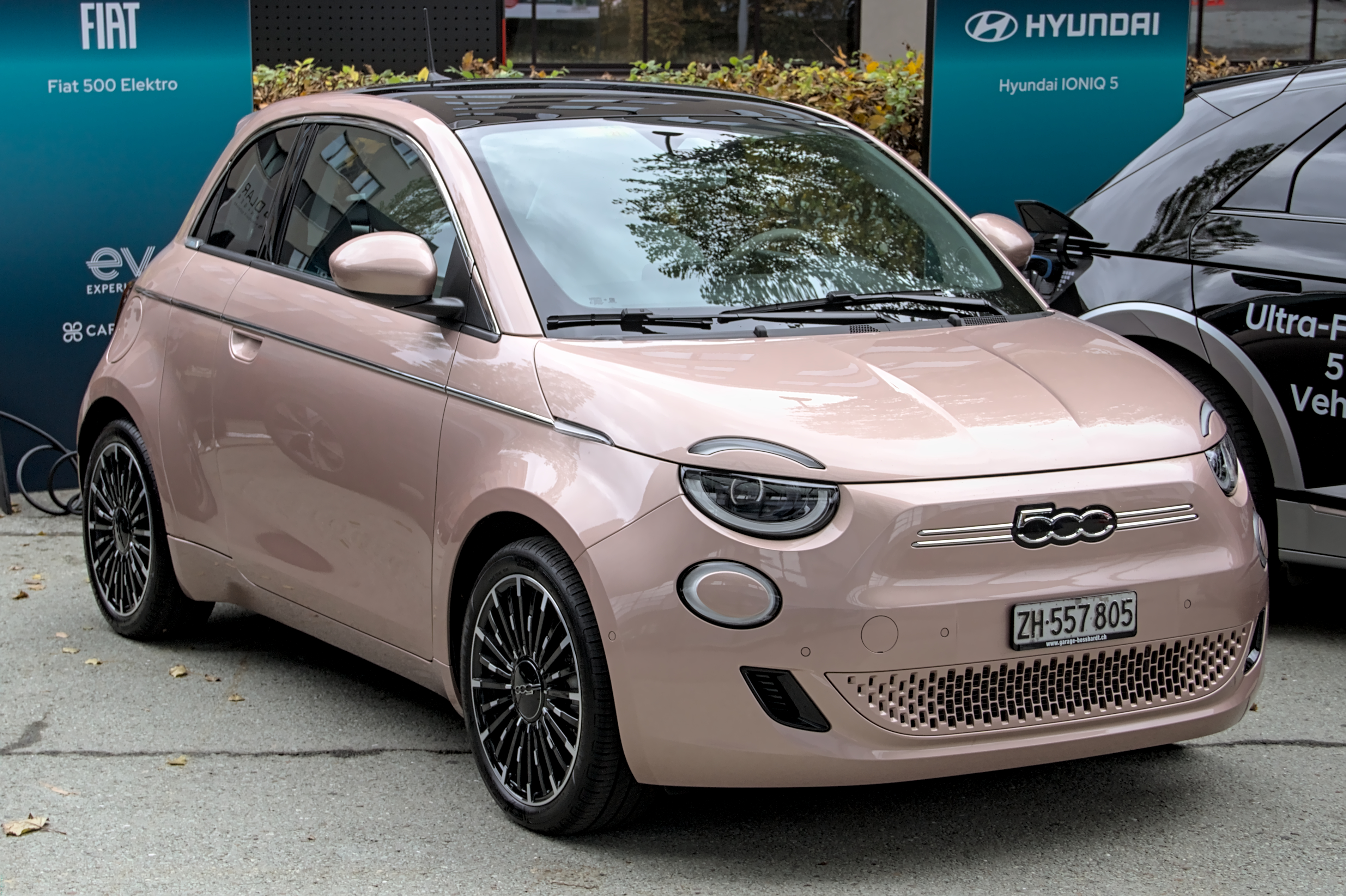
Yeah, it's like the Dodge Hornet and 500E,
17:10
they're the only ones that I find have 0%.
17:14
The Hornet and the 500E have zero.
17:16
But what's surprising to me was the Nautilus,
17:19
which is assembled in China, has 5% domestic content.
17:24
I'd love to know what that 5% has.
17:30
So, I mean, to get back to your point though,
17:32
I mean, so, you know, these percentages,
17:35
so if we go to Colorado Canyon,
17:37
this means 51% is non-domestic content.
17:40
So this would be 51% that tariff is being paid on?
17:44
Yeah, tariff is being paid on.
17:46
And then you gotta go through the materials and say,
17:48
is this already covered by something else?
17:50
Is it covered by a bilateral agreement?
17:52
Is it a material that now perhaps can sit somewhere else,
17:56
get processed and then show up and then get charged less
18:00
because it's not the original form
18:04
in which it was imported.
18:05
That's now being imported in physical or in market terms.
18:13
So it could be sitting in an economic zone
18:17
where it gets preassembled and sold.
18:20
So there's all kinds of nuances that come into play here.
18:23
Well, we just saw more tariffs get dumped on a bunch
18:25
of steel and aluminum componentry.
18:28
So that, you know, for example,
18:30
and it's very specific.
18:31
It was like mufflers, exhaust systems, clutches,
18:34
that sort of thing.
18:35
You pay a 50% tax on any of the steel or aluminum
18:40
that's in the component.
18:41
And then you pay the tariff on the component itself.
18:45
So it's a double dip.
18:47
It's a double whammy, right?
18:49
Similar to what's gonna happen with copper soon
18:51
from what he's been saying.
18:53
Yeah, well, again, they're looking at very specific,
18:56
it's not a blanket, you know,
18:58
kind of a tariff on the 50% that's cumulative.
19:03
It's on very specific products
19:05
and it also hits any kind of commercial vehicle
19:09
just about with an engine greater than 1,000 cc's.
19:13
So that's everything, right?
19:14
And then a lot of agricultural stuff, especially tractors.
19:20
Which is great for American farmers.
19:22
It goes back to the early colonization
19:25
Having to pay a million dollar combined.
19:27
So, John and I were talking about this before the show.
19:30
And I know that Carr looks into plants and factories
19:35
and what's going on in that space.
19:39
So as we look at these tariffs,
19:42
as we look at the possibility of reshoring,
19:46
I mean, what is your sense of how long it would take
19:49
for that to meaningfully be producing in the US
19:55
so these tariffs would be avoided?
19:57
I think just to the point made just a few minutes ago
20:01
about how much content is not either within the US MCA
20:08
region or purely domestic US made.
20:14
The supply chains still go back and forth outside.
20:17
So that's one piece to keep in mind.
20:20
And the other piece is, so you reshor,
20:23
but you're still dependent on the ins and outs
20:25
of how trade happens and how freight logistics happen.
20:30
And then the second piece is when you come back,
20:32
you never come back the way something might have left.
20:35
You come back with increased levels of automation.
20:39
You come back with the need to be comparable now
20:42
with new markets that you have to be competing in.
20:48
Either directly at the product level
20:50
or if you're a supplier,
20:51
you have to be ready to be able to supply
20:52
to China, supply Europe and to the US.
20:55
And so that brings in a whole lot of dynamics
20:58
that then say some pieces, subsystems can,
21:01
some subsystems can come back in the course of a year.
21:05
If you're talking of total vehicle return,
21:09
that really depends on where a plant was gonna be ready
21:12
for receiving this new program anyway.
21:17
Or you'd come so close to making a decision
21:19
and you said it was gonna be either here
21:21
or in Mexico and there's some advantage of being in Mexico
21:24
but it's probably a site cost differential
21:27
working against us and keeping a plant here in the US,
21:31
keeping the program assigned to a plant in the US.
21:34
But now that's gone away
21:35
and therefore you bring it back here.
21:36
So otherwise it's really hard.
21:38
Let me ask Gary's question in a slightly different way.
21:42
At some point the tariffs,
21:45
the on-shoring because of tariffs
21:48
is going to level out.
21:49
They're gonna figure out what the appropriate level is.
21:52
The market will figure that out.
21:54
How long do you think that's going to take?
21:57
That can go through a couple of iterations.
21:59
You know, it has to,
22:01
there's always a lagging impact of almost everything
22:05
we speak about in the world of tariffs
22:07
because it takes a while for the stock to deplete
22:11
and then you buy the next wave of components
22:16
and then you go through the design changes.
22:19
Would it be five years?
22:20
Would it be eight years?
22:22
No, I'd say it'll be four or five years.
22:25
That's how long it takes at the very least.
22:28
I wonder about this.
22:32
We seem to be taking this position,
22:35
which I'll be honest.
22:36
I think the administration,
22:37
it just doesn't have a clue about how,
22:40
particularly the auto industry works
22:42
and why globalization is important.
22:44
And it's not just because in Vietnam
22:48
they have low wages because we know that wages
22:51
are not as much as many people believe
22:53
in the total cost of vehicles, for example.
22:57
So what we look at globalization,
23:00
a lot of it has to do with,
23:02
we have huge number of vehicles
23:05
compared to where we were 40, 50 years ago.
23:08
We might have had a handful of models
23:11
from a particular brand.
23:12
Now we have an endless supply of nameplates and trips
23:16
and the volumes are so much lower.
23:20
And the way that you allow for that
23:23
is by finding a place to produce vehicles
23:28
So we get worldwide volume.
23:31
Can we really keep the system that we have?
23:35
Well, we have huge choice in models and nameplates.
23:40
If what we have to do
23:42
is essentially build everything here.
23:45
It's gonna be very hard,
23:47
especially because the goal itself
23:51
of getting to electrified propulsion hasn't changed.
23:54
The goal postman have moved on a little further.
23:57
And so what that really means is that it's
24:00
the modes that existed before to creating products
24:05
and defending yourself against competition
24:08
have been reduced or gone away to a large extent.
24:12
And so it's gonna be very tempting
24:14
and you're seeing this in terms of
24:17
entry into the auto space
24:19
by people who were not there before.
24:20
So you have people who are battery manufacturers
24:22
are now making cars and doing a great job.
24:24
People who are tech manufacturers
24:26
experimenting with making cars.
24:27
And so you're gonna see a lot of options.
24:30
And so you might find this world
24:31
where you have a lot of brands make
24:34
some of which you haven't heard of at all
24:35
and a lot of different options.
24:38
At the end of the day, this has to consolidate
24:40
because you do need volumes.
24:42
But the volumes could come at the subsystem
24:45
and components level and finally assembly
24:47
being relatively simplified
24:48
as especially as you are seeing a lot of these announcements
24:52
these days about simplifying the assembly process
24:55
and making them more efficient.
24:56
You might almost do contract manufacturing on those.
24:58
You might have different pathways now.
25:00
But I still don't know how you can bring things back.
25:03
You have a lot, it wasn't that long ago
25:07
where if you didn't sell 100,000 vehicles
25:10
of a particular model, you couldn't make money.
25:13
And now we have a lot of five, eight, 10, 15,000 unit models.
25:19
And that is primarily because we find a place
25:23
whether it's in the US or somewhere else
25:25
where we're making up the additional volume
25:27
through exports or through sharing top hats and so on.
25:31
And it would seem to me that
25:32
if we're gonna bring a lot of manufacturing back in
25:36
you're gonna have to have fewer models
25:39
and perhaps fewer manufacturers too.
25:42
I don't see how you can do it otherwise.
25:44
Right, fewer, I'd say you certainly need enough capacity,
25:49
enough utilization of the capital investments you make
25:54
So there's gotta be consolidation in many different ways.
25:58
And less choice for consumers, I would think.
26:00
Consumers might get choices in a different way.
26:03
And maybe that's where the consumer mindset
26:06
itself is shifting.
26:07
So they may not necessarily want the physical,
26:10
the physicality associated with choices,
26:13
but they might want the feature choices.
26:15
And that might come because you can use old hardware
26:18
in a way in which I don't mean old hardware.
26:21
But I mean, you can use hardware that's ready
26:25
for reprogrammability and ways by which
26:28
it can be mixed before they couldn't do earlier on.
26:31
So that level of I think flexibility and newness,
26:36
people might come to expect as opposed
26:40
to seeing a new model year every year, right?
26:42
So I think that's been discussed quite a bit.
26:43
So last year, Carter did a study almost a year ago,
26:47
today almost, it was the 24th that came out,
26:49
affordability, the $25,000 electric vehicle.
26:52
And you guys used $25,000 as saying,
26:54
okay, this is a low price.
26:56
It was just not how you do it.
26:59
But you were talking earlier about suppliers
27:01
and this whole discussion brings to mind,
27:05
this is a quote from that study
27:06
and I want you to comment on it.
27:08
For suppliers and particularly smaller
27:10
and lower tier suppliers, large and long-term orders
27:13
are key for amortization of investments.
27:15
Without this assurance, suppliers view heightened risk
27:18
in the EV transition as automakers adapt investment plans
27:21
to match market conditions.
27:24
Okay, that was just talking about trying to
27:28
capacitize for EVs.
27:29
Now the tariffs are on top of that
27:31
because this was written before tariffs were anything.
27:34
So what do these suppliers do?
27:37
How do these suppliers react to A, increase costs
27:42
and B, the investments that are necessary
27:46
to bring us to more EVs?
27:49
Yeah, I think one thing they might do
27:50
in the very short term is to go back to their customers
27:54
to look for extensions or look for business
27:58
in terms of components or subsystems
28:02
that they were supplying that were needed for ISO
28:05
or needed for plugins or needed now
28:07
for extended range vehicles.
28:09
While they still have to pay their monthly dues
28:12
on this new tool sitting there
28:15
that was designed to package cells into modules
28:17
and package modules into batteries.
28:20
And so they had to figure out a way
28:22
by which they can get some revenue
28:25
and either defer payments or reduce payments
28:27
on these other tools that they have
28:28
but that's the reality that they're facing.
28:30
So they went ahead and bought these tools
28:34
that were contingent on these orders that were coming in
28:38
or near a certainty of orders coming in
28:41
to build electric vehicles.
28:44
But since that went away, that big order
28:48
likely either got muted or put on hold for a while
28:52
or went away altogether.
28:53
They have to now look for alternative ways
28:55
by which they can get revenue.
28:58
And so these are always by which they have to sort of
29:00
go back and take an A.
29:02
Get back into that fuel exhaust pipe business
29:06
because I did this for you for five years or 10 years
29:10
and did well and so can we go back to that?
29:13
Prakash, we're at the bottom half of the show nut right now.
29:17
We're gonna have to wrap this segment up
29:18
but I really wanna thank you for coming on the show.
29:20
Thank you very much.
29:21
It's been very good insights there.
29:23
We should give a plug to Yobebe there.
29:25
So yes, the management briefing center
29:28
for anybody who's in Detroit,
29:31
the conference is going to be at the Michigan
29:35
Central's train station in downtown Detroit and-
29:39
Number 15th evening there's a reception
29:42
and 16th and 17th we have action packed discussions.
29:46
It's really exciting in so many different ways
29:48
as we just discussed there are so many topics
29:51
that are likely to be revisited
29:53
and some might sound familiar
29:55
but might have a completely new dynamic associated
29:58
with them others would be all in England
29:59
so we are really excited about that event
30:02
and hosting it for the first time now
30:04
and this is gonna be our 60th anniversary of MBS
30:08
and that's gonna happen for the first time
30:10
not in Traverse City but it's gonna happen here
30:12
at Michigan Central right in Detroit so welcome.
30:14
A lot of people in the industry
30:15
know about the management briefing seminars
30:18
so I'm glad you brought that up Gary.
30:19
And even if they're not in Detroit
30:22
I'm looking at this lineup
30:23
and they might wanna consider flying into Detroit.
30:27
Who do you see as the star of the show or the stars?
30:32
Well there's this guy who's sitting next to me.
30:35
Well he's always the star.
30:37
Joe Pratt from Toyota is going to be there.
30:40
I'm gonna completely just show-
30:44
People can go online and find a full lineup
30:48
Yeah it's gonna be a great conference.
30:50
Thank you gentlemen.
30:52
It's been some time with you.
30:53
We're gonna take a quick break right now
30:55
we're gonna be coming back
30:56
and talking about the latest news
30:57
of the week in the automotive industry.
31:02
We health businesses respond decisively
31:04
to their most critical challenges
31:06
from urgent performance improvement
31:09
to enterprise wide transformation.
31:11
We work across the full value chain
31:14
in automotive and in industrials
31:16
helping clients navigate disruption,
31:19
drive innovation and unlock sustainable growth.
31:23
Alex partners when it really matters.
31:28
If you're an HVAC technician and a call comes in
31:31
Granger knows that you need a partner
31:33
that helps you find the right product fast and hassle free.
31:36
And you know that when the first problem of the day
31:38
is a clanking blower motor
31:40
there's no need to break a sweat.
31:42
With Grangers easy to use website and product details
31:45
you're confident you'll soon have everything
31:47
humming right along.
31:49
Call 1-800-GRANGER, click Granger.com
31:53
Granger for the ones who get it done.
31:59
All right, we're back.
32:00
Talking about what's going on in this auto industry.
32:02
And one thing, Gary that I see in Paul too is
32:05
man, the situation is darkening for EV startups.
32:10
You've got the $7,500 credit that's going to go away
32:16
even perhaps more importantly
32:19
all the ZEV credit money which was in Tesla's case
32:23
billions of dollars going away.
32:26
And Rivian and Lucid and you know Lucid put out
32:30
a statement saying wait a minute
32:32
this was a significant amount of income for us.
32:36
The future doesn't look too bright at least short term.
32:40
So I mean this gets back to what Prasad was talking
32:44
about in terms of okay how do you make your
32:47
investments when you know you have this uncertainty.
32:50
Now there are the certainties that you just identified
32:53
but there's the other uncertainty of the market.
32:55
And Paul I know that you pay very close attention
32:58
to the consumer aspect of this.
33:00
I mean and you look at numbers of projections
33:03
that people are doing now.
33:04
I mean it'll be 8% maybe this year for the.
33:07
You just saw auto Pacific.
33:10
Ed Kim over at auto Pacific put out a release
33:13
this week on a study.
33:14
And the numbers were shocking.
33:18
I actually wrote a story on headlight.new
33:19
is combining that with something
33:21
that Bloomberg came up with first auto Pacific.
33:27
They are basically having the market share projections
33:33
through 2029 that they had made less than a year ago.
33:38
Which were the election.
33:40
This year was supposed to go to I think 11%
33:44
and they're now saying it'll be flat at 8%
33:46
compared to last year.
33:49
And I can't remember the exact number
33:51
but basically 2029 is only going up to like 12%.
33:56
That was the big one.
33:58
It was the 50% drop they were saying.
34:02
It's slightly more than 50% less than the numbers they had.
34:07
They were actually on the conservative side
34:11
Now add to the fact that we are seeing sales level
34:16
and they use the word flatten
34:18
but really are going to slightly dip after September 30th.
34:23
And what you have is automakers including Lucid
34:27
that are trying to make up for the loss
34:31
of the $7,500 federal tax credit
34:34
on top of needing to motivate beyond that.
34:39
We've seen some big, big deals.
34:43
There are some EVs right now that are being sold
34:47
or should we say least for as little as $100 a month.
34:52
The prologue from Honda,
34:55
which was actually not doing badly,
34:58
you can get in some parts of the country a prologue,
35:01
which is what a $48,000 EV list price MSRP
35:11
I mean, that's insane.
35:13
That's a 48 month lease plus a little bit of down payment
35:17
but that's $200 a month.
35:20
Doesn't even cover the basic materials,
35:23
never mind all the production process.
35:26
So the question becomes do the entrance
35:31
like Rivian, like Lucid, do they survive?
35:39
I mean, what Lucid is saying is it's going to pay
35:42
the $7,500 out of its own pocket.
35:45
This is a company that lost one and a half billion dollars
35:48
just in the first six months of the year.
35:49
They have one thing going for it, Saudi money.
35:54
And the Saudis seem intent
35:58
on positioning themselves for what they still believe
36:03
will be an eventual move away from oil.
36:10
How long can you afford to lose that kind of money?
36:12
How long can the Saudis afford to lose that much money?
36:15
How many more years before the sun explodes?
36:18
Okay, but Paul is, I mean, you know,
36:20
this is the thing that has always astonished me.
36:22
When we're talking about companies or organizations
36:27
losing billions and billions of dollars.
36:29
Okay, so the question, if I were them
36:32
and I was saying, wow,
36:33
that investment isn't paying off very well,
36:35
maybe I had to put my money in something else.
36:39
They don't want to lose money.
36:40
No one wants to lose investments for that, right?
36:44
And it's really funny because we've seen a couple
36:48
of the losers in the EV startup segment,
36:53
you know, Faraday Future,
36:56
who in the last few months have been like,
36:58
we're coming back, we're gonna make it.
36:59
Faraday was at the Pebble Beach Concord
37:03
just a little over a week ago showing off some stuff.
37:07
So there will be a few
37:08
that there's no question they're gonna go away.
37:10
I think there may be a couple of startups
37:13
that somehow or another are gonna squeak through,
37:15
they're gonna maybe push through
37:17
and some folks are gonna put money in them
37:20
to keep them alive,
37:21
hoping that as we move through the final years
37:26
of the Trump administration
37:28
that we may see some positive momentum.
37:31
But okay, what happens even to the Detroit three
37:36
in terms of their investments in EVs?
37:39
Do they begin to pull that back?
37:42
I mean, but will this will be like more serious
37:46
than they are now because, you know,
37:48
you're saying the auto Pacific number shows
37:50
that the market is not going to be what
37:52
I'm not 100% convinced that the auto Pacific numbers,
37:57
the revised numbers are gonna be true.
38:00
Their EVs are such an unknown even now.
38:05
Ford could be changing the game dramatically
38:08
with the universal EV project that they have.
38:12
What happens if we start to have
38:14
a bunch of $30,000 EVs
38:17
and we just saw some pricing on leaf
38:20
that brings it down well below $30,000
38:23
and we start to get range
38:25
and there was another study that just came out.
38:27
I don't think it was well below.
38:29
It was a few thousand below, but...
38:33
Do you have that, Sean?
38:34
What was the leaf MSRP?
38:36
I thought it was 29,999
38:39
and then you throw in destination charges.
38:41
I thought I just saw a lower number for the base.
38:43
But anyway, we're also addressing
38:45
some of the other issues.
38:46
There was another study that just came out
38:49
that said despite the Trump administration
38:51
initially backing off on spending the money
38:54
for a national EV network that Biden had put out,
38:57
the $5 billion, that the pace of growth
39:01
of the EV network is faster than people expected.
39:05
And there was a significant improvement in charging,
39:09
that the problem with what do they call it?
39:12
Non-start charging events,
39:15
which you plug in and it doesn't work.
39:17
That number has started to drastically fall.
39:20
So there's so many things that could
39:24
actually help the EV market,
39:26
even without the $7,500.
39:29
And you have seen some people that said eventually,
39:31
even Musk had said this,
39:34
eventually we need to get out of the $7,500 subsidy.
39:38
Plus, a lot of vehicles
39:40
weren't being subsidized except in lease.
39:43
So I'm not as completely convinced
39:46
that EVs are in a near-death spiral as some folks are.
39:52
So John, what did you mention oil is going for?
39:55
Well, the Energy Information Agency,
39:57
which is a US agency that tracks
39:59
oil production prices and all that.
40:02
The numbers are astonishing.
40:03
I think a year ago, this timeframe,
40:07
oil was trading at $81 a barrel.
40:11
I think right now it's at $67 a barrel
40:14
and the EIA says it's gonna drop down to 50
40:17
and maybe below 50 next year.
40:19
So what's the argument for not building
40:22
more internal combustion engines?
40:25
Look, gasoline prices also by the EIA
40:28
will be consistently below $3 a gallon nationwide
40:34
So I mean, it's all the more impetus
40:37
for a lot of consumers to go out and buy a nice vehicle.
40:41
Well, now that also is the question.
40:45
Because even with what's happening,
40:49
there is a definite push.
40:52
There's no question, as far as I'm concerned,
40:54
that hybrid electric vehicles continue to take off.
40:57
Consumers are liking that.
40:59
Automakers have found a really smart way
41:01
to get hybrids to work.
41:04
Well, but more and more-
41:05
There's maybe three that are good at it.
41:06
Right, but don't be excited.
41:08
More and more are starting to say,
41:10
hey, we'll give you great mileage and better performance
41:14
and we're not gonna charge you all that much more.
41:16
Right, but let's not lose sight of the fact
41:18
that when we talk about hybrids,
41:19
it still has an internal combustion engine.
41:22
Cornel's plumbing heating in there.
41:24
Hey, it's Tanner here to say happy new year to you
41:26
from everyone over at Cornel's Plumbing Heating in There.
41:29
Cornel's plumbing is the only people I call
41:30
if I've got a plumbing issue
41:31
or an issue with my furnace.
41:33
Cornel's plumbing heating in there
41:34
has been proudly serving Oregon homeowners for a long time
41:37
and they know what it takes to make your house comfortable.
41:39
And right now, if you tell me you heard it
41:40
from Tanner on the brew,
41:41
you'll get a $0 service call with repair
41:44
or 50 bucks off any repair.
41:45
Check them out at Cornel's Plumbing.com.
41:48
Cornel's plumbing heating in there.
41:52
Okay, so you're still building engines.
41:54
You're still using gasoline.
41:56
I mean, so again, going back to Prasad talking about,
42:00
okay, you need scale, you need volume.
42:03
Where is the volume and the scale going to be?
42:06
It's going to be making engines and transmissions.
42:08
In the short term for sure.
42:10
And I'm wondering how short this short term is.
42:13
I mean, it may be longer than we think.
42:15
Look, this is lighting a fire under automakers
42:17
to really figure out how are they going to take out cost
42:20
and come out with more compelling EVs.
42:22
You know, soft wards announcement last week.
42:25
You know, the rest of the legacies
42:27
have got to be working on the same thing.
42:28
Yeah, one of the things, I'm sorry, John,
42:31
but one of the things that I'm intrigued by
42:33
and it's certainly something that's happened
42:36
within our group, if you will, of journalists.
42:40
It wasn't very long ago that people were starting
42:42
to suddenly beat up on Akio Toyota.
42:45
The man who very often was seen as the visionary
42:47
in the industry, but also was very much against
42:52
a pure unadulterated switch to EVs.
42:55
He was a very big proponent of multi-energy.
43:00
And now we're seeing, first of all,
43:02
some manufacturers go back to that approach
43:05
and all of a sudden the companies that were using that,
43:08
Stellantis with the still a large platform
43:11
that can handle any of six different types of power trains
43:14
from pure ICE to pure EV,
43:18
they're all of a sudden looking like they're brilliant.
43:21
Yeah, well, you know, Akio is still excoriated
43:23
by the environmental community.
43:25
They still accuse him of dragging his feet on electric cars.
43:28
But you know, Toyota got it right.
43:31
For right now, hybrids really work.
43:34
People love the idea of getting up to 40 miles to the gallon.
43:38
And it's why the sales of them are going gangbusters.
43:43
But you know, the only strong players in the U.S. market
43:46
really are Toyota, Honda, and Ford.
43:49
The rest of them are scrambling to catch up.
43:51
No, no, no, Hyundai Kia as well.
43:54
If you look at the numbers, I just...
43:57
Their numbers are rising.
43:58
I came here directly from driving the new Kia Sportage HEV,
44:03
which is, I can't go very far in it.
44:05
It's impressive when you see the reviews.
44:08
The numbers are good, the performance is good.
44:11
And if anything, they have gone from 15% HEV
44:16
just a couple of years ago to 25%
44:19
and they're aiming much higher
44:21
as they get through some production bottlenecks.
44:23
So you're gonna see the Koreans
44:24
become significant players.
44:26
I believe Kia right now is second only to Toyota
44:30
in the number of HEV models that they have on the market.
44:37
They're offerings to the market.
44:39
So, okay, given all this goodness of the HEV,
44:45
then what's the argument for the EV?
44:47
Right now it's a harder one to make, but not impossible.
44:51
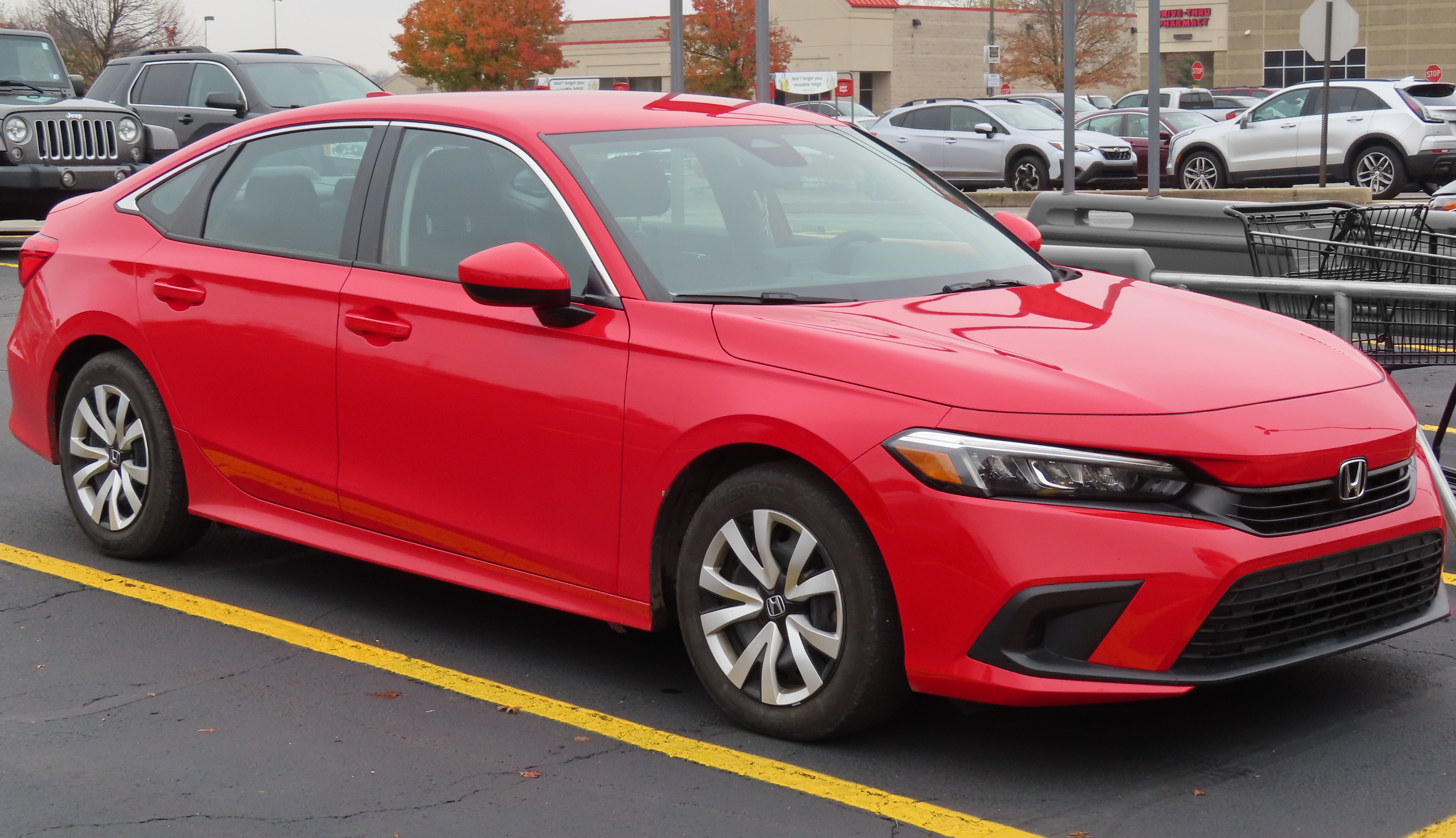
I mean, I was driving a Honda Civic Hybrid sedan
44:55
and not even trying, got 59 miles per gallon.
44:58
Yeah, it was shocking.
45:00
Ask people who own them and I have one.
45:04
And I'd still go to an EV.
45:07
I love the driving experience.
45:08
It's a better driving experience.
45:10
The torque is wonderful, the control is wonderful.
45:14
I like one pedal driving.
45:18
I don't see myself going back
45:21
unless I get a narrow niche of products.
45:24
I'd love to own a Corvette,
45:25
but now I have a hybrid version of that, right?
45:29
Maybe under certain circumstances,
45:31
I might want a more likely hybrid model
45:35
if I was doing a lot of extended driving
45:38
or heavy, heavy towing.
45:40
But I don't see myself going back to a gas model.
45:43
Paul, I say this in the nicest, most respectful way.
45:47
I know more and more people that love EVs
45:49
when they get in them.
45:50
Look, you know, the stats show
45:51
once people have an electric,
45:53
they pretty much stay with it.
45:54
I want to say the retention rate
45:57
is somewhere around 75%.
45:59
So a quarter of them do go away,
46:01
but the vast majority stick with electric.
46:04
And often they go to an electrified vehicle
46:06
as opposed to an all-electric vehicle.
46:09
And that may be because they're outliers
46:11
in terms of where they live
46:13
or where their energy costs are
46:15
or because of their use case.
46:17
Yeah, I personally don't like the way that hybrids drive.
46:20
You know, if you mentioned the Corvette hybrid,
46:22
that's for performance.
46:23
That's not even really for fuel efficiency.
46:27
I just don't like the way they drive.
46:29
If you're the middle American taking the kids to the pool,
46:34
then it's brilliant.
46:35
They're not going to care.
46:36
Yeah, that's right.
46:37
And this explains why there is still
46:41
the greater number of people
46:43
who are buying just plain old cars.
46:46
Middle America will be perfectly satisfied
46:48
with a hybrid driving experience
46:51
until they experience driving an electric car.
46:54
And they're not going to be able to put their finger on it
46:56
exactly why they're just going to go,
46:57
man, this just drives better.
46:59
That's one of the reasons why I think EVs may hold on better.
47:04
When you start having some of the negatives beyond price
47:10
More charging stations, fewer charging failures
47:13
for a great example.
47:15
And you and I or whoever owns one starts saying,
47:17
I don't have any problems.
47:19
I just drove to Traverse City.
47:20
I didn't have an issue.
47:22
Or even better, I got the universal EV.
47:25
And what are you talking about?
47:26
My vehicle costs less than the gas model.
47:29
The thing to keep an eye on right now, I think,
47:31
is sales of used EVs.
47:34
How many secondary buyers are there really out there
47:36
in the market that are going to buy them?
47:38
Right now, used EV sales on a percentage basis
47:41
are growing faster than new ones.
47:43
But I think that's also people rushing into the market
47:46
to get the $4,000 rebate that they can on that.
47:51
Once the rebate goes away and we let the market settle down
47:54
for a few months, I'm going to be curious
47:56
how well used ones sell.
47:58
Okay, so that's a perfect segue to sort of bring us away
48:01
from talking about EVs.
48:03
Is the announcement by Hertz that its cars,
48:07
its used cars will now be available on Amazon autos.
48:12
Now, it's going to initially be in Dallas, Houston, LA,
48:16
They have plans to expand Hertz car sales.
48:19
Hyundai's putting its used inventory on it.
48:22
Hyundai's putting its new inventory.
48:24
Yeah, they announced it at what LA last year.
48:27
Yeah, but I mean, it's just, yeah.
48:29
But it is used as well because I went to the website
48:31
to look and they were all used Hyundai's on there.
48:34
Okay, so what happens to dealerships
48:38
if Amazon begins selling these Hertz EVs?
48:42
Amazon is selling inventory that dealers are posting.
48:47
So, you know, with franchise laws being what they are,
48:51
Amazon can present the inventory
48:54
and it's probably going to take a cut
48:55
of whatever sale happens,
48:58
but you're actually going through a dealer
49:00
Okay, so in the case of Hertz, you go to Amazon autos,
49:05
they complete their purchase online
49:07
and then they pick up their vehicle at a Hertz sale.
49:11
Didn't the Hertz vehicles just used to go to auction houses?
49:15
No, no, no, there's, there's dealers.
49:17
They have their own, let's sell them.
49:19
Remember, this is how rental companies make their money.
49:21
They don't make their money renting cars.
49:23
They make their money selling cars
49:26
and the rental fees pay for all the depreciation
49:29
and the maintenance.
49:30
But when used cars, franchise laws
49:35
don't apply to used cars essentially.
49:37
But I mean, so I've got to believe
49:40
that this is going to have a deleterious effect on,
49:43
you know, all of those car dealers
49:45
that are 100 yards from where we're sitting right now
49:47
because they have used lots
49:49
and suddenly maybe they're not going to be selling
49:52
quite as many vehicles as they previously had
49:55
because of the frictionless buying experience
49:58
that Amazon offers.
50:00
Well, if I were a dealer,
50:01
I'd run to Amazon and put my inventory on there.
50:03
And so, you know, instead of just having people drive
50:07
by my dealership and maybe driving in
50:10
or maybe they get online to go just to my dealer to search.
50:14
No, they get on to Amazon, my inventory's there.
50:17
So does it lower, does it lower cost?
50:19
I mean, we always hear an argument
50:21
against using the franchise dealer system is the cost it adds.
50:26
Now you're adding another layer.
50:27
You have the used car dealer that doesn't go away
50:30
and they're going through Amazon.
50:32
It's going to take a cut.
50:34
So is Amazon going to make it efficient enough
50:38
that the whole process of selling used vehicles
50:42
can absorb whatever Amazon's going to charge?
50:45
Look, you got to sell your inventory, right?
50:46
How do you do that?
50:47
You do it with advertising.
50:49
This is just another form of advertising.
50:51
Putting your inventory on a website that gets mega traffic
50:55
way more than your dealership traffic site is going to have.
50:58
And so the real cost of dealerships
51:02
is not that they cost a whole lot more to sell a car.
51:05
It's that they've got acres of cars parked on their lots
51:10
waiting for somebody to show up.
51:12
Cars that the dealer has had to buy from the factory,
51:15
their floor planning it,
51:16
that's where all the cost comes from.
51:18
So the direct sales model was the ideal was
51:23
before the car even comes off the assembly line,
51:25
you know exactly the customer it's going to.
51:28
But as Tesla has scaled up,
51:30
it's got all kinds of inventory.
51:32
They're dropping the prices on their inventory right now.
51:35
They've got right now, you can lease CPO Teslas
51:41
funded by, I mean, they're trying to get rid of inventory.
51:44
So even their direct sales model
51:49
is not as direct as it used to be.
51:52
Paul, what's your sense of all this roiling
51:54
that's going on with Tesla?
51:55
How's it going to come out at the end?
51:58
Did you know that parents rank teaching financial literacy
52:01
as the toughest life skill?
52:02
That's where Greenlight comes in.
52:04
The debit card and money app made for families.
52:06
With Greenlight, you can send money to kids quickly,
52:09
set up chores, automate allowance,
52:11
and track spending with real time notifications.
52:13
Kids learn how to earn, save, and spend responsibly.
52:16
While parents have peace of mind
52:17
knowing smart money habits are being built
52:19
with guardrails in place.
52:21
Try Greenlight risk free today
52:22
at greenlight.com slash try Greenlight.
52:26
If you asked me this two months ago,
52:29
when Elon was in the news every day
52:31
and was really getting hated by both sides.
52:35
He had ticked off all the traditionally liberal,
52:42
green-minded buyers that supported Tesla.
52:45
And then he got into a tiff with Trump
52:48
and was ticking off the other side.
52:50
I would have thought,
52:52
the Tesla would be in much worse shape than it is.
52:55
The reality is that their sales in California,
52:59
the most liberal market,
53:01
the most traditionally liberal green-minded market,
53:04
are down less than 20%.
53:06
And then if you look in Europe where he got,
53:10
Musk himself got people really ticked off
53:12
because he stuck his nose into some politics
53:15
and in some ways it made it even uglier
53:18
than it was in the past.
53:20
It made it even uglier
53:22
supporting an essentially neo-Nazi party in Germany
53:25
and then taking on unions and workers in Scandinavia
53:30
where worker rights are just sacrosanct.
53:35
You actually saw what Norway rose, Britain rose in sales.
53:42
Not Britain, Norway did.
53:44
Britain did one month as well.
53:48
Maybe I'm wrong, John.
53:49
It's Norway and they're up substantially.
53:51
Yeah, there was a period where Britain
53:52
was actually looking better than the rest.
53:56
Well, we'll catch up on that later.
53:58
But the bottom line is I think that Tesla
54:02
hasn't taken the big hit that I thought they would,
54:06
except of course with the symbol,
54:09
the vehicle that represents everything
54:11
that people dislike about Musk, the Cybertruck.
54:15
And that's, unless they find another way,
54:20
I mean, it's, nobody wants it.
54:22
And the people who want it are the ones
54:25
who are in your face and say,
54:26
ha ha, I bought one anyway.
54:28
That's not a great recipe for a business.
54:34
I'm just thinking back to when we had Warren Brown
54:37
on the show a year, or maybe even two years ago.
54:43
He's been on here since then.
54:44
He's been on there since then, right.
54:46
But he used to do forecasting for General Motors
54:48
production and sales forecasting.
54:49
And he said two or three years ago,
54:51
look, none of them are gonna sell more than 40,000
54:53
of these electric pickups a year.
54:55
Not the full-size ones.
54:58
The market's just not there for it.
54:59
So, yeah, the Cybertruck's a total flop.
55:04
It's an engineering and technological masterpiece.
55:09
I'll disagree on some angles, but okay, I'll-
55:17
Going back to the whole dealer thing,
55:19
another couple of things that broke this week
55:22
is Jaguar dealers bailing from the brand.
55:26
They're looking at the brand going all electric.
55:30
They're looking at Jaguar doubling the price
55:33
of the cars they wanna sell.
55:35
It's got disaster written all over it.
55:37
Can you see anything that tells you
55:40
that Jaguar is on a course for survival?
55:44
You asked before about startups.
55:45
In a way, Jaguar is a startup
55:48
with a once legendary name.
55:51
And no, look, as I said,
55:55
when they first showed their wild new designs,
55:58
bully for them for being so bold
56:01
and breaking the mold and going out there.
56:04
But by the same time,
56:05
they've left all their legacy behind,
56:07
all the legacy that Jaguar owners
56:09
have loved and cherished, that's gone.
56:11
And now dealers are looking at it and going,
56:13
you know what, I'll keep my Land Rover dealership,
56:17
but I'm dropping my Jaguar franchise.
56:20
And then the other thing that we saw too is VinFast.
56:23
So Gary, VinFast is dropping the direct sales model
56:27
and going with dealers.
56:28
Well, again, this was a situation where
56:32
that company has a lot on its plate
56:34
trying to bring a new name,
56:38
a new product to, for them, a new market
56:42
and to try to sell direct,
56:45
I think that's just too much for them to deal with.
56:47
And so they've cut some deals.
56:49
I think the first one is the dealership in San Diego.
56:51
Just opened their first, yeah.
56:52
Yeah, in San Diego.
56:53
So they had showrooms that they were gonna open,
56:56
many of which were just sitting there
56:58
and never did anything.
57:00
VinFast, the best thing that can happen for them
57:03
is that nobody remembers how bad the first product was.
57:09
I went over to Vietnam twice.
57:12
When they first launched the company
57:13
and were making versions of the BMW X5
57:17
and then when they were just getting ready
57:19
to launch the VinFast VF8 and 9.
57:24
And a lot of us, many of whom you've had on the show,
57:28
were just stunned with how faulty it was and saying,
57:31
guys, this may be good, you've got the bones,
57:33
but you need a couple of years.
57:35
And they just stuck with the name VinFast
57:38
and rushed it to market.
57:40
And I have not been in any updated versions so far.
57:45
So I don't know if they've improved the product.
57:47
So this gets back to the earlier point you were making
57:50
about the entrance that are into the EV market.
57:56
Now, we would say compared to VinFast
57:58
that Rivian and Lucid are established companies, okay?
58:04
Does that company even have a possibility?
58:08
It's selling well in parts of Asia.
58:10
Yeah, but I don't see it surviving in the US market.
58:15
Their business plan more than likely was predicated
58:18
on getting a bunch of ZEV credits
58:20
that they could sell as well.
58:21
You know, that's been, Tesla blazed the way
58:24
for all the other startups, get a bunch of money,
58:27
get all these car companies to pay for your ZEV credits.
58:29
Well, in the United States at least,
58:32
that money's gonna evaporate.
58:34
In fact, it already has.
58:36
The government has stopped even filling out the paperwork
58:39
or asking for the paperwork for all that.
58:41
That is being challenged in court, if I recall.
58:45
And I'm not sure, I don't know enough
58:48
about the legal precedent,
58:50
whether or not the Trump administration
58:51
may be forced to start going at it again.
58:57
I don't see it coming back either.
58:59
I mean, look, I'm all for cleaning up the air
59:03
and improving the environment,
59:05
but in my opinion, too much has been placed
59:07
on the automotive industry.
59:08
Remember, light vehicles in the United States
59:11
account for 14% of all greenhouse gases, all 14%.
59:16
And I don't see any other industry at all
59:19
being regulated or fined anywhere close
59:22
to what the auto industry is.
59:24
And so even, you know, I'm all in favor of EVs.
59:28
Everybody who watches the show know I'm an EV proponent,
59:30
but, you know, they cut, you know,
59:32
a lifecycle basis, the emissions of,
59:34
compared to a gasoline car in half.
59:37
So even if you got everybody to drive an EV,
59:40
you'd take 14% of greenhouse gases
59:44
from the total down to 7%.
59:46
I mean, it doesn't solve the problem.
59:49
And so I think that the industry has been unfairly targeted
59:56
for all these improvements.
59:58
And even with a Democrat administration
00:02
coming in in the future,
00:04
I just don't see those levels of fines coming back.
00:07
All right, so I've got one,
00:09
because this is the year of autonomy.
00:11
Yes, 2025, brother.
00:15
So I read that Neuro, which is a company
00:19
that makes automated driving technology
00:23
and has deals with companies like Kroger
00:26
to deliver autonomous groceries and so on.
00:29
It is now valued at $6 billion
00:31
following the closing of a series E funding round.
00:36
So I was thinking to myself, you know, $6 billion,
00:39
what does $6 billion mean?
00:41
Probably more than Nissan's worth.
00:43
Well, that was exactly so.
00:45
So as of now, Nissan is valued at $8.25 billion
00:52
to $8.39 billion in marketing.
00:54
Yeah, give it a week or two and then it'll be lower.
00:58
If you're the purchasing manager at a manufacturing plant,
01:01
you know having a trusted partner
01:03
makes all the difference.
01:04
That's why hands down,
01:05
you count on Granger for auto-reordering.
01:08
With on-time restocks,
01:10
your team will have the cut resistant gloves
01:12
they need at the start of their shift.
01:14
And you can end your day knowing
01:16
they've got safety well in hand.
01:18
Call 1-800-GRANGER, click Granger.com
01:23
Granger for the ones who get it done.
01:28
How is this possible?
01:31
That what, Nissan's so low and Neurosow high?
01:34
Because look, the market, Wall Street rewards companies
01:39
that have projected future growth.
01:41
What would Tesla, I didn't look today.
01:44
Yesterday it was about 330 per share.
01:46
Yeah, so it's over a trillion.
01:48
Right, if you took the autonomous forecast
01:52
that Musk has come up with,
01:53
whether full self-driving or fake self-driving,
01:58
if you prefer, and robo-taxi and everything.
02:02
If you took that out, if tomorrow for some reason
02:05
that just, he said, nope, we can't do it.
02:08
How far would their price go?
02:10
Well, you know, they're trading at,
02:12
what is it, 170 times earnings
02:14
or something crazy like that?
02:16
It would drop down to legacy levels.
02:19
You know, what's GM trading at now?
02:22
I don't know off the top of my head,
02:23
I want to say eight times earnings,
02:24
six to eight times earnings.
02:26
So Tesla would drop down to that,
02:29
but it hasn't dropped down to that.
02:31
Because everybody's looking at the robo-taxies,
02:34
they're looking at the optimist robot,
02:35
they're looking at the AI stuff that Tesla's doing
02:38
and they're going, this company's
02:40
gonna continue to grow.
02:41
Now, if none of that growth materializes,
02:45
then it will go down to legacy levels of trade.
02:48
They really have a what, maybe two to three years
02:50
to prove that all these alternatives.
02:52
That's what I would give them, right.
02:54
But look, you know, the AI thing is huge.
02:57
In fact, that was another big story that just broke today.
03:02
I think the Wall Street Journal had it,
03:03
of General Motors going out and poaching AI experts
03:07
from all the tech companies in Silicon Valley,
03:14
See, we got to wonder though, John, that, okay, Meta,
03:16
Meta is paying like Meta mega dollars for AI.
03:22
So what's GM paying?
03:23
That's what's GM paying.
03:24
They gotta be paying that because why would you
03:26
otherwise leave this great paying job to go work for GM?
03:29
So is this how they're getting back into,
03:33
almost getting back into the cruise automation system?
03:40
The shorthand answer is yes,
03:41
but they're looking at AI for a whole bunch of stuff.
03:44
They're looking at engineering,
03:45
they're looking at finance,
03:46
they're looking at HR,
03:47
they're looking at autonomy and other things.
03:51
And so it's very interesting that
03:56
top AI talent in the Valley is going,
03:59
yeah, I don't wanna go work for a legacy automaker
04:01
named General Motors.
04:03
And it's the same with Ford Skunkworks in California.
04:05
And I'd love to know, Gary,
04:07
what the hell they're paying those people
04:09
because the only way you're gonna get them,
04:11
I mean, if you're a top level programmer,
04:15
you get a million bucks a year.
04:17
That's what you get.
04:18
Whereas your engineers back here in Detroit
04:21
are maybe getting a couple of hundred thousand dollars,
04:23
depending on where they are with their bonus and stuff.
04:25
How do those guys feel?
04:27
They probably think that I wish I had learned coding.
04:30
Probably some of them are going back for it.
04:33
Yeah, they probably are,
04:34
but here's the other danger.
04:35
Now, remember when we had the head of MCD on the show here?
04:40
What was it, beginning of the year, late last year?
04:43
MCD is the mobility slash autonomy test track
04:47
at the University of Michigan.
04:50
He told us that his engineers have not been writing software
04:54
code for autonomous vehicles for two years
04:57
because AI is writing it all for them.
05:01
So you hire the AI engineers and you're good to go?
05:04
That's right, that's right.
05:08
Well, anyway, I'm out of topics.
05:14
It's a good time to wrap up.
05:15
So I hope you got a really good one.
05:16
I don't know, we'll let it go.
05:18
I will ask you one more thing.
05:19
You just brought up something very important.
05:21
And I know you touched on it a little bit
05:23
with Ford and the Universal.
05:25
One of the things I thought was really downplayed
05:28
until a couple of us started hammering the question.
05:32
How much is employment really gonna go down?
05:37
It's gonna go down everywhere.
05:39
Everywhere in the business.
05:42
I mean, Ford wanted to say,
05:43
oh, we're protecting or creating 4,000 jobs.
05:47
Well, yeah, but you're taking 600,
05:50
about what, a little over 20% of the factory jobs.
05:54
Almost 25% of it are going away.
05:57
Look, I mean, that shows you
05:59
how much more efficient this new assembly process is.
06:03
Is that you can bring more work into the plant
06:06
and they're bringing more work in, they're insourcing
06:09
and still get rid of 25% of your workforce.
06:12
The other question that that whole thing brought up to me,
06:15
and I've had several people this week ask me,
06:17
you've got a company, Ford,
06:20
that can't get new products out the door
06:23
without major quality problems.
06:26
And yet they're saying this new process
06:30
will be even better quality.
06:33
And they're saying-
06:34
That isn't hard though, is it?
06:35
I mean, they just had a new recall
06:36
for 312,000 vehicles for brakes.
06:40
Short answer, Paul, because we'll wrap this up.
06:42
I believe Ford's quality problems
06:44
are systemic to their legacy system.
06:49
This new product is being developed outside of that,
06:54
And so I think it has a much better chance.
06:59
I'm not gonna guarantee that the quality
07:00
is gonna be better.
07:01
I'm sure they're gonna have teething programs.
07:03
This is a radical change.
07:05
But I believe Ford's problems
07:08
are not from suppliers sending them shoddy parts.
07:15
I believe due to the silos
07:19
within the legacy organization,
07:21
which does not exist at the Skunk Works.
07:26
We'll see how it turns out.
07:30
Paul, thanks for coming on.
07:32
Gary, always good to see you.
07:33
And thanks to all of you for having to and done.