00:25
No two companies are alike, that's why the American Express Corporate Program can help
00:29
you customize rewards, reporting, and billing options, all designed for your business.
00:34
Build your program with American Express at americanexpress.com slash corporate, terms
00:41
AutoLine After Hours is brought to you by Bridgestone Tires, solutions for your journey.
00:50
Hey everybody, thanks for joining us on the show.
00:52
We've got a very interesting discussion to get into today.
00:56
As most of you probably know, Gary Vassilash, my co-host, is out gallivanting somewhere
01:00
around the world right now on vacation.
01:03
We also have Sandy Monroe who's going to join us, but he called me earlier just before the
01:08
show started to say he's stuck in construction-related traffic.
01:12
He'll show up in another 15 minutes or so.
01:15
But we've got Joe White from High Speed Rodeo, and we'll get into explaining that in a second.
01:20
We've also got Sandy Barua, the head of the Detroit Regional Chamber of Commerce.
01:27
I say head, you're CEO, right?
01:29
Apparently so, no one else will be.
01:32
No one else wanted the job, right?
01:35
So High Speed Rodeo.
01:37
High Speed Rodeo on Substack and also Tully of Sino Auto Insights, so I think it's been
01:43
on the show before.
01:45
Tully and I have started a podcast called At the Wheel, and we are spooling that up.
01:49
I think we're now out of soft launch and into launch launch.
01:54
You can find that on YouTube.
01:55
You can find that on Substack, and I write every week High Speed Rodeo on Substack.
02:04
I highly recommend reading and listening to it.
02:08
So let's get into the topic.
02:11
We have a headline for today's show is Detroit.
02:14
How is it going to be able to survive depending so heavily on legacy automakers?
02:19
And Sandy Barua, you talk to so many companies in town, they're part of the Detroit Regional
02:28
What are you hearing?
02:29
What is the feedback that you're getting of what's going on in the Detroit industry?
02:35
And I say Detroit, but let me preface this because we've got listeners, viewers from
02:41
50 different countries around the world.
02:43
So any problems we're talking about in Detroit vis-a-vis the auto industry pretty much apply
02:50
to any region of the world that is dependent on legacy automakers.
02:55
But back to my question, what are you hearing?
02:57
Yeah, no, it's absolutely true.
02:59
So we represent the region and the state, and when you look at it at a state level, the
03:05
automotive slash mobility industry for the state of Michigan is $350 billion.
03:11
It is 27% of our employment and it's roughly the same percentage of the R&D that takes
03:23
And I don't want to make a statement about the current administration's trade and tariff
03:29
policies, but whatever's happening at the national level where the direction of this
03:35
administration is going has a disproportionate impact on capital intensive manufacturing
03:43
industries, which obviously is prominent in Michigan.
03:47
It's our biggest thing.
03:48
Also, trade tensions, we are all, we're literally spitting distance within the Canadian border.
03:55
Canada is our closest trade partner, our closest social partner.
03:59
It's actually much faster to get to downtown Windsor than it is for me to get to downtown
04:04
And the trade tensions are really adding up.
04:09
So it is a really scary time right now.
04:13
And industry is, I don't want to say they're paralyzed, but they couldn't be more cautious
04:19
right now because it's hard to make long-term CAPEX decisions in an environment when you
04:25
don't know what's going to happen next week, next month, or certainly in the next administration.
04:30
Yes, Sandy, I'm curious, and I'm just curious, are you aware of companies that maybe we're
04:37
looking at investing or expanding in the state of Michigan, adding something new, whatever,
04:42
that have basically hit the pause button or the stop button on that?
04:48
And regardless of what they told you as to why, but I mean, are you seeing that?
04:52
Because it's certainly true that manufacturing employment nationwide is basically flatline.
04:59
Actually, it's down 44,000.
05:01
Yeah, it's down a little.
05:03
But anyway, back to my original question, I mean, are you seeing, you know, things that...
05:09
Yeah, Joe, the answer is yes.
05:12
You know, we have seen nationally, but also, you know, right here in our own backyard in
05:17
Detroit and Michigan, companies that were kind of on the move, you know, looking to
05:22
either expand or relocate either an R&D center, a headquarters, a, you know, a manufacturing
05:29
facility, kind of say, whoa, you know, we're going to wait.
05:34
And I know what you guys are also seeing is, I mean, we are seeing, and let's give credit
05:40
where credit is due, we are seeing a return or at least plans for return for manufacturing
05:47
in North America and particularly America.
05:50
But 99% of that is utilization of excess capacity, right?
05:56
Because there is, I mean, there's excess capacity in the automotive industry globally.
05:59
So what you're saying, they're not building new plants, they're just filling up plants
06:05
And you look, I mean, just, I mean, obviously, you know, we're seeing a big shift in EVs,
06:08
and I'm sure we'll get into that, but you know, GM's, you know, Spring Hill facility and their
06:13
factory zero facility, they've basically killed or about to kill their second shifts, because
06:18
Lord knows what's going to happen at the end of this month when the EV tax credit expires
06:24
because everyone's literally lined up at their dealerships right now.
06:28
I will say that we all know what's going to happen.
06:32
There's going to be, and we can get into this, John, if you want to, but yeah, there's absolutely
06:38
going to be, I mean, look, they don't take the shift off because they've looked into
06:41
their order pipeline and seen it's all going to be fine.
06:46
They took the shift off because they looked in the order pipeline and they saw, you know,
06:53
And we can talk later, I suppose, about, you know, whether that's a permanent situation
06:57
or, but it's certainly going to be the next six months.
07:01
Something like that.
07:01
Well, I mean, all, everyone, and actually our family, you know, Lisa and I just picked
07:05
up another EV, just kind of, you know, part of the rush, you know, before, you know, before
07:10
the end of the month.
07:11
So everyone is pulling these purchases or leases forward.
07:15
And I imagine starting October 1, you know, you're, you know, you can see a big slowdown.
07:22
You might get a deal on an OPTIQ or a blazer EV, but that's because GM or, you know, we'll
07:30
try to incentivize the heck out of them, you know, to move them.
07:34
And we can get into this later in the show, but go back to what you were saying, Sandy,
07:39
that, you know, everything that's going on right now, trade policy, tariffs and things
07:43
like that are putting the Detroit automakers at a disadvantage.
07:48
I mean, so, you know, first of all, you know, and again, your viewers know this, you guys
07:53
certainly know this, even the most American made car has 30, 35% foreign content in it.
08:02
So, you know, and the since, since these tariffs were introduced, the domestic automakers,
08:11
just our, you know, traditional big three or Detroit three, whatever, whatever you want
08:15
to call them, have paid $12 billion in tariffs.
08:19
And so that either goes to corporate bottom line, you know, reductions in employee profit
08:27
sharing checks, or is adding cost to the consumer.
08:30
It's, I mean, there's no other place for that to go.
08:33
It's a little bit like water in a house, right?
08:34
It's got to go someplace.
08:36
There's only a handful of places that that's, that's going to go.
08:39
So that is basically $12 billion of US innovation stranded capital that has kind of walked out
08:47
the door, not to, not even to consider the opportunity costs that's been paid.
08:52
Think of the billions of dollars that Ford and GM in particular invested in EVs, right,
08:59
that they now can't, you know, is now it's going to sit on the shelf, right?
09:04
And who knows how that's going to get resolved.
09:06
Then you have, you know, just the cost involved in redoing your supply chains, you know, and
09:14
there's a reason why those supply chain guys and gals, you know, make a lot of money because
09:19
it is the most complex industry on the planet.
09:22
And again, when you have these capital intensive industries where, you know, it is a three to
09:27
six year runway before you can get a new product off the line and engineered and produced and
09:33
approved and yada, yada, yada.
09:36
You know, there's no wonder that the, we're going to see a slowdown in innovation in the
09:42
automotive industry, just because the money's not there and people don't, you know, companies
09:46
don't know how and where to invest.
09:48
You're also seeing, you're already seeing it now, a huge slowdown in new model name
09:54
plates coming out, right?
09:55
It just, you know, Ford in particular, right, has really kind of said, well, you know, we'll do
10:00
new versions of this, that or the other thing.
10:03
And obviously you're going to see very few new EVs over the next 24 months, right?
10:10
So Sandy, and I don't want to make this too abstract, but I'll try.
10:14
I mean, I think I heard some time ago that in Michigan, R&D and the technical and R&D aspect
10:23
of the auto industry is as big or bigger an employment, the source of employment in the
10:27
state as the production and much more valuable, right?
10:32
And higher, and higher value across the board wages and all that.
10:35
So that's, that's one.
10:36
And it, I wonder how worried you are.
10:40
And I call this the, the Havana syndrome that because of the United, you know, sort of the
10:46
step back from pushing electric vehicles and sort of incentivizing new technology.
10:53
Because of that, and sort of like, you know, yes, it's fine to keep selling internal combustion
10:59
vehicles that kind of based on technology has been around for a hundred years, that the
11:04
state could, you know, people in the state could wake up in five to 10 years and, and
11:07
Michigan's kind of status as one of the innovation hubs in the auto industry globally, that's
11:14
not going to be there.
11:15
We're, the Michigan will be the place where people still, you know, people are still doing
11:20
combustion engines for an ever shrinking market.
11:24
I, I, you could give my speeches for me.
11:29
I'll be at the bar.
11:30
You might regret that.
11:32
I mean, we look so much alike.
11:34
No, no, seriously, you're saying, you're saying exactly what we're saying, you know, myself
11:39
and my colleague, Glenn Stevens, who runs our automotive unit, it's called Mishado.
11:43
What we're super concerned about is that obviously the automotive industry is global,
11:48
It's the most technologically complex advanced industry, certainly that consumers
11:54
utilize, but also probably just the most complex industry out there in total, right?
12:00
If we are the last market standing selling, you know, two liter turbocharged ice engines,
12:08
you know, to, to everybody here locally, you know, locally within, within North America
12:14
and the rest of the world has moved on, you know, then our industry is going to get less
12:21
We're already struggling with that already, right?
12:24
And yes, we're going to see, you know, this flatlining of, of EV demand because the first
12:31
adopters already have their EVs.
12:33
They're going to hang on to them a little bit longer, but, you know, both E and Y and Bank
12:40
of America, John Murphy, who just, who just left Bank of, Bank of America, you know, are
12:45
all predicting pretty significant spikes after about 2027, 28, you know, for even just North
12:53
American EV demand, because, you know, it's not about, you know, for those of us who have
12:59
both ice engines and EVs, yeah, saving the planet's nice and all, but it's just a better
13:06
driving experience.
13:09
Yeah, I mean, that's what you've been saying.
13:10
Yeah, look, I'm a hardcore enthusiast, right?
13:12
You know, I grew up building engines and, you know, rebuilding them and I'm a pure enthusiast.
13:18
I race cars and everything.
13:20
I love the sound of an internal, a good internal combustion engine.
13:25
But I'm telling you, driving an EV is a better driving experience.
13:29
You know, everyone talks about, you know, all that great torque, you know, it's not
13:33
even so much that, because for everyday drivers, they don't care about zero to 60 times, sub
13:40
three seconds, right?
13:41
What they want to do is drive down the car, down the road, the highway.
13:45
If they see an opening in traffic, what they want to do is just pull right in, not mash
13:50
it down, have the engine rev up, the transmission kick down, make all this noise and get in.
13:57
It's like, no, boom, you're right in there.
13:59
And you get that one pedal driving.
14:02
And we've got Sandy Monroe is in the house.
14:05
Sandy, put put your mic on and get ready and get ready.
14:13
But I'm just explaining why I think EVs are a better driving experience.
14:17
A lot of people love that one pedal drive, you know.
14:21
And oh, absolutely.
14:22
You'd never get me.
14:23
Well, let me rephrase that.
14:24
If it's a race car or if it's a classic or something like that, I'll drive, I'll drive ice.
14:29
And by the way, I'm an engine engineer.
14:31
I know that was my job.
14:32
Anyhow, at the end of the day, I couldn't dream of the performance characteristics
14:38
you can get out of an EV versus anything that pumps gas.
14:43
And and quite frankly, I'm also a cheapskate.
14:46
For the price of three gallons of gas, I can fill up my electric car.
14:50
Yeah, hard, hard for me to ever go to a gas station and I don't even I don't even have
14:56
to go to a gas station and meet, you know, strange new people.
15:01
And sometimes that's fun, Sandy.
15:03
Come on, don't be so antisocial.
15:05
Actually, you know, if it's exactly.
15:08
Well, I go to on this and and then maybe switch.
15:12
But another thing that I've been thinking about, I've been sort of reading everybody's
15:15
kind of discussion about this whole question, like, what's going to happen to
15:18
EV market, you know, post September 30?
15:21
And I've been wondering, I mean, so it does seem to me, I mean, Sandy, you're a good example.
15:25
I think everybody's now we got to be careful.
15:27
There's two Sandys here.
15:29
Well, I'll tell you Sandy.
15:31
Well, actually, I think we even have the same birthday, April, right?
15:38
There was something else we had.
15:39
Well, I'll do I'll depersonalize the point and then we'll move on.
15:43
Yeah, I do think, especially as the vehicle market as a whole, because of the price
15:49
increases that have apparently proven pretty sticky is becoming more and more
15:53
of an affluent Americans, at least in this country, an affluent person's market.
15:58
You know, and I think a lot of affluent people who have, you know, are going to have,
16:04
you know, OK, fine, I do road trip three times a year where I pull a trailer
16:08
three times a year where I got to have the combustion pick up until further notice.
16:13
Fine. For everything else, I'm going to have an EV for all the reasons
16:16
that you all have just said.
16:18
I mean, the driving experience better technology, you know, the infotainment
16:21
all the all the technology is better, all that stuff, the electronics.
16:25
And I do think that that to bet that that won't happen is a bad bet.
16:31
Right. And then we're just going to get further behind in this market.
16:36
So, you know, the, you know, the EV market, you know, by the end of the deck,
16:40
globally is going to easily be 20 percent, right?
16:42
Well, 20 percent is the market for full size pickups in North America, right?
16:47
And, you know, who in their right mind would walk away from a market like that?
16:51
And again, I think, you know, we need to be careful here, you know, we're not saying,
16:55
I don't think anyone here is saying that EVs are right for everybody, right?
16:58
They're not, right? I mean, it is exactly what you're describing, Joe.
17:02
You know, you know, middle class and above households, single family,
17:09
housing, ability to charge at home.
17:11
That's, you know, that that's absolutely key and you have two or more cars, right?
17:15
And so, you know, you have the suburban and you have the Maki next to it, right?
17:19
It's easy breezy, right?
17:22
And then once people, and I think there's going to be, you know, two avenues
17:26
that are going to get us to this spike that B of A and E and Y and others are
17:30
looking at in terms of EV demands going beyond 2027.
17:35
And that is, you know, again, affluent people, you know, who, you know, go for the EV
17:40
because once you start driving in the EV, you very, very rarely go back.
17:44
I mean, I know of one person personally that did that.
17:47
And that was only because she couldn't find the EV that she wanted.
17:50
It was taking too long for it to arrive.
17:54
And then, but, you know, with, you know, the terrible resale value of EVs,
18:00
you know, they're great used cars.
18:04
They're cheap. They're cheap.
18:05
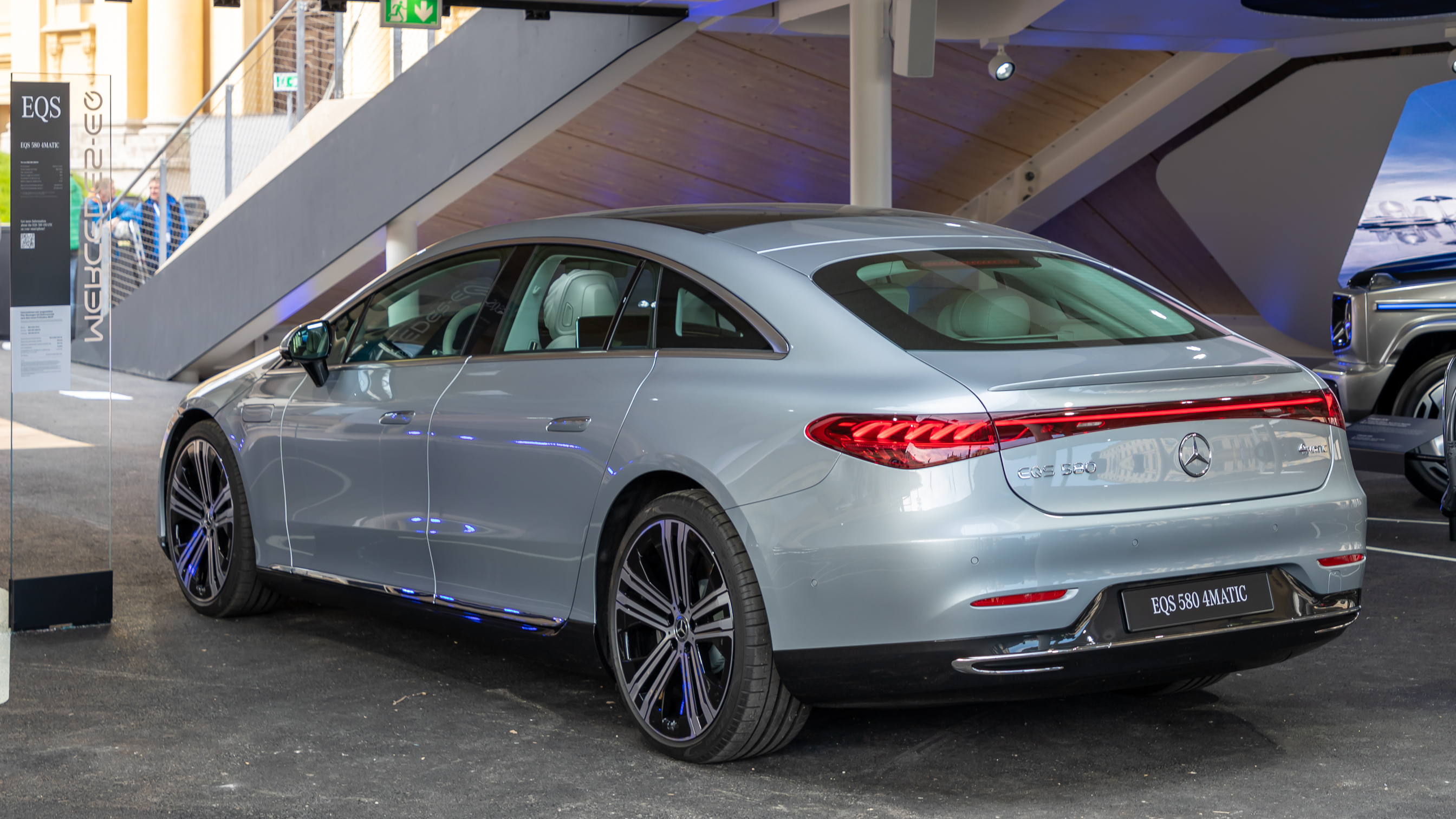
I mean, you can get a Mercedes E-Class, EQS, for like 32 grand
18:10
that has 30,000 miles on it.
18:12
You're going to see a lot of people get into EVs that way.
18:16
And they'll get hooked.
18:18
And I think that eventually will start to stabilize the resale values of EVs.
18:24
It's probably five, six, seven years.
18:25
I haven't seen EQS is that cheap.
18:27
But I have seen them at $40,000 for 30,000 miles, which is unbelievable.
18:33
Yeah, but it's basically half off after two and a half, three years.
18:37
So Sandy Barua, going back to what we started about is how do regions
18:41
that rely so heavily on the legacy industry deal with all the changes that are going on?
18:50
What's your, you know, what am I trying to say?
18:56
What do legacy regions need to start looking at?
19:00
Well, it's, you know, it's tried to say, you know, diversification,
19:05
but it is diversification is part of it.
19:08
But you have to diversify off of your base, right?
19:13
I mean, this is what, I mean, you know, this like, you know,
19:15
I grew up in the Pacific Northwest, right?
19:17
And, you know, it started out as timber country.
19:22
Then they became aerospace, right?
19:26
Particularly, you know, particularly Boeing.
19:28
But people forget that, you know, the first airplanes were built out of wood, right?
19:32
There was actually kind of a competitive thing.
19:34
And then the aerospace industry, Boeing led to what's now known as Silicon Forest, right?
19:41
All the tech that's out there, right?
19:44
And so you have to diversify off your base.
19:47
And ours is mobility.
19:50
It's the technology and it's the skills around moving people and goods
19:55
from point A to point B cheaply, safely and efficiently, right?
20:01
That is a core skill for us.
20:04
And so much of that is software, right?
20:08
And, you know, so, you know, and actually Sandy and I talked about this a few months ago
20:12
when I was visiting him in his office, you know, it is very much an and strategy.
20:18
We have to keep our manufacturing base.
20:20
We have to have the, you know, the skill trades to be able to fill those jobs,
20:25
to, you know, get people interested in those jobs.
20:27
But, you know, we have to have, you know, more of our citizens going into
20:35
some sort of post-secondary education.
20:38
Yeah, I don't care where you go, but you need both, right?
20:41
You know, you can't just do one.
20:43
You know, we can't build our future on just telling kids, you got to go to college.
20:47
That's not going to work, right?
20:48
My son didn't go to college.
20:50
I wish my son would have done what Sandy wants more of is gone in the skill trades.
20:55
But you need both, right?
20:57
So Sandy, here's my question, because you and I have talked about this,
21:02
the need to diversify.
21:03
But I love what Sandy Peru is saying, is you got to build off your base.
21:07
Well, how does a region like Detroit, but, you know, I'm saying there's other regions
21:10
in the world that rely so heavily on legacy automakers face the very same issues.
21:17
But back to the question, how do you, what do you diversify from the base we've got?
21:22
Okay, diversification for me, well, there's got to be two things.
21:26
I'd like to address the education diversification first.
21:32
You heard about 400 and 300 odd people being rounded up by ICE.
21:40
Well, these are the Koreans that you're talking about working down south.
21:44
Well, I'll be just a further, because I'm reading about this.
21:46
And because they were here, the Korean, they were technical people who were doing things
21:53
that at least the company said could not be done by available U.S. citizens.
21:59
That's what they said.
22:00
Now, there's a whole thing, a whole show about that, but that was the reason I didn't have the skills.
22:04
Yeah, I've been, I've been phoning around to find out.
22:07
And you know what, when the Chinese wanted to get into the battery business,
22:13
they brought over tens of thousands of Americans that knew what they were doing.
22:18
And said, go to work and said, here, show us how to do it.
22:21
Yeah. And if you look at some of these statements that these guys have put out was,
22:26
oh, well, we're coming here.
22:28
I've got a six month or a six week or whatever, three month visa and blah, blah, blah.
22:37
I get everything going and I'll train them on how to make them work.
22:40
I'm telling you what, we are losing every day.
22:46
Good night, good, good people every day, because we are not putting them in where they need to be.
22:53
There's two hands, so there's one education system.
22:56
I call it the eye system.
22:58
I, I thought of it.
23:05
You get what I want.
23:08
But really, we have a 40, 40, 20 kind of a system or kind of a population.
23:18
The eye part on the first arm of education, if you look at it as a you, guess what?
23:27
That's the guys that like the eye system.
23:30
They're good at it.
23:32
They're great spellers.
23:33
You mean like the academic, traditional academic system?
23:35
Personal academics, I'm talking about K through the end, OK?
23:40
Yeah, K through nine, all sitting there saying, oh yeah, I like that.
23:45
That's only 40% of the population.
23:48
Over here, you've got people who are basically good with their hands and like I was.
23:54
How'd I get, how'd I get into high school?
23:57
I bluffed my way in because I never got out of grade school.
24:01
Because I was a shitty speller and still am.
24:04
The guy that was the smartest guy in the class, Gary Porter, yeah.
24:09
He used to say all the time, oh, Sandy, so stupid.
24:12
That was a spelling bee day because it was the first one out.
24:15
But at the end of the day, I got a spell check on my computer
24:21
and he lives literally in a shack.
24:23
And I know that because he lives real close to where my wife lives
24:29
and she didn't do real well either, my ex-wife.
24:33
At the end of the day, you've got 40% of the people who really excel at this part of the you.
24:41
And you've got another 40% that are totally ignored.
24:45
And then you've got 20% on the bottom that you're never going to.
24:49
It's going to be what it's going to be for them.
24:51
But really, we have got to start looking at this is not the only answer, the I answer.
24:58
Oh, I think it's wonderful.
25:01
That isn't working.
25:02
And if we don't get back into technical high schools, we're going to have a real shit show.
25:06
Now, we talked about automotive.
25:09
I'm talking about the defense group as well.
25:11
This right here, this is the arsenal of democracy.
25:16
And you don't see it, you don't hear it.
25:19
But the redesign of the of the bullets right here, 6.8.
25:24
The redesign of all of the armament that we're supposed to be getting into it right here.
25:30
New ships, where are they going to come up with new ideas right here?
25:35
That's where we need to really start focusing our attention.
25:38
So, Sandy, what you're saying is there's a lot of work being done right here.
25:43
If we get the education done right, we're going to be able to feed the workforce
25:47
that can diversify so that we're not so reliant on a legacy industry.
25:54
So I just got my automotive news magazine.
25:59
And it says 90 years of the union and whatnot.
26:03
And so some people had a lot of problems with the union, not me.
26:07
Because I had a journeyman's card.
26:09
And when I was working at Ford as an engineer, first day in, I buy six or eight boxes of doughnuts,
26:16
slap that down, pass around my tool makers journeyman's card, pass that around.
26:24
Look, I need to get the job done.
26:29
Is that going to work?
26:31
I didn't stay up in the office.
26:33
And suddenly I went from a six to almost a 13.
26:36
At the end of the day, when you've got that kind of skill set or that kind of talent,
26:44
So let me ask you both the Sandys this question.
26:49
So, and I've, look, I mean, as a journalist, I've heard people say, Sandy,
26:54
actually both, what both of you have said about the education system and the disconnect
26:58
between the education system and the needs of the industry and the needs of the workplace
27:03
and kind of what the economy ought to be like.
27:07
And, you know, how do we fix that?
27:09
Because, you know, so China has fixed it by having a super top down, you know,
27:13
extremely state planned approach, which at least from this distance looks like it's working,
27:18
although I'm not pretty darn sure I wouldn't want to live in China.
27:21
But how do you do it?
27:22
How do you, how do you do it here?
27:24
And I guess, Sandy, I'll start with you.
27:26
But I'm just curious, like, how do we, we know you both have defined the problem,
27:30
but I wonder what you think would work as a way to actually kind of make the connections
27:34
that aren't being made today.
27:36
So we're trying to work on that right now.
27:38
And, you know, we're doing, you know, trying to do like focus groups and polling,
27:41
because what we have in Michigan is a little bit of a cultural challenge, right?
27:46
It's actually not so much of a policy challenge.
27:50
I'm going to get back to what Sandy is talking about in terms of how education is delivered.
27:54
That's a whole different topic.
27:55
I think it's a really valid topic.
27:57
But regardless how education is delivered, and, you know, we need to focus on what is the output?
28:05
What are we getting for our education dollars, you know, for those of us who pay taxes, right?
28:11
The other thing is how do you change the culture where, you know, in Michigan, you know,
28:17
like we were talking earlier, John, about your early, early days, you know, on the factory floor,
28:23
right? You know, it was practically in Ravana, right?
28:28
I mean, it was hard, hard, hard work, but you could graduate from high school, you know,
28:34
walk into a Chrysler plant, walk into a Ford plant, get a good job, take care of your family.
28:39
If your kid wanted to go to school, there was money to do that.
28:42
Now, those traditional factory jobs don't pay at the same level that they did, you know,
28:49
in the 1950s and 60s, right? So, yeah, exactly right.
28:54
So, you know, you're not taking one of those jobs and sending your kid to school or getting a,
29:01
you know, a vacation cottage, you know, and a lake up north, right, that, you know,
29:07
they're priced out of that kind of market.
29:08
So, but those jobs do exist, right? But, you know, it takes skills.
29:14
So, how do you get Michiganders to think differently that, hey, you know, the automotive,
29:19
manufacturing, mobility industry is just as exciting today, if not more exciting today.
29:26
It's solving the world's problems. It's allowing people to, you know, get from point A to point B
29:33
to go to work, go to school, you know, go to dinner, go shopping. It's basically for them
29:39
to spend money and make money, right? I mean, talk about a huge valuable service.
29:45
You can be part of that industry and it's so exciting. It's so technologically advanced,
29:49
but unlike your grandfather, you just can't have a high school degree. So, we're calling it K-12
29:55
plus two. We don't care what the two is. Is it two years of community college? Is it two years of
29:59
skill training? Is it, you know, two years in the military? I mean, it is something beyond
30:05
high school. So, you've got to change that culture. You've got to change high school.
30:09
That's what you've got to change. The I guys that go to a normal collegiate high school,
30:15
good. There's all set. If you're technical, you've got squat. Nothing. I started in grade nine,
30:22
okay, at WD Low Technical School. Remember that school, cast tech? Wow, whatever happened.
30:31
Anyhow, at the end of the day, I'm telling you right now, if there's 40%
30:38
want to go to some sort of a collegiate, there's another 40% that don't. They don't spell. They
30:44
don't get along. They find everything boring. They don't want to read the next great novel.
30:50
They'd rather build a birdhouse and they'll do a great job. The I guys, no birdhouses. They don't
30:56
want anything. These guys all day long, anything, anything to work with their hands. And we have
31:03
totally, totally demoralized those types of people because, oh no, you don't want to touch poop.
31:11
I mean, if you're a plumber, you'll be able to be touching poop. You don't, and that's, and I can
31:16
tell you for sure about this because I've given a bunch of speeches and a bunch of big organizations
31:24
where it's teachers, some teachers, mostly it's principals, people who are in charge of school
31:30
districts and whatnot. Man, when I get done with them, it's a spanking that they can't forget.
31:35
And quite frankly, at the battery show, I was talking to Jim Farley about some stuff,
31:41
and he is also very unhappy about the way the school system is going. And this degrading, oh,
31:49
well, you're a treason. That's never going to work. Let me, I'll tell you what, I don't want to
31:55
monopolize too much of this. And I don't want to kill my little speech that I'm going to be doing
32:01
at the battery show. But a kid came to my house. I didn't, I don't want to do any more plumbing.
32:07
Kid came to my house because we had a leak in some pump system. And I can't remember his
32:15
first name. I'm not going to give his name out anyway, because I got to get permission. But
32:19
anyways, this kid comes in. He's 24 years old. He's a plumber. He's a licensed plumber. And that's
32:26
kind of, and I said, how long you've been working at this? This is, I guess, my fifth year.
32:34
Fifth year as a plumber? Oh, give me a little, how did you get that? Well, I was failing in
32:42
high school. And my girlfriend, now my wife, she helped me out. But the real big, big boon for me
32:50
was my uncle was a plumber. Couldn't find anybody that wanted to be a plumber. And I went to work
32:55
for him. And in four years, I was a plumber. And now I have a house,
33:03
two motorcycles, and two cars. Geez. On my speech, you're going to see what I did,
33:13
because my dad pulled me out of working on a farm, which is crap, pulled me out of the farm.
33:20
I was 18 for three years in a row, working at a factory for my journey miscards. So I was an
33:27
apprentice. 19, I got my ticket. 22, 21, 22. And I'm driving a Morgan Supersport. All my friends
33:38
that were in the I type of world. Yeah. Well, I'm going to college. What did you get? Man,
33:45
I'll tell you what, look at the real statistics. The real statistics. And by the way, I learned a
33:51
new term, milking the moron. That is what they call secondary or tertiary. I guess now it'd be,
34:00
so you got grade school, you got high school. And now you're going to, you know,
34:05
Yeah, I just want to throw one thing in there too, which is, and maybe this is more of a marketing
34:09
comment about about manufacturing, one of the things. And again, I know you both know this,
34:14
but I just put it out there. One of the things that's been striking to me over the last several
34:18
years is, you know, you walk into a factory like I went, I went two years ago, I did a tour of
34:23
Kentucky truck as they were launching this super duty, the new generation of super duty.
34:29
And, you know, make a long story short, among the things that I saw there, you know, they were
34:34
talking about how they're applying AI to the quality control and manufacturing processes.
34:40
Pull that thought throughout the auto industry, especially with electric because of electric
34:44
vehicles. But I think because of, you know, any vehicle, you have this in this whole material
34:49
sciences aspect to the auto industry, which is, you know, super important, super critical. And,
34:54
you know, every other day, right, we're hearing about own, you know, rare earth minerals and
34:59
all these critical materials that there's not enough skills in the United States were to hold
35:05
into China. And, you know, so it just seems like it's not just, I mean, I agree mobility and
35:10
transportation is a big part of the equation. But the auto industry also brings in all these
35:16
other things. I mean, what's, you know, what's good, what's good is AI? Well, you can apply it to
35:21
complex manufacturing environment. That's one of the things that it's good for. And if you know how
35:25
to do that, you know, you get your fancy car. I mean, it seems like that's the kind of thing that
35:30
doesn't really get explained. Hold on one second. We got to take a break here. We got to close up
35:34
this segment. We got to give a shout out to our great sponsor Bridgestone.
35:42
Performance that shines even in the rain.
35:47
That's what really matters. Bridgestone Potenza tires, improved grip and wet conditions.
35:55
All right, we're back. We're talking all things automotive. Let's get into news of the week
36:00
kind of stuff because that's one of the favorite parts of the show. One more thing.
36:03
Yeah, one more thing. Yeah. We get everything from China. Okay, so I'm not going to get into
36:11
any political thing. But putting up tariffs and stuff like that is forcing people to buy
36:16
from this part of the world. That's the other reason we need high school. High schools that
36:24
are technical. I don't want to go back to school for two more years. By the way, the other thing I
36:30
just found out, when are you the smartest in your whole life? What age? Probably not.
36:37
Your brain at the most? We're most able to learn. Yeah. Yeah. I would say in your teens and 20s,
36:43
early 20s. One month after you're born. That explains a lot. So we both peaked.
36:52
We peaked a long time ago. Okay. And the other thing is 13. 13 is a magic age.
36:58
If you don't have skill sets that you need for the rest of your life,
37:02
buy your 13. Excellent point. Excellent point. So where do I want to have tradesmen made?
37:08
Where do I want to have anybody that wants to be technical? And I know you want to move on,
37:12
but I'll just say this one thing. Or give kids a sense of what the options are and what the
37:20
possibilities are. Because I know, I had a pretty vivid memory when I was 13. I had no idea what
37:27
to do with my life other than what I saw before me, which was that my dad was a writer and a
37:35
newspaper guy, which is what I turned out to be, because that's what was modeled for me.
37:41
And I have no complaints. It worked fine for me. But if you don't know, what are the avenues I
37:48
could pursue? It's kind of what I'm talking about. You've got to give people, especially
37:53
young people, a vision for what the future is and how they have a role in it that they don't
38:03
have to go to college. But there is a pathway for them to live a great life in an interesting
38:10
career, in an interesting industry, and do well. Because let's face it, Michigan lags when it comes
38:18
to both educational attainment and per capita income. As recently as the early 1980s, Michigan
38:26
was considered not quite in the top 10 of wealthy states, but pretty darn close. Like in the top
38:32
dozen, we are now in the bottom dozen in terms of per capita income. And if you look at where
38:39
per capita income is, it's all based on skills. Yeah. No, excellent point. But like I said,
38:46
I do want to get into some of the news. And Joe, I want to get into something that you've been
38:49
reporting on or commenting on, writing about in high speed rodeo, your sub-stack. I don't,
38:57
you call it station sub-stack. Oh, there's a small newsletter. There you go. That's how I'm
39:09
coming out of it. I mean, the Chinese are dominating that show. Yeah, they crashed the party.
39:14
So I didn't go. I wish I had. Me too. Did you go up? Okay, fine. So we both have that handicap,
39:21
or we all have that handicap. But yes, I mean, I read a lot about it to write about it in my
39:25
high speed rodeo newsletter. And yeah, I mean, basically the Chinese brands crashed the party.
39:33
They basically said, not only do we have all these new models with all this fancy tech,
39:39
but we're going to invest in R&D. We're going to invest in production, localized production,
39:44
localized R&D, BYD. I think it was BYD was talking about they're going to build their dealer network
39:50
to like 300 and beyond and some of the other brands in the same way. And the German brands
39:58
brought out from what I could tell were some pretty decent looking new vehicles. I mean,
40:02
the Neue Class, the IX3, which is the new generation BMW electric vehicle, huge role of the dice for
40:08
them, as a friend of mine said, it was remarkably un-ugly. Which has been proven. And I'll tell
40:16
you why, because they shrunk the grille. Yeah, yeah. So, you know, they didn't do this silly
40:21
things. And Mercedes has a new electric, a new generation of the electric GLC, which from what
40:27
I can tell happens. Yeah, looks really nice. Looks like it has kind of all the bells and whistles
40:31
and their new operating, their new technology operating system. That's good. But I would say
40:36
that a lot of that was a reaction to the pressure being put on them by the Chinese. And the last
40:43
thing that I'll call out is obviously a lot. But my former colleagues at Reuters did a pretty cool
40:49
story with the headline, The Party's Over. And this was Oliver Bloom, who's the, at least for
40:55
the moment, Check Your Watch, the CEO of both Volkswagen Group and Porsche. I don't know how
40:59
long that's going to last because, you know, he was basically saying, yeah, I mean, Porsche is
41:04
getting hammered in China, which used to be one of their biggest and most important markets.
41:08
They're getting slaughtered there because their technology and their cars aren't where they
41:13
need to be. You know, the industry in Volkswagen Group, they're under this huge pressure from the
41:19
Chinese that are coming in. And yeah, I mean, so there was a lot of angst, kind of, I'm not under
41:26
the surface, on the surface. The thing that's supposed to be, you know, the sort of semi or
41:30
biannual or annual, you know, party showing just how wonderful the Germans are. And so,
41:36
yeah, it was a really interesting, it was a really interesting event. I mean, I guess good news is
41:42
auto shows are back, at least in Munich. At least in Munich. Well, if you want to go look at Chinese
41:47
cars, yeah, they're back. Right. And so, and I just think it's interesting, and I kind of want to
41:55
you both have to say about this. But I look at that, at that event and kind of the way it played
42:03
as, you know, a glimpse into the future for North America. Because, and I've said this on your show,
42:10
and I'll keep saying it, eventually maybe I'll be proven wrong. But I just think that if anyone in
42:15
this market thinks that the Chinese companies are never ever going to figure out a way to
42:20
localize production and get over or under the wall, I just feel like that's wrong.
42:27
You know, what you have to do is you have to look backwards. So, I'm old. Real old. And I remember.
42:35
Those, I'm not going to use the terms, but these nasty terms we don't use anymore. They'll never
42:41
get into the market. Japanese, right? Right. That's okay. Say that. And I remember watching
42:46
the first cars come into the Detroit Auto Show. They had, I don't know, about an area as big as
42:53
your studio here. Virtually nothing. Virtually nothing. And then people started to drive them.
43:01
And one thing leads to another. And they're inexpensive. And they last forever. And they,
43:10
they're squeakers when it comes to gasoline. I mean, on and on and on. So GM's got, at that in
43:19
those days, GM had about 60, 50% of the market share. Now they got 14. Toyota's got 14. Where's
43:26
it going to be with BYD? Because I'm telling you what, okay, Trump is doing the best he can
43:32
to fend off these invaders as quickly as he can. But I guarantee you he's a businessman.
43:40
This is all done for one reason. Just like Toyota came in and Honda came in. And then later,
43:48
Hyundai and Kia came in and all the other guys came in and built their cars here.
43:53
We're going to see BYD, Chile, and everybody you can imagine is going to eventually come here.
44:00
And everybody will have a part, but it ain't going to be 60% or 50% anymore. It's going to be
44:06
in the low teens. We already have Chinese cars on American streets, right? There's a Buick,
44:14
there's a Lincoln, there's Polestar. They're already here. The other thing that's going to happen,
44:20
or the two other things that are going to happen, very much to Sandy's point,
44:24
the governor of Mississippi, the governor of Alabama, whatever, you pick the state, right?
44:28
They get an offer to do exactly what Sandy's talking about. Hey, we're going to build a $30
44:35
billion plant. We're going to employ all of your citizens. Here's the investment that we're going
44:42
to make. Governor's going to say, okay, fine, we're going to do that. And then all of us travel,
44:50
and our friends travel, the number of people that, because they know I'm a car guy, right?
44:55
They'll say, hey, we are in Europe, and we rented whatever, whatever. And it was the most
45:01
beautiful thing we've ever driven. And they all sent me videos. I mean, how easy the tech
45:07
connectivity was, how intuitive it was, the lines. I mean, these Chinese cars have become
45:14
gorgeous. I mean, there's some ugly ones like the dolphin and things like that that sell for
45:18
$14,000. But the ones that are kind of mainstream are really, really well done.
45:24
Joe, another thing that broke this week, Mexico is now talking about putting 50% tariffs on Chinese
45:31
cars. And what do you read into that? And before the show started, you made a very astute observation
45:37
of who it's going to affect. Well, yeah. And again, so apparently under pressure from Washington,
45:45
from the White House, Mexico said, okay, we're going to put 50% on imported Chinese car and
45:49
vehicles and also, I think, parts and other stuff. And my first thought was, wait a minute,
45:57
isn't, aren't the Detroit three like significant importers to Mexico of Chinese cars? And you're
46:03
both nodding because you both know that you all know the answer. The answer is yes. I looked
46:07
this up on Google, if it's wrong, may a couple, but apparently 65% of the Chevy's that are sold
46:13
in Mexico now are Chevy's made in China, or if not China, South Korea. And so, I mean,
46:21
I looked at a couple of things. One is, it's another effort to kind of put a finger in the
46:27
dyke, stop them. And I think somebody was quoting the story that I read about this,
46:32
stop the Chinese from using Mexico as a backdoor to get into the North American market. Okay,
46:36
good luck. But second, it seems like the short-term impact of this is going to be yet another
46:43
blow to the Detroit three and yet another bite out of the profit margins that are already taking
46:52
a pounding from tariffs. And I just sort of wonder, I mean, kind of back to the beginning
46:59
of this conversation, I wonder kind of what that is going to do to the capital that's available
47:04
for investment in jobs in the United States, capital that's available for investment innovation.
47:08
That was what I thought. It seems like it looks great from a headline, keep BYD out,
47:14
Mexico. It's going to hurt the domestic brands. I mean, let's face it, the last time this country
47:21
a hundred years ago played with tariffs, everyone, we all know the term, you know,
47:26
smooth holly. Actually, one of those representatives came from my home state of Oregon,
47:30
lost in the next election. But actually, everyone did. Hoover lost,
47:34
Smoot lost, Holly lost, right? It started out as protection for farmers. That's how the smooth
47:41
holly tariffs kind of kind of were birthed. Then it became kind of an all things, you know,
47:47
oh, every, every under industry. And Henry Ford himself said, this is a really, really bad idea.
47:54
And you see Jim Farley kind of echoing that now, you know, he's kind of channeling Henry Ford,
48:01
saying that, yeah, this is a, you know, Mary Barra GM has been a little bit more nuanced.
48:06
Well, she don't want to get in Trump's crosshairs again. She already caught that on the Lord's
48:11
Founder. Yeah, she learned her lesson, I guess he could say. Yeah. But yeah, and it does see,
48:16
and again, let's see what, I mean, backfires. Yeah. And inflation numbers came out today,
48:20
and they're not catastrophic, but the direction of inflation is up again, up, you know, and up's
48:26
bad, okay? Okay, it's not 8%. Look, and the job numbers are bad. And the job numbers are not.
48:32
It's going to get worse because so far, the Detroit 3, it's not just them. Most automakers
48:37
have not passed on the cost of tariffs. Not just automakers, everybody, all businesses
48:42
are eating costs right now. But this, because, you know, one, no particular company in any
48:49
particular industry wants to be the first to say, I'm bumping prices 13% or whatever it's
48:55
going to take to cover that because they don't know what their competitors are going to do.
48:59
The other thing is, is that, I mean, it is such a uncertain market for a policy market, right? We
49:05
don't know what, what's 15% today could be 40% tomorrow, right? So everyone is just kind of
49:12
sitting there taking their lumps for as long as they can, eating as many costs as they can,
49:19
you know, to kind of protect their market share until they absolutely can't.
49:25
But I don't think they can hold much longer. Look, Ford Motor Company lost money, lost money last
49:31
quarter. General Motors, what, what did they claim? They had to pay out a billion dollars?
49:35
Yeah, they said it's going to cost them $5 billion for further year, right?
49:38
Anderson Economic Group put out a study, I think, kind of first on LinkedIn, but now I saw there
49:44
was an official study today. And they reckon that the automakers, I think it's all not just the
49:50
Detroit three, but automakers serving the US market in July, one month, paid $1.4 billion.
49:56
It's $12 billion total since the terror started. Right, right. And as you said, yeah. And I don't
50:03
know. I think, I guess it'll be interesting to see whether the, the reckoning and sort of the
50:09
parties over, you know, can't play, they can't fake it anymore statements come in the third
50:14
quarter calls or the fourth quarter calls. But, but, you know, I bet a 20, it's one or the other
50:20
of those two that where they say, okay, part, you know, we can't do this anymore. Well, we have to,
50:26
we have to adjust. We're deep into the third quarter right now, right? And sales are up.
50:33
Sales are up. Why? Because pricing's pretty good right now, relatively speaking.
50:37
Maybe I should have more courage and say, I believe after the, after the end of the fourth
50:41
quarter, after we see the payback, right, because the board, but people are, you know, and it's not
50:46
just EVs, people are pulling ahead purchases, not just for vehicles, but for appliances,
50:51
things that are expensive that, you know, if, you know, if the tariff pricing starts to bubble
50:56
through to the consumer, right, you know, people are smart, you know, they know what's going on,
51:00
you know, they want to get ahead of that. So how much of kind of the, you know, the, you know,
51:06
the sales, you know, you know, holding up well, how much is that just advanced purchases that are,
51:13
that have been pulled forward? Because, you know, what I fear is, okay, tariff's going to add cost,
51:19
that's going to reduce demand. You have all of these purchases that have been pulled ahead,
51:24
which is going to reduce future demand. So I think you're right, Joe, I think those fourth
51:29
quarter calls are not going to be fun. I'm going to, this is not my, I'm not a financial guy.
51:36
However, I did read The Art of the Deal. This is right out of his book. All he's doing is he's
51:45
beating everybody up. He won't get what he wants. He's going to give a lot of stuff up.
51:51
He's going to walk away from a lot of things, including tariffs, but at least he's caught
51:56
everybody's attention. And that's all he's looking for. I'm telling you what, by second quarter
52:02
and next year, everybody, how do you spell tariff? That's kind of like, it's just going to, it's,
52:09
it's here to scare the crap out of everybody. What's working? And then it's going to,
52:14
and you know what? So you got to give him a credit. If everybody's afraid. I'm talking about me.
52:20
Yeah. We'll hold hands later. But at the end of the day, by mid next year,
52:28
I don't know. I'm telling you. I'll invite you guys back next year because we'll see the
52:34
how the goes. It won't be news then. It's going to, I'm telling you what. Let's see what the economy
52:40
is doing. Let's see what unemployment is doing. Let's see what inflation is doing. Save the tape.
52:44
Save the tape and we can play it back and see how well we do it.
52:47
Standing Monroe, let me come back to you. Ernst and Young, they don't use that name anymore.
52:52
They go by EY, came out with a study this week that said they think EV sales in the United
52:57
States will hit 50% by 2039. What do you think? Okay. So EV, that's one of those misnomers. Is it
53:07
Bev? No, Bev. Pure Bev. Pure battery electric. Okay. Well, that was my prediction was 2035.
53:17
I said that it would be 5050 and that included plug-ins and everything, hybrids, whatever.
53:24
I said by 2030, we're probably going to see a 5050 situation where you've got pure ice and then
53:29
you've got some derivative electrification. Right. Okay. So that was for the world. Right now,
53:40
I'm off because like you look at some of these European countries and they're already at 60 or
53:47
so percent right now and you look at Norway. I don't know if they sell gasoline anymore.
53:52
Massive subsidies. Massive subsidies. At the end of the day, it's not just that. Norway's
53:58
electricity bill. I mean, it's like free. I know, but look at the tax on ice cars. It's 100%.
54:03
Look at the tax on gasoline. Yeah, and gasoline too. So that's what I'm talking about. Massive
54:08
subsidies. But Sandy Barua, what do you think? 50% by 20. I quoted that E&Y study earlier. Yes,
54:15
you did. Right. And I say, I think it's ambitious. I don't think we get to 50% by 39.
54:21
You know, now, I mean, are we at 35, 40%? Absolutely. With a nice mix of electrification,
54:32
either HEVs or PHEVs in the mix with obviously some kind of pure ice, especially people who
54:38
tow horses. Right. Yeah. Or campers. Well, actually, okay, so one of my guys is a horse person.
54:48
And he's quite well known. His wife is for sure. Jennifer Foreman is a big, she's big stuff.
54:55
I'm talking a Rolex training young girls and whatnot to do whatever they do.
55:01
They are now using his lightning. Why? Oh, that'd be ridiculous. Can't possibly make that work.
55:08
Well, one of the other guys that's a horse person at Monroe, Ken Cutler, or sorry, not Ken Cutler,
55:14
but one of the other guys. It doesn't matter. It doesn't matter. But at the end of the day,
55:20
he's been using his lightning, or actually the company's lightning. To tow horse trailers.
55:28
And this is big stuff. I mean, you look at the Foreman's, like Dave Foreman's trailer,
55:34
holy crap, it's got everything in it, plus a couple of three horses or whatever.
55:39
The problem isn't, can they tow it? Of course they can. I mean, EVs have got for how far.
55:44
It's how far. That's the whole question. And that's the thing.
55:47
But Joe, wait, wait, wait. Joe, what do you think? 50% EVs in the BEVs in the US by 2039.
55:54
Well, it was 14 years from now. I'm not sure I totally buy it, but I would say that I would say,
56:04
I mean, I think it's going to be regional and lumpy, right? I mean, in the center of,
56:08
between the mountain ranges, not so much, right? But on the coast, where most of the people are,
56:15
yeah. I mean, especially, I mean, I get me thinking about this. I mean,
56:19
as you see these sort of second and third, I mean, Tesla would be a third generation, I guess,
56:24
but as you see these sort of second and third generation EVs with the range, and the range
56:31
really kind of worked out to a point where it's not an issue, really, for most people.
56:35
The charging is standardized, right? I think that's a big deal. I know you've talked about it,
56:40
but when we get to like a standardized plug, when we get to, you know, so all the stuff that's
56:45
happening sort of now and isn't fully rolled out, I'm not sure I can, I would put a whole lot of
56:51
money on 50%, but I could, I think Sandy, Sandy, you said 35, 40. Yeah, I could go for that,
56:57
especially in the urban areas. You're thinking like you, right?
57:00
Yeah, yeah. What about your kids? What about your great children? That is where nobody is
57:05
putting any stock. Well, you're right. No, you're right. Well, I'm the smartest guy in the world,
57:10
and I would never, okay, but then go and talk to their kids. Now, I'm probably going to do,
57:18
I've been talked out of this like about 85 times, but I'm probably going to be putting on something
57:22
where I had a kid, obviously a lot smarter than I was when I was his age. I'm guessing he was like
57:31
between eight and 10, something like that. And he came up and I was loading lumber into my,
57:39
into the back of, I had the Rivian at the time, loading lumber into it. And this kid walks up
57:45
and he said, he puts his little hand out. Do I have the pleasure of meeting Mr. Sandy Monroe?
57:52
I'm going, where are you from kid? You know, I shook his hand and then he goes on and on.
58:00
My father is such a disappointment. He just doesn't quite get the electric vehicle.
58:07
My colleagues, my colleagues and I watch you at our lunch breaks.
58:15
That kid in 14 years. Tell me what he's going to be thinking.
58:19
Well, no, you're right. That's the problem. Everybody's thinking about me is the I thing.
58:25
Yeah. I think baby boomers and Gen X fill the windshield to a great degree when it comes to
58:36
the timeframe of that EY is probably why they made the prediction they did, right? Because
58:39
they're smart enough to look around. People who are filling the windshield right now.
58:44
And I, yes, you're right. I think, I think, I think that's right. I mean, I think there's going
58:48
to be a niche, I again, I mean, this is very much me talking now. I mean, we have a travel
58:53
trailer. We have a camper. You know, that's what we're, you know, we're running around in the
58:57
country with a teardrop trailer. I have not seen an electric vehicle that will pull, you know,
59:02
even a relatively lightweight trailer for the distances that I think will work.
59:06
So I'm out. I need, I need a Jeep Grand Cherokee to do that.
59:10
I would say we're, we're on the same page in terms of the estimate and we are EV converts.
59:15
Yeah. Right. You know, so I, I'm not speaking for me because I know that we're going to have EVs
59:20
going forward. I think the X factor, Joe, is are EVs still a political issue? Because right now,
59:28
part of the depression in EV demand is politics. Correct. As it, as politics is now part of it.
59:35
No, that, well, that's a great, no, it's a great question. And, and I guess one way to look at what
59:40
Trump is doing is sort of putting maybe, and the Republicans have done and just puts a positive
59:45
spin on it. Is everybody said, or not everybody, but a lot of people would say, look, you know,
59:51
at some point EVs are going to have to stand on their own in the marketplace, you know,
59:54
sink or swim in a free market on their own. Well, guess what? That's where we're going to be.
59:59
We're going to find out. And, and don't you think that the, that at some point in the industry will
00:04
say, okay, this is a valid product line that has a lot of people who we want as customers who want
00:10
to buy them. We better figure out how to make them profitable and competitive, right? I mean,
00:14
isn't that what they're going to do? And, and quite frankly, one of the people that said, why are we
00:18
getting, why are we taking, because I am a cheapskate, why are we taking taxpayers' money
00:26
to fund something that's like kind of industrial? It's, it's not supposed to be that way. The
00:32
government is supposed to put money out to do things, but not to, not to subsidize somebody's
00:40
transportation, not for me, unless it's like a bus or something. So here's the deal. I've been like
00:45
that. Who else, who else has said those same thing to things? Elon Musk. Yeah, well, yeah, I'm
00:51
telling you flat. And now we're looking at battery packs. And let me, let me rephrase that. We're
00:57
looking at systems, a car system. And if you're around 100 bucks a kilowatt hour, regardless of
01:05
what it is, you're in, in the money. Well, the last couple of cars we've done, we've analyzed,
01:11
that gets you 300 miles of range. Well, guess what? The battery systems and whatnot, they don't
01:18
cost as much anymore. There's a lot more people making them. Okay, no, it went back up because
01:25
we couldn't get them from China. But at the end of the day, there's, there's German guys, I don't
01:32
know if you've heard, but, but a German Canadian company. They're, they're mining and refining
01:38
lithium right now. We've got other guys like EnergyX sucking big, giant salt pools in California,
01:49
but even more importantly, the triangle there in Chile, Chile, Bolivia, and, and Argentina.
01:59
That's where all of the, these pools are. Take a, you take a ton of, of sea water or whatever the
02:08
kind of brine water that they've got, and you get two kilograms of, of lithium. And guess, and you
02:14
still have to refine it. But at the end of the day, that's a whole lot better than scraping rocks off
02:20
the, off the whatever. Hey, look, we're going to have to wrap the show up. But I, I, I get the final
02:24
words. Oh, there you go. Here's one quick, quick, go ahead, Sandy. We didn't, the federal government
02:31
back, back in the day, we did not subsidize the purchases of the original cars that were on the
02:37
road, but we subsidized the holy heck out of the oil and gas industry. And the highways. And the
02:43
highways, right? I mean, there was a lot of taxpayer money that went in to the oil and gas
02:49
industry so they could go outside of America to bring oil and gas back into America so people
02:56
could drive their cars for cheap. So my prediction for 2039 is we're going to laugh at the idea of
03:03
range anxiety. We're going to laugh at the, we're going to say, you know, remember back when people
03:09
were so worried, it's going to be like saying, remember back 100 years ago when people would not
03:14
give up their horses because they didn't trust these new fangled things called the hoarseless carriage.
03:19
And the other thing too is I'm not sure if it'll be 50% because I think E revs are the next step,
03:24
extended range EVs, which I think are perfect for big trucks and SUVs that are pulling trailers and
03:31
hauling loads. So but I think when the EV rebates expire in the United States at the end of this
03:40
month, EV sales will go down. I don't think it's going to go to the 4% that some are quoting right
03:45
now. But I think EY is probably not too far off the mark when it comes to 2039. It's we're going to
03:52
see a lot more electric vehicles on the road. Well, I hope we're all around to see it.
03:57
And they've gotten so attracted. Let's hope that there are still a lot of options out now, right?
04:02
No matter what you want in an EV, it's out there for you now. That's right. So let's wrap it up.
04:08
Joe White, High Speed Rodeo, Sandy Barua from the Detroit Regional Chamber and Sandy Monroe,
04:15
awesome to have you back on the show. Thank you. And I want to thank all of you for having tuned in.
04:21
AutoLine After Hours is brought to you by Bridgestone Tires. Solutions for your journey.