The discussion covers a broad range of automotive industry topics including the appeal of sedans like the Genesis G80, the evolving Jeep Cherokee and Toyota Highlander EVs, and the challenges of infotainment systems. They delve into the future of electric vehicles, especially Scout's delayed EREV models and their technical specs, plus the impact of rising fuel prices on consumer behavior. The panel debates the value of motorsports investments by GM and Ford, and analyzes the recent CEO changes at major automakers like Toyota, BMW, Nissan, and Porsche, highlighting the pressures and strategic shifts amid global market challenges.
"Auto Line after Hours. It's brought to you by Bridgestone Tires, Solutions for Your Journey,"
Bridgestone makes the rubber tires that cars use to drive safely on roads. They are one of the biggest companies that make tires worldwide.
Bridgestone Tires is a major global tire manufacturer known for producing tires for passenger cars, trucks, and motorsports. They are recognized for their innovation and quality in tire technology.
"and by Borg Warner. The automotive industry continues to evolve, and so do the opportunities to define it. Borg Warner, one of the world's most admired companies, gets partners where they need to go."
BorgWarner makes important parts that help cars run better and use fuel more efficiently. They work with many car makers to build engines and other systems.
BorgWarner is a leading automotive supplier specializing in powertrain components such as turbochargers, transmissions, and electric vehicle systems. They help improve vehicle efficiency and performance.
"Speaker 3: Genesis G eighty three point five T, which which which basically brings the thought that I think people have forgot about the enjoyment of driving a sedan."
The Genesis G80 3.5T is a fancy car that looks nice inside and has a strong engine that makes it fun to drive. It's a type of car called a sedan, which means it has four doors and a separate trunk.
The Genesis G80 3.5T is a luxury midsize sedan from Genesis, Hyundai's luxury brand. The '3.5T' refers to its 3.5-liter turbocharged V6 engine, offering a blend of performance and comfort in a sedan format.
"I test drove recently cheap Cherokee and refreshed Grand Cherokee, and then was at the Highlander reveal, so got to drive the Toyota Cochr EV and the Bzy Woodland ev W."
The Jeep Grand Cherokee is a bigger SUV that can handle tough roads and also offers a comfortable ride inside. It usually has more powerful engines and nicer features than smaller SUVs.
The Jeep Grand Cherokee is a midsize SUV that offers more luxury and power compared to the Cherokee. It is known for its off-road capability and comfortable interior, often equipped with larger engines and advanced features.
"So you know, we're we're all still struggling to justify, to to understand the justification of jeeps that aren't really jeeps off road, right, you know, I mean, you're the Wrangler is a jeep, and then you have all these others that you know, they're rugged or they they're they're supposed to be rugged, but are they rugged enough?"
The Jeep Wrangler is a type of SUV that is really good at driving off-road, like on dirt or rocky trails. It's one of the most famous Jeep models for this kind of driving.
The Jeep Wrangler is a rugged off-road SUV known for its strong off-road capabilities and iconic design. It is often considered the benchmark for off-road vehicles in the Jeep lineup.
"So that that was the that was my takeaway from the Cherokee. And they said it's a hybrid, right, I'm sorry, it's a hybrid."
The Jeep Cherokee is a medium-sized SUV that can drive on roads and some off-road places. It also has versions that use both gas and electric power to save fuel.
The Jeep Cherokee is a midsize SUV that balances on-road comfort with some off-road capability. It has evolved over the years to include hybrid powertrains and competes in a crowded SUV segment.
"And they said it's a hybrid, right, I'm sorry, it's a hybrid. Yeah, absolutely, yeah, Yeah, I mean that's definitely a competitive piece for them because they could definitely make some traction there considering that a lot of the others in the segment don't achieve quite the same field economy."
A hybrid car uses two types of power: gas and electricity. This helps the car use less fuel and pollute less when you drive.
A hybrid vehicle uses both an internal combustion engine and an electric motor to improve fuel efficiency and reduce emissions. It can switch between or combine these power sources depending on driving conditions.
"Yeah, I mean that's definitely a competitive piece for them because they could definitely make some traction there considering that a lot of the others in the segment don't achieve quite the same field economy. So what's it get? What's it thirty seven on the highway, I believe, so yeah, you know, most of the others are below thirty."
Fuel economy means how far a car can go using a certain amount of gas. Cars that use less gas to go farther are better for saving money and the environment.
Fuel economy refers to how efficiently a vehicle uses fuel, typically measured in miles per gallon (MPG). Higher fuel economy means the vehicle can travel further on less fuel, saving money and reducing environmental impact.
"So you know, the Cherokee used to be in this segment with RAV four and the CRV, and I looked at you know, overall length and price and wheelbase and you know a lot of other factors and the kind of bumped up into the bigger segment up against a pilot passport more like, and so you know it's and super outback is one that would be going up against."
The Toyota RAV4 is a small SUV that lots of people like because it is reliable and uses gas efficiently. It is good for families and everyday driving.
The Toyota RAV4 is a compact crossover SUV known for its reliability, practicality, and fuel efficiency. It competes in the popular compact SUV segment alongside models like the Honda CR-V and Jeep Cherokee.
"...and so you know it's and super outback is one that would be going up against."
The Subaru Outback is a car that looks like a mix between a car and an SUV. It can drive well on rough roads and is good for people who want a reliable and practical vehicle.
The Subaru Outback is a crossover wagon known for its all-wheel drive system and versatility. It competes with midsize SUVs and appeals to buyers looking for off-road capability combined with car-like handling.
"So you know, the Cherokee used to be in this segment with RAV four and the CRV, and I looked at you know, overall length and price and wheelbase and you know a lot of other factors and the kind of bumped up into the bigger segment up against a pilot passport more like, and so you know it's and super outback is one that would be going up against."
The Honda CR-V is a small SUV that is popular because it has lots of space inside and uses gas well. Many people use it for daily driving and family trips.
The Honda CR-V is a compact SUV well-regarded for its spacious interior, fuel efficiency, and reliability. It is a direct competitor to the Toyota RAV4 and Jeep Cherokee in the compact SUV segment.
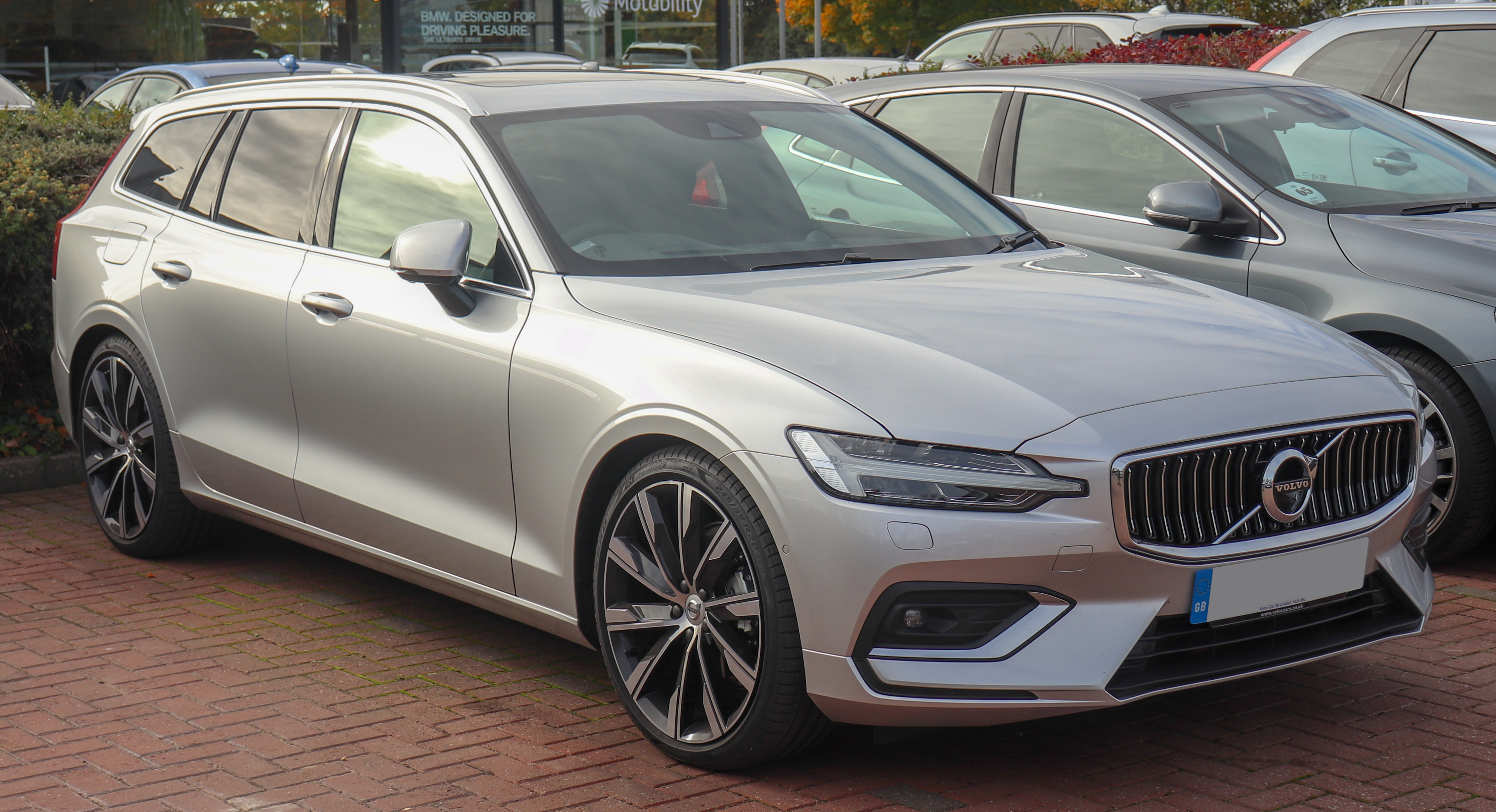
"I spent the week in Evolvo V sixty station Wagon. I mean, I'm sure the four of us here, well, I mean, I'll raise my right hand and swear to God that I love station Wagon. And they don't sell worth a hill of beans in this country. And I was trying to think, why do I like this? And a lot of it's got to do. It's part of what sedan like. It's sedan like. But with that that uh, the rear station wagon thing in the V sixty, it's it's beautiful. I mean the lines on it are so much nicer."
The Volvo V60 station wagon is a type of car that looks like a sedan but has extra space in the back for carrying things, like a big trunk area. It's nice because it drives like a regular car but can hold more stuff.
The Volvo V60 station wagon is a midsize luxury wagon known for combining the practicality of a station wagon with sedan-like driving dynamics and styling. It offers a spacious rear cargo area while maintaining a sleek design.
"I got an iPhone and I wanted to use a car Play to be able to uh use the navigation. No, you have to hardwire it. It's got to be plugged in."
CarPlay lets you use your iPhone's maps and music on the car's screen, so you can drive without looking at your phone.
CarPlay is Apple's system that allows iPhone users to connect their phone to a car's infotainment system to use apps like navigation, music, and messaging safely while driving.
"See And I think that has something to do not with it being technologically backward, but because Volvo is working so closely with Google, so it's I think it has a native Google system in it."
Volvo is a car company from Sweden that makes cars with lots of safety features and modern technology.
Volvo is a Swedish automotive brand known for its focus on safety and technology integration, including partnerships with tech companies like Google for in-car systems.
"unlike what General Motors is going to be doing. But if you do that, then it's like buckling your seat."
General Motors is a big American car company that makes cars and trucks under different brand names.
General Motors is a major American automotive manufacturer that produces brands like Chevrolet, GMC, Cadillac, and Buick, often developing their own infotainment systems.
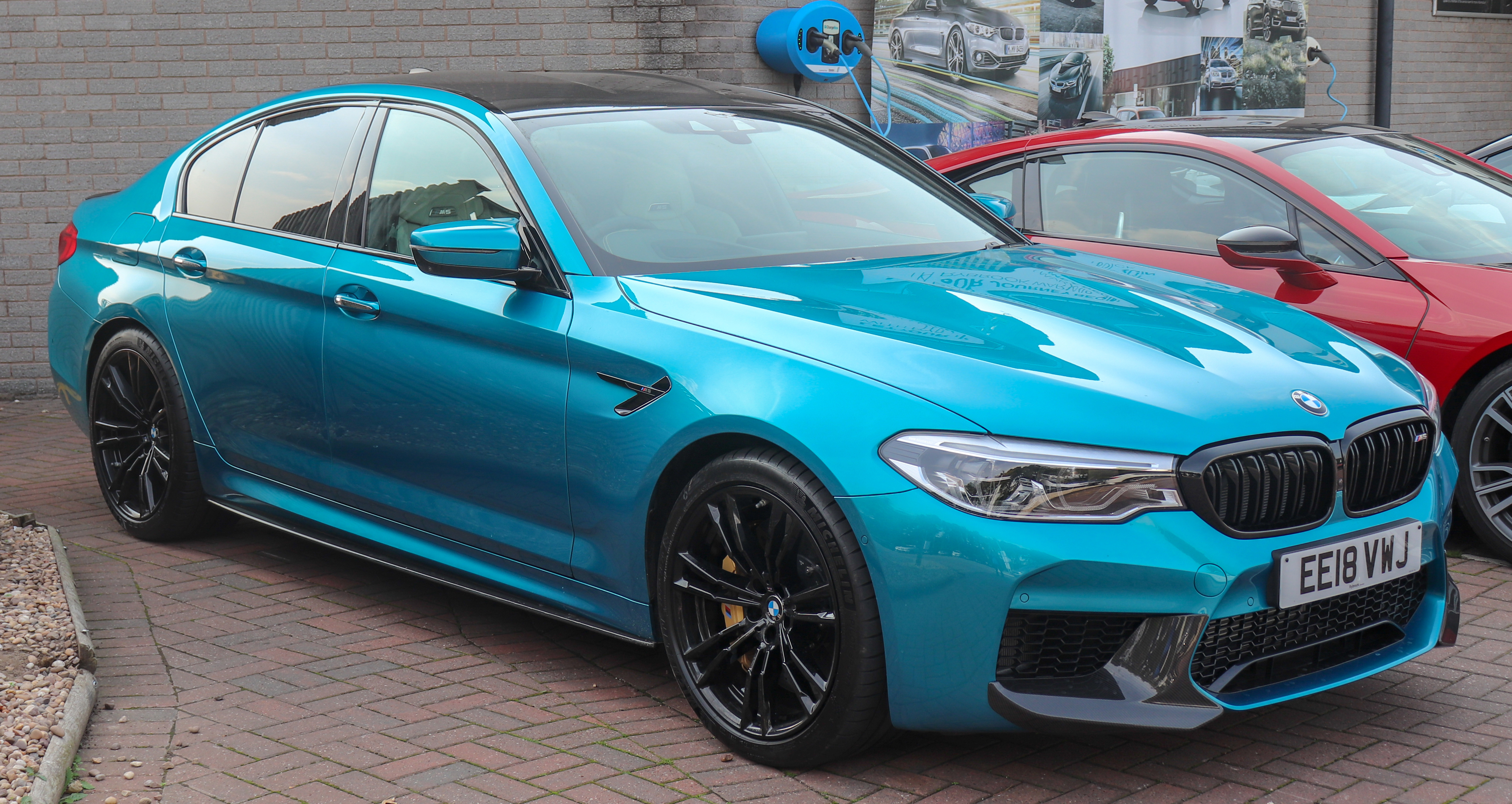
"BMW has the M five wagon out, which I think is a real trial balloon. I really hope it actually gets some traction."
The BMW M5 Wagon is a fast and sporty station wagon that can carry lots of stuff but also drives like a sports car.
The BMW M5 Wagon is a high-performance version of BMW's 5 Series wagon, combining the practicality of a wagon with the power and handling of the M5 sports sedan.
"...ho knows? And now today Honda is announcing accor Integra is going to you know, it's going to be exported t..."
Concept
right-hand drive vs left-hand drive
"And we went through that years and years ago, all of us covering the industry on right versus left hand drive and how easily you could configure it in new models."
Cars can have the steering wheel on the right or left side depending on the country. This is important because people drive on different sides of the road in different places.
Right-hand drive (RHD) and left-hand drive (LHD) refer to the position of the steering wheel and driver’s seat in a vehicle, which depends on the country’s traffic rules. Some global car makers produce both configurations to cater to different markets.
"...there's BMW, there's Mercedes, there's Lexus, and that's it. Right."
BMW is a company from Germany that makes fancy and sporty cars. They are one of the top brands people think of when talking about luxury cars.
BMW is a German luxury automaker known for producing performance-oriented and premium vehicles. It is one of the main competitors in the global luxury car market alongside Mercedes-Benz and Lexus.
"...there's BMW, there's Mercedes, there's Lexus, and that's it. Right."
Mercedes-Benz is a company from Germany that makes high-end, fancy cars with lots of technology. They are one of the biggest luxury car brands in the world.
Mercedes-Benz is a German luxury automotive brand known for its high-quality, luxury vehicles and advanced technology. It competes directly with BMW and Lexus in the premium car segment worldwide.
"they're going to get a Volkswagen four cylinder engine. Did he finally admit that? Well, they put up a slide. They put up a slide that said, you know, four cylinder engine,"
A four cylinder engine is a type of car engine that has four chambers where fuel burns to make the car go.
A four cylinder engine is an internal combustion engine with four cylinders, commonly used in many cars for a balance of power and fuel efficiency.
"...So Formula one is starting this weekend and we had a big discussion about is racing a waste of time? And I'm a hardcore motor enthusiasm..."
Formula One is a type of very fast car racing where special cars race on tracks all around the world. It's the top level of car racing.
Formula One is the highest class of international single-seater auto racing sanctioned by the FIA. It features the fastest and most technologically advanced racing cars competing in a series of Grand Prix events worldwide.
"it was a Corolla or whether it was a Lexus, they just really you know, they were hitting all the right buttons in terms of styling"
The Toyota Corolla is a small car that many people like because it doesn't break down often and doesn't use much gas. Lots of people buy it because it's easy to drive and affordable.
The Toyota Corolla is a compact car known for its reliability, fuel efficiency, and widespread popularity worldwide. It has been one of the best-selling cars globally for decades.
"their best seller is a Nissan Rogue. I mean, everybody knows that the Rev four is, you know, a great car, and it's you know, it's all new right now."
The Nissan Rogue is a small SUV that many families buy because it is roomy and easy to drive. It's not a sporty or fast car, but it works well for everyday use.
The Nissan Rogue is a compact crossover SUV and one of Nissan's best-selling vehicles. It is known for practicality, comfortable seating, and modern features but is generally considered more of a family or commuter vehicle than an exciting sports car.
"except for the Z Car. Thank you for the z car still being around. That's that's that's really important."
The Nissan Z Car is a sporty car that people like because it is fun to drive and looks cool. Nissan has kept making it for many years.
The Nissan Z Car refers to Nissan's line of sports cars starting with the original 240Z and continuing through various generations. It is known for its sporty performance and enthusiast following.
"... cars, and they're getting the money from selling Macans and cayenne so that they can finance the good stu..."
Select text to request an explanation
Speaker 1: Auto Line after Hours. It's brought to you by Bridgestone Tires,
Solutions for Your Journey, and by Borg Warner. The automotive
industry continues to evolve, and so do the opportunities to define it. Borg Warner, one of the world's most admired companies,
gets partners where they need to go. Let's do something
big together.
Speaker 2: Hey, everybody, thanks for joining us on Autoline after Hours.
Mister Gary Vassilash is in the house. John, how are you.
I'm doing good. I'm excited. I can't wait to get
to you. Today's shay.
Speaker 3: There could be a lot of sparks find Yeah, yeah, yah, yah, yeah yeah. Lindsay's got these.
Speaker 2: So we got to tell everybody. We got Tom Murphy
and Lindsaybrook with us. Which company are you with now?
Speaker 4: Veilnet is the parent company, and I'm running for car Buzz.
They own topspeed dot com, they own hotcars dot com.
And yeah, I'm assigned now to car buzz dot com.
It's great, got it?
Speaker 2: Got it?
Speaker 5: If I touch your chair, well I get a shot?
Speaker 4: Yes you will.
Speaker 2: And Lindsay's longtime colleague of ours, you know, and really uh an enthusiast for the industry, thank you, so, which very and very enthusiastic. Yeah, what have you been driving
this week?
Speaker 5: So I've been I've been driving a.
Speaker 3: Genesis G eighty three point five T, which which which basically brings the thought that I think people have forgot about the enjoyment of driving a sedan.
Speaker 6: Okay, I mean everything is gone.
Speaker 4: I'm not giving up on him.
Speaker 6: You're not giving up on him.
Speaker 2: Yeah, So what do you like about it? And this
one in particular, Okay, this this one, I mean this, this one is exquisite.
Speaker 6: I mean on the inside of this vehicle.
Speaker 3: I mean it seems to me that there are some people who are designing interiors in town who ought to look at the interior of a Genesis and then they'll start crying because they know that they won't be able to do that. I mean, it's just it's just amazing.
But I mean in terms of the maneuver ability, the ride and handling, I mean, you're not going to get that in an suv.
Speaker 6: I'm sorry.
Speaker 4: The price, what's the price? People want to know.
Speaker 6: It's seventy.
Speaker 5: Good. Yeah.
Speaker 2: How about you, Tom, What have you been driving?
Speaker 4: I test drove recently cheap Cherokee and refreshed Grand Cherokee, and then was at the Highlander reveal, so got to drive the Toyota Cochr EV and the Bzy Woodland ev W.
So overall impressions, overall impressions, I think the Cherokee. I
was really impressed with the interior, especially on the Cherokee, and uh, you know, it's it's got this one point six liter four cylinder that is going to meet a lot of people's needs. But I think some people won't,
you know, they want a little bit more from a jeep, and it's not really presenting it as a heavy off roader.
So you know, we're we're all still struggling to justify, to to understand the justification of jeeps that aren't really jeeps off road, right, you know, I mean, you're the Wrangler is a jeep, and then you have all these others that you know, they're rugged or they they're they're supposed to be rugged, but are they rugged enough? Is
the question? So that that was the that was my
takeaway from the Cherokee.
Speaker 6: And they said it's a hybrid, right, I'm sorry, it's a hybrid.
Speaker 4: Yeah, absolutely, yeah, Yeah, I mean that's definitely a competitive piece for them because they could definitely make some traction there considering that a lot of the others in the segment don't achieve quite the same field economy.
Speaker 2: So what's it get?
Speaker 4: What's it thirty seven on the highway, I believe, so yeah, you know, most of the others are below thirty. So
you see our veer or a raft for well, all right, so here's the that's when you get into questions about segmentation.
So you know, the Cherokee used to be in this segment with RAV four and the CRV, and I looked at you know, overall length and price and wheelbase and you know a lot of other factors and the kind of bumped up into the bigger segment up against a pilot passport more like, and so you know it's and super outback is one that would be going up against.
So up against those, the Cherokee does pretty well. Overall
length I think is like one hundred and eighty eight inches, and all of the others, like the RAV four and those, they're closer to one hundred and seventy something overall length.
So you know, it's it's kind of some gamesmanship in terms of which segment it resides in interesting.
Speaker 2: How about you losing what you're driving.
Speaker 7: I am driving my own vehicle, a twenty twenty five mos the c X fifty hybrid that we have I think about twenty thousand miles on now. Traded our Odyssey
in for it because we didn't have kids anymore. But
now we've got two more dogs, so we're thinking we need something even bigger than this. You know, I love
everything about this car except for the infertainments.
Speaker 2: Yea, entertainment sucks. Yeah, it does.
Speaker 5: It does.
Speaker 7: And I cannot keep this car from when you turn it on, the radio coming on. I just there's little
things like that that just are baffling to another thing.
Speaker 2: More and more that's happening.
Speaker 6: I've discovered the cars and I don't understand why.
Speaker 7: Yeah, I have no idea, and it's just but certain annoyances.
My wife and I have tamped down because dynamically it's great.
Speaker 5: It steers great.
Speaker 7: The interior is like I think, almost out equality, so we like that. You know, it rides kind of stiff,
but it handles really well. It's got a nice face
on it, versus a lot of cars today that looks you know, where are the eyes and where's the mouth.
Speaker 5: Kind of a thing. So you know, we like it.
Speaker 6: Yeah, yeah.
Speaker 2: The only thing that really bugs me about Mazda sound, this is largely true of the Japanese across the is the damn seat belt reminders. You know, with the latest Masta,
it starts ringing as soon as you open the door.
And it's like, see, I've always liked to get into a car, start the engine, and then put my seat belt on, and I figure that amount of time, you know, which is less than a minute, but it allows oil to get through all the engine and you know, I'm just thinking this is good for longevity of the engine.
And I do this in all the test cars. But
with that bing bing bing ding ding meet me. I
mean I want to grab it by the throat and choke it. Yeah, And I don't know what it is.
The Japanese are like all over this being really nagging about your seat belt.
Speaker 4: Mine not enough though, for you to just buckle up before you turn the key.
Speaker 2: No, I'm saying. So you open the door and it
goes bing bing being two or three times and then it stops. And when you get in the car, as
soon as you start the engine, bing bing bing bie mean me, it starts nagging you. So I got to
put the seat belt on first, then start the engine.
Said okay, but I'm saying I want to give the engine a little bit of time to get all the oils circulating, you know, less wear and tear and that sort of.
Speaker 4: Thing, while you put it on your bill.
Speaker 2: So you buckle your seat belt and you sit there.
From that beer.
Speaker 4: Since you were talking about the sedans, I will cry my beer for the moles to six. I'm on my
second miles to Sex and I drove. I drove my six,
my twenty sixteen miles to six, And every time I look at that car, I feel like, damn, that is a good looking that's a good looking It is a good looking car. It's very sad that this market doesn't
support vehicles like that anymore.
Speaker 2: Well, let's go even sadder than that. I spent the
week in Evolvo V sixty station Wagon. I mean, I'm
sure the four of us here, well, I mean, I'll raise my right hand and swear to God that I love station Wagon. And they don't sell worth a hill
of beans in this country. And I was trying to think,
why do I like this? And a lot of it's
got to do. It's part of what sedan like. It's
sedan like. But with that that uh, the rear station
wagon thing in the V sixty, it's it's beautiful. I
mean the lines on it are so much nicer. You've
got a little bit more versatility because it's a wagon.
But it is a relatively small car. You're not going
to pack all the stuff that you can get into a CUV. But but I love the car. But one
thing I will say is, uh, you know, I got an iPhone and I wanted to use a car Play to be able to uh use the navigation. No, you
have to hardwire it. It's got to be plugged in.
And I you know what is ridiculous. What do you
mean have to plug it in wireless? You know, big
first world problem. But it's how used to we get
to this technology. There's a beautiful car, the Volvo, but
I it just shows that the technology in it is already outdated. And you you can wirelessly pair your phone
for phone calls, but you can't get Apple car Play without plugging it in.
Speaker 3: See And I think that has something to do not with it being technologically backward, but because Volvo is working so closely with Google, so it's I think it has a native Google system in it. And therefore they're basically
saying like, you can use car Play, unlike what General Motors is going to be doing. But if you do
do that, then it's like buckling your seat. You got
to take that extra time and do those things. But
so that would persuade you that you want to move to Android.
Speaker 4: Well, you know your point about the V sixty. BMW
has the M five wagon out, which I think is a real trial balloon. I really hope it actually gets
some traction. Not sure that it will.
Speaker 5: But it's about ninety grand is there.
Speaker 2: It's a lot of money is.
Speaker 4: To be expensive.
Speaker 7: We have, really oddly in my neighborhood two people that bought those last Buick Opal based wagons that are freaking stunning looking. When you see him from the rear quarter,
you know, it's it's a long car. And I forget
what the what the model name?
Speaker 8: Wasn't there the one that was supposed to look a little bit sporting, but there was, but there was a there was a sleek Yeah.
Speaker 5: These are the basic, the basic.
Speaker 7: Wagons without extended you know, wheel wells and that kind of thing. And they're just gorgeous cars. And I think
they sold them for maybe one model year over here, and uh, they must have had excess capacity. And opal
I have no idea one.
Speaker 4: Of those recently too, and I was I was taken with them, like wow, that's that.
Speaker 7: In the V ninety Volvo wagon that like you could special order, but it really wasn't in the US catalog for a year or two.
Speaker 5: And yeah, I agree, I mean, other than the.
Speaker 7: H point that we're used to now and sitting up high or sedans and standard wagons are great, great vehicles.
Speaker 3: But it almost is the point now where everyone is so much higher than unless you get really high, it doesn't matter. I mean, your visibility isn't at all improves.
They might as well be down at level.
Speaker 5: Yes, the Peterbilt is still going to be above me.
Speaker 2: Yeah, that's it's just crazy.
Speaker 3: But you know, you mentioned BMW and this is a fun fact that maybe you guys know that did you realize that the BMW Group is the largest automotive exporter by value from.
Speaker 4: The United years for years and years.
Speaker 3: It is last year nine billion dollars of exports from South Carolina, right, because.
Speaker 2: Both them and Mercedes use their US plants as their main SUV manufacturing sites, and yeah, it gets exported all over the world.
Speaker 6: So I mean, I wonder if there is sufficient awareness of the fact there are companies that are German companies or Japanese companies or Korean companies. They are doing great things.
Should be economy here.
Speaker 4: They should.
Speaker 2: Look. The general public is not aware of it.
Speaker 4: But the trend, there's kind of a trend happening right now on the same front. I'm sure tariffs has something
to do with it. Geopolitics also put on December eighteenth,
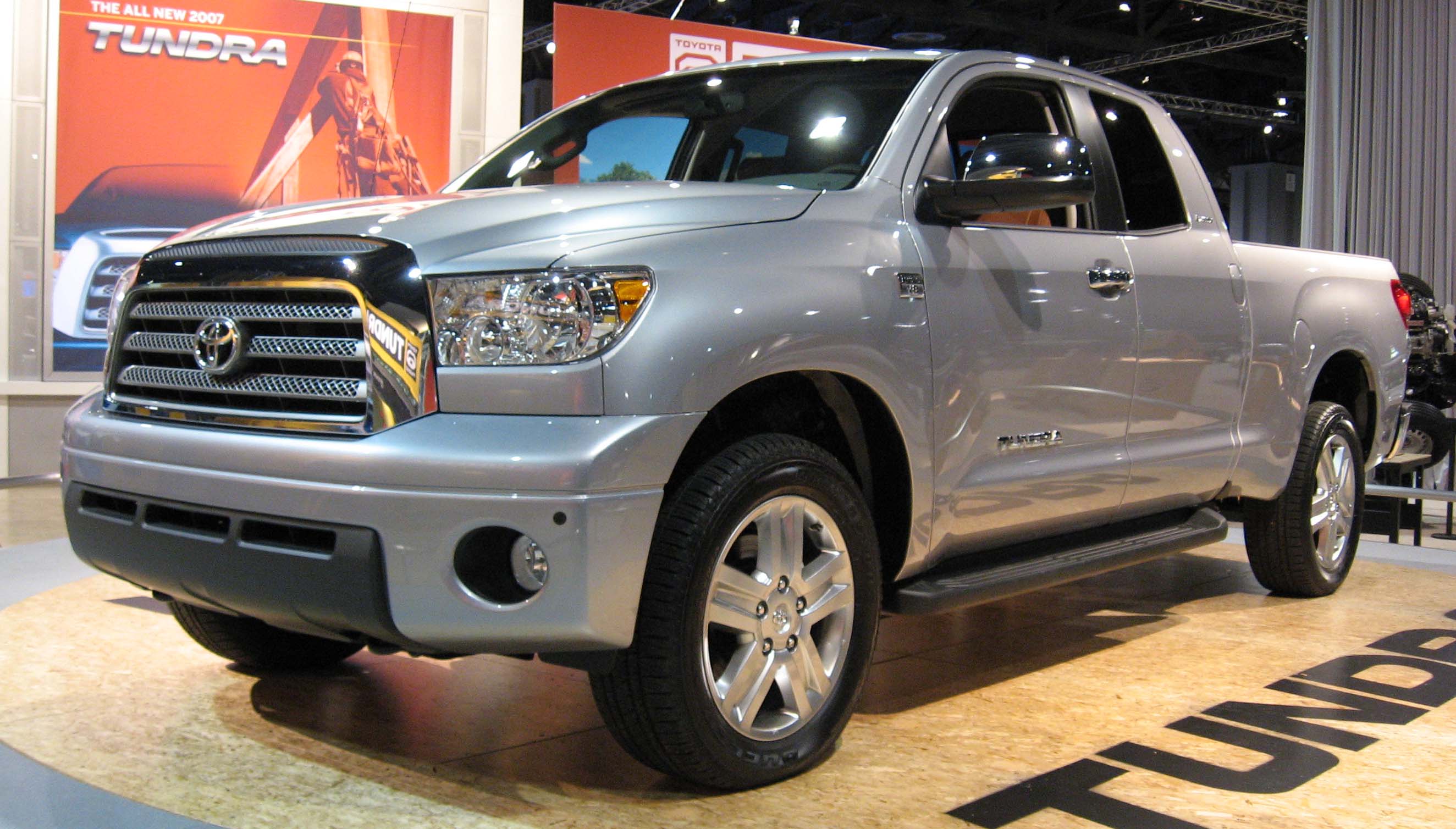
Toyota announced that they were going to be exporting from the US plans the Camri, the Tundra and the Highlander.
This is before we knew that the new twenty seven Highlander was ev so we're not real clear. Are they
going to send the battery electric Islander or the existing or the Grand Highlander? Who knows? And now today Honda
is announcing accor Integra is going to you know, it's going to be exported to Japan.
Speaker 2: In fact, they're introducing the Accural brand to Japan for the first time and to be able to sell that car.
Speaker 4: And they're not doing.
Speaker 2: Right hand steer. They're going with left hand steer. So
I mean, look, both these moves to me are socks to the Trump administration. Right, they's been breathing down their neck.
You got to do more. And they're they're they're trying
anything they can.
Speaker 4: So I ought to even, you know, in their announcement back in December, they said that specifically that yes, we want to we want to try to ease trade tensions, I think was their term.
Speaker 5: Interesting Japanese people love one fifties.
Speaker 4: Yeah, I want to see somebody parking a tundra on the streets of Nagoya. I really do that. That will
be and now you won't see it.
Speaker 2: Look, they're not going to sell. They'll they'll sell a
handful and that's about it.
Speaker 5: And we went through that years and years ago, all of us covering the industry on right versus left hand drive and how easily you could configure it in new models.
If you're a global maker, should have both setups. And
then you look at the japan market and you go, this would be crazy having a left hand drive.
Speaker 2: Car over Yeah, Well, if you go back years ago, I mean decades ago, having a left hand steer Mercedes or BMW or even a Lincoln was a status because it was obviously important, you know, and so anybody in Japan, even if they knew nothing about cars, would go, oh my gosh, that's an important car. That must be an
upscale person.
Speaker 4: But it's kind of like saying Rolls Royce here and that is right hand drive.
Speaker 2: Yeah, right, that's right.
Speaker 3: It seems it seems odd, though this is accurate, finally getting to Japan. I mean it's just like, yeah, they're always,
you know, a day late and a dollar short, it seems, you know, in terms of the competition. I mean, you
can buy Lexus like anywhere in the world, right, but they're not sending their carton bucks.
Speaker 2: Now. Lexus for a long time was a US only
but then but then it exploded.
Speaker 6: I mean, these guys didn't screw around. I mean, the one.
Speaker 3: Market after another after another after another went to Europe and you know, and if you think about it, you know, it's one of these situations where you know, you basically say, well, there's there's BMW, there's Mercedes, there's Lexus, and that's it. Right.
Speaker 9: Cadillac isn't mentioned and Cadlac isn't mentioned in there Lincoln isn't mentioned in there, and certainly Accurate is not mentioned in there, and I just think that they just keep missing it and I can't understand why.
Speaker 6: Well do you understand why?
Speaker 4: Well, I'm not sure, but I I have you haunted differently, I'm sorry, I need some water. I have you hanted differently
than Toyota. I just feel like Honda is a is
a more conservative company that takes change and growth very seriously, and they do a lot of research on this before they make a decision, like are we going to export something or or create a brand in Japan that we already have in the US. And I mean I kind
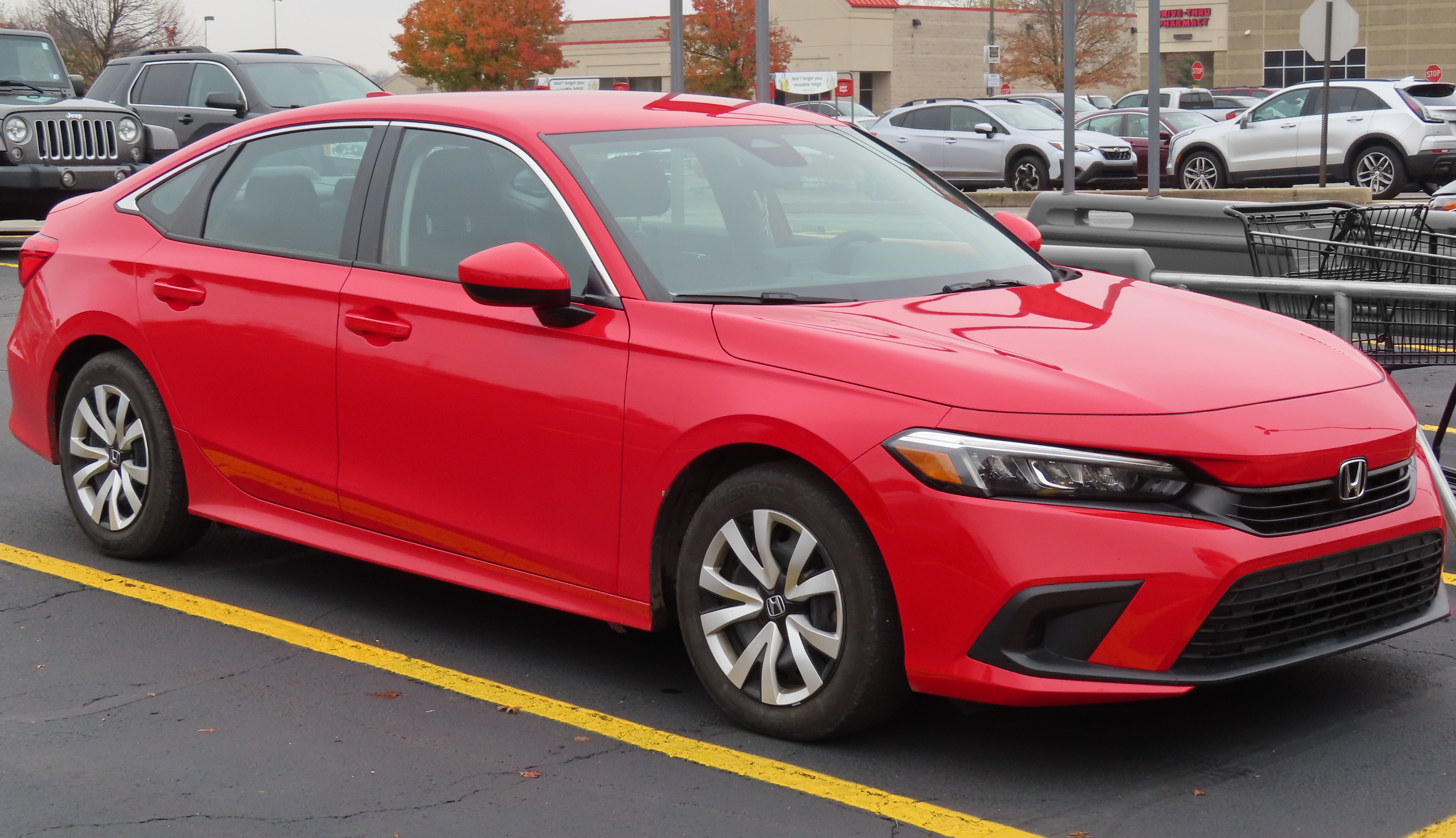
of appreciate it that they that they want to stay, They want to stick to their knitting, they want to you know, I'm glad that they still have the Accord in the and the Civic in the US. I mean,
as somebody who likes still small cars or Sedan's, I think that's really important.
Speaker 3: But if you think about it, I mean, when when we had the Accurate NSX, if you were to go to Europe, the NSX was a Honda, you know, it wasn't inaccurate.
Speaker 2: You know, we had that car.
Speaker 5: Here, Integra yeah.
Speaker 2: Yeah, So okay, so let's talk about Scout Boy. They've
had some news. Well, Tom, you were there at their
presence there today.
Speaker 4: Yeah, they have an innovation center here in Michigan. That's
that's leading the product development. They got five four hundred
people there. They've got another thirteen hundred people down at
the plant in South Carolina.
Speaker 5: Uh.
Speaker 4: But yeah, they have design and engineering here and product validation and so yeah, we talked a lot about direct sales to dealer, you know, bypassing the dealers, and.
Speaker 3: Certainly hot So there's lots of lawsuits, right, I mean that that's the reason that came.
Speaker 2: Up, Sean. Right, two more today, two more dealers filed suits.
Speaker 4: Yeah, so yeah, we.
Speaker 2: Reported that not aligned daily tonight I heard more dealers of wild suits, yes, Scott.
Speaker 4: Yeah. So you know there was no mention of franchise
laws by Scott key O. You know, for obvious reasons
they think they can. I mean, he's looking at the
broader economy and saying, look what Amazon's doing. You know,
look what Tesla did. Look that that so many people
in America are just used to buying things directly and having it delivered to their house. And why can't we
do that? Why can't we do it with cars? And
I mean he makes sense financially, but there are laws in the books, so it raises a lot of questions.
Speaker 3: So so I mean his vehicles, I mean, did he say anything about like timing about when they're actually going to Yeah.
Speaker 4: You're not going to be happy with that answer because it's it's too long. It's it's like, you know, they
rolled out prototypes or that. You know, the first reveal
was October twenty four, and now today we're talking about you know, they're just putting tooling in the plant right now, which means they're going to they're they're running early prototypes this year and into next year. And the way Scott
Keio described, I think like four iterations of prototypes that are going to get tested and improved upon each time.
So that means people aren't taking salable units until like twenty eight. So you know, it's just come on, guys.
Speaker 2: What do you think though, because they announced what just a couple of weeks ago that they're delaying the program in other years.
Speaker 4: Well, they're not saying delaying, they're they're word that question up yesterday about hey, it's program delayed or what you know, And Scott's like, no, you look back at what we said in twenty twenty four, and we're doing exactly what we said we would that I forget the exact wording, but that we will we will have cars ready for delivery in twenty twenty seven and deliver them, or will have we will launch.
Speaker 2: Launch the delivery, will just keep them.
Speaker 4: We will launch in twenty seven and deliver to customers thereafter something like that, which, as he admitted, it's it's vague, and it's.
Speaker 2: Why do you think they're pushing it back? Uh problems
developing an E rev or in many any guesses.
Speaker 4: This is a whole new thing. This is all new
territory for Volkswagen. Think they really want to have a
hit with a vehicle in a segment that's and they chose the two right segments to have a vehicle the terror pickup truck, the traveler suv. I mean, that's really
where you want to be. But you know, to to
try to make sense of the timing of it all.
I was just hoping that they would have been further along by now.
Speaker 7: But if you think it's because of powertrain situations given.
Speaker 4: Think so because the I mean it's I think it's more about getting the plant built because they're still you know, they're still into the brick and mortar mode down there, so you know, they're they're putting in robots now and tooling now. So I mean, how much time before you
get vehicles that you can actually test? But in terms
of the powertrain, they're going to get a Volkswagen four cylinder engine.
Speaker 5: Did he finally admit that?
Speaker 4: Well, they put up a slide. They put up a
slide that said, you know, four cylinder engine, and at some point maybe the presentation it was it was either said or it was in the presentation Volkswagen four cylinder engine, and it's going to go in the back. It's going
to go behind the rear axle. And I reached out
to Scout today asking, hey, can you provide any any tech images, like you had this really nice technical computer generated diagram of the chassis, and you know, can you give us a better version of that to print? I
know we can't, we can't do it. Well, I'm glad
I took a really bad picture with my phone while it was up on a PowerPoint slide because it shows you know, yeah, there's there's the electric drive unit up front between the front struts and appears to be behind the front. And then in the back end, yeah, there's
a there's a fuel tank, a smallish fuel tank that appears to be like under the second row seats, and behind that comes the rear drive motor is mounted as part of the axle. There're a solid rear axle on back,
and then above that and behind the rear axle is this four cylinder engine.
Speaker 5: So the battery is about midship.
Speaker 4: A battery is it looks you know, smack in the middle of of the you know, and it's a structural member, just like the positioning for any other battery. Now they're
not they haven't even given specs for like overall you know, wheelbase, overall dimensions, you know, into your cargo room, horsepower tour.
I think they did say a thousand foot pounds of TORQ, which I just wonder, why do we need a thousand pound feet of tour. I mean, you know, if I
could have like seven hundred pound feet of work and more range I'm taking I'm checking that box.
Speaker 5: Four hundred was good for a long time.
Speaker 2: So so sometimes you said that they got the two.
Speaker 3: Right body styles the SUVV in the truck.
Speaker 6: Okay, did Rivian come up at all?
Speaker 3: Which has both of those body both of those you know, at a high price point as the Scout will be.
Speaker 4: And they're sharing software by the way, and and.
Speaker 3: And Rivians you can't wait like it's the small cheap thing out right.
Speaker 6: I mean it's just like, yeah, which.
Speaker 2: Comes this year?
Speaker 4: Is the R two that came up to I mean every time I see it, I mean when I saw the Scout in person, I'm like, Jesus looks like a Rivian, which is kind of a compliment because I think Rivian has kind of hit the Yeah, they they they really hit the bull's eye I think in the in the shape and the form of the of the first generation truck and suv. And yeah, they they'll have the R
two out smaller. And that russtion did come up yesterday. No,
there was no mention Rivan yesterday your styling or you know, did you borrow some styling cues? But no, Instead it
was it was asked, are you going to go smaller?
You know, does Scout need something smaller in the lineup?
And yeah, Scott Kio said, you'll see you'll see variants of these two vehicles that the Terror and the Traveler, plus maybe we could go smaller, they could go lower in the lineup.
Speaker 6: So so lindsay, what's your take on this whole e REV thing.
Speaker 7: I don't know, it's you know, the four of us covered the development right before kind of Tesla took off, and it was still how much efficiency can you squeeze out of a combustion engine vehicle with some hybridization, and everybody was working on Remember FTV and AVL both had wankle rotaries that would run at a constant speed, very light, very package efficient, and that was their EREV solution, and it kind of made sense if they could meet the emission profile of that motor and keep it in that
narrow band, maybe that would work.
Speaker 5: And then we had kind of Vault.
Speaker 7: Kind of you know, was down that same you know, basically down that same path you know three right right, But Volt, you know, was the standard engine that was too big for that. So, you know, the German consultancy
seemed to be going the right way on a special purpose built deal. And I remember at an SAE conference
a GM engineer from R and D showing a plastic blocked.
Speaker 5: Small engine, three cylinder engine plastic block, which made me think of the poly motor back in.
Speaker 7: The seventies and Matty Holtzberg. And this was an engine
optimized and I couldn't believe that they were showing this.
And I followed up with a guy and he says, I can give you all this stuff, and like, no, going to give me any of it. But that was
their attempt to do the same thing, you know, figuring if you can put this engine anywhere, And it's interesting that they're hanging it out the back, but it won't be that.
Speaker 5: Much of a burden. You can kind of balance it
out with a battery.
Speaker 7: But standard production engines don't make any sense for this, you know, because it's too much engine for what you want to do. So in theory, to answer your question,
it seemed like it was it would be good for you can still access gas stations and you get all this range out.
Speaker 5: Of it, but you know, I don't know.
Speaker 3: Well, okay, so the four cylinder engine that they're talking about, Okay, it's a non turbocharged engine from what I understand to say, well, I mean, what I've been able to find is basically going to come out of the Salau plant where they build the turbocharge for cylinder engines for the variety of Volkswagen products, and so in this case it decided out to do that.
Speaker 6: But to go to your point of.
Speaker 3: Saying, you know, standard production engines probably aren't the right thing.
Speaker 5: It's over designed for this concept, really, you know.
Speaker 3: So do you think that they might be using that four cylinder engine because they have one?
Speaker 5: Well, and maybe because Tom we haven't really seen them play the hand yet. Maybe they've got something that's kind
of purpose built for e REV.
Speaker 4: Well, but when you talk about a BMW I three or a VOLT, it's significantly smaller than a Terra or an su or a you know, SUV or a good sized pickup truck. So four cylinder might not be too small, Yeah,
I mean depending, I mean you could go pretty small.
You go to one point five leaders with a four cylinder engineer.
Speaker 2: Here's you. Here's the thing. An EV sucks a lot
of juice. And if you're going to have an internal
combustion engine trying to keep the battery charged, you need a big engine. This is why Ram went with a
three point six liter V six. And if you look
at the e revs in China because China blaze the path in this really. I mean sure volt was what
our bolt was one of the first ones out there, but uh, Chinese have done some really good stuff where they're getting very impressive levels of thermodynamic efficiency for an internal combustion engine forty six to forty eight percent, even.
Speaker 5: Over fifty percent.
Speaker 7: Of course, Toyota was about fifty one percent really optimized.
Speaker 2: No no, no, I think Toyota was at forty one forty one. And what the Chinese have done. You know,
if you're can run an engine in a limited rev range, okay, now it doesn't have to do the whole duty cycle, so you can start taking cost out and you can start doing other things like bumping up the compression ratio, running a lot more EGR, changing the valve timing and stuff like that. So you you know, there's at least
three Chinese companies that have got E REV engines in the forty six to forty eight percent.
Speaker 5: Purpose designed for EREV, purpose.
Speaker 2: Designed for I think that's what it's got. So I
wouldn't be surprised that Volkswagen's going, hey, wait a minute, we can take cost out and we can get more efficiency working with this engine. I'm sure it will not
be turbo just from a cost standpoint, and heat if you got the engine in the back of the vehicle, guessing cooling might be an issue. It can be dealt with,
but it's going to be an issue, so.
Speaker 4: They have to your ability have They still have a couple of years to deal with this, so you're right right.
Speaker 7: Is there any question at all among the four of US of Scout being superseded by Audi's real need.
Speaker 5: For US production?
Speaker 4: That question came up yesterday whether it.
Speaker 6: Got keys used to run out of America.
Speaker 4: Incidentally, the plan in South Carolina is built for two hundred thousand units, and you know, if you're going to build extended range gvs, I mean that's a that's a pretty big number. And the question came up, HeiG, would
there be capacity for Audi to, you know, to get a version of this vehicle, and he he didn't rule it out. He said it's possible. I'm sure it's all
going to depend on on what kind of demand they're seeing.
They've got one hundred and sixty thousand hand riser hand raisers who've put down one hundred dollars each for a Scout at this point and eighty seven percent of them want the extended range, right, Yeah, so clearly that was that was a smart move. But yeah, Audi, so you know,
it would be a good problem for them to have, like, oh, we need to find room to make an AUDI version too, because we've tapped out this this operation in Blithewood, South Carolina.
Speaker 7: But in that plant footprint, could they also have half the plant being making a four's You know, it didn't come up.
Speaker 2: Yeah, Audi needed to play it here. But one of
the problems that's going to face Scout is if it starts building Audi's and those Audis are sold through Audi dealers, all the folks you're part of Volkswagon and you cannot solve the rest.
Speaker 4: Right, It's a good point. Yeah, yeah, So.
Speaker 3: You know, I saw that number about one hundred and sixty thousand reservations, so I looked into what is the conversion rate. It's about sixty percent, So this basically means
ninety six thousand they buy Scouts. So you have this
plant with twitter thousand capacity. They got plenty of room.
Speaker 4: That's not bad though, I mean at this point because hopefully the number grows over the next two years. Rather
than people like I got to wait two years and they take their name off the list. Interesting to see.
You know how patient these customers can be.
Speaker 5: I'm waiting for a slate.
Speaker 2: Yeah yeah, he looked time out. We got to take
a quick commercial break. We got a lot more to
talk about yet. But a shout out to our great
sponsors making the life full of memories, one road trip at a time. That's what really matters. Reached down weather
Speaker 4: The automotive industry continues to evolve, and so do the opportunities to define it.
Speaker 1: Ford Warner, one of the world's most admired companies, gets its partners where they need to go.
Speaker 5: Let's do something big together.
Speaker 2: All right, we're back talking. We got you got something well,
I was before we know it.
Speaker 3: And I just want to follow up on this this ev thing in terms of timing in what's going on in this market, Okay, And I think it's it's startling to me that I saw that in Germany in February that electric vehicles twenty one point nine percent of new vehicle registrations. Okay, in the United Kingdom twenty four point
two percent of new car registrations or evs in February right.
Speaker 4: Now, to deal with the split is on Chinese.
Speaker 5: Well, mate, I'm.
Speaker 2: Looking from the point of view here.
Speaker 3: We're seeing massive growth happening in these markets, and we're seeing ours like bumping along at about like seven right, So what is the likelihood of success for a company like Scout when it's you know, banking on electric and electrified vehicles as basically all scott.
Speaker 4: Well in Europe though, I mean, isn't the Chinese kind of penetrating that market contributing to a lot of the growth of the EV there? Absolutely?
Speaker 2: Well, I expect that's the case in the UK.
Speaker 6: I don't think there's a whole hell a lot being sold in Germany.
Speaker 7: Right low retail prices of BYD and those guys.
Speaker 2: Yeah, I haven't seen sales broken out in Germany, but yeah, BYD sales in last month in Europe were up one hundred and seventy five percent. Now that was BYD. The
Chinese overall lost a little bit of market share, But I know MG, for example, has been very strong in the UK.
Speaker 6: Because if it's brand classic UK brand.
Speaker 4: You can tell us all about that, and it's a really good question though. I mean, I'm really interested to
see the first quarter sales split for the US market on evs and.
two to sixty eight dollars a barrel. So you're twenty
seven seventy two dollars and forty eight cents. Okay. So,
because as you guys know, if certainly in the United States, if the price goes up quickly at the pump, I'm not talking barrels of oil, I'm talking gallons of gasoline.
If the price goes up quickly, people freak out. Now
if it goes up slowly over the course of a year, it's the boil of the frog slowly approach, right, and the people don't adjust.
Speaker 4: It isn't the inflection point somewhere around four bucks a gallon?
At that point you start, we get.
Speaker 2: Four bucks a gallon all of a sudden, this E rev and EV stuff and especially hybrids are going to look a whole lot better. But what I find inty
this is the year that the Detroit three thought, Okay, Trump's taking off the fuel economy and the emissions regulations, no more fine, we could build whatever we want. Well,
if the price goes up at the pump, guess what all bets are off in terms of selling more full sized SUVs and full size peck up.
Speaker 4: I think about stillanthis launching the HEMI. I mean, you know,
they just got it out there that a lot of they're selling, a lot of Hemis. People are glad to
have it back. And now you have an impact on
fuel prices, which might not work for their favor, so it could certainly help all the extended ranges.
Speaker 3: So apparently a dollar rise in the price of gasoline results in a twenty one percent increase in fuel efficient vehicles in a twenty seven percent decline in less fuel efficient vehicles. So the s gets to your point, these
guys are banking on those less fuel efficient, although they'll square up and down all that's sold fuel efficient compared to what it used to be.
Speaker 6: Well, yeah, it used to be taller too.
Speaker 7: Well, what you mentioned about the New Cherokee, I mean, that's pretty outstanding fuel economy thirty seven Highway for that vehicle.
And of course it depends if you get the baseline skinny tires and you know, you don't have it loaded up.
Speaker 5: But that's that's pretty good.
Speaker 7: We my wife and I took a trip yesterday and it was the first I had been out of town to see what gas prices were down into Ohio.
Speaker 5: And it's like three twenty nine, three thirty nine gallons Ohio.
Speaker 2: In Ohio, that's about the same as here.
Speaker 7: Yeah, so that's what about forty cents more than what we were paying was like two eighty nine for a.
Speaker 2: While, and which point out in the mid west, Ohio prices tend to be a lot lower right elsewhere.
Speaker 5: Right in the Midwest. Right.
Speaker 7: But you know, I remember years ago when I worked at CSM Worldwide, we would do all these scenario plannings on what the tipping point was.
Speaker 5: Because hybrids were in particular, we're.
Speaker 7: On the upswing, and so what is going to be the retail fuel price tipping point of really driving.
Speaker 5: People into electrified vehicles.
Speaker 7: And of course, you know, California where the big market was, was already got two dollars a gallon more than everything else.
But for the rest of the country back then, and that was two thousand, when was that two thousand and five, it was four dollars a gallon, and it really wasn't it really wasn't that a factor.
Speaker 5: And they kept saying, you know, the economists.
Speaker 7: Would go, is it you know, four fifty a gallon?
Is it four to thirty a gallon? And people kept
kept buying you know, hemies and rams.
Speaker 2: But again, it depends on the rate of increase right in the price quickly.
Speaker 5: Yeah.
Speaker 2: And when we saw it before the Great Recession, when gas prices really went up, everyone was talking about peak oil and this you know, it was going to go to one hundred and fifty a barrel.
Speaker 5: I mean, the.
Speaker 2: Speeds that everybody were driving at on the highway were noticeably down.
Speaker 5: Everybody was very few conjict mixing fifty five you.
Speaker 4: Know, kind of makes those slower speeds out in six right, But.
Speaker 2: Once people got used to the prices, you know it was sales went back to normals, highway speeds went not just back to normal, but fither than before. And it's
all about the rate of increase that affects the consumer's mind as soon as to your point about two thousand and five.
Speaker 3: So on Monday, gas prices went up twelve cents per gallon, which is the fourth highest daily rate since two thousand and five.
Speaker 5: That's interesting.
Speaker 3: Yeah, So you know, if we look at the situation, you know that the straits of horm moves of the oil flows through that, and you know, now the government's talking about like we'll put navy boats to protect these tankers.
Speaker 6: You know, we'll do whatever it takes to do that.
And I mean, I got.
Speaker 2: To believe that that narrow straight is just.
Speaker 3: Rife for the possibility of tankers being blown up.
Speaker 7: And what minds in particular, the Iranians have a real mind capability and they can lay minds with like Little Boss and whalers, and the US is kind of short on.
Speaker 5: Mine sweepers and everybody else.
Speaker 7: Nobody invests in mind sweepers, You invest in destroyers all technology. Yeah, yeah,
until somebody sells a narrow channel with mines, then it becomes a giant problem.
Speaker 2: So the other thing, I didn't realize how much aluminum is made in the Middle East because you know, to manufacture aluminum is very energy intensive, so energy costs become paramount.
I got cheap oil prices. Something like eight percent of
global aluminum is made in the Middle East. This is
one of the reasons why, you know, Saudi Arabia has convinced Lucid to start building cars in Saudi Arabia because they're made out of aluminum, so it's not just oil you were. We've seen a huge inrice I say huge,
a noticeable increase in the price of aluminum since this all broke out, So you know, we're we're learning more about supply chains because of.
Speaker 4: This, and also the I'm curious to see what the long term impact is in terms of sales and in certain segments. You know, it seems like Toyota and Honda,
with all their hybrids, they're probably going to benefit from this.
If people are looking for more efficient vehicles. I think
General Motors could really benefit. They've got all these evs
that they stuck with. You know, while Ford cut back
on some of their evs, GM stayed the course and you know, not that I want to see oil prices, you know skyrocket, but thank you to But the GM, sticking with all the evs, could could actually do all right with it. And then and then you know, the
Germans have a lot of plug and hybrid vehicles, you know, at the luxury end, and you know, people in that segment not hurting for cash if they know that, oh we could, I could say how much on fuel if I if I actually plug this thing into a wall socket in my garage. So you know, maybe maybe the
plug in hybrid, which has not done that well in the US, maybe this is a chance and I and not soon enough, can Ford get an F one fifty e rev out there, and RAM and G get their e revs out there? And and then of course GM's
talking about some hybrid versions of the is it plug and hybrid that they're working on for for some of the pickups, big pickups and cuvs. So you know, these
are all great ideas. And suddenly right now there's a
little bit more urgency.
Speaker 5: It's the perfect time to bring back d.
Speaker 7: Which I saw a couple of weeks ago. You might
have seen the Tom Stilantis increasing diesel installations and some light duty passenger vehicles, wrote like a couple of small vans, maybe Fiat Ducado.
Speaker 2: I can see for commercial, absolutely, but there were a.
Speaker 7: Couple passenger vehicles small SUVs thrown into that mix too, not for North America but for for Europe.
Speaker 2: But what I was astonished on, Sean, Do you remember what?
What did we say that diesel market share was in Europe last month? You don't remember? So, I mean, it
is staggering how small diesel market what it was? It
was almost half the market fifte years ago, right right, exactly right, And I can't remember off the top of my head the number. I wish I could, but it
was like amazingly small.
Speaker 3: So soonnsay to your point about the cost of things, though, that gasoline's national average price was three dollars twenty five cents a gallon, diesel for sixteen one.
Speaker 5: Other things, freeway signs for over four dollars.
Speaker 6: Yeah, so that such a could deal with the diesel.
Speaker 5: Right right right?
Speaker 4: Oh, diesel to diasel.
Speaker 2: Market share in Europe down from fifty percent just before diesel gates.
Speaker 5: I didn't say that because we all loved that.
Speaker 7: We were talking about station wagons earlier and I remember right before the Diesel the VW emissions scandal came out.
It was Detroit Auto Show. My wife and I were
there for the press early press preview, and there was a golf wagon with a six feet and a diesel six speed manual and a diesel and I thought.
Speaker 5: When all the journals are drooling over we were drawling over this car. And then like two weeks later you
couldn't find the thing.
Speaker 7: But it is interesting when you're coming up behind Volkswagon cars on the freeway, how many.
Speaker 5: Tdis you still see out there? There's still a ton
of you know, they offer him all this money and we'll take it back, and there's still a lot of people that are really allied to these things.
Speaker 2: That's right, So I should we talk if I think we should talk? Half one John, So Formula one is
starting this weekend and we had a big discussion about is racing a waste of time? And I'm a hardcore
motor enthusiasm motor racing enthusiast, and I tried to carry the flag, but Gary was shooting me down with you know, Cannon Salvos, and I got to tell you guys that I won't mention him by name because we were just chit chatting. But it's now retired, but very very senior
automotive executive did all kinds of performance, product planning and development, engineer, engineer, and but we're talking senior VP level. And he told
me he agreed with Gary.
Speaker 4: Really, I didn't expect to hear that, John, No, I didn't.
Speaker 2: And you know, he especially excored he ate a GM for all the money it's putting into F one. He
grudgingly admitted that the Ford approach wasn't too bad because Ford spending like thirty five million dollars a year and it's got its big blue oval on the Red Bull cars, and you know that's an ad spend that's probably less than Ford spent on American Idol at the TV program.
So he's got that.
Speaker 3: Even I said, Ford at the Baja five hundred is no yes, And he agreed with you on that.
Speaker 2: He agreed with you on that that all the off road racing stuff made a lot of sense. So I'm
just you know, it's.
Speaker 4: Full disclosure, But John, give us the apples apples comparisons between Ford and GM and F one.
Speaker 2: So GM is all in as a works team. They're
building their own chassis from scratch. Right now, they're using
a Ferrari engine because they're still developing. They're going to
have and they they built an entire team from scratch.
They didn't go out and buy something else. And my
guess is General Motors, honest to god, is dumping a billion a year into this effort. That's me. That's me
saying that they haven't said anything like that versus Ford, which has got this technical agreement with Red Bull Racing.
Red Bull is making its own engine, which is honestly, they took all the Honda stuff and have been refining it, and Ford is working with them. And my guess is
because interestingly, the skunk Works people that are developing this universal EV platform out in California for Ford, you know, Doug Field and Alan Clark's group, they're the ones that really wanted to get involved with F one because they wanted the aerodynamics expertise, they wanted the software expertise, they wanted the battery expertise, and this blending. I mean, you know,
Formula one is is hybrid hybrid power train. I wouldn't
be surprised if they're playing around with supercapacitors and stuff like that. So anyway, a Red Bull has come out
and said the technical agreement with Ford has been very good for it, and uh but I'll bet more the information and learning is flowing back into Ford. So anyway,
Ford is paying Red Bull thirty five million dollars a year, which, like I said that that's like an ad spend. But anyway,
that's the major difference between Ford and GM's approach to F one. I just think of how many Stanford PhDs
taking three fights. I know you've got that off before.
But here's the other interesting thing. With this war raging
on with Iran in the Middle East, there's quite a few F one races that take place in the middle of the region or certainly within range of all those long range of Iranian missiles. So now the question for
the season is, well, it's a big question.
Speaker 7: Mary, We'll be getting my tickets anytime soon for the BA Rain GV.
Speaker 5: You know, no, I think you know.
Speaker 7: It's interesting F one being above everything else and these arguments that you know, in the beginning of time, it was all these low volume European and Mercedes, but low volume the Lotus and McLaren and so forth. The sports
car specialists that spent their time there, and then you had the market which was like World sports Car Racing and Lamal and you know, endurance racing, which could make a better argument for putting an investment into a team there to derive more out of it for production vehicle use.
Speaker 5: So, you know, I don't know. One side of me
says it's like going to Mars.
Speaker 4: You know, it's.
Speaker 5: I don't know why we would do it, But you know.
Speaker 7: Mark Royce has his argument for it. He's a hardcore
racing guy that might have been a career goal is to get GM into F one before he retires.
Speaker 5: You know, who knows.
Speaker 2: I think that's a lot of it, But all I can tell you is as a motor racing fan, I love it.
Speaker 7: Yeah, I think it's kind of bogus using somebody else's engine.
I mean, that's the heart and soul of it and saying it's a Ferrari engine.
Speaker 5: And don't they had Mario now allied with.
Speaker 2: They're naming their chassis the Mario Andretti Mario Chassis AC They're calling it, which I think is a wonderful tribute to to Mario Andretti, and I thought it was they win races well, well, but here's the interesting thing. I
don't think Mario ever had anything to do with any GM brand whatsoever in his racing career. If anything, it
was with Ford Ferrari to obviously, but it's so But you know, it was Andretti Racing that first tried to get into Formula down. Well they got slapped down. And
all I can tell you is I think Michael Andretti had a lot of that was a lot of the reason why it got slapped down. And you know, as
soon as he got I mean he got booted out of his own company, his own that that should tell you something right there. And it was literally weeks after
he got booted out that F one gave the green law.
Speaker 3: I think the fact that F one saw this giant checkbook that was being held by General Motors.
Speaker 4: But this is what we want safer bet than Michael Andrada. Yeah,
how do you think Cadillac is going to do in the first They're going to suck.
Speaker 2: They're going to absolutely suck. And I wish Mark Royce
or somebody at GM would come out and say, look, let's be very humble. These are the you know, Zach
Brown who runs McLaren made a great point. He said.
You know, even the worst team in Formula one is an exceptionally well run company. And so it'd be like
starting an NFL team from scratch, totally from scratch, and saying we're going to win the super Bowl this year.
Speaker 6: No you're not.
Speaker 2: You're not. It's going to take your years to build
up your program to get there. And I you know, look, personally,
I think if Cadillacs War is one point this year that should be considered a victory.
Speaker 5: It is the output, though to sell cars or dollars.
Speaker 7: It is the output to to sell cars and markets, vehicles and markets that only F one will be that identifier to the customer that this was a General Motors car that won versus you know, when they went to Lamar with the Corvettes, the Pratt and Miller cars, they had success.
Speaker 5: I mean, they build up, but they won the class a number of times.
Speaker 2: Nine times.
Speaker 5: Yeah. I don't know how many Corvettes that sold in.
Speaker 7: Bahrain or Oman or you know, how many did it sell Detroit? They sell like twenty five thousand year predicated
on racing. Oh yeah, that's a good question.
Speaker 3: See see what I'll tell you what went on Sunday buying Monday, we've already got.
Speaker 5: I think the end of that.
Speaker 7: Era was really was really the muscle car era, where literally you could buy a fair Lane or a Mustang or a super Be or a road Run or whatever, and it was you know down at the you know, Milon Dragon. I saw those cars win and that's the
dominant car.
Speaker 5: I think that's the end of that era. Really.
Speaker 2: Yeah, no, that era's gone. But I will say what
Corvette's racing at Lemon's has done for it is if you go back twenty years ago, it's an American car.
It's a big, fat American car with a big V eight, you know, and that was the attitude. Now Corvette is
completely accepted by the sports car crowd and it's like, yeah, they've come, They've proved themselves. The car has been become
more refined, it's it's a legitimate sports car. And now
is there an ROI on that? I don't know. You know,
if you add up all the money that they put into racing that car over all the years, it did that waste turn into it?
Speaker 5: But yeah, it's good.
Speaker 4: I'll tell you.
Speaker 2: Corvette is now considered and there are absolute fans in France of the court of that.
Speaker 7: Yeah, I thought it was really funny when before the Cadillac F one car was unveiled.
Speaker 5: It was like, what's this car going to look like?
Speaker 7: And they're leading up to that and they pull the cover off and it's like a lot of black and there was no like day glow Cadillac logo on the side, and I thought, well, this could be almost be anything compared to the artist renditions that came out before the unveiling, where guys were designing in tail fits like fifty nine Cadillac tailfins, And I thought people everywhere in the world will know that's a Cadillac, you know, So it's here's this car, and okay, it's you kind of have to tell people what it is.
Speaker 5: I don't know. We're not sitting on there.
Speaker 2: We had a whole show about this, so we'll leave that there.
Speaker 3: So you want to talk about the change of CEOs that have been been happening to the industry, Yeah, nine of them.
Speaker 2: So for the audience, Tom just okay laid out between the thumbnail.
Speaker 4: Between January first and May of twenty six, News did a great job rounding this up. They discovered the trend realized, Wow,
look at all the turnover here. So we're talking, let's say,
like a name all Stilantis, Nissan, Hyundai, Renault, BMW, Toyota, Toyota.
Did I mention no? Ya uh Porsche?
Speaker 5: Yeah.
Speaker 4: Interesting, I mean really interesting mix of companies there. And
of all those companies, you know who I think has the most pressure on them, it's at Toyota because he's got the most to lose. I mean, he's got to
keep he's got to keep this juggernaut moving, you know.
I mean the other companies are kind of changing directly.
Not all of them are changing directions, but it feels like, you know, he's got a lot on his shoulders, like I don't mess us up.
Speaker 2: That's a that's that's a great point. See, I would
have said, Antonio follows up the BIGGESTTIS is a dumpster fire.
Speaker 4: He's got the biggest channel.
Speaker 2: And I'm not trying to disparage the company. All I'm
saying is, boy, he's got some tough decisions to make.
Speaker 3: I think the guy out of all of them, because I looked into this. I mean, okay, so the guy
who is taking over a CEO of BMW, that's because Oliver ZIPSA is sixty two and he should have retired two years ago, so.
Speaker 6: They kept him on.
Speaker 3: So it's like this is this is you know, the BMW board said you leave at sixty Oliver, were keeping you for a couple more years gone right. In the
case of Toyota, I mean they wanted a finance guy, so they got the Kenda con in and and so Sodo's got.
Speaker 2: A new job.
Speaker 3: He's basically been kicked up, but he's more It seems to me that you know, Okio was in charge of the Japan Automobile Manufacturer's Association for many years and it's you know, big policy board. I think that Sodo's new
job is in line with things like that. Okay, so
this other finance guy is going to be, you know, running the books there.
Speaker 2: Munyos came in.
Speaker 3: He replaced Chang Jen Howe who was promoted a vice chair.
Speaker 2: So you know, slot opens.
Speaker 6: This guy gets kicked up.
Speaker 3: The Evolvo Hawkins Samuelson, who had run the company from twenty twelve to twenty twenty two, came back.
Speaker 2: He retired, and then who's the guy Jim Jim Rowan came in, and Jim Rowan's a very smart, smart guy, but the wheels came off the car.
Speaker 3: Where was he before he was at Dyson was it could have been Yeah.
Speaker 2: He's a technic, he's not an automotive guy. And he
came in and he pushed them into EVS and STV's software defined vehicles a little too quickly, I think in retrospect you could say, and started to go bad fast.
So they brought Samuelson back because this guy knows how to pull the right levers and you know, get the dealers behind it, you start selling cars and get the money rolling in again.
Speaker 3: I think the guy's got The biggest problem is the Ivan Espinoza, who's running Nissan.
Speaker 4: Now, it's like, yeah, that's a hot mess too.
Speaker 3: Yeah, I mean that's been problematic for I think longer than you would say Stilantis has been correct.
Speaker 2: No, no, I would totally agree. You know, Look, I
think Nissan's going to emerge out of this as a much smaller company. And my argument is it's got two
markets in the world where it can be relevant, North America and Japan.
Speaker 4: And the story and what I think Nissan is lacking right now is someone like a Kyo Toyota who was all about product, No more boring cars. I mean, that's
just a brilliant philosophy right there. That just changed the
entire company. You know, every vehicle that they did, whether
it was a Corolla or whether it was a Lexus, they just really you know, they were hitting all the right buttons in terms of styling and anyway. So Nissan
needs needs that kind of energy. You know, their their
their best seller is a Nissan Rogue. I mean, everybody
knows that the Rev four is, you know, a great car, and it's you know, it's all new right now. For
anyone to think about the Rogue if that's their finding example, I mean, yeah, it's a good car and all, but there's no excitement really around a Nissan Rogue. The Maxima
is gone, the Ultima is going away, and we're talking about talking about Sedan's the cars that we used to be excited about, except for the Z Car. Thank you
for the z car still being around. That's that's that's
really important. But yeah, Nissan got their hands full.
Speaker 3: So so the question I have to you guys, is is that, okay, you know, John thinks it will come out as a smaller company.
Speaker 2: Is there a possibility that there's just the lack.
Speaker 6: Of momentum and it just cannot be brought back.
Speaker 7: They've always had a really broad product portfolio, and there were, as Tom mentions, there were fewer hits than Missus for just seems like a long time. You mentioned the Rogue.
I mean that segment was always raph for CRV. I
think Escape was number three for a while quite a while.
I don't know where Roague was. It might have been
fifth in there. Then the Koreans came in and kind
of changed everything. And yeah, z Car their attempt at
a large pickup, I think you'd have to call it a failure.
Speaker 5: I just got to call it a failure in this market.
Speaker 4: They do pretty well with Frontier. But yes, yeah, Titan
was yeah, disappointment.
Speaker 2: Yeah, I don't think they'd go away Gury. I think
Japan would step japan government would step in and go, hey, Honda, you gotta go together with.
Speaker 6: You think that'd be brought back the Honda and Nissan thing.
Speaker 2: I don't think that the Japanese government will allow Nissan to go wander her or it will do everything in its power to prevent it from going on.
Speaker 4: So the government wasn't involved enough in the in the previous discussion. Perhaps between those two.
Speaker 2: Well, look, I think kind of wanted nothing to do with it. That's my own reading of the tea leaves.
But but you know, we're getting down to the end here.
I think the Porshot what's his name, the Porsche CEO, he's got his hands full what is it?
Speaker 4: Lighteners, Yes, lighters and lighters.
Speaker 5: And they had to kill a couple of EV programs.
I mean, they invested.
Speaker 2: At collapsing in China, absolutely collapsing in China. They have
zero manufacturing in the US, so everything's getting hit with the tariffs. I think they're moved into crossovers and sport utes.
Was good from a business standpoint, but I also think it's chipping away at the brand cachet of.
Speaker 4: The really I think so, I mean, is it preventing people from buying nine to elevens?
Speaker 2: No, No, No, nine to eleven is golden, you know.
Speaker 4: And as long as they keep selling those cars, and they're getting the money from selling Macans and cayenne so that they can finance the good stuff.
Speaker 2: Right, But their profitability has taken a nose dye compared.
Speaker 7: To the Vida King era when he brought in the SUVs and it was sky high.
Speaker 2: Right. Look, I mean when you look at the market
cap of Volkswagen AG, so much of that is is Porsche's value and now Porscha's value is you know, just dropping downhill fast. So and you know it, Porsch fed
so much cash into the Volkswagen system.
Speaker 3: How much do you think this is predicated not on product as much as it is on this collapse in the China market.
Speaker 2: Most of it's the collapse in the China market.
Speaker 3: So it's it's almost one of these situations where they bet so much, too many eggs in one.
Speaker 2: On that being their future, right, and then it's gone.
It's gone, right, So look we're at the top of good.
Speaker 6: They were not in China.
Speaker 7: I have one more thing, you say, Nissan's solution is going back to Dots and.
Speaker 4: Name change change childhood years seeing seeing those cars was just like that is the need another five ten?
Speaker 5: Another five ten was a brilliant car.
Speaker 6: I was an owner of a Dots in three ten.
Speaker 5: So okay, well the.
Speaker 2: Three ten it wasn't afford really good. Well, we'll have
to wrap it up. But Tom Murphy, Lindsey Brooke, great
to have you guys, cover the wide number of topics here.
Speaker 4: It was good, good stuff.
Speaker 2: Gary. We'll do it again next week.
Speaker 6: We certainly will.
Speaker 2: Okay, thanks everybody for having tuned it.
Speaker 1: Auto Line after Hours is brought to you by Bridgestone Tires, Solutions for Your Journey and by Borg Warner. The automotive
industry continues to evolve, and so do the opportunities to define it. Borg Warner, one of the world's most admired companies,
gets partners where they need to go. Let's do something
big together.
Request an explanation for:
27 cars
Scroll for more
27 cars featured
Request an Explanation
Heard something you'd like explained? We'll add it to this episode.
Sign in to request explanations for terms you heard.
Want to learn more?
Browse our glossary for plain-English explanations of automotive terms, jargon, and concepts.
See something that's not quite right? Our annotations are AI-generated and can sometimes miss the mark.
Click the flag icon on any annotation to suggest a correction.