
The discussion covers a wide range of current automotive industry topics including the recent FTC crackdown on hidden dealer fees, the impact of rising gas prices on EV demand, and Hyundai's tragic Palisade stop-sale due to a seat safety issue. Guests explore the challenges facing EV sales post-tax credit, the evolving dealer model with car brokers, and the effects of tariffs on automakers like Toyota. They also delve into emerging in-car technologies like breathalyzer sensors and the complexities of exporting left-hand drive vehicles to Japan. The conversation highlights industry shifts, regulatory impacts, and consumer concerns shaping the market today.
"I was thinking that that there is some serendipity to that glut of EV's coming on the market. In addition to Toyota a big, big player bringing on an onslaught of new EV's..."
An EV is a car that runs on electricity instead of gas. It helps reduce pollution and can save money on fuel.
EV stands for electric vehicle, which is a car powered entirely or partially by electricity instead of gasoline or diesel. EVs produce no tailpipe emissions and are considered more environmentally friendly.
"...ned woodland as well, and then they announced the Highlander. So we have all these evs coming at the exact sam..."
The Toyota Highlander is a bigger SUV that can fit more people and their things. Toyota is making electric versions of this car to use electricity instead of gas.
The Toyota Highlander is a midsize SUV that offers three-row seating and a reputation for reliability and family-friendly features. Recently, Toyota has announced electric versions of the Highlander, reflecting the shift toward electrification in their SUV lineup. It is often discussed in the context of Toyota’s expanding electric vehicle offerings.
"Paul Jacobson was at an investor event and he said that if you look at previous oil shocks, you know it takes four to six months to filter through the system, and that you know, demand for their you know, full size trucks and SUVs is still very strong..."
An oil shock happens when the price of oil suddenly goes way up, making gas more expensive and affecting many parts of the economy.
An oil shock refers to a sudden increase in oil prices, often caused by supply disruptions or geopolitical events, which can impact fuel prices and the economy.
"Paul Jacobson was at an investor event and he said that if you look at previous oil shocks, you know it takes four to six months to filter through the system, and that you know, demand for their you know, full size trucks and SUVs is still very strong..."
Full-size trucks and SUVs are big cars that can carry lots of people or heavy stuff, but they use more gas, so their sales can change when gas prices go up.
Full-size trucks and SUVs are large vehicles often used for towing, hauling, or carrying multiple passengers. They typically consume more fuel and are sensitive to changes in gas prices.
"Right, So you say inflation adjusted. Well, both inflation adjusted, and just like if you just you know, three three point fifty, it's just kind of where we are right now."
Inflation adjusted means changing prices to match today's money value so you can compare prices from different years fairly.
Inflation adjusted means accounting for the change in purchasing power of money over time, allowing for fair comparison of prices from different years.
"You know, what is the impact if people suddenly care more about fuel efficiency than they did before, Like, are we assuming that that means they're going to be ready for the lifestyle change and everything that's a ssociated with going full EV or does it just increased demand for hybrids for plugins. I think it'll do both. You know, people who are on the on borderline on should I get an EV or not will be more inclined to say, maybe I'll take the plung People who are anti EV doesn't matter, they're just not going to do it."
A plug-in hybrid is a car that uses both gas and electricity. You can charge it by plugging it in, and it can drive some distance just on electricity before using gas.
A plug-in hybrid is a vehicle that combines a gasoline engine with an electric motor and a rechargeable battery. It can be plugged in to charge the battery and can run on electric power alone for limited distances before switching to gasoline.
"You know, what is the impact if people suddenly care more about fuel efficiency than they did before, Like, are we assuming that that means they're going to be ready for the lifestyle change and everything that's a ssociated with going full EV or does it just increased demand for hybrids for plugins. I think it'll do both. You know, people who are on the on borderline on should I get an EV or not will be more inclined to say, maybe I'll take the plung People who are anti EV doesn't matter, they're just not going to do it."
An electric vehicle is a car that runs on electricity instead of gas. You charge it like a phone, and it doesn't make smoke from the tailpipe.
An electric vehicle (EV) is a car powered entirely by electricity stored in batteries, rather than gasoline or diesel. EVs produce zero tailpipe emissions and typically require charging from an external power source.
"You know, what is the impact if people suddenly care more about fuel efficiency than they did before, Like, are we assuming that that means they're going to be ready for the lifestyle change and everything that's a ssociated with going full EV or does it just increased demand for hybrids for plugins."
Fuel efficiency means how far a car can go using a certain amount of fuel. A car with good fuel efficiency uses less gas and saves you money when you drive.
Fuel efficiency refers to how effectively a vehicle converts fuel into distance traveled, often measured in miles per gallon (MPG) or liters per 100 kilometers. Higher fuel efficiency means the vehicle uses less fuel for the same distance, saving money and reducing emissions.
"me that if you look at what happened when the tax credit went away, that suddenly lots of people said, well, I'm really not that interested in buying a EV. Now. They didn't stop buying vehicles, they just stopped buying that type of vehicle, right,"
A tax credit is money the government lets you keep when you buy certain things, like electric cars. It helps make the car cheaper for you.
A tax credit is a government incentive that reduces the amount of tax owed, often used to encourage the purchase of electric vehicles by lowering their effective cost.
"So I think that well, except for what Chris was just pointing out MSRP, you're right, but an actual transaction price."
MSRP is the price the car company says the car should cost before any sales or discounts.
MSRP stands for Manufacturer's Suggested Retail Price, which is the price a carmaker recommends dealers charge for a vehicle before any discounts or incentives.
"I mean, it really is very situational, depending on you know, primarily on the inventory level and the particular models. But you know, you'll see very high incentives on some evs and pretty you know, normal incentives on others."
Incentives are deals or discounts that help make a car cheaper to buy.
Incentives are discounts, rebates, or special offers from manufacturers or dealers to encourage customers to buy certain vehicles, often used to move inventory.
"I think it's a it's a consequence of a production plan and schedule that was in place, presuming that the seventy five hundred was here to stay, and presuming that EVS would be necessary in a world where you needed to comply the compliance. The ever restricting fuel economy regulations and those things you're referring to, right, Yeah, exactly, yeah, those there was you know, that one big drastic shift in all those things, and that's changing incentives."
Fuel economy regulations are rules that make car companies build cars that use less gas to help the environment.
Fuel economy regulations are government rules that require automakers to produce vehicles that meet certain efficiency standards to reduce fuel consumption and emissions.
"..., you guys quickly mentioned, you know, Honda the prologue going away as well as the cars that they had anno..."
The Honda Prologue is a new electric SUV made by Honda. It runs on electricity and is part of Honda’s plan to make more electric cars.
The Honda Prologue is Honda’s first all-electric SUV, marking a significant step in the brand’s move toward electrification. It is designed to compete in the growing EV market with modern technology and a spacious interior. Discussions about the Prologue often focus on its role in Honda’s future EV plans and its upcoming discontinuation or changes.
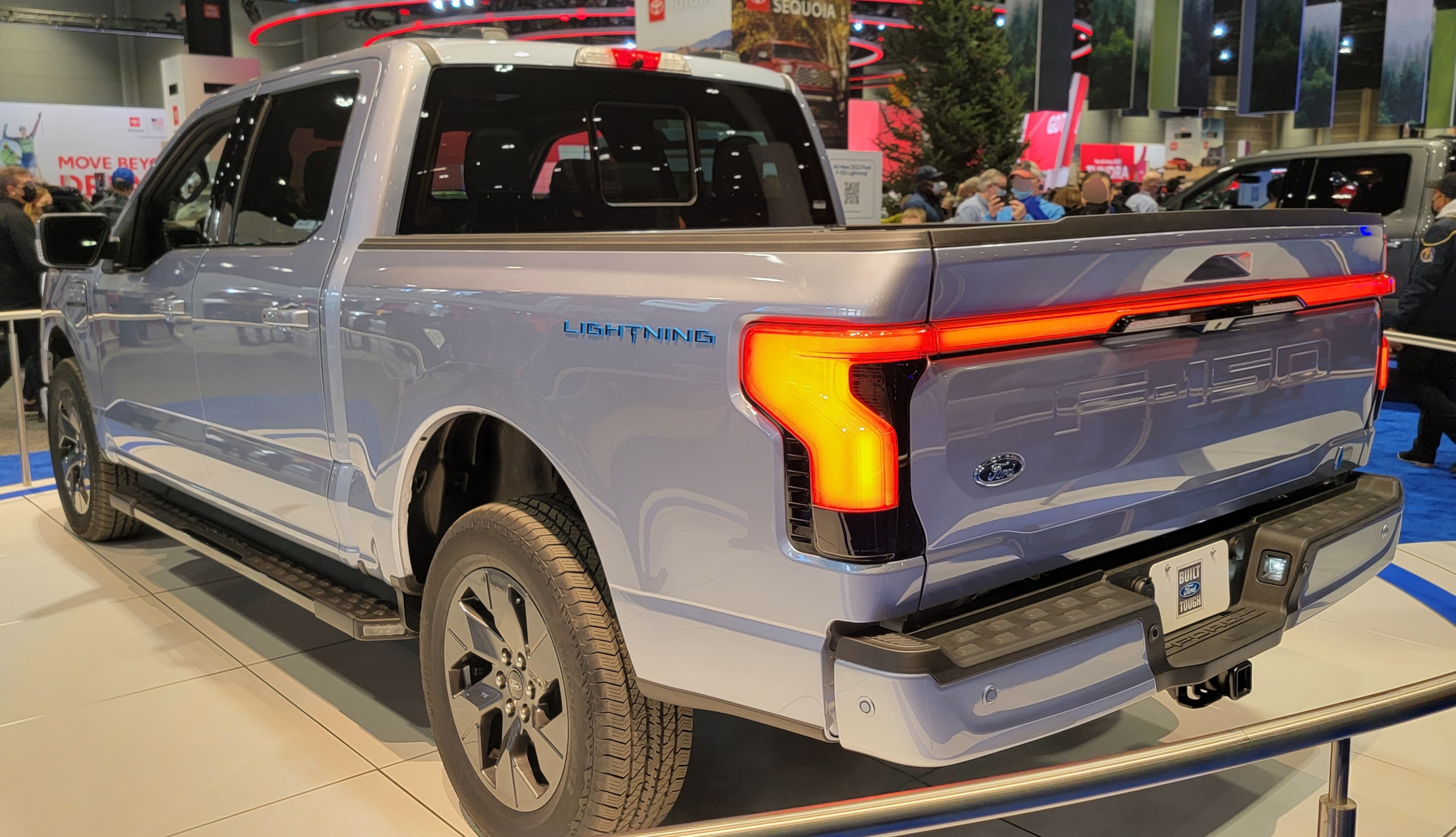
"..., and like you know, the Ford forward killing the Lightning and you know, having the Lightning name is going ..."
The Ford F-150 Lightning is a big truck that runs on electricity instead of gas. It is made for people who need a strong truck but want to use electric power.
The Ford F-150 Lightning is an all-electric version of Ford’s best-selling F-150 pickup truck, combining traditional truck capabilities with electric powertrain benefits. It has been significant for pushing electric trucks into the mainstream market and retaining the iconic Lightning name. It is often discussed for its performance, technology, and impact on the pickup segment.
"So do you really need super fast charging that an eight hundred volt system gives you? Maybe not at this point in time, so I can understand why they'd stay with four hundred."
Some electric cars use an 800-volt system to charge their batteries faster than usual. This means you can fill up the battery quicker, like a faster gas pump for electric cars.
An 800-volt charging system allows electric vehicles to charge at higher power levels, enabling faster charging times compared to the more common 400-volt systems. This technology is used in some modern EVs to reduce charging duration significantly.
"So so speaking a Hundai Robin, what do you what do you make of this stop sale on the palisade? I mean, well, so tragic event. What happened. Explain, Explain."
The Hyundai Palisade is a big SUV that can fit many people and has lots of features. It was recently stopped from selling because of a safety problem with its seats.
The Hyundai Palisade is a midsize SUV known for its spacious interior and family-friendly features. It offers multiple rows of seating and advanced technology, but recently faced a stop-sale due to safety concerns with its automatic folding seats.
"So so speaking a Hundai Robin, what do you what do you make of this stop sale on the palisade?"
A stop-sale means the company has to stop selling a car because of a problem, usually for safety reasons, until they fix it.
A stop-sale is an official order by a manufacturer or regulator to halt sales of a vehicle model due to safety or compliance issues until a fix is implemented.
"A two year old was crushed by I think it was a third row automatic folding seat. It's just terrible. It was probably the second row seat moving backwards towards the third I'm guessing. And they it sounds to me like there's no pinch mode like you have on automatic windows that if they're going up in the fingers there they stop."
Some car seats can fold down by themselves when you press a button. This helps make more room in the car, but they need safety features so they don't hurt anyone when moving.
An automatic folding seat is a vehicle seat that can fold down electronically at the push of a button, often to increase cargo space or ease access to rear rows. Safety features like pinch protection are important to prevent injuries.
"There's there's a band aid that's an over the air update. Then there'll be a fix."
Over-the-air updates let car makers send new software to your car through the internet, so your car can get better or fix problems without going to the shop.
An over-the-air (OTA) update is a wireless software update delivered to a vehicle remotely, allowing manufacturers to fix bugs or add features without a physical recall.
"Yeah, but I you know it for the limiting and calligraphy, the top two trims of palisade, there's this. It's a really clever system in of itself where highly automated, you can independently or all at once, just electrically have the second and third rows go down..."
Calligraphy is a fancy version of a Hyundai car with nicer seats, better tech, and special looks.
Calligraphy is a premium trim level offered by Hyundai on some models like the Palisade, featuring luxury interior materials, advanced technology, and exclusive styling.
"I was just at or Via the supplier this week, and they were showing off how you know, they've got this sophisticated radar system inside, like from the rear view mirror. It looks back and it like can tell not only you know whether the seats occupied, but who's in the seat."
Radar systems in cars send out invisible waves that bounce back when they hit something. This helps the car know if someone or something is inside or near it, making driving safer.
A radar system in cars uses radio waves to detect objects and movement inside or around the vehicle. It can sense presence, motion, and sometimes even breathing, enabling safety features like occupant detection and collision avoidance.
"It looks back and it like can tell not only you know whether the seats occupied, but who's in the seat. Is it a person, is it a shopping bag or whatever?"
Occupant detection means the car knows if someone or something is sitting in a seat. This helps keep people safe and reminds you if you left someone or a pet inside.
Occupant detection technology uses sensors like radar to determine if a seat is occupied and sometimes who or what is occupying it. This helps with safety features such as airbag deployment and alerting drivers to passengers or pets left inside.
"They leave their kids in the correy of the hot car death. Yeah, that was just not supposed to happen, but it happens."
Hot car death happens when someone, usually a child or pet, is left alone in a car that gets very hot, which can be very dangerous or even deadly.
Hot car death refers to the tragic incidents where children or pets are accidentally left inside a parked car that heats up to dangerous temperatures, leading to heatstroke or death. Advanced occupant detection systems aim to prevent these occurrences.
"They can tell if something is breathing in the car as minimally as your chest might move if you're if you have very shallow breathing, dar can pick it up instantly, So you don't even need an infant in a child seat in a seat. They can be lying on the floor and these radars will pick that up."
Breathing detection means the car can tell if someone is inside by noticing tiny movements from their breathing, even if they aren't sitting up.
Breathing detection is a feature of some advanced radar systems that can sense the subtle movements caused by a person's breathing, even if they are lying down or very still. This improves occupant safety by detecting presence without relying on seat sensors.
"Yes, this is like the backup camera from what Wooden was that man in twenty twelve? Was it? When the I think you're right? Yeah, And this is the next generation of that of the I mean, it's so you're telling me technology."
A backup camera is a small camera on the back of a car that shows you what's behind when you are backing up, so you don't hit anything.
A backup camera is a safety feature installed at the rear of a vehicle to provide the driver with a live video feed of the area behind the car, helping to prevent collisions while reversing.
"Also, seat belt binders ding ding ding ding ding ding ding ding. Ah, they drive me up the wall. Look, I'm a guy who always wears my seat belt. One of the time,"
A seat belt reminder is a warning sound or light in a car that tells you to put on your seat belt so you stay safe.
Seat belt reminders are alerts in vehicles that notify occupants to fasten their seat belts, often through audible chimes and dashboard lights, enhancing safety compliance.
""In Lexus, certain functions on the center screen work with gloves on, and but other functions did not, which was weird. And most cars... most cars will not touch screens will not work with gloves on.""
Some car touchscreens can still work if you're wearing gloves, but many don't. This means you might have to take your gloves off to use the screen.
Touchscreen glove compatibility refers to the ability of a vehicle's touchscreen to register inputs when the user is wearing gloves. Some vehicles have screens that work with gloves on, while others require bare fingers or special conductive gloves.
""...a lot of adaptive cruise controls, it will basically in the lane center, you know, basically do the driving for you. But if you take your hands off the wheel, it freaks out and put your hands back on the wheel.""
Adaptive cruise control helps your car keep a safe distance from the car in front and can even help steer to stay in the lane. It makes driving on highways easier and safer.
Adaptive cruise control is an advanced driver assistance system that automatically adjusts a vehicle's speed to maintain a safe distance from vehicles ahead. It can also help keep the car centered in its lane, reducing driver workload on highways.
"It's right, the Trump Administration's breathing down their import so many cars. We want you to help reduce our trade deficit arago, you should export cars back to Japan."
A trade deficit happens when a country buys more things from other countries than it sells to them. This can be a problem because it means money is leaving the country.
A trade deficit occurs when a country imports more goods and services than it exports, leading to a net outflow of domestic currency to foreign markets. Governments often seek to reduce trade deficits to support domestic industries.
"but there are foreign OEMs that have real significant export businesses like BMW here you know, in in in the US doesn't seem like that's what we're going for here with with these announcements."
A foreign OEM is a car company from another country that makes cars and parts. For example, BMW is a German company that sells cars in the US.
Foreign OEM stands for Original Equipment Manufacturer companies based outside the domestic market, such as BMW in the US. These manufacturers produce vehicles and parts that are sold under their own brand names.
BMW is a car company from Germany that makes fancy and sporty cars. People like them because they drive well and look nice.
BMW is a German luxury automotive brand known for producing performance-oriented and premium vehicles. It is often associated with sporty driving dynamics and advanced engineering.
"It was luxury cars. It was BMW and Mercedes and the like."
Mercedes-Benz is a famous car brand from Germany that makes very nice and comfortable cars. Many people think of it as a symbol of luxury.
Mercedes-Benz is a German luxury car manufacturer known for its high-quality, comfortable, and technologically advanced vehicles. It is one of the most prestigious automotive brands worldwide.
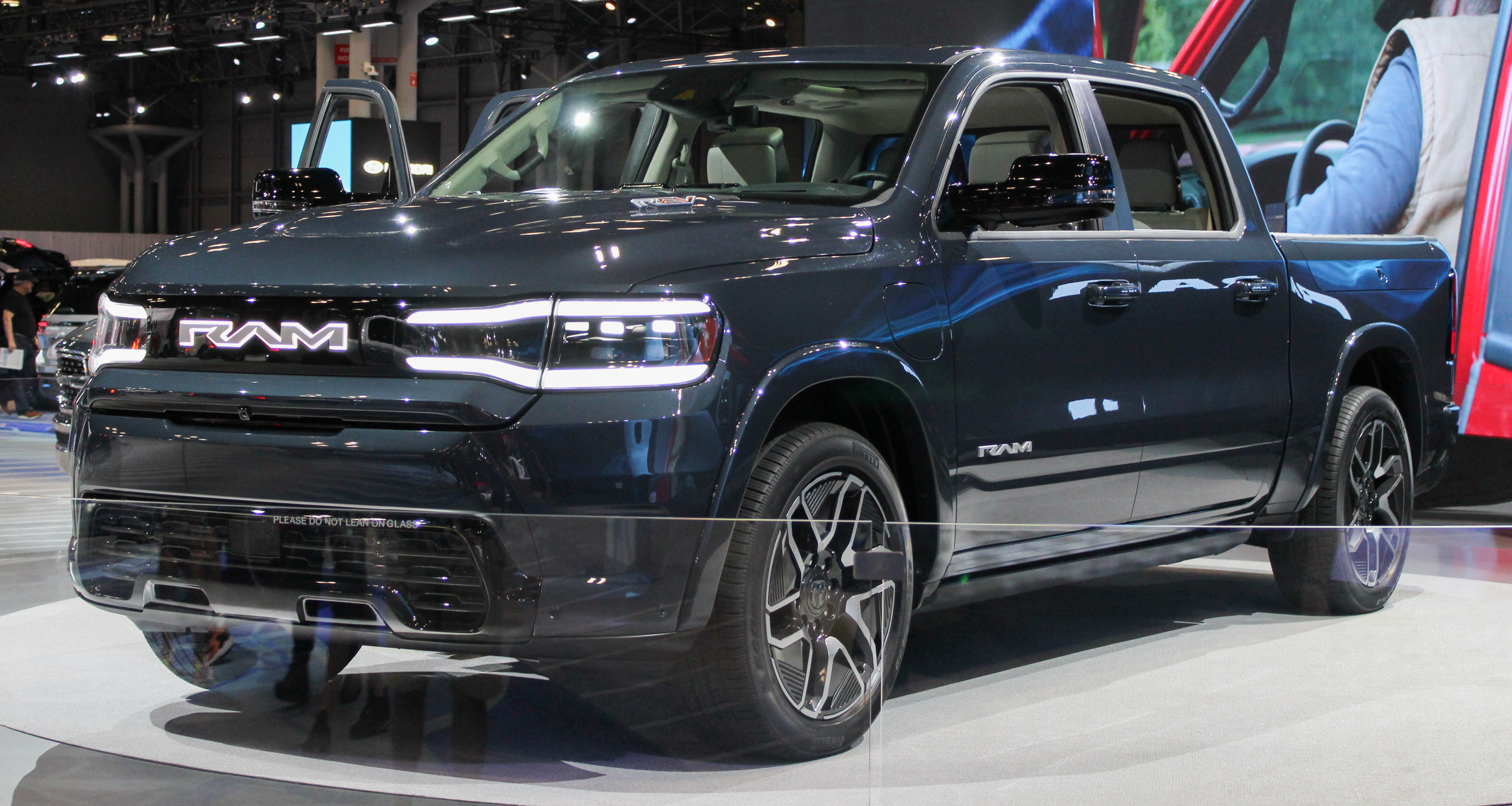
"...even a trim level. It's actually a package on the Bighorn and it's but it's this new thing. Check it out, a..."
The '1500' is a name for a type of pickup truck or a special set of features on a truck. It means the truck is made for everyday work and driving.
The '1500' designation typically refers to a half-ton pickup truck trim or package, often indicating a light-duty version of a larger truck model. In this context, it appears as a package on the Bighorn trim, adding specific features or capabilities. It is relevant for buyers looking for particular configurations within a truck lineup.
Select text to request an explanation
Speaker 1: Auto Line after Hours. It's brought to you by Bridgestone Tires,
Solutions for Your Journey, and by Borg Warner. The automotive
industry continues to evolve, and so do the opportunities to define it. Borg Warner, one of the world's most admired companies,
gets partners where they need to go. Let's do something
big together.
Speaker 2: Everybody, thanks for joining us on Auto Line after Hours.
And of course we're joined by none other.
Speaker 3: Than Gary vasselash Sean, how are you.
Speaker 2: I'm doing good?
Speaker 3: Yeah, today's the last day of winter, so.
Speaker 2: Oh man, by the calendar, Yeah, by the calend I'm just saying yea, so look forward to and we got something to look forward to right now.
Speaker 4: Good show.
Speaker 2: Yes, So tell the audience who we've got here.
Speaker 3: So we have we have two newbies on the show today.
So we have Chris OTTs, who is with the Wall Street Journal in Detroit.
Speaker 5: Hi, thanks for having me.
Speaker 3: Thanks for spading well.
Speaker 5: Yeah, we listening to the show for every week for a couple of years now, so fantastic. Yeah.
Speaker 2: Yeah, wow. We invited him before he.
Speaker 3: Even said yeah, that's better. And we have Robin Warner,
who is a variety of things including freelance writer and has his own YouTube channel, and yes, a veteran of this industry as it were.
Speaker 6: Views on vehicles, it's called, and many many other hats. Absolutely,
I'm very happy to be on the show with you guys.
I appreciate it's nice to be a newbie at something.
It's been a while since I've been a newbie at something.
And I will say that Michigan spring is a relative term.
And you know, us true Michiganers know that.
Speaker 2: Oh yeah, yeah, yeah, yeah. You know, a month from now,
the snow could be blowing sideways, right or it could be a beautiful bomby eighty degree exactly right.
Speaker 3: No, yeah.
Speaker 6: It was a few years ago IndyCar Race and it was back and they were doing the duel in Detroit.
Two feature race lengths, one Saturday, one Sunday, and the one on Saturday, May thirtieth. I'll say it was very
in May, ninety degrees human the one on Sunday fifty degrees and raining, and it's like, yeah, yeah, har for the course.
Speaker 2: If you don't like the weather, just wait a minute.
Speaker 3: So what are you driving?
Speaker 2: So what am I driving right now? I've been in
Genesis G eighty what a sitaan. Oh my gosh, that
thing is fantastic. So why do you like it? Well,
I mean, look, this thing's fully loaded, all wheel drive, four wheel steer. This is a big lawn car. I
can't quote the wheelbase off the top of my head, but you know it. When you get in it, you think,
oh my god, this is going to be like turning a battleship around with four wheel steering. Man, you can
stick this car anywhere, lavishly appointed inside, simple to figure everything out now. Of course they haven't changed their their
ux and a waklse So I've been in multiple genesis is genoci. I don't know what I'm and I don't
sort of know how it works, but it's so easy to figure out. It's a it's a breeze and uh
so pretty good. What have you been at?
Speaker 3: Well, I've been in the Toyota b Z, which I'm driving right now. This morning, I was driving a super
trail Seeker. Is that right, Robin? The new tig Wan
the new one. Else is the passport We.
Speaker 4: Had Passport tig one a d X.
Speaker 2: So this is all for the wards, uh interiors?
Speaker 3: Well not the no, no, no.
Speaker 4: The BZ is not the Basy but the others.
Speaker 6: Yes, I've been in all of those, but the trail Seeker as well, although I was recently in the Beezy Woodland, which is they.
Speaker 5: What do you think of the BZ.
Speaker 3: I It's fine, I mean, I I so now I'm gonna have people bagging down the doors. It's a good
looking car, it's it's.
Speaker 2: It's a solid vehicle. I just.
Speaker 3: I don't understand why someone would necessarily spend the extra money for that. And if they were worried about good
fuel economy as it were, that they could just go buy a rap or hybrid, they'd be very happy. And
uh Now one of the things that you've been reporting on is this this collapse in uh in EV sales. Yeah,
tell us about that.
Speaker 5: Well, they're down about year over year, so there's still, you know, quite a quite a good bit of supply of evs out there. I mean, I think basically what's
happened since the end of the tax credit is that both inventory of evs and sales of evs have gone down, but sales have gone down at a faster rate. So
you know, to give a sneak peed at sneak peek, excuse me, it's something that we've got coming and I've got this story about there are still just amazing EV deals out there if for opportunistic buyers to get a lot more than seventy five hundred dollars off.
Speaker 2: Chris, what do you think is going to happen with all these used evs coming off lease this year? You know,
the number everyone's quoting is three hundred thousand over the course of the year.
Speaker 5: And it's really interesting too, because a lot of them are tesla's, and you know, people tend to be in two buckets as to like, would I consider a Tesla And there's a lot of people who consider EV's but won't consider a tesla, right, So there's that dynamic to it as well. But I mean, I think it it
probably just means, I mean, it's been true for a couple of years now that the best deal in the car market is a used EV and I think that's probably going to continue. I mean, I don't see how
how all these cars coming back with these residual values that are probably inflated from you know, subsidized lease deals are not going to be putting downward pressure, you know, on the evs in the market, and we'll make it harder to you know, to support the prices of the of the newer evs. I mean, you know, right now,
I've seen, you know, some people are getting new Equinox evs in like below thirty, like in the mid twenties.
I've got somebody in story on that.
Speaker 2: Yeah. Wow, yeah, And.
Speaker 5: And so you imagine, like, okay, what does that do to the ones you see that are in the used market with just you know, thirteen thousand miles or whatever on them. I mean, that's got to make those values
hard to support. So you know, there are deals to
be had if you're willing to go electric.
Speaker 3: Okay, but do you guys, do you guys think that you know, what we're seeing in terms of gas prices is going to change that that there'll be more demand, that people will suddenly.
Speaker 6: I was thinking that that there is some serendipity to that glut of EV's coming on the market. In addition
to Toyota a big, big player bringing on an onslaught of new EV's, it's been just the Bezy for Toyota for a few years now, and now we have the Beezy Woodland Trail Seeker. We also have the CCHR just
as a shortened woodland as well, and then they announced the Highlander. So we have all these evs coming at
the exact same time that barrels of oil have shot up past one hundred dollars a barrel.
Speaker 4: Again, hasn't been that way in a while.
Speaker 6: So maybe that's going to be the nudge that edges more of the mainstream to give evs a try. I'm
not predicting that, but I'm definitely keeping my eye on that.
Speaker 5: I think that's pretty well in the speculative realm right now.
I mean from the conversations I've had with dealers and what GM's CFO said earlier this week, like there's not much evidence that anything is changing on the ground right now, going to work demands and about that. Yeah, So Paul
Jacobson was at an investor event and he said that if you look at previous oil shocks, you know it takes four to six months to filter through the system, and that you know, demand for their you know, full size trucks and SUVs is still very strong, so they're not seeing any impact yet. And you know, of course
that obviously makes investors feel better, right, but if you also check with dealers. I mean, I think that's largely
what I've heard as well, that we're we're still talking about sort of a speculative effect from a sustained rise in gas prices. And then the other thing that is
important to point out is that if you look historically, you know, gas is a lot more expensive than it was two months ago, but it's not that expense in a historical context.
Speaker 4: Right, So you say inflation adjusted.
Speaker 5: Well, both inflation adjusted, and just like if you just you know, three three point fifty, it's just kind of where we are right now.
Speaker 2: We've been there to be a little higher. This is
you know, not on charged.
Speaker 5: Yeah, I feel like we're not in price shock territory now it has gone.
Speaker 3: I was shocked when I saw four fourteen on my way to the studio.
Speaker 2: Yeah, yeah, okay, it's going up fast. And that that's
what we've always seen is if the price goes up slowly over time, the public rightfully shrugs it off. If
it goes up quick, they start to panic, right, and some consumers will panic a lot sooner than others too, Right, So yeah, it all depends. Is this we're going to
get wrapped up in a couple of weeks or is it going to be going on six months from now?
And if it is, things are going to change.
Speaker 5: You know, what is the impact if people suddenly care more about fuel efficiency than they did before, Like, are we assuming that that means they're going to be ready for the lifestyle change and everything that's a ssociated with going full EV or does it just increased demand for hybrids for plugins.
Speaker 2: I think it'll do both. You know, people who are
on the on borderline on should I get an EV or not will be more inclined to say, maybe I'll take the plung People who are anti EV doesn't matter, they're just not going to do it.
Speaker 3: But what about the large segment that's probably neutral that just basically, you know, I got to buy something, right, I gotta get something. And I mean it seems to
me that if you look at what happened when the tax credit went away, that suddenly lots of people said, well, I'm really not that interested in buying a EV. Now.
They didn't stop buying vehicles, they just stopped buying that type of vehicle, right, So you know, going forward, you know, unless there is you know, a radical change or your very favorite universal EV platform coming from forward and being able to provide us with the thirty thousand dollars EV.
I mean, still there's that price differential when you go to the dealer from a hybrid or straight gasolene powered car.
Speaker 2: So I think that well, except for what Chris was just pointing out MSRP, you're right, but an actual transaction price.
Speaker 5: And I want to say too that this is for some evs, not for all evs, but for many evs.
I mean, it really is very situational, depending on you know, primarily on the inventory level and the particular models. But
you know, you'll see very high incentives on some evs and pretty you know, normal incentives on others.
Speaker 3: Do you think that's because they want to move this out of inventory? They just want to like, okay, we're
we got these out of the system now. Yeah.
Speaker 5: I think it's a it's a consequence of a production plan and schedule that was in place, presuming that the seventy five hundred was here to stay, and presuming that EVS would be necessary in a world where you needed to comply the compliance.
Speaker 6: The ever restricting fuel economy regulations and those things you're referring to, right, Yeah, exactly, yeah, those there was you know, that one big drastic shift in all those things, and that's changing incentives.
Speaker 4: To be sure.
Speaker 6: But the other side of it is that there is there's there's still a new product coming on. I mean
that is a that is a that's a train that's not stopping. You know, these things. They spent five seven
plus years developing these things.
Speaker 4: They are coming out and unless like Honda, you just.
Speaker 5: Never mind the uh.
Speaker 3: You know the Volvo EX thirty. Yeah, I mean it
was it.
Speaker 2: It arrived here last year.
Speaker 3: It'll be gone at the end of this year.
Speaker 2: So what's going on there? What happened there? But it's
only in the US that they're dropping it.
Speaker 3: Right, Well, I mean the sales have been dismal, completely underwhelming for that. I mean it's just probably like.
Speaker 5: Five thousand units, yeah, forty. I think I had that
car in the press free a year or two ago or so, and I actually really liked it. There is
a lot that's stuck in the touch screen, So like that critique is absolutely valid, but like.
Speaker 3: Like binometers over there, yes.
Speaker 5: Yes, yes, but otherwise like super comfortable, and what I really loved about it most is you got in and you just click this little thing that's like a light switch.
Put it in drive. There's no on off button, and
I thought that feels very advanced, you know, like just like, let's get rid of the silly button, you know, and just like you get in and boom, you're you're driving, and.
Speaker 3: It's so it was so quick.
Speaker 5: So it makes me sad that they're going away from that because I thought there was a lot to like about it.
Speaker 6: Well, going back to the trail seeker you mentioned earlier, I mean, if you want quick, you know that trail Seeker just like Bezy Woodland zero to sixty and four point four seconds, So I mean there's kind of like a sleeper drag car element in that thing. And that's
the super Ru And you know, the the Volvos are similar, especially the dual motor ones. And it is interesting how
that car, in particular, the e X thirty was an odd combination of things that had a lot of new technology but took away some of the traditional conveniences that a lot of drivers were used to.
Speaker 4: You know, how do I adjust my side view mirrors?
Speaker 6: All right, give me a few minutes, and you like got to go to a menu and a sub menu and do this, and then this controller does this in this condition, and on and on and on. On top
of that, it wasn't too bad price wise, but it was pretty expensive for the size of what it was, So I think it was kind of battling an odd combination of traits. And then you look at the more
mainstream options that were coming on, you know, Ionic five, EV six, and as you mentioned before, the Equinox EV offers a lot for the money that the Volvo just can't compete there. So it's really beautiful design, I personally think,
and it's got a lot of clever technologies and it was.
Speaker 4: Executed well in a lot of circumstances.
Speaker 6: But it just I think it was just a combination of attributes that didn't line up with the American buyer plus tariffs plus.
Speaker 3: But yeah, I mean, and you know, you guys quickly mentioned, you know, Honda the prologue going away as well as the cars that they had announced would be their their next onslaught. So the onslaught is slowing.
Speaker 4: I think, oh absolutely, I agree with that.
Speaker 6: Yeah, And well, and like you know, the Ford forward killing the Lightning and you know, having the Lightning name is going to refer to a hybrid in the coming, I don't know, sometime in the future, those types of there's definitely those shifts happening. But you know, Toyota, as
I mentioned, they're a big, big player, and they just they just went from one to four EV offerings.
Speaker 5: Yeah, you know, so it's pretty interesting.
Speaker 2: Yeah, and usually promising that there is going to be a real volume vehicle.
Speaker 5: Yeah, there's a real demand for three row evs uh, and there's not that many of them available, so I think that one's worth watching.
Speaker 3: I think I think there are like are two, right they tell your Ride in the Palisade, Yeah, is there any those aren't EV?
Speaker 4: So there's the Ionic nine that's nine.
Speaker 6: Yeah, yeah, those are basically yeah, there's not a hybrid.
Speaker 3: It's Kia and Hyundai that are offering these. And Ford
was going to build the three row in Oakville and decided that to fit. Yeah, that wouldn't be.
Speaker 2: Again, well you know what ribbon rs right, Yeah, but yeah, you know Ford has said, look, big vehicles equal big batteries.
That's a lot of weight, that's a lot of cost.
We're not going to go down that route. So how
big is the battery in the Highlander?
Speaker 4: It's big as I believe. I believe it's ninety five.
Speaker 2: Okay, well that's not so it's not large, but it's not two hundred.
Speaker 6: Yeah, yeah, there's a there if I remember correctly, and you'll please forgive me if I have the numbers, I believe they have a like a seventy five ish kill a WoT hour size and a ninety five ish kill a whatt hour size for the Highlander dark Clo.
Speaker 2: Thank you seven.
Speaker 3: Yeah, because I think it.
Speaker 6: I think they quoted something like ninety five point eight and I but I didn't want to remember incorrectly, but thank you. And you know they're claiming in the front
wheel drive. I gotta be careful again, Sean. They're claiming
that it will be three hundred and ten three hundred and twenty miles a range and the most efficient version of the Highlander. So you you're getting when you're getting
above that three hundred mile threshold. I think that'll help
a little bit. But it's interesting that Toyota has stuck
with four hundred volt systems, where we are seeing more and more eight hundred volt systems come on, which allow much faster charging and some other advantages. So I was
I was surprised at how how consistent Toyota says, like, we have a four hundred volt system that's.
Speaker 4: Going to be the system we use.
Speaker 2: I think they've probably studied their user a lot, and number one eight hundred is a lot more expensive than four hundred, so you're putting more cost in, and probably Toyota's thinking, you know, they're going to charge it home.
So do you really need super fast charging that an eight hundred volt system gives you? Maybe not at this
point in time, so I can understand why they'd stay with four hundred.
Speaker 6: And to that point, the Ionic nine last I checked, starts at over sixty thousand dollars when you include the destination charge. So if Toyota can undercut Yundai by a
healthy margin, that could be an incentive right there. And
it's I'm smiling just saying the words Toyota undercutting Hyundai.
Speaker 4: That's not usually not usually the direction those two companies go.
Speaker 6: But yeah, there's there's opportunity there to come in at a much more affordable price.
Speaker 3: So so speaking a Hundai Robin, what do you what do you make of this stop sale on the palisade?
Speaker 2: I mean, well, so tragic event. What happened. Explain, Explain.
Speaker 4: A two year old was crushed by I think it was a third row automatic folding seat. It's just terrible.
Speaker 2: It was probably the second row seat moving backwards towards the third I'm guessing. And they it sounds to me
like there's no pinch mode like you have on automatic windows that if they're going up in the fingers there they stop.
Speaker 6: Uh.
Speaker 2: And yeah, No, it's a horrific accident. And uh, I
don't know what it's going to take to fix this.
My guess is it's not an over the year update.
Speaker 3: There's there's a there's a band aid that's an over the air update. Then there'll be a fix.
Speaker 6: Yeah, but I you know it for the limiting and calligraphy, the top two trims of palisade, there's this. It's a
really clever system in of itself where highly automated, you can independently or all at once, just electrically have the second and third rows go down, and then there's a nice control panel in the cargo area of the palisade.
Speaker 4: It's a nice setup.
Speaker 6: It's same for the fact that that there's not the safety measures in place that can potentially harm a young child or a small animal or something.
Speaker 2: Question, it doesn't the key to tell your ride have the same issue when they're you know, they're they're kissing cousins those two vehicles, and I there are differences, some significant differences between the Kia and the Hyundai, but I'll bet EA has the same issue.
Speaker 3: So, Chris, what do you I mean, I look at this and say, hey, if the if the sensors in the seats are not working, well, what does the consumer think about the sensors that will be driving their vehicles while they're reading the newspaper Wall Street Journal?
Speaker 5: By the way, you know that's a pretty good question. Well,
I mean, for now, the consumer is still officially in charge, regardless of the sensor suite.
Speaker 2: Right.
Speaker 5: I was just at or Via the supplier this week, and they were showing off how you know, they've got this sophisticated radar system inside, like from the rear view mirror.
It looks back and it like can tell not only you know whether the seats occupied, but who's in the seat.
Is it a person, is it a shopping bag or whatever?
And like so you can centrally control this and like have a good idea of everything that's going on in the car and presumably a system like that, could you know, also have an integration with the computer in the car to say, hey, you can't go backwards now because somebody's there.
So you know, maybe this is a technology issue.
Speaker 3: But could yeah, just like look you get yeah you can John sitting back there. Could you could?
Speaker 5: But people make mistakes.
Speaker 2: I mean, you know, people leave their their pas in the car all the time.
Speaker 5: They leave their kids in the correy of the hot car death.
Speaker 2: Yeah, that was just not supposed to happen, but it happens.
And these raiders that you're talking about are extremely sophisticated.
They can tell if something is breathing in the car as minimally as your chest might move if you're if you have very shallow breathing, dar can pick it up instantly, So you don't even need an infant in a child seat in a seat. They can be lying on the
floor and these radars will pick that up. It can
tell that your cats back in the you know, the luggage area of your crossover and be able to tell it.
Speaker 5: Yeah.
Speaker 2: I was pretty wild.
Speaker 5: Yeah, I was wild by it. And then I thought, well,
this is why cars are so expensive. All this can
save money in other places.
Speaker 4: Because that's the.
Speaker 6: The car keeps shooting up. It's like, why are cars
so expensive? Also, why can't the car tell me why
I'm breathing shallow?
Speaker 5: You know, like it's why can't the car tell me that there's a child back there?
Speaker 4: Exactly?
Speaker 6: And But to that, I mean, it's been interesting seeing the new technologies come on with just as you say, sophisticated ways of detecting any sign of life in the car in conditions that are not satisfactory or that life and and you know, so we're just getting to new avenues where well, if you have seats that can powerfold, do those seats have enough sophistication to not powerfold when they could hurt something?
Speaker 2: Sure they do. Like I said, it's like the pinch
sensor in window. As soon as they encounter a given
amount of torque that they have to overcome, they just shut off. So that I'm sure is going to be
the easy fix. But speaking of sensors, there's a couple
of bar sensors that are coming into cars. Just did
an interview with one of the executives that Mad Mothers against drunk driving, So this is coming on fast. I
was not aware of it because the last I looked into this issue. You know, Congress has mandated that anti
drunk driving technology has to go into cars, and when I last talked to it was Magna and Bosh, we're working on cameras that would look at your eyes and your head, move movement, and use algorithms to predict it.
But there was so many false positives. What's now been
developed is a sensor that uses infrared light. So when
you get in the car and you're buckling up hopefully and you're breathing on the steering wheel, it takes your breath and shoots infrared light through it, and it can pick out how many alcohol molecules are in your breath.
And then there's another one.
Speaker 4: So your car is a built in breathalyzer.
Speaker 2: It's a built in breath yeah, no tube or anything like that. And in the time it takes you to
put on your seat belt, it can say you're over the limit or not. And then there's another sensor that
shoots infrared light. Like so we were talking about maybe
getting rid of the start button. You're saying that Christ,
So when you go to shoot or press the start button, it shoots infrared light into your fingertip and it can measure the amount of alcohol in the capillaries of your fingertip. Wow.
And these sensors maybe both, because if you put both sensors in, you eliminate a lot of false positives. They
will be in cars before the decades out. Wow, so
more common. So we're mandated mandated.
Speaker 6: Yes, this is like the backup camera from what Wooden was that man in twenty twelve?
Speaker 2: Was it? When the I think you're right?
Speaker 6: Yeah, And this is the next generation of that of the I mean, it's so you're telling me technology.
Speaker 5: The slate auto is that has the crank windows is good.
It's not only going to have to have that backup camera, but it is also going to have to have the breathalyzerer.
Speaker 2: In fact, it does.
Speaker 5: It's interesting to see all of this from the perspective of, you know, an innovative push to decontent the car and get to an affordable price by stripping out all of these things.
Speaker 2: Right, But you know, mad makes a very compelling argument.
Some twelve thousand people a year just in the United States are killed by drunk drivers and several hundred thousand injured.
So you can make a pretty compelling case for putting that this kind of technology into cars.
Speaker 6: There's there's an interesting you know, this is not I don't have a data set to big, this is anecdotal, but driving tired versus driving intoxicated, that can be very dangerous, very very dangerous. Right, And I've I've had some close
calls driving tired right that you know have trained me as I've matured over that's.
Speaker 2: Where the camera is looking at your eye movement, your head movement. And I'm sure we've all experienced it. On
certain models. You know, little icon will show up in
the instrument cluster driving If I'm looking work to see what's going on over there, it tells me.
Speaker 3: It beeps and then there's a go.
Speaker 5: That stuff drives me too much of a nanny.
Speaker 2: Yeah, total.
Speaker 5: Also, have you guys had this situation where you'd like to put your hand at twelve o'clock on the wheel in the to You can't do that anymore because you're blocking the camera?
Speaker 2: Drives me? Yeah, No, I totally agree that. Also, seat
so you know, there should be some sensor that goes, no, God's a good guy. We don't need to Let's.
Speaker 5: Let him back out first and get to the stop sign.
Speaker 2: They should put AI to work. You know, it's like, Okay,
this guy buckles up. You don't needs to knack them.
Speaker 3: But I wonder about that. You know, the the touch
and breath systems for these vehicles gloves and hold your breath.
Speaker 2: Well, my guess is if you hold your breath, they're probably not going to start. And I've been driving some
cars and I wish I had paid more attention to them.
In Lexus, certain functions on the center screen work with gloves on, and but other functions did not, which was weird.
And most cars, uh, as we've been able to experience, or the last freezing cold once that we've had here in Michigan, most cars will not touch screens will not work with gloves on.
Speaker 4: Do they make those gloves those little Yeah, the electrics is it electrochromatic? Is some No, that's the that's the opaque.
Speaker 6: But yeah, there's the metal built into the glove to give a connection, I think is.
Speaker 2: But the.
Speaker 6: Fascinating thing will will police have to start paying those tentions like oh, if your vehicles carbureted or if your vehicles before this, you know, are are are folks that, like a few drinks, gonna go more and more towards classic cars just to avoid use the car exactly.
Speaker 5: Well, I wouldn't be surprised if there are ways to defeat those systems.
Speaker 4: I mean, I have never tried this.
Speaker 5: Somebody once told me though, that like you know how and a lot of adaptive cruise controls, it will basically in the lane center, you know, basically do the driving for you. But if you take your hands off the wheel,
it freaks out and put your hands back on the wheel.
Somebody told me, if you just buy like a three pound ankle weights and you just like that. Yeah, so
people think of.
Speaker 3: Weights for all viewers were not recommending this by yeah, right right, And I have never done it. For the
rect I was thinking about the breathing to have.
Speaker 6: The guy I was thinking is like, if you start seeing people wear scuba gear or snortling gear.
Speaker 4: While while they're driving, it's like they should probably.
Speaker 2: Be an AA. We got take a quick break right now.
Give a good shout out to our terrific sponsors pay attention, making their life full of memories, one road trick at a time. That's what really matters, rich Don weather Peak Tires,
but the seventy thousand mile womited warranty.
Speaker 5: The automotive industry continues to evolve, and so do the opportunities to define it.
Speaker 1: Forg Warner, one of the world's most admired companies, gets its partners where they need to go.
Speaker 2: Let's do something big together. Talk about that. All right,
we're back. So I'm sure you guys have seen the news.
Japanese automakers, notably Toyota, Honda, Nissan, are going to be exporting American made vehicles left hand steered back to Japan.
And Robin, what do you think? I mean, we all
know why they're doing. It's right, the Trump Administration's breathing
down their import so many cars. We want you to
help reduce our trade deficit arago, you should export cars back to Japan. But I mean these are larger vehicles
and steering wheel on the left hand side. I mean,
what are you how do you read this, Robin? Well?
Speaker 6: As someone that's driven a left hand steer you vehicle in England just leaning over on the shoulder going down the road. It wasn't great, and I wouldn't I wouldn't
lean that way. I've also driven a few right hand
steered vehicles here in the United States, and it's a it's an off putting, unsettling feeling. I can't imagine the
Japanese would feel much differently about it. That said, from
an entirely selfish point of view, I would love it if the entire world just went to left hand steer.
I would simplify things for all of us, I would say.
But you know, I don't see it being a successful venture personally.
Speaker 5: Yeah, yeah, I think everyone that I've talked to about this sees it as more of a performative move than a substantive move. You have to ask, you know, if
they saw a market for these vehicles there, like they could have done this a long time ago. They also
could build them there, probably cheaper than building them here and exporting. I understand it's pretty niche market that would
be for American vehicles in the you know, much smaller confines of Japan, so you know there, but there are foreign OEMs that have real significant export businesses like BMW here you know, in in in the US doesn't seem like that's what we're going for here with with these announcements.
Speaker 2: Yeah, I don't see this lasting. This is clearly just
a sop for the Trump administration to say, hey, look, we're doing our part. You know, years ago, decades ago,
it was actually something of a status symbol to have a car in Japan with the steering wheel on the left hand side because it was obviously important and that had a very special cachet.
Speaker 3: And plus it was a BMW.
Speaker 2: So yeah, yeah, no, no, and there's right, it was.
It was luxury cars. It was BMW and Mercedes and
the like. But you know, Japanese drivers who bought those
cars quickly found out when you come up to toll gates or you come up to pay at a parking lot or anything like, you're on the wrong side of the car. It's a total hassle. And so I just
don't see these things selling at well. And then those
companies Toyota, Honda, Nissan going back to the Trump administration and saying, look.
Speaker 3: Ried, you know, we did our best, bro, But you know, you think about it, of those three companies at this point in time, only Toyota can really afford to yes, spend money doing that.
Speaker 2: I mean it's you know, you know, especially Nissan. I mean,
look even Honda. Look at just this big write off.
They're Honda, all of a sudden is in much bigger trouble than I ever thought they would be.
Speaker 1: Yes.
Speaker 5: Uh and and and I'll just add too that the tariffs really have had a very meaningful impact on Toyota's business.
And last last I saw of their financials was pretty dated. Uh,
but still their North American business was showing a loss with Toyota.
Speaker 2: Yeah, yeah, because I've been following that too, Chris, it's no longer a loss. I still want to know why
they were losing money, because they went from you know, the most profit generating part of the company to a loss in one year.
Speaker 5: I mean, and it was like, well, I mean, part of it is they're absorbing like ten billion years of of of tariff costs there. They haven't really touched prices
all that much. But but it is remarkable because you know,
they have the fastest turning inventory in the industry, Their production their factories are like ninety five percent utilized, way higher than anybody else's average. So you know, it just
goes to show the impact of the A few months ago, one of Toyota's US executives said, you know, we talked internally about what would happen if we just passed along the full cost of the tariff into higher prices, and they thought, well, they would just result in so much less demand that we could you know, the consumers literally could not even though there's a ton of demand for their vehicles. They thought that it would not be worth
it to do that. So they're for abiding their time
right now.
Speaker 3: Yeaes so so. Automotive News reported this week that they
calculated that the Trump tariffs have cost the auto industry in the US thirty five point four billion since the start of twenty twenty five, nine point one billion of which is just Toyota.
Speaker 2: Wo wow.
Speaker 3: Okay. And you know, and this is this is not
including the money that they've written off for evs. Okay,
So this this is even more so I put it to you, guys, I mean, this is this is real money for these companies. What what is the what is
the likelihood that there'll be some noticeable changes, say in the next three or four years to the way the business is done.
Speaker 5: I think what we've seen since the start of the tariffs is at first everybody said, well, surely every economist is saying this is going to raise prices. It has to,
you know, the law of gravity. And then we didn't
exactly see that. But I think the reason was because
of the competitive dynamics. You know, pretty much every OEM
decided to prioritize preserving market share uh over profits and to and to take take take the hit right uh.
And so the key question is when does that dynast change right? When does that unwind? And then there's still
some big unknowns about about tariffs and trade, Like the biggest one is the renegotiation of USMCA UH and what's going to happen with Canada and Mexico, which of course are hugely important for the American market. So I think
there's a lot of waiting to see how that settles out before you may get to like permanent price adjustments to incorporate these costs.
Speaker 6: The volatility, though is just enormous. The tariffs have been
shifting back and forth on a whim. US tariffs with
Mexico and Canada especially, but you know, the Supreme Court decision knocking them back, and then the response to that decision with these other tariffs.
Speaker 4: With these different methods. So the frustration is that.
Speaker 6: It's so uncertain which direction it goes. I think that
might have played a role in why the car companies decided to swallow, because they didn't know how long this was going to go on. And if you raise your
price then lower them versus eat some of the profits.
That's probably a worse look to just be constantly shifting prices around. But the sustainability, like if you're losing profit,
that's the real, the real question. I feel like, I
feel like the margins are getting thin. But how will
the administration react to the tariff issue? But I mean,
but I just wonder what does this do to their product development? What does this do to their R and D?
Speaker 3: I mean, these are billions of dollars that are just disappearing, and well, look have that money?
Speaker 5: No?
Speaker 2: No, no, great point. So look what's happening in the
American market right now. We're seeing all kinds of special
trim lines come out, special models, not new platforms, not new vehicles, very new sheet metal. It's you know, blacked
out wheels and taped this and different brand new colors, and uh, because of exactly what you're talking about, Gary, what the automakers are looking at now is like, yikes, we've just lost a ton of We've burned up so much capital. It's it's staggering. So let's invest as little
as we can get away with. And I don't want
to say trick the public into this, but you know, try to do something that's very visible in terms of what these vehicles look like. But we're going to see
a lot more new trim lines and specialty models than we are new platforms.
Speaker 5: But doesn't this the products got canceled, so I mean, you know, you can't just spin them up right away.
Speaker 2: Yeah, I just wonder.
Speaker 3: I mean doesn't this then give an advantage to companies like Hondai and Kia. I mean you were talking last
week about the Teller Ride and how you know that the look of it, the sheet metal of it, the interior of it. I mean, all of these things have changed, right,
and they're able to make something that is different and new and appealing and with the latest technology. And if
you're a traditional automaker, that is basically you know, looking at you know, huge losses and saying well, yeah, we'll put pin striping on it. That'll be the ticket. You know,
the customer will not be fooled.
Speaker 2: I know the customer won't be fooled. But you know, look,
today's cars have far more technology in them than the owners use. You know, the industry is in a feature
war right now. And you know this goes back to
our innovator's dilemma. You know that that great book where
the author Clay Christensen shows that, you know, when you get into a mature market, mature products, everything's about the same.
And that's where we're at today. Quality is about the same,
fuel economies about the same, prices are about the same.
How do you compete? Then you come out with this
cool feature and you that to your car, and then the competition so so well, we got to have that too.
And now you say, oh, now I got to have another feature to distinguish me, and we're in a feature war.
That just adds complexity and cost.
Speaker 5: So I think it's important though to say that, like the Trump administration taketh with the terriffs, but they also give it uh with the regulatory relief. And both Mary
Barra and Jim Farley have said that the regulatory relief in terms of cafe and not having to buy regulatory credits, UH is more impactful for their businesses than the costs that are deducting deducting the tariffs from their from their bottom lines. And you know, if you look at GM,
they've got money to do buybacks.
Speaker 6: Yeah yeah, But I mean the part of that is where those incentives lie, and where do those incentives lie?
Your body on frame SUVs. Your full size true, all
those things, So that's where you need the credits the most.
That's where the American profit centers are to be sure, versus your jun Day's, your Toyota's, your Honda's compact crossover SUVs.
The ones that still build sedans and those kinds of things where those aren't needed as much. So those regulatory
incentives aren't aren't there for those companies. So it's interesting
to see that push pull from that. And that's fascinating though,
to think about the regulations that way. To your point, though, John,
I found it really fascinating how Ram brought back the back country to the fifteen hundred. And it's exactly what
you're saying. It's a you know, it's it's a package
they came out with a few years ago. It went
away and now it's back, so one inch suspension lift, some different components, an altering tire, and some styling changes and it's not even a trim level. It's actually a
package on the Bighorn and it's but it's this new thing.
Check it out, and it's so how long can that last before they really start, you know, getting into places where they're falling behind. But then there's another side of it,
and I'm sorry to keep going, but the Toyota Camry, the newest one, new for twenty twenty five.
Speaker 4: They added a lot of new things.
Speaker 6: They changed to being a hybrid only platform, powertrain and all that, but they didn't do much to the platform.
The platform in the last generation, there wasn't much to do, so they didn't have to spend as much money in certain areas to still come up with a new generation.
Speaker 2: Car, right, And like I said, I think that's what we're going to see a lot of for the next couple of years, until they digest these big ev ride offs and figure out how they're going to rejigger their supply chains to deal with the tariffs. But speak enough
tariffs and USMCA and Canada and Mexico, what do you guys make of Bydees, thinking maybe he wants to build an assembly plant in Canada. And then one of their
executive vice pres residents came out and said, yeah, we we'd even like to buy a car company.
Speaker 5: My my read on that was that, uh she was asked if that was a possibility and answered that it could be. So, I I don't exactly know if that's
how it happened, but so it's hard to tell exactly, you know, how here. But for sure they have big ambitions.
And you know the thing with these new Chinese automakers there, they're real big hurdles across is going global and b I d is is you know example number one, and you know they're building factories I believe in Hungary and Brazil and Turkey.
Speaker 3: I believe.
Speaker 2: So.
Speaker 5: So they've got big ambitions and now Canada is softening their their stance on onort hey build a plant?
Speaker 3: What is this gonna be built for? Empton?
Speaker 2: Well, no, that's a good point. If I were at
the Canadian government, I'd try to steer them into an empty plant like Brampton or Cammy. That Catherine still exists,
Saint Catherine's uh, Saint Catherine's I thought was engine.
Speaker 5: Yeah, that's an engine and is assembly but was still engine free GM yes, right, yep right?
Speaker 2: Uh?
Speaker 5: And and Oshawa is a truck plant truck GM so correct used to be a car plant to But no doubt there would be some some places that they could take over. Probably uh so would.
Speaker 2: They have to do av breathing down by D's neck.
In fact, for the first two months of the year, Chili is out selling by d. Uh. And look at Gili.
It bought Volvo, it bought Lotus, it bought Proton. As
you pointed out on the show, Gary, they have what is it, nine point one percent of Mercedes Benz And I'm wondering if bo I D is going, you know, that's the ticket we should go buy some other car companies.
And that makes me wonder would Nissan be up for sale?
Would uh? Would Ford be willing to sell its passenger
car operations in Europe? Not not commercial? They make a
lot of money on on Ford pro and commercial vans. Uh?
Would Stilantis say, you know what? Uh, here's Uh, here's Launch,
here's Alpha Romeo, Here's Yes. Yeah, but I think is
safe as the brand.
Speaker 3: But in terms of in terms of those Stilantis brands.
I mean, they're all niche products, so they would not do much for their volume. No no, no, you you
buy the brand, don't understand that, and then you do.
Speaker 2: Stuff with it, just like uh uh. The MG brand
has been, you know, given a whole lose on life and you know, look at what Gelie's done with the car companies that it bought. So I'm just going it
out there.
Speaker 3: Let's say, for the sacred argument that BYD buys or builds a plant in Canada, Okay, and but this they would be bringing because the new agreement that they have with China is like now, so they're going to be bringing cars in now. So here's my question you guys,
which goes back to this thing about you know, is is painting the wheels black going to be good enough?
When people look across the border and see the technology that's being offered by this BYD brand that they've never heard of before. They's got all this cool stuff in it,
how do the domestics react to that?
Speaker 2: Yeah, well, and think about it. If it's built in
Canada and uses connectivity technology that is not Chinese, what's to stop them from shipping cars to the US?
Speaker 5: Yeah, even at a what it tariff?
Speaker 2: Uh?
Speaker 3: Yeah, but that would that would work at the at the price?
Speaker 6: Well, doesn't the Chinese government still underwrite by theser? Don't
they get an incentive from the Chinese government? Isn't that
part of what makes them so inexpensive.
Speaker 2: There's multiple layers of subsidies, and they're not being handed money, but they can borrow money at very very very low cost, for example, and and there are subsidies for UH erecting manufacturing facilities in China. Like, I don't know, Chris, you
probably even know more.
Speaker 5: No, not really, I mean I know that's generally true.
I mean I think probably what you're getting at is UH if they do build let's say, a domestic plant like in Canada or in the US. Like, I think
a key question is how much of their cost advantage is preserved UH when producing here with a supplier network that's here versus.
Speaker 2: Because China's got a supply chain that the world cannot match.
But they can sell their cars outside of China at much higher prices because the price war has dragged everybody down.
This is why there is such a mega push to exports, massive because that's where you can find money if you're a Chinese automaker. Yep.
Speaker 5: And and they have so much capacity that it's it's got to go somewhere.
Speaker 3: So so, speaking of money, you guys had an interesting story about a guy who gets paid a thousand bucks to.
Speaker 2: Negotiat for to buy cars.
Speaker 5: Yeah, yep, car brokers are not new, but but yeah, I thought that was a great story. That was oh yeah, okay.
So this is a personal finance story in the journal recently and it was a It was a profile of a guy who used to be a car salesman I believe, at a dealership and he started by I think, live live streaming his calls and talks with dealers where he's negotiating, and then there was enough interest in it that people started paying him to do it. And now he has
like a team of five people. And he says, you know,
it's one thousand dollars a car as his commission.
Speaker 3: I guess.
Speaker 5: And he's got two hundred thousand a month in revenue, so a month a month is what he said. Yeah,
I think it it. I had a story recently about
the whole Scout thing with VW. Right, and you know,
we we put a form on the story like we want to hear your thoughts, and that it was a very neutral question, like should new cars in the United States only be sold by independent car dealers? And we
got like four hundred responses that were ninety five percent.
Oh my god, I hate that shopping and this is such an outdated model. I can't stand everything about it.
I think I'm being take an advantage of I'd rather have a root, canal, et cetera. So, you know, I
think people see value in having somebody who understands everything.
I think one of the big fears in car shopping is that you're suddenly presented You've put a lot of work and a lot of time and effort into getting to the finish line, and then you're presented with all these things that you don't understand, and you feel like you're being leased on the way out the door. And
so the idea is this guy understands all that stuff, and you know you can pay him to be your bulldog and get you a deal. I mean, it kind
of makes sense when you when you think about it.
That's at least some people would find value in that.
Speaker 3: Okay, So does that make more sense than than Scott Keo of Scout's argument of like will sell it. It'll
be the same price for you and you and you and you know, will take care of it that way, and that the old mind motel was created for, you know, reasons when you could have some slop in the system and that slop is gone.
Speaker 2: Now.
Speaker 5: Yeah, I think that that is very much their perspective that you know, the the dealer model is outdated and you know, creates unnecessary inefficiency in the system. You know.
There's also I mean, I've seen pretty good anecdotal evidence in my reporting that the dealer model can result in better deals for consumers because if you're opportunistic, you can catch a dealer who really just wants to get rid of something at a loss, which you can't do if the factory is just setting you know, one price. But
also consumers still have a vote in that. Like people say,
dealers will often say, oh, well, if the factory sets the price, then you have to pay whatever the factory said, Well, no you don't. You don't have to buy it like
they can they can lower prices and offer it. I mean,
if you go on Tesla's website today, you will see discount like a discount number on certain like as if all the cars are just you know, this one as an eighteen hundred dollar discount. So it's still like there's
still like dynamic pricing and supply and demand, right, So I think there are different ways of looking at this, and it's one of the most interesting battles in the industry for the next few years. You know, there's particularly
the scout I.
Speaker 6: Know, I know, you know, my brother recently bought a new car and he expressed some consternation and it was about these The dealers have become very good at making something sound necessary when it's optional. Oh, like you know,
you have to get the three years of this car care service, not just one year, or you have to get this or whatever.
Speaker 4: And I think it's there's.
Speaker 6: Value in understanding the language and knowing the difference between required and not required and those types of.
Speaker 4: Things that people just it's like, I just need a new car. I just want to get this over with.
Speaker 6: And I think that they feel because there's a knowledge gap that they're taking advantage of. Sometimes they are, sometimes
they're not. But I find it fascinating. One thousand dollars.
I have a hard time seeing with a baseline of knowledge, getting one thousand dollars of value from this person.
Speaker 2: Isn't worth it.
Speaker 5: It's funny. If this worked like real estate did, it
would be a lot more plausible to me. And that
let's say this guy had relationships with dealers and like his thousand was on the transaction as something that could be financed, just like you put a realtor's commission into a house price. You know, if people had to pay
the realtor commission out of pocket, you know, there might be more pressure on that fee, right, But no, I mean, my understanding is you've got to pay out of pocket for this. So clearly some people really really hate the
dealer experience answer to the point where they're willing to employ.
Speaker 3: Again, this guy's making a lot of money doing this.
And you know, although I thought it was interesting in the story, it didn't indicate how much he saves for a customer.
Speaker 4: That's what I'm getting it.
Speaker 3: But but but the thing of it is is that, Okay, let's say that he's able to get how could you know one thousand and five dollars off? You know, so
you say five bucks by giving this guy a thousand bucks, right, But do you I mean, I.
Speaker 6: Have a hard time seeing I could see if you're if you're a certain spot in your life and you have X amount of disposable income and it's valuable to you at one thousand dollars to say I pay this guy one thousand dollars.
Speaker 4: I watch my favorite TV show and a car arrives.
Speaker 2: Yeah, I think maybe there's value in that.
Speaker 5: It's psychological more than write.
Speaker 4: But like in terms of dollars or cents, I have a hard time seeing one thousand dollars.
Speaker 2: That, Okay, if it doesn't make sense, he'll go out of business. You und me a month.
Speaker 5: I feel like I just had a great idea for a startup here, Like what if we had this for car repair? What if you could take somebody to the
dealership service department who actually knows about cars, which most people don't.
Speaker 2: Uh.
Speaker 5: And I include myself in that, And I'm often like presented, Like every time I go in for an oil change, entire rotation, they find at least five hundred to one thousand dollars worth of things that they want to do, and I have no idea is this really something I need to do or not. It would be nice to
have somebody like with equal knowledge on their side.
Speaker 2: Why today, AI, brother, Yeah, I guess so aif. But
but I want we're getting down to the end of the show here, but I wanted to get your guys feedback. Gary,
I'll start with you. The Federal Trade Commission, as Automotive
News reported this week, is saying, hey, dealers, if you're going to advertise the price of a car, it has to have everything in it, and if you have any kind of fees or charges have to be in the price of the car. I wonder if that includes destination charges.
I'm sure hoping it does. And by the way, too,
if you offer a discount, it's got to be available to all customers. What do you think is that going
to hold up? No?
Speaker 3: I mean no, I mean, you know, as long as you have dealers, the dealer network, how can it possibly work?
Speaker 2: I mean, And well, this has got to do with advertise.
Speaker 3: Okay, So let's let's say I mean, and you know, I don't know in another parts of the country, but you know here in the Detroit area there's there's often dealers that will give discounts to veterans. Okay, coming and
buy this truck, and they go out the flags waving and we'll give you a deal. So is the FTC,
and it's saying, nah, we don't. We don't want you
to be able to do things like that.
Speaker 5: It's I really wonder about it too. I look at
prices a lot just in the course of the job, and I've noticed a lot of a lot of that where I think, Okay, the price is this, and then you go and tellgate the details and it's like, oh, you have to be a GM employee. Oh, you have
to be a conquest buyer, which means you have to own a vehicle that's you know, at least this new uh.
And then there's all these other criteria, right that the dealer is advertising in the price and then when you look at the details, you know, so that will be implemented.
I don't know, but the the FTC has taken a few dealers, including one of the publics, to court over stuff like this in the Biden era, right, So whether they're still have that aggressive posture now, I don't exactly know.
So it's interesting.
Speaker 6: This reminds me of saturn Ye from back in the day.
I was thinking the thing and you know that was that was the no hassle pricing. This is the number
we're not gonna And it was a model that got a lot of attention early on, but it fell apart of after what five.
Speaker 2: Maybe no, it didn't really fall apart, but they held true to this is the price you pay and the people bottom one, you got one, right, Dary. They loved it,
They absolutely loved it. They knew that they got the
same car at the same price that everybody else did.
Now where the dealer could play games was what are they going to pay you for your trade in? What
are you going to pay for if you're financing through them?
For your interest rate? So were the other things that
they could play around with. But the MSRP was the MSRP,
and that was what you had to pay for the price of the car.
Speaker 3: And if you remember what Saturn did because they had the opportunity to do so because they had no dealer network and General Motors was not going to offend their dealers.
They picked the best dealers in given areas and they put those if you know, those dealers would.
Speaker 2: Get a French store, right.
Speaker 3: And there were areas of the country that didn't have Saturn stores because there were no dealers in the GM network that met the qualifications to be a Saturn dealer.
Speaker 2: And I know they also highly copied the Lexus franchise agreement.
So not only did they pick the best dealers, they went out and figured out what was the best franchise agreement.
And it all worked.
Speaker 5: It still didn't work.
Speaker 6: Well, it worked until it didn't until Gil I was gonna say, GM started making changes.
Speaker 2: Well, GM, look, they put three billion dollars into the company to launch you, which is very bargain priced by today's dollars.
Speaker 4: Well, I mean that was three billion in the nineties.
Speaker 2: They put three billion into it. And then it was
like Saturn saying, you know, we need to have more models, we need more investment. And essentially what GM told Saturn was, look,
you got to generate your own cash flow, which I thought was very shortsighted because who was buying saturns None GM customers. I mean, the conquest rate, especially with Toyota
and Honda buyers, was unlike anything Chevrolet or Geo remembered had ever accomplished. And to me, it's like military you
know kind of analysis. You know, it's the D Day invasion.
You've got a foothold on the beach, pour all your resources into it. I thought they gave up too early
on on. That's my opinion. Other people in GM have
different opinions on there.
Speaker 5: Yeah, well, right now, one good thing they can say about EV's, uh you know what they're back and forth starting stops with EVS is that those are now bringing a lot of new people into the fold.
Speaker 2: Right.
Speaker 5: In fact, they recently put a number on it and they said one hundred thousand new customers to GM last year from from EVS, which I believe.
Speaker 2: Yeah, yeah, what will the number be this year? Lower?
Speaker 5: We shall see lower, although the Chevy Bolt is coming back, so that's right. A lot of people like that, and
you know, get it while it lasts, because it's not gonna last very long.
Speaker 1: Right.
Speaker 2: Hey, look, we're gonna have to wrap it up. But Robin, Chris,
great having you guys here. Let's see a good discussion today.
We got into a lot of topics and I know we had even more we could get into.
Speaker 4: But thank you so much. Fun. It was a lot
of time, yep, I appreciate it.
Speaker 2: Okay, I want to thank all of you for having tuned in Auto Line after hours.
Speaker 1: It's brought to you by Bridgestone Tires, Solutions for your Journey and by borg Warner. The automotive industry continues to evolve,
and so do the opportunities to define it. Borg Warner,
one of the world's most admired companies, gets partners where they need to go. Let's do something big together
Request an explanation for:
5 cars
5 cars featured
Request an Explanation
Heard something you'd like explained? We'll add it to this episode.
Sign in to request explanations for terms you heard.
Want to learn more?
Browse our glossary for plain-English explanations of automotive terms, jargon, and concepts.
See something that's not quite right? Our annotations are AI-generated and can sometimes miss the mark.
Click the flag icon on any annotation to suggest a correction.