Blue collar trades are jobs where you learn by doing—like welding, building parts, or working on cars. Instead of school classes, you usually learn through training and hands-on practice.
Welding is the process of joining metal parts by heating them (or using heat plus filler) so they fuse into a strong connection. In classic car building, welding is often used for fabrication, rust repair, and structural repairs.
Blueprinting means carefully measuring and setting things up to match exact specs. It’s like building with a checklist so everything fits and works the way it’s supposed to.
Fabrication is building parts from scratch. On cars, that can mean making brackets, patching rusted metal, or creating custom pieces that fit correctly.
Body and paint is fixing the car’s outside—like dents and rust—and then painting it. Doing it right matters because it affects both how the car looks and how long the paint lasts.
This means learning how to take parts apart and put them back together correctly. It helps you understand the car better, so you can fix problems instead of guessing.
“Car builds” refers to the process of constructing or modifying a vehicle, often involving planning, fabrication, parts selection, and tuning. The host is praising the quality and level of craftsmanship in the builds being done by the guest’s program.
A tech trade program is a school path that teaches practical job skills. For cars, it usually means learning how to work in a shop—like building, fixing, and troubleshooting.
SEMA is a big auto show focused on aftermarket parts and custom builds. The “SEMA floor” just means the main area where all the cars and companies are showcased.
SEMA is a big auto show where builders bring their cars. A “thrash” is basically a frantic, all-hands effort to finish the car in time—lots of work, little downtime.
Composite parts are made from layered materials like fiberglass or carbon fiber. They’re popular because they can be lighter than metal, but they take skill to shape and finish correctly.
Carbon fiber is a strong, lightweight material used to make parts that look cool and can save weight. It’s not just “bolt-on”—it usually requires careful building and finishing.
When people work with fiberglass or carbon fiber, the dust and chemicals can irritate or harm you. Hazmat suits are protective gear to keep the material off your skin and out of your lungs.
Working in extreme heat and dry conditions (like an LA desert environment) can make composite fabrication harder by affecting resin behavior, curing, and worker comfort. It’s a real-world constraint that changes how teams plan their build schedule and process.
“Highlight the hustle” is a mindset shift from only showcasing outcomes (fast cars, money, status) to showcasing the effort and process behind the build. In a shop or career-center context, it emphasizes craftsmanship, teamwork, and real-world work habits.
“Hydraulics” here means the car can be lifted or lowered using fluid-powered rams. People use it to change the car’s height for looks and show moments.
A car cruise is basically a meet-up where people bring their cars to park together and hang out. It’s a way for car people to see each other’s builds and talk about them.
“Under construction” just means the car is still being worked on. It might not be fully finished or painted yet, but you can see what’s being built.
Car
hot rod
A “hot rod” is usually an older car that someone has modified to look cooler and drive better. It’s more about the custom vibe and performance upgrades than a single specific model.
A “cruise night” is basically a car meet. People show up with their cars to hang out, look at other builds, and sometimes do a short drive together.
Car
muscle cars
Muscle cars are performance cars—often older American ones—that are built for power. When people say “muscle cars” at a cruise night, they usually mean the fast, classic-looking cars everyone wants to see.
A MIG welder is a common type of welding machine used to join metal. It uses a wire and gas to help the weld form cleanly, which makes it popular for car projects.
Term
14 inch Astro Supremes
Astro Supremes are aftermarket wheels, and “14 inch” tells you how big they are. Wheel size changes how the car rides and how the tires fit, especially on a lowered car.
“Slammed the ground” means the car sits very low. It’s usually done to look cool, but it can make the ride harsher and cause clearance or alignment issues.
If the brakes “went out,” the car may not slow down or stop properly. On older cars, that can happen if something in the brake system fails or leaks, so it’s a big safety problem.
They’re describing how a scary, expensive brake problem pushed them to learn car repairs themselves. The big difference is that today you can watch videos and follow along, instead of figuring everything out the hard way.
A wheel cylinder is what makes drum brakes work. When you press the brake pedal, it uses fluid pressure to push the brake shoes outward so they clamp onto the drum.
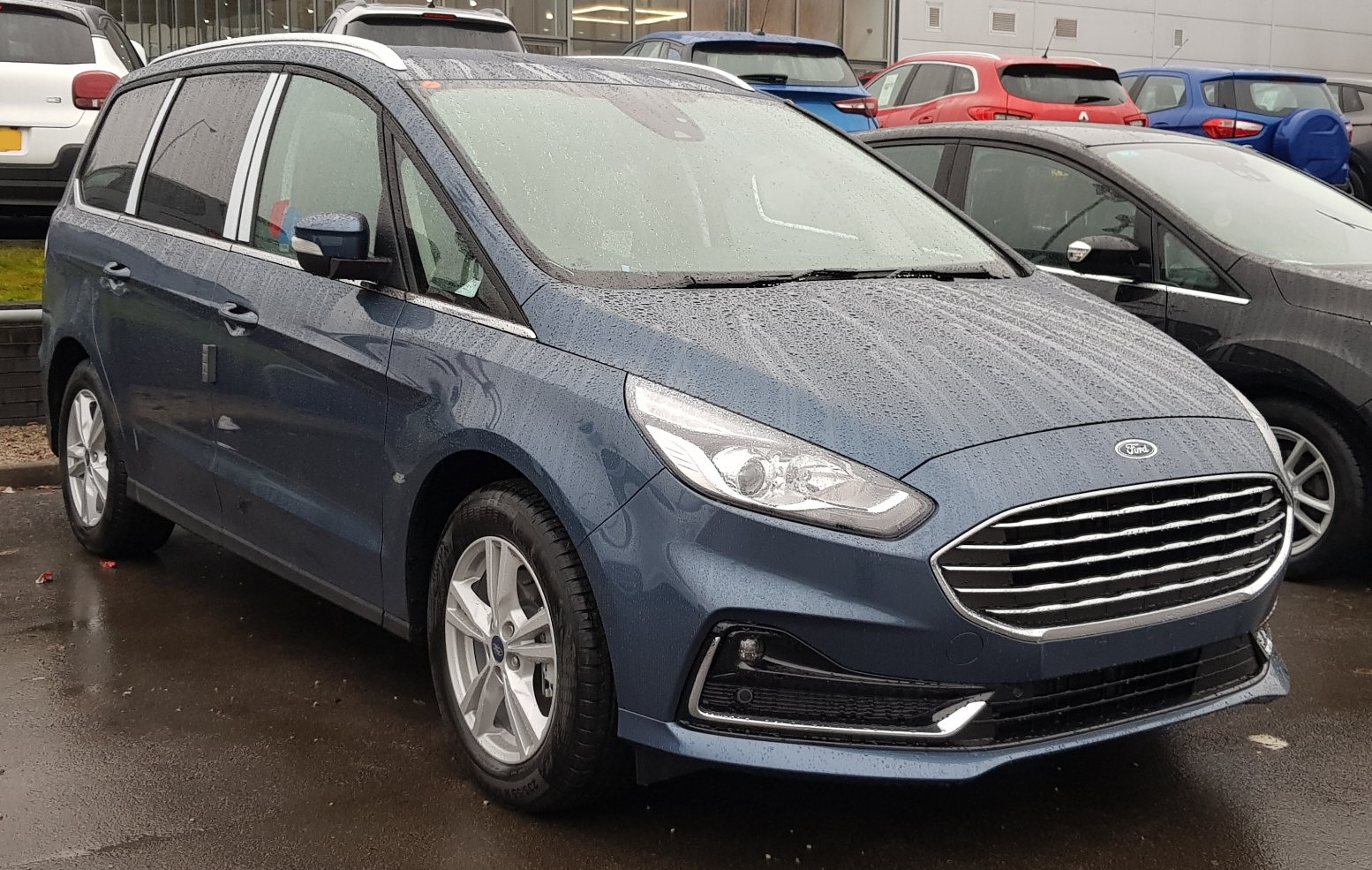
The Ford Galaxy is an older Ford car, and the podcast is specifically talking about a 1959 model. It mentions brake drums and brake shoes, which are parts used to slow the car down on older drum-brake systems. That’s the kind of maintenance that comes up when working on classic cars.
Drum brakes use a round metal drum. When you brake, pads (called shoes) press against the inside of that drum to slow the car.
Concept
changed in transmission
They’re talking about older-school repair where people would fix a transmission instead of giving up. Nowadays, some people just replace the whole car or the whole unit when it breaks.
Concept
throw it away, buy another one
They’re describing a habit of replacing things instead of fixing them. The point is that if nobody repairs cars anymore, fewer people learn how to work on them.
Concept
no place to actually try it
The speaker highlights a gap between information and practice: even with YouTube and online knowledge, people may not have a safe place or tools to actually perform repairs. This is why hands-on training programs matter.
An exhaust system is the parts that move engine fumes out of the car. A “full” system means replacing most of the exhaust parts, not just the muffler, which can change how the car sounds and how it breathes.
Term
swapping wires
Wires in a car can be part of the ignition system that helps the engine start and run smoothly. Replacing them is a common hands-on exercise because it teaches how electrical connections affect performance.
Concept
LA traffic
When people say “LA traffic,” they mean really slow, stop-and-go driving. That kind of commute can wear out a car faster and also affects how motivated you feel to change your job or schedule.
They’re talking about using eBay to sell a car and then using that money to build another one. It’s basically how they got parts and funding for their next project.
Extended quarter panels are when the rear fenders/body are stretched or widened. People do it to change the car’s proportions and make it look more custom.
Roof “chopping” is a classic custom-car technique used to lower the cabin and change the car’s stance and proportions. It’s typically done by cutting and re-welding the roof structure, which means it’s both a visual mod and a structural fabrication job.
Changing headlights and taillights is a popular way to make a car look different. It can involve more than just swapping parts—sometimes you have to adjust wiring and fitment too.
MIG welding is a way to join metal using a wire that’s fed into a welding gun. It also uses a gas to keep the weld clean so it holds together better.
Concept
survivor builds
A “survivor build” is a project that tries to keep a car feeling like it did when it was new. Instead of starting from scratch with brand-new stuff, you build using parts and cars that are still around from that era.
“Bring a Trailer” is referenced as a later alternative to earlier marketplaces and forums. The context is about how enthusiast buying/selling evolved from older channels into modern auction/community platforms.
They mention Instagram because it represents the newer way people discover cars and parts through social media. It helped replace older “forum” style discovery.
They’re saying Facebook Marketplace became a big reason people stopped using older channels as much. It’s because it’s easy to post and browse local listings in groups.
Swap meets are like car-part flea markets, usually focused on what’s nearby. The hosts are comparing that local-only approach to online shopping.
Term
E and J headlights
They’re talking about a particular type of headlights people like to find for older/custom builds. The joke is that eBay makes it easier to locate those specific parts.
An honor system means people are supposed to follow the rules without constant checking. If too many people don’t, other people get burned and the whole system starts to lose trust.
The Jalopy Journal is a website for people who love older hot rods and classic cars. It also has classifieds, so it’s like a niche marketplace for that specific car crowd.
A rat rod is a hot rod that’s intentionally built to look rough and beat up. Instead of restoring it to look perfect, people make it look tough and old-school.
The “chassis market” is basically the market for the car’s frame/rolling base that people build hot rods on. The speaker is saying prices for those foundations dropped earlier, but the cars built on them haven’t necessarily gotten cheaper.
Concept
restored vs built (restomod mindset)
They’re talking about two different paths: buying a car that’s already been restored to look/feel original, or paying to build one up with upgrades. The “build” route usually costs a lot more by the time you’re done.
They’re talking about how much power the engine makes—“80 horsepower.” More horsepower usually means the car accelerates better, but you still need the right setup for the car to actually move well.
The hosts question whether something is “leaking oil,” which is a common diagnostic concern during engine work or troubleshooting. Oil leaks can indicate worn seals, gaskets, or other failures, and they can also create safety and reliability issues if left unchecked.
They’re saying the engine isn’t making power—basically it feels like it won’t run right. When that happens, it usually means something is wrong with how the engine is set up or how it’s getting fuel/air/spark.
Car
small block Chevy
“Small block Chevy” is a type of Chevy V8 engine that hot rodders love. It’s popular because there are tons of parts available and it’s a strong, flexible platform.
Speedway Motors is a company that sells performance and restoration parts. They’re being referenced as where the builder got the Mustang II front-end parts.
They’re using the body from a Ford Model A as the main look of the build. Hot rodders like it because it’s a classic shape that can be updated with newer parts.
Part
32 frame rails
They’re talking about the metal side pieces of a custom frame meant for a 1932-style setup. Using the right rails helps the body sit correctly and makes the build easier.
“Box it in” means adding metal around the frame area to make it stronger. It helps the frame resist twisting and gives you solid places to attach parts.
“Rock bottom” just means the point where things get so bad that a person finally decides they need help. The guest is saying everyone hits that point differently, and that’s okay.
They’re talking about how hard work isn’t glamorous, and you have to genuinely want it to keep going. The examples (early mornings, tools, welding) show what training can feel like day to day.
Metal shavings are the little bits of metal that come off when you cut or grind metal. They’re a sign of real shop work—messy, but part of the process.
It means taking the easiest option. Even if you want to be disciplined, your brain will still try to pick what’s simpler unless you push yourself.
Concept
nobody changes until they want to
The idea is that people don’t really change just because someone tells them to. They change when they personally decide they’re ready.
Concept
mentor these people
Mentoring here means helping people make better choices and stick with them. Even if you give good advice, the person still has to be ready to change and follow through.
Vetting just means checking whether someone is a good fit before you let them join. The host is saying that careful screening might help the program succeed because it chooses people who are more likely to follow through.
“Blue-collar trades” just means jobs where you learn by doing—like welding or working on cars—rather than sitting at a desk. The speaker is saying the program helps kids find a path into those kinds of careers.
Assembly/disassembly means taking parts apart and then putting them back together. It helps you learn how everything fits and how to rebuild it without breaking anything.
Tolerances are how exact a part has to be. If the part is slightly off, it might not fit or work right, so machinists measure carefully.
Concept
basic math
They’re talking about the simple skills you need before you can do more advanced things. In a car shop, that kind of foundation helps you measure and figure things out correctly.
They’re describing a class that helps people buy their first car without getting tricked. The goal is to learn how car deals and loans work so you don’t end up with a bad purchase.
A Corvette is a Chevrolet sports car that usually costs a lot of money. The hosts are basically saying you shouldn’t rush into buying something that expensive when you’re just starting out.
TIG is a type of welding that uses a special electrode and shielding gas to make clean, controlled welds. It’s often used when you want strong results without ruining thin metal.
A bead roll is a tool/process used to form raised “beads” in sheet metal. Those beads add stiffness and strength to panels without adding much weight, and they’re common in custom fabrication and bodywork.
CNC is a computer-controlled machine that cuts parts accurately. Instead of measuring and cutting by hand, the computer follows a design to make the part.
LIVE
We have 150 kids a year come to the program, on average we got 150 kids a month applying
to be in the program.
So there's like, we have a huge weight list of young people that are hungry.
That's what I said, I think young people got a bad reputation, everybody thinks they
just want to smoke weed and play video games and yes, that's true, there's a lot of that.
But there's also, there's thousands of young people that want something better, that want
to have a job, that want to buy a house, that want a better life but just don't know how
to make that connection into blue collar trades or don't know how to even, where to pick up
a welder or how to, they see it online but they don't know how to actually start.
How are you going to try it?
It's not just on every street corner anymore.
You got 150 applicants a month.
Yeah, so it's funny, so I started this as just, you know, as an automotive, just building
classic cars, as a way to teach welding, blueprinting, fabrication, body and paint and mechanics, assembly
to disassembly.
And then our kids started getting hired at Northrop Grumman, started getting hired at
NASA, started getting hired at Lockheed Martin and these other aerospace companies as entry
level machinists even.
They know how to read a micrometer and a caliper and you're going to show up every
day, you're going to be drug free and you're teachable.
That's all that anybody wants.
And there was a liquor store right here and a police station right here.
It was in Smith Park.
I'd done a beer run.
I had stolen from this store so I couldn't go over there and the cops, I had warrants
so I couldn't go over here.
So I'm hiding in the middle of the night in this park, broken into a hotel, you know,
that night before.
So I was just like, I'm hiding like I'm going to go to jail for sure tonight.
You know, the cops are circling the park doing whatever they're doing but I was like, I'm
definitely not going to get out of this tonight.
And I remember just being like, man, if I can get, if I can not go to jail tonight, because
I figure I got all these warrants, I'm going to go, I'm going to be gone for a while.
If I can get out of this, like I'm going to get into rehab and dude, the sun came up and
I was like, all right, it's on.
Like I'm, I got to, I got to switch my life.
I got to, I got to change it up.
Welcome back.
Another episode of oil and whiskey.
I know that we have been on the air the last few weeks, but we haven't recorded in a few
weeks.
So this is like getting back in the saddle again.
Yeah.
We've had a couple of weeks off here, vacation and all that.
A lot of spring breaks.
Yeah.
I can't remember how to do this.
Yeah.
Special episode this week, we've got Aaron Valencia from Lost Angels Project, right?
Lost Angels Career Center.
Career Center.
That's a project.
I don't call it a project.
You do, what you're doing is a project at the Lost Angels Career Center.
Exactly.
And it actually started in 2014 and it was called Lost Angels Children's Project because I was
working with kids that were homeless and then years that it's evolved from working with
kids in homeless shelters to an after school program and then to what we are now working
with 18 and 24 year olds.
And it was kind of hard to say it's children's project when I'm working with 18 and 24 year
olds and they got a beard looking like you and I'm like, oh my God, women.
It's not kids anymore.
Not kids anymore.
I'm like, I still call them kids, but they're like 18, 24, so I'm like, okay, women, we're
going to change it up.
So now we're the Career Center.
Sounds great.
You guys came all the way out from Southern California.
Super excited you came out to do this.
We've talked about it for a little while.
You guys have been doing this.
You know, we, I think we touched the base a little bit at SEMA and then we tried to put
something together.
It's taken a little bit of time, but that's not a short flight for you guys.
So we really appreciate you coming out and doing it in person.
It's always better.
A hundred percent.
We couldn't do this from a Zoom computer now.
It's an honor for us.
So again, just thank you for extending the invite to come out here.
Absolutely.
So let's get into it.
I know you've done some podcasts before.
You've told the story.
You haven't told the story on this podcast.
You know, I'm interested to hear the story.
We all are.
And we've had some, we've had some school invocational stuff on a lot of people are doing some really
good work.
I haven't seen anybody do the quality of car builds at the level you're doing the way you're
doing it.
So that's something that's interesting to hear.
And I want to, you know, get into that.
Yeah, definitely.
You don't see many as well meaning as these projects are and as needed, needed as.
Um, you know, the, the after school stuff and the tech trade programs, getting everybody
into it as important as all that is.
Very rarely do you see that on the SEMA floor.
You see it a few times, but I think it's important to really make it as a real experience
for everybody.
How can we prepare someone for what the real life is like, what a real shop is like?
If it's not, it's done in a classroom or it's done with a car that no one cares about.
Like, let's, let's actually, let's build something everyone's excited to be a part
of.
Let's do a SEMA thrash.
Let's not, let's, let's eat junk food for three weeks.
Let's not sleep and not shower.
That's really what it was.
All the bad.
All the bad.
But not shower anything that, that, that came up, you know, especially trying to do all
these composite, everybody's wearing, you know, full hazmat suits and doing all this
carbon fiber works in the middle of summer in an LA desert.
It's, yeah, no, got a little funky, but we got a break, everybody go clean up.
But it, but it got done and that's like, that's real life.
That's real life that I think that what, like that real drive, that hustle, that's
a, like a lot of our focus is like, how do you highlight the hustle, not just highlight
the fast car and the big house and the money?
It's highlight hard work.
And I think when it's on display, especially being at SEMA and all of our young, like 30
of our kids out there getting kids, but 30 of our young people out there at SEMA, getting
accolades and shaking hands from people that are like, you guys built this?
Like that you, it's a core memory you'll remember forever.
That pride and purpose that's going to, you'll carry that forever.
Well, tell us a little about you, because before we get into the career center and
things you're doing a lot, I'm going to, we want to know about you, the person, Aaron.
All right.
Is this a therapy session or where do we, where are we starting on?
Just unload.
No, I mean, no, it really, it's, it's, you know, came up just not having much, you
know, and then was able to get into cars, was doing construction, got into cars, got
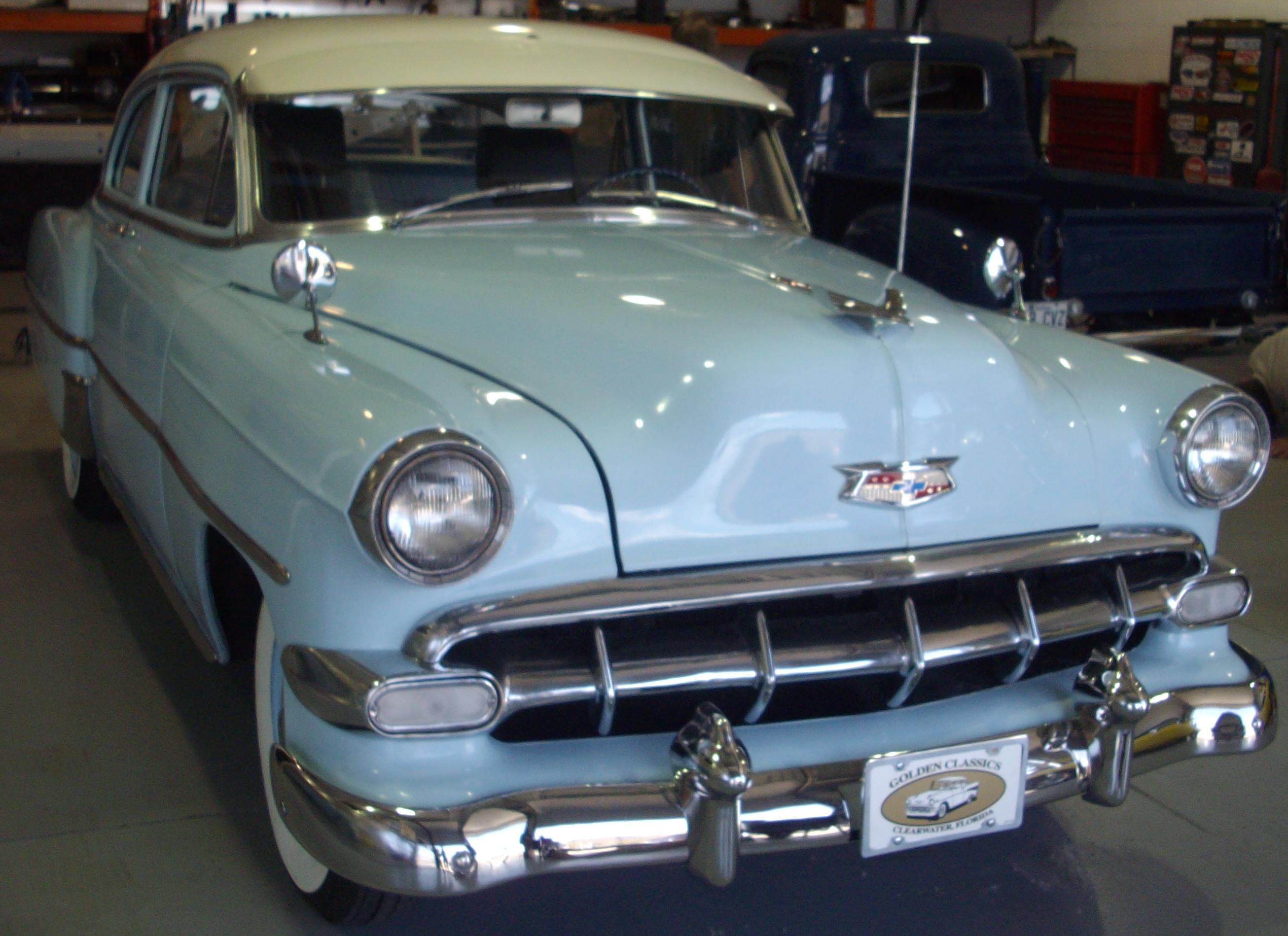
inspired, and it was like an old 54 Chevy chop top car when hydraulics that like sat
in black and like that old, like hardcore rockabilly stuff kind of got me inspired
in the late nineties.
And it was, I didn't grow up around cars.
I know nothing about it.
That was like rich people stuff.
I never thought I'd be a part of it, you know, and had this, this dude, and he was
just like, I was telling him, I was like, man, I can't afford that.
And he was just like, dude, you can't afford not to get into it.
And then it just evolved, you know, back then there was no really computers.
So I'm at the magazine shops in the corner, just eating up every magazine that I
could find and just devouring content of any sort.
And then it was just, you know, lived in LA.
So there was Bob's big boy in, in the valley every Friday night.
They'd have like a little car cruise in the parking lot.
And, you know, it's going to see some old primer chop top cars and seeing them
half cut and seeing the under construction cars.
That's really what set me.
Every time I saw go to an event and see under construction cars, that was really
like a college seminar for me.
That was like, oh, how'd they cut this?
Would they do that?
And that's how I really got the chance to learn a lot of stuff was just seeing
and everybody else making mistakes, you know.
You guys definitely have an advantage in California.
If you want to expose yourself to car culture, it's crazy how prominent it is.
Like versus the Midwest, dude, like as a kid here, if you wanted to get in
front of like to see, so you won't see like a high boy Roadster or a hot rod
on the street ever.
Well, at least at least six months out of the year, you're not seeing nothing.
Yeah, rusty pickup trucks.
And then you go to a cruise night and it's, you know, a bunch of little
muscle cars and stuff.
But that's a that's wild.
You got to be a cool way to get dive right into that culture.
Yeah, yeah.
What kind of construction were you doing at that time?
It was just I was doing roofing.
I was doing painting.
I was just doing anything I can to kind of survive and then kind of paint
houses, got in a union.
And then it was, you know, I got a good union job.
And then it was like nights and weekends.
I'm coming back to the house and I'm doing little chop tops and figure
I got a saws on a little 110 welder and I'm going to town just cutting stuff
up, trying to figure out a customized, make cool cars.
How'd you learn how to weld?
Just pull the trigger, pull the trigger.
Actually, there was a guy, he was going to wire my car for me.
I picked up like a little shoebox for a little 50 Ford and he's like,
I'll wire it for you and you can come out on the weekends and I'll teach you
some stuff.
So I come out to his house and know the desert and no shade, no nothing.
And start cutting stuff up and start welling together.
And it was really just close your eyes and here's a mig welder and start,
start tack welding.
And so there's really is, if that's what I say with people, if you really
want it, you know, it's there, you know, you'll, you'll be around it.
And if you really want the information, you, you, you start cutting stuff up
and you've got to fight for it, you know.
So first build was the 52 bucks.
First one was actually, first car I ever had was a 56 Buick.
I bought off some dude off Melrose in Hollywood for like three grand and it
was already slammed the ground, had some 14 inch Astro Supremes on it and drove
that thing around and I was in love, dude, you know, and like cashed out
cans and bottles, everything I could to buy this car as my first old school
car and had a couple of weeks and then the brakes went out of me.
I didn't know nothing, you know, breaks went out, I flew through an
intersection in Burbank and, and the brakes went out.
So luckily at a panic, I hit the e-brake and I was able to come to a stop
and I was like, oh my God.
And then this, this, this chick I was dating, her dad ran a tow truck company.
So he knew there was a shop down there that he took it to for me.
And it was like a thousand bucks to fix the brakes.
And I was like, I don't have a thousand bucks.
Like, what am I doing here?
So that, that moment it was like, okay.
25% of the car.
Dude, seriously, at that moment, I was like, I have to learn how to do this stuff.
30%.
Yeah, I was like, I have to learn how to fix cars.
So I just started stabbing, stabbing with screwdrivers for the next couple
of years. So I figured stuff out, you know, don't stab the brake lines.
Yeah, tough era to sort of teach yourself that everybody takes for
granted now how easy it is, like to get information or YouTube.
You can pretty much find anything.
I mean, there's kids like a 16 year old kid now can like rebuild a motor on
a Mazda, right, just by diving into YouTube and finding tutorials.
I mean, Blaze did it, right?
He was doing all sorts of search it.
Yeah, even my son, like, I'll do things that I'm like, dude, that's back.
Yeah, we had to figure out the fucking hard way.
I will. I will say back then, though, with that, without the internet,
you couldn't search any of that.
You did have way better parts stores and you had you had you had a lot
more intelligent guys behind the counter at a lot of your parts places
where you could just take a couple of the components in and be like,
this one's in two. I need a.
Yeah, this is a wheel cylinder, you know,
this is this is my drums and I need shoes, you know, for a 59 Ford galaxy.
Even I remember 500.
You know, growing up, it sounds like a very specific story.
Yeah, yeah, I did that.
There was there was still a back in the day.
There were still a lot more people that were in the garage,
cutting stuff up and figuring stuff and fixing stuff.
You know, I think now you don't you don't drive around.
You don't see anybody on a Sunday changed in transmission.
You don't. You just you throw it away.
You buy another one.
So now it's like there's been the last 20 years of nobody really fixing stuff.
And even even YouTube, there's so much information out there,
but no place to actually try it.
So I get a bunch of most of my kids that come in, they know what a turbo is.
They know what this is, but they've never touched it.
They've never tried it. They've never touched it.
They've never used a screwdriver.
We make a joke of like trying to figure out the first week is just trying
to figure out which side of the tape is sticky.
You know, it's like after a minute it becomes.
But after 12 weeks, it's like these guys are they're doing full exhaust systems.
They're swapping, you know, wires and stuff.
So it's like giving them that space.
They they want it. They've seen it, but they've never touched it.
When did it come about?
When did your mind start thinking of like, you know, I'm learning more on this car stuff.
I like this car stuff.
How? When did it start?
When did your mind start going to like I'd like to be doing this every day
instead of construction?
Man, I was really just doing that commute.
So where I lived out in LA, I'm like Northern LA County
and I'm commuting in like an hour and a half every day.
And it was just like a mile then.
What's that?
Is it like a mile in LA?
Yeah, a mile. Yeah.
Three hours to do it almost, right?
Yeah. Yeah.
LA traffic is no joke.
That's a real thing.
That's kind of I guess maybe the LA traffic is really kicked off my career.
Non-profit, but I would say roofing in the summer in LA
can be a real motivator to stay in that position.
So it was, you know, it's just kind of doing that and realizing,
OK, this commute is kind of killing me.
And it was actually when eBay was really hitting off.
Now I'm kind of going back and thinking and remembering stuff.
It was eBay was really starting to hit and I had built
I think I had a chopped 54 Ford extended quarter panels,
put 51 Merck quarter panels on it,
stuck out with a continental kid, just real wild custom car.
And I sold it on eBay and it went to like Europe or something.
I think I got like eight grand and I was like, took that money.
I was like, OK, I could build another car and I built another car
and then had fun with it, drove around for a little bit.
And I had more fun building and chopping roofs and changing headlights
and changing taillights and doing customizing.
I did I had more fun doing that once I built it.
And I drove around for a week, went to pass the role bowls
or went to a car show, kind of got bored.
So then sold it on eBay and then did another one is kind of just kept going.
And then after a while, I'd be at a car show and somebody like,
oh, man, that's a beautiful job. Hey, how much to do my car?
Now, instead of waiting for that eBay sale to close
and I'm eating top ramen for the first couple of weeks,
you know, waiting for the eBay money to come in.
Now I'm using their money and I'm building it my way.
But with their money, it was like, oh, so I opened a small shop
and I stopped commuting and I just worked out of my garage for a couple of years
and I hired a buddy of mine.
So we were just, I mean, I look back in like the neighborhood
and like the old people and the people in my neighborhood
luckily admired old cars.
They tolerated you.
They tolerated.
But I look at the noise and I was always like, oh, my God,
and we're just grinding migwells on a roof in the middle of the day.
And there's just like the whole neighborhood.
And I'm looking back when I would hate myself now for sure.
But luckily, I was just like the enough people were there
and supporting that and got a small shop and then just kind of kept evolving.
The eBay thing, you know, hopping back, very interesting.
You brought that up because that is something like a 10 year era.
And if you think about it, you know, in 300 and
something, whatever, four seasons of this podcast, it's something
we've never touched on.
It's never come up about the heyday of eBay.
Oh, your word hasn't really even been spoken.
We've talked about, you know, great magazines and coming on,
talking about old shows.
We've talked about forums back in the day.
We've talked about, you know, all this.
But you know, you know, you haven't talked about the rise and fall, so to speak,
of custom vehicles or even just hunting, you know, survivor builds on eBay.
You know, that shit when eBay motors change, they're kind of
platform and search and all that kind of stuff, you know, however,
was 15 years ago, 20 years ago or something like that.
But that was the only place like you'd go.
You I know I did.
I would, you know, you would hunt eBay spend hours a day on eBay.
And you could just go to eBay motors and just put custom, you know,
and the things that you could find through there.
But there was no other, you know, wasn't a bring a trailer.
There's no cars and beds.
There was no other forums.
There's no Instagram.
What was its ultimate downfall?
And I remember what sort of thing Facebook Marketplace probably just killed
it in all the groups because I wrote and advertises everything there now.
But it used to be like you went to Swat Meets where you could only get
local stuff and that was it.
And then eBay came and I was like, holy shit, you can get all this stuff
from everywhere.
And there's all these people sitting with these honey holes of parts
that they're getting rid of cheap.
No more E and J headlights and six dudes.
Yeah, it's Swat Meets.
I've got to say that E and J saved on eBay right now.
I just want to I just want to pair.
I don't know.
There's like the two piece.
Yeah, those are bad.
I think what what killed it was just the people just unethical.
I think what really what it was like the demise of eBay was that was really
it was an honor system on eBay and we got so many people that had gotten burned.
We really made so much money off of people and so much money.
But a lot of jobs from people buying cars out of state that there was a
beautiful 32 coup and everything looked awesome and they got it.
And there was trash so much of that.
So I think it was the the honor system that people got tired of that model.
It was amazing because the the other side of that the other side of the coin
of of eBay was what like auto trader and then auto trader.
You would you you'd want to sell a car guy would call you.
You talk to him.
You go through all the things he beats you up on price.
You finally agree.
I'll be there Saturday morning and never shows up and you wasted your whole day.
So now eBay got rid of all that.
So now you're just like I don't even have to deal with the person.
They just bid they went cool.
I get money.
We're good.
You honestly made life easier.
But then all the scandalous behavior started up and it just got worse for them.
Yeah, there's no interaction with anybody so you can slide some shit through.
It's not you know curated.
It's not like you can like it's not eBay's like hey, you know, sell good shit.
You had Jalopy Journal in the ham, you know, in the classifieds.
But that was like two opposite ends of the spectrum.
Either that was the absolute clapped out, you know, rat rod that they
you know, labeled it whatever rat rod or there was the, you know,
completely original, you know, fifties, you know, era survivor, you know,
deuce that was, you know, one hundred and eighty thousand dollars, you know,
with a flathead or whatever.
Like there's no, there was no in between.
There's still a lot of stuff kicking on that.
There is the classifieds surprisingly.
Yeah, prices better now.
You know, not really.
I keep waiting me and Phil talk about this all the time because I'll always be
like a diehard old school hot rod guy.
And I just keep waiting thinking like, dude, at some point, like the bottom
fell out of the chassis market for that stuff a long time ago.
You just keep waiting for the prices to come down on the cars.
But you want him to be what 40.
It's 80 now.
Or you could buy like a kick ass 32 Ford for 40, 50 grand.
Right. It's 80 or 90.
Like a built, built one.
Yeah. Now, yeah.
80, 90, 100 grand still, which I still have price is still have price,
but it almost seems like compared to building it.
Yeah, they're coming back around again.
I feel like there's, you know, they're not going to the prices
and aren't going to lower.
No, no, it's not.
I mean, it's sort of selfish, right?
That I want that to happen, but it's not really good for the industry.
There's a lot of good, like original restored stuff
that pops up for cheap and like the 20, 30 grand for some 36, three windows,
five windows, there's a couple of 32, five windows for 30, 40 grand.
And then you start looking at like, I'm going to end up 200 grand
into this thing by the time I'm done.
So you buy 80 horsepower, $55,000, Mike Herman, H&H motor.
Yeah. Right.
It has to move 80 horsepower.
We decided that it's not necessary to build.
I'm working the advertising.
I see it.
Trying to get that down.
Is that leaking oil or is it what?
Makes no power.
It's just running on the side of your head there.
So you've got a small shop and like it's, we're, we're skipping.
Like you're doing construction, you get tired of driving.
Now you're doing a shop.
Now you're doing it for a living.
Like what's the, are you doing, you're making it and surviving on small jobs?
Are you doing full builds at that point?
That's pretty much what it was.
It was doing full builds, but it was really, this was back during the
recession.
So I had me and a guy working for me and we worked so fast.
Like two guys working efficiently can do the, do the work of three, just
doing a full like little hot rod, chop top, 54 Chevy, you know, small
block Chevy bag, Mustang two front clip from, from Speedway motors.
And just your base level build, like a $25,000 build.
And this was when right before the recession, when everybody was refining
their house, you know, and pulling, I guys shown up to my backyard of my
house going, Hey, I just, I just want something cool.
And I'm like, well, well, like what, like a hot rod or something?
Like, I don't know, just something cool.
I got 20 grand.
Like I have this model A body I've been holding on to.
I can put this together on some 32 frame rails from, from squeak bell out of
Baker's feeling, get some frame rails, we'll box it in and we'll do it real
quick.
Wham, bam.
And honestly, in like a month, we'd fly through and have not a full high
end built car, but really fun little hot rod with a small block and you go
and have something to get them in the scene and live life.
People had a blast.
And so that was most of my customers were like the working class construction
dudes that read fire their house and bought something cool.
That was really, that was my industry.
That was my market.
And then having fun and building a cool car that would go debut at like
passive robots or something, you know, someone that wanted to do like a really
nice, like three window or five window 32.
Those would be like my cool builds, you know, but then there was like the base
level ones, like, and it was just fun stuff.
It was just, it wasn't making enough to survive.
Didn't want to build a big shop.
It was just surviving, you know, just having a good time.
I liked building.
It really wasn't about trying to be rich and by the big house.
It was just like, I enjoy doing what I do, but it's paying the bills.
Yeah, keep it.
Things are rolling along.
Yeah.
And that's really, and that's really what it was.
And then the whole, you know, and I'm just surviving existing through life
and having a decent life and it's okay.
And then it was really on a whim.
I started volunteering at a soup kitchen, you know, and we grew up super
poor, we grew up not having much.
And now I'm surviving, got a little house and I'm doing okay, my little business.
And, you know, just seeing like still missing something from my life.
And maybe it was just that sense, real sense of purpose.
You know, and I stayed all the time.
I was like, back then I was just like, my life was just making rich people
look cool because they're, they're winning trophies and they're going,
having fun and I'm just, I'm just chopping up.
I'm covered in metal shavings every day.
It's what I do.
It's what I like, but it was just a different purpose.
And maybe I just needed something different.
And I just got put, got inspired and got put on a different path.
And it was like the Thanksgiving day or the day before Thanksgiving didn't
have nothing really going on, no family or not much going on for Thanksgiving.
And it was like, man, I know there's like, I know they're giving away
Turkey somewhere and called the local shelter.
And I was like, you guys doing stuff tomorrow.
And they're like, hey, if you want to help be here, be here at nine,
show up the next day.
And then for eight hours, all I could think about was the people that I was with
that, that sense of being of service.
I was, I was hooked.
You know, that's really what worked for me.
And it was just seeing younger versions of ourselves, seeing people
growing up in the food lines and seeing people.
And it was just like the haves and the have nots.
And it was just, it, it changed.
I didn't think about work.
I didn't think about the back ordered parts.
I didn't think about the drama with the girlfriend.
I didn't think about nothing.
I just felt about just being locked in the moment being of service and
everything kind of changed for me.
You know, I still had my shop for years, but Friday, Wednesday or
Wednesday, Friday and Sundays, I was cooking spaghetti for three or 400 people.
That was every weekend.
Yeah.
So when you left that Thanksgiving deal doing that, you knew that you had to do
more of that.
Yeah.
It was just doing, it was just doing more.
I just felt at peace.
I felt a new sense of drive.
And it's just like, I just, I really enjoyed that, that being in the moment and
being there for somebody else, you know, I think I was lucky enough to make a life
for myself.
So I think being able to be there for somebody else was just a big thing for
me and it really worked.
How do you mentally from a, from a guy, a car guy and, you know, a fixture and a
problem solver and a, you start with, you know, a car that's either not built or
a broken thing.
And then you're fixing it and you'd see, you know, beginning, the middle and
the end and the process when it comes to serving people and helping people,
especially in the, you know, food lines and stuff like that.
How do you mentally get past not being able to fix the problem?
Oh man, that's a good one.
I think in the beginning, when I first started, I want to jump in and help
everybody, you know, and just like, well, I was like, and I think it actually, that
sense of drive and that sense of like, that's what pushed me to do something in
a different angle.
You know, I'm, I want to do something more than just to play the food.
So I did that for a few years and I wanted to be everything to everybody.
I realized I couldn't be.
So I just, you're, you're chasing your own tail.
It's one thing to be there and be the, be the, be the difference in the moment.
But then you're like, no, I want, I want to set him on the path or her on the path.
Like, I want to change something.
And that's, that's really what it is.
So I'm like, I'm cleaning sober, you know, as a young teenager, I was running
around doing dope, you know, in and out of jail and just like living the life,
living just chaos, right?
I was destined to be dead.
I'm not supposed to be here right now.
And truthfully, so I'm like, this is, this is an amazing moment for me.
But, you know, so I just, I was able to find a different path, get right,
start doing construction, start making a little bit of money, open a little shop.
I'm working.
Now I start being of service and kind of helping people that were in my same
position years ago.
And I'm doing food, you know, I got three or four years of giving plates of food.
And I'm realizing, man, I could do something more than just a plate of food.
And that's where I'm like, man, I made a life using my hands.
I built a shop.
I know how to weld.
I'm like, I can, I can do something more.
So I built a, built a car and sold raffle tickets.
Built a little 1931 Ford Roadster frame rails I had laying around from a project.
Most of a body put it together, a little small lock Chevy and sold raffle tickets
and raised money for two different homeless shelters for the kids that were
living in those shelters, because most people think of, you know, homeless.
And they think of the guy in the corner that, you know, it smells like piss
and asking for money.
And it's like, not to every shelter is packed full of moms, usually
batter women, usually that are coming running from some kind of situation
and kids that it's not their fault they're stuck in that situation.
You don't have to live on the street to be homeless.
No, no, no, no, no, right.
You could be homeless and be in a shelter and there's, there's shelters
all over everywhere that are kind of hidden, that people don't even realize
they're there and all those places are packed full of like, like ghost kids,
you know, that, that people don't even really acknowledge.
There's a lot of people that you probably know right now that grew up
in similar situations, but don't even talk about it or realize, you know,
come out with it to that they've been able to make a different life for
themselves. So for me, it was very important to take what I've been able
to create and give back in a sense of, you know, these kids were able to go
to Disneyland for a minute, go horseback riding, get a new pair of shoes,
not feel like the have nots.
You know, I remember what it was like, you know, coming back after Christmas
break, you know, as a kid, you know, fifth, sixth grade or whatever.
And like all their kids are talking about, they went to Hawaii with their
grandparents or did some cool, really cool Christmas shit.
And we were like, yeah, I know my, my dad went to jail.
They raided the house, you know, or some crazy shit.
So it was like that feeling is like, how can we, how can we step in to help
these kids not feel like the have nots for a minute?
How?
So you went there with the boy, the money's going.
And it wasn't quite a trans segue from, you know, I mean, like we go back.
I mean, we're just talking about you, babe, motors.
Where I was going to, I got, I got sidetracked.
I was going to ask you, you mentioned, you know, you went down your path,
you know, and get set, you know, on a different path through construction.
Do you, was there one person or one conversation or anything that you can
attribute to what, what made you go work and change your direction?
What made you like off the street or got me from, dude, it's funny.
Yeah, I think it was just a combination of everything in the world just coming
down on you. But I remember it was a, I don't know how many people you guys
have in here that were ever homeless or strung out or like on that side of
that side of life. But I was actually like staying in a park in LA, actually,
in the city of Pico Rivera. And there was a liquor store right here and a police
station right here. It was in Smith Park for anybody that's from LA that knows
this area. But I had done, I had done a beer run.
I had stolen from this store, so I couldn't go over there.
And the cops, I had worn so I couldn't go over.
So I'm hiding in the middle of the night in this park.
And I had just broken into a hotel, you know, that night before.
So I was just like, I'm hiding like, I'm going to, I'm going to jail for sure
tonight. You know, the cops are circling the park doing whatever they're doing.
But I was like, I'm definitely not going to get out of this tonight.
And I remember just being like, man, if I can get, if I can not go to jail
tonight, because I figure I got all these warrants, I'm going to go, I'm going
to be gone for a while. If I can get out of this, like I'm going to get into rehab
and do the sun came up and I was like, all right, it's on.
Like I'm, I got to, I got to switch my life. I got to, I got to change it up.
That's when you actually follow through with those promises.
You know, those times when you're like, if I could just get through this,
I'll never do this again.
Oh, sweet Jesus.
Like a week later, you're like, yeah.
And before that moment, I had had hundreds of those, you know, those moments.
And this was just that one.
And to be honest, you talk about what guy it was.
I remember sitting on a bus stop and there was this dude showed up
and he was taking the bus somewhere.
I don't know. And he had an alcoholics anonymous or an A shirt on.
And I just started a conversation like, dude, I'm trying to get clean, man.
I got to get in somewhere and just sparked the conversation.
He's like, hey, man, I went through a rehab, a detox over here in Norwalk
called Cider House.
And that's where I went and dude, I've been sober like however many years
or whatever at that moment.
And dude, I jumped in the yellow pages at the back yellow pages time,
you know, at the pay phone and called Cider House.
And they're like, hey, dude, if you want to come through,
like we'd love to meet you come through tomorrow.
And it was like one of those free government rehab things.
And like through general relief, like through welfare.
And I got into that rehab.
I got in the detox and I was there for a week and I was just like, I've never looked back.
I've been cleaning sober ever since.
It's crazy to just all of a sudden have the clarity to make that decision.
Like, you know, I was sort of the same shit.
And then all of a sudden one day it's like, yeah, I just have to change.
Well, I had people, I mean, I had robbed a bunch of people.
So, I mean, like I had people coming looking for me.
It was like it was a time it was the walls were closing in.
Yeah, walls were closing. It was time I had a bunch of warrants.
Like it was time to switch up and do something positive.
And it was like, but it wasn't supposed to be forever.
I didn't realize, you know, it'd be 20 some odd years later.
I'm still running in on a whole different path right now.
So whatever that that that fork in the road, like I am super grateful every day
that that I was able to see that fork in the road and took it
because there's hundreds of thousands of people that are in prison
that are down in Skid Row that are running around that are lost
that didn't see that fork in the road or didn't take it.
So I feel super grateful every day.
Well, reason I asked that and I know we're going deep, but that's hell.
It's the whole point of this is to have a conversation.
If there's something you're interested in, we talk about the I wanted to know
where your mindset was and what triggered for you.
And it was very interesting.
That story you just told, but the very last bit used to tell
your options were running out, right?
And the walls were closing in.
So, yes, you had to make the choice, right?
I wanted to ask that because I'm sure you've dealt with hundreds of scenarios
where you're having to mentor somebody or you're having to tell somebody.
You go through the same thing like, dude, I've been there.
Let me tell you about my story.
And no matter how well you present that message, no matter how well you find
the thing to connect with that person, ultimately, if the walls haven't fully
closed in or they haven't hit rock bottom, as everybody says, you know,
you got to hit rock bottom.
I'm sure there's exceptions to the rule, obviously, right?
But it's very difficult just to tell somebody, oh, no, what you need to do is do this.
This is the right thing.
And this is what I'm because I'm sure most of these people aren't.
They already know what the right thing is.
It's not like, oh, shit, all you had to tell me was don't rob and steal and don't do drugs.
I wish somebody would have told me that a long time ago.
But it has just, you know, you have to do it.
You have to show that there that their care and you have to show that you've got
some that that person has somebody to rely on and be accountable to.
But at the same time, the like the season has to be right.
Like it has to be the shit.
I've been here in this and I don't really want to do it.
But I don't have any options but to choose the hard way.
Now I got to choose the hard thing.
Yeah. And it truly is because the other things are way harder.
Yeah, it truly is.
You have you have to hit rock bottom and it could be different for everybody.
Some me, some people hit rock bottom in a hotel in Beverly Hills.
Some people are strung out in a park, you know, everybody's different.
And I think working with a lot of people in recovery and then also working
with young people, it's you're going to do what you're going to do.
I can only show you a better way.
And if you want what we got, this is what we're doing and I'm down for you.
But if you still got to go out there and bump your head, which we have this
conversation all the time with young people, it's like until you're ready,
bro, I like we have to know who needs it and who wants it.
They all need it, but you got to really want it.
And that's the same thing with with working hard for living.
You know what I mean?
It's not easy to get up at five in the morning and go swing a hammer all day,
you know, or show up in an aerospace company or build cars and you're
welding and you're grinding covered in metal shavings, like you have to want it.
You know, so we say it's if you're not ready, it's all good.
Let me know when you are going to go bump your head for a while.
Hey, we'll be here when you're ready.
We'll keep this candle lit for you, but you got to want it.
You're not pushing this guy.
You're looking for people who want to help.
Yeah, you have to want.
And that's really what it is that there's even for the program that we are right
now, you have to there's a vetting process.
You got to want this.
Everybody like you, you got to really want it because you got to jump to fire, man.
It's not going to be easy.
Like this, I'm sure this there's days.
Nobody wants to get out of bed, right?
You you do it because you really want it.
You're driven.
So it's up to us to find and create and show them what drive looks like.
Well, it means it's human nature and gut instinct to always
regardless of how driven of a person you are and regardless of how hard working
of a person you are, there's always the time, whether it's waking up in the morning
or you got to choose a task or you don't.
The instinct is always what's the easier one?
Yeah, like what's the path of least resistance?
Like you can train yourself to always choose the hard one, but you still know
it's the hard one.
You still know that there is an easier way to do it.
I'm not saying that everybody tries, but you have to all the hardest thing.
The thing that you don't want to do, whether it be getting clean or showing
up to work every day at six o'clock in the morning, no matter if once that
harder option becomes a little less hard than the other options.
Those other options need to get a little harder.
It'll be like, well, shit, it's, it's get clean.
That's going to suck, but at least I could be clean and be free because
it's the other thing is I might get in clean and jail.
That's, that's a harder decision than getting clean and being.
So the hard thing, and then once you train your mind to be like, oh, well,
the hard thing, what seemed like harder is going to be easier in the long run.
That easier thing was just going to make this thing harder.
I don't be broke.
I'm not, I don't have to go to get up in the morning, but I also
want to get paid today.
So the easier thing now is going to make it harder on Friday when I want
to go out and do something or whatever.
I don't have that money.
So you got to like trick your mind into thinking, what's the give for the easy thing?
If you take the easy path, you can have immediate, you know, fulfillment, dopamine
rush, get high, get drunk, do whatever it is at the expense of what.
And now that that hard thing is actually harder than just choosing the
harder thing at the front side.
It's a mental.
Being able to see the benefits to, you know, being able to actually see
that the benefits are real, you know, it's like no one wants to sit ups,
but everybody wants to six pack, you know, so it's like, yeah, being able
to like see the actual benefits.
So sometimes like being clean or showing up to work.
And it's like being able to have.
Sometimes you got to stick with that shit to see the benefits for a while.
Being able to pay all your bills.
I'm not 16, you have to sit up for a long time.
Get on this.
How do you maintain motivation to keep that positive outcome when ever, like
said a few times, and then you just touch it, I was going to bring it up.
Like nobody changes until they want to, like you could hear it a million times,
but until you're ready to make the change, you're not going to do it.
So on your end, trying to, you know, mentor these people and like you,
you've lived it, you've seen the path.
How do you continue to stay motivated when you're trying to steer somebody
and they just constantly fall off?
How do you keep them going or keep yourself going to get the next person
who's ready to make that change?
And that's tough.
And we do have that from time to time.
I think, honestly, the majority of young people, majority of people
that we deal with, they're hungry and they want to.
So it is a lot lesser numbers that continue to bump their heads.
You know, we got a lot of kids coming in that have already been to prison.
You know, they're 18 to 25.
So some of our kids already grew up in juvenile hall and, you know,
they come through, apply like all hopes, everybody feels super positive.
Like, all right, man, this is going to be great.
And then they fall out.
They disappear. It does happen.
And it's one of those things is like, you can't save everybody,
but I can definitely let them know, like there was this moment in time
where you knew people had your back.
So maybe we won't see you for a year, two years, three years,
but you might come back and to let you know, like there was always,
there's always a resource for you.
Like I said, man, we'll keep the candle lit for you, but you just got to act
right. This is what these are the expectations.
And if you want to roll with us, this is what it looks like.
Let's get down. If not, Able, you're on your own path.
Do you think that percentage of success is due by the nature of like
your vetting process?
Number two, they're making the decision to, like you said, walk through the fire.
Right. They've already, they're making the decision to do the hard thing.
It's not like you're going out and rounding them up on the streets.
Be like, tell you what's going to help you.
Come over here and let me show you how to work on fucking cars.
And you're taking a mass, you know, group.
Of course, you're going to have a larger group of like, I don't know,
I would rather stay on the fucking corner.
Why don't you just fucking do, come give me two welds.
No, it's it's they're seeking you out.
Yeah, they're seeking us out.
That we got kids. We got like we have 150 kids a year come through the program.
On average, we got 150 kids a month applying to be in the program.
So there's like, we have a huge weightless shit of young people that are hungry.
That's what I said. I think young people got a bad reputation.
Everybody thinks they just want to smoke weed and play video games.
And yes, that's true. There's a lot of that.
But there's also there's thousands of young people that want something better
that want that want to have a job that want to buy a house that want a better life,
but just don't know how to make that connection into blue color trades or
don't know how to even where to pick up a welder or how to they see it online.
But I don't know how to actually start.
So it's it's pulled out of high schools.
You know, no one's how do you know if you're good at something?
If you've never tried it, these kids have never touched half the stuff.
And where are you going to go if you don't have a family member,
a dad, a brother, an uncle, a mom or somebody that does this type of stuff?
How are you going to try it?
It's it's not just on every street corner anymore.
You got 150 applicants a month.
Yeah. How are they hearing about you?
Dude, it's honestly, it's it's a lot of it is word of mouth.
It's friends and family and people that people have come to the program.
I think we're up over 600 people,
600 graduates who have come to the program that are off at like a 95 percent
retention that are off there working mostly in aerospace and some automotive
that have gone to the program and they have a life now.
Some of our kids are managers at Northup Grumman that are making over six
figures right now that came in, lost, didn't know how to turn a screwdriver.
You know, but insane.
Yeah. So it's a doable thing like this does work like this formula.
What's limiting to you to one hundred and fifty a year?
Space, really space and staff.
I think that one of our biggest things is it's we can find some amazing
welders, some great mechanics, but if you can't communicate,
you can't be a mentor.
It's not a good fit, you know, so finding good people that are from the industry
that understand and then know how to teach it the right way.
That's that's tricky.
The great welders aren't exactly like the best people, person, people, people, people.
Spend a lot of time with yourself behind that.
A lot of a lot of salty old dogs out there.
So it's like, you know, how to change that in the staff as well, you know,
but it's but there is, I think, for people in their thirties and forties
kind of come from a different era.
A lot of those older dudes in their sixties that were a little more salty
and didn't care about nobody like those guys are kind of retiring and fade now.
But there's a new new element of people who kind of know what's going on.
So it's staff and space is one of our big things.
Yeah. Are you working with Northup Grumman or any other major entity like that
on on core curriculum or what they're wanting to see?
So it's funny. So I started this as just, you know, as like an automotive
just building classic cars as a way to teach welding,
blueprinting, fabrication, body and paint and mechanics, assembly, disassembly.
And then our kids are getting hired at Northup Grumman,
so I get hired at NASA, started getting hired at Lockheed Martin
and these other aerospace companies as entry level machinists even.
They know how to read a micrometer and a caliper and you're going to show up every day.
You're going to be drug free and you're teachable.
That's all that anybody wants, truly.
Like, yes, they want the level three seasoned engineer.
For sure. They need three of those.
They need a hundred entry level people that are going to do the work
that are going to show up on time every day.
So that's that's who we are.
That's that's what we create.
That's who we vet and create these young people that are hungry and that are teachable.
So we go we go to Northup.
We go tour Northup or Lockheed or some of these other companies.
And we we always say, hey, we're willing to modify our training
so our kids are better prepared for what's going on, what they're going to
so they get hit the floor running with you guys.
And almost every time we tour there, they say, like,
whatever you guys are doing, keep doing that.
They're like, we get you get our kids show up on time every day.
That's it. They build the character and work ethic.
Yes, work ethic is work ethic is about 60 percent of what we do truly,
which is what they could be teaching in a regular high school.
It doesn't it doesn't it doesn't take a special program
out you to teach the things that they that the hiring companies actually give a shit about.
It's so broken. Just how to read a tape measure.
No, when I look back, I can't go to school very much.
But we just covered that.
I don't ever remember ever being taught,
like really real practical of how to use a tape measure.
And it's it's ridiculous.
It's the little mark. That's the big mark or three little marks.
Only time I saw a ruler was I get hit by it.
It's coming at you fast.
Then you have time to read the numbers.
Yeah, it's hard to see in the back of your hand in the mirror.
We just talked about this on a podcast, maybe two, three weeks ago,
that exact thing, and it did it so broken.
Like my wife, we have these conversations all the time
because it's like daily emails from the teachers with my son just has no interest
in the curriculum that they've presented him with.
He brought up yesterday that he never has homework.
Yeah, you don't ever have to do it.
You don't have it.
You just simply can't make him do it like you've got to want to do it.
And it's I mean, I won't get into it here because he does listen to this.
I'm not I don't want to create any bad habits, right?
But it's it's a broken fucking system.
And the math that they're teaching is so above and beyond anything that's practical.
That that's not really I mean, people are getting into entry level aerospace jobs.
And it's you if you have basic math, you're good.
And that whole like, I don't know if you guys remember, you know, it's like,
oh, you can't use your can't use a calculator.
Like you're never going to have a calculator in your pocket as an adult.
Like, no, bullshit, we all have cell phones.
Like, yeah, I got on my wrist.
Yeah, yeah, that was like some OGAI.
Like you literally had, yeah, you can have all the answer.
So why are we having to to work so much harder at some base level stuff?
It is interesting not to go down too far of a stance.
Yeah, right.
What's going to get weird?
I'm sure you could read.
Most people could read between the lines.
It's interesting from, say, the say just high schools.
Let's just look under the microscope of just high schools.
Overgeneralized across the nation from a place that says you can.
Go to any bathroom you want.
You can be anything you want to be, make up your own rules, dress,
however you want to dress, you be cat or you be cat, you can be a dog.
You can be, you know, any different multitude of a hundred possible
genders, fluid every day, change it up, be you do you, however you want it to be.
And nobody can ever say anything about that because you are you.
Your own truth, your own thing.
But on the flip side, we're going to teach everybody the exact same.
Nobody's different.
We're all going to teach you the exact same way that they've been doing for 25
years and never change any individual teaching or curriculum to any one individual self.
That's going to be the same.
But outside of that, do however you want to do, change with the wind.
But the same or the same institution that's saying, there's no rules here.
Do whatever you want to do.
Can't like adjust.
Be like, you know what?
This, this group of people want to probably learn this type of thing.
They're, they're requesting to be taught these topics or this stuff or whatever it is.
Nope. This is the things you need to learn.
Let's figure it out.
And it's really to be closed minded on one side to be so open minded on the other.
I think we're, I think we all, I think we're at the forefront of a big change.
I think there's going to be a big change across the board because everybody's
saying the same thing.
Everyone, educators, everybody's saying the same thing of everybody's going to college.
That was the answer forever.
And they're realizing I got their own kids, you know, teachers,
their kids are going to college and coming back and have no job.
So they're realizing, OK, wait, we do need to switch this up a little bit.
So they're realizing that college is not the answer for everybody.
It's amazing for people who are on that path and want a specific job.
But it's not, I think a lot of times it was, if you're not sure what to do,
just go to college.
And I think schools were pushed to say they didn't know how to prepare someone for life.
So they just said, Hey, as long as we can get you into college, our hands,
yeah, our jobs done, our jobs done, we can wash our hands even though success.
But that's it's the biggest bullshit because it's not for everybody.
So these kids are signed up for college for some stuff.
They have no idea what they want to do at 18.
They're figuring out they just picked up 80 grand in debt for some stuff
that they don't really want to do two weeks in.
They realize that this isn't for me, but they're stuck.
Right.
Our generation, too, is probably the best example of it.
I think it from looking at like student loans and just go into college
for like to major in something completely useless.
That's like most of the people I know have not used their college education
for a or have just steered a completely different direction.
Some people went for education.
Some people went for God knows what and gone a completely different direction.
And at 40 years old, we're still paying student loans.
It's everyone.
I think terrible guidance like we're the ones with the voice now of going, OK,
that's that's that's not it.
So then we're able to like guide our kids on a different path,
but not sure what's out there.
That's why I think right now is is a really, really valuable time
to show people different paths and to put tools in people's hands
and let them know like this is a whole different model.
And I think right now is I think we're going to be seeing a big change
the next couple of years, because everybody's opening their eyes
to how we've been doing or how it's been being done for the last 30 years is wrong.
But it's got to be.
I mean, you got to have another dirty word.
You got to have capitalism enter the chat when it comes to the high school
side of things, because it has to be ran like a business to be successful.
But how do you run it like a business and not shut out?
The kids that you most need to speak to.
But again, you look at federal government and the subsidies for high school.
Look at the best example is anytime you order something online
and it gives you the ability to choose United Postal Service,
you know, USPS, UPS, DHL or FedEx, who the fuck is not willing
to pay whatever it costs more to run through FedEx or UPS to make sure
that you get the thing that you're because United States Postal Service.
It's a crapshoot on when, if or whenever you're going to get it.
You know what I'm saying?
But I'm saying because it's ran like a business, right?
Because UPS has to operate on a profit, right?
And keep core customers.
You have to do a better job.
So how do you do?
How do you do high schools to where I mean, it's really it's it's pretty simple.
I think like if you can just you ultimately kind of get like three types of kids,
three types of students, three types of personalities.
Me, you could classify them at all.
But like there's a ton of you just look back at the way you went through school.
But the cats and there's I mean, look, we bag on the way school is
and how they prepare you and that mass crate.
There's a lot of smart motherfuckers that did really well following that course,
right? And have gone on to be wildly successful.
So that that can still like that.
You can you knew every one of those kids, right?
In high school.
Yep. You knew every one of them.
It's a smart motherfucker, dude.
That's because I was copying his homework and I knew who all those kids were.
And then, you know, you've got creative type kids.
You've got artistic type.
It could easily be split and to give those kids some direction,
some course offerings, but instead not just a single elective class.
Yeah, it was broken down into for us anyway.
You had level one level in level three.
And even it was a level two class, which is basically like you're stupid
and you're just going to do the same thing that the level one kids are doing,
just like not as fast or as much of it, but still kind of the same useless
curriculum or you're going to be in a level one class.
And it's just, you know, a little bit in a little bit higher level,
but the same kind of, you know, ultimately the curriculum is the same.
But it's a, yeah, they totally overlook like any sort of blue collar, creative outlet.
Like most of those kids had to end up in like geared up for learning
or the answer center to ultimately find out that like, dude,
you don't have to excel in calculus to be successful in life.
You know, who uses calculus in a day to day job?
That's what I'm saying.
Calculus teacher.
That was the best answer truly.
That was the only answer.
I mean, how many science experiments are you doing to like this?
How many times have you needed to make a volcano?
Will tell you what, close that Excel out.
I got something to show you the thing that would really take this
business over the edge right now.
Bacon soda and food dye.
I'm fixing to rock you or my what meant to do when they drop in some coke.
Who knows how to dissect a frog?
Anybody raise your hand.
No, I mean, and honestly, we started doing a soft steel class with us
and how to have a bank account, you know, how to have a bank account.
That's huge.
How to how to buy your first car.
All these kids are trying to figure out what's the first thing they're going to
buy a crappy car and get burned on a crappy loan.
Like, let's talk about that stuff.
Like that stuff that that should be prepared.
It's great.
Life class like everybody's been saying it forever.
It's like, let's do it.
Like instead of waiting for other people to do it, let's do it ourselves.
So that's kind of was the model.
That's awesome.
It's like waiting for schools to do it.
It's not going to happen or it's not going to happen in real time or not for a while.
Because if you don't, if you don't hit the core, like say you hit, say you hit
some basic tape measure math, you hit some welding, you know, enough to be able
to get an entry level job.
You teach them all the core principles of hard work, honesty, do what you say
you're going to do and say what you're going to do, right?
Showing up all that stuff, you get that job at Northrop Grumman, right?
He starts out, you know, he's 20, 20 years old, starts at 85 K, right?
If he didn't learn all the other stuff, the first thing he's going to do is go
by a car, right?
They still do it, even though we teach him, they still.
I know, but it is what it is.
At least if he's going to go out and do it, he might pick up a couple of things,
whatever he's like, he did say something about interest rates.
And if it's double digits, absolutely don't do that.
Like no matter what it is, don't go in.
No matter how bad you want it.
Yeah, you don't need that Corvette though.
You don't need that since right now you're 19, 40 grand.
Like, stop.
What are you doing?
The other thing too is just this real life, real life classes, like what's going
to happen? You're going to get a roommate.
You're going to get a crappy apartment with a couple buddies and just let's talk
about stuff that's going to happen.
Like who gets the master?
And then when one person gets a girlfriend, she moves in.
Now how you split in the rent?
Like this is stuff that we all had to figure out.
Let's talk about.
Let's create a course on that.
Great lessons.
Great lessons.
Yeah, these are real things.
How would you address that topic though?
Like what's who gets the master?
No, that's the thing that, okay.
So who gets the master?
So if it's a thousand, yeah, if it's a thousand bucks, it's if it's just two
rooms, it's 500, 500.
That's what it is.
You split the utilities.
Whoever gets the master room with the bathroom.
Well, that's an extra hundred bucks, right?
You guys got to figure out, but that's an extra.
Yeah.
And then if their girlfriend moves in, so do you split it three ways now or
still two ways?
And it's like, it's in a whole extra body, bro.
Like it's got to be three ways.
So she cook for all of us.
Yeah.
And there's a lot of that stuff that that, but that's real life.
That's all stuff that we've had to figure out, you know, or carpooling.
Just going through real situations.
That's real life.
You know, everyone talks about a life class.
That's, it's created a life class.
I said my son there.
No, it's a hundred percent.
That's, I would love you guys to come out and take a visit and do a tour.
I think you'd really get a kick out of it.
That's welled some stuff.
They'd be cool.
How did the staff work?
Is it full time people?
Do you have like industry experts coming for a week or so or.
So short class.
How does that?
So no, it's, it's, it's full time.
Everybody's there full time.
We've got like 30 full time staff from my instructors on the floor from our,
what I have like two or actually have four welding instructors now.
I have to do instructional and TIG and then to do in sheet metal fabrication,
just how to bead roll, how to stomp, shear, break.
So it's different sides of the brain, but still connected.
So our welding department, our mechanics department, two leads, our body work and
paint, we have a spray booths and some prep stations.
And then our tech lab, we have a whole tech lab with a 3D printers,
CNC, Plastable and about 13 computers and computer stations where they're
figuring out how to run basic solid works and how to do, how to cut parts.
We make steering wheels that'll design them, cut them on the CNC, Plastable and
make 3D printed grips.
And it's when you make something that you're excited about and they can do
whatever you want with it, a crazy dragon head, whatever.
But it's like it creates pride and purpose.
And then you're, you're, we kind of call it like tricking people, tricking
young people into wanting to work for a living.
Yeah.
You know, you're able to work on something that you're proud of, you know,
68 Camaro or doing a C10 motor swap and they get to come in and be a part of
that and then they're doing it, you know, we don't make it easy on them.
We'll do the hard, the hard steps, you know, kind of set the planning.
But it's, you got to get in and do this stuff.
And that sense of purpose, that sense of pride, you're coming in the morning,
like, I don't want to be late.
We're pulling the motor out.
I got to, I got to adapt the training first thing in the morning.
Like you're excited to be a part of what you're doing.
How are you funded?
You got 30 full-time staff and you're paying LA rent.
So yeah, it's a, I have a whole team, beg, borrow, steal.
It's a lot of private foundations.
And I think, you know, this didn't, this didn't just happen overnight.
We've been at it, you know, for several years and it's proving this formula,
this concept of it's a paid program.
Also, every young person is getting 18 bucks an hour to be there.
So they're getting paid to learn.
But when you look at it, we got 150 kids coming through.
We're at like a 97% of 97, 95% of graduating going right to work, not
ending up homeless, not ending up in jail, not end up a plight on society.
Instead, they're actually paying taxes and putting, putting money back in
the computer or putting money back in the system.
Like that, like that sells itself.
People want to be a part of something because it's working.
It's not, you know, you've got that many kids that are graduating going
right to being successful, making 50 grand a year to start and putting
that money back in the community.
It's how are you handling a like job placement?
Well, we have a whole job development team.
So we have our job developers that are out there building relationships with with
employers, and then they're the same ones teaching how to mock interview and
teaching them, prepping them for that.
Any of these kids wanting to like build hot rods or they're like, oh, shit,
like I can go to Northrop Cromwell and make a lot more starting out.
It's hard to compete with.
So it's funny.
So we use cars that hook to get them in the door, get them excited.
We got a couple of little, you know, got into drifting, got a couple of
little beamers grow the track and go up to Willow Springs, teach them how to drive.
You know, it's like, that's just a hook to get them in the door and teach them
all the transferable skills for so many other trades.
It really is.
If you can read a tape measure and do it, make a metal box, you can, you can.
Ultimately, that's the start of building a house.
That's the start of building a chassis.
That's the start of building an airplane.
That's the start of understanding how to follow processes.
That's really all it is.
So we're just creating an environment for them to learn how to be adults.
We say it's like for them to really figure out who they are, not only as
like individuals and young adults, but who they are in the workplace.
You know, it's every, every job has, you got your leaders.
You got your people that just want to be, amen.
Just give me my task.
I'm going to knock it out.
You got your people.
They're going to hide out in the bathroom and, you know, take three shits a day.
You know, you got, so you have all those.
So this is a space for them to figure out who they are in the workforce.
Are you touching on like, uh, like workplace etiquette and the things
they might have to deal with and like, how do you deal with a co-worker
that's pissing you off?
How to deal with, how do you with a grumpy boss?
I mean, because I'm running through it.
This is a smack that.
That's what you do.
I mean, no, you can't do that.
If you lost two of them that way, we're developing an HR department.
Um, but no, it's try and make it as real life as possible is what, I mean,
it's, you're walking to a shop similar to what this one is.
It's, it's hot.
It's loud.
It's cold.
There's sparks flying.
And how do you perform under pressure and still complete a task in that environment?
It's not stuff you can't, you could lead, you could teach, they teach bodywork
in a classroom setting, how that makes any sense.
So people will get a job working at, at, at fixed auto.
They walk in and they're like, Oh, it stinks in here.
Well, because you do, you weren't really prepared.
You took a course.
You took a six month class and I had to bodywork from, from a desk.
So that you've never actually been covered in Bondo Duster, had to
send a rocker panel, laying on your side, having to stand a rocker.
Like you've never really experienced it.
You don't run into, uh, any sort of issues.
I don't want to, I'm gonna try to say this as polite as I can, but ultimately
people are just like way too big of pussies nowadays.
Right.
So seem like a polite approach.
Yeah.
I think it nails it.
Yeah.
We did say HR.
So there's no HR here, I guess.
Not, I know what this podcast, but you know, when you're getting
into stuff like that and it's, it is difficult to like, if that were a
program locally here in the Chicago land area where you're, uh, you know,
there's a tuition, you'd have so many hoops to jump through with what
kind of mask that individual needs to wear all every OSHA requirement,
every safety protocol, ventilation.
I mean, you fucking name it.
And the reality is, is that 99% of the shops, if you're placing
people in body shops, that's not what it's like out in the real world.
Yeah.
So how do you, how do you place them in that environment?
So this is how it actually is.
So we are really big on making sure that you are safe.
You're taking care of yourself because sometimes there are places and that's
why some, we don't really place our kids in some employers because they do
just get chewed up and spit out where they're, they're told to work unsafe.
And they're told, so we don't really, we are trying to push all the safety
factors, man, respirators to the max and dust mass and be safe a hundred percent.
And that's, that's the thing too, is like changing the model of what
that workforce looks like.
We're, we're, we're preparing young people for what that looks like and kind
of also trying to work with employers to say, man, you're not going to
push these kids like that.
Cause like you want people, you want to pay them pennies and you want to
treat them like shit and not give them the safety stuff.
Like we're not going to give you employees.
Your business is going to fail.
Good luck.
And that's truly what happened.
Like that every, everybody has to change.
And I think right now they're seeing like businesses are failing
cause they have no staff.
Well, you don't take care of your people.
You don't pay them shit.
And then you don't give them equipment.
Like, of course they're leaving.
So it's, it's, it goes, it goes both ways for sure.
It's, it's creating young people who have grit that it's not going to be,
you can't just tap out and like, you know, I just need a break.
Like, no, dude, we got to work.
So it's creating grit and creating real work ethic, but it's also, you got to work safe.
Yeah.
I think that's more what I was looking for is the grit aspect to teach them how
to like exist in an environment where maybe like, dude, the AC might not be
working today, like you're going to have to push yourself a little bit.
Don't go home.
Yeah.
And that's, it's not for everybody.
And that's what we try and prepare them for as much as possible is this,
this type of industry.
That's why we have to vet them before they come in.
Like you have to really want this.
You have, you want to, you have to want to work with your hands.
You want to, you have to want to work in this environment.
And that's where I think some people will go through maybe a school or a training
center or something that's done in a classroom or in a really, really climate
controlled environment that's not real and they're not prepared.
It's almost doing them a disservice because they'll get that great job or
they'll get that job and they walk on the floor and they're like, it's hot here.
Like, yeah, dude, this is real.
You know, so it's like, you got to create that grit and it's not for everybody,
but it's, it really is.
We're finding the ones that, that, that want to be a part of it.
When it comes time, start looking at job placement, right?
And they've ran through their, their program, you know, and they've learned
their skills and everybody's kind of identified the things that they like to
do or they're maybe better at or a natural fit at.
Yeah.
What's the percentage that when it comes time to looking at a couple of
different opportunities does starting pay always win?
Or at that age, does it, you know, we've all had the, you know, work-life balance.
And, you know, it's not about the money.
I just really want to do what I want to, you know, do for, and that's great.
And everybody has, is that at a 19 or 20 year old or they're like, like
we got three jobs, this one pays the most.
I'm going there.
So it's funny.
So money, money's a huge factor, of course, for sure.
But that whole work-life balance, we're letting them know, like you're young,
dude, you got to pay your dues.
That's what it looks like.
So we're prepping them and letting them know, like, like, are you down to work
overtime, you down to work nights, are you down to work these schedules?
And like, we're letting them know that that's what this industry.
And they're trying to work like all that much.
But in all that's, that's what we're trying to prepare them for, what that
looks like in a lot of our kids.
And then they'll see someone their same age that is coming through with the new
car and they're seeing, like, how much money they're making because they are
getting the overtime and realizing, like, you don't got to work with that your
whole life, but you, this is the time when you pay your dues and you build who
you are, you build your relationship or your, your reputation.
We talk about it where they say, like, when you show up in the morning and your
team is there, they're like, oh man, Carlos is here.
I want him on my team or Carlos is here.
He's probably going to call out sick or go in the bathroom five times a day and
he's going to kind of milk it.
Like what reputation do you want when you want, when you show up to work every
day and like that, you're the only one that's responsible for that.
So I know reputation I have, I know it's like, oh yeah, Aaron's here.
I know we're going to get done fast.
We're going to make some laughs.
We're going to have some laughs.
We're going to have a good time, but we're going to get done fast and it's
going to be good.
Like that's, that's a reputation.
So it's like, who do you want to be?
So it's like building, building that when you talk about it and you talk about
what that culture really looks like, it becomes easier for them to understand.
And then, and then showing them the different sides of life.
It's like, amen.
If you want to do this, this is like 28 bucks an hour.
This is 25 bucks an hour.
Or if you're not really paying attention, you just, you're not really focused.
You don't got no hustle.
We got a 20 hour an hour job, just cutting metal all day.
It's really up to you, you know.
Did work, work life balance.
I think these are, I'm going to drop some words of wisdom on you here.
It is, should be looked at like a prostate exam.
Don't even fucking think about it.
Do it or talk about it until you're probably 40 years old.
Cause you can't like, and then it's like, all right,
maybe start thinking a little bit about work life balance at that point.
Otherwise, dude, get it out of your fucking mouth.
And we've, we've had that.
We've had a 19 year old going, yeah, Saturdays, I just need my weekends, bro.
And we're like, oh my God, like, and it does happen, but it's very few and far
between most everybody.
They're hungry.
They want something better.
And most kids, we work with high barrier, low income kids that are from the community
that they know what it's like to be poor.
A lot of our kids undocumented parents, the first generation.
So you have a 19 year old, you know, everybody knows what's going on with
immigration. Now you have a 19 year old that pretty much they're kind of the
sole provider for the household right now.
So everything is kind of shifting and young people are realizing like, yeah,
I want something better.
They're, they're seeing their older brother and sister that just ain't got shit
and they do nothing or coming out of college and like sleep on the couch.
And they're like, no, I want something better.
And then they're seeing the hundreds of kids that came before them that are doing
amazing. And they're like, that's what I want.
So it sells itself, man.
People are excited.
What's your vetting process like how you got 150 applicants a month, like
and get in detail.
I want to know how you're looking at like this kid's got it.
Yep.
We're willing to accept him and this one doesn't.
So we got out of coming from the from the whole reason you got into this
was to help. Yeah. Yeah. Right.
Yeah, for sure. And that's the thing.
It's it's needed and want it.
You know, I mean, so we got to be we got to kind of keep that in mind too.
Who needs it? Who wants it?
You got to really want it.
You got to have hustle.
So it's out of that 150 about 20 percent is we feel is like ready to go.
You'd be a good fit and we we love you.
You fit the criteria, high, very low income.
You got some hustle.
You got some drive.
We feel you're going to be committed.
And then there's about 60 percent that's on the fence.
They want it, but they don't really have that commitment.
And you think there's still going to be a fallout rate and they're not really
100 percent ready.
They're just, you know, they're still smoking weed.
They still got some of their stuff going on.
Those are people their uncle said they needed to do this kind of thing.
Well, there's there's there's a number that we want to work with.
And then we'll be case managing them and build them up.
Our case managers, which have a whole case management department,
we'll create a roadmap for them and like, all right,
do we need you to do this and do this and do this by Friday and do this by the
Tuesday and every time that we give you a task or create a roadmap and you
you complete that task on time, that that moves you up.
But if you're not doing it on time, well, then you're already not showing commitment.
So it kind of moves you down.
So there's this vetting process and we let them know ahead of time.
The faster you get stuff done, we give you a roadmap.
And if you're doing it on time, that's that's that's that's showing commitment.
But if not, Able, what are we going to do?
I mean, how long until kids are like just getting wind of the fact
that they're getting paid $18 an hour to learn and it just becomes a like,
dude, you're about this place over here.
Like at a hundred fifty kid applicants a month, I think it's there.
Yeah, it's it's it's happening.
It's it's yeah, it's it's blowing up.
And we're just in this small little community in this northern part of LA
county and it's like in our community.
Yeah, it's it's a it's a name and it's really there's no advertising.
There's no problem. There's no billboards.
It's word of mouth and it's all young kids that they've went to school.
When I go around, I'm like, how'd you hear about this place?
All my friend from school or all my my brother came to the program last year.
It's Carlos or whatever. Like it's it's all word of mouth.
How often are you surprised by someone who when you give them a little
bit of personal attention or get it to click that they take off and start running with it?
How often does it happen?
Or how how often are you surprised by that?
I guess, does it is a common place for you now where, you know, you get some
to come in who's not really engaged, doesn't want to make it happen.
You show some attention.
You show them the light.
They take off and run.
Is that like hundreds?
I mean, hundreds of that.
It's it's phenomenal.
There's a young girl that just graduated her program on Friday.
We just had a big graduation on Friday.
We had out of I think we had 50.
We had 49 graduate.
One kid we had to just put him on pause because he just wasn't mature enough yet,
you know, but he can reapply next semester.
But we had I can go off almost on every one of them.
But there was a couple.
There was a young girl, Samantha, super shy, didn't really, you know, felt insecure.
Just the whole thing really just it's a it's a intimidating place to walk into.
And we had a guy, a guy Cricut from from Florida came out.
He's an amazing TIG welder.
He came out and wanted to work with us for a couple of days as like a guest
instructor and he started, you know, we do a little bit of TIG, but he really stepped
up, brought a bunch of aluminum and titanium from from vibrant and and started
showing some titanium TIG welding.
This girl took to it amazing and just started to be within within a week.
She was like our best TIG welder and just phenomenal.
Like she was willing on like the intercooler stuff for the turbo for one
of the cars we were doing and just like and to see that level of confidence
in like someone just taking the time and showing you something and then hyping you up on it.
Like, dude, this is amazing.
Keep going.
I'm going to give you some more stuff and then just showing you little tricks.
And sometimes that's all anybody needs is just to be seen, to be heard and to be
able to have that little bit.
It's another person going, man, that's amazing.
I'm proud of you.
Keep going like it's it's it's really, really cool.
And we get to see it.
I'm fortunate, man.
I think I'm like, I'm I'm living the dream.
I get to see it every day.
I mean, we have our ups and downs for sure.
You know, somebody that isn't really ready and you get to see them still struggling
or still got life situations going on at home, you know, but the majority take to it and run.
When, uh, when it's when it's a negative like that, when, you know, when it didn't
go the way you thought it was going to go, you know, and they're not ready.
I mean, do you look back?
Was there was there signs that they got through the vetting process?
You'd be like, man, I thought that that one go, or is it just a complete out of
nowhere surprise?
Sometimes there's there's young people that come through and it's really, you can see
there's there's a, you know, there's a wall.
It's going to be tough, but there's that that saying too, that we're constantly
going, OK, if, if not us, then who, you know, it's like, you know, what their life
situation is like outside of here.
And you're like, OK, if we don't step in, who's going to.
So it's, you're always having to like, you have to jump in and be there for people
too. So it's, it's, it's tough.
I mean, our job development to the team and our case management team, like I used
to do all that and now I'm just more on the floor.
I'm more doing this.
I think we've hired people to take care of that.
And I think that's like, I tip my hat to them.
I commend that side of the house.
It's, it's tough.
Yeah.
Treat that as progress to the, you made a improvement from, you know, they came in
at a one and they're now at a seven.
They didn't get to the 10 and graduate, but the majority of them up quite a bit for
their next phase of life.
A hundred percent.
And that does happen, you know, because, and then we're, we're lucky.
We're working with people at this young people, this age group.
They're constantly growing, you know, I couldn't work with adults like no way,
but I could work with kids at this age because they're constantly growing.
They're going to be in six months.
They could be a whole different person.
So we've had several people that we've had to like put them on pause.
Maybe they weren't mature.
They were kind of messing up.
They came in, committed and then kind of started falling out.
It's like, hey, bro, I don't want to fire you because then you, I don't want you
to ruin this opportunity for life if you by doing something stupid.
So look, let's put us, let's put your, your attendance.
Let's put your enrollment on pause.
Let's let you grow up a little bit and you can reapply next semester.
And if you have done A, B and C, we'll get you back in at the same date that
you're put on pause and almost nine times out of 10, that will happen.
And they'll come back in and be like, dude, my bad.
I don't know what I was thinking last time.
I'm ready to go and then hit it super hard.
We had one of our young girls, we had to put her on pause and then she came back
the following semester and just killed it and then we ended up becoming,
we call him a TA.
If you graduate and there's a few people about five or six people we'll
keep on as technical assistants for the next semester to kind of help teach.
And she was a TA for the last, this last semester, just graduate and was just
like one of our like, that's all leaders.
So it was somebody that was messing up, got put on pause and could have very
easily been like, yeah, dude, we're good.
Brought her back in and she just needed that second chance to be like, I'm,
if it wasn't for second chances, man, I think a lot of people wouldn't be here.
So I'm, you know, I'm right.
So, but yeah, she, she killed it.
So I'm excited to see where she's going to, and she's already working.
She got a, she's working in the big aerospace company and like,
she's working the, the Friday, the three twelves, Friday, Saturday and Sunday.
And then the off day, she comes in and still works with us.
So it's like, sometimes just that's nice, creating a bigger network.
Yeah.
So she's kind of double dipping.
I was like, oh, dude, that's the hustle you taught.
That's the hustle.
And a girl like that, I mean, this is somebody that came from, I mean,
give me, lay out like the sort of the life of a lot of these kids.
So they're coming to you out of a homeless shelter from the streets,
just a hard upbringing and how quick is that path to like employment?
I'm in an apartment or I'm in a home.
Like it's, it's a success story for me.
I want it, it's, it's all sides.
It's all sides.
Sometimes it's young people that are just, just lost, you know,
it's low income, just not really sure they're in the house with too many people.
Sometimes it's aging out of foster care.
A lot of our kids, when I started after school program and it was 90%
foster kids and it was like, that's my sweet spot.
Man, I want to take care of kids.
If no one believed in you, like we believe in you, let's go.
Like that's really who we're here for.
But I guess like this, this young person, for instance, kind of growing up in a house,
family not really there, a lot of undocumented people in the house and just
like a really packed living in a trailer with living outside of the house in a
trailer with no electricity, no, no heat out there in the desert winters.
And coming through the program got kicked out, but then was able to come
back in and succeed it.
And now she's working at aerospace company, making money.
And like, it's got a car about to get an apartment and just watching people succeed.
I had two young girls I've known for years that were homeless living in a
living in a trailer way out in the middle of the desert with their mom.
Mom finally passed away.
Now everything's on them.
They came finally came through the program.
They're both making, they're making, I think almost 60 grand a year right now
in an aerospace company, both got cars about to get an apartment.
Like it's just all different stories.
Yeah, all different people that are growing.
You know, I think one of our young kids, we were up in a trailer park,
undocumented parents, dad split, just a mom.
He came through the program, started working at Northrop Grumman as a,
got hired in and just, he's a hustler, you know, but just needed that space to
really hustle, started working on a R&D program.
And now like they're flying him, flying him to, I think he's in
Florida right now at a different teaching other people.
So he's like, kind of at a management instructor level, making money and
they're flying him around the globe to teach other people this and like
pulling your family out of poverty, man.
Like just creating the, creating an avenue for people.
The sense of accomplishment with those kids must be just unbelievable.
Oh hell yeah.
It's amazing.
And then for them to come back in and kind of inspire from time to time, pop
back in, like, oh, that's dude, blah, blah, blah.
He came to the program and look, he's driving that big ass truck.
You mentioned, with a big ass payment, you know, like I said, but he's making
here.
You know, but I think that's it.
You know, and it's really big on like our media and marketing team, our
media team to show those, show those stories, show the hustle and then show
the young people like where they're at now.
It's, it's, it's amazing.
You mentioned, you know, pulling your family out of poverty, right?
And being, being the provider and being, I'm sure you've had the
situations before and obviously don't call anybody out.
But how, how do you address the situation when you know that the, the drag
and the responsibility that that person is putting on themselves to lift
up a greater group is more than what he should be here.
She should be handling.
And that's, I would imagine that's got to be a difficult conversation because
of the, the weight and the guilt and the responsibility that's being felt.
But at the same time, the path to success can't probably handle that burden for long.
For sure.
For sure.
No, it's, um, and I try and tell people too, it's like, you are the most
important person in your life.
You're a young person.
You're not here to like raise your parents.
Like they've already made their decisions.
You need to take care of yourself.
I know you're 20 years old and you're taking care of the household.
Like there's a level of that, but you got to take care of yourself, dude.
Like, it's kind of like, there's, there's helping out and there's full
blown supporting for sure.
And parents will sabotage your kids for sure.
It's, it's, it's horrible to see, you know, we've got kids with like 18 year
old, 18 year old, and they're like 10 grand in debt from like a power bill that
like their parents put the power in their name when they were five, you know,
and messed up their social security numbers and shit.
Like, yeah, kids are in debt and they never bought nothing because of
some, someone else taking their social security numbers.
Like this stuff happens.
It's real life.
And kids got to like dig themselves out of a grave.
They didn't dig.
You know, it's a, it's a crazy world out there.
So I think that's why it's so important to like, let's create real pathways
and real avenues to success.
There's a lot going on in this program.
Like the welding in the technical skills and so like that is like, oh,
it's just something we do.
No, that's what that's why I say it's like so, so we, we go back.
We kind of deep dove all that.
But so it's a 12 week, 12 week program in classic car and car building
and restoration.
So we break every, we have 50 people at a time, break them all into four
separate groups.
We have our welding group, our mechanics group, our bodywork and paint
group and our tech lab group.
They'll be in that group for two weeks.
And then what they'll do is they'll rotate to another group and rotate to
another group and rotate.
So by the end of eight weeks, every young person has two weeks of body
and paint, two weeks of welding fabrication, two weeks mechanics and two
weeks of CNC.
At that point, at week eight, they get to figure out, we re-interview them
and see where they feel the strongest, where they graded.
The highest, where their instructor said they excelled the best and where
they really want to push for the last four weeks.
And that's when they've been able to see everyone comes in and they all
want to be welders.
That's like, I get it, man.
Welding is cool.
They all come in for welding.
Welders get all the chicks.
Right.
I don't know, man, the CNC guys are kind of killing it right now.
But, but it's, by the time they've gone through everything, they realize,
man, I actually have an aptitude.
I'm actually pretty good at CNC or like, to be honest, bodywork, I like painting.
We just did a candy paint job on this.
Like, I really enjoy this.
So I think that's kind of the part of that secret, like secret formula also is
giving people a space to figure out who they are versus you sign up for a
trade school thing, you sign up to be a welder and you get in and realize you're
in a six month thing of welding.
Like, dude, I don't even like this.
Like that happens.
So it's like, let's let them experience all of them in a really robust,
two week curriculum that's super fun, but it's, it's they're on it and they're
doing really cool stuff.
You know, we got sponsored by a blueprint engine.
So we got a couple of small block Chevy's on run stands that we tear down and
put back together and make run and they get to do the wiring, get to the timing,
set the spark plugs, set the distributor.
Like they feel accomplished.
So we just try to tear it down to a long block, but as far as their concern,
they built a whole motor.
Yeah.
You know what I mean?
So it's how do you cultivate success?
So, so in that eight, those first eight weeks, they're figuring out where
they're the strongest and the last four weeks, break them off into new groups
where they feel they'll, where they will excel.
And that's where we work on projects where we do a full motor swap or do
a turbo on a beamer or do a full carbon fiber bed for a C 10 pickup truck.
Like, and then those things that they created will be on display at graduation
when their families and everyone comes through and employers come through.
There's no better resume or portfolio than a real project that they worked on
in real time.
They can say, I did that distance.
We had managers from General Atomics at our last and Northrop Grumman and
Lockheed and Boeing have been in our graduations, been able to see projects
in real time and go, this is great.
This is fully trans how you guys laid the weave and talk to how we did this
and that on the, on the, on the composites.
That's, there's no better interview.
There's no better resume.
There's no better portfolio than real life.
Where are these project cars coming from?
These employees and just like your own stuff.
So it's funny when we go through the two week rotation of bodywork department.
It's they, those the kids that are in that group going through the two
week bodywork, they, we take a vote of like, who has the two ugliest cars
in the parking lot?
And they get to paint those cars.
So I mean, you're, you're painting your own car or your, yeah, it's perfect.
So you guys bomb it.
That's, that's on you.
You have no one to blame.
But we've found that those paint jobs in that two week turnaround, we have
to do two cars come out great.
And it's giving them, you know, you're doing masking, surface prep, uh,
Bondo, you priming, wet sanding and base and clear all the masking, all the wet,
all the, the policies and the procedures it takes to do that.
And then our staff being on them on how to do it proper and how to prep
all and how to do all this stuff.
Right.
Like it pushes them and that level of success, man, that, that pride, it's
phenomenal.
That's the stuff that you get to see.
And like when they roll out of the booth, like everybody's clapping and
they're just, they're hype.
Like that's the first, sometimes that's someone actually believing in you.
And if you've got a couple of runs, it's like, Hey, if you get no runs,
I'll buy you lunch, you know?
So I'm going to buy one lunch last semester, you know, I got a couple of runs,
but runs just mean you got enough material on.
But that's, that's that thing of like cultivating success, man.
Make them feel excited and proud to come to work every day.
And all these concepts, the curriculum, how this flows.
Is this all out of your head or who structured the way that this course
flows?
Yeah, this is, I developed it and it's just been something, it's, it's over
time and it's figuring out what works.
And I think just letting common sense really guides the whole thing.
That's, as you're talking through this, I'm like, geez, this is, here's
a dude that just did this with pure common sense and it's brilliant.
Common sense wins every time, every time, every time it's just what would work.
And it's also, it's building everything through the lens of an 18, 19
year old that's lost, like nobody that's got your back, no stability, no
structure, no money.
If we build everything that we're doing through that lens, it becomes easy.
It becomes common sense.
And I think we're, myself and most of our staff are, like I said, these are
just younger versions of ourself, you know?
So it's like, what would have worked for us at that age?
Someone that was cool, someone that had been through it, someone
that builds something cool and there's cool cars around like that Camaro to
be a part of that or then even for new kids that see that and be like,
that's what we do here.
It's not, that's what you guys do.
That's what we do here.
Oh man, they're, they're hooked.
So when we say, hey man, no swearing, swearing is 10 pushups.
You know, no, you got to be drug free.
You can't be late.
Late is a huge one for us, you know?
So if you're late, the first time you're late, it's 10 pushups.
Second time you're late, you see you tomorrow, bro.
Like it's, this is, you have to know you got to be about it.
Wow.
So that whole thing, you're being your paid, you get docked for the day.
So the first time someone gets sent home, everyone else is like, oh,
shit, they're not playing.
Yeah.
So then nobody's late.
We don't even real, we don't, we don't really experience people being late.
It's, it's very, and if you are late because you got a flat tire, send me a
picture.
I want to see you on the side of the road.
And that's
so I have, I have gotten the same picture twice for the same kid.
I'm like, come on, bro.
You know what I mean?
But for the most part, it's, you build a culture that people want to be a part
of. So it's, we don't really deal with a lot of the real hard negative stuff
because people are excited to be a part of it.
What's the time?
What's a, what's an idea, a process, a program that you had, you know, maybe
it was early on that you're like, oh yeah, this is, this is going to work.
And it was an epic failure.
Like what, what's something that you thought, I mean, a structure or a, you
know, a way to connect or a, you know, a piece of curriculum or something like
that, that surprised you that didn't go over.
We've never seen anything like that happen, have we?
Yeah.
Experience like that.
Yeah.
No, we have.
We've seen a lot of those.
No, man.
It's, it's a lot of little stuff that we've just figured out along the way.
I think I tried to like, I had a buddy that he was like a youth therapist and I
was like, oh man, man, we'll offer this for people.
And it was like, oh, this, this, this was above this, this went a little too much
for us.
Let's, let's pull it back.
Let's make it just more about work and fun and get a little too deep.
But yeah, I got a little too deep.
And I was like, okay, we're not actually, we're not prepared for that.
Let's, let's, let's hold off on that.
But, you know,
feeling back layers.
You didn't want to, yeah, I was like, oh man, this went deep.
Yeah.
I was like, we just want to build some motors.
You know, I think, I think one of the, the, I think one of the best things that
we do though, it really is engines.
I think doing the engines because it's so intimidating.
I think engines and welding for one, but the engine part, it's so intimidating
for people to tear apart an engine.
They're pulling intake off, long distributed out.
So much unknown.
Yeah.
Once you pull the spark plug wires off, everybody's like, it'll never run again.
Yeah, it'll never run again.
So in the matter of, of seven hours, they've been able to take it apart,
inventory it, put new gaskets, put everything back together and fire it up.
And that feeling when that thing does fire up or it, you know,
puff some smoke a couple of times.
And then when it finally does fire up, I mean, everyone, like, you just see like
the stress wash away from everybody.
And it's like, man, I think one of the, like, I still think one of the, like,
the best tools that we have is that first day MIG welding, because that's
when everybody walks in, they're intimidating.
They want to do it.
But once they do it first and it sparks, it's hot.
It's loud.
The first ones look horrible.
You know, your first little tack welds look nasty.
Once they do the first one and then you kind of walk them through it and kind
of hold the, hold the shield for them.
Okay.
Hold the, hold the gun.
Just pull it for two seconds and you just kind of do in a little row of
tax once you let them go and like, let go and let them, the training wheels are
off and let them do a couple rows of tax, couple more rows of tax.
Within five minutes, they go from a really ugly weld and super intimidated to
like, man, that looks beautiful.
Do good job, man.
Keep going.
That's awesome.
Keep going.
You get, you can feel the confidence under their welding helmet.
You can see that confidence start to grow.
And they're like, once you, once you've got them, it's like, okay, now we got you.
Now we can start showing you more stuff.
You start building that confidence in people.
And that's, yeah, that's really what, as you were saying, I was right.
How much is it is confidence based?
You're never going to be able to make a motor run.
Oh shit.
We made a motor run.
Look at us.
We're just a huge sense of accomplishment.
Oh, if I would have been able to just dunk that first or second time, I'd be
dunking all the time now.
I just needed the confidence to win bill.
No, that, that, that's just that confidence.
So again, it's a lot of these kids right now, they've lost, you know, we kind
of forget we were so busy working the whole time that we lost those kids lost
two years to COVID.
They, they were down in some like really, really important years that they
should have been communicating, experiencing things that do build confidence
that they kind of lie.
They were in the room, they were stuck in their room having their mom day
drinking, teaching them how to do this shit.
Like it's, it's not real, you know?
So that anxiety is high in our young people, like it or not.
And that lack of confidence.
And really that's one of the biggest things.
So welding, one of the most like dangerous sparks, flying everything,
that becomes like the easiest tool to teach someone confidence.
Wow.
We even started, wow.
We need a tally, like a running tally.
It's only number two.
I didn't have my phone on vibrate.
That was going on.
Oh, so that was your okay?
Yeah.
It's just a huge off-putting and I'd say it might as well be 50 times.
It's well over half the podcast.
It's too, it's close to 200 times.
The SEMA cars, the SEMA builds in, in particular, the Camaro that just,
that you just did at this last year SEMA.
How do those come about and walk us through that process?
Man, the SEMA project was, SEMA was never something I really like put a lot
of energy in because it was just a whole other element coming from building,
just building hot rods in the garage, a small shop.
It was never something I was really interested in.
Wasn't so years later.
I think we went to SEMA just like, I'll go check it out.
And it was like, okay, this was pretty cool.
Start building some friends and then a pro driver, a friend of our pro drifter,
Kevin Darwish, a friend of ours was like, hey, you got to come to SEMA man next
week.
And we were like, I'm not really caring.
It's like, dude, you got to come.
I'm going to introduce you to some people.
So we were on a whim last minute.
We showed up at SEMA and I think one of the first people we started talking to
was our guy Noel from Magnuson Superchargers.
And it's a funny story.
If you know Magnuson, if you know this kid Noel, like super cool kid, but
I actually knew him years before that, where his dad owns a small little
barbecue shop in Fillmore in California by the beach.
And I used to go surfing and on my way back, I would stop and grab some
barbecue, just grab some attractive sandwich on my way home.
And there was always this little scrawny kid in there watching, you know,
drifting videos and watching import stuff.
And I was like in the hot rods, but we started talking about car shit.
So I'd be in there just talking shit with this kid, you know, at the barbecue
space.
It wasn't until years later, I'm at SEMA and the same kid wasn't the same
little scrawny kid no more.
And he's at SEMA and we're talking about superchargers and everything.
And he's like, he's like, Hey, dude, I was like, Hey, I got this Camaro.
I could, man, we could, we could build a really cool car for SEMA.
And he's like, Hey, if you can get blueprint to give you an engine, we'll
give you a blower.
So we started connecting the dots.
And we started hanging out the rest of the day.
And I'm just like, man, I know you from somewhere.
And we finally connect the dots.
Like, Oh my God, dude, it was like, you're the same kid.
And it was just, we just become like partners now.
And it's like, he kind of opened that same guy kind of opened the doors for us
at SEMA with blueprint and with other people.
And by the end of that first day, we, we like, we had a bunch of sponsors and a
bunch of people of going, people know who we were and what they were working
with kids, but we hadn't built anything to that caliber.
So now we started building, you know, we got Magnuson on board.
And we got blueprint on board.
And then it just started evolving.
And it was like, we got back from SEMA and we're like, all right, we got to
start cutting some metal up.
And luckily I had, I had a Camaro body that we had built in previous classes
that were just a rusty Camaro that we got running.
So I was like, do we have a perfect canvas to start chopping up and throwing
some parts at and evolve fast?
That was quite the project to just be like, Oh yeah, you know what?
Let's do a SEMA build.
Yeah.
Well, this is like, it's kind of ripped the alley for us.
I mean, it was so much of so much carbon fiber, so much composites.
And it was just having a good time.
Yeah, look at that thing.
How did, how do you handle the like the staffing of that?
I mean, I said, that's, that's a, that's, I would assume down to the wire.
That's all year long build, right?
No, we kind of did that in probably, I like to say six months, but truly
it was probably three months.
The last three months was nonstop.
So it was like one class hot ride shops.
Then you could teach them how to build SEMA cars in three months.
I mean, it was, uh, I don't know, man, we, luckily we, we got to get, we had
some amazing sponsors like Detroit hooked us up with, uh, with a whole
front suspension blueprint came through with an engine.
Um, you know, Holly just really, really kicked it up for us.
Holly, uh, on, on the dominator and the bear breaks and the exhaust.
I mean, we just, Holly really, you have to build it.
Yeah.
That's what we do.
Yeah.
But we, when you have 50 kids at a time and everybody's excited and going at it.
Yeah.
There's, there's a lot of carbon fiber work right there.
We do all the carbon fiber molds.
We did everything in house.
Uh, managing sometimes the more people's is a problem.
Like you're managing 50 individual kids with 50 individual skillsets.
So you're so dividing fab, you're so dividing composite work, you're so
dividing body, working paint.
Nobody said it wasn't stressful though.
Nobody said, nobody said it was easy.
Yeah, yeah, it was, um, yeah, it was pretty crazy, but, uh, we have
some amazing staff and it's really breaking stuff down into bite-sized
chunks for people to do, you know, I mean, we have an amazing staff that was
there a week, nights and weekends, getting stuff prepped.
And then our kids jumping in and making stuff happen during the day.
How many kids did you take to the show?
Uh, we had about 30 kids out there at SEMA.
And that's, I mean, that's, that's core memory for people.
Yeah.
I mean, it was core memory for me walking around, having them being a part of it
and just walking them, get, watching them get recognized.
It was, it was really, really cool.
How many of that 30 is wanting to get into this side of the industry versus, uh,
aerospace?
Uh, I think almost all of them are in aerospace making money.
So that's the thing.
I think when there's, if there were some shops, more shops out there that wanted
to hire people and paid them a good level of wage and benefits, man, it's,
there'd be more, there'd be more.
We, we partnered up with a real lucky man.
We had Rod Emery reached out and hired a couple of our kids and just phenomenal.
Man, that was really like, as far as a high end shop, that was like really,
like, uh, open the doors.
Yeah.
Rod Emery's, the, those guys have been phenomenal.
But yeah, I think it's a lot of, you know, young people gotta, they gotta
get benefits, man.
They gotta have PTO and sick pay and taking care of, so it seems like the aerospace.
And then it's like, what's the average like entry level that you're looking
or your kids are looking to get hired in at.
Um, it's, we're trying to push up at like the 25, 25 an hour.
And this is for an inch and then they can grow.
You're not finding hot rod shops.
We want to do that.
Uh, it's, it's tough.
Well, we're, where we are, we're in like the, the Northern LA part.
So we're in like Lancaster, Palmdale area.
So it's like, it's an hour drive.
They're not looking to relocate.
Uh, what are we talking?
We do that.
And then we have some of our kids that relocate, especially in aerospace.
We have some kids in Mississippi.
We have some kids in Germany right now.
So yeah, a hundred percent.
And Munderland's not that far.
Yeah.
Yeah.
No, and that's what's really cool.
We were walking the floor today and saw you guys have a lot of young people
that are working here and it was like, Oh, okay.
This is cool.
It was really inspiring to see that you guys are working with, you know, the
younger generation, but young people, it's young staff and dude, it's, it's a career.
Like when you talk about benefits and vacation holidays and like the days,
at least here, the days of like the man, uh, let me catch you next week.
Yeah.
Are long gone.
Right.
This is great career for some kids that have the town or the drive to do it.
For sure.
If you got some standouts, dude.
We do.
I have a couple right now.
I have a couple right now.
I would love to send the resumes over.
No, for sure.
And that's, and that's just that getting, getting more out there, getting
more known, getting people to take a chance, hiring young people and wanting
to invest in them.
Dude, absolutely amazing.
I mean, everything, we've done some deep ones and, uh, obviously had a lot of,
uh, really good people on here.
That's not saying much in comparison to us because we're not very good people,
but, um, it's, I think what you're doing is amazing.
Um, you know, we kind of knew a little bit about the work, but I had no idea,
um, how in depth you were going and, uh, you know, forget the skill set,
like the life skills that you're teaching these kids is, uh, and the why and
the reason behind it is, uh, is something that's, that's really, really great.
And it's, uh, need more of it in more, uh, in more high school, uh, super
intendents, I mean, district superintendents or, uh, people in, uh, you know,
shot collar roles that would, uh, think of the same way as you did to change
some, some core stuff around the country.
Um, but it's happening.
I really, I believe it's happening.
I think the more that, especially even this platform, just being here to, to
show a different model that's working, I promise you, there'll be something
that will come from this where someone will get a call and want to partner and
want to do something or inspire someone else to see a different way, a different
formula of a way to train young people and invest in, invest in them.
Plus, I mean, it's, it's your companies are falling behind because they don't
have the workforce, but there's workforce that's out there, but just has
never tried it and doesn't realize it's a job.
Sorry.
This is an intimidating space here for people, man.
I mean, to, to want to apply or to get into this, if you've never tried it to
go working on, working at the roaster shop is like, yeah, good luck.
How can the industry help you and, and, you know, the kids succeed?
Is it sponsorship on parts?
Is it money?
Is it donating time?
Is it just keep building cool stuff and sending merch?
I think that all the above for sure, all the above.
I think it's just what, you know, to what caliber do people want to get involved?
You know, I mean, it's even starting a small thing, a weekend classes at your
own shops, you know, there's so many different ways to be able to, to, to grow
and, and, and expand in different communities, you know, to show that this is,
that this works, you know, I think even, you know, having like, like recently we
have a guy that's coming out from Florida, that's our guy Cricut, that's
working with us, Tig Weldy, you know, another guy working at a shop that's
coming out as a guest instructor and it just, it evolves now.
He wants to take that and inspire that, you know, get inspired and take this
back to his community.
I mean, for people to come and work with us for a semester, come and work with
us for a couple of weeks as a guest instructor and bring some of their
knowledge, their experience and their, what they bring to the table in their
community, bring it to us and then how we can expand.
Like that's, that's, that's amazing.
So that type of stuff works.
So definitely the donations are amazing for anybody out there listening.
Yeah.
150% you know, in kind sponsorships.
Yeah, for sure.
Love it.
But I think how do we grow this as a whole and how do we grow this in other
communities?
Cause there's thousands of kids across that, that kids and adults who want
something better, but don't realize how to connect the dots.
We come to the standard question time.
Standard questions, everybody's favorite.
First up, you did mention your first car you built, you bought to build and all
that, but I would assume that's not the very first mode of transportation you
ever had.
So we're going to, don't answer yet.
We're going to try, sometimes we try to guess sometimes we, well, we always
guess we're just sometimes right and sometimes wrong.
What year did you graduate high school?
Uh, 97.
Ooh, we're same age.
Or we would have graduated high school same age.
Uh, 46, 47.
I'm 47.
Yeah.
Um, your first vehicle, a mode of transportation, was that a gift or something
you purchased?
Purchase.
You purchased it.
How many wheels did it have?
I have four.
Four and a half.
I was curious, Southern California is always this vision of like surfboard
strapped aside some sort of bike or motorcycle.
So yeah, so I wish I lived by the beach.
Definitely.
But yeah, California is pretty big.
No, I live, yeah, I lived all over the place.
Yeah, I wish I was close to the beach.
Yeah.
You said you were surfing.
Yeah.
Um, yeah, no, for sure.
Grab it on.
Was it, was it something you aspired to have or was it a mode of transportation?
Um, no, so, okay, I won't say what it was, but we're talking about like legitimate
first, just first mode of transportation.
Yeah.
So first car got it running, only drove it like one time and then it blew up and
then had to get something out.
So if we're really talking about legitimate first vehicle, or, or what or what or
first vehicle that I was actually, this is my own, there's two different things
there.
Yeah.
What's the first thing that you like, I'm buying this to get to school or get to
work two chances of getting it right.
Yeah, you're right.
You're right.
That's fine.
We'll go, we'll go to two guesses.
So there's a vehicle I only drove once and then I had to get rid of and then
there was another vehicle that I actually, that was mine and I drove the
shit out of that thing with a blown head gasket.
Okay.
Yeah.
So there was the first thing that blew up blown head gasket and it's running forever.
It's got to be an import.
I mean, if it's a Chevy Ford that damn, I give too many hints away.
Blow up buckets of water everywhere you go.
Some kind of, some kind of Honda product, accurate.
Yeah.
And it's like a four door, a cord, five, five speed.
What do you guys think I am?
It's first car.
Do you know what I mean?
I'm going to late eighties.
This is because I'm putting myself in the same thing.
Mine was, was late eighties GM product.
This was a, like a celebrity Chevy celebrity four cylinder.
So it's going to be, you can run way different than any other GM product.
Yeah.
So I'm going, going celebrity ish style, like a car, like if you drew a car,
you're just like a car, right?
Navy blue, I see.
With the trunk.
Navy blue when you say that.
Or Burgundy.
Yeah.
Burgundy or Navy blue.
That's, that's my, that's my, that's my guess.
I'm going to go late second gen Camaro.
Late, late second.
Oh, like classic bumper stuff.
75 classic bumper.
First, the weird, like in between her.
Like 75, 76.
I'm 79 day.
Oh yeah.
Berlinetta.
The general range.
The bitch in Camaro.
It's just, it's what blew up, I'm guessing.
What, what are you?
I don't know, dude, I'm lost.
He lost.
I'm gonna just stick with that.
Well, yeah.
Okay.
What, what was the very first one, the one that blew up?
So very first one was a Volkswagen bus.
Okay.
Yeah, I got it first.
My fucking mind.
And I thought it was going to be like to California bought it for 300 bucks off
some drunk dude and then go with your gut, man.
Yeah.
Got it, got it running, stabbing the screwdriver's got it, got it running.
And then, yeah, I drove it one time and then yeah, I just had to get
it.
It was, it was like, I fucking 100% thought that.
And then I'm like, he's too hardcore for that.
That's more like a hippie thing.
Yeah.
No, did you go through a hippie phase when I was little?
Yeah.
I just wanted a bus.
I thought they were cool, man.
And then, yeah, no, it was kind of cool.
What was after that?
An 84 Toyota pickup.
Okay.
A little 84 Toyota pickup.
It had Manny's auto parts on the side.
Yeah.
And then, yeah, I just never got pulled over that thing and we're doing all kinds
of illegal shit.
It was like, yeah, but it was, it was blown head gasket.
It would, it just steam up all the time.
Always had buckets of water in the back.
And yeah, I just drove that thing forever.
Yeah.
And then back then, if you remember, it was ecology.
So even the Volkswagen and that one, yeah, run until they blow up.
And then in ecology, they come, give you a hundred bucks and tow it out of there.
Move on.
Yeah.
I mean, interesting about the illegal stuff because our next question,
fan favorite is your most memorable law enforcement interaction story.
Um, yeah, I don't know, man.
Yeah, I think we got some, we got some ratty ones.
I think being a part, yeah, I think, I mean, just, just, just stupid shit.
You know, I mean, like, uh, standing there at a party in the car, you know,
at some house party in Lake Arrowhead in, in San Bernardino when the house
got, got raided by the cops and someone behind, I'm just standing there
like a dumb kid, someone behind me threw a beer at the cop.
And I'm just like, Oh, that was crazy.
And the cop looks directly at me and I got beat up by the cops.
And I was like, Oh, you fuckers, dudes, you know, it's like, you know,
but then I think probably one of the most remember, I think it was just
that moment, like when I got, I got, I turned my life around, got a little job,
got some money, got a little, I had a like in the little 80s, little 80s Honda Civic.
I think actually a little four door and I'm driving around.
So my first like, yeah, as like, as like, I'm an adult now, right?
And I'm going to work and I got insurance and I got registration and I'm
tip top legal and getting pulled over and then them seeing my record
from all my drug stuff, you know, and just tearing my whole car apart.
Oh, no, but it was honestly, dude, it was one of like the most proudest moments
though you sit in there clean.
I'm sitting in the curb socks and shoes off, belt out, just going through
everything, tearing the whole thing out.
And I'm just like, yeah, I get it, man.
I'm tip top.
Like I got, I'm, I am as legal as shit right now.
And I'm like, go through it.
And I remember that level of pride of just being like, I'm good.
Like, so like that was probably for me looking back one of the most memorable
moments of like knowing that I'm legit.
And now it's like, I know I got insurance.
I got everything.
I'm good.
Like, yeah, no problem.
They might, they might give me for my seatbelt every now and again, but like,
no, I'm, I'm, I'm good.
Different, different level of stress driving around every day.
When you're, yeah.
Next up, favorite, favorite car movie.
Dude, I don't know, bro, car movie, I don't know if it's a car movie.
I'm just, I'm kind of stuck on John Wick and that Mustang, dude.
He's kind of got me.
Chevelle, you'd like the Chevelle or the Mustang?
You like the Mustang and John Wick?
Yeah.
And I'm not a Mustang guy.
I'm always like a GM thing, but like the, it just, it hit like, they're
going to 60 seconds Mustang at the Illinois.
It was such a thing at the time.
And then now I think I saw it a while ago and I was like, I can't get into it.
Can't get into it.
I don't know.
I don't know who I'm pissing off here.
It's been done a lot.
I don't know who I'm pissing off in this podcast, but I couldn't get into it.
Yeah, I haven't, we, it gets brought up.
It's probably the, it's probably the number it's number one.
It's the winner for 60 seconds.
Yeah.
I got 60 seconds, but I will have to say, I probably haven't seen any, not even
a clip of the movie in 20 years.
I wouldn't even gone back and watched it.
No, I haven't watched it.
Yeah.
I would like to.
Dude, I, Nick Cage in his prime is good.
I just watched a national treasure the other night with the kids.
They love that we're going back through some old DVDs.
I wouldn't call that a prime cage movie.
That's just prime.
That would be, to be honest, to be honest, I think that what he was killing it.
Yeah.
And you've seen the, I don't know what he's doing now is off, off the charge.
Yeah.
Have you guys seen long legs that like horror movie he did?
No, don't do it.
It's the weirdest shit.
Yeah.
Really?
Yeah.
It's, it makes no sense.
I'm waiting for John, the Madden movie to come out.
No, what if it's good to John Madden movie?
He's, he's mad.
His career was like almost trending in a direction where maybe we could have
gotten him on the podcast, but now he's trying to turn it around.
I don't know if he's around.
He's a big, it looks like a big movie, big budget film.
Like it wasn't the incredible price of being famous or something like that,
where he plays him as incredible.
I didn't see it.
I didn't see it.
Oh, that was pretty, they were like on an island or something.
Right.
Yeah.
That was actually pretty fun.
Conair will forever.
Yeah.
Conair.
Conair is pretty good.
Yeah.
Conair is pretty good.
It's corny, but it's, it's a, that was, that's prime.
Nick Cage.
Yeah.
That's when he puts all the seasoning on.
That's when he just overacts for all those were in like a five year period.
I don't, I've never seen National Treasure of dude.
It's great.
It's a great movie.
Yeah.
Really?
Yeah.
Honest.
I'll let you, I'll lend you the DVD.
Still got a DVD.
It's like a kid's movie, isn't it?
No.
Oh, they did too.
It's like a family movie.
It's, it's, it's good for sure.
Remember, we went through the phase of Nick Caging people's computers.
If you'd leave it on between Mike and Chris, you'd log in and set like background
to a Nick Cage picture.
Dude, there was another one that was called Pickles Cage.
You've seen those ones where it was like a pickle, but it was Nick, Nick Cage's
face on it.
Pickles Cage.
Super weird dude.
The internet was a crazy time back.
That's funny.
So those were everywhere.
Someone gave someone put a sticker on my toolbox.
A long time ago, it was Pickles Cage and it was just weird.
Best Pickles Cage.
That's going to stick.
Yeah.
Best piece of advice you've ever received.
Man, I think the one I said earlier, truly, it kind of came up.
I hadn't thought about it for a while and it was recently came up, but it was
talking with somebody where I'm just like, I get into cars and it was like, man,
I can't afford that talking about like an old chop top or something.
And the guy was like, dude, you can't afford not to.
That's good.
And it was like looking back at where my life is now from then.
It was definitely, I couldn't afford not to.
Yeah.
For sure.
I mean, so I bought, I bought that first 56 Buick.
And then I think one of the next ones I got and was from an LA memory lane was
a junkyard in the San Fernando Valley, which was huge way back in the day.
It's since, you know, gone, but it was all old cars.
It was like the back part of a bigger ecology and it was called memory lane.
It was just where all the old school cars would go get crushed or people go
in there and get parts off them.
But like that was like, that was the gem.
That was like the secret hideout spot.
You know, and I bought a 54 Ford out of there.
Someone told me it was like, dude, for two grand, they got a running
car in there, go get that shit.
Well, and yeah, I bought a car from memory lane and that was the first car
that I really like chopped up and cut up, cut the roof off.
You know, back past the Robles was a big car show on the West Coast.
And they used to have it twice a year, Labor Day and Memorial Day weekends.
Cut the roof off that thing, didn't check the brakes, didn't check nothing.
Cut the roof straight off just a windshield and my girlfriend and we
drove all the way to pass the Robles and made it there and back.
You know, I've got some burning shit, but like we felt badass, you know,
rolling into past the Robles.
It's a shame that experience is like pretty much gone now.
Like days of finding one and walk into a junkyard and pick a project out.
Yeah, I think I might have caught the tail end of that whole era, you know,
of being able to go to a junkyard and buy one.
Last but not least, unlimited budget.
You can have any car built.
What car is it and who is building it?
You're not building it yourself.
You're paying somebody to build it.
What's the build and who's building it?
If I say you guys, is that is that pandering or not at all?
That's accepted.
Take the count. Yeah, yeah.
Everybody else says it is.
Yeah, yeah, all the guests. Yeah, right.
No, it's it's it's it's kind of crazy, man.
I am, man, I don't I still I'm stuck on the thirties.
I still out of all the cars.
I love, you know, hypercar, supercars, all the cool shit.
But I still think like 1936, like a 1936 Ford three window coop is still like
that's kind of top for me.
Oh, it's about as sexy as they come.
Yeah, like a nice mild chop skirts.
Yeah, you know, like I'd probably get rid of those like
turkey leg tail lights.
I just can't do it with the tail lights, you know,
but put like some separate tail lights on it and leave it alone.
Some Packard tail lights.
Yeah, what's the who's building it?
That's tough. There's so many people out there.
I know there's so there's a guy in Ventura, a noble fabrication.
OK. Yeah.
Matt Noble does some beautiful cars.
There's there's some amazing guys in the West Coast,
like bellows, customs and some other people.
But Matt Noble just as a really like righteous guy
and the shit that he puts out of the shop, I definitely hands down.
You see in the South City, did I think so?
That's good. There's good looking car.
There's some beautiful.
I mean, there's so many of them that have been done.
But to me, that's like it's not like a thirty two.
There's a million of them and you just get bored of them.
I've never gotten bored of a thirty six.
They're rarely done right.
That's right. Yeah.
It's a lot of swinging and mess.
Yeah, for sure.
It's kind of simple to do it right.
But most people miss it.
Yeah, it's so classic.
It's just a timeless thing.
I mean, you don't you don't have to go crazy with anything.
Just a nice mild stance.
Even maybe it's just older.
I've gotten like static drop, too.
I've kind of gotten we used to airbag everything.
You know, it was just standard.
And I think I've just gotten out of that.
A nice like static drop car.
Well, Bill at Grill, some Mercedes headlights.
Who is this?
He's the cruiser.
What's going on?
Oh, man, please.
No, what a terrible era.
You know, it would be cool to see Bill.
That car is Rob Ida.
Yeah. Oh, yeah. Rob Ida.
Just the rad stuff to be an interesting.
What did he do?
What was that blue car that he came with?
The Zephyr. Was it a Zephyr with the front?
Yeah. With the front skirts.
Yeah. Car was nuts.
Yeah. What ever happened with that thing?
I don't know. He's sure it went.
It went somewhere.
It's got an interesting customers.
Yeah. Yeah.
Rob Ida. And then you guys work with that.
You guys work with Eric Black, right?
Eric has just been from day one when we started doing
the raffle cars or the giveaway cars.
He did one of our first renderings.
Oh, that's awesome.
Yeah. He's been helping us out for years, man.
He's yeah. He is so awesome.
And like I'll shoot him like some ideas.
Like we did a chop top 50 Cadillac and shoot some ideas
and he'll come back with some pointers and create a rendering.
I'm like, dude, you nailed it.
Like some of the lines I wasn't even thinking about, you know,
I'm kind of particular on some things and he just steps up to the next level.
I'm like, oh, it makes a lot of sense.
It's cool that that Eric's doing that.
It makes a lot of sense.
So I think that's where he got his idea for his temporaries, because Eric.
Yeah, you know, Josh is convinced he's got temporary knuckle tattoos.
Oh, really?
Eric does. Yeah.
Because they change all the time.
I haven't seen them.
They always say in different shit like, come on.
All right, dude, it's cool.
And they're going to transfer under your for that'll be the ultimate tell.
If like if there's a smudge, smudge, that's funny.
It says, hold fast backwards.
And I just want to want to truly this one
and like that just the nicest guys and just been from day one.
Like I didn't know him from any, but I didn't come from like the higher end
industry, you know, I mean, someone that was just at that level to be like,
yeah, I want to work with you.
I love what you're doing.
Let's let's go.
And then every year to just stay on with us.
Yeah, it's cool. He's a he's a good person.
Yeah, he's a master of proportions.
Yes, most of the stuff he does when you look at it, like his renderings,
he always presents it in that sort of side view.
Yeah, I love profiles the way he just alters the dimensions of the car.
Like a lot of renderings.
Most guys are just like, you know, they sketch the car.
It's not always tweaked to make it proportionally beautiful.
Like even he did the Chevelle for Eddie's.
And when you look at where it's been cut.
No, there's a difference between an artistic rendering and a blueprint.
Yeah, like an architectural style blueprint.
Yeah, I think for me, like the profile of a vehicle is everything.
And he always gets a beautiful, that three quarter view or front view
or like those site, that straight profile is everything.
And he nails it every time. Yeah.
Yeah, I think we're talking about builders.
I feel horrible. I forgot that.
Like I Bobby Walden, I'm sure you guys mess with him.
Oh, yeah. Bobby's going to come in on here.
I hope so. Yeah, we've been talking.
Yeah, I've never actually met him.
Really?
Been a fan of his forever.
And he's like the original dude hammering out roofskins.
You know, back in the day on VHS tape.
He's got some stories and you watch him do it.
And it's just like just coasting through.
Like three of them at a time, stacked up like a fucking man.
He's a monster. Yeah.
I just figured out this.
We got to make this happen.
And I hope Eric's listening.
This is what I want from my office.
I've always wanted some Eric Blackheart, right?
Yeah, the way you're treating.
I don't know that you're going to be in the right frame.
The invoice. Listen, I want I want a print of.
There's a couple of ones.
I'll I'll pick out the the side profile render that I want.
Right. But I want a print of that print with just Eric holding it
just so I can see the knuckle tattoos of him holding the print.
And I want that like framed like or you like do on a metallic,
you know, Fuji film, like cool.
I'll do a little appendent light and it'll be like, oh, that's cool.
Who's knuckles? That's Eric's.
I'm seeing it right now.
And wouldn't that be cool?
Yeah, I'll see if your birthday is a way as a way you'll forget
that you said that by then.
I'll see if I can make that happen.
I would be so cool. Great surprise. Yeah.
I love fucking with him.
He's such a good dude and so artistically talented and cool.
It all can't be real.
You know what I'm saying? That's just everyone.
We know he's that talented because he does it, right?
The only thing that can be true is he's either not that cool,
which seems like he is.
Or everything's fake.
I think you might just be that cool.
I know. Dude, I think so.
I mean, he's even got the Wyoming like things sprinkled in there
that born and raised, right?
Everybody's got everybody's got a thing.
Adam, you know, Adam, thanks.
Well, everybody knows he's webbed footed.
Right. You're trying to try to find some flaw there.
Oh, he told me. Yeah.
You can't be that nice of a guy.
Teach Sunday School and be that talented and do everything.
Oh, yeah. I've never sewed before.
Oh, I guess I'm amazing at it.
Apparently he's a great swimmer, too.
Oh, yeah. He's a super good swimmer.
I'd still wear. I'd still wear swim socks.
It's been a fun time, Aaron.
Got to plug all the sites where to find you.
Yeah. Yeah.
It's pulling that up.
Lost Angels Career Center on Instagram right there.
Look at that.
Where else can they find you guys on the interwebs?
We got all your your standard socials.
Are we got a little YouTube channel going on?
I think we finally made what,
four hundred bucks one time on a video.
So like we're starting to rake it in, you know, what's happening?
You know, we got our TikTok, all that.
But really, I think I think the Instagram, the social media,
your base level social medias are just really.
That's really just been a huge thing for us to get out there.
And it's really it's it's it's highlighting the hustle.
It's showing what young people are doing
and just kind of change the view of how people view them, you know, sweet.
Well, I see his name right up there, which reminds me,
follows you, Stafford's garage.
Oil and whiskey has been proven very effective in driving.
Followers through the roof.
Yeah, we crushed on that one.
We're dealing with a different.
We're different.
We're dealing with a different level here.
So let's see.
Let's see if we can impact that.
That's the problem, though, when you're in the thousands.
Yeah, I can see the difference.
It's hard to move that.
We'll move it on the back side.
He'll text us and be like, oh, God, eight, 30, 30 people.
14 K to 114 K.
One point five.
Let us know.
So social media is so crazy, too.
I think we went, you know, we boosted in different levels
and it'd be from 50 to 80.
And then we we got to one 14, I think, during SEMA.
And then it just froze.
It's social media games.
So weird, man.
But it's like, I think it's not really pandering anything.
It's just, like I said, we're just we're doing our thing
and highlighting the hustle.
All you can do.
Yeah, it's a great building for SEMA this year.
So so we got that Camaro.
We just got a dyno and we hit 830 on that one on Pump Gas.
So we're like having fun with that car right now.
Oh, yeah.
And I ended up years ago, someone donated, like most of a 69
Camaro about like fenders, quarter pound, just completely
disassembled the floor was crooked.
So we cut the whole floor out and did our own like poor boy
version of a roaster chop chassis.
And I had a 66 Revelle chassis laying around.
So we shortened it and did some cross members and did a whole
floor pan and put that Camaro on that one.
So we're actually taking that one and building like the evil
twin to this one.
So we're doing almost like a low rally inspired 69 Camaro
to match the 68.
Cool.
Just really dark.
Ready for SEMA this year?
That would be the plan.
We don't have a booth set up.
We don't have nothing.
We're going to see how far we get with it and probably be a
last minute entry if it does.
But to me, I think that would be an amazing setup having
both of them.
That'd be cool.
Yeah.
Aaron, everything you're doing is absolutely amazing.
Hats off to everybody.
I mean, I can't say enough good things for everything that
you're doing.
Again, I've said it before, like the life skills and the
why behind what you're doing is more important than
anything else.
And dude, anything you guys need, let us know.
Yeah, man, hats off to you.
Appreciate what you're doing.
No, thank you.
Thank you for the opportunity to come in and just kind of tell
the story a bit where it started and where we're at and
where we're headed.
We keep growing.
We're looking at expanding right now and just kind of keep
growing the program.
Like I said, 150 kids applying every month.
Get a franchise, man.
We can do that.
That's actually the conversations that are going on
right now.
We're actually coming up with what that model would look
like for someone instead of just giving them a handbook.
It's like, no, come work with us for three months and really
dive into the culture of how this works.
And then if it's still something you want to do, let's
go next steps and I think take it back to your community.
Because it could go anywhere.
Wherever there's industry, there's poverty.
And where there's poverty, there's young people that are
just lost that are susceptible to gangs, drugs, violence.
So it's like, we could do more.
Detroit, man.
Detroit.
100%.
It's awesome to see the amount of interest you have.
It probably speaks volumes for what's going on in the country
and the direction it could be going.
So just people like you stepping up to make it happen and
empower the young guys.
No, thank you.
I appreciate it, man.
Thank you again.
Thank you for this platform.
Absolutely.
Keep rocking.
No, thank you.
Appreciate it.
We'll see you again next week.
About this episode
Aaron Valencia from Lost Angels Career Center shares how a classic-car shop became a paid 12-week pathway for 18–24-year-olds to learn welding, fabrication, mechanics, body/paint, and CNC—while building work ethic and confidence. He recounts his own turnaround from homelessness, warrants, and rehab to running a small shop and then serving others. The program’s results—high retention, strong job placement (often aerospace), and real “SEMA thrash” projects—are paired with candid talk about why schools miss practical skills, how vetting works, and what “want it” really means.
OW S5 EP 15 Lost AngelsIn this episode of Oil & Whiskey, we sit down with Aaron Valencia, founder of Lost Angels Career Center, a nonprofit using classic cars and hands-on training to give at-risk youth a real path forward.What started as a passion for cars turned into something much bigger. An opportunity to teach valuable skills, build discipline, and create second chances for kids who need it most. Through restoration projects, fabrication, and mentorship, Aaron and his team are changing lives in a way that goes far beyond the garage.We talk about how Lost Angels got started, the impact it’s having, and why the trades and the car community can play such a powerful role in shaping the next generation.This is what the automotive world is really about.