
Aaron Valencia of Lost Angels Career Center
About this episode
Aaron Valencia from Lost Angels Career Center shares how a classic-car shop became a paid 12-week pathway for 18–24-year-olds to learn welding, fabrication, mechanics, body/paint, and CNC—while building work ethic and confidence. He recounts his own turnaround from homelessness, warrants, and rehab to running a small shop and then serving others. The program’s results—high retention, strong job placement (often aerospace), and real “SEMA thrash” projects—are paired with candid talk about why schools miss practical skills, how vetting works, and what “want it” really means.
OW S5 EP 15 Lost AngelsIn this episode of Oil & Whiskey, we sit down with Aaron Valencia, founder of Lost Angels Career Center, a nonprofit using classic cars and hands-on training to give at-risk youth a real path forward.What started as a passion for cars turned into something much bigger. An opportunity to teach valuable skills, build discipline, and create second chances for kids who need it most. Through restoration projects, fabrication, and mentorship, Aaron and his team are changing lives in a way that goes far beyond the garage.We talk about how Lost Angels got started, the impact it’s having, and why the trades and the car community can play such a powerful role in shaping the next generation.This is what the automotive world is really about.
blue collar trades
"...want something better, that want to have a job... but just don't know how to make that connection into blue collar trades or don't know how to even, where to pick up a welder..."
Blue collar trades are jobs where you learn by doing—like welding, building parts, or working on cars. Instead of school classes, you usually learn through training and hands-on practice.
“Blue collar trades” refers to hands-on jobs like welding, fabrication, machining, and automotive repair. These roles often require practical training and apprenticeships rather than a traditional four-year degree.
welding
"...but just don't know how to even, where to pick up a welder or how to, they see it online but they don't know how to actually start."
Welding is the process of joining metal parts by heating them (or using heat plus filler) so they fuse into a strong connection. In classic car building, welding is often used for fabrication, rust repair, and structural repairs.
blueprinting
"...as an automotive, just building classic cars, as a way to teach welding, blueprinting, fabrication, body and paint and mechanics, assembly to disassembly."
Blueprinting means carefully measuring and setting things up to match exact specs. It’s like building with a checklist so everything fits and works the way it’s supposed to.
Blueprinting is the practice of measuring and refining an engine or vehicle system to match a target specification more precisely than it came from the factory. In a training context, it teaches students how to evaluate tolerances and build with consistency.
fabrication
"...teach welding, blueprinting, fabrication, body and paint and mechanics, assembly to disassembly."
Fabrication is building parts from scratch. On cars, that can mean making brackets, patching rusted metal, or creating custom pieces that fit correctly.
Fabrication is making parts or structures from raw materials—cutting, shaping, and welding metal (or sometimes composites) to create a functional component. For classic cars, fabrication is common for custom brackets, exhaust components, and repair sections.
body and paint
"...teach welding, blueprinting, fabrication, body and paint and mechanics, assembly to disassembly."
Body and paint is fixing the car’s outside—like dents and rust—and then painting it. Doing it right matters because it affects both how the car looks and how long the paint lasts.
Body and paint covers repairing the vehicle’s exterior (panel alignment, rust repair, dent repair) and applying coatings for protection and appearance. It’s a major part of classic car restoration because surface prep and paint process strongly affect durability and finish quality.
mechanics, assembly to disassembly
"...body and paint and mechanics, assembly to disassembly."
This means learning how to take parts apart and put them back together correctly. It helps you understand the car better, so you can fix problems instead of guessing.
“Assembly to disassembly” describes learning how systems come apart and go back together in the correct order, with attention to fasteners, alignment, and component condition. For automotive training, this builds diagnostic skill because you understand what’s where and how it works.
entry level machinists
"...these other aerospace companies as entry level machinists even."
An entry-level machinist is a beginner in a machine shop. They learn how to make parts by following instructions and measuring carefully.
An entry-level machinist is someone who starts in manufacturing by operating machine tools and performing basic machining tasks under supervision. The key skill is translating drawings/specs into real parts using measurement tools and controlled processes.
Northrop Grumman
"...our kids started getting hired at Northrop Grumman, started getting hired at NASA..."
Northrop Grumman is a big aerospace/defense company. The point here is that practical shop skills can lead to jobs in high-tech industries.
Northrop Grumman is a major aerospace and defense contractor. The mention highlights that skills taught through automotive-style fabrication and measurement can transfer into aerospace manufacturing roles.
Lockheed Martin
"...started getting hired at NASA, started getting hired at Lockheed Martin and these other aerospace companies..."
Lockheed Martin is a large aerospace company. The host is using it to show that hands-on training can lead to real jobs in advanced industries.
Lockheed Martin is a major aerospace and defense company. Mentioning it reinforces the theme that fabrication and measurement skills can translate from automotive training into aerospace manufacturing careers.
NASA
"...started getting hired at Northrop Grumman, started getting hired at NASA, started getting hired at Lockheed Martin..."
NASA is the U.S. space agency. They hire people with technical skills, and the host is showing that trade training can open doors there.
NASA is the U.S. space agency, known for engineering and manufacturing work tied to spacecraft and research hardware. The transcript uses it as an example of where trained students can end up with hands-on technical skills.
car builds
"I haven't seen anybody do the quality of car builds at the level you're doing the way you're doing it. So that's something that's interesting to hear."
“Car builds” refers to the process of constructing or modifying a vehicle, often involving planning, fabrication, parts selection, and tuning. The host is praising the quality and level of craftsmanship in the builds being done by the guest’s program.
tech trade programs
"Um, you know, the, the after school stuff and the tech trade programs, getting everybody into it as important as all that is."
A tech trade program is a school path that teaches practical job skills. For cars, it usually means learning how to work in a shop—like building, fixing, and troubleshooting.
Tech trade programs are hands-on education pathways that teach practical skills like fabrication, automotive repair, and electronics. In the context of car builds, they help students learn real workshop workflows rather than just theory.
SEMA floor
"Very rarely do you see that on the SEMA floor. You see it a few times, but I think it's important to really make it as a real experience for everybody."
SEMA is a big auto show focused on aftermarket parts and custom builds. The “SEMA floor” just means the main area where all the cars and companies are showcased.
The SEMA floor refers to the main show floor at the Specialty Equipment Market Association (SEMA) show in Las Vegas. It’s where aftermarket companies and builders display performance parts, custom cars, and fabrication work.
SEMA thrash
"Let's do a SEMA thrash. Let's not, let's, let's eat junk food for three weeks. Let's not sleep and not shower."
SEMA is a big auto show where builders bring their cars. A “thrash” is basically a frantic, all-hands effort to finish the car in time—lots of work, little downtime.
A “SEMA thrash” is the intense, last-stretch push to finish a build for SEMA (the Specialty Equipment Market Association show). It usually involves long hours and a focus on getting the car done and presentable, often with a lot of hands-on fabrication.
composite
"...especially trying to do all these composite, everybody's wearing, you know, full hazmat suits and doing all this carbon fiber works in the middle of summer in an LA desert."
Composite parts are made from layered materials like fiberglass or carbon fiber. They’re popular because they can be lighter than metal, but they take skill to shape and finish correctly.
“Composite” refers to materials made from multiple components—commonly fiberglass or carbon fiber reinforced plastics—used to make lightweight body panels and parts. In fabrication, composites require careful layup, curing, and finishing to get strong, consistent results.
carbon fiber
"...full hazmat suits and doing all this carbon fiber works in the middle of summer in an LA desert. It's, yeah, no, got a little funky, but we got a break, everybody go clean up."
Carbon fiber is a strong, lightweight material used to make parts that look cool and can save weight. It’s not just “bolt-on”—it usually requires careful building and finishing.
Carbon fiber is a high-strength, lightweight composite material often used for performance and show-car parts like body panels, splitters, and interior trim. It’s popular at events like SEMA, but it’s labor-intensive to fabricate and finish properly.
full hazmat suits
"...everybody's wearing, you know, full hazmat suits and doing all this carbon fiber works in the middle of summer in an LA desert."
When people work with fiberglass or carbon fiber, the dust and chemicals can irritate or harm you. Hazmat suits are protective gear to keep the material off your skin and out of your lungs.
Full hazmat suits are protective clothing used when working with hazardous materials—especially in composite fabrication where dust, resins, and chemicals can be harmful. The goal is to reduce skin and respiratory exposure during cutting, sanding, and layup.
LA desert
"...doing all this carbon fiber works in the middle of summer in an LA desert. It's, yeah, no, got a little funky, but we got a break, everybody go clean up."
Working in extreme heat and dry conditions (like an LA desert environment) can make composite fabrication harder by affecting resin behavior, curing, and worker comfort. It’s a real-world constraint that changes how teams plan their build schedule and process.
highlight the hustle
"...a lot of our focus is like, how do you highlight the hustle, not just highlight the fast car and the big house and the money? It's highlight hard work."
“Highlight the hustle” is a mindset shift from only showcasing outcomes (fast cars, money, status) to showcasing the effort and process behind the build. In a shop or career-center context, it emphasizes craftsmanship, teamwork, and real-world work habits.
chopped roof
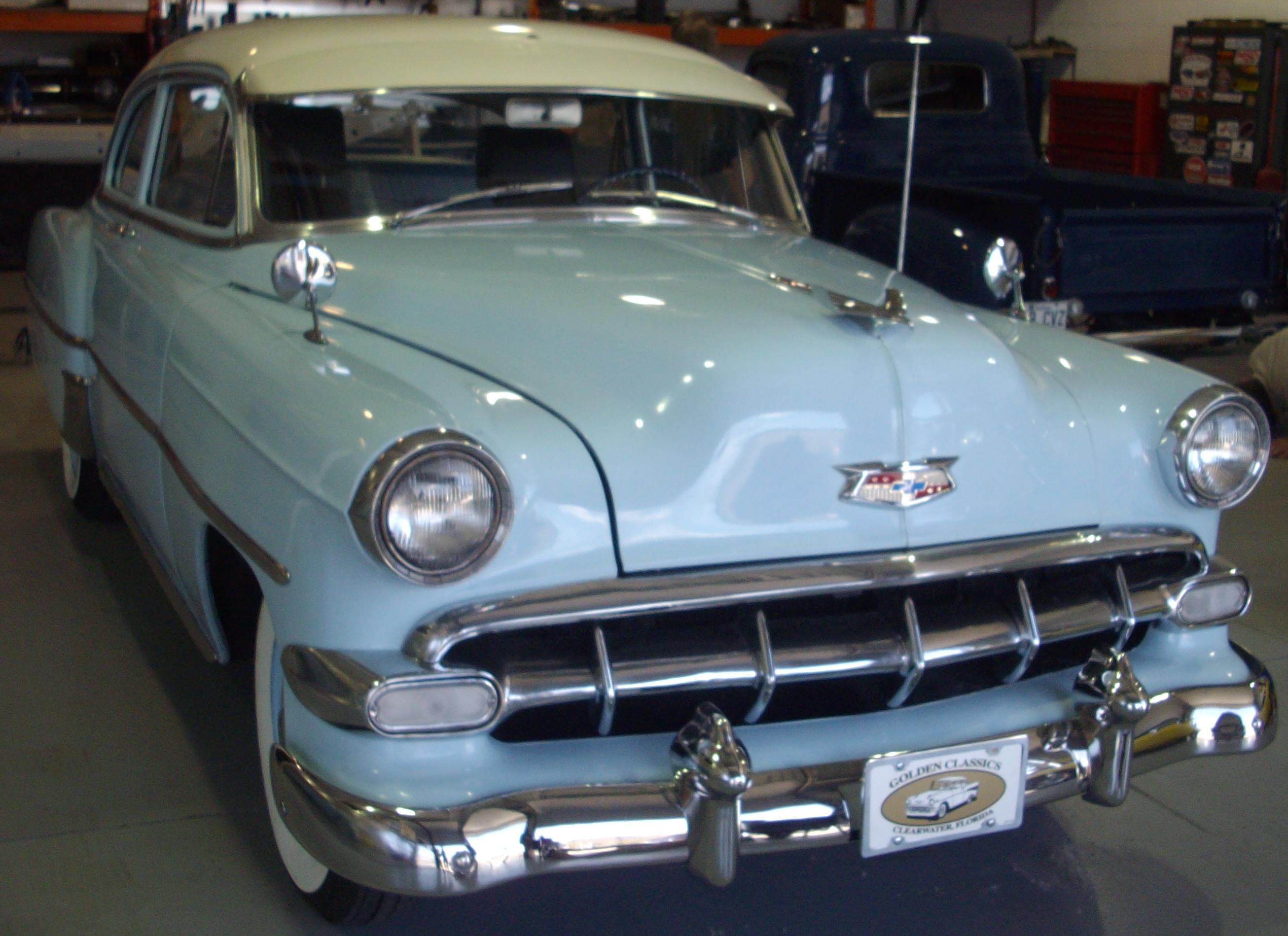
"...got into cars, got inspired, and it was like an old 54 Chevy chop top car when hydraulics..."
A chopped roof means the roof has been cut down so the car looks lower and sleeker. It’s a common custom style in classic hot rods.
A chopped roof is a custom body modification where the roofline is cut down and reshaped to lower the cabin profile. It’s a classic hot-rod styling cue that changes the car’s proportions and visual attitude.
hydraulics
"...it was like an old 54 Chevy chop top car when hydraulics that like sat in black..."
“Hydraulics” here means the car can be lifted or lowered using fluid-powered rams. People use it to change the car’s height for looks and show moments.
Hydraulics in a custom car typically means a hydraulic lift system that can raise or lower the car’s body or suspension. It’s commonly used in show cars to create dramatic stance changes at events.
car cruise in the parking lot
"...lived in LA. So there was Bob's big boy in, in the valley every Friday night. They'd have like a little car cruise in the parking lot..."
A car cruise is basically a meet-up where people bring their cars to park together and hang out. It’s a way for car people to see each other’s builds and talk about them.
A “car cruise” is an informal gathering where people drive to a location and park together, often to show cars and socialize. These events can be important for builders because they create a feedback loop and visibility for custom projects.
under construction cars
"...seeing them half cut and seeing the under construction cars. That's really what set me..."
“Under construction” just means the car is still being worked on. It might not be fully finished or painted yet, but you can see what’s being built.
“Under construction” cars are vehicles that are actively being built, restored, or customized—often with parts missing, bodywork incomplete, or systems not fully finished. For enthusiasts, these are especially inspiring because you can see the process and progress.

hot rod
"...you won't see like a high boy Roadster or a hot rod on the street ever."
A “hot rod” is usually an older car that someone has modified to look cooler and drive better. It’s more about the custom vibe and performance upgrades than a single specific model.
A “hot rod” is a modified car—often older—built for performance and style, typically involving engine upgrades, suspension changes, and custom bodywork. The term is broad, but it generally signals a culture of DIY customization and car-show/driving enthusiasm.
cruise night
"...And then you go to a cruise night and it's, you know, a bunch of little muscle cars and stuff."
A “cruise night” is basically a car meet. People show up with their cars to hang out, look at other builds, and sometimes do a short drive together.
A “cruise night” is a local car meet where people bring cars to park, socialize, and often drive short loops together. It’s a key part of car culture because it creates a low-pressure way to see builds in person and learn from other owners.
muscle cars
"...a cruise night and it's, you know, a bunch of little muscle cars and stuff."
Muscle cars are performance cars—often older American ones—that are built for power. When people say “muscle cars” at a cruise night, they usually mean the fast, classic-looking cars everyone wants to see.
“Muscle cars” are American performance cars known for strong engines and straight-line speed, especially popular from the late 1960s through the 1970s. In modern conversation, it can also mean any car-show lineup dominated by classic V8 performance cars.
chop tops
"...I'm coming back to the house and I'm doing little chop tops and figure"
“Chop tops” means lowering the roof on a car as a custom modification. It’s done to change the look—usually to make the car look lower and meaner.
“Chop tops” refers to a custom hot-rod body modification where the roof is lowered by cutting and reworking the upper body. This changes the car’s proportions and stance, often making it look more aggressive and streamlined.
110 welder
"I got a saws on a little 110 welder and I'm going to town just cutting stuff up, trying to figure out a customized, make cool cars."
A “110 welder” is a welding machine that uses normal home electricity. It’s usually smaller and easier to use for DIY car work and metal fabrication.
A “110 welder” typically refers to a MIG welder that runs on standard 120V (often called 110V) household power. These are common for small fabrication and hobbyist projects because they’re easier to plug in than industrial 220V machines.
mig welder
"And it was really just close your eyes and here's a mig welder and start, start tack welding."
A MIG welder is a common type of welding machine used to join metal. It uses a wire and gas to help the weld form cleanly, which makes it popular for car projects.
A MIG welder (Metal Inert Gas) uses a continuously fed wire and a shielding gas to create welds. It’s popular in automotive fabrication because it’s relatively fast and beginner-friendly for tack welding and structural repairs.
14 inch Astro Supremes
"I bought off some dude off Melrose in Hollywood for like three grand and it was already slammed the ground, had some 14 inch Astro Supremes on it and drove that thing around..."
Astro Supremes are aftermarket wheels, and “14 inch” tells you how big they are. Wheel size changes how the car rides and how the tires fit, especially on a lowered car.
“Astro Supremes” refers to a specific style of aftermarket wheel commonly associated with classic custom and lowrider aesthetics. The “14 inch” detail indicates wheel diameter, which affects tire sidewall height, ride feel, and fitment when lowering a car.
slammed the ground
"I bought off some dude off Melrose in Hollywood for like three grand and it was already slammed the ground, had some 14 inch Astro Supremes on it and drove that thing around..."
“Slammed the ground” means the car sits very low. It’s usually done to look cool, but it can make the ride harsher and cause clearance or alignment issues.
“Slammed the ground” describes a heavily lowered suspension setup that reduces ride height for a low, aggressive look. While it’s popular in custom builds, extreme lowering can affect ride quality, wheel/tire clearance, and alignment.
brakes went out
"had a couple of weeks and then the brakes went out of me. I didn't know nothing, you know, breaks went out, I flew through an intersection in Burbank and, and the brakes went out."
If the brakes “went out,” the car may not slow down or stop properly. On older cars, that can happen if something in the brake system fails or leaks, so it’s a big safety problem.
“Brakes went out” is a serious safety failure where the braking system loses effectiveness. On older cars, this can be caused by issues like low brake fluid, leaks, failed master cylinder components, or worn/failed brake hydraulics—often compounded by deferred maintenance.
e-brake
"So luckily at a panic, I hit the e-brake and I was able to come to a stop and I was like, oh my God."
The e-brake is the parking/emergency brake. It’s meant to help you stop or hold the car if something goes wrong with the normal brakes.
“E-brake” is short for the emergency brake (parking brake). It’s a separate braking system from the main hydraulic brakes and can help slow or hold the car when the primary brakes aren’t working.
learning to fix cars (DIY)
"Dude, seriously, at that moment, I was like, I have to learn how to do this stuff... Yeah, tough era to sort of teach yourself that everybody takes for granted now how easy it is, like to get information or YouTube."
They’re describing how a scary, expensive brake problem pushed them to learn car repairs themselves. The big difference is that today you can watch videos and follow along, instead of figuring everything out the hard way.
This segment is about becoming a DIY mechanic after a breakdown—turning an expensive problem into motivation to learn. It also contrasts “then” (limited information) with “now” (YouTube and online tutorials), which changes how people approach repairs.
brake lines
"So I just started stabbing, stabbing with screwdrivers for the next couple of years. So I figured stuff out, you know, don't stab the brake lines."
Brake lines are the “pipes” that move brake fluid to the brakes at each wheel. If they get damaged, the brakes may not work properly.
Brake lines are the metal or flexible tubes that carry brake fluid from the master cylinder to the wheel calipers or wheel cylinders. If they’re damaged, you can lose hydraulic pressure and end up with weak or no braking.
wheel cylinder
"Yeah, this is a wheel cylinder, you know, this is this is my drums and I need shoes, you know, for a 59 Ford galaxy."
A wheel cylinder is what makes drum brakes work. When you press the brake pedal, it uses fluid pressure to push the brake shoes outward so they clamp onto the drum.
A wheel cylinder is part of a drum-brake system. It converts hydraulic pressure into mechanical force to push the brake shoes against the drum, slowing the car down.
Ford Galaxy
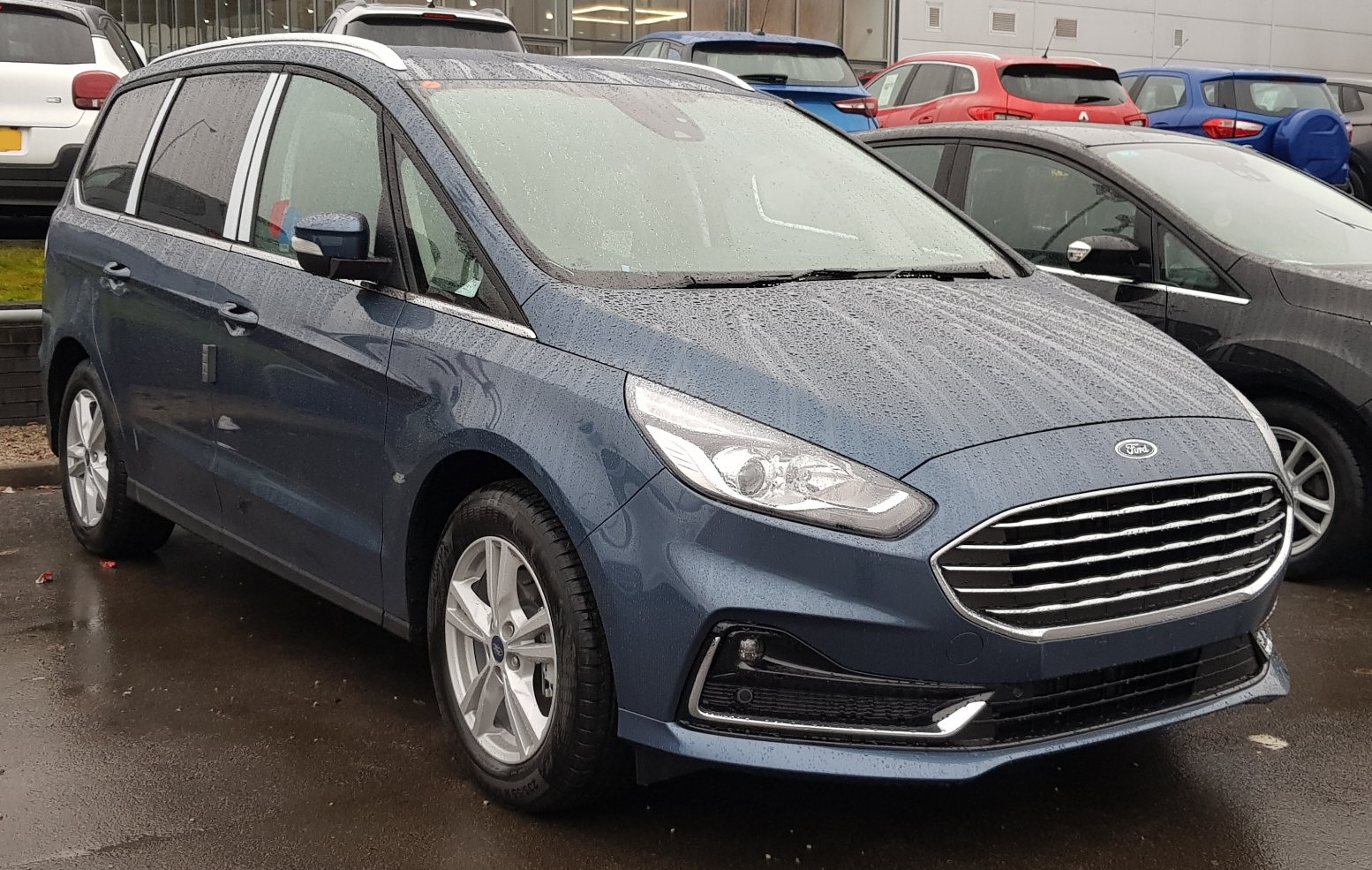
"...y drums and I need shoes, you know, for a 59 Ford galaxy. Even I remember 500."
The Ford Galaxy is an older Ford car, and the podcast is specifically talking about a 1959 model. It mentions brake drums and brake shoes, which are parts used to slow the car down on older drum-brake systems. That’s the kind of maintenance that comes up when working on classic cars.
The Ford Galaxy referenced here is a 1959 Ford Galaxy, which is a full-size car from the late 1950s. The podcast mentions brake “drums” and “shoes,” which indicates a focus on brake service and parts replacement for older drum-brake systems. It’s discussed as a specific project or maintenance item tied to that classic model year.
shoes
"Yeah, this is a wheel cylinder, you know, this is this is my drums and I need shoes, you know, for a 59 Ford galaxy."
Brake shoes are the parts that actually rub against the drum to stop the car. Over time they wear down and need replacement like brake pads do.
Brake shoes are the friction components in a drum-brake system. When the wheel cylinder pushes them outward, the shoes contact the drum to create stopping force.
drums
"Yeah, this is a wheel cylinder, you know, this is this is my drums and I need shoes, you know, for a 59 Ford galaxy."
Drum brakes use a round metal drum. When you brake, pads (called shoes) press against the inside of that drum to slow the car.
In this context, “drums” refers to drum brake drums—cylindrical metal housings that the brake shoes press against. They’re a key wear surface in drum-brake setups.
changed in transmission
"You don't see anybody on a Sunday changed in transmission. You don't. You just you throw it away. You buy another one."
They’re talking about older-school repair where people would fix a transmission instead of giving up. Nowadays, some people just replace the whole car or the whole unit when it breaks.
“Changing” a transmission in older car-repair culture often meant swapping or rebuilding the transmission rather than discarding the vehicle. The speaker contrasts that with a newer mindset of replacing whole components when something fails.
throw it away, buy another one
"You don't. You just you throw it away. You buy another one. So now it's like there's been the last 20 years of nobody really fixing stuff."
They’re describing a habit of replacing things instead of fixing them. The point is that if nobody repairs cars anymore, fewer people learn how to work on them.
This is a “replace vs repair” mindset: when something breaks, instead of diagnosing and fixing it, people discard it and purchase a replacement. The speaker argues that this reduces hands-on mechanical skills over time.
no place to actually try it
"So now it's like there's been the last 20 years of nobody really fixing stuff. And even even YouTube, there's so much information out there, but no place to actually try it."
The speaker highlights a gap between information and practice: even with YouTube and online knowledge, people may not have a safe place or tools to actually perform repairs. This is why hands-on training programs matter.
full exhaust systems
"But after 12 weeks, it's like these guys are they're doing full exhaust systems. They're swapping, you know, wires and stuff."
An exhaust system is the parts that move engine fumes out of the car. A “full” system means replacing most of the exhaust parts, not just the muffler, which can change how the car sounds and how it breathes.
A full exhaust system is the complete set of components that carry exhaust gases from the engine to the tailpipe, typically including headers/manifolds, catalytic converters, resonators/mufflers, and piping. Swapping or upgrading it can change sound, exhaust flow, and sometimes power depending on the setup and tuning.
swapping wires
"They're swapping, you know, wires and stuff. So it's like giving them that space."
Wires in a car can be part of the ignition system that helps the engine start and run smoothly. Replacing them is a common hands-on exercise because it teaches how electrical connections affect performance.
“Swapping wires” usually refers to replacing or reworking ignition-related wiring (like spark plug wires) or other electrical connections during basic engine or tune-up work. In a shop/training context, it’s often about learning how ignition and electrical systems are laid out and diagnosed.
LA traffic
"LA traffic is no joke. That's a real thing. That's kind of I guess maybe the LA traffic is really kicked off my career."
When people say “LA traffic,” they mean really slow, stop-and-go driving. That kind of commute can wear out a car faster and also affects how motivated you feel to change your job or schedule.
“LA traffic” is shorthand for the region’s frequent congestion and long commute times, which can strongly shape daily life and career decisions. In automotive terms, heavy traffic also increases engine run time, heat cycles, and wear—especially for drivetrains and cooling systems.
eBay
"And it was actually when eBay was really hitting off. Now I'm kind of going back and thinking and remembering stuff."
They’re talking about using eBay to sell a car and then using that money to build another one. It’s basically how they got parts and funding for their next project.
The speaker describes using eBay as a sales channel to fund subsequent builds. In the classic/custom scene, online marketplaces can be a major source of parts and a way to monetize one project to finance the next.
extended quarter panels
"I had built I think I had a chopped 54 Ford extended quarter panels, put 51 Merck quarter panels on it, stuck out with a continental kid, just real wild custom car."
Extended quarter panels are when the rear fenders/body are stretched or widened. People do it to change the car’s proportions and make it look more custom.
“Extended quarter panels” means the rear bodywork is widened or lengthened beyond the original factory shape, usually to create more visual presence or to accommodate custom wheel/tire setups. This kind of modification often requires careful measuring and metalwork to keep panel gaps and alignment looking straight.
custom car chopping roofs
"And I had more fun building and chopping roofs and changing headlights and changing taillights and doing customizing."
Roof “chopping” is a classic custom-car technique used to lower the cabin and change the car’s stance and proportions. It’s typically done by cutting and re-welding the roof structure, which means it’s both a visual mod and a structural fabrication job.
changing headlights and taillights
"And I had more fun building and chopping roofs and changing headlights and changing taillights and doing customizing."
Changing headlights and taillights is a popular way to make a car look different. It can involve more than just swapping parts—sometimes you have to adjust wiring and fitment too.
Swapping headlights and taillights is a common customization step because lighting housings strongly affect a car’s front and rear “face.” Beyond aesthetics, it can also involve wiring, mounting, and sometimes adapting to different bulb/connector standards.
MIG welds
"But I look at the noise and I was always like, oh, my God, and we're just grinding migwells on a roof in the middle of the day."
MIG welding is a way to join metal using a wire that’s fed into a welding gun. It also uses a gas to keep the weld clean so it holds together better.
MIG welding (Metal Inert Gas) uses a wire electrode fed through a welding gun while shielding the weld with an inert gas. It’s common for fabrication and repairs because it’s relatively fast and easy to learn compared with some other processes.
survivor builds
"of custom vehicles or even just hunting, you know, survivor builds on eBay."
A “survivor build” is a project that tries to keep a car feeling like it did when it was new. Instead of starting from scratch with brand-new stuff, you build using parts and cars that are still around from that era.
“Survivor builds” are projects that focus on finding and preserving cars/parts that have survived from the past, often with an emphasis on originality. In practice, it can mean building around what’s left—using period-correct components and keeping the car’s character rather than fully modernizing it.
bring a trailer
"But there was no other, you know, wasn't a bring a trailer. There's no cars and beds."
“Bring a Trailer” is referenced as a later alternative to earlier marketplaces and forums. The context is about how enthusiast buying/selling evolved from older channels into modern auction/community platforms.
Cars and Bids
"There's no cars and beds. There was no other forums."
They’re name-checking “Cars and Bids” as another newer site for buying/selling cars. The discussion is basically about how options expanded over time.
“Cars and Bids” is mentioned as another modern platform that didn’t exist in the earlier era. It’s part of the comparison showing how the enthusiast car marketplace shifted from eBay/forums to dedicated auction sites.
"There was no other forums. There's no Instagram."
They mention Instagram because it represents the newer way people discover cars and parts through social media. It helped replace older “forum” style discovery.
Instagram is brought up as part of the shift from older forums and marketplaces to social-driven discovery. The implication is that social platforms changed how people find cars, parts, and communities.
Facebook Marketplace
"Facebook Marketplace probably just killed it in all the groups because I wrote and advertises everything there now."
They’re saying Facebook Marketplace became a big reason people stopped using older channels as much. It’s because it’s easy to post and browse local listings in groups.
Facebook Marketplace is described as a major factor that “killed” older eBay-centric buying patterns via groups and local listings. The discussion highlights how mainstream platforms absorbed enthusiast buying/selling behavior.
swap meets
"it used to be like you went to Swat Meets where you could only get local stuff and that was it."
Swap meets are like car-part flea markets, usually focused on what’s nearby. The hosts are comparing that local-only approach to online shopping.
Swap meets are discussed as a pre-internet way to source parts and cars, typically limited to local inventory. The hosts contrast this with online marketplaces that allowed nationwide sourcing.
E and J headlights
"But there was no other... No more E and J headlights and six dudes. Yeah, it's Swat Meets."
They’re talking about a particular type of headlights people like to find for older/custom builds. The joke is that eBay makes it easier to locate those specific parts.
“E and J headlights” appears to refer to a specific style/brand of aftermarket or specialty headlights that enthusiasts actively hunt for. In the context, it’s used to highlight how eBay made rare parts easier to find than local-only swap meets.
honor system
"I think what really what it was like the demise of eBay was that was really it was an honor system on eBay and we got so many people that had gotten burned."
An honor system means people are supposed to follow the rules without constant checking. If too many people don’t, other people get burned and the whole system starts to lose trust.
An “honor system” is a trust-based process where buyers and sellers rely on good faith rather than strict enforcement. In the context of eBay, the host is arguing that the lack of accountability led to more scams and “burned” buyers, which eventually hurt the platform’s reputation.
Jalopy Journal
"You had Jalopy Journal in the ham, you know, in the classifieds. But that was like two opposite ends of the spectrum."
The Jalopy Journal is a website for people who love older hot rods and classic cars. It also has classifieds, so it’s like a niche marketplace for that specific car crowd.
The Jalopy Journal is an online community and classifieds site closely associated with traditional hot rods and vintage car culture. In the segment, it’s referenced as a place where enthusiasts could find cars and parts, contrasting with other marketplaces.
rat rod
"Either that was the absolute clapped out, you know, rat rod that they you know, labeled it whatever rat rod or there was the, you know, completely original..."
A rat rod is a hot rod that’s intentionally built to look rough and beat up. Instead of restoring it to look perfect, people make it look tough and old-school.
A rat rod is a deliberately rough, worn-looking hot rod—often built from older parts or styled to look “unfinished” or neglected. The key idea is aesthetic: it’s meant to look scruffy and gritty rather than restored to factory-new condition.
chassis market
"...like a diehard old school hot rod guy. And I just keep waiting thinking like, dude, at some point, like the bottom fell out of the chassis market for that stuff a long time ago."
The “chassis market” is basically the market for the car’s frame/rolling base that people build hot rods on. The speaker is saying prices for those foundations dropped earlier, but the cars built on them haven’t necessarily gotten cheaper.
The “chassis market” refers to the market for the underlying vehicle platforms used for building hot rods—frames, rolling chassis, and related components. The speaker suggests the “bottom fell out” earlier, implying supply/demand changes that affect what builders pay for project foundations.
restored vs built (restomod mindset)
"There's a lot of good, like original restored stuff that pops up for cheap and like the 20, 30 grand for some 36, three windows, five windows... And then you start looking at like, I'm going to end up 200 grand into this thing by the time I'm done."
They’re talking about two different paths: buying a car that’s already been restored to look/feel original, or paying to build one up with upgrades. The “build” route usually costs a lot more by the time you’re done.
The hosts are contrasting buying an original restored car versus “building” one from the ground up. This matters because restoration can preserve more factory character, while builds often add performance and upgrades that drive the total cost up quickly.
80 horsepower
"So you buy 80 horsepower, $55,000... It has to move 80 horsepower. We decided that it's not necessary to build."
They’re talking about how much power the engine makes—“80 horsepower.” More horsepower usually means the car accelerates better, but you still need the right setup for the car to actually move well.
“80 horsepower” is the power target they’re discussing for the project. Horsepower is a measure of how much work the engine can do, and it strongly influences whether a car feels lively or painfully slow.
leaking oil
"Trying to get that down. Is that leaking oil or is it what? Makes no power."
The hosts question whether something is “leaking oil,” which is a common diagnostic concern during engine work or troubleshooting. Oil leaks can indicate worn seals, gaskets, or other failures, and they can also create safety and reliability issues if left unchecked.
"makes no power" (low power / no-power diagnosis)
"Is that leaking oil or is it what? Makes no power. It's just running on the side of your head there."
They’re saying the engine isn’t making power—basically it feels like it won’t run right. When that happens, it usually means something is wrong with how the engine is set up or how it’s getting fuel/air/spark.
“Makes no power” describes an engine that isn’t producing usable output, which often points to a setup or mechanical issue. In builds, this can come from fuel/ignition problems, incorrect assembly, vacuum leaks, or even oil-related concerns that affect engine operation.

small block Chevy
"...54 Chevy, you know, small block Chevy bag, Mustang two front clip..."
“Small block Chevy” is a type of Chevy V8 engine that hot rodders love. It’s popular because there are tons of parts available and it’s a strong, flexible platform.
“Small block Chevy” refers to Chevrolet’s compact V8 engine family (commonly used in hot rods). It’s popular because it’s relatively affordable, has lots of aftermarket support, and can be built for a wide range of power levels.
Speedway motors
"...Mustang two front clip from, from Speedway motors."
Speedway Motors is a company that sells performance and restoration parts. They’re being referenced as where the builder got the Mustang II front-end parts.
Speedway Motors is an aftermarket parts retailer known for supplying hot-rod and restoration components. In this segment, it’s mentioned as the source for the Mustang II front clip, highlighting how builders piece together projects from catalogs.

Model A body
"Like I have this model A body I've been holding on to. I can put this together on some 32 frame rails..."
They’re using the body from a Ford Model A as the main look of the build. Hot rodders like it because it’s a classic shape that can be updated with newer parts.
A “Model A body” refers to using the body shell from a Ford Model A as the foundation for a hot rod. This is a common starting point because the proportions are classic and the body can be adapted to modern frames and drivetrains.
32 frame rails
"...I can put this together on some 32 frame rails from, from squeak bell out of Baker's feeling, get some frame rails..."
They’re talking about the metal side pieces of a custom frame meant for a 1932-style setup. Using the right rails helps the body sit correctly and makes the build easier.
“32 frame rails” refers to using frame rails designed for a 1932-style chassis. Hot rodders often choose specific rail styles because they make it easier to fit bodies, set ride height, and build a consistent foundation for the rest of the car.
box it in
"...get some frame rails, we'll box it in and we'll do it real quick. Wham, bam."
“Box it in” means adding metal around the frame area to make it stronger. It helps the frame resist twisting and gives you solid places to attach parts.
“Box it in” typically means enclosing the frame rails with additional metal so the structure is stronger and more rigid. In custom builds, it’s a common fabrication step to improve durability and support mounting points.
building a car and selling raffle tickets
"So I built a, built a car and sold raffle tickets. Built a little 1931 Ford Roadster frame rails I had laying around from a project."
They built a car and then sold raffle tickets to raise money. It’s a way to turn a car project into support for a good cause.
This describes using a custom car build as a fundraising mechanism by selling raffle tickets. In the enthusiast world, raffles are a common way to fund projects or community causes while also generating interest in the build.
rock bottom
"You have you have to hit rock bottom and it could be different for everybody. Some me, some people hit rock bottom in a hotel in Beverly Hills."
“Rock bottom” just means the point where things get so bad that a person finally decides they need help. The guest is saying everyone hits that point differently, and that’s okay.
“Rock bottom” is a common recovery concept meaning the lowest point someone hits before they’re ready to change. In the context of the episode, it’s used to explain that different people reach readiness at different times and in different environments.
working hard for living
"And that's the same thing with with working hard for living. You know what I mean? It's not easy to get up at five in the morning and go swing a hammer all day,"
They’re talking about how hard work isn’t glamorous, and you have to genuinely want it to keep going. The examples (early mornings, tools, welding) show what training can feel like day to day.
The segment contrasts the idea of “wanting it” with the reality of physical, repetitive work—getting up early, swinging a hammer, working in aerospace, and building cars with welding and grinding. It frames motivation as the key factor that determines who can stick with demanding training.
grinding
"you're welding and you're grinding covered in metal shavings, like you have to want it."
Grinding is sanding/abrading metal to smooth it out and remove extra material. After welding, it helps make the joint look and fit right.
Grinding is a metal-finishing process that removes material and smooths surfaces using an abrasive tool. In fabrication and repair work, it’s commonly used after welding to clean up welds, shape parts, and prepare surfaces for further finishing.
metal shavings
"you're welding and you're grinding covered in metal shavings, like you have to want it."
Metal shavings are the little bits of metal that come off when you cut or grind metal. They’re a sign of real shop work—messy, but part of the process.
Metal shavings are the small curls of metal produced when cutting, grinding, or machining. Their mention emphasizes the hands-on, messy reality of fabrication work and the physical environment trainees experience.
gut instinct
"Well, it means it's human nature and gut instinct to always [1895.5s] regardless of how driven of a person you are..."
It’s that quick feeling you get about what’s right or easiest. Before you think it through, you already “feel” like you should do something.
“Gut instinct” refers to an immediate, internal feeling about what to do, before you fully analyze it. The discussion frames it as a human tendency that influences decision-making, even for motivated people.
path of least resistance
"The instinct is always what's the easier one? [1907.6s] Yeah, like what's the path of least resistance?"
It means taking the easiest option. Even if you want to be disciplined, your brain will still try to pick what’s simpler unless you push yourself.
“Path of least resistance” means choosing the option that feels easiest or requires the least effort. In a career/work context, it’s about how people naturally gravitate toward comfort unless they actively train themselves to do harder, more meaningful things.
nobody changes until they want to
"Like nobody changes until they want to, like you could hear it a million times, but until you're ready to make the change, you're not going to do it."
The idea is that people don’t really change just because someone tells them to. They change when they personally decide they’re ready.
This is a mindset concept: lasting change usually requires internal buy-in, not just external pressure or repeated messaging. It parallels how performance driving or vehicle learning works—technique only sticks when the driver chooses to practice and improve.
mentor these people
"So on your end, trying to, you know, mentor these people and like you, you've lived it, you've seen the path."
Mentoring here means helping people make better choices and stick with them. Even if you give good advice, the person still has to be ready to change and follow through.
The hosts are describing mentorship as a process: guiding someone toward change while recognizing that progress depends on the person’s readiness. In a car context, it’s similar to coaching a driver—your instruction matters, but the learner has to be willing to apply it.
resource for you
"So maybe we won't see you for a year, two years, three years, but you might come back and to let you know, like there was always, there's always a resource for you."
They’re talking about having help available when you need it. Like a support system that keeps you moving forward even if you’re not there every day.
The phrase “resource for you” refers to ongoing support—mentorship, guidance, or services available to participants. In a program context, that support network can be a key part of retention and outcomes.
vetting process
"Do you think that percentage of success is due by the nature of like your vetting process? Number two, they're making the decision to, like you said, walk through the fire."
Vetting just means checking whether someone is a good fit before you let them join. The host is saying that careful screening might help the program succeed because it chooses people who are more likely to follow through.
A “vetting process” is how an organization screens applicants before letting them in. In this context, it’s being discussed as a factor that could influence the program’s success rate because it filters for people who are ready to commit.
walk through the fire
"Number two, they're making the decision to, like you said, walk through the fire. Right. They've already, they're making the decision to do the hard thing."
It’s a figure of speech meaning you’re willing to do something tough. The idea is that people who choose the hard path tend to grow and succeed more.
“Walk through the fire” is a metaphor for choosing a difficult path that builds resilience and skills. Here, it’s used to describe participants committing to hard work rather than taking an easy route.
work on cars
"Be like, tell you what's going to help you. Come over here and let me show you how to work on fucking cars. And you're taking a mass, you know, group."
They’re describing learning how to actually fix cars. It usually means practicing real repairs and learning the basics of how vehicles work.
“Work on cars” here is shorthand for hands-on automotive training—learning diagnosis, repair, and basic maintenance skills. For listeners, it signals the program’s focus on practical mechanical work rather than purely classroom learning.
blue color trades
"...want something better... but just don't know how to make that connection into blue color trades or don't know how to even where to pick up a welder..."
“Blue-collar trades” just means jobs where you learn by doing—like welding or working on cars—rather than sitting at a desk. The speaker is saying the program helps kids find a path into those kinds of careers.
“Blue-collar trades” refers to hands-on jobs that rely on practical skills—like welding, machining, or automotive repair—rather than office work. In the context of the episode, it’s about connecting students to real-world career paths they can learn through training programs.
Northup Grumman
"...Some of our kids are managers at Northup Grumman that are making over six figures..."
Northrop Grumman is a big aerospace company. The speaker is saying some graduates get jobs there and earn strong incomes.
Northrop Grumman (transcript misspells it as “Northup Grumman”) is a major aerospace and defense contractor. The speaker cites it as an example of where graduates can end up working, showing the program’s reach beyond purely automotive roles.
assembly, disassembly
"So I started this as just, you know, as like an automotive just building classic cars as a way to teach welding, blueprinting, fabrication, body and paint and mechanics, assembly, disassembly. And then our kids are getting hired at Northup Grumman,"
Assembly/disassembly means taking parts apart and then putting them back together. It helps you learn how everything fits and how to rebuild it without breaking anything.
Assembly and disassembly are core mechanical skills: taking systems apart for inspection and then putting them back together correctly. For training, this teaches how components interface, where wear happens, and how to avoid mistakes during reassembly.
micrometer
"They know how to read a micrometer and a caliper and you're going to show up every day."
A micrometer is a very accurate measuring tool. Machinists use it to check dimensions so parts are made to the exact size they need to be.
A micrometer is a precision measuring tool used to measure small distances and diameters with high accuracy. In machining, it helps verify that parts are within tight tolerances so they fit and function correctly.
caliper
"They know how to read a micrometer and a caliper and you're going to show up every day."
A caliper is a measuring tool that can measure both outside and inside sizes. It’s used to make sure a part is the right dimension.
A caliper is a measuring instrument used to measure lengths, inside diameters, and outside diameters. It’s common in machining and fabrication because it’s fast for checking dimensions during setup and production.
tolerances
"...so our kids are better prepared for what's going on, what they're going to so they get hit the floor running with you guys."
Tolerances are how exact a part has to be. If the part is slightly off, it might not fit or work right, so machinists measure carefully.
Tolerances are the allowable variation in a part’s dimensions—how close to “perfect” it must be. In manufacturing, tighter tolerances usually require better measurement habits and more careful machining to ensure parts assemble and perform correctly.
basic math
"And it's you if you have basic math, you're good. And that whole like, I don't know if you guys remember, you know, it's like,"
They’re talking about the simple skills you need before you can do more advanced things. In a car shop, that kind of foundation helps you measure and figure things out correctly.
The discussion uses “basic math” as a stand-in for foundational skills. In automotive education and shop work, these basics matter because they underpin measurements, calculations, and diagnostic reasoning.
How to buy your first car
"[2885.6s] and how to have a bank account, you know, how to have a bank account. [2889.3s] That's huge. [2890.3s] How to how to buy your first car. [2892.2s] All these kids are trying to figure out what's the first thing they're going to [2894.0s] buy a crappy car and get burned on a crappy loan."
They’re describing a class that helps people buy their first car without getting tricked. The goal is to learn how car deals and loans work so you don’t end up with a bad purchase.
The hosts are talking about teaching students the basics of buying a first car—especially how to avoid common mistakes. This usually includes understanding financing terms, negotiating, and recognizing when a deal is likely to be a bad one.
crappy loan
"[2890.3s] How to how to buy your first car. [2892.2s] All these kids are trying to figure out what's the first thing they're going to [2894.0s] buy a crappy car and get burned on a crappy loan."
They’re warning about getting a bad car loan. A bad loan can mean you pay way more money over time, even if the car price seems okay at first.
“Crappy loan” refers to unfavorable auto financing—often high interest rates, bad terms, or hidden costs—that can make a car purchase much more expensive than it looks. It’s a reminder that financing can be as important as the vehicle itself.

Chevrolet Corvette
"Yeah, you don't need that Corvette though. You don't need that since right now you're 19, 40 grand."
A Corvette is a Chevrolet sports car that usually costs a lot of money. The hosts are basically saying you shouldn’t rush into buying something that expensive when you’re just starting out.
“Corvette” refers to Chevrolet’s sports car line, known for its performance and relatively high price compared with many entry-level options. In this segment, it’s used as an example of an expensive purchase that a 19-year-old may not need right away.
TIG
"We've got like 30 full time staff from my instructors on the floor from our, what I have like two or actually have four welding instructors now. I have to do instructional and TIG and then to do in sheet metal fabrication"
TIG is a type of welding that uses a special electrode and shielding gas to make clean, controlled welds. It’s often used when you want strong results without ruining thin metal.
TIG is a welding process (Tungsten Inert Gas) known for precise, high-quality welds. It’s commonly used for thin sheet metal and detailed fabrication work, which fits the program’s focus on both welding and body/metalwork.
bead roll
"just how to bead roll, how to stomp, shear, break. So it's different sides of the brain, but still connected."
A bead roll is a tool/process used to form raised “beads” in sheet metal. Those beads add stiffness and strength to panels without adding much weight, and they’re common in custom fabrication and bodywork.
shear
"just how to bead roll, how to stomp, shear, break. So it's different sides of the brain, but still connected."
A shear is a tool that cuts sheet metal in a straight, controlled way. It helps you get accurate pieces before you shape or weld them.
A shear is a cutting machine used to slice sheet metal cleanly along a line. In fabrication shops, shearing is a fundamental step before bending, rolling, or welding parts together.
break
"just how to bead roll, how to stomp, shear, break. So it's different sides of the brain, but still connected."
A “break” is a machine that bends sheet metal. It’s used to make clean corners and folds so parts fit together properly.
In metalworking, “break” usually means using a brake press to bend sheet metal. It’s how shops create precise angles and folds for brackets, panels, and body components.
stomp
"just how to bead roll, how to stomp, shear, break. So it's different sides of the brain, but still connected."
“Stomp” here is a shorthand for a hammer-and-forming technique used to shape sheet metal. The goal is to create the right curves and fit for bodywork.
In sheet metal work, “stomp” typically refers to using a hammer and forming technique to shape metal, often for creating contours or reliefs. It’s part of the broader set of metal-forming skills students need for body fabrication.
spray booths
"And then our tech lab, we have a whole tech lab with a 3D printers, CNC, Plastable and about 13 computers and computer stations where they're figuring out how to run basic solid works... We've got like 30 full time staff... and then our body work and paint, we have a spray booths and some prep stations."
A spray booth is a controlled room where cars are painted. It helps keep dust out and manages airflow so the paint cures more evenly.
A spray booth is an enclosed, ventilated workspace designed for painting cars and parts. It controls airflow and filtration to help achieve consistent paint results and reduce contamination.
CNC
"And then our tech lab, we have a whole tech lab with a 3D printers, CNC, Plastable and about 13 computers and computer stations where they're figuring out how to run basic solid works and how to do, how to cut parts."
CNC is a computer-controlled machine that cuts parts accurately. Instead of measuring and cutting by hand, the computer follows a design to make the part.
CNC stands for Computer Numerical Control, where computers control machine tools to cut or shape parts with high precision. In automotive training, CNC is commonly used to machine brackets, fixtures, and prototypes from CAD designs.
Request an Explanation
Heard something you'd like explained? We'll add it to this episode.
Sign in to request explanations for terms you heard.
Want to learn more?
Browse our glossary for plain-English explanations of automotive terms, jargon, and concepts.
Help improve this episode
See something that's not quite right? Our annotations are AI-generated and can sometimes miss the mark. Click the flag icon on any annotation to suggest a correction.