Advice When Shopping for a Used Car, Most Common Vehicle Issues, Signs of Low Fluids
About this episode
Nick Stoffel from Lloyd's Automotive shares practical advice on buying used cars, emphasizing the importance of independent inspections even when purchasing from dealerships. He discusses common vehicle issues like brake fluid leaks, suspension wear, and seasonal maintenance challenges. The episode also covers oil change intervals for low-mileage drivers, the risks of overlooked maintenance errors such as loose drain plugs, and the pros and cons of switching oil types in older performance engines. Listeners get insights into routine car care, safety checks, and how to avoid costly repairs through proactive inspections.
ASE certified technician
""The guy to do that is ASE certified technician Nick Stoffel from Lloyd's Automotive on beautiful Grand Avenue at St. Paul. Nick,""
An ASE certified technician is a car mechanic who has passed tests to prove they know how to fix cars properly. This certification means they are trusted experts.
An ASE certified technician is a mechanic who has been certified by the National Institute for Automotive Service Excellence, indicating they have met industry standards for knowledge and skills in automotive repair and service.
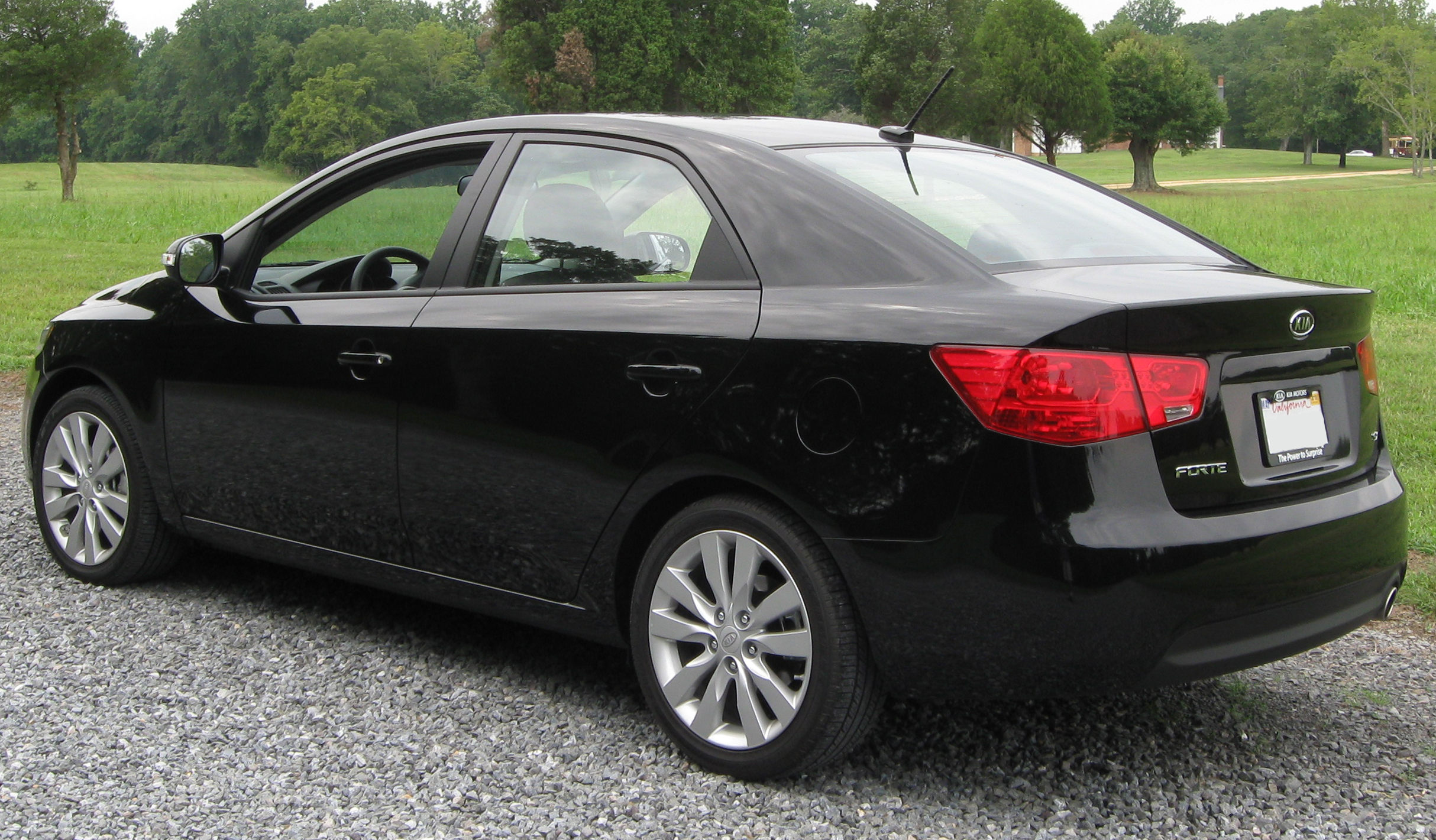
Kia Forte
"Tim Minneapolis sends this one in, 2021 Kia Forte, 45,000 miles on it. Tim's recently retired."
The Kia Forte is a small car that is easy to drive and doesn't cost a lot to buy or run. The 2021 version has newer features and looks compared to older ones.
The Kia Forte is a compact car known for its affordability, fuel efficiency, and modern features. The 2021 model includes updated styling and technology compared to previous years.
oil change
"should I now have oil changed every 5,000 or every five to six months? Great show. He loves the show. ... What about the oil change? I think this is pretty common these days."
An oil change means putting new oil in your car's engine so it runs smoothly and doesn't get damaged. It's something you need to do regularly to keep your car healthy.
An oil change is a routine maintenance procedure where old engine oil is drained and replaced with fresh oil to ensure proper engine lubrication and performance. It helps prevent engine wear and extends the vehicle's life.
steering
"But, you know, it's not just the oil, it's the suspension, the steering. You mentioned potholes, Denny, and, you know, we're getting into that season,"
Steering is how you turn your car left or right using the steering wheel. It helps you control where your car goes.
The steering system allows the driver to control the direction of the vehicle. It includes components like the steering wheel, column, rack, and linkages, which can wear over time especially when driving on rough roads.
suspension
"But, you know, it's not just the oil, it's the suspension, the steering. You mentioned potholes, Denny, and, you know, we're getting into that season,"
The suspension is what helps your car ride smoothly over bumps and rough roads. It keeps the car steady and comfortable while you drive.
The suspension system in a vehicle includes components like springs, shock absorbers, and linkages that connect the vehicle to its wheels. It helps absorb shocks from road irregularities and maintains vehicle stability and comfort.
wear and tear
"there's a lot of wear and tear. So we want to have our eyes on that to make sure everything's safe for the driver."
Wear and tear means the parts of your car get old or damaged just from using it and driving on roads over time.
Wear and tear refers to the natural deterioration of vehicle parts due to regular use and exposure to environmental conditions like weather and road surfaces.
oil and filter change
"someone brings in their vehicle for an oil and filter change, what does the mechanic do? What does the technician do each time? It's not just change the oil and filter?"
Changing the oil and filter means taking out the old dirty oil and filter from your car and putting in new ones so the engine works well and lasts longer.
An oil and filter change is a routine maintenance procedure where the engine oil is drained and replaced with fresh oil, and the oil filter is replaced to ensure the engine stays lubricated and free of contaminants.
vehicle inspection
"You know, you take your vehicle in for service, it should be thoroughly inspected. You're checking the tires, the lights, the steering suspension, any noises or any of that kind of stuff that has happened over the last several months, we want to put our eyes on to make sure, you know, usually if there's a noise or something that's different than the norm, that's because something's wearing out."
When you take your car for service, the mechanic looks over important parts like tires and lights to make sure everything is working well and to catch problems before they get worse.
A vehicle inspection during service involves checking various components like tires, lights, steering, and suspension to identify wear or potential issues early and recommend repairs to prevent breakdowns.

Dodge Ram
"It's a 2004 Dodge Ram 1500, 5.7 engine."
The Dodge Ram 1500 is a big truck that can carry heavy loads and has a powerful engine. The 2004 version is popular for its strength and capability.
The Dodge Ram 1500 is a full-size pickup truck known for its strong V8 engine options, including the 5.7-liter HEMI V8. The 2004 model year is part of the third generation of Ram trucks, offering a balance of power and utility.
brake fluid leak
"I don't see any brake fluid in the reservoir. Could my problem possibly be a bad rusty brake line? ... But the fact that it's leaking tells us we don't have any of that hydraulic pressure. So in the event of having to stop, you may not be able to. So that vehicle should not be driven."
A brake fluid leak is when the special brake liquid leaks out of your car. Without enough brake fluid, your brakes might stop working and the car can be dangerous to drive.
A brake fluid leak occurs when brake fluid escapes from the brake system due to damaged lines, fittings, or components. This causes loss of hydraulic pressure and can lead to brake failure, making the vehicle unsafe to drive.
brake fluid reservoir
"I don't see any brake fluid in the reservoir. Could my problem possibly be a bad rusty brake line?"
The brake fluid reservoir is a small container that holds the special liquid your brakes need to work. If it's empty, your brakes might not work right.
The brake fluid reservoir stores the hydraulic fluid used in the braking system. If the reservoir is empty, it usually indicates a leak somewhere in the brake system, which can cause brake failure.
brake line
"Could my problem possibly be a bad rusty brake line? Or could it be something else?"
Brake lines are tubes that carry the liquid that helps your brakes work. If they get rusty or broken, your brakes might stop working properly.
A brake line is a metal or rubber tube that carries brake fluid from the master cylinder to the brake calipers or wheel cylinders. Rust or damage to brake lines can cause leaks, leading to loss of hydraulic pressure and brake failure.
caliper
"Definitely could be a rusty brake line. Could be a caliper, a fitting, the reservoir itself,"
The caliper is a part that pushes the brake pads to stop your car. If it leaks or gets stuck, your brakes might not work well.
A brake caliper is a component that squeezes the brake pads against the rotor to slow down or stop the vehicle. A leaking or stuck caliper can cause brake fluid loss or uneven braking.
master cylinder
"the master cylinder, a lot of places where that fluid could be going."
The master cylinder is the part that makes the brake fluid push the brakes when you press the pedal. If it breaks, your brakes might stop working.
The master cylinder is the main component that generates hydraulic pressure when you press the brake pedal. If it leaks or fails, the brake pedal can go to the floor and brakes may not work.
hydraulic pressure
"But the fact that it's leaking tells us we don't have any of that hydraulic pressure."
Hydraulic pressure is the push from the brake fluid that makes your brakes work. If you lose this push, your brakes won't stop the car.
Hydraulic pressure in the brake system is the force created by brake fluid that pushes brake components to slow or stop the vehicle. Loss of hydraulic pressure means the brakes won't work effectively.
oil pan plug
"Someone forgot to tighten the pan plug and consequently the oil leaked out and bad stuff. Have you ever seen that in your career?"
The oil pan plug is a small bolt at the bottom of the engine that you remove to drain old oil. If it's not screwed in tight, oil can leak out and hurt the engine.
The oil pan plug is a bolt that seals the oil pan drain hole, allowing engine oil to be drained during an oil change. If not properly tightened, it can cause oil leaks leading to engine damage.
drain plug
""...people are human, humans make mistakes. It's unfortunately a drain plug is probably the most expensive mistake on a car, but it can happen. Oh yeah, and you don't want to be the one that forgot that.""
A drain plug is a small part that lets you drain old oil or other fluids from your car. If you forget to put it back or tighten it, your car can leak and get damaged.
A drain plug is a removable plug used to drain fluids such as engine oil or coolant from a vehicle's reservoir during maintenance. Forgetting to reinstall or properly tighten it can cause fluid leaks and serious engine damage.
engine oil weight
"They might have a range of oil weights to use. Obviously, 1040 is a very thick and heavy oil from years past. A lot of performance engines use that type of oil. Today's vehicles obviously use a much lighter weight oil as we touch on often."
Engine oil weight means how thick or thin the oil is. Thicker oil flows slower and thinner oil flows faster, which helps protect the engine in different temperatures.
Engine oil weight refers to the viscosity or thickness of the oil, which affects how it flows and lubricates engine parts. Common weights include 10W-40, where the numbers indicate the oil's flow characteristics at cold and hot temperatures.
heater core
"I came into a big problem with a heater core here a couple years ago. They had to tear the dash out and that was very expensive."
The heater core is a part inside the car that helps warm up the inside by using hot liquid from the engine. If it breaks, it can be expensive to fix because they have to take apart the dashboard.
A heater core is a small radiator inside the vehicle's dashboard that uses hot engine coolant to provide heat to the cabin. If it fails, it can cause heating issues and often requires dashboard removal for repair.
5W20 oil
"Now it's recommended for 5W20. Can I just, I'm going to change the engine in the summertime? Can I just put any oil in it since it's burning now or should I just take it with 520?"
5W20 oil is a type of motor oil that flows well when cold and stays thick enough when hot to protect the engine. The numbers tell you how thick or thin the oil is in different temperatures.
5W20 is a common engine oil viscosity grade indicating how the oil flows at low and high temperatures. The '5W' refers to the oil's winter (cold) viscosity rating, and '20' refers to its viscosity at engine operating temperature.

Honda Pilot
"you. Very good. Looking at another text came in a bit ago. Denny and Nick, I have a 2016 Honda Pilot and the tailgate does not completely close sometimes."
The Honda Pilot is a big car that can carry your family and stuff. The 2016 version is a specific year of this car with lots of space inside.
The Honda Pilot is a mid-size crossover SUV known for its spacious interior and family-friendly features. The 2016 model is part of the third generation, offering various trims and options for comfort and utility.
tailgate latch
"Pilot and the tailgate does not completely close sometimes. The latch is sticking. How do I lose it? Well, we need to figure out why. Is it the latch itself is not clasping?"
The tailgate latch is the part that keeps the back door of your car closed. If it gets stuck, the door might open when you don't want it to, which can be dangerous.
The tailgate latch is the mechanism that secures the rear door or tailgate of a vehicle. If it sticks or fails to close properly, it can cause safety issues by allowing the tailgate to open unexpectedly.
graphite
"I came across some graphite. I thought, I don't know why I bought this. I must have bought it for some lubrication business. When somebody has a problem with the latches, door latches, tailgate, and brings it to Lloyd's, what kind of lubricant would your technician use to kind of make it work okay? I mentioned graphite."
Graphite is a powder that helps parts like door locks move smoothly without getting sticky or dirty.
Graphite is a dry lubricant commonly used in automotive applications such as door latches and locks because it reduces friction without attracting dirt or grime.
silicone
"you put a little bit of graphite or silicone in there, work it a little bit, kind of let it work its way in, and it can go a long way."
Silicone is a type of spray or liquid that helps parts like door hinges and locks move easily and stops them from making noise. It also protects parts from getting dry or cracked.
Silicone lubricant is a versatile product used to reduce friction and protect rubber, plastic, and metal parts from drying out or squeaking. It's often applied to door seals, hinges, and locks to keep them functioning smoothly.
antifreeze
"Question we get to Nick from time to time, does an electric vehicle use antifreeze? Yes, they do. There's a lot of heat generated in those electric vehicles."
Antifreeze is a special liquid that helps keep a car's engine or battery from getting too hot or freezing in cold weather. Electric cars use it to keep their batteries and motors at the right temperature.
Antifreeze is a liquid coolant used in vehicle cooling systems to prevent freezing and overheating. Electric vehicles use specialized antifreeze in their thermal management systems to regulate battery and motor temperatures.
thermostat
"So there are cooling systems and you know, different than the conventional oil or engine, obviously, but they still have cooling systems, thermostats, water pumps, and they do have issues."
A thermostat is a part that helps keep the car's temperature just right by letting coolant flow when needed. Electric cars use it to keep their batteries and motors from getting too hot or cold.
A thermostat in a vehicle regulates the temperature of the coolant by controlling its flow to maintain optimal operating temperature. Electric vehicles use thermostats to manage battery and motor temperatures.
water pump
"So there are cooling systems and you know, different than the conventional oil or engine, obviously, but they still have cooling systems, thermostats, water pumps, and they do have issues."
A water pump moves the cooling liquid around inside the car to keep things from getting too hot. Electric cars use it to keep their batteries and motors cool.
A water pump circulates coolant through the engine or electric vehicle's thermal system to help regulate temperature. In electric vehicles, water pumps help cool batteries and motors.
decarbon service
"is a decarbon service necessary when there is no issue at 25,000 miles? What's that text you're wanting to know? Well, if we're talking decarbon like in the intake of an engine, that is a common"
A decarbon service cleans out sticky black stuff that builds up inside an engine to help it run better and use less gas. People sometimes do this after driving a certain number of miles.
A decarbon service is a maintenance procedure that removes carbon deposits from the intake valves and combustion chambers to improve engine performance and efficiency. It is often recommended after certain mileage intervals.
intake plenum
"it's no longer in the intake plenum, meaning that that fuel's not cleaning the back of those valves."
The intake plenum is like a big air chamber that sends air to the engine. In older cars, fuel was sprayed here before going into the engine.
The intake plenum is a part of the engine's air intake system that distributes air evenly to the cylinders. Older fuel injectors sprayed fuel into this area before it entered the combustion chamber.
walnut shell blasting
"sometimes they'll use like walnut shells and like an attachment with that kind of like a vacuum. They kind of sprayed them in there to clean it up."
Walnut shell blasting is a way to clean the inside of your engine using tiny crushed walnut pieces that scrub away dirt without hurting anything.
Walnut shell blasting is a cleaning process where crushed walnut shells are sprayed into the intake system to remove carbon deposits without damaging the engine parts.
intake manifold
"There are chemical products too that will be put into the intake manifold,"
The intake manifold is a part that sends air to the engine to help it run. Sometimes it needs cleaning to keep the engine healthy.
The intake manifold is the part of the engine that distributes air (and sometimes fuel) to the cylinders. It can accumulate deposits and sometimes chemical cleaners are used to clean it.
fuel cap
"Well, I would say the most common issue and where it's kind of sometimes been referred to as a gas cap light, you know, if we leave our fuel cap off and the vehicle does a emissions self-test, it'll learn that there's a leak there because the cap is not sealed and secure."
The fuel cap is the cover you put on the gas tank to keep the gas inside and stop smelly fumes from escaping. If it's not on tight, your car might think something is wrong.
The fuel cap seals the opening of the fuel tank to prevent fuel vapors from escaping and to maintain proper pressure in the fuel system. A loose or missing fuel cap can trigger the check engine light due to detected leaks.

Honda Crv
"...aul, what is your question? Yeah, I've got a 2009 Honda CRV. Car runs great. We've got 130,000 miles on it. ..."
The Honda CR-V is a small SUV that many people like because it is easy to drive, uses fuel well, and has plenty of room inside. The 2009 version is especially popular because it is comfortable and lasts a long time. People often talk about it because it holds its value and is a good choice for everyday use.
The Honda CR-V is a compact crossover SUV known for its reliability, fuel efficiency, and spacious interior. The 2009 model is part of the third generation, which improved on comfort and technology, making it a popular choice for families and daily commuters. It is often discussed due to its strong resale value and reputation for longevity.

Ford Fusion
"...ood. Good morning. Tester says I have a 2012 Ford Fusion with a 2.5-liter engine, 155,000 miles on it rec..."
The Ford Fusion is a medium-sized car that many people buy because it is comfortable and easy to drive. The 2012 model has an engine that works well for everyday driving and uses fuel reasonably. People talk about it because it is a good, affordable car for getting around.
The Ford Fusion is a midsize sedan that offers a balance of comfort, technology, and performance. The 2012 model with a 2.5-liter engine is known for its smooth ride and decent fuel economy, making it a practical choice for commuters. It is often discussed due to its competitive pricing and availability in the used car market.
Request an Explanation
Heard something you'd like explained? We'll add it to this episode.
Sign in to request explanations for terms you heard.
Want to learn more?
Browse our glossary for plain-English explanations of automotive terms, jargon, and concepts.
Help improve this episode
See something that's not quite right? Our annotations are AI-generated and can sometimes miss the mark. Click the flag icon on any annotation to suggest a correction.