
Alex Bellus on Shooting Hypercars, European Factory Tours & Making It as an Automotive Photographer
About this episode
Alex Bellus and the hosts move from rare Porsche sightings and rally memories into the realities of making a living as an automotive photographer. They compare dream cars, track toys, and daily drivers, but the conversation keeps circling back to access: factory tours in Europe, private collections, auction shoots, and the logistics of getting the shot. Along the way, they dig into camera gear, editing, and how car culture opens doors to networking and new opportunities.
Alex Bellus, is a Minnesota-based automotive photographer, joins the show to talk shooting road rallies, insane collections creating his business., We also talk about his month-long European expedition where he visits Bugatti, Lamborghini, and Pagani along the way. The obsession for Porsche is discussed plus the local car scene, and what it actually takes to build a sustainable photography business.
Take your build up a whole new level with 6XD Gearbox: https://6xdgearbox.com
Code "Minnoxide5" for 5% off
High Performance Academy: https://hpcdmy.co/Minnoxide
Use code "MINNOX" for 55% off ANY course
Use Code "MINVIP" for $300 of the MINVIP Package
Tuned By Shawn: https://www.tunedbyshawn.com
Code "Minnoxide" for 5% off!
Ship With Sure Thing Logistics:
https://www.surethinglogistics.net
MORE BIGGER Turbo T-Shirts:
https://www.minnoxide.com/products/more-bigger-t-shirt
0:00 – Porsche Politica in Tennessee
7:05 – The BMW Diesel Wagon & Shooting Road Rallies
13:07 – The McLaren F1 and Shooting Halo Cars
22:00 – Crown Rally Origins & First Rally Stories
38:00 – Automotive Photography: How Alex Got Started
55:00 – Garage 56 Le Mans, Deltawing & Circle Track Respect
1:05:00 – Europe Trip: Nürburgring, Turing Bugatii, Pagani, Lamborghini and Ferrari
1:16:40 – IMSA, and F1 Talk
1:43:00 – Camera Gear, Hasselblad, & AI in Editing
Porsche Platica event in Knoxville, Tennessee
"What was this Porsche event you went to? Yeah, so I went to the Porsche Platica down in Knoxville, Tennessee... It was in a big rock quarry with trees and waterfalls..."
This part of the episode is about a Porsche meet-up in Knoxville, Tennessee. They talk about what cars showed up and what it was like to walk around and photograph them.
This segment centers on the Porsche Platica gathering in Knoxville, Tennessee, including what cars were present and the setting for exploring them. It functions as a narrative anchor for the episode’s event-and-photography theme.
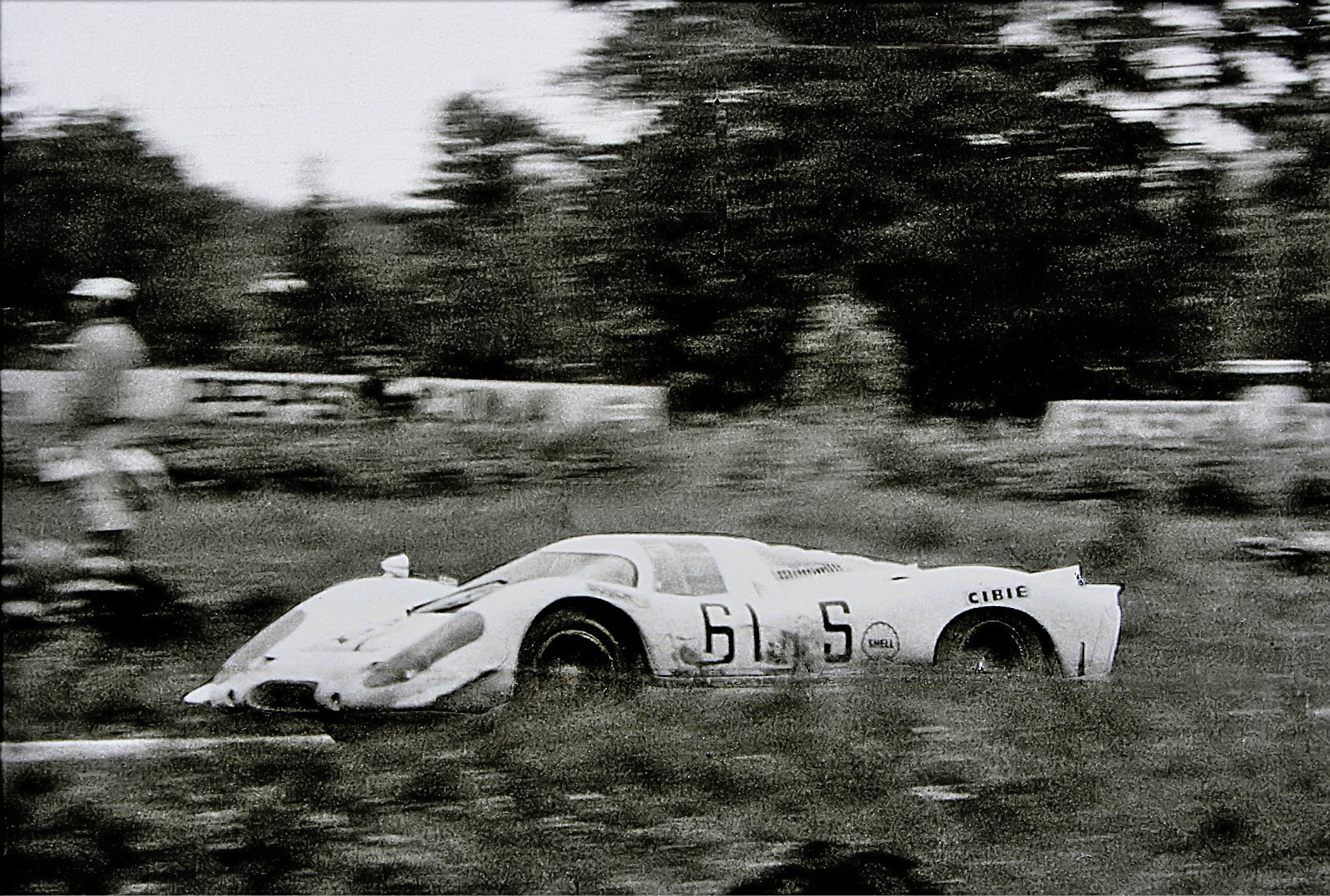
Porsche 917
"I mean, there was Carrera GT's and race cars, they had a 917 there, a couple of 962's."
The Porsche 917 is a legendary old race car. Hearing it at an event like this is a big deal because it’s tied to major endurance racing history.
The Porsche 917 is one of the most famous endurance-racing cars ever, known for dominating the 1970s Le Mans era. In the segment, it’s mentioned as part of the lineup at the Porsche Platica event, highlighting the mix of modern and historic Porsche race hardware.

Porsche 963 RSP
"They brought Roger Penske's 963 RSP, which is the only street car 963 in existence."
The Porsche 963 RSP is an extremely rare Porsche that’s based on a modern race program. The speaker highlights that it’s the only street-legal 963 they know of, which is why it’s so special.
The Porsche 963 RSP is a rare, race-derived Porsche 963 variant, and the speaker emphasizes its exclusivity as a street-legal example. In this segment, it’s called out as the only street car 963 in existence, making it a standout hyper-rare collector piece.
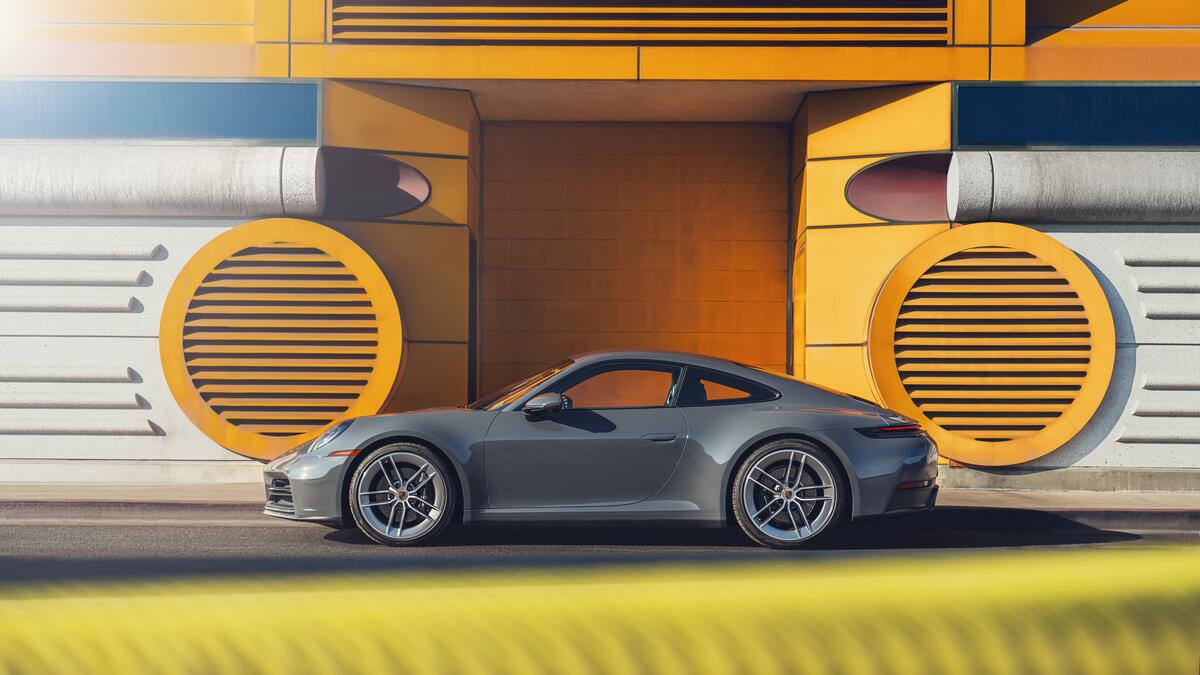
Porsche 911
"Okay. Yeah, so I showed up with my BMW, which is a no-go, and managed to find a guy from Minnesota who also had driven down in his kind of outlaw style 911 street car race car..."
The Porsche 911 is Porsche’s iconic sports car. In this story, it’s being driven in a more aggressive, enthusiast-style way rather than as a stock daily car.
The Porsche 911 is the long-running rear-engine sports car line that serves as the baseline for many of Porsche’s most famous variants. Here, the speaker describes riding with someone who drove an “outlaw” 911 street-car/race-car style setup down the route.
outlaw style 911 street car race car combo
"managed to find a guy from Minnesota who also had driven down in his kind of outlaw style 911 street car race car kind of combo."
“Outlaw” in car culture usually means a car that’s been modified to run in a more permissive, non-stock way—often with safety and performance changes that make it feel like a race car. The speaker’s phrase suggests a 911 that’s part street car, part race-car setup.
Tail of the Dragon
"we stopped right at the kind of start tail of the dragon and as a big group. And when we took off again, we ended up behind the Carrera GT."
Tail of the Dragon is a well-known winding mountain road where car enthusiasts like to drive. It’s famous for lots of curves, so it’s a great place to see exotic cars in action.
Tail of the Dragon is a famous mountain-road driving route in the U.S. known for tight turns and high-enthusiast traffic. The speaker uses it as a backdrop to describe how supercars and track-focused Porsches show up for group drives.

Porsche Carrera GT
"...nd when we took off again, we ended up behind the Carrera GT. That must have been an awesome sound. It was so ..."
The Carrera GT is a very rare, high-performance supercar from Porsche. It’s the kind of car that stands out because it sounds and drives dramatically. The podcast brings it up because the speaker heard it while driving behind it.
The Porsche Carrera GT (often referred to as the Carrera GT) is a rare, supercar-level Porsche known for its extreme performance and distinctive sound. It’s a car people remember because it’s not common and it tends to draw attention when it’s around. In the podcast, it’s mentioned because the group ended up behind one and the speaker described the awesome sound.
Graham Ray Hall Performance
"One of them was one of the Graham Ray Hall custom spec ones. Graham Ray Hall Performance, they're out of Indianapolis."
Graham Ray Hall Performance is a company that specializes in Porsche cars and does custom work. The speaker says they build or customize Carrera GTs with special paint and options.
Graham Ray Hall Performance is described as a Porsche-focused dealership/customizer that retrofits and customizes Carrera GTs with bespoke paint and options. In this segment, the speaker ties the company to a specific custom-spec Carrera GT example on the trip.
paint-to-sample colors
"but yeah, they make them in all the not like the paint to sample colors basically that people want or literally any color someone wants in different leathers and all that kind of stuff."
Paint-to-sample means you can pick a specific color reference, and the shop tries to match it. So instead of only choosing from a list, you can get a custom color.
“Paint-to-sample” means the manufacturer can match a customer’s specific color reference rather than limiting you to standard factory paint options. In this segment, it’s used to describe how Porsche could build the car in essentially any color the buyer wanted.

Audi RS4
"...ed budget, that's a tough one. Probably a 997 GT3 RS4 liter, which is a limited edition, I think they o..."
The RS4 is a sporty Audi model based on the A4. It’s meant to be quicker and more fun than a standard A4. The podcast brings it up as something someone might want within a certain budget.
The Audi RS4 is a performance version of the Audi A4, known for a sportier driving feel and a strong enthusiast following. In the podcast, it’s mentioned in a budget discussion alongside the idea of a limited-edition RS4-related setup. The key point is that it’s being considered as a desirable performance option.
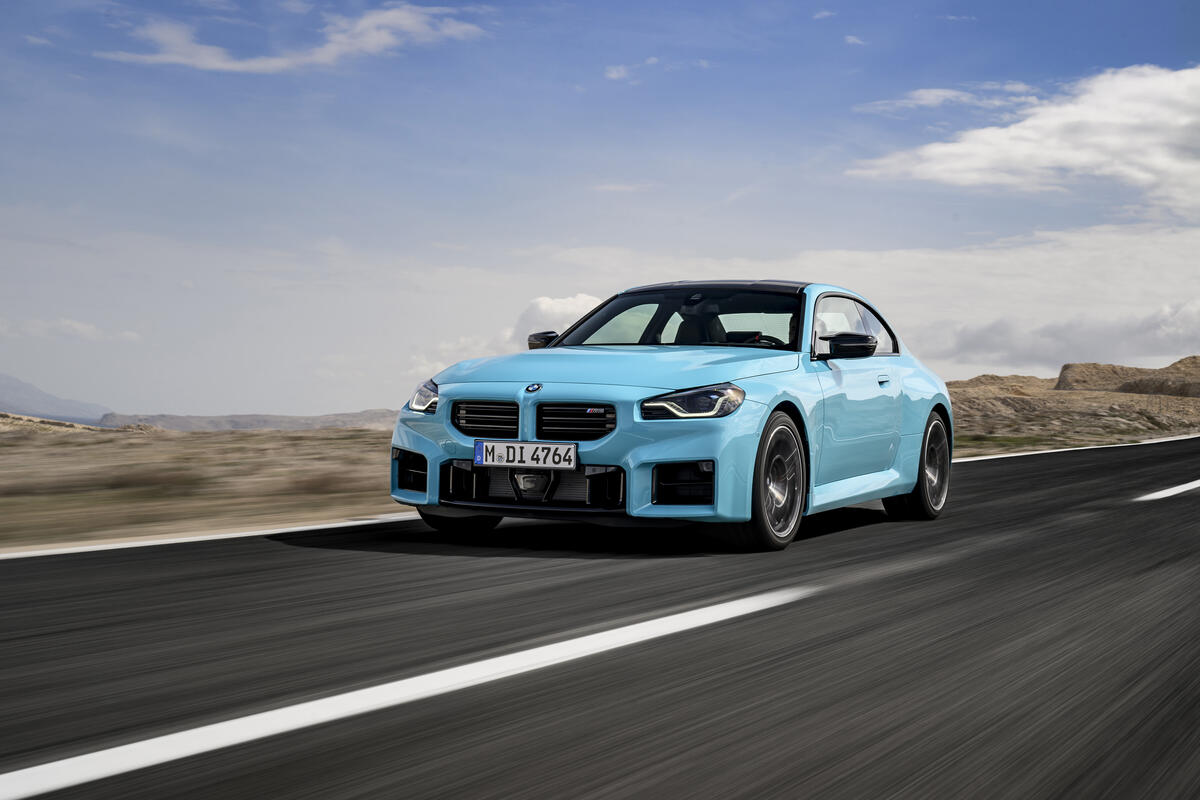
BMW M2
"...lous. That car is gorgeous. So different than the M2 he just got rid of, the 370Z he had before that. ..."
The BMW M2 is a smaller, sportier BMW coupe meant to feel quick and nimble. The podcast mentions it as a car the speaker thinks looks great and compares it to another sports car they had before. It’s part of a discussion about what they prefer in a performance car.
The BMW M2 is a compact performance coupe that’s designed to deliver sporty handling and strong acceleration in a smaller, more agile package. It’s often compared within BMW’s performance lineup because it’s typically easier to place on a “fun per size” scale. In the podcast, it’s praised for its looks and contrasted with a previous 370Z the speaker had.
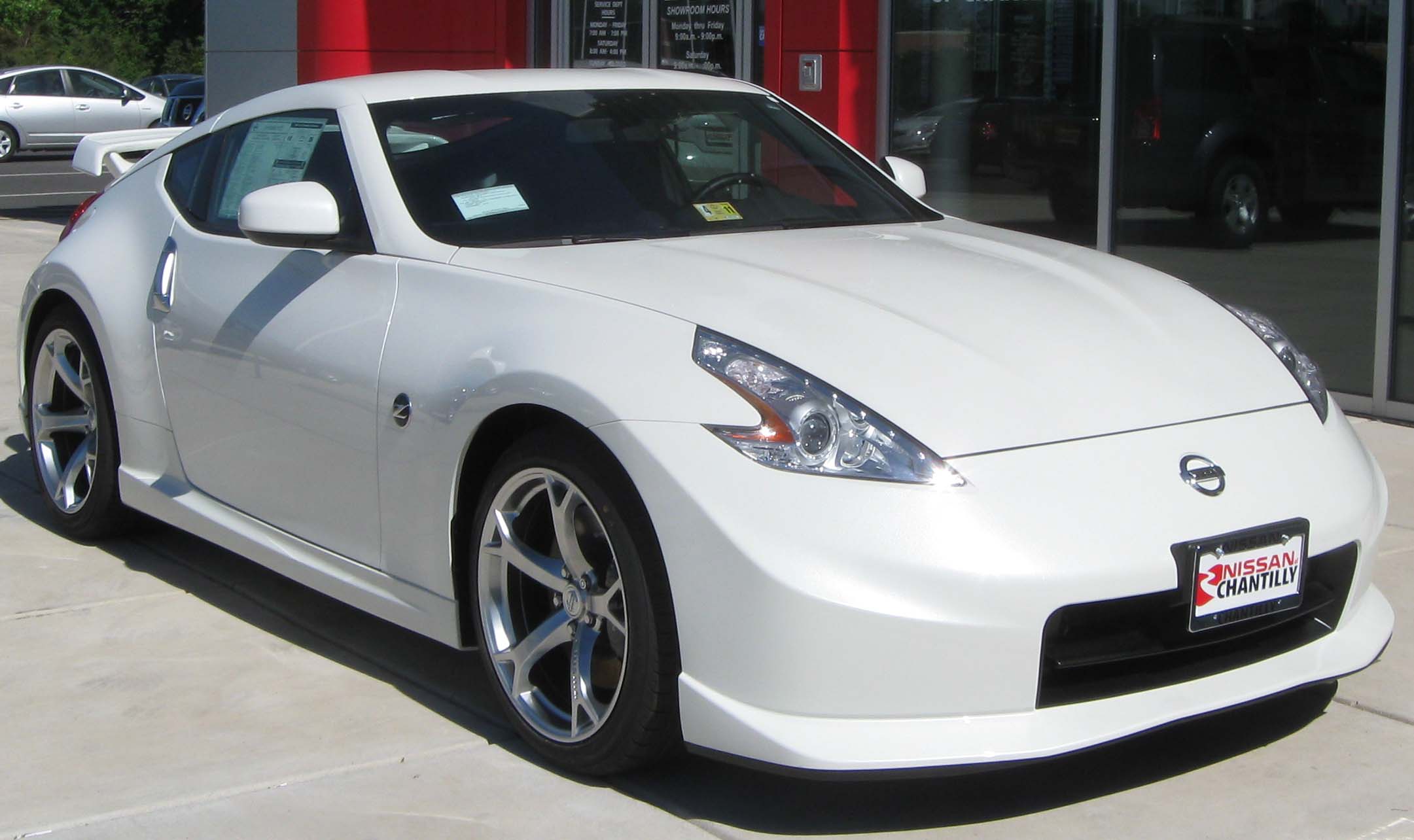
Nissan 370Z
"... So different than the M2 he just got rid of, the 370Z he had before that. Like, I don't know, it's craz..."
The 370Z is a Nissan sports coupe that’s built to be fun to drive. It’s rear-wheel drive, which helps it feel sporty. The podcast mentions it because the speaker had one before switching to another performance car.
The Nissan 370Z is a sports coupe known for its classic rear-wheel-drive layout and enthusiast-friendly driving feel. It’s often discussed as an accessible alternative to more expensive performance cars. In the podcast, it’s referenced as a previous car the speaker had before moving to an M2.
Cannonball
"I was riding with him on a cannonball a handful of years ago and he was telling me..."
“Cannonball” is slang for a very fast, long-distance road trip attempt—basically driving as quickly as possible across the country. Here it’s mentioned to give context for the car and the owner’s experience.
“Cannonball” refers to the informal, high-speed cross-country “Cannonball Run” style of driving, where teams try to cover a long distance as fast as possible. In this segment it’s used to establish credibility for the owner’s performance claims and car history.
wheel horsepower
"he was telling me, I think it was around 650 wheel horsepower."
Wheel horsepower is how much power the car puts to the wheels. It’s a real-world measurement that accounts for losses inside the drivetrain.
Wheel horsepower is the power measured at the wheels, after the drivetrain losses from the engine through the transmission and differential. It’s often lower than “engine horsepower” numbers, but it reflects what the car actually delivers to the road.

Porsche Cayman
"...0 wheel horsepower. Yeah. So to go from that to a Cayman GT4, which on its own ride is no slouch, but comp..."
The Cayman is a Porsche sports car with the engine placed closer to the middle of the car. That helps it handle well when you drive hard. People talk about it because it can be tuned or upgraded into faster, more track-focused versions.
The Porsche Cayman is a mid-engine sports coupe known for sharp handling and a driver-focused layout. It often comes up in conversations because it’s a “base” Porsche sports platform that can be upgraded to higher-performance variants like the GT4. In the podcast, it’s used as a reference point for moving up to a more track-oriented Cayman.

Mark 7 GTI
"So you just have a Mark 7 GTI before I had the Mark 8 and I was making 340 wheel and about 390 foot pounds, right?"
The GTI is Volkswagen’s sporty version of the Golf. “Mark 7” means a specific generation of that GTI, and the host is using it as a comparison point for how different cars feel when you drive them.
The Volkswagen GTI is a performance-focused version of the Golf, known for its sporty front-wheel-drive setup and turbocharged engine. In this segment, “Mark 7” refers to the seventh-generation GTI, which is a common enthusiast baseline for comparing feel and acceleration against other cars.
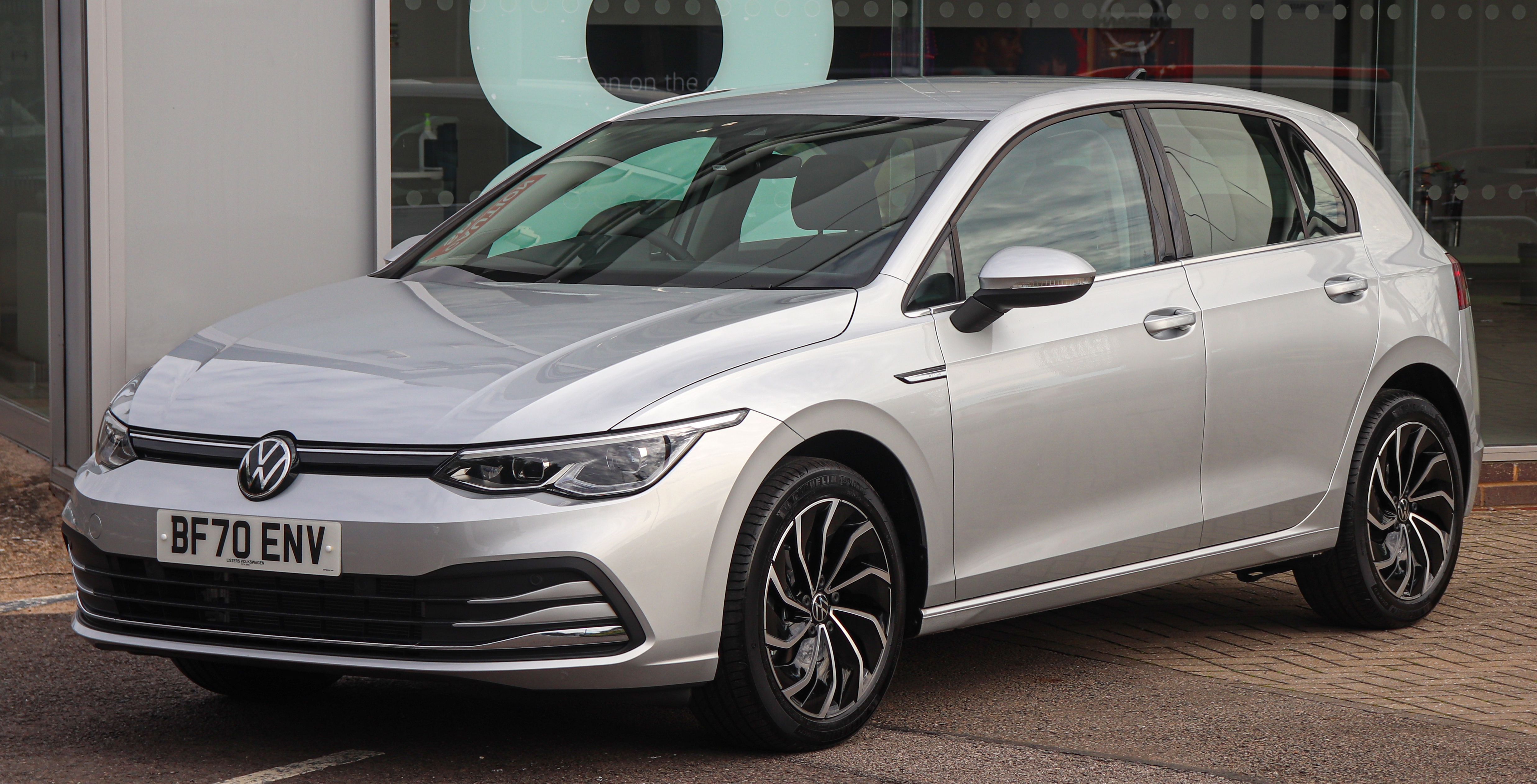
Volkswagen Gti
"... used to a car that feels, you know, I'm sure the GTI, you know, it is fast for what it is and you get ..."
The Volkswagen Golf is a compact car that’s meant to be easy to live with. The podcast talks about the Golf’s performance version (like the GTI) as being quick for its size. It’s being used as an example of a car that feels fast without being huge.
The Volkswagen Golf is a compact car platform known for being practical, efficient, and widely available in performance trims. In the podcast, it’s mentioned in the context of the GTI being fast “for what it is,” highlighting how the Golf can deliver performance without being a full sports car. The speaker is using it as a reference point for what feels quick in everyday driving.

CL65
"I really wanted to get a CL65, but there weren't that many available to test drive. And so the CL600 was for sale."
The Mercedes-Benz CL65 is the higher-performance CL model associated with a twin-turbo V12, typically delivering much stronger acceleration and a more dramatic power character than the standard CL600. The host wanted to experience the CL65 but used a CL600 as a stand-in because it was available to drive.

Mercedes CL600
"A handful of years ago, I had a chance to drive a Mercedes CL600 that had been tuned up to about the same specs as a CL65."
The CL600 is a big, luxury Mercedes with a V12 engine. Even when it’s tuned to similar power, it can feel less “fast” because it’s heavy and smooth, so you don’t get the same rush of speed.
The Mercedes-Benz CL600 is a luxury grand tourer powered by a V12, known for smooth, effortless power delivery rather than “lightweight” sports-car feel. Here, the host describes a CL600 tuned to roughly CL65-like output to compare how speed sensation differs between a long, heavy V12 cruiser and a more driver-focused car.
twin-turbo V12
"Yeah, the twin-turbo V12. And yeah, because I was looking at one, I really wanted to get a CL65, but there weren't that many available to test drive."
A twin-turbo V12 is a V12 engine with two turbochargers that help it make more power. It can feel very powerful, but how fast it feels to you depends on the whole car, not just the engine.
A twin-turbo V12 is an engine configuration where a V12 uses two turbochargers to force more air into the cylinders for higher power. Compared to naturally aspirated engines, turbos can deliver strong torque and acceleration, but the overall “speed feel” can still vary a lot depending on vehicle weight and gearing.

Audi SQ7
"We just rented an SQ7 for Texas 2K about a month and a half ago. And like that has the same V8 as the R6 is just smaller turbos from my understanding."
The Audi SQ7 is a fast version of the Q7 SUV. Even though it can accelerate hard, it may not feel as fast because it’s big, heavy, and smooth.
The Audi SQ7 is a performance version of the Q7 SUV, using a high-output V8 setup (as mentioned in the segment) to deliver strong acceleration despite its size. The host’s point is that in a big SUV, you can be going fast without feeling the same “speed rush” as in smaller, more driver-focused cars.
wrap
"How long have you had that wrap on the BMW now? 56 years, something like that at this point. It's starting to peel a little bit."
A wrap is a vinyl covering put on a car to change its look or protect the paint. If it starts peeling, it’s usually time to take it off or replace it so it looks good again.
A car wrap is a vinyl film applied over body panels to change color/finish or protect the underlying paint. When wraps start peeling, it usually indicates edge lifting or adhesive failure, and owners often choose to remove and redo it for a clean look.
diesel
"And is it a diesel? Yeah. It is a diesel. Yep. Oh, that's awesome. Yeah, it's great for just crushing highway miles."
Diesel is a type of engine that runs differently than gasoline. People often like it for long trips because it can be efficient and has strong pulling power.
A diesel engine uses compression ignition instead of spark plugs, and it typically emphasizes fuel efficiency and torque. The speaker connects it to “crushing highway miles,” implying the diesel’s efficiency suits long-distance driving.
track
"I've had on track a few times too, but it does really excel on the highway. And I made it all the way. So it's a 14 hour drive..."
A “track” is a special road course where cars can drive fast more safely than on public roads. They’re saying the car works well for both normal highway driving and track days.
“Track” here means driving on a closed circuit designed for higher-speed testing and performance use. The speaker contrasts track use with highway use, saying the car excels on the highway but has also been used on track.

Lotus Excel
"... had on track a few times too, but it does really excel on the highway. And I made it all the way. So it'..."
The Lotus Excel is a sports car that’s meant for longer, smoother drives. The podcast mentions it because it feels especially good on the highway. The speaker also talks about how they were able to drive it for a long distance.
The Lotus Excel is a grand touring-style sports car from Lotus, designed to be more comfortable for longer drives than many pure track-focused cars. It’s discussed in the podcast as excelling on the highway, with the speaker describing how far they made it. The Excel is a niche model that tends to come up among enthusiasts who enjoy older Lotus cars.
range wise
"What do you get range wise on that thing? About 650 on the highway. Yeah. So I can just go as long as my wagon too."
“Range” just means how far the car can drive before it runs out of fuel. They’re saying they can go about 650 miles on the highway.
“Range” is how far a vehicle can go before it needs fuel again. Here, the speaker is talking about highway range—how many miles they can cover on the road before refueling.
rallies
"So when I'm doing like rallies and stuff with it, I can, if I have someone driving for me, I'll sit in the back and just pop the glass and I can shoot out the back..."
Rallies are racing events with timed sections, usually on roads or road-like routes. The speaker is talking about photographing those events and needing good sight lines from the car.
Rallies are motorsport events where drivers complete timed stages over roads (often a mix of surfaces) and the car’s setup and durability matter a lot. The speaker discusses shooting rallies from the back seat and how the wagon’s rear glass helps with visibility.
airflow
"And I've had it up to, I think, like well over 100 miles an hour while shooting rallies. And you don't even notice because it's with the back glass kind of covering the opening there, it kind of creates like a long tail effect and smooths out the airflow."
Airflow is how air moves around the car. They’re saying the way the rear opening is shaped helps the air move smoothly, so the ride feels calmer while they’re shooting.
Airflow refers to how air moves around the car’s body, which affects aerodynamic drag and stability. The speaker claims the rear opening and “long tail effect” smooth the airflow while shooting, reducing turbulence and making it more comfortable.
long tail effect
"And you don't even notice because it's with the back glass kind of covering the opening there, it kind of creates like a long tail effect and smooths out the airflow."
This is an airflow/aero idea: the rear shape can make the air behave more smoothly. They’re saying the back glass makes the car’s rear act more streamlined, so it feels less “buzzy” at speed.
A “long tail effect” is an aerodynamic idea where shaping the rear of the vehicle encourages smoother airflow and delays separation, effectively making the car behave like it has a longer, more streamlined tail. In this context, the speaker attributes reduced turbulence to the rear glass covering the opening.
Crown rally
"Speaking of shooting rallies, I'm pretty sure the year you weren't able to go was my first crown rally. Okay. That's when I got called like 16 hours ahead by Justin..."
The Crown rally is a particular rally event they’re talking about. They describe it as their first one and say it changed their direction.
The Crown rally is a specific rally event the speaker references as their first and as a turning point in their life and career. The segment ties it to the speaker’s early motivation and to meeting/working with other automotive photographers.

Lamborghini SVJ
"I still remember being in the SVJ because I got to ride with Randy's guys at the time. Oh yeah. And I, I missed that one. ... I'm like riding this SVJ for four hours ... After that, I'm like, I need a SVJ, you know, like, oh yeah, those cars are phenomenal."
The Lamborghini SVJ is a super extreme Lamborghini. It’s the kind of car people chase because it’s fast and feels special, and the speaker is saying it made a big impression on them.
The Lamborghini SVJ is a high-performance Aventador variant known for its extreme track-focused aero and power. In this segment, the host mentions riding in an SVJ, using it as a benchmark for how dramatic and inspiring these hypercars can feel.

Mclaren F1
"I mean, for me, my dream car is a McLaren F1. And so I had the chance to, I've shot two of them now, I guess."
The McLaren F1 is a famous, very rare supercar. It’s known for being extremely quick and for having a special driver setup that makes it feel different from most cars.
The McLaren F1 is a legendary supercar known for its mid-engine layout and the iconic driver’s seat positioned in the center. It’s famous among enthusiasts because it was built to be brutally fast and track-capable, and it has become a high-value collector car over time.
sequential transmissions
"When you get to a certain level in a build, whether it be drag racing or drifting, road course or just the badass street car, you'll have to upgrade your transmission. And when we're talking sequential transmissions, there's no one on the planet with a stronger gearbox than 6XD."
A sequential transmission is a gearbox where you move through gears step-by-step in order. It’s often used in racing because it helps you shift quickly and consistently.
A sequential transmission lets you shift through gears in order (like 1st to 2nd to 3rd) rather than using an H-pattern gate. This is common in racing because it can make shifts faster and more consistent under load.
6XD
"And when we're talking sequential transmissions, there's no one on the planet with a stronger gearbox than 6XD. And the proof is in the pudding here, folks. Half the FD field is rocking a 6XD..."
6XD is a company that makes racing-focused gearboxes. In this segment, the host is saying it’s known for being strong enough for high-power, hard-driven cars.
6XD is a gearbox brand/company being promoted here as a specialist in high-strength transmissions for serious builds. The host claims many FD (Formula Drift) cars use 6XD gearboxes and that even very high-power cars can’t “tame” what 6XD offers—positioning it as a top-tier option for durability.
FD field
"Half the FD field is rocking a 6XD and even 3,000 horsepower vipers have not been able to tame the best that 6XD has to offer."
“FD” is short for Formula Drift, a major drifting competition. The host is basically saying lots of the top drift teams use this gearbox.
“FD” refers to Formula Drift, a professional drifting series. Saying “half the FD field” implies a large portion of competitive teams use a particular gearbox setup, which is meant to signal credibility and real-world durability.
Remastered Singer Vehicle Design
"...tour on the track yeah we got a private tour of a singer vehicle design that was really cool um yeah and then we ended up..."
A Remastered 911 is a classic Porsche 911 that’s been rebuilt and updated. The goal is to keep the original feel but make it work better in modern driving. The podcast mentions it because the speaker saw one during a private tour.
A “Remastered 911” refers to a Porsche 911 that’s been restored and modernized by a specialist program, typically updating parts and drivability while keeping the classic 911 character. It’s discussed because it blends heritage with improved usability. In the podcast, it’s mentioned during a private tour of a Singer vehicle design facility.
bang for buck
"but that's perfect car for it too honestly it's uh it truly is like bang for buck it is it's hard to beat"
“Bang for buck” just means you feel like you’re getting a lot of car for the money. Here, the point is that the GT-R is a strong deal compared with more expensive options.
“Bang for buck” is a value-focused way of saying a car delivers a lot of capability (performance, features, driving experience) relative to its purchase price. The host uses it to argue that the Nissan GT-R offers unusually strong performance per dollar versus pricier European track cars.

Chevrolet C8
"...re maybe but like what can you get at 110 maybe a c8 I guess but then it rattles yeah you know what I ..."
The Corvette is Chevrolet’s sports car, designed to be fast and fun to drive. In the podcast, it comes up as an option people consider when they want performance around a certain price. The speaker also mentions that some cars can have annoying noises like rattles.
The Chevrolet Corvette is a performance sports car built by Chevrolet, typically known for strong acceleration and a low, athletic stance. It’s discussed in the context of what you can buy for a certain budget and how it feels in real-world driving. The podcast mentions a Corvette (C8) while also noting concerns like rattling.

Nissan Gtrs
"...ah not that the v8 twin the twin turbo v8 and the GTRs are any slouch either though that sounds awesome ..."
The Nissan GT-R is a high-performance sports car built to be very fast. The podcast mentions it because it has strong acceleration and a great sound. It’s brought up as a serious performance option.
The Nissan GT-R is a performance sports car known for its twin-turbo V6 and strong track-capable performance. It’s often discussed as a “serious” car that can deliver impressive speed and grip. In the podcast, the speaker mentions the twin-turbo V8/V8-sounding description and emphasizes that the GT-Rs aren’t “any slouch,” focusing on its sound and performance reputation.
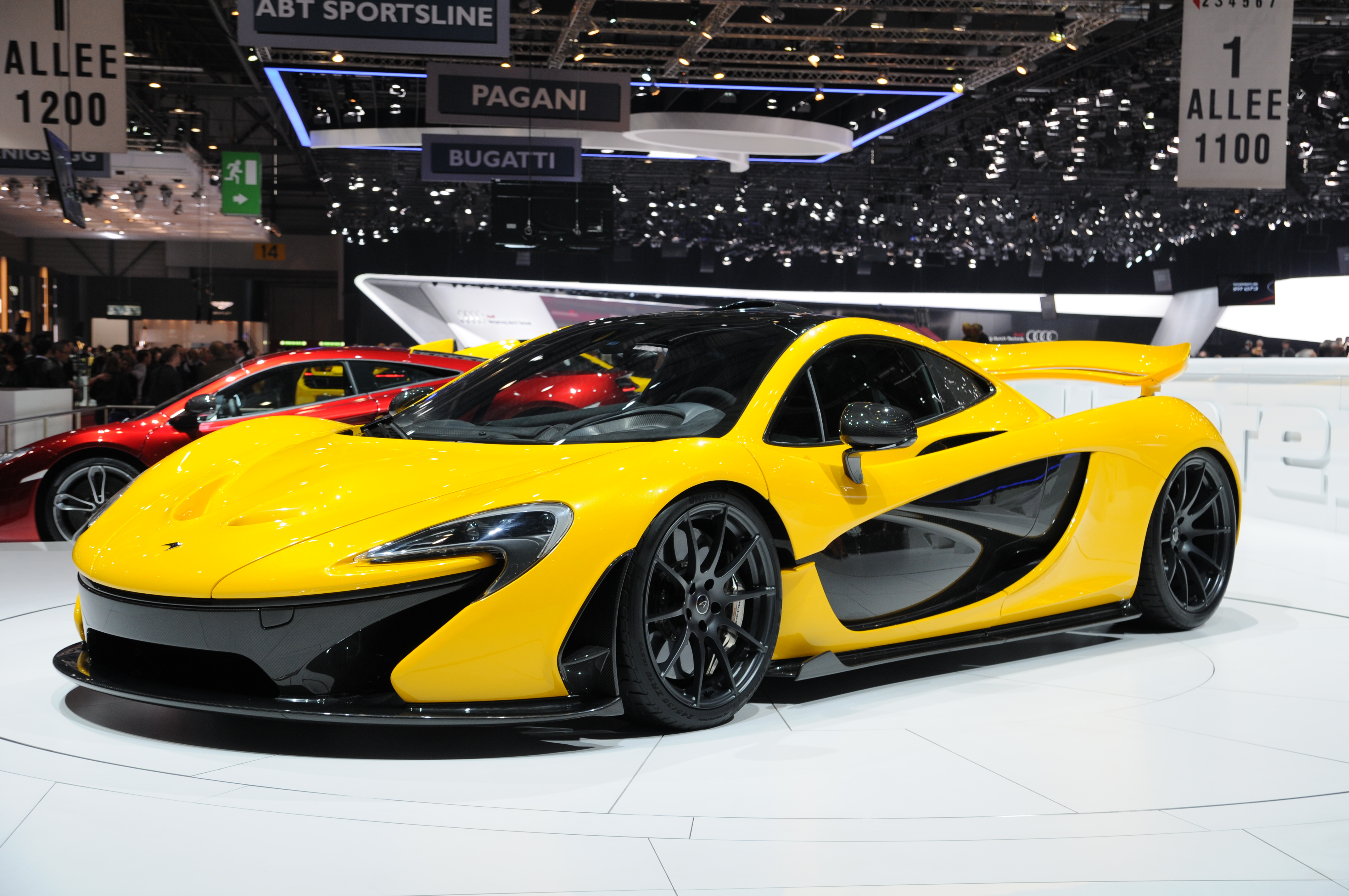
McLaren P1
"he had not quite the whole holy trinity but he had a p1 and two 918 spiders up there ... he tossed me the keys to the p1 and let me take it out for a few laps around BIR"
The McLaren P1 is a top-tier supercar with a hybrid powertrain. In this story, the host drives it on track and explains that it feels very different and more intense than everyday race cars.
The McLaren P1 is a modern supercar famous for its hybrid system and track-capable dynamics. Here, the host gets the keys to the McLaren P1 for laps at BIR, and describes how its steering feel and aerodynamic behavior make it intimidating compared with more basic cars.

Porsche 918 Spider
"he had not quite the whole holy trinity but he had a p1 and two 918 spiders up there in addition to an eventador ... he’s like well you can’t just drive that you got to compare it to the 918 so I took the 918 out"
The Porsche 918 Spider is a very high-end Porsche supercar, and it uses a hybrid setup. Here, it’s mentioned because the host compares driving it to another famous supercar to understand the differences.
The Porsche 918 Spider is a halo supercar known for its hybrid powertrain and track-focused performance. In this segment, it’s used as a benchmark after the host drives a Porsche 918 Spider to compare how it feels versus the Porsche 918 Spider’s rival, the McLaren P1.
downforce
"especially with the p1 because the steering is so direct it felt really really dirty and that's a car that like it makes a lot of air like it has a lot of arrow down you know downforce and everything"
Downforce is the aerodynamic “suction” that presses the car down onto the road. More downforce usually means better grip, and the host is saying the car’s grip changes a lot as speed changes.
Downforce is the aerodynamic force that pushes a car’s tires toward the ground, increasing grip—especially at higher speeds. The host notes the McLaren P1 “makes a lot of air” and has significant downforce, which helps explain why the car can feel like it drives differently depending on speed.
aerodynamics
"it felt really really dirty and that's a car that like it makes a lot of air like it has a lot of arrow down you know downforce and everything and I'd never driven a car that actually drives differently depending on speed"
Aerodynamics is how the shape of the car interacts with air as you drive. Here, it’s important because the airflow changes how planted the car feels at different speeds.
Aerodynamics is how airflow around the car affects stability, drag, and grip. In this segment, the host links the McLaren P1’s aerodynamic effects—especially downforce—to the way the car “drives differently depending on speed.”
entry speed
"the driving instructors were playing a game of who can get the highest entry speed in the turn one at BAR"
Entry speed is the speed you’re at when you start turning into a corner. Going faster can help your lap time, but it’s harder to control.
Entry speed is how fast the car is traveling as it turns into a corner. It’s a key metric in track driving because higher entry speed can mean more momentum and faster lap times, but it also increases risk if the car can’t generate enough grip.
lap time
"although honestly lap time wise is not too far off but it definitely felt a lot uh easier to drive refined"
Lap time is how long it takes to drive around the whole track once. It’s one of the main ways drivers compare how fast they’re going.
Lap time is the total time it takes to complete one circuit of a track. The host notes that even though the car felt slower after the tire change, the lap times were still close—suggesting the difference was more about feel than outright speed.

Dodge Demon
"I denied like driving a demon ... at that point I knew enough to be like ah this could go sideways"
The Dodge Demon is a very powerful muscle car. People mention it when they’re talking about cars that can feel intense or hard to control because of how much power they have.
The Dodge Demon is a high-performance muscle car known for extreme straight-line capability and a “go big or go home” attitude. In enthusiast talk, it often comes up as a car that can feel intimidating because it’s so powerful and aggressive.
Haltech
"Haltech has once again pushed the envelope today ... announced their new transmission interfaces ... a standalone ecu ... plug-and-play solutions"
Haltech makes aftermarket car tuning electronics. They provide parts that help you control and modify engine and transmission behavior.
Haltech is an aftermarket automotive electronics brand best known for engine management systems and tuning hardware. In this segment, they’re discussed as providing transmission interfaces and standalone ECU-related solutions for GM platforms.
transmission interfaces
"GM ... at the end of 2025 they announced their new transmission interfaces for our GM listeners"
A transmission interface helps the car’s computers talk to the transmission. It’s what makes aftermarket tuning or upgrades work properly with how the gearbox shifts.
Transmission interfaces are electronic modules or connection systems that let an aftermarket ECU or control system communicate with a specific transmission. They’re used to make swaps or tuning setups work correctly with the transmission’s sensors and shifting logic.
oe setup
"rip out that rinky dink almost two decade old oe setup and get set up with everything that a standalone ecu has to offer"
“OE” means the factory setup. The host is saying the older factory electronics can be limiting compared to newer aftermarket tuning gear.
“OE setup” means the original equipment (factory) configuration. The idea here is that an older factory transmission/ECU integration can be limiting compared to a modern aftermarket standalone ECU approach.
standalone ecu
"get set up with everything that a standalone ecu has to offer without the compromise to learn more"
An ECU is the car’s computer for controlling the engine. A standalone ECU is an aftermarket computer that gives you more tuning control when you modify the car.
A standalone ECU (engine control unit) is an aftermarket computer that replaces or takes over engine management. It gives builders more control over fueling, ignition, and other parameters than many factory setups, especially for modified engines.
plug-and-play
"check out the various plug-and-play solutions for your platform as well including some install videos"
Plug-and-play means the parts are made to install easily, with less custom work. It’s meant to reduce the hassle of fitting aftermarket upgrades.
Plug-and-play refers to aftermarket parts or wiring that are designed to install with minimal custom fabrication. In tuning contexts, it usually means the hardware integrates more easily with a specific car platform.
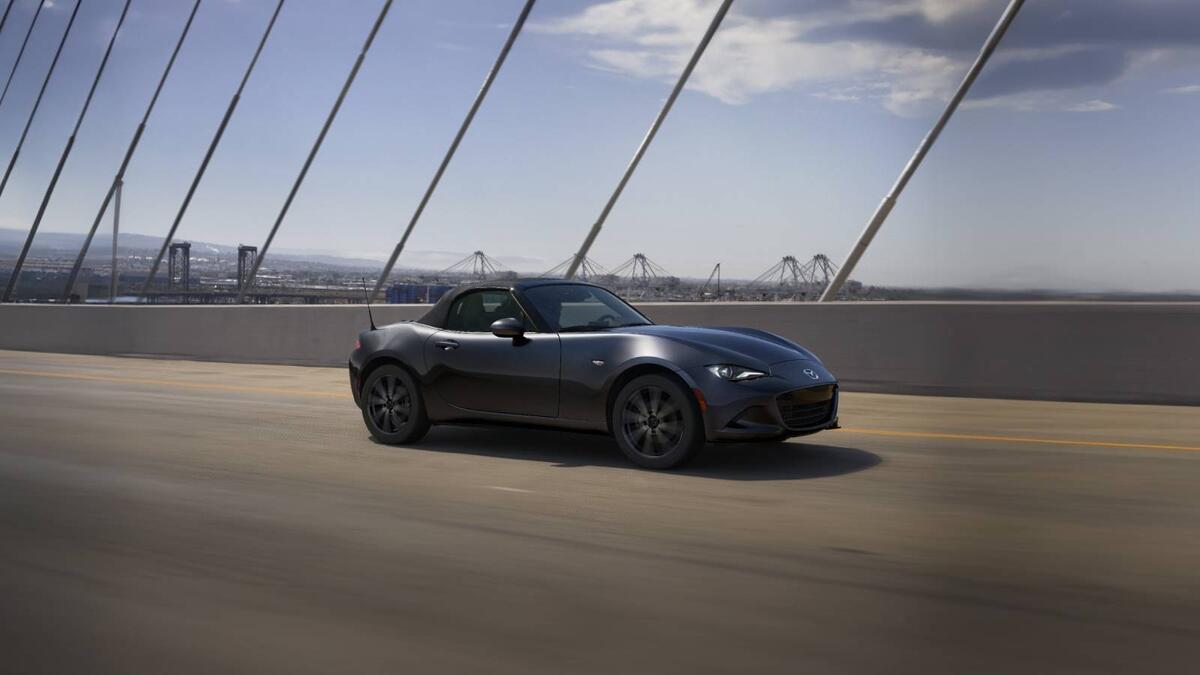
Mazda MX-5 / Miata
"it felt like a you know like a miata on steroids kind of um like the build quality is about the equivalent to a miata honestly kind of shitty kind of rattle"
The Mazda Miata is a small, lightweight sports car that many people love for being easy to drive. In this conversation, it’s mainly a reference point for how “rough” or “crude” the Ferrari F40 feels.
The Mazda Miata is a lightweight, front-engine roadster that’s often used as a baseline for “simple, tossable” driving. Here it’s used as a comparison point for the Ferrari F40’s perceived build quality and cabin/feel.

Ferrari F40
"yeah uh god I know that's sacrilegious to compare an f40 to a miata but I mean when you look at it 30 years ago right yeah"
The Ferrari F40 is a famous old-school supercar with a turbocharged V8. The point here is that it feels very “mechanical” and basic compared to newer Ferraris, but it’s still a blast to drive.
The Ferrari F40 is a 1980s supercar known for its twin-turbo V8 and raw, analog feel. In this segment, the host compares its build quality and driving character to a Miata, then contrasts it with how modern Ferraris feel.
boost
"as long as you're out of boost because that's the other thing the v8 is it's a pretty small v8 and the turbos are pretty big"
Boost is the extra “push” from a turbo that helps the engine make more power. The host is saying the car feels calmer when the turbo isn’t really working yet, and then gets much stronger once boost comes in.
In turbocharged engines, boost is the extra air pressure forced into the engine by the turbo. This segment explains that the F40’s small V8 and large turbos mean there’s a noticeable “turbo leg” before it really accelerates, so cruising out of boost feels less scary.
turbo leg
"so it takes a lot there's a lot of turbo leg before you really get going"
“Turbo leg” is the feeling of waiting for the turbo to spool up, and then getting a big jump in power. It’s why the car can feel fine while cruising, but more intense once you ask for acceleration.
“Turbo leg” is enthusiast slang for the delay and then the sudden surge when a turbocharger spools up and starts making boost. The speaker contrasts cruising (out of boost) with getting on it, where the big turbos take time to build pressure before the car really goes.

Dodge Viper
"like a tame 1200 horsepower on the auto viper I don't want a 2000 horsepower one anymore"
The Dodge Viper is a high-powered American sports car famous for having a lot of engine power. The host is saying that at around the “tame” end of huge horsepower, it feels more controllable than the truly extreme builds.
The Dodge Viper is known for big-displacement V10 power and a reputation for being brutally fast even in stock form. In this segment, it’s referenced as a “dream” target with extremely high horsepower, and the speaker talks about how that power level affects their confidence.
hand-built
"there's also the rarity of parts too right like like they're all hand-built it's not like it's going to be down for a week"
“Hand-built” means the car is put together more manually. The host is saying that because these cars are rare and made with more specialized work, replacement parts can be difficult to find.
“Hand-built” means the car is assembled largely by people rather than fully automated production lines. The speaker ties this to parts availability and long-term ownership risk, implying that rare, bespoke components can be hard to source.
roast my clutch
"don't uh don't stop it on a hill and don't roast my clutch I'm like okay I mean I you know whatever I think I can figure this out it's it's a manual it's fine whatever"
“Roast my clutch” means you’re slipping the clutch too much and overheating it. That can burn it up and make it wear out faster.
"Roast my clutch" is enthusiast slang for overheating and damaging a clutch by slipping it excessively. The result is often a burnt smell, reduced clutch performance, and in severe cases premature wear.
carbon fiber lightweight clutch
"I knew that they were tricky because they have such a small little carbon fiber lightweight carbon fiber clutch um so I'd heard that they were tricky and I heard that the trick was you let off uh you don't touch the gas at all you just slowly release the clutch"
This is a clutch made with carbon fiber to make it lighter. Because it’s lighter, it can feel touchier to use smoothly, especially when you’re trying to start moving without stalling.
A carbon fiber lightweight clutch uses carbon-fiber materials to reduce mass. Less rotating mass can improve responsiveness, but it can also make the clutch engagement window smaller—so it’s easier to slip or overheat if you start awkwardly.
starting on a hill with a manual transmission
"basically like three blocks outside of the the airport um it was like 430 in the afternoon and near seattle and so of course there's a bunch of hills everywhere and uh we're in traffic and I ended up at a stop sign on a hill in traffic"
When you start a manual car on a hill, you have to smoothly let out the clutch while giving enough gas so the car doesn’t roll back or stall. In this case, the clutch got slipped too much, which is why it was embarrassing.
Starting on a hill in a manual car requires balancing clutch release and throttle to prevent rollback and stalling. In this story, the driver’s difficulty in traffic on hills leads to clutch slip—exactly the behavior the owner warned about.
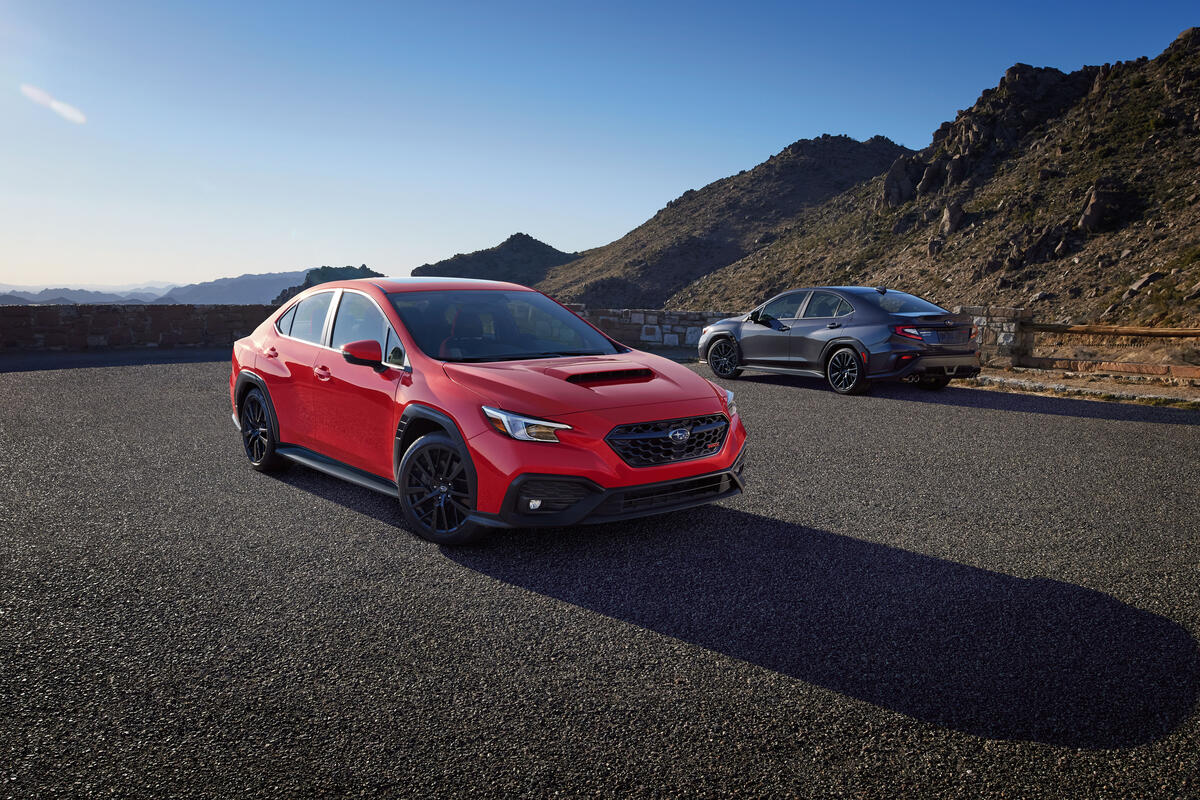
Subaru WRX
"like a month and a half ago like I was driving a wrx and I stalled twice at a stoplight"
The Subaru WRX is a popular enthusiast car with a turbo engine and all-wheel drive. The host mentions it because they stalled at a stoplight—basically showing that it can happen to anyone.
The Subaru WRX is a turbocharged, all-wheel-drive “performance sedan” known for rally-style handling and everyday drivability. In this segment it’s used as an example of a driver stalling at a stoplight, highlighting that even common enthusiast cars can have moments of drivability trouble.
autocross
"were you just like like autocross days"
Autocross is a driving competition where you go through a cone course as fast as you can on a closed area. It’s usually shorter and less like a full race than endurance events.
Autocross is a timed driving event where cars navigate a course marked with cones, usually on a closed lot or track. The host asks whether the guest’s early-2010s track involvement was autocross-related, which helps listeners understand the type of grassroots motorsport being discussed.

Ford Escort ZX2
"this red Ford Escort ZX2 like a 1990 late 90s early 2000s Escort that was just ripping around the track"
The Ford Escort ZX2 is a sporty version of the Ford Escort from the late 1990s/early 2000s. In the story, it’s the surprising car that’s fast on track and basically outclassing more expensive cars.
The Ford Escort ZX2 is a late-1990s/early-2000s sporty trim of the Escort, notable here because it’s being used as a track weapon against vintage Ferraris. The host describes it as “ripping around the track,” which frames the ZX2 as an example of a low-cost race car that can still be competitive.
shakedown
"they're like oh yeah you know we're just doing some shakedown stuff before we've got a track event here in a couple weeks or whatever"
A shakedown is a practice/test run before the real event. The goal is to make sure everything is sorted out so the car doesn’t have problems during the main race.
A shakedown is a preliminary test session used to check that a race car is working correctly before a bigger event. Here, the Escort ZX2 drivers describe doing shakedown laps before an upcoming track event, implying setup and reliability checks.
chump car
"this is like the the heyday of um chump car which is now champ car"
ChumpCar is a low-budget racing series where people race normal, affordable cars for endurance events. The host brings it up to explain what kind of racing those drivers were doing.
ChumpCar is a grassroots endurance-racing series built around inexpensive, entry-level cars and a “drive it hard, keep it simple” attitude. In this segment, it’s mentioned as the era when the host’s track-day contacts were racing.
24 hours of lemons
"and then there's you know lemons racing 24 hours of lemons that kind of stuff um so it's kind of like it was a similar series to 24 hours of lemons"
24 Hours of LeMons is endurance racing where teams intentionally use very cheap cars. The host compares it to the series his friends were doing to explain the low-cost racing vibe.
24 Hours of LeMons is a parody endurance-racing series where teams race cheap cars (often with a strict budget) for long-duration events. The host uses it as a reference point to describe the similar “cheap race car” culture behind the series his contacts were running.

Ford Contour
"...o it was a Ford S4 ZX2 I also raced we had an SVT contour and then uh and then that was like the first coup..."
The Ford Contour is a Ford sedan that was made for everyday driving. The podcast mentions it as part of the speaker’s earlier car history, including other performance Fords they had. It’s not being discussed as a current supercar—more as a past model they drove.
The Ford Contour is a mid-size sedan from Ford’s lineup that’s now mostly remembered by enthusiasts and owners rather than mainstream buyers. In the podcast, it’s referenced alongside other Ford performance models, suggesting the speaker has personal experience with that era of cars. It comes up as part of a racing/ownership background.
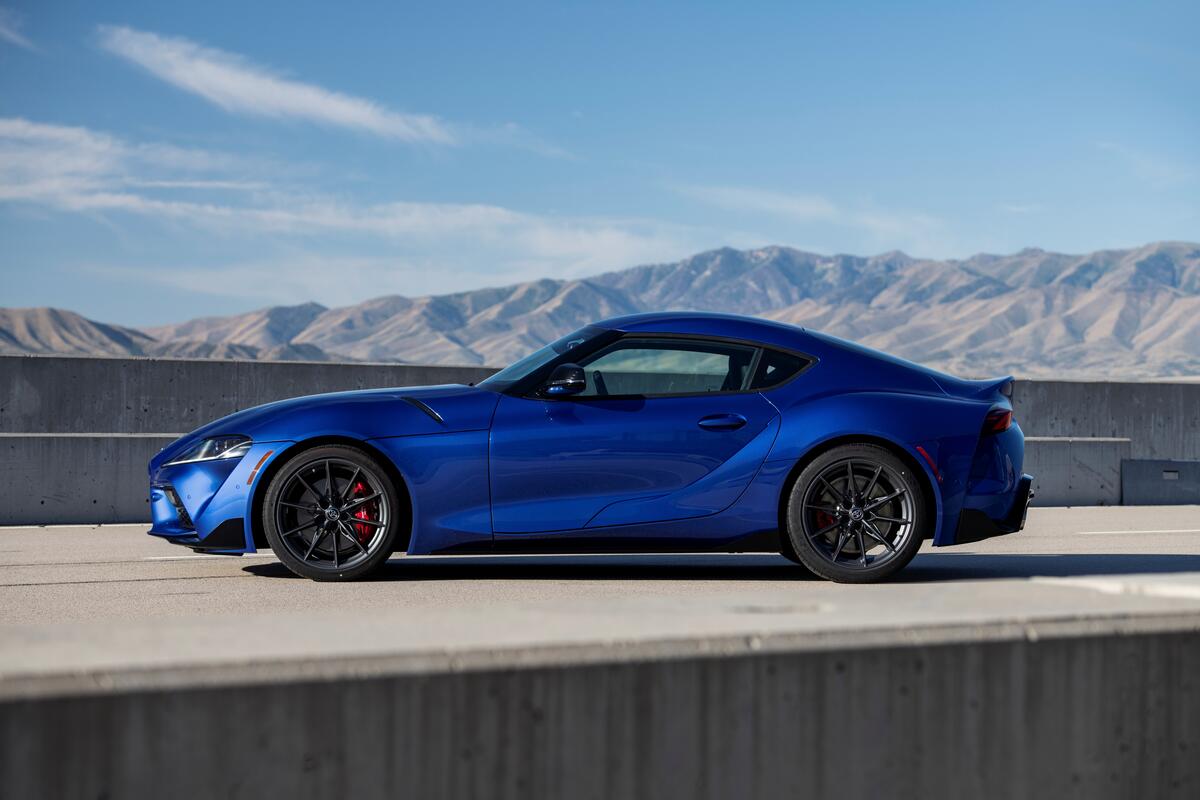
Toyota A90
"and then uh and then that was like the first couple years I did it and then for like the they had a they found a 87 GT or no it was like a 90 I don't know it was a Mark II GTI rally shell it was built up as like a rally car it had a really really nice cage in it and yeah we just"
The Supra is a Toyota sports car made for performance and driving enjoyment. The podcast talks about it in the context of the speaker’s early experiences with the car and related rally builds. It’s a model people often associate with fast, sporty driving.
The Toyota Supra is a performance sports car known for its strong straight-line speed and enthusiast following. The podcast references early ownership/experience and also mentions a “Mark II” rally-style shell, which points to the Supra nameplate’s broader history in motorsport. It’s brought up as part of the speaker’s timeline of cars they’ve been around or driven.
cage
"it was built up as like a rally car it had a really really nice cage in it and yeah we just basically built that back up to be a drivable car again"
A “cage” here means a roll cage, which is a metal safety frame inside the car. It helps protect you in a crash and is common in race cars.
In racing, a “cage” usually means a roll cage—an internal metal framework that protects occupants in a crash and helps stiffen the chassis. The speaker notes the rally shell had a “really really nice cage,” which is a common feature in track and rally builds.
mechanical sympathy
"I was I didn't have this level of mechanical sympathy that I have now so I I did break a [2800.2s] lot of things but it was it was fun"
Mechanical sympathy means treating the car gently and thoughtfully. Instead of abusing the car, you drive in a way that reduces unnecessary wear and damage.
Mechanical sympathy is the habit of driving in a way that respects how components wear and behave—avoiding unnecessary shock loads, overheating, or overstressing parts. The speaker contrasts their earlier approach (breaking “a lot of things”) with how they drive now.
dive bomb
"I would love to like dive bomb people on the brakes in the turn one and like they put you know there's the brake markers so it's like 54321"
A “dive bomb” means you brake extremely late and aggressively to get into the corner. It’s a common racing term for a dramatic late-braking move.
“Dive bomb” is racing slang for braking very late and hard into a corner to maximize speed on entry. The speaker uses it to describe their aggressive approach at Road America’s Turn 1.
brake markers
"and like they put you know there's the brake markers so it's like 54321 [2814.3s] and most people would brake at like especially going in a turn one"
Brake markers are signs on the track that tell you where to start slowing down for a corner. Drivers use them to brake at the right time.
Brake markers are track reference points (often numbered boards or signs) that help drivers judge when to start braking for a specific corner. The speaker mentions them at Road America Turn 1 and explains how they used the markers differently than most drivers.
lock up the rear wheels
"because there [2835.0s] was no weight over the rear it would just lock up the rear wheels and then I would just flick it"
When the rear wheels “lock up,” they stop spinning and start sliding. That can help the car turn, but it usually means less grip.
Locking up the rear wheels means the tires stop rotating and skid under braking. In racing, that can be used intentionally to rotate the car, but it also reduces traction and can increase wear if overdone.
flick it
"it would just lock up the rear wheels and then I would just flick it [2839.1s] and then you get right back on the power again"
“Flick it” means making a quick steering move to get the car to rotate. The goal is to help the car slide and turn in a controlled way.
“Flick it” describes a quick steering input to rotate the car—often used when the car is already unstable (like after rear-wheel lockup). In this description, it’s part of a controlled slide to manage speed and direction.
slide
"and then you get right back on the power again and just use the slide to kind of slow me down"
A “slide” is when the tires lose traction and the car starts to skid or drift. The guest is saying they used that to slow down and control the turn.
A “slide” is when the tires lose grip and the car rotates or drifts while still moving forward. The speaker uses the slide as a tool to slow the car down while transitioning through the corner.
Detroit Grand Prix 2026
"might as well Detroit Grand Prix 2026 all right I might be wrong oh yeah it is the end of the month [3125.9s] okay this is um wait is that indie indie car uh I've not been paying attention to be honest"
They’re talking about a specific racing weekend in Detroit—Detroit Grand Prix 2026. It matters because it’s the event they’re planning to attend.
The Detroit Grand Prix is a motorsport event in Detroit, and the speaker is referencing the 2026 edition. For listeners, it’s a useful anchor for understanding why they’re traveling and which racing weekend they’re aligning with.
IMSA
"yeah I got invited to go to uh Imsa 22 weeks [3146.0s] before okay indie I've never been any car did you pay attention to any car not really"
IMSA is a big racing series in the U.S. that focuses on sports cars. They’re saying they got invited to an IMSA event before.
IMSA is a major North American sports-car racing organization and series. The speaker mentions being invited to an IMSA event, which signals they’re talking about endurance-style racing rather than single-seater racing.
Indianapolis 500
"I heard just like I went to the Indianapolis 500 a handful of years ago um but I spent [3156.9s] most of my time in the snake pit the big EDM festival in the middle of the track"
The Indianapolis 500 is a famous race on an oval track in Indiana. They’re describing what it was like to attend and where they spent time.
The Indianapolis 500 (often called the Indy 500) is a premier oval-track race held at Indianapolis Motor Speedway. The speaker references attending it and then spending time in the “snake pit,” which helps explain their personal experience with oval racing culture.
snake pit
"most of my time in the snake pit the big EDM festival in the middle of the track [3162.1s] getting absolutely shit faced on hard seltzers"
At the Indy 500, the “snake pit” is a party area inside the track. They’re saying they spent their time there instead of watching the race closely.
“Snake pit” is the nickname for a specific infield party area at the Indianapolis 500, known for live music and a festival atmosphere. In this context, it explains why the speaker didn’t watch much of the race.
F1
"yeah I watched the very start of it and then hung out in the snake pit the rest [3174.9s] of the day and uh yeah I was I was okay with that I don't watch F1"
F1 is Formula 1, a major type of race series with open-wheel cars. They’re saying they don’t watch it as much as other racing.
F1 is Formula 1, the top-tier open-wheel racing series. The speaker contrasts not watching F1 with their interest in other series, which helps frame their racing preferences.
NASCAR
"I love Imsa I'm I have an appreciation for NASCAR but I don't particularly care to watch it that's [3189.7s] kind of where I'm going in circles it's just not really my thing"
NASCAR is a well-known U.S. racing series, usually on oval tracks. They’re saying they respect it, but it’s not their favorite to watch.
NASCAR is a major American stock-car racing series, typically run on oval tracks. The speaker says they have an appreciation for it but don’t particularly care to watch it, which is part of their “oval racing is harder than it looks” point.
wind tunnel
"and I was like oh that makes sense yeah and I suppose like testing in a wind tunnel is probably [3227.3s] "
A wind tunnel is a lab setup that measures how air flows around a vehicle shape. In car development, it’s used to evaluate aerodynamic drag and downforce so engineers can optimize the car as a whole rather than guessing from track testing alone.
coilovers
"it's like think of it like if you're setting up like coilovers in your car you know it's you're setting it up to kind of match"
Coilovers are suspension parts that let you adjust how the car rides and handles. They help the car stay composed over bumps and through turns.
Coilovers are adjustable suspension units that combine a coil spring with a shock absorber. Because they’re adjustable, photographers and drivers often use them to fine-tune ride height and handling response for different tracks and corner types.
spring rates
"the same uh spring rates and stuff on the covers and that kind of stuff uh and balance about"
Spring rates are basically how stiff the car’s springs are. Stiffer springs help the car feel more controlled in hard driving, especially on a track.
Spring rates describe how stiff the springs are, usually measured as force per unit of compression. Higher spring rates resist body movement more, which can improve control on track but may make the ride harsher.
road America
"and balance about and then like that would be so much fun to rip one of those around BAR or some other road course road America you know yeah"
Road America is a famous race track for road-course driving. Cars can feel very different there depending on how they’re set up.
Road America is a well-known road course in the U.S., often used as a benchmark for car and tire behavior. It has long straights and varied corner types, so setup changes show up quickly.
Lime Rock
"like Lime Rock and I wrote they do wrote America and that kind of stuff so they do get to a couple of road courses"
Lime Rock is a race track in the U.S. It’s known for tight corners, so the car’s handling details matter a lot.
Lime Rock Park is a compact U.S. road course known for its tight corners and elevation changes. Short lap length and frequent braking make it a good place to stress suspension and tire grip.
grid life
"imagine like a NASCAR going to like a grid life or something oh man like India like the unlimited class"
Gridlife is a motorsports event where lots of different cars get track time. It’s a place where handling and setup really matter.
Gridlife is an enthusiast motorsports event series focused on track days and racing for a wide range of cars. It’s the kind of venue where setup, tires, and suspension tuning show up quickly.
garage 56 class
"there's the garage 56 class and the 24 hours of them off oh yeah to come around and they had the yeah like"
Garage 56 is a special Le Mans category for unusual, experimental race cars. It’s meant to let teams try wild ideas on a big stage.
The Garage 56 class is a special entry category at the 24 Hours of Le Mans that allows unusual or experimental cars to compete. It’s designed to showcase creativity and engineering rather than strict conformity.
LMP2 cars
"it was so freaking fast it was like you know kept it was faster than like the LMP2 cars yeah and I remember seeing all the memes"
LMP2 refers to a prototype racing class in endurance events, typically featuring closed-cockpit race cars built to a specific rule set. Comparing a special entry’s speed to LMP2 helps listeners gauge how fast it is relative to established endurance machinery.
900 horsepower
"just a brick yeah and 900 horsepower brick just chasing down everybody and sounding way better than all the little 50s"
Horsepower is how much power the engine makes. 900 horsepower is an enormous amount, usually meaning the car can accelerate and go very fast.
Horsepower is a measure of engine power output, and “900 horsepower” indicates extremely high power for a race car. In endurance racing, that kind of output usually translates to strong acceleration and high-speed capability, assuming traction and gearing can keep up.
Hendrick Motorsports
"who was behind that was that Chevy like oh like as Chevy or is it like Hendrick or something I think it was Hendrick Motorsports that was doing it"
Hendrick Motorsports is a well-known racing team, especially in NASCAR. The host is wondering if that team was involved with the car they’re talking about.
Hendrick Motorsports is a major NASCAR team and racing organization known for fielding top-level stock cars. In the context of this segment, the speaker is speculating about which team was behind a very fast Garage 56-style entry.
hybrid supercar class
"because I think garage 56 is an actual class that uh that is like part of the 24 hours little [3366.5s] mass so like you can compete and that's I think we're like this the hybrid supercar class is kind [3372.2s] of falling under that"
Some race categories are for cars that use both gas power and electric power. It’s a way to keep the competition fair while still pushing new technology.
In endurance racing, a “hybrid supercar class” groups cars that use a hybrid powertrain (an engine plus an electric system) under a specific rule set. The goal is to let different manufacturers compete with comparable performance targets while still encouraging electrification.

Infiniti Q50
"...ke what is it some sort of infinity yeah like the Q50 or whatever it is but yeah yeah those are kind of..."
The Infiniti Q50 is a midsize luxury car. It’s designed to be comfortable, with options that can make it feel more powerful. The podcast mentions it as a car name the speaker was thinking about.
The Infiniti Q50 is a midsize luxury sedan that’s meant to offer a comfortable ride with available performance-oriented powertrains. It’s mentioned in the podcast as a possible car the speaker had in mind, though the conversation sounds a bit uncertain about the exact model. The Q50 comes up as part of a general discussion of what to drive or what’s available.
stage one
"after like realign [3483.7s] myself sometimes like not everybody needs an 800 horsepower Nissan like some people just want [3492.7s] a stage one yeah whatever that means right"
“Stage one” is a beginner-friendly tuning step. It usually means simple upgrades plus a software change to make the car feel a bit stronger than stock, without major engine work.
“Stage one” is a common aftermarket tuning level that usually means basic bolt-on modifications and a calibration update, without going to full engine rebuild territory. It’s often used to describe a mild power and drivability improvement over stock.
800 horsepower
"after like realign [3483.7s] myself sometimes like not everybody needs an 800 horsepower Nissan like some people just want [3492.7s] a stage one yeah whatever that means right"
Horsepower is a way to describe how much power the engine can make. “800 horsepower” is an extremely high number that usually means a very serious, heavily tuned car.
“Horsepower” is a measure of engine power output, and “800 horsepower” is used here as shorthand for extremely high-performance tuning. In enthusiast discussions, it often signals a car that’s been heavily modified or built for maximum acceleration and speed.
intake
"one sort of set up on it like literally I might not even do anything besides like an intake and [3506.4s] like a laptop tune because like I want a second race car"
The intake is how air gets into the engine. Swapping it can change how the engine breathes, but it usually works best when the car is tuned to match.
An intake is the air path (and often the air filter/ducting) that feeds the engine. Changing an intake can alter airflow and sometimes improve throttle response, but it also needs to be matched with the rest of the tune and emissions setup.
laptop tune
"like literally I might not even do anything besides like an intake and [3506.4s] like a laptop tune because like I want a second race car"
A laptop tune is reprogramming the engine control unit (ECU) using software on a computer. It changes parameters like fuel delivery and ignition timing so the car runs correctly with modifications (like boost changes) and can target better power or drivability.
turbos
"yeah nothing wrong with that I love turbos yeah dude [3521.9s] when I it makes life so much easier if you want to tune things they're the best like I listen I've [3527.6s] driven fun supercharged cars"
Turbos are devices that use the car’s exhaust to cram more air into the engine. More air usually means more power, and you don’t always need full boost—so it can still be reasonable for daily driving.
A turbocharger (often shortened to “turbo”) uses exhaust gas to spin a turbine that forces more air into the engine. That extra air lets the engine make more power, and it can still feel efficient in everyday driving because boost is only used when you ask for it.
supercharged
"like I listen I've [3527.6s] driven fun supercharged cars I've heard quite a few supercharged cars yeah I love turbos turbos"
A supercharger is a device that forces extra air into the engine. Because it’s driven by the engine, it can help the car feel responsive sooner.
A supercharger is an engine-driven forced-induction system that increases intake air pressure. Unlike a turbo, it’s typically connected mechanically to the engine, which can provide boost earlier in the rev range.
tube chassis car
"um it's mostly been streetcar based stuff that I've been driving I don't think I've ever driven [3570.8s] anything that's like a tube chassis car okay really but yeah maybe someday I don't know"
A tube chassis is a car built around a strong metal frame made of tubes. It’s often used for track-focused cars because it can be lighter and built to handle hard driving.
A tube chassis uses a welded framework of metal tubes as the main structure, rather than relying on a conventional production-style unibody. This is common in purpose-built track cars because it can be lighter and easier to reinforce for racing loads.
Request an Explanation
Heard something you'd like explained? We'll add it to this episode.
Sign in to request explanations for terms you heard.
Want to learn more?
Browse our glossary for plain-English explanations of automotive terms, jargon, and concepts.
Help improve this episode
See something that's not quite right? Our annotations are AI-generated and can sometimes miss the mark. Click the flag icon on any annotation to suggest a correction.
1 community members have helped improve this episode.