208. Smeedia on the EJ33 Swap, Modding Subarus and Choosing Builds
About this episode
Mark and Tanner (Minnoxide) trade stories about how they built their Subaru-focused channels—from early DIY injector swaps to quitting desk work and going all-in on YouTube. They dig into the realities of monetization, why starting with basic gear matters, and how live streams turned into a fast, community-driven Q&A space. The conversation also touches on their build philosophy and the long road of Subaru projects, including the EJ33 swap and choosing what to build based on goals, budget, and reliability.
Tanner and Matt from Smeedia join the show to talk building EJs the right way, why "reliable" high-horsepower Subarus aren't reality, and the black box data that gets people caught trying to hide a tune from the dealership. And of course the EJ33.
Take your build up a whole new level with 6XD Gearbox: https://6xdgearbox.com
Code "Minnoxide5" for 5% off
High Performance Academy: https://hpcdmy.co/Minnoxide
Use code "MINNOX" for 55% off ANY course
Use Code "MINVIP" for $300 of the MINVIP Package
Tuned By Shawn: https://www.tunedbyshawn.com
Code "Minnoxide" for 5% off! Ship With
Sure Thing Logistics: https://www.surethinglogistics.net
MORE BIGGER Turbo T-Shirts:
https://www.minnoxide.com/products/more-bigger-t-shirt
00:00 Intro
00:17 Meet Tanner & Matt of Smeedia
02:19 Quitting the 9-5
06:54 Selling the House, Live Streams & Growing Smeedia
11:40 Building Cars You Love vs. Chasing Views
20:27 Starting the Shop
25:58 Building EJs Right and High-HP Reliability
29:42 Tuning Horror Stories & Customers
33:36 If You Could Only Keep One Car
39:20 The Maserati Story
41:50 Which Subaru To Buy, Black Box Data and Getting Caught
45:16 Warranty Claims, Goodwill & Modifying Before/After Warranty
53:04 Subaru Power Tiers, Oil Intervals & Head Gasket Talk
1:00:50 About the EJ33, swap, and what's next
1:16:22 Donut Media Collab
1:19:36 Full vs. "Poor Man's" Six-Speed Swap
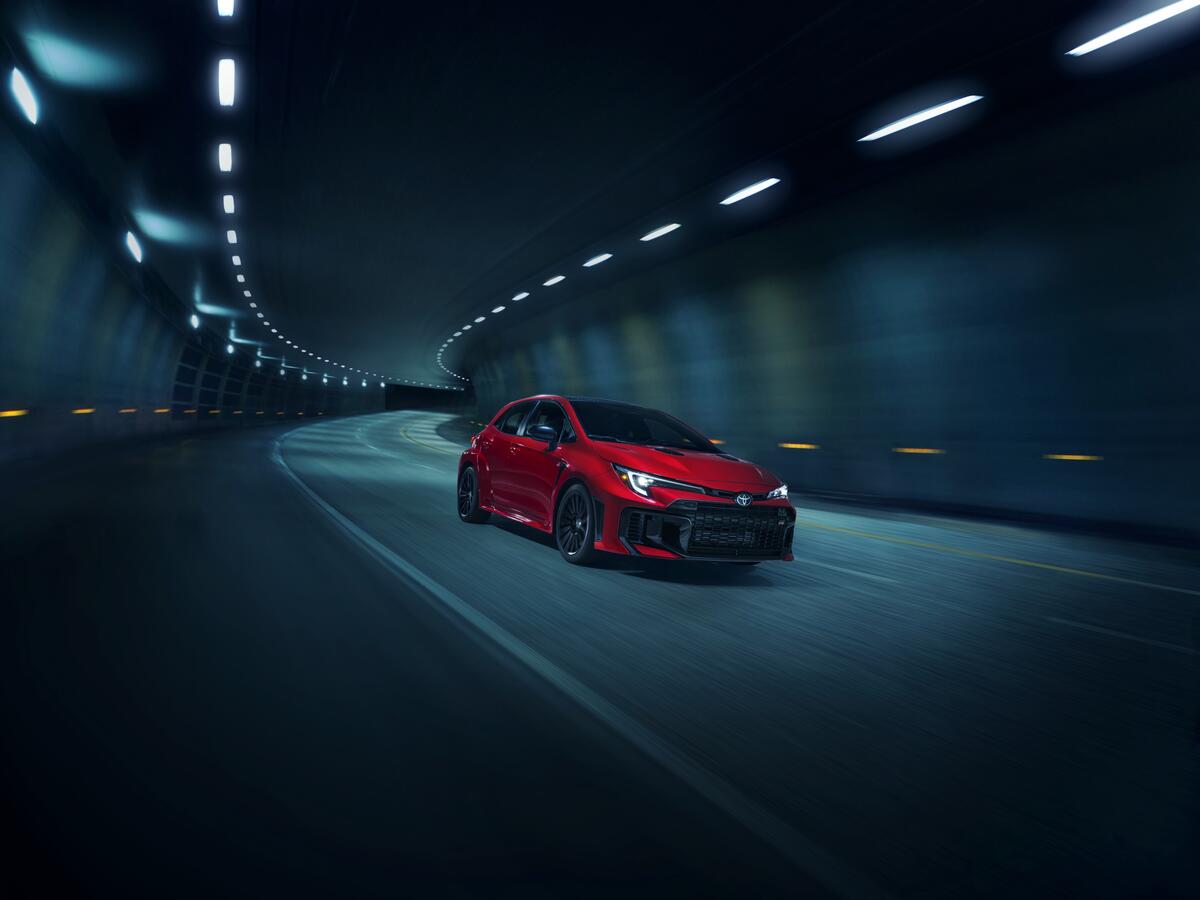
Toyota GR Corolla
"We've done Rotaries, Evo's, Subaru's mainly. We did the G.R. Corolla, everything, doesn't matter. Mainly Subaru's, but Subaru's primarily."
The Toyota GR Corolla is a sporty version of the Corolla. It’s built to handle rougher, faster driving better than a normal compact car, and it uses all-wheel drive. The podcast is mentioning it as one of the cars they worked on for performance testing or tuning.
The Toyota GR Corolla is a performance version of the Corolla focused on rally-style driving and all-wheel traction. It’s discussed because it brings a more hardcore driving setup to a mainstream model, and it’s popular with enthusiasts who like to tune and modify. The podcast mentions doing work on a GR Corolla as part of a broader set of performance cars.
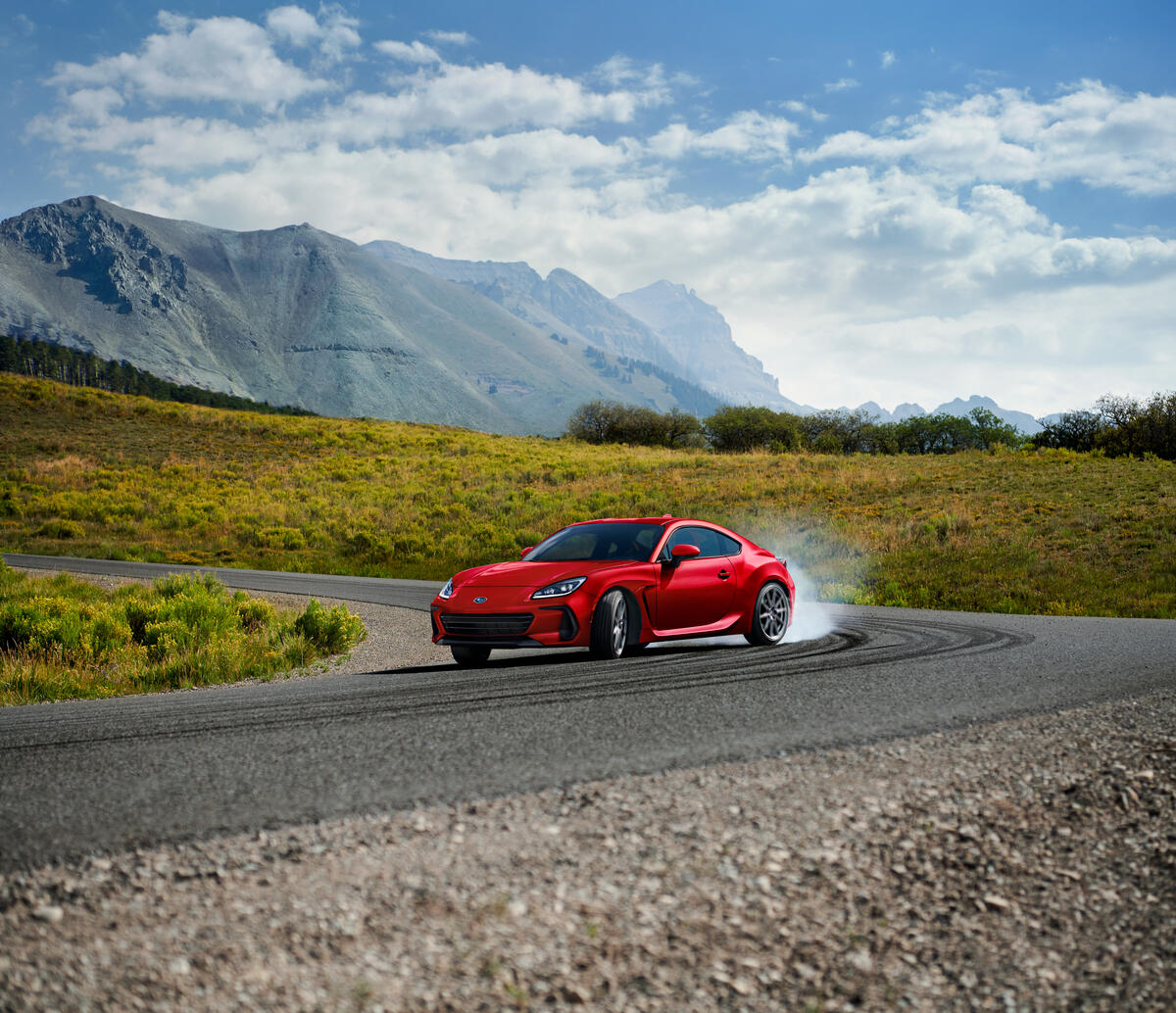
Subaru BRZ
"...o in order in order, it was the EJ STI, the turbo BRZ, the EG 33 STI karma, the FD, the hatch, who or t..."
The Subaru BRZ is a small sports car made for fun handling. It’s usually set up to drive the rear wheels and feel responsive on twisty roads. The podcast mentions it alongside other performance Subarus, showing it’s part of that enthusiast lineup.
The Subaru BRZ is a lightweight, rear-wheel-drive sports coupe (with Subaru’s boxer engine) designed for balanced handling and driver engagement. It’s often mentioned in enthusiast circles because it’s a popular platform for performance upgrades. In the podcast, it’s grouped among other performance models, including turbo and rally-style cars.
Subaru's
"but I want to, why do you think I buy back to Subaru's? I like Subaru's."
Subaru is a car brand that’s popular with enthusiasts. Many Subarus use a special engine layout and often come with all-wheel drive.
Subaru is the Japanese automaker known for its horizontally opposed “boxer” engines and, in many models, all-wheel drive. In enthusiast circles, Subaru’s EJ engine platform is especially popular for swaps and tuning.
co-part
"[748.7s] I would do the let's go buy a super car off co-part and fix it. [762.7s] You the first guy to EJ swap a C8 off a co-part."
Copart is a place where wrecked or salvage cars get auctioned online. People use it to find cheaper cars for projects and swaps.
Copart (spoken here as “co-part”) is an online auction marketplace where salvage and damaged vehicles are sold. Buying a car from Copart is often cheaper, which is why it comes up in discussions about budget builds and engine swaps.

Chevrolet Corvette
"[758.9s] If I got a Corvette, it would be a C6 or a C7. [761.1s] Ideally a C7 over a C6."
The Corvette is a famous Chevy sports car. Here they’re talking about different generations—C6 and C7—because each one drives and feels a bit differently.
The Chevrolet Corvette is a long-running American sports car known for its performance-per-dollar and for having multiple generations with very different character. In this segment, the hosts are comparing C6 vs C7, which are two specific Corvette generations with different chassis and powertrain details.
EJ swap
"[762.7s] You the first guy to EJ swap a C8 off a co-part. [765.1s] It's not worth the money. I don't want to do it though."
An EJ swap is when someone puts a Subaru EJ engine into a different car. People do it because the EJ engines are popular and there are lots of parts and tuning options for them.
An EJ swap means replacing a car’s original engine with a Subaru EJ-series engine. In Subaru circles, the EJ is a popular platform for swaps because it’s well-supported by aftermarket parts and is commonly used for building performance builds.
view farming
"[780.2s] Because the people that just view farm for, [782.7s] and I'm not saying there's anything wrong with view farming, like obviously,"
View farming means making videos mainly to get lots of views, not necessarily because you truly care about the subject. The hosts are saying that approach can burn people out.
View farming is creating content primarily to maximize views rather than to genuinely engage with the hobby or topic. In car media, it often means chasing trends or sensational builds that may not be sustainable for the creator long-term.
stance works
"I just like doing this super relatable. [812.6s] I could go do that in my garage. [814.7s] Then we saw this giant peak of like, what's going to get built [817.8s] and no shade on stance works or whatever."
“Stance Works” is a car community/media brand tied to the “stance” style. That style focuses a lot on how the car looks—especially how low it sits and how the wheels fit.
“Stance Works” refers to a specific automotive media brand/community associated with the “stance” scene, which emphasizes fitment and visual stance (like low ride height) as a core part of the car’s identity. It’s mentioned here as a contrast to the host’s preference for more relatable builds.

Ferrari F40
"But building an F40 from a bunch of parts you found, I will never do."
The Ferrari F40 is one of the most famous old-school supercars. It’s known for being fast and kind of raw, and people treat it like a collectible, so building one from random parts is a huge deal.
The Ferrari F40 is a legendary 1980s supercar famous for its lightweight, no-nonsense approach and twin-turbo V8. Because it’s so iconic, people often discuss it in the context of originality and value—so “building an F40 from parts” is a big, controversial idea.
supercars
"And then you have all these dudes buying hypercar, supercars and all that stuff."
A supercar is a very fast, high-end sports car—usually exotic-looking and built to perform. In this conversation, it’s just part of the list of expensive dream cars.
A supercar is a high-performance, exotic car category known for advanced engineering and very strong acceleration and handling. The host groups “supercars” with “hypercar” to describe the mainstream appeal of expensive exotics versus their own preference for relatable projects.
hypercar
"And then you have all these dudes buying hypercar, supercars and all that stuff."
A hypercar is basically an even more extreme version of a supercar. It’s the kind of car that’s built for maximum performance and usually costs a lot.
A hypercar is an ultra-high-end, extremely high-performance supercar category—typically with cutting-edge engineering, very limited production, and top-tier pricing. The host uses it as shorthand for the kind of exotic cars that don’t interest them as much as they get older.

RS6
"Like, I have, I have my RS6 and I have a couple of other things here and there."
The Audi RS6 is a supercharged-up Audi A6 that’s built for speed, not just commuting. People like it because it’s quick and still works as a normal car.
The Audi RS6 is a high-performance version of the regular A6, known for combining a powerful turbocharged V8 with a practical wagon/body style. In enthusiast circles, it’s a “fast but usable” daily-driver kind of build.
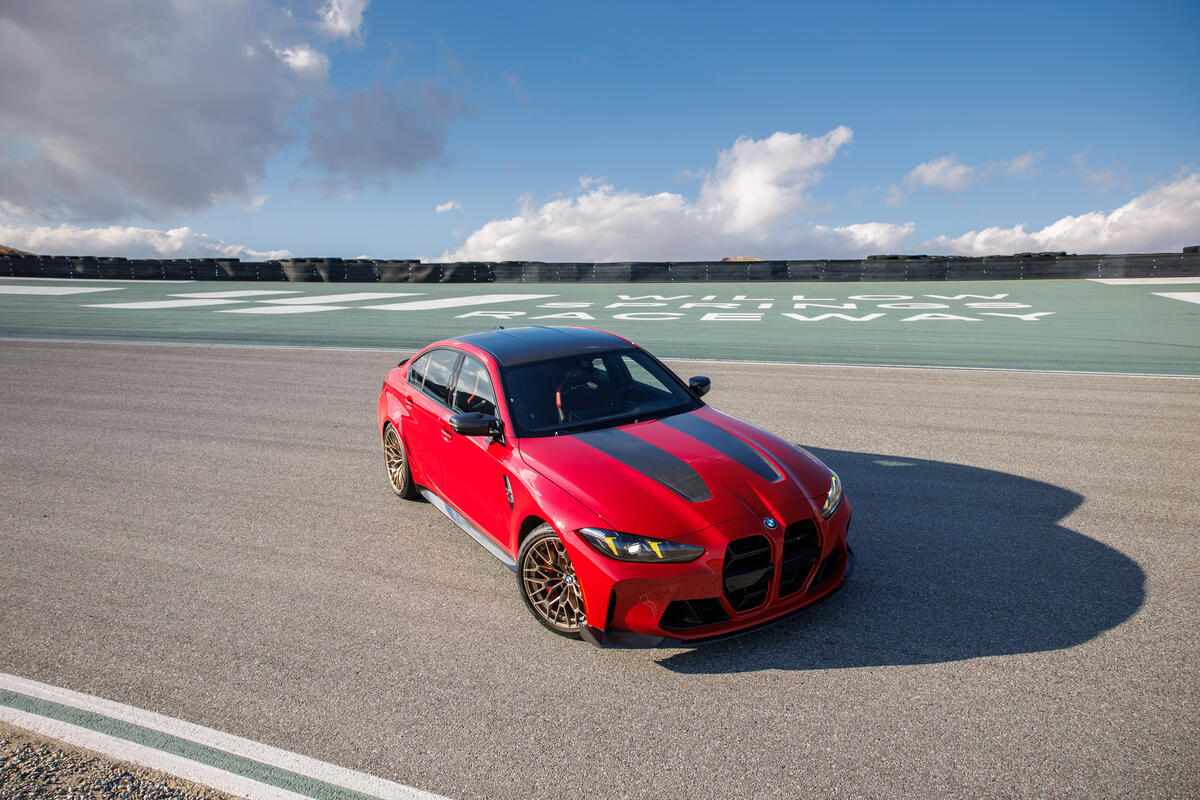
BMW M3
"...he most toxic. Do BMWs though, like when I had my M3, they are the worst owners. I'm not good people i..."
The BMW M3 is a sporty BMW that’s made to drive fast and handle well. People talk about it a lot because it’s popular with car enthusiasts. It may also come up because different owners have very different experiences with it.
The BMW M3 is a high-performance version of the BMW 3 Series, built for strong acceleration and sharp handling. It’s often discussed because it’s a well-known “driver’s car” and a common choice for enthusiasts who tune or modify them. In a podcast, it may come up when talking about ownership experiences and how the car fits into a car community.
building a car
"What's a building a car is building a car. As a matter of a Subaru, a Toyota, Mitsubishi, a Chevy, they all operate the same. It's all the same thing, just a different package."
They’re saying that building or modifying cars follows a similar process no matter the brand. The details change, but the overall steps and thinking are basically the same.
The speaker is describing a general build philosophy: regardless of brand, the core workflow of modifying and assembling a car follows similar principles. They frame it as “same thing, different package,” implying that skills transfer across makes.
full tear down
"Yeah and no. Teardown and build. Yeah. Like as far as full tear down and build, but like the cycle of how like I got into cars."
A full tear down is when a car (or major subsystem) is disassembled completely to inspect parts, replace worn components, and rebuild with fresh hardware. The speaker contrasts this with the broader “cycle” of how they got into cars, implying they’ve done deep builds rather than only bolt-ons.

Subaru XT6
"My first car was in 1988 Subaru XT6, called the wedges."
The Subaru XT6 is an older Subaru from the 1980s. The host is saying it was their first car, which is why they got into Subarus in the first place.
The Subaru XT6 is an early-1980s Subaru coupe that’s notable for being a rare, wedge-shaped model. In this segment, it’s mentioned as the speaker’s first car, setting the stage for their long Subaru ownership history.

Cadillac XT6
"... I got into cars. My first car was in 1988 Subaru XT6, called the wedges. Super cool little 80s cars th..."
The Cadillac XT6 is a larger, comfortable SUV made for carrying people and everyday driving. It’s meant to feel more “luxury” than a basic family vehicle. The podcast is mentioning it because it was the speaker’s first car.
The Cadillac XT6 is a midsize luxury SUV designed for family-friendly comfort and everyday usability. It’s notable because it’s part of Cadillac’s modern SUV lineup and is aimed at buyers who want a more upscale feel. The podcast mentions it as the speaker’s first car, which is why it comes up in a personal story.

Nissan 350Z
"Super cool little 80s cars that I got my 350Z went over to an 08 STI or 7 STI."
The Nissan 350Z is a popular sports car from the 2000s. The speaker mentions it to explain how they moved from that car to Subaru STI ownership.
The Nissan 350Z is a late-1990s/2000s sports coupe known for its V6 performance and rear-wheel-drive feel. In this segment, it’s used as a reference point for the speaker’s transition from a non-Subaru to an STI.
EJ engine
"I'm still 65 and 0 for killing each as I've never killed an EJ engine."
An EJ engine is Subaru’s common turbo boxer engine family used in WRX/STI cars. The host is saying they’ve owned a lot of them and never had one fail badly.
The EJ engine is Subaru’s long-running family of horizontally opposed (boxer) four-cylinder engines used in many WRX and STI models. In this segment, the speaker argues they’ve never “killed” an EJ engine, using that as evidence that EJ-powered Subarus are reliable.
EJ 33s
"[1503.0s] EG 33s, though. [1504.9s] Oh, it's the story. [1505.7s] Super Zerli."
“EJ 33” is a bigger Subaru EJ engine setup (3.3 liters) that people use for swaps. Bigger engines often need more supporting parts and careful tuning to run right.
“EJ 33s” refers to a Subaru EJ-series engine variant associated with a 3.3-liter displacement in EJ swap discussions. People bring up EJ 33s because larger EJ builds change power potential, cooling needs, and how the car is tuned compared with smaller EJ engines.
EJ 25
"[1505.7s] Super Zerli. [1507.4s] EJ 25. [1508.7s] This is not a paid sponsor."
“EJ 25” is Subaru’s 2.5-liter engine. Builders mention it by code because different EJ engines need different parts and tuning to work together.
The EJ 25 is Subaru’s 2.5-liter “EJ” engine family (commonly used in Impreza WRX/STI models). In swaps and builds, people reference it by engine code because the block, fueling, and supporting parts differ from other EJ variants.

STIs
"[1511.6s] What's the story there? [1513.6s] My six cylinder swapped STIs. [1515.2s] I've gone through engine after engine."
STI is Subaru’s performance Impreza model. Here they’re talking about STIs that were modified with a different (six-cylinder) engine instead of the stock one.
STIs refers to Subaru Impreza WRX STI models, which are popular platforms for engine swaps because they’re already built around AWD and performance cooling. In this segment, the host is talking about STIs that have been “six cylinder swapped,” meaning the factory engine was replaced with a different engine family.
full tune
"[1528.7s] I did. [1529.3s] I did. [1530.9s] Are we are we talking like base tune or like full tune?"
A full tune is a more thorough engine software setup aimed at performance, not just getting it to run. It can make the engine work harder, which can change how long it lasts.
A full tune is a more complete engine calibration that typically includes performance targets beyond basic drivability—often with more aggressive fueling/ignition and boost (where applicable). In the context of swaps, it’s relevant to how much stress the engine sees, which affects how long it lasts.
base tune
"[1528.7s] I did. [1529.3s] I did. [1530.9s] Are we are we talking like base tune or like full tune?"
A base tune is the first software setup that makes the engine run properly. A “full tune” usually means more performance-focused settings, so the car may be harder on the engine.
A base tune is the initial engine calibration that gets the car running correctly (fueling, ignition timing, and basic drivability) before dialing in more aggressive performance settings. In swap discussions, “base tune vs full tune” matters because total runtime and engine wear can differ dramatically depending on how hard the car is being driven.
Total run time
"[1532.8s] Because that matters. [1534.2s] Total run time. [1535.6s] A total run time."
Total run time is a way of tracking how long an engine has been operating, which can be more meaningful than mileage for swapped builds that may be started, tuned, and tested repeatedly. It helps estimate wear and reliability when the car isn’t driven consistently.
torque
"[1567.2s] Like six cylinder and yeah. [1568.7s] Not six. [1569.6s] Well, I mean, our six cylinder one did a thousand horsepower [1571.8s] like 900 foot pounds of torque."
Torque is the engine’s twisting force. Higher torque usually helps the car pull harder, especially when you’re not at the very top of the rev range.
Torque is the twisting force an engine produces, and it strongly influences how quickly a car accelerates, especially at lower RPM. The transcript mentions torque alongside horsepower, which are related but different ways of describing engine output.
EJ based
"[1574.2s] Let's not talk about six cylinder. [1575.2s] If we're not talking about the six cylinder, [1576.2s] we're just talking about like EJ based."
“EJ based” means the build is built around Subaru’s EJ engine family. It’s the common starting point for many Subaru turbo builds because lots of parts and swap knowledge are available.
“EJ based” refers to Subaru’s EJ-series engine platform (the EJ20/EJ25 family) used as the foundation for swaps and builds. In practice, it usually means the build is centered around an EJ short block/long block and the supporting parts needed to make it reliable at high boost and power.
dyno
"[1578.7s] I mean, if Michael's, [1579.8s] Michael's car made so much power on the dyno, [1582.0s] it was spinning."
A dyno is a testing machine that measures how much power a car makes. Instead of guessing from driving feel, it measures horsepower and torque while the engine is running.
A dyno (dynamometer) is a machine that measures engine output by loading the drivetrain while the engine runs. When people say a car “made power on the dyno,” they’re referring to measured horsepower and torque under controlled conditions.
6870
"Michael's blue STI was the 6870 car full tilt. It was making probably mid to high eights on that one."
“6870” is a turbocharger setup code people use in performance builds. It tells you what kind of turbo the car has, which is a big factor in how much power it can make.
“6870” is shorthand for a turbocharger size/model commonly referred to by its approximate compressor/turbine family (often used in Subaru turbo builds). It indicates the car’s turbo setup, which strongly affects boost response and the power level they’re targeting.
full tilt
"Michael's blue STI was the 6870 car full tilt. It was making probably mid to high eights on that one."
“Full tilt” means the car is being pushed as hard as it’s meant to go. They’re talking about the STI at its maximum performance setting.
“Full tilt” means running the car at maximum intended output—full boost/load and the tune’s aggressive settings. It’s used here to describe the conditions under which the STI’s power was measured or expected.
mid to high eights
"It was making probably mid to high eights on that one. Yeah. My white STI that that's going away."
They’re using “eights” as a quick way to say the car is making numbers in the 800 range. They’re describing how strong the STI’s setup is.
“Mid to high eights” is shorthand for power numbers in the 800-horsepower range (commonly “eights” meaning 800s) or similar dyno/track outputs. In context, it’s describing how much output the STI made on its setup.
seven 60
"My white STI that that's going away. That one does seven 60, I think it is right now. So I mean, we'll do them all day between six and 800."
“Seven 60” is a racing time shorthand—basically how quickly the car is running on the track. They’re saying their STI is in the 7.60s range right now.
“Seven 60” is drag-racing shorthand for a 7.60-second elapsed time over the quarter-mile (or a similar 60-foot/track metric depending on local usage). In this context, it’s describing how fast the white STI runs right now.
keeping them alive
"How do you make them live at that level? You don't. What do you mean? No, you do. It's the, the keeping them together, keeping them alive. It's a it's about building them correctly."
They mean making sure the car doesn’t break when it’s making big power. It’s about reliability, not just getting a high number once.
“Keeping them alive” refers to reliability under high boost/power—maintaining engine and drivetrain durability when pushing toward extreme output. It highlights that building for peak numbers isn’t the same as building for long-term survival.
supers
"I mean, a lot of the supers that you're going to see on like marketplace or all these other places, they're not, they're put together with shortcuts cut. If you want to do it right,"
“Supers” is slang for the Toyota Supra. They’re saying some of these cars you see for sale are built cheaply with shortcuts, which can hurt reliability.
“Supers” is a shorthand reference to Toyota GR Supra builds in the tuner community (as opposed to Subaru STIs mentioned earlier). The speaker is contrasting properly built Supra builds with cheaper “shortcut” builds seen on marketplaces.
shortcuts cut
"I mean, a lot of the supers that you're going to see on like marketplace or all these other places, they're not, they're put together with shortcuts cut. If you want to do it right,"
They mean people build cars cheaply by skipping the right steps. With high-power turbo setups, that can lead to parts failing sooner.
“Shortcuts cut” describes skipping proper supporting work (machine work, correct parts selection, thorough assembly, and calibration) to reduce cost. In high-power builds, these shortcuts often show up as weak links that fail under sustained boost.
wheel build
"They're very expensive. You want to build them right. You're looking at if you're paying a shop to do it, 750 wheel build, you're probably looking at 50 to 60 K with"
A “wheel build” means you’re building the car to make a lot of power when it’s actually turning the wheels. The cost estimate they’re giving is basically what it takes to build it for that kind of power.
A “wheel build” is slang for a high-power build where the goal is to make strong power at the wheels (after drivetrain losses), usually with a dyno tune and supporting engine/boost hardware. It’s often used to estimate total build cost for a specific power target.
EJ case halves
"A lot of people will tell you, you can't reuse EJ case halves. We like every engine we build is used case halves."
On Subaru EJ engines, the bottom of the engine is split into two main “halves.” Builders often have those halves measured and machined so everything inside fits correctly and lasts.
“EJ case halves” are the two aluminum crankcase sections used on Subaru’s EJ-series engines. When building an EJ engine, the case halves are typically machined and measured so the internal clearances and alignment are correct before assembly.
piston to wall clearance
"We send the pistons with it, piston to wall clearance is set up, all that stuff sends it back."
It’s the small gap between the piston and the inside of the cylinder. The builder sets it so the piston doesn’t rub when it gets hot, but still seals well and uses oil correctly.
Piston-to-wall clearance is the designed gap between the piston skirt and the cylinder wall. It’s set during machining so the engine can handle heat expansion without scuffing, while still maintaining proper compression and oil control.
bearing clearances
"Then we assemble them. And it's all about like bearing clearances, oil weight, proper head stud selection."
Bearings need a very specific “fit” with the moving parts. The right clearance lets oil lubricate properly and helps prevent wear or damage.
Bearing clearances are the precise gaps between bearings and the rotating parts they support (like crankshaft journals). Correct clearances help oil flow, reduce friction, and prevent metal-to-metal contact under load.
head stud selection
"And it's all about like bearing clearances, oil weight, proper head stud selection."
Head studs are the heavy-duty bolts that clamp the cylinder head to the engine block. Picking the right ones helps keep the seal tight, especially when the engine is pushed harder.
Head stud selection is choosing the correct cylinder-head fasteners for the engine’s power and operating conditions. For higher boost or RPM, stronger or correctly sized studs help maintain clamping force so the head gasket stays sealed.
oil weight
"And it's all about like bearing clearances, oil weight, proper head stud selection."
Oil weight is basically how thick the oil is. The right thickness helps protect the engine across hot and cold conditions.
Oil weight refers to an oil’s viscosity grade (how thick it is), which affects lubrication under different temperatures and loads. Choosing the right oil weight helps maintain stable oil pressure and film thickness for bearings and other moving parts.
11 mil head studs
"As people, people try to push too much power on 11 mil head studs or half inch head studs."
This is a specific size of head stud. The point is that smaller studs may not hold the cylinder head securely enough when you’re pushing big power.
“11 mil head studs” refers to a specific stud size/diameter used in EJ builds. The speaker is warning that using smaller/less robust studs can be a weak point when trying to make high power.
half inch head studs
"As people, people try to push too much power on 11 mil head studs or half inch head studs. And it's figuring out, it's just figuring out the right"
These are larger head studs (bigger diameter). Bigger studs can help, but they’re not a magic fix—your whole build still has to be set up correctly.
“Half inch head studs” refers to a larger stud diameter commonly discussed in performance EJ engine builds. The speaker implies that even with larger studs, there’s still an engineering limit and you must choose the right setup for the power goal.
treated like a race car
"Like every year, if you're treated like a race car, it's going to act like a race car."
The point is that if you drive the car hard like it’s on a track, it will wear out faster. To keep it healthy, you usually have to maintain it more often than a normal daily driver.
This refers to the idea that driving and maintaining a car like a track/race vehicle changes how quickly components wear. If you run it hard and don’t follow a race-style maintenance schedule, you’ll typically see more frequent issues.
E85
"Obviously running a Subaru on fully 85, it's going to require maintenance sooner."
E85 is a gas blend with a lot of ethanol. Because it burns differently than regular gas, cars running on it often need more frequent upkeep to stay healthy.
E85 is a fuel blend that’s about 85% ethanol and 15% gasoline. It typically requires more frequent maintenance and careful tuning because ethanol has different combustion characteristics than regular gasoline, which can increase wear if the car isn’t maintained aggressively.
oil changes
"You've got to do your oil changes every 1500 miles on 85, your spark plugs every five to 10,000 miles, depending on how aggressive it is and all this other stuff."
Oil changes are when you drain old engine oil and put in fresh oil. Fresh oil helps protect the engine from wear, and with E85 you often need to change it more often because the engine tends to work harder.
Oil changes are the scheduled replacement of engine oil to keep it clean and properly lubricating internal parts. On high-ethanol fuel like E85, the engine often runs harder and can demand more frequent oil service to manage wear and contamination.
spark plugs
"You've got to do your oil changes every 1500 miles on 85, your spark plugs every five to 10,000 miles, depending on how aggressive it is and all this other stuff."
Spark plugs create the spark that lights the fuel in the engine. If you’re running a more aggressive setup, the plugs can wear out faster, so you may need to replace them sooner.
Spark plugs ignite the air-fuel mixture in the combustion chamber. Higher-stress setups (like running E85 and chasing big power) can foul or wear plugs faster, so replacement intervals may be shorter than on a mild street tune.
wheel horsepower
"I mean, at the end of the day, it's a seven to 800 wheel horsepower four cylinder."
Wheel horsepower is how much power the car actually delivers to the wheels. It’s measured at the tires, so it’s a more “real-world” number than engine horsepower.
Wheel horsepower is the amount of power measured at the tires (the wheels) rather than at the engine. It accounts for drivetrain losses like the transmission and differential, so it’s usually lower than engine horsepower for the same car.
boost
"Well, I don't want to say high compression, but you start throwing a lot of boost into it."
Boost is extra pressure from a turbo or supercharger that forces more air into the engine. More air can make more power, but it also makes the engine run harder.
Boost is the extra air pressure created by a turbocharger or supercharger to push more air into the engine. More boost generally means more power potential, but it also increases stress on the engine and raises the risk of knock/detonation if fueling and timing aren’t controlled.
detonate
"It's more likely to detonate one bad detonation event. It's going to take out an engine."
Detonation is when the fuel-air mixture burns in an uncontrolled, violent way inside the cylinder. It can quickly damage the engine, especially when you’re running lots of boost.
Detonation is uncontrolled combustion where the air-fuel mixture ignites too aggressively and too early, creating shockwaves in the cylinder. It can rapidly damage pistons, rings, and cylinder heads, especially under high boost and high cylinder pressure.
tuning
"Are you doing all the tuning as well? Yes and no, I don't. I do tuning on my own stuff."
Tuning means setting up the engine’s computer so it runs correctly. With modified or high-boost cars, tuning is especially important to prevent dangerous conditions like detonation.
Tuning is adjusting engine control parameters (like fuel delivery and ignition timing) so the engine runs correctly under the specific setup and driving conditions. For high-boost builds, tuning is critical to manage knock risk and keep air-fuel ratios and timing in safe ranges.
wastegate
"but I can tune enough to be able to start from scratch and get a car fully tuned on the wastegate."
On turbo cars, a wastegate helps control how much boost the turbo makes. When boost is getting too high, it opens to let some exhaust bypass the turbo so the engine doesn’t get overwhelmed.
A wastegate is a valve used on turbocharged engines to control boost pressure. It diverts exhaust gas away from the turbo when boost gets too high, helping prevent overboost and keeping tuning stable.
Haltech
"You saw, I can work my way around a Haltech."
Haltech is a company that makes aftermarket engine computers. Tuning with it lets you adjust how the engine runs more precisely than the stock computer in many modified builds.
Haltech is an aftermarket engine management brand used for tuning and controlling fuel and ignition. Tuners often use it when the factory ECU can’t provide the flexibility needed for mods or custom setups.
Mtron
"I'm learning the Mtron stuff right now, but that is significantly more complex in the way that the Mtron operates in the stock ECU, but primarily stock ECU stuff."
Mtron is an aftermarket tuning/engine-control setup. The host is saying it’s harder to work with than the simpler “stock ECU” approach because it behaves differently.
Mtron refers to an aftermarket engine management/tuning system mentioned here in contrast to Haltech and the stock ECU. The speaker says it’s more complex because of how it operates alongside or within the stock ECU environment.
stock ECU
"I'm learning the Mtron stuff right now, but that is significantly more complex in the way that the Mtron operates in the stock ECU, but primarily stock ECU stuff."
The ECU is the car’s main computer for the engine. “Stock ECU” means you’re using the factory computer (or its settings) instead of replacing it with a different aftermarket one.
The ECU (engine control unit) is the car’s factory computer that manages things like fuel delivery and ignition timing. “Stock ECU stuff” usually means tuning within the limits of the original factory system rather than switching to a standalone controller.
2.5 RS
"If it's weekend car, I'm taking my 2.5 RS."
The Subaru 2.5 RS is a specific Impreza model. It’s usually considered a fun weekend car because it’s not a turbo and it’s built to feel lively and straightforward to drive.
The Subaru 2.5 RS is a classic Impreza variant known for its naturally aspirated 2.5-liter boxer engine and rally-inspired, driver-focused feel. In enthusiast circles it’s often treated as a “fun” weekend car because it’s relatively simple and lightweight compared with turbo models.

Evo 8
"If it's project card, probably weirdly enough, I'd probably take the Evo 8 back."
The Evo 8 is a Mitsubishi Lancer Evolution. It’s a turbo, all-wheel-drive car that’s popular with modders because there are lots of parts and it responds well to upgrades.
The Mitsubishi Lancer Evolution (Evo 8) is a turbocharged, all-wheel-drive performance sedan built for rally-style traction and strong straight-line power. It’s a popular “project” platform because the drivetrain and aftermarket support make it relatively easy to modify.
F.P. Black
"when it had the F.P. Black. Mm hmm. That was the that was the best when it was still black, still stock body, still factory BBS wheels, F.P. Black."
“F.P. Black” here is the name the speaker uses for a particular black paint/color setup on that STI. They’re basically saying the car looked best when it was still in its original black, stock form.
“F.P. Black” appears to be a specific Subaru paint/trim naming the speaker associates with a particular STI configuration. In this context, it’s being used as a shorthand for the car’s original black color and how it looked “still stock.”
factory BBS wheels
"That was the that was the best when it was still black, still stock body, still factory BBS wheels, F.P. Black."
BBS is a well-known wheel brand. “Factory BBS wheels” means the car originally left the factory with those wheels installed, not as an aftermarket upgrade.
BBS is a wheel brand known for lightweight, motorsport-style rims. When someone says “factory BBS wheels,” they mean the car came from the factory with BBS wheels rather than adding them later.
stock body
"That was the that was the best when it was still black, still stock body, still factory BBS wheels, F.P. Black."
“Stock body” means the car’s exterior is in its original, unmodified configuration—no aftermarket aero, widebody work, or major panel changes. Enthusiasts often prefer stock bodywork when they’re talking about preserving the car’s original look.
pump
"What did it make on the black? [2081.5s] 450 on pump. [2083.0s] It was reliable for 50 on pump."
“Pump” means regular gas from a regular gas station. So “450 on pump” means the car made about 450 (usually horsepower) using everyday gasoline, not special race fuel.
“Pump” refers to gasoline you buy at a normal gas station, as opposed to race fuel. When someone says it made “450 on pump,” they mean the engine produced that power level using regular pump gas.
wide body
"And then I fucking ruined it by putting a 60 62 on it, wide [2093.4s] body, wrapping it yellow and making it look like a taxi."
“Wide body” means the car’s fenders are widened so it can run wider tires. It’s both a visual style and a practical mod for fitment.
A “wide body” is a bodywork modification that widens the fenders and wheel arches to fit broader tires and a more aggressive stance. It’s a common look on modded cars because it also helps with clearance for wider wheels.
wheel 40 50 K miles
"Well, for the in that car lived at 700 wheel 40 50 40 to 50 K miles. Well, yeah, with unknown maintenance and all that stuff that that this version"
The speaker seems to be talking about how many miles the car has been driven, but the transcript is unclear. The key idea is that the car’s real-world wear can be different depending on how it was driven and maintained.
“Wheel” mileage is likely a garbled reference to how many miles the car has seen under load or how the speaker is estimating usage (the transcript reads like “700 wheel 40 50 40 to 50 K miles”). In enthusiast talk, people sometimes distinguish between easy miles and hard miles, especially when maintenance is unknown.
unknown maintenance
"Well, yeah, with unknown maintenance and all that stuff that that this version of the car show them that the SCI looks just like mine."
Unknown maintenance means the car’s service history isn’t documented or confirmed, so you can’t reliably know whether critical items (fluids, timing components, cooling system parts, etc.) were replaced on schedule. That uncertainty is a big deal when evaluating how healthy an engine or build really is.
G the wingless GDSTI
"It's never the same. Dude, I don't know about the G the wingless GDSTI is trash. I could go eat."
The speaker is talking about a Subaru STI look without a rear spoiler (“wingless”). The exact STI model/generation is unclear from the transcript, but the point is the visual/trim difference.
This appears to be a garbled mention of a Subaru STI variant described as “wingless” (no rear spoiler) and possibly referencing a specific generation. “Wingless” is a body/trim look that enthusiasts use to distinguish variants, but the transcript is too unclear to confidently identify the exact model.
carbon fiber
"like the carbon fiber with the little lips where they're like, I think that's pretty good."
Carbon fiber is a strong but lightweight material used on some car parts. People use it for weight savings and for the “race car” look.
Carbon fiber is a lightweight composite material made from carbon strands woven into fabric and cured with resin. In car mods, carbon fiber parts are often used to reduce weight and add a motorsport look.
factory wing
"But like overall factory wing is my I don't know."
A “factory wing” is the rear spoiler that came on the car from the factory. It can help the car stay stable at speed and it also defines the car’s original appearance.
A “factory wing” is the rear spoiler installed by the manufacturer on that model. On many performance cars, it’s designed to improve aerodynamic stability at speed, and it’s also part of the car’s original look.
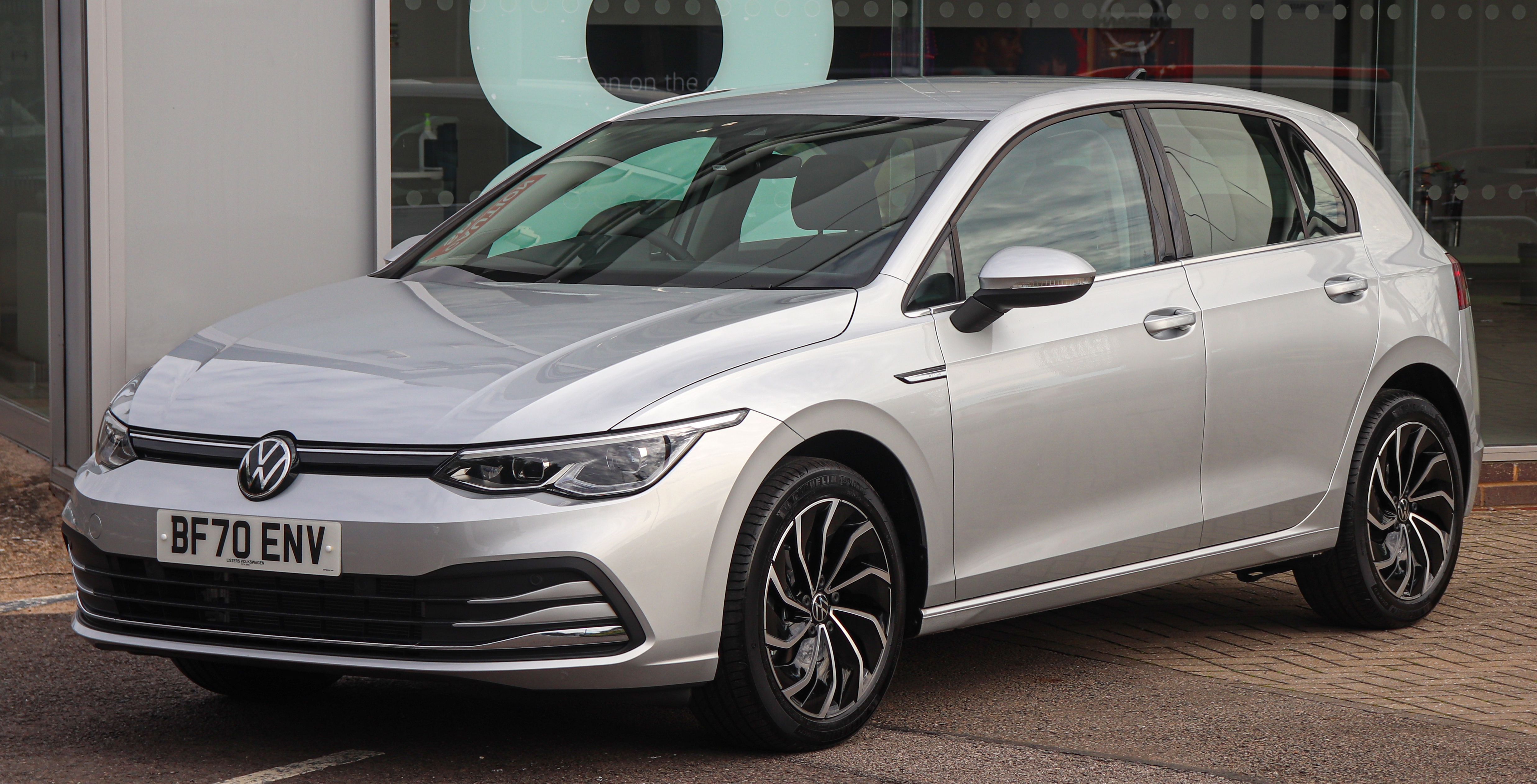
mark seven GTI
"It's like our GTI. You had a mark seven GTI. We still have our mark seven GTI."
“Mark seven GTI” is the Volkswagen Golf GTI from the Mk7 generation. They’re saying their Mk7 GTI has been one of the more reliable cars they’ve owned, with only a couple minor issues.
“Mark seven GTI” refers to the Volkswagen Golf GTI in the Mk7 generation. The speaker compares the STI they’re talking about to their Mk7 GTI and mentions it as a notably “problem free” car, then brings up specific issues.
timing cover
"We've had small stuff like timing cover was leaking. Yeah, easy fix."
The timing cover is a cover that protects the engine’s timing parts. If it’s leaking, it usually means an oil seal or gasket is failing, and fixing it can stop the mess and prevent bigger problems.
The timing cover is the protective housing over the timing components (like the timing belt/chain area, depending on the engine). A leak at the timing cover usually means oil is escaping from a gasket or seal and can be an easy fix if caught early.
electronics
"I have the eight, which I is grown on me. That's grown on me. The electronics are rough."
“Electronics” here means the car’s computer systems and sensors. If they’re “rough,” it usually means the car has glitches or electrical problems that can be annoying to deal with.
In modern cars, “electronics” refers to the car’s control modules, sensors, wiring, and infotainment/vehicle systems. When someone says the electronics are “rough,” they typically mean the car has annoying glitches, sensor issues, or other electrical gremlins.

Maserati Gran Turismo
"... blue. The 17 SDI, the one that he traded in on a Maserati Gran Turismo. Oh, really? Yeah."
The Maserati GranTurismo is a luxury sports car meant for long, comfortable drives. It’s designed to feel special and drive fast, not just for short trips. The podcast is mentioning it because someone traded a car in on a GranTurismo.
The Maserati GranTurismo is a luxury grand touring car, meaning it’s designed for comfortable high-speed driving. It’s often discussed because it combines a distinctive style with performance and a more upscale ownership experience. The podcast mentions a GranTurismo as a trade-in, which is why it appears in the conversation.
black box
"We can plug into it and see all the data in there. We can pull black bars. We can see what your highest RPM was."
A car’s “black box” is like a hidden recorder that saves driving data. It can show what happened—like how hard the engine was revving—so you can diagnose issues.
A “black box” in a car is the onboard data recorder that logs driving events and sensor information. Shops can use it to review things like peak RPM and other recorded parameters after a problem or incident.
highest RPM
"We can pull black bars. We can see what your highest RPM was. Only on the max speed."
RPM tells you how fast the engine is spinning. Looking at the highest RPM helps you see how hard the car was pushed during a specific drive or incident.
RPM (revolutions per minute) is how fast the engine spins. “Highest RPM” is a useful diagnostic metric because it shows how far the engine was revved during a recorded event.
money shifted
"We can see all the black box. Even you money shifted. We can see it."
A “money shift” is when you accidentally shift into the wrong gear and the engine revs way too high. It’s a common way people can damage a manual car if it happens badly enough.
A “money shift” is a severe manual-transmission mistake where the driver upshifts or downshifts into the wrong gear, causing the engine to overspeed. It can lead to valve float, clutch/transmission damage, or internal engine damage depending on how high the RPM went.
revert it back to stock
"They'll modify their cars, blow it up, realize that they can't afford to fix it, [2655.2s] take it to the dealership or revert it back to stock, take it to the dealership,"
“Revert it back to stock” means putting the car back to the factory tune/settings. The host is saying that even after that, the dealership may still be able to tell it was modified.
“Revert it back to stock” means undoing performance modifications so the car’s behavior matches factory settings again. The host’s point is that even if the car is returned to stock, diagnostic records in the ECM may still show it was tuned.
ECM
"There are PID numbers and all this other stuff in the ECM that when you tune the car, it changes that number permanently."
The ECM is the engine’s computer. When you tune the car, you’re changing what the computer does, and it can also affect what the computer records later.
ECM (Engine Control Module) is the car’s main computer that manages engine functions like fuel delivery and ignition timing. The host is saying that tuning can permanently change how the ECM reports or stores certain values, which can be used to detect whether the car was modified.
PID numbers
"There are PID numbers and all this other stuff in the ECM that when you tune the car, it changes that number permanently."
PID numbers are like labeled data points the car’s computer can report to a scan tool. The point here is that tuning can change what those scan-tool readings show, so it may not look “stock” to the dealership.
PID numbers are specific data identifiers used by diagnostic tools to read particular parameters from the car’s computers. In this context, the host claims tuning can change the values associated with those PIDs, so a dealership can tell the car was tuned even if it’s been returned to stock.
warranty
"We're not we're not honoring the warranty. Then people freak out on Subaru like it's Subaru's fault."
Warranty is the manufacturer’s promise to pay for certain repairs. Here, the host is saying a tune can be detected, and that can lead to the warranty being denied.
In this context, warranty refers to the manufacturer’s coverage for repairs under specified conditions. The host claims dealerships may deny warranty coverage when they detect the car was tuned or modified, even if it’s been returned to stock.
access port
"it was like that the half ass kind of try and cover up because you'd have where people would have their access port wires still plugged in. So they have the wire."
An access port is a device that plugs into your Subaru to help tune the engine computer. It can read what the car is doing and load different tune settings.
An access port is a handheld tuning device used on many Subaru models to communicate with the ECU (engine computer). It lets you view data and load different engine calibrations (tunes), which can change boost, fueling, and throttle behavior.
stock tune
"And then it has it has the stock tune back on, which kind of going back to that. A lot of people don't get that even when you revert back to like, oh, I unmarried the access port."
A stock tune is the engine settings the car came with from the factory. The point here is that “going back” might still leave the car on a tune that isn’t truly the factory one.
A stock tune is the factory engine calibration programmed by the automaker. In this discussion, the host is pointing out that even after reverting, the car may not truly be on the factory calibration because the tuner can store and reapply a modified “stock” version.
Cobb saves a version of the stock map parameters
"It's not the stock tune because Cobb saves a version of the stock map parameters. And when it goes back on, it's still a Cobb number."
Cobb’s tuning tools can save a copy of the factory engine settings. So when you “revert,” you might not actually be back to the exact original factory tune—you're back to a Cobb version of it.
Cobb refers to the tuning ecosystem where the Accessport can store and manage calibration data. The “stock map parameters” idea here is that when you revert, the device may restore a Cobb-managed copy of factory settings rather than the ECU being fully returned to untouched OEM software.
Cobb tune
"And when it goes back on, it's still a Cobb number. So it's still essentially a Cobb tune."
A Cobb tune is engine software loaded using Cobb’s tuning tools. Even if it’s meant to feel like stock, it can still be recognized as a Cobb calibration.
A Cobb tune is an engine calibration created/managed through Cobb’s tuning software and hardware. Even if it’s based on factory behavior, it’s still identified by Cobb’s calibration identifiers, which can matter for diagnostics and warranty discussions.
tuned
"[2901.0s] It's still tuned. [2902.0s] It was never meant to make 100 more or spare on stock. ... [2913.1s] a warranty on a car that's tuned."
A “tune” is when someone adjusts the car’s computer settings so the engine runs differently. If you change those settings, the car may behave differently and could cause problems that the warranty might not cover.
“Tuned” refers to adjusting the engine control software (ECU) to change how the car runs—like fuel delivery and ignition timing—to better match the car’s setup. The hosts are emphasizing that a tune changes engine stress and behavior, so it can affect whether warranty issues should be covered.
knock event
"[2925.0s] I mean, the best tuner in the world still. [2927.6s] I mean, it rolled out of the warranty with like really one bad knock event [2932.2s] can take out any engine."
Engine “knock” is when the fuel-air mixture burns in an uncontrolled way inside the cylinders. It can be very damaging, so if it happens badly enough, it can hurt the engine quickly.
A “knock event” is when the engine experiences abnormal combustion (often called knock or detonation). It can rapidly damage internal engine components, which is why the hosts say even a single bad knock event can destroy an engine.
external tune
"Like an external tune is not going to affect an effect in external. Like I'm like, like, honestly, yeah, you should take that back and get a warranty."
A tune is changing the car’s computer settings. An external tune usually means a person or shop adjusts the software using specialized tools, so the engine runs differently than stock.
An external tune is engine calibration software changes made by a tuner using tools outside the car’s factory settings. It can alter fueling, ignition timing, boost targets, and other parameters to change how the engine runs.
uppipe
"Buy like your your turbo. Save up by your turbo. Save up by your uppipe or whatever. Maybe the parts over time."
An uppipe is part of the exhaust system right after the turbo. People upgrade it because it can help the turbo and exhaust flow work better, especially when you’re building the car for more power.
An uppipe is the exhaust pipe section between the turbocharger and the rest of the exhaust system. On many Subaru turbo setups, replacing the uppipe is a common step in modding because it can improve exhaust flow and is often part of preparing for bigger power goals.
downpipe
"[3065.2s] What does the RS six make with just the downpipe and a tune? [3067.9s] I don't know. I don't have downpipes."
A downpipe is part of the exhaust that connects the turbo to the rest of the exhaust. Changing it can help the turbo breathe better, which can add power—especially when you also update the engine software.
A downpipe is the exhaust pipe that routes gases from the turbo(s) to the rest of the exhaust system. On turbo cars, swapping or adding a downpipe often reduces exhaust backpressure, which can improve boost response and support more power when paired with a tune.
intakes
"[3068.9s] I can tell you that with intakes, a turbo from what I have done intakes are intake [3075.5s] turbo inlets, catback and E 40."
Intakes are the parts that bring air into the engine. If they let more air in more easily, the turbo can work more effectively—especially when the car is tuned.
Intakes are the air-supply components (airbox, intake piping, filters) that deliver air to the turbo and engine. On turbo cars, better intake flow can reduce restriction and support higher boost/power when combined with a tune.
E 40
"[3075.5s] turbo inlets, catback and E 40. [3077.6s] It's like eight something to the wheel."
E40 means a fuel mix that’s roughly 40% ethanol. Ethanol blends can let the engine run more timing/boost safely, which often makes more power than regular gas.
E40 refers to fuel that’s about 40% ethanol (with the rest being gasoline). Ethanol blends can allow more aggressive engine tuning because they can support higher octane and cooler combustion, often increasing power compared with pump gasoline.
catback
"[3075.5s] turbo inlets, catback and E 40. [3077.6s] It's like eight something to the wheel."
A catback is the exhaust part that starts after the catalytic converter and goes to the back of the car. People swap it to reduce restriction and change sound, usually along with a tune for best results.
A catback exhaust is the section of the exhaust system from the catalytic converter(s) to the tailpipe. It’s commonly changed to improve flow and sound, and it can be part of a “bolt-on” power setup when used with a tune.
to the wheel
"[3077.6s] It's like eight something to the wheel. [3080.1s] Yeah."
“To the wheel” means the horsepower measured at the tires on a dyno. It’s the number you actually feel at the road, and it’s typically lower than the engine’s advertised horsepower.
“To the wheel” refers to power measured at the wheels on a dyno, after drivetrain losses. It’s different from engine horsepower ratings, so “wheel horsepower” is usually lower than what the engine makes at the crank.
flash tunes
"[3101.0s] My neighbor has an SQ eight. [3102.5s] That's literally flash tunes."
Flash tunes are when you update the car’s computer software. That can make the engine run differently and produce more power without swapping many parts.
Flash tunes are ECU software updates loaded (“flashed”) into the car’s control unit. They can change boost, fueling, and timing without necessarily requiring hardware changes, which is why they’re often used for quick performance gains.
91 shit
"[3105.2s] OK, somebody who's like it makes 700 on our 91 shit. [3109.8s] As somebody who's like a huge Subaru lover."
“91” is the octane rating of the gasoline. Higher octane fuel helps the engine run more aggressively without pinging/knocking, which can support more power.
“91” refers to 91-octane gasoline, a higher-octane fuel that resists knock. Higher octane generally allows more aggressive tuning (more timing/boost) compared with lower-octane fuel.
wheel Subaru
"if I'm having in like an 800 wheel Subaru, I'm like, fuck, dude, every little noise I hear."
“Wheel” means the power reading is taken at the wheels on a dyno. It’s a real-world measurement of what the drivetrain is actually delivering to the road.
“Wheel” refers to power measured at the wheels on a dynamometer (dyno), not at the engine. So an “800 wheel” Subaru means roughly 800 horsepower (or equivalent power figure) at the drivetrain output, which is typically lower than the engine’s advertised number due to drivetrain losses.
reliable horsepower
"Like if people want this higher reliable horsepower, I tell them before we even build their cars, spend the money like buy something else."
They mean power that you can actually use without constantly worrying about breakdowns. It’s about building for durability, not just maximum power on paper.
“Reliable horsepower” is the idea of making high power in a way that stays consistent and doesn’t quickly lead to failures. It usually implies the build is engineered with durability in mind (supporting components, tuning, and operating margins), not just chasing peak numbers.
G 80
"And he's like, man, I really want like a like a G 80 or something and just make this power easier."
“G80” is the name of a Genesis model. They’re basically saying a different car platform can make it simpler to get the power they want.
“G80” is shorthand the speaker uses for a Genesis G80 model. In this context, they’re talking about choosing a different car platform (Genesis G80) to make power “easier,” rather than sticking with the Subaru.
Subaru lever
"Like as an added up, like a huge Subaru lever, I will 100% advocate."
They’re saying they strongly support something Subaru-related, but the exact phrase is unclear in the transcript. It sounds like a modding/build philosophy rather than a specific part.
“Subaru lever” appears to be a mis-transcription or shorthand for a Subaru-related concept the speaker is advocating for. Because the phrase isn’t a standard automotive term and the context is unclear, it’s hard to define precisely.

Subaru 2.5 RS
"Like they're not like if you want like a Subaru, like my 2.5 RS, [3187.8s] that car is built out to the fucking tooth."
The Subaru 2.5 RS is a classic Subaru model that’s popular with enthusiasts. Here, the host is saying it’s designed to be kept strong and reliable when you tune it to a certain power level.
The Subaru 2.5 RS is a naturally aspirated Subaru from the early 2000s known for being a simple, enthusiast-friendly platform. In this segment, the host argues it’s built to handle high power reliably (within a target range) rather than being pushed to extreme tuning.
600 wheel
"That car will not be tuned past 600 wheel because it will live forever at 600 wheel. [3197.2s] It is capable of doing significantly more, but that car will live forever at 600 horse"
“600 wheel” means the car makes about 600 horsepower measured at the wheels. The host is saying that number is where the build is happiest for long-term reliability.
“600 wheel” is a shorthand power target meaning roughly 600 horsepower at the wheels on a dyno. The host is using it as a reliability threshold—saying the car can make more, but staying around that number is what keeps it living long-term.
stages
"OK, what are these individual part like tears like stages 400 to 450 perfect street car, you can do that on pump gas, 85, no problem."
“Stages” is how tuners talk about upgrade levels. Higher stages usually mean more parts and more power, and here the host is mapping what’s realistic for a street build.
“Stages” is a tuning shorthand that groups modifications into levels (Stage 1, Stage 2, etc.). Each stage typically implies a different set of parts and expected power, and the host is using it to talk about realistic street-car targets.
Request an Explanation
Heard something you'd like explained? We'll add it to this episode.
Sign in to request explanations for terms you heard.
Want to learn more?
Browse our glossary for plain-English explanations of automotive terms, jargon, and concepts.
Help improve this episode
See something that's not quite right? Our annotations are AI-generated and can sometimes miss the mark. Click the flag icon on any annotation to suggest a correction.