205. 2000HP Trucks, Choosing Types of Boost, and LS vs LT w/ New Era Performance
About this episode
Minnoxide 205 bounces between shop-building and high-power drag/truck reality: early constraints, running solo, then racing-driven deadlines in Texas and California. The conversation moves through boost evolution, street-vs-track power, and why safety gear matters once speeds climb. They compare eighth vs quarter-mile stress, discuss LS vs LT platform shifts, and argue about boost choices, transmissions, and fuel/ECU setups. The episode also covers costs, reliability limits, and practical tuning/workflow decisions for 1,000–2,000 hp builds.
Alex from New ERA Performance has built everything from 2,000hp trucks to full interior sedans that run eights — this episode covers choosing the right power adder, the LS vs. LT debate, and what it actually costs to build serious horsepower.
Take your build up a whole new level with 6XD Gearbox: https://6xdgearbox.com
Code "Minnoxide5" for 5% off
High Performance Academy: https://hpcdmy.co/Minnoxide
Use code "MINNOX" for 55% off ANY course
Use Code "MINVIP" for $300 of the MINVIP Package T
uned By Shawn: https://www.tunedbyshawn.com
Code "Minnoxide" for 5% off!
Ship With Sure Thing Logistics: https://www.surethinglogistics.net
MORE BIGGER Turbo T-Shirts: https://www.minnoxide.com/products/more-bigger-t-shirt
0:00 Intro
7:20 First Car Modifications & Racing Days
9:36 The Build Progression Over the Years
11:15 Safety, Speed & Why Eighth Mile Makes Sense
14:04 High Power Build Costs: Budget Motors to Billet Blocks
18:24 Selling the Cars
22:35 Fast Trucks
29:51 Standalone ECUs: Motec, Holley & FuelTech
35:23 Tuning Multiple Platforms
39:03 LS vs. LT
40:06 Building a 1,000hp Camaro
43:22 Stock Blower vs. 2650 Explained
47:23 Single vs. Twin Turbo: Real World Differences
49:48 Suspension Preferences
53:06 The '57 Bel Air LT4 Swap in the Shop
1:01:05 Fuel Strategy at High Power Levels
1:02:42 LS vs. LT & Weird Swaps
1:05:21 Fab Work, Wiring & What Stays In-House
1:08:44 Track Access in California & Traveling to Race
1:17:58 What should the next build be?
1:23:22 Little Gangsters Class & Budget Race Builds
1:31:12 Ford vs. Mopar & Corvette Owners
1:34:06 When to Go TH400
street racing
"We were more of the meetups late at night and go street racing. Sure. So street racing was kind of popular."
Street racing is when drivers race each other on regular public roads instead of a track. It’s dangerous because there’s no controlled environment or safety equipment like at a race track.
Street racing is informal competition between cars on public roads rather than sanctioned tracks. It often drives demand for quick acceleration and high-traction setups, but it’s also inherently risky because of traffic, road conditions, and lack of safety infrastructure.
supercharged
"Back then, supercharged, so vibrato and you were fast."
A supercharger is a device that forces extra air into the engine. That extra air helps the engine make more power—one reason people use it for fast builds.
A supercharger is a forced-induction device that uses an engine-driven compressor to push more air into the engine. More air (and fuel) generally means more power, which is why supercharged setups are common in street-racing builds.

Mustang Fox Body
"...ostly sedans. I've never been the type to build a Fox body, you know, just like you don't like going faster ..."
The Mustang is a sports car made by Ford. It’s popular enough that people talk about it constantly. The podcast mentions it in the context of what kind of Mustang they prefer to build or not build.
The Mustang is Ford’s iconic performance car line, known for its strong aftermarket support and wide variety of builds. Because it’s so common, it often becomes a shorthand in discussions about cars people see everywhere. In the podcast, the speaker mentions not building a Fox body and ties it to their preferences about going faster.
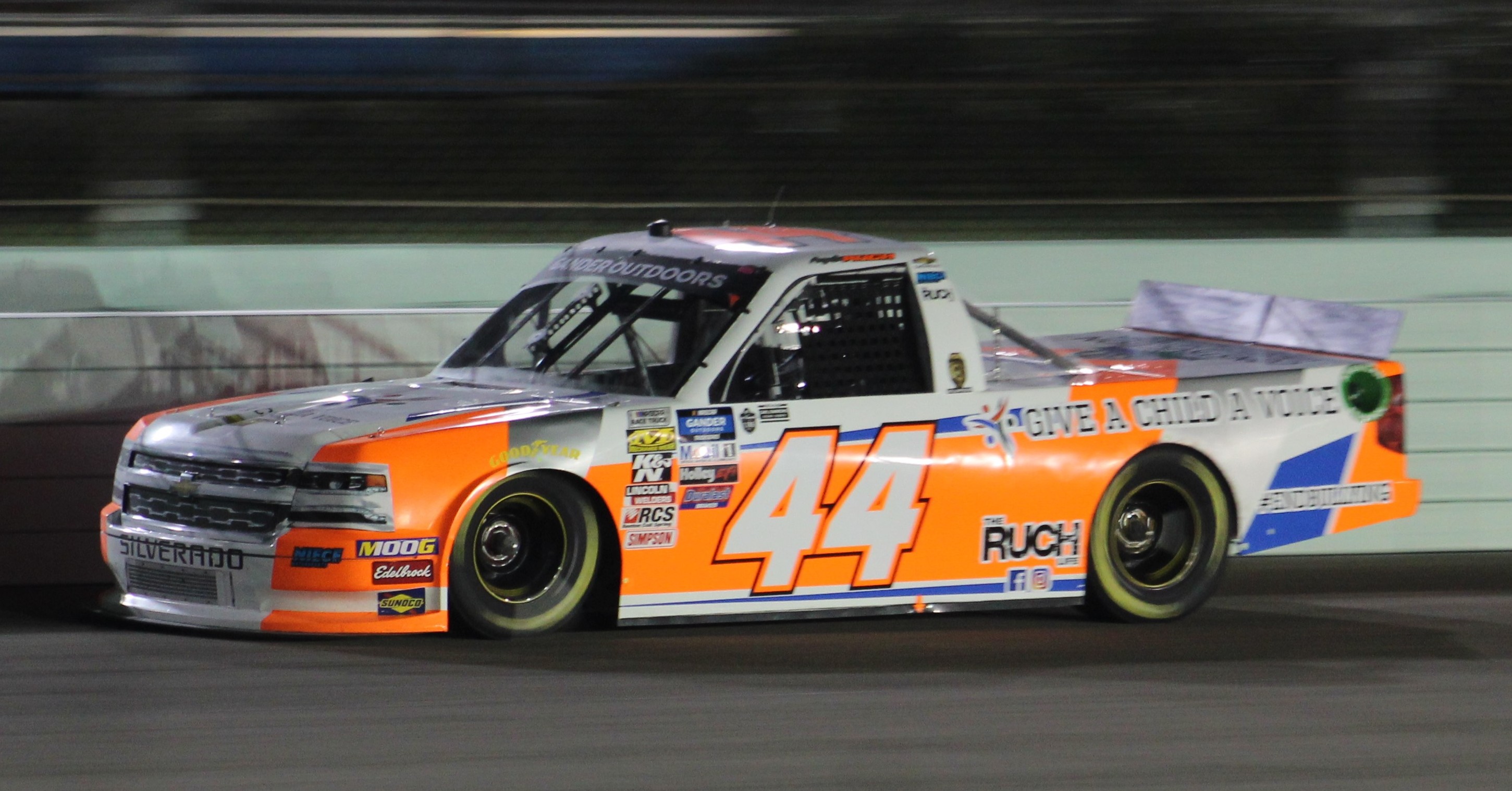
Chevrolet Silverado
"... most of the cars I've built, G8, CTSV, Chevy SS, Silverado. I mean, those have all been full size cars, you ..."
The Silverado is a large truck made for carrying things and towing. People talk about it a lot because it’s a popular truck to modify for more power. The podcast mentions it as one of the bigger cars the speaker has worked on.
The Chevrolet Silverado is a full-size pickup truck built for hauling, towing, and everyday driving. It often comes up in conversations about performance builds because it’s a common platform that can be modified for more power and sound. In the podcast, it’s mentioned alongside other full-size cars the speaker has built.

CTSV
"We weren't from 10s in the extended cab to 9s in the G8 and the CTSV to 8 [629.7s] and the Chevy SS to 7s in the truck to 7s in the Chevy SS."
CTSV refers to the Cadillac CTS-V, which is the high-performance version of the CTS. The speaker is saying it was one of the very fast cars in their past lineup.
CTSV is shorthand for the Cadillac CTS-V, Cadillac’s high-performance version of the CTS sedan. It’s being compared in elapsed-time terms (the “8s” range), suggesting a very quick, track-capable V8 performance build.

G8
"We weren't from 10s in the extended cab to 9s in the G8 and the CTSV to 8 [629.7s] and the Chevy SS to 7s in the truck to 7s in the Chevy SS."
The Pontiac G8 is a V8 performance sedan. The speaker is saying theirs was fast enough to run in the 9-second range.
The Pontiac G8 is a performance sedan that was offered with V8 power, and it’s known in enthusiast circles for drag-strip and street performance. Here, “9s in the G8” indicates the car ran in the 9-second quarter-mile elapsed-time range.
extended cab
"We weren't from 10s in the extended cab to 9s in the G8 and the CTSV to 8 [629.7s] and the Chevy SS to 7s in the truck to 7s in the Chevy SS."
An extended cab is a truck configuration with extra space behind the front seats. Here it’s just part of the lineup the speaker is comparing for how fast they ran.
“Extended cab” is a truck body style with extra rear seating space compared to a standard cab. In this segment it’s used to describe one of the speaker’s trucks and to anchor its drag-racing time range.
eighth
"The and I think that when you're done making a race and then you go, [653.4s] I just went 160 in the eighth. [655.6s] I just went 165 in the eighth."
In drag racing, “the eighth” is a short track segment (one-eighth of a mile) used to measure how fast the car is getting. The speaker is quoting the speed they reached by that point.
“In the eighth” refers to elapsed time measured over an eighth-mile distance, a common drag-racing benchmark for acceleration and trap-speed potential. The speaker’s “160 in the eighth” and “165 in the eighth” are speed figures at that distance.
fire suppressant system
"then you're just like, oh, shit, I don't have a fire suppressant system. [663.0s] The cage is not set for it's not a 25 to cage."
A fire suppressant system is a safety setup that can quickly put out a fire automatically. The speaker is saying that at the speeds they were hitting, they realized they didn’t have that safety gear.
A fire suppressant system is an onboard system that detects a fire and rapidly discharges extinguishing agent to protect the driver and reduce engine-bay fire damage. In drag racing, it’s commonly required or strongly recommended as speeds and power levels rise.
cage
"then you're just like, oh, shit, I don't have a fire suppressant system. [663.0s] The cage is not set for it's not a 25 to cage."
A cage here means a roll cage inside the car. It’s there to protect the driver in a crash, and the speaker is saying theirs wasn’t set up for the level of racing they were doing.
In racing, a “cage” usually means a roll cage—an internal metal framework that strengthens the cabin and protects the driver during crashes. The speaker implies the cage wasn’t built to the appropriate safety standard for the speeds/power they were running.
parachute
"Because out here you go 150 and you need a parachute. You need this, you need that."
A parachute is like an extra brake for a race car. When the car is going extremely fast, it helps slow down safely after the run.
A drag-racing parachute is a deployable braking device used at very high speeds to help slow the car safely after the finish line. It’s especially common when cars are fast enough that the tires and brakes alone can’t reliably manage deceleration.
L.S.
"mostly in L.S. if you kind of know about L.S. is yeah, there's 3000 horsepower L.S."
“L.S.” is shorthand people use for a popular GM engine family that’s common in performance builds. It’s the kind of engine swap/race setup people use when they’re trying to make a lot of power.
“L.S.” here refers to the LS engine family from General Motors (commonly called “LS” swaps in the performance world). The host is connecting the high-horsepower builds to LS-based powertrains, which are popular because they’re compact, plentiful, and support big power with the right supporting parts.
liability
"But you just you can't just go out there and make it without knowing that something might happen. Yeah, just like a liability."
They’re basically saying there’s a safety risk when you make extreme power without knowing the car can handle it. If something breaks or fails, it can become a serious problem for the people involved.
Here, “liability” is being used in the safety/legal sense: building and running extremely high-power cars can create risk if the setup isn’t engineered to handle the loads. In practice, that means considering whether the car can survive repeated hard launches and high-speed runs without catastrophic failure.
quarter mile
"you have to just kind of realize that a quarter mile hit is a lot harder on an engine than an eighth mile. Hey, so we do a lot of eighth mile stuff."
In drag racing, the quarter mile is one of the standard race lengths. Cars accelerate hard for a longer distance, so it can be harder on the engine and transmission than shorter races.
A quarter mile is a drag-racing distance (0.25 miles) where cars accelerate from a standstill and are timed over that length. It’s a tougher test for the engine and drivetrain because the car stays under high load for longer than in an eighth-mile run.
stock block
"building a 2000 horsepower car is a lot more expensive than it was back then, building a 1200 horsepower car. You know, you can't do that on a stock block."
The “stock block” is the engine’s original, factory core. When you try to make huge horsepower, that factory engine core may not be strong enough to handle the stress.
A “stock block” means using the engine’s factory-produced cylinder block without internal reinforcement or major machining upgrades. With very high horsepower goals, the stock block can become a limiting factor due to strength, cooling capacity, and how it handles cylinder pressures.
aftermarket blocks
"But once you start going into aftermarket blocks and stuff like that, I mean, it gets pricey."
An aftermarket engine block is a non-factory version of the main engine housing. Builders use them when they want the engine to handle more power than stock.
An aftermarket block is an engine block (the main aluminum/iron housing) sourced from a third-party supplier instead of the factory OEM part. People choose them to support higher power because aftermarket blocks are often built with stronger materials and machining for performance builds.
short block
"I mean, if you order a short block, you're going to pay $18,000 for a short block."
A short block is a partial engine kit. It usually includes the main bottom-end parts, but not the top-end parts like the heads and intake.
A short block is an engine package that typically includes the engine block plus rotating assembly components (like pistons and crankshaft), but excludes many top-end parts. It’s a common way to budget a build because you can reuse or separately buy the cylinder heads, intake, and other accessories.
long block
"You order a long block, you're going to pay 25,000, 30,000."
A long block is a more complete engine kit than a short block. It usually includes the heads and top-end parts too, so it costs more.
A long block is a more complete engine package than a short block, generally including the cylinder heads and valvetrain along with the bottom-end. It’s often priced higher because it’s closer to a complete “drop-in” engine build.
budget motor
"I mean, it just depends. I mean, you can build a budget motor and people can go on there and be like,"
A “budget motor” is an engine build where you try to spend less money. Usually that means you’re accepting limits on power or durability compared to a more expensive build.
In performance engine talk, a “budget motor” means a build aimed at lower cost by using cheaper components or limiting the power target. The tradeoff is that lower-cost parts can reduce how much power the engine can safely make or how long it will last under stress.
heads
"What Roger and what Pistons, you know, you can go with, oh, I can get some $3,000 heads."
Cylinder heads are the top part of the engine where the valves sit. Better heads can help the engine breathe better and make more power.
Cylinder heads (“heads”) are the top castings of an engine that house the valves and combustion chambers. In a performance build, head choice affects airflow (how much air/fuel the engine can move), combustion efficiency, and ultimately how much power the engine can make.
intake valve and exhaust valve
"Well, what intake valve and exhaust valve is in it?"
Intake valves let the air/fuel mixture into the cylinder, and exhaust valves let burned gases out. Their design affects how easily the engine can breathe, which changes power.
The intake valve and exhaust valve control airflow into and out of the engine’s cylinders. Valve sizing and design (lift, duration, and flow characteristics) strongly influence how well the engine can breathe, which affects power across the RPM range.
hydraulic
"What springs? Is it a solid? hydraulic?"
“Hydraulic” means the lifters use oil pressure to automatically adjust valve clearance. That usually means less routine adjustment than solid lifters.
“Hydraulic” refers to hydraulic lifters, which automatically take up valve clearance using oil pressure. This typically reduces maintenance versus solid lifters, but the valvetrain behavior can differ in high-RPM performance applications.
solid
"What springs? Is it a solid? hydraulic?"
“Solid” means a valvetrain style that usually needs periodic adjustment to keep the valve clearance correct. It’s common in performance engines that rev higher.
“Solid” here refers to a solid-lifter (solid cam) valvetrain setup, where valve clearance typically requires periodic adjustment. Solid setups are often used for higher-RPM performance because they can handle more aggressive valve motion, but they demand more maintenance.
springs
"What springs? Is it a solid? hydraulic?"
Valve springs help push the valves back closed after they open. If you’re running a more aggressive cam, you often need stronger springs so the valves don’t lose control at higher RPM.
Valve springs control how the valves open and close by providing the force that returns them after they’re actuated. In high-performance cam setups, spring pressure and durability matter to prevent valve float and maintain correct valve timing.
5.3
"or, you know, it's a lot harder versus you have a 5.3 with with rods and pistons, and you hurt it and you go get another junkyard, 5.3 put rods and pistons,"
“5.3” means a 5.3-liter engine. In this context, they’re saying it’s easier to replace and get back on the road if you damage it.
“5.3” is shorthand for a 5.3-liter V8 engine displacement, commonly referenced in LS-family swaps/builds. The point in this discussion is that a smaller-displacement engine can be replaced more easily/cheaply than a $55,000-level build when something goes wrong.
LS
"it's like, oh, I can just go build a LS for 500 bucks or a thousand bucks or whatever it is."
LS is a GM V8 engine family that’s popular for swaps and upgrades. The aftermarket is huge, so people sometimes think you can make massive power very cheaply.
LS refers to GM’s LS engine family, a widely swapped V8 platform known for strong aftermarket support and relatively affordable parts. Because of that ecosystem, people often overestimate how cheaply you can build them to extreme power.
internals
"Yeah, you can do a thousand horsepower, six, oh, block with the right internals and a gen 46 oh, with the right cam,"
“Internals” are the engine’s inside moving parts. If you’re chasing big power, those parts have to be upgraded and matched so the engine can survive.
“Internals” means the internal moving engine components—like pistons, connecting rods, crankshaft, and valvetrain parts. For high-power builds, the internals must be strong enough and correctly matched to the cam and boost strategy to avoid failures.
cam
"with the right internals and a gen 46 oh, with the right cam,"
The camshaft controls when the valves open and close. The right cam helps the engine make power where you want it in the RPM range.
A camshaft (“cam”) controls valve timing and lift by opening and closing the intake/exhaust valves at specific points in the engine cycle. Choosing the right cam profile is critical because it determines how the engine makes power across RPM and how it interacts with heads, valves, and springs.
stock LS three
"We ran a stock LS three at 1260 wheel for the while for a long time. And with no issues, eventually it bent a rod."
“LS3” is a popular GM V8 engine. People build it for big power, and the point here is that even a strong engine can eventually get damaged when you push it hard enough.
“LS” refers to GM’s LS-series small-block V8 engine family, and “LS3” is the specific 6.2L version used in many performance builds. In this segment, the host is talking about how an LS3 can make about 1260 wheel horsepower for a while before internal damage (like bending a rod) shows up.
bent a rod
"And with no issues, eventually it bent a rod. You know, you do that on a dart block at 1200 horsepower."
“Bent a rod” means an internal engine part (the connecting rod) got damaged. It’s a sign the engine was pushed too hard or shifted in a way that created a damaging load.
“Bending a rod” means the connecting rod inside the engine has been deformed, usually from excessive cylinder pressure, poor shift timing, or shock loads. In this segment it’s used as an example of how repeated hard shifting or extreme horsepower can eventually cause catastrophic internal damage.
dart block
"You know, you do that on a dart block at 1200 horsepower. You can run that thing the rest of your life."
A “Dart block” is a stronger aftermarket engine block used for big-power builds. The host is saying that even with a tougher block, extreme horsepower can still lead to engine damage.
A “Dart block” refers to an aftermarket engine block made by Dart, typically used for high-horsepower builds because it’s designed to handle more stress than many stock castings. Here it’s mentioned to emphasize that even a stronger block can still fail when the build is pushed to extreme power levels.
sequential transmissions
"When you get to a certain level in a build, whether it be drag racing or drifting, road course or just a bad ass three car, you'll have to upgrade your transmission. And when we're talking sequential transmissions, there's no one on the planet"
A sequential transmission is a gearbox where you shift step-by-step (like up/down in order) instead of using a traditional pattern. It’s common in racing because it can make fast, consistent shifts.
A sequential transmission lets you shift in order (up or down) without the “gates” of an H-pattern. That matters in high-power drag/drift/road-course builds because it can improve shift speed and consistency under load.
six XD gearbox
"And when we're talking sequential transmissions, there's no one on the planet would a stronger gearbox than six XD and the proof is in the pudding here, folks. Half the FD field is rocking a six XD"
A gearbox is the transmission. The host is saying the “six XD” is a beefier transmission built for racing-level power so it can survive hard launches and shifts.
A “gearbox” is the transmission unit, and “six XD” here is being positioned as a stronger sequential transmission option for very high horsepower. The host claims it’s used by a large portion of the FD (Formula Drift) field and can handle extreme power levels.
FD field
"Half the FD field is rocking a six XD and even 3000 horsepower vipers have not been able to tame the best that six XD has to offer."
“FD” means Formula Drift, a pro drifting racing series. When someone says “FD field,” they mean the cars and teams competing in that series.
“FD” refers to Formula Drift, a professional drifting series. Mentioning the “FD field” is shorthand for the competitive drift community and their real-world hardware choices.
sleeve it
"Yes. Is there a five point threes out there that make 1200 horsepower? Yes. You know, but then you got to get into what block are you going to sleeve it?"
“Sleeving it” means adding an extra inner wall to the engine’s cylinder. People do it when they’re building an engine for very high power so the cylinders can survive.
“Sleeving” an engine block means installing cylinder sleeves to restore or strengthen the bore area. It’s commonly done when aiming for very high horsepower or when the original cylinder walls can’t safely handle the stress.
twin turboed
"I don't know if you ever remember that one. Blue Chevy assess twin turboed E 85 radiator. We were in four fifties at 100 and 58"
“Twin turboed” means the engine has two turbochargers. Turbos force more air into the engine, which helps it make a lot more power.
“Twin turboed” means the engine is equipped with two turbochargers, typically to increase boost pressure and make more power. With two turbos, the setup can be tuned for stronger low-end response or higher top-end power depending on turbo sizing and plumbing.
E 85
"Blue Chevy assess twin turboed E 85 radiator. We were in four fifties at 100 and 58 OK. That was 3700 pounds."
E85 is a fuel blend with a lot of ethanol mixed with gasoline. People use it on turbo engines because it can handle more boost and helps support bigger power.
E85 is a fuel blend made mostly of ethanol (about 85% ethanol) mixed with gasoline. It’s commonly used on boosted engines because ethanol can tolerate higher boost and ignition timing than regular gasoline, helping power builds run safely at aggressive settings.
honed it
"So we went, we put new pistons, honed it, boarded the whole nine yards, put it back together, in, finished Texas to Kate. When I came back, it was more of a rush job to get it to finish."
“Honed it” refers to cylinder honing—using an abrasive process to restore the cylinder wall surface finish and shape after damage. Proper honing helps new pistons seal correctly and reduces friction and blow-by.

Ford F150
"But then again, I remember I was on the other side and I just got a, what's his name with the blue F-150? David VanVors?"
The F-150 is a big pickup truck made by Ford. It’s popular and shows up a lot, including at car events. The podcast mentions a blue one as a point of reference.
The Ford F-150 is a full-size pickup known for being widely sold and easy to live with for work or daily use. It’s frequently discussed because it’s a common base for customization and performance upgrades. The podcast references a specific blue F-150, suggesting it came up in a personal or event context.
Ford Mustang
"Yeah, but everybody has one. Everybody's got a Mustang. Yeah."
The Mustang is a sports car made by Ford. It’s very popular, so a lot of people have one or talk about them. The podcast mentions it as a car “everybody” seems to own.
The Ford Mustang is a long-running American muscle car that’s widely recognized and heavily supported by the aftermarket. Because it’s so common, it often becomes a default reference point in car conversations. The podcast’s “everybody’s got a Mustang” line reflects how ubiquitous it is.
two door cars
"because we're tired, but you don't see that in any other car because [1352.8s] they're all two door cars and they were all tin can gutted."
“Two-door” just means the car has two doors instead of four. It’s being used here to compare different body styles—coupe-like cars versus sedans.
“Two-door” is a body-style designation meaning the car has two doors total (typically one pair for front seats and no separate rear door). In enthusiast talk, it often correlates with coupe-style packaging versus sedans, which can affect interior space and how people use the car.
sedan
"And even if they're not gutted, regardless, they're not sedan. [1358.8s] So it's something different."
A sedan is the common “four-door car with a trunk” shape. Here it’s used to point out that the Chevy SS is a sedan, unlike the other cars in the comparison.
A sedan is a car body style with a separate trunk and typically four doors, with front and rear passenger compartments. The host uses “sedan” to emphasize that the Chevrolet SS is a different category than the other cars they’re comparing it to.
single cab
"Really? Like, what's this one? [1393.0s] Like something that's out there? [1394.1s] Like that single cab over there?"
“Single cab” means the truck has just one front seating row and no extra rear seat area. It’s a specific truck layout the host is referencing while talking about what kind of truck to buy.
“Single cab” is a truck cab configuration with only one row of seating (no extended rear seat area). It’s commonly discussed because it changes interior space, overall length, and how the truck is used (work vs. family comfort).
single turbo
"One was single turbo, one was twin turbo. They both ran pretty much identical times as far as eighth mile times."
A single-turbo means the engine uses one turbocharger to force more air into the cylinders. More air can mean more power, but the way it “spools up” can feel different than with two turbos.
A single-turbo setup uses one turbocharger to pressurize the engine’s intake air. Compared with twin-turbo systems, it often has simpler plumbing and can be easier to tune, but it may spool differently depending on turbo size and engine layout.
3200 pounds
"But if I could just get a car down to like 3200 pounds, I think it'd be pretty bad ass. And it not being your typical car that's out there racing."
Weight matters because a heavier vehicle takes more effort to accelerate. The speaker is basically saying: if the truck were lighter, it would be easier to make power without breaking parts.
Vehicle weight is a major factor in acceleration and traction, especially in drag racing where the car must convert engine torque into forward motion. The speaker is using a target weight (3200 lb) to estimate how much easier it would be to make the same power without stressing components as much.
super chargers
"And you're kind of limited to super chargers at that point because you can only make so much power."
A supercharger is a device that forces extra air into the engine. That extra air helps the engine make more power. The host is basically saying there are limits on how much power you can make in that class.
A supercharger is a forced-induction device that uses engine power to spin a compressor, pushing more air into the engine. More air generally means more fuel can be burned, which is how boosted engines make higher power. In the context of this episode, the host is saying the weight/power class limits how much boost you can realistically run.
Turbos
"So I think Turbos is the way to go. And then you're limited on turbo size because it limit you."
A turbocharger uses the engine’s exhaust to spin a compressor that pushes more air into the engine. More air usually means more power. The host is saying turbos give you more options than superchargers, but you can’t just pick any turbo size.
A turbocharger (often shortened to “turbo”) is a forced-induction system that uses exhaust gas energy to spin a turbine, which compresses intake air. The host argues turbos are the better path because you can make more power and have flexibility in how you size the turbo. They also mention turbo size limits, which is about matching the turbo’s airflow to the engine and the power goals.
6L90
"I know there's a lot of people out there going really fast with 6L80, 6L90 stuff."
6L90 is a GM automatic transmission. The host is saying it can handle hard driving for some people, but if it fails, it’s not a quick or cheap fix.
6L90 is another GM 6-speed automatic transmission variant, typically built for higher torque than the 6L80. The host mentions it in the context of high-speed builds, then contrasts that with the real-world downside: when it fails, it requires teardown/rebuild and replacement cycles. That’s why they frame it as a “headache” for customers who want to go fast.
T H 400
"But T H 400 is just the way to go. So and and you can talk to a lot of people out there right now."
TH400 is a well-known GM automatic transmission that’s popular in drag racing. The host is saying it’s the best choice for going fast because it tends to handle abuse better than some other transmission options.
TH400 (Turbo-Hydramatic 400) is a classic GM 3-speed automatic transmission widely used in drag racing and high-torque builds. The host says it’s “just the way to go,” implying it’s more durable or better suited for the kind of hard launches and power levels they’re targeting. They contrast it with the newer 6-speed automatics that can be more maintenance-intensive when pushed hard.
OE transmissions
"The grudge game in the in the OE OE transmissions is big. And there's a lot of people out there really pushing those those eight speeds, 10 speeds."
“OE” means factory-original parts. So “OE transmissions” are the transmission setups that came with the truck from the manufacturer, not upgraded racing parts.
“OE” stands for “original equipment,” meaning the transmissions that come from the factory. In this context, the host is talking about factory-spec automatic transmissions and the reliability/abuse issues they can face when pushed hard.
8 speeds, 10 speeds
"And there's a lot of people out there really pushing those those eight speeds, 10 speeds. But not a lot of people tell you the headaches that they give you when they break"
“8-speed” and “10-speed” refer to automatic transmissions with 8 or 10 forward gears. More gears can help keep the engine in its power band, but they also add complexity—more shift events and more parts that can fail under high power.
6L80
"OK, because try doing a four or five shift on a 6L80. You're going to it's not going to be happy, you know, same thing with 10 speeds."
The “6L80” is a specific GM automatic transmission with 6 forward gears. The point here is that when you race and shift hard, it can be tough on the transmission.
The “6L80” is a GM 6-speed automatic transmission (the “6L” indicates 6-speed, and “80” refers to the model family). The host is using it as an example of how even a 6-speed can struggle with repeated, hard shifts when you’re making big horsepower.
Texas 2K
"Speaking of quarter mile, though, you were racing a truck quarter mile at Texas 2K, right? I was. Was that your first time doing that with that?"
“Texas 2K” is a drag-racing event in Texas. It’s where the host went to race their truck in quarter-mile runs and elimination rounds.
“Texas 2K” is a drag-racing event in Texas where trucks/cars compete in quarter-mile and eliminations-style formats. The host references it as the venue for their truck’s quarter-mile racing and the failures/successes that followed.
injector driver
"And I was fighting an injector driver, which we eventually figured out right before we jumped into eliminations on Sunday."
An “injector driver” is the electronics that tell the fuel injectors when to spray fuel. If it’s not working right, the truck can run poorly and potentially hurt the engine.
An “injector driver” is the electronic control circuitry (often part of the engine control system) that commands fuel injectors to open for the correct duration. If it’s faulty or misbehaving, fuel delivery can be wrong, which can cause poor performance or engine damage.
standalone
"What's your standalone of choice then is the truck was on a standalone, I imagine, at that point. Yeah, the trucks on standalone. Anything that we anything that's no longer a street street car"
“Standalone” here means the engine uses its own aftermarket computer instead of the factory one. That gives the tuner more control over how the engine runs. It’s common when people are building cars or trucks for higher power than stock.
In this context, “standalone” refers to a standalone engine management system that replaces or bypasses the factory ECU. Tuners use standalone setups to fully control fueling, ignition, and other parameters—especially on non-street or high-power builds.
motoc
"Yeah, the trucks on standalone. Anything that we anything that's no longer a street street car [1795.6s] and even if they're street cars, they make systems for them now. ... [1812.2s] just like GTRs and Audi's that have full motocs. [1815.0s] There's full motocs for all these cars."
“Motoc” is a fancy computer for the engine. It helps the tuner control how much fuel and spark the engine gets, which matters a lot when you’re making big power. It can cost more than other options, so not every customer chooses it.
“Motoc” here refers to an aftermarket engine management system (often used as a standalone ECU) that lets tuners control fuel and ignition precisely. In practice, it’s used to support higher power builds and custom setups, but it can be expensive compared with other options.
port injection
"Yes. Mostly if you have like a direct injection motor that's requiring port injection, [1831.7s] you can do a motoc. You can do there's a there are a couple of companies out there."
Port injection means the fuel is sprayed into the engine’s intake passages before it goes into the cylinders. It’s one common way engines deliver fuel, and it affects what kind of tuning setup works best. The host is saying some setups are better matched to engines that use this style.
Port injection is a fuel-delivery method where injectors spray fuel into the intake ports (before the air reaches the combustion chamber). It’s contrasted with other injection strategies, and the host mentions it because certain standalone setups and injector configurations are easier to manage when the engine uses port injection.
direct injection
"Yes. Mostly if you have like a direct injection motor that's requiring port injection, [1831.7s] you can do a motoc. You can do there's a there are a couple of companies out there."
Direct injection means the fuel is sprayed straight into the cylinder where it burns. It’s a more modern fuel system than spraying into the intake. The host mentions it because it changes what tuning and fuel setup you need for big power.
Direct injection is a fuel system where injectors spray fuel directly into the combustion chamber instead of the intake port. The host brings it up because some high-power builds combine injection strategies (or require specific supporting hardware) to make the engine run correctly with aftermarket tuning.
fuel tick
"People always ask, why do you do certain things? Because fuel tick was kind of like starting to get really popular at the time. ... So the car was on Holly. The truck was on fuel tick. OK. OK. They're both great systems."
“Fuel tick” sounds like another aftermarket engine computer/tuning system. The idea is the same: it helps the tuner control fuel delivery so the engine runs correctly, especially when you’re pushing power. They’re saying both systems can work well.
“Fuel tick” is being used as the name of an aftermarket fuel/engine management system. The host contrasts it with “motoc,” implying both are standalone tuning platforms used to manage fuel delivery and ignition for high-power builds.
Holly
"So the car was on Holly. The truck was on fuel tick. [1870.5s] OK. OK. They're both great systems. [1873.2s] They both do what they have to do"
“Holly” sounds like the name of an aftermarket engine tuning system. The host is basically saying the car and truck were running different tuning computers, and both worked well. (It’s likely a brand name rather than a generic term.)
“Holly” appears to be a tuning system brand name used for the car’s engine management. The host contrasts it with “fuel tick,” suggesting both are aftermarket standalone platforms used for fuel/ignition control.
FuelTech
"when did you make the jump to FuelTech? [1935.1s] That was two years ago. OK. [1936.7s] So like FT 600 then?"
FuelTech is an aftermarket “engine computer” brand. People use it to better control things like boost, and the model they choose can affect how smooth the tuning feels.
FuelTech is an aftermarket engine management brand used to replace or augment factory ECU control, especially for boosted builds. The host mentions specific FuelTech units (FT 600 and FT 700) and how they differ in boost control maturity and ongoing firmware updates.
boost control
"But at that time, there was still issues with boost control and. [1952.1s] They're still working it out."
Boost control is how the car’s computer manages how hard the turbo is pushing. It tries to keep boost at the right level so the engine performs well and doesn’t act weird.
Boost control is the system that regulates how much boost pressure a turbo or supercharger makes. In practice, it’s managed by engine control software (the ECU) using sensors and control strategies to hit the target boost without causing instability or engine stress.
ECU
"No boost. [1959.5s] ECU kept on doing weird things. [1961.0s] So we went back to a 600."
ECU means the engine computer. It decides how the engine runs, and if it starts acting “weird,” the car can behave unpredictably.
ECU stands for Engine Control Unit, the car’s main computer for managing engine operation. When the speaker says the ECU “kept on doing weird things,” they’re describing unexpected ECU behavior affecting fueling, timing, or boost-related logic.
firmware update
"It's like the 600 is pretty dialed, but the 700 are like dropping [1986.6s] like a firmware update like every week or I mean, that's it's that's what they're doing."
A firmware update is a software patch for the engine computer. It can fix bugs or improve how the computer controls boost and other engine functions.
A firmware update is a software update for the ECU/engine controller that changes how it controls the engine. The speaker suggests the FT 700 is receiving frequent updates, implying ongoing refinement of control logic (like boost-related behavior) rather than a fully “final” calibration.
HP tuners
"But for drag racing, you don't have 5000 tables like HP tuners does."
HP Tuners is a computer program that lets a tuner change how a car’s engine computer runs. It gives you lots of adjustable settings, not just a couple.
HP Tuners is an aftermarket engine-tuning software suite used to calibrate factory ECUs. It’s known for letting tuners adjust many tables (fuel, spark/timing, and other parameters) rather than only making a few track-side changes.
timing
"once you set up a car at the drag strip, you're only adjusting timing, fuel, traction and control."
Timing is when the engine’s spark happens during each engine cycle. Tuners adjust it to make more power and avoid damaging knock.
In engine tuning, “timing” usually means spark timing (when the spark plug fires) relative to engine RPM. Changing timing affects combustion efficiency, power, and knock risk, so it’s a core calibration lever for performance tuning.
injector data
"And it's different than changing injector data than it is to doing it to a CTS VV three."
Injector data is the tuning information that tells the engine computer how the fuel injectors work. If it’s wrong, the engine may not get the right amount of fuel.
Injector data is the set of ECU calibration values that describe how the fuel injectors behave (for example, how much fuel they deliver at different pulse widths). Accurate injector data is crucial for getting the commanded air-fuel ratio to match what the engine actually receives.

Coyote motor
"Because at the end of the day, the Coyote motor with an on methanol is going to shoot for certain timing and fuel."
“Coyote” is Ford’s V8 engine family. They’re saying that once you know how that engine is calibrated, you’re aiming for specific timing and fuel targets.
“Coyote” is the common name for Ford’s modular V8 engine family used in many Mustang applications. The host is using it as an example of a platform where timing and fuel targets are predictable once you understand the engine’s calibration behavior.
methanol
"the Coyote motor with an on methanol is going to shoot for certain timing and fuel."
Methanol is a different type of fuel sometimes used for racing. It can change how the engine burns fuel, which affects what the tuner can safely command for timing and mixture.
Methanol is a fuel used in performance applications, often as an additive or dedicated system for drag racing. It changes combustion characteristics and can allow more aggressive tuning targets (like different timing and fuel strategies) compared with gasoline alone.
MoTeC
"Now, if you start doing like a MoTeC that's integrated with can and you got a random. I'm doing exactly. Now you got to play with, you know, your cruise control button does this, your tap up does this, your paddles do this."
MoTeC is a racing computer that controls things like fuel and ignition. It can also talk to other car electronics, so you can customize how buttons and paddles work.
MoTeC is a brand of high-end engine management and data-logging systems used in motorsports. When someone says they’re using a MoTeC integrated with CAN, they mean the ECU can communicate with multiple vehicle modules and you can program functions like cruise control behavior, paddle inputs, and other driver controls.
can
"Now, if you start doing like a MoTeC that's integrated with can and you got a random. I'm doing exactly. Now you got to play with, you know, your cruise control button does this, your tap up does this, your paddles do this."
CAN is the car’s internal “data network.” It lets different computers in the car talk to each other so one system can coordinate with another.
CAN (Controller Area Network) is a vehicle communication network that lets different electronic modules share data. In a setup like “MoTeC integrated with CAN,” the ECU can read inputs and coordinate actions across systems (for example, driver controls and transmission-related commands).
traction
"holy shit, this is a lot more than me going down on FuelTec and just adjusting fuel timing and traction to get down. Gotcha. OK. So it just really depends."
Traction is how much grip the tires have. If you’re spinning tires, you don’t get the power to the ground, so tuning helps the car accelerate more effectively.
In performance tuning, “traction” refers to how much grip the tires have and how effectively the car can apply power without spinning. Traction tuning often involves throttle mapping, traction control strategy, and sometimes torque delivery changes to keep the car accelerating efficiently.
street car
"When you're trying to keep kind of like a little bit of that street car sort of. The knowledge for street car has to be there, because that's what I rely on."
A “street car” is a car you drive on regular roads. It has to feel good and behave predictably in normal traffic, not just at the track.
“Street car” here means a vehicle that’s driven on public roads and needs everyday usability—smooth response, predictable behavior, and compatibility with normal driving features. The speaker is saying that if you want that kind of drivability, you still need the knowledge and setup discipline that comes from street use.
thousand horsepower modern cars
"My business relies on Monday through Friday. Thousand horsepower modern cars. You know, that's that's where most of my time and money goes into and just time"
“Thousand horsepower” means the car is making extremely high power. The point here is that these modern builds usually require more advanced tuning and electronics work.
“Thousand horsepower” cars are high-output builds where the engine and supporting systems are tuned for extreme power. The speaker is framing this as the modern workload—more advanced electronics and tuning complexity compared with simpler race-only setups.

Camaro ZL one
"The Camaro ZL one is one of my favorite options. Mind you, this is what I build that I'm an I'm a GM guy... I love the ZL one Camaro with the 10 speed and the LTE four. You can make a thousand on that car."
The Camaro ZL1 is a top, high-performance version of the Chevrolet Camaro. The host is talking about how you can modify it to make roughly 1,000 horsepower and still drive it regularly.
The Chevrolet Camaro ZL1 is a high-performance Camaro variant built for big power and track-capable driving. In this segment, the host focuses on the Camaro ZL1’s drivetrain setup (including a 10-speed automatic) and how it can be pushed to around 1,000 horsepower with supporting modifications.

Challenger Hellcat
"... I build that I'm an I'm a GM guy. Can you make a hellcat make a thousand every day? Sure. But as far as li..."
The Challenger is a performance muscle car from Dodge. People modify them to make them faster and more powerful. The podcast talks about how much power can be made and whether it can still be used regularly.
The Dodge Challenger is a muscle car that’s built for straight-line performance and enthusiast customization. In the podcast, it’s mentioned in the context of making very high power levels, including references to Hellcat-style builds. The speaker’s point is about whether a certain level of performance can be achieved “every day,” tying the Challenger to that conversation.
LTE four
"I love the ZL one Camaro with the 10 speed and the LTE four. You can make a thousand on that car. Monday through Friday, drive it every day and it's fun."
“LTE four” is the host’s shorthand for the engine they’re talking about in the Camaro ZL1 build. They’re saying the limiting factor is how the engine gets fuel, so you add fuel upgrades to reach very high horsepower.
“LTE four” appears to be the host’s shorthand for an engine family used in the Camaro ZL1 context, where the discussion is about fueling limits. The key idea here is that the engine’s fueling strategy is the bottleneck, so adding port injection and other fuel upgrades is what enables the target horsepower.
big turbo
"Now you can go to LS, big injectors, big fuel pump, big turbo, half the price than building the LTE... LTE is just the fueling is the problem."
A “big turbo” is a turbo that can force more air into the engine. With the right fuel upgrades, that extra air is how you make much more horsepower.
A “big turbo” is a turbocharger sized for higher boost levels, which increases the amount of air entering the engine. More air plus the right fueling (injectors, fuel pump, and sometimes port injection) is what enables very high horsepower targets.
big injectors
"Now you can go to LS, big injectors, big fuel pump, big turbo... LTE is just the fueling is the problem."
“Big injectors” are fuel injectors that can spray more gasoline. When you add boost and try to make huge power, you need more fuel to keep the engine from running too lean.
“Big injectors” are larger fuel injectors that can deliver more fuel per unit time. On high-boost builds aiming for around 1,000 horsepower, the engine needs enough fuel to match the extra air from the turbo so you don’t run lean.
big fuel pump
"Now you can go to LS, big injectors, big fuel pump, big turbo, half the price than building the LTE..."
A “big fuel pump” helps the engine get enough fuel when you’re making a lot of power. It’s basically about making sure the injectors have the fuel pressure and volume they need.
A “big fuel pump” increases the fuel pressure and flow available to the injectors. High-horsepower turbo builds often require more fuel delivery capacity so the injectors can supply the required fuel under boost.
LS
"[2475.1s] What would I do if I was 22 years old in college? [2478.1s] I would have started building an LS."
“LS” is a type of GM V8 engine. People like it for engine swaps and making more power because it’s popular and has lots of aftermarket support.
“LS” refers to GM’s LS-series V8 engine family (often swapped into other cars). In this conversation, the host is talking about building around an LS because it’s a common foundation for making big power reliably compared with some alternatives.
ringland
"[2511.0s] OK, the problem is that that motor is known to break a piston or a ringland [2515.4s] at 650 It's just a much, much weaker piston than the LTE for combo."
A ringland is the “bridge” on a piston that holds the piston rings in place. If it breaks, the engine can start losing compression and can run poorly or fail.
A ringland is the portion of a piston between the piston rings. When the ringland cracks or breaks, it can lead to loss of compression and oil control, which is why the host calls it a known failure mode at high horsepower.
piston
"[2508.7s] We have cars out there making 700 and fifty horsepower. [2511.0s] OK, the problem is that that motor is known to break a piston or a ringland"
A piston is the part inside the engine cylinder that moves up and down to make power. If you push an engine too hard, pistons can be the first parts to break.
A piston is the moving part inside an engine cylinder that compresses the air-fuel mixture and transfers force to the crankshaft. The host is saying certain high-power builds can fail because the piston (or related components) can’t survive the stress at the stated power level.
rods
"[2527.3s] And so that that's the main weak point then is when couldn't [2530.8s] wouldn't you just be able to do pistons in an LTE one? [2533.4s] You can do pistons and rods, but it's just not worth it at that point."
Rods are the parts that connect the piston to the crankshaft. If you’re building for high power, rods may need stronger versions too.
Connecting rods (“rods”) are the link between the pistons and the crankshaft. The host mentions doing rods along with pistons as an upgrade path, but says it may not be cost-effective compared with starting from a different engine setup.
forge the motor
"[2533.4s] You can do pistons and rods, but it's just not worth it at that point. [2536.7s] I mean, if you're going to open it up to forge the motor, I mean, it just depends."
“Forging the motor” means upgrading the engine’s internal parts to stronger versions. It’s done when you’re making a lot more power and want the engine to survive.
“Forging” the engine typically means using forged (stronger) internal components—most commonly pistons and sometimes connecting rods—so the engine can handle higher cylinder pressures. The host is weighing whether it’s worth upgrading internals to match the performance of a different engine variant.
LTE for
"I'd start off with the LTE for. Got it. But then again, it just depends."
This sounds like the host’s shorthand for a particular Camaro LT setup they recommend. The main point is that starting with a lighter car makes it easier to build a fast, high-power setup.
“LTE for” appears to be a shorthand the host uses for a specific Camaro LT build or package they’re advising on. The key idea in this segment is choosing a lighter starting point (LT) versus a heavier, more optioned starting point (SS) when planning a high-power engine swap.
snout
"Change the snout, go crazy on the port, put a big motor behind it."
In supercharger talk, the “snout” is the front part that drives the blower. Changing it can change how the boost system behaves.
“Snout” is commonly used in forced-induction setups to describe the front housing/drive section of a supercharger or similar component. Changing the snout can affect pulley/drive geometry and therefore boost characteristics.
High compression
"Change the snout, go crazy on the port, put a big motor behind it. High compression, you know, you're going to make it."
High compression means the engine squeezes the fuel-air mixture more tightly. That can make more power, but it also makes the engine more sensitive to knock, so it needs the right setup.
“High compression” means the engine’s cylinders squeeze the air-fuel mixture more than stock. Higher compression can improve efficiency and power, but it also increases pressure and knock sensitivity—so it has to be matched carefully with fuel, boost level, and cooling.
blower
"LTE for blower, which a lot of people will brag about and I have nothing against them. You can put a 2650 Make a thousand horsepower."
A blower is a device that forces more air into the engine so it can make more power. Here, the host is saying different blower setups change how hot the intake air gets and how easily they make big horsepower.
A blower is a forced-induction supercharger that compresses intake air to increase engine power. In this segment, the host is comparing blower setups (“LTE for blower” vs “2650”) based on how they affect intake air temperatures and the ability to sustain power during a quarter-mile run.
2650
"You can put a 2650 Make a thousand horsepower. And if you look at a log without changing anything on your car,"
“2650” is the blower setup the host is recommending for making huge power. He’s basically saying it makes the same (or more) power with less strain, so the intake air stays cooler and the car/truck is happier for repeated pulls.
“2650” refers to a blower size/class used for forced induction on a high-boost truck/drag setup. The host claims it can make around 1,000 horsepower more easily while keeping intake air temperatures under control over a quarter-mile run, largely because it “works less to make more power.”
intake air temps
"you look at a log going down the quarter mile, it'll start at 100 and fifty intake air temps and it ends at 100 and 2100 and ten out the back of the track."
“Intake air temps” means how hot the air is going into the engine. Hotter air can make less power and can be harder on the engine, so builders watch these numbers during a quarter-mile run.
Intake air temps are the temperature of the air entering the engine after it’s been compressed by the blower/turbo. Higher intake air temps reduce air density and can increase the risk of knock/detonation, so drag builds often monitor them in logs to judge whether the setup can hold power.
log
"And if you look at a log without changing anything on your car, you look at a log going down the quarter mile, it'll start at 100 and fifty intake air temps"
A “log” is a recording of sensor readings from the car while it’s running. The host is using it to show how hot the intake air gets during the drag run.
A “log” refers to recorded engine/vehicle sensor data (often from a datalogger) used to analyze how the car behaves under a specific run. Here, the host uses logs to track intake air temperatures from the start of the quarter mile to the end.
chiller
"So can it be done? Yes. Put an ice box, put a chiller, do whatever you want. You can get the LTE for to make that power."
A chiller is extra cooling equipment that helps keep the intake system cooler. The host is saying you can add one to help a blower setup stay cool enough to make big power.
A chiller is an auxiliary cooling device used to lower the temperature of a fluid in the intake-air cooling system (often charge-air cooling). In this segment, the host suggests using a chiller/ice-box approach to keep intake temps down so an “LTE for” setup can achieve the same power.
dig
"It's nasty from a dig. Once you pour it, you turn it up."
“From a dig” means starting from a stop and punching it to accelerate quickly. Drag racers care a lot about how the car launches.
“From a dig” refers to launching from a standstill (or very low speed) and accelerating hard right away. It’s commonly discussed in drag racing because it highlights how quickly a setup makes torque and gets the car moving.
mile an hour
"OK. You know, and you'll start seeing mile an hour differences when you start comparing 900 horsepower LTE for blower to 900 horsepower 2650 cars."
In drag racing, miles per hour is how fast the car is when it reaches a certain point. Higher trap speed generally means the car is making strong power as it speeds up.
“Miles per hour” is the trap speed metric used in drag racing to indicate how fast the car is going at a specific point on the track. The host is comparing how different setups (blower vs 2650) change trap speed and how the car “shines out the back.”
LS forums
"I am probably like the Draggy forums, the LS forums, and you always have the the hero cars, right?"
“LS” refers to GM’s LS-series small-block V8 engine family, which is a popular swap and tuning platform. “LS forums” are enthusiast communities focused on building and tuning these engines for drag racing and high horsepower.
five point three
"Well, it comes with age. Well, it comes with age. It comes to the am I going to put a a five point three with the 76 mil turbo or am I going to put a"
“Five point three” means a 5.3-liter engine. In this conversation it’s about which engine size and turbo setup you choose to make big power.
“Five point three” here is shorthand for a 5.3L engine displacement (5.3 liters), a common GM LS-series starting point for builds. The host is weighing different engine/displacement and turbo combinations that can both reach similar peak horsepower.
76 mil turbo
"It comes to the am I going to put a a five point three with the 76 mil turbo or am I going to put a dart for 27 with the 98 mil turbo?"
That “76 mil” is shorthand for a turbo size (usually around 76 mm). Bigger turbos can flow more air at high speed, while smaller ones often spool up sooner.
“76 mil turbo” refers to a turbocharger size commonly described by compressor/turbine wheel dimensions in millimeters (often shorthand like “76mm”). Turbo size affects how quickly it spools and how much airflow it can support at high RPM.
98 mil turbo
"dart for 27 with the 98 mil turbo? You know, we're both going to make a thousand horsepower."
“98 mil” is shorthand for a much larger turbo. Larger turbos typically make more power at higher engine speeds, but they can be slower to spool than smaller ones.
“98 mil turbo” is shorthand for a larger turbocharger (often ~98 mm). The host is comparing turbo sizes to show that different combinations can still reach similar peak horsepower, but they may feel different in how they build power.
single 76
"Maybe not with the single 76 and need like an 88 turbo. But if it's my car and I'm going to do it once, I'll put a, you know, little dart block, six bolt head, 98 mil turbo."
It means the engine is using one big turbo, roughly in the 76 mm size range. Bigger turbos can move more air at high boost, but they may take longer to spool up.
“Single 76” is shorthand for running one turbocharger sized around 76 mm. In boosted builds, turbo size affects how quickly the engine spools and how much airflow it can support at high RPM.
Request an Explanation
Heard something you'd like explained? We'll add it to this episode.
Sign in to request explanations for terms you heard.
Want to learn more?
Browse our glossary for plain-English explanations of automotive terms, jargon, and concepts.
Help improve this episode
See something that's not quite right? Our annotations are AI-generated and can sometimes miss the mark. Click the flag icon on any annotation to suggest a correction.