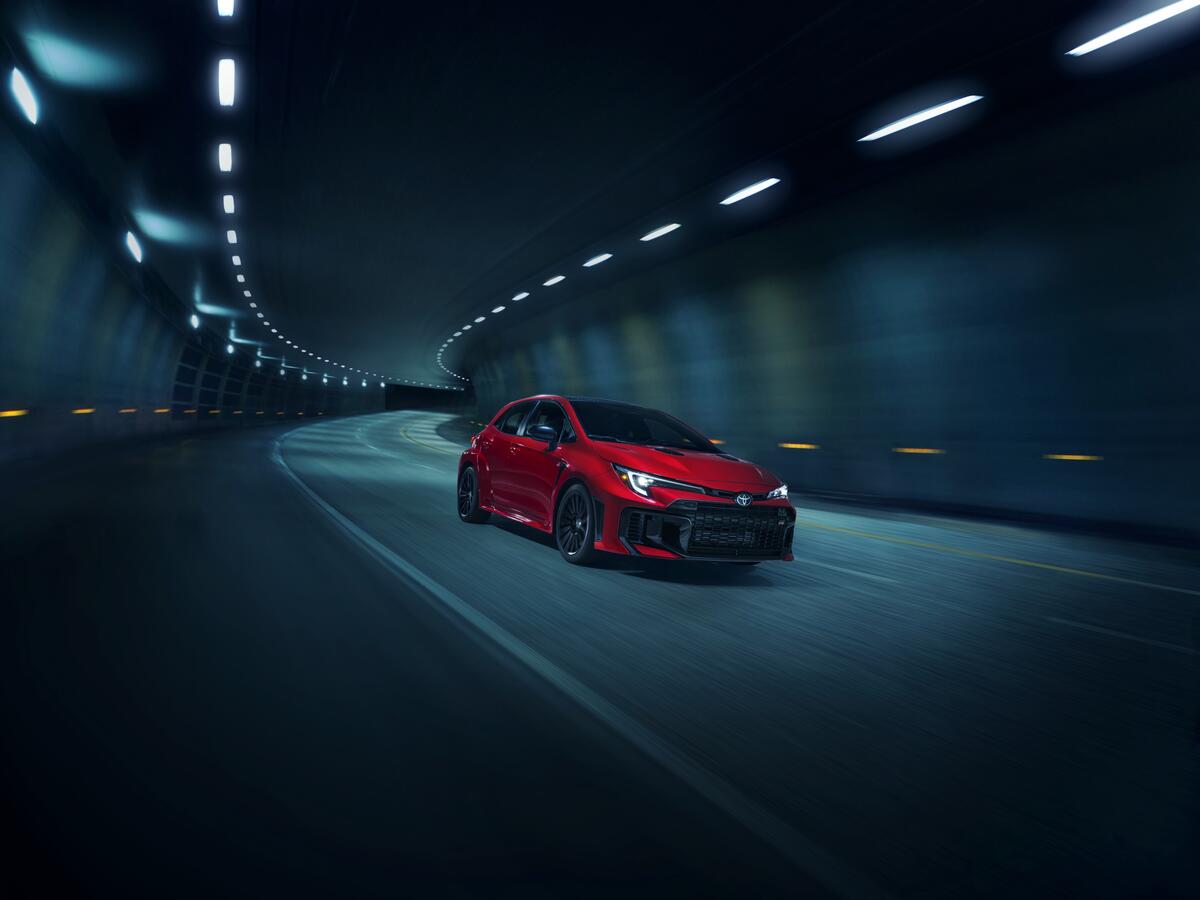
The Toyota GR Corolla is a sporty version of the Corolla. It’s built to handle rougher, faster driving better than a normal compact car, and it uses all-wheel drive. The podcast is mentioning it as one of the cars they worked on for performance testing or tuning.
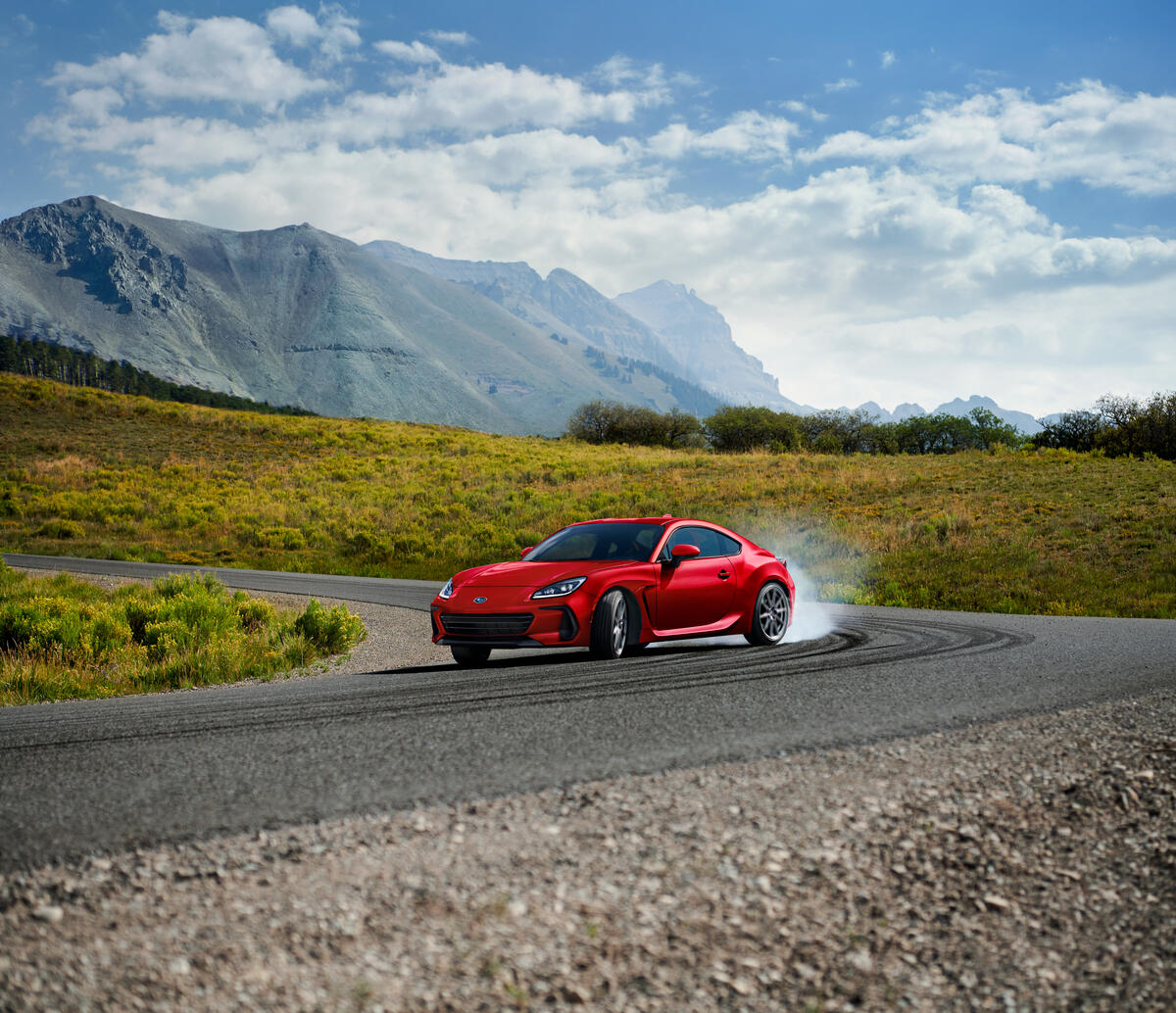
The Subaru BRZ is a small sports car made for fun handling. It’s usually set up to drive the rear wheels and feel responsive on twisty roads. The podcast mentions it alongside other performance Subarus, showing it’s part of that enthusiast lineup.
The Corvette is a famous Chevy sports car. Here they’re talking about different generations—C6 and C7—because each one drives and feels a bit differently.
An EJ swap is when someone puts a Subaru EJ engine into a different car. People do it because the EJ engines are popular and there are lots of parts and tuning options for them.
View farming means making videos mainly to get lots of views, not necessarily because you truly care about the subject. The hosts are saying that approach can burn people out.
“Stance Works” is a car community/media brand tied to the “stance” style. That style focuses a lot on how the car looks—especially how low it sits and how the wheels fit.
The Ferrari F40 is one of the most famous old-school supercars. It’s known for being fast and kind of raw, and people treat it like a collectible, so building one from random parts is a huge deal.
A supercar is a very fast, high-end sports car—usually exotic-looking and built to perform. In this conversation, it’s just part of the list of expensive dream cars.
The Audi RS6 is a supercharged-up Audi A6 that’s built for speed, not just commuting. People like it because it’s quick and still works as a normal car.
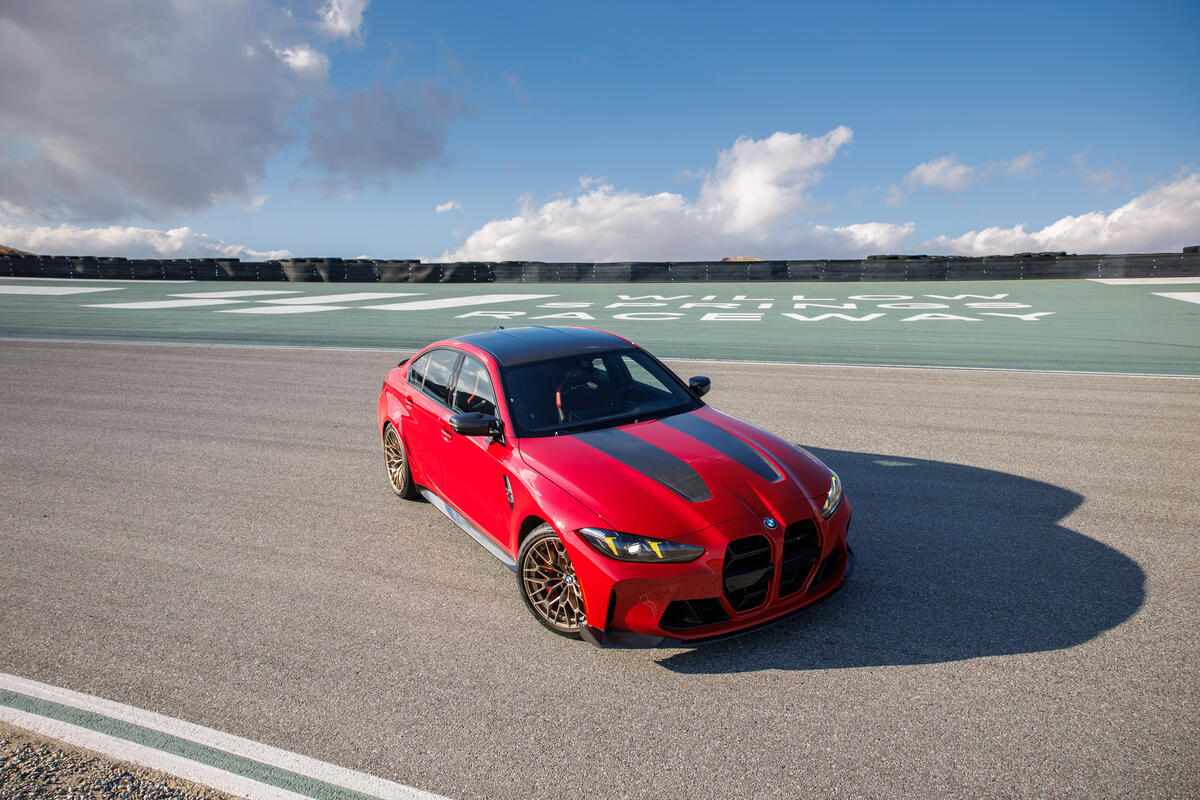
The BMW M3 is a sporty BMW that’s made to drive fast and handle well. People talk about it a lot because it’s popular with car enthusiasts. It may also come up because different owners have very different experiences with it.
They’re saying that building or modifying cars follows a similar process no matter the brand. The details change, but the overall steps and thinking are basically the same.
A full tear down is when a car (or major subsystem) is disassembled completely to inspect parts, replace worn components, and rebuild with fresh hardware. The speaker contrasts this with the broader “cycle” of how they got into cars, implying they’ve done deep builds rather than only bolt-ons.
Car
Subaru XT6
The Subaru XT6 is an older Subaru from the 1980s. The host is saying it was their first car, which is why they got into Subarus in the first place.
The Cadillac XT6 is a larger, comfortable SUV made for carrying people and everyday driving. It’s meant to feel more “luxury” than a basic family vehicle. The podcast is mentioning it because it was the speaker’s first car.
An EJ engine is Subaru’s common turbo boxer engine family used in WRX/STI cars. The host is saying they’ve owned a lot of them and never had one fail badly.
Term
EJ 33s
“EJ 33” is a bigger Subaru EJ engine setup (3.3 liters) that people use for swaps. Bigger engines often need more supporting parts and careful tuning to run right.
STI is Subaru’s performance Impreza model. Here they’re talking about STIs that were modified with a different (six-cylinder) engine instead of the stock one.
A full tune is a more thorough engine software setup aimed at performance, not just getting it to run. It can make the engine work harder, which can change how long it lasts.
A base tune is the first software setup that makes the engine run properly. A “full tune” usually means more performance-focused settings, so the car may be harder on the engine.
Total run time is a way of tracking how long an engine has been operating, which can be more meaningful than mileage for swapped builds that may be started, tuned, and tested repeatedly. It helps estimate wear and reliability when the car isn’t driven consistently.
“EJ based” means the build is built around Subaru’s EJ engine family. It’s the common starting point for many Subaru turbo builds because lots of parts and swap knowledge are available.
A dyno is a testing machine that measures how much power a car makes. Instead of guessing from driving feel, it measures horsepower and torque while the engine is running.
Term
6870
“6870” is a turbocharger setup code people use in performance builds. It tells you what kind of turbo the car has, which is a big factor in how much power it can make.
“Full tilt” means the car is being pushed as hard as it’s meant to go. They’re talking about the STI at its maximum performance setting.
Term
mid to high eights
They’re using “eights” as a quick way to say the car is making numbers in the 800 range. They’re describing how strong the STI’s setup is.
Term
seven 60
“Seven 60” is a racing time shorthand—basically how quickly the car is running on the track. They’re saying their STI is in the 7.60s range right now.
Concept
keeping them alive
They mean making sure the car doesn’t break when it’s making big power. It’s about reliability, not just getting a high number once.
Concept
supers
“Supers” is slang for the Toyota Supra. They’re saying some of these cars you see for sale are built cheaply with shortcuts, which can hurt reliability.
Term
shortcuts cut
They mean people build cars cheaply by skipping the right steps. With high-power turbo setups, that can lead to parts failing sooner.
A “wheel build” means you’re building the car to make a lot of power when it’s actually turning the wheels. The cost estimate they’re giving is basically what it takes to build it for that kind of power.
On Subaru EJ engines, the bottom of the engine is split into two main “halves.” Builders often have those halves measured and machined so everything inside fits correctly and lasts.
It’s the small gap between the piston and the inside of the cylinder. The builder sets it so the piston doesn’t rub when it gets hot, but still seals well and uses oil correctly.
Head studs are the heavy-duty bolts that clamp the cylinder head to the engine block. Picking the right ones helps keep the seal tight, especially when the engine is pushed harder.
These are larger head studs (bigger diameter). Bigger studs can help, but they’re not a magic fix—your whole build still has to be set up correctly.
Concept
treated like a race car
The point is that if you drive the car hard like it’s on a track, it will wear out faster. To keep it healthy, you usually have to maintain it more often than a normal daily driver.
E85 is a gas blend with a lot of ethanol. Because it burns differently than regular gas, cars running on it often need more frequent upkeep to stay healthy.
Oil changes are when you drain old engine oil and put in fresh oil. Fresh oil helps protect the engine from wear, and with E85 you often need to change it more often because the engine tends to work harder.
Spark plugs create the spark that lights the fuel in the engine. If you’re running a more aggressive setup, the plugs can wear out faster, so you may need to replace them sooner.
Wheel horsepower is how much power the car actually delivers to the wheels. It’s measured at the tires, so it’s a more “real-world” number than engine horsepower.
Boost is extra pressure from a turbo or supercharger that forces more air into the engine. More air can make more power, but it also makes the engine run harder.
Detonation is when the fuel-air mixture burns in an uncontrolled, violent way inside the cylinder. It can quickly damage the engine, especially when you’re running lots of boost.
Tuning means setting up the engine’s computer so it runs correctly. With modified or high-boost cars, tuning is especially important to prevent dangerous conditions like detonation.
On turbo cars, a wastegate helps control how much boost the turbo makes. When boost is getting too high, it opens to let some exhaust bypass the turbo so the engine doesn’t get overwhelmed.
Haltech is a company that makes aftermarket engine computers. Tuning with it lets you adjust how the engine runs more precisely than the stock computer in many modified builds.
Term
Mtron
Mtron is an aftermarket tuning/engine-control setup. The host is saying it’s harder to work with than the simpler “stock ECU” approach because it behaves differently.
The ECU is the car’s main computer for the engine. “Stock ECU” means you’re using the factory computer (or its settings) instead of replacing it with a different aftermarket one.
The Subaru 2.5 RS is a specific Impreza model. It’s usually considered a fun weekend car because it’s not a turbo and it’s built to feel lively and straightforward to drive.
The Evo 8 is a Mitsubishi Lancer Evolution. It’s a turbo, all-wheel-drive car that’s popular with modders because there are lots of parts and it responds well to upgrades.
Term
F.P. Black
“F.P. Black” here is the name the speaker uses for a particular black paint/color setup on that STI. They’re basically saying the car looked best when it was still in its original black, stock form.
BBS is a well-known wheel brand. “Factory BBS wheels” means the car originally left the factory with those wheels installed, not as an aftermarket upgrade.
“Stock body” means the car’s exterior is in its original, unmodified configuration—no aftermarket aero, widebody work, or major panel changes. Enthusiasts often prefer stock bodywork when they’re talking about preserving the car’s original look.
“Pump” means regular gas from a regular gas station. So “450 on pump” means the car made about 450 (usually horsepower) using everyday gasoline, not special race fuel.
“Wide body” means the car’s fenders are widened so it can run wider tires. It’s both a visual style and a practical mod for fitment.
Term
wheel 40 50 K miles
The speaker seems to be talking about how many miles the car has been driven, but the transcript is unclear. The key idea is that the car’s real-world wear can be different depending on how it was driven and maintained.
Unknown maintenance means the car’s service history isn’t documented or confirmed, so you can’t reliably know whether critical items (fluids, timing components, cooling system parts, etc.) were replaced on schedule. That uncertainty is a big deal when evaluating how healthy an engine or build really is.
Term
G the wingless GDSTI
The speaker is talking about a Subaru STI look without a rear spoiler (“wingless”). The exact STI model/generation is unclear from the transcript, but the point is the visual/trim difference.
A “factory wing” is the rear spoiler that came on the car from the factory. It can help the car stay stable at speed and it also defines the car’s original appearance.
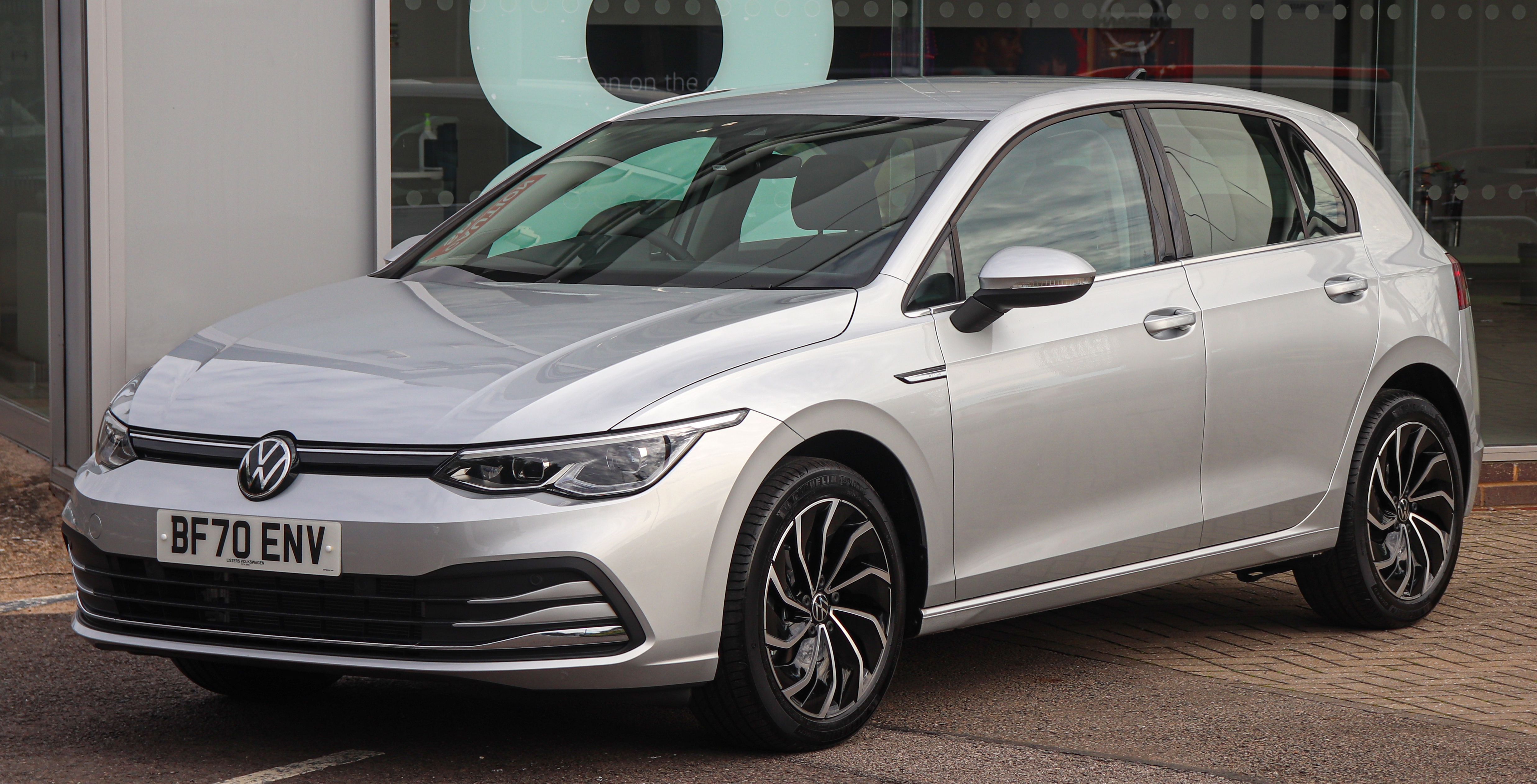
“Mark seven GTI” is the Volkswagen Golf GTI from the Mk7 generation. They’re saying their Mk7 GTI has been one of the more reliable cars they’ve owned, with only a couple minor issues.
The timing cover is a cover that protects the engine’s timing parts. If it’s leaking, it usually means an oil seal or gasket is failing, and fixing it can stop the mess and prevent bigger problems.
“Electronics” here means the car’s computer systems and sensors. If they’re “rough,” it usually means the car has glitches or electrical problems that can be annoying to deal with.
The Maserati GranTurismo is a luxury sports car meant for long, comfortable drives. It’s designed to feel special and drive fast, not just for short trips. The podcast is mentioning it because someone traded a car in on a GranTurismo.
A car’s “black box” is like a hidden recorder that saves driving data. It can show what happened—like how hard the engine was revving—so you can diagnose issues.
RPM tells you how fast the engine is spinning. Looking at the highest RPM helps you see how hard the car was pushed during a specific drive or incident.
A “money shift” is when you accidentally shift into the wrong gear and the engine revs way too high. It’s a common way people can damage a manual car if it happens badly enough.
“Revert it back to stock” means putting the car back to the factory tune/settings. The host is saying that even after that, the dealership may still be able to tell it was modified.
The ECM is the engine’s computer. When you tune the car, you’re changing what the computer does, and it can also affect what the computer records later.
PID numbers are like labeled data points the car’s computer can report to a scan tool. The point here is that tuning can change what those scan-tool readings show, so it may not look “stock” to the dealership.
Warranty is the manufacturer’s promise to pay for certain repairs. Here, the host is saying a tune can be detected, and that can lead to the warranty being denied.
An access port is a device that plugs into your Subaru to help tune the engine computer. It can read what the car is doing and load different tune settings.
A stock tune is the engine settings the car came with from the factory. The point here is that “going back” might still leave the car on a tune that isn’t truly the factory one.
Term
Cobb saves a version of the stock map parameters
Cobb’s tuning tools can save a copy of the factory engine settings. So when you “revert,” you might not actually be back to the exact original factory tune—you're back to a Cobb version of it.
A Cobb tune is engine software loaded using Cobb’s tuning tools. Even if it’s meant to feel like stock, it can still be recognized as a Cobb calibration.
A “tune” is when someone adjusts the car’s computer settings so the engine runs differently. If you change those settings, the car may behave differently and could cause problems that the warranty might not cover.
Engine “knock” is when the fuel-air mixture burns in an uncontrolled way inside the cylinders. It can be very damaging, so if it happens badly enough, it can hurt the engine quickly.
Term
external tune
A tune is changing the car’s computer settings. An external tune usually means a person or shop adjusts the software using specialized tools, so the engine runs differently than stock.
An uppipe is part of the exhaust system right after the turbo. People upgrade it because it can help the turbo and exhaust flow work better, especially when you’re building the car for more power.
A downpipe is part of the exhaust that connects the turbo to the rest of the exhaust. Changing it can help the turbo breathe better, which can add power—especially when you also update the engine software.
Intakes are the parts that bring air into the engine. If they let more air in more easily, the turbo can work more effectively—especially when the car is tuned.
E40 means a fuel mix that’s roughly 40% ethanol. Ethanol blends can let the engine run more timing/boost safely, which often makes more power than regular gas.
A catback is the exhaust part that starts after the catalytic converter and goes to the back of the car. People swap it to reduce restriction and change sound, usually along with a tune for best results.
Term
to the wheel
“To the wheel” means the horsepower measured at the tires on a dyno. It’s the number you actually feel at the road, and it’s typically lower than the engine’s advertised horsepower.
Flash tunes are when you update the car’s computer software. That can make the engine run differently and produce more power without swapping many parts.
“91” is the octane rating of the gasoline. Higher octane fuel helps the engine run more aggressively without pinging/knocking, which can support more power.
“Wheel” means the power reading is taken at the wheels on a dyno. It’s a real-world measurement of what the drivetrain is actually delivering to the road.
They mean power that you can actually use without constantly worrying about breakdowns. It’s about building for durability, not just maximum power on paper.
Term
G 80
“G80” is the name of a Genesis model. They’re basically saying a different car platform can make it simpler to get the power they want.
Term
Subaru lever
They’re saying they strongly support something Subaru-related, but the exact phrase is unclear in the transcript. It sounds like a modding/build philosophy rather than a specific part.
Car
Subaru 2.5 RS
The Subaru 2.5 RS is a classic Subaru model that’s popular with enthusiasts. Here, the host is saying it’s designed to be kept strong and reliable when you tune it to a certain power level.
“600 wheel” means the car makes about 600 horsepower measured at the wheels. The host is saying that number is where the build is happiest for long-term reliability.
“Stages” is how tuners talk about upgrade levels. Higher stages usually mean more parts and more power, and here the host is mapping what’s realistic for a street build.
LIVE
Hello, ladies and gentlemen, welcome back to the Minoxide podcast.
I'm Harris, aka Minoxides, your host, and I'm here with Harris, aka Minoxides.
No, I'm Mark.
I doodle all day.
You can do it.
Hello, ladies and gentlemen, welcome back to the Minoxide podcast.
I'm your host, Harris, aka Minoxides, man of many automotive aspirations, and we're talking
Subaru's today or whatever.
What do you do, Tanner?
Everything.
See, Subaru's mainly, but I mean, we do everything.
Everything.
We've done Rotaries, Evo's, Subaru's mainly.
We did the G.R. Corolla, everything, doesn't matter.
Mainly Subaru's, but Subaru's primarily.
Sandwiches.
They're all sandwiches.
Sandwiches.
So, how do you and Mark, how'd you and Mark get linked up?
Mark was a fanboy, me.
And then we started talking.
And then we started talking.
You're honestly not wrong, dude.
I know.
I remember the first video I ever watched you do was you swapping injector.
You were like, yeah, the first time you ever swapped an injector in like 2018.
Like 2019.
Because you were like one of the few Subaru influencer media people that I could actually
relate to.
I'm a normal person.
I'm still a normal person.
I was like, oh, this dude has no fucking clue what he's doing, and neither do I.
So, I'm going to watch him struggle.
So that someday I can do that.
Yeah.
And then I could start working for comes my three.
And the first thing I did, dude, we got the first.
Well, you're watching him like way back.
Yeah, I was watching him before I ever worked on.
That's what we had like maybe, I don't know, maybe 300 subs on YouTube.
I think you had 6000 when I started.
So potentially it was small.
I want to say that maybe less.
I don't remember.
I think it was less because because I was doing the injector videos and everything else
prior before doing the video that kind of like popped off the channel, which was the
how to make a super reliable video.
Because I was like, kind of took it off.
Yeah.
But before that, it was like the injectors in the DIY and solve everything else.
I remember the video where you quit your job.
Yeah.
Why did you put your job?
What was the job?
I was a product manager for a biochemical company where we made cleaning products that would
clean up like oil spills and stuff like that.
It was okay, but I hate sitting at a desk for X amount of hours per day.
And also I was not a huge fan of my boss.
Like my boss and I did not.
We are on two totally different like personality level.
We just did not get along.
So like, you know that feeling.
I'm sure most people can relate.
You get that feeling Sunday night, 5pm, where you're like, fuck dude, I gotta go back to
work.
I was like, I don't want to go.
Sunday scary.
Yeah.
I used to get those and then the opportunity came up where I started making a little bit
of money on YouTube, but I had my house at the time.
So I was like, fuck it.
I'm going to sell my house.
Matt was kind enough to let us rent a house or rent a room from him.
So I sold my house, then just went all in on the YouTube stuff and lived with Matt.
What was the Zillow on that house?
Uh, yeah.
I think it's your house worth.
I think I sold my.
You're talking about tenors, right?
I think it was like 350 or something.
You sold that house though.
It's probably double that now.
Yeah.
It went up.
I mean, you did go bad times.
Yeah.
Well, we didn't know hindsight is 20.
20.
No, it was 20.
Literally.
So you do see the irony in like you clean up oil spills now anyway, right?
Oh, we prevent the oil spills.
Yeah, we don't have to clean them up.
So we stopped them from happening and it's more power steering at this point.
Yeah.
Primarily power steering.
It's always like that's always the thing.
So I started working with 23 and first production batch of stuff that we got the seal installers
like the flywheel locker like early 2022.
First thing I did was I shipped it all to you.
Cause I was like, all right, well, he's still use that stuff to this day.
Yeah.
Same ones probably.
I remember I was like, this dude is like obviously coming up.
He's gone away.
He's kind of like the only relatable influencer at the time.
I can remember.
Take all the stuff, do with it what you will, but just have it.
Yeah.
So how do we get there?
Right.
So you at that point before you quit your job, did you just want to start a channel
for fun or how exactly?
I remember I was watching, I was watching all these other YouTube channels and I was like,
I literally I sat there was like, I want to go make videos.
So we went to Best Buy.
I bought a little Canon M50.
I just started making videos.
I was like, I want to do this.
So I just went and did it.
And that's the thing like a lot of people like overthink when it comes to like doing
the YouTube stuff.
It's like, oh my God, I have to go out buy like perfect example.
Like if somebody wants to put Starbucks, I'm sure you'll tell them the same thing.
You don't have to go out buy all this crazy equipment to start.
I haven't done that right now with a friend.
Yeah, literally just go out.
It was like a $400 camera and like a $150 kit lens.
I just went out back in the shop and if you go back to the very first YouTube video that
I posted, the camera is literally tilted like 45 degrees to the side.
It's not centered at all.
My audio is terrible.
You can't hear what I'm saying, but it's like the only way you're going to get to doing
it is just do it.
So that's true.
I just started doing it.
Right around what time frame was that at that point?
Like when you started everything?
2019.
2019.
Okay.
So yeah, right around.
Yeah.
It's like June of 2019.
Okay.
Do you remember the day?
No.
Okay.
I don't know.
Funny.
Okay.
So you start that at that point, are you making money off the YouTube channel and quit the
job then or something?
At the time I was.
So I was doing YouTube for fun for probably eight months before I even start making money
off of it.
And that's the thing that a lot of people think they're like, oh, I'm going to start this YouTube
channel.
I'm going to make all this money like right away and immediately.
And that's not necessarily a case.
You have to, A, even to be able to monetize, you have to have a thousand subs and a thousand
and 4,000 watch hours within, I think it's like 12 months.
Yeah.
Yeah.
Something I think it's 12 months, but I wasn't doing it for the money when I first started
doing it.
I was doing it for fun just because I wanted to.
And I was still Subaru content.
Yeah.
It was all Subaru content.
It was with the same car doing the same stuff.
It was just doing my thing in my little garage that I had at the time.
And then it got to the point where I was making some money.
It wasn't enough to like fully be able to be like, all right, I'm going to quit my job
and do everything.
Hence why I sold my house to reduce overhead and everything else, which looking back on
it, I'm glad I did it.
But that's the thing is it's also a gamble because you don't know if it's going to pay
off or not.
But yeah, dude, it's so funny to sit here and be like, yo, I sold my house so I could
post videos on the internet.
Yeah.
Like in hindsight, that sounds insane.
It does.
I mean, it seems to work out for you.
But it's like that.
I'm just saying it's some crazy.
Dude, all my all my friends thought I was stupid when I did it.
All of it.
And they've all told me Eric and all them.
I don't think you're stupid.
But I mean, you also came and lived with me.
Yeah.
You were super good friends.
And I was just like, cool, like from living together in the apartments to like you then
selling your house, moving in.
I was like, hell yeah, like my best friend gets to live with me.
I get to see him every day.
It was fun without us like planning it out and driving places.
But yeah, I remember like the other like the rest of our friends that dude, they were like,
this is stupid.
Why are you doing this?
So you got the American dream.
I was like, yeah, I mean, I had a house had a good job.
But it's like, it's I called it like the golden handcuffs where you're like, OK, you have
the house, you have all this stuff, but then you get locked into it.
And like, you're like, that's your life.
Yeah.
You want to change it.
You just do it.
You sell your house.
You're posting the internet.
You're making a little bit of money.
You move on that.
Yeah.
I think at the time when I moved in with my house, maybe making $1,000 a month off of
YouTube.
Okay.
Yeah, he was not a lot.
That was also when you started live streaming more.
Yeah.
And that was the point from like an outside.
We had two live streams per week.
Every week.
I would like three years.
All the time.
And I used to watch it.
And like the point where I was like, damn, dude, like this is actually like working out
really well for him.
And it was kind of the epiphany moment.
We had a live stream and you got like, I mean, he used to get little donations here and there.
And I would never ask for donations.
I just want to throw that out there.
And then out of nowhere, we had this live stream where he got like, you got this live
stream.
You got like $1200.
Well, it was like the first one was like 800 to 900 bucks.
And yeah, off like, I mean, maybe an hour long stream.
Yeah.
Yeah.
That's crazy.
Like nothing crazy.
And everybody was just like, yeah, you're like, you're live streaming.
We're so excited.
And he was just like donation after donation coming in.
And I'm just sitting here on the side like also.
And I'm like, dang, what is happening right now?
Well, it's like, well, I do the live streams because it's nice to be able to.
And I wish I still had the time to be able to do is just the time aspect.
I don't have the time anymore.
I'd like to be able to get back to that.
But it was like, I'd go on though.
Now that I have Instagram live streaming backs, meadow stop.
Stop banning me from fucking live streaming.
Now that I have that back, I can do it again.
But it's primarily go on there, answer answer people's questions with their cars, like help
them try to diagnose their troubleshoot stuff or just to like hang on talk.
Yeah, you definitely rotate this towards you a little bit.
Just a smidge.
You definitely have a fire.
Perfect.
Yeah.
Rapid fire on live stream too.
Yeah.
That is crazy.
Cause like when I'm on the live streams too, and like, especially I've brought this up
so many times, but like there was one time because dude, I'm awkward as hell on live
streams.
Like I don't like it.
I don't like reading the comments.
I am not that quick with like, like Tanner's bass as hell as like, reads a comment, instant
translate, spits it out.
And like, I will sit there and do I get so like, I don't know if it's 80D or what, but
I look at it and I just go blank.
You're just like, look at these letters.
There was one time where we had a live stream and like, dude, it was just going crazy and
there were a ton of people commenting.
Tanner's like rapid fire reading them off and then out of nowhere he's like, Oh dude,
I got a package.
Hey, Matt, you got that.
Yeah.
Like UPS had a package.
I had to go sign for it.
I was like, I'll be back.
I was like, Matt, you got this.
You straight dipped and I'm like, uh, and that was the first time out of like high school
or anything where I genuinely got like straight up nervous.
And I was like, dude, I can't, I'm like shaking.
I can't and I'm seeing all of the things and everybody's like, oh, he's going to choke.
And I was like, then I'm just like, Oh God.
I keep back.
Was that you did?
Was it weird for you?
Like as his YouTube stuff grew for you, like your garage to be like pretty famous?
No.
I don't think anyone realized like it was your house.
I told everyone.
Yeah.
I don't think you can listen to that.
Like so many people because nobody like falls along every little step so they don't really
realize it.
But no, I mean, the it was fun because what all happened to your house with the RX seven
we had.
So in order in order, it was the EJ STI, the turbo BRZ, the EG 33 STI karma, the FD, the
hatch, who or the hatch, whatever the, the yeah.
Oh, yeah.
Well, didn't even ever make it in the garage.
It was always on the streets.
Yeah.
He made it in there a couple of times.
We had good there for a solid month before eight of spark.
Yeah.
S our T four was off the side.
Yeah.
Chewy RIP.
Yeah.
You know, I still think it's funny more people know men's over chewy but that's a story
for a different day.
Yeah.
Yeah.
Yeah.
Was it weird for you?
Like you be like, Oh my garage is like, no, I mean, honestly, that was that was a fun
experience.
I mean, honestly, that was, that was a fun aspect of it because like we'd go,
we'd go in there and it was just like two friends just doing whatever.
I think the only weird thing about it is people associated my garage as
Tanner's garage door.
So there would be a ton of times where people were like, dude,
it's so cool. You get to work in Tanner's garage.
Every time I'm like, it's Matt's house. Yeah. Dude,
that's so awesome. You get to do that. You're so lucky, bro.
Yeah, it's freaking awesome. Yeah.
So that's probably the only kind of like weird part of it,
but everything else is fun. Yeah.
When you start throwing stuff off a cliff, it's like,
what's the goal with the channel? Are you trying to be like, like,
there is no goal. It's just like, it's always been the same thing.
It's just like, I like to film building my car, whatever the car is,
just doing whatever I want to do. It's not like I have a goal of like,
oh, I have to hit a million subscribers. Oh, I have to go do this build
because if I, if I only bought cars that would do well for views on YouTube,
it wouldn't, I wouldn't enjoy it. I wouldn't have fun with it.
I wouldn't be authentic because I could do that.
I buy cars that I know are not going to perform well on YouTube, but I,
but I want to, why do you think I buy back to Subaru's?
I like Subaru's. It's like, how many times is this guy going to build
the same fucking car over and again?
I genuinely like the cars. That's why I continue to build them.
It's like, if I really, this is my last EJ car,
Taylor Smith, if I genuinely wanted to just build a channel for views,
I would do the let's go buy a super car off co-part and fix it.
Yeah. Method that that is guaranteed.
You're looking at, weren't you looking at C8s earlier?
I don't want to see it. He said, I don't mind the C8s.
If I got a Corvette, it would be a C6 or a C7.
Ideally a C7 over a C6.
You the first guy to EJ swap a C8 off a co-part.
It's not worth the money. I don't want to do it though. See that's the thing.
Like, yes, it would give views, but I don't want to do it. Yeah. Yeah.
It's kind of weird. Like, who knows what's going to give views now?
Because it's so saturated to it.
Yeah. It's like, you and I think that this is going to be the future of YouTube
is the people that stay authentic to what they want to do.
Yeah. Because the people that just view farm for,
and I'm not saying there's anything wrong with view farming, like obviously,
get your bag, get your money, do whatever you want to do.
But I think the people who are authentic and true to the hobby
and enjoy doing what they do are going to be around a lot longer
than those are just doing it for the 100 percent.
They're going to get burnt out. They're going to be like, I don't want to keep doing this.
I could build 200,000 superiors and keep going.
Like, I don't know why I like it. I'm a masochist. I just enjoy it.
Yeah. I personally feel like there's been this giant wave in car culture,
influencer, whatever, where like at the beginning,
everybody kind of started like you guys, like, I just like doing this super relatable.
I could go do that in my garage.
Then we saw this giant peak of like, what's going to get built
and no shade on stance works or whatever.
But building an F40 from a bunch of parts you found, I will never do.
Well, like, I would totally, I will.
Why? Yeah. Like, I will watch you do it.
That's cool. But like, I don't relate to that at all.
And then you have all these dudes buying hypercar, supercars and all that stuff.
Doesn't really interest me as I get older.
Like, that's cool.
Like, don't get me wrong.
I have, I have my RS6 and I have a couple of other things here and there.
But like, I don't fundamentally do those on the channel
because I know it's not something that's relatable for everybody.
Like, I go out when I buy it.
Yeah, I just want to build my shipbox.
Yeah. Like, I don't know.
Well, that's the thing with having like, like the Audi and whatnot.
It's something different for me to work on.
I don't film everything I do in the Audi
because it's something different for me to work on.
That's outside of what I normally do.
But I enjoy doing what I normally do.
So I'll film that stuff.
But it's like, it's like this this sense of connectivity.
It's like, if I can do it, you can do it.
Yeah. And anyone can go on by a $10,000
shipbox super and do any of any of the stuff that I can do.
And I feel like that's kind of what
automotive YouTube is starting to come back to.
That's what it used to be.
Everybody's got a hurricane these days.
Cool. Or a diamond dozen.
If you got billions of dollars, I don't care.
I mean, it is cool.
Like restoring a shitty super.
Like, like my 98 RS.
Like most people wouldn't go to the level.
Like I do it because I enjoy it.
Like I took my 1998 2.5 RS completely stripped down
to a bare chassis, repainted everything,
fucking redid literally everything on that car.
I've been working on that car for almost two years now.
I still hate it.
There's still defects.
There's still defects in it that still bothered me to this day.
But like that's holes in it.
No, no, thankfully.
But yeah, there might be by the by the time I'm done with it.
But like that's that's the passion, the hobby
that I think most people can relate to.
It's like, hey, I have this car I want to build.
If this random dude on the Internet can do it.
And my shop's not big either.
You don't need a massive shop to be able to build a bunch of stuff in.
Yeah.
And I think if you were to ask like a hundred Subaru enthusiasts,
like, y'all, if you had all the money in the world, what would you build?
GC turbo, swag, wide by I would build that.
And they watch VB.
I'm good.
I'd build a stage two plus.
We're like a GD GD or GC.
So the older ones.
The older ones hit hard, especially nowadays,
because like they're so hard to find not molested.
So yeah, the white one would be shame.
Shut your mouth. Nobody knows about that one yet.
This airs in like six weeks.
OK, perfect. The white one is a shame, dude.
If anyone watching, we got like a super mint unicorn, oh five STI.
They're going to wide buy it.
I wanted it really bad, but I don't have money.
So now I get to watch it go to one of you guys.
So you started squatting in his garage then.
Yep. I was I was the biggest squatter.
Yeah. So where does it go from there?
What, 6,000 subscribers at this point, making a thousand a month?
Yeah, I mean, we continue to do the videos.
And then I mean, honestly, we just continue to do the videos.
And I think when I moved out of his place, we were at 100 and 65000
I was going to say you're above 150
Yeah, we're above because it wasn't.
I mean, realistically in the grand scheme of things,
it wasn't that long ago.
It's been almost two years. Yeah.
Like 22 years.
OK. And he was at my house for what, 43 and a half, four years.
Yeah.
So obviously growing a channel from zero to what are you like 185 now?
I think so somewhere there.
Did you ever have like a viral moment where you got like a ton of subscribers
or has it always just been a super Easter eggs?
Yes. So I mean, that one did make 345
That one did.
Yeah, super Easter eggs.
I mean, the one that like really like jump started the channel was how to make a super reliable.
Which I mean, at the time, looking back, there's there's a lot more that I know now
that I didn't know then that I wish I could go back.
OK, don't say this, say that instead.
But I mean, that's part of learning and whatnot.
But it was like that one.
So there was a lot of like older.
I would call like discussion debate topic videos that I would do that would just be like
generalized, like appeal to everybody.
But in the hindsight of things, I fucking hate making those videos, dude.
I hate them, dude. It's not fun.
You sit there. It's like this.
Also, I'm talking to a camera.
Then you get then you get into arguments with people in the comments
and because everybody has a different opinion on things.
It's like, especially in the super world.
Especially in the super world, the bandwidth you have of being able to read
the cut, dude, like Subaru, like some I'm not going to say some are all super
owners, but some super owners, the most self deprecating people against
their own community members I've ever met.
It's insane.
It's absolutely insane.
And everybody sees it in the forums and whatnot.
You can go to any comment section of any YouTube video and find it.
But it's like you only have so much bandwidth and it's just it gets to the point
where like, I'm just tired of dealing with this.
I'm not going to do it anymore.
Do you engage with comments at all?
Yes, absolutely.
A little bit on all platforms.
Not a little absolutely.
Like there used to be a time where I would go through every single YouTube
video, respond to every single comment that anybody would ever post ever.
And I did that for years.
Then it got to the point where it's like, I can't keep up doing it.
So I would allocate time segments to go through the comments of the videos
and go and respond to as many of them that I can.
So you use it for you.
You have more experience, I think, in the overall broad aspect of the car
community and different groups or models or whatever.
Is this going?
Do you think like, is it a Subaru specific thing where people are like,
I know more than you.
Yeah, toxic.
L.S. and BMW.
So yeah, the most toxic.
Do BMWs though, like when I had my M3, they are the worst owners.
I'm not good people in both communities.
Right.
There's good people in all the communities, but like there's a larger
majority of self deprecating owners in these subgroups that attack each other.
It's like you're all on the like BMW owners.
There's so much friendly fire on BMW owners against each other.
It's not a real lamb.
It's not an S 55, whatever.
I'm like, you're all BMW owners.
You're all the same team.
Like chill.
Super owners do the same shit.
Like for what it's worth, like super owners on the internet are one thing.
All the super owners I've met at like Superfest Midwest and the events and stuff.
Super cool in real life.
I've been online.
I'm like, I want to punch you.
Dude, I've met some Subaru.
I've talked to some of these super owners online and they will talk so much
shit to me.
I meet them in person.
They immediately backed out.
Like they don't talk shit to me in person.
I'm like, well, just be the same person.
I don't care if you're going to talk shit to me in person.
Just be who you are.
Yeah.
They always walk up.
No, man, it's, you know, about what I said, it's fine.
Yeah, like just.
I actually do like all your stuff.
If you're going to talk shit, talk shit.
That's the way you're saying that.
That's perfect.
OK.
Like fuck, just be just be genuine.
Just be genuine.
That's it.
All you got to do.
Yeah.
Yeah.
OK, so at that point.
You move out of his place, the channel is growing.
When do you do you?
So you work on other people's cars as well sometimes.
Yeah.
So we have a performance shot.
So when you started that, I mean, the shop is kind of relatively new.
So the way that the performance up kind of came out is people would email over.
They'd be like, Hey, I've got like this build my order, my car blew up.
Would you be willing to build the car for us and whatnot?
And be like, you know what?
Yeah.
And at the time I was doing, I was doing a whole bunch of these builds myself
and doing the YouTube stuff.
I'd film some customer stuff and I'd upload videos on it or whatnot.
But I got to a point where I couldn't I could not physically keep up with it.
So that's when Matt got brought in.
And now Matt kind of runs the performance side of the shop and whatnot.
And he quit my job.
Yeah, what were you doing before?
I quit my job a couple of times.
I was actually at Subaru for like 14 years.
And I kind of did every thing there.
So I started out as a tech.
I was a tech for 33 and a half years.
I was an advisor.
So I became their senior advisor is what I moved to after being a tech.
And I was that for like eight years.
And then I was in sales for the last like 22 and a half years.
OK, don't recommend.
Yeah.
So then once we got to the point was like, I can't physically do.
I physically cannot do all these by myself anymore.
So I've been Matt came in and then Matt's been Matt's been.
It's kind of a cool full circle though.
Like you went from bumming on his couch, whatever.
So now, like, you know, like you guys kind of got a thing together now.
That's like a partnership that we got going on and whatnot.
Yeah.
Ideally, ideally, I'd like to just give Matt all the performance stuff
and just kind of let him let him run it and whatnot.
But we're working toward there's still equipment we need to get.
There's still little things that we're still working out like, hey,
we need to get this or we need to change this flow of it.
So it's still a learning process, but so it's just you two at the moment then.
OK, so then what does that look like?
Then are you are you mostly customer facing on that front?
Or is that just kind of like still on the performance shop side?
It's primarily customer facing where Matt has pretty much full control over that.
The only time I will jump in is if he needs help with something
or if we have like a tight deadline where like we had a car before we came down
here to California, we're like, hey, we need to get this car done before we go
to California because it's got to go to the.
Yes.
Yeah.
So we knocked out like a full build from building a short block to the long block
to get everything done.
I built the base tune for it, loaded the file up.
We got it started, coolant burped oil changed, everything good to go.
And we had our buddy Fernando come up and he has a shop just south of us called
the FIM where he has a Mustang dyno and junior flies in once a month and tunes down there.
So we'll build them and we're super close with FIM to they do builds for people.
We do builds for people to pretty pretty.
So now synapses synonymous, unanimous.
It's a good team.
It's synopsis.
It's good team.
It comes to what starts rapping.
Big.
What is this word now?
But you know, synergy.
Yes, synergy.
We have synergy on that side.
We have two separate shops right now that that side of the shop
that Matt works in is primarily consumer.
My facing, whereas my side is more the east side.
Gotcha.
OK.
So then at that point then, are you mostly just working on your own stuff
then throughout the day?
So what's that look like?
Depend depends on what is going on or what's on the agenda, what needs to get done.
Like right now it's been the 2.5 RS because I just need to get the car done
because I need it out of the shop.
So typically I'll finish one build
and then kind of cycle in the next one as I'm wrapping up that one,
just to kind of keep it going and keep it moving.
So the next one that I have coming in is not even a Subaru.
Ironically enough, it's our buddy's 240 that we're doing.
We're he already has the Jay-Z installed in it, but I'm doing like the wire harness
for him, some Fabwork for him and some other stuff.
But my buddy wants to get back out and go drifting again.
So we're we're kind of knocking out some of the stuff on that car just to help him.
OK, it'll probably be our next projects to rotate back through.
So you have experience kind of beyond Subaru at that point as well.
What's a building a car is building a car.
As a matter of a Subaru, a Toyota, Mitsubishi,
a Chevy, they all operate the same.
It's all the same thing, just a different package.
Did you always start with Subaru's?
Yeah, yes.
Like what are they?
Yes and no.
Teardown and build. Yeah.
Like as far as full tear down and build, but like the cycle of how like I got into cars.
My first car was in 1988 Subaru XT6, called the wedges.
Super cool little 80s cars that I got my 350Z went over to an 08 STI or 7 STI.
And that's when the STI train cycled.
And I've had probably 65 WRXs and STIs,
which is which ironically is funny because everyone claims that they're unreliable.
I'm still 65 and 0 for killing each as I've never killed an EJ engine.
OK, they're good.
And I will die on the hill that they're reliable cars.
Who do you? I'm just curious, right?
Because you're on that side of the country.
EG 33s, though.
Oh, it's the story.
Super Zerli.
EJ 25.
This is not a paid sponsor.
What's the story there?
My six cylinder swapped STIs.
I've gone through engine after engine.
That's the exact opposite.
Yeah, the most amount I like.
I'm not even going to say miles.
What's the most amount of hours you've gotten on EG?
Like like like driving.
Like running like like driving.
I did.
I did.
Are we are we talking like base tune or like full tune?
Because that matters.
Total run time.
A total run time.
Hmm. 60 hours.
What's going on? 60 hours.
Let's not talk about that.
That's a good run.
We're not a podcast worthy topic.
Okay, fair enough.
Started up and moved for like a solid month and a half.
Yes.
We can talk about that one off camera.
Sure.
This is poor EG's.
Yeah.
Um, okay.
What about when it comes to building a suit?
What's the, okay.
What's the highest horsepower Subaru that you build?
What is for yourself or a customer?
Subaru?
Yes.
Like six cylinder and yeah.
Not six.
Well, I mean, our six cylinder one did a thousand horsepower
like 900 foot pounds of torque.
Okay.
Let's not talk about six cylinder.
If we're not talking about the six cylinder,
we're just talking about like EJ based.
I mean, if Michael's,
Michael's car made so much power on the dyno,
it was spinning.
So I mean, we couldn't get an accurate representation
of how much power it made, but I'd assume high eights.
Okay.
Michael's blue STI was the 6870 car full tilt.
It was making probably mid to high eights on that one.
Yeah.
My white STI that that's going away.
That one does seven 60, I think it is right now.
So I mean, we'll do them all day between six and 800.
No problem.
How do you make them live at that level?
You don't.
What do you mean?
No, you do.
It's the, the keeping them together, keeping them alive.
It's a it's about building them correctly.
I mean, a lot of the supers that you're going to see on
like marketplace or all these other places, they're not,
they're put together with shortcuts cut.
If you want to do it right,
supers are not cheap cars to build and all that.
They're very expensive.
You want to build them right.
You're looking at if you're paying a shop to do it,
750 wheel build, you're probably looking at 50 to 60 K with
labor machine work and everything else.
Like it's not cheap.
But I will say the driving experience on them is phenomenal.
Keeping them together though, it's proper machine work.
A lot of people will tell you, you can't reuse EJ case halves.
We like every engine we build is used case halves.
They're seasoned.
They're all favorite season one season.
We take these case halves and a lot of people get,
get this misrepresentation that you can just take these case
halves, rebuild them without doing anything to them and send
them, which is not the case.
You, there's like two machine shops in the country that I
trusted the machine work on the EJ switch.
You're familiar with one of them out front.
We send all of our stuff to Jeremy.
He machines them all.
We send the pistons with it, piston to wall clearance is
set up, all that stuff sends it back.
Then we assemble them.
And it's all about like bearing clearances, oil weight,
proper head stud selection.
As people, people try to push too much power on 11 mil
head studs or half inch head studs.
And it's figuring out, it's just figuring out the right
recipe for the car.
And then what it really comes down to is how is it cared for?
Like every year, if you're treated like a race car, it's
going to act like a race car.
Obviously running a Subaru on fully 85, it's going to
require maintenance sooner.
And a lot of people don't understand that because people
will come to us and be like, Hey, I want my car to make 800
horsepower.
I'm like, awesome, we can do that.
You've got to do your oil changes every 1500 miles on
85, your spark plugs every five to 10,000 miles, depending on
how aggressive it is and all this other stuff.
And people don't realize that they won't do it.
And then obviously the car starts to develop.
Issues treat like a race car.
It's gonna act like a race car.
It's going to have problems.
That's a good quote.
You should get a t-shirt with that.
That's a t-shirt.
Trademark.
Trademark.
Yeah.
It's going to have issues.
I mean, at the end of the day, it's a seven to 800 wheel
horsepower four cylinder.
Yeah.
Like if you want that much and I tell people this all the
time before we even start building the car, I'm like, if
you want this much power reliably to last a long time,
sell it and buy something else.
We can't do it.
And we will do it if you want us to.
But like, don't be surprised if like you come up with these
little issues every now.
Also, if you go out and hit every light to light.
That's the other thing.
A lot of people won't let my ideas come down enough and
they're just going to be sucking in all this hot air.
Obviously hot air inside high compression.
Well, I don't want to say high compression, but you start
throwing a lot of boost into it.
Obviously, cylinder pressure gets higher.
You have hotter air going in.
It's more likely to detonate one bad detonation event.
It's going to take out an engine.
Are you doing all the tuning as well?
Yes and no, I don't.
I do tuning on my own stuff.
I'm still learning tuning.
I'm not so familiar with it where I feel confident where I
can go on like tuned clients cars.
I have tuned some client cars just because it's like in
certain situations, it's like, Hey, we need to get this
cartoon because something came up, the tuner can't come
out or something like that.
So I'll step in and I'll put a base tune on it.
I'll fully tune it on wastegate or spring pressure only
because I don't feel comfortable or confident enough to be
able to be like, Hey, let's throw 60 pounds boost at this
and send it.
There I will say there was one, there was one customer car.
I told you about this.
I think I told you about this.
There was one customer car.
He wanted me to tune it for him.
I had wastegate zeroed out on everything.
So it should have just gone off of spring pressure.
His car had sat for a couple of years and his boost controller
was very old.
The boost controller failed on the first pull.
It did all 60 pounds on the first pull.
I was like, dude, that's not, nope.
I was like, new boost controller, man.
We're like, I let off of it as soon as I saw it, but it's like
it when it comes to tuning, you have to, and I'm a very novice
tuner.
I'm not going to say or tell you, I know everything about
tuning.
I'm still learning, but I can tune enough to be able to start
from scratch and get a car fully tuned on the wastegate.
Are you doing mostly stock ECU stuff then or stock?
You saw, I can work my way around a Haltech.
I'm learning the Mtron stuff right now, but that is
significantly more complex in the way that the Mtron operates
in the stock ECU, but primarily stock ECU stuff.
I thought that car was on Haltech.
Which one?
RS.
I'm not even talking about the RS.
It was on a Haltech.
Have you ever, have you ever yelled at a customer?
Have you ever, or like scolded them like, no, stop, bad boys
sort of.
Yes.
Yeah.
Yeah.
You really, you kind of really have to.
Because a lot of people just don't get it.
And like you'll tell them a couple of times and they still
do not get it.
And you, so you have to be like, dude, seriously, if you
don't do this, this is going to happen.
We had a, okay, there was a perfect example.
We had a customer call us back the other day.
We, we built this car a couple of months ago.
This was the one that made like 850 or whatnot.
And he calls us, he's like, Hey, how do I get anti lag on
my car?
I'm like, what the fuck do you need anti lag for?
It's a stock ECU car.
I'm like, what the fuck do you need anti lag for, dude?
He was like, I got gapped the other day.
I was like, you want anti lag?
You go to a standalone where you have the proper safety.
Well, you can fake it with that.
I know you can put a switch in between the IAT sensor, but
this is there's so much.
I mean, if he's paying, I'll do it.
We won't.
Like I told him the method.
I was like, if you want to do this, that's all I'm doing.
But it's like, yeah, with this money again, if it messes
stuff up with some people you do, I don't want to see you
scold them, but you have to kind of hold their hand and be
like, no, don't, don't do that.
It's educate them.
Yeah.
Yeah.
Yeah.
You're saying I would have done it.
You would have done it.
What do you got?
Hey, when are you going to start tuning?
I'm working on it.
No, no, for like other people.
I'm working on it.
He's not going to do that.
What?
You're not going to do that.
You ain't going to tune for other people doing right now.
She has to guess.
You don't even want to tune for your own car.
I don't do my own car.
I'll put a 20 G on it.
I'll do it on the WX.
I don't have to be.
Oh, what do you mean?
I'm a WX.
The blue one.
The black one.
Black STI.
Yeah, I'll put 20.
You fixed thunder on that yet.
Why you got it?
Why is it pick on mark day?
I haven't seen it so I can't.
Nothing's wrong with it.
It's fine.
You have to see it every day.
You're over there.
No, he doesn't because it's on the far side away from his desk.
Fair enough.
That wall came out of nowhere, dude.
The wall just jumped out.
It did.
Yeah, do that.
That happens sometimes.
Stupid.
I used to get really mad when I'd work on my neon and I took a big ass sledgehammer
and like was doing something and could not get some part of it.
I was working on some part of the suspension and I was so like
fed up with that car not working for like 10 plus years.
I remember I was in my garage and like something happened.
It like crushed my hand and I just took the fucking hammer and threw it at the
side of the car.
Dude, I put a massive dent in the past year rear door and it was instant regret.
And I turned and looked at it and I was like, why?
So it's stuff happens.
It's wild.
Yeah, I didn't learn PDR.
So I sold the car this last year.
That's why you sold it, isn't it?
Shame.
And half of it never finished.
Shame.
Hey, the roof looked really good.
OK, but the whole left side of the car.
Not so.
So I got a question for you.
If you were to line up every one of the cars you've built on your YouTube
channel, so RX 7 Evo, the Audi, everything, you can only pick one.
You want to keep one.
Which one's it going to be?
No one's going to like my what am I?
Well, OK, well, hang out.
I need to say, honest, you could answer whatever I will answer.
But what is the car?
Is it a daily?
Is it a project car?
Is it a weekend?
What is the car?
You only get one.
One.
He gave the credit.
So it's everything.
It's a working goon theory.
Honestly, I really liked the Gullfarr.
I knew it.
Well, if it was I did, man, I really like your daily.
It doesn't have to be your daily.
It's like a fun car.
OK, if it's if it's daily driver, I'm taking my R6.
If it's weekend car, I'm taking my 2.5 RS.
If it's project card, probably weirdly enough, I'd probably take the Evo 8 back.
Really?
But all around.
There's only one.
It's like all far.
If there's only one, it would be the O5 STI, the first iteration of karma
when it had the F.P. Black.
Mm hmm.
That was the that was the best when it was still black, still stock body,
still factory BBS wheels, F.P. Black.
That was my favorite red edition of that car.
What did it make on the black?
450 on pump.
It was reliable for 50 on pump.
It looked factory.
It was perfect.
Yeah, it was a nice car.
And then I ruined it.
And then I fucking ruined it by putting a 60 62 on it, wide
body, wrapping it yellow and making it look like a taxi.
Yeah, a couple of that's where YouTube got a hold of me.
Well, I'm going to do something crazy for you to regret it ever since.
I will never.
Couple years later, 60 62 is a bold choice.
Yeah, you're the only person I've ever heard used that terrible.
It was a terrible idea.
It was a bad turbo for engine.
Still running though, isn't it?
No.
Well, didn't the guy bring it back?
It's not running anymore.
No.
Why haven't you it?
No, it blew up shortly after.
Oh.
Yeah, don't worry though.
It's coming back for a new motor.
Honestly, that engine, that was the first built motor ever put in a car.
He got like 45 50 K miles.
That is impressive.
Well, for the in that car lived at 700 wheel 40 50 40 to 50 K miles.
Well, yeah, with unknown maintenance and all that stuff that that this version
of the car show them that the SCI looks just like mine.
It was perfect.
That car was so clean when you got it.
It was it.
It was no, it was great.
Like it was, you know, there's that white one.
Maybe you could just do 2.0.
That's the thing I've learned.
You can't rebuild a car that you once had like a set feeling for.
You can't rebuild it.
It's not the same.
It's never the same.
Dude, I don't know about the G the wingless GDSTI is trash.
I could go eat.
You know, it's definitely not.
It's definitely not trash.
I like I like them.
There are there are certain wingless guy.
That's right.
Yeah, there are certain iterations of wingless GDSTIs and I'm OK with
like the carbon fiber with the little lips where they're like, I think that's
pretty good.
But like overall factory wing is my I don't know.
I'm kind of going back on goon through again, man.
I really liked that go far.
Really?
I was a mark seven, right?
Yeah, no one is going to like that.
It's I don't care.
Personally, I like that.
I it's a good car.
It's like our GTI.
You had a mark seven GTI.
We still have our mark seven GTI.
That car has been like the most problem free car we've ever had.
I only had a couple problems of mine.
Nothing too crazy.
We've had small stuff like timing cover was leaking.
Yeah, easy fix.
I mean, basically, I don't know.
I have the eight, which I is grown on me.
That's grown on me.
The electronics are rough.
Honestly, the mark seven and mark seven point five golf
ours are just so good as an all around car.
They get a seven point five.
Like I genuinely thought about selling my mark eight to get 75
I would I do the seven point.
They look better.
They're more basic on the interior, but they still have enough tech
where you still feel like it's updated enough.
They're so good.
I will say the mark eights interior and all the super people
just clicked off this podcast.
But like the eights interior is awesome.
Like the only issue I really have is like sometimes like I just
I just lose my infotainment.
It just goes black and disappears.
Our seven does that every now and then, too.
You know, I didn't have that.
You know, if we want to tie this back in the Subaru, my my newer
when I had my 2023 WX to do the same shit.
Yeah, it would just go away.
The Volvo that we're renting.
Fucking we lost all audio yesterday.
Yeah. Yeah. It's a 2026
We're the second renter.
Yeah. Yeah. It's like, nope, it's gone.
It's 700 miles.
I have an issue.
It's all right.
But Volvos don't have problems ever.
So that's super weird.
Are you kidding?
The Volvo I had down there.
I never want to run.
When I rented a North Carolina suit, I got a box out for ten minutes.
You know, I couldn't get back into it for ten minutes.
What? Yeah, I got locked out of it.
I tried everything I couldn't get back.
No, weirdly enough, you know, a card never gave me a single problem.
What? Never was my M three.
The thing never gave me talking about like sell it at a 92. Right.
No, it's an F 80 F 80.
Never gave me a single issue ever, which is amazing from when you bought it
and it was all hot boyed out.
Yeah, I would guess that any car that I buy is always fucking.
I love this car.
I'm never going to get rid of it.
2020
Actually, no, here's the following day.
What is this?
So I got rid of the BMW.
Matt can vouch for me on this.
The average time that I will typically hold a car well before even YouTube
was what, six months? If. Yeah.
I well before you and people like that's that's the point where like me
and all the rest of your friends would be like, this is.
No, yeah.
But like everyone on YouTube is like you are you just got bored of this car.
You got rid of it.
Like ever since I've like been into cars, the average like lifespan of
like an average car for me is like six to eight months.
And then it cycles out for anyone.
There are very few that make it past that.
Just a car or I like variety.
There's nothing wrong with that.
I'm devoted to my favorite was when I got the Maserati in that I had to deal
with all the old men that were hitting on me.
That was weird.
That was weird out of all the cars.
OK, out of all the cars, Tanners ever owned.
There was a point where he traded in there.
OK, there's a point where the whole YouTube process of media.
This was right now.
It became a thing because right before he fully pursued YouTube,
he sold blue.
The 17 SDI, the one that he traded in on a Maserati Gran Turismo.
Oh, really? Yeah.
I traded blue and cheats.
I gave it to the dealer.
Yeah.
And then in that you only had that car for like three or four days.
I had it two weeks because the dealership messed up on the paperwork
and they called me, they were like, hey, we need you to pay us an extra
5000 dollars or bring us our car back.
I said, give me my Subaru back.
You can have this thing back because I'm not giving you additional five.
Which is the whole reason why the whole thing went down.
Yeah, wow.
Which is they went on the deal.
They took the Gran Turismo back, which honestly, I'm glad
because I had buyers or more after buying that thing after a little while.
Because I was like, fuck, if this thing ever has issues, I've got a Ferrari
because I have that stupid Ferrari engine in it.
So I was like, I'll happily take the Subaru back.
So I just have this Gran Turismo for like two weeks and I got the SDI back.
And then that's when I started doing the YouTube channel stuff.
Nice.
Because I had blue modified before on the channel and then I parted out,
put it back, so I traded it in and then got it back.
I was like, well, we're starting with fresh slate.
Yep.
What about the, you said men were hitting on you in this Maserati?
So, OK, so it was.
I like how that's what you focus on.
And they were hitting on you.
Oh, yes, they were.
It was so awkward because we would go anywhere.
And for some reason, like, OK, if two people walk out of a car,
I don't know if Tanner gives off more.
I drive them or a Maserati energy.
But like, we would both get out of the car or we'd both park somewhere
and you'd be walking out and for some reason, like 60 plus year old men
would just pop out of the woods and be like, is that your car?
Well, they would spawn in.
How did you get pushed?
How did you get that?
Where did you get that?
How much did that cost?
Is that a Maserati?
How did you get that?
Where are you?
What do you do for work?
And like, all of them would freak out and I would just sit there like, oh my God.
Bro, this was a depreciated, like 2014 Gran Turismo.
It was like a 30 K car.
It was even expensive. Yeah. Yeah.
It was the most it awkward, weird, like out of their Corvette.
Everywhere we went, they just come over and be like, dude, it was so.
So what do you do for a living?
It was so weird.
There has not been another car that you have driven that has done that.
It's never attracted 60 plus year old.
No, and it was so weird.
What the? I never would have guessed it.
It was weird. Don't ever.
OK, people watching, do not ever get a Maserati unless you want 60 plus year old men.
I just got one off Carvano.
It'll be dropped off at my house by the time I'm home.
Go win one for like two days and tell me what happens.
It's weird.
Hey. OK, so if I had to go get a Subaru, right?
Because I've been here at CarPlay Company 23 for a little while now.
Which one should I get?
What are you using it for?
We can race car daily driver, otherwise.
Daily driver.
I'm going to tell you to get 18 to 21 SDI.
Weekend car 05 to 07 SDI.
Or if you want a good mix of both, I'm going to tell you an 11 to 14 SDI.
Hatchback horse today and whatever your flavor is.
Go.
The the 19 plus or the best day.
They obviously they have the most updated tech.
They I'm not going to say or tell you the engines better
because it's always it doesn't matter with stock with.
It's the same engine, but with those engines, it's a toothpick pole.
It's like one might last, one might not.
I've seen factory EJs go 320,000 miles on open.
I've seen other ones go 5000.
But then again, it also no rhyme or reason.
And well, people tell us like, oh, you know, I was just merging on the freeway.
I was getting up to 60.
And my car always always the same story every single time.
Literally, I don't believe I was cruising on the freeway.
Well, you don't understand.
It's like, I don't know, their cars.
We can plug into it and see all the data in there.
We can pull black bars.
We can see what your highest RPM was.
Only on the max speed.
No, not on EJs, too.
Yeah, we can do it on everything.
We can see all the black box.
Even you money shifted.
We can see it.
It's like, I know EJs captured that.
I thought it was only F.S.
No, EJs capture it too.
And the thing is, is they think they can hide this information.
Yeah.
Yeah.
I think Demetri from Prime had a chance about that last week on YouTube channel.
Yeah.
Don't turn. Yeah.
OK, you got on the highway and you would I just accelerated 60.
And it's it's literally a 125.
It's just be honest.
Like you blow up the car, car.
It's whatever. Yeah, it's fixable.
What's the highest RPM you've seen?
I think 11,000.
I was going to say over 10.
Yeah, it's been over 10.
Yeah, you can see like clearly in the black box data when they money shift.
Yeah, we get we're like, yeah, it doesn't go.
It's not you don't like use an access port for it.
Like we have a scan tool where we can plug in and pull all this black box data.
We used to I show you my F.A.
Like the red line is 6,800, I think, and it's on 92.
And it'll it'll like tell you when you pull the data, it'll tell you like
at what RPM, what time stamp, what odometer, it'll tell you.
Yeah, each of these values.
So, dude, my WRX, someone hit 9200 RPM and it was like
140 miles an hour at like 1500 miles.
Yeah, like, oh my God, because it's still going because that's the thing
that like a lot of super owners will try to do is they'll blow up.
They'll modify their cars, blow it up, realize that they can't afford to fix it,
take it to the dealership or revert it back to stock, take it to the dealership,
not realize dealership can plug into it.
There are PID numbers and all this other stuff in the ECM that when you tune
the car, it changes that number permanently.
It does not match what the record is from Subaru.
So they can literally plug in and be like, this car was tuned.
We're not we're not honoring the warranty.
Then people freak out on Subaru like it's Subaru's fault.
So, Matt, you were a service advisor.
How many Subi Bros.
is you have come in or they were like, it's been stock the whole time.
And like you guys plug into the ECU.
I'm sure you can see it's a solid like three out of four.
As he has that would come in blown up.
That's a high.
No, really.
And like even I mean, I I would have like talks with them too and be like, hey,
dude, this is how I mean, I was very much kind of a people's advocate,
which got me in trouble a lot when I was seeing her advisor.
But you kind of you chat with the people and you're like, dude,
this is if you're looking to get this warranted, this is kind of the route
you have to go.
You have to call Super customer service, explain what happened,
be an advocate for the brand and kind of understand it's very unlikely
that they're going to cover it, especially when somebody and dude,
it was like that the half ass kind of try and cover up because you'd have
where people would have their access port wires still plugged in.
So they have the wire.
They had the wiring, but no access port in the car at all.
I don't know what happened, man.
And then it has it has the stock tune back on, which kind of going back to that.
A lot of people don't get that even when you revert back to like,
oh, I unmarried the access port.
Oh, it put the stock tune back on.
It's not the stock tune because Cobb saves a version of the stock map
parameters.
And when it goes back on, it's still a Cobb number.
So it's still essentially a Cobb tune.
It's non Subaru number on there.
So we look at it and immediately it's like, what is that?
What do you do?
So for the longest time, like you would sit there and you'd be like,
Hey, I get the fact that like this is this and that's that.
But you'd kind of have to tell people, like, if we go to tear down
and like we determine it's your fault or like Subaru comes out
and they pull this black box data like they have to before they do a warranty
and they see like, yeah, this is obviously this guy's fault or yeah, it was tuned.
You're kind of SOL or at the mercy of Subaru deciding to do a good will.
Yeah.
And so yeah, I mean, three out of four.
The Subaru ever good will it?
Yeah.
Sometimes.
Yeah.
And I mean, it greatly depends on a lot of factors because I mean,
I've seen ones where I really hope they'd good will it.
And they were like, kid F, dude.
And the guy's only like 26,000 miles, but it was like modified
as heck, you know, and returned back to stock or like somebody that's genuine
and they like admitted, yeah, OK, if you guys can warranty this, awesome.
If not, I totally understand.
And then I've seen them come through and like, we'll do a one time good will.
Like where we are essentially telling you this was not under.
Like just somewhere where we don't have to do this, but we're being nice.
And this is everybody gets one.
This is your one.
Don't screw it up again.
I'm honestly amazed they would even do that because it's not cheap to put a new
no, no, no, like obviously, I don't care who would who tunes it.
You know, if it's a junior, anybody knows like really what they're doing.
It's still tuned.
It was never meant to make 100 more or spare on stock.
No, I want to.
Like I totally agree.
Super denying.
Yeah, I was super.
I wouldn't good will.
I mean, well, that's the other thing is people think that they should honor
a warranty on a car that's tuned.
I'm like, why if I would if I built a car from scratch and I sold it to you
with a very specific tune on it, you change that tune and you blow it up.
Why the fuck would I warrant that?
Yeah, right.
It doesn't matter who tunes it.
I mean, the best tuner in the world still.
I mean, it rolled out of the warranty with like really one bad knock event
can take out any engine.
Yeah, exactly.
And there's other things we've talked about with
customers and stuff in the past and then even presently each time we kind of have
a consultation with people where one of the most common things that we hear
from like super enthusiasts that are looking to build their car or looking
to modify their car, they're like, well, I don't want it to affect my warranty.
And so I'm like, don't touch it.
I'm going to wait until I'm outside of warranty to start modifying the car.
And then I always sit there and I'm like, dude, if if you're going to wait,
like what's the plan?
So you're expecting it to fail before the warranties so you can get one
replacement and then you're going to start modifying it.
Like if it doesn't have a warranty replacement, you're going to start
modifying a tired engine.
Yeah, because it's like if I had a racehorse and I was like, I'm going
to enter you in the Kentucky Derby, but you're like, I don't.
OK, honestly, I don't know how old horses live to be.
But you're close to dead.
OK, 25.
Someone has a 20.
We'll say 20.
Edit this out.
I don't know anything about horses.
If your racehorse is like 22.
Yeah, there you go.
Go in. Yeah.
I'm going to say I've never once understood the like all wait till it's out
of warranty to modify.
Like what are you modifying anyway?
Because you chase it anyway.
This goes for you too, because you're doing the same thing.
You saw the oil leak under mind, though.
OK, but in theory, even if it's tuned or not, that's a different story.
Like an external tune is not going to affect an effect in external.
Like I'm like, like, honestly, yeah, you should take that back and get a warranty.
But like I never understood that like I've made the decision on
modifying my car.
I'm going to wait till after warranty.
Yeah. Or here's the other thing.
If you're going to wait till after warranty, start buying the parts
while you're still in warranty.
So when you're out of warranty, you have everything ready.
I don't hate enough for that.
You will after this podcast goes live.
You don't have to.
Well, that's the thing.
You don't have to buy everything at once.
Buy like your your turbo.
Save up by your turbo.
Save up by your uppipe or whatever.
Maybe the parts over time.
Soon over with the GTI, I always got to do is tune in like down by tune.
Triple the horsepower.
I mean, you know, down by make 100 horsepower already.
It's just stupid Germans don't have to work for it.
Yeah, like my like actually I'm curious.
I'm quite because I was talking about this today with my friend, Sean, who has an
RS six.
What does the RS six make with just the downpipe and a tune?
I don't know. I don't have downpipes.
I can tell you that with intakes, a turbo from what I have done intakes are intake
turbo inlets, catback and E 40.
It's like eight something to the wheel.
Yeah.
With a tune, it's like six 20 stock or something like 591
Five.
Yeah.
Downpipes.
I mean, I've seen things vary.
I've talked to different people, but it seems like the general consensus is once
you add like downpipes and whatnot, you can get mid sevens.
Yeah, I support this consensus.
My neighbor has an SQ eight.
That's literally flash tunes.
OK, somebody who's like it makes 700 on our 91 shit.
As somebody who's like a huge Subaru lover.
That is one thing that I genuinely love about my RS six, is it makes so much power
and it makes it so reliably.
I don't have to get it.
I don't worry when I get in it.
Like I know I can go out and I can beat the piss out of this.
How many miles have you put on?
Like 5000 in six months.
I love driving.
It's so much fun.
But like that's the thing is like in a if I'm having in like an 800
wheel Subaru, I'm like, fuck, dude, every little noise I hear.
Yeah, that's a different story.
I'm like, it's just a little stressful.
Whereas if I get in the Audi, it's like it'll do it all day long without an issue.
Double the cylinders.
And this is going back to what I was saying earlier.
Like if people want this higher reliable horsepower, I tell them before we even
build their cars, spend the money like buy something else.
Yeah.
I we like we have told a handful of cut.
There's a one customer we have.
He's put so much money in the super.
He's like, dude, I really just want to see seven.
I'm like, stop putting money in the super.
Yeah, go buy the C seven, dude.
There's another customer who's been through a couple of different setups.
And he's like, man, I really want like a like a G 80 or something and just make
this power easier.
I'm like, get rid of the Subaru.
Yeah, do it.
Like as an added up, like a huge Subaru lever, I will 100% advocate.
If people want more power reliably out of a car and they want like that seven,
1700 range, I'm going to tell them to go buy a different car.
Like they're not like if you want like a Subaru, like my 2.5 RS,
that car is built out to the fucking tooth.
You can do anything you can do to Subaru has been done to this thing.
That car will not be tuned past 600 wheel because it will live forever at 600 wheel.
It is capable of doing significantly more, but that car will live forever at 600 horse
by one. That's a lot of things that people don't understand is like
Subaru's have these like power ranges that they like to live in.
OK, what are these individual part like tears like stages 400 to 450 perfect
street car, you can do that on pump gas, 85, no problem.
Obviously, if you do it on a 85, it's going to be a little bit more reliable.
You get a little bit better knock resistance, 500, like 550.
You can do that easily.
You can do it with stock location or rotated, depending on what we're talking.
EJs, by the way, right?
Just EJs, strictly EJ 25s.
EJ 20s are a little bit different because it takes a little bit more to get them
up there because they don't they just don't have the displacement for it.
But we're talking strictly just for power targets.
Like some people are like, oh, I have a two O when I want X amount of power.
I'm going to tell them go to a 25
Then it's just go to a 25
You 600, like that is you want your Subaru to last forever.
600 wheel.
It'll live forever there.
Rotated setup.
Because obviously if I'm not telling people to run like the biggest turbo
they can on these cars, but obviously the larger the turbo, you can run the less
boost pressure you have to run because you can move more air.
So you have a lower cylinder pressure.
Lower cylinder pressure means happy engine.
When you start getting these cylinder pressures that are so extreme, especially
with Subaru is with EGT issues, especially on cars that still want unequal
like manifolds because they want the Subaru rumble.
You get this, this heat buildup on bank.
Um, for, um, cylinder for, yeah.
So cylinder two and four, the, the runners are just longer in nature on those
unequal length ones.
So you get heat buildup in those and then more detonation and everything else
like that.
So it's like, and that's what we talked about.
Like there's these formulas, there's these, these equations we have.
You want this power, you use these parts.
You want this power, you use these parts.
Okay.
So it's like that we have, we already know the parts to make this power.
And then we, with some customers, we run into these issues where they're like,
well, I want to use, use these parts instead.
I'm like, we can do it, but like, I can't guarantee you anything.
Cause like, when they start mixing and matching.
Yeah.
Cause like we, we have a formula we've kind of built over the years of doing
this so many times that's like a tried and true method.
Yeah.
We're like, it's clean.
It's the easiest parts.
I hate calling it cookie cutter, but I mean, super built at this point.
They're cookie cutter.
It's just tried and true at this point.
You know, it's like the stuff that we know and we can basically guarantee
like, yeah, you're going to get the power you want at the reliability you want.
Because we've done it over the years.
Put this hundreds of times at this point.
All of these different engines, we know it works.
And yeah, without somebody like, well, I want to use a specific intake.
And I like how this looks.
And yeah, no, let's say I like to look at this part more and you're like,
or, or this one's $20 cheaper.
I'd rather go to someone like stop, just go with it.
And getting that $20 cheaper part than we have to be like,
like, I don't care if you want to buy the parts or if you want us to order the parts
for you, just buy the parts on this list.
Yeah, exact ones.
What's so actually, I'm really happy Mark walked away for this one.
What's the perfect Subaru oil change interval
on pump gas, 3000 miles on E 85 1500.
OK. And the main thing is just making sure you have oil.
OK, it's also using the correct oil grade.
You're walking away from me, by the way.
It's quite a bit.
It's also the correct oil grade.
I can't wait to edit that.
Because it's like some people will just randomly pick an oil.
They'll go they'll go to the store.
They'll just randomly pick an oil and throw it in their car, especially with
built motors. I'm like, consult the person who built the engine, because each
bill, each engine is built to different tolerances.
Like if we have a customer and we're building an engine for 400 horsepower
and we're building an engine for 800 horsepower, the tolerances are going to
be different between those two engines.
Because obviously they're going to see different levels of abuse.
It's like the tolerance is going to be different.
The oiled grade that we're going to recommend is going to be different.
So don't just go to the store and pick some random oil grade, because you read
on a random form that this is what so and so told you to use.
2050, baby.
In some cases, yes.
No, never.
There are some cases I use 2050.
There are no.
What's the case where you use 2050?
If it's loose. OK.
If it's loose or tolerance, you do something that's going to see more track abuse.
And I mean, we we have different things where we'll like
we'll build different tolerances, even if they're the same horsepower
based on the use case of how somebody's going to use that.
If it's a street car, it's going to be a little bit tighter.
So that way you don't give as much blow by, but it's not going to be living
at such extreme abuse as the one that's going to be beaten the shit out of every
tolerance is you talking about specifically, though, which is a lot,
which is a lot. There's really not that many.
Tolerances, riding, pissing the wall, head to cylinder, valve to piston,
ring gap, valve clearance.
You go on.
I preferably like to set the valve to piston clearance.
So with with cylinder deck height.
That is one thing I've always been curious about.
OK, so this is how typically any tolerance that is going to be machineable
tolerance, we let Alfred take care of.
Because obviously they have the tooling, machines,
they're the ones doing the machine work.
So we we let the machine shop obviously sets stuff up like that.
If it's a specific case used where we're like, hey,
we're looking for this or we're looking for that, we'll tell them in advance
and they'll get it done.
The main ones that we focus on main bearing, rod bearing, rings,
those are going to be the major three.
Everything else we typically let the machine shop handle because there's no
point in us doing it.
We don't have the machines to be able to adjust.
I can't lie.
I don't anything or doing that.
Yeah, that's one thing I've always wondered, though, is everybody in the
super world obviously decks their heads a bunch, right?
Like every time they come apart, they get decked.
Yeah, and obviously the more you deck it, the more it's going to change
compression ratio because you're changing it, but you can compensate that with a
thicker head gasket or a thinner head gasket, depending on what compression
ratio you're trying to achieve.
I mean, there's workarounds or if you deck it too much and then your timing
belt's too short, you get the adjustable idlers that can pull slack out of the
belt.
So I mean, there's always workarounds around it.
Yeah, I mean, me, for example, that get the heads deck, OEM head gasket,
man, send it in both cases.
That's the other thing.
That's fine.
Speed.
Let's talk about super head gaskets.
That's another thing is everybody always assumes that the factory headgask
is so bad.
We will 100% always use the factory head gasket in every situation that we can,
unless it absolutely requires us to use a fire ring or fire lock for very
specific use cases.
But the factory MLS gaskets from Subaru are so good.
They're so good.
You ever use the factory head gasket on a closed deck block?
All the time.
Yeah, all the time.
Yeah.
All the time.
We've done plenty of cars being 750 plus on factory headgask.
What are the head gasket options?
Like very good.
What are the head gasket options?
Like very high level these days.
We have obviously the OEM one.
You're going to have like your standard LLs and then yeah, you have the fire ring.
You got the copper ring.
You can either have the three ribbies.
Well, you can machine the head block and run an actual copper ring in there.
You can buy the Athena, which has the slip in ring, which will compress down.
Or there's MLS like that's really it.
Yeah.
And the Athena one.
I don't like using the Athena's when I don't kind of do.
It's a great head gasket, but it does dig into the head and the block quite a bit.
That you're machining a good bit out.
Basically, does the thing is copper ring without actually machining?
No, because the copper over the groove.
No, no, because the copper O ring, you have the groove machined in.
That's what I was saying.
Yeah, but it's not going to date like these copper rings on the Athena's.
That's what I'm saying.
It kind of accomplishes the same thing with a metal.
Yeah, but without eating into the head.
Yeah, exactly.
Exactly.
Because you're you're machining out a good bit on those.
Like we've taken a couple of part in this.
It's a couple of thou that you're taking out the head every time.
Yes, a lot.
Which I mean, in a race car, if you're if you're going, if you're just trying to go as fast as
you can, you don't care because you're going to buy new heads anyways eventually.
But for the average person, just like a fire, a fire lock ring like that isn't always the answer.
So that is another.
Simply for like a street car.
That's where we recommended.
Okay, Mark, have your time to shine.
And now it's a mark.
That is actually a pet peeve in my mind when you're like, oh, race car.
99% of these actual track.
Let him speak.
I'm going to bed.
99% of these f**king Subaru's go to Target.
They go to Walmart.
They go to work.
Yeah.
How many people actually have ever actually tracked their car or dedicated track car?
1% of the 1% that's about right.
I mean, when I go to Texas, okay, there's no Subaru.
It's just I realized that I'd probably
say 1% to 3% of Subaru's like have been to a track or get tracked regular.
Well, gone to a track, I would probably say 10% actually actually specific like track car based
ones. I would say one to maybe five.
It's got to be 1%.
Yeah, it's not a huge percentage.
Like I'm talking about like stripped out cage like race cars.
Well, the word race car has been thrown around so much over the past 10 years that everyone's just
doing.
Yeah, I'm like, that's my point.
I'm like, dude, just because you put a verbal tune on your car does not make race car.
The one way tore apart the other day where I had five different crackle tunes on it.
Yeah.
Yeah.
I'm like, no wonder this thing.
And honestly, that goes back to your point earlier, really, like you treat like a race car.
It's going to treat you like a race car.
It's been broken all the freaking time.
Yeah.
Well, it's popping bang everywhere you go.
Look at it.
Very specifically, well, look at my EG33s for what reason.
I took that car out to the Roll Races.
I was doing rolling burnouts in that car just just for fun, just because I could like I was
being a shit.
Is that the one that lasted 60 hours?
Yeah, I lifted both heads on it.
I kept right.
I went up against Twin Turbo C8.
I won with two lifted heads and then drove the car home after that.
Still made it back.
What do you think the C8 is now?
Bent every single valve.
The C8's at the golf course.
Yeah, C8's still got a warranty.
Yeah.
Oh, no, it's Twin Turbo.
No, it's Twin Turbo.
No warranty.
It's probably blown up, I know.
What are you going to say?
My favorite thing.
Oh, hey, hey, hey, get in there.
Get in there.
Oh, yeah.
Does it like show you how loud the car is?
Yeah, not very from over there.
Oh, man.
Yeah.
So my favorite thing about the EG33.
It sounds so good.
I was going to say with how many different failures it had, being there for almost every
single one and feeling the pain also hurt so bad.
My favorite was the shattered oil pump.
That and the flywheel backed off.
It was like a series of unfortunate events.
And I just kept doing it too.
That was a thing.
Well, but a lot of it wasn't even really your fault.
And so it was just so sad as a friend to watch when you first got the block built
and then it gets shipped, it gets delivered.
He's so excited.
Tanner literally had bent valves too.
Yeah, Tanner lit up and he's like, yes, my block's here.
I'm so excited.
Matt, let's open it.
And we like put it down on the ground and we're each lifting up part of the box.
And I lift up my end and the side of the block is cracked.
It just falls because they had dropped the engine.
And like, it was right on the engine mount too.
So it's like, I can't use this.
Yeah.
And dude, you waited so long for that block and we're all lifting it up.
And I just as we're lifting it up, I see a little piece fall out and it was terrible
because right beforehand I joked with Tanner that like, oh, it's fucked up.
And then we lift it up.
It actually was fucked up.
So when we lifted it up, I was like, bro, it's broken.
And then he goes, he goes, dude, stop with that.
And then I'm like, no, it's actually broken.
There's a piece.
I was like, no, it's really broken.
Bro, I had some weird failures.
Did the out front make you another one?
Do you show it back and then you pull the guts out?
Yeah, I sent that one back.
Jeremy was kind enough.
He expedited me a replacement.
Jeremy's a nice guy.
Yeah.
There was another one.
Jeremy replaced another one for me too because that was the one where I was using
the half inch studs that was following their directions.
Oh, yeah.
With the EG33s, there's not a ton of information publicly available.
Like the people who do EG33s don't typically share a lot of it.
I was putting the head studs in on one engine, fully built the motor, got everything timed,
got all the accessory put on, dropped it in, I got a coolant in it.
And I just see like a couple of drips coming out from under the car.
So I'm like, ah, maybe a coolant hose or something.
I go under the car, I'm looking around a flashlight, put my chain on it,
pull it up, take off a motor around the fucking block cracked from the head stud.
The head stud, as I was tightening it, it drove this.
Because as you tighten the nut, sometimes you'll have the studs slip a little bit.
The studs slipped and it kept slipping.
And on an EG33, there's not as much meat inside of the engine for a half inch stud
as there is on an EJ.
So it drove the stud into the coolant jacket, causing an external oil or external coolant
leak on this engine that I never even got to start.
I was like, oh, these these engines are not quick to get.
It's not like an EJ where you can just hop online order when you get it within a week.
Do you know the story of the EG?
Give me the story.
I think you told me at one point.
The EG33 was only available for two model years, right?
It was only the SVX.
I think it was like four years.
Was it four years?
It was only it was like a late middle eight, 90s Subaru is attempted.
What are you calling a super car ish?
It was like to keep like the NSX and things like that.
But it was a failure in my opinion.
It hasn't been manufactured for 20 years.
Super rare.
It was cool.
I mean, it's cool.
Have you have you not seen an SVX?
Not in person.
No.
I haven't seen one in person either.
I like him a lot.
They are pretty.
I would love to build one up and like manual swap it.
No, you don't.
I don't want that.
I have my boss, the company, 236 speed swapped one years ago.
Ice race there with a straight pipe on it.
Yeah.
This thing.
That's it.
Oh, that's cool.
Check out the wind with the weird.
Yeah, the weird double wind.
Yeah.
So that thing got an EJ 25 basically with an extra.
Or EJ 22.
EJ 22.
Yeah.
With an extra cylinder.
With an extra.
How was it a failure?
You think the car?
Yeah.
It was an auto only.
That's OK.
That's why I could see it.
Oh, yeah.
It was.
We don't need to say it.
It was only an auto.
It didn't make as much power as its competitors.
I think styling at the time was very subjective to most people.
There was a lot of streams things on it too, because like it was trying to be
different in the way that like the Mitsubishi 3000 GT.
Yeah.
Was trying to be different.
But the Mitsubishi 3000 GT was like, OK, this has some like aspects to it.
I saw one on the street out here.
So clean.
Yeah.
I think honestly, I think if Subaru launched that 10 years later and like the WX is out
and the STI was out and their brand image was completely different.
It's probably a different story with the SVX.
Yeah.
In my opinion.
But why are people building them though?
Like they're not building SVX.
They're not.
No, no, no, no.
SVSX.
But why are you taking the EG?
Because I liked the idea of it.
It sounded really cool.
I remember because at the time I wasn't going to do an EG33 to start with.
I was going to do an EZ30.
But Matt was like, bro, check out this EG33.
And he showed me it was.
And it was.
It was it was Andy Forrest and Sue B.
Performance in Germany.
I was watching their EZ30 and their EG33.
Like engine side by side.
They were like, yeah, the EG33 is just stronger.
So at the time I'm like, fuck yeah, dude, let's do this.
Yeah, let's do this instead.
So I went on eBay.
I bought a EG33 complete engine off eBay.
Had it delivered, started tearing apart.
I was like, cool, I'm going to send all this solid out for an.
I didn't know what the fuck I was doing.
I've never done the engine swap.
He is quick with that stuff too.
I will just.
I just decided.
Because I had.
Yeah.
Okay.
Like the original, the original, original thing that I saw on it was my friend way back when
Steven did a EG33 swap.
I meant, oh no, you were there when I met Steven.
Yeah.
He did a EG33 swap in his in Preza.
Mm hmm.
His first gen.
And he he had kind of led me on to Andy Forrest.
Like his stuff is super cool.
And so watching that, then I watched more of Andy Forrest stuff.
And it's like he had, yeah, he had the crazy.
He's like the Scottish dude that is just like, he's funny as hell.
But he built this car up to be like a full blown track car, like crazy time attack car.
That they called the Stormtrooper.
Mm hmm.
And yeah, he like, I mean, he talks in this like really heavy accent.
Yeah.
But he was like, I'm going to build something up.
And if I get it, I'm going to get tunnels.
Tunnels.
And I asked for tunnels and they said it can't be done on this.
And I said, well, no, you're going to do it.
And then they said, it's not going to work with the chassis.
So we compromised and I got tunnels.
He went back and forth, but they did so much on that car.
And we just watched that.
And he was like, like, yeah, these things are crazy.
Because he built this car up that ran like high sixes, low sevens in a quarter mile.
But it was a time attack car.
And it did it back to back to back.
So it just shit on everything in a drag race and then go on the track and shit on everything on the track.
So naturally, I was like, dude, I like this is the old hard thing that we didn't realize is how expensive it is.
Oh, yeah.
Like going into going into this.
If they're I mean, breaking down to do it right.
I mean, you got to like basically.
If you're looking at a full EG 33 long block, if you can find the gaskets fully built in what?
Damn, I got them all.
But I closed that cams, rods, pistons, whole kit and Goudal.
You're probably looking like 15, 20 K.
Okay.
So what's that breakdown to hours driven?
Well, that's there's more.
That's just like 20,000 per mile custom fab for turbo kits, full wiring harness, standalone.
Chassis modification.
There's so much more that goes into it.
I mean, all in all, it's so much more money.
Now, total, we'll talk about this after the podcast.
Yeah, that's fine.
I think out of all, except I want to preface this, I still have never killed DJ 25.
But I think out of all miles driven on my EG 33s, I think in total, I maybe maybe got 6000 miles.
Maybe.
Yeah, that's pushing it me just to throw it back for one second to you mentioned Andy's super performance.
I miss when he used to actually like do his videos in English and like,
Yeah, I like that English.
I could understand that.
Yeah.
Before he got huge and he's doing the V10 stuff now and he's got all the big C.
I'm like, dude, I'm still does Subaru stuff.
He doesn't like do it on his YouTube channel though.
And I like just watching him build stuff.
Yeah, he was the duty.
And he does such cool.
Yeah.
He has like all he's like all these crazy scenes like when he he like overboard the main tunnel on cases
with like the big mechanical thing with the wrench on it.
That's so cool, dude.
I wish he still did that in English, but you know, kept it.
Titles.
Yeah.
No, I want I want to hear the English.
Yeah.
Yeah, he has some cool stuff back in the day.
I used to watch stuff all the time.
Like religiously.
Oh, oh, eyes on me.
Oh, damn.
Okay, we're looking at you.
You're the host here, man.
You don't know Andy.
No, no, Mark was on a streak there.
Andy is super performance.
I miss you.
Okay, so what's what's next in the world of media then?
What was the next year or two look like?
Okay, so wrapping up my 2.5 RS, which that should be done July.
I mean, I'll have left on that as little shit where we might be taking that down to
super fast.
So Cal back down here again in July after that, like I mentioned earlier, I got help my
buddy with his 240 project and his Jay-Z and whatnot, which that shouldn't be more than
like a month or so.
And then after that, I run ironically enough, the EG33 comes back into the shop.
So I still have my 2017 chassis because that's what everything is swapped into.
It's 2017 STI.
I sent that car up to fab a year and a half, two years ago, and I had them flip it.
I had them flip it all.
So now the engines in the trunk, the transmission's flipped around 180 degrees.
The rear diff is down the front.
The drive shaft is still in there.
Drive shaft angles all sorted.
So now it'll be a all wheel drive rear engine twin turbo 3.3 liter flat six.
So it'll be like a DIY Porsche I've made entirely out of Subaru parts.
Why?
I don't know.
Because I can.
I've built so many EJs and EG's and whatnot.
It's like I want a little bit of a challenge and it hasn't necessarily been done before
that I've seen.
So that's something that you actually want to do.
It'll be fun.
Yes.
I mean, it's it challenges me in a new way that I haven't done before.
Like it
pissed off the internet some fears too.
It'll never work.
Just has to be internet.
A lot of people tell me it won't work.
But it's never going to work.
To see right.
I've never done it, but it's never going to work.
Yeah, theoretically it should work.
There's no reason it shouldn't because we just run a reverse
ring opinion in the transmission, which changes one through six from forward gears
to reverse gears and then reverse to forward.
So flipping the trans 180 degrees should sort that now what I don't know what'll work
is if just turning the rear diff upside down and putting it in front of the car will work.
I don't know.
Oh, that sounds like a Tim Roman question.
Are you done with that?
Upside down.
Yeah, we turned it upside down.
We put a new breather port on the top and then we took the faceplate off for
what is turning it upside down?
If you don't turn upside down, it's going to spin the wrong.
Oh, sure.
I mean, I reversed in the gears.
I got you.
Yeah.
So so we had to flip the rear diff upside down.
Tim Roman would a new breather find a new diff that would work.
Yeah, I can't remember exactly what he did.
Tim Roman, I don't know if you've heard of this, dude.
He lives in Minnesota.
He's friends with Chad and Ryan, the owners of company 23.
Yeah.
He has taken a what's the chassis code for the Mustang?
S550 Mustang.
S550 Mustang and using OEM parts and stuff from all these other different vehicles.
High luxes.
Yeah, it's built into an all wheel drive Mustang.
He's either put a turbo on it, he's going to put a turbo on it.
Supercharger.
Looks, it looks factory.
Look, if you look at it, you're like, that came from Ford that way.
Yeah.
But it's crazy.
But yeah, he sources off pieces from different cars and like figures out what works.
Yeah, but it's like, why would I source a new piece when I have a piece that works already?
Upside down.
Yeah, well, that's why he does because it wasn't working at the time.
Like, yeah, like if it obviously doesn't end up working, then yeah, later problem.
Yeah.
They just go, that's a future me problem.
But, but you know, it's it'll, it'll be worse comes to worse.
It's just real real drive.
I mean, at this case, that car is so cut up, so hacked.
It's not worth anything.
So it's like, why not just do fun stuff with it?
Yeah.
I love that you're watched a Superfast Matt on YouTube.
That's a problem for future Matt.
Yeah.
I said all the time, that's like, that's a future me problem.
Not a present me problem.
Honestly, ever since I started watching his channel, like, and he started,
like when he says that, I'm like, you know what, I'm gonna apply that to my life.
My life's been a lot more carefree.
It's great until future self gets to that problem.
Yeah.
Yeah.
I'm talking about present self when I dealt with this.
Yeah.
What's the, has anything in particular, what do you argue with the most?
Is there any comments that you just like, no, you're an idiot?
I gave up on arguing with people.
There's what's the point?
It doesn't accomplish anything.
Yeah.
I'm going to argue with some random person on the internet.
We're not going to get anywhere.
We're just going to sit there going back to back, calling each other,
racial slurs or whatever.
Oh, is that how you resolve things?
Bro, you should, what's your faith?
And then Tanner gets banned from live.
No, you should, like some of these people will come out of the world.
They'll call me the wildest shit out for no reason.
Yeah.
Like I'm just like doing my own thing.
You come out of the woodwork.
Yeah.
It's like, I, you don't get banned, but I do.
Yeah.
I didn't fucking do anything.
But it's okay.
That's a different, that's a whole other point.
But no, like it's just like you, there's no point in arguing with people on the internet.
You're going to see all these negative comments.
You're going to see things like it's just natural.
Yeah.
Like people like to just hate because they are, either they just like to hate to hate,
hate because they are not doing what you want or what you're doing or what they want to be doing.
So they just, they just spew.
Hey, it's just like, why, why spend the time to, to even give it the attention.
And then when they see you in real life, they're like, bro, love your stuff.
Yeah.
I have a few of those.
Flip flop.
Yeah.
Discuss it idiot.
Hi, bro.
What's up, man?
Huge fan.
Dude, you know I was kidding, man.
Hey, you freaking awesome.
All right.
Cool.
That's exciting.
And are you guys able to talk about what you're doing down here or not really?
Well, if this is airing later, I don't see why not.
Yeah.
I don't know the, the rules on what's what we're doing.
Like what we haven't really signed an NDA.
Yeah, I'm just saying.
Oh, there's no NDA.
Oh, well, let's see.
I don't know.
What you can talk about it.
Why not?
And then cut it.
I mean, unless is it in the emails?
No, it's not.
No.
So no one has ever told us like, keep your mouth shut.
Really?
That's kind of the weird.
Yeah.
So don't media reached out to me because I met Justin over there at a couple parties
we went to last year over at OTL.
He reached out and he said, Hey, man, we're doing a super build and whatnot and looking
for some advice, which I don't.
You can bleep this out if Mark tells you to because I don't know if we're allowed to
say it or not, but we're doing a swap into a GFA wagon, which is like a first
generation and Prezza out of you work with him.
So it's like we're at Dona and they say, Hey, don't say anything until it airs.
You literally sit fucking next to him.
Why did I get drawn into this?
Mark will tell you to believe it.
Anyway, here's exactly what we're doing.
Okay.
So if we hear otherwise relate to Harris, we'll just ask Danny tomorrow.
Okay.
I'll let her know.
So that we're during their high car, low car series with their WX as they did,
they got a lot of flack from the Subaru community because blatantly they did a lot of stuff wrong.
They'll sit there and be like, no, we built it right.
We did everything right.
Like as people who deal with Subaru's daily, there is so much stuff on that car.
Be like, get rid of this, that, this, that.
Regardless of the fact, they're taking their high WRX and they want to show everybody how
easy it is to swap a WRX or an STI into a GFA wagon.
And it's, I'm not going to say here and tell you it's necessarily hard,
but it's not as easy as what people are just like, yeah, man, you just kind of like take
on plug it.
Plug it in.
What's the premise of the series we're doing to show how easy it is, is.
Really?
And cheap, which it's not necessarily difficult or expensive to do if you have a donor car.
But I think that kind of defeats the premise of cheap.
If you already have like a GFA wagon in Sierra Daly, then you have to go and buy a complete
donor car, but that's another $10,000.
But didn't we figure it out?
It's like a GF2.
GFA GF2.
It's an impressive wagon.
It's a first gen impressive wagon.
We had a fight on this about what chassis was and I was right.
Justin reached out.
He's like, hey, we're doing this project.
I think that's what some people who have done these stops.
I've done two of them now for these well, one and a half.
We're still on the other side of one.
But we're not the fact that they want some help doing it from people who relatively
speaking know what they were doing.
I have a clue what I'm doing.
I don't even work on cars.
Mark's going to we're going to make Mark do all the we are going to make you do everything.
I'm just going to make cat images of it.
The moment we walk in tomorrow, I'm going to be like, I'm not on the list.
And I'm not.
I am not talent.
But I'm not a talent.
Looks like my makeup's not getting done.
And then we're just going to tell you what to do.
Yeah.
I mean, to your point, though, like you're like, oh, the point is to make it seem
like it's easy and quick and cheap and fast or whatever.
But like you're starting to full cars.
Can I all contradicting because you you will say hypothetically,
the average enthusiast has one car.
Yeah.
And they're going to do this WX or STI swap.
But technically there's just like half WX, half.
I don't know if they did the poor man's STI swap or not.
But they day six, we swapped it.
But what is it?
Is it five on 14?
If not, then it's poor man's six feet swap.
Well, what's the poor man's?
So poor man's six feet swap.
So there's a six feet swap and a poor man's six feet swap.
The six speed swap, like the full true and true is if you have a WX to do the STI
transmission, driveshaft, rear diff, axles, knuckles and shocks, because the five by
one 14 and five by 100 shocks are different for how they mount to the actual knuckles.
Then you also have things like brakes, brimbo versus non brimbo.
So like a full STI six speed swap includes everything, brimbo's, axles, knuckles, suspension,
diff, transmission.
A poor man's six speed swap is the six speed and then WX and legacy and everything else.
And you make it work because you can take older five by 100 axles and they'll work
in the transmission, but it's not the right way of doing it.
So then when you get into doing like this swap that we're doing now, it's like,
we're going into it.
We don't know what we're doing.
If it's a poor man's six speed swaps, then there's going to be things that are different
that we need to, they're going to have to order parts or things like that.
So it's like a full STI six speed swap is everything.
A poor man's swap is just the transmission.
And then you make everything where it's used like an automatic transmission driveshaft,
because that'll fit up to the rear diff.
You still use an R 160.
So I was like, hold on, but real quick, what's the drawback on that then?
Like to the average enthusiast, is there any drawback to doing it that way?
Axles are weaker, rear diffs weaker.
If you don't match the gear ratio from the trans to the rear diff,
you're obviously going to have gearing issues.
You're obviously, you're not going to have sufficient brakes that technically speaking
match the transmission and the axle size.
And then you're going to have things where on the five by 100 wheel bearing or the five by 100
knuckles using press and wheel bearing, which is weaker than the five by 14 wheel bearings.
So you're going to run into wheel bearings failing.
So like it can be done, but it's not the right way of doing it.
It's not, it's one of those like violence, cryo one scenarios.
It's like just doing it right the first time.
Which honestly, it's not that expensive for full six speed swaps anymore.
I've seen them on marketplace and on my for like $3,500.
Oh, wow.
That's for brimbo's, knuckles, used rotors, used ray bit.
Like it's all used, but it's all there.
I know it's a six speed swap.
I don't know if they did brimbo's later as like another episode of brakes.
You can get five by 100 brimbo's.
That's not, that's not the thing.
I don't remember if they did knuckles or not.
But we're swapping high car.
Yes, which is a WRX.
Did it even have brimbo's or did they do that?
That's what I mean.
I don't.
I thought they did like AP racing or something.
No, because this is high car.
This was the one that they spent money on.
I thought they used AP racing or something.
They could.
Did they do a big I know they did breaks.
But I remember which breaks they did.
And then I totally forgot that high and low series was WX is not an STI.
So I would argue that like, you know, if they did a high low,
shouldn't the low carburetor WX and the high carburetor STI.
One could argue.
I don't.
My hot take on that is I don't think they did anything inherently wrong
with their bill.
They just did stuff that was not the norm,
like a stock location precision turbo.
Or no, it wasn't a precision.
It was a Garrett.
Yeah, it was just.
We're getting in the weeds here, man.
This isn't what we were even talking about.
Well, I don't remember what we're talking about.
We were talking about like he was asking about
what we're doing.
It's a non-poreman six.
Well, we started analyzing car parts.
Oh, I think I think we got that.
Yeah.
Yeah.
No, OK.
I don't know.
I was just trying to get us back on track.
Yeah, no, no.
We're going to help Justin swap an 06 WRX with STI guts into a 97.
We don't.
It's a no.
It's a pre-face lift.
So it's 93 93.
You guys are only here for three days, though.
What happens if things don't go right?
Good luck.
They've got like realistically, if they let us just go at it,
we could have it done in two days.
OK.
So also they invited us and they will be filming this for two full weeks.
But here's the.
They're not paying us.
So we still have jobs.
So we have to go still make money.
Like it's cool that they invited us down,
but it's kind of like they just invited us down for exposure.
Sure.
It's like we'll pay you an exposure type thing if you help us,
which it'll be cool to go down there and meet everyone and kind of do all that stuff.
But in the reality, like we can't afford to spend two weeks down here to help you guys
like this entire thing.
So it's like we can show up in the beginning, give you guys the guidance you need to set
you up for success.
And then after that, it's kind of all on you.
Makes sense.
Yeah.
I mean, I'm really curious too, if we just show up tomorrow, like,
yeah, I don't even know.
Knock this out quick and then we're off.
Like if they were just like, go at it, we can have the bulk majority of it done in two days.
Yeah.
Fair enough.
Yeah.
I mean, I thought when we started all this, obviously we made the accommodation like we
were going to be there Monday morning, like ripping stuff apart.
And that's not the case.
So there's a bunch of prep work and stuff tomorrow.
We got to fluff us up.
I'm ready.
We got to fluff us up, you said.
Yeah.
I mean, why are you saying you said earlier in the car?
You said that we were telling that we're getting fluffed.
Yeah.
That's kind of weird.
Is that not right?
That's what you told me.
That's the only reason I'm here.
That was an email.
We're good fluffing.
Yeah.
I mean, you get fluffed up in Hollywood, right?
I like to get fluffed up.
Is that not on the industry?
Yeah.
Okay.
You know, to make you look ready.
Yeah.
Yeah.
I mean, let's see how it goes.
I have no idea how I have, of all the things I've ever done.
Try and do our makeup tomorrow.
I'm just going to.
That's how I'm done, dude.
I'm just going to totally accept it because I want to see what it looks like.
Hell, yeah.
Make me look Hollywood ready.
Yeah.
Cut to my grade.
Professional hair makeup person.
Yeah.
It's funny because like going in tomorrow, I have no idea what to expect.
I don't know what's happening at all.
I have no idea.
So.
It's going to be fun to listen back on this and after this is all done and see where it lands.
Yeah.
It really will be because like we're.
What if they sacrifice us?
That might happen.
Superb you guys.
I don't know, man.
Are you talking about Inglewood or Donut?
Either one.
Either one.
I don't know.
One or the other.
Well, sweet.
Is there anything that I missed?
I don't know.
How long have we been going now?
An hour and a half.
Yeah, about give or take.
Give or take a cut.
Be brave.
I don't know.
Well, sweet.
At the end of every episode, I like to ask my guest or guests to pick three cars.
And it goes like this.
You had to pick a show car, a daily driver and a track car.
Yeah.
You have an unlimited budget.
Go whatever you want.
Swap whatever you want.
Who wants to go first?
Track car.
John Cooper works.
Yes.
That's how what John Cooper works.
Mini Cooper.
Oh, OK.
I fucking love these things.
One by one.
I say, bro, I love dude.
They're so fun and so good and so cheap.
F1 car.
Hey, you'll get your turn.
So judge me.
You shut your mouth.
I've always.
OK.
You know, you shut your mouth.
So my turn.
You shut your whole mouth.
So can you do one by one?
Because my brain doesn't think that way.
OK, fine.
We'll go around the track car.
OK.
Track car.
I'm going to.
OK, I've wanted this car since I was like a little kid.
I'm going to say a Lotus.
A Lotus Exige.
Oh, OK.
Just because they're cool looking.
I get that if I'm sitting in it with someone else,
we're definitely touching.
No, the Exige is good.
But they're cool.
They're cool looking cars.
With me, but that's fine.
Yeah, I fit just fine.
An Exige at least is where it's a little tight.
I don't like mini.
I can't do the toggle.
Do I fucking love them?
They're just weird.
It's a weird love I have for mini coopers, bro.
I don't know.
All right, we'll do track car for Mark.
So I think I've had a different one every time I've been on your show.
I had a friend at Alonzo's VA F1 car, V10 F1 car.
We're going to get a crash course.
So what's the today's choice?
Today's is a KTM Crospo.
Ooh, we're at Crospo?
Yeah, KTM or you mean the Expo?
At Crospo, whatever it is.
The car, right?
Yeah, the car, the carbon one.
Can you just pick a normal vehicle?
The track car.
You picked a mini cooper.
Listen, you get a good look at it from the back of your mini cooper.
Why are you picking on mini coopers?
They're so cool.
His answer to all three is going to be mini coopers.
Bro, I like mini coopers.
All right, okay, okay.
Show car.
Daily driver.
Show car.
Show car.
Honestly, I'd probably take my FD back.
Okay, oh, okay.
I'd probably take my FD back for that.
Hot, fair enough.
Take.
FDs, dude, they just look so good.
They do look so good.
And the white.
All right, let's hear show car.
I'm going to pick one.
Oh, hey, Mike, Mike, Mike, Mike.
I'm going to pick weird on this one.
And I'm going to say a VIP out 1965 Lincoln Continental.
I know exactly why you chose that.
I've loved that car.
It looks, it does look so good.
And it's weird because I don't really like classic cars at all.
Fair enough.
There's one up at Griers Garage.
It was so good.
This is super cool.
It was so good.
All right.
Show car for you.
Show car for me.
I think I'm going to have to go up Pagani Huayra.
Okay.
The carbon one.
Only because.
That's not a show car.
I mean, it is.
Hold on.
Hold on.
Hold your applause.
Okay.
Hold your applause.
Okay.
Okay.
When I went to SEMA for the first time in 2017, they had carbon one.
Just clear code over.
I forgot if it was like purple carbon or blue carbon or some shade of that.
The carbon weave on the hood matched the fenders.
Like every panel, the weave was seamless into the next panel.
I just thought that was the coolest thing because some Italian dude named
Pony was like hand laying that shit.
Like I could give a shit about like the V12.
All that stuff's cool.
Some dude like.
All that soft Pagani.
Pulled his hair out like trying to get the weave in one mold to match the weave.
Even another mold.
I thought that was super cool.
I just can't wait for Tavaresh to find a wrecked Pagani and put an LS in it.
He's got to finish his P1 first.
Yeah.
What's that going to be?
All right.
So then daily.
My RS6.
Your RS6.
Dude, it's the best daily.
I drove one today for the first time.
They're awesome.
Incredibly spacious.
Looks great.
Has all the power.
Basically kicked off.
They turned off the power.
Yo, we do have quiet hours at 10.
Yeah.
What's the daily?
Oh, that's right.
I'm just going to go with what I currently have 24 VBWX.
I'm in the budget.
That's any car in the world.
That's it.
Any car.
These VBDs, man.
You could go.
You got.
I'm totally.
I genuinely thought mine was a great daily.
Subtle and fine with what I drive now.
All right.
He's chic.
I have no complaints.
He's being chic.
I'm going to go.
Whatever the newest Raptor R is.
But I want the EcoBoost engine and not.
Oh, I remember you like your cam phasers fail.
And I love it.
I want the turbo.
I want the turbo.
Six, not the five to supercharged and bad cam phasers.
Hot take.
Whatever, dude.
My recalls.
You're fine.
My week of news is 180,000 miles on it stock timing.
So I'm going to get a Raptor related to your stock.
I can't touch it.
What?
Which one are you going to get though?
Probably a third gen.
So that's what that's what Tanner does now.
What's what's your dream car?
Yeah.
Okay.
I'm going to.
I'm actually buying that later.
Yeah.
That's right.
These fucking YouTubers.
Yeah.
I need a full size truck.
Like name a better rap.
Do rappers a great job.
Yeah, it's like the best fun full size truck.
It's a great job.
That's great.
Yeah.
All right.
It's super cool.
You're going to love it.
I agree.
I agree with your daily.
Send me pictures.
I still owe you that white Lamborghini.
Fucking man.
I bet it's going to be sick.
I'm not.
I'm not working.
Everybody finds you guys.
My dream car is media.
Instagram media underscore tick talk.
It's just media, but watch out for the scam account
who's the crypto scammer.
Don't go to him.
You sure I can get some crypto out of him?
You I mean, he'll probably have you send him some.
Okay.
Okay.
Fair enough.
Same things.
Me to find you as media then.
Yeah.
Or my personal one is Mattless di.
Okay.
Fair enough.
And you can.
What's the di digital inertia?
Oh, that's right.
I remember that profile.
That's my photography.
Sure.
Sure.
All right.
Mark.
No, no, no, no.
The support email.
Yeah.
If you have any questions, comments or concerns about any
car boy products, company 23 products, you can email supportboy
at carboy.com or what's coming 23 support at company 23.
I need support at company 23.com.
If you send an email, I won't get back to you because I don't
have to answer that shit anymore.
Harris will answer you.
He's really good at it.
Anyway, I am mark underscore C 23 underscore KB.
Bro, you've already said way too much.
I don't remember.
I'm talking to camera.
Not you.
People don't talk to the camera.
Yeah.
Anyway, with that being said, I love you.
Goodbye.
Oh, wait, that's the wrong video.
No, no, I think that checks.
I'm doing the sign off.
That's everything.
That's everything.
Anyway, you can find us at hello, ladies and gentlemen.
This is Harris.
Hey, dude, I'm your man.
You're matching my fucking car.
Okay.
Okay.
Starting to go again.
All right.
Well, anyways, three setting.
Yeah.
I'm so tired.
Turn them off.
Thanks for coming on, guys.
This is awesome to meet you finally in person.
Did we come out or did you come out?
We came together.
Yeah.
Wow.
Okay.
We all traveled.
Mark, thanks for existing.
We'll see you all next time.
I definitely didn't.
So I missed out.
We all came out.
About this episode
Mark and Tanner (Minnoxide) trade stories about how they built their Subaru-focused channels—from early DIY injector swaps to quitting desk work and going all-in on YouTube. They dig into the realities of monetization, why starting with basic gear matters, and how live streams turned into a fast, community-driven Q&A space. The conversation also touches on their build philosophy and the long road of Subaru projects, including the EJ33 swap and choosing what to build based on goals, budget, and reliability.
Tanner and Matt from Smeedia join the show to talk building EJs the right way, why "reliable" high-horsepower Subarus aren't reality, and the black box data that gets people caught trying to hide a tune from the dealership. And of course the EJ33.