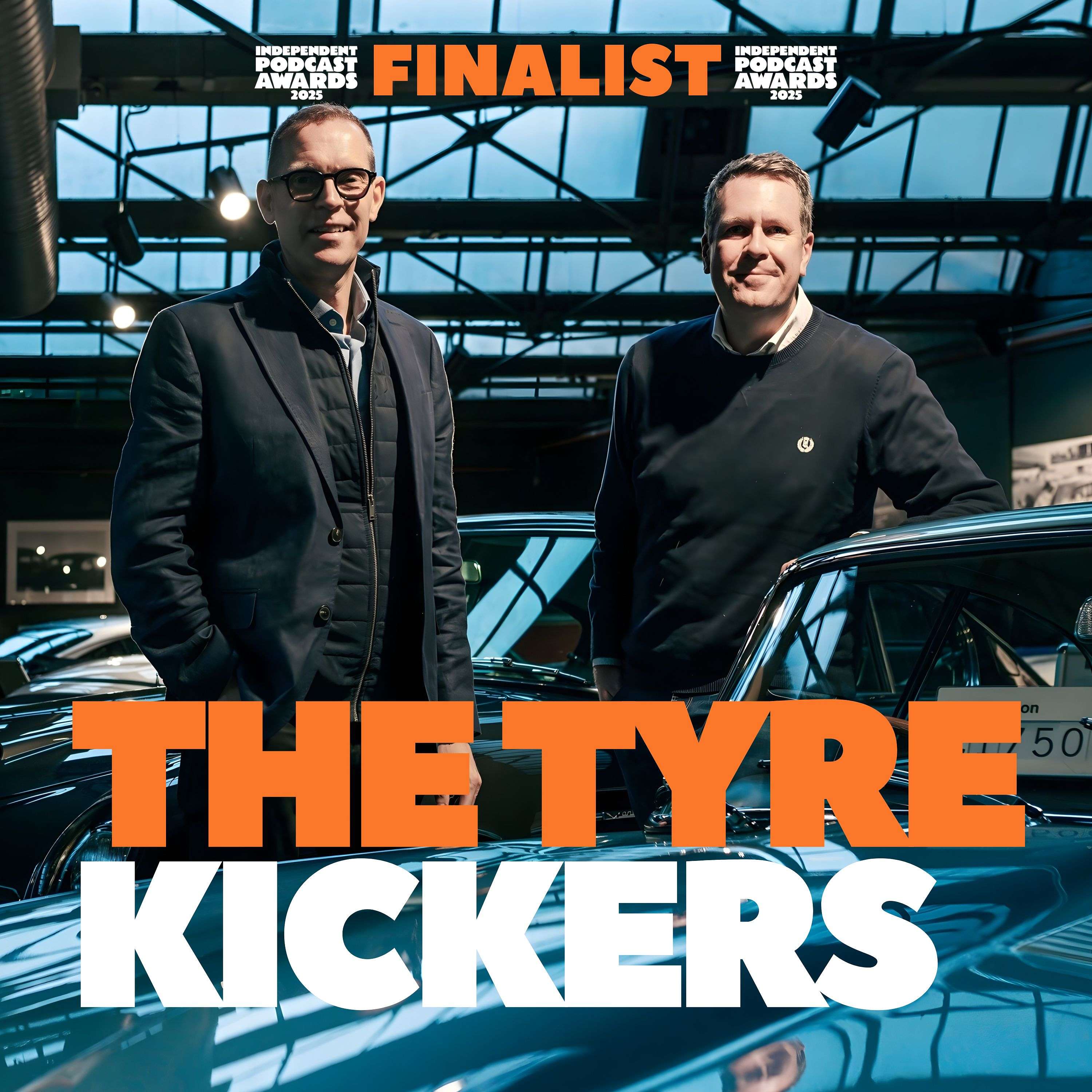
Max and Matt kick off season three with a celebration of the Mercedes W123, marking its 50th anniversary. They passionately defend its reputation as one of the best cars ever made, despite its perceived dullness. The duo also explores the 70s trend of transforming mundane cars into luxury versions, discussing models like the Riley Elf and the Van den Plas. With plenty of strong opinions and humorous banter, they delve into the evolution of classic cars and their market appeal, while also teasing future episodes about Triumphs and Datsun Z cars.
The boys are back for Season 3! Max and Matt discuss the snobbery of British car buyers opting for coach built specials made from run of the mill models. Plus they look at that cockroach of cars, the 1970's Mercedes W123 saloon, coupe and estate. Perhaps the greatest car of all time? They discuss.
"happy 50th birthday to the Berlin taxi, the Mercedes W123. Some say it's boring, but we're going to argue that it's brilliant..."
The Mercedes W123 is a popular car model made by Mercedes-Benz in the late 1970s and early 1980s. It's well-regarded for being reliable and comfortable.
The Mercedes W123 is a mid-size luxury car produced by Mercedes-Benz from 1976 to 1985. It is known for its durability, comfort, and classic design, making it a favorite among car enthusiasts and collectors.
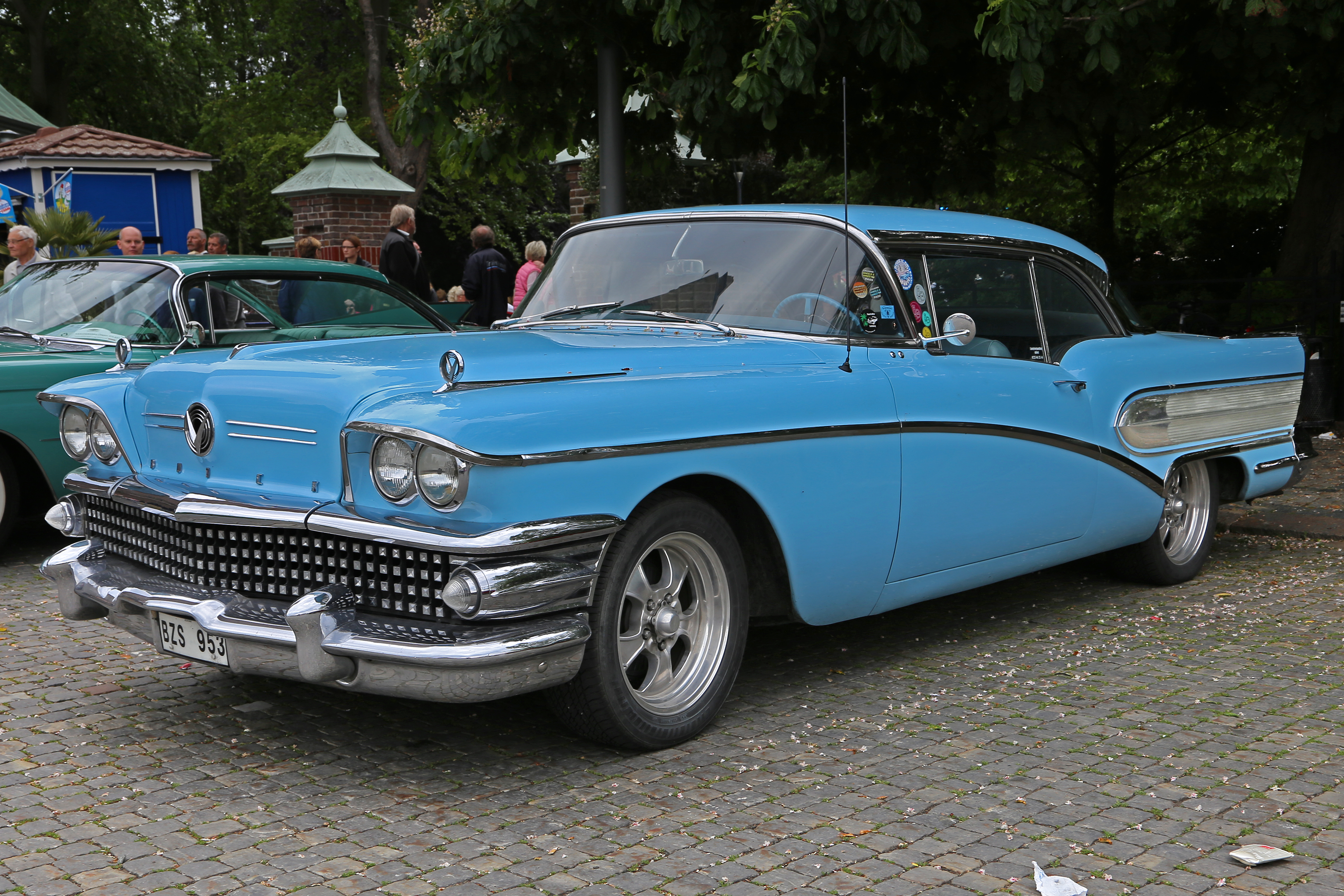
"...e of the most influential model lines of the 20th century because, unlike lots of built-in obsolescence, t..."
The Buick Century is a comfortable car that has been around for a long time. It's known for being roomy inside and is a good choice for people who want a reliable car for everyday use.
The Buick Century is a mid-size car that was produced for several decades, known for its comfortable ride and spacious interior. It played a significant role in Buick's lineup and is often recognized for its blend of practicality and classic American styling.
"...classic cars that they're not like silly money. Austin Healey, for example, you know, you put an Austin Healey in a W123 together..."
Austin Healey is a brand of classic sports cars from the UK, famous for their stylish designs and fun driving experience. They were popular in the mid-20th century and are still loved by car fans today.
Austin Healey is a British sports car manufacturer known for its classic models, particularly from the 1950s and 1960s. The cars are celebrated for their design and driving experience, making them popular among classic car enthusiasts.
"The most popular models for the 240 diesel, that was four hundred and fifty five thousand built, the 230 E, the petrol injection, four hundred and forty two thousand and the 200 D, that's taxi spec, three hundred and seventy eight thousand built."
The Mercedes-Benz 240 Diesel is a car known for being reliable and efficient, especially with its diesel engine. It was popular in the 1980s and often used as a taxi.
The Mercedes-Benz 240 Diesel is a model from the W123 series, known for its durability and efficiency, especially as a diesel variant. It was widely used in various markets, including as a taxi in many countries.
"The most popular models for the 240 diesel, that was four hundred and fifty five thousand built, the 230 E, the petrol injection, four hundred and forty two thousand and the 200 D, that's taxi spec, three hundred and seventy eight thousand built."
The Mercedes-Benz 200 D is a diesel car that was commonly used as a taxi because it was reliable and efficient. It was part of the W123 series, which was popular in the 1980s.
The Mercedes-Benz 200 D is a diesel variant from the W123 series, often referred to as 'taxi spec' due to its popularity as a taxi vehicle. It is known for its reliability and fuel efficiency.
"The most popular models for the 240 diesel, that was four hundred and fifty five thousand built, the 230 E, the petrol injection, four hundred and forty two thousand and the 200 D, that's taxi spec, three hundred and seventy eight thousand built."
The Mercedes-Benz 230 E is a car that uses petrol instead of diesel and is known for being comfortable and reliable. It was popular in the 1980s.
The Mercedes-Benz 230 E is a model from the W123 series, featuring petrol injection technology. It was known for its balance of performance and comfort, making it a popular choice among buyers.
"But the diesel obviously was the big seller because you could just run and run and run on them."
Diesel is a kind of fuel used in some cars and trucks. Cars that use diesel engines usually get better fuel mileage and can run for a long time without needing to refuel.
Diesel refers to a type of fuel and the engines that use it. Diesel engines are known for their fuel efficiency and torque, making them popular in larger vehicles and for long-distance driving.
"...the T one, two, three estate was the first factory built estate car Mercedes ever made..."
The Mercedes T123 is a model of car made by Mercedes-Benz in the late 1970s. It's known for being well-built and reliable, and it includes the first estate (station wagon) version they made.
The Mercedes T123 refers to the series of vehicles produced by Mercedes-Benz, specifically the W123 model, which is known for its durability and classic design. It was popular in the late 1970s and early 1980s.
"Yeah, the car's paint thickness is twice as thick as most modern cars. And it was one of the first mercs to use galvanized panels."
Paint thickness is how thick the layer of paint is on a car. Thicker paint can help protect the car from damage and rust.
Paint thickness refers to the measurement of the paint layer on a vehicle's surface. A thicker paint layer can provide better protection against scratches and corrosion.
"And it was one of the first mercs to use galvanized panels. Although, sadly, they didn't galvanize the whole shell, which is a bit of a mistake because they always rust from the inside."
Galvanized panels are metal parts of a car that have a special coating to stop them from rusting. This helps the car last longer without getting damaged by rust.
Galvanized panels are metal panels that have been coated with zinc to prevent rusting. This process helps improve the longevity of the vehicle's body.
"which is a bit of a mistake because they always rust from the inside. Well, it's always the Achilles heels with Mercedes."
Rust is what happens when metal gets damaged by moisture and air, making it weak and crumbly. It's important to fix rust on a car to keep it safe and strong.
Rust is the corrosion of metal that occurs when iron reacts with moisture and oxygen. It can weaken a vehicle's structure and lead to significant damage if not addressed.
"they're a massive indicator stalk. It's kind of a Mercedes thing, isn't it? It's all the all in one indicator store. If you ever noticed how that heavy that is, that you kind of clunk it up and clunk it down, that was sort of engineered into it."
The indicator stalk is the lever you use to signal when you're turning or changing lanes. It's usually found on the steering wheel and helps you communicate with other drivers.
An indicator stalk is a lever on the steering column that controls the turn signals and sometimes other functions like headlights or wipers. It's designed to be easily accessible for the driver while keeping their hands on the wheel.
"I mean, Mercedes has estimated a product life of, what, 15 years on these cars."
Product life is how long a product is expected to last before it needs to be replaced. For cars, it means how many years or miles they can be used before they wear out.
Product life refers to the expected duration that a product will function effectively before it needs to be replaced. In the automotive context, it often relates to the longevity and durability of vehicles and their components.
"...the kind of secondhand estate prices on the classic car market are crazy. I mean, the estates are a bit difficult because they've got different rear suspensions..."
The classic car market is where people buy and sell older cars that are special because of their history or rarity. These cars often cost a lot more than regular used cars.
The classic car market refers to the buying and selling of vehicles that are considered classic, typically due to their age, rarity, and historical significance. Prices in this market can be significantly higher than for regular used cars, especially for well-maintained examples.
"...the petrol tank's unique, so you can only get them repaired."
The petrol tank is where a car holds its fuel. If it's a special design, it can be harder and more expensive to fix or replace.
The petrol tank is a component of a vehicle that stores fuel for the engine. In some cars, the design of the petrol tank can be unique, making repairs or replacements more challenging and costly.
"But this is a 1983 230 TE estate manual, 32,000 miles, and some dealer is asking 42,000 pounds for a Mercedes one, two, three."
The Mercedes-Benz 230 TE is a type of station wagon from 1983, known for being reliable and having a lot of space for passengers and luggage.
The Mercedes-Benz 230 TE is a model from the W123 series, known for its durability and practicality as an estate car. The 'TE' designation indicates it is a touring model with a spacious interior and cargo area.
"...last generation Range Rover of its time, wasn't it? The posh people with posh estates had this as a kind of,..."
The Range Rover is a fancy SUV made by Land Rover. It's known for being very comfortable and good for off-road driving, making it popular among wealthy people.
The Range Rover is a luxury SUV produced by Land Rover, known for its off-road capabilities and upscale features. It has been a symbol of status and luxury since its introduction in the early 1970s.
"So I do like these W123s because they do drive really nicely."
W123 refers to a specific series of cars made by Mercedes-Benz between 1976 and 1985. These cars are known for being very reliable and comfortable.
The W123 is a series of mid-size cars produced by Mercedes-Benz from 1976 to 1985. It's known for its durability, comfort, and classic design, making it a popular choice among enthusiasts.
"If you look at the next one on your screen, this is a 1985 Mercedes 230 CE. So this is the Coupe."
The Mercedes 230 CE is a two-door version of a classic Mercedes model from 1985. It's known for being well-built and comfortable to drive.
The Mercedes 230 CE is a coupe variant of the W123 series, known for its classic styling and solid build quality. It features a comfortable interior and is often appreciated for its reliability and driving experience.
"...and it's an auto, which is good, cloth interior. That is peak W123 for me..."
Cloth interior means the seats and inside of the car are covered with fabric instead of leather. It's usually softer and can be cooler to sit on in warm weather.
Cloth interior refers to car upholstery made from fabric rather than leather or synthetic materials. It is often considered more comfortable and cooler in hot weather.
"...if I lived abroad, or if I lived here, I'd want the coupé just because it's a bit cooler."
A coupé is a type of car that usually has two doors and a sporty design. They are often seen as cooler or more stylish than regular four-door cars.
A coupé is a car design characterized by a fixed roof, two doors, and a sporty appearance. Coupés typically have a more stylish silhouette compared to sedans, making them popular for those seeking a sportier driving experience.
"...this is quite a good buy. This is a saloon,..."
A saloon is a type of car that has four doors and a separate trunk for storage. It's designed to be comfortable and is often used as a family car.
A saloon, also known as a sedan, is a car with a three-box configuration, typically featuring separate compartments for the engine, passenger, and cargo. Saloons are designed for comfort and practicality, making them popular family vehicles.
"so it's a 230E four-cylinder fuel injection, and it's in a gorgeous blue with a factory sunroof."
A factory sunroof is a sunroof that comes built into the car from the manufacturer. It's made to fit perfectly with the car's design.
A factory sunroof is a sunroof that is installed by the manufacturer during production, rather than added later as an aftermarket modification. It typically integrates better with the vehicle's design.
"so it's a 230E four-cylinder fuel injection, and it's in a gorgeous blue with a factory sunroof. So it's the four-door, and this one is, I'm just scrolling to the price here, this is 10995."
Fuel injection is a way to get fuel into a car's engine. It helps the engine run better and use fuel more efficiently than older systems.
Fuel injection is a system that delivers fuel into an engine's combustion chamber, improving efficiency and performance compared to carbureted engines. It allows for better control of the air-fuel mixture.
"so it's a 230E four-cylinder fuel injection, and it's in a gorgeous blue with a factory sunroof. So it's the four-door, and this one is, I'm just scrolling to the price here, this is 10995."
The Mercedes-Benz 230E is a luxury car known for being comfortable and reliable. It has a four-cylinder engine and is part of a series of cars made by Mercedes-Benz.
The Mercedes-Benz 230E is a model from the W124 series, known for its reliability and comfort. It features a four-cylinder engine and is part of the mid-size luxury car segment.
"the most expensive car you can buy is a cheap Bentley, and I think you don't want to even say he's too cheap because, as you say, the tinworm and stuff is the worst thing on these."
'Tinworm' is a funny way to talk about rust that can eat away at cars. It's important to check for this in older vehicles.
'Tinworm' is a colloquial term for rust, particularly in cars. It refers to the corrosion that affects metal parts, especially in older vehicles.
"...is the same sort of era as your car. This was an SL, it would be double the price, wouldn't it? Almo..."
The Mercedes-Benz SL is a fancy two-seater car that is both fast and comfortable. It's known for looking really nice and being fun to drive, making it a favorite among people who like luxury cars.
The Mercedes-Benz SL is a luxury roadster that has been in production since the 1950s, known for its performance, elegance, and advanced engineering. It represents a blend of sporty driving and high-end comfort, making it a desirable choice among enthusiasts.
"...tter. I mean, if you want to do a rest of modern, MGB is a good place to start, but it's still an MGB ..."
The MG MGB is a small, sporty car that people loved to drive in the past. Many fans like to fix them up and make them look nice again, which is why it's a good choice for car projects.
The MG MGB is a classic British sports car that was produced from the 1960s to the 1980s, known for its affordable price and enjoyable driving experience. It has a simple design and is often restored by enthusiasts, making it a popular choice for vintage car projects.
"...if you want to do a restomod, MGB is a good place to start, but it's still an MGB interior, isn't it? It's not that special..."
Restomod is when you take an old car, fix it up, and add modern parts to make it better while still looking like the classic car it is. It's a way to enjoy the old style with new technology.
Restomod refers to a vehicle that has been restored and modified to improve performance and comfort while retaining its classic appearance. This often includes modern upgrades like engines, suspension, and interiors while keeping the original aesthetic intact.
"...somebody's got an old Sixties Ford Mustang. And not only did they blow the tyres up to stop flat spotting..."
The Ford Mustang is a famous car that has been around for many years. It's known for being powerful and stylish, making it a favorite among car enthusiasts.
The Ford Mustang is a classic American muscle car that has been in production since 1964. Known for its performance and iconic design, it has become a symbol of American automotive culture.
"...it's really, really usable, the stag, actually, because of the automatic..."
The Triumph Stag is a classic car from the 1970s that is known for being stylish and fun to drive. It's a convertible, which means you can take the roof off and enjoy the open air.
The Triumph Stag is a classic British sports car produced in the early 1970s, known for its unique styling and V8 engine. It was designed as a luxury convertible and has a loyal following among classic car enthusiasts.
"... M1 last week and I saw somebody was driving the Aston Martin DB6 up the motorway while I was following a gritter...."
The Aston Martin DBX is a fancy SUV that was made to combine luxury with the space and comfort of an SUV. It's a new type of car for Aston Martin, known for being stylish and powerful.
The Aston Martin DBX is the brand's first luxury SUV, launched in 2020, combining Aston Martin's signature performance and elegance with the practicality of an SUV. It represents a significant shift for the brand, appealing to a broader audience while maintaining its high-end image.
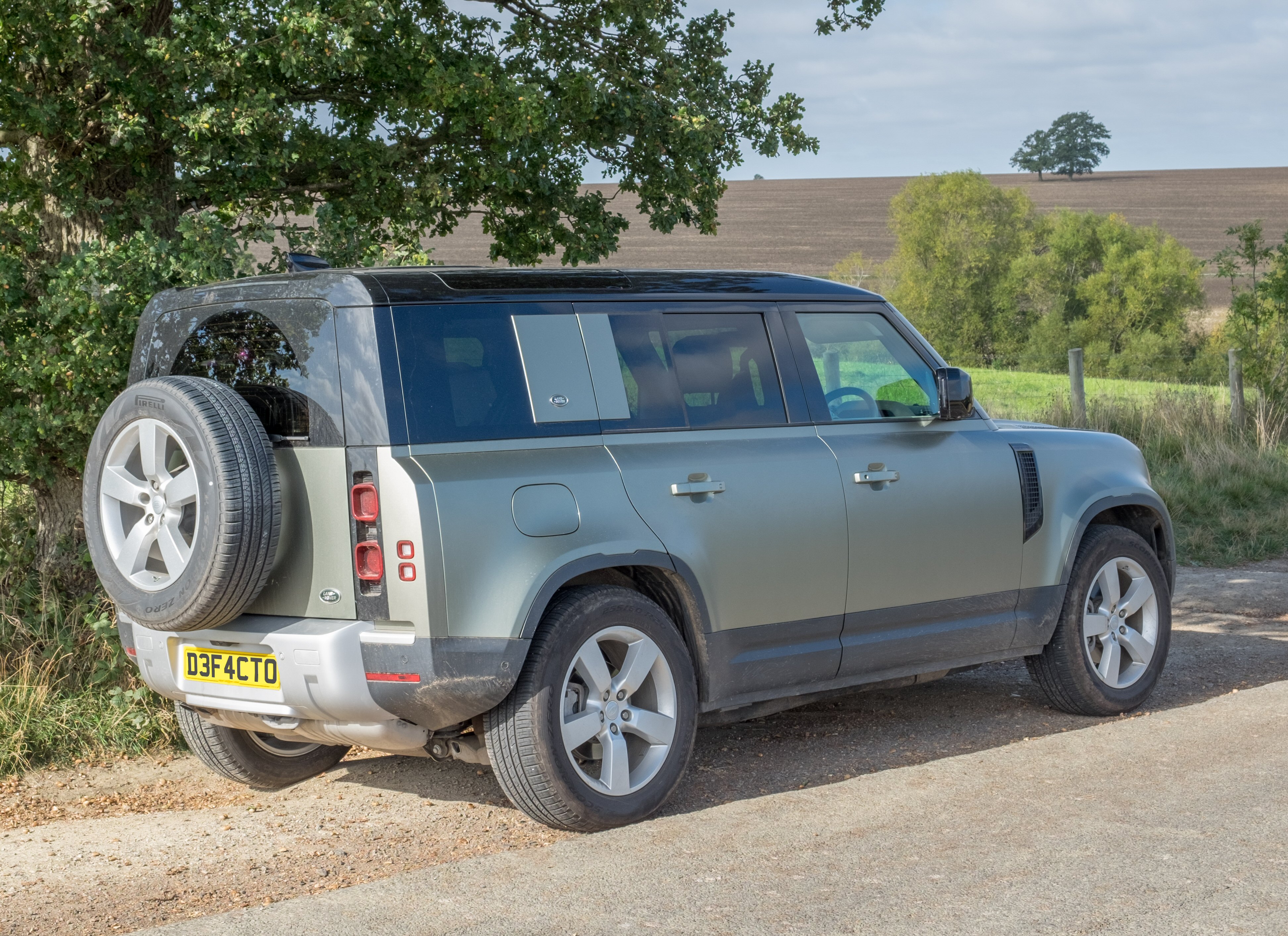
"...one of our listeners has talked about using these Land Rover in the winter and just washing it off, you know, with a hose when you get back..."
Land Rover is a brand that makes tough SUVs that can handle rough roads and weather. They're great for driving in winter because they can go off-road and are built to last.
Land Rover is a British brand known for its rugged SUVs, designed for both on-road and off-road capabilities. They are popular for their durability and performance in various terrains, including winter conditions.
"...at just looked fantastic. I remember those super beetles because they were, I think there was 1600s, rath..."
The Volkswagen Beetle is a small car that looks very unique with its round shape. It became really popular a long time ago and is still loved by many people for its fun design.
The Volkswagen Beetle is an iconic compact car that was first produced in the late 1930s. Known for its distinctive rounded shape and rear-engine layout, it became a symbol of the counterculture movement in the 1960s and remains a beloved classic today.
"...o me, those cars, I can't get excited. I mean, a Z3, maybe, but that's about it. I think, I think for..."
The BMW Z3 is a small, sporty car that looks cool and is fun to drive. It became famous when it was featured in a James Bond movie, which made many people want one.
The BMW Z3 is a compact roadster that was produced in the late 1990s and early 2000s, known for its sporty handling and stylish design. It gained popularity after appearing in the James Bond film 'GoldenEye' and is appreciated for its fun driving experience.
"... posh. For example, the Mini to Riley Elf Woolsey Hornet. Look at this on your screen. This is a Riley El..."
The Hudson Hornet is an old car that was popular in the 1950s, known for being fast and looking unique. It was also used in car racing, which made it famous.
The Hudson Hornet is a classic car produced in the 1950s, known for its innovative design and powerful performance. It gained fame in NASCAR racing and is remembered for its distinctive styling and engineering advancements.
"... know, the rolls of the silver cloud and then the silver shadow was seen as the thing. And these are trying to b..."
The Rolls-Royce Silver Shadow is a very fancy car that was made for people who want the best in luxury. It's known for being very smooth to drive and looking really elegant.
The Rolls-Royce Silver Shadow is a luxury sedan produced from the 1960s to the 1980s, known for its opulent design and smooth ride. It represents the pinnacle of British automotive craftsmanship and is often sought after by collectors for its classic status.
Car
Land Defenders
"...re's even the better one. And it's happened with defenders and all that sort of stuff, hasn't it over time. ..."
The Land Rover Defender is a tough car made for driving on rough roads and in the countryside. People love it because it can handle tough conditions and has a very strong, boxy look.
The Land Rover Defender is a rugged off-road vehicle known for its durability and capability in challenging terrains. Originally designed for agricultural and military use, it has gained a cult following among adventure enthusiasts and is celebrated for its classic boxy design.
"... they were the ones that are blinged up. I mean, BLs you say used to like doing it. I mean, there was ..."
The Cadillac BLS is a smaller luxury car that was made for people in Europe. It combines nice features with a more manageable size, making it a unique option for Cadillac.
The Cadillac BLS is a compact luxury sedan that was produced in the mid-2000s, aimed at European markets. It is notable for being one of the few Cadillacs designed for a smaller segment, blending luxury with practicality.
Select text to request an explanation
This is The Tire Kickers, classic car chat with Max and Matt.
By your beds it's 2026 and we are back to inspect the world of classic cars and give
it a full dressing down where needed.
My name is Matt.
And I am Max.
Yes, the holidays are over and it's back to the serious business of talking nonsense
about old cars.
Did you miss us?
The Tire Kickers.
Coming up in this episode is happy 50th birthday to the Berlin taxi, the Mercedes W123.
Some say it's boring, but we're going to argue that it's brilliant and maybe the
best car ever made.
Also on the show, from poverty to posh, we look at the 70's trend of offering luxury
versions of bland household cars, but we're models like the van den pla or fur coat and
no knickers.
So buckle up and get ready for some more strong opinions as we bump start season three and
get arguing for a brand new year.
Welcome to the podcast we call The Tire Kickers.
That video sounded like the man who did the voiceover for the A team credits.
Do you remember that?
Yeah, yeah.
So in January 1976, 50 years ago, Mercedes launched perhaps the greatest car of all
time.
Now that is a bit of an essay question, but I'd argue the Mercedes W123 Saloon, Coupe
and Estate, R8 is one of the most influential model lines of the 20th century because, unlike
lots of built-in obsolescence, these were designed to last.
The ultimate Berlin taxi, the cheesy hen night stretch limo or the African rally car, the
W123 Mercedes is a bit of an odd one.
In truth, it's a bit boring to drive, but I reckon every car nut secretly loves a
W123.
If you don't like a Mercedes W123, you don't really have petrol in your veins because you
might, they are a bit boring, but I think it's that dullness and that solidity which
is so attractive because every time you and I see one, when we go to auctions and stuff,
we're all over it like a rash and we walk past some far more interesting machinery just
to get into this car and hear the doors click and hear the buttons switch and get in the
seats and open the bonnet and have a good poke around.
It really is a very tactile car and I think that's probably the more interesting thing
about it is you just want to get your hands on it.
Now talking of dullness and solidity, by the way.
Welcome back.
We should be able to go on.
I feel like a wave of new year facts are about to hit me about Mercedes 123.
We should for the benefit of the list and explain what we're talking about.
If you're not up to speed with with model codes, I said to Max, you know, perhaps we
should explain because not everybody knows what a W123 is and you were like, what?
Everybody does.
Surely everybody's talking about them at this time of year.
For the benefit of the people who aren't uber nerds.
We're talking about the eighties Berlin taxi, that slabby eighties saloon Mercedes with
the front, you know, rectangular headlights.
They had the big grill that had the Mercedes tri-star on the front there and you saw them
everywhere.
You mainly saw them when you were abroad, actually.
If you ever flew to like Germany in the eighties, you would get in Mercedes taxi even in the
nineties and in the 2000s, they're still running and they're still running all over
the world.
And it's always just been a bit of a mere car and I think in Britain, it's always been
a bit of a mere car.
I don't think they were because I think actually they were, if you bought a W123 in period,
I think you'd arrived.
Oh, yeah.
No, in period, if you had that on the drive in the in the eighties, you were kind of
a low.
He's doing well.
But I think as classic cars, we're very, very spoiled in Britain.
We've got access to so many classic cars that they're not like silly money.
Austin Healey, for example, you know, you put an Austin Healey in a W123 together a
car meet, which one do you look at first?
Yeah.
I'd go to the W123 because I think it's so interesting.
Yeah, you would.
But, but, you know, being honest about it, I've sort of always thought, unless I was
abroad, now, I remember going on a summer holiday in 1997 to Malta and flying into Gozo
and getting picked up in a one, two, three as a taxi.
And I just remember sitting in the front seat and thinking, this is cool because it, you
know, it obviously been on the road since about the 1800s.
But, you know, it was still going and it just had that cash in that coolness.
And I think, you know, in Britain, we are exposed to so many cars.
We are a massive, massive car market.
And I think we get a bit blasé about cars.
And there's classic cars.
I think, you know, the one, two, three has never sort of had that, maybe that appeal
in Britain, but go abroad and they do.
I can see that because it doesn't have that sports car appeal that we like at the
meets and it doesn't have that kind of like fast flash kind of look about it and
people going over the lines.
But if you look at the design of a W123, it's every bit as advanced as a kind of
sports cars of the sixties.
So I think that's to me where it appeals is it's got that authenticity.
You know, you just know that that car will keep running.
Yeah.
And that's what it was built for.
And you don't get those kind of built to last cars anymore.
No, but I think it was functionary.
You know, the reason it's done so well as a taxi is functionary.
It does the job.
It's it's it's solid.
It's not necessarily sexy, is it?
Until you start, as I say, you see loads of them in like the Canary Islands and
Spain and whenever I see them there and, you know, in the sunshine against
palm trees and stuff.
I remember last year I saw one in in Lanzarote and got talking to the driver
and it'd been on the roads and they seem to be to get passed down, especially
in those countries that people buy cars and they keep them and pass them down
through the family because they don't rust over there.
They tend to just keep until they keep going and they do keep going.
Those one, two, three, but they just look so much more cool.
And I'd love to have one of those.
If I lived somewhere hot, you know, in a Southern Europe, I'd love to have a one.
I don't think you need to live somewhere hot.
Just have one here.
I mean, I think they still got that call in this country because you're right.
They were kind of hand me down almost in that people who are running taxi firms
and driving taxes would pass it on down the family because they were so well
built and they last.
And that's why I think they are so cool.
Whereas you're Austin Healy, you mentioned, you know, might have fallen
apart three times by now and being restored four times.
Yeah.
I don't think a W123 would have been.
No, that's very true.
I mean, I think they're aging gracefully, you know, a bit like ourselves, you know,
not so much you, but speak to yourself or are, you know, are they aging gracefully
or are we getting older?
It's a timeless design.
I don't think it's even aging.
I think that's one of the great things about this design is it's just a fantastic
piece of car architecture and it stands today as well as it stood 50 years ago
when it came out as a saloon that really delivered on everything you wanted from
a saloon car.
I think it's time to give them another look.
And I just think if only we had someone who was really like an Uber classic car
nerd who knew lots about car or do you know anything about W123s?
What?
You mean somebody who's been sitting in a room all Christmas waiting for
something to research?
Yes, pretty much.
You've had a few weeks, basically, to nerd up on this, haven't you?
Basically.
So what have you got?
Yeah, I mean, it's been a dream Christmas looking at facts about the W123.
Do I have to get involved in this?
Or are you just going to do a monologue on it?
I mean, you don't have to, but you will do because you won't be able to keep
quite for long enough.
So pay attention.
You might actually learn something.
For example, the first fact is, and I didn't know this, 50% of all W123s
ever made were diesels.
Hold on a minute.
Hold on a minute.
Pull the handbrake on this because you hate diesels.
You've always slagged off diesel, dirty diesels, you call them.
So why would you get excited about a one, two, three diesel?
Anyway, moving on, let's have some more facts.
Do you know how many they made?
Well, so they were in production for like how long?
Like ten years.
Ten years, OK.
So Mercedes, I mean, they weren't cheap, were they?
I mean, they've got to be like a couple of million.
I would say over a couple.
Let's go a couple of million.
Two point seven million until January, 1986.
The most popular models for the 240 diesel, that was four hundred and
fifty five thousand built, the 230 E, the petrol injection, four hundred
and forty two thousand and the 200 D, that's taxi spec, three hundred and
seventy eight thousand built.
This is why when you get to the model numbers, because they're all two
thirties and two eighties and two forties and everything, but the diesel
obviously was the big seller because you could just run and run and run on them.
But break down the model codes because Mercedes has got this sort of
specific way of explaining what car was what, hasn't it?
Yeah, love to. Here are some model code nerdy facts.
W was for the wagon, which was the saloon.
C was for the coupé and T was for the estate.
While D in the badge obviously meant diesel and E stood for injection,
the petrol injection, while the chassis codes for the estates were actually
S and V for the long wheelbase limo.
Well, F F one, two, three was reserved for long wheelbase conversions
like ambulances or herces.
Oh, I've missed you.
No, yeah. Yeah.
Who needs a night hole when you've got you?
You're starting to lose me a bit.
I will be honest. Can we talk about the actual kind of tangible stuff?
Because the one thing this car is famous for is a tank like build quality.
That was the thing with this, wasn't it?
Yeah, absolutely.
I mean, the early one, two, three dashboards are actually hand assembled
because the tolerances behind were much better and tighter than the factory
robots could manage in 1976.
Also, the T one, two, three estate was the first factory built estate car
Mercedes ever made, which is odd because Mercedes actually never wanted to build
an estate. They were forced into it by the European distributors,
demanding a bigger family friendly car.
That was the thing about it.
It was people talk about Mercedes before the accountants got involved.
You know, they were built to a standard rather than a price.
But, you know, they couldn't have done that with everything.
You know, what about the outside of it, for example?
Yeah, the car's paint thickness is twice as thick as most modern cars.
And it was one of the first mercs to use galvanized panels.
Although, sadly, they didn't galvanize the whole shell,
which is a bit of a mistake because they always rust from the inside.
Well, it's always the Achilles heels with Mercedes.
You know, no matter how tank like they were, that tin worm in Northern Europe
is the thing. I mean, Southern Europe, it wasn't always so bad.
But, you know, you know, my things, the interior, I have actually got a fact
about the interior. If you've ever sat in one of these, you know,
they're a massive indicator stalk.
It's kind of a Mercedes thing, isn't it?
It's all the all in one indicator store.
If you ever noticed how that heavy that is, that you kind of clunk it up
and clunk it down, that was sort of engineered into it.
It didn't need to be that heavy, but they wanted it to feel expensive
to give a quality feel because you'd have paid a lot of dodge for this car.
It was not necessarily to do with it being needing to be strong.
It was just having to feel that quality.
And I think that's something tangible that you touch.
So I think that reinforces that every time you get into the car.
And also, they just thought about other stuff.
So, for example, the steel wheels were designed so you can straighten them
with a hammer at the roadside.
Should you hit a pothole or a curb?
Yeah, would you actually do that?
Have you paid so much money for this car?
You know, you're the sort of person who's going to get out with a hammer
and start bashing the wheels.
I think if you're a taxi driver, you might do because it would save you money
to be hitting potholes all the time.
They did last, didn't they?
I mean, Mercedes has estimated a product life of, what, 15 years on these cars.
And so they over-specified things like rubber suspension bushings
because they just thought owners would never replace them before the car was scrapped.
But, you know, and we've gone on to see that these cars didn't get scrapped.
They just kept going.
And there's things like during the kind of like testing stage,
the rear floor suspension on the estate was tested by dropping an engine block on it
to see if it would cope with the load.
I mean, that's quite extreme, but they're very thoughtful about this kind of stuff.
Yeah, the heater motor was tested for 5,000 continuous hours or 208 days, you know,
to make sure it would last.
I can't see that happening on BL stuff.
Oh, God, no, it's not the same bad things about BL or British cars, for example.
Yeah. But listen to this, the bonnet release cable had a special route around the engine
to make sure in cold climates, you could still open the bonnet without the cable freezing.
I mean, the thinking about that is tremendous because you're thinking of the markets
you're going to sell it to and also everybody is going to be able to keep opening the bonnet
whatever the weather. Well, I think you factored me out here.
So before I tell you to fact off, let's look at some one, two, three's in the classifiers.
This is what we enjoy doing.
Let's start with these estates because we've got to talk about these because although you can
pick up a one, two, three for like penis, these estates are still asking for silly money.
Why is that?
Do you know I've got no idea they made out of gold.
It's ridiculous. The kind of secondhand estate prices on the classic car market are crazy.
I mean, the estates are a bit difficult because they've got different rear suspensions,
so they are more expensive to fix.
And I think the petrol tank's unique, so you can only get them repaired.
You can't get them made off Mercedes now.
But this is a 1983 230 TE estate manual, 32,000 miles, and some dealer is asking
42,000 pounds for a Mercedes one, two, three.
I mean, these are about three grand, you know, two, three years ago, weren't they?
So what color is this? That's a silver, like a dark silver.
It's a nice one. It's a silver. It's the 230, so it's the four cylinder,
so not the greatest engine, but it's a really nice one.
But I thought we're going for that.
I know, it's a lot, especially when you consider the cylinder, you could pick up about five,
you know, so. Yeah, you still can't, can you?
To describe this, if you want to picture this, this is what I'd call the Jim Khan and Mercedes
of the 80s, you know, it's sort of, it'd be going off to Pony Club or something, you know,
it was middle class, sort of upper middle class posh people had these, didn't they?
In London. It was the kind of, you know, last generation Range Rover of its time,
wasn't it? The posh people with posh estates had this as a kind of,
they kind of adopted it as their posh car.
Yeah, I wouldn't want a manual though. I don't think these cars suit manual.
You're going to argue that this they do, but I don't think they do.
No, I think you're right on this. I don't think they suit manuals either, because the manual
gear change isn't that great on these. And you want to kind of waft the auto box. It's not a
sports car, is it? Well, I actually, I did, I had a 280T for a while until it rusted away,
and it did handle quite nicely. You know, it's a relatively, it wasn't quick,
but it was quite swift. That was a good thing you could say about that car.
And it kind of handled in its own way. So I do like these W123s because they do drive really nicely.
Yeah. And I think on this one for 42 grand, look at the engine bay, you know, I mean,
you know, manifolds and stuff are all quite rusty. It's quite grubby in there. I'd want
that to be looking showroom perfect. I don't think it's going to be any particular exciting car to
take to a car meet, but you know, that's not what we're talking about here. It's smart enough.
If this was like 10 grand or 15 grand, I'd probably love it.
If you look at the next one on your screen, this is a 1985 Mercedes 230 CE. So this is the Coupe.
Now you and I saw one of these at auction last year, absolutely wet ourselves about it.
That's what this car has got, I think. It's got star appeal when you actually see them
in the flesh, because if you look at the photographs, you just think, yeah, it's another
mode. But actually when you see them and you feel them and you touch them,
this is where the kind of quality shines through. And this is a 1985 W123 230E Coupe.
Again, the four cylinder. Okay, not so good. But in red, I think the Coupe looks really good.
Just going through these pictures. I mean, it's got the signal red that's
same color as mine, actually. With the color coded hub caps, lovely. And with the kind of cream
interior. Now that is, and it's an auto, which is good, cloth interior. That is peak W123 for me,
because it's just so nicely designed. And you get to appreciate all the design elements and the
care that was taken in the design process. Yeah, these coupes, I think of the gateway drug into
this car, because the coupes are always the one that people go for first, because it's just a
little bit sexier. It's not as dowdy as the saloon. They kind of bounce up and down these
because I've been watching the values of these for the last couple of years, because I nearly
kind of went and looked at one. And they sort of bump up, but they kind of hang around 13 grand,
12, 13 grand for a good one. And I think that is a cool car to have. I've always sort of like
thought, like we talked about a little bit frumpy compared to other stuff. Again, for the reasons
we talked about earlier, I think in the context of British classic cars, you imagine a big classic
car meet, you pulled this up, it's not as sexy as all the other cars. However, I think this is
a gateway drug into the saloon. I think the saloon is good. I'd happily have a saloon,
but if I lived abroad, or if I lived here, I'd want the coupé just because it's a bit cooler.
It's very different, isn't it? And it's got that look that makes you look twice, because you're
used to the silhouette of the W123, but you look at the coupé and think, oh, that's nice,
isn't it? And also, like you said, windows down, lighthouse family blaring from the stereo,
it's a really cool car. Oh, yeah, 80s. Well, 80s, you'd have to have something cheesy of
like a bit of Hall & Oaks blaring out or something. But as you rightly pointed out,
looking through the pictures, yes, it looks good, but in the flesh, these things have a
little bit more presence, don't they? They've got presence, you're right. That's exactly right.
They've got a kind of character. Now, if you look at the next one on your screen,
I've been watching this for a while, because I think this is quite a good buy. This is a saloon,
so it's a 230E four-cylinder fuel injection, and it's in a gorgeous blue with a factory sunroof.
So it's the four-door, and this one is, I'm just scrolling to the price here, this is 10995.
Now, I don't think that's that bad for a well-kept, non-rust blue saloon with a tan interior.
I think you can get them cheaper. You can, but this is from a specialist,
so I'm pretty sure that this won't have rust. Yeah, it's a bit like that expression,
the most expensive car you can buy is a cheap Bentley, and I think you don't want to even say
he's too cheap because, as you say, the tinworm and stuff is the worst thing on these.
This is really nice scrolling through. It's got the sunroof, it's in that blue,
I don't know what they call that. Royal blue, this is.
Royal blue, is it? It's got all the original books, it's got a black dashboard,
so you're more likely to get bits of trim if you need them.
Go to a smart car, but it's not as cool as the Coupe, is it?
No, it isn't. In this context, you know, I do think the Coupe is nicer,
but I think the estate's probably the best, but if they're going to ask for silly money,
you don't want to go down that end. But I think this is actually, as a value classic,
10 grand for one of these is not that expensive. It's 150,000 miles, and actually that's not bad.
And if you can get it from a specialist in its service and it hasn't got any rust,
it's pretty much going to go on forever, isn't it? So I think this is where you get value
in the W123. This is the same sort of era as your car.
This was an SL, it would be double the price, wouldn't it?
Almost. Well, probably three times, maybe not with that mileage.
Probably be, yeah, you're at double the price, but actually you're right.
You can get into your SL, you R107 SL, but for a lot cheaper and with extra doors and seats in
the back. I still think the Coupe feels cooler in the UK.
I think the key to one of these is if you and I weren't so soft and wedded to our heated seats
and heated steering wheels, you could run this all year round. This could be your
genuine daily classic car, couldn't it? I reckon a W123 is probably the peak car you could choose
to run a classic car all year round, all through the winter and through the hot weather.
And I think this will keep going. I think you could genuinely do it. But in so many other cars,
British cars, for example, they would just crumble and collapse in front of your eyes.
I would have faith in this starting every morning.
Well, it's episode 47, season three for 2026 of the Thai kickers. And we took a few weeks off,
Max, didn't we? It's been a while since we were last forced to talk to each other.
It's absolute bliss. The silence has been gorgeous.
Yeah, I wasn't sure, Max, whether anybody had actually missed us.
But there was a comment on our Facebook page, which is the Thai kicker, three separate words
David Smith, I don't know if you saw this, he said, where are you guys? Are you lost on the M25?
I've had to listen to some pretty rubbish car podcasts while you've been enjoying your Christmas
break. Well, is this one? Hope you're back soon. Oh, thank you, David. That was really nice.
That's very kind. Thank you, David. I mean, you don't understand the sacrifice that I have to do
in order to work with Matt, but I am back. I'm doing my best. You know, I'm actually just pushing
through. And yes, we are delivering another Thai kickers. Complains too much. Complains too much.
Actually, talking to that Facebook, go to our Facebook page, the Thai kickers, because I put
a post up there of the gorgeous MGB resto that someone's done in Australia. Oh my God,
go and have a look at that. It's been trimmed in green leather inside, and it made me cross my
legs as I looked at it. It is my ideal classic car, this. I need you to look at it, Max,
to tell me what you think. This has got to be my ideal, my sort of ideal classic car,
that somebody's gone in and done it and made it better, because it's got green leather inside.
It's been trimmed now. All the dashboard's been done. It's been beautifully resprayed.
I want this car. It's not kind of factory spec, is it? It's not what? Factory? It's not factory
spec. That's why I like it, because it's better than factory spec. I mean, look at, oh my God,
I have to cross my legs looking at this. It's all got stitched leather in it and stuff. Oh,
that's great. That's much better. I mean, if you want to do a rest of modern, MGB is a good place
to start, but it's still an MGB interior, isn't it? It's not that special. Oh, no, no, no. This
makes me want to do this. I mean, it'd be beautiful if you click through the pictures. So you go and
have a look on our Facebook page, the tire kickers. It's got, even in the boot, it's all been trimmed
out, and there's been like a toolkit made from the same leather that it's trimmed in inside,
and then even the littlest detail, there's a key fob made out of the same leather that all the seats
are trimmed in. It's fantastic. It's been done by Modern Classic Cars Foundation in Australia.
It's on our Facebook page. Go and have a look. Why don't you there? Give it a like and a subscribe
and all that sort of stuff. But getting back to Christmas. I did get a few Christmas presents.
I've got stag window switches, which I've put in already. Oh, right, okay. I've got this dashboard
veneer kit. Do I do it? I'm sort of, two minds about it. Do I pull the dashboard out and start
re-veneering? It would look good. Pulling dashboards out. I mean, we talked about this before, but
I'm not sure it's going to go back completely as it came out. Okay, I'll have a think about that.
I'll update you about that one. I've got this great book in the Secret Centre at Work about
Bond Cars. You'll love that. I need to show you that. I saw that. Yeah, I saw you post a picture
about that. That was really good. It's a coffee table book. Each car has got details on them,
behind the scenes shots and stuff. It's really, really nice. I'm sort of working my way through
that. I've also got your badges for the BL badges for the stag, which we unveiled on the last show.
We've had a discussion about whether, because I thought they were from the factory and you
think they were dealer options. Well, I've been told by more than one person, stag owner,
that they weren't. They were dealer bling, which is why you probably remember them because your
dad was a dealer. I think it got blinged up. I think they sort of put these things on or
sold them as extras or whatever. I initially, when you presented them to me and said,
you've got to put them on your car because it's not right. I'm not sure. Actually,
I've given it some thought. I've mellowed over Christmas and I've decided I will be putting
them on the car. I really think they add something to the look of the stag because I think it was
more of a Mark II thing. They do have that good BL badge. It's very period. It's about the story
of the car, isn't it? Yeah, it is. It's a nice, it's a nice, even though it's BL, it's a nice
badge. It's a nice metallic metal enamel badge kind of thing. One bit of admin, actually, I've
got to say, that's crept up because of Christmas. Let me explain because one of the Christmas presents
I got over Christmas from my daughter and a boyfriend, Dave, was a title. I am now a lord.
So it's Lord Matthew from now on. And I want you to start showing me a bit more respect
and addressing me as such. I actually own a postage stamp of land in Scotland. You could
swing a kind of cat or a seatbelt. I don't know. You can actually see it. It's one of these novelty
title things that you can get. But you can actually go on the app and you can see the bit of Scotland.
But I'm Lord of the Glen and I can use the title. I think it's more important than now you are Lord
Smith of British Leyland. The tyre kickers, classic car chat with Max and Matt. And in between
Christmas, have you run the car out? I have deliberately. I've taken it out a few times
because I knew the salt and the snow was coming. So I've taken it up and down the dual carriage
way just to keep it going, to be honest, because I think instead of all this kind of like preparation
stuff, I'm just going to try and use it as much as possible. What I did see in one of the garages
next to me is somebody's got an old Sixties Ford Mustang. And not only did they blow the
tyres up to stop flat spotting, they put some carpet underneath the tyres as well, which I've
never seen before to try and protect the tyres. But I think it's better just to keep using the car
to be honest. So every time I can squeeze, you know, a half hour an hour journey out, I'm just
going to try and take it out. Blimey, yeah, blowing your tyres out. I didn't do that because I have
been using the car quite a lot. And I've been using it right up until Christmas, like yourself,
been running errands in it. It's really, really usable, the stag, actually, because of the automatic,
because of the heater works, you know, it's you can run it about no problem. I mean, so I have
been seeing a few petrol stations. I was going to run it out just before the new year. And I went
to sort of, you know, move the car and I've got my daily car blocks, the garage that it's in.
So I went to move the daily car and I saw the salt on the road right outside my house.
Close the garage door. That ain't coming out. A British car ain't coming out in the salt.
I did. But am I too wet about that? I mean, we put it on, we put it on Instagram and I show the
picture of some of the grit and ask people if they do it. And I just think, oh, the stag is a no,
no. What's your take on it? Would you have taken the Merc out in that?
No, definitely not. Absolutely not. Because it's just, it's funny, you know, I was coming down the
M1 last week and I saw somebody was driving the Aston Martin DB6 up the motorway while I was
following a gritter. And I felt like waving out the window saying, put it away, put it away.
Because it's just, it's car suicide unless you really have a comprehensive wash underneath,
which is quite difficult. It is quite bad news for any kind of like car built in the 50s, 60s
and 70s and 80s. Yeah, one of our listeners has talked about using these Land Rover in the
winter and just washing it off, you know, with a hose when you get back. It's not something you
do to a to a stag or an SL. It's difficult to get underneath it, unless you've got a ramp.
Well, yeah, then how'd you dry it out? Blah, blah, blah. So this meant I chickened out of going
to the New Year's Day Brooklyn sink because of that, because this is the gritters appeared like
the day before New Year's Day. I was going to go to the Brooklyn's car meet, which is quite a
famous car meet on New Year's Day, quite a big one. And I chickened out of taking the car there.
And then I didn't go and I kind of regret that because one, there was tons of cars there,
absolutely loads of cars there. And I could have gone in, you know, just gone in my daily
and had a little and two, you know, did I chicken out of that? But I don't know. I think putting
salt anywhere near a stag is like putting salt on a slug, isn't it? It's not going to last very
long. Yeah, but slightly more expensive. Well, let's just say we posted some, we posted a photo of
some of the grit on the roads around the top over the New Year. And so I asked people, it was on
Instagram, but at the tire kickers UK, and I asked you if you take your classic out in it. And OMG
Motors said, I wouldn't go anywhere near that salt if I had a classic Italian number. It would
be like watching an Alka Seltzer and a glass of water dissolving before my eyes. You don't want
to take an Alfa anywhere. And we're in the grit, are you? The Alka Seltzer is that over Christmas,
because you'd eaten and drunk too much. It doesn't have the feel to it, doesn't it?
Britain Matt said he'd want a decent downpour to happen to wash it all away before he'd drive
his classic out. That's exactly what I'm waiting for. And actually, as we recall this,
it is absolutely pouring with rain. So I reckon next week in a dry afternoon, I think I might get
one out. And Scott heads a 179 has the last word on this. He said, you know, don't worry about it.
He said, that's what welders were invented for. Don't forget, you can find us at the tire kickers
UK on Instagram and the tire kickers on Facebook. So yeah, I've been doing that. And we've been
watching loads of YouTube, I guess, and I have. Have you been watching YouTube over the Christmas
period just to fill the gap? I saw Paul Cowland had done a good video on a superbeetle he'd found.
And basically, it's a pretty original superbeetle he'd pulled out of a garage. And that just looked
fantastic. I remember those super beetles because they were, I think there was 1600s,
rather than the normal 1303s. This is a 1600 engine. I love those. It had all the kind of
period 70s bits on it as well, which made it really cool. Yeah, there's another car you wouldn't go
anywhere near a gritter is a bit terrible. Talking to Paul Cowland, he has his own channel on YouTube
called Cowland on Cars. And I watched a video a couple of days ago that he was making his point,
why now is a great time to buy a 90s classic. Now, he made a good case for this, he's got a few
himself. And he sort of said they're cheap, you know, they're manual, they haven't got loads of
electronics, they're simple, you can run them as a daily. But you know, I still have this thing that
the 90s are ugly, he made a good case for it. But they're ugly to me, those cars, I can't get
excited. I mean, a Z3, maybe, but that's about it. I think, I think for me, it's a decade
best forgotten and just skip over it. Go from the 80s to the 2000s. I think you missing quite a
lot of good cars there. But anyway, we've had this discussion before. There's some good stuff on
YouTube. You know, is there room for any more good stuff on YouTube? Possibly. I mean, who could
you be thinking about? Maybe, maybe, potentially, we might be on YouTube this year. We've got, you
know, we've been talking about this for a while. We're planning to move this show on to there
in a couple of months time. If things line up, how are you feeling about that, Max?
I am a little bit nervous about it, because if you are a nerd, it's quite good to hide in the
darkness of your bedroom and just come up with facts about W123 wiring looms. But I think this
possibly deserves a wider audience on YouTube, or maybe it doesn't. But it's worth a try, isn't it?
Yeah, we'll give it a go. I mean, I've watched a lot of podcasts on YouTube now, a lot of podcasts.
And I just think, you know, classic car ones are a bit lacking. So, you know, we've got,
we certainly will be once we start. Well, we've got a rhythm with this. So maybe, you know, it's
time to sort of reveal our faces and also get out and just film a bit more video content,
that sort of stuff. What I will say, actually, if you're listening to this on audio, it will
still stay on audio because we'll still put the audio, but you'll have something to watch
potentially on YouTube. So we're going to start working on that. I mean, it feels about the right
time to do this, doesn't it? You know, we'll give it a go and see how we're going to do. But we do
need your help, actually. If you can do us a massive, massive favor, because you know how
YouTube works, basically. If we put something on YouTube, it's just going to sink, you know,
without any interaction. So we need you to go to our YouTube channel. It's up and running already.
It's called Tire Kickers Podcast, three words, Tire Kickers Podcast. Please can you go and just
do one thing, hit subscribe, because that will just give us a bit of momentum before we start
putting stuff out there. Tire Kickers Podcast on YouTube, please hit subscribe. It won't cost
you a penny. It'll take seconds to do, and it will help us massively. So yeah, please go and do that.
So do you remember when manufacturers decided their cars were a bit too
common and tried to make the same car go upmarket and hope that customers would pay extra for a
vanilla model with some trinkets? What are you talking about here? Speck changes, like like GL
to a gear or L to HLS, a bit of bright work and a passenger door mirror maybe, is that what you
mean? No, no, no. I think a bit more than that. This is when base models were taken off for the
production line and designed to look like upmarket cars, even when they weren't. It was a kind of
Cinderella transformation from poverty to posh. For example, the Mini to Riley Elf Woolsey Hornet.
Look at this on your screen. This is a Riley Elf. Now you can see in the middle, it's a Mini,
but it's got the great, fantastic kind of Riley features. So first of all, it's got a big grille
on the front. So it's got a nose. And secondly, it's got a big boot on the back. So that's what
they designed to try and make it look different. And these were quite successful. You know,
it was mini kind of derivatives. The Riley Elf Woolsey Hornet was actually quite a successful car
and quite popular. You know, a lot of people had this because they thought, the Mini is a bit kind
of every man, I'm going to go a bit upmarket. And you know how snobbish we are as Brits.
These Riley's and Woolsey kind of retakes on the Mini were successful. Flick through the pictures.
There's actually quite a balanced car, isn't it? It's got the kind of rear lights of an A40.
And if you look at the kind of inside, it's got leather. It's got a kind of fake wood dash across
the dashboard where the Mini just had those three kind of instruments on one binnacle.
And it's got, which for minutes are quite important, it's got a door handle. Now,
in early minutes, you just had a bit of string that you pulled down a bit of plastic
to open the door. This has got a door handle and door pockets.
So these cars, I'd forgotten about this particular one. I mean, as you say, it's like a Mini that's
kind of been sort of Rolls Royce-ed up a bit. I suppose that's the way of putting it, isn't
it? It's not kind of basic. It's got this sort of big grill on the front. And as you say,
a sort of more leather interior. And I think we've got to put this into context. This is at a time
in the sort of late 60s and 70s when class was really, really visible in Britain, wasn't it?
You know, things are much more fluid now. You don't quite know who's from where or whatever.
You know, people in the aristocracy, you know, wear gray joggers sometimes, you know,
he's not necessarily as clear as it was. But back in those days, you could tell what someone,
where they were from, by the way, they spoke and there was that aspiration to move up classes,
wasn't it? Yeah, absolutely. Because some people, you know, buy fake titles off the
internet to become a Lord still. So, you know, these things are important.
But I suppose the point of this car and the cars we're going to talk about
was just to show you were a bit of a better standing, wasn't it? You know, to make the
neighbours jealous, to show that you just didn't have a Mini. You had a posh Mini.
You know, I wonder who bought these things. Do you think it was suburbanites?
Yeah, definitely. I mean, these were really popular in kind of posh suburban areas. I mean,
this one is the 1963 Mini Riley Elf. And it's got so much chrome on it. It's just covered in
little chrome bits, got a kind of duo tone, different coloured roof, red leather interior.
It's actually going for £28,000 at the moment, which is quite expensive. But you can, they're
quite rare now, but you can just see that people just wanted to differentiate themselves from people
just driving a standard 998cc Mini. And you could get your 1098cc Riley Elf or
Woolsey Hornet. And it was just a way just a bit more special. And that's a very British
thing, isn't it? Just slightly better than the next person. Rolls Royce was seen, you know,
as the top of the tree in terms of cars. It always was, wasn't it? Especially in the 60s and 70s,
you know, the rolls of the silver cloud and then the silver shadow was seen as the thing.
And these are trying to be mini versions of that, I think, aren't they? Well, pardon the pun.
This one is a mini version of Rolls Royce. But if you look at the dashboard, there's very kind of
silver shadowy kind of undertones to that, aren't they? And I suppose this is, you know, when you
picture your friend up for the lunch date and you drove them, oh, wow, this is posh, isn't it?
And I think that was the whole point of it. I think these were also very popular with retired
people. You know, when you retired from your job as a bank manager and you didn't want to
be seen driving a Mini, you'd want to be seen driving something a little bit special.
And particularly if you'd come from previous Rylers and previous Wolzes,
that brand meant something to you, that mark meant something to you. So you could just
continue along that mark while driving something a bit more, well, a bit cheaper, to be honest,
and a bit more humdrum.
Yeah. Now, let's take a look at another one of these. Because there were quite a few sort of
iterations of these type things. And one of them was the sort of Vandemple. And it was poshing up a,
you know, a couple of different models, which we'll get onto. But this next one,
I believe you'll know more than me about it. But is it poshing up an 1100?
Yes, it was the Austin 1100. So the four door, this is the predecessor to the Allegro,
this is the Austin 1100, which was a really successful car. But what they did, they gave
the Vandemple treatment to it. And there were cases in period of people dropping down from
Rolls Royces and bigger cars to have these as chauffeur driven cars. I mean, people genuinely
had their chauffeurs drive these because they had little things that made these people feel special.
So it had a different nose, for example, with two big fog lights on it, loads and loads of chrome.
And if you look inside, it's got the wrap around wooden dash. It's got leather seats,
armrests, armrests in the back, and that classic Vandemple accessory, the picnic table.
Yeah, yeah, yeah. So in the back, as Max says, it's got the limo seats, although the leg room,
you'd be sort of hunched in there. And then you've got this pop up walnut table on either side for
both passengers in the back with a, well, a cup holder is what we call it now. You rested your cup,
you rested your glass on it, and then suddenly pulled off, it would have fallen over. But,
you know, this was, I suppose, to park up and have something in the back. But, oh my God,
it is so Rolls Royce-y inside. And I think we should explain, Vandemple was a coach builder,
wasn't it? Your dad was a BL dealer. Do you remember seeing many of these in the flesh,
you know, these sort of cars? Definitely, because the customers who bought the Vandemple
parts were that kind of cut above. They were the retired bank managers, and they were something
in society. Yeah, you did get treated slightly better, because they were kind of like, particularly
in the BL showrooms, there were kind of Jaguar parts of it, and there were kind of Austin parts of
it. And the Austin part was a bit downmarket, and the Jaguar bit was posh. And you had different
salesmen to deal with different marks. So you were treated slightly differently if you came in
in a Vandemple. Hold that thought then, because the Allegro Vandemple is probably the one that
most people would think of. And I remember, and I mentioned this before in another podcast,
that a librarian, when I was at sixth one college had one of these, and it parked in a car park.
It was such an odd thing to look at, because it wasn't Allegro, and most people would just go
more past Allegro, they were sort of, they weren't exactly revered in the 70s. But this thing,
I remember looking through the windows and seeing this sort of interior, this walnut,
it was just such a kind of, it's so British, isn't it? It was that, because even in the 80s,
do you remember that was an aspiration to, we're watching things like Tim the Man of Born. There
was this sort of aspiration of living in a country house, and that country house kind of design was
still at home. Not just that, do you remember upstairs, downstairs on ITV? That was all about
kind of class and this class distinction. People were obsessed. Yeah, people were obsessed. You'd
go to a suburban house in Surrey or something in the 80s, and people would have like, sort of
country house tile furniture, and sort of overly floral dinner sets and stuff like that,
because there was still this cachet. And if you were that snob, if you were that sort of
Mrs. Bouquet of the 80s in suburbia, this was a perfect car. So I do remember them being
sort of there, but it was just weird. And I don't think this library room was particularly posh,
but it was an old car to have, I think. But I think that the demographic you describe
is probably more akin to that, you know, the retired bank manager, that sort of stuff suited
this car. So have you got any other examples? Were they just British cars that did this,
or did it extend to anywhere else? Well, now remember, if you look on your screen now,
Volkswagen did this, they basically upgraded the Humble Beetle into the Volkswagen Carman Gear.
Now that was a completely different design on top of a Beetle chassis and Beetle engines.
So that was kind of what they were doing. It didn't quite appeal to the snobbery. I think that was
just more about slightly more Italian lines that they brought along to the kind of Volkswagen
design. But you did mention that snobbery, and that's a very good point. Because do you remember
the Range Rover? They first, the original Range Rover in the 80s, they did the Invogue Edition,
which was going with Vogue Magazine, which actually what started the Vogue spec on Range Rovers.
And that was about kind of like picnic baskets and greenwellers and slightly better Range Rovers.
And then they took it one further. They did the Range Rover CSK, which I'm not sure you've actually,
you may not have heard about this. This is quite a rare model. But basically, it was a two door
Range Rover, which they put a load of bling on just to make it slightly different. And this was the
start of the move up market for Range Rovers. It's quite a significant car this. They only made
200 of them. But the Range Rover CSK had basically lots and lots of upgrades at aircon, leather
interior, factory sunroof, spotlights, alloy wheels, just to make it different from a kind of
farming Range Rover. So you weren't a farmer, you're not going to have a sheep in the back of
this Range Rover. This is a kind of step up market about it. And this is a 1991 CSK on your screen
now. This is where Range Rovers started to get posh. And this is where they started to move away
from those kind of farming routes or country routes that they had. Yeah, that's true. Because
it wasn't a Chelsea tractor. There wasn't such a thing then. You saw them in Cotswolds or
somewhere like that. They were sort of farm off road things that then go down the pub. And then,
as you say, this started changing it. I mean, this one up that we've got on our screen now,
1991, it's got low miles, 9,750, but it might have been around the clock. I'm not sure I'll
read the description of it, but it's often nearly 70,000. Significant cars, these CSKs. And there's
not many around because they only made 200. But this is again, it's appealing to that British
snobbiness. It's the poverty spec Range Rover, if you like, which the idea of that originally was
that you could hose it through because it had rubber mats on when you got full of mud. Well,
then they realized, well, actually, we can make a lot more money by charging
more for these cars and taking them up market. This is the kind of first, this is in the
in vogue with the kind of first upmarket Range Rover models. And again, it's taking
a basic car, tarting it up and charging a hell of a lot more money for it.
Yeah, we should tell you this and actually look at reading the description that's been restored
and done. And then this carried on with Range Rovers. You know, into the modern day, you have the
overfinch because the blinged up Range Rover wasn't good enough. So you had to have the better one,
didn't you? And then you have the even better one. And there's even the better one. And it's
happened with defenders and all that sort of stuff, hasn't it over time. So it was a thing. It
happened in other cars. I mean, to be honest, Range Rover now we see is a kind of a expensive car.
But the ones I'm interested in, the more sort of like mundane ones, because I think they were the
ones that are blinged up. I mean, BLs you say used to like doing it. I mean, there was the
metros, they blinged up a couple of those, didn't they? They did with mixed results,
if you have a look now on your screen. Yeah, we talked about the Allegro van den Plare being
a bit of an odd car. Well, just imagine this. This is a Rover 100 Metro. So this is the change
between, you know, being a Metro and going to Rover. This is a 1996 Night's Bridge SE. So basically,
they call this the Night's Bridge. And it's still a four door Metro. And it's awful. I mean,
if you look at this, they made some very bright colors. And this is in a kind of awful purple.
And then inside had a sunroof flicking through to the interior photos.
Well, I was going to say, I'm looking at the pictures now. And I think this is this is 90s
car, isn't it? This one. And I think that the original idea has been lost in translation,
because if you go back to that that that elf, and you go back to the van den Plare 1100,
essentially, the design cues were, let's chrome it up, and let's put some leather and some wood
in it. By the time we got around to this one in 1996, it just looks, it just looks like a standard
car has got, I think it's got wheel trims on it, isn't it? It's not, it's not glam at all. You know,
it's got color coded purple bumpers. And then all the switch here inside looks really rubbish.
It's like, it's literally like they've just shoved a badge on it. This is where it all sort of fell
down for Brits being marketed cars that was taking them upmarket, because you can put a Kensington
badge on the back, and you can put alloys and cream leather seats on and a walnut veneer dash,
but it's still a Metro. Well, like you said, you know, the elf on the Hornet and the van den
Plare 1100, they were kind of different cars. But actually this Metro is just adding some tat on
it. It's like reversing it through Halfords. And I think in the end, this is where this kind of
going from poverty spec to posh kind of ended, because with the Metro, you just weren't really
convinced it was anything more than just a Metro with some stickers. Yeah. And I think this is
an austerity spec of, I mean, look at the, you know, obviously the counters got involved in this,
because I'm looking at the interior on the dashboard console, there's three blank buttons.
Now, if you're paying extra for the so-called top of the range and you get in the car and there's,
you know, fog lights, and then three buttons that do nothing, it's sort of you feel a bit
cheated, don't you? They could have put something in there, couldn't they? This is the death of that
sort of posh spec that we got to, you know, then the sixties, it was really effective to market
cars. By the time you got to the nineties, a Metro Knightsbridge, I mean, I'm not sure even
how many were built, but there kind of been that many. No, I'm just going to actually look up on
how many left are left, actually. So the Rover Metro Knightsbridge. Okay. According to this,
there was only four left on the roads. Four too many to be honest. This one's actually priced for
$7995, which is, you know, you just wouldn't pay that kind of money for a half-hearted upgrade,
isn't it? The old upgrades were really quite cool. Even the Allegro Van der Ply was a cool car.
I don't think a Rover 100 Knightsbridge is really a cool Metro. They were 2,300 made.
Yes, five left or four left. Great survival rate. And I wonder how much they were when they were
originally out. I'm just looking to see if I can find a price. I can't at this point in time,
but I imagine they put the price up quite a bit, didn't they? I mean, not by much,
because they didn't put much in, but they would have put it extra. You know, it wasn't a sales,
it wasn't a runaway sales success like the MG Metro. You know, looking at the early ones,
like the Elf and the 1100, at least they've got something to them. And you would have felt special
in that. This car is just really sad, this Knightsbridge. It just, for me, again, it's the 90s
again. It just feels, there's nothing on it that feels nice. I'm not going to feel special driving
that. It just looks, I don't know, I feel sorry for that car. I don't want to get in it. I don't
want to drive it. I don't want to be near it. You know, people had their chauffeurs drive those
Austin 1100 Van den Plaats. People had their chauffeurs drive the kind of wallsy versions
of the Princess because they were something different. You ain't going to get your chauffeur
to drive a Metro Knightsbridge. Okay, so that's it for this episode. I'm going to hell myself a
Mercedes taxi and check out that wiring loom for any unused accessories. I think you may have eaten
too many facts for Christmas. Now, in the next episode, the saloon version of your stag. We're
looking at a 70s saloons that were the triumph of the day. And that's triumph with a capital T.
That's a punctuation joke. Also, we'll take a look at Datsun Z cars. Can the Japanese MGB
really deliver that classic car thrill? That's next time. Don't forget to comment on this episode
via our socials. You can find us at the Tire Kickers UK on Instagram and the Tire Kickers on
Facebook. And please find us on YouTube and hit subscribe. It'll really, really help us
with a Tire Kickers podcast. Go find it on YouTube. It's free to subscribe. It'll take you
seconds. It'll make all the difference to us. Thank you very much. Bye. Bye.
I thought you'd read a book and you just boring, boring, boring taxi. It's impressive research.
No, but thanks. It was the ultimate Berlin taxi or the cheesy night. Hang on. I'm glad I'm not
editing it. But were models like the van den plaar or Thurko? It hasn't been. I really think they add
something to the steps. It's all your facts. Let's just say I don't think all of those facts
will make it to the final edit. By the way, I've got this glass here that sounds like it sounds
like a wine glass when I put it down, but I'm not drinking on the job. I just like to say that.
It has actually got water. Why didn't you try drinking on the job? You might be a bit better.
How rude. Can we change the decision on who's editing it? No.
Request an explanation for:
14 cars
Scroll for more
14 cars featured
Request an Explanation
Heard something you'd like explained? We'll add it to this episode.
Sign in to request explanations for terms you heard.
Want to learn more?
Browse our glossary for plain-English explanations of automotive terms, jargon, and concepts.
See something that's not quite right? Our annotations are AI-generated and can sometimes miss the mark.
Click the flag icon on any annotation to suggest a correction.