An Interview with Infiniti's Eric Ledieu (Bonus Episode)
About this episode
Eric Ledieu, Infiniti Americas VP, lays out what the brand is aiming to be today: “ultimate luxury” with an “ownership experience that is like no other.” The conversation moves from the QX-65—described as a “fastback SUV”—to Infiniti’s broader rollout strategy, including platform sharing with Nissan, targeting high-volume QX segments, and managing “time” as the biggest obstacle. Ledieu also teases a rear-wheel-drive performance sedan and a future V6 sedan with a manual option.
In this special bonus episode of the Car Stuff Podcast, Jill sits down with Vice President of INFINITI Americas Eric Ledieu for a conversation about the all-new QX65 fastback luxury crossover, Future Infiniti products, and a possible resurgence in buyer interest in sedans.
How will Nissan and Infiniti differ moving forward? Listen in for details.
Hosted by Simplecast, an AdsWizz company. See pcm.adswizz.com for information about our collection and use of personal data for advertising.

Infiniti QX-80
"And to this day, even sitting here looking at, you know, a new QX-65 that's coming, [107.7s] but we've got a QX-80 that delivers on all of those fronts I just mentioned."
The Infiniti QX-80 is Infiniti’s big luxury SUV. They’re using it to show that their vehicles are meant to feel good inside and drive well, not just look nice.
The Infiniti QX-80 is Infiniti’s large, full-size luxury SUV. In this segment, Eric Ledieu uses it as an example of how Infiniti’s product experience shows up in multiple ways, including interior comfort and driving dynamics.

Infiniti QX-60
"And to this day, even sitting here looking at, you know, a new QX-65 that's coming, [107.7s] but we've got a QX-80 that delivers on all of those fronts I just mentioned. [112.0s] And we got a QX-60 that does the same."
The Infiniti QX-60 is a mid-size luxury SUV. They’re saying it matches the same idea as the other QX models: good inside and enjoyable to drive.
The Infiniti QX-60 is Infiniti’s mid-size luxury crossover SUV. In this segment, it’s grouped with other QX models as delivering the same overall goals—customer experience, interior, and driving feel.

Infiniti QX50
"And we got a QX-60 that does the same. We got a few QX-50s and QX-50s left over. We've only got about 60 of them left around the country, but obviously the days for that"
The Infiniti QX50 is a smaller luxury SUV compared with the QX60 and QX80. The podcast says there are only a limited number left available, which usually means it’s close to being replaced or phased out. It’s mentioned mainly to give a status update on what’s still on hand.
The Infiniti QX50 is a smaller luxury SUV in Infiniti’s QX lineup, typically aimed at buyers who want a premium crossover with less size than the QX60 or QX80. The podcast notes there are only a limited number left “around the country,” which suggests it’s nearing the end of its current availability cycle. It’s discussed to explain where inventory stands and how the lineup is shifting.
product renaissance
"[142.6s] So we have really, this is, the 65 is the continuation of our product renaissance. [149.2s] So they call it chapter two, but we got a lot of chapters coming after that."
“Product renaissance” is basically Infiniti saying they’re going through a big new phase with their cars. They’re describing it like a multi-step plan with different “chapters.”
“Product renaissance” is Infiniti’s internal framing for a major refresh of its vehicle lineup—new models, updates, and a renewed direction. In the segment, it’s tied to a multi-chapter rollout plan (“chapter two” and more chapters after).
manual transmission
"[152.9s] So next year we have a high-powered, high-performance V6 sedan coming [158.0s] to be offered to the market, not only in automatic, but also in manual transmission, [162.1s] which the enthusiasts are absolutely going to devour."
A manual transmission is the kind of car where you change gears yourself using a clutch and a shifter. Some drivers like it because it gives them more control.
A manual transmission requires the driver to select gears using a clutch pedal and gear shifter. When a manufacturer offers a manual alongside an automatic, it’s often aimed at enthusiasts who want more direct control of the car’s gearing.
V6
"[152.9s] So next year we have a high-powered, high-performance V6 sedan coming [158.0s] to be offered to the market, not only in automatic, but also in manual transmission..."
A V6 is an engine with six cylinders. The “V” shape is just how the cylinders are arranged inside the engine.
A V6 engine has six cylinders arranged in a “V” shape. It’s a common layout for performance-oriented sedans because it can balance smoothness and power with a relatively compact design.
all-wheel drive
"[169.3s] and slotted below QX-65, lots of volume to be done there. [173.7s] So super excited about that being developed in all-wheel drive with a electrified powertrain, [181.9s] right, some sort of hybrid electrification for us."
All-wheel drive means the car can send power to all four wheels. It helps the car grip the road better when conditions are slippery.
All-wheel drive (AWD) means power is sent to more than just the front or rear wheels—typically both axles. That can improve traction and stability, especially in rain, snow, or low-grip conditions.
electrified powertrain
"[173.7s] So super excited about that being developed in all-wheel drive with a electrified powertrain, [181.9s] right, some sort of hybrid electrification for us."
An electrified powertrain means the car uses electricity to help move the vehicle—usually alongside a gas engine. The goal is typically better efficiency and smoother power delivery.
An electrified powertrain uses an electric motor and/or battery support alongside (or instead of) a traditional internal-combustion engine. In this context, Infiniti is describing a move toward hybrid-style electrification for upcoming vehicles.
hybrid electrification
"[173.7s] So super excited about that being developed in all-wheel drive with a electrified powertrain, [181.9s] right, some sort of hybrid electrification for us."
Hybrid electrification means the car uses both gas and electricity. The electric motor can help the car run more efficiently and sometimes drive with less fuel.
Hybrid electrification refers to using a hybrid system where an internal-combustion engine and an electric motor work together. The electric part can assist acceleration and help reduce fuel use, depending on how the system is tuned.
frame-based vehicles
"And then beyond that, we continue to build on that momentum with frame-based vehicles that are being developed as we sit here today on a family of five vehicles,"
A frame-based vehicle has a strong metal “skeleton” underneath, and the rest of the car is attached to it. It’s often used for SUVs because it can be built tough for towing and rough roads.
“Frame-based” means the vehicle’s main structure is a separate ladder-like frame, and the body is mounted to it. This is common on body-on-frame SUVs and trucks because it can handle towing and rougher use well, and it often changes how the ride and crash structure are engineered.
body on frame SUVs
"So that's a lot. You're talking about a sedan, you're talking about body on frame SUVs. Who would you say that your customer is?"
“Body-on-frame” means the car’s main strength is in a separate undercar frame, and the body is mounted on top. SUVs built this way are usually designed to be sturdy for everyday family use and tougher conditions.
“Body-on-frame” describes the construction method where the body sits on top of a separate frame. The speaker is contrasting this with a sedan, implying different vehicle architectures and target use-cases (like family hauling and towing) that typically come with body-on-frame designs.
platform sharing
"That being said, our playbook going forward is very much about platform sharing, right? And we believe that in order to do that, you have a healthy brand"
Platform sharing means different cars are built using the same basic “skeleton” and many parts. Automakers do this to save money and speed up development, while still making the cars feel different.
Platform sharing is when multiple vehicle models use the same underlying architecture—like the chassis, mounting points, and many components—while still having different bodies, interiors, and tuning. The speaker frames it as a strategy to differentiate brands (Infiniti vs Nissan) while reducing development and production costs.

Infiniti QX65
"So QX65, now going into the heart of the market where we have about, I think, 40 to 41 percent of all buyers... So be where the customers are. So QX80 is definitely where the customer are, QX60 is definitely where the customer are, QX65 is where the customers are."
The Infiniti QX65 is one of Infiniti’s main luxury SUVs. The guest is saying this kind of model is important because it targets the biggest group of luxury buyers.
Infiniti QX65 is an Infiniti luxury SUV model used here as an example of where Infiniti wants to focus volume. In the conversation, it’s positioned as a key product in the “heart of the market,” meaning the mainstream luxury buyer segment where most sales happen.

Ford F-150 Lightning
"... into market in under 30 months. That is, for us, lightning speed versus what used to be four to five years. ..."
The Ford F-150 Lightning is an electric pickup truck. Instead of using gasoline, it runs on electricity from a battery. The podcast mentions it to point out that Ford got it to market faster than it used to take for big new vehicle programs.
The Ford F-150 Lightning is an all-electric version of the F-150 pickup, designed to bring EV technology to a mainstream truck platform. The podcast highlights how quickly it reached the market—“under 30 months”—framing it as a fast development and rollout compared with older timelines. It’s discussed because it represents a major shift in how quickly a modern electric truck can be brought to customers.
Nissan
"One is that we are absolutely a pillar to Nissan's future. A healthy Nissan exists with a healthy Infinity and vice versa."
Nissan is the main company behind Infiniti. They’re talking about how the luxury brand’s success is connected to Nissan’s success.
Nissan is the parent automaker behind Infiniti. Here, Ledieu describes a strategy where Nissan’s future and Infiniti’s luxury brand health are mutually dependent.
fastback SUV
"Okay, so moving to QX65 more specifically, this kind of is, I think, a different vehicle for you and that it is a fastback SUV. ... you're giving up a little bit of utility and convenience by having a fastback, that won't be the case with this car at all."
A fastback SUV is an SUV that looks more “sporty” because the roof slopes toward the back. The concern is that the sloping shape can make the back seats or trunk less roomy, and they’re saying this one won’t.
A fastback SUV is an SUV with a coupe-like roofline that slopes down toward the rear. That styling can reduce rear headroom or cargo practicality on some models, so the speaker is addressing whether this one will still be functional.
design language
"So don't let the design language fool you. ... you're going to see tomorrow a beautiful fastback vehicle that has amazing proportion, that has very much continuation of our design language."
“Design language” just means the brand’s recognizable style—how the cars look and what design features they share. They’re saying this new vehicle keeps that same look.
“Design language” refers to the consistent set of styling cues a brand uses across models—things like proportions, surface shapes, lighting, and grille/trim themes. The speaker is saying the upcoming fastback vehicle continues Infiniti’s established visual identity.
turbocharged four-cylinder engine
"So you currently are putting the turbocharged four-cylinder engine in the QX65."
This is a 4-cylinder engine with a turbo. The turbo helps the engine make more power, so the car can feel quicker without needing a bigger engine.
A turbocharged four-cylinder engine uses a turbocharger to force more air into the cylinders, allowing the engine to produce more power than a non-turbo setup of the same size. In practice, that often means stronger acceleration and more usable torque at lower engine speeds.
powertrains
"Do you have any plans to bring any other powertrains to this vehicle? Yeah, so first of all, VC Turbo done amazing work..."
A powertrain is what makes the car move. It includes the engine or electric motors and how that power gets to the wheels.
A powertrain is the complete set of components that generate and deliver propulsion—typically the engine (or motors), transmission, and drivetrain. The episode uses “powertrains” to discuss whether Infiniti will add different engine types (like electrification or hybrids) beyond the current turbo setup.
torque
"you're going to experience that tomorrow. Plenty of torque, really responsive."
Torque is the engine’s pulling power. More torque usually means the car feels more responsive when you accelerate, especially at lower speeds.
Torque is the twisting force an engine produces, and it largely determines how strongly a vehicle accelerates, especially from low speeds. The guest emphasizes “plenty of torque” because it’s a key driver of how responsive the SUV feels in everyday driving.
hybrids
"Whether it's bigger displacement, whether it's electrification, whether it's hybrids, you know, that's part of our announcement..."
A hybrid uses both gas and electricity. The electric motor helps the car and can also help save fuel, especially in stop-and-go driving.
Hybrid vehicles combine an internal-combustion engine with one or more electric motors. The electric system can assist acceleration and recapture energy during braking, improving efficiency compared with a purely gasoline setup.
R&D
"And to take that extra R&D and really pour it into powertrain diversification."
R&D means research and development. It’s the time and money companies spend figuring out how to build and improve new car technologies.
R&D stands for research and development—the work companies do to design, test, and improve products before they reach customers. Here, the guest says Infiniti wants to “pour it into powertrain diversification,” meaning more effort into developing multiple propulsion options.
powertrain diversification
"And to take that extra R&D and really pour it into powertrain diversification."
Powertrain diversification means the company plans to use more than one kind of drivetrain across its cars. Instead of only one engine style, they’re looking at several options for different markets and customer needs.
Powertrain diversification means offering multiple propulsion technologies across a brand’s lineup rather than relying on one engine type. In this context, Infiniti is describing a strategy to spread development resources across different powertrain choices (like turbo gas, hybrids, and electrified options).

Infiniti G37 IPL
"one of the most memorable vehicles I've ever driven was the Infinity G37 IPL with the manual transmission. Rear wheel drive, so much fun."
The Infiniti G37 IPL is a sportier version of the G37. The key point here is that it was fun because it had a manual transmission and rear-wheel drive.
Infiniti G37 IPL is a performance-focused trim of the G37 that’s known for being especially engaging to drive. In the segment, the host highlights the G37 IPL’s manual transmission and rear-wheel-drive layout as the “heart and soul” they want to carry into a future sports sedan.
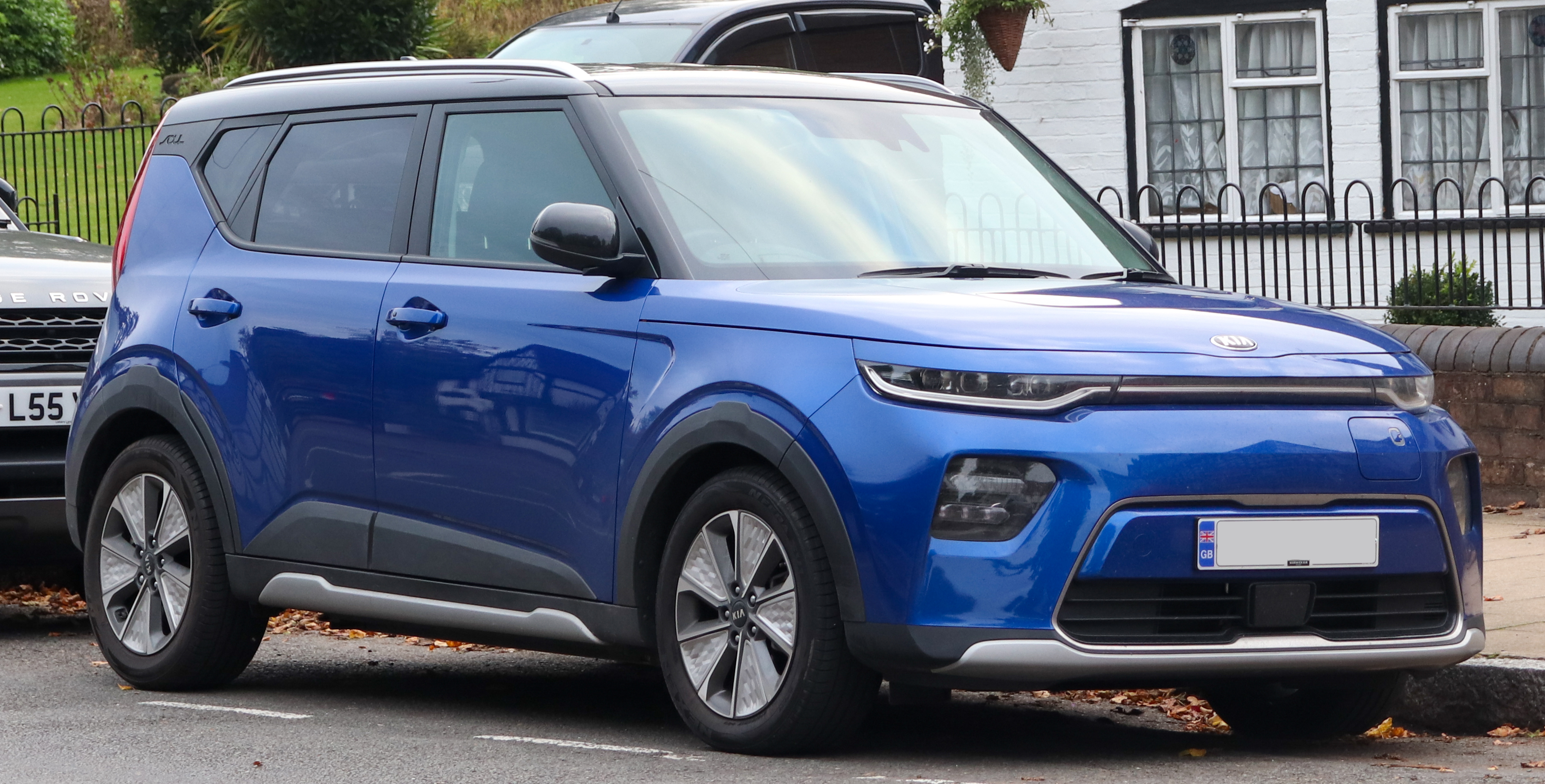
Kia Soul
"...h fun. So will we see that kind of like heart and soul end up in the sports sedan? Yes, yes. You'll see,..."
The Kia Soul is a small crossover SUV with a unique, boxy look. It’s designed to be practical for daily driving while still feeling a bit different from typical cars. The podcast brings it up as an example of the kind of personality people like and wonder if it could appear in another type of vehicle.
The Kia Soul is a compact, boxy-shaped crossover that’s known for its distinctive styling and practical everyday usability. The podcast references “heart and soul” in the context of whether that personality could show up in a sports sedan, using the Soul as a shorthand for the brand’s character. It’s mentioned because it represents a design-and-feel identity that people associate with Kia.
rear wheel drive
"Like I said, at least 400 horsepower, a rear wheel drive performance sedan, [909.8s] it'll be a lot of fun to drive. All wheel drive be available? Nope. Okay. No, right now the plan is rear wheel drive."
Rear wheel drive means the back wheels get the power. Many drivers like it because the car can feel more “connected” when you accelerate or turn.
Rear wheel drive (RWD) means the engine sends power to the rear wheels. That layout often gives a more balanced feel for a performance sedan, especially during acceleration and corner exit.
covers off the vehicle
"But by the time we [926.2s] take the covers off the vehicle, which would probably be sometime around this time next year, [930.5s] we would think we'll have named it by then for sure."
“Covers off” means the car is officially shown for the first time. Before that, details are often kept under wraps.
“Covers off the vehicle” is industry shorthand for the official reveal event, when a new car is unveiled to the public. It typically marks the moment details like styling and specifications become fully known.
Request an Explanation
Heard something you'd like explained? We'll add it to this episode.
Sign in to request explanations for terms you heard.
Want to learn more?
Browse our glossary for plain-English explanations of automotive terms, jargon, and concepts.
Help improve this episode
See something that's not quite right? Our annotations are AI-generated and can sometimes miss the mark. Click the flag icon on any annotation to suggest a correction.