
digital retailing
Digital retailing means buying a car through a website or app. You can usually choose options and see payment estimates, which can make the whole process faster and easier.
RET1
RET1 is software dealerships use to sell cars online. It helps customers pick a car and see financing estimates right on the website, often including trade-in and add-on protection options.
Stellantis
Stellantis is a big car company that owns multiple brands. Here, they’re planning to focus on a smaller set of main brands and use shared vehicle designs to cut costs.
Cox Automotive
Cox Automotive provides services and software to car dealerships. In this segment, they’re buying an AI tool and combining it with their existing dealer platforms to help dealers market more effectively.
Porsche
Porsche is the sports-car brand mentioned here. The host says Porsche is adding a coupe-style version to its electric Cayenne lineup.
service and parts revenue
Service and parts revenue is what a dealership earns when customers bring cars in for repairs and when the dealer sells replacement parts. It’s important because it tends to be more consistent than new-car sales.
fixed operations
Fixed operations is the part of a dealership that makes money from servicing cars—like repairs, maintenance, and selling parts. The point is that it’s steady income, not just one-time sales.
Ram
Ram is the pickup-truck brand under Stellantis. The segment says Ram is one of the brands Stellantis is focusing on more heavily.
Jeep
Jeep is a well-known SUV brand. In this story, Stellantis is saying Jeep will be one of the main brands it prioritizes.

Jeep Brands Jeep
The Jeep Grand Cherokee is a Jeep SUV that’s built for both everyday driving and tougher terrain. The podcast is referencing Jeep in a larger company plan about which brands get focus. That matters because it can affect what kinds of updates and new vehicles come next.
Peugeot
Peugeot is a major European car brand. Here, Stellantis is saying Peugeot is one of the main brands it will build around.
Fiat
Fiat is an automaker brand, especially known for smaller cars in Europe. In this story, Stellantis is listing Fiat as one of the brands it’s prioritizing.
shared platforms
Shared platforms are when different cars are built on the same basic “skeleton.” It helps companies build more models with less cost and effort.
rebadging
Rebadging is when the same car is sold with a different brand badge on it. Companies do it to offer similar products under different names without redesigning everything.
fixed ops revenue
Dealerships make money in two big ways: selling cars and running the service department. “Fixed ops revenue” means the service/repair/parts side, which can be steadier month to month.
FullPath
FullPath is an AI tool aimed at dealership marketing. It helps sort out messy customer information so dealerships can actually use it to reach the right people.
VIN Solutions
VIN Solutions is a dealership data tool tied to vehicle identification (VINs). The segment says Cox wants to combine it with AI so dealers can use their data more effectively for marketing.
AutoTrader
AutoTrader is a car listing and marketing platform. Here, it’s mentioned as part of Cox’s toolset that will be enhanced with AI to help dealers reach customers.
CDK Global
CDK Global makes computer systems that car dealerships use to run day-to-day business. The episode is basically saying new AI tools could disrupt companies like this.
AI acquisitions
An AI acquisition is when a company buys another company that has AI technology. The goal is usually to use that AI to sell cars more efficiently or improve how dealerships communicate with customers.
Reynolds and Reynolds
Reynolds and Reynolds is another company that supplies software to car dealerships. In this segment, they’re mentioned as competitors that could react to new AI products.

Porsche Cayenne coupe electric
Porsche is launching an electric Cayenne with a more sloped, coupe-like shape. It’s still an all-wheel-drive EV and uses a big battery, plus fast-charging tech Porsche calls 800-volt.
coupe version
A coupe version is basically a more stylish, sloped-roof shape compared with a boxier SUV. The hosts are saying Porsche is doing it because many buyers already choose that look and will pay more for it.
113 kilowatt hour battery
That 113 kWh number is how much electricity the EV can store in its battery. More battery capacity usually means you can drive farther, but real-world range still depends on how you drive.
800 volt tech
800-volt tech is an EV charging setup that can help the car add energy faster at the right chargers. It’s like using a higher-pressure water system to fill a tank quicker.
all-wheel drive
All-wheel drive means power goes to both the front and rear wheels. That can help the car grip better on wet or slippery roads.
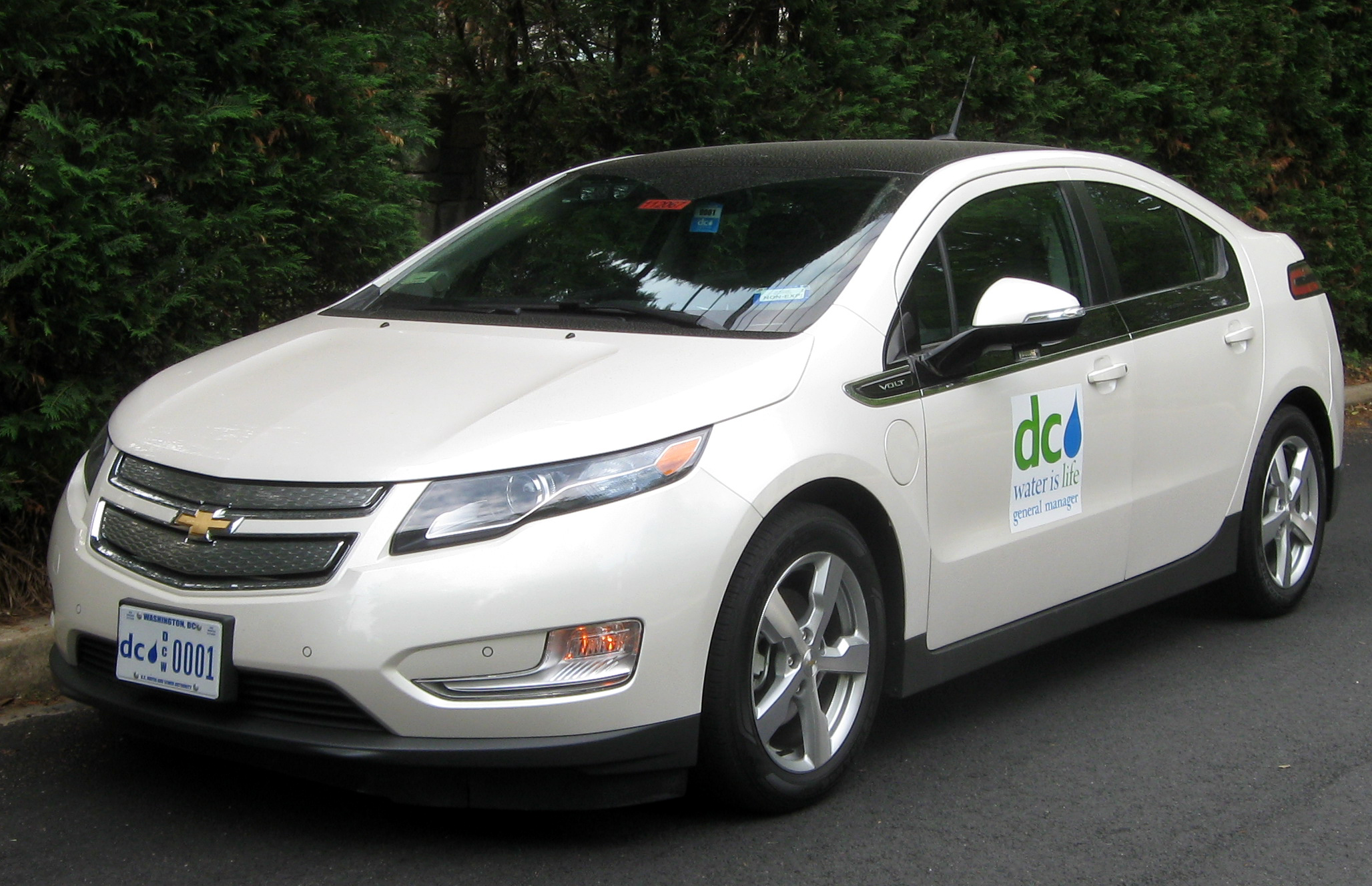
Chevrolet Volt
The Chevrolet Volt is a car you can plug in to charge, and it can also use gasoline when the battery runs low. The podcast is describing a version with a bigger battery, faster-charging-style electrical hardware, and all-wheel drive. That combination is meant to help it drive farther on electricity and handle better.
BYD
BYD is a Chinese car brand that’s starting to sell more in North America. The episode is using it as an example of why prices are getting more competitive.
Cherry
Cherry is mentioned as another Chinese EV brand that’s expected to arrive in Canada. The point is that these new brands may undercut prices.
global rules of trade
This is about how countries play by the same economic rules when trading goods. If they don’t, it can make some products cheaper than they otherwise would be.
dump them and undercut everyone
The idea here is that some companies may be selling products for less than others, to win customers. The hosts are saying that can happen when trade rules and pricing pressures don’t work the same way.
Uber did when it arrived on the scene
They’re comparing EV pricing to how Uber grew—by charging less to pull customers from existing services. The idea is that the low prices help a new player gain market share.

Ford Mach-E
The Ford Mach-E is an electric Ford SUV. The hosts mention it to compare how much Chinese EVs can undercut pricing.
China is so cheap
The hosts say Chinese EVs can be cheaper because the whole system behind them—like energy costs, production scale, and government help—lowers the cost to make the cars. They also claim labor and policy factors play a role.
Canadian Automotive Dealers Association
This is an organization that represents car dealers in Canada. In this segment, they’re telling dealers to read the contract details carefully before signing up with new overseas brands.
read the fine print
They’re basically saying: don’t sign until you understand all the details in the contract. The worry is that the new brand may require things that limit the dealer’s control.
online sales model
An “online sales model” typically means selling vehicles directly through digital channels rather than relying on traditional dealer-led retail processes. The concern raised is that this can change how dealers are compensated and what authority they retain in the sales network.
cybersecurity of these vehicles
They’re talking about the security of connected features in modern cars—like software and internet-connected systems. The point is that there are worries about whether those systems are safe and trustworthy.
General Motors
General Motors (GM) is referenced as another example of a “trusted global partner” for North American manufacturing partnerships. The mention supports the segment’s theme of reducing geopolitical and supply-chain risk.
49,000 of these vehicles entering Canada
They’re saying a lot of cars are about to arrive in Canada soon. That’s why dealers and regulators are paying close attention to the contracts and trust issues.
EV pivot
An EV pivot means a company changes its plan for electric cars. If they switch direction too quickly, it can be risky because it affects costs, product plans, and profits.
Boston Consulting Group
Boston Consulting Group is a consulting company that helps businesses plan strategy. In this episode, they’re talking to automakers and suppliers about how to stay profitable while the industry changes.
digital retail solution
Digital retail is the online process dealerships use to help you shop and buy a car. It’s meant to make things clearer and faster—especially when you’re trading in a vehicle.
Row one fusion
Row one fusion is a software tool dealerships can use to help customers shop online. It’s designed to make it easier to get trade-in value, schedule a visit, and keep the buying process moving.
trade and valuation feature
This feature estimates what your current car might be worth as a trade-in. Knowing that up front can help you understand how it affects your payment and what to expect when you visit the dealership.
equity
Equity is basically whether your trade-in is worth more than you owe on it. If it’s worth more, it can help your deal; if you owe more than it’s worth, it can make the new car cost more.
appointment scheduling
Appointment scheduling is the ability to choose a time to come into the dealership. It helps both you and the dealer avoid waiting around and keeps the process on track.
pre-qualification tools
Pre-qualification tools are an early check that estimates what kind of financing you might qualify for. It can make the in-deal financing part faster because you’re not starting from zero when you arrive.
fixed ops business
In dealership terms, “fixed ops” means the money they make after you buy the car—like repairs, maintenance, and parts. It’s important because it can be more consistent than selling new cars.
fixed ops and ownership study
This kind of study tracks what happens after you buy a car—like when people get maintenance or repairs. It helps explain why customers might stop using a dealership even if they still have warranty coverage.
KPI
KPI just means a “scorecard metric” a business watches to see how well it’s doing. Here, it’s being used to describe what dealerships track as competition increases.
competition is intensifying
The segment highlights intensifying competition for dealership service revenue from independent repair shops, tire shops, and other “general repair” businesses. This matters because it can pull customers away from dealerships even when dealerships have strong parts-and-labor offerings.
independent repair shop
Independent repair shops are regular local garages that do car repairs and maintenance. If they’re growing, they’re taking some of the customers who might otherwise go to a dealership.
year two mark
“Year two” is basically the second year of owning the car. The point here is that people start switching away from dealership service around then, even if their warranty hasn’t fully run out.
white space
“White space” here means there’s business you could be doing, but you’re not doing yet. They’re saying dealerships should use what they already have to keep customers from going elsewhere.
defection rate
Defection rate just means how many customers leave you. Here, they’re saying once the warranty period is over, a lot more people start going to other shops or other dealerships.
warranty goes three years
They’re using the warranty period as a timeline. The point is that when warranty coverage is no longer protecting the customer, many people start shopping around for repairs.
cost of walking away from a customer
“Cost of walking away from a customer” frames customer retention as a financial equation, not just a relationship issue. Here, the hosts attach a dollar value to expected service spend—implying that losing a customer to a competitor can mean losing thousands in future service revenue.
age of the vehicle has gone up
Older cars usually need more repairs and maintenance. So if the average car on the road is getting older, dealerships should expect more service business.
customer retention
Customer retention just means getting people to keep coming back. In car sales, it’s not only about selling the first car—service visits help build trust so they’re more likely to buy again later.
sales sells the first car, service sells the rest
It means dealerships often make their real long-term money from service after the first sale. If you keep customers happy with repairs and maintenance, they’re more likely to buy another car from you.
dealership service experience builds trust
If a dealership has serviced your car well before, you’re more likely to trust them. That trust makes you more willing to buy your next car from them too.
menu pricing
Menu pricing means you can see prices broken down for typical repairs or services instead of guessing what it will cost. When pricing is clear, customers feel more comfortable choosing that dealership.
ghost shop their competitors
Ghost shopping is like secretly checking what other shops charge. The goal is to learn the real prices so you can compare and price your own service more fairly.
oil change
An oil change is regular maintenance where the old engine oil is replaced. The hosts are saying people often start by checking what an oil change will cost before they book other service.
trust and transparency in dealership pricing
They’re talking about being upfront about what things cost and why repairs are needed. The idea is that if customers can see the pricing clearly, they trust the shop more.
general maintenance repair
They’re comparing what it typically costs to get routine service and repairs done at different places. The point is that dealership pricing may not be as high as people assume.
video walk-arounds
Instead of just telling you what’s wrong, the technician records a video showing the problem areas. The goal is to make it easier to understand why the repair is needed and to build confidence in the recommendation.
video inspections by the technician
The mechanic records the inspection while the car is up on the lift. That way, you can actually see what they’re talking about instead of relying only on their words.
recommended services approval rate
This concept is about how customers decide whether to authorize suggested repairs. The segment cites survey results (49%) indicating that customers who can see video evidence and understand why repairs are needed are more likely to approve those recommendations.
technician as a doctor analogy
The “technician as your doctor” analogy positions the technician as the expert who diagnoses and explains issues, while the service desk is more like the front desk. It’s used to describe how video helps customers understand the diagnosis and feel more confident about the recommended work.
trade-in decision influenced by repair costs
The segment connects transparency and repair recommendations to later customer behavior—specifically whether a customer keeps the current vehicle or trades it in. It suggests that seeing repair cost “dollar amounts” can shift the customer’s decision-making about their next vehicle.
trust and transparency with our customers
They’re talking about being honest and clear with customers. When customers understand what’s being done and what it costs, they’re more likely to come back.
service conversation between those two departments
They’re saying the dealership should have better communication between the people who sell cars and the people who service them. When those teams work together, customers get clearer answers and a smoother experience.
value trade
A “value trade” is when the dealership makes the trade-in offer feel fair and worthwhile to the customer. The goal is to keep the customer in the dealership ecosystem instead of taking the car elsewhere for repairs.
Cox on motive
They mention a dealership software tool (“Cox on motive”). It’s used to help manage scheduling and decide how to encourage customers to book at certain times.
general repair
“General repair” means going to a non-dealership shop for maintenance or repairs. The speaker is saying the dealership loses customers when they choose those shops instead of staying with the dealership.
front end and back end
“Front end” is selling cars. “Back end” is the money from service and parts after the sale.
vehicle history
“Vehicle history” is what’s known about a car’s past, like whether it was serviced regularly. If you can see that history, it’s easier to trust the car and feel better about buying it.
service lane
The “service lane” is the dealership area where vehicles are brought in for maintenance and repairs. The hosts are emphasizing that the best “auction” inventory is often the trade-ins that come from customers who already used the dealership’s service department, because the dealer has more complete service records and trust.
consumer experience
“Consumer experience” just means how good the whole buying-and-owning process feels to the customer. Here, they’re saying sales, service, and parts should work together so customers don’t get bounced around.
Cox study
Cox Automotive is a company that studies how people buy and service cars. When they publish a study, it usually helps explain what customers care about—like whether service history makes them more confident buying a used car.
fixed op strategies
“Fixed ops” is the part of a dealership that makes money from keeping cars running—like repairs, maintenance, and selling parts. A “strategy” is just the plan for how they grow that business over time.