About this episode
Honda swap and wiring chaos takes center stage, from repinning harnesses after “The 2.4 has it wired different than the 2.0” to a pinout mistake where “Was wired to the electric fan pin, so you turn your key on the electric fan wires would get hot.” The discussion then jumps to limp-mode troubleshooting, shifter linkage mismatches, and broader DIY fabrication—spot welding vs MIG, epoxy/primer timing, and whether powder-epoxy holds up long-term. The episode also covers custom paint, PPF vs wraps, and car-culture hangout ideas.
Welcome back to the F_cking Cars Podcast, where Ethan and Quintin dive deep into the builds, breakdowns, and bullshit that shape real shop life. Every week we tackle the projects on our lifts, the chaos happening in the automotive world, and the stories that only come from long nights in the garage. From custom fabrication to wild engine swaps, questionable Craigslist finds, and the philosophy behind why we keep doing this to ourselves—nothing is off-limits.
If you love cars, craftsmanship, and unfiltered shop talk, you’re in the right place. Grab a drink, settle in, and let’s get into it.
#FckingCarsPodcast #CarPodcast #GarageTalk #ShopTalk #FabricationLife
#CustomBuilds #ProjectCars #HotRodCulture #MechanicLife #AutoEnthusiast
#CarCommunity #CarCulture #Wrenching #EngineSwaps #CarBuilders
#YouTubePodcast #AutomotivePodcast
repinning
"...repinning wiring harnesses and changing things over and repinning connectors because you know this year sensors wired different than this sensor..."
Repinning is when you take the wires out of a connector and put them into different slots. People do it when the wiring diagram for one year doesn’t match the parts they’re using.
Repinning means moving individual wire terminals to different positions in a connector so the correct circuit goes to the correct ECU pin. It’s a common workaround when mixing harnesses/ECUs from different years because the factory pinouts can change even if the connectors look similar.
wiring harnesses
"So I have been spending the last like a couple weeks like repinning wiring harnesses and changing things over and repinning connectors..."
A wiring harness is like the car’s electrical “cable bundle.” It connects sensors and computers so the engine can run properly, and if you use parts from different years, the plugs and wire locations may not match.
A wiring harness is the bundled set of wires and connectors that carries power and signals between the engine bay sensors, ECU, and actuators. When you swap parts or mix model years, the harness pinouts and connector shapes can differ, so repinning/re-wiring may be needed to make everything communicate correctly.
2.4
"...because you know this year sensors wired different than this sensor and The 2.4 has it wired different than the 2.0..."
“2.4” means a 2.4-liter engine. The speaker is saying the wiring differs between engine sizes, so the connectors and pin locations may not match.
“2.4” refers to an engine displacement (2.4 liters) that the speaker says has different sensor wiring than a 2.0. Different engine variants can share similar layouts but still have different harness/ECU pinouts.
2.0
"...The 2.4 has it wired different than the 2.0 and so like I buy these eat I bought these eBay harnesses..."
“2.0” means a 2.0-liter engine. They’re comparing it to the 2.4 to show that the wiring isn’t identical across engine variants.
“2.0” refers to a 2.0-liter engine displacement. The speaker is using it as a comparison point to explain that sensor wiring differs between engine variants, which affects harness compatibility.
O2 to O4
"Yeah, so the eBay harness is for an o2 to o4 and my engine and ecu are an o5 and"
They’re talking about different year ranges. The wiring harness they bought is meant for one range, but their car uses a different range, so the wires don’t line up.
In this context, “O2 to O4” refers to an engine/ECU generation or model-year range the harness is intended to match. The speaker is contrasting it with their engine/ECU year, implying the harness pinouts differ across those ranges.
O2
"Yeah, so the eBay harness is for an o2 to o4 and my engine and ecu are an o5 and"
“O2” in this sentence is just the speaker’s shorthand for a year/version group. They’re saying the harness matches one version, not the one in their car.
“O2” here is shorthand for a specific Honda model-year/ECU/harness compatibility grouping used by the speaker. It’s not the oxygen sensor; it’s being used as a reference to which wiring generation the harness is meant for.
ECU
"my engine and ecu are an o5 and Apparently Honda thought it made sense to reap have all the pins on the not all of them"
The ECU is the engine’s computer. It reads sensor data and tells the engine what to do, like when to inject fuel. If the wiring doesn’t match, the computer can’t control the engine correctly.
ECU stands for Engine Control Unit, the computer that controls engine operation by reading sensor inputs and commanding outputs like fuel injection and ignition timing. If the ECU pin locations don’t match the harness you’re using, the engine may idle poorly or not start until the wiring is corrected.
fuel injector power
"Like my fuel injector power like that to power the injectors like just the constant not the signal Was wired to the electric fan pin..."
Fuel injectors are the parts that spray fuel. They need the right wiring: power and a command signal. If the power wire is connected to the wrong circuit, the injectors won’t work and something else (like the fan) may turn on.
Fuel injectors need electrical power and a control signal from the ECU. If the injector power circuit is mistakenly wired to an unrelated pin (like an electric fan pin), the fan can run when you turn the key on, and the injectors won’t get the correct supply.
electric fan pin
"...so you turn your key on the electric fan wires would get hot That's your no injectors"
The radiator fan has a wire that the ECU uses to control it. If the wrong wire lands on that spot, the fan may come on when it shouldn’t.
An electric fan pin is a specific ECU connector location that controls power to the radiator cooling fan. If another circuit is wired into that pin, the fan can energize just from key-on power, which is a sign of incorrect pinout wiring.
idling
"So I've been doing that I have the car firing up I have it idling and I can rev it to 3,000 rpms"
Idling is when the engine is running slowly while the car is stopped. If it can idle normally after wiring changes, it usually means the engine is getting the right signals.
Idling is the engine running at a low, steady RPM while the car is stationary. After wiring corrections, idling is a quick check that the ECU is receiving the right signals and controlling fuel/air correctly.
limp mode
"And now I need to figure out why I'm in limp mode or something that I can only get 3,000 rpms out of it But it's running and idols"
Limp mode is when the car intentionally makes itself less powerful to avoid breaking something. It usually happens when the car finds a problem and wants you to drive gently until it’s fixed.
Limp mode is a protective strategy where the car limits engine power and sometimes RPM to prevent damage when it detects a fault. It’s common when sensors or emissions-related systems report errors, so the engine “survives” but doesn’t perform normally.
RPM
"And now I need to figure out why I'm in limp mode or something that I can only get 3,000 rpms out of it But it's running and idols"
RPM is how fast the engine is spinning. Higher RPM usually means more power, so limiting RPM is one way the car protects itself.
RPM (revolutions per minute) is how fast the engine’s crankshaft spins. When the ECU puts the car in limp mode, it may cap RPM to reduce stress while a fault is present.
straight header
"It starts it takes like forever it like cranks and cranks and cranks, and then it's like And it's straight header, so yes, I am I am bombing the neighbors with Honda sounds right now"
A straight header is part of the exhaust system near the engine that helps gases flow out more freely. It often changes the sound and can affect how the car feels when you rev it.
A straight header refers to an exhaust header design with relatively direct flow paths, typically with minimal restrictions compared to stock manifolds. Headers can change exhaust flow and sound, and on some setups they also affect how the engine makes power across the RPM range.
horsepower
"It's about double the car stock was a hundred and like three horsepower Sure, sure, but only like 40 something foot pounds of torque"
Horsepower is a common number people use to compare engines. It’s related to torque and how fast the engine spins, but how the car feels also depends on torque at different RPMs.
Horsepower is a measure of how much work an engine can do over time, and it’s derived from torque and engine speed (RPM). It’s often used for comparing peak output, but the driving feel depends on the torque curve and gearing too.
torque
"Sure, sure, but only like 40 something foot pounds of torque It was a single can right yeah, and this one is I think it's a hundred and sixty stock and then It's a hundred and twenty or something foot pounds of torque."
Torque is the engine’s twisting force. More torque usually means the car can feel stronger and pull harder, especially without needing to rev as high.
Torque is the twisting force the engine produces, and it strongly influences how quickly a car accelerates, especially at lower RPM. Two engines can have similar horsepower but different torque curves, which can make one feel more “pulling” than the other.
Heim joint
"I did find out I don't know how much I explained to you when I was asking you about your the cantilever Heim joint pieces you got did I tell you what it was for? No"
A Heim joint is a heavy-duty ball-and-socket style joint used to connect parts in a suspension or steering link. It helps the connected parts move smoothly through angles without binding.
A Heim joint (also called a rod end) is a spherical bearing used in linkages, often in motorsport or custom suspension/steering setups. It allows angular movement while maintaining tight control of the linkage, but it can wear depending on alignment, load, and lubrication.
shift cables
"Billet shifter for real cheap from China came with shift cables and all I was like oh sweet"
Shift cables are the cables that physically connect the gear lever to the transmission. When they’re set up correctly, moving the shifter moves the transmission into the right gear.
Shift cables are the mechanical cables that connect the shifter in the cabin to the transmission’s internal selector mechanism. Their routing and attachment points determine how accurately the shifter moves the gearbox into each gear.

Acura RSX
"...it on there and then I found out that It's for an RSX transmission on the cord and the cord shifter th..."
The Acura RSX is a smaller sporty car made by Acura. The podcast mentions transmission and shifter parts, which are parts that help the car change gears. That’s why it shows up in a story about fixing or upgrading the drivetrain.
The Acura RSX is a compact sports coupe built for a sporty driving feel and enthusiast-friendly ownership. The podcast references parts related to an RSX transmission and shifter, which suggests the car came up in a repair or swap context. It’s discussed because the RSX is commonly worked on by owners who like hands-on modifications and maintenance.
fulcrum
"Where it touches the cable is below the fulcrum and on the RSX it's above the fulcrum ... if I go into first gear on this new shifter of mine, it puts the car in second"
A fulcrum is the pivot point in the shifter mechanism. If the cable attaches on the wrong side of that pivot, the shifter can end up moving the transmission into the wrong gear.
A fulcrum is the pivot point in the shifter linkage where motion is “levered” to move the cable/selector. In this case, the speaker notes the contact point relative to the fulcrum differs between their setup and the RSX, which can cause the shifter to select the wrong gear positions.
cantilever
"So I'm gonna build a cantilever just for that one action this the side ... But the I'm gonna build a cantilever. So like when you push forward it tips a cantilever that pulls"
A cantilever is like a one-sided arm that bends when you push it. They’re talking about adding one so the shifter movement pulls the cable the right direction.
A cantilever is a structural arm fixed at one end that flexes when force is applied at the other end. The speaker is describing building a small cantilever mechanism so that pushing the shifter forward tips the arm and pulls the cable in the correct way for the gear mapping problem.
shift boot
"That section is I'm going to build uh, I'm going to modify a boot to kind of hide like the the bracket ... I have like a shift boot and I can take the shifter apart"
A shift boot is the rubber/cloth cover around the gear shifter. It helps keep the inside of the console clean, and they’re trying to make it cover the new hardware they’re adding.
A shift boot is the flexible cover around the shifter opening that keeps dirt and debris out of the center console area. Here, the speaker plans to modify the boot so it hides the bracket while still allowing the shifter to move.
billet
"Yeah, I'm going to cover like the the bottom mechanism of it and then have that billet, you know [347.6s] Rod and all that and the cantilever sticking out."
Billet means a part is made by cutting it out of a solid chunk of metal. People use billet parts when they want something that’s strong and precisely made.
Billet refers to parts machined from a solid block of metal, rather than cast or stamped. In performance contexts, billet components are often used for strength, precision fitment, and durability in high-load areas.
O2 sensor
"Um, well speaking of codes I have a few on the Audi now, which I think is just uh [364.9s] O2 sensor I think is what I have to check for sure, but pretty sure it's just an O2 sensor"
The O2 sensor is a small sensor in the exhaust that checks how much oxygen is coming out. The car uses that info to adjust how much fuel it burns so it runs right and stays within emissions rules.
An O2 (oxygen) sensor measures how much oxygen is in the exhaust. The engine control unit uses that data to adjust the air-fuel mixture so the car can run efficiently and keep emissions under control.
tune
"And then I don't know I thought my buddy said something about a tune kind of [376.0s] aces the O2 sensor [378.7s] I don't know if it's an O2 sensor you get if I can't record it, but [381.8s] So the fix to it might be a tune [384.9s] He might just have to do a tune doesn't have an exhaust on it. It has an aftermarket exhaust on it"
A tune is basically software changes for the engine. It can help the car run better—especially if you’ve changed parts like the exhaust—because the engine’s computer is re-adjusted to match.
A tune is a change to the engine’s calibration (software settings) that can alter fueling, ignition timing, and boost/limiter behavior. It’s often used to better match supporting mods like an aftermarket exhaust, so the engine runs correctly and can make more power.
rotisserie
"I've been getting like the [415.2s] 67 Mustang we got on the rotisserie here. We got back from blasting. So we had to get that cleaned up"
A rotisserie is a special stand that lets a car body be turned around while you work on it. It makes it much easier to sand, blast, prime, and paint evenly.
A rotisserie is a restoration stand that holds a car (or body) so it can be rotated for easier access to all sides. It’s commonly used during blasting, rust repair, priming, and paint prep.
blasting
"We got back from blasting. So we had to get that cleaned up [420.8s] Got some some of the damage fixed not all of the damage fixed"
Blasting is a process where they shoot abrasive material at the car’s body to strip off old paint and rust. It helps create a clean surface so primer and new paint can stick properly.
In restoration work, blasting usually means abrasive blasting (like sandblasting or media blasting) to strip paint, rust, and contaminants from metal surfaces. It prepares the body for repairs and coatings like primer.
primed
"um, but um [429.8s] um, but um [431.7s] So you got that primed we're getting the parts ready now"
Primed means they put on a base coat first, before the final paint. It helps the paint stick and can help protect the metal from rust.
Priming is applying a base coating before paint to improve adhesion and provide corrosion protection. In body restoration, primer is typically part of the workflow after blasting and metal repairs.
fender
"I got the fender the fender was like the worst part of the car and that's what I used those The sweeps on this last week to get straightened out"
A fender is the metal panel above the wheel. If it gets bent in a crash, it usually needs to be repaired or replaced because it’s part of the car’s outer body shape.
A fender is the outer body panel that covers the wheel area and helps protect the car from road debris and spray. In collision repair, fenders are often replaced or straightened because they’re relatively thin and can be damaged easily.
bodywork
"So that's sped that up because you're not dicking around getting it kind of straight and then finishing bodywork when you have the straight blocks [450.0s] So you're not like you're not working backwards to a certain extent."
Bodywork is how you fix the car’s outer sheet metal after it’s been bent or damaged. It usually includes straightening the panel and then smoothing it out so it looks right again.
Bodywork is the process of repairing and shaping a car’s exterior panels after damage—typically involving straightening, filling, sanding, and finishing. The speaker contrasts doing bodywork after the metal is already straight versus working in a less efficient order.
spot welders
"There's people that have Spot welders for sale in town that i'm actually it's actually the thing you know Hitting them up and low balling them because it's like a pro spot spot welder"
A spot welder is a machine that joins sheet metal by making small weld “dots” where the panels touch. Body shops use it to attach panels in a way that’s strong and fairly invisible.
A spot welder is a tool used to join two metal panels by clamping them together and creating a localized weld at specific points. It’s commonly used in unibody and body-in-white construction, and it’s especially relevant for old-car repairs where you’re recreating factory-style panel attachment.
spot welds
"Depends on what it comes with for attachments because you know on these old cars you get into the center of the floor for spot welds you got to have like All of the attachment attachments to make it worth its while unless it's convert cheap, you know"
Spot welds are the small weld points that hold two metal pieces together. If you’re fixing an older car, you often need to put those weld points back in the right places so the panels stay solid.
Spot welds are the individual “point” welds that attach overlapping metal panels. When repairing older cars, you may need the right equipment and attachments to recreate those spot-weld locations so the panels fit correctly and hold securely.
plug welding
"Flat faster and plug welding Oh way faster and cleaner nicer like just in general it's just nicer"
Plug welding means you weld through a hole so the two metal layers fuse together underneath. It’s useful when you can’t do the usual spot-weld approach because of access or panel design.
Plug welding is a technique where you weld through a hole in one panel to fuse it to the underlying panel. It’s often used when you can’t directly spot-weld, such as when access is limited or when replicating certain factory attachment methods.
mig welding
"Anytime you can take the mig welding away from car building honestly just makes it a cleaner nicer and faster It's even like the just the consumables to to clean up a mig weld is like"
MIG welding is a way of welding metal using a wire that feeds automatically. It also uses gas to keep the weld clean while it cools, which helps it hold together well.
MIG welding (Metal Inert Gas) is a common welding process that uses a continuously fed wire electrode and a shielding gas to protect the weld from contamination. Because it’s fast and relatively easy to automate, it’s widely used in production-style metal joining.
shielding gas
"The spot welder doesn't have a shielding gas. It doesn't have a filler Yep, you're not you're not spending time knocking that mig weld down and"
Shielding gas is the protective gas that keeps the weld from getting dirty while it’s hot. It helps the weld come out stronger and cleaner.
Shielding gas is the inert gas used in processes like MIG welding to protect the molten weld pool from oxygen and other contaminants in the air. Without it, weld quality can drop and you can get more defects or extra cleanup.
filler
"The spot welder doesn't have a shielding gas. It doesn't have a filler Yep, you're not you're not spending time knocking that mig weld down and"
Filler is extra metal added during welding to help the joint fill in and bond properly. Some welding methods add it, while spot welding usually relies on the two sheets being pressed together.
In welding, “filler” refers to added metal (often a wire) that helps build up the weld bead and ensure proper joint strength. MIG welding typically uses a filler wire, while resistance spot welding generally does not.
plug welds
"And you don't have to drill holes for plug welds. Oh my god. Oh man, actually that we should stop talking about this"
Plug welds are welds that go through a hole in one sheet to attach it to another sheet underneath. If you don’t need those holes, the job can be faster and simpler.
Plug welds are welds made through holes in one metal panel to join it to an underlying panel. The speaker contrasts them with spot welding, noting you don’t have to drill holes when using spot welding, which can speed up body assembly.
buying a body
"And to me it's all we're getting a little closer in the industry to to just buying a body and stuff, you know, you're just It's got to be the right car to to be like we're going to spend a bunch of time on this car"
The idea is that instead of building the whole metal shell yourself, you buy the car’s body structure and then focus on the rest of the build. It can save time if you’re starting with the right base.
“Buying a body” refers to sourcing an entire vehicle shell/chassis structure rather than fabricating the metal structure from scratch. The speaker suggests the industry is moving toward this approach when the goal is to spend time on the finished car rather than on metal fabrication.
ballpark body panels
"…we got it ballpark body panels ballpark But now we're like fine tuning the outside to where we're Hopefully going to be comfortable…"
They’re saying the body panels were put on roughly at first. Then they’ll adjust them carefully so the lines and gaps look right.
“Ballpark body panels” means the panels are initially positioned roughly to get the general alignment and gaps correct before fine-tuning. This is common in collision repair or custom bodywork: you mock everything up first, then adjust for consistent panel gaps and surface alignment.
epoxied
"…to pull it apart start getting it epoxied very for body filler for body work and whatever… …The epoxy we use is It's not exactly It's not like you can hammer and dolly it…"
“Epoxied” means they’re applying an epoxy coating during body repair. It helps protect the metal and gives a good surface for the next steps, like filler and paint.
“Epoxied” refers to using an epoxy coating/primer as part of bodywork and corrosion protection. Epoxy is typically used because it bonds well to metal and helps create a stable base before filler and paint, and it’s not meant to be hammered and reshaped like bare metal.
aftermarket doors
"…but you know aftermarket stuff those aftermarket doors are I started holding sweeps up to them…"
Aftermarket doors are replacement doors from a non-factory supplier. They don’t always line up perfectly, so the shop may have to adjust and reshape them a bit.
Aftermarket doors are replacement doors made by companies other than the original automaker. They often fit differently than OEM parts, so body shops may need extra alignment work, gap tuning, and contour correction before paint.
sweeps
"…I started holding sweeps up to them and I'm like there's like huge high spots in the middle of the door What the hell so now I'm taking The sweeps down the side of the car…"
“Sweeps” are measuring/checking tools body shops use to see if a panel is uneven. They help them spot high spots before they do the next repair steps.
In bodywork, “sweeps” are tools used to check panel contour and surface highs/lows—essentially a way to “read” how straight or wavy a panel is. The host is using them to find high spots on aftermarket doors before proceeding with epoxy and filler.
hammer and dolly
"The epoxy we use is not exactly It's not like you can hammer and dolly it and it's gonna like Be structurally intact after that if you're like moving a lot"
Hammer-and-dolly is how you reshape sheet metal using a hammer plus a heavy backing tool. They’re saying you can’t do that after epoxy is applied because it won’t hold up the same way.
Hammer-and-dolly is a metal-shaping technique where a hammer strikes the panel while a dolly (a heavy backing tool) supports it from the other side. The host is emphasizing that epoxy-coated surfaces can’t be reshaped this way without damaging the coating or compromising the repair.
epoxy
"So in some instances if you're straightening an area, we might need to reprimant a spot, you know if it was after epoxy ... Trying to keep epoxy over the repairs"
Epoxy is a protective coating used before final paint. It helps seal the metal so rust doesn’t start and gives the next layers something solid to stick to.
Epoxy primer/sealer is a coating used in bodywork to seal bare metal and create a stable base for subsequent primers and paint. It’s commonly applied soon after blasting or metal repairs to reduce corrosion risk.

58 Chevy truck
"um did the Transmission tunnel and finished up welding the stuff in that's 58 Chevy truck did not a lot of bouncing around but"
That’s a 1958 Chevrolet pickup. When people restore these, they fix rust or dents, then seal and prime the metal before painting.
“58 Chevy truck” refers to a 1958 Chevrolet pickup truck. In restoration work, trucks like this often get metal repairs, then epoxy/primer and coatings to seal the body before final paint.
Transmission tunnel
"um did the Transmission tunnel and finished up welding the stuff in that's 58 Chevy truck did not a lot of bouncing around but"
The transmission tunnel is the “hump” in the floor where the drivetrain components run. If the floor is being repaired, that area often gets welded or reshaped.
The transmission tunnel is the raised channel in the floor that houses parts of the drivetrain (like the driveshaft and transmission). During restoration, it may be welded/modified to repair damage or accommodate drivetrain changes.

67 mustang
"Like we needed a prime to 67 mustang and so we just you know, it's it was came from black from a blasting so it's kind of got to get on it right away"
That’s a 1967 Ford Mustang. Restoring one usually means cleaning the metal (like blasting), fixing damage, and then sealing it quickly so it doesn’t start rusting again.
“67 mustang” is shorthand for a 1967 Ford Mustang. The Mustang is a classic American muscle car, and restoration workflows often include blasting, metal repairs, and fast sealing/priming to prevent flash rust.
flash rust
"so it's it was came from black from a blasting so it's kind of got to get on it right away ... all 40 Four years 50 humidity in here. It's not the greatest conditions."
Flash rust is when bare metal starts rusting again very quickly after it’s cleaned. In humid places, you have to seal it with primer/epoxy right away.
Flash rust is the quick formation of surface rust on bare metal after blasting or sanding, especially in humid conditions. That’s why body shops often push to apply epoxy/primer immediately after prep.
sand
"Yeah, it's like you got to get on epoxy right away and you still have to hit stuff with a sand ... Well, like that was acid wash"
Sanding is used to scuff and level the repaired/primed surface so coatings bond properly. After certain prep steps (like acid wash), sanding helps ensure the surface is ready for the next coating stage.
acid wash
"Well, like that was acid wash So you still have to sand it like you get it back and then you immediately have to da the whole car and coat it"
An acid wash is a cleaning step that treats the metal so coatings will stick better. It removes leftovers and prepares the surface for primer/paint.
An acid wash is a chemical surface treatment used to clean and condition metal before coating. It helps remove contaminants and prepares the surface for better adhesion of epoxy/primer.
DA
"So you still have to sand it like you get it back and then you immediately have to da the whole car and coat it"
“DA” is probably shorthand for a power sander used to smooth and prep the surface. It helps you sand evenly so the next layer goes on right.
“DA” here most likely refers to a dual-action (random-orbit) sander used for sanding/finishing bodywork. It’s commonly used to smooth primer and prep surfaces for the next coating step.
paint plans
"to sit there and talk paint plans and coverage and things like that"
A paint plan is basically the painter’s game plan for how the job will be done. It covers what gets painted and in what order so the final look comes out right.
A paint plan is a step-by-step approach to how the paint job will be executed—what gets painted when, in what order, and with what coverage boundaries. In this segment, the host contrasts casual talk with the detailed planning involved in professional paint work.
coverage
"paint plans and coverage and things like that"
Coverage means how well the paint coats the surface—whether it’s even and reaches the right areas. It’s part of planning a clean, consistent paint job.
Coverage refers to how completely and evenly paint is applied over a surface, including how far it extends and how consistent the finish looks. The host groups “coverage” with “paint plans,” implying the painter is thinking about exact boundaries and uniform results.
uncorked
"Because I told him I said it's been a while since somebody let me be uncorked on a paint job"
“Uncorked” sounds like slang in this conversation for being allowed to do the full, unrestricted paint idea. The speaker is basically saying they haven’t had a painter who would go all-in on the job.
“Uncorked” here is being used as slang for a paint job that’s more open/fully exposed—i.e., not limited or “held back” by prior constraints—so the painter can do the full, visible work. The context is the host saying it’s been a while since someone let him “be uncorked on a paint job.”

Honda Civic
"Have you seen that white Honda Civic show car that's been around for like 15 20 years? ... The door jams are all done the hood every so this custom paint"
The Honda Civic is a very common Honda model that a lot of car enthusiasts like to customize. Here, they’re talking about a Civic show car as an example of the kind of detailed paintwork they’re describing.
The Honda Civic is a long-running compact car line from Honda, and it’s especially popular in the tuner/custom-scene because it’s easy to modify and has a huge parts ecosystem. In this segment, the hosts reference a “show car” Civic to illustrate a high-end custom paint layout and bodywork style.
engine bay
"The engine bay is smooth. They don't run a hood ... custom paint ... goes down into the engine bay and across the engine"
The engine bay is the space under the hood where the engine lives. This is the area that gets painted in addition to the outside of the car.
The engine bay is the compartment under the hood where the engine and related components sit. When someone says the paint “comes down the side” and then “goes down into the engine bay,” they mean the custom paint coverage extends into that visible under-hood area.
custom paint
"The door jams are all done the hood every so this custom paint ... comes down the side of it and then like swoops up the fender and goes down into the engine bay"
Custom paint means the car is painted with a designed pattern instead of the normal factory color. In this case, the design is more complex and extends into areas like the fenders and engine bay.
Custom paint refers to a non-factory paint job with a specific design, color layout, and finish aimed at a particular look—often including fades, swoops, and multi-area coverage. Here, the host describes a paint pattern that wraps from the side into the fender and down across the engine bay.
masking
"Probably dude. I mean, that's a lot of masking like just masking. It's like you're stressing me out"
Masking is how painters protect areas they don’t want to paint—usually with tape and paper/plastic. More complicated paint designs mean more masking time.
Masking is the process of covering parts that shouldn’t be painted using tape and protective material, so paint goes only where it’s intended. Complex custom paintwork can require lots of masking steps, which is why the host says it’s “a lot of masking” and stressful.
closed hood show car
"But it's probably gonna be like a closed hood show car, you know, if you pop the hood, it's not embarrassing, but it's not like Crazy, you know what I mean?"
A “closed hood show car” is a car you show with the hood shut. The engine area still looks okay if someone opens it, but the main focus is the car’s exterior look.
A “closed hood show car” is a show-focused build where the hood is typically kept shut for display. The engine bay may be finished enough that it looks decent when opened, but the builder isn’t going for the fully detailed, concours-style engine-bay presentation.
air brushing
"I'll probably do some air brushing up under there Later down the road I'll probably just get it in primer for now and then later down the road."
Airbrushing is a way to spray paint very precisely using a small tool. Car builders use it to add graphics or smooth color fades.
Airbrushing is a fine painting technique that uses compressed air to spray paint in controlled patterns. In custom car work, it’s commonly used for graphics, gradients, and detailed artwork—often as a later step after primer or base color is applied.
primer
"I'll probably just get it in primer for now and then later down the road. I'll Airbrush it at home in my garage or whatever do something silly"
Primer is the layer you put on before the final paint. It helps the paint stick better and makes the surface smoother.
Primer is the preparatory coating applied before final paint. It helps the paint adhere properly and provides corrosion resistance and a uniform surface so the topcoat looks consistent.
jams
"Now I'm starting to get to the point where it's like I'm gonna paint the car and it's gonna get you know, the jams are pretty close to the color That it is so I can leave them be but I'm also like"
“Jams” are the areas around doors and where body panels meet. If you paint them the same color as the car, everything looks cleaner and more finished.
In bodywork, “jams” usually refers to the door jambs and other recessed areas where panels meet. Custom painters often match these areas to the body color (or plan graphics that flow into them) so the finish looks intentional from every angle.
fiberglass box
"in the trunk there's gonna be you know a fiberglass box that we're going full west coast customs. Pimp my ride style fiberglass box "
A “fiberglass box” is a custom-made enclosure made from fiberglass. In this context, it’s likely for the car’s sound system so the speaker fits neatly in the trunk.
A “fiberglass box” is a custom enclosure made from fiberglass, often used to mount audio equipment. Fiberglass is lightweight and moldable, making it popular for custom subwoofer enclosures that fit a specific trunk shape.
subwoofer
"you know a fiberglass box that we're going full west coast customs. Pimp my ride style fiberglass box It's gonna have like, you know, the subwoofer coming out. Oh, yeah"
A subwoofer is the part of the audio system that plays the deep bass. It’s usually put in a box so it sounds better and fits in the trunk.
A subwoofer is a speaker designed to reproduce low-frequency bass sounds. In car audio, subwoofers are often installed in custom enclosures (like the fiberglass box mentioned) to control how the bass is produced and to fit the system into the vehicle’s space.
West Coast Customs
"in the trunk there's gonna be you know a fiberglass box that we're going full west coast customs. Pimp my ride style fiberglass box It's gonna have like, you know, the subwoofer coming out."
West Coast Customs is a well-known custom-car brand/TV vibe. Saying “full West Coast Customs” usually means you’re going for a loud, flashy, show-style build.
West Coast Customs is a custom-car brand best known for over-the-top styling and build themes, popularized through TV. When someone says they’re going “full West Coast Customs,” they’re signaling a flashy, showy customization approach.
Pimp my ride
"you know a fiberglass box that we're going full west coast customs. Pimp my ride style fiberglass box It's gonna have like, you know, the subwoofer coming out. Oh, yeah"
“Pimp My Ride” is a TV show famous for wild car makeovers. Mentioning it usually means the build is going to be flashy and attention-grabbing.
“Pimp My Ride” is a TV franchise known for dramatic, highly customized car makeovers. Referencing it here implies the builder wants an exaggerated, entertainment-style audio/visual modification rather than a subtle OEM-like setup.
fleece
"Back when that was I used fleece I did one and I didn't know about fleece. So I did like fiberglass matting and it was terrible"
Here, “fleece” means a fabric layer used during a custom build. It helps you shape the enclosure more easily than using fiberglass matting by itself.
In this context, fleece refers to a fabric used as a backing or shaping layer in custom enclosure fabrication (often before fiberglass/resin). The speaker contrasts fleece with fiberglass matting, saying they didn’t know about fleece at first and their fiberglass approach was “terrible.”
fiberglass matting
"I did one and I didn't know about fleece. So I did like fiberglass matting and it was terrible It sucks it it flattens out so bad where you try to get like a radius Yeah"
Fiberglass matting is a fabric that you soak with resin to make a hard, strong shell. People use it for custom trunk enclosures, but it can be tricky to shape and can come out rough if you don’t do it right.
Fiberglass matting is a reinforcement fabric used with resin to create rigid composite parts. In car audio builds, it’s commonly used to form custom enclosure shapes, but it can be difficult to shape cleanly—especially if you’re trying to create smooth radii.
sub boxes
"I had you pop the trunk and I built two sub boxes that like From the corners of the trunk the subs were like Getting pulled out of the fleece boxes pointing out and then I think I did vented boxes"
A sub box is the container that holds the subwoofer in the trunk. It matters because it changes how the bass sounds and how hard the sub has to work.
Sub boxes are the enclosure structures that hold a car’s subwoofers and control how the speaker moves air. The design (including whether it’s vented) strongly affects bass sound quality and how much the subwoofer can handle without distortion.
vented boxes
"subs were like Getting pulled out of the fleece boxes pointing out and then I think I did vented boxes and I'm going to be honest for that style box you should always do vented because There's just all you're gonna blow your fiberglass apart."
A vented sub box has a port/opening instead of being sealed. That port helps the sub produce deeper bass, and it can also make the enclosure less likely to crack under stress.
A vented subwoofer box uses a port (tuned opening) so the enclosure and port work together to boost certain bass frequencies. The speaker argues that vented designs help avoid problems with fiberglass cracking when building the enclosure.
mdf box
"Because you got you know your mdf box fiberglass I've seen guys pack it with fiberglass body filler both sides That like you got a fucking layer at all because you're usually using like quarter inch mdf"
MDF is a type of engineered wood panel that’s commonly used for speaker boxes. It’s popular because it’s sturdy and works well for holding subwoofers without flexing.
MDF (medium-density fiberboard) is a dense wood-based panel used for speaker enclosures because it’s easy to cut and shape while staying rigid. The speaker mentions using a quarter-inch MDF box and discusses how enclosure density and material stacking affect cracking.
firewall
"but it like goes through the engine bay through the up the firewall and then like [1560.8s] The windshield's there [1561.9s] But the graphic continues right under the bash"
The firewall is a wall inside the car that separates the engine area from the inside where you sit. It helps keep the cabin safer and more comfortable.
The firewall is the thick metal (or composite) barrier between the engine bay and the cabin. It helps separate heat, fumes, and noise from the passenger compartment, and it’s also a common “canvas” for custom graphics that cross from the front to the interior.
bash
"But the graphic continues right under the bash and spills into the inside of the car the back seats got in the sub boxes [1568.7s] that's cool [1569.8s] I had uh the scallops on my mini truck"
In this context, “bash” appears to be slang for the front bumper/valance area (the lower front trim). The speaker is describing how the graphic runs under that front section and continues into the cabin.
scallops
"that's cool [1569.8s] I had uh the scallops on my mini truck [1572.8s] They went I had one on the hood that went through the windshield and onto the dashes."
Scallops are a style of decoration—usually curved, shell-like shapes—painted or applied to the body. People use them to make a truck or car look more custom.
Scallops are a decorative bodywork/paint pattern made of repeated curved “shell” shapes. On trucks and Civics, they’re often used as a visual accent along the hood or body panels.
shifter
"So I kind of want to leave it almost like it's just gonna steer it'll have like the steering wheel and the shifter [1599.4s] Sure, and then you know, I think maybe just get like some nice"
The shifter is the lever you use to choose gears. Keeping it as part of the interior helps the car feel more like an older, classic setup.
The shifter is the control you use to select gears in a manual transmission (or gear selection in some automatics). In a “retro” interior plan, keeping the original-style shifter helps preserve the old-school driving feel and layout.
fitted floor mats
"Sure, and then you know, I think maybe just get like some nice [1603.1s] Fitted floor mats for it [1605.0s] And then just kind of leave it like retro."
Fitted floor mats are custom-shaped mats that match your car’s floor. They help protect the carpet and usually fit more securely than generic ones.
Fitted floor mats are custom-shaped mats designed to match the contours of a specific car’s floor. They’re meant to cover the carpet neatly and stay in place better than generic universal mats.
knockoff version
"I don't know. I'm gonna start doing research to see if there is like a knockoff version of it because man those"
A knockoff is a fake or copycat version of something. It might look similar, but it can be lower quality and may not work as well.
A “knockoff” is an unofficial imitation product made to look similar to the original. In car-audio/retro parts contexts, people worry about knockoffs because fitment, wiring, and reliability may be worse than the genuine item.
time capsule
"That's crazy because they're a time capsule [1650.9s] They're selling parts ones for a hundred bucks"
A time capsule is something that’s kept in very good, original condition. It’s like it’s been saved from the past, which can make it more valuable.
A “time capsule” refers to an item that’s preserved in near-original condition, as if it’s been stored away since it was new. In the used parts market, that condition can matter a lot for value and collectability.
nostalgia
"You know, I think that some of this is like it's it's coming. It's bringing back like nostalgia [1659.5s] Again, we're talking about nostalgia. It's like I honestly think"
Nostalgia means wanting something because it reminds you of the past. For cars and parts, that can make older stuff cost more than you’d expect.
In enthusiast markets, “nostalgia” drives demand for older cars and older accessories because people want the look, feel, or vibe of a past era. That demand can push prices up even when the items are old or risky to buy.
mint like brand new in a box
"There's no way the cd player works. It's had to be mint like brand new in a box [1705.0s] No, they were like just used working condition"
“Mint” means it’s in basically perfect condition, like it was never used. For old parts, that’s important because worn-out or damaged items can fail.
“Mint” is a grading term meaning the item looks and functions like new, with little to no wear. For older electronics/parts, “mint” condition reduces the risk of hidden damage, but it still doesn’t guarantee everything works.
huge risk
"See like to me that just seems like a huge risk [1713.2s] To buy it"
They’re saying it’s risky to buy old stuff because it might not work once you try it. Even if it seems fine, problems can be hidden until you test it.
“Huge risk” here is about buying older electronics/parts without a guarantee they’ll function. With vintage items, sellers may claim “works,” but hidden faults can show up only after wiring/testing.
wire it up
"Does not work at all where you wire it up and it just smokes it"
“Wire it up” means plug it in and connect the wires so it can run. If the connections or parts are wrong or old, it can fail right away.
“Wire it up” means connecting the unit to the correct power and signal wiring harness so it can operate. With older car electronics, incorrect wiring, wrong connectors, or degraded components can cause immediate failure.
pull the face off
"Remember when that was a big thing you pull your face off and put it in the case and put bring it in your pocket Don't anybody stealing your stuff"
Some older car stereos had a front panel you could take off. People did that to make it harder for thieves to steal the radio.
“Pull the face off” refers to a removable faceplate (often called a detachable face) on older car stereos. It was used as an anti-theft measure: thieves couldn’t easily steal the whole unit if only the faceplate could be removed.

Volkswagen Bus
"I we did a Volkswagen the Volkswagen bus we did that camper bus she had a CD player with a face on it and when she dropped it off she took the face with her"
The Volkswagen Bus is a famous older Volkswagen van people often convert into campers. The hosts are talking about a stereo setup in one of these vans.
The Volkswagen Bus is a classic Volkswagen people-mover known for its boxy shape and camper-friendly layout. In this segment, it’s referenced as a vehicle where the stereo had a removable faceplate, tying the story to older car-audio anti-theft designs.
CD player
"she had a CD player with a face on it and when she dropped it off she took the face with her It was pretty funny"
A CD player is the car stereo that plays music from CDs. Back then, some of these stereos had a removable front panel so thieves couldn’t just grab the radio.
A CD player is a car audio unit that plays music from compact discs, which were common before streaming became dominant. The segment specifically links it to a removable “face”/panel, showing how older head units were designed to deter theft.
paint protection film
"Try to get a hold of like a ppf company and see if I can get a ppf sponsor where I do like a install video [1937.3s] For like a do it yourself [1939.2s] paint protection film"
Paint protection film is a clear protective sheet you put on your car’s paint. It helps prevent chips and small scratches from things on the road.
Paint protection film (PPF) is a clear, protective layer applied over a car’s painted surfaces. It’s designed to help guard against rock chips, light scratches, and road debris while keeping the original paint looking fresh.
wraps
"I've done wraps and stuff. I don't love it, but [1946.0s] Yeah, we used to wrap a lot on boats and"
A wrap is a vinyl covering you put over the outside of a car. People use it to change the look, and it can be removed later, but it has to be installed carefully.
In car customization, “wraps” usually means applying vinyl film over exterior panels. Compared with paint, wraps can be easier to change or remove, but they require careful installation to avoid bubbles, lifting edges, and misalignment.
rally stripes
"Yeah, it's like there's like large like rally stripes on cars. They're like [1967.7s] Sometimes those are even harder because you got to keep it straight."
Rally stripes are those bold stripes you see on some cars, like a racing-style look. If you’re applying them with vinyl, getting them perfectly straight is tricky.
Rally stripes are bold, usually contrasting stripes applied along the body of a car, often inspired by motorsport liveries. When they’re done with vinyl or film, keeping them straight and evenly spaced is a major challenge because small alignment errors are very noticeable.
chips
"This paint protection film it'll like help from chips [2183.9s] It's not going to help from dense the problem with that."
“Chips” here means little paint dings from rocks or gravel kicked up by the road. They’re exactly what clear protective film is meant to reduce.
In this context, “chips” means small impacts to the paint from road debris like gravel and stones. These are a common reason people install PPF, because chips can expose paint layers and lead to more damage over time.
fresh clear
"For me, I would think a year before you put paint protection film on that fresh clear [2200.2s] Yeah, my thing is just like any"
They mean the new clear topcoat on the car. It has to fully harden before you put protective film over it.
“Fresh clear” refers to newly applied clear coat, the glossy top layer in modern automotive paint systems. Clear coat needs time to cure/harden; applying PPF too early can reduce adhesion or create problems under the film.
trailer queen
"And I'm going to drive it because it's a civic it's not you know what I mean [2209.7s] It's not like a trailer queen."
A “trailer queen” is a car that’s mostly kept clean and only used for shows. It’s not meant to be driven every day through dirt and road hazards.
“Trailer queen” is car-show slang for a vehicle that’s kept mostly for appearances and transported to events rather than driven regularly. It’s often treated as too valuable or too delicate for everyday road grime and debris.
Lebra
"What was paint protection film like in the 90s and then it was just cars with lebra on them Gonna hold the front end up somehow right"
A Lebra is basically a removable cover for the front of the car. It’s meant to protect the paint from bugs and road grime.
Lebra is a brand name commonly used for a removable front-end cover (often a grille/bumper cover) that helps protect the car’s front from bugs, small debris, and minor impacts. In older “front bra” culture, people used these covers to keep the paint looking newer.

1996 grand prix
"Takes me back to your grand prix every single time because they had like a 96 grand prix with two 12s in a bandpass box in the trunk and a glass pack"
A 1996 Pontiac Grand Prix is a mid-size American car from the ’90s. The speaker is talking about one they had with a loud sound system and an exhaust setup.
The Pontiac Grand Prix (here, a 1996) is a mid-size American coupe/sedan that’s especially remembered by enthusiasts for its V8-era styling and, in some builds, big-audio setups. In this segment, it’s notable because the speaker describes a trunk audio system with multiple 12-inch subs and a glass pack exhaust.
bandpass box
"because they had like a 96 grand prix with two 12s in a bandpass box in the trunk and a glass pack"
A bandpass box is a type of subwoofer enclosure designed to amplify sound strongly within a specific frequency “band.” Compared with simpler sealed or ported boxes, bandpass designs can produce very punchy, loud bass in the targeted range—common in car-audio trunk builds.
two 12s
"because they had like a 96 grand prix with two 12s in a bandpass box in the trunk and a glass pack"
“Two 12s” refers to having two 12-inch subwoofers in the car audio system. The larger cone size generally helps produce deeper bass, and pairing two subs can increase overall output and allow more complex enclosure designs.
glass pack
"12s in a bandpass box in the trunk and a glass pack Oh, yeah, and uh, I have the right glass pack that you know exceed, you know, I had the red glass pack"
A glass pack is a type of aftermarket muffler that uses packing material and a perforated core to create a louder, more aggressive exhaust note. It’s strongly associated with older American car culture because it tends to produce a distinct “raspy” sound compared with quieter mufflers.
hot velour
"That like hot velour"
Velour is a soft fabric used on some car seats and panels. When it gets hot from the sun and you’ve been driving, it can give off a very specific smell and vibe people remember from older cars.
“Velour” is a soft, fuzzy fabric often used for car upholstery. In older American cars, people associate it with that distinctive “hot interior” smell and feel after driving, especially in warm weather.
79 camaro
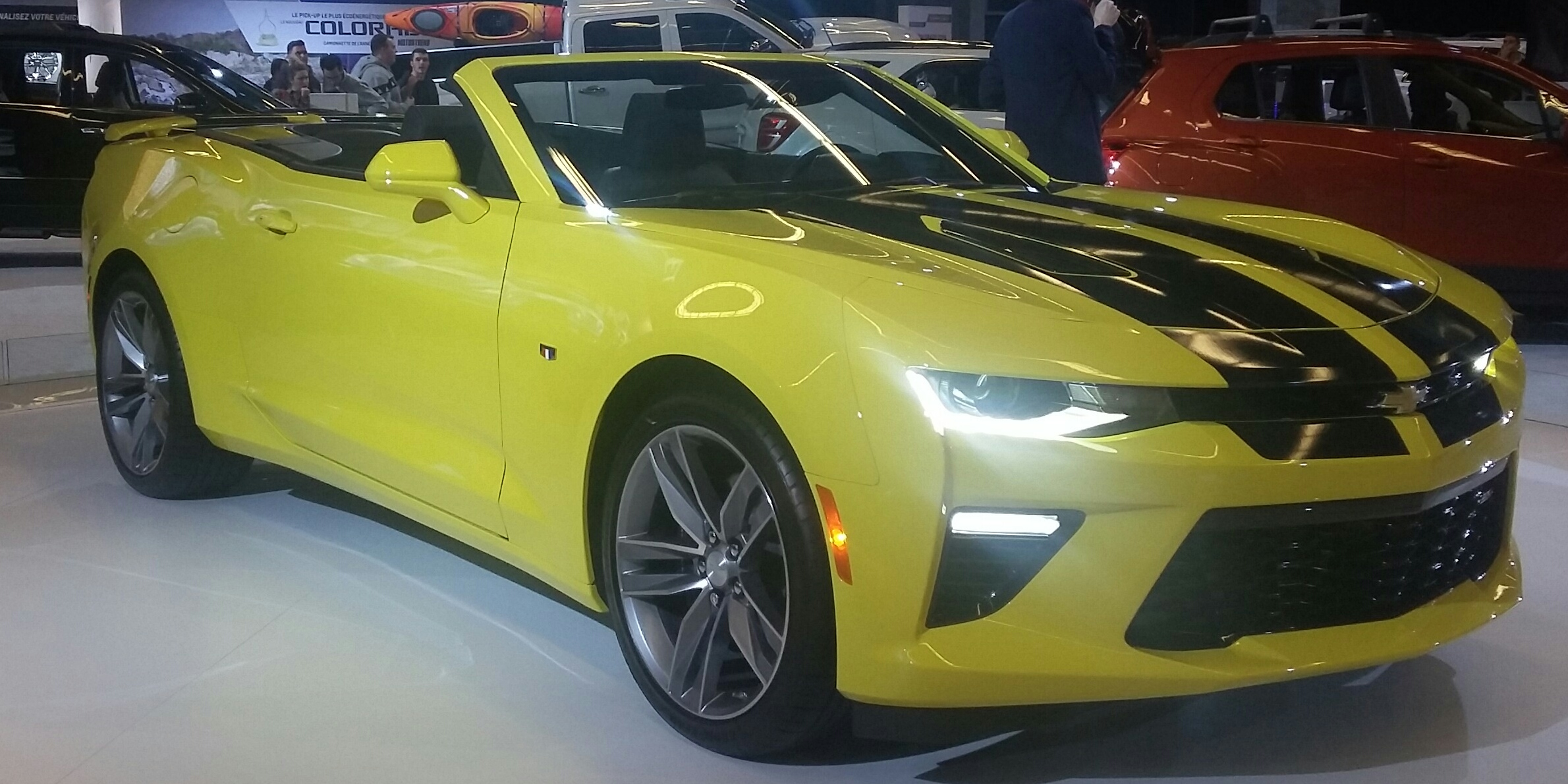
"He texts he texts this guy who was two grades older than us and he was like i'm under a 79 camaro right now"
A “Camaro” is a classic Chevy muscle car. “79” means the 1979 model year. People often changed the exhaust back then to make it sound louder.
The Chevrolet Camaro is a classic American muscle car, and the “79 Camaro” refers to the 1979 model year. Late-1970s Camaros are known for their big V8 styling and the era’s emissions-era powertrains, which often led owners to modify exhaust for a louder sound.
3.8
"And then he started up and like revved the glass pack exhaust on the 3.8. You know not super charged"
“3.8” means the engine is about 3.8 liters. Bigger displacement usually means more potential for power, and it helps identify which engine the car has.
“3.8” is shorthand for a 3.8-liter engine displacement, which is the engine’s total size measured in liters. In this context, it’s describing the engine size of the Grand Prix they’re talking about, not a trim level.
thrush turbo muffler
"And I was like, oh you think that's cool. I got a thrush turbo muffler on my jedda. So I revved up my"
A “Thrush turbo muffler” is a replacement muffler you buy to change how the car sounds. It’s meant to make the exhaust louder and more noticeable.
A “Thrush turbo muffler” is an aftermarket muffler brand/model known for producing a louder, more aggressive exhaust tone. The “turbo” naming is part of the product line, and it’s commonly used by enthusiasts to replace worn-out factory exhaust sections.
exhaust had rotted through
"because all these cars exhausts [2519.3s] Because in the midwest by that time the exhaust had rotted through and you had to do something"
They mean the exhaust got rusted so badly that it actually broke through. That can make the car louder, smell worse, and eventually stop working properly.
“Exhaust had rotted through” describes severe corrosion where the exhaust pipes or muffler shell fail due to rust. This is especially common in midwestern climates where road salt and moisture accelerate metal deterioration.
Request an Explanation
Heard something you'd like explained? We'll add it to this episode.
Sign in to request explanations for terms you heard.
Want to learn more?
Browse our glossary for plain-English explanations of automotive terms, jargon, and concepts.
Help improve this episode
See something that's not quite right? Our annotations are AI-generated and can sometimes miss the mark. Click the flag icon on any annotation to suggest a correction.