
Australia EV Adoption May 2026: Record 20% led by Model Y & Jaecoo J5
About this episode
Australia’s EV momentum hits a new high: May 2026 shows electrified vehicles at record levels, with EVs alone around 20% of new sales. Tesla’s Model Y stays on top, while the hosts dig into how reporting bundles variants and why order backlogs and extended-range versions help deliveries catch up. They also cover BYD shipping and a BYD-owned-vessel controversy, plus practical tech updates like phone digital keys, V2L in Australia, and charging/adapter cautions.
Got a Question or Comment? Send us a Text Message!
Catch up on the latest in Electric Vehicle news from Australia and around the world! Hosted by Tom & Joy Gan of Ludicrous Feed, Riz Akhtar from Carloop and Roland Lam from Zapped
Catch us LIVE on Wednesday nights 8pm Sydney time on YouTube
Contact Ludicrous Feed
diesel use slump
"Evie sales hit record 20% share indeed in May, 2026 as Tesla, BYD Jakku and Geely, Surge and diesel use slump."
A diesel use slump means fewer people are buying or using diesel cars. The point here is that EVs are taking share as diesel demand drops.
A diesel use slump means demand for diesel-powered vehicles is falling. The host uses it as a contrast to rising EV sales share, suggesting the market is shifting away from diesel toward electrification.
battery electric vehicles
"Yeah, we got over 21,300 battery electric vehicles on our roads. The number is actually a little bit higher than that because"
A battery electric vehicle is a car that uses electricity stored in a battery to drive. It doesn’t use petrol.
A battery electric vehicle (BEV) is an EV that runs only on electricity stored in a battery pack, with no gasoline engine. The host uses this term to quantify how many BEVs are on Australian roads and to frame the monthly sales results.
V-Facts
"So we're not too sure, but yeah, 21,303 official, Evie sold total of 106,887 cars and commercial vehicles"
V-Facts is a system/data source that helps track vehicle sales. The host is saying some smaller brands don’t report through it, so their numbers are harder to confirm.
V-Facts appears to be a data source used to track vehicle sales/registrations in Australia. The host contrasts brands that do and don’t go through V-Facts, implying that some brands’ numbers may be missing or less certain in the reported totals.
Electric Vehicle Council
"Some of those other smaller brands don't go through V-Facts or Electric Vehicle Council for the data."
The Electric Vehicle Council is an organization involved in EV information in Australia. The host is saying some smaller brands don’t use their reporting channels, so the data can be incomplete.
The Electric Vehicle Council is an industry group that publishes or compiles EV-related data in Australia. In this segment, the host says some brands don’t go through it for the data, which affects how confident they are in the official totals.

Tesla Model Y
"[320.5s] Tesla Model Y was the best-selling car in May. [325.6s] In all powertrains, right?"
The Tesla Model Y is an electric SUV made by Tesla. Here, the hosts say it was the top-selling car in Australia for May, which is a big deal because it means it’s selling in huge numbers.
The Tesla Model Y is a compact electric SUV that’s become a major volume seller in many markets. In this segment, it’s highlighted as Australia’s best-selling car in May, showing how dominant it is across EVs and even non-EVs when sales are counted broadly.
all powertrains
"[325.6s] In all powertrains, right? [327.7s] All powertrains."
“All powertrains” means the sales ranking includes every kind of drivetrain, not just EVs. So when they say the Model Y was best-selling “in all powertrains,” they’re comparing it against cars with gasoline, diesel, hybrid, and other drivetrain types too.
registrations
"[352.2s] saw a huge surge in sales or registrations, [358.2s] but I'm very confident that that includes Model YLs as well"
“Registrations” means cars that have been officially registered with the government. It can lag behind actual sales because paperwork and delivery timing can take a while.
“Registrations” are official counts of vehicles that have been registered for use in a given period. In EV adoption reporting, registrations can differ from sales because there can be delays between purchase, delivery, and when the car is registered.
aggregated way
"[368.6s] Unless they change that next month, [370.4s] I have a feeling they'll just continue to report it in an aggregated way,"
“Aggregated” here means they’re adding different versions together into one combined number. That makes it harder to tell exactly how many sales belong to each specific Model Y variant.
Reporting “in an aggregated way” means combining multiple variants into one overall total instead of separating them. That matters here because the host is trying to determine whether “Model Y long-range all-wheel drive” totals are mixing in “Model Y L” variants due to how the dataset was structured.
order backlog
"They're catching up, as you said, to the orders, [437.3s] but I also think they have a huge amount of order backlog as well, [441.3s] given what a great value that car is"
An order backlog means there are customer orders waiting to be delivered. So sales can look slow at first, then jump when the factory catches up.
An order backlog is the number of customer orders that haven’t been fulfilled yet. In EV sales, a large backlog can explain why deliveries rise later even if demand was placed months earlier.
80-year warranty
"but I also think they have a huge amount of order backlog as well, [441.3s] given what a great value that car is in the grand scheme of things for SUV with relatively good interior, [448.9s] reasonable tech, 80-year warranty."
A warranty is what the company promises to pay for if something covered breaks. They’re mentioning an “80-year warranty” as a big reason people see the car as good value.
A warranty is a manufacturer’s promise to cover certain repairs for a set period or mileage. The “80-year warranty” claim is an unusually long coverage period, and in this segment it’s used as a selling point to explain perceived value.
extended range
"[462.9s] That's probably on the back of the extended range as well. [465.0s] I would have thought that with the car that we just reviewed as well on the channel."
Extended range means the EV can drive farther on a charge than the standard version. They’re saying that longer-range version likely helped sales.
Extended range (often used for EVs with a larger battery or an added range-extending system) refers to versions designed to go farther between charges. The hosts connect it to stronger sales, implying buyers are choosing the longer-range variant.
Geely X5
"So yeah, Tesla Model Y ahead of the pack there. [473.2s] JQ number two at 2,000 odd sales and Geely X5, 1,800. [477.5s] And C-Line 7, no slouch, it's still up there in the mix."
The Geely X5 is an SUV model they’re listing among the top-selling EVs. They’re using it to show how different brands are stacking up against Tesla and each other.
The Geely X5 is an SUV model mentioned as one of the leading EV sales performers in Australia during the month being discussed. The hosts use it as a benchmark against Tesla Model Y and other brands, indicating it’s a significant competitor in the market.

BMW X5
"...there. JQ number two at 2,000 odd sales and Geely X5, 1,800. And C-Line 7, no slouch, it's still up th..."
The BMW X5 is a large SUV made for everyday driving, family trips, and comfort. People talk about it a lot because it’s a popular luxury option. It can come up in conversations about what buyers are choosing as new models enter the market.
The BMW X5 is a mid-size luxury SUV known for its mix of everyday practicality and strong performance options. In a sales-focused discussion, it’s brought up as a benchmark for what buyers are choosing in the SUV segment. It’s also relevant when talking about how EV adoption and new entrants are affecting traditional SUV demand.

Sealion Cline 7
"JQ number two at 2,000 odd sales and Geely X5, 1,800. And C-Line 7, no slouch, it's still up there in the mix. And of course, Zika 7X, I'm sure some of those deliveries are starting to filter through as well from the last few months."
The Sealion 7 is an electric SUV model being talked about in terms of sales and deliveries. The podcast is basically saying it’s still doing well compared with other options. It’s included to show what EVs people are choosing as adoption grows.
The Sealion 7 is a model from BYD’s lineup discussed alongside other SUV sales figures and delivery timing. It’s mentioned as still “up there in the mix,” which suggests it’s gaining traction in the market. In an EV adoption episode, that makes it relevant as an example of how new EV brands and models are competing for attention.

Zeekr Zika 7X
"...h, it's still up there in the mix. And of course, Zika 7X, I'm sure some of those deliveries are starting t..."
The Zeekr 7X is an electric SUV. The podcast mentions it because it’s showing up in sales and delivery numbers. It’s used as an example of EVs that are starting to reach customers.
The Zeekr 7X is an electric SUV referenced in the context of sales rankings and deliveries starting to arrive. It’s brought up as part of the broader discussion about which EVs are gaining momentum. That makes it relevant to understanding how quickly new EV models are moving from announcements into real ownership.
BYDs
"[486.6s] And then a whole bunch of BYDs."
BYD is a big electric-car company from China. Here, they’re saying several BYD models are also selling, adding to the overall EV growth.
BYD is a major Chinese EV manufacturer, and the hosts mention “BYDs” as a group of models contributing to the broader sales picture. In this context, it signals that multiple BYD offerings are part of the EV adoption momentum.

Kia EV3
"... units. Now we're getting up to like, I think Kia EV3 was 531 units. So this list is, yeah, I'm still t..."
The Kia EV3 is an electric car. The podcast talks about how many units it’s selling, which shows it’s starting to be popular. It’s included to illustrate real EV adoption numbers.
The Kia EV3 is an electric vehicle model discussed with specific unit numbers, indicating it’s part of the early wave of EV adoption. Mentioning figures like “531 units” highlights how quickly certain EV models are gaining buyers. In this episode, it’s relevant because it shows which EVs are actually landing in driveways.
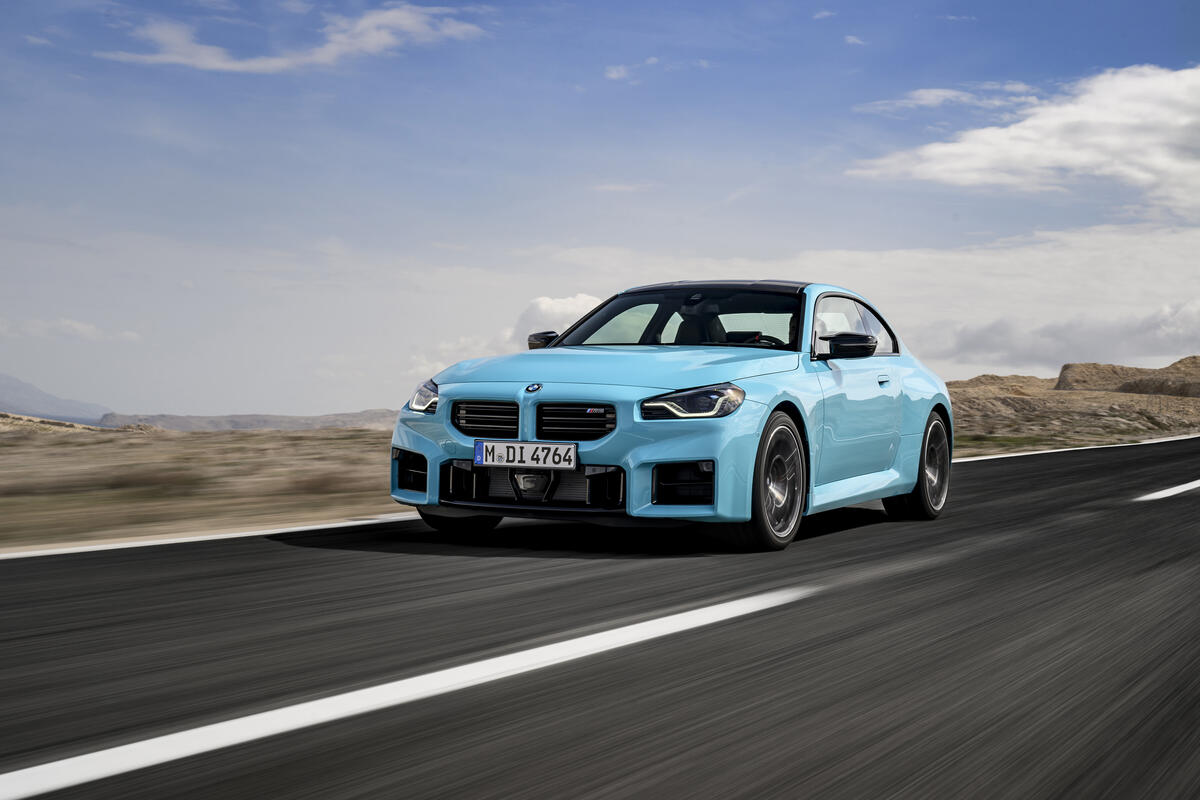
BMW M2
"Yep. Seeing a lot of ads for that on the M2 on the highway. And electric fuel saying I've see..."
The BMW M2 is a smaller BMW built for sporty driving. It’s the kind of car people notice because it’s meant to feel quick and fun. The podcast mentions it because it’s showing up in ads and on the road.
The BMW M2 is a compact performance car from BMW’s M division, aimed at drivers who want a smaller, sharper driving experience. It’s brought up because the host is seeing it advertised and on the highway, which signals ongoing interest in performance models. That’s relevant in an EV-focused episode because it shows how performance demand still exists alongside electrification.
electric cars
"People want electric cars and that's what you should be sending. [998.0s] But because Toyota has always reserved, you know, those huge wait times of RAV4s and"
Electric cars are cars that run on electricity from a battery instead of petrol. The host is saying people want these cars, so brands need to have the right ones available.
“Electric cars” refers to battery-electric vehicles (BEVs) that run on electricity stored in a battery rather than gasoline. In the context of EV adoption, the host is emphasizing that consumers want EVs and that automakers need to supply the right models to meet that demand.

Toyota RAV4
"But because Toyota has always reserved, you know, those huge wait times of RAV4s and [1003.0s] Hilux is 12 months, 18 months, 24 months."
The Toyota RAV4 is a very common SUV. The host is saying Toyota has sometimes had long waiting lists for it, and that kind of supply delay can hurt when competitors have cars available sooner.
The Toyota RAV4 is a popular compact SUV, and in this segment it’s used as an example of Toyota’s historically long customer wait times. The point is that when demand is constrained by supply, it can create long queues that later become a competitive disadvantage.

Toyota Hilux
"those huge wait times of RAV4s and [1003.0s] Hilux is 12 months, 18 months, 24 months. [1006.5s] Artificial demand that was there."
The Toyota Hilux is a popular pickup truck. The host is using it as another example of Toyota having very long waits to get a vehicle, which can make customers look elsewhere when other brands have stock.
The Toyota Hilux is a widely sold pickup truck, and the segment cites it alongside the RAV4 to illustrate Toyota’s historically long delivery lead times. The discussion uses these delays to argue that Toyota’s supply strategy may have created “artificial demand” that competitors can now capitalize on.
artificial demand
"Hilux is 12 months, 18 months, 24 months. [1006.5s] Artificial demand that was there. [1009.3s] Now they're being, I guess they're getting caught out because BYD is saying,"
“Artificial demand” here refers to demand that’s inflated or sustained by supply constraints—like long order backlogs and delivery lead times. The host argues that Toyota’s long waits effectively created a situation where customers wanted the vehicles, but couldn’t get them quickly.
straight line functionality
"But it's a good win for that straight line functionality for people with tight garages. [1227.9s] So I think that's a really big win to be able to just get the car out even if it's just [1233.0s] going straight."
They’re talking about a feature that helps the car go straight and behave predictably. That matters when you have a small garage and need to pull out without lots of complicated steering.
“Straight line functionality” here refers to an EV feature that helps the car move predictably in a straight path—useful when you’re constrained by tight space. In practice, it’s about making low-speed movement and guidance easier so you can get out of a narrow garage without extra maneuvering.
CCC 3.0 digital key
"And then the CCC 3.0 digital key is just the phone. [1238.5s] The phone is for Apple. [1239.7s] It's only for Apple, by the way. [1242.4s] And that is to link it to your Apple wallet."
This is a system where your phone can work like the car key. Instead of using a key fob, you use your phone—here, through Apple Wallet—to unlock and access the car.
“CCC 3.0 digital key” is a phone-based key system that lets you unlock and access the car using your smartphone. The host links it to Apple Wallet integration, meaning the phone acts like the key instead of relying on the traditional physical key fob.
NFC area
"Does that mean you can tap your, because the BYD seal and other cars have that too, we [1258.0s] can tap it on the side mirror? [1259.3s] NFC area? [1260.0s] Is that what it is?"
NFC is a short-range wireless method—usually you tap your phone near a sensor. They’re debating whether the car’s digital key works by tapping (NFC) or by another wireless method.
NFC (near-field communication) is the short-range wireless tech used for “tap-to” interactions, like tapping a phone or card near a reader. The discussion contrasts NFC with a different approach for the digital key, implying the car’s phone access may rely on Bluetooth rather than a tap.

Byd Seal
"... Does that mean you can tap your, because the BYD seal and other cars have that too, we can tap it on th..."
The BYD Seal is an electric car. The podcast mentions it because you can use it in a simple way, like tapping to unlock or operate it. That’s about making the car easier to use day to day.
The BYD Seal is an electric sedan that’s mentioned in the context of how drivers interact with the car—specifically tapping or using the keyless function. That kind of feature talk matters because it affects day-to-day convenience for EV owners. It’s also relevant in an adoption discussion because it shows how mainstream buyers evaluate usability.
low energy Bluetooth
"No, I think it's just, it's low energy Bluetooth. [1267.7s] So it's just wireless. [1269.2s] You don't need to tap."
That means the phone talks to the car using a low-power Bluetooth signal. Because it’s wireless, you don’t have to tap the phone on anything to make it work.
“Low energy Bluetooth” refers to Bluetooth Low Energy (BLE), which can communicate with the car key system at short range while using relatively little power. The host suggests this is how the digital key works here—so you don’t need to tap a reader; the car can detect the phone wirelessly.
smart key
"HK says iPhone smart key works flawlessly."
A smart key is a key that communicates with the car wirelessly. You can usually unlock the car and start it without putting the key in a slot.
A smart key is an electronic key that lets you unlock and start the car without physically inserting a key. Many EVs use it alongside a phone app, so you can access the vehicle by proximity.
auto-steer
"Front back auto-steer and app cruise control has been refined significantly."
Auto-steer is a driver-assistance feature that helps steer the car. It can keep you in your lane, but it usually only works when the system can clearly see the road markings.
Auto-steer refers to driver-assistance steering that can keep the car centered in its lane under certain conditions. It’s part of advanced systems that typically combine cameras and sensors to guide the vehicle.
app cruise control
"Front back auto-steer and app cruise control has been refined significantly."
App cruise control is cruise control you can manage using your phone. Instead of only using the car’s buttons, the app can help set or adjust the driving assist behavior.
App cruise control means cruise-control functions are controlled or configured via a smartphone app rather than only through the steering-wheel stalk/buttons. The host credits updates for refining how it behaves.
dash cam functionality
"Electric fuel says still no dash cam functionality."
Dash cam functionality means the car can record what’s happening on the road. It can be useful for accidents or disputes, but here they’re saying this car still doesn’t have it.
Dash cam functionality is the ability for the car to record video while driving, typically using built-in cameras. Some EVs offer it as a feature or software option, and this segment notes that it’s still not available.
over the updates
"I still find it amazing that yeah, with all of these over the updates, you end up with"
Over-the-air updates are software updates that download to your car wirelessly. The idea here is that the car can get better over time, not just stay the same after you buy it.
Over-the-air (OTA) updates are software updates delivered wirelessly to the vehicle. The host’s point is that OTA updates can improve the car after purchase, sometimes making it better than when it was delivered.

Tesla Model X
"You do it? For our Model X. Yeah."
The Tesla Model X is an electric SUV, meaning it’s a larger family-style vehicle powered by electricity. The podcast mentions it as part of the Tesla EV range. It’s brought up in the context of what people are using and talking about.
The Tesla Model X is an electric SUV known for its premium positioning and distinctive design. In the podcast, it’s referenced briefly in a way that suggests it’s part of the broader EV lineup being discussed. That makes it relevant to how EV buyers compare larger electric vehicles and their features.

Jeep Renegade
"...might see the Zika Seagal soon or what else? Zika Renegades, maybe? I don't know."
The Jeep Renegade is a small SUV meant for everyday driving. It’s built to handle city streets while still feeling like a “Jeep.” The podcast brings it up as part of the mix of vehicles people talk about.
The Jeep Renegade is a small SUV designed for urban driving with a rugged, Jeep-style identity. It’s mentioned in a playful way in the podcast, but it still represents the kind of compact SUV buyers look for. That matters in an EV adoption conversation because it highlights how many people are used to choosing small SUVs.
V2L
"We have Tesla, finally, with a V2L plug in Australia. Now, just to clarify, the Cybertruck in America already has V2L."
V2L means the car can send electricity out to power things outside the car. Think of it like using the EV as a portable generator for devices you plug in.
V2L stands for vehicle-to-load. It lets an EV use its battery to power external devices (like tools or appliances) through a plug or adapter, effectively turning the car into a power source.

Tesla Cybertruck
"Now, just to clarify, the Cybertruck in America already has V2L."
The Tesla Cybertruck is an all-electric pickup. In this episode, it matters because it already has the ability to power things outside the vehicle (V2L) in America.
Tesla Cybertruck is Tesla’s angular, all-electric pickup that’s notable here because it already supports V2L (vehicle-to-load) in the U.S. That makes it an early example of Tesla using the EV battery as an external power source.

Byd Sharks
"...ts of people. Yeah, BYD should have sponsored the sharks. Yeah, Cronola sharks."
The BYD Shark 6 is an electric vehicle model from BYD. In the podcast, it’s mentioned as part of the BYD set of cars people are talking about. The focus is more on awareness than detailed features here.
The BYD Shark 6 is referenced as part of the BYD lineup being discussed in a light, conversational way. While the segment doesn’t go deep into specs, it places the model within the broader EV conversation and brand visibility. That makes it relevant to how new EV models are entering public awareness.
Type 2
"It looks pretty low profile there. Stick it into the Type 2. You've got that three-point plug at the back."
“Type 2” is the standard plug shape many EVs use for charging. It tells you what kind of charger your car can plug into at home or at public stations.
“Type 2” refers to the common AC charging connector used on many EVs in Europe and Australia. It’s the plug shape and wiring standard that determines how the car connects to the charging station for AC charging.
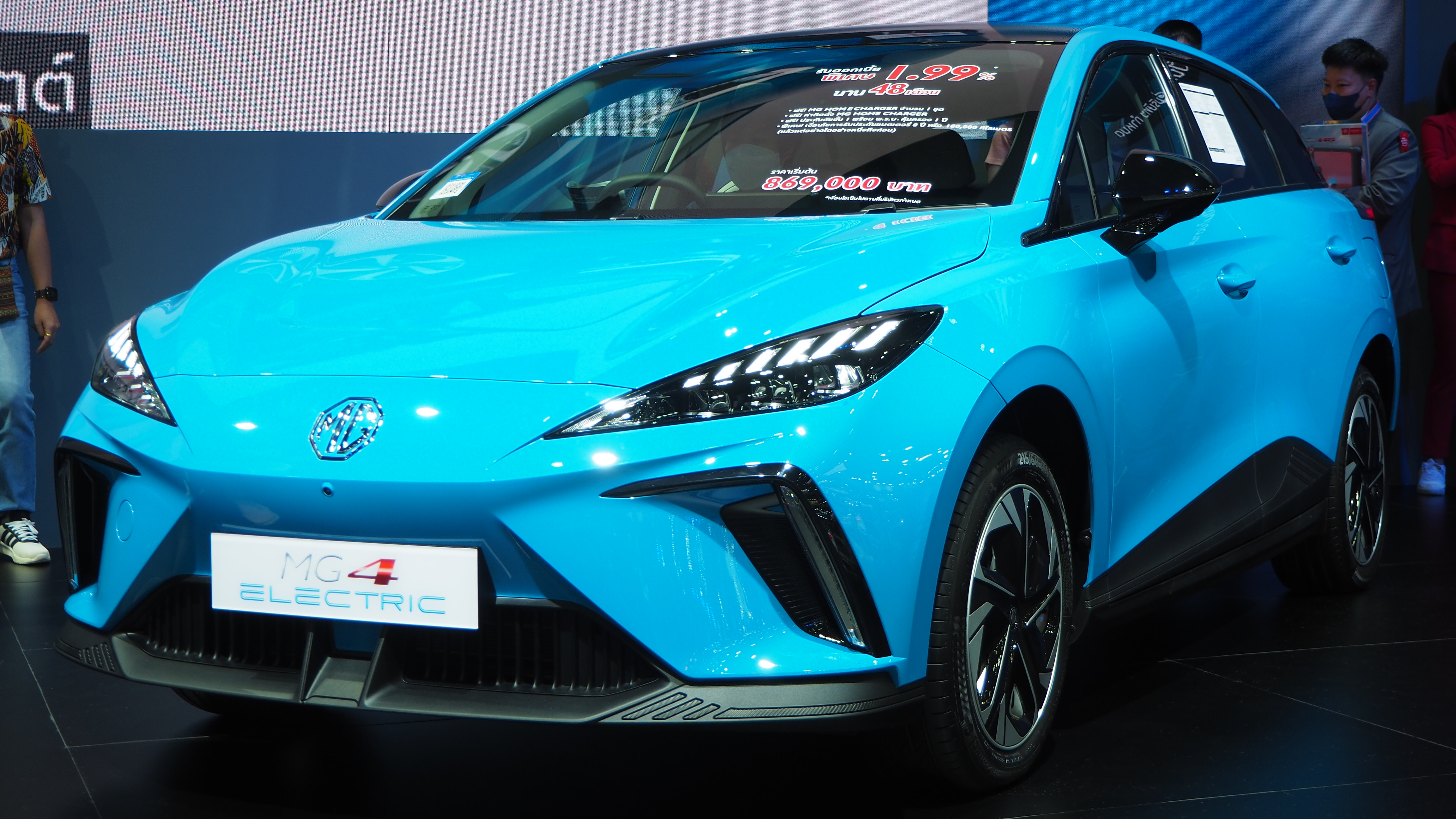
MG4
"Leon saying, sorry, plug my corded lawn mower into the MG4 last week. [2045.5s] Worked very well. [2046.2s] Excellent."
MG4 is an electric car (a small hatchback). They’re talking about charging it using a plug and adapter, and whether that setup is okay to use.
The MG4 is a compact electric hatchback from MG (a brand under SAIC) that’s popular in markets like Australia. In this segment, it’s used as an example of charging with a standard household-style plug and an adapter setup.
voiding warranty
"They mentioned something, I think, in the link somewhere that if you used anything else, [2057.4s] any other adapter, you're voiding warranty or we don't guarantee performance or something [2063.3s] along those lines."
“Voiding warranty” means the company may refuse to cover repairs if you use the wrong accessories or setup. They’re saying using a different adapter than the one they recommend could cause that problem.
“Voiding warranty” means using equipment or accessories that the manufacturer doesn’t approve can cause the warranty to be denied for related issues. In this segment, they’re discussing a charging/adapter situation where using something other than the recommended option may affect warranty coverage.
adapter
"They mentioned something, I think, in the link somewhere that if you used anything else, [2057.4s] any other adapter, you're voiding warranty or we don't guarantee performance or something [2063.3s] along those lines."
An adapter is a small connector that lets you plug the charging cable into a different type of outlet. They’re saying using the wrong adapter might cause warranty problems or charging not to work as expected.
An adapter is a connector or intermediary piece that lets a charging cable plug into a different outlet type. Here, the hosts are warning that using “any other adapter” than the one specified may lead to warranty issues or uncertain charging performance.
full self-driving
"And just back on Tesla. So yeah, full self-driving two weeks, I think, version 14 is away."
“Full self-driving” is Tesla’s software that tries to help the car drive more on its own. Even when it’s enabled, you still have to watch the road and be ready to take over.
“Full self-driving” (FSD) is Tesla’s driver-assistance software package that aims to automate more of the driving task than basic autopilot features. It’s delivered via software updates and is marketed as capable of handling more complex scenarios, though it still depends on driver supervision.
version 14
"So yeah, full self-driving two weeks, I think, version 14 is away. That is a joke, by the way."
“Version 14” means a particular software update for the Tesla. When Tesla updates the car over the internet, it can change how the driving-assist features behave.
“Version 14” here refers to a specific Tesla software release that the hosts expect to include improvements to the FSD experience. Tesla frequently ships new capabilities and behavior changes through over-the-air updates, so “version” is shorthand for a particular update package.
hardware three
"And I hear hardware three is possibly coming soon as well. Possibly in another two weeks. Hardware three FSD."
“Hardware three” is the newer computer inside some Tesla cars that powers the advanced driving features. If the software is improved, having the newer computer can help the system work better.
“Hardware three” (often written as HW3) is Tesla’s generation of onboard compute hardware used to run advanced driver-assistance and FSD features. Newer hardware can enable more capable perception and processing, which is why it’s discussed alongside FSD software updates.
FSD
"Possibly in another two weeks. Hardware three FSD. So another good one to test moving forward."
FSD is short for “Full Self-Driving.” It’s Tesla’s set of driving-assist features that try to do more of the driving, but you still need to stay alert.
FSD is an acronym for “Full Self-Driving,” Tesla’s software suite for advanced driver-assistance. In this context, it’s tied to both software versions and the car’s onboard hardware generation.
Halibaba
"Okay. Yeah, Halibaba offers a lot of Tesla and other EV plugs. So I mean, just be careful with third party stuff, obviously."
“Halibaba” is being mentioned as a company that provides charging plugs or charging access for EVs. The hosts are basically saying to be cautious when using third-party charging gear.
“Halibaba” is mentioned as offering Tesla and other EV plugs, implying a charging-access or charging-hardware provider. The key point for listeners is that third-party charging solutions exist beyond Tesla’s own ecosystem.
resale values
"[2567.9s] What are the resale values that the MGEV for urban at 53 essence? [2593.9s] So I guess the resale value really depends on you. [2603.3s] is."
Resale value is how much your car is likely to be worth when you sell it later. The host suggests it depends on things like whether you keep servicing it through the official MG dealers so the warranty stays intact.
Resale value is what a car is expected to sell for later in the used market. For EVs, it can be strongly influenced by how much of the original warranty remains and whether the car’s service history is maintained through the brand’s dealer network.
10 year warranty
"[2583.5s] And usually affordable cars don't lose that much in value over a period of time, particularly [2588.3s] with the MG, which comes with a 10 year warranty if you get a service to the dealers. [2593.9s] So I guess the resale value really depends on you."
A 10-year warranty means the manufacturer promises to cover certain problems for a decade. The host is saying that keeping up with dealer servicing can help preserve that warranty, which can make the car worth more later.
A 10-year warranty is a long coverage period for defects or certain covered components. In this discussion, the host ties resale value to warranty retention—if you service the car through MG dealers, more of that warranty remains when you sell.
service to the dealers
"[2588.3s] with the MG, which comes with a 10 year warranty if you get a service to the dealers. [2593.9s] So I guess the resale value really depends on you. [2603.3s] is."
This refers to having scheduled maintenance performed through the brand’s authorized dealer network. The host’s point is that dealer servicing can be required to keep warranty coverage valid, which then affects resale value.
LFP
"That's a, that's good car. LFP, Rural Drive."
LFP is a type of EV battery. It’s generally considered safer and often cheaper to make, and it can handle heat well.
LFP usually refers to lithium iron phosphate, a battery chemistry used in many EVs. It’s known for being more thermally stable and often cheaper than other lithium chemistries, though it can have different energy density characteristics.
EV embargo
"And yes, I can confirm the MGS6 EV embargo ends tomorrow at 9am. We have a video coming up on that car tomorrow."
An embargo is a “no talking/publishing yet” rule for a new car. Once the embargo ends, people can share reviews and details at the same time.
An EV embargo is a restriction on when information or media about a vehicle can be released (often until a specific time). When the embargo ends, reviewers and outlets can publish details, which can quickly affect consumer awareness and demand.

Mazda 6
"...xt bit of news. So I think someone mentioned this Mazda 6, Mazda CX6E and Roland, our ADR King has said tha..."
The Mazda 6 MPS is a sportier version of the Mazda 6. It’s meant to drive more enthusiastically than a standard model. The podcast mentions it as part of a list of cars people are talking about.
The Mazda 6 MPS is a performance-focused variant of the Mazda 6, known for adding sportier driving characteristics to the family-sedan formula. In the podcast, it’s brought up as part of a news-style mention alongside other models. That context matters because it shows how performance cars still draw attention even during an EV adoption discussion.
CX-6e Cx6E
"So I think someone mentioned this Mazda 6, Mazda CX6E and Roland, our ADR King has said that it's been ..."
The CX-6e is a car model name mentioned in the podcast. The discussion doesn’t provide details here, but it’s included as part of a list of vehicles people are bringing up. It’s likely being compared or considered in the broader market conversation.
The CX-6e is referenced alongside the Mazda 6 and Mazda CX6E, suggesting it’s part of a model naming or lineup discussion. In this episode, it appears in the context of “someone mentioned” it, which points to it being relevant to what’s coming or what’s being compared. That makes it part of the broader conversation about what buyers are considering as the market shifts.

S07 Dpal S7
"...ot the Chang'an pinning. So this is essentially a DPAL S7, which is a good car. I'm curious to see if it se..."
S07 is a model name mentioned in the podcast. The host connects it to an S7-type reference, meaning it’s being used as a comparison. The goal is to help listeners understand what kind of vehicle it is.
S07 is mentioned in the same breath as the “DPAL S7” reference, implying it’s tied to a specific model or variant being discussed. The host frames it as “essentially” that S7 category, suggesting a comparison point for what the car is like. In an EV adoption episode, that kind of reference helps listeners map unfamiliar names to familiar vehicle types.

Audi S7
"...e Chang'an pinning. So this is essentially a DPAL S7, which is a good car. I'm curious to see if it se..."
The Audi S7 is a sporty, higher-performance version of an Audi sedan-style car. It’s meant to feel quick while still being comfortable for daily use. In the podcast, it’s used as a reference point for what a “good car” can be.
The Audi S7 is a performance version of the A7, combining a fast, sporty drive with a practical liftback body style. In the podcast, it’s referenced as “essentially a DPAL S7,” implying a comparison to a similar category of car. That’s relevant because it frames what “good car” performance and comfort can look like when discussing new EV options.
digital mirrors
"Just on the digital mirrors, good pick up Roland, because they actually had a genuine sort of early bird offer where they were saying a thousand people were going to get a free upgrade to the top spec model with those digital mirrors."
Digital mirrors are cameras on the outside of the car that show the view on a screen instead of using normal mirrors. The host is saying they can help you see better, especially in rain or at night, but some buyers may not be able to choose them freely.
“Digital mirrors” are camera-based side mirrors that replace the traditional mirror glass with screens fed by exterior cameras. They can improve visibility in some conditions (like rain or at night), but they also introduce new user preferences and potential “opt-out”/configuration tradeoffs.
early bird offer
"because they actually had a genuine sort of early bird offer where they were saying a thousand people were going to get a free upgrade to the top spec model with those digital mirrors."
An “early bird offer” is a deal for people who order early. In this case, early buyers were promised a free upgrade that adds digital mirrors.
An “early bird offer” is a time-limited promotion for early customers, often used to drive early orders. Here, it’s tied to a free upgrade to a higher trim level that includes digital mirrors, effectively bundling a feature upgrade with early purchasing.
focal length
"The focal length, yeah, I couldn't think of the word. [2830.2s] Thank you. [2830.8s] The focal length is different, and that takes some getting used to as well."
Focal length is a camera setting that affects how wide or zoomed the picture looks. In cars with camera-based mirrors, it can make the view feel different, so you may need time to get used to it.
Focal length (in camera optics) describes how “zoomed” the camera view is. In a digital-mirror setup, different focal lengths can make the screen image feel wider or more magnified, changing how drivers judge space and adjust their driving habits.
V.8 meter
"It's actually quite a long V.8 meter. [2839.7s] It's 4.85. [2840.3s] So that's actually longer than Tesla Model Y, I think."
This sounds like the speaker talking about a car measurement in meters. They’re basically saying the car is about 4.85 meters long, and that helps explain why it feels bigger.
“V.8 meter” appears to be a mishearing or shorthand for a measured length in meters (the speaker then states “It’s 4.85”). The key point is that they’re comparing vehicle dimensions to explain why one car feels bigger than another.
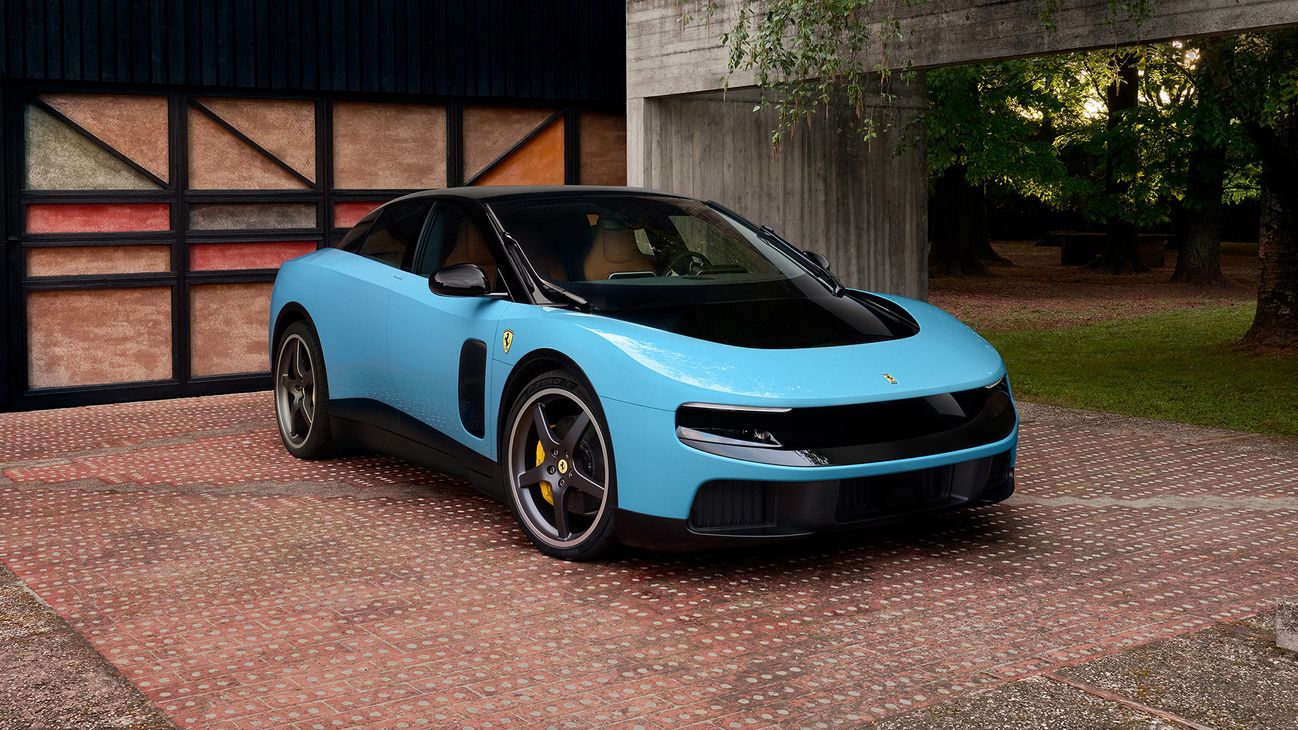
Ferrari Luce
"...which color should we buy. To be fair, unlike the Luce, the Ferrari Luce, Rolls Royce have actually, the..."
The Ferrari Luce is a premium car model mentioned in the podcast. The conversation includes choosing a color, which suggests buyers can personalize the car. It’s brought up as an example of how customization might work.
The Ferrari Luce is referenced in a conversation about choosing a color and is contrasted with how other brands handle customization. Even though the segment is brief, it signals that the Luce is being discussed as a premium, customer-configurable vehicle. That makes it relevant to how buyers think about personalization and ownership experience.
living breathing Titanic
"As soon as Rolls Royce adds more power to a car that, you know, basically is a living breathing Titanic. [3025.8s] It just means that it's going to float better on the road and that isolation inside that cabin is, I don't know if I'll be able to get a Tesla reception in there in the new version."
This is a colorful way to describe a huge, heavy luxury car. The idea is that it feels smooth and floaty, like a big ship moving through water.
“Living breathing Titanic” is a metaphor for a very large, heavy luxury vehicle that moves with a slow, buoyant feel—like a ship. In this context, it’s used to explain why adding more power would help it “float” better while maintaining a quiet, isolated cabin.
Rolls Royce
"Yeah. [3063.4s] I think Rolls Royce credit to them. [3066.4s] Yeah. [3067.1s] Pauline says screams old fashioned to me."
Rolls-Royce is a luxury car brand. The conversation here is about how they’re moving toward electric cars but trying to keep the classic Rolls-Royce feel.
Rolls-Royce is a luxury car brand known for ultra-premium craftsmanship and a long history of building jet turbine–era engineering and other advanced technologies. In this segment, the hosts discuss Rolls-Royce’s transition toward electric vehicles while keeping traditional styling cues.
pin stripe
"This stripe here, this pin stripe is painted by one person. [3078.7s] He paints the same stripe on all Rolls Royce vehicles."
A pin stripe is a thin, decorative stripe—often hand-painted—used as a styling detail on luxury vehicles. In this segment, it’s described as a specific Rolls-Royce signature element painted by a single long-tenured specialist.
Goodwood in the UK
"He paints the same stripe on all Rolls Royce vehicles. [3081.6s] He's been doing for the last, I think 18 to 20 years now at Goodwood in the UK."
Goodwood is a famous place in the UK connected to cars and racing. In this story, it’s where the person who does the special pin stripe work has been based for years.
Goodwood is a well-known British venue associated with motorsport and automotive events. Here it’s referenced as the workplace of the craftsman who paints the pin stripe on Rolls-Royce vehicles.
bonza lounge pass
"Does it come with a bonza lounge pass? [3099.0s] Surely for a million bucks, you get lifetime bonza lounge access."
A lounge pass is a ticket that lets you use an airport lounge. Here it’s mentioned as a “bonus” they want to include with a car purchase.
A bonza lounge pass refers to access to an airline lounge, presented here as a perk bundled with a car purchase. It’s not an automotive technology, but it’s a specific consumer incentive being discussed alongside EV adoption and luxury branding.

Toyota Corolla
"...rgazer in the car, that's cost, cost as much as a Corolla. I mean, you know, it's all there."
The Toyota Corolla is a common, everyday car that many people buy because it’s practical. It’s often used as a reference for “normal” pricing. In the podcast, it’s mentioned to compare costs with something else.
The Toyota Corolla is a widely sold compact car known for being practical, efficient, and easy to live with. It’s referenced as a cost comparison point, highlighting how pricing can be “as much as a Corolla.” That kind of comparison matters when discussing value and affordability in a market shifting toward EVs.

PV5 Kia Pv5
"...Now on the other end of the spectrum, this is the Kia PV5. That will be transporting plebs like us to see t..."
The Kia PV5 is a Kia vehicle that’s described as being used to move people around. The podcast is treating it as a practical option for everyday transport. It’s included to show how EVs (and EV interest) can spread to different kinds of use cases.
The Kia PV5 is mentioned as a vehicle that would “transport plebs,” framing it as a practical people-moving option rather than a performance car. In the context of an EV adoption discussion, that kind of vehicle matters because it points to EVs expanding beyond personal cars into everyday transport roles. It’s relevant to how charging and availability need to support more types of drivers.

Ford F-150 Lightning
"Yeah, I agree. Lightning, a camper van conversion. That would be really go..."
The Ford F-150 Lightning is an electric pickup truck. The podcast talks about turning it into something like a camper van, meaning using it for road trips and travel. It’s mentioned because it shows how people want to use EVs beyond just daily driving.
The Ford F-150 Lightning is an electric version of the F-150 pickup, and it’s discussed here as a base for a camper-van style conversion. That’s significant because it highlights EVs being used for lifestyle and long-distance plans, not just commuting. In an EV adoption episode, it’s a strong example of how owners imagine using charging and power on trips.
retractable sunroof
"And you can get a retractable sunroof with Rolls-Royce fiber OPTIQ style roof, meteors, Bluetooth voice for the Model 3 and Y."
A retractable sunroof is a roof window that can open and close. It lets more light in (and sometimes lets air in) when you want it.
A retractable sunroof is a roof panel that can slide open and closed, letting in light and fresh air. It’s an accessory/feature that can be offered as an option, and here it’s used as part of a comparison between luxury and more affordable EV add-ons.
fiber OPTIQ style roof
"And you can get a retractable sunroof with Rolls-Royce fiber OPTIQ style roof, meteors, Bluetooth voice for the Model 3 and Y."
This refers to a fancy roof lighting effect that uses fiber-optic lights to look like stars. The point of mentioning it is that it’s a premium luxury feature compared to cheaper alternatives.
A fiber-optic “OPTIQ-style” roof uses tiny light fibers to create star-like illumination under the glass. It’s a luxury interior lighting effect, and the host is comparing it to a much cheaper accessory option.
Bluetooth voice
"And you can get a retractable sunroof with Rolls-Royce fiber OPTIQ style roof, meteors, Bluetooth voice for the Model 3 and Y."
Bluetooth voice means you can use your voice through the car’s Bluetooth connection. It’s usually for things like calls or voice commands instead of typing on the screen.
Bluetooth voice refers to using a phone or car system over Bluetooth for voice-based control (like calling, commands, or voice prompts). Here it’s mentioned as an in-car feature available on the Tesla Model 3 and Model Y, contrasted with luxury add-ons.

Tesla Model 3
"...PTIQ style roof, meteors, Bluetooth voice for the Model 3 and Y. Can you really?"
The Tesla Model 3 is an electric car that’s meant for normal daily driving. The podcast mentions it because of the technology inside the car, like how you control functions. It’s a common EV example because many people consider it for affordability and convenience.
The Tesla Model 3 is an electric sedan designed for high-volume, everyday use. It’s discussed in relation to in-car features and technology, including voice and connectivity. That makes it a key example when the episode focuses on EV adoption and what drivers expect from EVs.

Volkswagen Id Buzz
"I'm looking to rent a loan of Volkswagen Australia ID"
Volkswagen has an electric-car line called the ID series. The speaker starts mentioning it, but doesn’t finish the exact model name in this clip.
Volkswagen’s ID line is the brand’s family of electric vehicles, and “ID” is the key identifier for that EV platform. The transcript cuts off before the specific model (like ID.4 or ID. Buzz), but it’s clearly referring to Volkswagen’s Australian EV lineup.
Request an Explanation
Heard something you'd like explained? We'll add it to this episode.
Sign in to request explanations for terms you heard.
Want to learn more?
Browse our glossary for plain-English explanations of automotive terms, jargon, and concepts.
Help improve this episode
See something that's not quite right? Our annotations are AI-generated and can sometimes miss the mark. Click the flag icon on any annotation to suggest a correction.