
Australia EV Sales May 2026: 20% | June Market Recommendations, Trends
About this episode
May 2026 EV sales in Australia hit a record 20% BEV share, with the Tesla Model Y standing out as a top seller and even the overall best-selling vehicle across powertrains. The hosts dig into why sales lists get harder as BEVs grow, then shift to June buying guidance: value picks, battery chemistry (LFP vs NMC), and wet-weather AWD confidence. They also compare pricing drivers like CATL batteries, luxury tax thresholds, and trim-feature tradeoffs.
Got a Question or Comment? Send us a Text Message!
Catch up on the latest in Electric Vehicle news from Australia and around the world! Hosted by Tom & Joy Gan of Ludicrous Feed, Riz Akhtar from Carloop and Roland Lam from Zapped
Catch us LIVE on Wednesday nights 8pm Sydney time on YouTube
Contact Ludicrous Feed
battery electric vehicles
"EV sales have hit record 20% share in May which is a new Australian record for battery electric vehicles that's pure 100% battery electric vehicles"
A battery electric vehicle is an EV that only uses electricity from a battery. You charge it like a phone—plug it in—rather than buying fuel at a gas station.
Battery electric vehicles (BEVs) are cars that run only on electricity stored in onboard batteries. They don’t use a gasoline or diesel engine for propulsion, so they rely on charging infrastructure rather than refueling at pumps.

Zeekr Zika 7X
"...BYDC line 7 always going strong BYD brand correct Zika 7X second month in a row they've had a thousand sale..."
The Zeekr 7X is an electric car. The podcast is talking about it because it’s selling well recently. That makes it relevant to discussions about how EVs are becoming more popular.
The Zeekr 7X is an electric vehicle from the Zeekr brand, positioned as a family-oriented EV with strong sales momentum mentioned in the podcast. It’s discussed because it’s gaining traction month-over-month, which helps illustrate EV adoption trends. The mention also suggests it’s being tracked as part of a growing lineup of EVs.

Byd Seal
"the whole run of BYD's they add oh two out of one out of three seal all selling"
The BYD Seal is an electric car made by BYD. They’re saying BYD’s lineup is performing well, and the Seal is included in that strong sales group.
The BYD Seal is an electric sedan from BYD, and the hosts group it among BYD models that are selling strongly in Australia. They specifically mention multiple BYD models and indicate the Seal is part of that “one out of three” sales mix.
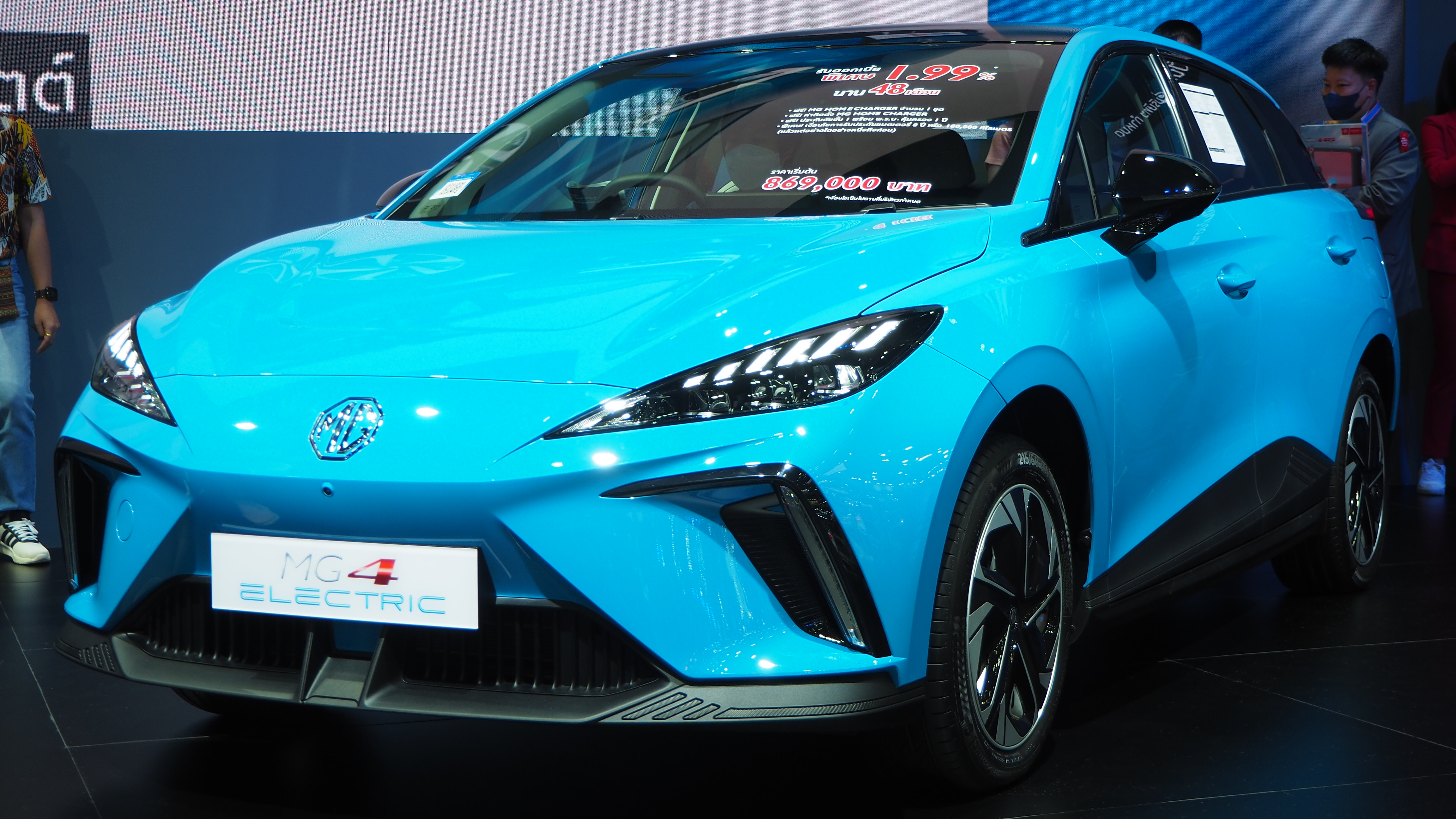
MG4 EV Urban
"then MG4 which is covering both MG4 EV Urban and the I guess the outgoing MG4 and the Kia EV3 making up the top 12 in this list"
The MG4 EV Urban is a specific version of the MG4 electric car. The hosts are saying it’s doing really well in sales compared with other EVs.
The MG4 EV is MG’s compact electric hatchback, and “Urban” is a specific trim/variant the hosts are discussing. In this segment, they’re treating MG4 EV Urban as one of the top-selling EVs in Australia, alongside other MG4 variants.

Kia EV3
"then MG4 which is covering both MG4 EV Urban and the I guess the outgoing MG4 and the Kia EV3 making up the top 12 in this list"
The Kia EV3 is Kia’s electric car model. In this segment, the hosts are saying it’s selling well enough to be in the top group of EVs.
The Kia EV3 is Kia’s electric vehicle model referenced here as one of the top-selling EVs in Australia. The hosts group it with the MG4 variants as part of a “top 12” list, implying it’s gaining traction in the market.
front wheel drive
"it's confusing I know there's an MG4 EV Urban which is the front wheel drive and then the outgoing real drive to make way for the incoming real drive"
Front-wheel drive means the front wheels do the work of moving the car and steering it. It’s a common layout that can make the car simpler and efficient.
Front-wheel drive (FWD) means the engine’s power is sent to the front wheels, which handle both steering and propulsion. In EVs, FWD is often used to keep packaging and cost down, while still delivering efficient everyday driving.
all-wheel drive SUV
"so let's start with the first category which is the all-wheel drive SUV this is any all-wheel drive SUV electric over 4.7 meters"
This means an SUV where power can go to all four wheels. That can help with grip, and it also helps the hosts compare similar EVs in their sales list.
An “all-wheel drive SUV” is an SUV that can send power to all four wheels for better traction. In EV sales lists, this kind of category is used to compare similar vehicles that share the same drivetrain capability.
electric over 4.7 meters
"this is any all-wheel drive SUV electric over 4.7 meters okay so in this list we've got some very"
That’s a rule based on car size. The hosts are only including EVs longer than about 4.7 meters so the list is more like-for-like.
“Electric over 4.7 meters” is a size-based filter the hosts use to define which vehicles belong in their category. It’s a way to compare EVs of roughly similar length rather than mixing tiny and large models together.
Berlin Gigafactory
"only Tesla built outside of China as in you know in Berlin Gigafactory as I said [268.1s] but yeah it's probably just a bit overpriced for what it is"
This is Tesla’s factory in Berlin, Germany. The host is saying the car being built there (instead of elsewhere) is part of why it costs more.
The Berlin Gigafactory refers to Tesla’s manufacturing site in Berlin/Brandenburg, Germany. The host uses it to explain where this specific Model Y variant is built, which they connect to pricing in Australia.
Shanghai
"hopefully they bring one from Shanghai and then that'll drop the price down for [276.4s] the Model Y performance we'll see still a very good car though to drive"
Shanghai is where Tesla builds cars in China. The host thinks if more of these cars come from there, the price could drop.
Shanghai is referenced as the location of Tesla’s China-based manufacturing, which the host suggests could lower the Model Y Performance price. The underlying idea is that cars built in China may avoid some of the “build premium” associated with European production.
all drive
"[351.7s] bought the Model Y L which is all drive technically this has got six seats right [355.9s] so probably we'll talk about 67 cedars later on but it's a very good [359.8s] value six cedar yep but you want to see line seven is still probably one of the [364.4s] cheapest"
“All drive” means the car can send power to more than one set of wheels. That usually helps with traction, especially on wet or slippery roads.
“All drive” here is shorthand for all-wheel drive (AWD), meaning power is sent to more than one axle for better traction. The hosts use it to compare EV variants and pricing, especially for family SUVs where grip and stability matter.
LFP
"that's right and possibly even forward because I am six all drive on also that's [377.3s] 80 grand I apologize no I am six is 80 grand but you're right by DC line seven [381.9s] 68 grand still very good car if you want an LFP all drive then that you know by [387.1s] the sea line seven is very good for that reason"
LFP is a type of EV battery. It’s generally known for being sturdy and cost-effective, but it can change how efficiently the car uses energy day to day.
LFP stands for lithium iron phosphate, a lithium battery chemistry. It’s often chosen for durability and cost, but it can affect efficiency and how the car feels in real-world driving compared with other battery types.
one pedal driving
"that's a big car 4.9 meters doesn't have one pedal driving just keep that in [417.3s] mind but it does have air suspension this vehicle"
One-pedal driving is when you can slow down mostly by lifting off the accelerator. If a car doesn’t do this, you’ll usually need the brake pedal more often to control speed.
One-pedal driving is an EV control mode where lifting off the accelerator slows the car significantly via regenerative braking. The hosts note that the car they’re describing doesn’t use one-pedal driving, which affects how you modulate speed in traffic.
air suspension
"doesn't have one pedal driving just keep that in [417.3s] mind but it does have air suspension this vehicle and then we get to some of the [423.4s] other vehicles like the MGS6 the newcomer yeah"
Air suspension uses air-filled springs to smooth out the ride. It can also help the car adjust its height depending on conditions.
Air suspension uses air-filled springs (instead of steel coils) to adjust ride height and damping characteristics. It’s often used to improve comfort and can help a large EV feel more controlled over bumps.

Chevrolet C10
"...e people are gonna go oh what about the Leapmotor C10 Sport but we haven't driven that yet so we can't ..."
The Chevrolet C10 is a pickup truck. It’s known as a classic model that many people recognize. It may be mentioned because it’s a well-known truck name in the pickup world.
The Chevrolet C10 is a classic American pickup truck, known for its traditional styling and popularity in the enthusiast and restoration communities. In a podcast context, it may be referenced as a familiar name or as part of a discussion about what’s being offered in the pickup space. It’s also likely being compared or contrasted with other “C10”-type mentions.
Ancap ratings
"because like if you guys sort of follow the channel you know I I'm a I have a thing about Ancap ratings and I know MG is infamous for its zero-star Ancap in one of its ice cars"
ANCAP ratings are crash-test safety scores for cars in Australia and New Zealand. The host is saying MG used to score very poorly on some gas cars, but they think the EVs are safer.
ANCAP ratings are safety scores published by ANCAP (Australia and New Zealand’s vehicle safety assessment program). The speaker uses them to discuss MG’s reputation for low scores on at least one earlier “ICE” model, then argues MG’s EVs are different.
zero-star Ancap
"thing about Ancap ratings and I know MG is infamous for its zero-star Ancap in one of its ice cars so I've had to come from kind of like whoa zero-star Ancap MG to going hey their EVs are actually kind of like a completely different"
“Zero-star ANCAP” means the car did extremely poorly in safety testing. The host is using it to explain why people might be skeptical of MG, even though they think the EVs are a different story.
A “zero-star ANCAP” result means the vehicle scored so low in ANCAP’s crash testing and safety evaluation that it received no stars. The host uses this as part of their argument that MG’s EVs should be judged separately from some earlier ICE models.
ice cars
"in one of its ice cars so I've had to come from kind of like whoa zero-star Ancap MG to going hey their EVs are actually kind of like a completely different stream from their ice cars"
“ICE cars” means regular gas or diesel cars (not electric). The host is saying MG’s older gas cars had safety issues, but their electric cars may be different.
“ICE” stands for internal combustion engine, meaning gas or diesel cars. The host contrasts MG’s earlier ICE cars with its EVs to argue the safety reputation may not carry over.
NMC
"honestly I guess the only downside is that it's NMC but then again NMC means it's a it's a light you know it's a denser battery which means you can fit more into the battery pack for the same weight right so 77 kilowatt hour NMC is"
NMC is a type of lithium-ion battery used in some EVs. The host is saying it tends to pack more energy for the same weight, which can help with range.
NMC refers to a lithium-ion battery chemistry (nickel-manganese-cobalt). The speaker claims NMC is “denser,” allowing more energy in the same battery pack weight, and they compare it to LFP in terms of weight and range-per-pack.

Audi S6
"...ge so yeah definitely check out our review of the S6 we certainly enjoyed that yep as joy see the Leap..."
The Audi S6 is a luxury sedan with a sportier setup than the regular model. It’s designed to be comfortable but also feel more powerful to drive. It comes up when people discuss premium cars that are larger and more performance-oriented.
The Audi S6 is a higher-performance luxury sedan that sits above the standard A6 in the lineup. It’s discussed because it offers a more powerful, sport-oriented driving experience while still being a comfortable premium car. In a podcast, it’s a natural reference point when talking about what “bigger” performance luxury feels like.

Alpina B10
"...based on the past experience we'll talk about the B10 and the C10 previous from our previous drive expe..."
The Alpina B10 is a high-performance version of a BMW-style car. It’s made to feel faster and more special than a standard model, while still being comfortable. It’s mentioned because the hosts have experience driving it before.
The Alpina B10 is a performance-oriented BMW-based sedan/wagon variant known for tuning that aims to balance comfort and speed. It’s mentioned in the context of prior drives, suggesting the podcast is comparing experiences across Alpina models. That makes it relevant for listeners interested in how these cars feel in real-world testing.

Subaru Trailseeker
"...e of the Japanese brands okay so we've got Subaru Trailseeker which we haven't driven yet that is potentially c..."
The Subaru Trailseeker is a Subaru car meant for people who want to go on trips and handle rougher roads. The hosts haven’t driven it yet, so they’re likely talking about what it could be like. It’s part of their lineup of cars to review.
The Subaru Trailseeker is a Subaru model positioned for buyers who want a more outdoors-ready, adventure-focused SUV/crossover setup. It’s mentioned as something they haven’t driven yet, which typically means the podcast is previewing upcoming reviews or impressions from showrooms. That makes it relevant to how new models are being evaluated for practical use.
CATL battery
"because they've they've chosen to go with a CATL battery now which is a Chinese brand so that's definitely bring the cost down"
CATL is a company that makes EV batteries. If a car uses CATL batteries, it can help the car cost less because CATL makes batteries at huge scale.
CATL is Contemporary Amperex Technology Co. Limited, a major Chinese battery manufacturer. When a car uses a CATL battery, it often signals a cost-optimized supply chain because CATL is a large-scale producer, which can help keep the vehicle price down.
Cadillac Lyric
"we just recently drove the OPTIQ and the the Lyric we've driven before optics like the baby sibling of the Lyric"
Cadillac Lyriq is a bigger Cadillac electric vehicle. The hosts mention it because they’re comparing it to the smaller OPTIQ and talking about how the two fit in Cadillac’s EV range.
Cadillac Lyriq is Cadillac’s larger EV in the brand’s electric lineup, and it’s referenced here as a vehicle the hosts have driven previously. In this segment, it’s used to set context for the OPTIQ as the smaller “baby sibling.”

Cadillac Optiq
"and then the Cadillac so we just recently drove the OPTIQ and the the Lyric we've driven before"
Cadillac OPTIQ is Cadillac’s smaller electric vehicle. In this discussion, the hosts are talking about how it stacks up on price and what it’s like to live with as a luxury EV.
Cadillac OPTIQ is an EV from Cadillac, positioned as a smaller sibling within the brand’s electric lineup. The key point in this segment is that the hosts recently drove it and compare its pricing and positioning against other EV offerings.
luxury car tax threshold
"it actually falls I believe falls under the luxury car tax threshold still you get you get a luxury car but just under the luxury car"
In Australia, there’s a tax rule where expensive cars can be hit with extra tax. This segment says the Cadillac is priced just under that cutoff, so it may avoid the worst of the extra tax.
The luxury car tax threshold is an Australian tax cutoff: if a vehicle’s value is above the threshold, it can trigger extra tax. The hosts are saying the Cadillac EV pricing lands just under that cutoff, which can make it cheaper to buy or lease than you’d expect for a luxury-branded car.
novate lease
"still you get you get a luxury car but just under the luxury car and you can novate lease as well if you want"
A novated lease is a leasing setup used in Australia where your employer can take over parts of the lease arrangement. People use it to potentially manage the costs of a car through their work benefits, if they qualify.
A novated lease is a type of vehicle leasing arrangement commonly used by Australian employees, where an employer effectively “novates” the lease contract. It can be used to structure EV payments in a way that may be tax-advantaged for eligible workers, depending on their situation.

Polestar 3
"expensive particularly the Polestar 3 it's close to $160,000 drive away which is quite expensive for what it is"
The Polestar 3 is an all-electric SUV from Polestar. The hosts are talking about how expensive it is in Australia and whether the screen/tech and sound system are worth it.
Polestar 3 is Polestar’s electric SUV, known for its upscale interior and tech-forward cabin experience. In this segment, the hosts focus on its pricing (around $160,000 drive-away) and how that affects buyers, plus the usability of its infotainment and audio.
drive away
"it's close to $160,000 drive away which is quite expensive for what it is"
“Drive away” pricing is an Australian buying term meaning the total cost to purchase the car and have it ready to drive, typically including on-road costs like registration and stamp duty. The hosts use it to compare how expensive the Polestar 3 is in real, all-in terms.

Polestar 4
"i would probably prefer the four because it's like a sleeker looking coupé car whereas the three is kind of a boxy SUV"
The Polestar 4 is an electric car from Polestar with a more “coupe-like” shape than the Polestar 3. The hosts say it might be the one to choose if you want a sleeker look and potentially a better price.
Polestar 4 is Polestar’s electric fastback-style crossover, positioned as a sleeker alternative to the Polestar 3’s more SUV-like shape. Here, the hosts compare the two on styling and suggest buyers may prefer the Polestar 4 if they’re shopping for a better deal.
infotainment system
"the tech is like the infotainment system is a little bit frustrating from from memory like it wasn't great"
An infotainment system is the car’s integrated touchscreen and software that handles things like navigation, media, phone connections, and vehicle settings. The hosts are specifically criticizing the Polestar experience as “a little bit frustrating” based on their memory of how it worked.
Google Android automotive system
"they're starting to use the Google Android automotive system so at least it's a Google Maps system"
The Google Android Automotive system refers to Google’s in-car operating platform that runs apps and services directly in the vehicle. In this segment, the hosts connect it to having Google Maps available in the Polestar, which can make navigation feel more familiar.
Neue class
"that's the new Neue class BMW and we will hopefully be able to test drive that reveal for you guys"
“Neue Klasse” (German for “New Class”) is BMW’s next-generation EV platform strategy, aimed at improving efficiency, software integration, and overall vehicle packaging. The hosts frame the BMW ix3 as part of this shift, implying a meaningful change in how BMW’s EVs are built and will behave.
battery size or range
"you can go in there and just fit it with the data and like by price or by battery size or range whatever"
“Battery size” and “range” are key EV metrics used to compare vehicles. Battery size relates to how much energy the car can store, while range is how far it can typically travel on that energy under stated conditions.
climate control
"if you need to be able to put stuff in the back that's kind of climate control as opposed to why you need kind"
Climate control in a vehicle refers to the system that manages cabin temperature and airflow (often including separate zones). The hosts connect it to the DPL E07’s rear area, implying the back can be used more comfortably for passengers or cargo-related use.

Porsche Taycan
"... they by chance ever loan us a vehicle if Porsche Taycan pops up on how loan this we're happy to put them ..."
The Porsche Taycan is an electric car made for performance. It’s designed to feel quick and sporty, not just efficient. That’s why it’s a common choice when people want to talk about what EVs can do at the high end.
The Porsche Taycan is an electric performance sedan from Porsche, built to deliver sports-car-style acceleration and handling. It’s often discussed because it shows how far EVs have progressed into high-performance territory. In a podcast, it may be mentioned because it’s a notable EV that reviewers are interested in driving.

Toyota bZ4X
"... small as all drives and again a Salterra and the BZ4X feature because they're kind of on the borderline..."
The Toyota bZ4X is an electric SUV. It’s made to be a practical EV option for people who want an SUV shape. It comes up when comparing which EVs are similar in size and purpose.
The Toyota bZ4X is an electric SUV designed to be a mainstream alternative to other EV crossovers. It’s discussed in the context of EV lineup choices and how different models fit into similar “size and capability” categories. Mentioning it as “borderline” suggests it’s being compared on practicality and positioning.
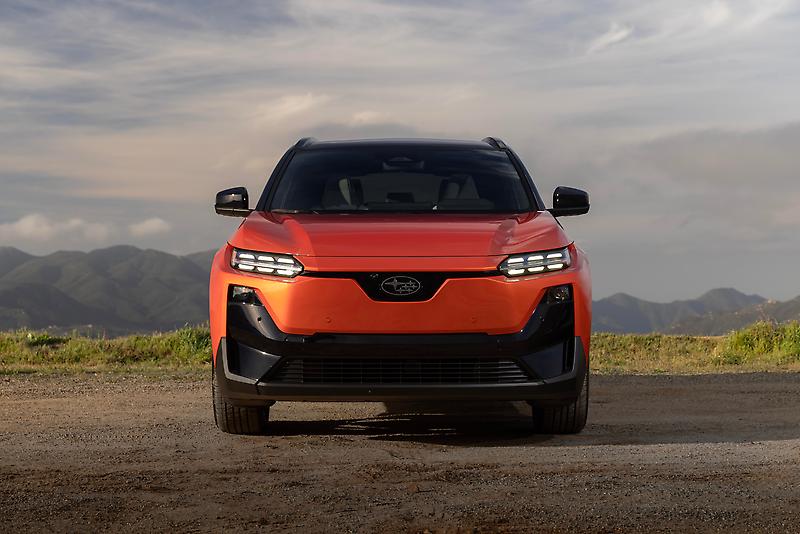
Subaru Uncharted
"... won't talk about them again but otherwise Subaru Uncharted we looked at that recently in Sydney at a showroo..."
The Subaru Uncharted is a Subaru car model the hosts saw recently at a showroom in Sydney. They’re mentioning it as something they looked at, even if they don’t go into details right now. It’s basically a “we checked it out” reference for listeners.
The Subaru Uncharted is a Subaru model that the hosts recently looked at in Sydney, likely as part of a showroom or event visit. It’s mentioned because it’s on their radar for future coverage, even if they won’t talk about it again immediately. That kind of mention usually signals a new or notable variant worth checking out.

Toyota Chr
"... like it I think it's meant to be the twin of the Toyota CHR which obviously is not in Australia the electric ..."
The Toyota C-HR is a small SUV-style car. It’s designed for everyday driving and has a distinctive look. It’s mentioned because an electric model is being compared to it in size and concept.
The Toyota C-HR is a compact crossover SUV known for its distinctive styling and everyday practicality. In the podcast context, it’s referenced as a comparison point for an electric “twin” model, highlighting how EVs are being built to match popular SUV shapes. That makes it relevant when discussing what buyers already like in non-EV form.
74.7 kilowatt hour
"it's got a CATL battery 74.7 kilowatt hour so again the prices kept low because of the Chinese battery in this category"
74.7 kilowatt-hour is how big the EV’s battery is—basically how much energy it can hold. A bigger battery usually helps with range, and the hosts mention it to explain why the car can be priced competitively.
“74.7 kilowatt hour” is the battery capacity, a measure of how much electrical energy the EV’s battery pack can store. Higher kWh generally means more potential driving range, and here it’s used to contextualize the vehicle’s positioning and pricing.

Nissan Aria
"... of the Chinese battery in this category with the Nissan Aria e-force this is a very old car now this is four y..."
The Nissan Ariya is an electric SUV-style car. The podcast mentions it as an older EV option compared with newer arrivals. It’s brought up to help compare what’s available now versus earlier EV models.
The Nissan Ariya is an electric crossover that the podcast frames as an older model within the EV category being discussed. It’s mentioned alongside battery and powertrain context (“e-force” in the snippet), which suggests the conversation is comparing how different EVs are built and positioned. In an adoption-focused episode, it helps show how earlier EV offerings are still competing in the market.

Kia EV5 Earth
"the Kia EV5 Earth that's not a bad car Chinese battery so prices [1048.5s] kept down there's a promotion of the woman 65 grand for that vehicle the key [1052.5s] with the Kia's is that the the top specs get all the trims but [1057.1s] then if you drop down a few trims that you lose things like 360 camera"
The Kia EV5 is an electric Kia SUV/crossover. The “Earth” version is meant to be cheaper, but the host warns that cheaper trims often remove features—so you have to check what you’re actually getting.
The Kia EV5 is an electric Kia crossover, and the “Earth” trim is discussed as a value-focused version. The host highlights a common EV buying gotcha: Kia’s feature content can drop sharply as you move down trims, so you may lose items like a 360 camera even though the car is cheaper.
360 camera
"then if you drop down a few trims that you lose things like 360 camera you know [1061.5s] even the in the earth trim so it's just be wary when you buy Kia"
A 360 camera shows a bird’s-eye view of the car using cameras around it. It helps with parking and tight spots, and in this segment it’s mentioned as a feature that may disappear on cheaper trims.
A 360 camera system uses multiple cameras around the car to create a top-down or surround view. It’s a convenience and parking-safety feature that can be tied to specific trim levels, which is why the host calls out losing it when you choose a lower Kia EV5 variant.

Hyundai IONIQ 5
"now I looked up the Hyundai [1123.7s] IONIQ 5 and the end line is the cheapest all-wheel drive you can get in [1126.9s] Australia 97 500 drive away that's a lot of money"
The Hyundai IONIQ 5 is an electric Hyundai SUV/crossover. The host is comparing prices and says the cheapest all-wheel-drive version they found in Australia is around the figure they mention, which makes it a useful reference point for shopping.
The Hyundai IONIQ 5 is a mainstream electric crossover from Hyundai, and the host is using it as a benchmark for Australia pricing. They specifically mention the “end line” as the cheapest all-wheel-drive option available, quoting a price point for that configuration.

BYD EVO
"BYD out-of-three EVO the new EVO lots of anticipation for this car it's going to come in real drive and all drive so this could be a huge step up from the current BYD out-of-three all right so stay tuned for that LFP battery 75 kilowatt hour"
BYD’s EVO is being positioned as a step up from the current BYD model the host references, with the new version expected to offer both rear-drive and all-wheel-drive variants. The host also calls out an LFP battery and a 75 kWh capacity, framing it as a potential “winner” based on expected real-world usability and value.

Dodge Avenger
"...'s ever got that honors for that goes to the Jeep Avenger that's three isn't it three stars that's three ye..."
The Dodge Avenger is a car model that was sold as a regular sedan. It’s being mentioned because it received certain ratings or recognition. The conversation is likely about how it compared to other cars on those measures.
The Dodge Avenger is a midsize sedan that’s often brought up in discussions about vehicle ratings and market history. In the podcast snippet, it appears in a quick comparison about scoring or recognition. That kind of mention usually points to how it was perceived in its time rather than current EV relevance.

Jeep Avenger
"an EV's ever got that honors for that goes to the Jeep Avenger that's three isn't it three stars that's three yeah so it's not the worst but I do feel like when"
The Jeep Avenger is mentioned as an example of an EV that didn’t score as highly in safety testing. The host says it got three stars, which they treat as unusually low compared with other EVs.
The Jeep Avenger is referenced as an example of an EV with a notably lower ANCAP result than the host expects from other EVs. The point here is comparative: they say the “worst” EV they’ve seen in terms of ANCAP stars is the Jeep Avenger, which they cite as having three stars.
adult occupant and child occupant
"numbers I really feel that like adult occupant and child occupant should be at least in the 80s um I don't know but that's if that's you know important to you that's very important to me"
In ANCAP testing, they score how well a car protects adults and how well it protects children. That means the car might do better for one group than the other.
ANCAP breaks safety scoring into categories like “adult occupant” and “child occupant.” These scores reflect how well the car protects adults versus children in crash tests, so a car can score differently between the two groups.

Volvo EX30
"yeah because they are very good cars they're just yeah yeah expensive they drive well they look great Mercedes backing all that stuff Volvo EX30 had had been selling well previously before I guess a lot of the new cars have come"
The Volvo EX30 is an electric SUV. The host is saying it was doing well in sales, but that success can change once lots of new EVs start showing up.
Volvo EX30 is a compact electric SUV, and the host is using it as an example of a model that had been selling well before newer cars arrived. The key point here is market timing: early momentum can fade when more EVs launch and compete for the same buyers.

Tesla Model Y
"so ZKF7X Tesla Model Y still probably the front runners for this category ... it's now the second generation Model Y ... suspension's been improved no apple car play though"
The Tesla Model Y is a popular electric SUV/crossover. The hosts say it sells so well because Tesla keeps improving it, and it’s easy to use, but it doesn’t have Apple CarPlay like many other cars do.
The Tesla Model Y is a high-volume electric crossover that’s positioned as a mainstream EV rather than a niche performance car. In this segment, the hosts attribute its Australian sales strength to the “second generation” update—plus improvements to suspension and usability—while also noting tradeoffs like the lack of Apple CarPlay.
Tesla ecosystem
"the ecosystem's good the vehicle's good now suspension's been improved no apple car play though that's one thing yeah because obviously you've got to stay within the Tesla ecosystem"
The “Tesla ecosystem” is Tesla’s own set of apps and systems inside the car. It can be really easy to use, but it also means you may not be able to use your phone the same way you can in other cars.
“Tesla ecosystem” refers to Tesla’s tightly integrated software and services—like its navigation, media, and phone connectivity—working together inside the car. The hosts argue that this integration is convenient, but it also limits how much you can “plug in” your phone apps compared with cars that support Apple CarPlay.
Apple CarPlay
"suspension's been improved no apple car play though that's one thing yeah because obviously you've got to stay within the Tesla ecosystem"
Apple CarPlay is a smartphone-integration system that lets you use an iPhone’s apps and navigation through the car’s infotainment screen. The hosts mention its absence as a key downside versus many non-Tesla EVs, because it affects how easily you can use your phone’s apps in the car.
century mode
"Model Y cameras are designed for century mode so it's designed to look backwards at the doors rather than forwards like especially for um yeah parallel parking"
“Century mode” is a Tesla feature that can save short video clips when something interesting happens. The hosts are saying the camera system is set up with that feature in mind, which affects how the camera views feel for parking.
“Century mode” is a Tesla feature that records video around the car when it detects notable events (like driving or certain triggers). The hosts connect it to the Model Y camera setup, implying the cameras are optimized for that recording/visibility use case rather than purely for forward-facing parking views.
parallel parking
"rather than forwards like especially for um yeah parallel parking much prefer the MGS5"
Parallel parking is the maneuver where you park alongside the street between two cars. The hosts are using it as an example of when camera placement matters.
Parallel parking is a low-speed maneuver where you position the car alongside a curb between two vehicles. Here it’s used as the practical test for whether the Model Y’s camera angles are helpful for everyday driving tasks.
22 kilowatt AC charging
"it's still quite Swedish design still looks good and 22 kilowatt AC charging as well which is different in the segment which is good"
This is how quickly the car can charge when you plug it into an AC charger. A higher number usually means you can get more charge in less time.
“22 kilowatt AC charging” refers to how fast the car can accept power when charging on an AC (alternating-current) charger. Higher AC charging power generally means shorter charging sessions when you’re using compatible public AC stations or home/installer setups that support it.
iPhone on wheels
"now when I mentioned iPhone on wheels the the G6 is the iPhone on wheels I personally love driving an iPhone on wheels I want the tech I want to feel like I'm driving the future"
It’s a nickname meaning the car feels like a high-tech gadget. The host is saying the G6 is for people who want the newest, most “future” features.
“iPhone on wheels” is a metaphor for an EV that feels highly tech-forward—more focused on software, user experience, and “future” features than on traditional driving familiarity. The host uses it to describe the G6’s appeal for buyers who want cutting-edge tech and a modern interface.
X-Ping
"on these videos as well yeah stay tuned in terms of the brand X-Ping um they are a tech brand um [1711.1s] and it's all in-house they even make their own like AI chips and things like that so um"
X-Ping is a car brand that also focuses on its own computer/AI hardware. The point they’re making is that the car understands voice commands better than some other cars they’ve tried.
X-Ping is described as a tech-focused brand that builds its own AI chips in-house. The hosts are highlighting that the car’s voice/AI interface is more reliable than what they’ve experienced in other vehicles.
rear wheel independent steering
"an amazing turning circle oh yeah really [1765.8s] really tight yeah that's right with a rear wheel independent steering so if you are always trying [1772.6s] to maneuver like shopping center car parks or anywhere that's you know a bit tricky"
This means the back wheels can steer independently from the front wheels. That helps the car turn much more tightly, which makes parking and slow maneuvers easier.
Rear-wheel independent steering means the rear wheels can steer separately from the front wheels, improving low-speed agility. The hosts connect it directly to the G6’s tight turning circle and ease of maneuvering in parking lots.
DPAL SO7
"now DPAL DPAL SO7 now this is uh I think an [1795.9s] underrated car I agree still the promotional special 46990 drive away which is 67 [1801.9s] thousand dollars cheaper than its MSRP"
They’re talking about the DPAL SO7, an electric car they think is a good deal. They say it has a big 80 kWh battery, but charging isn’t as fast as some competitors and fewer people recognize the brand.
The hosts discuss the DPAL SO7 as an EV they consider underrated, focusing on its pricing and battery specs. They mention an 80 kWh pack with NMC chemistry and criticize its slower DC charging (around 92 kW), while also pointing to limited brand awareness in Australia.
promotional special
"now DPAL DPAL SO7 now this is uh I think an [1795.9s] underrated car I agree still the promotional special 46990 drive away which is 67 [1801.9s] thousand dollars cheaper than its MSRP"
A “promotional special” is a deal or discount that’s being offered to lower the price for a limited time. The hosts are saying the SO7’s low price is part of a push to sell more cars.
A “promotional special” is a limited-time or marketing discount offer that can materially change what a buyer pays. Here, it’s tied to the SO7’s drive-away price and the hosts’ claim that the brand is trying to move inventory in Australia.
92 kilowatt DC
"the only downside is that [1814.8s] it charges a bit slow 92 kilowatt DC probably on the slow side"
This is how fast the car can charge on a fast DC charger, measured in kilowatts. They’re saying 92 kW isn’t very fast compared with some other EVs.
“92 kilowatt DC” is the car’s DC fast-charging capability (power level). The hosts argue that 92 kW is on the slow side, which matters because higher kW typically means less time spent charging on road trips.
Chang'an
"it's model-wise size 80 kilowatt hour and NMC the only downside is that [1814.8s] it charges a bit slow 92 kilowatt DC probably on the slow side and I think I think its biggest [1821.2s] issue is probably the brand awareness the fact that it's still unknown the DPAL brand [1826.0s] even though the parent brand Chang'an is huge in China"
Chang'an is the bigger parent company behind the DPAL brand. The hosts are saying that even if the parent is well-known in China, the DPAL name is still relatively unknown in Australia.
Chang'an is referenced as the parent brand behind DPAL, and the hosts contrast Chang'an’s large presence in China with DPAL’s lower brand awareness in Australia. The point is that brand recognition can affect how quickly buyers adopt a new EV line.
range extended version
"[1904.6s] I think there's a uh extended range or range extended version as well of this car so it [1910.7s] definitely wasn't worth checking out um and then we've talked about the bz4x as well um this sort"
A “range extended” EV is designed to go farther than a normal battery-only EV. It usually adds an extra way to make electricity when the battery gets low.
A “range extended” EV typically means the car uses a battery-electric drivetrain but adds a secondary power source (often a small generator) to extend driving range when the main battery is low. The hosts mention an extended-range variant as something to consider, but they don’t think it’s the best value.

Dodge Charger
"...t's already a great deal maybe if they throw in a charger or something yeah umbrella yep um I love my umbre..."
The Dodge Charger is a sporty car that’s usually built for strong acceleration and a loud, exciting feel. It’s known for being a classic performance model. It may be mentioned simply because it’s a well-known car name.
The Dodge Charger is a performance-oriented American muscle car known for its bold styling and powerful engines. Even when it’s not the newest technology, it often gets discussed because it represents a traditional “enthusiast” segment. In a podcast, it may come up as a familiar name or as part of a broader conversation about what people want from cars.
ADAS
"B10 is not bad there is a few quirks with the ADAS which you can turn off"
ADAS means driver-assist tech. It’s the set of safety features that can help with things like staying in the lane or braking automatically, and the hosts say some of it on the Leapmotor B10 can be turned off.
ADAS stands for Advanced Driver-Assistance Systems—features like automated braking, lane keeping, and adaptive cruise that help the driver. In this segment, the hosts note that the Leapmotor B10 has “quirks” with ADAS that can be turned off.

BMW X5
"...h to test driving for yourselves um and the geely x5 again we said in our video uh the suspension can ..."
The BMW X5 is a luxury SUV. It’s designed to be comfortable and easy to drive, especially on longer trips. People talk about it because it’s a popular reference point when comparing ride comfort and handling.
The BMW X5 is a mid-size luxury SUV aimed at buyers who want comfort, strong road manners, and a premium driving experience. It’s significant in discussions because it’s a common benchmark for “serious” SUV buyers and often appears in test-drive and comparison segments. Mentioning it alongside other SUVs highlights how suspension and ride quality are evaluated.
BYD blade battery
"yeah that is a phenomenal price yeah because it's for a legacy car for Kia it's such a well-known [2205.9s] brand in this country you know it's got a BYD blade battery don't forget yeah yeah but don't [2212.0s] forget to also we I did mention this that the kias they do there there's a huge jump up between"
They mention the BYD blade battery, which is a type of EV battery design. The idea is that it’s built in a “blade” shape, and it’s something people look for because it can affect how the battery is packaged and how the car is engineered around it.
A BYD blade battery is a specific battery design associated with BYD, using long, flat “blade-like” cells. The hosts mention it as a notable feature on the Kia being discussed, because battery design can influence packaging, safety characteristics, and how the car’s energy storage is integrated.

Audi S5
"...ou want a slightly smaller car then you go the mg s5 this is true can you 85 feels big I don't know wh..."
The Audi S5 is a sporty version of an Audi car. It’s meant to drive more enthusiast-style than a regular model. It’s mentioned when people are talking about choosing a smaller premium performance car.
The Audi S5 is a performance-focused version of the A5 line, typically offering a sportier driving feel than standard trims. It’s relevant in podcast discussions because it represents the “smaller” premium performance segment compared with larger luxury cars. The conversation around it likely centers on size, feel, and what buyers might prefer.
heat pumps
"very cheap 31 990 drive away very good price from mg lfp battery heat pumps are quite efficient now front wheel drive so yeah we've"
A heat pump is how an EV warms the cabin and battery. It’s usually more efficient than basic electric heaters, so it can help the car go farther, especially in cold weather.
An EV heat pump is an HVAC system that moves heat rather than generating it purely with resistive elements. The host says heat pumps are “quite efficient,” which typically means better range in cold weather compared with simpler heating setups.

BYD Dolphin
"byd dolphins been around for a while still up there in the mix um"
BYD Dolphin is a popular small electric car. The host is saying it’s still one of the EVs people are considering, not a newcomer that disappeared.
BYD Dolphin is a compact electric hatchback that’s become a familiar name in Australia, and the host notes it’s “still up there in the mix.” In this segment it’s part of the broader discussion of which EVs offer good efficiency and value.
Aura Gwm Aura
"...n around for a while still up there in the mix um gwm aura 5 that's a newish car looking to try to get a med..."
The GWM Aura 5 is a newer car model that’s trying to compete in the EV market. The podcast mentions it because it’s getting noticed among other options. It’s part of the growing list of EVs people can choose from.
The GWM Aura 5 is a newer compact car mentioned as part of the EV market mix. It’s discussed because it’s trying to attract buyers in a mid-sized segment and is “up there in the mix,” meaning it’s gaining attention. In a podcast about adoption, that kind of mention highlights how more models are entering the market.

Land Rover Range Rover
"...e look yeah like the look of a land land rover or range rover i'm gonna get a jqj 5 because it looks like one a..."
The Range Rover is a large luxury SUV. It’s made for people who want a comfortable, premium vehicle that can also handle rougher roads. It’s mentioned because it’s a well-known high-end model.
The Range Rover is a flagship luxury SUV from Land Rover, built for high-end comfort and capability. It’s often discussed because it represents the top tier of the brand’s lineup and is a common target for buyers who want both prestige and off-road ability. In a podcast, it may come up as a design and lifestyle reference point.
after sales service
"and the cherry brand is is big again so it's um you should be okay afterward after sales service [2563.1s] anyway i do feel that if you're going from like a petrol car you get into pretty much any EV and"
After-sales service is the help you get after you buy the car, like servicing and repairs. The host is implying that having a strong service setup makes EV ownership less stressful.
After-sales service refers to what happens after you buy the car—things like servicing, repairs, and warranty-related support. In EV buying, it matters because parts availability and service network coverage can affect how painless ownership feels.
mg4 rear wheel drive
"uh we'll try and get through some of these so mg4 rear wheel drive yep we talked about that earlier so we're still waiting for the new mg4 to um to be released for media loans so stay tuned"
They’re talking about the MG4, but specifically the rear-wheel-drive version. They’re waiting to get one to review, because the way power is sent to the wheels can make the car drive differently.
The MG4 is discussed specifically in its rear-wheel-drive form, and the hosts are waiting for a new MG4 release for media loans. That matters because drivetrain layout (rear-wheel drive vs other setups) can change how the car feels to drive and how it’s positioned in the market.

Hyundai Kona
"at the moment it's about 43 grand drive away uh Hyundai kona there's a special on at the moment 45 990 um that's still a pretty good car"
They’re talking about the Hyundai Kona EV and a current discount. The point is that it’s still a good option for the money compared with other EVs.
The Hyundai Kona is referenced with a current special price, and the hosts position it as a strong value EV in the lower-cost tier. In this segment, it’s part of the “rear-wheel-drive variants” shopping set they’re walking through.

scenic e-tech
"and the scenic e-tech there's a i think there's been a price reduction as well before the new ones come in"
They mention the Renault Scenic E-Tech and say there’s been a price cut before the next versions arrive. That can be a good time to buy if you don’t mind getting the outgoing model.
The Renault Scenic E-Tech is mentioned as having had a price reduction ahead of newer versions arriving. That “wait for the new one” dynamic is relevant for shoppers because discounts often show up when a model is nearing the end of its current generation.
#1 Smart Hashtag Ones
"...market this is true yep uh we've talked about the smart hashtag ones hashtag three and then Volvo mini as well so yeah..."
The “#1” is a model from the smart brand that the podcast has talked about before. It’s mentioned alongside other small EVs. The point is to keep track of which cars have already been covered.
The “#1” mentioned in the podcast appears to refer to a smart-branded model, grouped with other small EVs in the lineup. It’s brought up in the context of what the hosts have already discussed, suggesting it’s part of a broader set of EV comparisons. That makes it relevant as a reference point in a continuing EV adoption and review discussion.

Aceman Mini Aceman
"...s one from our last video so handa insta addo one mini aceman Geely x2 is still waiting for of course that is i..."
The MINI Aceman is a small electric crossover-style car. The podcast mentions it because they covered it before and are comparing it with other small EVs. It’s part of the discussion about what’s available in the compact EV category.
The MINI Aceman is a small electric crossover-style vehicle referenced as part of the hosts’ earlier coverage. It’s mentioned alongside other compact EVs, which suggests the podcast is comparing how these smaller cars fit into the EV adoption story. The “waiting for” comment implies they’re tracking availability or updates.
msrp
"it's very hard to beat it's asking [2801.8s] 75 msrp it's still still a reasonably sized suv so you can still fit that in most garages"
MSRP is the price the carmaker lists on the sticker. It’s not always the final price you pay, but it’s a common starting point for comparing cars.
MSRP means “Manufacturer’s Suggested Retail Price,” the sticker price a carmaker sets before taxes, registration, and dealer fees. The host uses it to frame how the Tesla Model Y is priced relative to other options in the same seating category.

D9
"...of the field i haven't actually driven the denser d9 yet it's a big car 5.2 meters it is lfp though 10..."
The D9 is a large electric vehicle. The podcast notes it’s about 5.2 meters long and uses an LFP battery type. That matters because battery choice can affect how the car behaves and how it’s used day to day.
The Zeekr D9 (as referenced in the podcast) is described as a large electric vehicle around 5.2 meters long, using LFP battery technology. It’s brought up because size and battery type are key factors for buyers thinking about practicality and charging behavior. In a podcast, that makes it relevant when discussing what different EVs offer beyond just range numbers.
103 kilowatt hour
"it is lfp though 103 kilowatt hour lfp battery that's huge being by d blade and then vw id bars if"
Kilowatt-hours (kWh) tell you how big the car’s battery is. More kWh usually means you can go farther before needing to recharge, and they’re saying 103 kWh is a very large battery.
“Kilowatt-hour” (kWh) is the unit used to describe EV battery capacity—how much electrical energy the battery can store. A 103 kWh pack is described as “huge,” implying a potentially long driving range compared with smaller-battery EVs.

Kia EV 9
"very versatile absolutely and same with the kia ev 9 same with the hiende ii i'd be trying to knock that price down definitely"
The Kia EV 9 is a big electric SUV with room for more than just two people. Here, they’re basically saying it’s worth shopping around and trying to negotiate the price.
The Kia EV 9 is a three-row, battery-electric SUV aimed at families who want EV practicality without giving up space. In this segment, the hosts treat it as a key EV option and focus on negotiating the purchase price at dealers.

Volvo EX90
"volva ex 90 knock that down to 124 990s a lot uh vistic just came out"
The Volvo EX90 is Volvo’s premium electric SUV. In this part of the show, they’re talking about negotiating the price you see at the dealer.
The Volvo EX90 is Volvo’s all-electric flagship SUV, positioned as a premium, tech-forward family EV. The hosts mention it in the context of dealer pricing and say to push the price down from the listed figure.
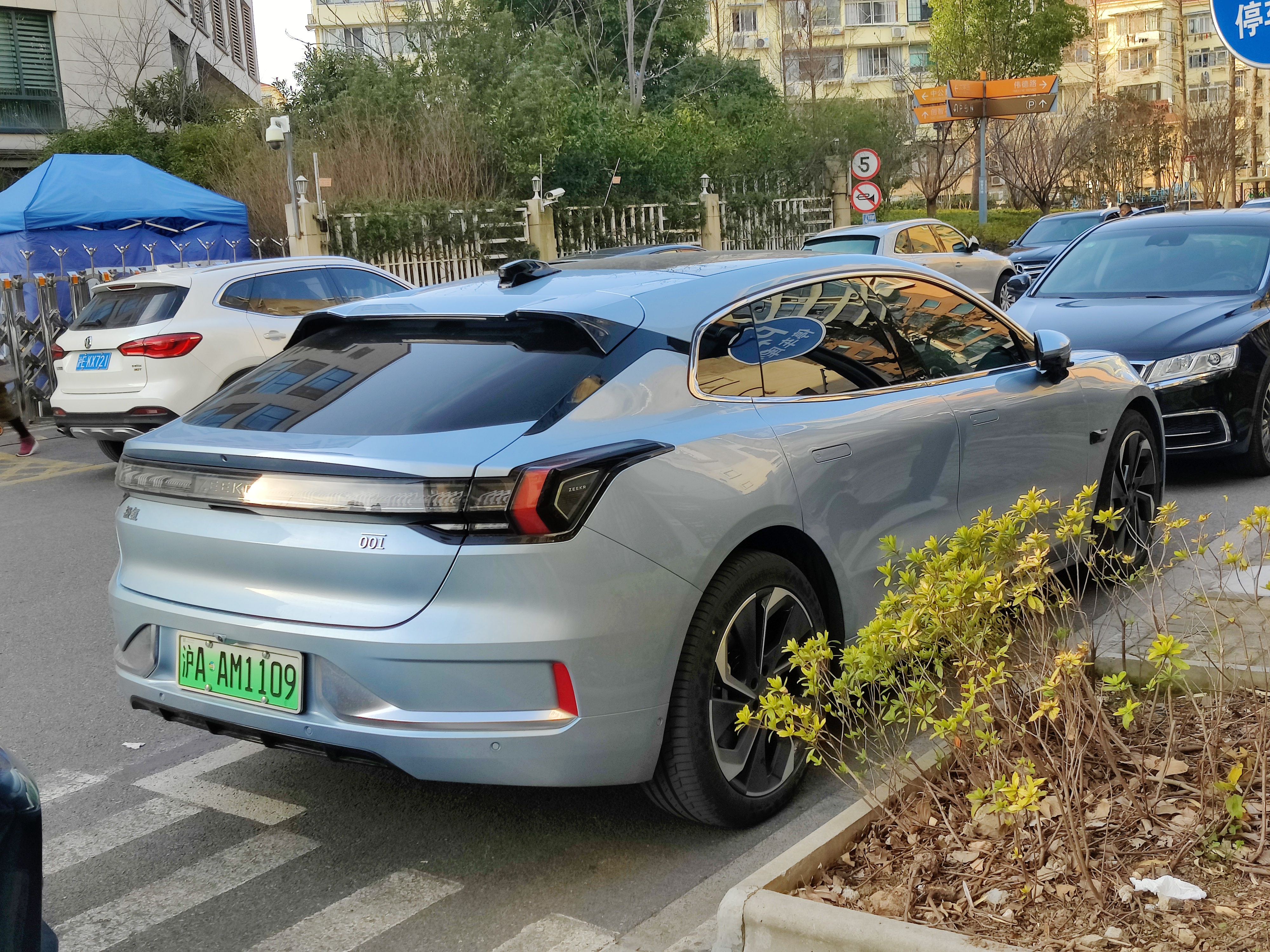
Zeekr Zika 009
"...larly it's an all-wheel drive vehicle as well the zika 009 is a lovely vehicle it must be driven in a zika 0..."
The Zeekr 009 is an electric vehicle. The podcast says it’s all-wheel drive, which means it can send power to more than one set of wheels for better traction. It’s mentioned because it impressed the hosts when they drove it.
The Zeekr 009 is a large electric vehicle that’s highlighted as an all-wheel-drive option in the podcast. It’s described as a “lovely vehicle,” indicating the hosts found it appealing during their experience. It’s mentioned because it represents a more premium, spacious EV category.

Kia EV4
"...being lowered to the ground good drive dynamic uh ev4 very polarizing um the looks um 54 grand drive aw..."
The Kia EV4 is an electric car. The podcast talks about how it drives and how people react to its looks, and it also mentions a price range. It’s included because it’s trying to attract buyers in the EV market.
The Kia EV4 is an electric vehicle discussed in terms of its driving feel and styling, with the podcast describing it as “polarizing.” It’s also mentioned with an approximate price figure, which frames it as a contender in the mid-range EV market. That combination of performance impressions and cost makes it relevant for adoption discussions.

Tesla model three
"yeah yeah that's not bad if you if you don't want a tesla model three it's like if if if you're happy to be in a tesla than the tesla model three"
The Tesla Model 3 is a popular electric car. In this part of the discussion, it’s the reference point the host uses when talking about other EV options.
The Tesla Model 3 is Tesla’s mainstream electric sedan, and it’s used here as the benchmark “default” EV. The host compares alternatives to the Model 3, implying that buyers choose it for a mix of value and availability, then look at other models if they want a different take.

MG Cyberster
"this is like the key a cousin of that car mg cyberster that's also fun right with the top down"
The MG Cyberster is an electric sports car that’s designed to be fun, including in an open-top style. The host is using it as an example of EVs that feel more like a car you’d enjoy driving.
The MG Cyberster is a sports-styled electric roadster concept/production-bound model that’s being discussed as fun, especially “with the top down.” The host pairs it with other EVs to highlight how some EVs are being marketed for open-air, enthusiast-style driving rather than just commuting.
best times
"okay it had it had all the australian tracks like pre like loaded onto onto the like system of the car right so that you can set your best times and it'll like log it in the car"
They’re talking about the car keeping track of your fastest laps or runs. The host says it can store timing info for specific tracks that are already set up in the system.
“Best times” in this context refers to lap-time tracking and performance logging, where the car records your fastest runs. The host says the car has Australian tracks pre-loaded and can log results in the vehicle, which is essentially built-in track timing.
optimal drift drift settings
"so that you can um work out all the like your optimal drift drift settings if you know what you're doing it's it's definitely very granular"
“Drift settings” refer to configurable vehicle behavior intended to help the car rotate and maintain a controlled slide. When the host says “optimal drift settings” and that the system is “granular,” they’re describing a track-oriented feature that lets the driver tune how the car responds during drifting.
less diesel vehicles being sold
"and look that's face it that's good to see less diesel vehicles being sold let's um increase our evs and decrease our reliance on fossil fuel"
They’re saying fewer people are buying diesel cars. The idea is that moving away from diesel helps reduce reliance on fossil fuels, especially as EVs grow.
This is a market-shift statement: fewer diesel vehicles sold means the buyer mix is moving away from diesel powertrains. That matters because diesel and gasoline both rely on fossil fuels, while EVs shift energy use toward electricity generation and grid mix.
Request an Explanation
Heard something you'd like explained? We'll add it to this episode.
Sign in to request explanations for terms you heard.
Want to learn more?
Browse our glossary for plain-English explanations of automotive terms, jargon, and concepts.
Help improve this episode
See something that's not quite right? Our annotations are AI-generated and can sometimes miss the mark. Click the flag icon on any annotation to suggest a correction.