
About this episode
Road-trip chatter turns into NASCAR hype, starting with the “coke 600 so huge motorsports weekend in the United States,” then shifting into how teams handle sudden driver tragedy and what it means for race-week decisions. The hosts bounce through road-course storylines (Watkins Glen recovery, San Diego street-course uncertainty) and All-Star format rules, including fuel-cell drama and repair allowances. After the racing talk, the show dives deep into project-car work: selling strategies, paint/pinstripe correction, and hands-on troubleshooting like fan controller tuning and fuel-pressure regulator mysteries.
Hey we are back. This episode kicks off with some Motorsports talk and then we get into some project car stuff. Andrew is days away from driving the Volvo and Brad has been treating the Starion to a spa day. Then Andrew talks about some R/C drifting and working on R/C chassis.
Please Rate, review and subscribe to the podcast on your favorite listening platform. Comments, Questions, complaints; email us at [email protected]
Join the Discord, message us on the socials for a link.
Keep your cars analog and Aim for the Roses!

Ford Bronco
"don't go off the bar with your Bronco 1980 Volvo horns what's right man's coolant he's like oh I thought I'd be small"
The Bronco is a rugged Ford SUV. Saying “1980” means it’s an older Bronco from that era, with a more classic, boxy look.
The Ford Bronco is a classic American SUV known for its rugged, off-road-friendly roots. A “1980” Bronco places it in the early first-generation era, when it was built with a more boxy, utilitarian style than later Broncos.
automatic transmission
"but it's still an automatic transmission they're never gonna be light"
An automatic transmission shifts gears by itself. You don’t have to use a clutch pedal or manually change gears.
An automatic transmission is a gearbox that changes gears for you using hydraulic/electronic control, rather than requiring a clutch pedal and manual shifting. Automatics can be heavier and less “lightweight” than manual setups, which is why the speaker ties it to not being light.
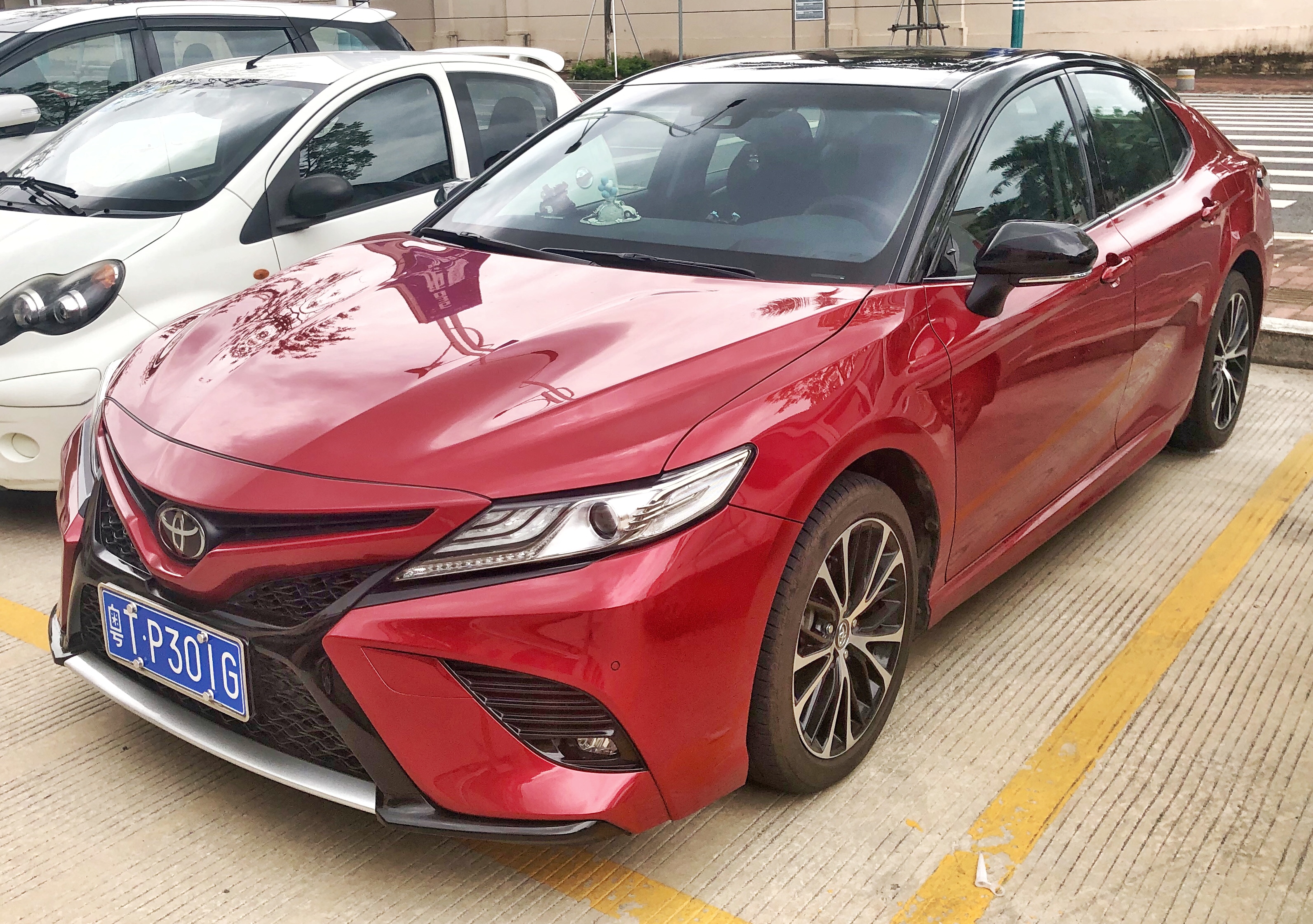
Toyota Camry
"... a Nigerian oil print I also wish you drove a tan Camry anyways that's a very horrible podcast content ve..."
The Toyota Camry is a regular family-style car (a sedan) meant for everyday driving. People talk about it a lot because it’s widely available and usually focuses on comfort and reliability. In the podcast, it’s just being referenced as a particular car color and example.
The Toyota Camry is a mainstream midsize sedan known for comfortable daily driving and strong practicality. It often comes up in conversations because it’s common, easy to live with, and typically used as a dependable “regular car” rather than a niche enthusiast vehicle. In the podcast context, it’s mentioned as a specific example (a “tan Camry”) tied to the discussion’s content.

Ford Maverick
"...a long drive planned for Wednesday but we did the Maverick so it went smoothly yeah so yeah we're getting re..."
The Ford Maverick is a small pickup truck. It’s meant to be useful for everyday errands and longer trips without being huge. The podcast is mentioning that it handled a planned drive smoothly.
The Ford Maverick is a compact pickup truck designed for everyday use, with a focus on practicality and efficient commuting. It’s the kind of vehicle people choose when they want truck utility without the size and cost of a full-size pickup. The podcast mentions using the Maverick for a long drive that “went smoothly,” highlighting its everyday usability.
Coke 600
"we've got 8500 on Sunday and then the coke 600 so huge motorsports weekend in the United States so looking forward to watching the 8500"
The Coke 600 is a big NASCAR race. It’s a major event that a lot of people watch.
The Coke 600 is a major NASCAR race held at Charlotte Motor Speedway. It’s one of the biggest events on the NASCAR calendar and is often discussed alongside other marquee NASCAR weekends.
8500
"so we've got 8500 on Sunday and then the coke 600 so huge motorsports weekend in the United States so looking forward to watching the 8500"
“8500” sounds like a race they’re talking about on a big NASCAR weekend. The transcript is a bit unclear, but it’s definitely motorsports-related.
“8500” appears to be a mis-transcription of a NASCAR event name/number discussed in the same breath as the Coke 600. Because the exact race name isn’t clear from the transcript, it’s best treated as a motorsports topic rather than a precise car-related fact.
fluids
"…asked to have fluids prepared for him when he came into the pits…"
“Fluids” are the liquids the car needs to keep working—like cooling liquid. In racing, teams often prep or top them off during pit stops so the car can keep going.
In racing, “fluids” usually means the consumables teams top up or prepare between stints—most commonly things like coolant and windshield washer fluid, and sometimes fuel-related servicing depending on the series. The key point is that teams manage these quickly during pit stops so the car can keep running safely and consistently.
pit
"…asked to have fluids prepared for him when he came into the pits I think right…"
The “pits” are the area where the team works on the car during a race stop. They use it to do fast repairs and tire changes so the driver can get back out.
A “pit” (or pit lane/pits) is where a race team services the car during scheduled stops. That’s where they refuel, change tires, make adjustments, and handle quick checks so the driver can rejoin the race quickly.
long road course race
"…you know your long road course race that's not uncommon…"
A “road course” is a track that uses turns similar to real roads, and a “long” road course race typically means extended time on track with sustained braking, cornering, and heat buildup. That kind of event can be physically demanding for drivers and increases the importance of hydration and cooling.
truck series
"…he won the truck series race Friday night…"
The “truck series” is a racing league where the cars are based on pickup trucks. It’s a separate series from the main top-level NASCAR races, but drivers can compete in both.
The “truck series” refers to a stock-car racing series that uses pickup trucks as the basis for the race cars. It’s a different competition from the main top-tier series, but drivers can cross over between them.
current gen cars
"…he's certainly underperformed in the you know current gen cars but then he won…"
“Current gen cars” just means the newest generation of race cars being used right now. If a driver struggled in them, it usually means they weren’t as competitive with the latest setup and rules.
“Current gen cars” means the latest generation of race car platform used by that series. When someone says a driver “underperformed in current gen cars,” they’re comparing results against how well other drivers adapt to the newest rules, aerodynamics, and car characteristics.
race strategy
"…you know it's the beginning of the race you're not gonna change much to the beginning of the race but we really meet they just kind of got together and let the eight car leave the eighth lap…"
Race strategy is how teams plan the race while it’s happening. It includes things like when to stop for tires, and it can let a driver recover even after a bad moment.
Race strategy is the set of decisions teams make during a race—when to pit, how to manage tires and fuel, and how to respond to incidents. It’s why the same driver can look “out” after a setback but still recover if the plan and pace line up.
road course racing
"…we can talk about the Watkins Glen race that was pretty cool [533.1s] SVG putting on another absolute clinic of road course racing…"
A road course is a race track with lots of turns and braking, not just left turns like an oval. Drivers have to be smooth and consistent so the car stays fast for many laps.
Road course racing happens on tracks made of a mix of turns, braking zones, and varying corner types rather than a simple oval. It usually rewards drivers who can manage tires and brakes through repeated cornering and can hit consistent lines lap after lap.
street course
"hopefully we see you know since we're going to the San Diego race which is a street course you know that nobody's ever run before in real life you know I'm sure there's some setups of it but it should be interesting to see what happens there"
A street course is a race run on regular city streets that get temporarily turned into a track. Since it’s not built as a permanent racetrack, it can be bumpier and harder to predict than a dedicated track.
A street course is a race track laid out on public roads, usually with temporary barriers and minimal permanent track infrastructure. Because it’s not purpose-built like an oval or permanent road course, setup and driving lines can be less predictable and grip can vary a lot.
San Diego race
"hopefully we see you know since we're going to the San Diego race which is a street course you know that nobody's ever run before in real life"
They’re talking about an upcoming race in San Diego and what makes it different. The key point is that the track is a street course, so it could change who performs best.
This segment discusses an upcoming San Diego race and how its format (a street course) could affect who can challenge for the win. It’s a forward-looking topic tied to track-specific expectations rather than a technical explanation.
qualifying
"other track house cars did qualify well so yeah they just couldn't hold together for the whole race and they're all top five right yeah they start up high yeah qualifying so"
Qualifying is when drivers try to set the fastest lap before the race. Your qualifying result helps decide where you start the race, but you still have to keep the car working well for the whole event.
Qualifying is the session where drivers set their fastest laps to determine their starting positions for the race. Strong qualifying often means the car is fast in clean air, but it doesn’t guarantee the team can maintain that pace for the full race distance.
Cup series
"and then I think Conor Zills just had a bad day in the Cup series but he won the O'Reilly series so he was doing pretty good most of the day"
They mention the Cup series as one of the racing competitions. The point is that the driver’s results can differ depending on which series they’re racing in.
The Cup series is referenced as a different racing series than the one where the driver won. This matters because performance can vary by series rules, car setup expectations, and race formats.
O'Reilly series
"and then I think Conor Zills just had a bad day in the Cup series but he won the O'Reilly series so he was doing pretty good most of the day"
They say he won the O'Reilly series, even though he struggled in the Cup series. It’s basically comparing his results in two different competitions.
The O'Reilly series is mentioned as the series where Conor Zills won, contrasting with his bad day in the Cup series. It’s a contextual topic marker for how results differ across racing categories.
faster lap time
"maintains his tires long-credited everybody else and that's one of his biggest advantages but not only that he maintains his tires while turning it faster lap time"
Lap time is how long it takes to go around the track once. Getting a faster lap usually means driving more efficiently through turns and braking zones.
Lap time is how long it takes to complete one circuit of the track. A faster lap time usually comes from better traction, braking, and cornering efficiency rather than just raw power.
breaking style
"so yeah it's just really about his breaking style breaking style over the others"
Breaking style is just how a driver brakes—when they start braking and how aggressively. Better braking helps the car turn in more predictably and can shave time off a lap.
Breaking style refers to how a driver uses the brakes—when they brake, how hard, and how smoothly. In lap-time terms, braking style affects how stable the car is entering corners and how much grip is available for turning.
slip in the clutch
"the slip in the clutch in the corners they were trying to leave the pit stall"
Clutch slip is when the clutch isn’t fully grabbing right away, so the car transitions to power more gradually. Drivers sometimes use it to avoid wheel traction problems, but excessive slip can cause heat and wear.
Clutch slip is when the clutch is allowed to engage without fully locking up, so the engine and drivetrain don’t match speed instantly. In cornering and launches, controlled slip can help manage traction and smooth power delivery, but too much slip can overheat the clutch and waste time.
wheel spin
"they were trying to leave the pit stall like almost no wheel spin leaving the pit stall so yeah you know some of these guys like just it feels dramatic"
Wheel spin is when the tires spin but the car doesn’t move as quickly as you’d expect. Racers try to avoid it because it wastes traction and can wear the tires faster.
Wheel spin is when the driven wheels rotate faster than the car can move forward, usually because the tires lose grip. In racing, minimizing wheel spin off the pit stall helps you accelerate sooner and reduces tire wear.
burnout
"you just drop it and do a burnout as you get out because you're on sticker jars but that that's a little bit of you know tire wear"
A burnout is when you intentionally spin the tires to heat them up. It can help grip for a moment, but it usually ruins tires faster.
A burnout is when a driver deliberately spins the tires (often while stationary or creeping) to heat them up and sometimes to clean off the tire surface. It can increase short-term grip, but it also accelerates tire wear.
tire wear
"that that's a little bit of you know tire wear and and the cars do have more horsepower"
Tire wear is how fast the tires get used up. If you spin the tires or overheat them, they wear out sooner, which can hurt performance later.
Tire wear is how quickly tires degrade during a race due to heat, friction, and loss of grip. Drivers manage tire wear by controlling wheel spin, avoiding excessive burnouts, and balancing speed with traction.
rally race
"we'll definitely go to the rally's race because I want to see those cars on a road course because sure it will be kind of zilch and probably s3g again"
They’re talking about going to a rally race and what kind of racing they expect to see. It’s more about the event plans than car tech.
The hosts discuss attending a rally race and what to expect from the field on a road course. This is a segment topic about race logistics and anticipation rather than a technical concept.

Dacia Sandero
"...hlight reel I watched was obsessed with the Dacia Sandero yeah well that's pretty cool too but also yeah it..."
The Dacia Sandero is a small hatchback meant to be affordable. It’s built for everyday driving and practical use rather than high performance. The podcast is just noting that someone was especially focused on it in a video highlight.
The Dacia Sandero is a budget-friendly hatchback focused on keeping costs low while still offering practical everyday transportation. It often gets discussed because it’s an accessible entry point to new-car ownership in markets where affordability matters. In the podcast, it’s mentioned as a topic of interest in a highlight reel, suggesting it came up as a notable example.
Indy 500
"it's not directly tied to a race series that's on standalone race like the Indy 500 kind of well it has its own feeder series"
The Indy 500 is a famous big race in the U.S. for open-wheel cars. It’s a major event on its own, and drivers often work their way up through smaller races first.
The Indy 500 is a standalone, marquee American open-wheel race that sits outside the usual Formula 1 calendar. It also has its own driver development ladder, including feeder races that help determine who gets opportunities.
feeder series
"it has its own feeder series feeder races that are run on the nevergreen there's like shorter qualifying races"
A feeder series is like a training league for race drivers. It helps them get experience so they can move up to the biggest races later.
A feeder series is a lower-tier racing championship designed to develop drivers before they move up to a bigger, top-level series. The idea is that drivers gain experience in similar race formats, then graduate to the main event ecosystem.
DTM
"there was a guy running what looked like late 80s really 90s DTM Mercedes and they run that's so cool"
DTM is a touring-car racing series from Germany. The cars look like regular models, but they’re built for racing.
DTM stands for Deutsche Tourenwagen Masters, a German touring-car racing series. It’s known for high-performance race cars that resemble production models but are engineered for racing competition.
F1
"so yeah it seems super cool that's definitely a bucket list race to get to that in Le Mans so but anyway yeah that was pretty cool stuff watching him actually race cars and pass cars"
F1 is the highest level of open-wheel racing. It’s the big global series people usually think of when they hear “Formula” racing.
F1 (Formula 1) is the top level of open-wheel racing, with teams competing in a season-long championship. The transcript contrasts F1 with other kinds of racing to highlight how versatile drivers can be.
Le Mans
"that's definitely a bucket list race to get to that in Le Mans so but anyway yeah that was pretty cool stuff"
Le Mans is the famous 24-hour endurance race. Instead of just racing fast for a short time, teams have to manage strategy and reliability for a whole day.
Le Mans refers to the 24 Hours of Le Mans, one of the world’s most famous endurance races. It’s known for multi-class racing and long-duration strategy rather than short sprint-style speed.
NASCAR
"it's like a Mario Andretti type thing where he'd race NASCAR race F1 he'd race endurance cars race Le Mans whatever"
NASCAR is a big U.S. racing series with stock cars. It’s different from open-wheel or endurance racing, so it’s a good example of how tough it is to adapt.
NASCAR is a major American stock-car racing series with its own car rules, oval-track culture, and driving style. The speaker uses it as an example of how some drivers can switch between very different racing disciplines.
road courses
"my guess is that a lot of these NASCAR guys would get much better and road courses if they spent more time driving road courses during off weeks"
A road course is a race track with lots of corners, not just left turns on an oval. It rewards braking and turning technique more than pure straight-line speed.
A road course is a type of race track with lots of turns and varying corners, unlike an oval. Drivers often need different skills—braking, cornering lines, and managing traction—than they do on oval racing.
IMSA
"it'd be super cool to see more of these guys crossover at least with IMSA because that's in the United States"
IMSA is a big U.S. sports-car racing series. It often features longer races where teams and drivers have to manage the car over time, not just sprint around a track.
IMSA is a major sports-car racing organization in the United States, best known for endurance-style events. It’s a common destination for drivers and teams that want to race GT and prototype cars over longer stints.
Nürburgring
"Le Mans have them do a Nürburgring it'd be right for Stappen's car"
The Nürburgring is a famous race track in Germany. It’s known for being tough and demanding, so it’s a good test of how well a car really handles.
The Nürburgring is a renowned German racing circuit known for its challenging layout and elevation changes. It’s often treated as a “stress test” for car balance, cooling, and driver skill.
mechanical failure
"Stappen's car did have a mechanical failure with less than four hours to go"
A mechanical failure means something important on the car breaks or stops working. In long races, that can be especially damaging because there’s not much time left to fix it.
A mechanical failure is when a car’s hardware breaks or stops functioning correctly—like an engine, gearbox, or major component issue. In endurance racing, even a late mechanical problem can end a strong run because there’s little time to recover.
auction site
"is going through the process of going on an auction site and that will be I'm hoping before next podcast live on cars and bids"
An auction site is a place where people bid on a car, and the highest bid wins. What you show and how clearly you describe the car can affect the final price.
An auction site is a marketplace where vehicles are sold to the highest bidder rather than at a fixed price. For project cars, auction listings can strongly affect final sale price depending on buyer confidence and how the car is presented.
Hagerty
"I was running it through Hagerty at first it was a real issue with the car and the person that particular buyer but then president's not pulling the review down was kind of why I didn't want to do it"
Hagerty is an automotive company best known for classic-car insurance and collector-focused services. Here it’s discussed as an auction/consignment channel for selling a project car, including how communication affects the sale process.
Cars and Bids
"and I went through cars and bids and by the second email I had a person assigned to me"
Cars and Bids is a website where you can list a car to sell, often like an auction. The host says it’s free to list there, so it’s easier to use than some other options.
Cars and Bids is an online marketplace that lets people list cars for auction-style selling. The host mentions it as a switch from Hagerty and notes that listing is free for sellers in their experience.
golden hour
"tomorrow after work I want to go out you know for the the hour leading up to golden hour after golden hour and take some pictures of the car again"
Golden hour is the period shortly after sunrise or before sunset when the sun’s angle creates warm, flattering light. Photographers use it to make cars look better in pictures because shadows soften and colors pop.
buffer
"I've been going over it with the buffer and the first step was actually let me back up a little bit"
A buffer is a machine used to polish the car’s paint. It helps make the surface look cleaner and shinier by smoothing out minor dullness.
A buffer is a powered polishing tool used to clean, polish, or remove oxidation and light surface defects from paint. The host says they’ve been going over the car with the buffer as part of preparing it for better presentation.
pinstripes
"first step was actually removing the pinstripes that are on the car I don't know if you can picture them but there was a maroon pinstripe"
Pinstripes are thin decorative stripes applied to a car’s body, often along body lines or around panels. Here, the host removes maroon pinstripes that run from the headlight area along the fender and window area, then back toward the quarter panel and tail-light area.
belt molding
"there was a maroon pinstripe that ran from the headlight along the top of the fender underneath the belt molding on the window"
Belt molding is the trim strip that runs along the side of the car, typically around the doors at about window height. The host describes a pinstripe path that runs underneath this trim, which helps locate exactly where the stripes were applied.
quarter glass
"and then a second one that started on the quarter behind the door and ran under the quarter glass all the way to the back tail lights"
Quarter glass is the side window located behind the rear door on a coupe or sedan. The host references it to describe where the second pinstripe section runs under the glass toward the rear.
rubber wheel
"I got the good old-fashioned favorite tool out the rubber wheel and I started to go to town and it came off pretty flawlessly"
A rubber wheel is a soft tool surface used to lift off sticky residue or striping material. It helps remove the stripe without damaging the paint as easily as harder tools.
A rubber wheel is a common hand tool accessory used to remove adhesives, residue, or certain surface contaminants without immediately gouging the paint. Here it’s used to take off the stripe material cleanly before polishing.
single-stage paint job
"as we've discussed previously on the show it's a single-stage paint job on the car so I went over the lines where the stripe type was by hand"
Single-stage paint means the paint layer does both the color and the shine. When you polish it, you’re working directly on that finish, so fading can often be improved more directly than on cars with separate clear coat.
A single-stage paint job combines color and gloss in one layer system, so the paint itself provides both the color and the final finish. Because there isn’t a separate clear coat, polishing can directly change how the surface looks and how much oxidation/fading you can remove.
Chemical Guys C4 polish
"with some of the Chemical Guys C4 polish and once I did like two passes with that I step back and the the fading line was gone"
Chemical Guys C4 polish is a cleaner/polish that helps bring back the paint’s shine. Here it’s being used to make the area where the stripe was look like the rest of the car again.
Chemical Guys C4 is a polishing product used to remove oxidation and restore clarity on painted surfaces. In this segment, it’s used to eliminate the visible “fading line” where pinstripes/stripes were removed.
random orbital
"then I use that same C4 polish on the random orbital like slower speed one because I don't know how thick the paint is in the car"
A random orbital is a polishing machine that moves in a way that helps prevent ugly scratches. Using it on a slower setting helps you polish safely without risking damage to the paint.
A random orbital polisher is a power tool that spins and also “orbits” in a way that reduces the chance of creating swirl marks. The speaker uses it at a slower speed to avoid damaging paint thickness in areas that may be thinner or previously affected.
primer spots
"there's a couple places like on the corners where I think was happened as what it was sitting outside under a car cover the wind or the paint off and you can see some primer spots so I don't want to make those primer spots any bigger"
Primer spots are places where the paint is thin or gone and you can see the undercoat (primer). The host is being careful so they don’t polish those spots bigger and make the damage more noticeable.
Primer spots are areas where the base paint has been worn through or damaged enough that the primer layer is exposed. Polishing around them carefully matters because aggressive polishing can enlarge the exposed area and make the repair/finish look worse.
repop
"there was a really neat orange like sticker that they had on some of the cars they [1956.1s] sold then that nobody makes a repop off and I'd like to make a repop off to put [1961.4s] in the window"
“Repop” here means a made-to-look-like-original replacement, like a reproduction sticker. They want one because they don’t have the exact 1984 car item they’re trying to display.
“Repop” is enthusiast shorthand for a reproduction part or decal made to look like an original. In this segment, they’re talking about reproducing an orange sticker/logo to display in a window because the original 1984 car they want doesn’t exist for them.
floor mats
"I was like hey I'm gonna order some floor mats for the car... so anyway I ordered the mats they actually came today and they are spectacular... I'm gonna put those in when I finish cleaning the interior"
Floor mats are removable coverings placed on a car’s floor to protect the carpet from dirt, moisture, and wear. In this segment, the hosts focus on choosing mats that match the original material thickness and color for a project car’s interior.
Lloyd mats
"I don't know they've ever heard of Lloyd mats no Christopher Lloyd like Lloyd Christmas yes yeah LL the YOD they're a very old or mat company they've been around for many many years"
Lloyd mats is a company that makes car floor mats. They’re known for making mats that fit specific cars and come in lots of styles and colors.
Lloyd mats is a long-running aftermarket floor-mat brand known for custom-fit mats. The hosts mention them as an option with patterns for many cars and multiple color choices.
custom cut
"they have patterns in stock for almost every car so I can have them custom cut to an 84 Mitsubishi they make them to order"
“Custom cut” means the mats are made to fit your exact car’s floor shape. That’s why they can line up better than generic mats.
“Custom cut” means the mats are shaped to match the specific contours and mounting points of a particular vehicle. The hosts use it to explain how Lloyd mats can be made for an “84 Mitsubishi” rather than using a generic universal fit.

Cadillac CTS 4
"he had a 2008 Cadillac with about 3,000 miles on it CTS 4 so I'm actually gonna it's like doesn't need much cleaning I'm gonna spiff it up takes some nice pictures but that's gonna go on bring a trailer"
They’re talking about a Cadillac CTS 4, which is a luxury car. The “4” usually means it has all-wheel drive, and they’re planning to sell it at auction.
A Cadillac CTS 4 is a performance-oriented luxury sedan from Cadillac, and the “4” indicates it’s equipped with all-wheel drive. In this segment, the host focuses on a low-mileage 2008 CTS 4 as an auction candidate, including how it’s equipped and what that means for buyer appeal.
all-wheel-drive
"for so that's the 3.6 or 3.8 liter 4 by 4 all-wheel-drive work yeah it's all-wheel-drive 3.6"
All-wheel drive means the car can send power to more than two wheels. That helps it grip the road better, especially in rain or snow.
All-wheel drive (AWD) sends power to more than just the front or rear wheels, improving traction when roads are slippery or uneven. On a CTS 4, AWD is a key selling point because it can make the car feel more stable and controllable in bad weather.
direct injection
"all-wheel-drive 3.6 I think this is the direct injection one I think it has everything but nav"
Direct injection is a way the engine delivers fuel. Instead of spraying fuel into the intake, it sprays it right into the engine’s cylinders.
Direct injection is a fuel-delivery system where the engine sprays fuel directly into the combustion chamber instead of into the intake tract. The host suggests this CTS 4 has direct injection, which can improve efficiency and throttle response compared with older port-injection setups.
nav
"I think this is the direct injection one I think it has everything but nav it's gold over tan so real honestly no nav no nav is a good option because yeah actor nav always looks dated exactly"
“Nav” means the car has built-in GPS directions. The host thinks it’s better to not have it because older GPS units can feel dated.
“Nav” refers to a factory navigation system (built-in GPS guidance). The host argues that lacking navigation can be a positive because older factory systems often look outdated compared with modern phone-based navigation.
no reserve auction
"yeah you don't need to get a specific dollar amount out of them and I think"
A no-reserve auction means there’s no minimum price the car has to reach. If someone bids the most, the car sells—even if the final price is lower than expected.
A no-reserve auction means the seller sets no minimum price, so the vehicle will sell to the highest bidder regardless of how low the final bid goes. The host suggests this strategy to avoid needing a specific target sale price and to let market demand determine the outcome.
true market value
"you'll find out the true market value by opening it up to the market but yeah it was just funny because I was reading the comments of that comp sale"
It’s basically the real price people are willing to pay. If you list it where more buyers can find it, you usually get a better idea of what it’s worth.
“True market value” is the price the car actually sells for when you expose it to the broader market. In practice, that means more buyers can see the listing, compare it to similar cars, and bid or negotiate based on real demand.
comp sale
"because I was reading the comments of that comp sale and some they were asking like oh does have the nav"
A “comp sale” is a similar car sale used as a reference for pricing. People use it to guess what your car should sell for.
A “comp sale” is a comparable sale—another listing or auction result used to estimate what your car is worth. Buyers and sellers look at comps to judge pricing, options, and how demand affects the final sale number.
OnStar
"it would just voice guide you without a map like through on star or the something yeah but it was actually satellite"
OnStar is a GM system that can help with things like directions and communication. The host is comparing it to a voice-guidance setup in the car.
OnStar is a GM service that can provide in-car connectivity and navigation-style voice guidance. In this segment, it’s used as an example of how the car could guide you without showing a full map on the screen.
satellite
"it would just voice guide you without a map like through on star or the something yeah but it was actually satellite it wasn't you know at the third stoplight"
Satellite navigation uses GPS signals from space to figure out where you are. That’s what lets the car give accurate directions.
In-car navigation that’s “satellite” based uses GPS signals from satellites to determine the car’s location and provide directions. That’s different from older or non-GPS systems that might rely on other inputs.
Motor Trend
"it was also include that was a automobile car of the year in 2008 motor trimmed motor trend car of the year in 2008 like golden Calipers"
Motor Trend is a car magazine that gives awards. The host is saying this car won an award, which can make it more desirable to some buyers.
Motor Trend is an automotive publication that runs annual awards, including “Car of the Year.” In this segment, the host is pointing out that the 2008 car was recognized by Motor Trend, which can add credibility and appeal to collectors.
Golden Calipers
"like golden Calipers it will also include the golden Calipers from the dealership I mean I feel like that because you have that and I think you should probably try to find a copy of that magazine"
Golden Calipers is the name of an award tied to Motor Trend. The idea is that having the award paperwork or magazine can make the car seem more special to buyers.
“Golden Calipers” refers to Motor Trend’s award branding (a recognizable trophy/award theme) tied to their annual “Car of the Year” recognition. The host suggests including related dealership award materials with the car to help justify a higher price.
Bring a Trailer
"I should sell with the car and I think that some bring a trailer person will be it will see that and be like oh my god $48,000"
Bring a Trailer is a website where car enthusiasts bid on cars. The host thinks BaT shoppers will recognize the car’s award details and pay more.
Bring a Trailer (BaT) is an online auction site focused on enthusiast cars. The host expects that BaT buyers will notice the award/collector details and that it could influence bidding and perceived value.
color code
"it says code w18 Sarajevo or Rocky White so and some of white might be a little different too"
A “color code” is like the paint’s ID number from the factory. Two cars can both be “white,” but different codes can mean different shades.
A “color code” is the manufacturer’s specific identifier for a paint formulation. Even when two cars are both described as “white,” different codes can correspond to different shades and brightness.
brake light switch
"we figured out that it needed a brake light switch so I put that in brake lights work maybe I"
The brake light switch is what turns your brake lights on when you press the brake pedal. If it’s bad, your brake lights might stay off even when you’re braking.
A brake light switch is the sensor that tells the car’s electrical system when the brake pedal is pressed. If it fails or is misadjusted, the brake lights may not come on even though the brakes themselves still work.
fuel system purged
"helped me to put on hoods on the car I got it cranked over fuel system purged got run in the other night"
Purging just means getting the air out of the fuel lines so fuel can flow properly. It helps the engine start and run smoothly after repairs.
Purging a fuel system means removing trapped air and old fuel from the lines so the engine gets a consistent fuel supply. This is especially important after work on the fuel system or when the car has been sitting.
electric fan
"dialed in the electric fan because I had my multimeter it's kind of thermometer setting on it with a thermal couple so when I got to 190 I adjusted the fan controller"
An electric fan is the radiator fan that runs on electricity. The controller decides when it should turn on to keep the engine cool.
An electric fan is a radiator cooling fan driven by an electric motor, controlled by a fan controller or thermostat logic. Tuning when it turns on and off helps prevent overheating while also avoiding unnecessary fan run time.
multimeter
"dialed in the electric fan because I had my multimeter it's kind of thermometer setting on it with a thermal couple"
A multimeter is a tool for checking electrical readings. In this case, it’s being used to help measure temperature so the fan turns on at the right point.
A multimeter is an electrical test tool used to measure voltage, resistance, and sometimes temperature when paired with a sensor. Here it’s used with a thermal couple to help dial in the fan controller settings.
thermal couple
"it's kind of thermometer setting on it with a thermal couple so when I got to 190 I adjusted the fan controller"
A thermal couple is a temperature sensor. It lets you measure the exact temperature so you can set things like fan turn-on points.
A thermal couple (thermocouple) is a temperature sensor that produces an electrical signal proportional to temperature. It’s commonly used for tuning and diagnostics because it can measure temperatures at specific points.
fan controller
"so when I got to 190 I adjusted the fan controller so the fan comes on at 190 it cycles for about 15 20 degrees gets like 175 shuts off perfect fan controller"
A fan controller is the part that tells the radiator fan when to turn on and off. It uses temperature readings to keep things in a safe range.
A fan controller is the electronics that decide the fan’s on/off behavior based on temperature (or other inputs). In this case, the host sets a turn-on temperature (190°F) and observes cycling behavior around a narrower range.
rear carb
"the rear one on the rear carb is just touching there's like a body reinforcement the inner fender it's touching there"
On a multi-carb setup, the “rear carb” is just the carb mounted farther back. They’re making sure its air filter doesn’t rub or hit the body.
A rear carb means the carburetor mounted toward the back of the engine bay (common on multi-carb setups). The host is checking clearance between the rear carb’s air filter and nearby inner fender/body reinforcement.
Weber filters
"I've ordered these were just cheap like $30 Weber filters I bought some more expensive ITG ones"
Weber filters are air filters made to fit Weber carburetors. They help keep dirt out while still letting the engine breathe.
Weber filters are aftermarket air filters intended to fit Weber carburetors and provide airflow while protecting the engine from dust. The host is comparing filter shapes/sizes to avoid interference with nearby bodywork.
ITG ones
"I bought some more expensive ITG ones because they're like single sausage filters for each carb so they're like tapered and they're not as tall"
ITG makes aftermarket air filters. Here, the host picked them because they fit better and don’t hit the car’s body parts.
ITG is an aftermarket brand known for performance air filters. In this context, the host prefers ITG filters because their shape is shorter/tapered to clear the inner fender and avoid contact.
single sausage filters
"they're like single sausage filters for each carb so they're like tapered and they're not as tall so they won't hit the body"
“Single sausage filters” refers to individual, cylindrical-style filter elements used per carburetor rather than one shared filter assembly. Using separate elements can improve packaging and airflow while keeping each carb’s intake path more direct.
fuel pressure regulator
"the only weird thing was the fuel pressure regulator suddenly just dropped to zero even the car was running and the bowl filled up all the way"
A fuel pressure regulator keeps fuel pressure at the right level. If it fails and pressure drops, the engine may not get enough fuel even if it’s running.
A fuel pressure regulator maintains a target fuel pressure for the carburetion/fuel delivery system. If it suddenly drops to zero while the engine is running, it can cause drivability issues because the bowls may not stay supplied.
diaphragm
"left an off fuel in my freshly redone tank yeah so I'm you know I've got it [2709.6s] it's been sitting for a couple days next time I go over there I'm gonna try to [2712.9s] start it maybe it'll somehow reset itself you know there's no leaks like I [2718.7s] looked up when these things fail and usually like the diaphragm fails and [2721.4s] it'll be leaking fuel out it'll be like running really rich seems to be okay"
A diaphragm is like a thin rubbery membrane inside some fuel parts. If it breaks or gets damaged, fuel can get through when it shouldn’t, and the engine may run too rich (burn too much fuel).
A diaphragm is a flexible membrane inside certain fuel regulators or fuel pumps. When it fails, it can let fuel leak or flow incorrectly, which often shows up as rich running (too much fuel for the amount of air).
running really rich
"looked up when these things fail and usually like the diaphragm fails and [2721.4s] it'll be leaking fuel out it'll be like running really rich seems to be okay I [2727.9s] don't know why but maybe there was like an air pocket in there"
“Running rich” means the engine is getting too much fuel compared to air. It can make the car run rough and waste fuel, and it can also contribute to heat problems.
“Running rich” means the engine is getting more fuel than the ideal air-fuel ratio. That can cause poor combustion, fouled plugs, and sometimes overheating—especially noticeable on older carbureted setups.
air pocket
"I don't know why but maybe there was like an air pocket in there what was being [2731.9s] adjusted or something and like because basically took a while for that little [2736.1s] filter to fill up with fuel as it was running"
An air pocket is a bubble of air trapped in the fuel line. It can stop fuel from moving the way it should, so the car may act weird until the bubble works its way out.
An air pocket in a fuel line or fuel system can prevent fuel from flowing normally, delaying priming and causing uneven pressure. That can lead to odd starting behavior until the system purges the trapped air.
carbs
"and then the pump pumps it up to this fuel pressure radio which also has a [2792.7s] filter in it and those goes into the carbs the carbs have little filters in [2796.2s] them too"
“Carbs” are carburetors, which mix fuel and air for the engine. If the fuel system isn’t feeding correctly, the carburetor can’t make the right mix.
“Carbs” is short for carburetors, which mix air and fuel mechanically before it enters the engine. In a carbureted system, fuel delivery issues (pressure, filters, regulator problems) can directly change how rich or lean the engine runs.
temp gauge was maxed
"currently so they price a little stone filters I assume yeah yeah then [2804.9s] we have to figure out when we were running it in November the temp gauge was [2811.6s] maxed and I think that's maybe we didn't have the fan set quite correctly"
If the temperature gauge is pegged at the top, the engine is running too hot. That can happen if the cooling fan isn’t turning on when it should or if something else is making the engine heat up.
When the temperature gauge is “maxed,” it indicates the engine is running hotter than intended. On many older cars, that can be caused by cooling fan control issues, airflow problems, or ignition timing that makes the engine run hotter.
fan set quite correctly
"we have to figure out when we were running it in November the temp gauge was [2811.6s] maxed and I think that's maybe we didn't have the fan set quite correctly and the [2819.3s] time it was a bit advanced so that the car might have been running a little warm"
The cooling fan is supposed to kick on when the engine gets hot enough. If it’s set wrong, the engine can overheat because the fan doesn’t start in time.
Cooling fans are typically controlled by a temperature switch or sensor, and they need to be set to turn on at the right point. If the fan trigger is mis-set, the engine can overheat before the fan engages.
time it was a bit advanced
"maxed and I think that's maybe we didn't have the fan set quite correctly and the [2819.3s] time it was a bit advanced so that the car might have been running a little warm"
“Advanced” timing means the spark happens earlier than it should. If it’s too early, the engine can run hotter and may start knocking or feeling rough.
“Advanced” ignition timing means the spark happens earlier than the ideal setting. Too much advance can increase cylinder temperatures and contribute to overheating or pinging/knock, especially under load.
fuel gauge
"it's completely flat line it doesn't even move on the dash and the fuel gauge doesn't move on the dash"
The fuel gauge is the dashboard indicator that tells you how much gas is in the tank. If it and other dash lights stop working together, it usually means there’s an electrical problem feeding the dashboard.
The fuel gauge is the instrument cluster display that indicates the fuel level. When it stops moving along with other dash indicators, it often points to a shared electrical issue such as a failed ground or power feed to the cluster.
ground
"so all those like one big ground somewhere yeah it's gonna be a ground thing that's where I'm gonna start"
A “ground” is the car’s electrical return path. If the ground connection is loose, the car can act like several things are broken even though the problem is really one wiring connection.
In automotive wiring, a “ground” is the electrical return path that completes circuits for things like the dash, gauges, and warning lights. If a ground connection is loose or missing, multiple unrelated systems can fail at once because they all rely on the same return path.
charging
"I realized it wasn't charging... hooking up the battery to make sure it was charging it wasn't charging... sure enough... once I fix that ground the fans are working again and the car was charging"
Charging means the engine is running the alternator to refill the battery. If it’s not charging, the battery can run down and the car may act weird until you fix the electrical problem.
“Charging” refers to the alternator supplying electrical power and recharging the battery while the engine runs. If the car isn’t charging, the battery voltage drops and systems can behave unpredictably; diagnosing it often involves checking wiring/grounds and alternator output.
fuse panel
"I go back and over by my little fuse panel I have a big ground area with a bunch of the grounds"
A fuse panel is where the car keeps fuses that protect electrical circuits. If something electrical isn’t working, checking the fuse panel can help find whether a fuse or circuit is the cause.
A fuse panel is where fuses (and often relays) protect circuits from overloads. Checking it during electrical troubleshooting helps identify whether a circuit is interrupted due to a blown fuse or related wiring fault.
final wiring
"it's just gonna be like fiddling with the final wiring and I've got we talked about tires last time"
“Final wiring” is the last step of finishing the car’s electrical connections. It’s a common place for problems like loose wires or bad grounds that can make several dashboard or engine functions fail.
“Final wiring” refers to the last stage of an electrical rework or project-car build, where remaining connections are completed and verified. This phase is where loose grounds, incorrect connections, or missing power/trigger wires commonly cause multiple symptoms at once.
test drive
"flush the brakes and start test drive the car yeah it's summertime I start test driving it"
A test drive is a short real-world drive to make sure the car is fixed and safe. After wiring or cooling work, it helps confirm everything works while the engine is under load.
A test drive is an on-road check done after repairs or upgrades to confirm the car behaves correctly under real driving loads. For project cars, it’s especially important to verify that electrical and cooling systems work reliably before longer trips.
stress test
"the stress test I I don't know if I can take the stress yeah well I I don't know if I could have done it either without the love and support of family and friends"
A stress test is just a tough trial run. You push the car a bit to see if anything breaks or acts weird before you rely on it.
A “stress test” in a project-car context means running the car under demanding conditions to see if it stays reliable. The idea is to expose weak points (heat, vibration, electrical issues) before you drive it harder or further.

Volkswagen Beetle
"because I want to get working on my my mom's beetle what needs to get I want her to be able to drive that over to Marlborough"
The Volkswagen Beetle is a classic car people still work on today. Here, the host is trying to fix it up so it’s safe enough for regular driving.
The Volkswagen Beetle is an air-cooled, classic compact that’s become a popular project platform because parts and community support are widely available. In this segment, it’s the car the speaker wants to get ready so their mom can drive it to Marlborough.
sensor
"I got a new cool attempt sensor a different company than the dent the NGK one NTK NTK one to try on the the launch because that thing's been weird"
A sensor is a small electronic part that tells the car what’s going on. If it’s acting up, the car may run poorly, so the host is swapping in different ones to see which is correct.
A sensor is an electronic input that measures conditions (like engine or ignition parameters) and sends that data to the car’s control system. If a sensor is faulty or inconsistent, it can cause drivability problems, misfires, or weird behavior—hence the speaker’s head-to-head comparison.
NGK
"I got a new cool attempt sensor a different company than the dent the NGK one NTK NTK one to try on the the launch because"
NGK is a well-known brand that makes ignition and engine sensors/related components used across many car makes. Here, it’s mentioned as one of the sensor options the speaker is comparing against another brand.
NTK
"the NGK one NTK NTK one to try on the the launch because that thing's been weird so I'm gonna try it head-to-head I've got a brand new one NTK"
NTK is a brand that makes sensor parts for cars. The host is trying a new NTK sensor to fix a problem they’ve been seeing.
NTK is the NGK group’s name commonly used for oxygen sensors and other sensor products. The speaker is testing an NTK sensor head-to-head with another one because the current sensor has been “weird.”
voltage
"have them sitting have them sitting and check the voltage on them yeah we'll tell you what"
Voltage is the electricity level going through a part. Measuring it helps you figure out whether the sensor is being powered correctly or behaving as it should.
Voltage is the electrical “pressure” that powers and signals sensors and other electronics. Checking voltage across components is a common diagnostic step to confirm whether the sensor is getting proper power or producing the expected signal.

Eagle Talon
"...nge and then I get stickers on those get some the Talon and you know once I do the brakes in my mom's bee..."
The Eagle Talon is a compact car that was made to feel more performance-focused than a typical commuter. The podcast mentions it in the context of doing brake work, which is a normal maintenance task. It sounds like the owner is taking care of the car and adding personal touches.
The Eagle Talon is a compact performance-oriented car that’s often associated with enthusiast ownership and maintenance projects. In the podcast, it’s mentioned alongside “stickers” and a plan to “do the brakes,” which suggests the speaker is actively working on or personalizing the car. That kind of talk is common with performance cars that owners keep running through regular service and upgrades.

BMW G20
"once I do the brakes in my mom's beetle a little a little ball joints in the G20 so other than that"
BMW G20 is a specific generation of the BMW 3 Series. They’re talking about ball joints, which are parts in the suspension that help the wheels move smoothly.
The BMW G20 refers to the 3 Series generation (the “G20” chassis code). In this segment, the speaker mentions doing ball joints on the G20, which are suspension components that affect steering feel and tire wear.
ball joints
"a little a little ball joints in the G20 so other than that because I can't it's drivable but I don't want to drive it because they are slightly loose"
Ball joints are parts in the suspension that let the wheels move and turn smoothly. If they’re loose, the ride can feel off and tires can wear faster.
Ball joints are suspension joints that allow the control arms to pivot while supporting the vehicle’s weight. When they get loose, they can cause clunking, vague steering, and accelerated tire wear—so the speaker notes they’re slightly loose but the car is still drivable around town.

Infiniti G20
"...es in my mom's beetle a little ball joints in the G20 so other than that because I can't it's drivable ..."
The Infiniti G20 is a small luxury sedan. The podcast says it has some ball joints that need work, but that it can still be driven for now. Ball joints are parts in the suspension that help the wheels move correctly.
The Infiniti G20 is a compact luxury sedan that was designed to offer a more upscale feel than a basic economy car. In the podcast, it’s mentioned as having “a little ball joints” that need attention, but the car is described as “drivable,” implying it’s currently usable with some suspension work pending. That’s the kind of detail owners often discuss when planning repairs and deciding whether the car is safe to keep moving.
Request an Explanation
Heard something you'd like explained? We'll add it to this episode.
Sign in to request explanations for terms you heard.
Want to learn more?
Browse our glossary for plain-English explanations of automotive terms, jargon, and concepts.
Help improve this episode
See something that's not quite right? Our annotations are AI-generated and can sometimes miss the mark. Click the flag icon on any annotation to suggest a correction.