
About this episode
Auction highs, appraisal surprises, and why “value” isn’t just a number take center stage with Burke Payne, an appraiser who digs into provenance, codes, and build details. The hosts compare matching-numbers muscle to restomods and patina survivors, arguing that individuality can either boost or hurt price depending on the buyer. They break down how celebrity ownership, builder reputation, and even market timing move values, plus why insurance appraisals matter. Burke also shares examples like a Christmas-week build and explains his 70–80 page appraisal book and the limits of photo-only estimates.
Blue Book
"like I said, there's so many variables to it. Like, is that guy in the room, is there two of those guys in the room, right, that are going to run that price up?"
“Blue Book” is a shorthand for vehicle valuation guides that estimate typical market value based on factors like condition and options. The segment title (“Beyond the Blue Book”) and the discussion about variables and buyer competition suggest that guidebook numbers can miss real-world auction or enthusiast demand. It’s a reminder that actual sale prices can differ from published estimates.
car appraised
"If you've ever had your car appraised, sometimes that number, well, sometimes that number is not what you've been thinking in your mind, and sometimes that number can completely blow you away. That's the great thing about appraisals."
An appraisal is someone’s best guess of what your car is worth. Sometimes it surprises you because the appraiser looks at details you might not think about, like how original it is and how it compares to similar cars for sale.
When a car is appraised, an expert estimates its market value based on condition, originality, and comparable sales. The appraisal number can differ from what the owner expects because small details (like correct parts, paint condition, and documentation) can swing value a lot.
rare, cool as you once thought
"Kevin, before we bring him on, have you ever been wooed by a car only to find out it's not nearly as rare, as cool as you once thought?"
Sometimes a car looks rare because of badges or features, but it may not be the truly rare version. For value, what’s under the hood and what parts it actually has matters most.
This segment highlights how rarity is often misunderstood: a car can look special due to badges, options, or styling, but the underlying configuration may not be as uncommon as expected. In valuation, “what it actually is” (correct engine, correct trim, correct parts) matters more than appearances.
big block
"Oh yeah, it's got the big block, you do the vent check, and you're like, no, I came with a small block."
A “big block” is a bigger, more powerful-style engine. Collectors care a lot because the engine size can change how rare and valuable the car is.
“Big block” refers to a larger-displacement V8 engine family (commonly in American muscle cars), typically associated with higher power potential and a different engine bay setup than smaller engines. In collector circles, whether a car truly has the big-block configuration can strongly affect value.
vent check
"Oh yeah, it's got the big block, you do the vent check, and you're like, no, I came with a small block."
A “vent check” is a quick look under the hood to confirm what’s really there. It helps you avoid assuming the car has the rare engine or parts when it might not.
A “vent check” is a quick visual/inspection step used to verify engine identification details—often by checking markings or components visible near vents/engine bay openings. It’s shorthand for doing a fast authenticity check before assuming the car has the configuration you want.
small block
"Oh yeah, it's got the big block, you do the vent check, and you're like, no, I came with a small block."
A “small block” is a smaller engine than a “big block.” If you thought you had the rare big engine but it’s actually the small one, that can hurt the car’s value.
“Small block” generally means a smaller-displacement V8 engine family compared with a big-block setup. For appraisal and authenticity, the presence of the correct engine type (big vs small) and matching details can be a major factor in how the car is valued.
auction blocks
"And you see it, man, they go across those auction blocks and man, they get those big, big numbers."
Auction blocks are where cars are sold to the highest bidder, often with buyers who specialize in specific makes, models, and rare configurations. Prices can jump dramatically when a car matches a buyer’s “want list” for rarity and condition.
online auctions
"...there's something about an auction, even online auctions. You know, bring a trailer, for example, some people would argue that that company is ruined the price of cars."
Online auctions change how collector cars are discovered and priced by widening the bidder pool beyond a single location. That can either push prices higher (more competition) or create bargains when demand is lower than expected.
Bring a Trailer
"You know, bring a trailer, for example, some people would argue that that company is ruined the price of cars. Some people would argue that it's created a great market for cars."
Bring a Trailer is a website where car enthusiasts bid on cars online. The hosts are saying it can affect car prices because it attracts a lot of buyers.
Bring a Trailer (BaT) is a popular online auction platform focused on enthusiast and collector vehicles. The hosts discuss how platforms like BaT can affect pricing by changing who bids and how quickly interest spreads.
getting top dollar
"However you feel about it, getting top dollar for your car is what we all want, what we all dream of, and then getting the best deal at an auction is what we always hope for."
“Getting top dollar” refers to maximizing the sale price by timing the listing, targeting the right audience, and ensuring the car is presented well. In auction settings, small differences in timing and bidder interest can dramatically change the final hammer price.
variables
"...is you just never know. There's so many variables and it's it's just like gambling, right? You got the dice, you're ready to throw it down on the table."
The hosts emphasize that auction outcomes depend on many variables—who’s in the room, how many bidders are watching, and when the car crosses the block. This is why auction pricing can feel unpredictable even for well-known, high-demand models.
market trends
"But we can certainly look at trends, right, get an idea of, right, where do we stand and what's hot and what we might expect or what we probably should pay and not exceed."
Market trends are the shifting patterns in collector interest and pricing over time. The hosts say they use trends to estimate where the market “stands,” what’s “hot,” and what a buyer “probably should pay” without overpaying. This is essentially using supply/demand signals to guide valuation.
patina style
"They're bringing them back to life. They're doing it with patina style, personality, contrast to what some people think, you know, a rest of moderate classic car should be."
“Patina style” refers to intentionally keeping or recreating the worn, aged look of a classic car rather than fully restoring it to a brand-new appearance. In collector circles, this can be polarizing, but it often creates a distinct aesthetic that can still influence pricing. The hosts frame it as part of modern build trends that affect value.
restomod
"They're doing it with patina style, personality, contrast to what some people think, you know, a rest of moderate classic car should be."
A restomod is an old car that gets modern upgrades, but it still looks like the classic. People do it so the car is nicer to drive and more dependable, not just a museum piece. It can also change how much the car is worth.
A restomod is a classic car that’s been updated with modern engineering while keeping the original look or spirit. The goal is usually better drivability, reliability, and sometimes performance, without turning it into a full-on replica. In the segment, they connect restomods to “patina style” builds that still affect value.
Barrett-Jackson
"Recently at the Bear Jackson, the hydrogen powered 57 that we know, it went for 100,000, but I bet they were wanting more."
Barrett-Jackson is a big car auction where unusual and high-end collector cars get sold. If something sells for a lot there, it usually means people really wanted that specific car or concept. But auction prices can be “special,” so they don’t always match what you’d get in a normal sale.
Barrett-Jackson is a major collector-car auction company known for high-profile vehicles and celebrity builds. When a car like a hydrogen-converted classic sells there, it often reflects both collector demand and the “story” behind the build. Auction results can be a useful benchmark, but they don’t always translate directly to everyday resale.
individuality that that craziness can come back and hurt you as much as it can help you
"So sometimes that individuality that that craziness can come back and hurt you as much as it can help you. Yeah. Well, we just had, we just had Brian Fuller on, right?"
The hosts are saying that making a car super unique can be a good thing, because it stands out. But it can also backfire, because not everyone wants that exact style or modification. So the same “wow factor” that gets attention can make it harder to sell later.
This is the episode’s core concept: highly individualized builds can create attention and desirability, but they can also narrow the market. When a car is too customized—especially with unusual powertrains or styling—fewer buyers feel “their” needs are met. That can reduce liquidity and resale value even if the car is impressive.

Model T
"Yeah. Yeah. Recently at the Bear Jackson... Yeah. Well, we just had, we just had Brian Fuller on, right? And he had his his Model T, right?"
A Model T is a very old Ford—one of the most iconic early cars ever made. Today, people often modify them with modern parts so they’re easier to drive and look more custom. The episode is basically saying that how you customize it can make it either a hit or a niche taste.
The hosts mention Brian Fuller’s “Model T,” which is the famous early Ford from the 1900s. In modern collector culture, Model Ts are frequently restomodded—updated with contemporary engines, transmissions, and fabrication—to make them drivable and visually striking. The point here is that even a very old platform can be reinvented, but the builder’s choices affect who wants it.
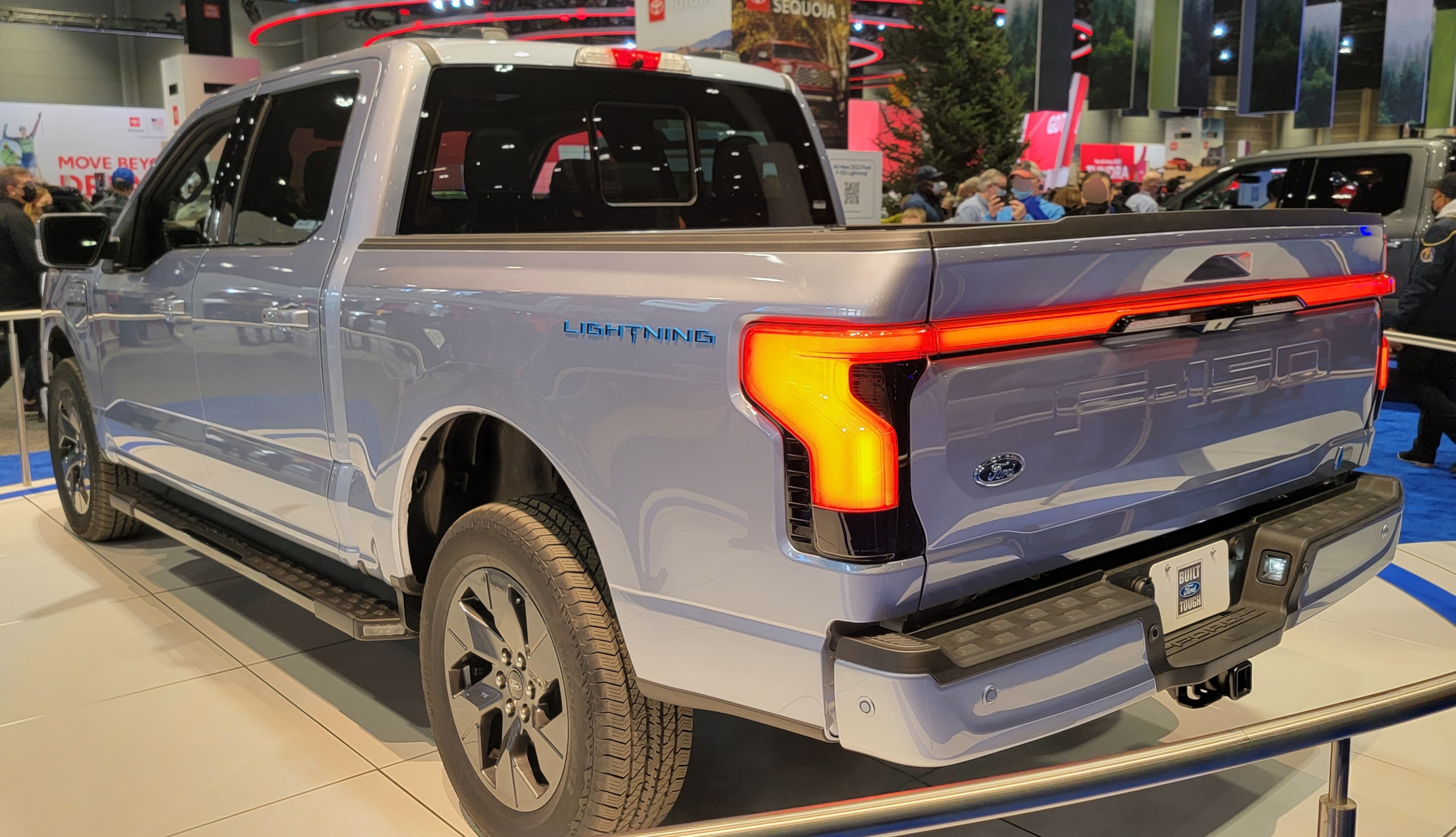
Raptor Ford F-150
"And he had his his Model T, right? A Raptor inspired Raptor Ford F-150, right? A Raptor inspired sort of off roady thing."
They’re talking about a Ford F-150 that’s been made to look like a Ford Raptor. Raptors are the off-road versions of the F-150, so this build is trying to capture that rugged style. Whether people love it depends on how close it feels to the real thing and how well it’s executed.
The transcript describes a “Raptor inspired” Ford F-150, meaning it’s styled or engineered to resemble the off-road-focused Ford Raptor. The Raptor brand is known for suspension and off-road capability, so “Raptor-inspired” builds often aim for that look and stance even if the underlying truck isn’t a factory Raptor. This is a good example of how individuality can be both appealing and polarizing.
numbers decoding
"There have been numbers decoding, going that extra layer and finding out, you know, weird things about the car that maybe they didn't even know as a car has been passed the generation."
Numbers decoding means looking up the codes on a car to figure out what it really is. It can uncover surprises, like whether parts match the car’s original build.
“Numbers decoding” refers to interpreting a car’s identification and production codes—often from VINs and other factory markings—to confirm what the car actually is and how it was built. This can reveal discrepancies like incorrect engines, mismatched components, or hidden options that matter for authenticity and value.
matching numbers
"Factory cars, matching numbers, bring big money or were Resto mods to scream this year? Look like the matching numbers really brought some nice money."
“Matching numbers” is when the important parts in the car are the same ones it left the factory with. People like it because it’s more original, and that usually makes the car worth more.
“Matching numbers” means the car’s key components (often the engine and sometimes the transmission/body) are the original ones that were installed at the factory. Collectors pay a premium because it proves the car hasn’t been heavily altered and helps preserve originality.

Chevrolet Camaro
"Didn't matter if it was a Camaro, a Chevelle, a Corvette. Old cars had some bang to them this year, man."
A Camaro is a classic American performance car from Chevrolet. The point here is that even common enthusiast favorites like Camaros were selling for big money.
The Chevrolet Camaro is a long-running American muscle car/pony car. In auction-market talk like this, name-dropping a Camaro signals that the strong pricing wasn’t limited to one brand—it included popular performance classics.

Chevrolet Corvette
"Didn't matter if it was a Camaro, a Chevelle, a Corvette. Old cars had some bang to them this year, man."
A Corvette is Chevrolet’s famous sports car. The hosts are basically saying that the hot auction prices weren’t limited to obscure cars—Corvettes were strong too.
The Chevrolet Corvette is a flagship American sports car with a long history of performance variants. In this context, it’s being used as an example that even well-known, enthusiast-loved models were bringing strong prices.

Chevrolet Chevelle
"Didn't matter if it was a Camaro, a Chevelle, a Corvette. Old cars had some bang to them this year, man."
A Chevelle is a classic muscle car from Chevrolet. They’re saying the bidding was strong across different types of old cars, including Chevelles.
The Chevrolet Chevelle is another iconic American muscle car, especially from the late 1960s. Mentioning it alongside other classics suggests the market strength covered multiple popular muscle-car platforms, not just one niche.
hot rod
"Unfortunately, we're seeing some of the some of our generations are aging out of the hot rod. So you're seeing a lot of them go up for sale and they're getting sold relatively inexpensively."
A “hot rod” is a car that enthusiasts love—often older and sometimes modified. Over time, some of these cars stop being daily fun cars and start becoming collectible.
“Hot rod” refers to older, enthusiast-owned cars that are modified or simply treated as personal projects rather than kept stock. In collector terms, they often move from everyday use to “garage queen” status as the original owners age out and younger buyers chase nostalgia.
collector car price creep
"So you're seeing a lot of them go up for sale and they're getting sold relatively inexpensively... But we've seen that creeping up."
The segment describes “price creep,” where enthusiast-car values rise over time as supply of clean examples shrinks and demand grows with new collector demographics. This often shows up first in low-mileage cars and unique builds, then spreads to the broader model population.

Fox bodies
"Some of the low mileage, some of the wild, you know, one house they had or unique builds, same thing with the Fox bodies. But we've seen that creeping up."
“Fox bodies” are a nickname for a Ford Mustang generation. Clean, low-mileage ones tend to become more valuable because they’re harder to find in good condition.
“Fox bodies” refers to the Ford Mustang built on the Fox-body platform (late-1970s through early-1990s). Like many enthusiast cars, values can climb quickly when clean, low-mileage, or uniquely built examples become scarce.
carburetor
"They don't want to have to worry about changing out, you know, points or changing out jets in the carburetor. They want to be able to hop in and drive."
A carburetor is how older cars mix fuel with air before it goes into the engine. “Jets” are small parts inside it that affect how much fuel gets delivered.
A carburetor is a fuel-mixing device that helps deliver the right air/fuel mixture to the engine. When people talk about “changing jets” in a carburetor, they’re referring to tuning fuel flow for different conditions like altitude or engine setup.
changing out points
"Everybody wants something they can hop in and drive. You know, they don't want to have to worry about changing out, you know, points or changing out jets in the carburetor."
On some older cars, the ignition system uses “points” that can wear out. When they do, the car may need adjustment or replacement to keep running right.
“Points” refers to ignition points in older distributor-based ignition systems. They wear over time and can require periodic adjustment or replacement, which is part of the maintenance burden that modern ignition systems largely eliminate.
numbers matching
"But we do have these little blips where, like this time around, there were a few numbers matching that kind of blew up a little bit. I think the big thing with numbers matching is there has to be some type of draw to that numbers matching."
“Numbers matching” means the car still has its original key parts, not replacements. Collectors like it because it proves the car is more original, and that usually makes it worth more.
“Numbers matching” means the car’s major components (most commonly engine and drivetrain, sometimes body/trim identifiers) are the original ones that came with the vehicle. In collector circles, it’s a proxy for originality and authenticity, which can strongly affect value and desirability.
burnouts
"He just wants to rip and do burnouts, which God bless them."
A burnout is when you spin the tires on purpose to make smoke and heat. It’s fun for showing off, but it can wear out tires quickly and can be hard on the car if it’s done a lot.
Burnouts are when a driver spins the tires to generate heat and smoke, usually to show off or to prep traction for a launch. They’re common in muscle-car and drag-style culture, but they can accelerate tire wear and stress drivetrain components.
right buyer
"bringing the right money for your car is something we all consider. We all think about none of us like to sell cars. But if you get that right buyer, like I just sold my Chevelle."
“Right buyer” is about matching the car to someone who values it for the same reasons you do—condition, originality, provenance, or the specific model/year. In classic-car markets, that can matter as much as the car’s specs because two buyers can place very different values on the same vehicle.
provenance (car story)
"It's it's why the story that made me sell the car. Very few things make me sell a car. I heard from the the son of the man that originally bought it off the dealership..."
Provenance is the documented history of a car—who owned it, where it came from, and what happened to it over time. For classics like a 1969 Chevelle, a compelling ownership story can increase buyer interest and perceived value, especially when it supports authenticity and desirability.
console shift manual
"It was a 350. It was a console shift manual. Now it's a floor shift four speed."
A “console shift manual” describes a manual transmission shifter mounted in the center console rather than on the floor. On classic cars, the shifter location and linkage style are part of the factory-correct feel and can affect how original the car is.
floor shift four speed
"Now it's a floor shift four speed. But it was a really clean, clean Chevelle."
This is a manual transmission where you shift with a stick on the floor, and it has four gears. People often care because it’s part of what makes the car feel and perform a certain way.
“Floor shift four speed” indicates a manual transmission with four forward gears and a shifter on the floor. In muscle-car circles, the exact transmission and shifter setup is a key option that can change how desirable the car is to buyers.
muscle cars still bring big values
"But the guy, to me, those old muscle cars still bring big values, still bring big numbers."
They’re saying these old muscle cars are still worth a lot of money. Clean condition and the right factory setup can make buyers willing to pay more.
This is about collector demand: certain classic muscle cars hold value because buyers want specific combinations of engine, transmission, and originality. Condition (“really clean”) and factory-correct details can strongly influence pricing in the classic-car market.
brakes
"I did some upgrading to the brakes, to the control arm suspension..."
They upgraded the brakes to help the car stop better and more consistently. It’s a common upgrade on older cars so you can drive them harder with more confidence.
Upgrading brakes on a classic muscle car typically means improving stopping power and fade resistance—often with better pads, rotors, and sometimes calipers. It’s a common restomod-style move because older braking systems may not match modern driving demands.
control arm suspension
"I did some upgrading to the brakes, to the control arm suspension, made a little bit of a wrestle model..."
Control arms are part of the suspension that helps hold the wheels in the right position. Upgrading them can make the car handle better and feel tighter over bumps.
The control arms are key suspension links that locate the wheels and help determine ride quality and handling. Upgrading the control arm suspension on a muscle car can reduce looseness, improve alignment stability, and make the car feel more modern and predictable.
keeping the older 350 because that's what the Chevelle was born with
"...but kept the older 350 because that's what the Chevelle was born with."
“Born with” implies the car’s original, factory configuration. In collector terms, preserving the original engine (or at least keeping it the same displacement/identity) helps maintain authenticity, which can matter as much as performance upgrades.
car history / provenance research
"But to find out the history of a car, you need somebody like you. You need you need a guy that's willing to dig in the layers and find out things that we weren't aware of"
They’re talking about researching where a car came from and what happened to it over time. That kind of history can help you understand what you’re really buying, not just how the car looks.
The hosts describe “digging in the layers” to uncover a car’s history—often called provenance. For enthusiasts and buyers, provenance research can confirm originality, document ownership, and uncover build details that affect both enjoyment and value.
ventag or a body tag
"things that maybe you're looking at a ventag or a body tag. We just see a bunch of numbers. You actually go layers deeper to that stuff and find out a lot about the car"
A vent tag or body tag is like a factory ID label on the car. It can tell you important details about when and how the car was built, even if you can’t tell just by looking.
A vent window tag (often called a “vent tag”) and a body tag are factory identification labels used to verify a car’s build details. Decoding them can reveal production information that isn’t obvious just by looking at the car.

Chevy 210
"We recently did an appraisal on a Chevy 210. And the guy bought it for his wife as a Christmas present. Absolutely gorgeous car. Well, in doing the research, we actually found out that it was built Christmas week of 57."
“Chevy 210” is a Chevrolet model name. Here, the important part is that they found out it was built during Christmas week of 1957, which makes the car’s story extra special.
“Chevy 210” refers to the Chevrolet 210 model line, commonly associated with mid-century Chevrolets. In this segment, the hosts connect it to a specific build timing—“Christmas week of 57”—which is the kind of detail that helps establish the car’s provenance and originality.
appraisers go that extra mile
"Go that extra mile and find out things or, you know, just ways that, again, tie you personally to the car and, you know, finishes the story about how that car was born and how it will continue to live on through generations, families and, you know, through sellers."
Appraisers don’t just guess a price from a book. They try to learn the car’s story—like where it’s been and what makes it special—because that can affect its value.
The hosts are talking about how great classic-car appraisers dig deeper than a simple price guide. They look for details that explain the car’s history and condition, which can change what it’s worth to the next buyer.
East Coast car
"You know, what has it been an East Coast car? You got to look for other problems if it's an East Coast car, you know, you know, I personally took that gamble and wouldn't say I lost, but I didn't do great on it, but ended up with a lot more rust than I thought was going to be there."
When someone says an “East Coast car,” they usually mean it lived in a place that uses a lot of road salt in winter. Salt can cause rust, so you have to check the car more carefully.
“East Coast car” is shorthand for vehicles that spent time in regions where road salt and winter weather are common. That matters because it can accelerate corrosion, especially in hidden areas like rocker panels, wheel wells, and underbody.
rust
"but ended up with a lot more rust than I thought was going to be there. But we'll get there."
Rust isn’t just cosmetic. If it’s already there, it can mean the metal is getting eaten away, and fixing it can be costly—especially if it’s in important parts of the car.
Rust is a major value killer on used and classic cars because it can indicate deeper corrosion and expensive repairs. Even if surface rust looks manageable, rust can spread into structural areas and hidden seams.
provenance (Rockstar/Builder ownership)
"whether it was owned by, hey, this was, you know, Rockstar, so-and-so owned this thing or, you know, Builder, you know, Mr. Fuss built this car or just, you know, whatever."
Provenance means the car’s background—like who owned it or who built it. A cool or famous history can make the car worth more to collectors.
The hosts mention provenance—who owned or built the car—as a factor that can raise value. Cars associated with famous owners, builders, or notable stories can command a premium because buyers value the history as much as the mechanical condition.
celebrity ownership vs. celebrity driving
"[1065.3s] as opposed to, you know, Elvis bought a ton of cars [1069.2s] but never drove them. [1074.0s] And people say this is an Elvis owned car. [1077.2s] Does it have Provinance?"
They’re saying that owning a car for a short time can be less valuable than if the celebrity actually drove it. Buyers like proof that the car was truly part of the person’s real life, not just a purchase.
The segment distinguishes between a celebrity merely owning a car and a celebrity actually driving it. Collectors often value “driven” provenance more because it implies the car was used and documented in real life, not just stored or briefly held.
celebrity provenance (Elvis)
"[1065.3s] as opposed to, you know, Elvis bought a ton of cars [1069.2s] but never drove them. [1074.0s] And people say this is an Elvis owned car."
They use Elvis as an example of how famous ownership can make a car worth more. But the value depends on how strong the story and evidence are—did Elvis just own it, or did he actually drive it?
The hosts reference Elvis as an example of how celebrity ownership can affect valuation. The key idea is that the market may treat “Elvis-owned” cars as more desirable, but the premium can vary depending on whether there’s evidence the car was actually used.
celebrity provenance (Steve McQueen)
"[1084.0s] Same thing with Steve McQueen, you know, if Steve McQueen drove [1087.8s] the car, it's worth a lot more than one that he just owned [1090.9s] on his ranch or something like that."
They bring up Steve McQueen to show how celebrity connections can boost value. The premium can be bigger if the car is connected to him actually driving it, not just owning it quietly somewhere.
Steve McQueen is used to illustrate how a car tied to a famous person—especially one associated with driving—can command a higher price. The discussion implies that “owned on his ranch” provenance may be worth less than provenance tied to him actively driving the car.
builder/restorer provenance
"[1093.0s] How about restores or builders or things like that? [1097.2s] And is there any sort of weird, you know, unexpected influences?"
They’re saying the person who restored or built the car can affect the price. If it was done by a respected shop or builder, buyers may trust the quality more and pay extra.
The hosts mention restorers and builders as another kind of influence on value. A well-known builder’s involvement can increase desirability because it suggests higher-quality workmanship, documentation, and a more credible transformation history.
one-off builders
"But as you said, there are some phenomenal one off builders and they do really great jobs and you can go through top to bottom and you can kind of see all the details and know that this thing is built."
A “one-off builder” is someone who makes a custom car that’s basically unique. If the work is really high quality, collectors may pay more because they can see the details and effort.
“One-off builders” are independent custom fabricators who create unique vehicles rather than producing cars in volume. Their work can command strong value when the craftsmanship is visible and documented, even without a big-name shop brand.
appraisal
"The this particular car that we did the appraisal on didn't have any paint on it. And in my personal opinion, I wouldn't put a piece of paint on it because it was just the metal"
An appraisal is a formal estimate of a vehicle’s value, often based on condition, workmanship, originality, and market demand. In custom cars, the appraiser’s ability to assess fabrication quality and how the build is finished can heavily influence the valuation.
paint
"The this particular car that we did the appraisal on didn't have any paint on it. And in my personal opinion, I wouldn't put a piece of paint on it because it was just the metal"
Paint isn’t just for color—it can cover up how good the metalwork is underneath. If the metal is already finished beautifully, some builders prefer not to cover it.
Paint can hide or reveal the quality of metalwork on a custom car. When a build is judged “hand touched” and the metal finish is exceptional, leaving it unpainted (or using minimal coatings) can showcase craftsmanship and affect how collectors perceive value.
builders can recognize other builders
"[1210.8s] So I think builders can recognize other builders for sure. [1215.0s] But I think a lot of just car guys, I don't know if they always [1219.2s] have the eye for right what goes into the quality of, you know, [1224.3s] like they just go, oh, cool."
The hosts are talking about how experienced builders can spot quality details that casual buyers might miss. This is about craftsmanship signals—fitment, finishing, and how the car was assembled—rather than just headline specs like engine type. It’s a reminder that “quality” in a build is often visible to people who know what to look for.
LS
"[1224.3s] like they just go, oh, cool. [1225.6s] It's got an LS or it's got, you know, it's got a flathead. [1229.8s] But they don't have to have the eye."
“LS” usually means a GM V8 engine family that’s popular for swaps. People like it because it’s powerful and there are lots of parts and mechanics who know how to work on it. Some buyers get excited just because the engine is an LS, even if the rest of the car isn’t great.
“LS” typically refers to GM’s LS-series V8 engines, a modern small-block family known for strong performance potential and broad aftermarket support. In car culture, an LS swap is often treated as a quality upgrade because it’s relatively easy to find parts for and can make an older car faster and more reliable. The hosts mention people judging cars mainly by whether they have an LS.
flathead
"[1224.3s] like they just go, oh, cool. [1225.6s] It's got an LS or it's got, you know, it's got a flathead. [1229.8s] But they don't have to have the eye."
A “flathead” is an older-style engine design that’s common in classic cars. People love them for the vintage feel and the classic hot-rod vibe. In this conversation, it’s used as an example of someone focusing on the engine instead of the whole car’s quality.
A “flathead” is a type of older engine design where the valves are located in the engine block rather than in the cylinder head. Flathead engines are strongly associated with classic American cars and hot-rodding culture, and they’re often valued for their historical character. The hosts contrast flathead enthusiasm with a lack of attention to overall build quality.
Original versus patina
"[1244.6s] Original versus patina. [1247.0s] There's something going on. [1248.5s] I believe in the in the industry in the market about finding cars. [1252.6s] Yeah, it's saving them. [1253.4s] But if it has that original patina, is it worth restoring the whole car?"
Some cars look better the more they’ve been used, because they develop a natural “patina” over time. Others people want to restore everything to look like it did when it was new. The question is whether you should keep the original wear or pay for full restoration.
“Original” refers to keeping the car as it was when it left the factory or as close as possible to its early condition. “Patina” is the worn-in look that develops over time—often paint fading, surface scratches, and minor imperfections—that can be valued as authenticity rather than “damage.” The debate is whether to preserve that character or restore the car to a like-new appearance.
rest of mods
"New, old, hot ride, rest of mods, muscle cars. What do you do mostly, Burke?"
That phrase means “other upgrades” people have added to the car. Some mods can make a classic worth more, but others can hurt value if they’re not done well or don’t fit the car’s style.
“Rest of mods” is shorthand for aftermarket modifications beyond the obvious big-ticket items. In classic-car appraisal talk, it usually means how those changes affect value—sometimes positively (tasteful, well-done upgrades) and sometimes negatively (non-period-correct or poorly executed work).
insurance set properly
"People looking to make sure they got their insurance set properly. They're not paying too much insurance, not paying too little insurance."
This means making sure your insurance coverage matches what the car is actually worth. If it’s set wrong, you could either pay too much or not get enough money if something happens.
“Setting insurance properly” usually means matching the policy’s agreed value or coverage limits to the car’s real market value. For classics and modified vehicles, this helps avoid being underinsured (not enough payout) or overpaying for coverage you don’t need.
insurance claim valuation dispute
"In case something were to happen... you get an accident and the insurance company wants to give you the bare minimum price... If you have an appraisal... you have a real number that you could take to an insurance fight and battle."
Sometimes insurance companies try to pay less than you think your car is worth. If you have paperwork like an appraisal, you can push back and try to get a fair settlement.
The segment describes how insurers may value a damaged or stolen vehicle at a lower amount than the owner expects. Having an appraisal can be used as evidence to negotiate or contest the payout amount.
original verse patina
"Burke, let's talk original verse patina. But you know what? That is something before I hop off that topic, that is something every car owner should, in fact, do, correct?"
People argue about whether a classic car should look exactly like it did when new (“original”) or look naturally aged (“patina”). Patina can actually add character, but it has to look believable and not like neglect.
“Original vs patina” is a common collector-car discussion about whether a car’s value comes from being preserved in factory condition (“original”) or from its aged, worn-in appearance (“patina”). Patina can be desirable on some older cars, but it depends on how authentic and consistent the wear is.
7.3 liter
"For instance, I've got a 99 F2 or F 350 sitting in my driveway, the 7.3 liter."
“7.3 liter” is the engine size—how big the engine is. Bigger engine size often means different parts and maintenance, and it can help determine what your truck is worth.
“7.3 liter” refers to engine displacement, meaning the total volume of all cylinders combined. In this context it’s used to identify the specific engine family, which can affect value, parts availability, and what maintenance history matters most.

Ford F350
"10 years older, older needs an appraisal on it. For instance, I've got a 99 F2 or F 350 sitting in my driveway, the 7.3 liter. My insurance company, if they Kelly Blue Book is, they're going to say seven,"
The Ford F-350 is a truck meant for heavy work like towing and carrying loads. The podcast mentions a 1999 model with a 7.3-liter engine, which is a specific older setup. Older trucks like this can be tricky to value, so insurance companies may rely on appraisals or pricing guides.
The Ford F-350 is a heavy-duty pickup truck built for towing and hauling, and it’s commonly equipped with larger engines than standard half-ton trucks. In the podcast context, the mention of a “’99 F-350” with a 7.3-liter engine highlights a specific, older configuration that owners often keep long-term. It may be discussed alongside insurance/appraisal topics because valuation can depend heavily on exact engine and condition.
frame off restoration
"If this is a complete frame off restoration that's been done and basically every part's been massaged, we're going to do what we call to build appraisal..."
A frame-off restoration means the car is taken apart down to the frame and rebuilt from the ground up. It usually costs more because it’s a lot of work, so it can change what the car is worth to an insurer.
A frame-off restoration is a rebuild where the body is separated from the chassis/frame and refinished or replaced as needed. Because it typically involves extensive labor and replacement of many components, it can justify a higher appraisal than a lightly refreshed or partially restored car.

BMW M3
"Like I've got a first gen BMW M3 that, you know, if you look at bring a trailer, right, some of those have topped 100 grand, but I carved it and cut it up and it's got an LS in it."
They’re talking about the earliest BMW M3. The important part is that if you cut it up or swap the engine, it may not match the typical auction price, so you need a different way to explain its value.
“First gen BMW M3” refers to the earliest generation of the M3, commonly associated with the E30-era M3. The key point in the discussion is that even if a car sells for a high price on auction sites, major modifications (like engine swaps) can change how you justify value to an insurer.
LS swap
"So basically, we look at where what's driving the market, you know, is it the LS swap in that particular vehicle? Is it, you know, and we look at it that way."
An LS swap is when someone puts a GM LS V8 engine into a different car. People do it to get more power and better parts availability, but it can change what the car is “worth” because buyers may want the car to stay original.
An “LS swap” usually means replacing a vehicle’s original engine with a GM LS-series V8 (commonly from the Camaro/Corvette family). It can make a car faster and easier to maintain because the LS engines have strong aftermarket support, but it can also affect originality and resale value depending on how well it’s done.
driving the market (resale value factors)
"So basically, we look at where what's driving the market, you know, is it the LS swap in that particular vehicle? Is it, you know, and we look at it that way. And, you know, sometimes, yeah, sometimes we say, hey, you know, you you painted flames on this car."
They’re talking about what makes a car worth more or less when you go to sell it. Things like popular upgrades can raise value, while certain styling choices can turn buyers off and lower the price.
The hosts are discussing how specific modifications and condition influence resale value—i.e., what “drives the market.” In classic/enthusiast cars, buyers often pay premiums for desirable upgrades (like a well-executed swap) and discounts for changes that reduce originality or clash with current trends.
cutting up a rare car
"What about what about cutting up a car that's rare? So he he mentioned that in three that the first in in three, that's car most people don't cut up."
“Cutting up” a rare car means taking it apart or modifying it so it can’t be restored to how it was. Rare cars are usually worth more when they’re kept whole, so this kind of damage hurts resale value.
“Cutting up” a rare car refers to dismantling or modifying it in ways that destroy its original structure and collectability. For scarce models, buyers often value completeness and originality, so cutting up can drastically reduce value compared with keeping the car intact or restoring it.
factory stock / cleaned up scenario
"That's most most people are getting big money on that car to factories, stock, you know, cleaned up scenario."
They’re comparing a car that’s kept close to how it came from the factory versus one that’s been cleaned up or restored. Generally, buyers pay more for cars that look good and haven’t been messed with too much.
The “factory stock” and “cleaned up” language describes how condition and originality affect valuation. A car that’s returned to stock specs or restored to a tidy, presentable state typically attracts more buyers than one that’s heavily modified or cosmetically rough.
put LS in it (engine swap)
"What if you do some wild and crazy, like put LS in it,"
“Put LS in it” means swapping in an LS V8 engine. Whether that helps or hurts the price depends on how well it’s installed and whether buyers want a modified car or an original one.
The phrase “put LS in it” is shorthand for an engine swap into a different chassis, typically using an LS-series GM V8. The key valuation point is that swaps can be a selling advantage if they’re done correctly, but they can also reduce value if the work is sloppy or the car’s originality is a major part of its appeal.
six speed
"customize fat fenders on it, put a six speed in it, [1573.1s] crazy, expensive on it, make it all loud and rowdy like the kids like to do."
“Six-speed” means the car has a manual gearbox with six gears. People swap to a six-speed when they want the car to feel more fun and responsive to drive.
A “six-speed” refers to a manual transmission with six forward gears. Swapping in a six-speed is a common upgrade on enthusiast cars because it can improve drivability and keep the engine in the right power band.
original value vs losing ground on upgrades
"Well, what about like, does that add money? [1580.1s] At what point do you start losing ground on the original value? [1584.2s] Let's say that car's worth 100,000, but he's got at least 100,000 upgrades."
They’re talking about how adding mods usually doesn’t make your car worth exactly what you spent. At some point, the extra upgrades don’t pay you back when you sell.
The hosts are discussing how modifications often don’t add dollar-for-dollar value. There’s a point where spending more on upgrades stops increasing resale value and can even reduce it compared to the car’s original market value.
upgrades not scaling to resale value
"Does it even out scale out? [1589.9s] A lot of times it doesn't, unfortunately. [1592.1s] A lot of times, you know, we we get calls all the time, you know, [1597.2s] you know, hey, I put, you know, I put a hundred thousand dollars into this car, what's it worth?"
They’re saying you can’t assume “I spent $100k, so it’s worth $200k.” Buyers only pay for the kinds of upgrades they want, and some builds don’t match the market.
“Does it even out scale out?” and “a lot of times it doesn't” point to the idea that resale value doesn’t scale linearly with spending. The market values certain changes more than others, and the wrong combination of parts or approach can hurt value.
auction results vs actual market value
"Well, and you can see it all day long at at auction, right? [1617.6s] There's a lot of cars that you know have two, three, [1620.1s] four hundred thousand worth of stuff going on, right? [1623.7s] Work, labor, paint, parts and sells for 100 grand, 125, right?"
They’re talking about how auctions can show that even expensive builds may not bring top money. And they’re pointing out that the price can depend on the day and the crowd, not just the car itself.
They mention seeing this “at auction,” where cars with huge receipts sometimes sell for far less than expected. The hosts also note the debate between what’s “market value” versus what a car sells for on a specific day.
market value timing (prices change over time)
"What is that car worth at that exact moment when I come out and start taking pictures of it? That's what that car in the market, where is it sits now? Six months down the road when Hollywood decides to redo American graffiti and those prices skyrocket..."
Car prices aren’t fixed. They change based on what people want right now, and sometimes pop culture or celebrities can make certain cars suddenly more desirable.
The hosts are talking about how a car’s value depends on timing—what the market will pay at the exact moment you sell or list it. They also note that external events (like a movie or celebrity influence) can quickly shift demand and push prices up.
Hollywood influence on classic car prices
"Six months down the road when Hollywood decides to redo American graffiti and those prices skyrocket, then, you know, that changes everything."
Sometimes a movie makes people suddenly want the same kind of car, and that can raise prices.
This segment highlights how entertainment can affect collector-car pricing. When a film or remake brings attention to a specific era or model, demand can rise and values can jump.

Dodge Charger
"Let's say my all time greatest car, 70 Dodge Charger. You got one that's found in a barn."
They’re talking about a 1970 Dodge Charger and what it’s worth depending on whether you restore it or keep it mostly original. Even if it’s not perfect, original cars can sometimes be more valuable to collectors.
The hosts use the 1970 Dodge Charger as an example of how value can be affected by originality versus restoration. They’re essentially asking whether a barn-found car with original paint and some rust is worth more as-is (survivor) or after a full restoration.
survivor vs restoration (originality strategy)
"Do you take that car and restore it like new paint body off? Or do you take that car, clean it up, get it running, right? Get it sealed up and running good and present it as a survivor."
They’re comparing two ways to handle an old car: fully restoring it to look new, or keeping it mostly original and just making it run and look presentable. Which one pays more depends on what collectors value most for that specific car.
They’re debating two approaches to an older car: a full restoration (often involving stripping and repainting) versus preserving it as a “survivor” by cleaning it up, fixing mechanical issues, and sealing it while keeping original body/paint. The choice affects both buyer appeal and long-term value because collectors often pay premiums for originality, but rust and damage can reduce that.
concourse quality
"complete frame off restoration and bring it showroom quality, you know, concourse quality coming off the showroom floor."
Concourse quality is the “show car” standard—basically the level you’d expect to win at a car show. It means the car looks extremely correct and well-finished in every detail.
“Concourse quality” refers to a restoration level where the car is judged to look perfect in a show setting—down to details like paint finish, panel alignment, and presentation. It’s a benchmark used by appraisers and collectors to describe top-tier results.
originality vs. modernization
"Would you say that originality is the most important factor or the work that they've done to drive the car and present it in a more modern way?"
This is the classic collector question of whether to preserve a car’s original condition or to modify it to look/feel more modern. Originality often matters to buyers for authenticity, while modernization can improve drivability or appearance—so the “best” choice depends on the specific car and market.
return on investment (ROI)
"What's the best way for the most return on investment?"
ROI here means: if you spend money on the car (like repainting or updating it), do you get that money back when you sell it? The hosts are asking what choice usually pays off best.
Return on investment (ROI) is how much value you gain relative to what you spend—here, whether repainting or modernizing a car increases its resale/appraisal value. Restoration choices often trade off aesthetics, originality, and collector demand, so ROI can vary widely.
Porsche
"That's a difficult question, because it depends on the make of the car, because they're Porsche for one. You don't do anything to a Porsche other than factory stuff, because when a new Porsche guy comes to buy it, that's what he's looking for."
With Porsche, a lot of buyers care that the car is basically how it left the factory. If you change it too much, it can hurt what other enthusiasts are willing to pay.
Porsche is a brand where buyers often value originality and factory-correct details. In the used market, “leave it alone” can mean preserving factory parts and documentation because enthusiasts want the car as it came from the factory.
originality / factory-correct condition
"You don't do anything to a Porsche other than factory stuff, because when a new Porsche guy comes to buy it, that's what he's looking for. He's looking to make the same thing with Jaguar. Make sure that all the wrenches that came with it are in the trunk, because that's what they're looking for."
In classic-car buying, originality matters. If you keep the car close to how it came from the factory (and keep the original included items), collectors usually pay more.
The segment emphasizes that certain collector markets reward originality—keeping the car in factory condition and preserving original items. That affects pricing because buyers are often trying to match what they consider “correct” for that model and year.
collector car value drivers (original tools, completeness, and buyer intent)
"He's looking to make the same thing with Jaguar. Make sure that all the wrenches that came with it are in the trunk, because that's what they're looking for. Now, American classic cars, it's more, can I drive it? Can I hop in it and drive it down the road?"
Car prices aren’t just about the car itself—they’re about what the buyer is trying to get. Some people want a car that’s complete and original; others mainly want something they can drive.
This portion contrasts how different buyers evaluate cars: some want factory-correct details and included items, while others focus on whether the car is usable and drivable. It’s a reminder that pricing depends on the buyer’s intent and the car’s perceived “fit” for that audience.
Jaguar
"You don't do anything to a Porsche other than factory stuff, because when a new Porsche guy comes to buy it, that's what he's looking for. He's looking to make the same thing with Jaguar. Make sure that all the wrenches that came with it are in the trunk, because that's what they're looking for."
For some Jaguar buyers, it’s not just about the car—it’s also about having the original stuff that came with it. That kind of completeness can make the car worth more.
Jaguar buyers in this context are described as caring about completeness and original accessories. The mention of “wrenches that came with it” points to the value of original tools and packaging as part of the car’s provenance.
restoration ROI (putting money in vs getting it back)
"You just got to watch how much money you put into it and what direction you go. You know, I don't know that you want to paint it pink because I don't think that's going to sell very well, you know, down the road."
When you restore a classic, you might not get all your money back when you sell it. The key is spending wisely on things buyers care about.
The hosts caution that spending money on a classic doesn’t always translate into equal resale value. This is essentially the restoration return-on-investment question: you need to control costs and choose changes that the next buyer will actually pay for.

Plymouth Super Birds
"Although the pink panther chargers do bring a lot of money. And it's crazy to see what those super birds are bringing down. The car used to be a hundred thousand dollars. Now it's a million dollars, dude, every one of them."
They’re talking about the Plymouth Superbird, a very rare, famous muscle car. Because it’s so special and hard to find, collectors pay huge money for them.
“Super birds” refers to the Plymouth Superbird, a famous high-performance NASCAR-era muscle car known for its distinctive aerodynamic bodywork. The hosts highlight how extreme rarity and collector demand can drive values from six figures into the seven-figure range for each car.
collectible cars
"All right, man. So what else is collectible? If you're looking at cars today, we only have a few more minutes."
A collectible car is one people want enough that the price can go up over time. This episode is basically talking about which older cars are becoming more valuable as nicer ones get harder to find.
“Collectible cars” are vehicles that gain value because of rarity, cultural importance, and enthusiast demand—not just because they’re fast. In this segment, the hosts discuss how certain eras (like 1980s/1990s domestics and late-1990s Japanese performance) are starting to appreciate as supply of clean examples shrinks.

GNXs
"I was stunned when I saw what Buick GNs are going for, or GNXs."
The GNX is a rare, upgraded version of the Buick Grand National. Since there weren’t many made and good ones are hard to find, the price can jump a lot over time.
The Buick GNX is a limited-production, performance-focused version of the Grand National, built to be a step up in power and hardware. Because production was small and many cars have been modified or worn, clean, original GNX examples tend to command big collector prices.

Mazda Mx5S
"You know, the the 99 to 2005 Mazda MX-5s are definitely starting to receive the price go up on those."
The Mazda MX-5 is a small, fun-to-drive roadster. The 1999–2005 cars are getting older, and in some markets people are paying more for the clean, well-maintained ones.
The 1999–2005 Mazda MX-5 (often referred to as the NB generation) is a lightweight, affordable roadster that has grown in popularity with enthusiasts. As these cars age out of the “cheap used” phase, well-kept examples and low-mileage cars can start appreciating.

Nissan Skylines
"The Nissan Skylines, those, you know, the the late 90s models, those are increasing in value almost daily."
The Nissan Skyline is a famous Japanese performance car. The late-1990s ones are becoming more valuable because fewer are available in good condition and enthusiasts really want them.
“Nissan Skyline” refers to the legendary Japanese performance line, and the late-1990s models are especially popular among import and tuning communities. Their increasing values are driven by scarcity in the U.S., strong enthusiast demand, and the fact that many have been modified over the years.
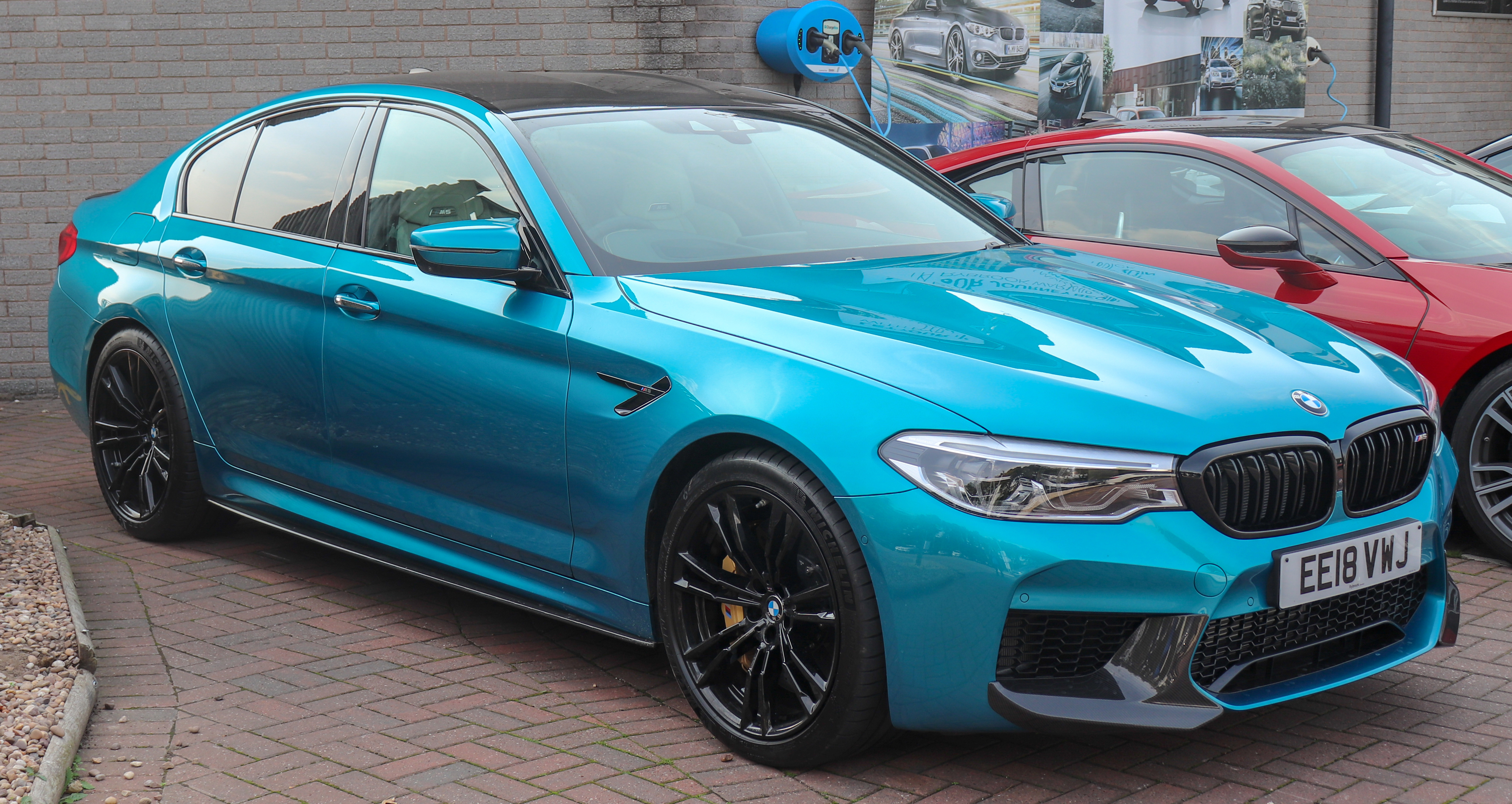
M5s
"You know, your 2000s, your 2006s and to 10 BMWs, the M5s are increasing in value."
The BMW M5 is a high-performance version of BMW’s 5 Series. The 2006–2010 cars are especially sought after, so their prices can rise as good examples become harder to find.
The BMW M5 is the brand’s high-performance sedan line, and the 2006–2010 era corresponds to the E60-generation M5. These cars are popular because they combine everyday usability with serious performance, which helps support collector demand as they age.
hot hatch
"...even with some of the arrows there that, you know, had the the hot setup on it, you know, it was a super hot hatch..."
A hot hatch is a small hatchback that’s been made faster and more fun to drive than the regular version. It’s the kind of car people buy for spirited driving, not just commuting.
A “hot hatch” is a compact hatchback tuned for performance—typically with a stronger engine, better suspension, and more aggressive driving dynamics than a normal commuter hatch. The hosts use it to explain why certain older cars can become collectible even if they don’t look like obvious performance machines at first.
nostalgia
"And I think a lot of it's that nostalgia that, you know, what did I have in high school?"
Nostalgia means people want something because it reminds them of their past. Cars can get more valuable when they’re tied to memories—like movies or what was “cool” when you were younger.
Nostalgia is a major driver of classic-car pricing: buyers often pay premiums for cars that remind them of their youth, movies, or cultural moments. In this segment, the hosts connect Scirocco/Gulf desirability to what people wanted in high school and what they saw in films and TV.
build-sheet style documentation
"So our appraisals, they basically come in a book form... between 70 and 80 pages long, including the pictures that we take in that."
The segment describes an appraisal delivered as a detailed booklet (70–80 pages) that compiles photos and historical/build details. This functions like build-sheet style documentation for enthusiasts, helping support authenticity and informed buying/selling.
fender codes
"...I'll break down the I'll break down the attached fender codes for you and say, hey, you know, this is what, you know, this car should have had."
Fender codes are manufacturer-specific identification codes used to determine how a car was originally built and equipped. Here, the appraiser uses them to confirm what the car “should have had,” which helps verify originality and correctness for collectors.
in-person inspection
"The biggest thing with an appraisal is the in-person inspection. There are there are hundreds of companies on the internet... Just send them pictures of it."
It means the appraiser has to look at the car in person, not just from pictures. Up close, they can spot real condition issues that change the price, so the appraisal is more trustworthy.
An in-person inspection is the hands-on step in a classic-car appraisal where the appraiser verifies condition details that photos can’t show. Things like paint condition, panel gaps, rust, and mechanical signs of wear affect value, so being physically there usually leads to a more accurate market number.
market lookups / comparable sales
"He has a lot of like he was telling you, Bert, he does a lot of market... lookups to find cars that are as close to yours... and what it went for."
Instead of guessing, the appraiser looks up similar cars and checks what they actually sold for. That helps them estimate a fair value for your car.
Market lookups (using comparable sales) are how appraisers estimate value for a specific car. They search for cars “as close to yours as possible,” then use what those cars sold for—often adjusting for uniqueness, condition, and sale channel—to arrive at a defensible appraisal number.
Amica auction
"...Barrett Jackson auction, like we've been speaking about, or Amica auction, or just local online retails of the other vehicle."
They’re mentioning another place cars get sold at auction. If similar cars sell there, those sale prices can help estimate value.
Amica auction is referenced as another sales channel that can produce comparable results for an appraisal. In appraisal work, the key is that the sale is documented and comparable, regardless of whether it’s a major auction house or a smaller venue.
insurance case (catastrophic loss)
"...not just to have that security of what your car is worth, but like we talked about early, the insurance case, something catastrophic were to happen."
They’re saying appraisals aren’t just for curiosity—they matter for insurance. If something terrible happens to your car, the value you have documented can affect what you get paid.
The “insurance case” angle is about how an appraisal supports coverage after a major loss. If something catastrophic happens, the insurer may use the appraised value (or a related valuation) to determine payout, so having a well-supported number matters.
valuable papers, these documents, in this history in the car
"It is valuable to have these papers, these documents in this history in the car."
They’re saying paperwork matters. Records about repairs and ownership can make the car worth more because it proves what’s been done. Without documents, people may assume it wasn’t maintained well.
They emphasize that documentation—like service records, ownership history, and other paperwork—can increase a car’s value and credibility during a claim or sale. For appraisals, complete records help establish condition and maintenance, which can affect pricing. Missing documents can make buyers and insurers assume the worst or discount the car.
Request an Explanation
Heard something you'd like explained? We'll add it to this episode.
Sign in to request explanations for terms you heard.
Want to learn more?
Browse our glossary for plain-English explanations of automotive terms, jargon, and concepts.
Help improve this episode
See something that's not quite right? Our annotations are AI-generated and can sometimes miss the mark. Click the flag icon on any annotation to suggest a correction.