
Burning Wheels May Not Always Happen For Reason You Think. Also, Talking With Customers in Your Business. Episode #957
About this episode
“Clutch culture” gets framed as a practical bridge for detailers: talk about the cars customers actually buy, then use that conversation to set expectations and build trust. The hosts also break down why customer acquisition is harder than “more Instagram followers,” especially as paid ads get pricier and less effective. They connect detailing value to real-world outcomes—preventing bad dealership decisions, protecting paint, and avoiding irreversible interior damage—while sharing concrete workflows for scratches, stains, and wheel cleaning.
Join us as we unpack the complexities of modern car detailing—covering social media's impact, customer confusion, the realities of online advertising, and best practices for maintaining and showcasing vehicles. Whether you're a detailer or a car enthusiast, this episode offers valuable insights into navigating this crowded space.
Main Topics Covered:
- The evolving landscape of car care and customer awareness
- The role of social media and online ads in attracting clients
- Realities of removing scratches, stains, and wheel damage
- Strategies for effective interior and exterior maintenance
- How car show season influences detailing practices
- The importance of proper product use and rinsing techniques
- The power of consistent maintenance for vehicle longevity and value
- Leveraging tools like Discord and social channels for education and client engagement
Timestamp Highlights:
00:00 - The crowded car care space: challenges for consumers and detailers
00:29 - The importance of community and network referrals in finding quality services
01:58 - How social media educates and misleads consumers simultaneously
03:20 - Effective social media strategies for local visibility in 2026
04:38 - Educating local consumers with targeted, relevant content vs industry jargon
06:06 - The rising costs and decreasing returns of paid online advertising for shops
08:06 - Balancing online marketing with community engagement and events
09:08 - How clutch culture serves as an educational bridge for enthusiasts and professionals
10:18 - Utilizing podcasts and social media insights as learning tools for mechanics and detailers
12:27 - The critical value of maintaining your vehicle for pride, function, and market advantage
13:47 - Proper techniques for removing scratches and understanding repair limits
16:36 - Risks of improper pad and rotary use — buffer trails and surface damage
18:12 - How consistent vehicle care impacts resale value and owner pride
21:22 - The significance of inspecting and protecting wheels with appropriate chemicals
24:35 - The role of Discord and online communities for technical advice and networking
26:36 - The importance of chemistry knowledge in wheel and paint care
34:40 - Recognizing when scratches and stains are too deep for simple detailing
38:31 - Avoiding abrasive fixes like magic erasers that can cause permanent damage
42:33 - The benefits of regular interior maintenance to prevent staining and wear
45:46 - Effective interior extraction techniques and the importance of thorough rinsing
50:43 - How proper rinsing and product application prevent common cosmetic issues
55:02 - Using simple, proven products like Fuego, TRX, and AWX for specific tasks
58:36 - Preparing vehicles for car shows with appropriate cleaning and glossing methods
59:46 - The science behind punchy, simple protection layers versus heavy sealants
61:27 - Juice as a streak-free, easy-to-use quick detailer for shows and regular maintenance
62:34 - Combining eco-friendly products for efficient, safe car care at shows
65:02 - Closing thoughts: how consistent, educated care elevates the industry and owner pride
clutch culture
"I immediately was like, Okay, well, what is Nick? And what is clutch culture? And what's going on over Rob? ... I called it the Porsche lead, right? Because because I just thought it was funny. You know, and I go, Wow, clutch culture really gives us a unique perspective."
“Clutch culture” is basically the community of people who really care about driving feel—especially cars with a real clutch and manual shifting. The host uses it to explain why people ask questions about cars and gearboxes.
“Clutch culture” is a fan/creator mindset that centers driving engagement—especially the appeal of a clutch-and-manual-transmission experience. In this segment, it’s used to frame how the speaker’s audience asks car questions and debates modern transmission choices.
manual option
"Yes, look, it's underpowered overpriced. No manual option. I mean, it's everything that you would expect not to do."
A “manual option” means you can get the car with a stick shift. Instead of the car choosing gears for you, you pick the gears yourself.
A “manual option” means the car can be ordered with a manual transmission, where the driver selects gears themselves using a clutch and gear lever. Enthusiasts often prefer manuals because they feel more connected to the car and can be more engaging to drive.
button shift
"Not only no manual, but those stupid button shift. I mean, it's worse now."
“Button shift” is when you put the car in gear using buttons instead of a normal shifter. The host thinks it feels worse and less satisfying to use.
“Button shift” refers to an electronic gear selector where you change gears using buttons (or a similar control) rather than a traditional gear lever. The speaker criticizes it as worse than older systems because it removes some of the physical feedback and control feel.
bridge moment
"I think what's cool is it puts us in that bridge moment. And it's a bridge of their questions as well as detail or questions all all explain."
They mean a “bridge moment” where the show connects what listeners are curious about to the deeper explanation. It’s about answering questions in a helpful way.
The speaker uses “bridge moment” as a metaphor for connecting the audience’s questions to the detailed explanations the show provides. It’s a structural idea about how the podcast responds to listeners.
mobile detail
"me, Hey, who is a good mobile detail place? Was like, What? Who's a good mobile detail?"
Mobile detailing means the car cleaning service comes to you. Instead of you taking your car to a shop, the detailer shows up where your car is.
“Mobile detailing” is a service where a detailer comes to the customer’s location (home, workplace, parking lot) instead of the customer driving the car to a shop. It’s often used for convenience and for maintaining vehicles without scheduling a full shop visit.
PPF
"And this is the benefit of the internet to detailing and PPF intent is that now people are getting an awareness."
PPF is a clear protective film put on your car’s paint. It helps protect the paint from small rocks, scratches, and everyday damage.
PPF usually refers to “paint protection film,” a clear protective layer applied to a car’s paint to help guard against chips, scratches, and light abrasion. In detailing discussions, it’s commonly mentioned alongside other protection and care steps.
tent shop
"So if you go on most detailing PPF or tent shop, Instagram, TikTok, whatever, what you see is a lot of industry talk."
“Tent shop” is shorthand for a shop that installs window tint film. Window tint is a distinct detailing/appearance service because it involves film selection, surface prep, and careful installation to avoid bubbles, peeling, or misalignment.
slip solution
"What I mean by that is, I'm using this slip solution, I'm using this product, I'm using that."
A slip solution is a kind of lubricant used during detailing so things glide instead of grabbing. It helps the installer do the job smoothly and accurately.
A slip solution is a lubricant used during certain detailing steps (commonly for processes like film application or surface work) to reduce friction and help the material move/position correctly. It’s mentioned as part of “industry talk,” implying the product details matter to installers but may confuse new customers.
hyper clean
"So I use enzyme from hyper clean on this carpet. Let me explain what we're doing on this carpet, what problem we're solving on this carpet, maybe you have this on your carpet."
Hyper Clean is the name of a cleaning product brand. The host is saying they use that brand’s enzyme cleaner for carpet stains.
Hyper Clean is referenced as a brand that makes an enzyme-based carpet cleaning product. The host uses it as an example of how detailers often talk about specific products and chemicals, which can be useful for other pros but less clear to new customers.

Range Rover
"And now I actually have something to chat about with the customer, right? Whether it's a Range Rover, whether it's a Ford, whatever it is."
Range Rover is a luxury SUV from Land Rover. The host mentions it just as an example of a car customers might own so the shop can talk to them about what they’re into.
Range Rover is Land Rover’s flagship SUV line, typically associated with luxury, comfort, and off-road capability. The host name-drops it as another example of the kind of vehicle customers might buy, reinforcing the “use what they bought to start a conversation” idea.
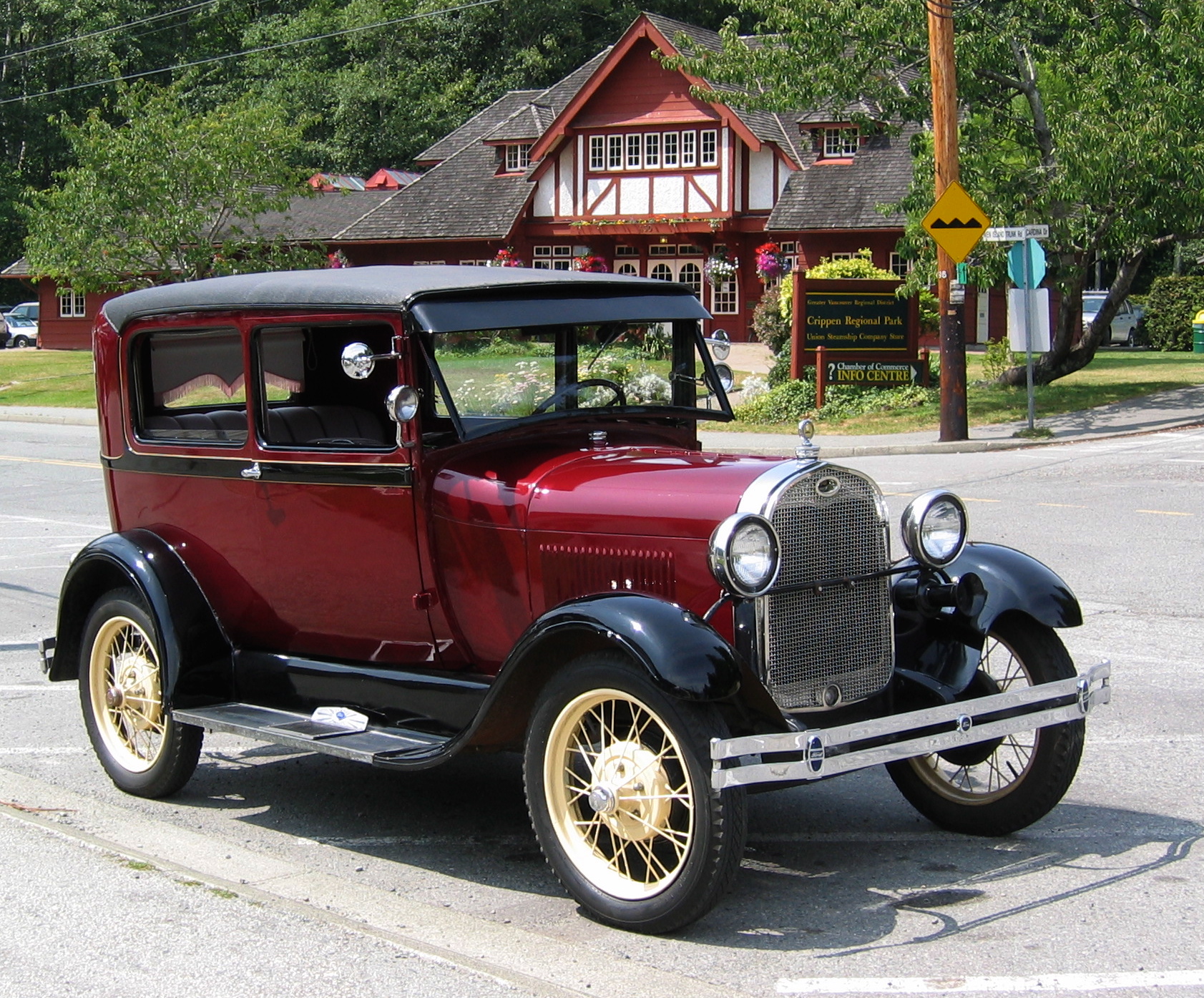
Ford
"Whether it's a Range Rover, whether it's a Ford, whatever it is. And if you regularly listen, which most of us do, we just go in and we have it said as a notification every day"
Ford is a car brand that makes lots of different vehicles. The host is using it as a simple example of “whatever car someone has,” to show how to talk with customers.
Ford is a major American automaker with a wide lineup spanning trucks, SUVs, and passenger cars. Here it’s mentioned as a generic example of a customer’s vehicle brand, supporting the host’s point about using the customer’s purchase as a starting point for engagement.
trading in their car just because it looks ugly
"And I think we do a pretty poor job as people in detailing explaining the value of keeping your car looking great is really not about just the pride in your car. It actually keeps people from making a bad decision and trading in their car just because it looks ugly."
The host is saying that how a car looks can push people to trade it in sooner than they should. If the car looks bad, they may feel fed up and accept a worse deal just to get rid of it.
This is the concept of how a car’s appearance can drive consumer decision-making, even when the underlying mechanical condition may be the real issue. The host argues that detailing and keeping the car looking good can prevent owners from making a financially bad trade-in choice.
scan
"We just ran it. We saw the scan. We know it cost 3800 bucks to fix. These guys are leaving with a car."
A scan is when a mechanic plugs a tool into your car to read computer error codes. It helps them figure out what’s causing the warning light and what repairs are needed.
A scan refers to using an OBD-II diagnostic tool to read the car’s stored fault codes. Those codes help identify what’s wrong so the shop can quote repairs instead of guessing.

Rogue
"and it's a 24 rogue, I believe 24. Yeah, I'm pretty sure it's 24. ... What would that look like? What do you think that paint would look like? What do you think that she would feel when she gets in the car? ... pretty much almost going, I think three years on a black rogue. Yep."
The Nissan Rogue is a popular family SUV. Here, they’re using a Rogue as an example of how keeping up with maintenance (like oil changes) can prevent expensive problems later.
Nissan Rogue is a compact crossover SUV known for being a high-volume, everyday driver rather than a niche enthusiast car. In this segment, the host is talking about a specific Rogue (they mention a three-cylinder engine and tinted windows), using it as an example of how maintenance and detailing habits affect what the car looks and feels like over time.
three cylinder engine
"The year they came out with the three cylinder engine, Wesley really helped us getting to the right one."
A three-cylinder engine is an engine with three combustion chambers. It’s a common design in many newer cars to help with efficiency, and it can change how the car feels when you drive it.
A three-cylinder engine is an internal-combustion engine with three cylinders working in sequence. Compared with four- or six-cylinder engines, it’s often used to improve fuel economy and reduce weight, but it can also feel different in how it delivers power and smoothness.
tinted windows
"Came with tinted windows, came with everything. It was awesome. It was great. Thank you, Wesley."
Tinted windows are darker film on the glass. They can help keep the car cooler, reduce glare, and give you more privacy.
Tinted windows are factory or aftermarket window films that reduce how much light enters the cabin. They’re often chosen for heat reduction, glare control, and privacy, and they can also affect how the interior looks and ages over time.
dealership and making a bad decision
"You know, the real reason to maintain your car mechanically is not only so it runs better, but it keeps you out of going to a dealership and making a bad decision because you got this check engine light on that was all, you know, it could have been avoided with proper maintenance. Now it's going to cost you three grand to fix it or two grand or 1500 bucks..."
This segment describes a common ownership risk: when a warning light appears, some shoppers end up authorizing repairs or purchases they might not need. The host frames it as a decision trap where the dealership leverages urgency around the check engine light to push costly outcomes.
check engine light
"You know, the real reason to maintain your car mechanically is not only so it runs better, but it keeps you out of going to a dealership and making a bad decision because you got this check engine light on that was all, you know, it could have been avoided with proper maintenance."
The check engine light is a warning that something in the engine or emissions system needs attention. If you ignore it, the problem can get worse and cost more to fix later.
The check engine light is the dashboard warning that the vehicle’s engine or emissions control system has detected a fault. It can range from minor issues to more serious problems, but the key point is that ignoring it can allow problems to worsen and become more expensive to repair.
place, put zero down
"But I can go in here and place, put zero down and get a new car and I can get out of this headache and it is a real tactic dealerships use that they had nothing to do with."
“Zero down” means you don’t pay anything upfront when you finance or lease the car. Your monthly payment may be higher later, so it’s important to compare the full deal cost.
“Zero down” refers to financing or leasing terms where the buyer pays no upfront cash at signing. It can lower the initial payment, but it may increase total cost over time depending on interest rate, term length, and fees.
service drive
"...but like you said, you're sitting in the service drive. They just gave you an $1,800 bill..."
A service drive is the place at a car dealership where you pull in to drop your car off for maintenance or repairs. The host is explaining that once you’re there, it’s easy to get pressured with big bills.
A service drive is the drop-off/entry area at a dealership where customers bring their car for service. The host uses it to describe how dealership staff can quickly steer a customer toward repairs once the car is already in the shop’s workflow.
oil change
"I'm giving the oil change, not even there to spend money walking through the dealership... Oh, look at that."
An oil change is routine maintenance where the old engine oil is replaced with fresh oil. The host is contrasting a simple oil change with the bigger repair bill a dealership might present.
An oil change is scheduled maintenance where the engine oil is drained and replaced to keep lubrication and wear protection at proper levels. In the segment, it’s used as the “expected” service that turns into a larger, unexpected bill.
power of detailing and mechanics
"...the power of detailing and mechanics and all this other stuff to the consumer is they keep you from having to make a bad decision, right?"
The host is saying that when a car is professionally cleaned and checked, it helps the owner feel confident about the car’s condition. That confidence can prevent you from feeling pressured into unnecessary or expensive choices.
This refers to how professional detailing and mechanical inspection/maintenance can influence what a customer believes about their car’s condition. The host’s argument is that visible cleanliness and addressed issues reduce the chance the customer makes a “bad decision” under pressure.

Jeep Wrangler
"...ple for like another 10 plus years. I think my my wrangler is going to be that way. Yeah, yeah, it's because..."
The Jeep Wrangler is an off-road SUV made for rough terrain. Many owners keep them for a long time because they’re built to be tough and easy to customize. If someone says they’ll have theirs for years, they’re usually talking about that long-term, keep-it-going mindset.
The Jeep Wrangler is a rugged off-road SUV known for its simple, durable design and strong aftermarket support. It’s often discussed as a long-term ownership vehicle because many owners keep them for years and build them up over time. In the podcast context, it sounds like the conversation is about how the Wrangler can stay relevant and dependable for a long period.
Oklahoma rake
"“Like, they just do something else. You know what I mean? Like, I'm that guy, right? There's the Oklahoma rake. Yeah, that let's not bring that up…”"
“Oklahoma rake” is a slang term people use in car communities for a certain look or pattern you might see on a vehicle. Here, the speaker is basically saying “let’s not talk about that.”
“Oklahoma rake” is a slang term in the detailing/vehicle-appearance world for a specific type of aggressive, uneven surface pattern—often associated with how a wheel or tire tread looks after certain kinds of wear or damage. In this segment it’s referenced as something people bring up in “clutch culture” comments that the speaker doesn’t want to get into.
apple carplay
"“You're going to go get a two door negative ghost rider. I'm getting apple carplay finally. Oh, there you go.”"
Apple CarPlay lets you connect your iPhone to your car so you can use maps, music, and other phone features on the car’s screen. In this story, they’re excited because it’s finally working again.
Apple CarPlay is an in-car system that lets you use your iPhone’s apps and controls through the vehicle’s infotainment screen. The speaker mentions it as a feature they’re excited to use again after water damage issues affected the car’s controls.
deck
"“I'm getting apple carplay finally. Oh, there you go. Yeah, I haven't been able to press buttons on that deck from the water damage…”"
Here, “deck” means the main stereo/infotainment unit in the dash. They’re saying water damage has kept the buttons from working.
In this context, “deck” means the car’s head unit / infotainment control interface (the main stereo screen and buttons). The speaker says they haven’t been able to press buttons on it due to water damage.
water damage
"“Yeah, I haven't been able to press buttons on that deck from the water damage since it's been about a year.”"
Water damage means water got into the car and caused problems, especially with electronics. In this case, it affected the dash controls.
Water damage refers to moisture intrusion that can harm electronics and interior components, often causing intermittent failures or permanent issues. The speaker ties it to their infotainment “deck” not working properly until the car is dry again.
subwoofer
"“I'm excited for carplay. I've got a new subwoofer coming into so look at doing the two for one special.”"
A subwoofer is the part of a car audio system that handles the deep bass. The host is saying they’re getting a new one soon.
A subwoofer is a speaker designed specifically for low-frequency bass. The host says they have a new subwoofer coming, linking vehicle detailing/condition to audio upgrades and the “two-for-one special” they’re planning.
tint issues
"you get it, you clean it up, you fix some tint issues, you clean it head to toe, you detail it out."
Tint issues are problems with the tinted window film, like it bubbling up or peeling. Fixing it helps the car look clean and properly finished.
“Tint issues” refers to problems with window tint film—commonly bubbling, peeling, discoloration, or poor adhesion. Fixing tint is part of making the car look “head to toe” cared for, which can improve how buyers perceive the vehicle.
engine and the drivetrain and the brakes
"maintenance, maintenance, maintenance from head to toe, from the engine and the drivetrain and the brakes all the way to the paint to the interior."
They’re saying the car should be cared for everywhere, not just washed—also areas related to how it moves and stops. The idea is that a complete clean makes the car feel better overall.
This phrase highlights “head to toe” maintenance/detailing coverage, including mechanical areas like the drivetrain and brakes—not just the exterior paint. In detailing terms, it implies cleaning and care across multiple systems so the whole car looks and functions properly.
coat your paint
"And I think all of us in this this this world that we're in would do a lot of benefit to the industry of cars to explain to people why it's so important to coat your paint, you know, because as soon as it starts to sun fade and it starts to crack and it starts to, you know, get oxidation"
Coating your paint means adding a protective layer on top of the car’s paint so it doesn’t get damaged as fast. It helps prevent fading and deterioration from sun and weather.
“Coat your paint” means applying a protective paint coating (often a ceramic or similar surface protection) to shield the clear coat from UV and environmental damage. The host connects this to preventing sun fade, cracking, and oxidation—issues that make repainting more likely later.
sun fade
"why it's so important to coat your paint, you know, because as soon as it starts to sun fade and it starts to crack and it starts to, you know, get oxidation"
“Sun fade” is the gradual loss of color and gloss caused by ultraviolet (UV) radiation breaking down the paint’s protective layers. It’s a key reason paint coatings are promoted: they help slow down UV damage so the car doesn’t look dull and aged.
oxidation
"it starts to sun fade and it starts to crack and it starts to, you know, get oxidation, those people are not going to want to go get their car painted."
Oxidation is when the paint starts to break down from exposure to the air and the elements. It can make the paint look dull or rough and may eventually require repainting.
“Oxidation” in automotive paint refers to the paint and clear coat degrading due to exposure to oxygen and moisture, often accelerated by UV. It can make the surface chalky, dull, and harder to restore—pushing owners toward repainting.
CRM
"maybe maybe I'm somebody that has some CRM and there's a bunch of them out there. We we do like some specific one specifically."
CRM is a type of computer system businesses use to keep track of customers and what they need. In the episode, it’s being used to help manage information about cars and upcoming work.
CRM stands for customer relationship management. In this context, it’s software used to organize and track customer interactions and details—here, including tracking which cars are coming up for service or detailing.
Orbex
"Sean's a great guy where I record with him. Orbex, you know, maybe you're on there buying hyper clean."
Orbex is the name of a software tool they’re talking about. It’s used like a customer-tracking system for a business.
Orbex is mentioned as a specific CRM option the hosts use. The point is that different CRM platforms can support detailing businesses by organizing customer and vehicle information.
discord
"I can then go into discord. Yeah. And find information about yeah, there's literally a hyper there's clean section of discord that you could just go in and type in a question."
They’re talking about Discord as a group chat/community app. People can ask questions about cars, and other members can see and respond.
Discord is being used here as a community platform where car owners, mechanics, and enthusiasts can ask questions and share information. The key idea is that posts are visible to everyone in the group, so knowledge accumulates and helps others.
Can car detailing remove scratches?
"not a question, not a clutch culture is can car detailing remove scratches? ... Can you remove scratches? The answer is absolutely yes. Can everybody remove scratches? The answer is absolutely no."
They’re talking about whether detailing can fix scratches. Sometimes polishing can remove light scratches, but deeper damage may not fully go away because it can be too deep or have damaged the paint layer.
The host is addressing a common detailing question: whether scratches can be removed. The key idea is that some scratches are shallow enough to be polished out, but not all damage can be fully corrected—especially if the scratch is deep, has damaged the clear coat, or has already been compounded/polished incorrectly.
polish
"detailers that would go, Hey, what's the best polish for a perfect shine?"
A polish is a product detailers use to smooth the paint surface. It helps reduce marks like swirls by removing a tiny amount of the top layer.
In detailing, polish is an abrasive product used to level the clear coat and reduce visible defects like swirl marks and light scratches. The goal is to remove a thin layer of damaged paint/clear coat so the surface reflects light more evenly.

2026 Honda Prelude
"So I washed the car and then I just see it. Wow. 2026 Honda Prelude paint super soft. Yeah."
They’re talking about a 2026 Honda Prelude and how its paint is very soft. Soft paint can show damage like swirl marks more easily if the wrong technique or tools are used.
The Honda Prelude is a classic Honda nameplate, and this 2026 example is being used to illustrate paint behavior during detailing. The host says the paint is “super soft,” which makes it more prone to visible marring and swirl marks from improper polishing or contact.
swirls
"It was black. You just saw the marring all over. And I saw then this swirls up and down there you go."
Swirls are those thin, curved scratch marks you can see in the paint when light hits it. They’re often caused by washing or wiping the car the wrong way, and sometimes polishing can make them much less visible.
Swirls (often called swirl marks) are circular, light-reflecting scratches typically caused by improper washing, drying, or polishing. They’re usually shallow and can sometimes be reduced or removed with the right polish and technique, depending on paint hardness and clear-coat thickness.
high speed buffer
"there you go. High speed buffer. I go, I go, I'm in."
A high speed buffer is a machine detailers use to polish paint. If it’s used the wrong way, it can actually leave more marks instead of fixing them—especially on softer paint.
A high speed buffer is a power polisher that spins a pad at high RPM to cut and refine paint defects faster than hand polishing. If used incorrectly (wrong pad/product, too much pressure, or poor technique), it can worsen marring or create swirls, especially on softer paint.
burning wheels may not always happen for reason you think
""...when I see a customer about to make a bad decision... if somebody's going to do it for cheap, this is going to that's a bad idea...""
The host is basically saying that when detailing goes wrong, it’s usually not for the reason people think. It’s more about how the job is done—what products and steps are used—than just luck.
This segment’s title idea is about correcting a misconception: problems in detailing (like poor results) often aren’t caused by the “obvious” reason people assume. Instead, the host points to process choices—like using the wrong products, tools, or doing only partial work—as the real drivers of bad outcomes.
Velo
""...I still grabbed the liquid elements. I still grabbed the DA... let me just throw a little bit of Velo on here with the soft pad...""
“Velo” sounds like a polishing product the host uses to clean up the paint. They’re using it with a soft pad so they can improve the shine without ruining the surface.
“Velo” is mentioned as a liquid product used during paint correction/polishing. In this context, it’s being applied with a soft pad on a DA polisher to remove defects (like swirls) while protecting the finish.
DA
""...I still grabbed the DA to your point about the DA and I go, All right, let me let me just throw a little bit of Velo on here with the soft pad...""
DA means a dual-action polisher, a tool used to polish car paint. It moves in two ways at once, which helps you polish without accidentally damaging the paint as easily.
DA here refers to a dual-action polisher (often called a DA polisher). It’s a handheld paint-correction tool that both rotates and oscillates, helping reduce the risk of burning through paint while still cutting and polishing.
soft pad
""...throw a little bit of Velo on here with the soft pad...""
A soft pad is a polishing foam (or similar) used to apply polish with less aggressiveness than firmer pads. Softer pads are often chosen to refine the finish and reduce the risk of leaving marks while still improving gloss.

Honda S2000
"always been to me. I've talked about I mean, one of the most worst experiences of my life was working on an S 2000 a black one. I I think this question, and all of us need to kind of respect the consumer and their confusion is like, a lot of us know how bad it can get. And I tend to if I"
The Honda S2000 is a sports car (a small roadster) built for performance. It’s known for a very high-revving engine, which can make it exciting to drive. The podcast comment sounds like the speaker is describing that working on it for repairs wasn’t easy.
The Honda S2000 is a performance roadster famous for its high-revving engine and driver-focused feel. It’s a car that enthusiasts and mechanics often have strong opinions about because it can be rewarding to drive, but certain service jobs can be challenging. The podcast mention of a “worst experience” working on one suggests the conversation is touching on the practical side of maintaining or repairing an S2000.
repaint situation
"So a cheap shop, they knife up the car, van. He comes back to me. They had knifed it so bad, it was a repaint situation."
A “repaint situation” means the damage from an attempted job is severe enough that the vehicle’s paint can’t be corrected by polishing or minor refinishing. In this context, the installer’s work was so poor that the van needed paint work to restore the finish.
compounding
"And that is to me, compounding and polishing. I always tell people when they don't want to pay."
Compounding is a more aggressive form of paint correction than polishing, using heavier abrasives to remove deeper defects. It’s typically used for oxidation, sanding marks, or more noticeable scratches before finishing with polishing.
finger nail scratch
"There's always a thing that we're a little finger nail scratch, the little finger nail test. I do actually say that a lot over the phone."
If you can feel a scratch with your fingernail, it usually means it’s deeper than just something sitting on top of the paint. That matters because it may take more work to fix, and sometimes it won’t come out completely.
A “fingernail scratch” is a scratch you can catch with your fingernail, meaning the damage is more than just surface contamination or light clear-coat haze. In detailing, that usually implies the scratch has enough depth to require more aggressive correction (and sometimes may not fully disappear).
little finger nail test
"There's always a thing that we're a little finger nail scratch, the little finger nail test. I do actually say that a lot over the phone."
The fingernail test is when you gently run your nail over a scratch to see if it catches. If it catches, the scratch is probably deeper, so it may need more than a simple wipe-down to improve.
The “fingernail test” is a quick at-home/at-shop way to estimate scratch depth by checking whether the nail catches in the damaged area. If it catches, the scratch is likely in the clear coat or deeper, which affects what polishing steps can realistically fix it.
budget
"Anything's possible with the right budget. You know what I mean? And and one of the things that that we all struggle with is... heavy compound and polishing."
In detailing, “budget” is shorthand for how much time, labor, and product/correction level a customer is willing to pay for. The host’s point is that more severe defects generally require more aggressive correction and therefore higher cost to do correctly.
interior
"inside of clutch culture, they not only want to know about the exterior, but they want to know about the interior."
Here “interior” means the inside of the car—things like seats, dashboard plastics, and trim. Cleaning the inside is different from cleaning the outside paint.
In detailing, “interior” refers to the cabin surfaces and materials (like plastics, glass, upholstery, and trim) that require different cleaning and protection methods than exterior paint. The host is emphasizing that customers should be asked about interior stains and issues during the initial walkaround.
remove stains
"So the next thing people want to know is, right, can't car detailing remove stains?"
“Remove stains” means getting spots or discoloration out of the car’s surfaces. Whether it’s possible depends on what the stain is and what material it’s on.
“Remove stains” is a detailing-specific promise that depends on stain type, how deep it has penetrated, and the material involved (fabric vs. leather vs. plastic). Some stains can be lifted with proper cleaners, while others require deeper extraction or may be permanent if they’ve set in.
suction cup mount
"Stuart, he said, I have these marks on the dash where someone had used a suction cup mount for a phone. Any ideas on how to remove them?"
A suction cup mount is a phone holder that sticks to the dash using suction. Over time it can leave ugly spots or discoloration where it was attached.
A suction cup mount is an accessory that sticks to a surface using vacuum suction, often used for phone holders. On a car dash, it can leave marks because the suction and trapped pressure can affect the finish over time.
radar detectors
"I mean, it's putting stuff on the dash is one of those things that's probably I mean, you go back to radar detectors and things like that that we've had like that should have been, you know, integrated somewhere in the car, but they didn't want to pay to have it integrated in the car."
Radar detectors are devices that warn you about police radar. The speaker is saying people used to mount them in awkward places instead of integrating them, and that same kind of mounting can cause dash marks.
Radar detectors are aftermarket devices that alert drivers to radar signals used for speed enforcement. The speaker’s point is that older accessories were sometimes mounted in ways that weren’t integrated into the car’s design, leading to visibility/appearance compromises and potential dash/windshield mounting issues.
points of no return
"So they put it, you know, and they didn't like how it looked on the windshield. So they use, you know, a suction cup and they put it on the dash that's been happening my whole career. And now with phone mounts and all those different types of things, those become points of no return."
“Points of no return” means there’s a stage where the damage is too far gone. After that, cleaning won’t fix it and you may need a more serious repair.
“Points of no return” describes damage that becomes irreversible once the surface is altered—such as when an abrasive cleaner or adhesive-related mark penetrates or changes the finish. After that threshold, only refinishing or replacement may restore the original look.
Magic erasers are abrasive
"And you want to talk about something I see far too often used. Magic erasers are abrasive. Period. There is no if fans or butts about it."
Magic erasers are basically scrub pads. They can clean, but they also wear down the surface, which can permanently damage car dash or interior finishes.
Magic erasers are abrasive cleaning pads, meaning they physically scrub the surface rather than just lifting dirt. On car interior surfaces, that abrasion can remove or damage the protective coating/finish, leading to discoloration or permanent haze.
leather seats
"I'm not telling people what to do. I'm telling you, I would take zero risk with stuff like that. It kind of shows me inexperience because there's some European cars that the tan interior that magic eraser will turn tan from those leather seats and you'll go, oh, that's no big deal."
Leather seats have a colored surface layer. If you scrub too aggressively, you can wear through that layer and end up with discoloration that’s hard to fix without refinishing.
Leather seats are upholstered with real leather (or leather-like material) that has a dyed and finished surface. Abrasive cleaners can remove dye/finish layers, causing color change or a blotchy look that often requires refinishing.
re die and re clear
"There is some European cars that the tan interior that magic eraser will turn tan from those leather seats and you'll go, oh, that's no big deal. Nah, bud, that's re die and re clear. That's exactly what that's telling you."
“Re-die and re-clear” means the interior surface has to be refinished—recolored and then sealed with a clear protective layer. If you’ve scrubbed through the finish, you can’t just wipe it clean again.
“Re-die and re-clear” refers to refinishing a damaged interior surface: reapplying the color (“die”) and then applying a clear coat (“clear”). It’s a sign that the original finish has been cut through or altered, so the fix typically requires repaint/refinish rather than simple cleaning.
carpet stains
"those stains won't ever sink in. They shouldn't ever really set. We shouldn't have to do all the full extraction"
“Carpet stains” are spots or discoloration on the car’s carpet. The host is saying that if you keep up with cleaning, the stains are less likely to soak in and become harder to remove.
“Carpet stains” here means interior fabric discoloration on the car’s floor carpeting, typically caused by spills, tracked-in dirt, or moisture. The host’s key claim is that consistent maintenance helps prevent these stains from sinking deeper into the fibers.
full extraction
"They shouldn't ever really set. We shouldn't have to do all the full extraction and all the stuff that it takes, right?"
“Full extraction” is a deep carpet cleaning step where a machine pulls dirt and cleaner out of the carpet fibers. The host is saying if you keep up with regular cleaning, you shouldn’t have to do that heavy-duty step later.
In detailing, “full extraction” refers to deep-cleaning carpet or upholstery using an extractor machine that pulls out dirt and cleaning solution from the fibers. The host’s point is that regular maintenance should keep stains from setting so you don’t need this more intensive process.
vacuum
"And I regularly vacuum. It's really only me riding in that car. So none of the other stuff gets hit."
Vacuuming is just cleaning up loose dirt from the car’s carpet. The host is using it to show that regular upkeep can make stains easier to deal with.
Vacuuming is the routine step of removing loose dirt and debris from interior carpets and upholstery before it can grind into fibers. Here it’s used as an example of regular maintenance that helps prevent stains from becoming harder to remove.
complete scrubbed
"I vacuum it up and I go, well, there's still some stains. The beauty the beauty of complete. Oh, I loved it. I sprayed complete scrubbed my carpet."
The host is talking about using a carpet cleaner and scrubbing it into the fibers, then cleaning it back out. It’s an example of a spot-cleaning method meant to stop stains from becoming permanent.
This appears to refer to a specific detailing product/process used to clean carpet stains—spraying a cleaner, scrubbing it into the fibers, then removing residue. The host is contrasting this targeted approach with the idea that stains should not “set” if maintenance is consistent.
extractors
"I've seen a resurgence of usage of extractors. I don't know what it is. A lot of extractor talk a lot of extractor questions."
An “extractor” is a machine used to deep-clean car carpets and seats. It sprays cleaner into the fabric and then sucks the dirty water back out so the grime comes out instead of just being spread around.
In detailing, “extractors” are carpet/upholstery cleaning machines that spray cleaning solution into fabric and then vacuum it back out. They’re often used when carpets are heavily soiled because the process can pull out embedded dirt more effectively than simple spot cleaning.
beat up
"If you're working on tons of really, really beat up cars and trucks, I think it's probably a no brainer, right? Because you and I have been that in our career, where it was just like an extractor was an absolute no brainer."
Here “beat up” means the car’s carpet or seats are really neglected and dirty. It’s the kind of mess where quick spot cleaning usually won’t cut it, and you may need a deeper cleaning method.
In this detailing context, “beat up” is shorthand for carpets/upholstery that are extremely neglected—dirty enough that you can’t clean them effectively at a reasonable speed without deeper extraction. The speaker frames it as both heavy soil and practical limits on how fast other methods work.
hot water extraction
"I would specifically say I was always hot water extraction. I didn't really do I never really had access to cold water extraction everybody."
Hot water extraction is when you use a machine that uses warm or hot water with cleaner to loosen dirt in carpet or seats, then pulls it back out. It can clean better than cold methods, but the equipment and hoses can get very hot and need care.
Hot water extraction is a deep-cleaning method where heated water (mixed with cleaning solution) is forced into carpet or upholstery, then extracted with powerful vacuum suction. The heat helps loosen dirt and residues, but it also increases the need for proper machine maintenance and safe handling.
cold water extraction
"I would specifically say I was always hot water extraction. I didn't really do I never really had access to cold water extraction everybody."
Cold water extraction is deep-cleaning using a machine that sprays cleaner and then vacuums it back out, but without heating the water. Whether it works best depends on what’s on the carpet or seats.
Cold water extraction is the same general idea as extraction, but without heating the water/solution. It can be useful depending on the material and contamination type, but the speaker implies they mostly used hot water extraction due to access and workflow.
enzyme
"“...unidentified stain, please put enzyme down first. Right? Like just put it down and go... because if you don't know what it is, enzymes going to attack the proteins...”"
An enzyme cleaner is a special chemical that “eats” certain kinds of stains, especially ones made from organic stuff like food or bodily fluids. The idea is to put it on first when you’re not sure what the stain is, so it can break it down before you try other products.
In detailing, an enzyme cleaner is a product designed to break down specific organic residues (like food, urine, or other protein-based messes) rather than just lifting dirt. The host is emphasizing using enzyme first on unknown stains so it can target proteins before other cleaners are applied.
heavy extraction
"“...when I think heavy extraction, I think, did you get everything out? What'd you leave behind? Did you really get all the cleaning solution out...”"
Heavy extraction is the “deep clean” part where you use a machine to pull out dirt and leftover cleaner from carpet fibers. The point is to make sure you don’t leave behind residue that can attract more dirt later.
Heavy extraction refers to a more aggressive carpet-cleaning step where a machine pulls out deeply embedded dirt and cleaning residue from upholstery or carpets. The host is using it to ask whether the detailer removed everything, including the cleaning solution itself.
APC
"“...did you use a degreaser and an APC? And I know what those things are like, those are never ending fountains of foam...”"
APC means “all-purpose cleaner.” It’s a general cleaning chemical used to break down dirt and grime, but on carpets it can leave residue if you don’t rinse/extract thoroughly.
APC stands for All-Purpose Cleaner, a versatile chemical used in detailing to dissolve dirt and grime across multiple surfaces. The host pairs it with degreaser and highlights a key risk: foam and residue can be hard to fully rinse out of carpet.
degreaser
"“...did you use a degreaser and an APC? And I know what those things are like...”"
A degreaser is a stronger cleaner meant for oily, greasy messes. If the stain has grease in it, a regular cleaner may not work well unless you use something designed to break down oils.
A degreaser is a cleaning chemical formulated to dissolve oily or greasy contamination. In this segment, it’s mentioned as part of the toolkit for carpet cleaning, implying that some grime requires grease-cutting chemistry before extraction.
fountains of foam
"“...those are never ending fountains of foam and, you know, being stuck in the carpet, they're very hard to rinse.”"
Some cleaners make a lot of suds. If those suds get stuck in carpet fibers, they can be hard to rinse out completely.
“Fountains of foam” describes how certain cleaners (like degreasers/APCs) can produce lots of suds when agitated. The host’s point is that foam can become trapped in carpet fibers, making it difficult to rinse and increasing the chance of leftover residue.
etched
"“...he got soap that etched in the sun...”"
“Etched” here means the soap/cleaner actually harmed the surface, like it got etched or dulled instead of just leaving a stain. Sun exposure can make that kind of damage more noticeable.
In detailing, “etched” usually means the cleaner or chemical damaged the surface finish—often by etching or dulling it—rather than simply staining it. The host is referencing a case where soap “etched in the sun,” implying chemical damage that can be difficult to reverse.
rents
"“...I see a lot of something was left behind after your rents. And I think it's a lot of guys and I see this out of shops too...”"
This looks like a transcription glitch. From the context, the host is talking about residue—stuff left behind after cleaning—that can cause stains or dirt to come back.
This appears to be a transcription error for “rents” in the phrase “left behind after your rents,” likely referring to something left behind after the cleaning process. Given the surrounding context about residue left after extraction/cleaners, it likely means leftover cleaner/residue.
pH neutral
"When you put any type of cleaner on a wheel, pH neutral, non pH neutral, anything clean in a wheel, I want to see that thing rents clear."
“pH neutral” means the cleaner isn’t very acidic or very harshly basic. The point here is that the problem usually isn’t the soap being too strong—it’s that residue can be left behind if you don’t rinse well.
“pH neutral” means a cleaner is formulated to be close to neutral pH (about 7), rather than strongly acidic or strongly basic. In wheel cleaning, the host is arguing that pH-neutral soap isn’t the root cause of the damage—improper rinsing is.
incomplete rinsing
"a lot of it is incomplete rinsing of the product, right? I don't think for one second, a pH neutral soap caused this issue."
“Incomplete rinsing” means you didn’t wash all the cleaner off the wheel. If any residue is left behind, it can cause streaks or other weird-looking results.
“Incomplete rinsing” means not removing all cleaner residue from the wheel surface after application. The host frames it as the most common cause of wheel-cleaning problems, because leftover product can continue reacting or leave streaks.
high pH
"You allowed a high pH or an acidic cleaner to sit on there and bake in the sun, that caused the issue."
“High pH” cleaners are more basic/alkaline than normal. If you leave that kind of cleaner sitting on the wheel too long, heat from the sun can make it react and leave marks.
“High pH” refers to cleaners that are strongly basic (alkaline). The host suggests that if a high-pH cleaner is left on the wheel long enough—especially in sun/heat—it can “bake in” and cause visible issues.
acidic cleaner
"You allowed a high pH or an acidic cleaner to sit on there and bake in the sun, that caused the issue."
An acidic cleaner is more like an acid than a neutral soap. If it stays on the wheel too long—especially in sunlight—it can react and cause staining or lines.
An “acidic cleaner” has a low pH and is chemically more aggressive than neutral products. The host’s point is that either acidic or high-pH products can cause problems if they’re allowed to sit and “bake” on the wheel rather than being fully rinsed.
bake in the sun
"You allowed a high pH or an acidic cleaner to sit on there and bake in the sun, that caused the issue."
“Bake in the sun” means the cleaner sits on the wheel while it heats up. That can make it react more and leave marks if you don’t rinse it off right away.
“Bake in the sun” describes leaving wheel cleaner on the surface long enough for heat and sunlight to drive chemical reactions. The host argues this is one of the two main ways wheel-cleaning issues happen when products aren’t fully rinsed.
iron remover
"for anybody using an iron remover like Fuego, guys, rinse it. By the way, it's pH neutral."
An iron remover is a cleaner made to break down brake dust stuck to wheels. If you don’t rinse it off fully, it can leave behind purple-looking residue or streaks.
An “iron remover” is a wheel cleaner designed to dissolve brake dust and iron particles (often called fallout) that cling to the wheel surface. The host specifically warns that if you don’t rinse it completely, you can get visible residue lines.
Fuego
"for anybody using an iron remover like Fuego, guys, rinse it. By the way, it's pH neutral."
Fuego is a wheel-cleaning product the host mentions as an example of an iron remover. Even if it’s gentle, you still need to rinse it off completely.
Fuego is referenced as a specific iron-remover product used for wheel cleaning. The host’s guidance is product-agnostic in chemistry (it’s pH neutral), but emphasizes that you still must rinse thoroughly to avoid residue lines.
purple line
"if it's turned all this purple, and you don't rinse everything off, then you're going to see a little purple line because you didn't rinse everything off"
A “purple line” is what you might see when iron-remover cleaner isn’t fully rinsed off. It shows up as streaks because residue is left behind on the wheel.
A “purple line” is a visual sign of incomplete rinsing after using an iron remover. The host describes it as a streak/residue pattern that appears because some product remains on the wheel surface.
dilute it more
"You don't need to be scared of it. Again, with an asset, if you're scared, dilute it more. Also, there's no harm in rinsing the wheel first."
Diluting means mixing the chemical with water so it’s less aggressive. If you’re worried about damaging the wheel, using a weaker mix and rinsing first is a safer way to proceed.
Diluting a chemical reduces its strength and reactivity, lowering the risk of damaging wheel finishes. The host is describing a practical safety approach: if you’re nervous about acids, use a weaker mix and rinse first.
clear coated
"If I'm concerned, hey, I need to understand if it's clear coated. Yep. First is the thing I got to understand. Is this black"
“Clear coated” means the wheel has a protective shiny layer on top. That matters because some strong cleaners can harm that top layer if you’re not careful.
“Clear coated” means the wheel has a protective topcoat layer over the color/finish. Knowing whether a wheel is clear coated matters because aggressive cleaners—especially acids—can dull, stain, or damage certain finishes if they’re not compatible.
elbow grease
"There's the flip, right? As you said elbow [3471.8s] grease, but he's not hard."
In detailing, “elbow grease” means putting in real scrubbing effort. The host is saying sometimes you need both the right product and actual work, not just a quick chemical soak.
“Elbow grease” is used here in its specialized detailing sense: physical scrubbing effort to remove scratches, grime, and brake dust when chemistry alone isn’t enough. The host contrasts this hands-on approach with people who rely on diluted “cheap” wheel cleaners.
chemistry
"it's time for everybody to kind of understand the chemistry a little more, [3541.1s] you know, how to use it to your advantage"
“Chemistry” means what’s in the cleaner and how strong it is. The host is saying knowing that helps you pick the right product so you clean effectively without harming the wheel.
“Chemistry” here means the chemical formulation and strength of cleaners—how they react with contaminants and wheel finishes. The host’s takeaway is that understanding chemistry helps you choose the right product and dilution so you get results without causing damage.
AWX
"like Sean showed, he just used AWX to his advantage. [3550.9s] saved him time, saved him effort, wasn't out there sweating, you know, and used everything properly"
AWX is presented as a specific wheel-cleaning product used to achieve a desired result without causing further damage. The host emphasizes using AWX appropriately—when damage is present, they stop and switch to repair rather than continuing to clean aggressively.
TRX
"But having the tools of Fuego and TRX and AWX, the importance of those [3575.9s] three is simple."
TRX is a detailing product the host uses. They’re saying you shouldn’t rely on just one cleaner for every wheel issue—you use the right one for the situation.
TRX is another named wheel-detailing product the host treats as part of a “toolbox” alongside Fuego and AWX. The segment frames these products as different chemistries for different wheel problems, rather than one universal cleaner.
curb rash
"you got some raw metal bits, you got, you know, in this case, you got black wheels, raw metal bits [3602.2s] showing they had curb rash the wheel."
Curb rash is when your wheel gets scraped by a curb. It can leave ugly marks and even expose bare metal, which changes what kind of cleaning or repair you should do next.
Curb rash is damage to a wheel’s outer surface from scraping against a curb, often leaving scuffs, gouges, or missing finish. The host mentions curb rash as the reason the wheels show “raw metal bits,” which affects how aggressive the cleaning should be.
car show season
"Well, there's no doubt is we are in June of 2026 car so car show season has definitely begun... I want to go start this idea about car show season and start with the wash and then end with the final right so you're you're prepping a car for a car show."
They’re talking about the time of year when lots of people bring cars to shows. The main point is how to clean and prep a car so it looks its best for the event.
The hosts shift into a car-show-season discussion, focusing on how to prep vehicles for judging and public display. This segment frames the detailing workflow as “wash to final,” tailored to collector vs modern cars.
pressure washer
"it's like I'm not introducing a pressure washer there. But if it's a you know, a more modern car or an order car that's that's been taken care of well"
A pressure washer blasts water at very high force. On older cars, that force can sometimes push water into places you don’t want it to go, like around seals.
A pressure washer is a high-pressure water sprayer used to remove dirt quickly. Detailing professionals may avoid it on certain collector cars because high-pressure water can force moisture into weak seals, gaskets, or aging body seams.
Eco one
"But if it's a you know, a more modern car or an order car that's that's been taken care of well and they don't have sealing issues. Yeah, man, I'm going to go into a foam wash... If I'm worried about it, I'm just going to use Eco one, right?"
Eco One is a car-cleaning product the host uses when they want a gentler wash, especially on older cars with potentially weak seals.
Eco One is a detailing product brand/name the host recommends as a safer wash option when they’re concerned about older collector-car seals and gaskets. The context implies it’s being used as a gentler approach than introducing a pressure washer.
foam wash
"Yeah, man, I'm going to go into a foam wash, because I'm going to guess it's not really seen a whole lot, you know, just use something pH neutral run it through."
A foam wash coats the car in thick soap foam first. The idea is to loosen dirt so you can rinse it off with less rubbing and less risk of scratches.
A foam wash is a pre-wash method where you apply thick foam (often from a foam cannon) to loosen and lift grime before you physically agitate the surface. It’s commonly used to reduce the chance of scratching by letting dirt slide off more easily.
waterless combination
"If I'm worried about it, I'm just going to use Eco one, right? Eco one, rock it out, you know, do do a very thorough, you know, rinse list slash waterless combination."
A waterless product helps clean the car without needing to rinse with lots of water. People use it to help prevent water spots and to finish the car after washing.
A “waterless” detailing step uses spray products to lift and remove light contamination without a traditional rinse. In the wash-to-finish workflow, it’s often used to help minimize water spots and reduce water usage after the main wash.
drying aid
"You're not trying to achieve a lot here. You're just trying to make the car look great. That's why it's a great drying aid. That's why it's great to use weekly or biweekly or monthly."
A drying aid is a product you use after you wash the car to help water come off more easily. That way you spend less time wiping and you’re less likely to get streaks or water spots.
A drying aid is a product used after washing to help water sheet off and reduce how much you have to physically wipe. In detailing, it’s meant to minimize streaking and spotting while making the finish easier to maintain.
spray sealants
"But there are a lot of cars that people care about that when you go and use heavy spray sealants, it creates a lot of work to get the finish you're looking for, right?"
Spray sealants are products you spray on the paint to add protection. They help the car stay cleaner and resist water spotting, but they can take more work to apply neatly.
Spray sealants are protective coatings applied as a spray-on product that bond to the paint to add water-beading and easier cleaning. Compared with lighter drying aids, they can require more careful finishing steps to avoid streaks or uneven appearance.
water based formula
"Just what it is when you put more protection on a water based formula, you're going to have some reaction, right?"
A water-based formula means the product is made mostly with water. That can change how it reacts on the paint and how easy it is to wipe off without leaving streaks.
A water-based formula is a coating or chemical where the carrier is primarily water rather than solvents. In detailing, that can affect how the product reacts on the paint surface and how it behaves while drying or being wiped off.
revive
"we talked about it last week, we've had guys winning car shows with using juice and eco one and revive prestigious car shows and concor type events."
“Revive” is another detailing product name the hosts mention as part of a routine. They’re saying people use these products to get strong show-car results.
“Revive” is named as another product used in the same show-car detailing system as “juice” and “eco one.” The context suggests it’s used to improve appearance and/or protection for concours-style events.
juice
"Drake said this. This is what I love. He goes, Listen, use juice for the first time today. A week or so ago, I ordered juice from Derek."
“Juice” is the name of a detailing product they’re recommending. They say it helps the car dry with fewer streaks, even if you wipe pretty aggressively.
“Juice” is the brand/product name the hosts are discussing for a detailing chemical used to improve drying and reduce streaking. The episode frames it as a simple, repeatable step for show-car results.
Request an Explanation
Heard something you'd like explained? We'll add it to this episode.
Sign in to request explanations for terms you heard.
Want to learn more?
Browse our glossary for plain-English explanations of automotive terms, jargon, and concepts.
Help improve this episode
See something that's not quite right? Our annotations are AI-generated and can sometimes miss the mark. Click the flag icon on any annotation to suggest a correction.