
Buying a Car No One Else Will...
About this episode
MartiniWorks Podcast keeps it upbeat with “early birds” car-meet vibes, surprising Skyline arrivals, and a relaxed show that mixes shipping wheel setups, community giveaways, and wide-ranging builds—from K24-swapped Minis to bagged Fiats. Between event talk, the hosts get practical about buying and maintaining cars: auction strategy (no-reserve vs reserves), build threads, and even diagnosing thermostat and brake-fluid issues. The episode also pivots to what they’re shopping next—tires, coilovers, and a carbureted rotary “slow car summer” plan.
Like having the Pod every Friday? Keep it going by modding your car at https://martiniworks.com/Gels picked up a new car! Well, a new to him car. After an impromptu bidding war Gels is going to be back into a rotary. The boys cover this and more on today's episode of the podcast! #cars #podcast #automotive Pick up our Coffee here! https://martiniworks.com/products/other/show-merchA HUGE thank you to Continental, Motegi, and Fortune Auto for being the official tire, wheel, and suspension of the MartiniWorks Podcast! Let us know if you need a set of tires or coilovers.Shop Continental tires here https://martiniworks.com/products/wheels-tires/tires?brands=continentalShop Motegi wheels here https://martiniworks.com/aftermarket-car-parts-brands/wheels/motegiShop Fortune Auto suspension here https://martiniworks.com/products/suspension/coilovers?brands=fortune-autoCheck out the main channel! @MartiniWorksOfficialWe also have an unboxing channel @MartiniWorksUnboxedFollow Lars @lars.martiniworksFollow Dakota @dakotastoneeFollow Gels @akagels

Nissan Skyline GT-T
"But we got enough to host a good amount of people and it's like, dude, a yellow Skyline GT-T showed up. Just like ours. Yeah, just like ours."
The Nissan Skyline GT-T is a turbocharged Skyline model that’s famous with car fans, especially in the Japanese “JDM” world. People like it because it’s a great base car for upgrades and it drives in a fun, punchy way.
The Nissan Skyline GT-T is a performance trim of the Skyline, best known in enthusiast circles for its turbocharged inline-six heritage (in many GT-T examples) and its role in the “JDM” scene. It’s a popular platform for tuning because the factory setup is already built around boost and strong drivability.
Work Seekers
"We had those work seekers that came in and they're like, dude, we should really take a peek at those to a video on them because they're really cool wheels."
“Work Seekers” sounds like a specific aftermarket wheel style from the WORK wheel brand. They’re talking about them as a cool, desirable set of rims.
“Work Seekers” refers to a wheel brand/model line from WORK, which is known in the enthusiast world for aftermarket wheels. The hosts are highlighting them as “really cool wheels,” implying they’re a desirable style/fitment choice for builds like the Miata mentioned right after.

Mazda MX-5 / Miata
"...in. And then they literally showed up on the sick Miata. And it looked phenomenal."
The Miata is a small two-seat sports car made by Mazda. It’s popular because it’s light and fun to drive, and people often customize them. The podcast is praising how impressive a particular Miata looks.
The Mazda MX-5 Miata is a lightweight, driver-focused two-seat roadster known for its simple, fun handling and strong aftermarket support. It often comes up in enthusiast conversations because it’s relatively affordable to enjoy and easy to modify. In the podcast context, it’s being highlighted as a standout example of a “sick” build that looks great.

EVO 5
"He drives an EVO 5 and he had his family here and got to check out the Harlequin."
“Evo 5” refers to a Mitsubishi Lancer Evolution performance car. It’s a turbocharged, all-wheel-drive model that’s popular with car enthusiasts.
The Mitsubishi Lancer Evolution “Evo 5” is a turbocharged rally-bred performance sedan known for its all-wheel-drive traction and sharp handling. In this segment, it’s used to describe the visitor’s car, giving listeners a sense of the kind of enthusiast machinery showing up at the event.
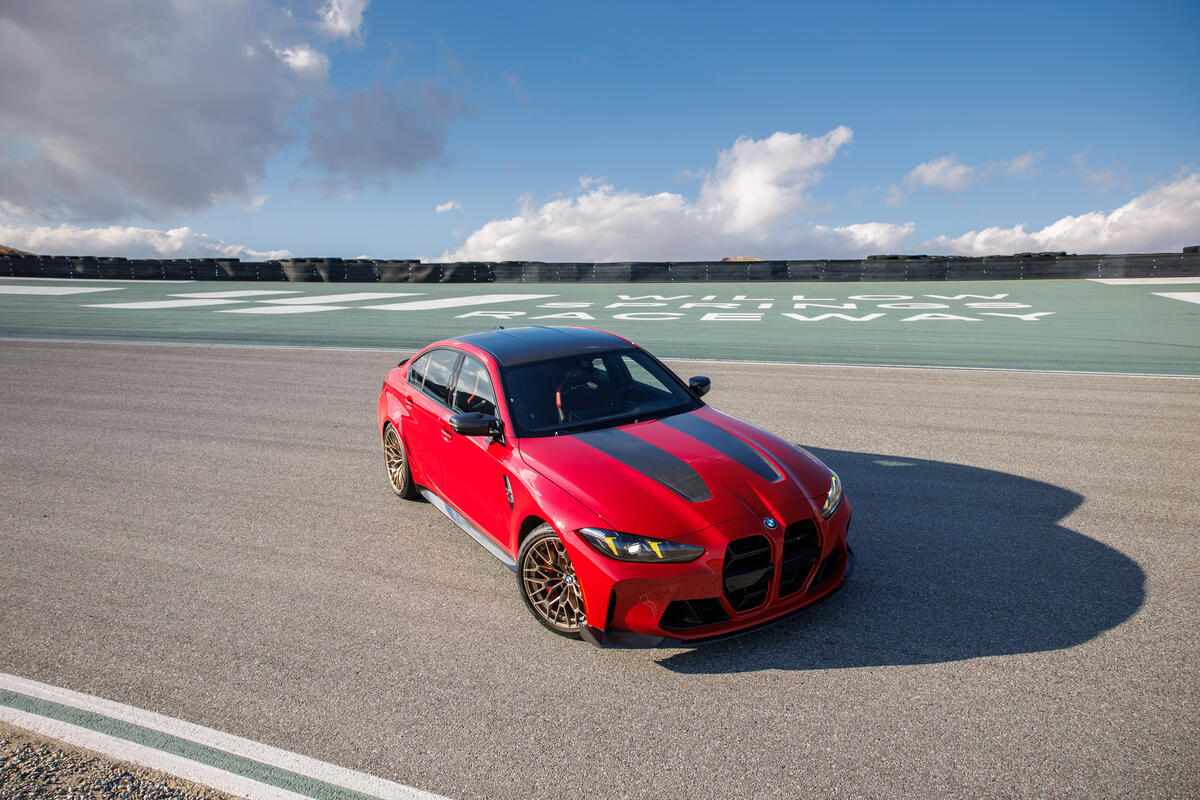
BMW M3
"...Konsei mechanics gloves I use to keep them in the M3 all the time. Some of the stuff is really, really..."
The BMW M3 is a powerful sports sedan made by BMW. It’s designed to drive fast and handle well, not just look sporty. The podcast mentions it as a car the speaker is actively working with or maintaining.
The BMW M3 is a high-performance version of the 3 Series, built for strong acceleration, braking, and track-capable driving. It’s frequently discussed because it blends everyday usability with serious performance. In the podcast, it’s referenced in a personal, hands-on way, suggesting the speaker is keeping parts and gear associated with their M3.
K24
"So like Dale rolled up with his Mini Cooper that had a K24 in it and then a big turbo. And then the icing on top, it was all wheel drive."
K24 is the name for a specific Honda engine (a 2.4-liter four-cylinder). Putting a K24 “in” another car usually means they swapped the engine to get better performance and tuning options.
K24 refers to Honda’s K-series 2.4-liter inline-four engine family. When someone says a car “has a K24 in it,” they usually mean an engine swap—using that Honda engine in a different chassis—often because the K24 is strong, tunable, and has a big aftermarket.
big turbo
"So like Dale rolled up with his Mini Cooper that had a K24 in it and then a big turbo. And then the icing on top, it was all wheel drive."
A “big turbo” is a turbocharger sized for making more power. It can boost harder, but it may not feel as instant as a smaller turbo.
A “big turbo” means using a larger turbocharger than stock, which can move more air and potentially make more power at higher engine speeds. The tradeoff is typically more turbo lag (slower boost response) compared with smaller turbos, depending on setup and tuning.
all wheel drive
"And then the icing on top, it was all wheel drive. I don't know where the hell he's been hiding that."
All-wheel drive means the car can send power to all four wheels. That usually helps it grip the road better, especially when conditions are slippery.
All-wheel drive (AWD) sends power to all four wheels, which can improve traction—especially in wet, snowy, or low-grip conditions. For a high-boost build like the one described here, AWD can also help put power down more effectively than front- or rear-wheel drive.

Ford Mustang
"...s so funny. You see the this crazy stuff and like Mustang and Kron's Alexi's and like, well, I missed a lot..."
The Mustang is a sports car made by Ford. People talk about it a lot because there are many versions and it’s popular to modify. The podcast is bringing it up as one of the notable cars in that enthusiast mix.
The Ford Mustang is a long-running American sports car known for its wide range of trims and huge enthusiast following. It’s often discussed because it’s easy to find, easy to customize, and has a strong performance culture. In the podcast context, it’s mentioned alongside other cars as part of a lineup of “crazy stuff” the speaker likes.
carbon fiber hood
"One thing he does is he has a carbon fiber hood and then because it's a Mustang and kind of has like the cowl on it. He left the cowl like the top of it carbon fiber and then like kind of like faded it into the paint."
A carbon fiber hood is a hood made from a lightweight material. It can make the car look more aggressive and may also reduce weight up front.
A carbon fiber hood is a hood made from carbon-fiber composite material, which is typically lighter than steel and can help reduce front-end weight. In this segment, the carbon fiber hood is also described as having a cowl-like shape and a paint fade, emphasizing both weight savings and visual impact.
cowl
"One thing he does is he has a carbon fiber hood and then because it's a Mustang and kind of has like the cowl on it. He left the cowl like the top of it carbon fiber and then like kind of like faded it into the paint."
A cowl is a raised part near the front of the car under the windshield/hood area. On a hood, it’s the shaped bump that changes both airflow and the look.
The cowl is the raised section at the base of the windshield/hood area that can shape airflow and sometimes helps with engine-bay packaging. On hood designs, a “cowl” look usually refers to a higher center section that changes how air moves over the engine area and how the hood visually frames the car.

Fiat 500
"He has a Fiat 500 that's super sick. [350.6s] It's bagged on work wheels, I think it's sick."
The Fiat 500 is a small Fiat that’s popular with car fans because it’s easy to customize. Here they’re talking about it being lowered for looks, which is why it stands out at car meets.
The Fiat 500 is a small, city-focused car from Fiat that became popular with enthusiasts for its classic styling and easy customization. In this segment, it’s described as being “bagged,” which points to a lowered, show-focused setup.
bagged
"It's bagged on work wheels, I think it's sick."
“Bagged” means the car has air suspension—so it can be lowered a lot for looks. The driver can usually raise it back up when needed.
“Bagged” refers to installing an air suspension system (air bags) so the car can be lowered or raised on command. It’s commonly used for show cars because it can achieve very low ride heights while still being adjustable.
work wheels
"It's bagged on work wheels, I think it's sick."
“Work wheels” means the aftermarket wheel brand Work. People like them because they look good and are commonly used on modified cars.
Work is a well-known Japanese wheel brand popular in the tuning scene. Enthusiasts often choose Work wheels because of their lightweight designs and wide range of fitments for lowered cars.
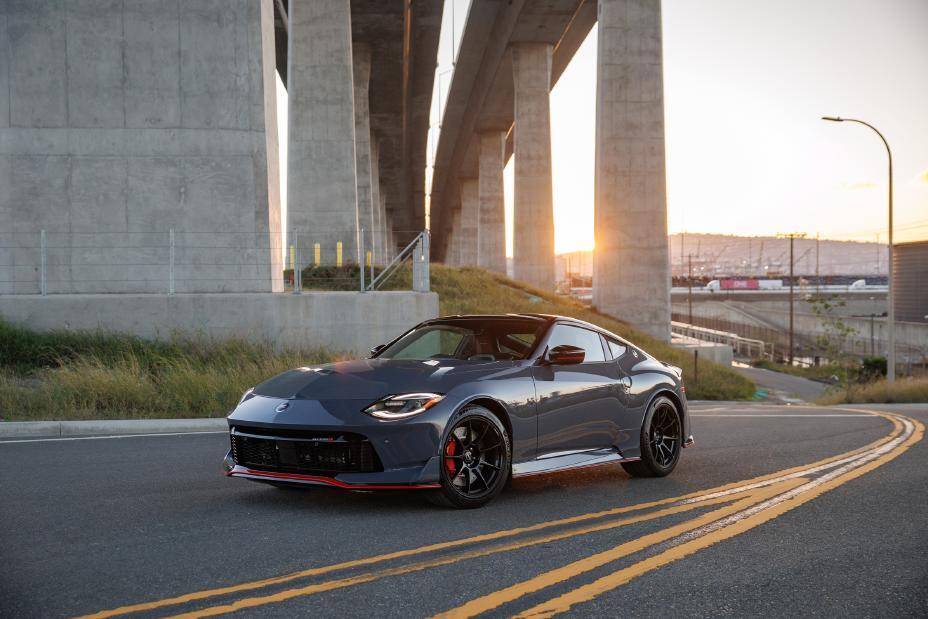
Nissan Z
"But he recently just picked up a Nissan Z and he's been wanting one since the launch."
The Nissan Z is a sports car that’s been around for decades. Here they’re excited because someone finally got one, which shows how popular the new ones are with car fans.
The Nissan Z is a long-running sports-car nameplate known for rear-wheel-drive driving feel and a strong enthusiast following. In this segment, the host mentions someone “picked up a Nissan Z” and had wanted one since its launch, highlighting its appeal as a modern throwback.
period correct mods
"Mike drove up in his Audi that he's like doing kind of period correct mods on."
“Period correct mods” means changing the car in a way that fits its original time period. Instead of making it look totally modern, you keep it looking like it belongs to when it was first made.
“Period correct mods” means modifying a car using parts, styling cues, or setups that match what would have been available or typical for that car’s original production era. It’s a common approach in enthusiast circles because it preserves historical authenticity rather than going for purely modern looks.
WCEC season opener
"So that's exciting that WCEC is season opener. [392.3s] That's in West Bend, West Bend, Wisconsin. [395.5s] So we'll be going down to that."
They’re talking about a local car event coming up—WCEC’s season opener in West Bend, Wisconsin. It’s about when and where the next meet is.
This segment shifts from cars to event context, mentioning WCEC’s season opener in West Bend, Wisconsin. It’s essentially a meetup/show planning note rather than a technical automotive discussion.
thermostat is stuck open
"Typically thermostat is stuck open [470.9s] or in really weird circumstances. [473.1s] I thought this was so odd."
The thermostat helps the engine warm up and stay at the right temperature. If it gets stuck in the “open” position, coolant flows too much, and the engine can stay cold.
A car thermostat regulates coolant flow to help the engine reach and maintain its operating temperature. If it’s stuck open, coolant keeps circulating through the radiator, so the engine may run too cool and never fully get up to temperature.
coolant is free flowing
"that remove the thermostat. [479.2s] So that way coolant is free flowing the entire time. [482.5s] I don't know if that's the case,"
Coolant is the fluid that carries heat away from the engine. If it’s “free flowing” all the time, it means the thermostat isn’t controlling the flow anymore.
“Free flowing” coolant means bypassing the thermostat so coolant moves through the system continuously. Enthusiasts sometimes do this to avoid thermostat-related temperature control issues, but it can affect warm-up time and overall temperature regulation.
brakes are real soft
"Oh, my brakes are like real soft, real soft. [499.8s] It's like I get a little bit of pressure and then I get. [502.6s] And then right at the end, that's where my brakes are."
If the brakes feel “soft,” the pedal may sink or need more movement before the car slows down. That can happen when the brake system has a fluid problem or air in the lines.
“Soft” brakes usually means the pedal doesn’t feel firm and may require more travel before braking force builds. A common cause is brake fluid issues (like air in the system or low/contaminated fluid), which can reduce hydraulic pressure at the calipers.
brake fluid
"So you just thin pads or a fluid? [507.6s] Yeah, it's a fluid."
Brake fluid is what makes the brake pedal’s push turn into stopping power at the wheels. If it’s not in good shape (or there’s air in the system), the brakes can feel wrong.
Brake fluid is the hydraulic medium that transfers force from your brake pedal to the brake calipers. If the fluid is old or contaminated, or if air gets into the system, braking can feel delayed or weak.
master cylinder
"May the master cylinder or something's going weird [510.5s] with that too."
The master cylinder is the part that makes your brakes work when you press the pedal. It pushes brake fluid through the brake system to squeeze the brakes. If it’s acting up, braking can feel off or not as strong.
The master cylinder is the hydraulic pump for your car’s brake system. When you press the brake pedal, it pressurizes brake fluid so the calipers can clamp the rotors. If it’s “going weird,” you can get symptoms like a soft pedal, inconsistent braking, or odd noises.
new brakes all around
"Or it just needs new brakes all around. [516.0s] It very well might just need new brakes. [517.8s] I haven't looked into it."
“All around” means the brakes at more than one wheel are being refreshed. That often includes replacing worn brake parts so braking feels even and predictable. It’s usually done when the system is unevenly worn.
“New brakes all around” usually means replacing brake components on multiple corners (front and rear), not just one axle. In practice, that can include brake pads and sometimes rotors, depending on wear and condition. The goal is consistent braking feel and performance across the car.
soft clunk noise
"I am getting a little weird like soft clunk noise [524.9s] from the front right. [526.2s] Might be just worn out bushings or something like that."
A clunk noise usually means something in the suspension or steering is loose or worn. If it’s coming from one specific wheel, that area is the most likely culprit. Worn rubber parts can let things move and make that sound.
A “soft clunk noise” from a corner often points to suspension or steering components moving more than they should. When it’s localized (like front right), it can indicate worn bushings, loose hardware, or degraded suspension mounts. Those parts allow extra play, which shows up as a clunk over bumps or during turning.
worn out bushings
"from the front right. [526.2s] Might be just worn out bushings or something like that. [529.3s] I'd like to do it overhaul."
Bushings are the soft parts that help suspension components move smoothly. When they wear out, the suspension can get loose and start making noises. Replacing them can make the car feel tighter and more stable.
Bushings are rubber (or rubber-like) isolators that connect suspension parts while allowing controlled movement. When bushings wear out, they lose their ability to damp vibration and prevent play, which can cause clunks, looseness, and vague steering feel. Replacing them can tighten up how the car responds.
overhaul
"I'd like to do it overhaul. [530.6s] I want it to feel tight. [531.5s] I want it to feel like a go cart when I drive it."
“Overhaul” here means doing a more thorough refresh than a quick fix. Instead of just patching one problem, it’s about replacing worn parts so everything feels right again. The goal is a tighter, better-driving car.
In this context, “overhaul” means refreshing or rebuilding a system to restore its original tightness and function. For suspension or steering-related issues, that often involves replacing worn components rather than only fixing one symptom. The speaker’s goal is improved feel and reduced noise.
rear hatch struts
"I've already done a few things like [550.2s] replace the rear hatch struts. [552.6s] There's a plastic insert that sits in the hatch."
Rear hatch struts are gas-charged supports that help lift and hold the hatch in position. When they weaken, the hatch may not stay up reliably or may move too slowly. Replacing them is a common “refresh” item on hatchback/estate-style cars.
epoxy
"But so what I did is I used some epoxy and I got in there and kind of remade the little mounting tabs for the screws."
Epoxy is a heavy-duty glue. Here, it’s used to rebuild broken mounting tabs so the hatch hardware can fasten properly again.
Epoxy is a strong two-part adhesive used to bond or rebuild damaged surfaces. In this context, it’s being used to remake broken mounting tabs so the hatch screws can hold securely again.
limited capacity
"But the 400 is really not the best at towing. It kind of has a limited capacity."
“Limited capacity” means the car can only handle a certain amount of weight. So even if it can tow something, it might not be able to do it safely or well.
“Limited capacity” refers to how much weight and load a vehicle can safely tow or handle. Even if a car can tow in theory, insufficient towing capacity can make it unsafe or ineffective under real-world conditions.
retro plate
"They did a retro plate. I didn't know Wisconsin ever had yellow license plates."
A “retro plate” is a license plate that’s styled to look old-school or themed. The host likes it because it visually matches the car’s paint colors.
A “retro plate” is a license plate design meant to look like older or themed plates, often tied to a specific era or branding. In this episode, it’s used as a visual detail that matches the car’s Harlequin color theme.
Harlequin theme
"But with the Harlequin theme, there's no yellow on my back. It's like I have a blue hatch and red bumper and stuff like that."
A “Harlequin theme” means a car paint/design that uses multiple colors in a playful, patchwork way. The host is saying the plate and the car colors match nicely.
A “Harlequin theme” refers to a multi-color, patchwork-style visual design—named after the Harlequin character—where different colors are broken into sections. Here, the host says the license plate colors and the car’s paint scheme are coordinated so the whole look “fits” together.
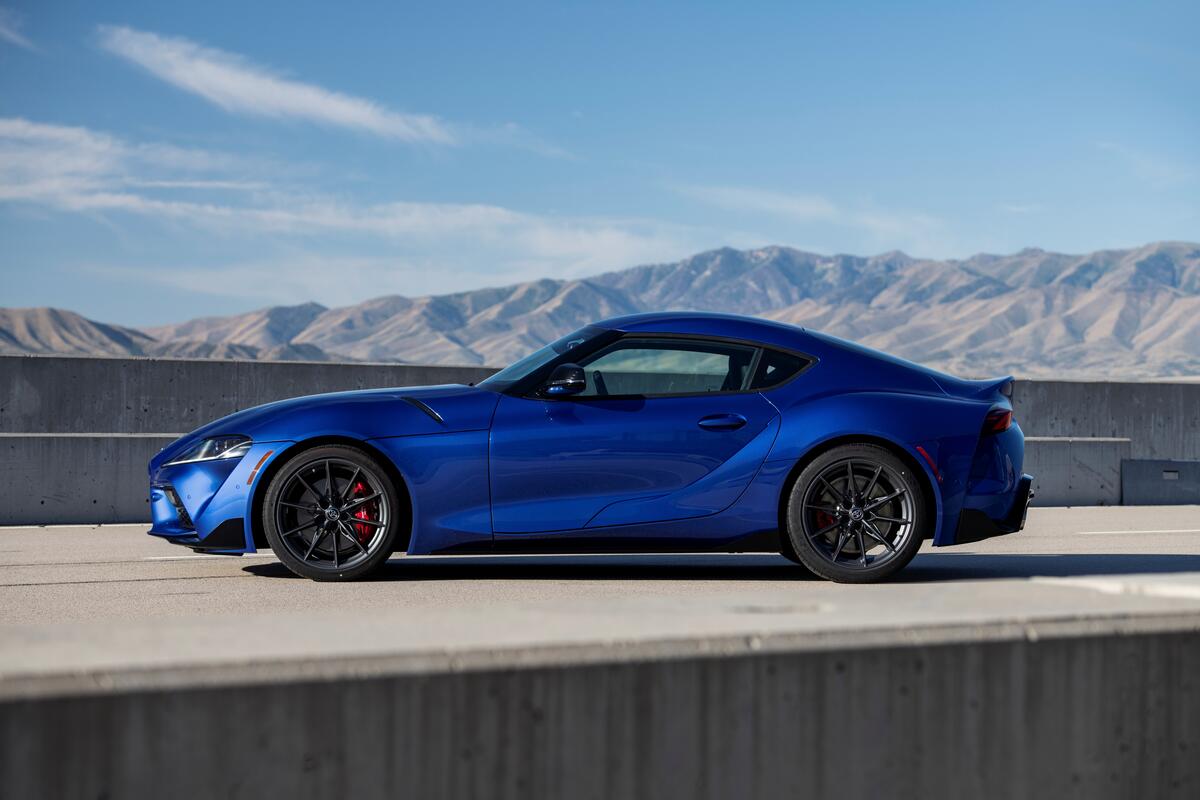
Toyota Supra
"So Chris, I got the Supra that she pulled in. We had the GTT S15 Harlequin."
The Toyota Supra is a popular sports car that car fans recognize. Here it’s just being mentioned as one of the cars in their lineup at work.
The Toyota Supra is a well-known Japanese sports car, famous for its strong performance reputation and enthusiast following. In this segment, it’s mentioned as part of a lineup of cars, with the host contrasting it against the more visually quirky Nissan S15 Harlequin.
clear doors
"I don't know if you guys remember the guy with the clear doors on the Nissan 240SX. He was sending some updated photos and stuff."
“Clear doors” means the doors are made to look see-through, so you can see what’s inside. It’s mostly a visual custom, and it can change how the door is built and mounted.
“Clear doors” usually refers to replacing a door’s outer panel with transparent or see-through material (often acrylic/polycarbonate) to create a glass-like look. It’s a visual modification that can also affect safety, rigidity, and how the door is mounted.

Nissan 240SX
"...member the guy with the clear doors on the Nissan 240SX. He was sending some updated photos and stuff."
The 240SX is a Nissan sports car that many people modify. It’s especially known in car communities for being a good base for custom builds. The podcast is talking about a specific 240SX project and showing updates.
The Nissan 240SX is a popular rear-wheel-drive platform that became a favorite in the drifting and modification community. It’s frequently discussed because it’s relatively straightforward to personalize and has a big parts ecosystem. In the podcast, it’s mentioned with a specific visual detail—“clear doors”—and updated photos, indicating a project car.
Bruce City Banger
"I love that you're shooting this messages because now I can't wait, whether we go to Bruce City Banger or maybe he's at the WCEC show, I don't know, but we'll catch up with him."
“Bruce City Banger” sounds like a car event or show. The hosts are saying they might go there to see the same person’s car again.
“Bruce City Banger” appears to be a local car show or event name the hosts plan to attend. It’s mentioned as a place to catch up with the 240SX owner and see the next updates.
WCEC show
"whether we go to Bruce City Banger or maybe he's at the WCEC show, I don't know, but we'll catch up with him."
“WCEC show” is another car event they might attend. They’re using it as a backup plan to meet the same person and see what’s changed.
“WCEC show” is referenced as another car show/event where the hosts might find the same builder. The acronym isn’t expanded in the segment, but it functions as an event location for the community.
fitment
"okay, this dude has a really dope GTI and I really want that fitment. Okay, he's running Continental DWSO6 Pluses"
Fitment is how your wheels and tires sit on the car—how close they are to the fenders and whether everything looks right. People care because it affects both the look and whether the tires rub when you drive or turn.
Fitment is how well a car’s wheels and tires “fit” the body—especially how centered the wheel sits in the wheel well and how much clearance there is to suspension and fenders. Enthusiasts use it to describe stance, wheel/tire sizing, and whether the setup looks flush without rubbing.
Continental DWSO6 Pluses
"Okay, he's running Continental DWSO6 Pluses and some Konse KMPs and that fitment looks perfect."
Continental DWS06 Plus is a particular brand/model of tire. People pick it because it’s designed to grip well for an all-season tire, not just in one season.
Continental DWS06 Plus is a specific tire model from Continental. It’s a popular “all-season performance” tire choice for enthusiasts who want good grip in varied weather while still supporting fitment and stance-focused builds.
Konse KMPs
"Okay, he's running Continental DWSO6 Pluses and some Konse KMPs and that fitment looks perfect. I wanna check that out."
Konse KMPs are a type of aftermarket wheel. Wheel choice matters for how the car sits and whether the tire clears the suspension and fenders.
Konse KMPs refers to a specific wheel model/variant from the Konse brand. Wheels like these are commonly chosen for fitment builds because wheel size/offset can dramatically change stance and clearance.
forum
"like an old forum, you know? And some, unfortunately, some of those aren't around anymore."
A “forum” is an online place where people post questions and answers. In car communities, it’s where owners trade tips about repairs and upgrades.
A “forum” is an online message board where car owners ask questions and share technical guidance. For enthusiasts, forums often serve as a searchable knowledge base for issues like noises, fitment, and common mod paths.
build threads
"So we're not done with the build threads. We're always working on them."
A “build thread” is like a running journal of a car project posted online. People share what parts they installed and what problems they ran into, so others can learn from it.
“Build threads” are ongoing forum posts where owners document modifications and troubleshooting as a project evolves. They’re valuable because they capture real-world fitment, parts choices, and problem-solving over time.

Toyota Celica GT
"One of the ones we just featured [1009.0s] where it was the Toyota Celica GT [1012.6s] and he found a bumper on a video game"
The Toyota Celica GT is a sporty Toyota model that car fans like to modify. Here, the story is about someone making a custom front bumper for their Celica GT using a video-game design as the starting point.
The Toyota Celica GT is a trim of Toyota’s Celica, a sporty coupe known for its enthusiast following. In this segment, it’s notable because the host discusses how the owner sourced inspiration from a video game and then built a custom bumper for the Celica GT.
3D printed
"So he like put it in his software and he 3D printed it. [1021.0s] And he 3D printed it like full scale. [1023.2s] And then what he did was he made a mold from that 3D print"
3D printing is a way to make a physical object from a computer file. In this story, someone printed a full-size bumper shape first, then used it to create the real bumper.
3D printing is a manufacturing method that builds a part layer-by-layer from a digital model. Here, the owner 3D printed a full-scale bumper, then used it as the pattern for making a mold to reproduce the bumper shape.
aftermarket bumpers
"I don't know the aftermarket bumpers [1037.2s] that are available for them. [1039.9s] So I would have just thought, [1041.0s] oh, it has an aftermarket front bumper."
Aftermarket bumpers are replacement or upgraded bumpers made by companies other than the car’s original manufacturer. People buy them to change the look or make a custom setup.
Aftermarket bumpers are non-factory front or rear bumpers sold by third parties, often to change styling or improve fitment. Enthusiasts use them to get a different look than the original equipment (OEM) bumper.
front bumper
"So I would have just thought, [1041.0s] oh, it has an aftermarket front bumper. [1042.3s] But with him being able to tell that, [1047.3s] Literally fabricated his own fiberglass bumper."
The front bumper is the part on the front of the car that takes hits and protects the front body. The person in the story is making their own version of that bumper.
A front bumper is the body panel at the front of a car that helps protect the fascia and absorbs minor impacts. In the segment, it’s the specific part being replicated and fabricated from a 3D print mold to create a custom look.
fiberglass bumper
"Literally fabricated his own fiberglass bumper. [1049.7s] Yeah, so that's Jeremy's car."
A fiberglass bumper is a custom bumper made from a strong, lightweight material. The story is saying the owner didn’t just buy a part—they built one out of fiberglass.
A fiberglass bumper is a bumper made from fiberglass-reinforced composite material, commonly used in custom fabrication because it can be molded into complex shapes. In this segment, the host emphasizes that the owner fabricated a fiberglass bumper to match a video-game design.
wide body
"He made his own wide body out of aluminum or steel. So the thing is built like a fricking tank."
A wide-body is when someone modifies the car’s body so the fenders stick out wider. People do it for clearance (bigger tires) and for a more dramatic look.
A wide-body conversion widens the car’s fenders and bodywork to increase tire clearance and give a more aggressive stance. It’s often done to fit wider wheels/tires or to match a specific look.
air suspension
"He did can't the lever air suspension, which I can't say I've really ever seen... So to get them low, you can't. So that's why he's like, I had to custom make my own to get it to drop where I wanted it to on the air suspension."
Air suspension is a suspension system that uses air bags instead of metal springs. It lets you raise or lower the car by adjusting pressure.
Air suspension uses air-filled springs instead of traditional steel coil springs. By changing the air pressure, the car can be raised or lowered for ride height and stance control.
solid rear axle
"I mean, I guess it works... So it's a solid rear axle normally. So to get them low, you can't."
A solid rear axle connects both rear wheels with one rigid bar. That can make it harder to lower the car as much as you want compared with independent suspension.
A solid rear axle is a rear axle design where the left and right wheels are connected by a single rigid beam. Because the axle doesn’t independently move like independent suspension, ride height changes and lowering can be more constrained.
ECSO2
"So maybe I'll pull up if they make ECSO2. ECSO2s and 16s, I'll go check. They do."
“ECSO2” sounds like another specific tire model name. They’re checking if it’s available in the size they want (like 16-inch wheels).
“ECSO2” appears to be a shorthand for another Continental tire model. The hosts are discussing whether that model exists in a specific wheel size (they mention “16s”), which matters because tire fitment depends on the tire’s size and intended use.
16s
"ECSO2s and 16s, I'll go check. They do. Yeah, they do."
“16s” means 16-inch wheels. Tire sizes have to match the wheel size, so they’re confirming the tire comes in that wheel diameter.
“16s” is shorthand for 16-inch wheels (wheel diameter). Tire availability and ride/handling characteristics depend heavily on wheel size, so checking for a tire in “16s” is part of making sure the tire will fit the car.
Viking Contact 7s
"That's why I was able to put Viking Contact 7s on my Supra for the winter."
Viking Contact 7 is a specific winter tire model. It’s made to grip better when it’s cold and when roads have snow or slush.
“Viking Contact 7” is a winter tire model from the Viking brand (often sold in North America as a winter-focused tire). It’s designed for cold-weather traction, typically with a winter rubber compound and tread pattern aimed at snow and slush grip.
small wheels
"Also having small wheels is the biggest benefit I've ever had in my life."
Smaller wheels usually mean the tire has more sidewall. That can make the ride smoother and can help the tire grip better in rough winter conditions.
Smaller wheels are often paired with taller tire sidewalls, which can improve ride compliance and help the tire maintain contact over rough or snowy surfaces. In winter setups, that extra sidewall “give” can be a practical advantage.
aftermarket wheel options
"I've been looking at some aftermarket wheel options and shopping with tires and seeing the prices of that versus 19s."
Aftermarket wheel options are wheels you buy that aren’t the original factory ones. Changing wheels can change how the tires fit and how the car feels on the road.
Aftermarket wheel options are non-factory wheel choices sold by third parties. They matter because wheel diameter and width affect tire selection, ride comfort, and how much the tire sidewall can flex.
19s
"I've been looking at some aftermarket wheel options and shopping with tires and seeing the prices of that versus 19s."
“19s” means 19-inch wheels. Bigger wheels often come with tires that have less sidewall, which can feel firmer over bumps.
“19s” refers to 19-inch wheels, a common size on performance cars. Compared with smaller wheels, 19-inch setups usually use shorter tire sidewalls, which can change ride comfort and how the tire absorbs bumps.
warranties
"It's probably one of the best warranties any tire manufacturer has. So check out Continental."
A warranty is a promise from the manufacturer or seller to cover certain problems for a set period. In the tire context, it typically means coverage for defects or premature wear, depending on the warranty terms.
bring-to-trailer updates
"So I've got all the bring-to-trailer updates and all the eBay auction updates and scour marketplace"
Bring a Trailer is a website where car enthusiasts buy and sell cars at auction. The host is saying they watch it closely for new listings and bidding changes.
Bring a Trailer (often shortened to “BaT”) is an enthusiast-focused auction site where cars are listed with detailed photos and community commentary. The “updates” reference suggests the host tracks new listings and bidding activity there to find interesting cars.
eBay auction updates
"So I've got all the bring-to-trailer updates and all the eBay auction updates and scour marketplace"
The host is also watching eBay auctions, not just car-specific sites. It’s another place where deals can pop up, but you still have to check the car carefully.
“eBay auction updates” refers to monitoring active bidding listings on eBay. For car shoppers, this can be a way to catch time-sensitive deals, but it also requires careful vetting of condition and history.

1981 Mazda RX7
"Yeah. There was an absolute gem of a 1981 Mazda RX7. So it's a Series 2 FB that came up for auction with no reserve."
This is a Mazda RX-7 from 1981, a classic sports car. It’s known for its unusual rotary engine, and the story here is about a particularly clean, well-documented example that sold at auction.
The Mazda RX-7 is a rotary-powered sports car, and the 1981 model is part of the early “Series” generations that collectors chase for their character and rarity. In this segment, the hosts highlight a specific 1981 RX-7 that came up at auction with no reserve and strong provenance (one-owner, family-owned).
no reserve
"So it's a Series 2 FB that came up for auction with no reserve. It was a one-owner car, been in the family its entire life,"
“No reserve” means there isn’t a minimum price the seller demands. If bidding stays low, the car can still sell for that amount.
A “no reserve” auction means the seller has set no minimum price—so the car will sell to the highest bidder regardless of how low bidding goes. That can create great deals, but it also increases risk for the seller.
new engine put in it
"Of course, RX7 had a new engine put in it. They had it re-sprayed to the factory color again,"
They replaced the engine in the car. On a rotary car, that’s a big deal because the engine condition strongly affects how the car runs and how much it’s worth.
A “new engine put in it” means the RX-7 received a replacement powerplant rather than keeping its original engine. For rotary cars like the RX-7, engine swaps can be a major factor in value and trustworthiness because the health of the rotary system matters a lot.
re-sprayed to the factory color
"They had it re-sprayed to the factory color again, did a bunch of upholstery on the interior."
They repainted the car to match the original factory paint color. That can make the car look more correct, but you’d still want to confirm the work was done well.
“Re-sprayed to the factory color” means the car was repainted to match its original paint shade. For collectors, returning to factory color can improve authenticity and presentation, though it’s still important to verify paint quality and whether bodywork was needed.
auction pricing
"And I was keeping an eye on it. And the auction really wasn't moving. But you know how auctions go. And no reserve. And no reserve. So it was like sitting at like, I think it was like 2,300 bucks or something like that."
This part is about how car auctions price things—what the car is currently bidding for and how bidders can raise it. The host describes watching the price and then placing a higher bid to win. It’s basically auction strategy and timing.
The hosts discuss how auction bidding and price movement work in practice, including how a car can sit at a certain bid level and then get a last push. They also reference bidding behavior (“threw a bit on it”) as a strategy to secure the car. This is about the buying process rather than a specific car system.
rotary
"Like it's a carbureted 12A rotary. 1741.3s So it's going to be a huge fucking learning curve."
Here, “rotary” means a Mazda engine type that spins internally instead of using pistons. That design can make the car feel and behave differently than most cars you’re used to.
In this context, “rotary” refers to Mazda’s Wankel rotary engine, where combustion happens in a chamber formed by a spinning rotor. Because the engine’s geometry and airflow behavior differ from piston engines, it can have a distinct driving feel and maintenance/tuning considerations.
carbureted
"Like it's a carbureted 12A rotary. 1741.3s So it's going to be a huge fucking learning curve."
“Carbureted” means the car uses a carburetor to blend fuel and air. It can require more attention to tuning and starting than newer cars that use fuel injection.
“Carbureted” describes engines that use a carburetor to mix fuel and air before it enters the engine. Compared with fuel injection, carburetors are more sensitive to things like tuning, temperature, and how the engine is started and warmed up.
mesh wheels
"there's some like really, really cool like old like vintage like mesh wheels out there or just like some like random Japanese like multi-piece wheels that you can get for stupid cheap."
Mesh wheels are wheels with a net-like pattern. They’re often used on older-looking builds because they match the classic style.
Mesh wheels are a wheel style made from a grid of metal spokes or “mesh” patterns, often associated with classic European and vintage sports cars. They’re popular for period-correct aesthetics and can be refinished to restore the original look.
multi-piece wheels
"or just like some like random Japanese like multi-piece wheels that you can get for stupid cheap."
Multi-piece wheels are made from more than one part. That can make them easier to refurbish and customize compared with one-piece wheels.
Multi-piece wheels are constructed from multiple sections (typically a center and separate rim/lip pieces) rather than being one solid casting. Enthusiasts like them because they can be refinished, re-lipped, and sometimes reconfigured for fitment and style.
naturally aspirated
"And I mean, it's naturally aspirated. [1807.4s] Yeah. [1807.6s] So it's perfect. [1808.3s] Gels is able to use looking at RX-7, he's like,"
Naturally aspirated means the engine doesn’t use a turbo or supercharger to push air in. It relies on normal engine breathing, which can feel different from turbo cars.
Naturally aspirated describes an engine that makes airflow without a turbocharger or supercharger. In rotary and other sports-car discussions, it’s often used to compare throttle response and character versus forced-induction setups.
turbocharged
"Gels is able to use looking at RX-7, he's like, [1810.9s] oh my God, the FD, that's turbocharged, disgusting. [1813.3s] Oh, the FD, that's naturally aspirated, that's perfect."
Turbocharged means there’s a turbo that compresses air before it enters the engine. That extra air can help the engine make more power than a non-turbo setup.
Turbocharged means the engine uses a turbocharger to force more air into the cylinders, which can increase power and efficiency. The hosts use “turbocharged” to describe the FD RX-7’s character compared with naturally aspirated versions.

Mazda RX-8
"but like when you sold the RX-8, [1823.1s] it felt like now there's been something missing. [1825.1s] You've been the rotary dude around the shop"
The Mazda RX-8 is another rotary sports car from Mazda. The rotary community talks about it a lot, and in this conversation it’s the car the host sold before getting back into an RX-7.
The Mazda RX-8 is a rotary-powered sports coupe that’s often discussed alongside the RX-7 because they share the same rotary-engine enthusiast culture. Here, the host says selling the RX-8 left a feeling of something missing, since they’d been the “rotary dude” around the shop.
body kit
"looking what they look like, modified wheels, [1837.9s] body kit, stuff around. [1838.8s] It's like, dude, these are sick and they are so slept on."
A body kit is aftermarket exterior styling for a car, usually adding things like different bumpers or side skirts. It’s meant to make the car look more aggressive or more aerodynamic.
A body kit is an aftermarket set of exterior panels—like bumpers, side skirts, and sometimes spoilers—used to change a car’s look and aerodynamics. The host mentions body kits as part of why the RX-7 FD scene feels “sleek” and mod-friendly.
modified wheels
"looking what they look like, modified wheels, [1837.9s] body kit, stuff around. [1838.8s] It's like, dude, these are sick and they are so slept on."
Modified wheels means changing the car’s wheels—often for a different look or better fit. People do it to change the car’s stance and style.
Modified wheels typically means swapping to different wheel sizes, widths, or styles (often with different offsets) to change fitment, stance, and sometimes grip. In this segment, it’s grouped with visual mods like body kits to describe the RX-7 FD’s current customization vibe.
1980s car styling gap
"we don't really see cars from the 80s anymore. There's like this gap where we talk a lot about the 2000s and some late 90s stuff."
They’re basically saying people don’t talk about 1980s cars as much as they do about the 1990s and 2000s. But there were still a lot of cool, creative cars back then.
The hosts are describing a “visibility gap” in enthusiast talk: fewer people discuss 1980s cars compared with the 1990s and 2000s, even though there were plenty of interesting designs and engineering experiments in the 1980s. It’s a reminder that some of the most distinctive styling and tech came from that decade, but it’s less commonly featured today.

Nissan 300ZX
"And it's like, what is it, like the 300ZX of the time [1913.5s] or something like that in the late 80s."
The Nissan 300ZX was a popular sports car from the late 1980s. People bring it up as a reference point for cars that look a little unusual but are still really cool to drive and own.
The Nissan 300ZX is a late-1980s sports coupe known for its aerodynamic “long hood, short deck” shape and, in many versions, a turbocharged V6. When someone compares a car to the “300ZX of the time,” they’re usually pointing at a similar era of quirky styling and enthusiast appeal.
air dams
"Like you can get some like air dams and stuff for it. [1944.5s] So it doesn't look like it's like super like a overbite."
Air dams are aerodynamic add-ons (often mounted low on the front bumper) designed to manage airflow under and around the car. By reducing how much air gets under the front end, they can help the car look more “grounded” and may improve aerodynamic balance.
3D print it
"3D print it. [1960.3s] Yeah, 3D print it. [1961.5s] And that's totally an option too."
“3D print it” means making a part using a 3D printer. Car people use it when they can’t buy the exact piece anymore and want a custom or replacement part.
“3D print it” refers to making replacement parts using additive manufacturing, where material is built up layer-by-layer from a digital model. In car communities, this is often used for discontinued trim pieces, brackets, or cosmetic parts when originals are hard to find.
compression numbers
"It didn't have compression numbers when I'm on it. But they said it was running and driving."
“Compression numbers” are a test result that tells you how well the engine is sealing and building pressure. If the numbers are low, it can mean the engine is worn out or not healthy.
“Compression numbers” are results from a compression test that indicate how well an engine is sealing and producing cylinder pressure. For rotary engines, compression testing is especially important because low readings can point to worn seals or internal wear.
V8
"Like you're gonna like throw V8 in it, you know, make it fun. I'm like, I don't want to do that."
A “V8” is a type of engine with eight cylinders arranged in a V shape. People swap to V8s to get a different feel and sound, but it’s not a simple bolt-on change.
A “V8” is an engine with eight cylinders arranged in a V shape, typically known for strong low-to-midrange torque and a distinctive sound. Engine swaps to a V8 are a common way enthusiasts try to change a car’s character, but they can be complex and expensive.
slow car summer
"Yep, I turned 30 and I'm like, I need something slow and old. Yep. Exactly, it's slow car summer."
“Slow car summer” is a fun trend where car people focus on enjoying their cars without trying to go fast. It’s more about cruising and having a good time than racing.
“Slow car summer” is an enthusiast meme/seasonal trend where people intentionally drive (or buy) slower, older, or more relaxed cars for everyday fun. It’s less about chasing speed and more about enjoying the car experience—cruising, going to dinner, and taking it easy.

BMW M5
"You guys saw all your M5 and get something very slow large. I already have the GRD6."
The BMW M5 is a fast, performance-focused BMW. Here it’s mentioned just to compare—like, “you used to get something very fast, now you’re getting something slow.”
The BMW M5 is a high-performance sedan from BMW’s M division, typically associated with strong power and a more serious, fast-driving character. In this context, it’s used as a contrast to the “slow car summer” idea—suggesting people are moving from very fast cars to something slower and older.
80s JDM cars
"I am itching because this whole experience and thinking through, you know, 80s JDM cars and stuff, it does make me crave some of those older cars"
“80s JDM cars” means Japanese cars that were made for the Japanese market in the 1980s. People like them because they can be special, different, and often have a strong enthusiast following.
“80s JDM cars” refers to Japanese Domestic Market cars from the 1980s. Enthusiasts often seek them because many were built with motorsport influence, unique trims, and a tuning culture that’s different from what was sold in the U.S.
trackable
"in the pursuit of speed and race cars and trackable, whatever, it's like, there's something just satisfying about just cruising"
Here, “trackable” means the car is set up to be driven hard on a race track. It’s about whether the car can handle repeated fast laps safely.
In this context, “trackable” means a car that’s suitable for track use—typically with the brakes, tires, cooling, and chassis stability needed to handle repeated hard driving. It’s shorthand for “can you drive it hard on a circuit without it falling apart.”
LSD
"So I think you made the right one. RX-7's got LSD in it, so we can still whip that too."
LSD means limited-slip differential. It helps the car send power to the wheels more evenly when one side starts slipping.
LSD stands for limited-slip differential, a differential that reduces wheel spin when one wheel loses traction. That helps a car put power down more effectively in wet, snowy, or hard-cornering situations.
horsepower
"So there's a 140 horsepower that makes? No."
Horsepower is a number that tells you how much power the engine can make. More horsepower usually helps the car speed up faster, but it’s not the only factor.
Horsepower is a measure of an engine’s power output—how much work it can do over time. Higher horsepower generally means the car can accelerate more strongly, though weight and gearing also matter.
rear-wheel-drive
"Road-wheel-drivers, rear-wheel-drive. About, depending on everything."
Rear-wheel-drive means the back wheels do the pushing. Many drivers like it because it can feel more natural and balanced when you accelerate.
Rear-wheel-drive (RWD) means the engine sends power to the rear wheels. That layout often helps with steering feel and traction balance, especially compared with front-wheel-drive setups.
coilovers
"going to save up for the nice coilovers, [2369.6s] I'm going to go get the cheaper coilovers."
Coilovers are upgraded suspension parts that let you change how high or low the car sits. They can also affect how the car soaks up bumps and handles turns. Some are better quality than others, so “cheap” ones may not feel as good or last as long.
Coilovers are an aftermarket suspension setup that combines a coil spring and shock absorber into one adjustable unit. Enthusiasts use them to lower the car and fine-tune ride height and damping for handling. Cheaper coilovers can be less consistent in quality and adjustment, which is why people debate “doing it right” versus saving money.
aftermarket suspension
"So if you're looking for some aftermarket suspension, if we get into slow car summer or fast car summer, whatever you want to be a part of, I guess, even though slow car summer is kind of cooler."
“Aftermarket suspension” means replacing or upgrading the suspension parts that came with the car from the factory. The goal is usually to make the car handle better or ride differently—either for everyday driving or for track days.
Aftermarket suspension parts are non-factory upgrades (like springs, shocks/struts, and control arms) installed to change how a car rides and handles. People choose them to improve grip, reduce body roll, or tailor ride height and feel for street or track use.
Fortunato
"If you're looking for some aftermarket suspension, some of the best stuff out there, of course, is going to be Fortunato. They do an incredible job making aftermarket suspension..."
Fortunato is a company that makes aftermarket suspension upgrades. The hosts are saying it’s a strong option if you want to improve your car’s handling for either normal driving or track days.
Fortunato is an aftermarket brand known for suspension components, especially coilover kits and related tuning options. In this segment, they’re presented as a go-to source for suspension setups that can work for both street driving and track use.
valving
"They helped me set up the valving and everything, spring rates that were going to be needed for those coilovers to get the job done."
Valving is the inside “control system” of a shock absorber. It affects how the suspension moves up and down, which can make the car feel more controlled when you drive hard.
Valving refers to how the shock absorber controls fluid flow through internal passages. That design determines damping characteristics—how quickly the suspension compresses and rebounds—which is critical for keeping the car stable during aggressive driving.
spring rates
"They helped me set up the valving and everything, spring rates that were going to be needed for those coilovers to get the job done."
Spring rates are a measure of how stiff the suspension springs are. Stiffer springs can help the car stay more stable when you’re driving hard, but the setup has to be balanced with the rest of the suspension.
Spring rates describe how stiff a spring is, usually expressed as force needed per unit of compression. Higher rates resist body movement more, which can improve control on track, but they can also make the ride harsher if not matched to the car and damping.
street drive the car to the track
"I would street drive the car to the track, rip on it all day, drive it home. And the car, suspension-wise, never missed a beat, felt awesome."
This describes a “drive it to the track” use case where the same suspension setup is expected to work on both public roads and track sessions. It highlights why damping and spring choices matter: a setup that’s too aggressive can feel uncomfortable or unpredictable on the street.

FL5 Civic Type R
"On the internet, FL5 Civic Type R [2525.3s] is the best driving car under $100,000."
The Honda Civic Type R (FL5) is a sporty, track-oriented version of the Civic. It’s front-wheel drive and turbocharged, and people like it because it drives in a very fun, precise way—sometimes even compared to much more expensive cars.
The Honda Civic Type R (FL5) is a front-wheel-drive hot hatch built for track-style driving, with a turbocharged engine and a chassis tuned for sharp steering and grip. In enthusiast circles it’s often compared against higher-priced sports cars because it can feel very “driver-focused” despite being a compact.
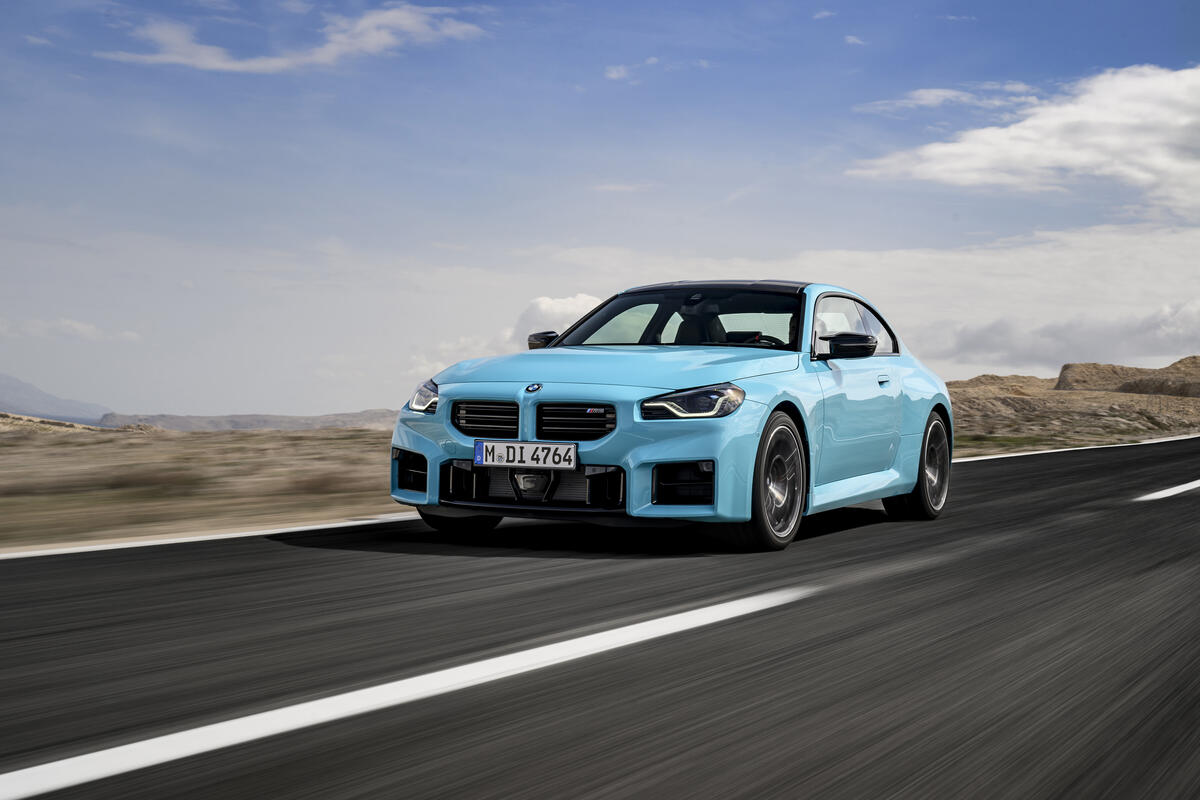
BMW M2
"In this article, they said, better than a BMW M2, [2552.7s] better than any Chevrolet Corvette."
The BMW M2 is a small, sporty BMW that’s built to drive like a proper performance car. It’s rear-wheel drive, and it’s often used as a benchmark for “fun to drive” in the same price conversations as hot hatches.
The BMW M2 is BMW’s compact performance coupe, known for a sporty, rear-wheel-drive driving feel and strong track-capable tuning. When someone claims the Civic Type R is “better than a BMW M2,” they’re usually arguing about steering feel, acceleration feel, and overall driver engagement rather than just straight-line speed.

Porsche Boxster
"And I'd even take a Type R over a Porsche 718 Cayman or Boxster S. [2561.6s] OK, what article is this?"
The Porsche Boxster S is a sporty Porsche convertible/roadster. It’s designed for fun driving, so saying you’d pick a Civic Type R over it is a strong opinion about what “fun” means.
The Porsche Boxster S is a performance-oriented Porsche roadster, typically known for its mid-engine layout and open-top driving feel. The host’s “Type R over Boxster S” comment is essentially arguing that a hot hatch can deliver more day-to-day driving satisfaction than a traditional sports roadster.
cars.com
"This is cars.com. [2565.8s] Connor of cars.com."
Cars.com is a website where people shop for cars and read automotive articles. Here, the host is reacting to a claim from a cars.com article and saying it doesn’t clearly explain how they proved it.
Cars.com is an automotive media and listing platform that publishes car reviews and shopping articles. In this segment, the host is questioning the credibility of a claim made in a cars.com article by pointing out the lack of a clear, testable “better than X” statement.

Chevrolet Corvette
"because the M2, the Corvette, and the Cayman [2600.3s] are all fantastic cars that are a little more expensive, yes."
The Chevrolet Corvette is a well-known American sports car. They mention it as one of several great cars that are more expensive than the Type R.
The Chevrolet Corvette is a long-running American sports car line known for strong performance and a reputation among enthusiasts. In this segment, it’s grouped with the BMW M2 and Porsche Cayman as a “fantastic” alternative that costs more, challenging the article’s argument.

Porsche Cayman
"because the M2, the Corvette, and the Cayman [2600.3s] are all fantastic cars that are a little more expensive, yes."
The Porsche Cayman is a Porsche sports car known for handling. They bring it up as another great option that costs more, which makes the article’s point seem off.
The Porsche Cayman is Porsche’s mid-engine sports car, typically praised for balance and handling. Here, it’s mentioned alongside the BMW M2 and Chevrolet Corvette to argue that multiple cars are “fantastic,” so the article’s “Type R is just better” framing feels incomplete.
car value vs "better" (regardless of cost)
"because he's not talking about value. [2609.8s] He's talking just straight up better. [2611.3s] The car is just better, yeah, regardless of cost."
The hosts are contrasting “value” (how good a car is for its price) with a blanket claim that one car is “better” regardless of cost. That distinction matters because a car can be objectively impressive yet still be a worse buy if it costs far more than the alternatives.
chassis generation change (10th gen to 11th gen)
"I mean, it is a new chassis. [2628.2s] So it went from the 10th gen to the 11th gen."
When people say “new chassis,” they mean the car’s main structure is redesigned. That can change how it handles, not just how it looks, which is why the hosts think the newer Type R generation feels different.
A “new chassis” usually means the car’s underlying platform has been redesigned, which can change weight distribution, stiffness, suspension geometry, and how the car drives. The hosts connect this to the Civic Type R moving from the 10th generation to the 11th generation, implying meaningful changes beyond just styling.
Honda Civic
"...and stuff before. And it's like, for what a Honda Civic is, it is a really, really good car."
The Honda Civic is a common, everyday compact car. It’s known for being practical and easy to own. The podcast is saying that, even though it’s a regular car, it’s actually pretty good.
The Honda Civic is a mainstream compact car known for practicality, efficiency, and broad availability. It often gets discussed because it’s easy to live with and can still be surprisingly engaging depending on the version. In the podcast, it’s praised specifically “for what a Honda Civic is,” suggesting the speaker thinks it performs better than people assume.
Request an Explanation
Heard something you'd like explained? We'll add it to this episode.
Sign in to request explanations for terms you heard.
Want to learn more?
Browse our glossary for plain-English explanations of automotive terms, jargon, and concepts.
Help improve this episode
See something that's not quite right? Our annotations are AI-generated and can sometimes miss the mark. Click the flag icon on any annotation to suggest a correction.