
C.R.E.A.M. #81 - Selling a Car To Jay Kay, Lowest Selling New Cars and S2000 For Sale?
About this episode
The hosts bounce between car-sale stories, auction logistics, and a long stretch of used-car chat. A yellow Lamborghini Gallardo sold through DK Engineering leads to the surprise that Jay Kay of Jamiroquai bought it, before the conversation shifts to an S2000 that’s heading out because it doesn’t quite feel right. From there they dig into buying choices, engine sound, reliability, running costs, and a few dream picks like the Audi TT RS, Golf R32, and SLK55 AMG.
⚪️ Get 20% off your next Car Vertical check using code CREAM 👉 https://www.carvertical.com/gb/landing/v3?utm_source=infl&a=TDC&b=38b26e3a&voucher=cream20🍦 Follow C.R.E.A.M. socials!https://www.instagram.com/carsruleeverything/Edwin: https://www.instagram.com/edwin.klinkenberg/Will: https://www.instagram.com/willchandlr/ 📬 Enquiries: [email protected]

Lamborghini Gallardo
"a yellow Lamborghini Gallardo with the plate GK04 UWV... Because that is my old car... It's gone to its new owner and it literally had an MOT on the Saturday and then was at Sunday Scramble on the Sunday."
The Lamborghini Gallardo is a loud, high-performance supercar from Lamborghini. Here, they’re talking about the exact Gallardo they owned and sold, and what happened to it after the sale.
The Lamborghini Gallardo is a V10-powered supercar from Lamborghini, known for its sharp steering feel and dramatic sound. In this segment, the hosts are discussing a specific Gallardo that was sold and is now on its original plate, so it’s the centerpiece of the story.
MOT
"It's gone to its new owner and it literally had an MOT on the Saturday and then was at Sunday Scramble on the Sunday."
In the UK, an MOT is a required safety/roadworthiness check for cars. Mentioning that it had an MOT means it was checked and cleared to be driven legally.
MOT is the UK’s mandatory vehicle inspection test for roadworthiness. Getting an MOT right after the sale is a practical sign the car is legally compliant to drive on public roads.
Sunday Scramble
"and it literally had an MOT on the Saturday and then was at Sunday Scramble on the Sunday. So quite a nice turnaround."
Sunday Scramble appears to be a car event or meetup where cars are displayed or gathered. In the segment, it’s used to show how quickly the sold Gallardo was back in public view after the MOT.
original plate
"It looks basically the same. It's on the original plate. There's no longer spaces on it."
An “original plate” means the car kept its same license plate. That can matter to buyers because it keeps the car’s identity/history consistent.
An “original plate” refers to keeping the same license plate identifier on the vehicle. In the UK context, it’s often a detail that affects the car’s history, identity, and buyer appeal.
wheels refurbished
"It's had the wheels refurbished. Wheels are now a little bit shadowy."
Wheel refurbishment is when damaged or worn wheels get repaired and refinished. They’re saying the car’s wheels were reconditioned so it still looked good.
Wheel refurbishment means repairing and refinishing wheels—often to fix curb rash, restore finish, and improve appearance. Here, the hosts note the Gallardo’s wheels were refurbished, which is part of why the car looked “basically the same.”
DK Engineering
"that car was sold through DK Engineering, which is incredibly cool... They said they were after a Gallardo for a client... Sold it through them."
DK Engineering is the company they used to help sell the car. The point they’re making is that it was handled through a specialist who works with clients looking for specific cars.
DK Engineering is referenced as the intermediary that handled the sale of the Lamborghini Gallardo. The hosts frame it as a specialized dealer/service that can source or place specific cars for clients.
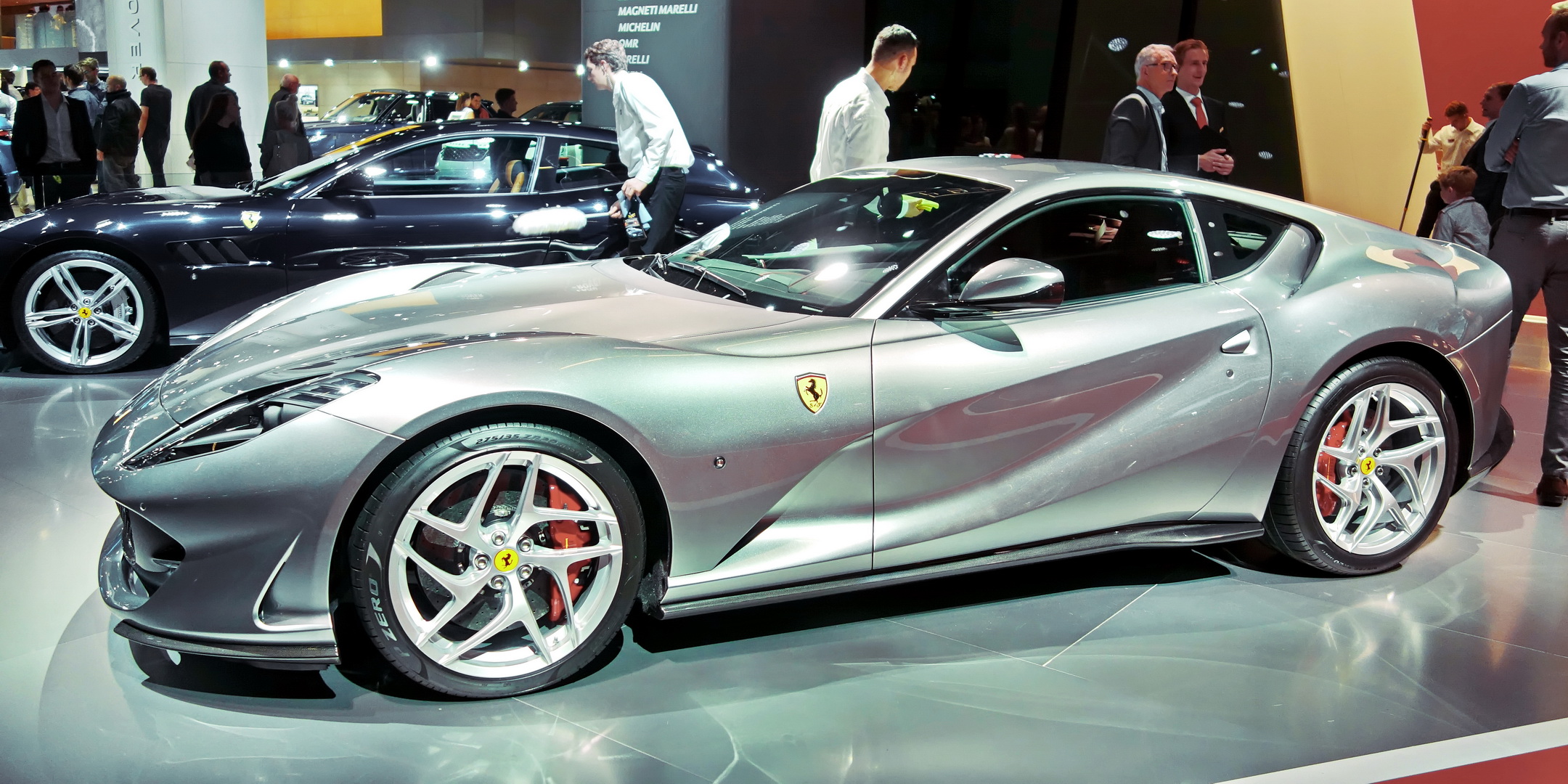
Ferrari 812
"He took it. I don't think he drove it. I think a friend of his drove it. He took an 812 and I think a flat nose 911. The three of them there."
The Ferrari 812 is a very expensive Ferrari with a powerful V12 engine. In this story, it’s one of the top-tier cars involved.
The Ferrari 812 is a modern Ferrari grand tourer built around a naturally aspirated V12 engine, which is a big part of why it’s so desirable. In the transcript, “JK” is said to have taken an “812,” placing it in the same ultra-rare, high-status category as the other cars mentioned.
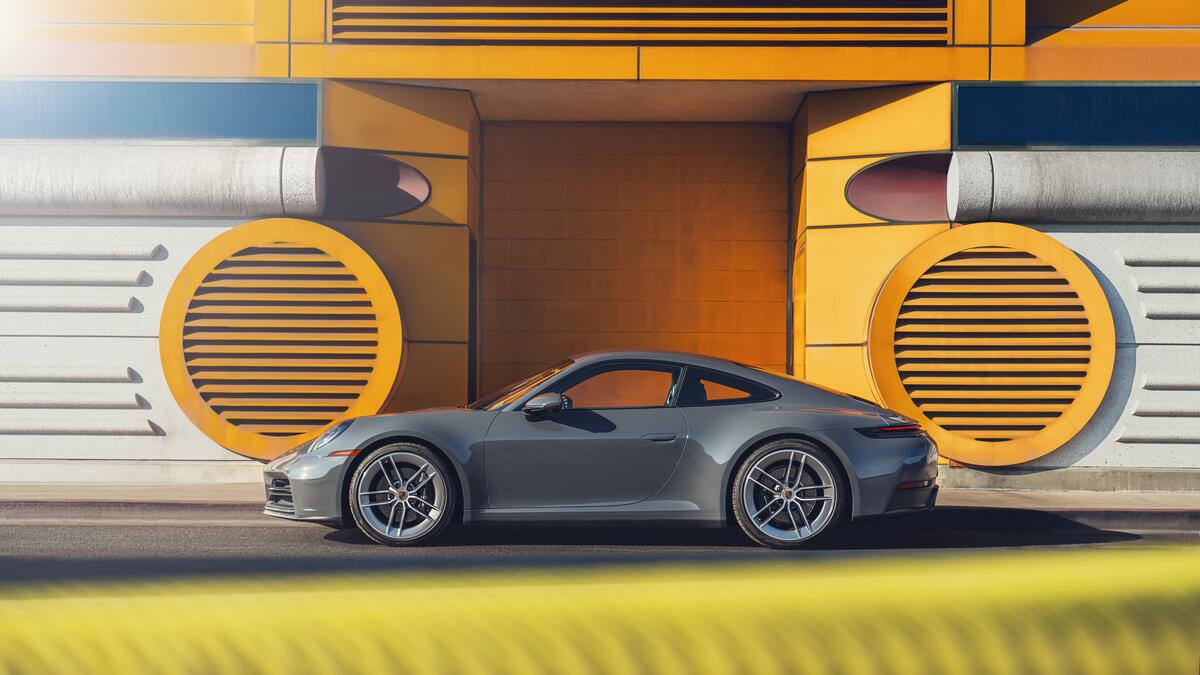
Porsche 911
"He took it. I don't think he drove it. I think a friend of his drove it. He took an 812 and I think a flat nose 911. The three of them there."
The Porsche 911 is one of the most famous sports cars ever made by Porsche. Here, it’s just being name-dropped as another expensive car in the story.
The Porsche 911 is Porsche’s iconic rear-engine sports car, known for its distinctive silhouette and long-running evolution. In this segment, it’s mentioned alongside another supercar as part of what “JK” took/used, which signals the kind of high-end cars being discussed.
CarVertical
"Before we continue this podcast, this one is sponsored by the guys at CarVertical, [454.9s] which want to take a quick moment to say thank you very much to them because they [457.7s] have saved our skin multiple times before."
CarVertical is a website/app that looks up a car’s past using available records. The point is to help you spot problems—like crash damage—before you hand over money.
CarVertical is a vehicle-history service that compiles records it can find about a specific car. In this segment, the hosts use it to uncover issues like crash damage before buying.
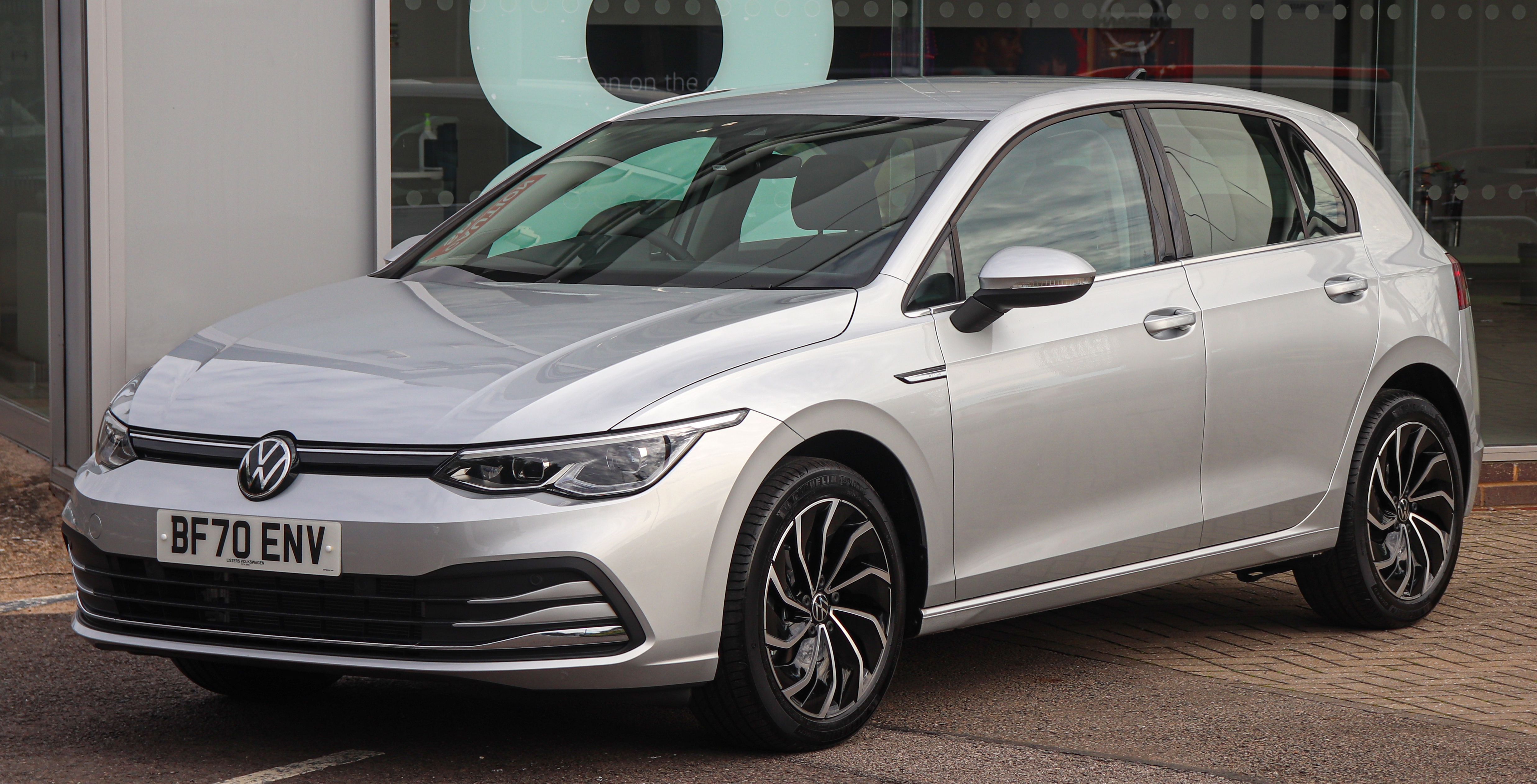
Golf Gtd
"...it. It's got us out of multiple issues with Ben's GTD when we were looking for that. All sorts of thing..."
The Golf is a small everyday car that’s usually chosen because it’s practical. The podcast mentions it helping out when there were problems with another car, meaning it was useful and dependable. It’s brought up as a car that can keep things running.
The Volkswagen Golf is a widely used compact hatchback known for being practical and easy to live with. In the podcast, it’s credited with helping “get us out of multiple issues,” specifically mentioning Ben’s GTD, which suggests it played a role as a reliable, problem-solving car. It’s discussed because it’s the kind of dependable vehicle that can save the day.
noise mods
"It's had the right noise mods. It looks right. I've seen them."
“Noise mods” usually refers to aftermarket changes intended to alter the sound of the car, most commonly exhaust-related modifications. These can make the car feel more exciting, but they don’t necessarily improve ride quality or handling.
twitchy
"I don't like how it drives, right? I don't like how twitchy it is. Edwin told me that's just how it is."
“Twitchy” is how drivers describe a car that feels jumpy—like it responds too quickly to small movements. It can make the car feel harder to control smoothly.
“Twitchy” is a driver description for a car that reacts quickly and sharply to small steering or throttle inputs. In handling terms, it often means the steering response feels overly sensitive, so the car can feel nervous or hard to settle at speed.
daily
"But when I got to the weekend, I was like, yes, I can daily the Clio. I can chuck stuff in it."
“Daily” means using the car every day. The host is saying they’d use the Clio as their everyday car on weekends.
In car culture, “daily” is shorthand for using a vehicle as your everyday transportation. Here, the host means they’d use the Clio regularly on weekends as a practical commuter/errands car.
air conditioning
"And it's not like I did it because of air conditioning. The Gulf air conditioning isn't working currently."
Air conditioning is what cools the car’s cabin. They’re saying the A/C on their car isn’t working, and that influenced what they chose to do.
Air conditioning (A/C) is the climate-control system that cools the cabin. The host notes the “Gulf air conditioning isn’t working,” using it as a reason they didn’t take a particular car out—showing how comfort systems can affect real-world usage.
AC
"And then he said, yeah, when those switches are broken, don't have any AC, can't use this. I can't open the windows because my windows switch is broken."
AC here means the car’s air conditioning. If the switches for it are broken, the AC won’t work properly.
In car talk, AC means the air conditioning system. If the AC controls or related switches are broken, the system may not be able to run, which is why the host says you can’t use it.
deep storage
"We had that cast started up after some deep storage and not fine. Not a peep."
Deep storage means the car has been sitting for a long time with little or no use. When you bring it back, you may need to check that everything still works properly.
Deep storage refers to leaving a vehicle unused for an extended period, often with minimal driving and sometimes without ideal preservation steps. Engines and fluids can behave differently after long storage, so owners may check for issues before restarting or selling.
timing belt
"I'm sure it needs a timing belt. I'm not going to say it's perfect."
A timing belt is a belt inside the engine that keeps the engine’s timing correct. If it’s not replaced when it should be, it can cause major engine damage.
A timing belt synchronizes the crankshaft and camshaft so the engine’s valves open at the correct time. If it’s overdue or fails, the engine can suffer serious internal damage, so sellers often mention whether it needs replacement.
baffles
"So I replaced them with some ones that definitely have baffling in and they definitely silence."
Baffles are like internal walls inside the exhaust. They make the exhaust gas take a more complicated path, which helps quiet the sound and change the tone.
Baffles are internal plates or structures inside an exhaust silencer/muffler that force exhaust gases to change direction and flow paths. That helps reduce noise and can also affect the tone (how deep or raspy the exhaust sounds).
mufflers
"I got some stick for that, calling them mufflers. [1052.2s] That's American."
A muffler is part of the exhaust that makes the car quieter. It changes how the exhaust sounds by controlling how the gases move inside.
Mufflers are exhaust components designed to reduce engine noise by using internal chambers and baffles to slow and redirect exhaust gases. In the segment, the host is talking about swapping mufflers for ones that change the sound character of the car.
back box
"Back box. [1055.3s] So I'll stock some silencers on it."
The back box is the muffler section near the rear of the car’s exhaust. Changing it is one of the easiest ways to make the exhaust sound louder or different.
The back box is the rear section of the exhaust system that typically contains the muffling/silencing elements. Swapping the back box (or its internals) is a common way to change exhaust sound without altering the rest of the exhaust layout.
silencers
"So I'll stock some silencers on it. [1058.4s] But they're not."
Silencers are parts of the exhaust meant to reduce noise. Depending on what’s inside, they can make the exhaust much quieter—or, if they’re basically just tubes, they won’t quiet it much at all.
Silencers are exhaust components (often the same parts people in other regions call mufflers) that reduce noise. In this segment, the speaker notes that the replacements are essentially just tubes, which explains why the sound changes dramatically.
whistle
"Because it was that whistle. [1076.5s] But now it sounds like a 60s Le Mans car."
A whistle is a sharp, high-pitched sound from the exhaust. It can happen when exhaust gases are flowing in a way that creates a resonance or when the exhaust isn’t sealed right.
A whistle in exhaust terms is a high-pitched noise that can come from airflow through restrictive sections, leaks, or resonances in the exhaust. The host contrasts the earlier whistle with the later, more “race-like” sound after changing the exhaust parts.
Le Mans car sound
"But now it sounds like a 60s Le Mans car. [1080.3s] It has a lot of good vibes."
“Le Mans car sound” is a way of saying the exhaust now has that old-school race-car vibe—louder and more characterful. It’s not a technical measurement, more like a sound description fans recognize.
When someone says an exhaust sounds like a “Le Mans car,” they’re usually describing the classic endurance-racing tone—often louder, more mechanical, and with a distinct rhythm from the engine and exhaust. The host is using it as a qualitative benchmark for how the car now sounds after the exhaust change.
burnouts
"And I hopefully did some donuts and I hopefully did some burnouts."
Burnouts are when you spin the tires to make smoke and heat them up. It’s usually done for fun at car events, but it can destroy tires fast.
Burnouts are maneuvers where the driver spins the tires while the car is stationary or moving very slowly, usually to heat the tires or to create smoke. They’re typically done for show at events and can significantly increase tire wear.
donuts
"And I hopefully did some donuts and I hopefully did some burnouts."
Donuts are when you spin the car in a circle with the tires, kind of like a controlled skid. It’s fun to watch, but it can wear out tires quickly.
Donuts are a driving maneuver where the car rotates around a point while maintaining wheel spin, typically using throttle and steering to induce oversteer. It’s commonly done in controlled settings like car meets, and it’s hard on tires and drivetrain components.
speed six engine
"Otherwise, you heard a speed six engine shattering into oblivion. ... That engine, because that engine is the same in the Scaris, the T350, the Tomora, the Tusken."
The Speed Six is a specific TVR engine. The key point here is that it has a very recognizable sound, and the host says it’s the same engine character across several TVR cars.
The “Speed Six” refers to TVR’s V8 racing-derived engine family (commonly associated with the TVR Speed Six). It’s known for a very distinctive sound, and the host claims that this engine’s character is shared across multiple TVR models.
boost control
"My boost control now works, now makes like 200-odd horsepower."
Boost control is how the car manages “extra air pressure” from a turbo/supercharger. If it’s set up well, the engine can make more power without running into trouble.
Boost control is the system that regulates how much pressurized air (boost) the turbo or supercharger delivers. Tuning boost control affects power, throttle response, and how safely the engine operates under load.
liftoff noise
"And honestly, if you closed your eyes on a proper pull, it's the liftoff noise it makes."
Liftoff noise is the sound you hear when you take your foot off the gas on a turbo car. It’s usually caused by how the turbo and intake/exhaust valves react when boost is suddenly reduced.
Liftoff noise is the sound a turbocharged car makes when you lift off the throttle—often from the turbo’s compressor surge or a blow-off valve/recirculation valve event. It’s a recognizable part of the “character” of many boosted setups, especially when the exhaust note is loud.
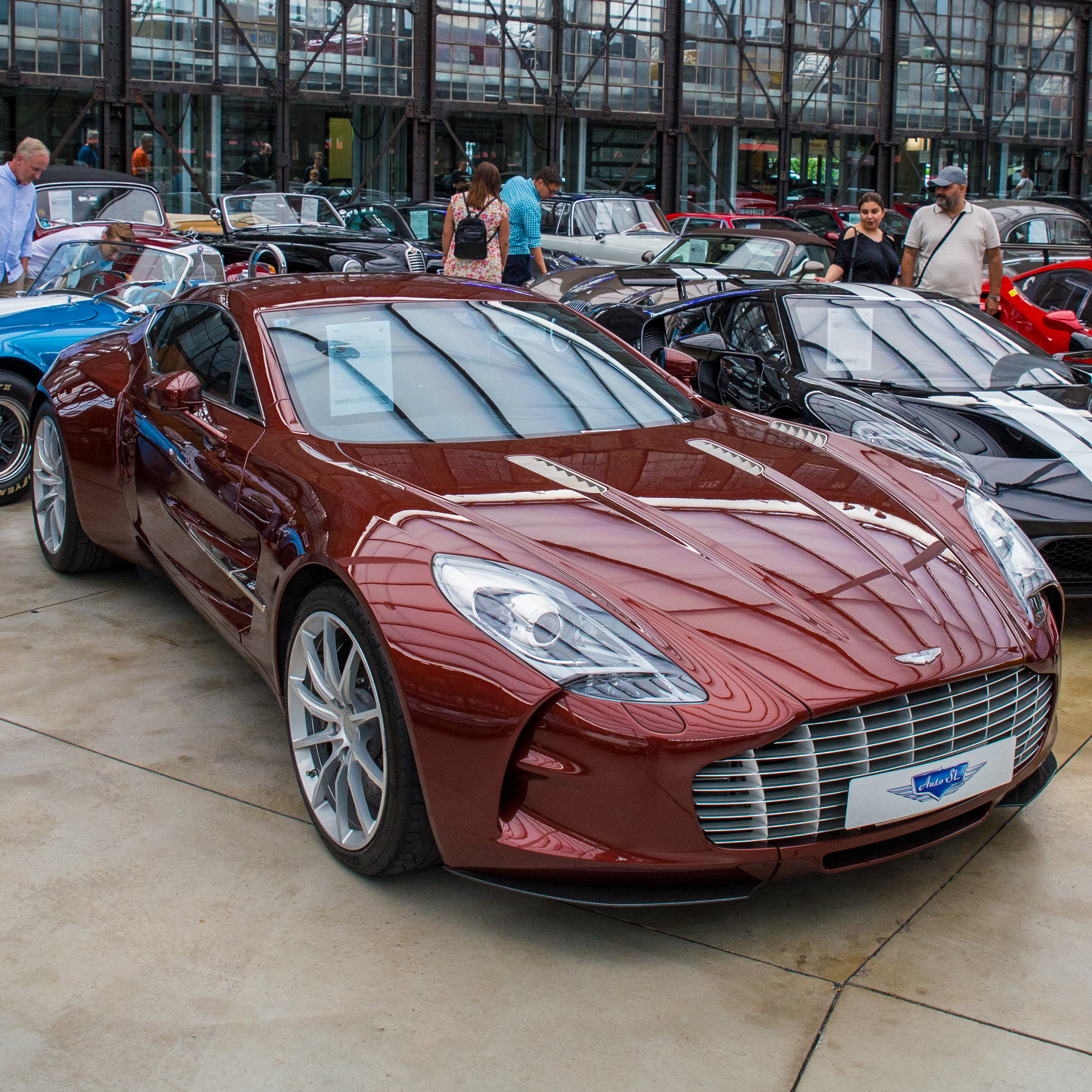
Aston Martin V12 Vantage
"... came up and said, they would let you drive their V12 Vantage at Bister. Who said that?"
The Aston Martin V12 Vantage is a sporty Aston Martin coupe with a big V12 engine. The podcast talks about getting the chance to drive one, which shows it’s a special car people want to experience. It’s known for being fast and sounding impressive.
The Aston Martin V12 Vantage is a performance coupe powered by a V12 engine, designed to deliver a dramatic sound and strong acceleration. The podcast mentions being offered the chance to drive one at Bicester, which highlights it as an exciting, special car to experience. It’s discussed because it’s an enthusiast-level Aston Martin with a distinctive V12 character.

DC5 Integra
"DC5 Integra, you really like? ... And you're not old enough. So you're thinking... DC5 Integra, I would quite like."
The Honda Integra DC5 is a particular version of the Integra. It’s front-wheel drive and comes as a hatchback, which can make it easier to live with than some other Integra versions.
The Honda Integra DC5 is a specific generation of the Integra that’s known for being a front-wheel-drive, sporty hatchback in many markets. Enthusiasts often compare it to other Integra body styles because the hatchback layout can make it feel more practical day-to-day.

Acura Integra
"That was tough. DC5 Integra, you really like? Yeah."
The Acura Integra is a compact car that’s made to drive more like a sporty car than a normal commuter. The podcast talks about the DC5 version and how much someone likes it. It’s mentioned because it’s a well-liked enthusiast model.
The Acura Integra is a compact performance-oriented car known for its sporty driving feel, especially in enthusiast trims like the DC5. The podcast specifically references the DC5 Integra and says it’s something they really like, linking it to a particular generation. It’s discussed because that model is a common “favorite” among driving enthusiasts.
Front-wheel drive
"It's a bit more usable. Front-wheel drive. Clio197 slash 200."
Front-wheel drive means the front wheels do the work of both steering and moving the car. Many cars use it because it’s efficient and easy to drive.
Front-wheel drive (FWD) means the engine’s power is sent to the front wheels, which handle both steering and propulsion. It often makes packaging simpler and can feel more predictable in everyday driving, especially compared with rear-wheel-drive layouts.

R32 Golf
"I would like a newer Clio. And an R32 Golf, Mark V. Yeah, but I don't think I can have an R3..."
The R32 is a sporty version of the Volkswagen Golf. The podcast mentions it as a car someone would like to own. It’s basically a more performance-focused Golf than the standard models.
In this context, “R32” refers to the Volkswagen Golf R32, a performance version of the Golf known for its stronger engine and sporty character. The podcast pairs it with the idea of wanting a newer Clio and an R32 Golf, suggesting it’s seen as a fun, attainable performance choice. It’s discussed because it’s a specific, enthusiast-friendly Golf variant.

Nissan R32
"I would like a newer Clio. And an R32 Golf, Mark V. Yeah, but I don't think I can have ..."
The Nissan Skyline is a performance car that many car fans know and talk about. The podcast mentions it as part of a list of cars someone wants. It’s brought up because it’s considered a sporty, desirable model.
The Nissan Skyline is a performance car line with a long history and strong enthusiast following. In the podcast, it’s mentioned alongside the idea of wanting a newer Clio and an R32 Golf, showing it as part of a wishlist of sporty cars. It’s discussed because it represents a recognizable performance identity.

BMW E92
"And you like something like an M3, like an E92. Oh!"
The BMW 3 Series is a mid-size luxury car (a sedan) that’s designed to feel good to drive. People bring it up when they’re talking about BMWs that are meant to be more than just comfortable. In the podcast, it’s connected to the idea of an M3-style performance car.
The BMW 3 Series is BMW’s compact luxury sedan line, often used as the foundation for higher-performance variants like the M3. The podcast mentions it in the same breath as the E92 M3, showing how the 3 Series platform is central to BMW’s sporty identity. It’s discussed because it’s the model family that many enthusiasts build their preferences around.
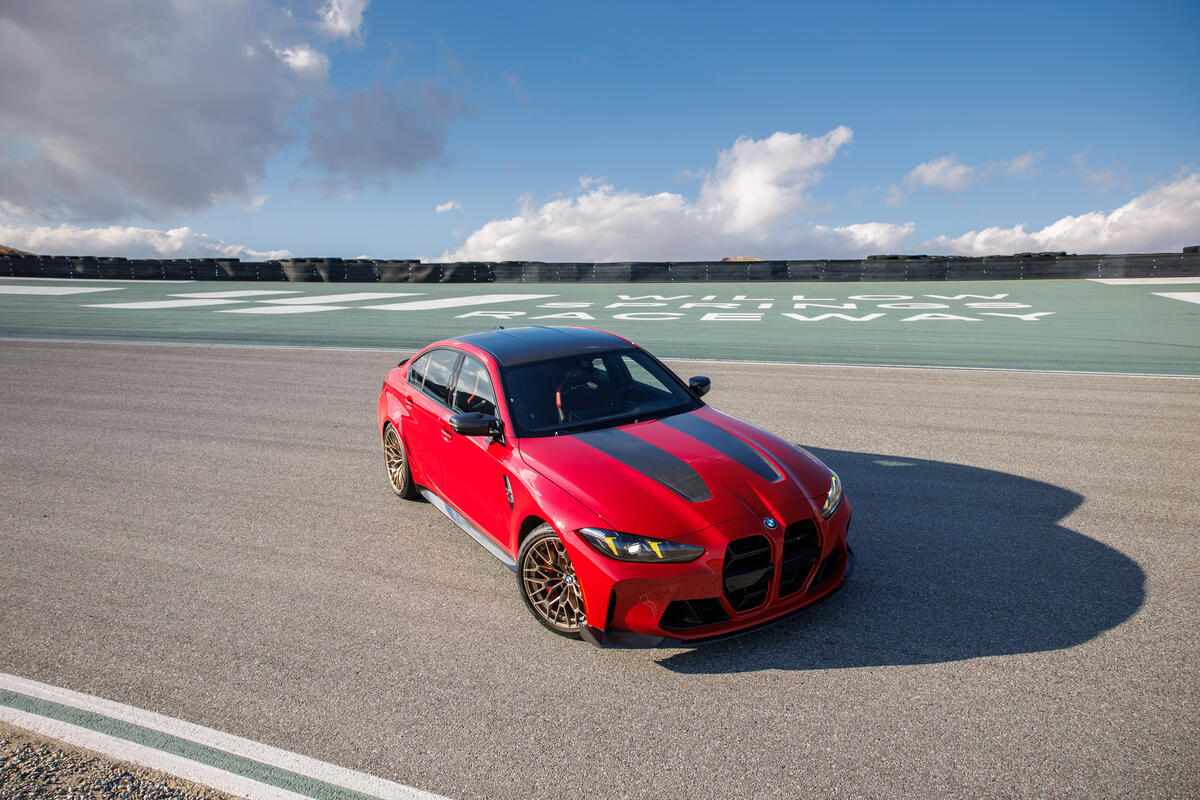
BMW E92 M3
"You've got your E92 M3s. [1269.0s] I would like a V8."
The BMW E92 M3 is a sporty BMW made by BMW’s performance team (M). It’s famous for a strong, exciting engine and a car that feels fun to drive without being totally impractical.
The BMW E92 M3 is a performance-focused 3 Series from BMW’s M division, known for its high-revving V8 and driver-focused feel. The E92 generation is the coupe body style, and it’s often sought after because it blends everyday usability with track-capable dynamics.
Volkswagen R32
"I think the R32 is smart. [1273.7s] It still feels kind of modern for you."
The Volkswagen R32 is a sporty version of the Golf family. People like it because it’s still practical for everyday driving, but it feels more exciting than a normal hatchback.
The Volkswagen R32 is a hot hatch built around a performance-oriented version of the Golf platform, and it’s known for feeling more “grown-up” than many small hot hatches. In enthusiast circles, it’s often praised for balancing daily usability with a more exciting, louder, more tactile driving experience.

Mercedes-Benz SLK55 AMG
"An SLK55 AMG. [1293.8s] It's just... [1294.6s] It's just as esty enough for you, isn't it?"
The Mercedes-Benz SLK55 AMG is a sporty Mercedes convertible made by AMG. It’s meant to feel more powerful and exciting than a normal SLK, while still being a manageable size for everyday use.
The Mercedes-Benz SLK55 AMG is a performance roadster from Mercedes-AMG, built on the SLK platform and known for its AMG-tuned power and more “special” feel than a typical compact convertible. It’s a popular choice when someone wants a V8-style driving experience with open-top fun, while still keeping the car relatively compact.
V8
"It's just esty enough, but it has the V8, and it could be a little bit spicy, but then also just normal to drive."
A V8 is an engine with eight cylinders. It usually means the car feels punchier and sounds more dramatic than smaller engines.
V8 refers to an engine with eight cylinders arranged in a “V” shape. In this segment, the hosts are contrasting a car that’s “just esty enough” with having a V8, suggesting it delivers stronger power and a more exciting character.

Honda S2000
"I thought S2000, a particularly uncomfortable one, to be fair. No, but for spacious..."
The Honda S2000 is a small two-seat roadster that’s built to feel very sporty. The hosts are saying it can be uncomfortable to live with, even though it’s a fun car.
The Honda S2000 is a lightweight two-seat roadster known for its high-revving engine and sharp, driver-focused handling. In this segment, the hosts specifically discuss how uncomfortable it can feel, which is a common real-world ownership talking point for the S2000’s tight packaging.
Mercedes-Benz SLK55
"Because I've seen a couple SLK55s coming up around £6,000 and £7,000. Okay. And what is the bread to keep one of those alive?"
The Mercedes-Benz SLK55 is a faster, more powerful version of the SLK roadster. The discussion is about whether it’s a good buy at low prices and what it costs to maintain.
The Mercedes-Benz SLK55 is a performance version of the SLK roadster, typically associated with a strong V8 and a more “grand touring” feel than a pure track car. Here, the hosts talk about finding them for around £6,000–£7,000 and then ask what it costs to keep one running.

Mercedes-Benz C55
"Is that what's in your C55? Basically related. Are they good?"
The Mercedes-Benz C55 is a sporty version of the C-Class. They’re using it as a comparison to suggest the SLK55’s engine should be tough and not too easy to “kill.”
The Mercedes-Benz C55 is a performance C-Class variant, and in this segment it’s used as a reference point for the engine’s durability. The host claims it’s “basically related” to what’s in the SLK55, implying shared engineering/engine family traits that affect maintenance expectations.
Auto
"I know this. Auto, though. Auto, though."
“Auto” means the car shifts gears by itself. The speaker is hinting that the driving experience may be different with an automatic versus a manual.
“Auto” here means an automatic transmission, as opposed to a manual gearbox. The host’s “Auto, though” comment suggests they’re weighing how the car’s drivability changes depending on whether it’s automatic.
visceral drive
"It's not going to be... [1346.7s] It's not a visceral drive. [1349.5s] It's an automatic gearbox."
A “visceral drive” means the car feels exciting in a real, physical way as you drive it. The host is saying this one doesn’t give that kind of intense, immediate feeling.
A “visceral drive” describes a car that feels emotionally and physically engaging—through steering feel, throttle response, sound, and how directly it reacts to inputs. It’s a subjective way enthusiasts talk about whether the driving experience feels raw and immediate rather than muted or purely mechanical.

Audi RS4
"Allow me to pull you up a photo. An RS4? It's a miniature SLR McLaren type looking."
The Audi RS4 is a fast, sporty version of the Audi A4. In the podcast, it’s mentioned because it looks and feels like a smaller version of a more extreme supercar. It’s meant to be both practical and exciting to drive.
The Audi RS4 is a high-performance version of the Audi A4, built for strong acceleration and a more aggressive driving feel. The podcast describes it as looking like a “miniature” version of a much more exotic car, which points to its visual and performance presence. It’s discussed because it blends everyday usability with serious performance.

Slr Mclaren
"An RS4? It's a miniature SLR McLaren type looking. My head teacher at school had one o..."
The SLR McLaren is a very expensive, rare supercar. In the podcast, it’s used as a comparison for how another car looks. The point is that it’s an eye-catching, high-end design people recognize.
The SLR McLaren is a high-end, limited-production supercar built as a collaboration between Mercedes and McLaren. The podcast compares an Audi RS4 to a “miniature SLR McLaren type looking,” which shows how the RS4’s styling can remind people of that supercar’s look. It’s discussed because it’s a visual reference point for what “exotic” looks like.
hard top convertible
"Also hard top convertible. [1376.0s] Yes. [1376.5s] So they're usable throughout the winter."
A hard top convertible has a solid roof that folds away, instead of a cloth roof. Because it’s solid, it can be quieter and warmer than a soft-top in winter.
A hard top convertible uses a rigid roof section that retracts, rather than a fabric soft top. This usually helps with noise levels, insulation, and structural rigidity compared with soft tops, which can make it feel more usable in colder weather.

Audi TTRS
"What did we say at TTRS we mentioned earlier? [1380.5s] I really like the idea of that for you, if I'm honest. [1383.2s] TTRS."
The Audi TTRS is a sporty, higher-performance version of the Audi TT. It’s designed to feel fast and stable, not like a basic commuter car.
The Audi TTRS is a high-performance version of the TT, built around a turbocharged engine and a sporty all-wheel-drive setup. In enthusiast circles, it’s known for feeling quick and planted, especially compared with the standard TT.
Mark II
"You can get a Mark II TT RS with link bags. Oh, that would be good. I've always liked that. ... I think the Mark II TT is actually aged quite well."
“Mark II” just means the second generation of that car model. It’s a way to tell which version of the TT RS they’re talking about.
“Mark II” is shorthand for the second generation of a model line. Here, it means the second-generation Audi TT RS, which has different styling and interior design than the earlier TT.
link bags
"You can get a Mark II TT RS with link bags. Oh, that would be good. I've always liked that."
“Link bags” doesn’t clearly match a common car term, so it’s likely the speaker meant something else. It may refer to a modification, but the exact part/setup isn’t certain from this snippet.
“Link bags” sounds like a reference to a specific aftermarket setup or trim detail, but it’s not a standard, widely used automotive term. Because the transcript is unclear, it may be a mishearing of another phrase (for example, a suspension or wheel-related modification) and would need confirmation from the full episode audio.
VR6
"I thought that 2006 you can get one of those. You can also get a Mark II base model with the VR6. So it's not... So the Mark I TTs look a bit angry."
VR6 is a type of V6 engine used by Volkswagen Group. It’s designed to be compact, and the hosts are saying some TT versions come with that VR6 engine.
VR6 is Volkswagen Group’s compact V6 engine design that uses a narrow-angle “V” layout, allowing it to fit in engine bays designed for smaller engines. In this segment, they’re specifically talking about TT versions that can be had with the VR6.
Volkswagen TT Mark II
"You can also get a Mark II base model with the VR6. So it's not... So the Mark I TTs look a bit angry. They look cool. They've got the sport bumper. Or you can get a normal looking TT Mark II."
The Volkswagen TT Mark II is a specific generation of the TT coupe. They’re talking about which version looks better and that some Mark II cars can come with a VR6 V6 engine.
The Volkswagen TT Mark II is the second-generation Audi TT platform, known for its compact coupe styling and the option of a VR6 V6 engine. In this segment, they’re comparing Mark I vs Mark II looks and discussing how the Mark II can be had with the VR6.

Audi TTS
"So it's not... So the Mark I TTs look a bit angry. They look cool."
The Audi TTS is a sporty version of the Audi TT. The podcast mentions how the earlier TT models look, and that they seem cool and aggressive. It’s meant to be a fun, compact car with a performance feel.
The Audi TTS is a performance trim of the Audi TT, positioned between the standard TT and the more extreme RS versions. The podcast comments on the look of the Mark I TTs, describing them as “angry” and cool, which ties the TTS to style and personality. It’s discussed because it’s a compact sports car that still feels special.
Busso
"That's got GM V6. But something with a busso. They don't really... Like a 147 or a GT."
“Busso” is a nickname for a well-known Alfa Romeo V6 engine. People often associate it with a really distinctive sound, which is why the hosts bring it up.
“Busso” refers to Alfa Romeo’s famous V6 engine family associated with engineer Giuseppe Busso, known for its distinctive sound and character. The hosts say they want something with a Busso, implying they’re judging cars by the engine’s feel and soundtrack.
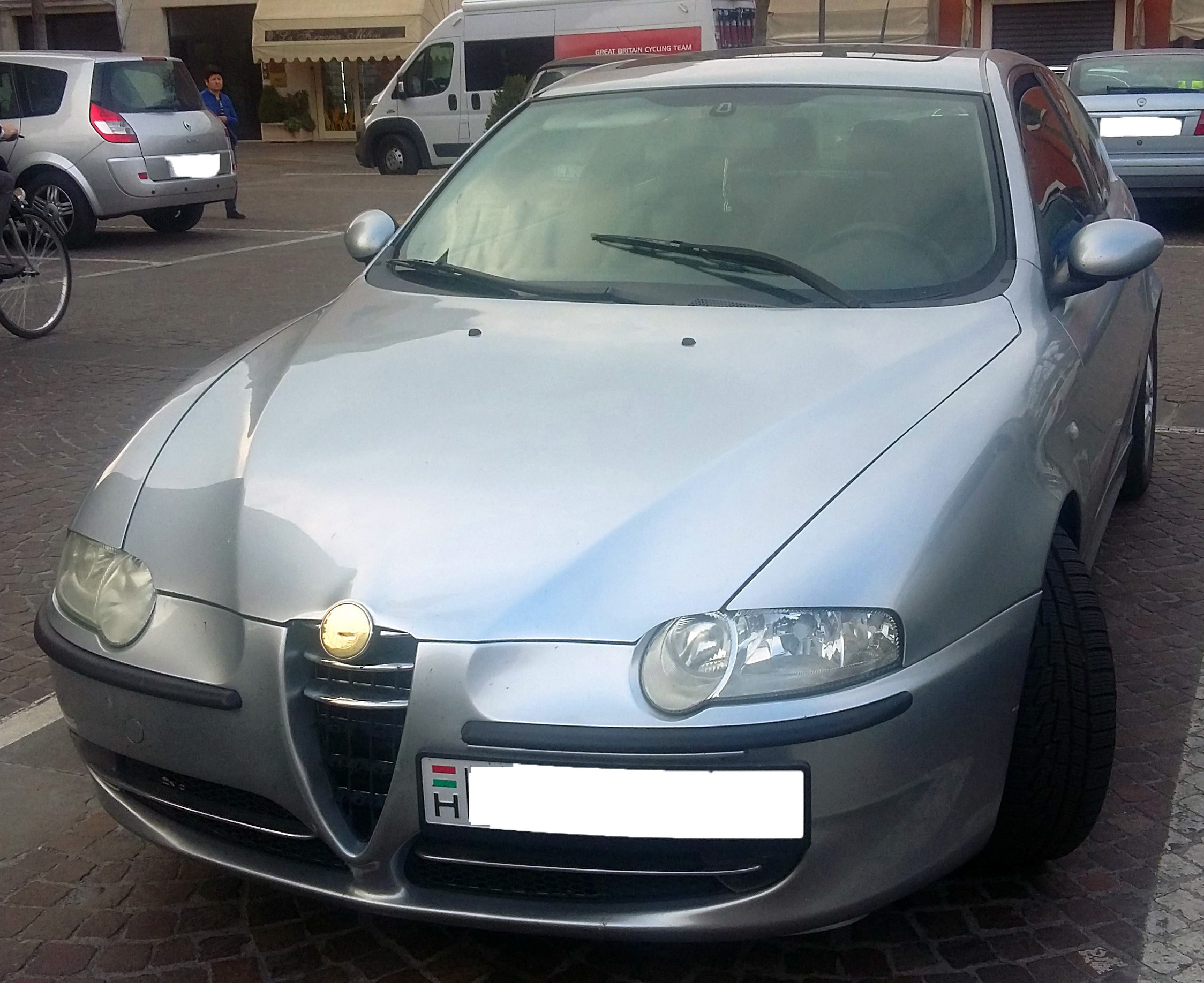
Alfa Romeo 147
"They don't really... Like a 147 or a GT. They don't do it for you? It will be sacrilege. But we had that... We borrowed a 147. I didn't like how it sounded."
The Alfa Romeo 147 is a compact hot-hatch platform known for its distinctive Italian character and, in some trims, the brand’s “Busso” V6 heritage. Here, the hosts mention borrowing a 147 and not liking how it sounded, and they also discuss whether it “does it for you” compared with other Alfa models.

Alfa Romeo GT
"They don't really... Like a 147 or a GT. They don't do it for you?"
The Alfa Romeo GT is a compact coupe from Alfa Romeo’s lineup, often discussed alongside other “Italian character” cars. In this segment, it’s mentioned as a model the hosts don’t feel is the right kind of Alfa compared to Busso-powered options.
5-cylinder
"But then a 5-cylinder kind of, he does that. I'm not familiar with him. You're not familiar? Or is it you don't like it? I'm not familiar with 5-cylinder 5-cylinders."
A 5-cylinder engine has five cylinders in a row. Because of how it fires, it usually sounds different from 4-cylinder or 6-cylinder engines.
A 5-cylinder engine is an inline engine with five cylinders, which typically creates a unique firing order and exhaust note compared with 4- or 6-cylinder engines. The hosts are comparing how different cylinder layouts sound—especially the “gruff” character they’re describing.
engine note
"But I'm going to play him a TTRS engine note for a quickly."
“Engine note” just means how the engine sounds. People listen to the pitch and tone, especially as you rev it.
“Engine note” is shorthand for the audible character of an engine—its pitch, tone, and how it changes with throttle and RPM. Enthusiasts use it to describe how different engines “sound alive,” not just their power output.
spicy remap
"You can do a spicy remap. You can do whatever you like to it. There's things you can do to it."
A “remap” is an aftermarket reprogramming of the engine control unit (ECU) to change how the car delivers power—often by adjusting fueling and ignition timing. Calling it “spicy” implies a more aggressive tune than stock, usually aimed at noticeably stronger throttle response and acceleration.
launch control
"Here we go. Launch control. This is launch control from a TTRS."
Launch control is a mode that helps the car accelerate quickly from a stop. It tries to keep the wheels from spinning too much so you get a better start.
Launch control is a driver-assist feature that manages engine torque, transmission behavior, and traction so the car can accelerate hard from a standstill with less wheelspin. It’s typically used in performance trims and is designed to make repeated launches more consistent.

Audi Rs3
"This is launch control from a TTRS. Obviously an RS3, but this is a bit more weekend car. That's nice."
The Audi RS 3 is a sporty version of the Audi A3. The podcast talks about launch control, which is a feature that helps you get moving fast from a stop. It’s described as a fun weekend car rather than a basic daily driver.
The Audi RS 3 is a compact performance car built for quick acceleration and a more aggressive driving setup than a standard Audi A3. The podcast mentions launch control and calls it more of a “weekend car,” emphasizing performance features in a smaller, practical body. It’s discussed because it offers big-car performance in a smaller package.
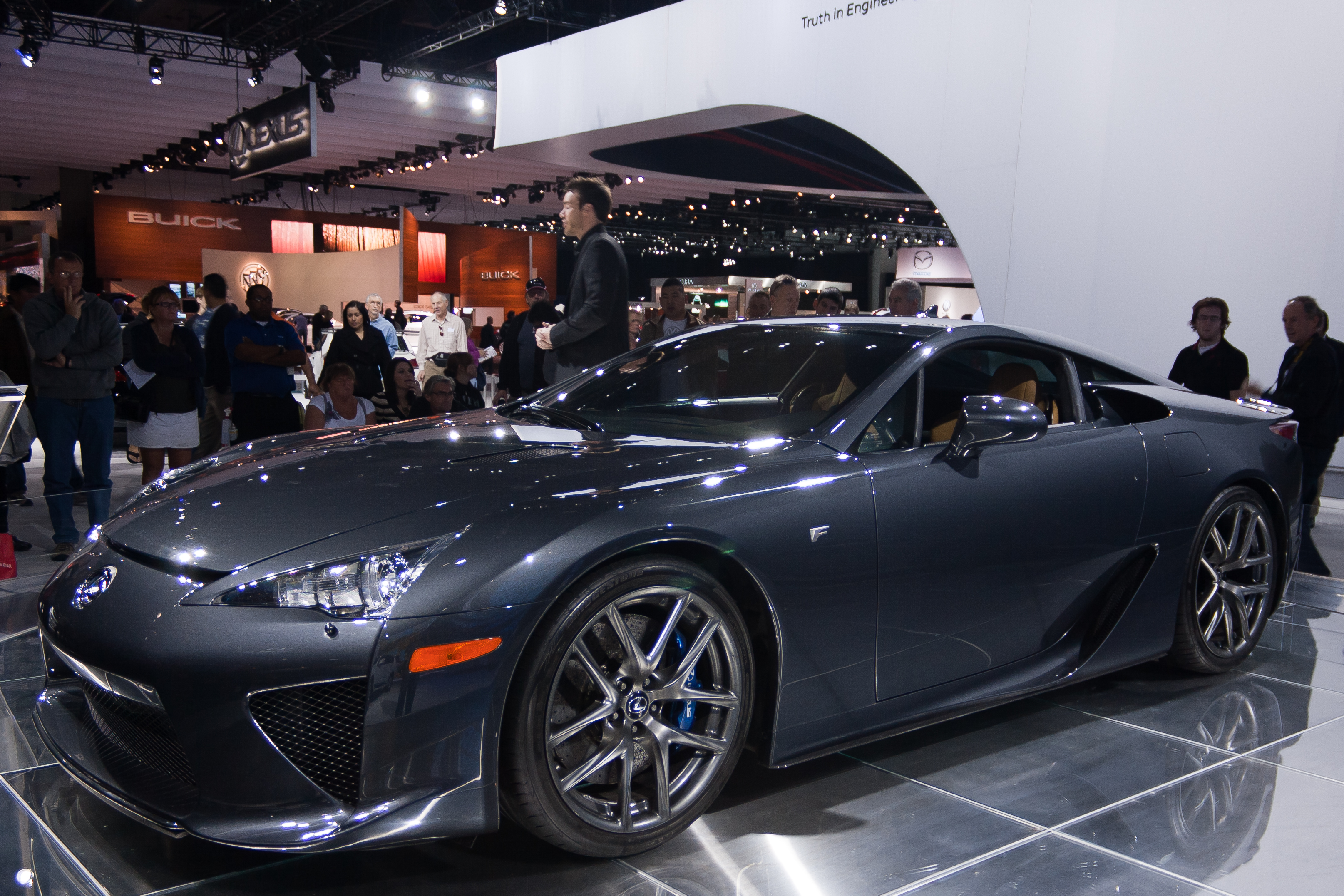
Lexus LFA
"It's half this boy right here. Yeah, half an LFA, a Carrera GT. Half a Shelby."
The Lexus LFA is a very rare, very fast supercar made by Lexus. The podcast mentions it to highlight how special and “legendary” it feels compared to other famous supercars. It’s the kind of car most people only see occasionally.
The Lexus LFA is a limited-production supercar built for high performance and a special ownership experience. The podcast compares it to other iconic supercars by saying it’s “half” of several legends, emphasizing its place in that top-tier category. It’s discussed because it’s rare, memorable, and strongly associated with performance enthusiasts.

Porsche Carrera GT
"...'s half this boy right here. Yeah, half an LFA, a Carrera GT. Half a Shelby."
The Porsche Carrera GT is a rare supercar built for serious performance. The podcast brings it up when comparing it to other famous supercars, meaning it’s considered in the same top group. It’s not a common car, so it tends to get attention.
The Porsche Carrera GT (often referred to as the Carrera GT) is a rare, high-performance supercar known for its extreme driving character. In the podcast, it’s grouped with other supercar icons to describe the LFA comparison, showing how it’s viewed as part of the same elite tier. It’s discussed because it’s a standout name for enthusiasts.
engine noise
"I love the noise. [1664.7s] It gives you that sort of GTR, that smooth, [1667.2s] purring V6 noise you're after. [1701.6s] Yeah, but you can make them sound the same."
They’re talking about how the car sounds—especially the engine and exhaust. The whole debate is about which car has the most satisfying sound and whether you can make different cars sound similar.
“Engine noise” here refers to the audible character of the engine and exhaust—how it sounds at idle, under light throttle, and during revs. The hosts are comparing different cars’ sound profiles and even suggesting you can make some cars “sound the same,” which points to exhaust/engine tuning effects.

Nissan Gtr
"I love the noise. It gives you that sort of GTR, that smooth, purring V6 noise you're after."
The Nissan GT-R is a fast sports car made for performance driving. The podcast talks about how much they like the sound it makes when you drive it. It’s mentioned because the noise and feel are a big part of the experience.
The Nissan GT-R is a performance sports car known for its strong acceleration and distinctive driving character. The podcast highlights loving the noise and describes it as a smooth, purring V6 sound, tying the car to sensory appeal as much as speed. It’s discussed because the GT-R’s sound and feel are part of why people want one.
V6
"It gives you that sort of GTR, that smooth, [1667.2s] purring V6 noise you're after. [1669.0s] But it's also just a Golf."
A V6 is an engine with six cylinders. In this segment, they’re talking about the specific kind of sound a V6 makes.
A V6 is an engine with six cylinders arranged in a “V” shape. The hosts mention “purring V6 noise,” using the engine layout to describe the kind of sound they like.
Volkswagen Golf
"But it's also just a Golf. [1670.5s] But you can make it look nice. [1671.7s] But your problem is that you have a Golf."
The Volkswagen Golf is a popular everyday car. Here, they’re basically debating whether a Golf can deliver the kind of engine noise and vibe people usually associate with faster cars.
The Volkswagen Golf is a compact hatchback known for being a practical daily driver that can also be tuned for a more enthusiast-focused feel. In this segment, the hosts are talking about the Golf’s engine sound and how it compares to sportier models.

Audi TT
"But what's wrong with having a TT with that in it? [1682.8s] It's not, but that's a bit different. [1684.6s] TT is a bit different."
The Audi TT is a sporty Audi that’s meant to feel more fun than a regular commuter car. In this discussion, they’re comparing how it sounds compared with other choices.
The Audi TT is a sporty coupe/roadster built around a front-engine, performance-oriented layout. The hosts compare its sound and character to other cars, implying the TT’s engine note is part of what makes it appealing.

Ford Mustang Mach 1
"But then you've got a Mach 1. [1691.0s] And a Mach 1 is even more... [1698.3s] And the Mach 1 sounds better. [1699.7s] Because it's a revised engine."
The Ford Mustang Mach 1 is a higher-performance version of the Mustang. They’re saying it has a better-sounding engine note, and they connect that to changes in the engine.
The Ford Mustang Mach 1 is a performance-focused trim of the Mustang, typically associated with a more aggressive engine and exhaust character than a base model. Here, the hosts argue that the Mach 1 “sounds better” because it uses a revised engine, and they’re comparing that sound to other cars.
BBS
"Originally, they came with a factory set of BBSs that look really nice. I will show you a photo of it. Here you go. So that is a fact. Those are the factory wheels."
BBS makes aftermarket-style wheels that are known for good quality and a distinctive multi-spoke look. Here they’re saying the car originally came with BBS wheels from the factory.
BBS is a wheel brand famous for lightweight, high-quality multi-spoke wheels. The hosts mention that the Mach 1 originally came with a factory set of BBS wheels, emphasizing their look and that they were part of the car’s standard equipment.
factory wheels
"Originally, they came with a factory set of BBSs that look really nice. I will show you a photo of it. Here you go. So that is a fact. Those are the factory wheels."
“Factory wheels” means the wheels that the car came with from the factory. They’re pointing out that the Mach 1 had those BBS wheels installed originally, not added later.
“Factory wheels” are the wheels that come installed on the car when it leaves the manufacturer, not aftermarket replacements. In this segment, the hosts use it to highlight that the Mach 1’s BBS wheels were standard equipment.
manual
"And you'd like a manual. Yeah, yeah, yeah, yeah. Row in years."
A manual is a car where you change gears yourself using a clutch and a stick. Some drivers like it because it feels more connected to the engine.
A manual transmission is a gearbox where the driver selects gears using a clutch pedal and gear lever. Enthusiasts often prefer it because it gives more direct control over engine speed and gear choice.
res delete
"And it was... All that was a res delete. It sounded unbelievable."
A “res delete” is when someone removes a small exhaust component that affects the sound. Usually it makes the exhaust note louder or changes the tone.
“Res delete” usually refers to removing or bypassing a resonator (often part of the exhaust system) to change exhaust tone. The result is typically a louder, more direct sound with different resonance characteristics.
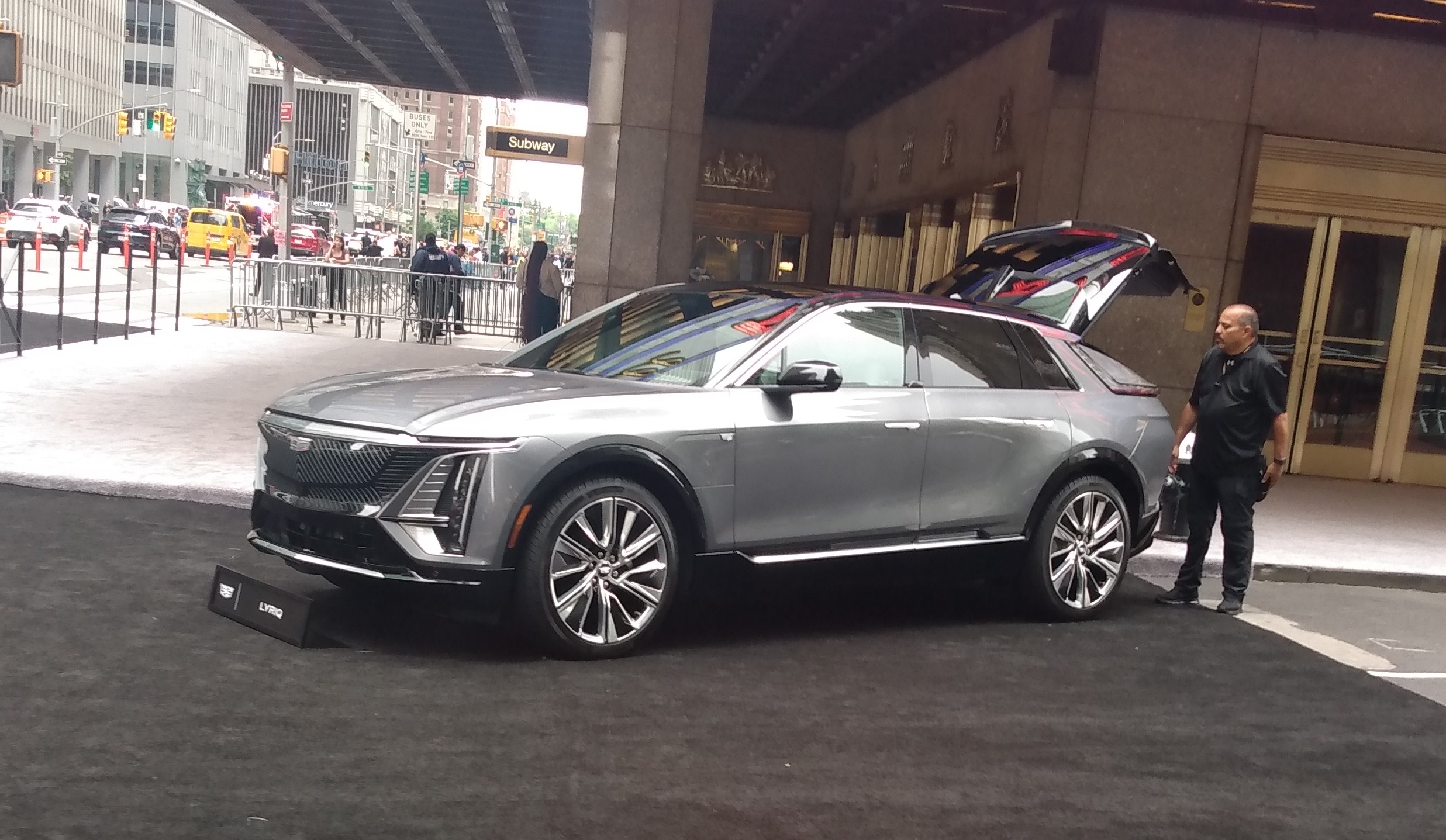
Cadillac Lyric
"Now, what was it? I started saying Lyric. Because I said, think Cosmic Girl."
The Cadillac Lyriq is an electric SUV, meaning it runs on electricity instead of gasoline. The podcast mentions it while talking about the name and what it reminds them of. It’s a luxury EV meant for comfortable everyday driving.
The Cadillac Lyriq is an electric luxury SUV from Cadillac, designed around EV technology and a premium interior experience. The podcast mentions “Lyric” and connects it to “Cosmic Girl,” which suggests they’re discussing the name and the car’s identity rather than technical details. It’s discussed because it represents Cadillac’s move into electric luxury.

Honda Hrv
"... On the screen is a Facebook marketplace ad for a Honda HRV. Right."
The Honda HR-V is a small crossover SUV meant for everyday driving. The podcast mentions it because someone saw an ad for one and is considering it. It’s typically the kind of car people look at for practical use.
The Honda HR-V is a compact crossover designed for practical daily use, with a focus on easy driving and space efficiency. The podcast mentions it via a Facebook Marketplace ad, which suggests it’s being considered as a real-world used-car option. It’s discussed because it represents the kind of sensible, everyday choice people shop for.
murdered out
"Everything's black. Murdered out, cosy. That's, that's the one I actually, that's the official one."
“Murdered out” just means the car is done up to look almost entirely black. It’s a style choice meant to look darker and more stealthy.
“Murdered out” is car slang for an all-black (or mostly black) look—often black badges, black wheels, and tinted or darkened trim. People use it to describe a stealthy, uniform appearance rather than a factory color scheme.
number plate
"So I happened to catch him in. [2108.8s] I've blurred the number plate. [2110.1s] This is the man getting into an RS6 performance."
A number plate is the license plate on a car. Blurring it helps protect the person’s privacy so viewers can’t identify the car.
A number plate is the vehicle’s license plate, used for legal identification and tracking. Blurring it in a video is a privacy step to prevent identifying the owner or exact location.
lower than standard
"It sounded, it looked, it looked lower than standard. And it sounded like it had some spicy pipes."
“Lower than standard” means the car is sitting closer to the ground than it did from the factory. That usually happens when the suspension is adjusted or upgraded.
“Lower than standard” suggests the car sits lower than the factory ride height, which is commonly caused by suspension changes like lowering springs or coilovers. A lower stance often goes with a more aggressive look and can affect ride comfort and handling.

Neuer Class
"...es, please. The new seven series is here with the Neuer class design. And I just want to see your opinions on i..."
“Neue Klasse” is BMW’s name for a new design direction for future cars. The podcast is talking about what people think of the new look, especially for the next 7 Series. It’s mentioned because it signals how BMW plans to change its cars in the future.
“Neue Klasse” refers to BMW’s “New Class” design direction, which the podcast connects to the idea of a new 7 Series and its styling. The conversation is about opinions on the new design approach, meaning it’s being discussed as a future-looking change in how BMW cars are shaped. It’s relevant because design direction often affects how buyers perceive the brand’s next generation.

Chevrolet Corvette
"Get cut to that. Ben saw the Corvette on screen. We looked at each other."
The Chevrolet Corvette is a sports car made for speed and driving fun. The podcast mentions it because someone spotted one and reacted to it. It’s the kind of car people recognize quickly.
The Chevrolet Corvette is a long-running American sports car known for performance and a distinctive design. In the podcast, it’s specifically called out when someone sees one on screen, which signals how memorable and recognizable it is. It’s discussed because it’s a “real car” that stands out even in casual conversation.

Ferrari F80
"It does slide off a cap. Ferrari F80 from you, Benjamin, with no moustache. Here's him..."
The Ferrari F80 is a high-performance supercar from Ferrari. The podcast mentions it as something that stands out and gets attention. It’s brought up because it’s a notable new Ferrari model.
The Ferrari F80 is a modern Ferrari supercar referenced in the podcast as a standout, with the conversation focusing on its presence and character. The mention suggests it’s being treated as a notable, attention-grabbing model. It’s discussed because it represents the newest wave of Ferrari supercars people are excited about.

Ferrari F430
"Every generation, there is a... 360 F430, maybe it's a bit less. But there is always a not..."
The Ferrari F430 is a high-performance sports car made by Ferrari. The podcast mentions it while talking about how each generation tends to have something similar or expected. It’s brought up because it’s a famous Ferrari model.
The Ferrari F430 is a mid-engine Ferrari sports car from the F430 generation, known for its classic Ferrari performance feel. The podcast references it in the context of “every generation,” implying it’s part of a continuing line of recognizable Ferrari models. It’s discussed because it’s a well-known benchmark for what people expect from that era of Ferrari.

E60
"And now people look at a six series or the E60 and go, you know what?"
“E60” is a BMW 5 Series from the mid-2000s. The point here is that some people thought it looked ugly at first, but later others started liking it.
“E60” is the BMW 5 Series generation code for the 2004–2010 model years. It’s a common example in car discussions because its styling and proportions were divisive when new, but later became easier to appreciate as tastes changed.

Ferrari 550
"[2969.3s] 360 Ferrari and 550 got a lot of stick when it came out. [2972.8s] Now, granted, going from the 355 to 360,"
The Ferrari 550 Maranello is a V12 Ferrari grand tourer. The host is grouping it with other Ferraris that people didn’t like as much when they first appeared.
The Ferrari 550 Maranello is a front-mid-engine V12 grand tourer that drew criticism when it debuted. Here, it’s mentioned alongside the Ferrari 360 as part of a group of cars that “got a lot of stick,” likely referring to early reception and styling expectations.

Ferrari 360 Ferrari
"[2969.3s] 360 Ferrari and 550 got a lot of stick when it came out. [2972.8s] Now, granted, going from the 355 to 360,"
The Ferrari 360 is a famous mid-engine Ferrari with a V8. The host is saying people criticized it when it came out, but they still think it’s a good-looking car.
The Ferrari 360 is a mid-engine V8 supercar that replaced the Ferrari 355. In this segment, the host contrasts how the 360 was received at launch versus the 355’s looks, highlighting how opinions can shift over time.

Ferrari 355
"[2972.8s] Now, granted, going from the 355 to 360, [2976.5s] objectively for me, 355 is one of the best-looking"
The Ferrari 355 is a mid-engine V8 Ferrari that many people love for how it looks. In this segment, the host is saying the 355 looks better than the newer 360.
The Ferrari 355 is a mid-engine V8 supercar known for its classic styling and enthusiast appeal. The host specifically says that going from the Ferrari 355 to the Ferrari 360, they think the 355 is among the best-looking Ferraris “for us ever,” emphasizing how design can define a model’s reputation.

Mercedes A45 AMG
"And I thought, I remember saying it in the office to you, that's one of the worst-looking cars I've ever seen in my life... An original A45 is a horrible-dated-looking thing, like an M135i to an M140."
The Mercedes A45 AMG is the sporty, high-performance version of the A-Class. Here, they’re talking about how the older A45 looked dated compared with newer ones.
The Mercedes A45 AMG is a hot-hatch version of the A-Class, known for being a performance-focused compact car. In this segment, the hosts compare the styling of an “original A45” to newer versions, highlighting how the design looks more modern over time.

Mercedes CLA
"Mercedes, they were the leaked images of the new CLA and A45 AMG."
The Mercedes CLA is a smaller Mercedes that looks a bit like a coupe. People pay attention to how its styling changes from one generation to the next.
The Mercedes CLA is a compact, four-door coupe-style model in Mercedes-Benz’s lineup. It’s often discussed for its design changes across generations, especially when new styling cues (like grille shape) are introduced.

BMW M135I
"...al A45 is a horrible-dated-looking thing, like an M135i to an M140. That's vastly improved."
The BMW 1 Series is a small hatchback car. The podcast talks about how the looks changed over time, with some versions looking dated and newer ones looking better. It’s mentioned because people care about what the car looks like when shopping.
The BMW 1 Series is BMW’s compact hatchback line, often used as a base for sporty variants like the M135i/M140i mentioned in the podcast. The conversation contrasts how different years look, saying one is “horrible-dated-looking” while later versions are “vastly improved.” It’s discussed because styling and model evolution matter when choosing a used compact BMW.
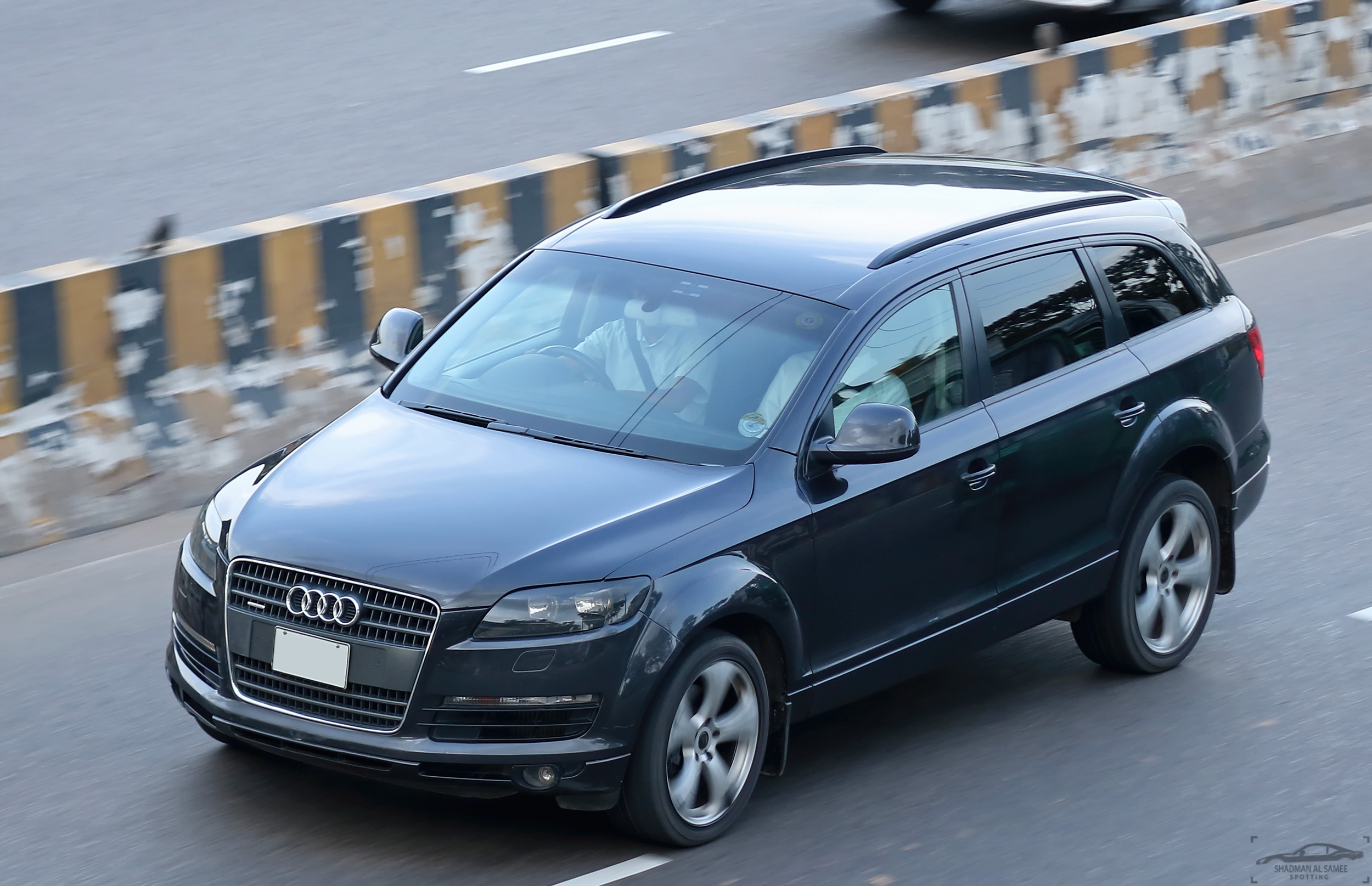
Audi Q7
"But that mid-2000s, the 2000s, basically, in 2010s, where Audi just went, everything's got a massive grille, Q7, the A8."
The Audi Q7 is Audi’s bigger SUV. They’re using it as an example of Audi’s styling trend toward very large grilles.
The Audi Q7 is Audi’s large SUV, and it’s used here as an example of the brand’s “massive grille” design trend. The host is describing how, in the 2000s/2010s era, Audi moved toward bigger front grilles across multiple models.
massive grille
"where Audi just went, everything's got a massive grille, Q7, the A8. And they got..."
A “massive grille” just means the front grille looks unusually big. The hosts are talking about a design trend where some brands made the grille much larger than in earlier years.
A “massive grille” refers to an oversized front grille design that dominates the car’s front fascia. In this segment, it’s discussed as a styling trend where multiple Audi models adopted much larger grilles than before.

Audi A8
"This is by that grille. [3072.5s] That A8 grille is massive. [3074.3s] But it's iconic, no."
The Audi A8 is Audi’s top, luxury flagship sedan. Here, the hosts are talking about how that specific A8’s front grille looks and how it represents the brand’s style. They also use it to make a point about what a “top” car should include.
The Audi A8 is Audi’s full-size luxury flagship sedan, known for its upscale design and technology. In this segment, the hosts focus on the A8’s grille as a defining visual cue for that generation of Audi. They’re using the A8 as an example of how the “flagship” should match the brand’s top engineering, not just its styling.
flagship car
"You cannot have your flagship car. [3102.7s] I get it. It's meant to relate to the motorsport, [3104.4s] but there's boring. [3107.5s] Your flagship car doesn't have your flagship engine in it."
A flagship car is the brand’s “top” model—the one meant to show off the best it can do. Here, the hosts are saying it’s wrong when the flagship car doesn’t get the flagship-level engine. Their point is that the top car should match the top engineering.
A flagship car is a brand’s top-of-the-line model—its most important product meant to represent the brand’s best design, tech, and engineering. The hosts criticize the idea of having a flagship model without the flagship engine, arguing it undermines what the car is supposed to stand for. They connect this to how the car should reflect the brand’s “top” motorsport identity.
intake noise
"The noise that thing makes for like a standard car as well. Like the intake noise. And now imagine that in a..."
Intake noise is the sound you hear from the engine breathing—air moving into it. Some setups make that sound louder and more noticeable.
Intake noise is the sound produced as air is drawn into the engine through the intake system. On cars with performance-focused intakes or exhaust setups, intake noise can become more audible and part of the “character” people chase.
spicy pipes
"In the back and... Yeah. With some more spicy pipes in it. Just love it."
“Spicy pipes” is slang for an exhaust setup that’s louder and more exciting. It usually means the car’s sound gets more intense.
“Spicy pipes” is a slang way to refer to more aggressive exhaust hardware—often meaning louder, freer-flowing exhaust components. Enthusiasts use it to describe setups that increase the engine’s sound and sometimes improve airflow.
parts bin sharing
"we knew that there was lots of Volkswagen Audi parts, even in the Veyron... the airbags are from an A3... starter motors from a 1.9 PD."
“Parts bin sharing” means using the same parts in lots of different cars. The hosts are saying that even a very expensive Bugatti can use parts that were originally made for other Volkswagen Group models.
“Parts bin sharing” is when automakers reuse the same components across multiple models and even different brands within a group. The segment uses the Bugatti Veyron as an example, suggesting it can include parts originally designed for VW/Audi cars.
part sharing between car manufacturers
"Where it's just like there is a partnership where you go, [3316.6s] we supply your engines. ... So it's not weird to sell parts to manufacturers to build cars, but more so that loads of things."
The hosts describe a supply-chain reality: car manufacturers often source and reuse components across different brands and models. They frame it as a partnership where one company supplies engines or other parts, and they add a specific example (mirrors shared between a Volkswagen and multiple supercars) to show how widespread this is.

TVR Tuscan
"As we found out, the Volkswagen Corrado shares mirrors with the McLaren F1, the TVR Tuscan, the Lamborghini Diablo, and the something else."
The TVR Tuscan is a 90s British sports car. The hosts mention it to make the point that even niche sports cars can use some of the same supplier parts as much more mainstream models.
The TVR Tuscan is a British sports car from the 1990s, known for its raw, lightweight feel and V8 power. In this segment, it’s grouped with the McLaren F1 and Lamborghini Diablo as another car that reportedly shares mirror parts with the Volkswagen Corrado.

Volkswagen Corrado
"As we found out, the Volkswagen Corrado shares mirrors with the McLaren F1, the TVR Tuscan, the Lamborghini Diablo, and the something else."
The Volkswagen Corrado is a regular-ish VW coupe from the 80s/90s. The point here is that some of its parts (like mirrors) can be the same as parts used on much more expensive supercars.
The Volkswagen Corrado is a late-1980s/1990s Volkswagen coupe that’s often used as an example of how parts can be shared across very different cars. In this segment, it’s mentioned as sharing mirrors with the McLaren F1, TVR Tuscan, and Lamborghini Diablo—highlighting how even exotic cars can use common supplier components.

Mclaren F1
"As we found out, the Volkswagen Corrado shares mirrors with the McLaren F1, the TVR Tuscan, the Lamborghini Diablo, and the something else."
The McLaren F1 is one of the most iconic supercars ever made. In this discussion, it’s used to show that some parts (like mirrors) can come from the same sources as parts on far cheaper cars.
The McLaren F1 is a famous 1990s supercar known for its lightweight construction and race-bred engineering. Here it’s referenced as sharing mirrors with the Volkswagen Corrado, which is a fun reminder that even top-tier supercars can use shared supplier components.
Request an Explanation
Heard something you'd like explained? We'll add it to this episode.
Sign in to request explanations for terms you heard.
Want to learn more?
Browse our glossary for plain-English explanations of automotive terms, jargon, and concepts.
Help improve this episode
See something that's not quite right? Our annotations are AI-generated and can sometimes miss the mark. Click the flag icon on any annotation to suggest a correction.
1 community members have helped improve this episode.