
C.R.E.A.M. #85 - Murci Is HERE, Clio Fires and Ben Wants an Alfa?
About this episode
Cars Rule or Ruin kicks off with a chaotic week of track logistics and car problems: an RS6 schedule hiccup, a dead car that needed constant jump starts, and even a Renault Clio “set on fire” that left them with “no working cars.” Between repairs, they compare supercar “presence,” debate Alfa ownership and identity, and get deep into ignition coil-pack costs and DIY fixes. The episode also swings into news and rumors—Ravuelto roadster talk, plus Ferrari/Lambo one-off chatter—and ends with more track plans and listener thanks.
⚪️ Get 20% off your next Car Vertical check using code CREAM 👉 https://www.carvertical.com/gb/landing/v3?utm_source=infl&a=TDC&b=38b26e3a&voucher=cream20🛢️ Motul - Get 15% off using the code TDC: https://www.clubmotul.co.uk
🍦 Follow C.R.E.A.M. socials!
📬 Enquiries: [email protected]

RS6
"But yeah, it came last Tuesday ahead of schedule, thanks to the RS6. [85.3s] The RS6 failed on the day, so we had to go and send..."
“RS6” is a fast, performance Audi. It’s the kind of car people bring to special track days because it’s strong and quick.
“RS6” refers to the Audi RS 6, a high-performance version of the Audi A6. It’s known for a powerful turbocharged V8 and fast, confident driving—so it’s the kind of car that would be worth rushing/transporting to a track for an event.
Dunsfold
"When we were at Dunsfold, we hired out the whole Top Gear track. [91.0s] RS6 on the day said, you know what?"
Dunsfold is the UK airfield-turned-racing venue where the Top Gear track is based. It’s a popular location for filming and for track-style driving events, which is why the hosts talk about unloading and staging a car there.
Top Gear track
"When we were at Dunsfold, we hired out the whole Top Gear track. [91.0s] RS6 on the day said, you know what?"
The “Top Gear track” refers to the specific test/filming circuit used by the Top Gear show at Dunsfold. It’s often used for controlled driving, so it becomes a practical substitute when a car’s schedule goes sideways.
trickle charger
"We didn't even bother putting it on a trickle charger. So like, yeah."
A trickle charger is a gentle battery charger that slowly keeps the battery full. It helps a car start reliably without you having to charge it aggressively every time.
A trickle charger is a low-current battery charger that keeps a battery topped up without overcharging it. It’s commonly used when a car sits for a while or when you need reliable starting power for testing/filming.
jump it
"So you need to jump it every single time you turn it off. And that went well."
Jump starting means using another battery to give your car enough power to start. If you have to do it every time, the battery or the car’s charging system may be having trouble.
“Jump starting” uses another battery (via jumper cables or a jump pack) to provide enough voltage to crank the engine. If the battery is repeatedly failing, it can indicate a deeper issue like a weak battery or an electrical/charging problem.
instrument crust cluster
"Apparently, you can jump start them, but there's people have said online, don't do that. You'll frazzle your instrument crust cluster and they're about six grand."
The “instrument cluster” is the dashboard screen/gauges that show things like speed and warning lights. If you jump start the car the wrong way, it can sometimes cause electrical problems in the dashboard electronics.
This appears to be a mis-transcription of “instrument cluster,” the dashboard electronics that display speed, RPM, warning lights, and other vehicle data. Jump starting with a bad connection or voltage spike can potentially damage sensitive electronics, which is why people warn against it in some situations.
bump start it
"So I was like, okay, I'm going to bump start it. That was quite funny."
Bump starting means getting the car moving and then engaging it so the engine starts without using the starter motor. It usually only works on manual cars and doesn’t fix the real cause if the battery keeps dying.
Bump starting (push starting) is starting a car by rolling it and engaging the drivetrain—typically works only on cars with a manual transmission. It can help if the battery is too weak to crank the engine, but it’s not a cure for an underlying battery/charging fault.
power packs
"We killed two power packs trying to jump start this a few times because the connection wasn't too good."
“Power packs” are portable devices that can give a dead car enough power to start. If they don’t work, it usually means the connection isn’t good or the battery/electrical system is in worse shape than expected.
“Power packs” here likely refers to portable jump starters or battery packs used to provide starting power without another car. Using multiple packs and still failing suggests either a poor connection, a severely depleted battery, or a larger electrical issue.
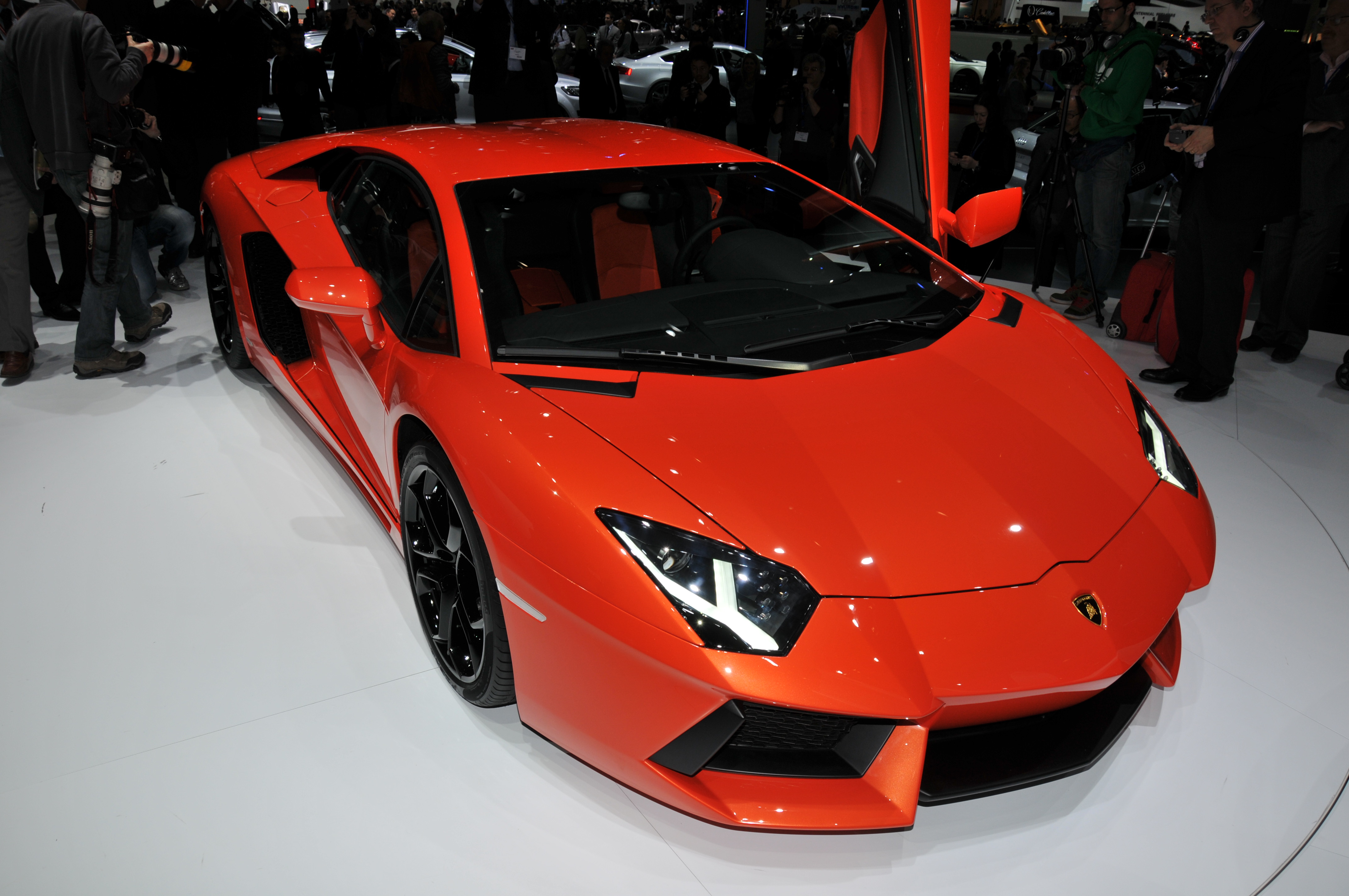
Lamborghini Aventador
"...ers, because he did bring his car. He brought his Aventador. And Ben, that's why Ben's very sad,"
The Lamborghini Aventador is a very high-performance supercar from Lamborghini. It’s known for being fast and visually dramatic. In the episode, it’s mentioned because someone brought their Aventador to the event.
The Lamborghini Aventador is a flagship Lamborghini supercar known for its dramatic styling and high-performance character. It’s significant because it became one of Lamborghini’s most recognizable modern models. The podcast mentions it in a personal context (“Ben… very sad”), indicating it’s the car someone brought and that the moment mattered to the people involved.

Volkswagen Lupo
"There was 600 pound off from Ayo, Lamborghini Mercilago, Volkswagen Lupo."
The Volkswagen Lupo is a small Volkswagen hatchback. It’s being name-dropped to show how different it is from a supercar in terms of money and everyday ownership.
The Volkswagen Lupo is a small, lightweight hatchback that’s often discussed as an affordable, practical alternative to expensive cars. Here it’s mentioned in the same breath as a Lamborghini, emphasizing the contrast in cost and ownership vibe.
PPF
"Yeah, the front end was PPF. [421.2s] The paint was immaculate."
PPF is a clear protective layer you stick on the car’s paint. It helps prevent small rocks and debris from chipping or scratching the paint.
PPF (paint protection film) is a clear, tough polymer film applied to a car’s paint to protect it from stone chips, scratches, and road debris. It’s especially common on the front bumper, hood, and other high-impact areas.
stone chip
"Even though I didn't want to be, [424.7s] I was always a little bit like, [425.5s] oh, is he going to get a stone chip?"
A stone chip is when a small rock hits the paint and leaves a little mark. If it’s not fixed, it can eventually cause bigger paint problems.
A stone chip is a small piece of debris that hits the paint at speed, often leaving a tiny impact mark or exposed spot. Even small chips can lead to paint damage and corrosion if they’re not addressed.
fuses
"but I feel a bit more... [431.5s] I've already had all the fuses out. [432.7s] Having a look at it, because my back wings didn't go down"
Fuses protect the car’s electrical system. If something draws too much current, the fuse blows to stop damage.
Fuses are protective electrical components that break a circuit when current is too high, preventing wiring and modules from damage. Removing or “pulling” fuses is sometimes used during diagnostics, setup, or to isolate electrical systems.
battery out
"You've already had the battery out. [437.1s] Had the battery out. [437.6s] So we had to do..."
“Battery out” means the car’s battery was removed or disconnected. People do this when they’re working on the car’s electrical system.
Having the battery “out” means the car’s 12V battery has been removed or disconnected. This is often done for electrical work, diagnostics, or to reset/enable certain systems safely.
wheel well
"we did the battery, which is in the wheel well. [442.9s] That's wheel off, up, turn around, blah, blah, blah."
The wheel well is the space around the tire. They’re saying the battery is located in that area on this car.
The wheel well is the wheel-arch area where the tire sits and where some cars place components. In this case, the speaker says the battery is located in that wheel-arch area.
jack stands
"Also, yeah, this car, it came to the unit [450.0s] and it went on jack stands within 20 minutes of driving."
Jack stands are the safety supports that hold a car up while you work underneath it. They’re used instead of trusting the jack by itself.
Jack stands are safety supports used to hold a car in the air after lifting it with a jack. They’re used so the car can be worked on without relying on the jack alone.
TD6
"and it went on jack stands within 20 minutes of driving. [453.2s] That's also quite nicely TD6."
“TD6” sounds like a shorthand the hosts use for a score or rating. The exact meaning isn’t clear from this snippet alone.
“TD6” appears to be an internal shorthand or rating used by the speakers for how quickly or neatly the job was handled. Without more context, it’s not a widely standardized automotive term.
misfire
"It has a misfire. I laughed quite a lot on the day, because I started it."
A misfire means one of the engine cylinders isn’t firing correctly. When that happens, the car may run rough and the dashboard will usually show a warning like the check engine light.
A misfire is when an engine cylinder fails to ignite its air-fuel charge at the right time. That can cause rough running, vibration, and it often triggers the check engine light because the engine control unit detects abnormal combustion.
check engine code
"And I get a check engine code every single time I start it. And it just said, check engine, L."
The check engine code is like an error message stored by the car. It tells the mechanic which part of the engine system is having a problem.
A check engine code is a diagnostic trouble code stored by the car’s engine computer when it detects a fault. The code helps pinpoint what system is acting up—here, it’s recurring every start.
left and right bank
"And it turns out it's left and right bank. But yeah, I just get check engine, L."
On a V-engine, cylinders are split into two sides. “Left and right bank” means the problem is showing up on both sides of the engine, not just one.
“Bank” refers to one side of a V-shaped engine’s cylinder layout. If a code points to the left and right bank, it suggests the issue is affecting ignition/combustion on both sides of the V, rather than just one cylinder or one bank.
coil packs
"And the coil packs there, they're okay. Coil packs is what I'm going to need to do."
Coil packs help create the spark that lights the fuel in the engine. If they’re weak or failing, the engine can misfire and the car will warn you with a check-engine light.
Coil packs are the ignition components that generate high voltage to fire the spark plugs. If coil packs are failing, they can cause misfires and trigger check-engine codes, even if the rest of the ignition system is fine.

Lamborghini Diablo
"...re very early Lamborghini. They're basically like Diablo stuff. After that, they got lots of Audi bits."
The Lamborghini Diablo is a high-performance supercar made by Lamborghini. People talk about it because it’s an early model in Lamborghini’s modern supercar lineup. In the episode, it’s referenced as the “Diablo” era of parts and design.
The Lamborghini Diablo is a classic Lamborghini supercar known for its sharp styling and big performance. It’s often discussed because it represents an early era of Lamborghini design and engineering. The podcast mentions “Diablo stuff” and then notes that later Lamborghini parts came from other sources, framing the Diablo as a starting point in that history.
Euro spares
"And I'm sorry, I put it into Euro spares, which is where you get most of the Lamborghini parts from online. And I think the final bill for all of those coil packs"
Euro spares is a parts supplier the host used online. They sell replacement parts for European cars, including Lamborghini parts.
Euro spares is referenced as the place the host bought most of the Lamborghini parts from online. It’s essentially an aftermarket/parts retailer that specializes in European performance and exotic-car components.

BMW X5
"...lming something, I'll run in and go do that on an X5 in like 30 seconds. And then a little bit of rese..."
The BMW X5 is a luxury SUV, meaning it’s a bigger family-style vehicle with a comfortable ride. It’s made to be practical for daily driving and also feel more “sporty” than a basic SUV. The episode references it as a car someone could jump into quickly.
The BMW X5 is a midsize luxury SUV that’s designed to blend everyday practicality with sporty driving. It’s commonly discussed because it can be used for errands or longer trips while still offering performance-focused options. The podcast mentions quickly running out to do something on an X5, highlighting its everyday convenience.
lean
"I don't want to give it too many beans, because if I, I don't know, if it's misfiring, it's lean or whatever."
“Lean” means the engine isn’t getting enough fuel for the amount of air. When that happens, the engine can run too hot and may misfire.
“Lean” describes an air-fuel mixture where there’s too much air compared to fuel. That can make an engine run hotter and can contribute to misfires or damage if it’s severe or sustained.
misfiring
"I don't want to give it too many beans, because if I, I don't know, if it's misfiring, it's lean or whatever."
A misfire is when the engine doesn’t burn fuel correctly in one or more cylinders. It can feel rough and can sometimes be a sign something’s wrong with fuel, spark, or mixture.
A misfire is when one or more engine cylinders don’t ignite properly during the combustion cycle. It can be caused by issues like ignition problems, fuel delivery problems, or an incorrect air-fuel mixture.
fab speed X pipe
"I've ordered some fab speed, a fab speed X pipe. This already has fab speed sports cats, which is why it's surprisingly, it's very, for a car with just cats."
Fab Speed makes aftermarket exhaust parts. An “X-pipe” is a shaped section in the exhaust that helps gases flow differently and can make the car sound more intense.
Fab Speed is an aftermarket exhaust brand, and an “X-pipe” is a specific exhaust crossover design used to improve exhaust flow and change the exhaust sound. Pairing an X-pipe with other exhaust components is a common way to get a more aggressive tone.
sports cats
"This already has fab speed sports cats, which is why it's surprisingly, it's very, for a car with just cats."
“Sports cats” are performance-focused catalytic converters. They’re meant to let exhaust gases pass more easily than stock, which can improve flow and change the sound.
“Sports cats” refers to aftermarket catalytic converters designed for performance. They’re often marketed as flowing better than stock cats, which can increase exhaust flow and change sound, while still retaining catalytic function.
cold starts
"But the cold starts ridiculously loud. But yeah."
A cold start is when you start the car after it’s been parked for a while. The engine is still “cold,” so it runs differently at first, and the exhaust can sound louder.
A cold start is when the engine is started after it has been sitting and the fluids are still at low temperature. Many performance exhaust setups sound especially loud during cold start because the engine runs richer and the exhaust system is still warming up.
pops and bangs and crackles
"but it just misfires like shit, but it pops and bangs and crackles and the X pipe"
Those “pops and crackles” are the little bangs you hear from the exhaust. They usually happen when fuel/air doesn’t burn perfectly in the engine and instead ignites in the exhaust.
“Pops, bangs, and crackles” are the audible backfire-like sounds that can happen when unburned fuel ignites in the exhaust or when combustion events occur at the wrong time. Enthusiasts often associate this with aggressive exhaust tuning and certain engine/ECU strategies.
tips
"when they hear Marshal Argo, that's more, it'll be like, but it'll be more of the sort of, ... when they hear Marshal Argo, that's more, it'll be like, but it'll be more of the sort of, ... If you're on video, the tips are okay. And then my favorite ones,"
In exhaust talk, “tips” are the visible outlet ends of the exhaust system. Tip size and shape affect how the exhaust plume looks and can slightly influence perceived sound and flow characteristics.
shaft
"The shaft on the exhaust. You leave that."
Here, “shaft” means the part of the exhaust pipe that sticks out. People talk about it like it’s part of the exhaust’s look and presence at the back of the car.
The speaker is using “shaft” to refer to the exhaust outlet pipe section/length (the visible part extending out). In exhaust styling, longer or larger outlet sections are often discussed in terms of how they change the visual balance of the rear end.

Gallardo
"is that Gallardo came [727.8s] and he, one, I was scared to touch it."
The Lamborghini Gallardo is a classic Lamborghini supercar with a V10 engine. Here, the host mentions it because they were nervous about working on it, unlike the current car they’re tinkering with.
The Lamborghini Gallardo is a V10-powered supercar from Lamborghini’s “entry” era that became famous for its sharp steering and naturally aspirated soundtrack. In this segment, it’s referenced as the earlier car the speaker was hesitant to touch, implying it’s more intimidating or less DIY-friendly than the current project.
coolant pipe
"There's like a little coolant pipe I need to do. [742.8s] There's the coil packs. [744.0s] There's the, I need to do a door strut."
A coolant pipe is a hose/pipe that moves the car’s cooling fluid around the engine. If it’s damaged, the car can run hot, so it’s something you’d want to fix.
A coolant pipe is part of the car’s cooling system that carries engine coolant between components like the radiator, thermostat housing, and engine. If it leaks or cracks, the engine can overheat, so it’s a common “little job” when refreshing older cars.
door strut
"There's the, I need to do a door strut. [745.8s] I was like,"
A door strut is the support that helps your car door open and stay where it should. If it’s worn out, the door won’t move smoothly or hold position well.
A door strut is a gas-charged support that helps hold a door at a certain angle and controls its movement. If it weakens, the door may not stay up smoothly or could feel heavy/awkward to open and close.
clutch
"I do have no record of a clutch, which is a little bit worrying."
A clutch is what lets you shift gears on a manual car without grinding. It wears out over time, so if you don’t know when it was last replaced, that can be a concern.
A clutch is the driveline component that connects and disconnects the engine from the transmission so you can change gears smoothly. When people talk about “a record of a clutch,” they mean whether the clutch has been replaced recently, since it’s a wear item on manual cars.
engine crane
"you don't do it with an engine crane because an engine crane can't deal with it."
An engine crane is a lifting tool used to raise an engine out of the car. The point here is that some jobs need a different kind of lift setup, not just a crane.
An engine crane is a hoist used to lift an engine out of a car. The host is saying that for certain jobs, a crane alone isn’t the right tool because the engine and transmission removal process requires a different lifting setup.
A frame
"So you have to have this big like A frame type thing. And you bring the engine to the box out in one."
An A-frame is a big workshop lifting stand shaped like a triangle. It’s used to safely lift heavy parts like an engine in a way a normal hoist might not handle.
An A-frame is a tall, triangular lifting structure used in workshops for heavy engine/transmission removal. The host is describing a setup that can support the correct load path and positioning when pulling the drivetrain as a unit.
engine to the box out in one
"So you have to have this big like A frame type thing. And you bring the engine to the box out in one."
This means pulling the engine and gearbox out together as one unit. Some cars are built so tightly that separating them first is harder or not practical.
“Engine to the box out in one” refers to removing the engine and transmission together as a single assembly rather than separating them first. This can be necessary on some cars because of tight packaging and the way the drivetrain is mounted.
every 20,000 miles
"But it's only really some of those big jobs that are bad and they're only like every 20,000 miles or something."
They’re talking about how often big, expensive repairs show up—like a rough mileage schedule. It’s not a universal rule, but it’s a way to estimate when major work might be due.
The host is referencing a typical wear/maintenance interval for “big jobs,” implying that certain expensive repairs are expected only after a certain mileage. In this context, it’s a rule-of-thumb for how often major drivetrain work might be needed.

Honda S2000
"...a rule. I haven't done much car stuff and I think S2000. Oh, well, that's obviously that's long gone."
The Honda S2000 is a small two-seat convertible sports car. It’s known for an engine that revs very high and feels exciting to drive. In the episode, it’s mentioned as an older car that’s no longer around.
The Honda S2000 is a two-seat roadster famous for its high-revving engine and driver-focused feel. It’s often discussed by enthusiasts because it’s relatively simple, lightweight, and rewards revs. The podcast mentions it as something the speaker thinks about, implying it’s a car that’s “long gone” in the sense of being older and not current.

Pontiac Solstice
"...a month from the filming to get that sold. Summer solstice is coming. Before our medieval peasant bed."
The Pontiac Solstice is a small two-seat sports car. It’s meant to be fun to drive without costing as much as a supercar. In the episode, it’s mentioned by name, alongside a seasonal wordplay.
The Pontiac Solstice is a compact two-seat sports car that was produced in the mid-2000s. It’s often discussed as an affordable entry into “sports car” territory, focusing on style and driving fun rather than being a top-tier supercar. The podcast mentions “Summer solstice” in the same breath, but the Solstice name is clearly the car reference.

TVR Tuscan
"Shout out to the TVR Tuscan. Last week."
The TVR Tuscan is a British sports car. People like it because it feels very raw and exciting to drive, with a strong V8 engine and a “no-frills” attitude.
The TVR Tuscan is a British sports car known for its lightweight, raw driving feel and a big, characterful V8 engine. It’s a model enthusiasts often bring up when talking about classic TVR “go-fast” personality rather than modern refinement.

Clio
"No, there was smoke pouring out the bonnet of the Clio. I thought it was going to be steam. And then I was like, no, that is fire."
The Clio is a Renault small car. In this story, the engine bay caught fire because parts of the heat shield fell onto hot engine parts.
“Clio” refers to the Renault Clio, a small European hatchback known for being relatively compact and easy to work on. Here, the host describes a fire in the engine bay: heat shield fabric clips fall onto the manifold, ignite, and then damage nearby components like the brake master cylinder and ignition parts.
heat shielding
"Yeah, open the bonnet, the heat, what do you call it? The, like, heat shielding. The heat shield, the fabric one on the back of the engine bay."
Heat shielding is a protective cover that keeps engine-bay heat from damaging things nearby. Here, its clips failed, and the shield ended up falling onto a hot part and catching fire.
Heat shielding is the protective material (often a fabric or metal-backed panel) used in an engine bay to reduce heat transfer to nearby components. In this case, the fabric heat shield’s clips melted or fell off, letting the shield drop onto the manifold and ignite.
manifold
"The clips had either melted or come off or something and fall onto the manifold and fully set fire. And took out my brake master cylinder,"
A manifold is a hot part of the engine that routes gases. In this story, the shield landed on it and that’s what helped start the fire.
A manifold is a set of passages that routes exhaust gases (exhaust manifold) or intake air (intake manifold) to/from the engine. The host says the heat shield fell onto the manifold and “fully set fire,” which implies the manifold area was hot enough to ignite the dropped material.
brake master cylinder
"And took out my brake master cylinder, some coil pack leads and the coil pack itself. So nothing too bad, but thankfully we found it."
The brake master cylinder is the part that makes the brakes work when you press the pedal. If a fire damages it, the brakes can stop working properly.
The brake master cylinder is the hydraulic component that converts pedal force into pressurized brake fluid for the brake system. The fire “took out” the master cylinder, meaning the heat likely damaged it or its seals, which can lead to loss of braking pressure.
coil pack leads
"And took out my brake master cylinder, some coil pack leads and the coil pack itself. So nothing too bad, but thankfully we found it."
Coil pack leads are the wires that connect the ignition system to the coils. If they’re damaged by heat or fire, the engine may misfire or not start.
Coil pack leads are the wiring connections that deliver electrical power and signals from the ignition system to the ignition coils. The host says the fire damaged the leads, which can cause misfires or no-spark conditions until the damaged wiring is replaced.
footwell
"And I happen to have them both in the footwell of the Clio. Then we'll, we'll grab it, put the fire out, all good."
The footwell is the space inside the car where your feet go. If something goes wrong near the floor—like a small electrical problem—it can show up there.
The footwell is the interior area where the driver and/or passenger’s feet rest. It’s a common place for small electrical or accessory issues to show up because wiring and components often run along the floor area.
AC
"Because we have, we have AC and it's very, very hot at the moment. Big flex."
AC means the car’s air conditioning. They mention it because it was very hot, and they were keeping the doors closed at the time.
AC here means the car’s air conditioning system. When it’s on and the cabin is hot, the hosts note that keeping the doors closed can make it harder to notice or react to a developing issue quickly.
Nurburgring
"We've mentioned it maybe before. We've got a Nurburgring trip as a whole collective in July."
The Nürburgring is a well-known race track in Germany. People use it to test how well cars handle, because it’s long, twisty, and challenging.
The Nürburgring is a famous motorsport venue in Germany, best known for the Nordschleife (the “North Loop”), which is packed with corners and elevation changes. Drivers and automakers use it as a real-world benchmark for handling and balance, so a trip there usually means pushing cars hard.
Hack Engineering
"Whereas the M3, which I got back last week, that's also part of my rule, came back from Hack Engineering. That car's just so good."
Hack Engineering is a car shop that worked on the host’s car. The context suggests they did some kind of upgrade or prep work before the car was returned.
Hack Engineering is referenced as the shop that worked on the BMW M3 and returned it to the host. In car culture, this kind of mention usually signals a tuning, restoration, or performance-prep job rather than routine maintenance.
mods
"That's ring car. Yeah. So I've got some cool mods on that. You will see that in an upcoming 2DC CSL kits going on."
“Mods” means modifications—changes you make to a car. The host is saying their BMW M3 has some planned upgrades.
“Mods” is short for modifications—changes made to a car to alter how it looks or drives. Here, the host says they have “cool mods” on the M3, implying planned changes beyond stock configuration.
2DC CSL kits
"So I've got some cool mods on that. You will see that in an upcoming 2DC CSL kits going on. It's getting color matched green."
A “kit” usually means add-on parts to change the car’s look. Here, the host is talking about a CSL-style kit and getting it finished in the right green color.
“2DC CSL kits” appears to refer to a body/appearance kit associated with the BMW CSL look (often used by enthusiasts to describe a track-focused, wide-body style). The host also mentions color-matching green, suggesting this is an exterior kit and related finishing work.
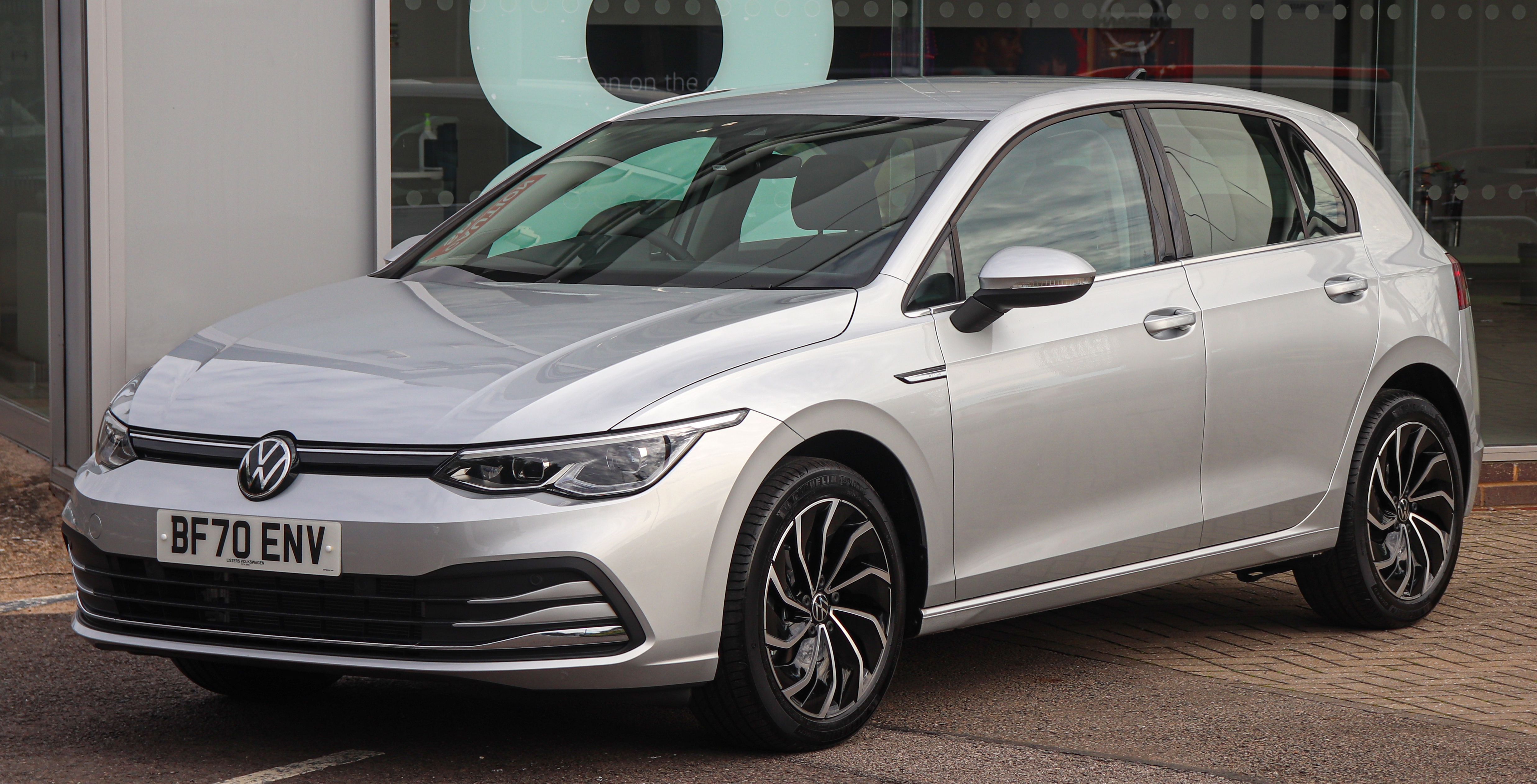
Golf Gtd
"...t's been tough. We should have learned from Ben's GTD that Mark VII Golfs are a really are a cesspit of..."
The Golf is a compact car model that comes in many different versions. In the episode, the speaker talks about certain Golf models being problematic and says they should have learned from earlier experiences. It’s a reference to a specific Golf situation, not the entire model line.
The Golf is a compact car line known for being widely used and offered in many trims and performance versions. In the podcast context, it’s referenced as something that has been “tough” and as a “cesspit” in relation to certain specific Golf models, implying concerns about a particular generation or condition. The mention is about learning from past experiences with a specific Golf variant.

Suzuki Swift sports
"But I did see many Suzuki Swift sports that are just on loads of wheels. Okay. Everywhere."
The Suzuki Swift Sport is a sportier, more performance-focused version of the regular Suzuki Swift. It’s a small hatchback that’s meant to feel more exciting to drive, not just get you from A to B.
The Suzuki Swift Sport is a hot-hatch version of the Swift, tuned for sharper steering and more eager acceleration than a regular Swift. In enthusiast circles, it’s known for being relatively lightweight and fun to drive, which is why you’ll often see them modified or talked about across multiple model years.

Suzuki Swift
"...ally got a man really excited. But I did see many Suzuki Swift sports that are just on loads of wheels. Okay."
The Suzuki Swift 5 Doors is a small hatchback with four or five seats and doors that make it easier to get in and out. It’s built for everyday driving and parking convenience. In the episode, it’s mentioned in connection with sporty-looking, modified versions.
The Suzuki Swift 5 Doors is a compact hatchback variant designed for practical everyday use with more seating access than a three-door. It’s often discussed because it’s small, easy to maneuver, and can be configured in sporty ways depending on the trim. The podcast mentions seeing “Swift sports” on “loads of wheels,” referring to modified or visually customized examples.

Evo 5
"Because our Evo 5, that's a secret Evo 5, [1714.9s] it had a counterpart, had a sibling that was built at the same time"
“Evo 5” is the fifth-generation Mitsubishi Lancer Evolution. It’s a rally-bred turbo car that was built to compete in motorsport, not just to be a normal street sedan.
“Evo 5” refers to the Mitsubishi Lancer Evolution (Generation 5). It’s a rally-focused version of the Lancer, known for its all-wheel-drive and turbocharged setup that made it a frequent motorsport contender in the 1990s.
Rally Barbados
"and that car was built for rally Barbados. [1722.3s] Yeah. [1723.0s] So, you know, none of you heard of that."
Rally Barbados is a car-racing event in Barbados where drivers compete on rally stages. Here, they’re saying one of their cars was built specifically for that kind of rally competition.
Rally Barbados is a motorsport rally event held in Barbados. In this segment, it’s referenced as the purpose for building a specific Mitsubishi Lancer Evolution “sibling” car for rally competition.
rust work
"The cremers are loyal. [1730.7s] They know that it's getting rust work done. [1732.9s] The reason you haven't seen anything is car had to go away for rust."
“Rust work” is fixing corrosion on the car—basically cutting out the rusty parts and repairing the metal so it’s solid again. It’s especially important on older cars that have seen wet roads or salty conditions.
“Rust work” means body and structural repairs to remove corrosion and restore metal integrity—often involving cutting out damaged sections and welding in new metal. On older rally cars, rust work is a common prerequisite before the car can be safely driven or rebuilt.
SV
"There have been many spy shots of the Ravuelto SV testing. I was going to say rumours."
“SV” is a Lamborghini badge that generally means a hotter, more performance-focused version of the car. Think “more track-ready” compared to the regular model.
“SV” is Lamborghini’s shorthand for a more extreme, performance-focused variant (often “Super Veloce”). It usually indicates a lighter, sharper, more track-oriented version of the base model.
spy shots
"There have been many spy shots of the Ravuelto SV testing. I was going to say rumours."
“Spy shots” are pictures people take of a car prototype while it’s out testing. The car is often covered up so you can’t see the final design yet.
“Spy shots” are photos taken of prototypes while they’re being tested, usually with camouflage. They’re a common way enthusiasts and journalists learn about upcoming cars before official reveals.
hybrid system
"Because of the way the hybrid system is set up and because of loads of other stuff I don't understand, they might not be able to cut the roof off it."
A hybrid system means the car uses both a gas engine and an electric motor. When you try to make a convertible, the car still has to be strong and fit all the hybrid parts, which can be tricky.
A hybrid system combines an internal-combustion engine with an electric motor and a battery. In a convertible/roadster, the extra components can make it harder to remove the roof because the car still needs structural stiffness and space for the battery and power electronics.

Chevrolet C7
"And then a C7 Corvette as well. [1921.7s] Well, moving on to more news things,"
A “C7 Corvette” is a specific generation of the Chevrolet Corvette. It’s the version people mean when they talk about the newer, more modern Corvette era.
The C7 Corvette is the seventh-generation Chevrolet Corvette, known for its modern mid-engine layout and sharp performance focus. In enthusiast talk, “C7” is a shorthand for that specific generation, which matters because the driving feel and tech differ a lot from earlier Corvettes.
V8 engine
"So, the rumour is that it will be a 986bhp V8 engine, the hybrid. Oh, hybrid."
A V8 is a type of engine with eight cylinders arranged in a V shape. More cylinders generally means it can make strong power and a distinctive sound.
A V8 engine is an internal-combustion engine with eight cylinders arranged in a “V” shape. The cylinder layout affects how the engine balances and how it sounds and delivers power, which is why V8s are often associated with strong, smooth acceleration.
Lake Como
"which is the big show by Lake Como, I think, where they look rich people bring rich people cars."
Lake Como is a famous luxury vacation spot in Italy. The host is using it as a backdrop for a fancy car event where expensive cars show up.
Lake Como is a well-known resort area in northern Italy that hosts high-profile events and attracts wealthy visitors. The speaker references it to set the scene for a luxury car show where “rich people bring rich people cars.”
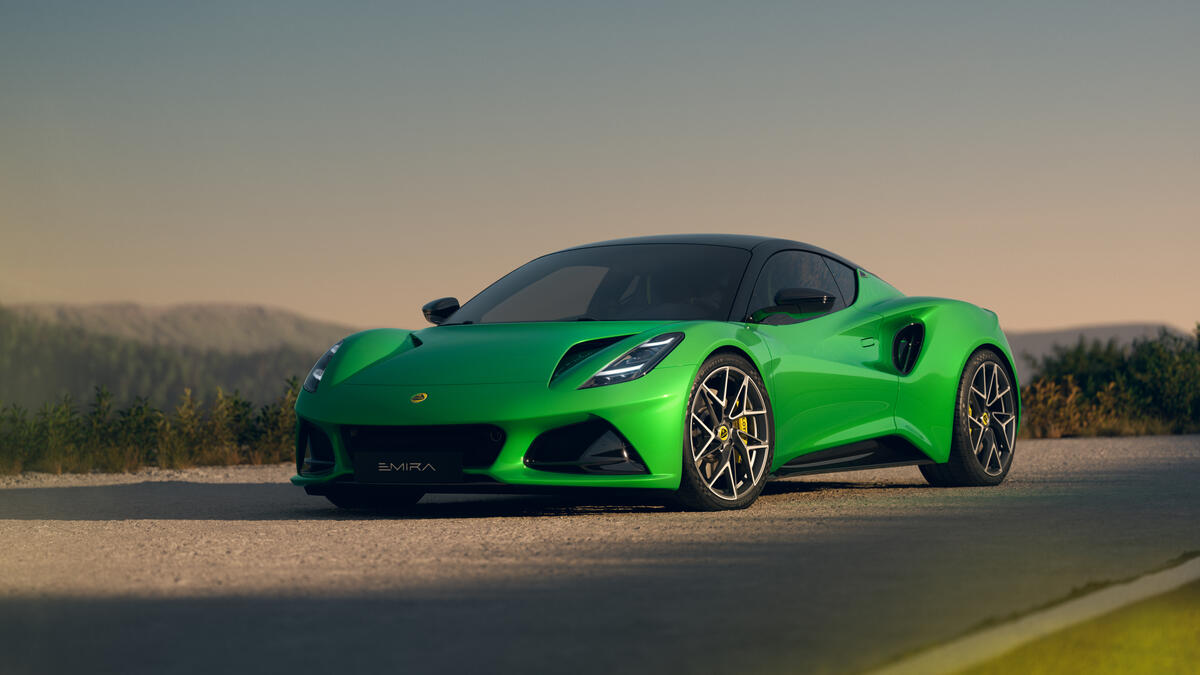
Lotus Amira
"...sted about it. Lotus posted about a sort of zesty Amira. I saw this."
The Lotus Emira is a modern sports car from Lotus. It’s meant to be fun to drive and still feel lightweight compared to many other cars. The episode mentions Lotus sharing updates about it.
The Lotus Emira is a modern Lotus sports car designed to deliver lightweight, engaging driving with a more contemporary package than older Elise/Exige-era cars. It’s often discussed because it represents Lotus’s current direction while still aiming to keep the brand’s “light and fun” identity. The podcast mentions Lotus posting about the Emira, framing it as a recent or newsworthy model.
V6
"Oh, that's a V6... Yeah. Oh, that's a V6."
A V6 is an engine with six cylinders arranged in a V shape. It’s a common engine type that can feel smooth and provide decent power.
V6 refers to an engine with six cylinders arranged in a “V” shape. In performance talk, it usually signals a balance of smoothness and compact power compared with smaller four-cylinders or larger V8s.
rumours from Lotus
"Also, Lotus just at the moment going, not rumouring it, no rumours from Lotus... They just put something on the internet."
They’re talking about how Lotus shares news. The idea here is that Lotus doesn’t like rumors and prefers to announce things directly online.
This segment discusses Lotus’s approach to announcements—specifically that they don’t “do rumours” and instead “put something on the internet.” It’s about how the brand handles information flow, which affects how enthusiasts interpret leaks and speculation.
one off
"This is a one off. No. Of basically it's based on the Horatio Ciacani."
A “one-off” is a one-of-a-kind car. It’s usually built for a specific person, not produced in large numbers.
“One-off” means a single, unique build—typically a custom commission or special project rather than a mass-produced model. In car culture, one-offs are often tied to a specific client, designer, or celebrity and can be based on existing platforms or design cues.
Horatio Ciacani
"Of basically it's based on the Horatio Ciacani. That's the usually that the letters are the name of the person who's questioned it."
Horatio Ciacani is a name the hosts bring up as the supposed source of the “HC” initials. They later correct it to Henry Cavill.
Horatio Ciacani is mentioned as the person whose name is supposedly reflected in the “HC” letters for “The Ferrari HC25.” The hosts then pivot to Henry Cavill, so this functions more like a naming/initials clarification than a deep dive on a real-world car spec.
Henry Cavill
"It's Henry Cavill. No way. I didn't know he's into that."
Henry Cavill is a famous actor. Here, the hosts are saying he’s the person connected to the initials in a special Ferrari project.
Henry Cavill is a well-known actor, and in this segment the hosts claim he’s the person behind the “HC” initials tied to “The Ferrari HC25.” The point here is the celebrity connection to a bespoke Ferrari project rather than any technical Ferrari detail.

Audi Rs3
"...e wheels have like a blade. They remind me of the RS3. They remind me of Audi wheels from the 2000s."
The Audi RS 3 is a sporty, high-performance version of a compact Audi. It’s designed to feel quick and fun while still being a normal-size car. In the episode, the speaker mentions it as a reference for wheel style.
The Audi RS 3 is a high-performance compact car (an RS model) known for bringing serious power to a smaller, more agile package. It’s often discussed for its sporty styling and track-capable attitude in a daily-size car. The podcast compares wheel designs to “RS3” wheels from the 2000s, using it as a visual reference.

Lamborghini Reventon
"What's the other one? Because Reventon, top, top, top guy, top bins. Absolute best speci..."
The Lamborghini Reventon is a rare, limited supercar from Lamborghini. Because it’s limited, it’s often treated as a special collectible model. The episode talks about it as being the best of the options being discussed.
The Lamborghini Reventon is a limited-production Lamborghini supercar known for its aggressive styling and rarity. It’s often discussed as a standout “special edition” because it’s not a mainstream model and tends to be more collectible. The podcast praises it strongly, calling it “absolute best” and highlighting its top-tier spec.

Ferrari F8
"Yeah, it's their car, but why would you choose what is effectively, are they still making the F8? I thought that, I thought they were finished up."
The Ferrari F8 is a high-end Ferrari supercar. It’s the kind of car people buy when they want something very fast and very expensive, and the episode is comparing it to other newer Ferraris.
Ferrari F8 is a mid-engine supercar from Ferrari, known for being a modern, turbocharged successor in the company’s lineup. In this segment, the hosts connect “F8” to Ferrari’s newer model strategy and compare it to other current Ferraris.

Ferrari 488
"Yeah, it's the 488 successor, right? It's relatively new, but they have cars that are spicier than that."
The Ferrari 488 is another modern Ferrari supercar line that came before the F8. The hosts are basically saying the F8 is the next step after the 488.
Ferrari 488 refers to the 488 GTB/488 Spider family, which was a key mid-engine Ferrari before the F8-era cars. Here, the hosts describe the F8 as a successor to the 488, which is a common way enthusiasts talk about model-line evolution.

Ferrari 296
"Like a 296, surely you take a 296 and do that. That's going to have cost a lot of money for them."
The Ferrari 296 is a newer Ferrari supercar. In the conversation, they’re saying you could start with a 296 and then spend a lot of money to make it even wilder.
Ferrari 296 is a current-generation Ferrari mid-engine supercar family known for its hybridized, high-output approach compared with older naturally aspirated or single-technology eras. The hosts mention it as a baseline car you could “take” and make into something even more extreme, implying the 296 is already very powerful.
BR25
"But hey, sounds like rich people with money get to do whatever they want. When are we going to get the BR25 or something?"
BR25 sounds like a nickname or shorthand for a specific car the hosts are waiting to see. In this clip, they don’t explain what it stands for, so we can’t be sure which car they mean.
BR25 appears to be a shorthand the hosts use for a specific upcoming or discussed car project/model. Without more surrounding context in this excerpt, it’s not possible to confidently map BR25 to a particular make/model.

430
"Was it a 430? No, it was a 458."
The Ferrari 430 is another older Ferrari supercar with a V8 engine. In this clip, it’s just brought up as a possible model name and then corrected.
The Ferrari 430 is a mid-engine V8 supercar from the mid-2000s/early-2010s era. It’s mentioned only as a guess (“Was it a 430?”) before the speaker corrects it to a 458.
V8
"So that's another one. They based it on a V8. But then when..."
A V8 is an engine type with eight cylinders. In this conversation, they’re comparing it to a V12 and talking about what engine would match the intended vibe/look.
A V8 is an engine with eight cylinders arranged in a “V” shape. Here, the speaker is explaining that the car they’re discussing was based on a V8, and they’re contrasting it with the idea that a V12 would be the “right fit.”
V12
"I guess they haven't got a V12 that fits the bill. No."
A V12 is an engine with twelve cylinders in a V layout. They’re saying a V12 would have been ideal, but they didn’t have one that matched what they wanted.
A V12 is an engine with twelve cylinders arranged in a “V” shape, typically associated with smoothness and high-end performance. The speaker implies they couldn’t find a V12 that “fits the bill,” which is why the build ended up using a different engine configuration.

Ferrari 458
"What's your best Ferrari? 458 to me. Okay. So you want a new..."
The Ferrari 458 is a famous Ferrari supercar with an engine in the middle of the car. Here, they’re talking about making something look like a 458, meaning the 458’s look is the goal.
The Ferrari 458 is a mid-engine supercar from Ferrari known for its naturally aspirated V8 and high-revving character. In this segment, it’s used as a styling/identity target—someone wants a newer car to look like a 458.
Resto modded
"But they have retro... Resto modded it to look like a 458. Ben, his delivery of your F8 Tributo, sir."
A “resto-mod” is when someone keeps the look of an older car but upgrades it with newer parts. In this case, they’re talking about modifying a newer Ferrari so it visually resembles a 458.
“Resto-mod” (short for restoration + modification) is the idea of taking an older car and updating it with modern mechanicals, electronics, and/or styling while keeping the original vibe. Here, they’re describing a restomod that’s been modified to look like a Ferrari 458.

Ferrari F8 Tributo
"Resto modded it to look like a 458. Ben, his delivery of your F8 Tributo, sir. I don't know."
The Ferrari F8 Tributo is a modern Ferrari supercar with a powerful V8 engine. They mention it because they’re talking about what kind of Ferrari someone should want or receive.
The Ferrari F8 Tributo is a mid-engine Ferrari supercar known for its twin-turbo V8 and sharp, driver-focused performance. In this segment it’s mentioned as the car being “delivered,” anchoring the conversation around modern Ferrari choices.
drivetrain
"Okay, I'll have a... The drivetrain. It has to be a new drivetrain. What's going on here?"
Your drivetrain is the “power path” that takes engine power and sends it to the wheels. They’re saying the drivetrain has to be updated too, not just the look.
A drivetrain is the set of components that transfers power from the engine to the wheels, including things like the transmission and final drive. The speaker is emphasizing that the car’s drivetrain needs to be new/changed as part of the transformation they’re imagining.
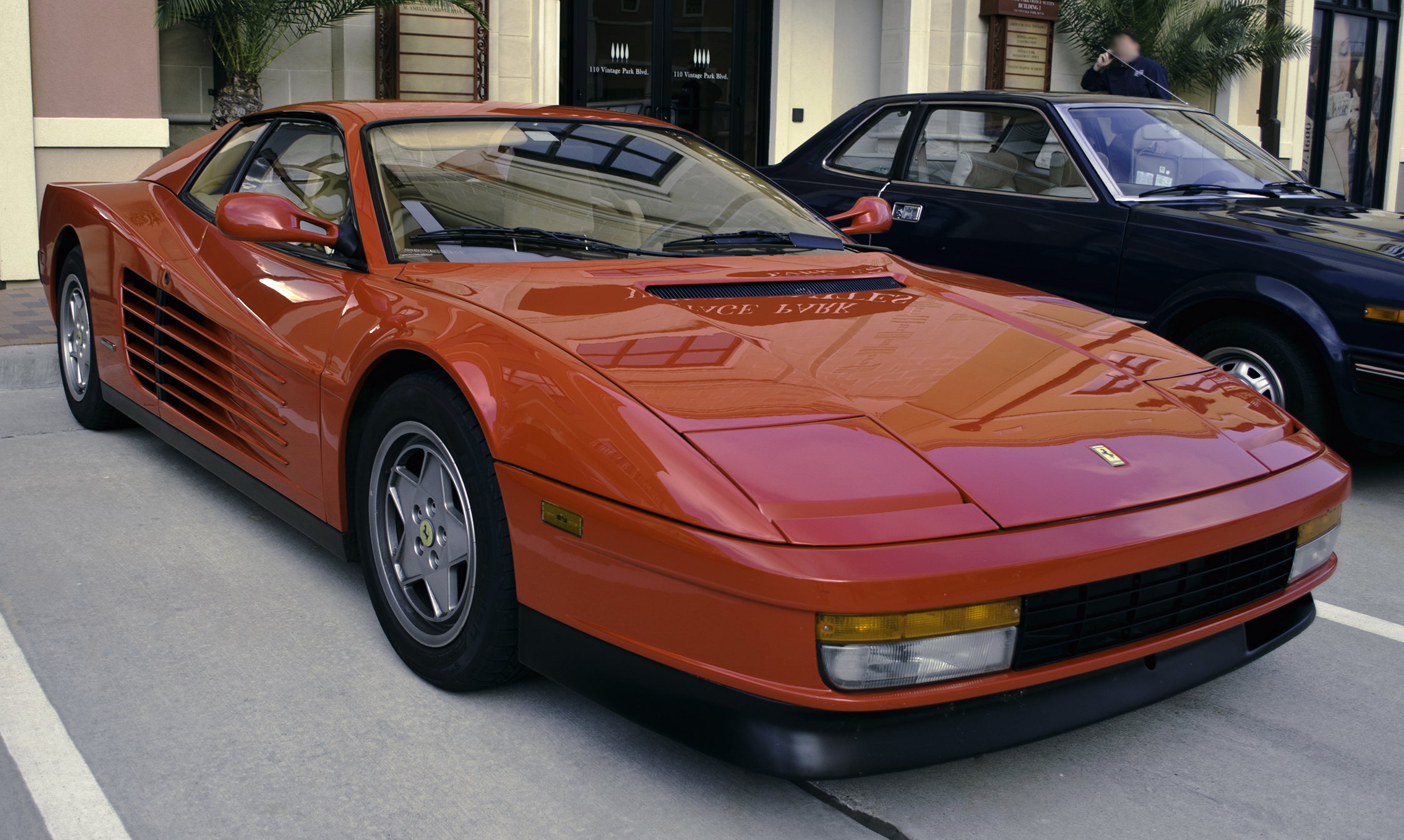
Ferrari Testarossa
"Okay. So like the Testarossa thing that they... No, it doesn't look like one."
The Ferrari Testarossa is a famous older Ferrari supercar. It’s known for its very distinctive look and high performance. In the episode, it’s mentioned as a design reference point.
The Ferrari Testarossa is a well-known 1980s Ferrari supercar, famous for its distinctive side styling and strong performance. It’s significant because it became one of the most recognizable Ferraris of its era. The podcast references “the Testarossa thing,” suggesting the conversation is about identifying or comparing car designs.
twin turbo V8
"They have a twin turbo V8 like... Yeah, it's not messing around."
A twin turbo V8 is a V8 engine with two turbochargers. Turbos cram extra air into the engine, which usually makes the car feel much quicker.
A twin turbo V8 is an eight-cylinder engine (V8) that uses two turbochargers to force more air into the cylinders. That typically boosts power and helps the engine feel more responsive across a wider range of speeds.
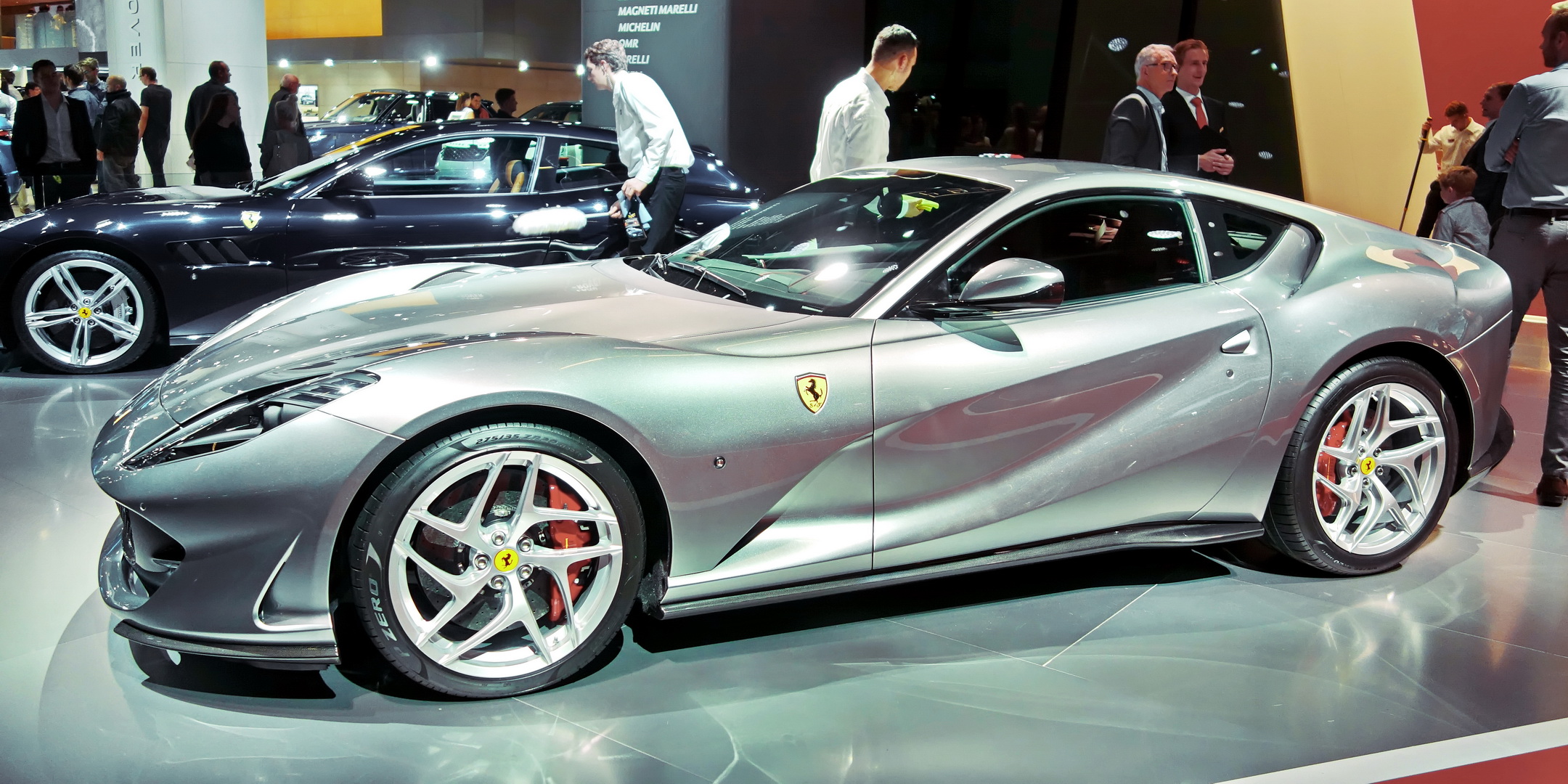
Ferrari 812 Competizione
"I want a 250 GT California styled, but using a... Look, an 812 Competizione."
The Ferrari 812 Competizione is a very high-end Ferrari supercar with a big V12 engine. People mention it when they want to talk about extreme performance and a car that’s meant to be driven hard.
The Ferrari 812 Competizione is a flagship, track-focused V12 supercar from Ferrari, built around a naturally aspirated 6.5-liter V12 engine. It’s the kind of car enthusiasts bring up when talking about serious performance and “no messing around” power delivery.
Motel 300V
"We recently put Motel 300V in our Audi RS6. That is designed for performance and track focus car. Basically anything that is going to be pushed hard."
Motel 300V is a type of engine oil. They’re recommending it for track-style driving because it’s designed to stay effective when the engine gets very hot.
Motel 300V is an engine oil product positioned for performance and track use. The host highlights features like resisting aeration and maintaining viscosity at high temperatures to help protect the engine under heavy load.
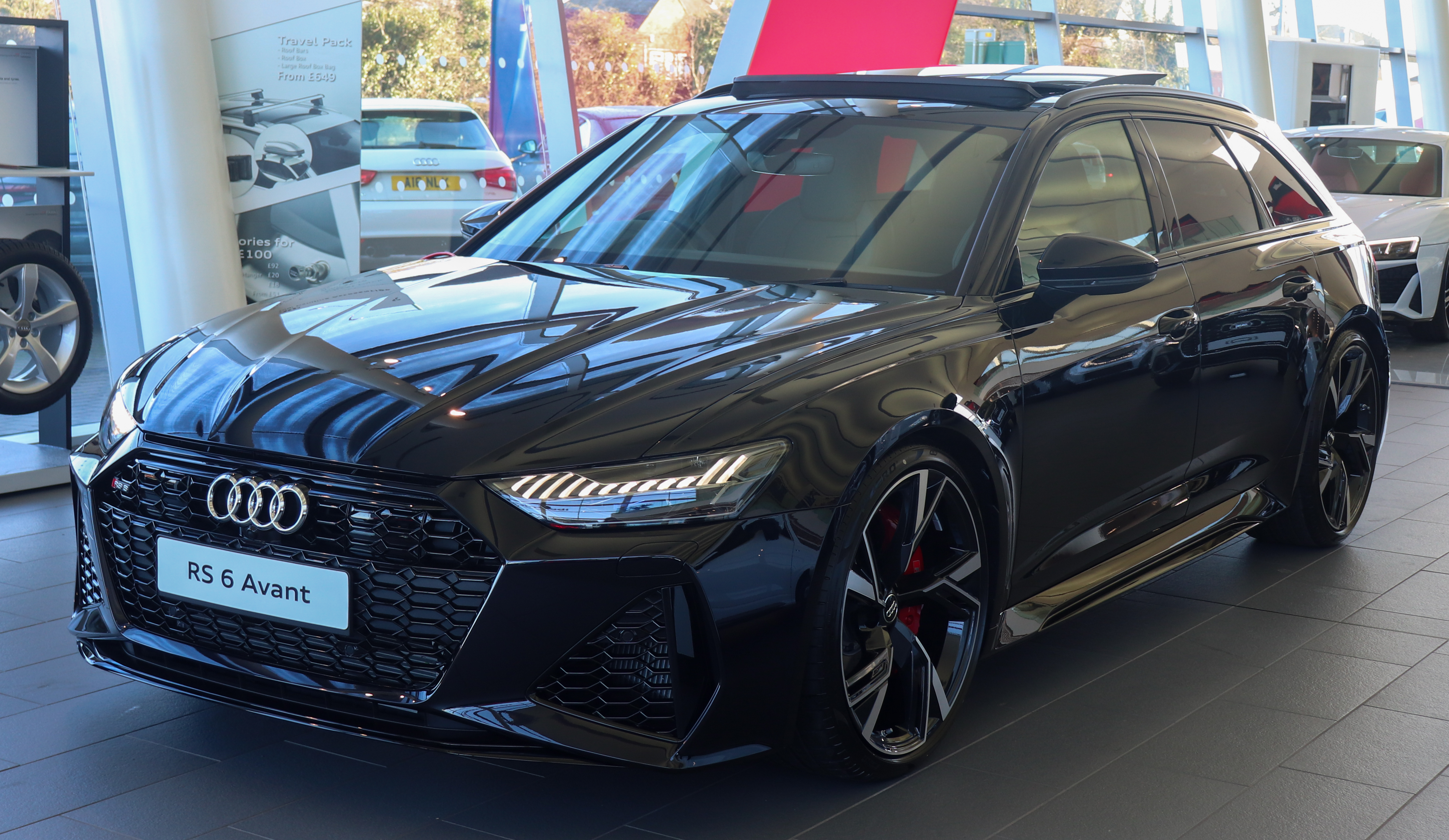
Audi Rs6
"We recently put Motel 300V in our Audi RS6. That is designed for performance and track focus car. Basically anything that is going to be pushed hard."
The Audi RS6 is one of Audi’s fast, performance-focused cars. They’re saying they used the oil in an RS6 because it’s meant for hard driving and high temperatures.
The Audi RS6 is a high-performance wagon/sedan from Audi’s RS lineup, typically driven hard thanks to its powerful turbocharged engine. The segment mentions using “Motel 300V” in an Audi RS6, framing it as a track-focused oil choice for serious load conditions.
viscosity
"It's formulated to resist aeration and maintain its viscosity even at high temperatures, helping to protect your engine when it is under serious load."
Viscosity is how “thick” a fluid is. For engine oil, staying thick enough when things get hot helps it keep lubricating the engine and reducing wear during hard use.
Viscosity is a fluid’s thickness/resistance to flowing. In engine oil, maintaining viscosity at high temperatures helps the oil keep lubricating and protecting engine parts under hard driving.
aeration
"It's formulated to resist aeration and maintain its viscosity even at high temperatures, helping to protect your engine when it is under serious load."
Aeration means air bubbles getting into the fluid. If engine oil foams or bubbles during hard driving, it can lubricate less effectively—so oils that resist aeration help protect the engine better.
Aeration is when a fluid gets mixed with air (bubbles), which can reduce its ability to lubricate and transfer heat. For performance engine oil, resisting aeration helps keep oil pressure and protection more consistent during aggressive driving.
Motel's RBF660 brake fluid
"We're also big fans of Motel's RBF660 brake fluid. Now brake fluid actually absorbs moisture over time, which reduces its boiling point."
Motel’s RBF660 is a brake fluid made for harder driving. The idea is that it can handle higher temperatures without boiling, so your brake pedal stays more consistent. That helps when you’re braking hard and the brakes get very hot.
Motel’s RBF660 is a performance-oriented brake fluid marketed for high resistance to boiling. In this segment, the hosts connect its high boiling point to maintaining consistent pedal feel during heavy heat buildup. It’s an example of how brake fluid choice can affect braking consistency under track-style conditions.
boiling point
"which reduces its boiling point. And then you get a horrible soft pedal. But RBF660 has a super high boiling point"
The boiling point is how hot the brake fluid can get before it starts to boil. When it boils, the brakes don’t work as sharply and the pedal can feel soft. A higher boiling point means it can handle hard braking better.
The boiling point of brake fluid is the temperature at which the fluid turns to gas. If it boils, gas compresses more than liquid, which causes brake fade and a soft, less responsive pedal. Higher boiling point brake fluids are designed to resist this during repeated hard braking.
Ville d'Este
"So this was, I think it was from that... Ville d'Este. That's the next, the badger."
Villa d’Este is a well-known car event in Italy, held near Lake Como. Car companies often use it to show off special cars and concepts. The hosts say this BMW Alpina concept was revealed there.
Villa d’Este (often referred to as the Villa d’Este Concours d’Eleganza) is a famous Italian classic-car event held in the town of Cernobbio on Lake Como. Automakers and coachbuilders use it to unveil special cars and concepts. The hosts connect “Vision BMW Alpina” to a reveal at Villa d’Este.
BMW's kidney grille
"The shark knows, re-interprets BMW's kidney grille [2760.6s] as a three-dimensional sculpture"
BMW has a distinctive front grille made of two kidney-shaped openings. It’s one of the easiest ways to recognize a BMW from the front.
BMW’s “kidney grille” is the brand’s signature twin grille shape on the front of many BMWs. It’s called that because the openings resemble kidney beans, and it’s become a recognizable styling cue across generations.
injectors
"I was at MRC having our injectors tested. And it took a long, long time because we had to test a lot of injectors."
Injectors are the parts that spray fuel into the engine. If they’re not working right, the car can run poorly, so testing them helps figure out what’s wrong.
Fuel injectors are the components that spray fuel into the engine in precise amounts and timing. Testing injectors (as they did at MRC) is a diagnostic step to confirm whether they’re delivering fuel correctly, which can be crucial for drivability, emissions, and performance.
pinch bolt
"This was tough. It was the pinch bolt at the top of the arm on the RS6 that many Audi people have recognized since."
A pinch bolt is a bolt that clamps something tight by squeezing it. They’re talking about one on the RS6 that holds part of the suspension/control-arm area, and it’s the part that was taking time to get sorted.
A pinch bolt is a clamp-style fastener used to secure a component by squeezing it into place. On the RS6, they’re specifically dealing with the pinch bolt at the top of an arm, which suggests a suspension/control-arm connection that needs careful removal/installation to avoid damage or misalignment.

Peugeot 206
"But essentially, the setting is a man in India. He sees a 206, an advert. He looks at his boxy old 80 cars at 80s car and decides to form a 206 out of it with an elephant sitting on it and what such."
The Peugeot 206 is a popular small car from Peugeot. Here, they’re talking about a viral-looking “Peugeot 206” that people thought was fake, but the host says it actually exists in a museum.
The Peugeot 206 is a compact hatchback from Peugeot that became widely known in Europe during the late 1990s and 2000s. In this segment, it’s referenced as the “real” car in a viral-style stunt/meme where someone appears to build a 206 out of older cars.

D9 Denzer
"Yeah, we will make your adverts for you. Denzer. Get in there, son."
“D9” sounds like a specific car or project name mentioned in the episode. The speaker is talking about making ads for it, but the details of what it is aren’t explained in the snippet. If you share more context, the exact car can be identified more clearly.
The “D9” mentioned in the podcast appears to be a specific car or project name used in the conversation, likely tied to a custom or branded setup rather than a widely standardized model designation. Because the transcript doesn’t provide make/model details, the key point is that it’s referenced as something the hosts are promoting or producing (“we will make your adverts for you”).
Request an Explanation
Heard something you'd like explained? We'll add it to this episode.
Sign in to request explanations for terms you heard.
Want to learn more?
Browse our glossary for plain-English explanations of automotive terms, jargon, and concepts.
Help improve this episode
See something that's not quite right? Our annotations are AI-generated and can sometimes miss the mark. Click the flag icon on any annotation to suggest a correction.
2 community members have helped improve this episode.