
C7 Corvette, Porsche 930 & Car Trailers: Towlos Startup 🏎️🔧
About this episode
From Chicago C7 Corvette stories to the Porsche 930’s “Widowmaker” reputation, the conversation blends driving dynamics with real-world cold-weather traction lessons. They dig into why throttle lift can rotate a 911, why bridges ice faster, and how analog driving feels when you’re waiting on turbo lag. The episode then pivots to practical car logistics: building a Turo-style trailer marketplace (TOWLOS), vetting unusual listings, and booking trailers on mobile.
Click here to share your favorite car, car story or any automotive trivia!
C7 Corvette track days and Porsche 930 history. Matt Jones on launching Towlos, the "Airbnb for car trailers"...
In our newest episode, we sit down with Matt Jones, an orthopedic surgeon turned entrepreneur and the CEO/Founder of Towlos (towlos.com). Matt shares his incredible automotive journey, from learning to drive a manual in his dad's '73 Datsun to buying a 2018 C7 Corvette Grand Sport right before the pandemic used-car market exploded.
We dive deep into the origin story of Towlos—a peer-to-peer trailer rental marketplace born out of Matt’s own frustration trying to transport his track car to iconic raceways like Road America and VIR. We also discuss the timeless debate of "cars as art," specifically why a Pagani or a Porsche 930 "Widowmaker" provides an immersive, multi-sensory experience that a painting on a wall just can't match.
In this episode, you’ll hear:
- 🥶 The Bridge Spin-Out: Matt's terrifying 180-degree spin on an icy bridge in his first car, an iron-powered Chevy S10.
- 📈 Beating the Market: Buying a C7 Corvette Grand Sport with just 3,500 miles right before the 2020 used car market went completely crazy.
- 🏁 Track Day Intimidation: The nerves of taking your own car to the track for the first time, and why you always need an "enabler" buddy to push you out of your comfort zone.
- 💡 The Birth of Towlos: How buying a massive triple-axle trailer that sat unused in the driveway sparked the idea for a two-sided trailer rental marketplace.
- 🎨 Cars as Art: Why spending millions on a hypercar like a Pagani provides a mechanical, G-force-inducing masterpiece that you can actually experience.
Don't miss the episode Matt referenced with Adam from Xtreme Xperience, discussing how to get everyday enthusiasts out onto the track! Whether you're a seasoned track veteran, a tech entrepreneur, or just love a good story about solving everyday problems, this episode is a must-listen.
🔗 Links & Resources:
- Rent a trailer or list your own: Towlos.com
- Have questions? Email Matt directly: [email protected]
- Listen to our 75+ episodes on LinkTree 🔗🌲 https://linktr.ee/carsloved
📢 Join the Conversation: What is the weirdest thing you've ever had to tow, or what car do you consider a true "piece of art"? Let us know on Instagram @toallthecarsivelovedbefore
*** Your Favorite Podcast Automotive Nostalgia Podcast ***
Connect with us:
📧 Email: [email protected]
🔗🌳 Visit our LinkTree for all 70+ episodes: https://linktr.ee/carsloved
Love the show? Please follow, rate, and review on Apple Podcasts! ⭐⭐⭐⭐⭐

Delorean DMC-12
"...d review, because he lives in Maryland, review my DeLorean. And I got to go along with him and kind of see t..."
The DeLorean DMC-12 is a sports car made by DeLorean. It’s known for its unusual stainless-steel look and doors that open upward. The podcast mentions it because someone wanted to review or see one in person.
The DeLorean DMC-12 is a distinctive sports car known for its stainless-steel body and gullwing doors. The podcast references a “review” and a trip to see it, which highlights how the car remains a conversation piece and a collectible curiosity. It’s discussed because it’s not just a car—it’s a recognizable piece of automotive history.
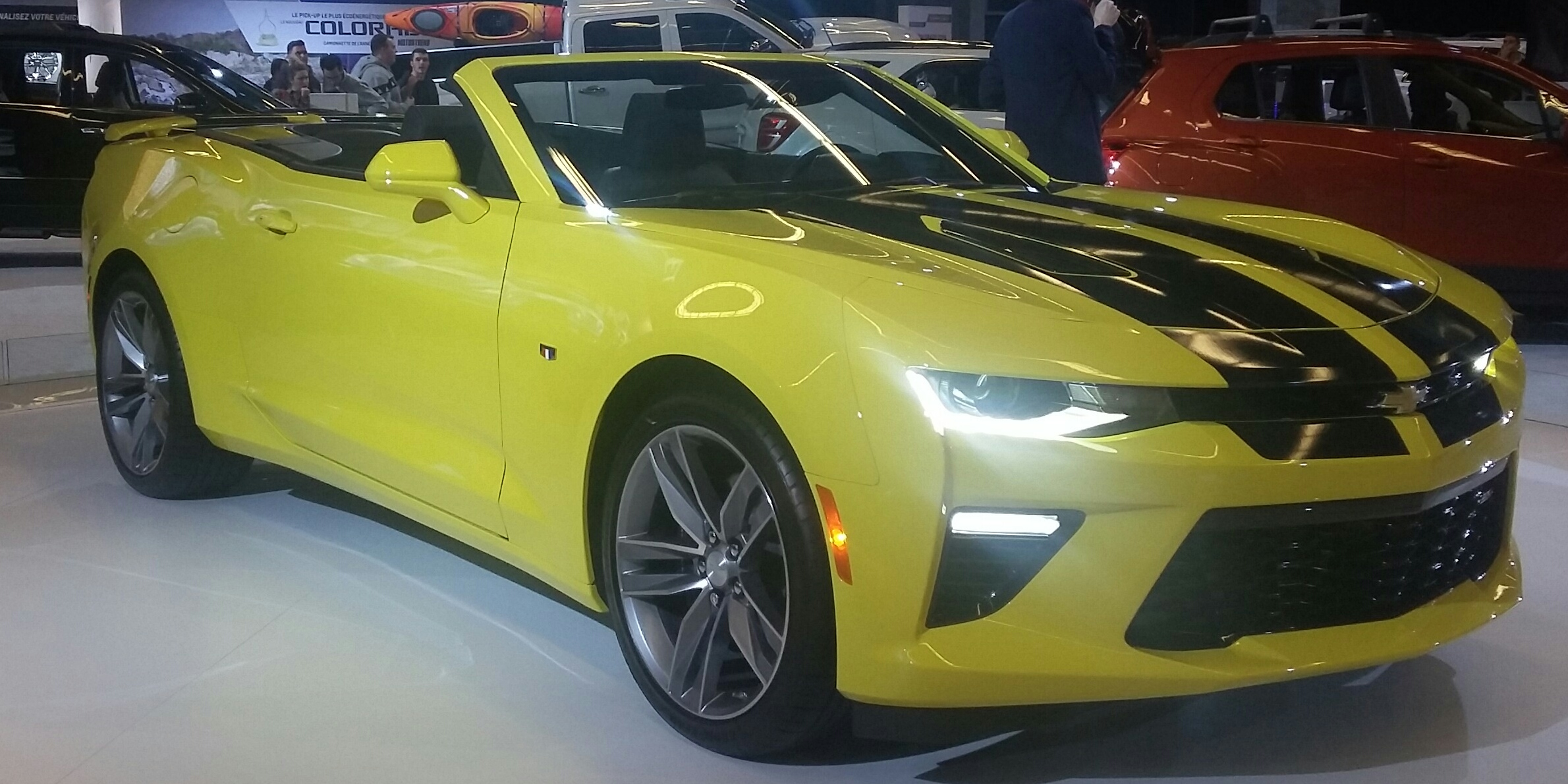
Chevrolet Camaro
"... helping her with her refinish her late Father 69 Camaro, which was gonna be a father-daughter project. Sh..."
The Camaro is a sporty American car, and the 1969 version is especially well known. The podcast mentions it because someone is restoring their dad’s old Camaro with their family. It’s a project that helps keep the car’s history alive.
The Chevrolet Camaro is a classic American muscle car known for its sporty styling and strong performance heritage. In the podcast, the focus is on a late-1960s Camaro (a “69 Camaro”) that’s being refinished as a father-daughter restoration project, which makes it a personal and historically meaningful choice. That’s why it comes up: it’s both an iconic model and a hands-on restoration story.
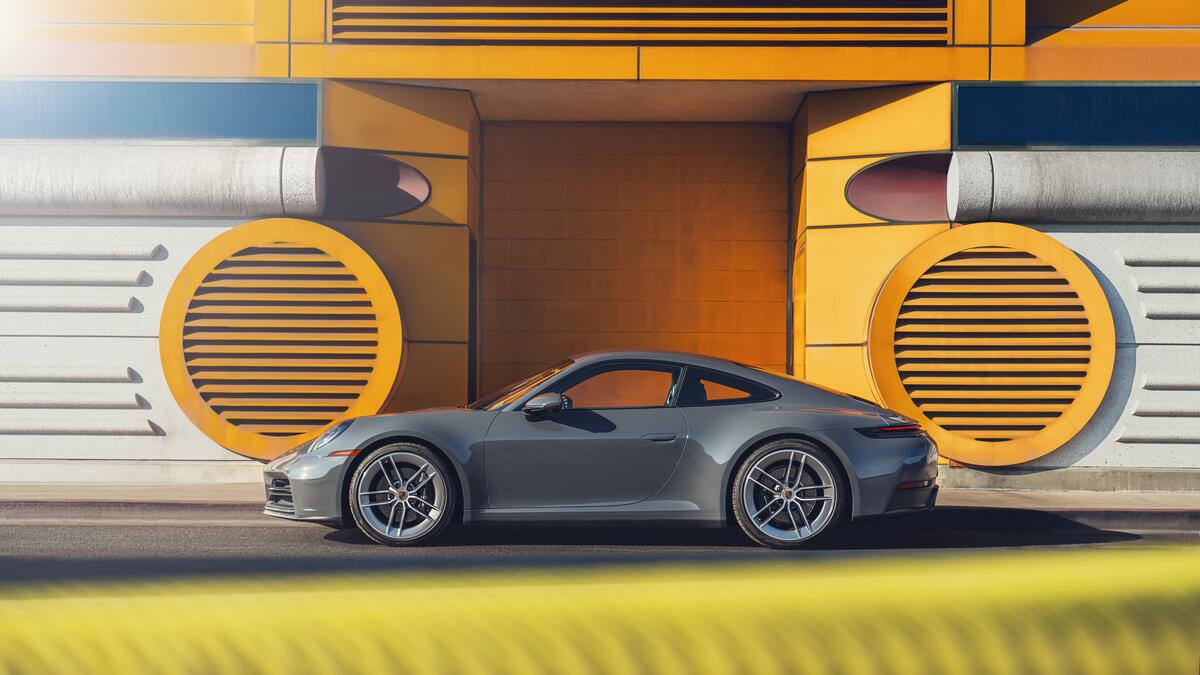
Porsche 930
"That might be uh I'm kind of a wannabe Porsche driver, but I have a bunch of buddies who love their Porsches and I've they you know I've gotten to drive a bunch of their cars and everything from... the 993s, the 964s, the 930. I have a good buddy who has a really cool 930 turbo."
The Porsche 930 is an older 911 Turbo. It uses a turbocharged engine, so it feels punchy and loud in a very classic way.
The Porsche 930 is the classic 911 Turbo-era model from Porsche, known for its turbocharged flat-six and dramatic, old-school boost feel. In enthusiast circles, it’s a benchmark for how a 1980s-era turbo 911 drives and sounds.

Ferrari F50
"One of the new one of my buddies has an F40, an F50, and one of those new Daytona, Ferrari Daytona SP3s, I think, you know."
The Ferrari F50 is a classic Ferrari supercar from the 1990s. It’s known for a naturally aspirated V12 that revs high and feels very special to drive.
The Ferrari F50 is a 1990s-era supercar known for its naturally aspirated V12 and high-revving character. It’s often remembered as a more “analog” Ferrari experience compared with later, more electronics-heavy cars.

Ferrari F40
"And so the yeah, it seemed but but I mean I I've become I've friends with several, I have a couple buddies who who have F40s around here and and a bunch of supercars, you know."
The Ferrari F40 is a famous old-school supercar. It’s known for being fast and exciting, with a turbo engine and a very hardcore feel.
The Ferrari F40 is a legendary, lightweight supercar built around a raw, driver-focused formula. It’s famous for its turbocharged V8 and for being one of the most iconic “last hurrah” Ferraris of the late 1980s.

Ferrari Daytona Ferrari
"One of the new one of my buddies has an F40, an F50, and one of those new Daytona, Ferrari Daytona SP3s, I think, you know."
The Ferrari Daytona SP3 is a very modern, very limited Ferrari supercar. It’s known for a big naturally aspirated V12 and a special, collector-style design.
The Ferrari Daytona SP3 is a modern, limited-run Ferrari built around a naturally aspirated V12 and a track-inspired design. It’s notable because it blends classic Ferrari styling cues with contemporary supercar engineering.
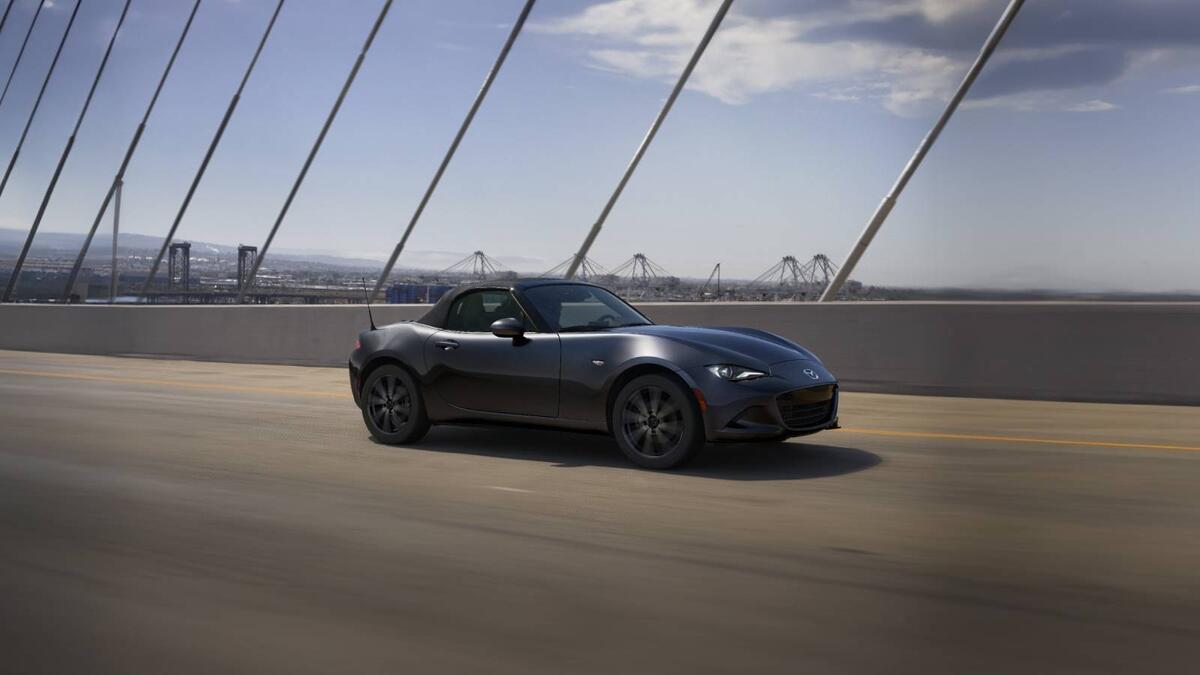
Mazda MX-5 / Miata
"...ns, maybe in California, and uh he went from a uh Miata set up for the track to a Cayman and rented a box..."
The Miata is a small, lightweight sports car made by Mazda. It’s popular because it’s easy to drive and fun, especially for people who want to try track driving. The podcast references it as a starting point for someone who later moved to other cars.
The Mazda MX-5, commonly called the Miata, is a lightweight, driver-focused roadster famous for its simple, balanced feel. The podcast mentions someone moving from a Miata setup for track use to a different car, highlighting how the Miata is often used as an accessible entry point for track driving. It comes up because it’s a widely recognized platform for learning performance driving and car setup.

Porsche Cayman
"he went from a uh Miata set up for the track to a Cayman and rented a boxter, I think it was 2020 on Turo."
The Porsche Cayman is a Porsche sports car with the engine in the middle. That layout helps it feel balanced and fun to drive.
The Porsche Cayman is Porsche’s mid-engine sports car, which helps it feel balanced and agile compared with rear-engine designs. It’s commonly used as an entry point to Porsche handling without needing a 911.

boxter
"he went from a uh Miata set up for the track to a Cayman and rented a boxter, I think it was 2020 on Turo."
The Porsche Boxster is a Porsche roadster with the engine in the middle. It’s basically the open-top version of the Cayman and is meant to be fun in the twisties.
The Porsche Boxster (often misspoken as “boxter”) is Porsche’s mid-engine roadster. It’s known for the same core driving feel as the Cayman, but with open-top character.
Flat six
"It was a fun time, but it had the four-cylinder, just not my thing. Flat six is the way to go."
A flat-six is a type of engine with six cylinders arranged in two sides. People like it because it can feel smooth and helps the car handle better.
A flat-six is an engine layout where six cylinders are arranged in two banks that sit opposite each other, forming a “boxer” shape. Porsche is especially associated with flat-six engines, and enthusiasts often prefer them for their smoothness and low center of gravity.
spool up
"[622.0s] And then, you know, is that it has that big turbo on it that just takes forever to spool up. [628.6s] And then once that power hits at at whatever 5,000 RPMs, and it just then it just really goes."
“Spool up” means how long the turbo takes to get going. If it takes a while, the car feels lazy at first, and then it suddenly pulls hard once the turbo is producing boost.
“Spool up” describes how long a turbocharger takes to accelerate and build boost pressure after you press the throttle. More turbo lag means the engine feels slower to respond, then power arrives suddenly when boost finally builds.
boost
"[628.6s] And then once that power hits at at whatever 5,000 RPMs, and it just then it just really goes. [633.9s] And so by the time by the time that hits, you know, I think that's I guess why why that car has been dangerous"
Boost is the turbo’s “extra push” that forces more air into the engine. More boost usually means more power, and if it comes in late, the car can feel like it lunges forward.
Boost is the extra air pressure a turbocharger forces into the engine, allowing more fuel to be burned for more power. In turbo cars, boost can arrive after a delay, which is why the power delivery can feel abrupt.
lift off the gas in a corner
"If you if you you're pushing it and you lift off the gas in a corner, it it just a little bit, it could spin right around."
That phrase is about what happens when you let off the gas while you’re still turning. Sometimes the car’s rear loses grip a bit and the car starts to rotate or spin more easily.
This describes lift-off oversteer behavior: when you reduce throttle while turning, the car can shift weight and change rear grip, causing the car to rotate more than you expect. It’s especially noticeable on cars with rear traction that can unload when you lift.
whale tail
"So yeah, he the the isn't is it kind of the famous, it's the whale tail is kind of the famous one, but then my buddy was calling the one he has is called what do you call it?"
A “whale tail” is a big rear spoiler. It helps press the back of the car down so it sticks better to the road, especially when you’re going fast or turning hard.
“Whale tail” is the common nickname for the large rear spoiler used on some Porsche 911s, most famously the 1970s-era 930 Turbo. The spoiler increases rear downforce, helping keep the car stable at speed and improving traction under cornering.
traction
"it was just kind of cool to hear his story and the you know, the traction that they've gotten."
Here, traction just means tire grip. More traction lets you go faster and turn harder without the car sliding.
In this context, traction means how much grip the tires have on the road surface. On track, traction determines how hard you can accelerate, brake, and turn without losing control.
late break
"he really kind of gave us the confidence, both kind of in the classroom, and then when we went out onto the track for that first time, he he was the I I really credit him a lot with giving us the confidence of being, you know, being able to late break and be on the gas."
“Late braking” (the speaker says “late break”) is a driving technique where you brake later than usual to maximize time at higher speed before slowing for the corner. It’s often taught in track instruction because it requires good judgment and consistent braking performance.

Chevy S10
"My very first car was a Chevy S10. Okay, but it was brown, and I think it had like a 2.5"
The Chevrolet S-10 is a small pickup truck. The hosts are using it as a starting point to talk about what engine it probably had and how that engine showed up in other cars too.
The Chevrolet S-10 is a compact pickup from Chevrolet, popular as an affordable, easy-to-own truck. In this segment, it matters because the hosts are talking about the specific engine it likely had and how common that powerplant was across brands.
inline four cylinder
"Okay, but it was brown, and I think it had like a 2.5 liter, I think it was an inline four cylinder, probably. Iron G the iron powered."
An inline four-cylinder engine is a simple engine design with four cylinders lined up in a row. It’s common because it’s compact and usually not too complicated.
An inline four-cylinder engine is an engine layout where four cylinders are arranged in a single line. It’s a common, compact design that tends to be efficient and inexpensive to build and maintain.
Iron Duke
"Iron G the iron powered. That's what they used to call it. Really? So many cars had that engine, Jeeps, Furos, yeah. ... The Iron Duke, yeah. Iron Duke, yeah."
The Iron Duke is the nickname for a GM four-cylinder engine family. People called it that because it was built with a lot of cast iron, and it showed up in a bunch of different vehicles.
The Iron Duke is the nickname for a family of GM inline-four engines used across multiple brands and models. The name comes from the engine’s cast-iron construction, and it became well known because it powered everything from compact cars to Jeep applications in that era.

Jeep Wrangler
"And they sold it to Jeep. A AMC was buying it, Wranglers had it for a long time. Yeah."
The Wrangler is a Jeep SUV designed for off-road driving. The podcast mentions it because it was part of a longer ownership story and eventually ended up with Jeep. It’s the kind of vehicle people choose when they want a tough, capable SUV.
The Jeep Wrangler is a rugged off-road-focused SUV built around a removable-top, go-anywhere reputation. In the podcast, it’s mentioned in a discussion about who owned it over time—specifically that Wranglers had been around for a long time and were eventually sold to Jeep. It comes up because the Wrangler’s identity is closely tied to its long-running role in the off-road and enthusiast world.

Toyota Celicas
"Yeah. Yeah. Yeah. [949.2s] Your grandma, I was gonna say, I my grandma's never had Toyota Celicas."
A Toyota Celica is a sporty Toyota from Japan. Here it’s just mentioned as a car your grandma didn’t own.
Toyota Celica is a Japanese coupe that was popular for its sporty styling and affordable performance. In this segment, the hosts mention it as a car your grandma never had, which helps set up the speaker’s family-car story.
weight transfer
"And since we've been talking about weight transfer and all these other things and cold weather, Cago, but if you could share with the listeners. [1001.0s] Oh, yes, my with that S10."
Weight transfer means the car’s weight moves around when you brake, turn, or speed up. If the road is slippery, that weight shift can cause some tires to lose grip.
Weight transfer is how a car’s load shifts between tires when you accelerate, brake, or turn. It matters because shifting weight changes how much grip each tire has, which can lead to loss of traction when conditions worsen.
cold weather
"And since we've been talking about weight transfer and all these other things and cold weather, Cago, but if you could share with the listeners. [1001.0s] Oh, yes, my with that S10."
Cold weather can make tires grip worse and roads more slippery. That’s why the same route can feel fine one way and dangerous the other way.
Cold weather can reduce tire grip and change how road surfaces behave, especially when temperatures swing and moisture freezes or condenses. In this segment, it’s part of the setup for why traction suddenly disappeared on the return drive.
manual
"It was a manual, so you have to learn, you know, had to learn the third pedal. And that was kind of where I learned to drive."
A “manual” car is one where you shift gears yourself. The “third pedal” is the clutch pedal, which you press to change gears.
A “manual” transmission means the driver shifts gears using a clutch pedal and a gear shifter, rather than relying on an automatic gearbox. The “third pedal” reference points to the clutch, which is essential for starting and changing gears smoothly.

C7 Corvette 2018
"It's a C7 Corvette 2018. And so the story here is this was many, many people could probably relate."
This is a Chevrolet Corvette from the C7 generation, and the speaker says it’s a 2018. They’re using it as the sports car they decided to buy.
The Chevrolet Corvette C7 (2018) is a modern American sports car known for its sharp handling and performance-focused design. In this story, it’s specifically the generation the speaker chose as their first “real” sports car.
naturally aspirated engine
"One, it needed to be a naturally aspirated engine, because we all know that those are those are we're not gonna be able to s know how to say naturally aspirated here in about five or ten years."
A naturally aspirated engine doesn’t use a turbo or supercharger to push air in. The engine has to “breathe” on its own, which can feel more straightforward to drive.
A naturally aspirated engine makes power without a turbocharger or supercharger. That usually means a more direct throttle feel and a different power delivery compared with forced-induction engines.
Mesger engine
"drives a nine nine seven boo GT3 RS which is kind of the last isn't that one of the last analog manual with the still have the Mesger engine. So yeah four liter yeah three point eight I think his is a three point eight"
“Mezger” is a nickname for a Porsche engine family that’s known for being built with a more race-inspired design. The speaker is saying their friend’s car still has that kind of engine.
The “Mezger” engine refers to Porsche’s air-cooled-era flat-six engine family associated with motorsport heritage and strong durability. In this context, the speaker is pointing out that the referenced 911 GT3 RS still uses that kind of engine design.

Ford Mustang
"...een a Corvette guy before and so I was looking at Mustangs Caymans Corvettes what else would fall into the i..."
The Mustang is a performance car from Ford that’s been made for many decades. The podcast brings it up because someone was considering it alongside other sports cars. It’s a well-known choice for people who want a fast, classic-style car.
The Ford Mustang is a long-running American muscle car that’s become a cultural and performance benchmark. The podcast mentions it in the context of someone comparing Mustangs with other performance cars, which shows how the Mustang fits into the broader “what should I drive next?” conversation. It comes up because it’s a major part of classic and modern performance car history.
Corvette Grand Sport
"...d so I mean I just kind of landed on this on this grand sport the C7 Grand Sport. So for for people who don't k..."
forced induction
"There's no forced induction but then they have some of the upgraded arrow and tires and suspension that the Z06s have. [1430.3s] So there's a little bit of that kind of that that hybrid."
Forced induction means the engine uses a turbo or supercharger to cram more air into the cylinders. That extra air can help the engine make more power.
Forced induction is when an engine uses a device (typically a turbocharger or supercharger) to push more air into the cylinders. More air generally allows more fuel to be burned, which can increase power output.
Road America
"So he he had done some a little bit of professional racing on on oval tracks as a teen teenager in early 20s and so he he was you know familiar with just you know how to slide cars around um and so he's like hey have you ever you know have you ever tracked your car would you ever want to and I was like no that isn't I mean it sounds awesome but I don't think I could ever do it he's like hey we're going to Road America"
Road America is a famous race track. It’s where people go to drive their cars on a course safely, instead of doing it on public roads.
Road America is a well-known road-course track in the United States. It’s the kind of venue where drivers learn braking, cornering lines, and car control in a controlled environment.
brake fluid
"he's like hey we're going to Road America you know in a couple months you you should come with us we just need to we'll swap out your brake fluid other and you're and then you're basically like set to go you just need to get a helmet"
Brake fluid is what makes your brake pedal actually squeeze the brakes. On a track day, it can get very hot, so people often swap it to help braking stay consistent.
Brake fluid is the hydraulic fluid that transfers force from the brake pedal to the brake calipers. On track days, it’s often changed because repeated hard braking can heat it up and reduce braking performance (via fluid boiling or fade).
helmet
"we just need to we'll swap out your brake fluid other and you're and then you're basically like set to go you just need to get a helmet [1546.4s] I I wish there was more stuff to do like that in Maryland."
A helmet is safety gear for track driving. If something goes wrong, it helps protect your head, and track events usually require one.
A helmet is required safety gear for most track events because it protects your head during impacts or rollovers. Track organizers typically enforce specific helmet standards and fitment.
NCM
"we were like all right we would love to get to midOhio get to NCM get to VIR you know get to Daytona"
NCM refers to a race track the speaker wants to visit. They’re listing multiple tracks to explain why they needed a way to transport cars without putting too many miles on them.
NCM is commonly used as shorthand for NCM Motorsports Park, a road course in Kentucky. Here it’s part of the list of tracks the group wanted to visit, which drives the need for better trailer logistics.
midOhio
"we were like all right we would love to get to midOhio get to NCM get to VIR you know get to Daytona"
midOhio is a sports car race track in Ohio. The speaker is saying they wanted to travel to tracks like this more often.
Mid-Ohio Sports Car Course (often shortened to midOhio) is a road course in Ohio used for racing and track events. The speaker lists it as one of the tracks they wanted to reach more easily.
VIR
"get to midOhio get to NCM get to VIR you know get to Daytona get to Rhode Allan you know all these"
VIR is a well-known race track in Virginia. The speaker mentions it as one of the destinations that made trailer transportation more appealing.
VIR is shorthand for Virginia International Raceway, a popular road course. The speaker includes it in the set of far-away tracks that motivated them to stop driving everywhere and start hauling cars instead.
double car hauler
"we were personally we were looking for a double car hauler because my buddy had an F 450 so very capable truck that could basically you know they can haul a mountain. And so we we were looking for a double car hauler one whose fenders were low enough so you could open the doors over the top right"
A double car hauler is a trailer made to transport two cars at once. They’re talking about the practical loading details—like clearance—so you can actually get the cars on and off without trouble.
A double car hauler is a trailer designed to carry two cars, typically with a layout that allows both vehicles to be loaded and secured safely. The speaker is emphasizing trailer design constraints—like how low the fenders need to be—so doors can open over the trailer during loading.
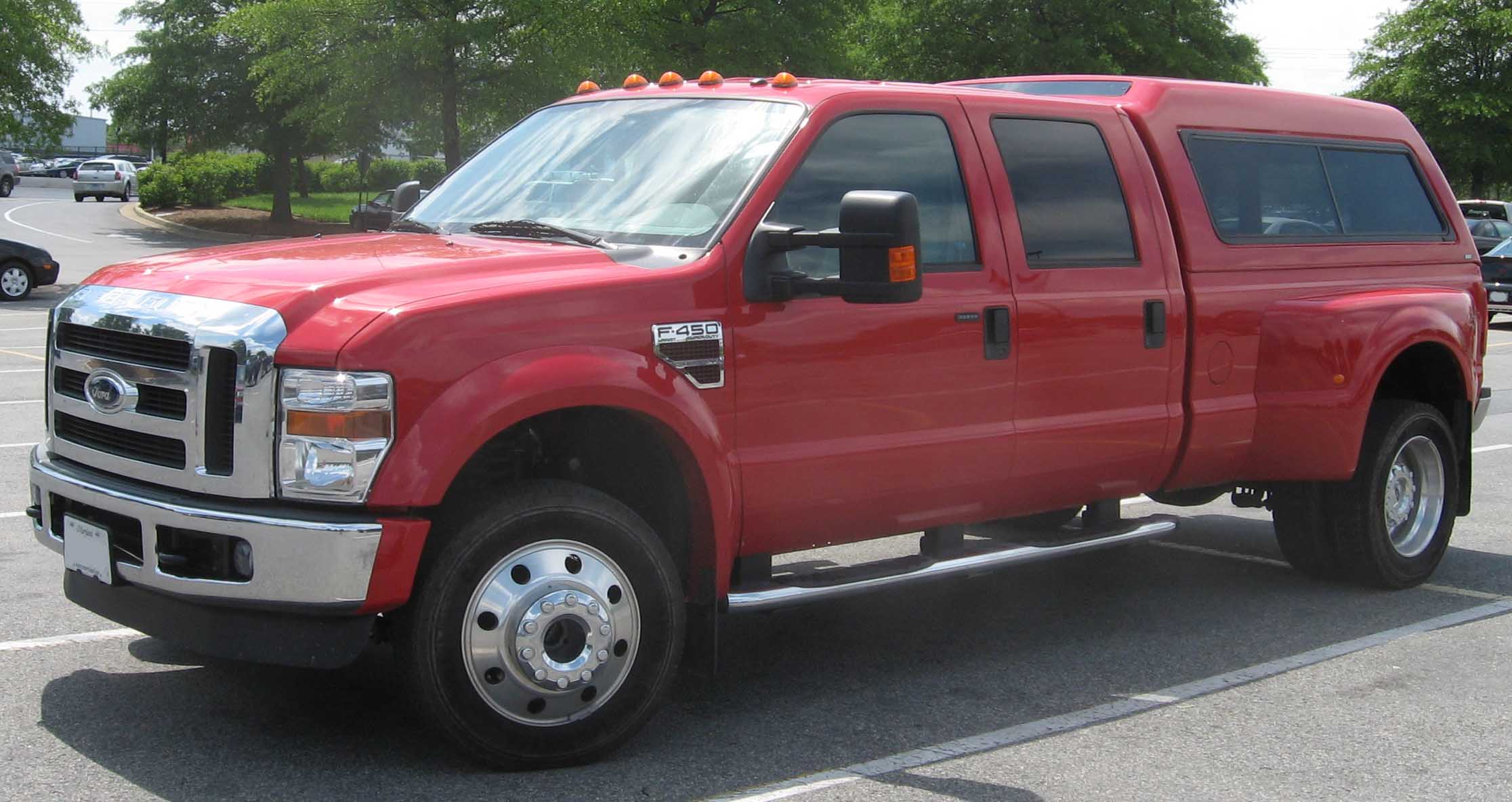
Ford F450
"we were personally we were looking for a double car hauler because my buddy had an F 450 so very capable truck that could basically you know they can haul a mountain."
The Ford F-450 is a heavy-duty truck built for towing. The speaker is using it as an example of a truck capable of pulling a big trailer.
The Ford F-450 is a heavy-duty pickup truck used for towing and hauling. Here it’s mentioned as the kind of truck that can tow a large trailer—important because the whole problem is finding a trailer that matches the towing setup.
two-sided marketplace
"And so that's when that kind of that concept of a two-sided marketplace kind of entered my head and I we kind of thought about is there a way that we could serve two different populations and provide value to do two different customer sets."
A two-sided marketplace is a service that brings together two types of people. In this case, it connects trailer owners with people who need a trailer for a trip.
A two-sided marketplace connects two different groups that both benefit from each other—here, people who own trailers and people who need trailers. The speaker frames the business as matching “trailer supply” with “trailer demand,” similar to how peer-to-peer rental platforms work.
Turo
"And so you know that's the whole Airbnb or that you mentioned Turo. You know that's we we patterned a lot of our design and our our peer-to-peer marketplace platform after Turo."
Turo is a peer-to-peer car rental platform where private owners can rent out their vehicles. The speaker says their trailer marketplace is patterned after Turo’s “look and feel,” using the same idea of monetizing an asset you already own.
gooseneck
"like browse trailers by type car hauler dump enclosed horse trailer these are things I wouldn't have thought of utility trailer gooseneck toy hauler boat trailer"
A gooseneck trailer is a type of trailer hitch design. It helps the trailer sit more securely on the truck, and it’s one of the trailer styles people can rent through their platform.
A gooseneck trailer has a hitch design where the front “neck” extends down toward the truck bed, allowing better stability and often higher towing capacity than some other trailer styles. The speaker lists it as one of the trailer types their marketplace can match to different needs.
enclosed trailer
"browse trailers by type car hauler dump enclosed horse trailer these are things I wouldn't have thought of utility trailer gooseneck toy hauler boat trailer We tend to focus on more of those utility trailers the car haulers the enclosed trailers"
An enclosed trailer is a trailer with walls and a roof. It keeps the car or items protected during transport, which is why it’s popular for hauling vehicles.
An enclosed trailer is a fully covered trailer that protects vehicles and cargo from weather and road debris. In the segment, it’s part of the broader set of trailer categories the marketplace focuses on, especially for transporting cars safely.
utility trailer
"these are things I wouldn't have thought of utility trailer gooseneck toy hauler boat trailer"
A utility trailer is a general-purpose trailer for hauling different kinds of stuff. The speaker is saying their site covers more than just car trailers.
A utility trailer is a general-purpose trailer used to haul a wide variety of items, often with a simple open deck. The speaker includes it among the trailer types their platform can offer, highlighting that not all trailer needs are “car hauler” specific.
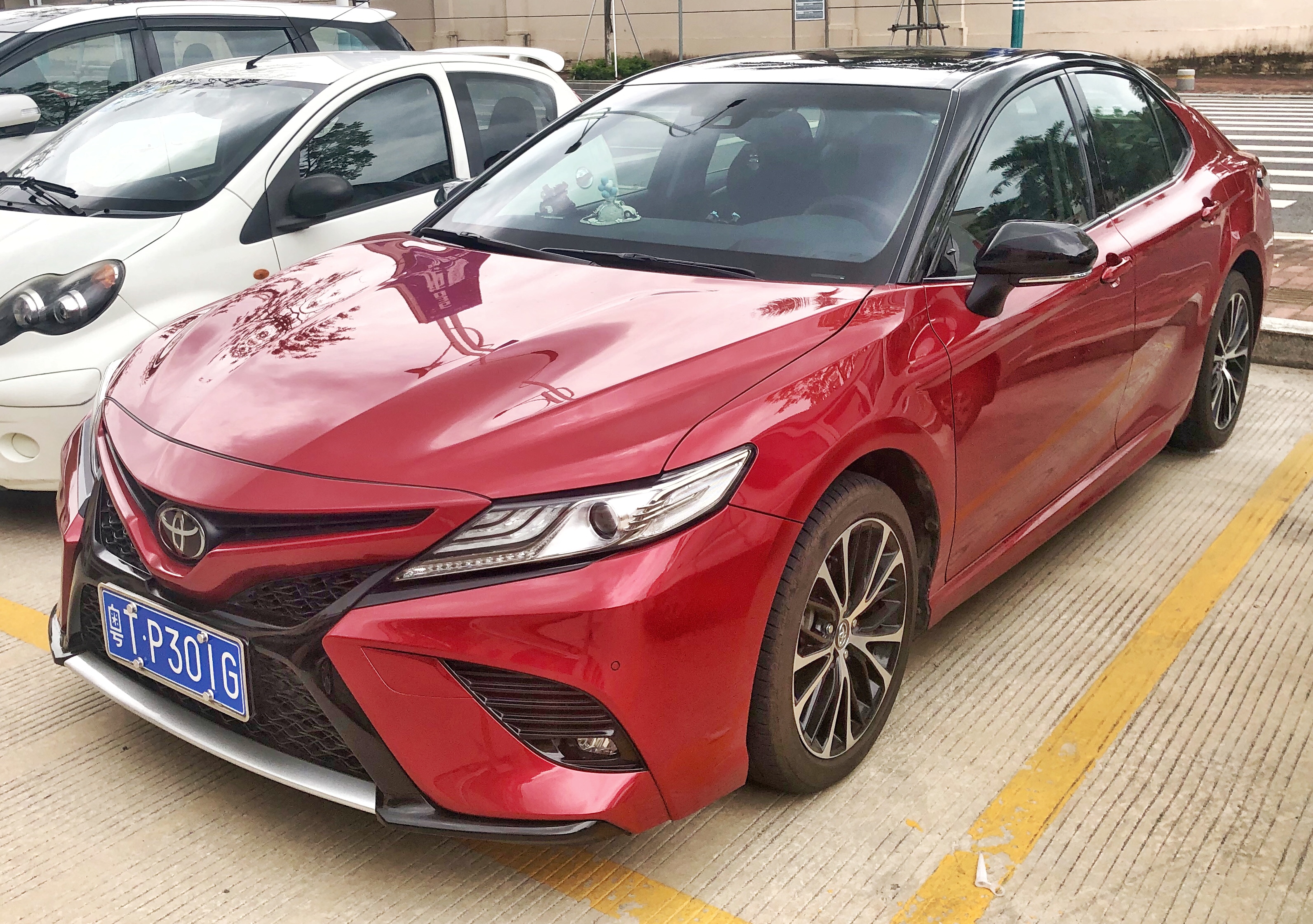
Toyota Camry
"“...not some U-haul hauler that's meant to haul a Toyota Camry...”"
The Toyota Camry is a very common family car. The host is using it as an example of a vehicle that a basic rental trailer might be meant to carry.
The Toyota Camry is a mainstream midsize sedan that’s commonly used as an everyday example of what generic trailers are designed to haul. In this segment, it’s mentioned to contrast with a purpose-built car hauler for specialty vehicles.
U-haul
"“...not some U-haul hauler that's meant to haul a Toyota Camry...”"
U-Haul is a company that rents trucks and trailers for moving. The point here is that renting the wrong kind of trailer isn’t ideal for hauling cars.
U-Haul is a consumer moving-truck and trailer brand. The host uses it as a contrast to a purpose-built car hauler—arguing that the right trailer matters for the job.
mechanical linkages
"“...you can actually see the mechanical linkages on the on the gear shift right...”"
Mechanical linkages are the physical parts inside a car that move together to make something happen. In this case, they’re the visible pieces that help move the gear shifter.
Mechanical linkages are the physical rods, joints, and arms that transmit motion from one part of a mechanism to another. Here, the host is pointing out that Pagani’s gear-shift area shows these moving parts, making the operation visually “transparent.”
gear shift
"“...mechanical linkages on the on the gear shift right...”"
The gear shift is what you use to change gears in the car. It helps the car use different gear ratios for acceleration, cruising, or engine braking.
A gear shift is the control used to select different gear ratios in a manual or automated transmission. The host’s point is that the shift mechanism can be designed so its internal movement is visible, reinforcing the “mechanical art” theme.
Pagani
"Yeah well said I don't think I've ever seen a pagani that wasn't gorgeous. You know what I mean when they're not moving and the attention to detail yeah you look at them and you're just like wow that is like that's a piece of art."
Pagani is a luxury supercar brand from Italy. The point here is that their cars are made with a lot of care and detail, so they feel like art.
Pagani is an Italian supercar brand known for extreme craftsmanship and exotic materials. In this segment, the host uses Pagani as an example of a car that feels like “art” even when it’s not moving.
carbon
"it it truly is a piece of art it just happens to be Made of, you know, titanium and carbon and all those other components rather than a canvas."
Carbon fiber is a lightweight material that’s also very strong. Expensive performance cars use it to keep weight down while improving strength.
Carbon (short for carbon fiber) is a composite material used in high-end cars because it’s very strong for its weight. The host pairs it with titanium to explain why certain supercars are built with “attention to detail” and premium materials.
titanium
"I mean it's no wonder that those things are two hundred million dollars or two two two million dollars you know but it's it's I think it's the reason is is because there's just such care attention to detail it it truly is a piece of art it just happens to be Made of, you know, titanium and carbon and all those other components rather than a canvas."
Titanium is a strong metal that’s also relatively light. Car makers use it when they want parts to be tough without adding a lot of weight.
Titanium is a lightweight, high-strength metal often used in performance cars to reduce weight while keeping parts strong. The host mentions it as part of why Pagani supercars feel so “special,” alongside carbon fiber and other materials.
turbo lag
"and you feel the mechanical, the analog, you know, the gear shifts, and then you wait for that turbo lag to kick in. That's a piece of art in a different way, and you get to actually experience that."
Turbo lag is the short delay before a turbo starts making strong power. In this story, that delay is part of what makes the car feel dramatic and engaging.
Turbo lag is the delay between pressing the accelerator and the turbocharger producing full boost. The host describes it as part of the experience in the Porsche 930 Turbo—waiting for the boost to “kick in” rather than getting instant response.

Oldsmobile Cutlass
"...u know, it could be from anything from the old 86 cutlass, like we talked about pre-recording, to, you know..."
The Oldsmobile Cutlass is an older American car model made by Oldsmobile. The podcast mentions an “86 Cutlass,” which is a specific year people often talk about. It’s brought up because it’s part of classic car history and restoration conversations.
The Oldsmobile Cutlass is a classic American car line that spans many years and body styles, including popular mid-1980s models. The podcast mentions an “86 Cutlass” as part of a broader discussion of classic cars, suggesting it’s being used as an example of the kind of vehicles people restore or remember. It comes up because it represents a recognizable slice of American automotive history from that era.
barn find
"…you gave me some ideas about how to get my next barn find home because I don't have a trailer."
A “barn find” is a car that’s been sitting unused for a long time, usually in a barn or garage. People get excited because it might be a rare car, but it may also need a lot of work to get running again.
A “barn find” is an old, often forgotten vehicle that’s been stored away for years—commonly in a barn, garage, or similar space. Enthusiasts chase them because they can be rare, original, and sometimes surprisingly complete, but they often need significant restoration after long storage.
rock crawling
"…we have some buddies… do rock crawling out out in Moab, you know, and they're not driving their jeeps across the country, they're hauling them."
Rock crawling is off-roading where you drive slowly over rocks and rough terrain. People often tow their vehicles to the trail because it’s tough to drive them there normally.
Rock crawling is a slow, technical off-road driving style focused on navigating obstacles like steep rocks and uneven terrain with maximum traction and control. Because it’s hard on vehicles and tires, many enthusiasts transport their rigs to places like Moab rather than driving them long distances.
towlos startup
"…Anybody can email me at matt at tolos.com… I can see that happening in 2026, not too far away."
A “startup” in this context refers to a new business being launched around a specific service—here, helping people move cars using trailers. The episode frames it as lowering the practical barrier to acquiring and transporting vehicles like barn finds.
Request an Explanation
Heard something you'd like explained? We'll add it to this episode.
Sign in to request explanations for terms you heard.
Want to learn more?
Browse our glossary for plain-English explanations of automotive terms, jargon, and concepts.
Help improve this episode
See something that's not quite right? Our annotations are AI-generated and can sometimes miss the mark. Click the flag icon on any annotation to suggest a correction.