
Car Pro Radio Show April 18 26 Hour 1
About this episode
Jerry Reynolds fields calls on what to buy after an insurance payout, with a focus on current deals, incentives, and resale value. He highlights the new 2026 Subaru Trailseeker EV as a rare electric priced close to its gas counterpart, and recommends hybrids like the Kia/Telluride as a practical replacement. Listeners debate the Tesla Cybertruck’s polarizing design versus its poor resale, and compare Toyota Tacoma model years (buying a 2026 for deals vs waiting on a 2027 refresh). The show also covers Stellantis’ dealer-focused “reset,” including hands-on training tours, plus a discussion on EV road-funding taxes and how to check recalls via NHTSA.
Car Pro Radio Show April 18 26 Hour 1
Hosted by Simplecast, an AdsWizz company. See pcm.adswizz.com for information about our collection and use of personal data for advertising.
Firestone
"That's why for 125 years Firestone has been building tires with one thing in mind, to deliver products that are as reliable as you are. Firestone, always dependable since 1900."
Firestone is a company that makes tires. They’re basically saying their tires are built to last and be dependable.
Firestone is a long-running tire brand known for making replacement tires for everyday drivers and performance-oriented applications. In this segment, it’s used to frame reliability and durability as a tire-focused value proposition.
auto industry
"Oh boy, is it a good day to talk about cars here on The Car Pro Show. And we're going to spend this entire hour talking to you about what's going on in the auto industry, how I can help you make a good smart car buying decision."
They’re about to talk about what’s going on in the car world—things that affect what you can buy and how much it costs.
The hosts are setting up a discussion about what’s happening across the auto industry, which can include new models, technology changes, pricing trends, and policy or market shifts. This is a structural segment marker for the hour’s theme.
car was totaled or stolen
"If your car was totaled or stolen and you just settled with the insurance company, got that check in your hand, what are you going to buy next? I want to hear."
If your car is totaled or stolen, insurance pays you money. The question is what you’ll choose next with that payout.
When a car is totaled or stolen, the insurance payout typically determines what you can buy next and can affect your options (replacement vehicle, financing, and sometimes settlement timing). It’s a real-world buying scenario that changes how people evaluate their next vehicle.

Subaru Trailseeker
"Yesterday, we posted the 2026 Subaru Trailseeker, an all-new Subaru. And if you listen to this show a lot, you know I love Subarus. And this one was terrific. I mean, it's electric."
They’re talking about a new 2026 Subaru Trailseeker. The big point is that it’s electric, so it’s a different kind of car to live with than a gas Subaru.
The Subaru Trailseeker is presented here as a new 2026 model, and the host highlights it as an all-new Subaru. They also mention it’s electric, which matters because EVs change how you think about charging, range, and ownership costs compared with gas vehicles.
electric
"And if you listen to this show a lot, you know I love Subarus. And this one was terrific. I mean, it's electric. So if you're not into electric cars, it's not for you."
They’re saying the car is electric, meaning it runs on electricity from a battery. That usually means you’ll think about charging instead of buying gas.
“Electric” here refers to an EV powertrain, meaning the vehicle is powered by an electric motor and battery rather than a gasoline engine. This affects daily use—especially charging at home, charging speed, and how range planning works.
incentives
"What are you thinking about doing? What's going on in the marketplace? How are the incentives? How are the rebates?"
They mention incentives and rebates, which are financial offers that can reduce the effective price of a new vehicle. These programs can vary by location, credit profile, and time, and they strongly influence what buyers can afford.

Buick Roadmaster
"Well, let's talk 800-926-7777. The roadmaster is here. I am. And I'm going to answer your ques..."
The Buick Roadmaster is a large, older-style car made by Buick. It’s known for being a big, comfortable vehicle rather than a small or sporty one. People bring it up because it’s part of Buick’s classic lineup.
The Buick Roadmaster is a full-size car model that’s typically associated with classic, large American styling and a comfortable ride. It’s significant in automotive history because it represents an era when big sedans were a major part of the market. In a podcast context, it’s likely being discussed as a listener question or a topic tied to the Roadmaster nameplate.

Kia Telluride
"I'm driving a 24Teluride, KiaTeluride right now. And, you know, when my wife took it on vacation to get away for a few days, I really missed that car. ... I'd go for a hybrid brand-new Teluride."
They’re talking about the Kia Telluride, which is a family-sized SUV. They’re especially interested in the hybrid version because it could be a smart choice if you need a new car quickly.
The host says they’re driving a Kia Telluride and later suggests going for a hybrid Telluride if they needed a replacement vehicle immediately. The Telluride is a midsize three-row SUV, and the hybrid angle is presented as a way to get better efficiency without giving up the family-SUV practicality.
hybrid
"... if I got a check from the insurance company, and time to get a different vehicle right now, this very second, I'd go for a hybrid brand-new Teluride. ... But I did review the Palisade, a hybrid, and it was spectacular."
A hybrid uses both a gas engine and an electric motor. The goal is usually better fuel economy while still feeling like a normal car to drive.
Hybrid powertrains combine an internal combustion engine with an electric motor to improve efficiency and reduce fuel use. In this segment, “hybrid” is positioned as a compelling alternative to both traditional gas and higher-priced EVs.

Hyundai Palisade
"But I did review the Palisade, a hybrid, and it was spectacular. When you're at carpro.com, be sure you go to the bottom of the page"
They’re bringing up the Hyundai Palisade, another family SUV. They say the hybrid version they reviewed was really impressive, which helps their argument for choosing a hybrid SUV.
The host references reviewing the Hyundai Palisade in a hybrid configuration and calls it “spectacular.” This is used to support the idea that hybrid versions of large family SUVs can be genuinely good, not just a compromise.
aged inventory on dealer lots
"My advice column, and I have one of those every week, on aged inventory on dealer lots mean bargains. And that's the truth. You can get a bargain if a dealer's had a car, a new car in stock for more than roughly 90 days."
If a car has been sitting at a dealership for a long time, the dealer may be more willing to lower the price. That’s because they want to get it off the lot and move on to newer cars.
“Aged inventory” means cars that have sat on a dealer’s lot for a long time. As inventory ages, dealers often discount more aggressively to free up space and cash flow, so shoppers may find better deals.
short deal
"And they will take a very, very, what we call in the business, when I own car dealerships, we'll take a short deal on that one. A short deal? Yeah. Like a loss leader or something like that."
A “short deal” usually means the dealer is making less money on the sale than normal. They do it to sell a car that’s been sitting too long.
In dealer-speak, a “short deal” typically means a deal with less margin than usual—often to get a specific unit moved. It’s commonly used when inventory is aging and the dealer needs to clear it out.
loss leader
"And they will take a very, very, what we call in the business, when I own car dealerships, we'll take a short deal on that one. A short deal? Yeah. Like a loss leader or something like that."
A loss leader is when a seller prices something so low that they might not make much money on that specific sale. They’re hoping to make it up with other sales or services.
A “loss leader” is a pricing strategy where a dealer sells a car at a very small profit—or even a loss—to attract buyers. The dealer expects to make money elsewhere (like financing, add-ons, or service), or to move inventory quickly.
cars been there a year
"Is there a desperation point now trying to pull the curtains back too far? But is there a desperation point? Yeah, you know, I mean, cars been there a year. It's going to have a big bonus on it."
If a car sits on the lot for a long time, the dealership often has to sweeten the deal to sell it. That can mean bigger discounts or extra incentives.
The speaker is describing how prolonged lot time increases discounting pressure. When a car has been sitting for a long period (like a year), dealers may add incentives or bonuses to get it sold.
big bonus
"But is there a desperation point? Yeah, you know, I mean, cars been there a year. It's going to have a big bonus on it."
A “bonus” usually means extra money-off or special deal terms to help the car sell. It’s often added when the car has been sitting for a while.
A “big bonus” here refers to additional dealer/manufacturer incentives used to reduce the effective price of an unsold vehicle. These can come in the form of rebates, special financing, or other promotions tied to inventory age.
diesel engine
"And the salesperson says, let me show you this Dooley with the diesel engine. [399.0s] That's when, you know, there's a big what we call Spiff on that car."
A diesel engine runs differently than a gas engine and is often known for good pulling power and efficiency. But it doesn’t automatically mean it’s the most fuel-efficient option for everyone, especially compared with a small sedan.
A diesel engine uses compression ignition instead of spark ignition, and it’s often chosen for strong low-end torque and efficiency under heavy loads. However, diesel vehicles aren’t always the best choice if your priority is maximum fuel economy in everyday commuting.
Spiff
"And the salesperson says, let me show you this Dooley with the diesel engine. [399.0s] That's when, you know, there's a big what we call Spiff on that car."
A “spiff” is basically a bonus that a car salesperson gets for selling certain cars. It can affect what they try to show you, so it’s worth remembering when you’re shopping.
A “spiff” is a sales incentive—often a bonus paid to salespeople for selling certain vehicles or meeting specific targets. In car sales, it can influence which cars a salesperson pushes, sometimes steering you away from what you originally asked for.
roll on, roll off vehicles
"We're near Brunswick and that's the East Coast number one port for roll on, [419.3s] roll off vehicles. [420.4s] And we'd love to have you come down and visit sometime."
“Roll-on, roll-off” is how many cars get shipped by sea—vehicles drive onto the ship and drive off later. It’s common for moving lots of cars between countries.
“Roll-on, roll-off” (RoRo) is a shipping method where vehicles are driven onto a vessel and then driven off at the destination. Ports that handle lots of RoRo traffic are major hubs for importing and exporting cars and trucks.
used market discounts
"And so it's not a true popular number. And there was a story about six months ago about them being heavily discounted on the used market."
This is about how cheap the vehicle gets after people sell it used. If prices drop a lot, it can mean fewer people want it at full price, or that the market is changing. They’re using that idea to judge whether the Cybertruck is as popular as it seems.
“Heavily discounted on the used market” refers to how much buyers can pay for a vehicle after it’s been owned, often reflecting demand and depreciation. For EVs, discounting can also be influenced by changing incentives, new model releases, and shifting battery/charging expectations. The segment uses this as evidence to question the Cybertruck’s real market strength.
registrations not reflecting true popularity
"They're saying that Elon's other companies are buying a significant percentage of his registrations. And so it's not a true popular number."
They’re questioning whether registration numbers really show how many regular people want the vehicle. If companies buy lots of them, the stats can look bigger than true consumer demand. So the “popularity” conclusion might be misleading.
The speaker claims that Elon’s other companies are buying a significant percentage of registrations, so the numbers may not represent typical consumer demand. This is a data-quality issue: registration counts can be inflated by fleet or corporate purchases rather than individual buyers. It’s relevant when interpreting “popularity” metrics for a vehicle like the Cybertruck.
classic car
"And this week's classic car, the Wade Boy Hemmy Orange. It's a beautiful car. I understand it's across the block today at Barrett Jackson Palm Beach."
A classic car is an older car people collect because it’s special or has history. It’s usually judged more on condition and originality than on being a practical daily driver.
A “classic car” is typically an older vehicle that’s valued for its history, design, and collectability rather than daily transportation. In the collector world, details like originality, condition, and provenance (where it came from) matter a lot.
Barrett Jackson Palm Beach
"It's a beautiful car. I understand it's across the block today at Barrett Jackson Palm Beach. And a lot of folks have already guessed this is a classic Mopar car."
Barrett-Jackson is a big auction for collector cars. “Palm Beach” is one of their auction events, where people bid on cars they want to own.
Barrett-Jackson is a major collector-car auction company, and “Palm Beach” refers to one of its event locations. Auctions like this are where rare or well-known cars get bid on by collectors, and the crowd often drives pricing.
across the block
"I understand it's across the block today at Barrett Jackson Palm Beach. And a lot of folks have already guessed this is a classic Mopar car."
In auction talk, “across the block” means the car is about to be auctioned and people can start bidding on it.
“Across the block” is auction slang meaning the car is coming up for bidding. It signals the vehicle is about to be sold (or at least offered) to the highest bidder.
Mopar
"And a lot of folks have already guessed this is a classic Mopar car. And if you love those kinds of cars, I recommend you go to Facebook and check out our page."
Mopar is the umbrella term for Chrysler Group’s brands (like Dodge, Plymouth, and Chrysler) and their parts/performance heritage. When hosts say a car is “classic Mopar,” they’re usually pointing to that brand identity and often to iconic engines like the HEMI.

Cybertruck
"Wesley, we were talking about the Cybertruck. It has really been a disappointment for Tesla... But boy, that that that design of that truck is so radical... and to only have it come in aluminum, brushed aluminum in the same color."
The Cybertruck is Tesla’s unusual-looking electric pickup. The conversation is basically about how different it is from normal trucks—and how that can make it harder to sell later for a good price.
The Tesla Cybertruck is Tesla’s futuristic, angular pickup truck. In this segment, the hosts discuss how its radical design and material choices (like brushed aluminum) affect buyer perception and ownership value.
aluminum, brushed aluminum
"But boy, that that that design of that truck is so radical. That, you know, and to only have it come in aluminum, brushed aluminum in the same color."
Brushed aluminum is a metal finish that looks slightly textured instead of shiny. They’re mentioning it because it’s part of what makes the Cybertruck look so different.
Brushed aluminum is a surface finish where the metal has fine directional lines, giving a matte, textured look. In the Cybertruck context, the hosts are highlighting how the truck’s material and finish choices contribute to its distinctive appearance.
resell on them is horrific
"Everybody everybody I've talked to that has one wouldn't take anything for it. But the truth is the resell on them is horrific. And if people want one of those, I always recommend either lease it or buy a used one because they lose a lot of their value really fast."
Resale value is what you can sell the car for after you’ve owned it. They’re saying the Cybertruck tends to lose a lot of value fast, so it can be expensive to own if you plan to sell.
“Resell” refers to how much a vehicle sells for later compared to what you paid. The hosts are pointing out that the Cybertruck’s resale value drops quickly, which is a key ownership cost consideration for buyers.
lease it or buy a used one
"But the truth is the resell on them is horrific. And if people want one of those, I always recommend either lease it or buy a used one because they lose a lot of their value really fast."
If a car loses value quickly, leasing or buying it used can help you avoid taking the biggest hit. Leasing means you don’t own it long enough to suffer the full depreciation, and buying used means you start after the steepest drop.
Leasing typically limits your financial exposure to depreciation because you’re paying for the vehicle’s use over a term rather than owning it long enough to absorb the biggest value drop. Buying used can also reduce depreciation risk since much of the initial price decline has already happened.
Tesla
"And I know them all, but Tesla just doesn't respond... Yeah, I agree with you that now he's he's moving everything from California to Austin. But in Texas, they don't allow Tesla sales new in Texas."
Tesla is an electric-car company. In this segment, they’re talking about how Tesla tries to sell cars directly, but some states make that harder with special rules.
Tesla is a major electric-vehicle brand, and the discussion here is about how it sells cars directly to customers. The hosts mention that Tesla doesn’t “respond” and then pivot to why Tesla’s sales approach can be blocked by state rules.
direct sales from the manufacturer
"There is there is a law that that only franchise dealers, not the factories, can sell vehicles... the 35 of them, including Texas, will not allow direct sales from the manufacturer."
Direct sales means the car company sells to you directly, not through a dealership. Some states have laws that require franchise dealers to be the ones selling new cars, so direct-to-consumer sales can be blocked.
“Direct sales from the manufacturer” means the automaker sells vehicles straight to customers instead of going through independent franchise dealerships. The hosts explain that some states restrict this, requiring sales to go through franchise dealers, which affects how companies like Tesla can operate.
franchise dealers
"There is there is a law that that only franchise dealers, not the factories, can sell vehicles... will not allow direct sales from the manufacturer."
A franchise dealer is a dealership that’s officially authorized to sell a brand’s cars. The point here is that some states require those dealers to sell new vehicles, even if the manufacturer wants to sell directly.
Franchise dealers are licensed businesses that sell a specific automaker’s vehicles under a dealership franchise agreement. In the segment, Texas is described as requiring franchise dealers to sell new cars, which prevents manufacturers from selling directly.
model-year upgrade vs paying more
"[972.9s] Would you, or give me your opinion on a 26 versus a 27. [979.0s] He does hear there's new features coming out on the 27. [982.5s] Yeah, I've heard that too. [1006.3s] But, you know, whether to buy a 26 or 27, I don't think there's going to be enough of a difference in the 27 to justify paying more for one,"
This is about whether the newer model year is actually better enough to justify the extra money. Sometimes the changes are small, so you might be better off buying the slightly older one if the price difference is big.
This is the decision framework of whether a newer model year’s updates are “worth it” compared to the previous year. Even when changes are real—like updated infotainment—they may be incremental, so the value proposition depends on pricing and how much the buyer cares about the new features.
infotainment system
"[990.4s] But I can tell you from watching that car company for so many years, they're due to make some changes. [996.3s] They won't be huge, but they'll upgrade. [999.9s] They'll probably put the new infotainment system in it that they're using now in some of the newer Toyos. [1006.3s] But, you know, whether to buy a 26 or 27, I don't think there's going to be enough of a difference in the 27 to justify paying more for one,"
The infotainment system is the touchscreen/controls in the car for music, maps, and phone features. A newer one can feel smoother and may connect to your phone better.
An infotainment system is the truck’s main user interface for things like navigation, audio, smartphone integration, and sometimes vehicle settings. Upgrading to a newer infotainment setup can improve responsiveness, screen layout, and connectivity features.

Tacoma
"especially the way Tacoma holds its value. It's the number one, Tacoma is the number one resale value vehicle in America. It retains 81 percent of MSRP after two years."
They’re talking about the Toyota Tacoma and how well it holds its value. They say after two years it keeps about 81% of the original sticker price, which is much better than most vehicles. Because of that, buying used may not be as attractive if you can buy new for a similar amount.
The Toyota Tacoma is being discussed as a standout in resale value. The hosts claim it retains about 81% of MSRP after two years, which is unusually high compared with typical trucks. That high retention is why they argue buying used often doesn’t make much sense if a new one is close in price.
resale value
"It's the number one, Tacoma is the number one resale value vehicle in America. It retains, and I just saw this and I was shocked."
Resale value is how much a vehicle is worth when you sell or trade it later. In this segment, the hosts use resale value to argue that the Tacoma is financially attractive because it keeps a large portion of its original price. Higher resale value generally means lower total cost of ownership for many buyers.
MSRP
"It retains 81 percent of MSRP after two years. That's astounding. That's great."
MSRP (Manufacturer’s Suggested Retail Price) is the original sticker price a vehicle is launched with. The hosts say the Tacoma retains 81% of MSRP after two years, meaning the market price stays close to what it originally cost. This is a common way to compare how different vehicles depreciate.
depreciation
"That's astounding. That's great. I mean, most of them are 50 to 55 percent, and this one's at 81."
Depreciation is how much value your car loses as time goes on. They’re saying the Tacoma loses value much more slowly than most vehicles. That’s why they think buying used may not be worth it if new is close in price.
Depreciation is how quickly a vehicle loses value over time. The segment compares the Tacoma’s claimed 81% of MSRP after two years against typical vehicles that might only retain about 50–55%. Lower depreciation usually makes a vehicle more cost-effective, especially when comparing new vs used.
Stellantis dealer training and field visits
"Stellantis hits reset and it feels right... one of the things that we are doing differently is that we are taking words into action when it comes to working with our dealer network... bringing... 20-city nationwide training tour to them."
In this part, they talk about how Stellantis is training car dealers in person across the country. It’s presented as a new, more active approach compared to how automakers used to do it.
This segment focuses on Stellantis’s approach to dealer training, including a nationwide tour and direct engagement with dealer sales teams. The hosts frame it as a shift from past practices and a more hands-on strategy.
Dodge
"... Stellantis is the parent company of Dodge, Chrysler, Jeep, and Ram."
Dodge is a car brand owned by Stellantis. When the show talks about Stellantis training, it usually affects Dodge dealers too.
Dodge is one of Stellantis’s core U.S. brands, known for performance and muscle-car heritage. In dealer training contexts, Dodge product updates and sales processes are typically coordinated through Stellantis dealer programs.
Chrysler
"... Stellantis is the parent company of Dodge, Chrysler, Jeep, and Ram."
Chrysler is a car brand owned by Stellantis. If Stellantis is training dealers, Chrysler dealers are part of that broader effort.
Chrysler is another Stellantis-owned brand, historically associated with mainstream and family vehicles in the U.S. Dealer training efforts under Stellantis can include Chrysler-specific product education and sales support.
Ram
"... Stellantis is the parent company of Dodge, Chrysler, Jeep, and Ram."
Ram is the truck brand owned by Stellantis. When Stellantis trains dealers, it includes helping them sell and explain Ram trucks.
Ram is Stellantis’s truck brand, known for pickups and commercial-focused variants. Dealer training tours typically cover Ram lineup updates, trim/features, and how to communicate value to truck buyers.
Jeep
"... Stellantis is the parent company of Dodge, Chrysler, Jeep, and Ram."
Jeep is the rugged SUV brand owned by Stellantis. Dealer training like this helps sales teams understand Jeep models and what buyers care about.
Jeep is Stellantis’s off-road-focused brand, centered on SUVs and rugged capability. Dealer training often emphasizes how to sell and service Jeep models, including features and customer expectations tied to the brand’s identity.
dealer network training tour
"... bringing, you know, 20-city nationwide training tour to them. We were in Dallas last week, we're in Houston this week in Orlando, Florida, and then next week we'll be in Phoenix and Charlotte, North Carolina."
Instead of only training dealers at headquarters, the automaker travels to dealerships in different cities. That helps salespeople learn the latest models and explain them better to customers.
A dealer training tour is when an automaker sends trainers and product experts directly to dealerships across multiple cities. The goal is to align sales staff on current product information, improve customer communication, and standardize how dealers present the brand’s lineup.

Jeep Cherokee
"The new Jeep Cherokee, which I reviewed a few weeks ago. What a fantastic product that was, but you've got a new Pacifica coming."
The Jeep Cherokee is an SUV from Jeep. The hosts are saying it’s a new one, and that dealer training includes learning how to talk about it and drive it.
The Jeep Cherokee is a compact-to-midsize SUV line known for off-road capability and Jeep’s brand identity. In this segment, it’s referenced as “the new Jeep Cherokee,” implying a current-generation update that dealers are being trained on.

Chrysler Pacifica
"What a fantastic product that was, but you've got a new Pacifica coming. You've got the Dodge Durango, the Dodge Charger."
The Chrysler Pacifica is a minivan. It’s the kind of vehicle dealers need to understand well because it’s aimed at families and daily practicality.
The Chrysler Pacifica is a minivan focused on family use, comfort, and practicality. Here it’s mentioned as “a new Pacifica coming,” positioning it as part of Stellantis’s current dealer training lineup.
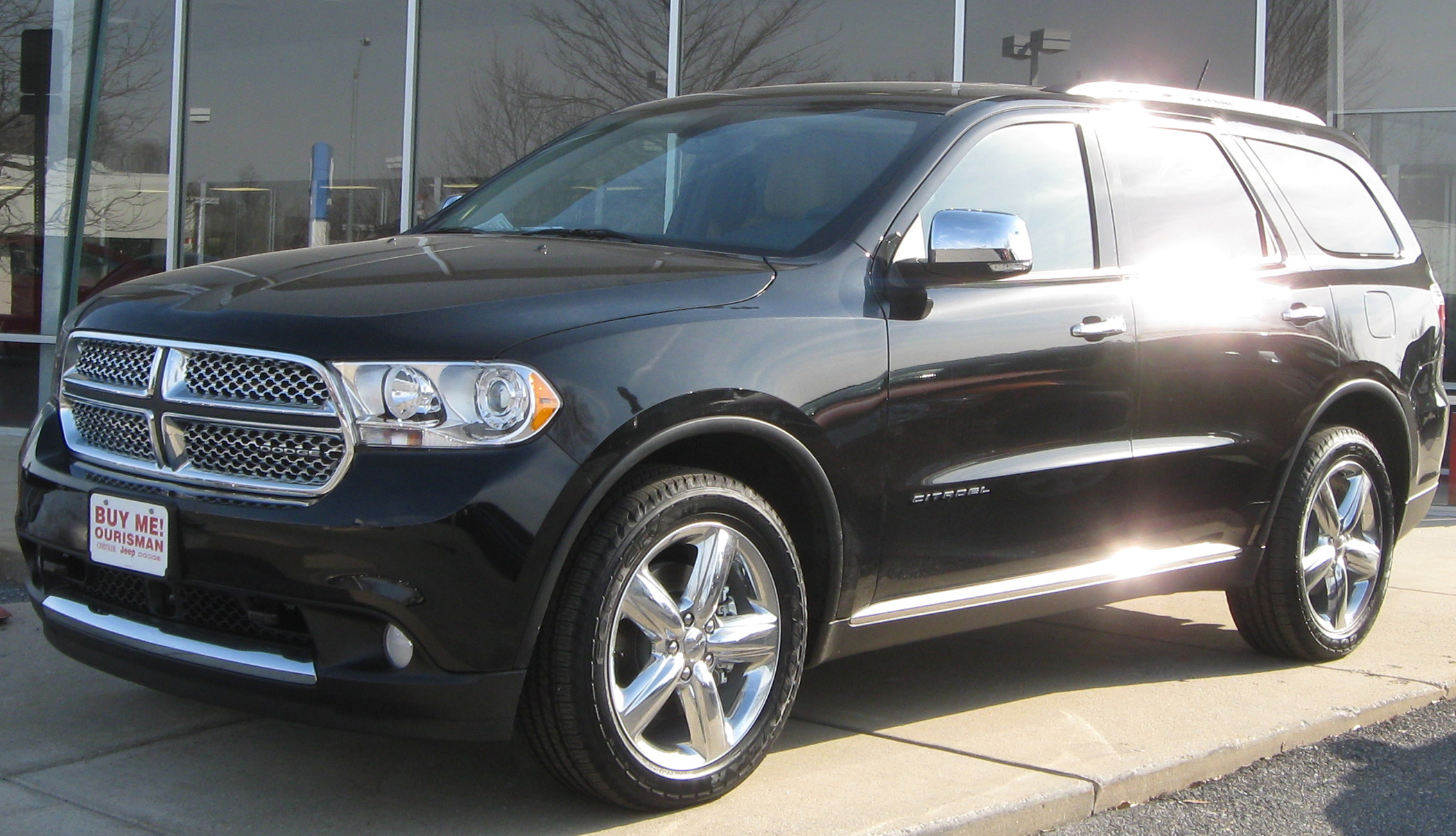
Dodge Durango
"You've got the Dodge Durango, the Dodge Charger. I've had the two-door charger."
The Dodge Durango is a bigger SUV with room for more people. The point here is that dealers are being trained on it by actually driving it.
The Dodge Durango is a three-row SUV that competes in the family-performance and utility segment. In this episode segment, it’s included as one of the vehicles dealer trainees are learning about and getting to drive.

Dodge Charger
"You've got the Dodge Durango, the Dodge Charger. I've had the two-door charger. I've got the four-door coming here pretty quick."
The Dodge Charger is a performance car from Dodge. They’re saying they’ve driven one before and more versions are coming so salespeople can learn what it’s like to drive.
The Dodge Charger is a performance-oriented sedan/large car line (commonly associated with muscle-car heritage) that’s also used as a sales training example here. The host mentions both a two-door Charger experience and a four-door coming, emphasizing that trainees will learn across configurations.
drive it on courses designed by and facilitated by professional drivers
"We're giving them a chance to drive it on courses designed by and facilitated by professional drivers. So our goal is to make sure that they not only enjoy the drive experience, but that they're learning from it, too."
Instead of just sitting in a classroom, the sales team drives the cars on special tracks. Professional drivers help them learn what the car does and how to explain it to customers.
This describes an experiential dealer training approach: trainees drive vehicles on purpose-built courses with instruction from professional drivers. The goal is to convert “on-paper” product knowledge into real-world driving feel and teachable behaviors.

Jeep 392 Moab
"[1509.6s] I'm looking forward to that one. [1511.1s] I've got the Jeep 392 Moab right this minute, and boy, what a beast that thing is."
The “392” in Jeep 392 Moab refers to a big V8 engine. It’s a more aggressive, higher-power version of a Jeep, meant to feel strong both on-road and off-road.
The Jeep 392 Moab is a performance-focused trim built around a high-output 6.4L V8 (the “392” refers to the engine displacement). It’s aimed at buyers who want strong power and off-road capability in a single package, which is why the host calls it a “beast.”

Wrangler Jeep 392
"I'm looking forward to that one. I've got the Jeep 392 Moab right this minute, and boy, what a beast tha..."
The Wrangler is an SUV made for off-road driving. It’s designed to handle rough trails, and it’s also something people can use as a regular daily vehicle. In the conversation, a special Wrangler version is mentioned as being very powerful.
The Wrangler is a Jeep off-road–focused SUV known for its rugged design and strong aftermarket support. It’s often discussed because it can be configured for serious trail use while still being driven daily, and it has a long-running reputation in the off-road community. In the podcast context, it’s referenced through a specific high-performance variant (the 392 Moab) described as a “beast.”
hurricane engine
"[1527.7s] But when I reviewed the hurricane, I told people, look, the hurricane is a superior engine to the Hemi, and I'm an old-school Hemi lover. [1539.0s] So one of the things y'all are doing is teaching yourselves, people, which vehicle is best for them?"
The “hurricane” is a newer engine name being used in the lineup. The host is saying it may be better than the older “Hemi” style engine, at least in performance or overall design.
The “hurricane engine” refers to a newer high-performance engine program used by Stellantis/Chrysler brands, positioned as a modern alternative to the traditional Hemi. The host claims it’s “superior” to the Hemi, framing it as a key part of the brand’s evolving lineup of powertrains.
multi-energy strategy
"[1545.1s] Absolutely. That's absolutely correct. [1548.1s] I mean, you know, we believe in a multi-energy strategy, you know, and it's not, that's not huge news. [1555.3s] A lot of OEMs do."
A “multi-energy strategy” means the company sells vehicles with different kinds of power systems. The goal is to give each customer an option that matches how they drive and what they care about.
A “multi-energy strategy” means offering multiple types of powertrains—such as gasoline, hybrid, and/or other energy sources—so customers can choose what fits their needs. The transcript frames this as a way for dealers to match the right vehicle to the right buyer by understanding the benefits of each powertrain.
powertrains and power plants
"[1557.8s] But what we really try to do, Jerry, is make sure that our people, our participants understand the benefits of each of these powertrains and power plants. [1566.6s] And we take the time to really, you know, give them not only an opportunity to drive them, but we have a classroom session as well."
These terms basically mean the vehicle’s “engine and how it sends power to the wheels.” The point here is that dealers need to understand the differences so they can recommend the right setup for each person.
“Powertrains” and “power plants” are broader terms for the components that generate and deliver power to the wheels (engine plus drivetrain, and sometimes the full propulsion system). The hosts emphasize training so sales teams can explain the differences and benefits of each option to customers.
turnaround
"And I'm so proud of the turnaround that they've done. I had people asking me just a little over a year ago when they had a real idiot at the CEO desk."
A “turnaround” means a company that was struggling is now making changes to get back on track. In car terms, that can mean better leadership and better plans for the cars and dealerships.
A “turnaround” refers to a company reversing poor performance and moving toward profitability and better operations. In automotive, it often involves leadership changes, product strategy, cost control, and dealer/service improvements.
federal gas tax
"It is about the fact that electric vehicles are so popular and they're avoiding having the responsibility of the current federal gas tax, which is 18.4 cents per gallon."
Gas taxes are money collected from each gallon of gas you buy. If you drive an electric car, you’re not buying gasoline, so that specific funding source doesn’t get paid.
The federal gas tax is a per-gallon charge on gasoline that helps fund road maintenance. The segment highlights that electric vehicles don’t pay this tax when they’re not using gasoline, creating a funding gap for road upkeep.
18.4 cents per gallon
"...avoiding having the responsibility of the current federal gas tax, which is 18.4 cents per gallon. So when you're driving an electric car and you're not paying the gas tax..."
They’re quoting the gas tax rate—how much is added to every gallon of gas. The point is that electric cars don’t contribute to that per-gallon tax.
The hosts cite the federal gas tax rate as 18.4 cents per gallon. That number is used to quantify how much road-funding revenue is lost when more drivers switch to electric vehicles.
proposed vehicle weight tax
"And so now they're trying to find a way to get more money to maintain the nation's roads. So now there is a proposed vehicle weight tax that's raising lots of questions."
Because electric cars don’t pay the gas tax, some lawmakers want a different way to fund road repairs. One idea is to charge more for heavier vehicles, since they can damage roads more.
A vehicle weight tax is a proposed way to charge drivers based on how heavy their vehicle is, since heavier vehicles tend to cause more road wear. The segment frames it as a response to electric vehicles not paying the gas tax, aiming to maintain road funding.
EVs are heavier cars
"So these EVs are heavier cars. There's no doubt about that. Yeah, and they tear up the roads more."
EVs usually weigh more than gas cars because of the battery. That extra weight can beat up roads faster, which is why people talk about road damage and repairs.
Electric vehicles tend to be heavier because they carry large battery packs. That extra mass can increase wear on roads and infrastructure, especially where pavement is already in rough shape.
catalytic converter
"O2 sensor or catalytic converter, mainly catalytic converter. When I went to a dealership and I showed them the NSTA report saying that it's not the catalytic converters, they recommend putting cat clean in it twice."
The catalytic converter cleans up the exhaust. If it’s not working right, the car may throw warning codes, but sometimes a sensor problem can cause symptoms that look like a bad catalytic converter.
A catalytic converter reduces harmful exhaust emissions by converting pollutants into less harmful gases. When it’s failing, it can trigger diagnostic trouble codes and performance/emissions issues, but sometimes the root cause is upstream (like sensors) rather than the converter itself.
O2 sensor
"O2 sensor or catalytic converter, mainly catalytic converter. When I went to a dealership and I showed them the NSTA report saying that it's not the catalytic converters,"
The O2 sensor checks the exhaust and helps the car adjust how it burns fuel. If it’s bad, the car may light up the check-engine light and make it look like the catalytic converter is the problem when it isn’t.
An O2 sensor (oxygen sensor) measures how much oxygen is in the exhaust so the engine control system can manage fuel mixture and emissions. A failing O2 sensor can trigger warning lights and can also lead to incorrect assumptions about the catalytic converter.
NSTA report
"When I went to a dealership and I showed them the NSTA report saying that it's not the catalytic converters, they recommend putting cat clean in it twice."
They mention an “NSTA report” as evidence from a diagnostic test. It’s basically a document showing what the emissions system tests indicate, but the exact meaning depends on what NSTA stands for in their area.
The speaker references an “NSTA report” to argue the catalytic converters weren’t the cause. Without more context, this likely refers to a diagnostic printout or emissions inspection result used to interpret check-engine codes and test outcomes.
cat clean
"they recommend putting cat clean in it twice. That should correct the problem if it was the catalytic converter. It would make it go off."
“Cat clean” is a cleaner additive people put in the fuel to try to reduce buildup. It might help if the problem is deposits, but it won’t replace a broken sensor or a genuinely failing catalytic converter.
“Cat clean” refers to an aftermarket fuel/additive product intended to clean deposits and improve emissions system performance. It’s often used as a low-cost attempt to address catalyst-related issues, but it may not fix a true hardware failure like a worn-out catalytic converter or a bad sensor.
dealer machine
"When I went to the dealership, a Ford dealership, they would not even run it on their machine unless I, of course, paid money,"
They’re saying the dealership wouldn’t scan the car’s computer unless they paid. That scan is how shops figure out what code triggered the warning light.
The speaker mentions the dealership wouldn’t run the car on their “machine” unless they paid. This points to diagnostic scan tools used to read stored trouble codes, which can be a paid service at some dealerships.
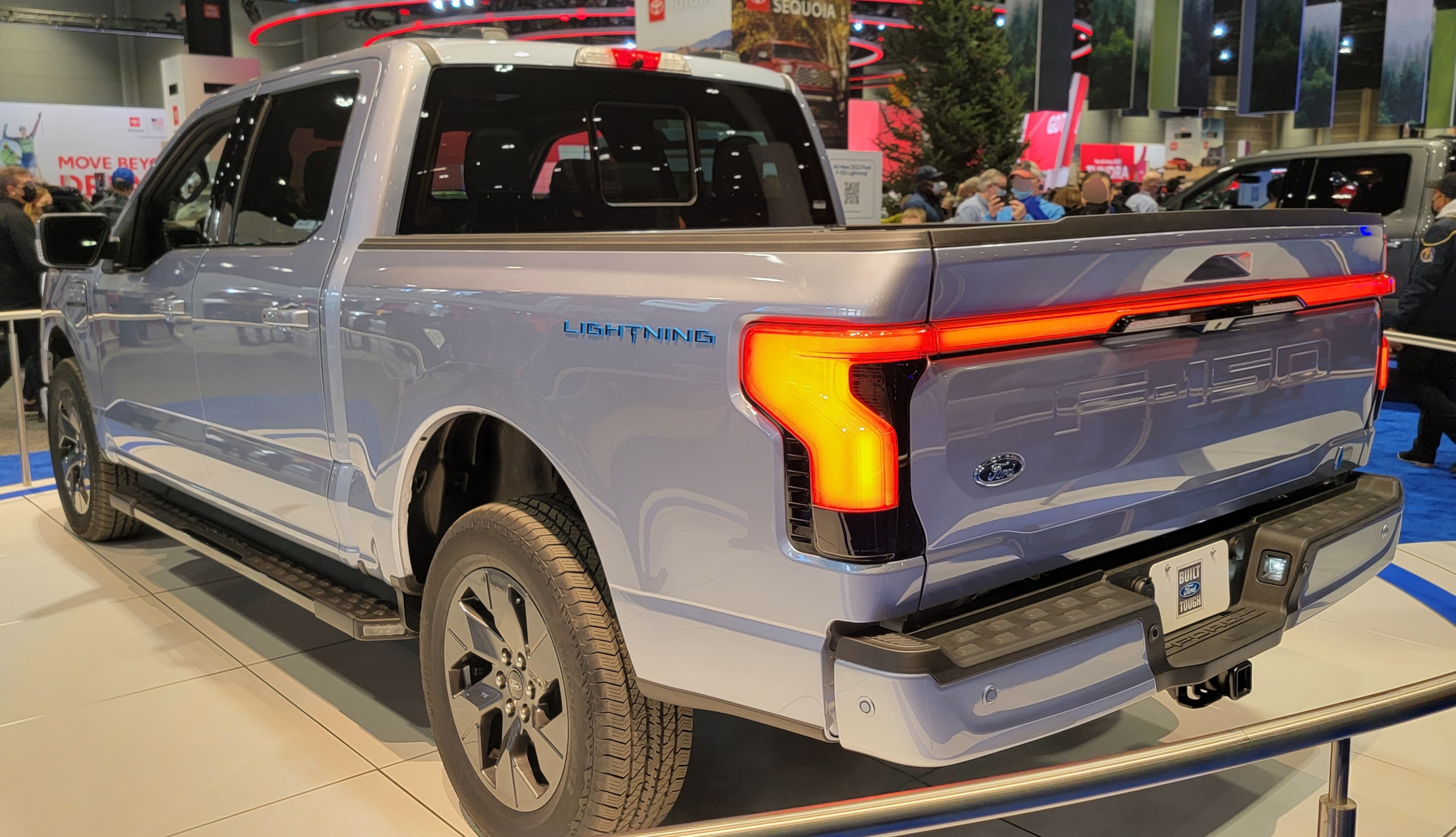
Ford F150
"And then I got told by another mechanic that he thinks there was a recall on the Ford F-150 2020 model for the same reason based on what the NSTA said."
They’re talking about a recall possibility for a 2020 Ford F-150. If your truck has the same problem, a recall can mean the fix is handled by Ford instead of paying out of pocket.
The Ford F-150 is a full-size pickup, and the 2020 model year is being discussed in connection with a potential recall related to catalytic converters. Recalls can be issued when a specific failure pattern is identified, and they may cover emissions components depending on the root cause.
recall
"I got told by another mechanic that he thinks there was a recall on the Ford F-150 2020 model for the same reason... But the first thing to do is check for the recall."
A recall means the manufacturer admits there’s a problem with certain vehicles and offers a fix. It’s important to check recalls first because it could save you money and ensure the repair is done correctly.
A recall is an official action by a manufacturer (or required by regulators) to fix a safety-related or emissions-related defect. For owners, recalls matter because they can change the best next step—often making a repair free or subsidized rather than paying for an individual shop diagnosis and parts replacement.
emissions test
"It's probably not the converters at that mileage. That's usually something that happens later on, but it's not impossible by any stretch. But the first thing to do is check for the recall."
An emissions test checks whether your car is putting out too much pollution. If the catalytic converter isn’t working right, it can cause the car to fail that test.
Emissions tests evaluate how clean a vehicle’s exhaust is, often using tailpipe measurements and onboard diagnostics. Catalytic converter issues commonly show up as elevated emissions or check-engine codes, which is why emissions-related repairs are frequently discussed alongside recalls.
NHTSA
"And how you do that is you go to N-H-T-S-A, National Highway Traffic Safety Administration, dot G-O-V."
NHTSA is the U.S. government site where you can look up recalls for your car. If there’s a recall for your exact vehicle, it can tell you what the problem is and how to get it fixed.
NHTSA (National Highway Traffic Safety Administration) is the U.S. agency that manages vehicle safety recalls. Checking NHTSA can confirm whether your specific make/model/year has an open recall related to the symptoms you’re seeing.
17-digit VIN
"Okay, great. Put your 17-digit VIN in there. And if there's any open recalls at all, they'll pull them up."
A VIN is like your car’s fingerprint. It’s a 17-character code that identifies the exact vehicle, so recall websites can tell you what applies to your specific car.
VIN stands for Vehicle Identification Number, and it’s a unique 17-character code assigned to a specific vehicle. Entering it into recall-check tools lets you see information tied to that exact car, not just a model in general.
trouble code
"Now, the diagnostic equipment that you get when you go to AutoZone and that sort of stuff, it'll give you a code, but it won't tell you the whole story. You may need to get this thing diagnosed by a dealer."
A trouble code is an error message your car stores when it senses something isn’t right. The code helps narrow it down, but it usually doesn’t tell you the exact repair by itself.
A trouble code (often called a DTC) is a stored fault identifier generated when the car’s sensors detect an abnormal condition. Reading the code is a starting point, but multiple issues can trigger similar codes, so it may not reveal the exact fix.
AutoZone
"Now, the diagnostic equipment that you get when you go to AutoZone and that sort of stuff, it'll give you a code, but it won't tell you the whole story. You may need to get this thing diagnosed by a dealer."
AutoZone can scan your car and show error codes. But those codes don’t always tell you exactly what’s wrong, so you may still need a mechanic to figure it out.
AutoZone sells and rents diagnostic scan tools that can read trouble codes from a vehicle’s onboard computer. However, code readers often don’t explain the root cause or the full repair path, so they can require deeper diagnosis.

Kia Sportage
"For example, Lyndon talked to James Seal over in the Dallas, Fort Worth area at Grand Barrichia and January he bought a Sportage EX 2026. He went back recently and bought another one this time for his daughter."
The Kia Sportage is a compact SUV, and “EX” is a higher trim level. They’re talking about a 2026 Sportage EX and which convenience options it did or didn’t include.
The Kia Sportage EX is a trim level of the Kia Sportage compact SUV. In this segment, it’s used as an example of how the caller’s purchase experience and options (like sunroof and power liftgate) were handled by the dealer.
power liftgate
"It really wasn't something that she wanted and they were kind to let him know that, hey, if you want to get the power liftgate, which is what he really was interested in, it comes standard on the EX trim. So they're very helpful there."
A power liftgate is the trunk/back door that opens and closes automatically with a button or remote. They’re saying the EX trim includes it as a standard feature.
A power liftgate is an electronically operated rear hatch that can open and close with a button or key fob. The segment notes that it comes standard on the EX trim, which affects what options you need to pay for.
check engine light
"Our last caller, Melinda, she was talking about recalls and that sort of thing and her check engine like coming on next week in the free weekly newsletter. One of my favorite things to give you every single year is the car MD report on the number, the top 10 causes of your check engine like coming on."
The check engine light means your car’s computer noticed something might be wrong. It could be small, but it could also be serious, so the best next step is to have the codes read with a scanner.
The check engine light is a dashboard warning triggered when the car’s onboard diagnostics (OBD) detect a problem in the engine or emissions systems. It can range from minor issues like a loose gas cap to more serious faults, so it’s important to read the diagnostic trouble codes (DTCs) rather than guessing.
knowing the right time to trade
"Knowing the right time to trade is a huge thing right now. As the car pro Jerry Reynolds on the chase dot com car pro listener line, 1-800-926-7777."
This is about choosing when to sell or trade your car so you get the best deal. Timing matters because car values change with the market and with things like mileage and incentives.
“Knowing the right time to trade” refers to timing a vehicle sale or trade-in to maximize value and minimize downside. Factors include market demand, depreciation trends, mileage, and whether upcoming model-year changes or incentives affect pricing.
Request an Explanation
Heard something you'd like explained? We'll add it to this episode.
Sign in to request explanations for terms you heard.
Want to learn more?
Browse our glossary for plain-English explanations of automotive terms, jargon, and concepts.
Help improve this episode
See something that's not quite right? Our annotations are AI-generated and can sometimes miss the mark. Click the flag icon on any annotation to suggest a correction.