
Car Pro Radio Show June 27 26 Hour 3
About this episode
The show kicks off live in Dallas at a dealership, taking listener calls about car buying and current Ford incentives and employee pricing. A Lexus shopper gets pointed to the ES, with the host praising the ES 350H’s comfort and “well over 50 miles to the gallon in town.” The conversation then shifts to EVs—why incentives are fading, how resale and depreciation shape choices, and a chat-bot trade experience. Later segments cover financing, insurance total-loss thresholds, hybrid battery risk, and warranty disputes involving CarFax timing.
Car Pro Radio Show June 27 26 Hour 3
Hosted by Simplecast, an AdsWizz company. See pcm.adswizz.com for information about our collection and use of personal data for advertising.

Buick Roadmaster
"and then all of a sudden we get a full bank again but it can be yours right now if you call 800-926-7777-800-926-7777. The old roadmaster's with me. Made it in. That's right. You did. Congratulations. Thank you. I'm pretty"
The Buick Roadmaster is an older, full-size car model from Buick. It’s known more for its classic, big-car character than for being a modern daily driver. The podcast mention is likely about the car’s history and recognition.
The Buick Roadmaster is a classic full-size Buick model that’s associated with older American automotive styling and big-car comfort. It’s the kind of name that often appears in conversations about heritage vehicles and nostalgia, especially when discussing older models and their place in the brand’s history. In the podcast snippet, it’s referenced as “the old Roadmaster,” suggesting a focus on the classic car itself.

Lexus RX
"“...my husband gave my son the RX and we really like the Lexus…”"
The Lexus RX is a popular Lexus SUV/crossover. The caller says they already have one in their family, and they’re trying to find something similar to it.
The Lexus RX is Lexus’s mainstream crossover/SUV line, known for comfort and a reputation for being easy to live with. In this segment, it’s mentioned as the car the husband gave their son, setting the context for what the caller wants next.

Lexus ES
"“Well, there's never been a bad year for the Lexus ES. I'm reviewing the 2026 right now…”"
The Lexus ES is a Lexus luxury sedan (a regular car, not an SUV). The host is basically saying it’s a safe choice and that he’s currently reviewing the 2026 version.
The Lexus ES is Lexus’s midsize luxury sedan line, typically positioned as a smooth, comfort-focused alternative to sportier models. Here, the host explicitly recommends the ES and says he’s reviewing the 2026, implying it’s a current, relevant option for the caller’s search.
Lexus ES 350H
"This is the hybrid version. This is the ES 350H. It has a spectacular interior."
The Lexus ES 350H is a hybrid sedan from Lexus. “Hybrid” means it uses both a gas engine and an electric motor to help you get better gas mileage. The host is saying it’s roomy and packed with nice features.
The Lexus ES 350H is a hybrid version of the ES sedan, combining a gasoline engine with an electric motor for better fuel economy. In this segment, the host highlights it as a comfort-focused, feature-rich family car with a large trunk and rear seat space.
hybrid
"This is the hybrid version. This is the ES 350H. It has a spectacular interior."
A hybrid uses two power sources: a gas engine and an electric motor. The electric part can help the car save gas, especially in city traffic.
A hybrid vehicle uses both a gasoline engine and an electric motor. The electric motor can assist acceleration and help reduce fuel use, especially in stop-and-go driving.
panoramic moon roof
"It's got the big panoramic moon roof. It's got pretty wheels. This car has got a massive back seat"
A panoramic moon roof is a big glass section in the roof that brings in lots of light. It can make the inside feel brighter and more spacious.
A panoramic moon roof is a large glass roof panel (often spanning much of the roof) that lets in more light and can make the cabin feel more open. It’s a common premium comfort feature on sedans and crossovers.

Lexus GS
"So I think what Lexus did, because they they've been phasing out cars, they they dropped the GS first, which fell between the ES and the LS, right?"
The Lexus GS is another Lexus sedan model. The host is saying Lexus stopped making it before the ES and LS, as part of changing their lineup.
The Lexus GS is a mid-size luxury sedan line that the host says Lexus phased out earlier than the ES and LS. In this discussion, it’s used to explain how Lexus narrowed its lineup over time.

Lexus LS
"Then they dropped the LS after that. Then they never really dropped the ES, but they stopped production for a good while while they redid everything."
The Lexus LS is Lexus’s top, biggest luxury sedan. The host is saying Lexus stopped making it for a while after dropping the GS.
The Lexus LS is the brand’s flagship full-size luxury sedan. Here, the host mentions Lexus dropping it after the GS, as part of a lineup reduction before later refreshing the ES.
air conditioned heated seats
"This all new car, completely loaded, air conditioned heated seats, big panoramic moon roof, fantastic sound system."
Air-conditioned heated seats combine two functions: heating for cold weather and cooling (via airflow or refrigerant-based systems) for hot weather. This is a premium comfort feature that helps maintain a consistent temperature for occupants.
miles to the gallon
"And I'm actually getting well over 50 miles to the gallon in town with this car."
Miles to the gallon (MPG) tells you how far the car goes using one gallon of gas. Higher MPG usually means better gas mileage and lower fuel costs.
Miles to the gallon (MPG) is a measure of fuel economy that tells you how far the car can travel on one gallon of fuel. Higher MPG generally means you spend less on fuel for the same distance.
Toyota
"I don't see Toyota ever making the ES all electric because they the people who buy this car tend to be a little bit older and they don't want electric."
Toyota is the company that owns Lexus. The host is saying Toyota likely won’t make the ES fully electric because many ES buyers prefer hybrids.
Toyota is the parent company behind Lexus, and the host attributes the ES’s future direction to Toyota’s product strategy. The discussion contrasts hybrid buyers with the idea of switching the ES to a fully electric powertrain.
chat bot
"So he gets online and he thinks he's chatting with a real human being named Quinn. But in all [550.3s] reality, Quinn is AI. Yes, it's a chat bot."
A chat bot is an automated program that talks to you like a person online. In this story, it’s used by a dealership, so the buyer may not realize they’re not talking to a real employee.
A chat bot is software that simulates a conversation with a person using automated rules or AI. Here, the host is describing a dealership using a chat bot to handle customer questions and offers, which can lead to mismatched expectations.
AI
"So he gets online and he thinks he's chatting with a real human being named Quinn. But in all [550.3s] reality, Quinn is AI. Yes, it's a chat bot."
AI means the computer is doing the talking and making responses automatically. In this case, the dealership chat uses AI instead of a person.
AI (artificial intelligence) is computer software that can make decisions or generate responses based on patterns in data. In the transcript, “Quinn” is AI used in a dealership chat, which affects how offers and information are handled.
service appointments
"Oh, sure. Yeah. And that sort of thing. Some [602.3s] people think it'll take the place of salespeople someday. I hope not. I say no. That's probably [607.5s] not going to happen. Yeah. But let's talk now to Charles in Austin, Texas."
“Service appointments” are scheduled times for a dealership or shop to perform maintenance or repairs. The host notes that dealerships use chat bots to book these appointments, which changes the customer experience from talking to a salesperson or service advisor.

Chevrolet Equinox
"What [646.9s] are you thinking about getting next? Tesla Y or the equinox EV Chevy and also ID 423 pro S."
They’re comparing Tesla to the Chevrolet Equinox EV, which is an electric SUV. The discussion is mainly about which one has better deals for the money.
The caller compares the Tesla to an “equinox EV” from Chevy, i.e., the Chevrolet Equinox EV. This is a mainstream electric SUV comparison, focused on how pricing and promotions stack up between brands.
incentives
"automakers besides Tesla and Lucid and Rivian, most of them have cut back on their incentives on electric cars."
Incentives are discounts or money-off deals to get people to buy a car. The host is saying automakers reduced EV discounts because dealers weren’t even stocking the cars.
Incentives are financial offers (like rebates or discounts) automakers use to encourage buyers to purchase a vehicle. The host says many automakers cut back on EV incentives because dealers weren’t ordering EVs, meaning the incentives weren’t effectively moving inventory.
cycle of the automobile industry
"because dealers quit ordering them. They quit building them. And that's the cycle of the automobile industry."
They’re describing a loop where dealers don’t order enough EVs, so the company builds fewer, and sales stay weak. It’s basically how the market can reinforce itself when demand isn’t there.
The speaker describes a feedback loop in the auto market: dealers stop ordering EVs, manufacturers stop building them, and that reinforces lower sales and weaker incentives. It’s a supply-and-demand cycle driven by dealer behavior and consumer uptake.

Model Y
"But I'm going to tell you that for resale value alone, I would get the Model Y and take the Tesla. Okay. Perfect. How about before used?"
The Tesla Model Y is an electric SUV/crossover. The host is basically saying it’s the one that tends to be worth more later, so it’s the safer bet if you care about resale.
The Tesla Model Y is a compact electric crossover that the speaker uses as the default recommendation for value. They argue it holds resale value better than other EVs, so they’d choose it over the Equinox EV for resale reasons.
resale value
"But I'm going to tell you that for resale value alone, I would get the Model Y and take the Tesla."
Resale value is what you can sell the car for after you’ve owned it. The host is saying EVs can drop in price quickly, so resale value is a big deal when choosing one.
Resale value is how much money a car is worth when you sell it later. In this segment, the host argues that resale value matters a lot for EVs because depreciation can be steep, and they believe Tesla models hold value better.
depreciation
"But even they take a pretty good depreciation, especially that first year. So if you could find a couple of year old one that's low mileage..."
Depreciation means the car’s price drops after you buy it. The host says EVs can lose value fast—especially early on—so they prefer leasing or buying used.
Depreciation is the loss of a car’s value over time. The speaker specifically warns that EVs can see significant depreciation in the first year, which is why they recommend leasing or buying used instead of buying new.
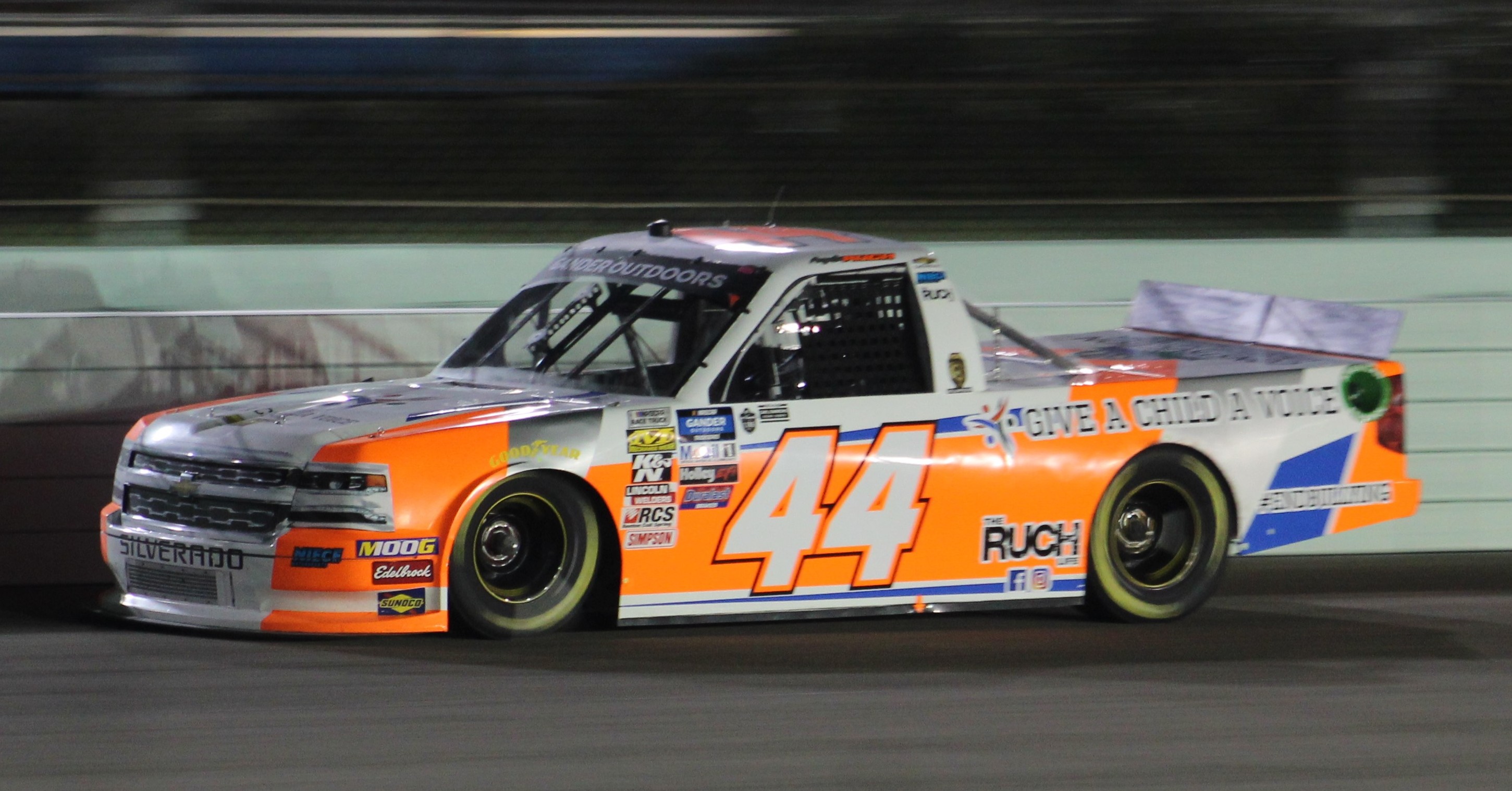
Chevrolet Silverado
"I presently am paying on a 2024 Silverado. It's a really nice truck. But I keep, every time I go out to the Chevrolet dealer, I keep seeing my salesman..."
A Chevrolet Silverado is a big pickup truck. Here, the host is talking about the 2024 version they currently have, and wondering how the newer one will compare.
The Chevrolet Silverado is General Motors’ full-size pickup truck line, and the 2024 model is the current generation being discussed. In this segment, the speaker is paying on a 2024 Silverado and is comparing it to a newer “next” Silverado that isn’t built yet.
Chevrolet dealer
"But I keep, every time I go out to the Chevrolet dealer, I keep seeing my salesman and I ask them about the 27."
A Chevrolet dealer is where you go to buy and service Chevrolet vehicles. The speaker is going there to ask questions about the next Silverado.
A Chevrolet dealer is the franchised retail sales and service network for the Chevrolet brand. In this segment, the speaker visits the dealer to talk to their salesman about whether the upcoming Silverado will be better than the current one.
crystal ball
"Well, Charles, you're asking me to make a prediction, which I don't do, because I can't tell from, you know, I can't, I can't look into my crystal ball and say, well, okay..."
A “crystal ball” is a figure of speech for guessing the future. The speaker is saying they can’t know how the new truck will be until it actually exists and gets tested.
“Crystal ball” is a metaphor for making predictions without real evidence. Here, the speaker says they can’t know for sure how the new Silverado will turn out because it hasn’t been built yet.
General Motors
"I believe that Chevrolet and General Motors has learned a lesson on rushing things. And I believe when this truck does come out, it's going to be spectacular."
General Motors is the big company that makes Chevrolet trucks. The speaker thinks GM will do more testing and fix earlier problems before the next trucks come out.
General Motors (GM) is the automaker behind Chevrolet and the broader truck programs being discussed. The speaker attributes past issues and later improvements to GM’s learning process and increased testing before releasing a new generation of trucks.
6.2
"And they've, they've lost a lot of customers with all the problems they've had with the 6.2. They've had some transmission problems in the past. All that's well documented."
The “6.2” means a 6.2-liter engine size. The speaker is saying there were known problems with that engine and that it also came with transmission trouble in the past.
“6.2” refers to a 6.2-liter engine displacement used in some GM trucks. The speaker claims there were well-documented problems with the 6.2 and mentions transmission issues as part of the reliability concerns.
transmission problems
"They've had some transmission problems in the past. All that's well documented. There's no denying it."
A transmission is what helps send power from the engine to the wheels. The speaker is saying there were past issues with the truck’s transmission that hurt customer confidence.
“Transmission problems” refers to failures or drivability issues in the gearbox that transfers engine power to the wheels. In this segment, the speaker links past transmission issues to customer dissatisfaction and argues GM has learned from them.
total it out
"reaches 70% of the car's value, they total it out, right? Yeah. And that's not a hard fast percentage."
“Total it out” means the insurance company decides the car isn’t worth fixing. They compare the repair estimate to what the car is worth, and if repairs are too expensive, they write it off.
In insurance language, “total it out” means the insurer decides the car is a total loss. That decision is usually based on whether the estimated repair cost is high enough compared with the car’s value.
70 to 75%
"Okay, that seems to be the median number is 70 to 75%. When the estimate of repair exceeds that 75% of the value, then it's total."
Insurers often use a rule of thumb: if fixing the car would cost around 70–75% of what it’s worth, they may declare it a total loss. The exact number isn’t always identical everywhere, but it’s a similar cutoff.
This is the commonly discussed “total loss threshold,” where insurers treat a vehicle as a total loss when repair estimates reach roughly 70–75% of the car’s value. The exact percentage can vary by insurer and state, but the idea is the same: repairs become economically irrational versus replacing the car.
calibrated
"Now with the sensors and, you know, a Subaru windshield with the eyesight system that looks through the windshield, that's got to be calibrated. Yep."
After some windshield replacements, the car’s safety sensors need to be set up again. If they aren’t calibrated, the driver-assist features can stop working or act incorrectly.
“Calibrated” refers to aligning and programming the vehicle’s driver-assistance sensors after windshield replacement. If the sensors (often cameras and related hardware) aren’t calibrated to the correct position, the safety systems may not work properly or may throw faults.
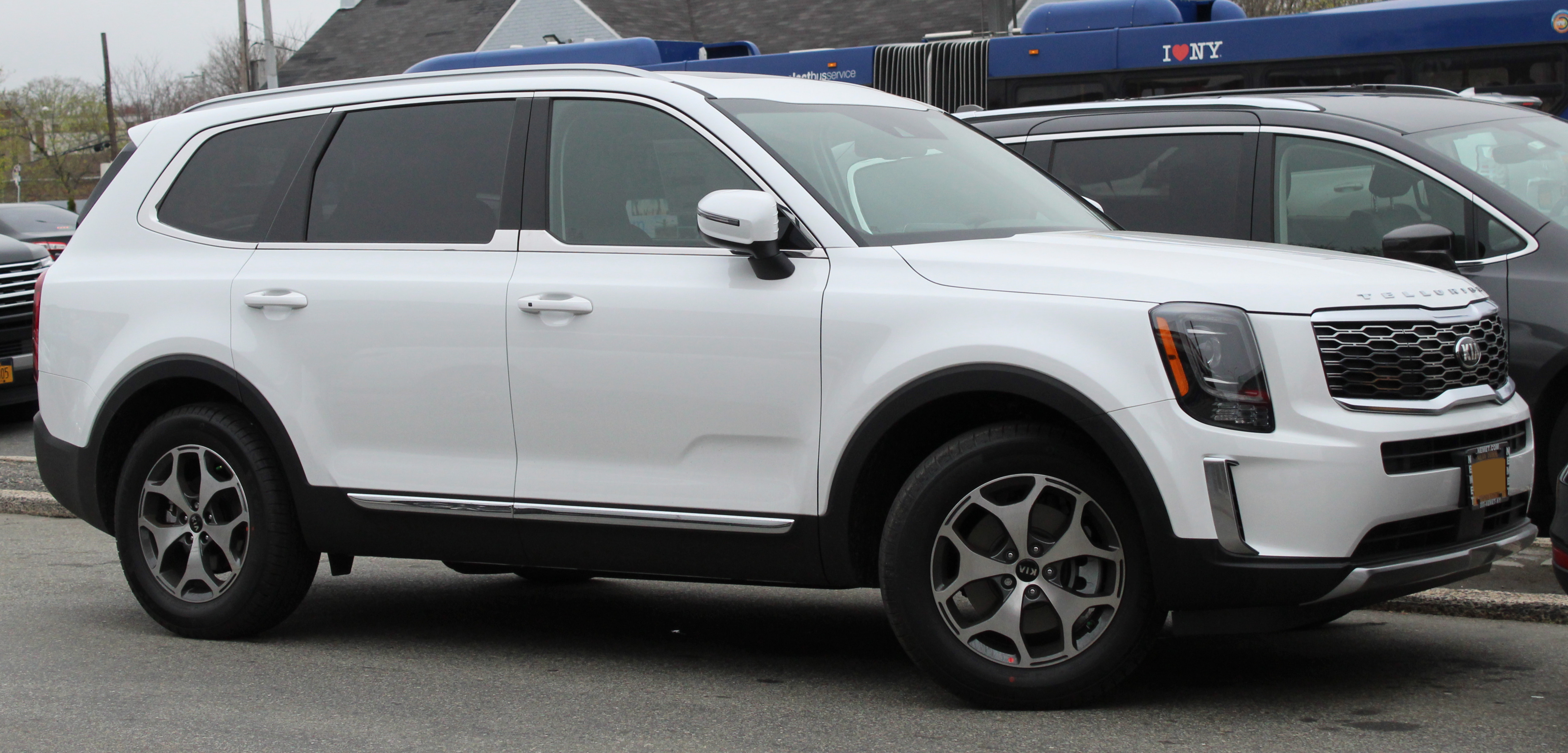
Telluride
"I had to get a replace for the Telluride a few years ago, and it's like double that, at least five or 600 bucks."
The Kia Telluride is a family SUV. If it has safety sensors tied to the windshield, replacing the glass can cost a lot more than you’d expect because the sensors must be set up again.
The Kia Telluride is a modern family SUV that can include advanced driver-assistance tech. The host’s point is that windshield replacement on cars like this can get expensive because the sensors need calibration and the glass may be more complex than older vehicles.

Ford Cmax
"Hey, I've got a 2016 C-Max. Yeah. It's got about 60,000 miles on it, but I generate trade cars about every 10 years."
The Ford C-Max is a compact family car/MPV. In this call, the owner mentions his 2016 C-Max and its fuel economy as part of the broader discussion about what to buy next.
The Ford C-Max (here, a 2016) is a compact multi-purpose vehicle known for being efficient, including hybrid variants. The host uses it as a real-owner example while discussing how people decide whether to keep buying cars and what “American” means to them.

Hyundai Sonata
"...nside our borders as well. It's been, the Hyundai Sonata is one of the best cars out there. I think it's a..."
The Hyundai Sonata is a midsize car (a sedan) designed for comfortable everyday use. It’s known for offering a lot of features without costing as much as some other cars. That’s why it can come up when people talk about good choices in the sedan category.
The Hyundai Sonata is a midsize sedan aimed at offering a comfortable ride and modern features for a reasonable price. It’s often mentioned in “best cars” conversations because it has a strong reputation for value and mainstream appeal. In the podcast context, it’s brought up as a top option that many buyers consider when shopping for a practical sedan.
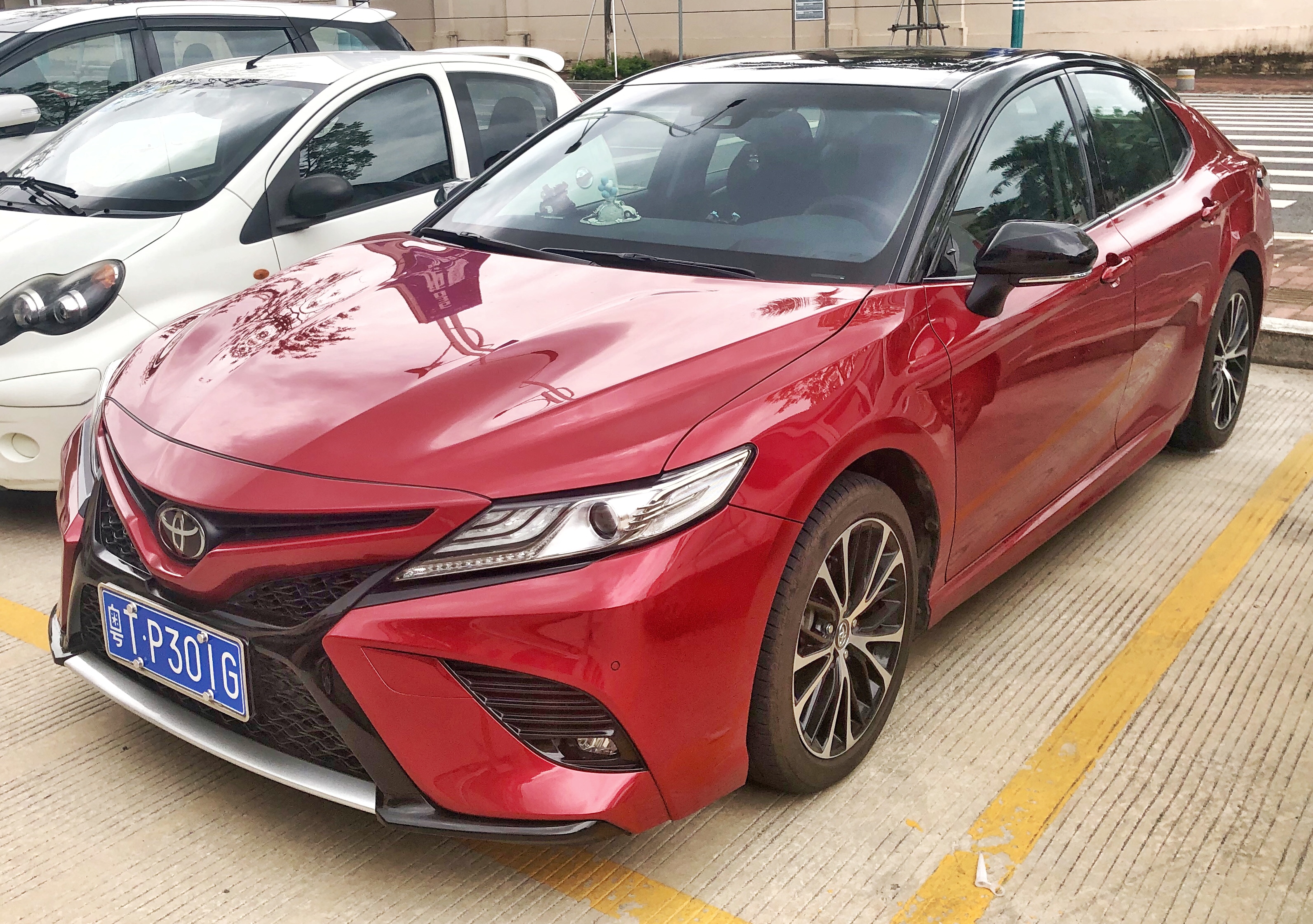
Toyota Camry
"Yeah. I would tell you, if it were me, I'd go either to a Toyota Camry or if you want something a little bit bigger, the Toyota Crown is one of my favorite sedans I've ever reviewed."
The Toyota Camry is a very common, practical family sedan. Here they’re saying the Camry hybrid has a longer track record than some newer hybrid competitors, so it’s easier to feel confident about.
The Toyota Camry is a mainstream midsize sedan known for being a practical, high-volume choice in the U.S. In this segment, the host compares the Camry’s hybrid track record to other hybrids, implying that long-term experience and proven durability matter when choosing a hybrid.

Toyota Crown
"Yeah. I would tell you, if it were me, I'd go either to a Toyota Camry or if you want something a little bit bigger, the Toyota Crown is one of my favorite sedans I've ever reviewed."
The Toyota Crown is a bigger Toyota sedan than the Camry. In this segment, the host recommends it as a step up if you want more room.
The Toyota Crown is a larger Toyota sedan that’s positioned above the Camry in size and typically in comfort/feature level. The host calls it one of their favorite sedans reviewed, framing it as an option if you want something “a little bit bigger.”

Toyota RAV4
"Well, then I'd go with the RAV4. [1352.8s] I'm reviewing it next week. I'll have it all week long. The one that I'm going to have is the plug-in hybrid... but the regular hybrid RAV4, again, the number one selling SUV in America... But I look at the RAV4, I really do truly think that's your best choice."
The Toyota RAV4 is a popular compact SUV. Here the host recommends it, including the hybrid version, and says it’s a safer bet than the C-Max because of concerns about hybrid battery problems.
The Toyota RAV4 is a compact SUV and, in this segment, it’s the host’s recommended choice—especially in hybrid form. They discuss both the plug-in hybrid and the regular hybrid RAV4, and they argue that the hybrid battery/resale-value risk is lower than what they’ve heard about the C-Max.
RAV4 Hybrid Rav4
"...hich may or may not interest you, but the regular hybrid RAV4, again, the number one selling SUV in America. An..."
The Toyota RAV4 is a compact SUV, and it’s available in a hybrid version. A hybrid uses both a gas engine and an electric system to help save fuel. It’s a popular choice, which is why people talk about it a lot when discussing SUVs.
The Toyota RAV4 is a compact SUV that’s widely popular in the U.S., and the podcast specifically references the hybrid version. Hybrid models are often discussed because they can improve fuel economy compared with a standard gas setup while keeping the same practical SUV shape. It’s mentioned here as a top-selling SUV, which is why it frequently comes up in buyer-focused conversations.

2023 Chrysler 300s
"We've bought four different vehicles from them. And we started out with two 2023 Chrysler 300s because we loved them."
The Chrysler 300 is a large, comfortable sedan. Here, the caller says they bought two of the 2023 model because they really liked how it fit their needs.
The Chrysler 300 is a full-size sedan known for its big, comfortable ride and V8 availability in many trims. In this call, the guest says they bought two 2023 Chrysler 300s because they “loved them,” making it the starting point of their vehicle shopping.

2019 Ford Expedition Max and Platinum
"About a year last year, we decided my wife just happened to be looking on them and saw a nice 2019 Ford Expedition Max and Platinum. And we bought that."
The Ford Expedition Max is a big family SUV with three rows of seats, and the “Max” version is longer for extra room. “Platinum” means it’s a nicer, more feature-packed trim level.
The Ford Expedition is a large three-row SUV, and “Max” indicates the longer wheelbase version for more interior space. “Platinum” is a higher trim level that typically adds more luxury features, which is why it’s a common choice when families want a bigger, more comfortable daily driver.

2022 F-250 trimmer, the 6.7
"And then of course, as I was looking, I saw a 2022 F-250 trimmer, the 6.7. And of course, wound up with that."
The Ford F-250 is a heavy-duty truck. The “6.7” is the size of the diesel engine, and diesel engines are commonly picked when you need strong pulling power.
The Ford F-250 is a heavy-duty pickup, and the “6.7” refers to the 6.7-liter diesel engine option. Diesel engines like this are often chosen for towing and long-distance work because they produce strong low-end torque compared with smaller engines.
dealer financing
"If you've ever wondered the difference between dealer financing and bank financing, I mean, there's some obvious things you probably can, you know, surmise from the names of these, but there's an interesting distinction."
Dealer financing means the loan is set up through the car dealership. It can be different from getting a loan directly from a bank, even if the payment ends up looking similar.
Dealer financing is when the car loan is arranged through the dealership, often using lender partners and promotional rates. It can differ from bank financing in how the rate is set and whether the dealer has flexibility to structure the deal.
bank financing
"If you've ever wondered the difference between dealer financing and bank financing, I mean, there's some obvious things you probably can, you know, surmise from the names of these, but there's an interesting distinction."
Bank financing means you get the car loan from a bank or credit union. It’s the alternative to dealer financing, and it’s worth comparing because the cost and terms can be different.
Bank financing is when you get the auto loan directly from a bank or credit union rather than through the dealership. Comparing it to dealer financing helps you see differences in interest rate, fees, and how the lender evaluates your credit.
captive arm
"Of course, dealer financing is called captive arm"
A “captive arm” is a car-company-owned lending company. When you finance through the dealer, the loan may come from that company, which can sometimes offer special deals.
A “captive arm” is a finance company owned or closely controlled by an automaker (or its parent). Dealer financing often routes through these captive lenders, which can offer incentives or promotional rates tied to specific models and terms.
magnetic control ride
"And both top of the lines, I have that I'm not sure suspension ride or magnetic control ride."
This is an advanced suspension setup that can change how stiff the shocks feel. It’s designed to make the ride smoother on rough roads while keeping the car controlled.
“Magnetic control ride” refers to an electronically controlled suspension system that uses magnetic or magnetorheological technology to adjust damping. The goal is to keep the ride smooth while still controlling body motion over bumps and during cornering.
magnetic ride control
"Yeah. And General Motors is using that on all, they just call it something else. I mean, GMC magnetic ride control was GMC's thing."
Magnetic ride control is a system that makes the shocks change how stiff they feel while you drive. The goal is a smoother ride over bumps and better handling when you turn.
Magnetic ride control is an adaptive suspension system that uses electronically controlled dampers to change ride stiffness quickly. It helps the car stay composed over bumps and during cornering by adjusting damping in real time.

Chevrolet Tahoe
"And the Tahoe's got it, but they just they called it something else. So it's the same deal."
The Chevrolet Tahoe is a big SUV. Here, the host is saying it has an adjustable suspension system that helps the ride feel better.
The Chevrolet Tahoe is a full-size SUV, and in this segment it’s mentioned as having magnetic ride control. The point is that GM uses the same underlying suspension approach across multiple SUVs, even if the branding differs.

Cadillac Escalade
"Same with the Escalade. If you want to go that far. Same, same ride and drive. The Escalade, of course, is another upgrade in the interior."
The Cadillac Escalade is a luxury version of a big SUV. The host is saying many of the main mechanical parts are shared with similar GM SUVs, while the differences are more about styling and features.
The Cadillac Escalade is a luxury full-size SUV, and the host notes it shares the same core chassis/powertrain/frame as related GM SUVs. The discussion highlights that differences can be mostly cosmetic and equipment-focused rather than fundamental mechanical changes.

Volkswagen Passat
"Hey, I called two weeks ago about the 2015 VW Passat on the diesel gate warranty."
This is a 2015 Volkswagen Passat. The caller is talking about warranty coverage related to Volkswagen’s diesel-emissions scandal, often referred to as “diesel gate.”
The Volkswagen Passat is a mid-size sedan, and this caller specifically mentions a 2015 model in the context of the “diesel gate” warranty. That points to Volkswagen’s diesel-emissions scandal, where affected cars had extended coverage or repair programs tied to emissions compliance.
diesel gate
"Hey, I called two weeks ago about the 2015 VW Passat on the diesel gate warranty."
“Diesel gate” is the name people use for Volkswagen’s diesel emissions scandal. It led to special warranty coverage and repairs for some affected cars.
“Diesel gate” refers to Volkswagen’s diesel-emissions cheating scandal, where software was used to make emissions controls behave differently during testing. Many affected vehicles received warranty extensions and repair/settlement programs.
warranty
"Hey, I called two weeks ago about the 2015 VW Passat on the diesel gate warranty. Yeah, yeah, yeah. It's still the dealership. The time has now run out."
Here, “warranty” means the coverage that pays for repairs. The caller is saying the dealership thinks the coverage ended on a certain date, but the caller believes the repair was started in time.
In this segment, “warranty” is being used in the specific sense of an extended emissions-related coverage tied to the diesel-emissions settlement. The caller is disputing whether the dealership treated the coverage as expired based on dates and when the repair order was opened.
CarFax
"CarFax shows how active is the CarFax. CarFax shows the title was issued the 19th, and pre-inspection, pre-delivery inspection was done"
CarFax is a service that creates a report about a used car’s history using records from different places. The host is using it to check dates like when the title was issued and when an inspection was recorded.
CarFax is a vehicle history report service that compiles records like title issuance and service/inspection events. In this segment, the host cites CarFax dates to argue about whether a pre-delivery inspection happened when it should have.
pre-delivery inspection
"CarFax shows the title was issued the 19th, and pre-inspection, pre-delivery inspection was done the 16th on CarFax."
A pre-delivery inspection is a final check done before a new car is handed to the buyer. It’s meant to make sure the car is in good shape and ready to be sold, and the timing can matter if there’s a disagreement about what was done and when.
A pre-delivery inspection (PDI) is a checklist process performed before a new car is delivered to the customer. It typically verifies that the vehicle is properly assembled, has no defects, and is ready to be sold—so the recorded PDI date can matter in disputes about what happened before delivery.
contingency
"taking the case and maybe splitting it with you on a contingency or something. But brother,"
A contingency arrangement means the lawyer only gets paid if you win or get money from the case. The host is saying that could be one way to pursue the dispute.
A contingency fee is a lawyer payment arrangement where the attorney gets paid only if the case is successful, usually taking a percentage of the recovery. The host mentions it as a possible way a dispute could be handled financially.
Request an Explanation
Heard something you'd like explained? We'll add it to this episode.
Sign in to request explanations for terms you heard.
Want to learn more?
Browse our glossary for plain-English explanations of automotive terms, jargon, and concepts.
Help improve this episode
See something that's not quite right? Our annotations are AI-generated and can sometimes miss the mark. Click the flag icon on any annotation to suggest a correction.