
Car Pro Radio Show May 23 26 Hour 3
About this episode
Favorite-car stories kick things off, from “First car 1970 Camaro.” to an “85 Cougar” with “5.0 under the hood,” plus a caller’s “1953 DeSoto Fire Dome” and a Fire Dome explanation about “one of Chrysler's first 10 engines.” The show then pivots to practical ownership: EV range drops in stop-and-go (“cut that range in half”), and lease mileage penalties can be brutal (“the penalty is going to kill you”). It closes with Memorial Day tribute directions and flag half-staff timing.
Car Pro Radio Show May 23 26 Hour 3
Hosted by Simplecast, an AdsWizz company. See pcm.adswizz.com for information about our collection and use of personal data for advertising.
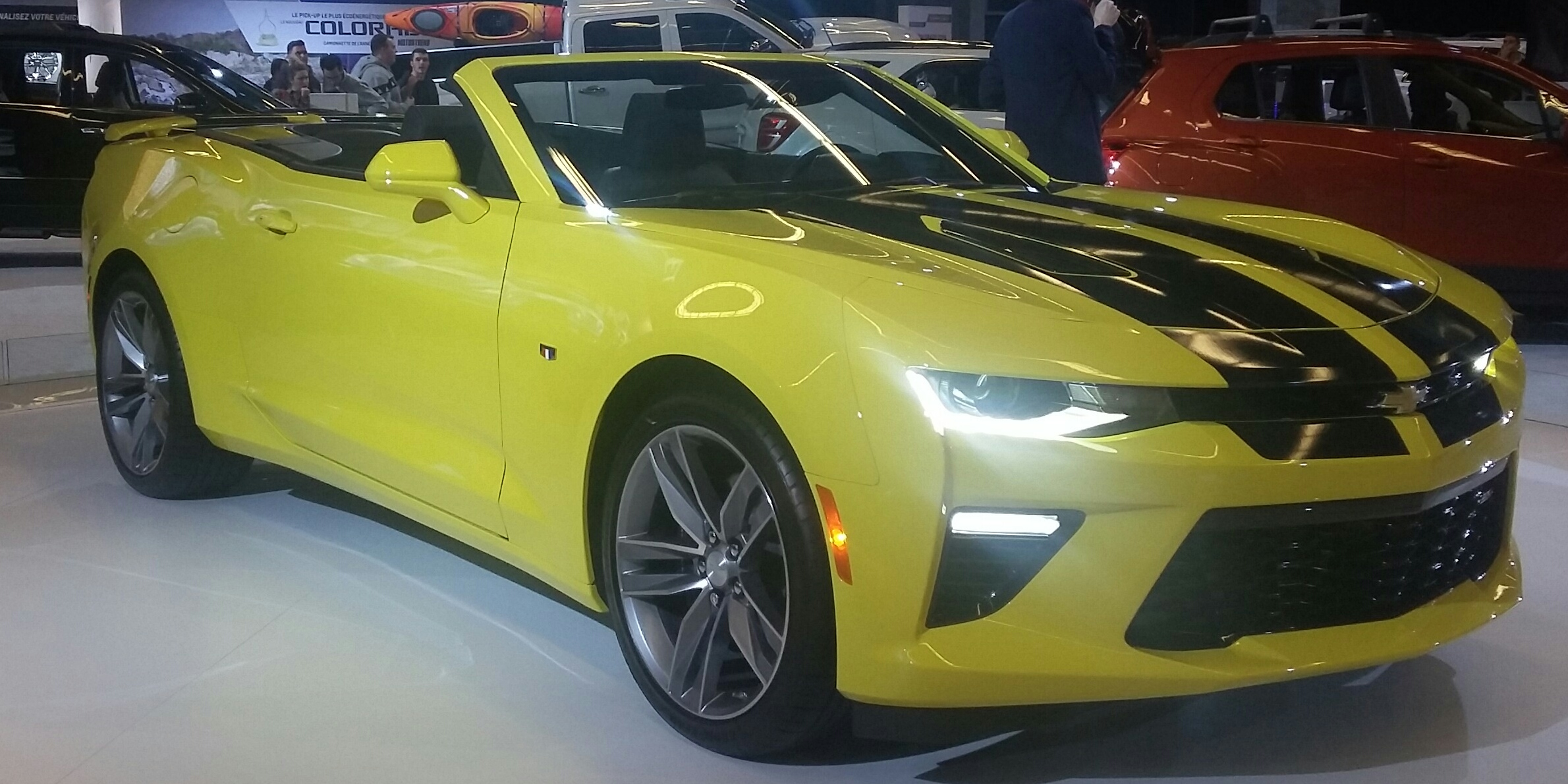
Chevrolet Camaro
"[196.2s] First car 1970 Camaro. [199.0s] Nice. [201.3s] I remember those."
The 1970 Camaro is a classic muscle car from Chevrolet. People love it because it looks great and it was built to be fast, especially with V8 engines.
The 1970 Camaro is a classic Chevrolet muscle car from the first generation of the modern-era Camaro. It’s especially remembered for its bold styling and the way it became a popular platform for V8 performance builds.

85 Cougar
"[206.3s] What's your favorite? [207.9s] Oh, and my favorite car was my 85 Cougar. [213.5s] I love that body style."
The 1985 Mercury Cougar is a classic 1980s Mercury coupe. The host brings it up as a favorite because of how it looked and the kind of engine it could have.
The 1985 Mercury Cougar is a personal-luxury coupe from Mercury’s lineup, known for its distinctive 1980s body style. In this segment it’s highlighted as the host’s favorite car, tying the model to a specific era of styling and V8 availability.
5.0 under the hood
"[221.0s] And he had any and he had the 5.0 under the hood. [224.1s] Yeah. [224.7s] Exactly."
“5.0” means the engine was about 5.0 liters. That usually indicates a bigger V8 engine, which tends to feel stronger than smaller engines.
“5.0” refers to a 5.0-liter V8 engine displacement, a common way enthusiasts describe engine size. In this context, it signals the host’s Cougar had a V8 with a relatively large displacement for that era.

1953 DeSoto Fire Dome
"First car favorite car. [280.5s] First car was a 1953 DeSoto Fire Dome. [285.6s] Wow. [286.6s] Okay. [287.3s] I'm not familiar with that one. [289.7s] 53 DeSoto."
A 1953 DeSoto Fire Dome is an older American car from the DeSoto brand. It’s remembered because it’s from a time when car makers had lots of unique model names and styling.
The DeSoto Fire Dome is a mid-century DeSoto model from the early 1950s, a brand that sat under Chrysler. A 1953 example is notable for its distinctive styling and for being part of the era when American automakers offered lots of model-specific trim and engine options.

Chevrolet Impala
"And she bought a brand new 1965 Chevy Impala, but she's happy and I'm happy. And it was my car that I used to go to college in."
A 1965 Chevy Impala is a classic American car from the mid-1960s. The host is saying they used to drive this car and it’s part of a personal story about racing.
The Chevrolet Impala is a full-size American car that became a long-running family of models, and the 1965 version is especially iconic for its mid-60s styling. In this story, the 1965 Chevy Impala is the speaker’s personal car and the baseline for the racing anecdote.

1956 Chevy
"But anyway, there was a 1956 Chevy and he wanted to race me. Now in the state 20 heading towards the Texas border."
A 1956 Chevy is a very old-school classic Chevrolet from the 1950s. In the story, it’s the car that wanted to race the host.
The 1956 Chevrolet is a classic first-year of the modernized mid-50s Chevy styling era, often remembered for its distinctive look and V8-era performance culture. Here it’s mentioned as the other car in a street-racing challenge.
Hemi engine
"Now, little did he knew. No, but I had that Hemi engine in there. Right."
A “Hemi engine” is a type of V8 engine known for its special combustion-chamber shape. The host is saying they had a powerful engine that helped them in a race.
A “Hemi engine” refers to a hemispherical combustion-chamber design, commonly associated with Chrysler’s Hemi V8s. The shape helps airflow and combustion efficiency, which is why people often link Hemis with strong performance.
blue light special
"And so we started racing down there and all of a sudden there's a blue light special in the back of us. My thoughts were, I better go a little bit faster, get across that border and win this"
“Blue light special” is a slang way to say police are coming with their flashing blue lights. The host is worried the police will stop the other car.
“Blue light special” is slang for police lights—typically meaning law enforcement is approaching and may pull someone over. In the context of the story, it adds urgency to the race because the other driver could get stopped.
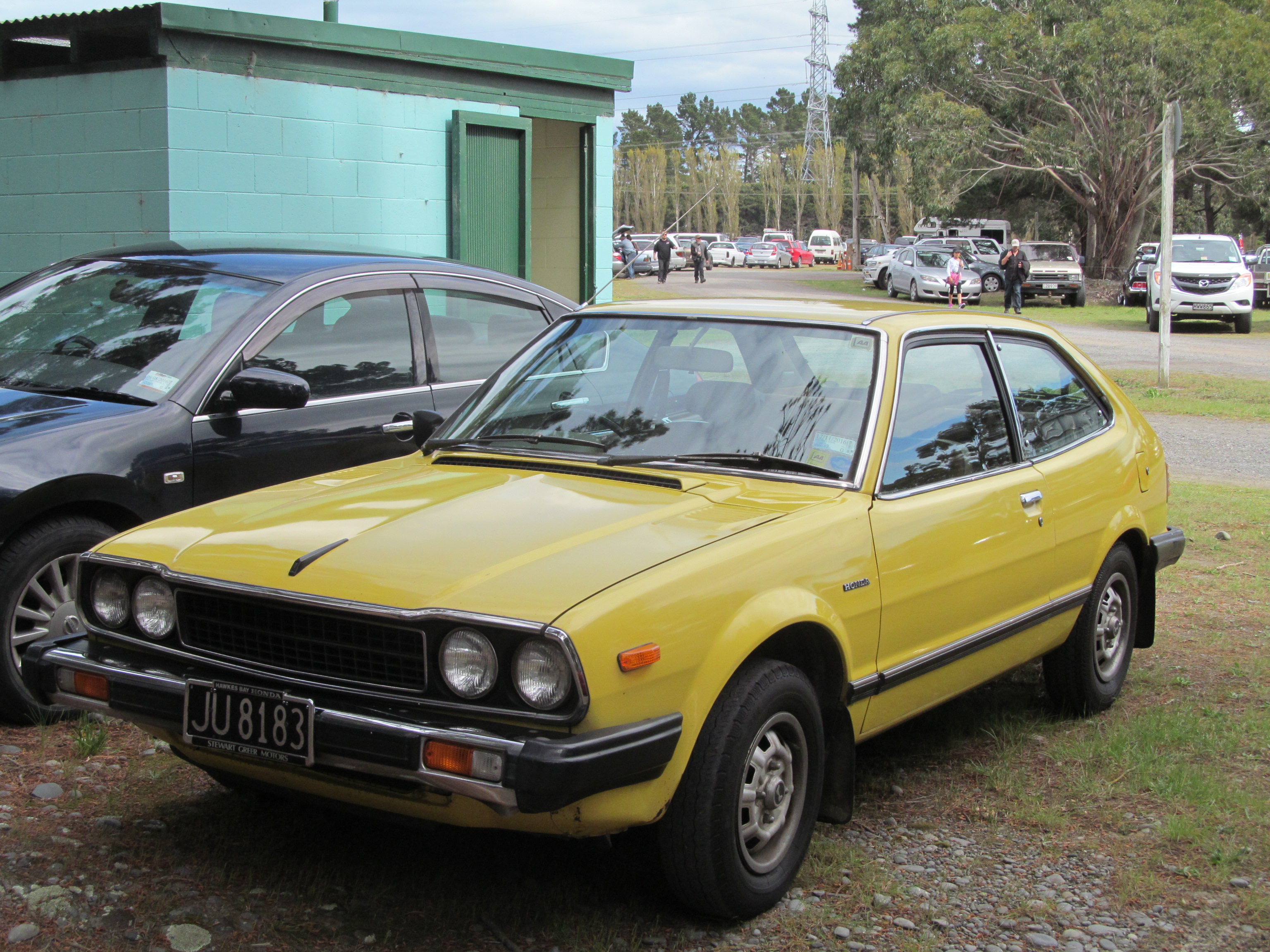
2009 Honda Accord Coupe
"Well, since then, it's a 2009 Honda Accord Coupe. [429.0s] This is the one with the V6 in it. [431.7s] Yep."
This is a 2009 Honda Accord in a two-door (coupe) style. The host mentions it has a V6 engine, which usually means it feels quicker than the smaller engine versions.
The 2009 Honda Accord Coupe is a mid-size Honda with a sporty two-door body style. In this conversation, it’s specifically the V6-equipped version, which is notable because the V6 gives it stronger acceleration than the four-cylinder models.

2026 Audi SQ5
"I don't remember the third one, to be honest with you, but I know for a fact I've got the 2026 Audi SQ5. All right. It's a beautiful SUV."
An Audi SQ5 is a sportier version of the regular Audi Q5 SUV. The “SQ” usually means it’s tuned to feel quicker and more responsive than the standard model, and the 2026 year can bring updates.
The Audi SQ5 is a performance-focused version of the Q5 SUV, and the “SQ” badge typically indicates a sport-tuned powertrain and chassis setup. Mentioning the 2026 model year matters because Audi can update engines, infotainment, and driver-assist features across model years.

Ford Ranger Raptor
"I've got the Ford Ranger Raptor. The Ford Ranger Raptor, which I've never had before. Wow."
The Ford Ranger Raptor is a tougher, off-road version of the Ford Ranger pickup. It’s designed to handle rough roads better than a typical pickup, and the speaker is saying they haven’t owned one before.
The Ford Ranger Raptor is a rugged, off-road–oriented pickup built on the Ranger platform, with suspension and tires tuned for rough terrain. It’s notable here because the speaker specifically calls out having never had one before, implying a different ownership experience than their usual vehicles.

F-150 Raptor
"It's a beautiful SUV. I've got the Ford Ranger Raptor. The Ford Ranger Raptor, which I've never had bef..."
The Ford F-150 is a large pickup truck with a bed for hauling and towing. People talk about it because it’s available in many different versions for different needs. It’s commonly chosen for both work and personal use.
The Ford F-150 is a full-size pickup truck known for its wide range of configurations and strong popularity in North America. It’s often discussed because it’s a go-to choice for work and everyday use, with many engine and trim options. In the podcast context, it appears alongside other Ford performance-oriented models, suggesting a broader conversation about Ford trucks and SUVs.

Mazda 6
"What can I do for you? So I have a 2021 Mazda 6 signature. I love it."
The Mazda 6 MPS is a sportier version of the Mazda 6 sedan. It’s meant to drive more enthusiastically than a regular, everyday Mazda 6. People mention it when they’re talking about owning or choosing a more performance-focused sedan.
The Mazda 6 MPS is a performance-oriented variant of the Mazda 6, built to deliver a sportier driving experience than a standard model. It’s notable because it blends a family-sedan layout with performance upgrades aimed at stronger acceleration and handling. In the podcast context, it’s mentioned alongside a personal ownership reference, indicating it’s part of someone’s experience with Mazda 6 models.

Bmw I4
"I've looked at the Tesla 3. I've looked at the BMW i4. I'm thinking about going with a used vehicle."
The BMW i4 is a fully electric car shaped like a sedan. Instead of using gasoline, it runs on a battery and you charge it at home or at public chargers. People consider it when they’re shopping for a used electric car.
The BMW i4 is an all-electric sedan that uses an electric motor for propulsion and is designed to deliver a more traditional sedan driving feel while running on electricity. It’s discussed in the context of used shopping because buyers compare it against other electric vehicles for range, charging practicality, and daily comfort. The i4 often comes up when someone wants an EV with a sporty, upscale interior and performance-oriented tuning.
hybrid system benefit in town (under 40 miles an hour)
"[764.5s] The hybrid will do you the. [765.8s] I'm sorry. [766.3s] The hybrid will give you the most benefit in town when you're when [771.0s] you're driving under 40 miles an hour, not when you're driving over [775.1s] 40 miles an hour. [776.5s] And it sounds to me like you're going to be doing a lot of under 40. [780.3s] And that's where that hybrid really shines."
A hybrid usually saves the most fuel in city driving. That’s because it can use the electric motor at low speeds and it can recover energy when you slow down.
Hybrid drivetrains typically deliver their biggest real-world efficiency gains in city conditions because they can use the electric motor at low speeds and recapture energy during deceleration. The hosts specifically tie the advantage to driving under about 40 miles per hour, where the car spends more time in low-speed, stop-and-go operation.
wheelbase
"[802.2s] He said one of the things that I love about the six is the wheelbase. [806.0s] I'm not a small guy. [807.7s] Yeah. [808.0s] And so I love the leg room. [809.8s] I love everything about the wheelbase on the six and he said that [813.1s] there's a one inch difference on the Mazda hybrid versus the six."
Wheelbase is the distance between the front and rear wheels. A longer wheelbase often means more space inside, like better leg room.
Wheelbase is the distance between a car’s front and rear axles. A longer wheelbase generally helps interior space—especially rear-seat leg room—because it gives designers more room to package the cabin.

Toyota Highlander
"... favorites are the traverse, the Explorer and the Highlander. Now, I may throw the pilot in there after having..."
The Toyota Highlander is a midsize SUV that’s made to carry people and gear comfortably. Many versions have a third row for extra passengers. It’s commonly talked about because it’s practical for daily life and family trips.
The Toyota Highlander is a midsize SUV known for comfortable family seating and available three-row capacity. It’s frequently mentioned because it blends everyday usability with a reputation for long-term ownership. In podcast discussions, it often appears when people list dependable SUV choices for families or commuters.

Ford Explorer
"...ow SUV lineup. My favorites are the traverse, the Explorer and the Highlander. Now, I may throw the pilot in..."
The Ford Explorer is a family SUV that can carry several people, usually including a third row. People talk about it because it’s a well-known model and comes in different versions. It’s often chosen for everyday driving and road trips.
The Ford Explorer is a midsize three-row SUV built for family use, with seating and space designed for passengers and cargo. It’s often discussed because it’s a long-running model with multiple powertrain and trim options, making it a common benchmark in the SUV market. In a podcast, it may come up as a favorite or as a practical alternative within a lineup of popular family SUVs.

Chevrolet Traverse
"[944.8s] I can't really say that about this pilot. [947.0s] But the traverse has got a nice size for two adults, at least third row seat. [956.1s] So they're not cramped. [957.4s] And then you've got cargo area behind that."
The Chevrolet Traverse is a family SUV with three rows of seats. They’re saying it has enough space in the back row for adults and still leaves room for luggage behind the seats.
The Chevrolet Traverse is a three-row midsize SUV known for using its interior space efficiently. In this segment, the hosts highlight that the Traverse has usable room for two adults in the third row and a cargo area behind the third row.

Chevrolet Suburban
"[957.4s] And then you've got cargo area behind that. [960.8s] And that is unless you get up into a Tahoe or suburban or one of those, [968.7s] that's hard to find."
The Chevrolet Suburban is a very roomy three-row SUV. They’re using it as an example of the bigger category you’d move into if you want more space.
The Chevrolet Suburban is a large, three-row SUV (often considered a full-size family hauler) known for maximizing passenger and cargo space. In this segment, it’s grouped with the Tahoe as a bigger step up where the same “hard to find” practicality or deal is less common.

Chevrolet Tahoe
"[957.4s] And then you've got cargo area behind that. [960.8s] And that is unless you get up into a Tahoe or suburban or one of those, [968.7s] that's hard to find."
The Chevrolet Tahoe is a bigger three-row SUV. The host is comparing it to the Traverse and implying it can be harder to find the same kind of deal or setup.
The Chevrolet Tahoe is a large three-row SUV that’s often used as a benchmark for space and capability in the full-size SUV class. Here, it’s mentioned as a higher-priced alternative where it’s “hard to find” similar cargo/third-row practicality.
Classic Chevy Sugarland
"[991.3s] So from Baytown, I think Sugarland is going to be closest to you. [998.4s] Classic Chevy Sugarland. [1000.7s] Zack Cypert."
Classic Chevy Sugarland is a Chevrolet dealership. The host is saying it’s close to you and that they have inventory and can help you find the exact vehicle you want.
Classic Chevy Sugarland is referenced as a local Chevrolet dealership. The host says it’s likely the closest option for the listener and that the dealer stocks many vehicles and can source from other stores.

Buick Roadmaster
"...ro is Jerry Reynolds. I'm Todd Chambliss, the old roadmaster. This is Memorial Day weekend."
The Buick Roadmaster is a large, older-style car made by Buick. It was designed for comfortable driving and typically had a big engine. It comes up in stories because it’s a classic model people remember from earlier decades.
The Buick Roadmaster is a full-size Buick model that’s historically associated with large, comfortable American cars from the mid-20th century. It’s significant because it represents an era of big-body styling and classic V8-powered cruising. In a podcast, it may be mentioned as a personal favorite or as part of a host’s automotive history.
axle
"The axle. One thing that happened was the axle broke and I took it, you know, to the Fiat mechanic that I went to who actually said, you know, yours is the worst one I've ever seen."
The axle is the part that connects the wheels to the car and helps them roll. If the axle breaks, the wheel can’t be properly supported or driven, and the car can become unsafe right away.
An axle is the shaft that transmits power and supports the wheels, helping the vehicle move and transfer forces during driving. When the axle breaks—as described here—it can quickly turn a car into an unsafe, non-drivable situation.
metal fatigue
"And he said it was just basically metal fatigue that the axle was starting to crack. And he said, if you'd driven another five or 10 miles, the whole thing would have broken it."
Metal fatigue means the metal gets damaged little by little from repeated loading—like flexing back and forth. Eventually, that damage can turn into a crack that leads to a failure.
Metal fatigue is the progressive cracking of metal caused by repeated stress cycles over time. In the axle’s case, the mechanic is saying the axle was gradually developing cracks until it could fail completely.

Audi A6 twin turbo
"I don't remember the exact year, but it was an Audi A6 twin turbo. Nice."
This is an Audi A6 with a twin-turbo engine. “Twin turbo” means the engine uses two turbochargers to help it make more power and feel quicker.
The Audi A6 twin turbo refers to an A6 equipped with a twin-turbo setup, meaning two turbochargers are used to boost engine power. Twin-turbo designs are often chosen to improve low-end response and overall acceleration compared with a single turbo.

Audi A8
"And for favorite car, I said an Audi A8. I had an A8L 2012 that had the V8."
The Audi A8 is a top-of-the-line luxury sedan. Here, the host talks about an A8L with a V8, and says it was one of the most comfortable and enjoyable cars they’ve owned.
The Audi A8 is Audi’s flagship luxury sedan, known for its upscale interior and smooth, effortless highway driving. In this segment, the host specifically mentions an A8L with a V8, highlighting the long-wheelbase (L) version and the V8 engine as the reason they loved how it drove.
V8
"I had an A8L 2012 that had the V8. And I just to this day, I love that car."
A V8 is an engine with eight cylinders. It usually provides smooth, strong power, which helps big luxury cars feel relaxed and quick.
A V8 is an engine with eight cylinders arranged in a “V” shape. More cylinders generally allow smoother power delivery and strong torque, which can make a large luxury car like the Audi A8 feel effortless.
Park Place
"As soon as some use will start to hit the market and Park Place, Mercedes and Dallas traded for one."
Park Place is a luxury car dealership. Here, it’s just being used as an example of where someone traded for the car.
Park Place is a luxury car dealership group that’s often mentioned in the context of high-end vehicle deliveries and customer purchases. In this segment, it’s used as a reference point for where the speaker’s Mercedes trade happened.
Mercedes
"As soon as some use will start to hit the market and Park Place, Mercedes and Dallas traded for one."
Mercedes is a luxury car brand. In this quote, it’s mentioned as part of the story about who traded for the car.
Mercedes-Benz is the German luxury brand referenced here. The speaker is talking about getting the Audi A8 once used examples start showing up, and mentions Mercedes as part of the trading/purchasing context.
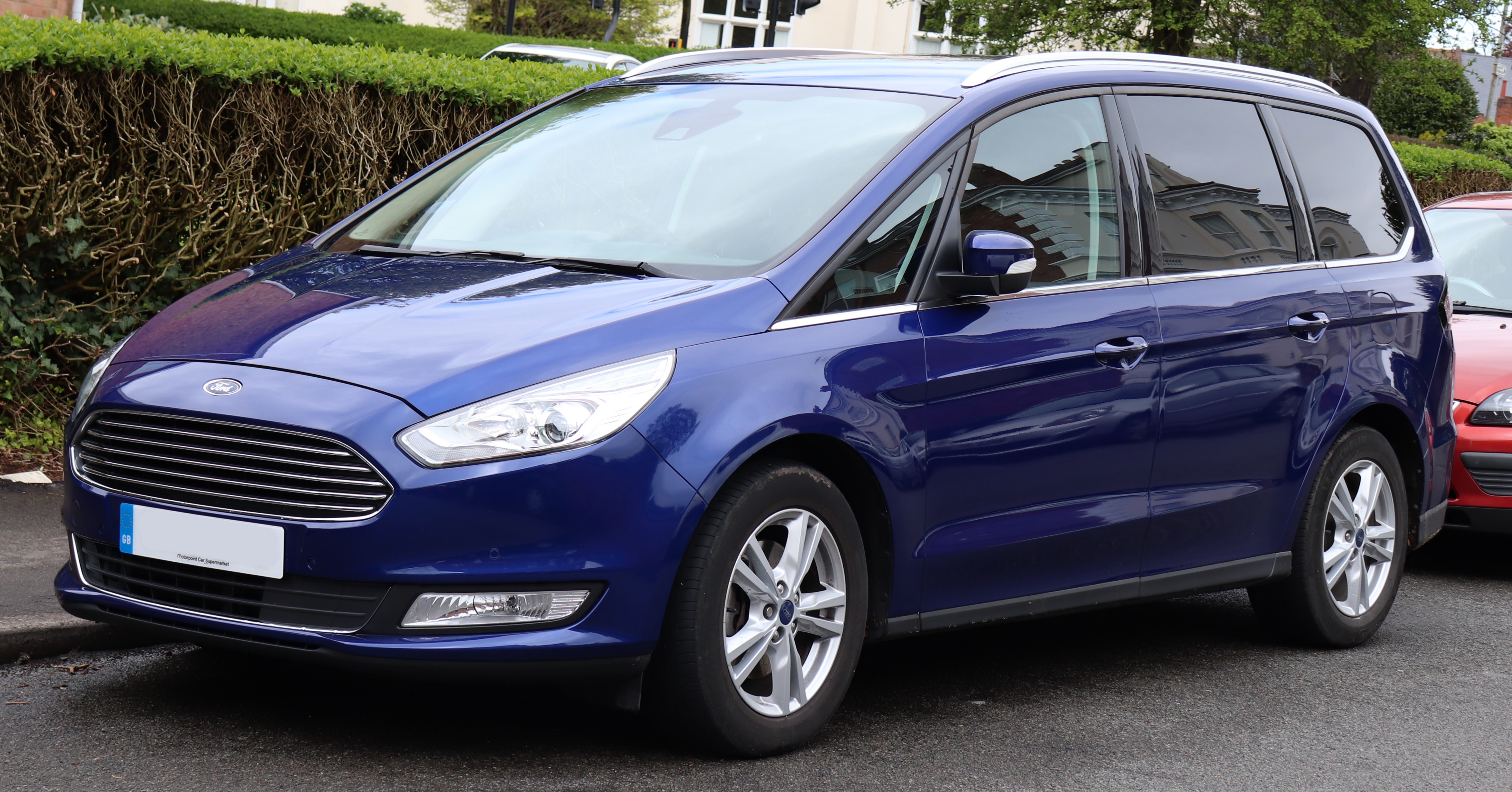
Ford Galaxy 500 XL fastback
"It was a 63 and a half Ford Galaxy 500 XL fastback. In peacock blue with the matching blue vinyl bucket seats."
This is a 1960s Ford coupe called the Galaxy 500 XL. It’s a “fastback,” meaning the roofline slopes smoothly into the back, and it was a popular style back then.
The Ford Galaxy 500 XL fastback is a mid-1960s personal-luxury coupe from Ford, known for its long hood, full-size proportions, and sporty “XL” trim. In this story it’s specifically the speaker’s first car, described with period details like the fastback body style and interior/exterior color choices.
390
"It had the wire wheel covers, a 390. It was a brass hat car that I was able to get."
“390” is the engine size, measured in cubic inches. Bigger numbers like this usually mean a more powerful, old-school V8.
“390” refers to the engine displacement—390 cubic inches—in Ford’s big-block V8 family used in the 1960s. It’s a shorthand enthusiasts use to identify the engine’s size and, by extension, its era-typical power and character.
wire wheel covers
"It had the wire wheel covers, a 390. It was a brass hat car that I was able to get."
Wire wheel covers are fake “wire-spoke” style covers for the wheels. They’re mainly for looks, to make the car look more classic and expensive.
Wire wheel covers are decorative covers designed to mimic the look of wire-spoke wheels without being the actual wire-spoke wheel. They were a common styling upgrade on classic cars, giving a more upscale or “sporty” appearance.
brass hat
"It was a brass hat car that I was able to get. My father knew somebody who worked for Ford."
“Brass hat” is slang for an important person or executive. Here, it means the car was connected to Ford leadership, not just an ordinary customer car.
“Brass hat” is a slang term for a high-ranking executive or official. In this context, the speaker clarifies it means a Ford executive car, i.e., a vehicle associated with company leadership rather than a typical retail purchase.
2015 Jaguar XJL portfolio
"It's a 2015 Jaguar XJL portfolio in dark sapphire with Bordeaux Super Sport semi-aniline leather trim."
This is a Jaguar XJ sedan, but stretched longer (the “L” part). The “portfolio” trim is a nicer, more upscale version, and the person talking says theirs is a particularly uncommon setup.
The Jaguar XJL is a long-wheelbase version of Jaguar’s XJ sedan, and the 2015 “portfolio” trim is positioned as a more upscale, comfort-and-luxury-focused configuration. This is notable because the speaker specifically calls out a rare interior package, implying it’s a less common build on the road.
semi-aniline leather trim
"It's a 2015 Jaguar XJL portfolio in dark sapphire with Bordeaux Super Sport semi-aniline leather trim."
Semi-aniline leather is a leather interior finish that’s dyed to keep a natural look, but it has a protective top layer too. That usually means it looks great while being a bit more resistant to everyday stains than more delicate leather types.
Semi-aniline leather is a type of leather finish where the hide is dyed and then protected with a lighter surface coating than fully aniline leather. It’s used to balance a more natural look and feel with better stain resistance and durability for daily use.
Super Sport interior
"You don't see many of them on the road. I've never seen another one with a Super Sport interior."
Here, “Super Sport” is about the interior look and materials, not the car’s engine. The speaker is saying that exact interior setup is uncommon.
“Super Sport” in this context refers to a specific interior option/trim package rather than an engine or performance upgrade. The speaker emphasizes rarity—saying they’ve never seen another XJL with that Super Sport interior—so it’s mainly a styling/trim distinctiveness callout.
parts issues
"But man, what they've done now, be careful with that one because of parts. I hope you don't run into parts issues."
“Parts issues” means it can be hard to get the right replacement parts when something needs repair. That can lead to longer repair times and sometimes higher costs.
“Parts issues” refers to problems getting replacement components—such as limited availability, long lead times, or higher costs—which can make repairs slower and more expensive. The speaker ties this to their criticism of what Jaguar has “done now,” implying ownership risk beyond just the car’s appearance.
Stakely Chevrolet
" ... the favorite car in August of 72 at Stakely Chevrolet in Dallas, my dad bought a 69 Camaro Rally Sport SSZ10 ..."
Stakely Chevrolet is the car dealership name the speaker brings up. They’re using it as part of the story about where the car was bought.
Stakely Chevrolet is the dealership the speaker mentions in Dallas when describing how their dad bought the ’69 Camaro. Dealership name mentions can matter for local car history and provenance stories.
frame off restoration
" ... still got it 54 years running strong with the frame off restoration and man, she's beautiful ..."
A frame-off restoration is when the car is taken apart completely, down to the frame, and rebuilt. It’s a very deep, “do everything” kind of restoration.
A frame-off restoration means the car is completely disassembled down to the bare frame, then rebuilt and refinished. It’s one of the most thorough ways to restore a classic car because it lets you address hidden rust and worn components.
flow masters
" ... with the frame off restoration and man, she's beautiful and those flow masters just per..."
“Flowmasters” are a type of muffler. They’re used to change the exhaust sound—often to make it louder or give it a particular tone.
“Flowmasters” refers to Flowmaster-style exhaust mufflers, known for producing a distinct exhaust sound and tone. Muffler choice can noticeably change how a classic car sounds at idle and under throttle.

08 Vet
" ... go to my website and send me pictures of it, will you? ... And there's a 08 Vet there that's parts next to it and it's got some grand sport stripes to match ..."
“Vet” here means a Chevrolet Corvette from 2008. It’s a performance sports car, and the host is mentioning it because it’s parked next to the Camaro.
The “Vet” is a Chevrolet Corvette from 2008, a sports car known for its mid-engine-like driving feel (depending on generation) and classic American performance identity. The speaker is using it as a comparison/paired display next to the Camaro.
grand sport stripes
" ... And there's a 08 Vet there that's parts next to it and it's got some grand sport stripes to match and it makes a really cool pair."
“Grand Sport stripes” are the racing-style stripe graphics you see on certain Corvette versions. They’re mainly a visual look that helps identify the car.
“Grand Sport stripes” refers to the Corvette Grand Sport visual stripe package—distinct racing-style graphics used to identify that trim/appearance. Stripe packages are mostly about look, but they’re also a recognizable cue for which Corvette variant someone has.
upside down
"they told me that I would basically upside down with it with my miles and everything..."
“Upside down” means you owe more on the car than it’s worth right now. So getting out early can end up costing you money.
Being “upside down” on a lease or loan means you owe more money than the vehicle is worth at that moment. That’s why the speaker says the deal would be costly once mileage and other factors are considered.
refinance
"When you go to refinance the balance that's owed on it right now, finance in an extended warranty..."
Refinancing means getting a new loan to replace the old one. The idea here is to restructure the payments and add warranty coverage.
Refinancing means replacing an existing loan/lease balance with a new loan—often to change the payment terms or interest rate. In this segment, it’s suggested as a way to roll in an extended warranty and manage monthly costs.
extended warranty
"When you go to refinance the balance that's owed on it right now, finance in an extended warranty that'll cover the engine and transmission for as long as you possibly can."
An extended warranty is extra protection after the original warranty ends. It can help pay for major repairs—like engine or transmission problems—so you’re less likely to get hit with a huge bill.
An extended warranty is coverage that goes beyond the factory warranty period, paying for certain repairs if covered components fail. Here, the host specifically mentions coverage for the engine and transmission to reduce the risk of expensive breakdowns.
engine and transmission
"finance in an extended warranty that'll cover the engine and transmission for as long as you possibly can."
The engine and transmission are the main parts that make the car move and shift gears. Repairs to them can be very expensive, which is why they’re talking about warranty coverage.
The engine and transmission are the two biggest, most expensive drivetrain components to repair or replace. The speaker’s point is that an extended warranty should cover both so a failure doesn’t force an unexpected large expense.
Request an Explanation
Heard something you'd like explained? We'll add it to this episode.
Sign in to request explanations for terms you heard.
Want to learn more?
Browse our glossary for plain-English explanations of automotive terms, jargon, and concepts.
Help improve this episode
See something that's not quite right? Our annotations are AI-generated and can sometimes miss the mark. Click the flag icon on any annotation to suggest a correction.