
Car Pro Radio Show May 30 26 Hour 2
About this episode
Dealers and lenders are getting aggressive with time-limited incentives, including “zero for 72” offers and “smoking lease deals,” while low used-car inventory is pushing trade-in values up. The hosts also talk credit approvals—dealers may be “more lenient,” and “there's more subprime approvals going on right now than there's been in six years.” Listeners share real-world repair and safety stories, from a recurring head gasket leak to Pinto rear-impact fire history. The show then pivots into hybrid and compact-SUV shopping advice, plus EV cost debates.
employee pricing
"So if you've been thinking about making a move, now if you're interested in a Ford in all honesty and fairness, the employee pricing thing goes on after Monday."
Employee pricing is a discount program that lets certain buyers get a lower price, like employees do. It usually has rules and deadlines, so you have to qualify and act during the offer window.
Employee pricing is a dealer/manufacturer incentive where eligible buyers can purchase at a discounted rate similar to what employees receive. It’s often time-limited and can be different from standard rebates or lease specials, so the exact eligibility rules matter.
lease deals
"But there's some smoking lease deals out there, especially on Toyota and Lexus models."
A lease deal is a promotion that makes leasing cheaper—often by lowering the monthly payment. It’s different from buying, so you’d want to compare the lease terms carefully.
Lease deals are promotions that reduce the cost of leasing a vehicle, usually by lowering the monthly payment, requiring little money down, or improving the lease’s money factor/interest rate. They can be very model- and term-specific, so the “deal” may not translate directly to a purchase.
zero for 72
"We've seen this month zero for 72 on Chevy Silverado, it's been a long time since we've seen that."
“Zero for 72” is a car financing deal where you pay 0% interest for 72 months. It can make the monthly payment way cheaper than normal financing, but it’s usually only for certain cars and buyers.
“Zero for 72” is a promotional financing offer that typically means 0% interest for 72 months (or a similarly structured “no-interest” deal). It’s a way to make monthly payments much lower than standard financing, but it’s usually limited to certain models, credit tiers, and offer windows.
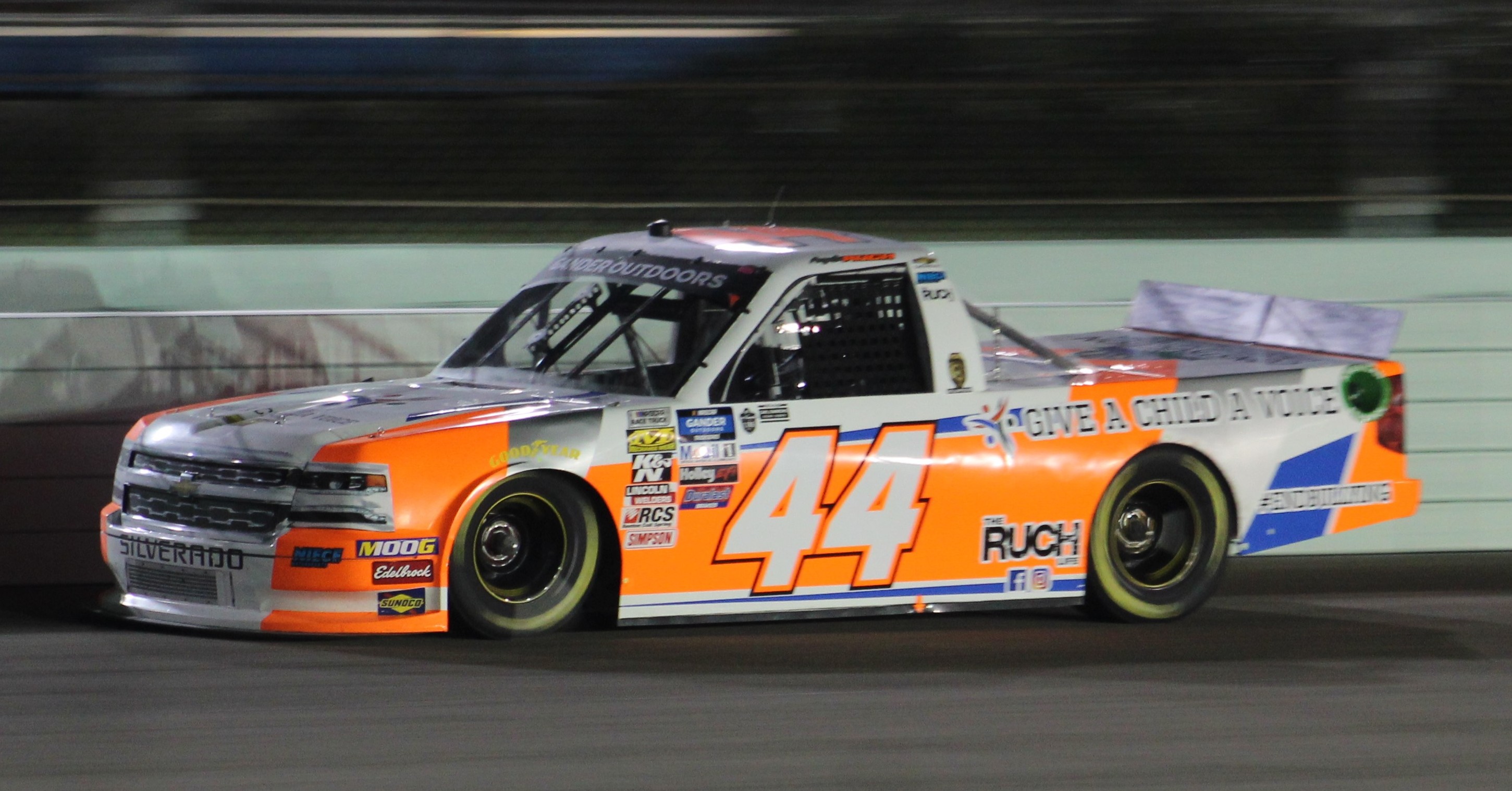
Chevy Silverado
"We've seen this month zero for 72 on Chevy Silverado, it's been a long time since we've seen that."
The Chevy Silverado is a popular pickup truck. They’re talking about a deal called “zero for 72,” which means you can finance for a long time with little or no interest (depending on the exact offer).
The Chevrolet Silverado is a full-size pickup truck line, one of the highest-volume vehicles in the U.S. market. The host references “zero for 72” on the Silverado, which is a financing/lease-style deal structure that can significantly reduce the cost of borrowing for a set term.
trade values are sky high
"So the deals are out there, the trade values are sky high. Even I'm surprised how much they've gone up just in May, and I watched the auction for you again this week, and I'll tell you that it's crazy."
They’re saying your current car might be worth more than usual if you trade it in. That’s often because dealers really need used cars right now.
When the host says “trade values are sky high,” they mean dealers are paying unusually strong prices for used vehicles taken in as trade-ins. This usually happens when dealer inventory is tight and demand for used cars is high.
fewer used cars setting on dealer lots
"It's just a crazy use. There's fewer used cars setting on dealer lots today than there has been in many, many years. And so the dealers are clamoring for used cars."
They’re saying dealerships have fewer used cars sitting on their lots than usual. When that happens, dealers often pay more for your trade-in because they need inventory.
This describes a supply shortage of used inventory at dealerships—there are fewer used cars available on lots than in prior years. With less inventory, dealers often compete harder for used vehicles and may offer stronger trade-in offers.

Buick Roadmaster
"...e that. That other voice that you hear is the old roadmaster, Todd Chambliss. That's right."
The Buick Roadmaster is an older, full-size Buick model. In the podcast, it’s mentioned as “the old Roadmaster,” likely as part of a story or reference to the past. It’s not describing a new car feature so much as pointing to an earlier vehicle.
The Buick Roadmaster is a classic, large Buick model that’s often remembered as a comfortable, full-size car. In the podcast context, it’s referenced as “the old Roadmaster,” tying it to a specific person or story being told on the show. That kind of mention usually signals nostalgia or historical context rather than a modern buying recommendation.

Pinto
"If people don't know, Pinto was a car that had a propensity to blow up when they were rear-ended. Sadly, there was a lot of people who lost their lives because of that."
The Ford Pinto is a car that became famous for a safety problem. In some rear-end crashes, the fuel system could fail in a way that caused fires. People were hurt and killed, which is why it’s remembered so strongly.
The Ford Pinto is a compact car best known for a widely publicized safety controversy: it had a propensity to ignite or explode when struck from the rear. The issue became a major example of how engineering and design decisions can affect crash outcomes, and it led to intense public scrutiny and legal fallout.
rear-ended
"If people don't know, Pinto was a car that had a propensity to blow up when they were rear-ended. Sadly, there was a lot of people who lost their lives because of that."
“Rear-ended” means someone hit you from behind. It’s important in crash discussions because damage from that direction can affect things like the fuel system and how dangerous the crash becomes.
“Rear-ended” means a crash where the front of one vehicle strikes the back of another. This matters because rear impacts can damage the fuel system and other components in ways that affect fire risk and injury severity.

Ford F150
"I had a horrible wreck in a 2009 Ford F-150 pickup trip, which was awesome. Awesome."
The Ford F-150 is a popular full-size pickup truck. The 2009 version is from the late-2000s generation, and it’s the kind of truck many people use for everyday driving and work. This caller mentions it because they had a serious wreck in one.
The Ford F-150 is Ford’s long-running full-size pickup, and the 2009 model is part of the 2004–2008/2009-era generation before the later redesign. It’s a common choice for work and towing, which is why it shows up a lot in real-world crash stories and repair discussions.

Chevrolet Impala
"Right now, sir, I have why I'm calling is because I have a 2009 Chevy Impala that I took and had fixed,"
The Chevrolet Impala is a big sedan that many people used as a family car. This caller specifically has a 2009 Impala and says they’ve already had it fixed, so they’re calling about something going on with their car.
The Chevrolet Impala is a full-size sedan, and the 2009 model is the late-2000s generation known for being a common family car and fleet vehicle. In this segment, the caller brings it up because they’ve had it fixed and are calling for help, which makes it relevant to ownership/repair context.

1957 Ford Fairlane 500
"First of all, I wanted to tell you what my last of my first car was. Was the 1957 Ford Fairlane 500. Oh, my goodness. And that was a long time ago, and it was not a good car."
This is a classic 1957 Ford called the Fairlane 500. The “500” is part of the model name that indicates a specific trim/variant, and it’s from the era of big, stylish American cars.
The 1957 Ford Fairlane 500 is a mid-1950s Ford model from the Fairlane line, with the “500” trim/series designation. It’s notable historically because late-1950s Fords are part of the classic American styling era, and the Fairlane 500 name helps distinguish it from other Fairlane variants.
Jerry Reynolds
"That's why you need to call the car pro Jerry Reynolds before you get your next vehicle. Call the chase.com car pro this underline now at 1-800-926-7777 And welcome back to the car pro show."
Jerry Reynolds is the “Car Pro” person the show recommends you talk to before buying a car. In this part, he’s specifically tied to advice about hybrid cars.
Jerry Reynolds is the host/guest being promoted as “the car pro” in this segment. He’s presented as the person listeners should consult before buying a vehicle, especially when considering a hybrid.
Todd Chambliss
"Jerry Reynolds, the car pro me, the old road master, Todd Chambliss along with you. One of the most clicked items in the newsletter this week has to do with a hybrid and is a hybrid"
Todd Chambliss is another person on the show. He joins Jerry Reynolds while they talk about hybrid cars and whether they make sense for you.
Todd Chambliss is co-hosted/introduced alongside Jerry Reynolds in this segment. He’s part of the discussion about whether a hybrid is the right choice for the listener’s next vehicle.
hybrid
"One of the most clicked items in the newsletter this week has to do with a hybrid and is a hybrid right for you, which is something I'm thinking about for my next vehicle actually. Well, I think everybody's talking about getting a hybrid now."
A hybrid car uses two power sources—gas and electricity. This segment is saying there are different kinds of hybrids, so it’s worth understanding which one fits your needs.
A hybrid is a vehicle that uses both an internal-combustion engine and an electric motor/battery system to move the car. The key point in this segment is that hybrids come in different types, which affects how they drive and what to consider before buying.
plug in
"Yeah, you can't can't hardly go wrong with especially the ones that there are two types of hybrids. So there's the plug in and then there's the what the traditional, right?"
“Plug-in” refers to a plug-in hybrid, which can be charged from an external power source (like a home charger or public charging station). In contrast to non-plug-in hybrids, the battery can be larger, enabling more electric-only driving depending on charge level.
traditional
"Yeah, you can't can't hardly go wrong with especially the ones that there are two types of hybrids. So there's the plug in and then there's the what the traditional, right? Yes, that's correct."
Here, “traditional” means a hybrid you don’t plug in to charge. It mainly charges its battery through driving and braking.
In this context, “traditional” is shorthand for a non-plug-in hybrid (often called a conventional hybrid). It relies on the engine and regenerative braking to keep the battery charged, rather than needing you to plug it in.
Toyota
"Well, they make so much sense and they're so dependable now and we can all think Toyota for that because they started the hybrids many years ago, 25, 26, 27 years ago."
Toyota is mentioned as an early leader in hybrid cars. The point they’re making is that Toyota has been making hybrids for a long time, which they connect to dependability.
Toyota is credited in this segment with starting hybrids years ago, implying long development and real-world experience with hybrid powertrains. The host frames this as a reason hybrids are now dependable.
Hyundai
"think Toyota for that because they started the hybrids many years ago, 25, 26, 27 years ago. Now, Hyundai had hybrids way back when, too. I found out recently for actually from a listener and I didn't realize that."
Hyundai is brought up as another company that had hybrid technology early on. The takeaway is that hybrids aren’t brand-new tech anymore.
Hyundai is mentioned as having hybrids “way back when,” suggesting it also has early hybrid experience beyond just newer model years. This supports the broader claim that hybrid technology has matured over time.
EcoBoost engines
"And, you know, one of the most successful engines of the past century has been Ford's family of EcoBoost engines."
EcoBoost is Ford’s name for turbo gas engines. The idea is to get more power from a smaller engine by using a turbo to force air in.
Ford EcoBoost engines are turbocharged gasoline engines designed to make strong power while improving fuel economy. They typically use turbocharging (and often direct injection) to get more performance out of smaller displacement engines.
twin turbos
"And, you know, it's their twin turbos and now Ford's getting into hybrids as well. The escape comes in a hybrid, although it's going away."
Twin turbos means the engine has two turbochargers. They help the engine make more power by forcing more air into it.
“Twin turbos” means an engine uses two turbochargers to pressurize the intake air. This can help improve power and throttle response by managing how boost is delivered across engine speeds.

Ford Escape
"The escape comes in a hybrid, although it's going away. But they're looking at more hybrids."
The Ford Escape is a small SUV from Ford. Here they’re talking about the hybrid version, and saying that hybrid Escape option is being discontinued.
Ford Escape is Ford’s compact SUV, and in this discussion it’s specifically referenced as being offered in a hybrid version. The host also notes that this hybrid Escape offering is “going away,” implying a model/trim lineup change.
electric
"And well, they went so deep electric, you know, they just. But everybody else has pivoted."
Here, “electric” means the car is powered mostly by electricity (an electric motor and battery). The speaker is saying some brands went all-in on that before switching to hybrids too.
In this context, “electric” refers to vehicles that rely heavily on electric propulsion rather than only using a gasoline engine. The speaker contrasts this with the industry pivot toward hybrids.

Toyota Corolla Cross
"What you looking at Toyota Corolla Cross. The Honda HRV and the Kia Celtos"
The Toyota Corolla Cross is a small SUV that’s based on the Corolla. It’s popular because it’s easy to live with day to day and usually has a good mix of space and efficiency.
The Toyota Corolla Cross is a compact crossover SUV built on Toyota’s Corolla-based platform. It’s often cross-shopped with other small SUVs because it blends car-like driving manners with higher ride height and practical rear space.

Honda Hrv
"What you looking at Toyota Corolla Cross. The Honda HRV and the Kia Celtos that I've never even heard of before."
The Honda HR-V is a small SUV that’s meant for everyday driving. It’s usually chosen for its easy handling and practical interior space.
The Honda HR-V is a subcompact crossover SUV known for being practical and easy to drive in city traffic. It’s commonly compared against other small crossovers because it offers a roomy cabin for its size and typically focuses on everyday usability.
compact SUVs
"If I were looking in that segment of what's considered compact SUVs,"
“Compact SUVs” are smaller SUVs that are easier to park and drive than big ones, but still have more space than a regular sedan. They’re a common choice for families and commuting.
“Compact SUVs” is a market category for smaller sport-utility vehicles that sit between subcompact crossovers and full-size SUVs. They’re typically chosen for a balance of interior space, higher seating position, and easier maneuverability than larger SUVs.

Chevrolet Trax
"But the Chevrolet Trax for the money, Trax, TRAX. It's under $30,000. And for what you get, I think it's the best buy on the market."
The Chevrolet Trax is a small SUV. Here, the host is basically saying it’s a good deal for the money, but they’re not sure it will last as long as some Toyota/Honda choices.
The Chevrolet Trax is a compact SUV from Chevrolet, positioned as an affordable “value” option. In this segment, the host is weighing it against Toyota and Honda alternatives based on price and expected long-term ownership.

Toyota RAV4
"Now, what year is it her current RAV four? 16. Okay. So if she's typically keeping a car 10 years like she's had that last one, ...both those will do 10 years or 200,000 miles or more. ...I'd go right back and I'd get another RAV four. I know for sure it'll do 200,000."
The Toyota RAV4 is a popular small SUV. In this discussion, the host is recommending it because they believe it can last a long time—around 10 years or 200,000 miles.
The Toyota RAV4 is a compact SUV known for mainstream practicality and a reputation for long-term durability. The host uses it as the benchmark for a “keep it 10 years” plan, claiming it can reach 200,000 miles with fewer worries than newer alternatives.
keep a car 10 years
"So if she's typically keeping a car 10 years like she's had that last one, ...then I would, I would tell you to stick with the Toyota or the Honda either one,"
The host is talking about buying a car with the plan to keep it for about 10 years. They’re focusing on whether it can handle that kind of long-term use.
This is a long-horizon ownership strategy: choosing a vehicle based on how well it will hold up over a decade. The host ties it to durability expectations (10 years and 200,000 miles) rather than short-term features or initial price alone.
200,000 miles
"because both those will do 10 years or 200,000 miles or more. The Trax, the Trax is too new for me to say that, but I will tell you from the standpoint of enjoyable and the standpoint of value, it's the best SUV out there. ...I know for sure it'll do 200,000."
“200,000 miles” is a way of saying “a lot of driving.” The host is using it to judge which SUV is most likely to last a long time without major trouble.
“200,000 miles” is used here as a durability benchmark for long-term reliability and low hassle ownership. The host contrasts whether the newer Chevrolet Trax is proven enough yet versus the Toyota RAV4, which they claim they’re confident can reach that mileage.
fuel costs
"…two-third of respondents don't believe owning an EV would save a money on fuel costs compared to a traditional gasoline-powered vehicle."
Fuel costs are the ongoing cost of powering the car. For gas cars it’s what you pay for gasoline; for electric cars it’s what you pay for charging.
“Fuel costs” here means the ongoing cost of energy used to drive—gasoline for traditional cars versus electricity for EVs. It’s central to the comparison because gas prices can swing, changing the math of whether an EV is cheaper to run.

Dodge Charger
"...electric car, you filter in the cost of getting a charger, the biggest cost of owning an electric car, depr..."
The Dodge Charger is a performance car model made by Dodge. It’s the kind of car people might compare when talking about the real cost of owning a vehicle. If the topic is electric cars, the point is often that charging can be a big part of the total cost.
The Dodge Charger is a full-size American muscle sedan/coupe that’s known for strong performance and a long-running nameplate. In a discussion about electric-car ownership costs, it may come up as a familiar model people compare against when thinking about charging expenses and the total cost of running a vehicle. That makes it relevant to “what you pay” beyond the sticker price—especially for EVs where charging infrastructure costs matter.
depreciation
"…filter in the cost of getting a charger, the biggest cost of owning an electric car, depreciation, because the resale on them has just been horrific."
Depreciation is how much your car loses value as time goes on. If an EV sells for less later than expected, that can make the total cost higher even if charging is cheaper.
“Depreciation” is how much a vehicle’s value drops over time after you buy it. For EVs, the host argues resale has been weak, so depreciation can erase some of the savings you might expect from cheaper energy.
resale
"…depreciation, because the resale on them has just been horrific. Marketplace is not kind of bad."
Resale is what the car is worth when you sell it later. If EVs don’t hold value well, you may lose more money overall.
“Resale” refers to what you can sell the vehicle for later. The host claims EV resale has been “horrific,” meaning buyers may lose more money when they trade or sell compared with many gas cars.
oil leaks
"That car taught me a really, really good lesson about on about oil leaks and such. Oh, yeah, I bet that was that was a known problem."
Oil leaks mean engine oil is leaking out of the car. If you don’t catch it, the engine can run low on oil and wear out faster. It’s one of those issues that can get expensive if ignored.
Oil leaks are failures where engine oil escapes from seals, gaskets, or other components. They matter because low oil can cause accelerated wear and can even lead to engine damage if the leak goes unnoticed. In older cars, oil leaks are a frequent “known problem” that owners learn to monitor.
E 85
"We found out my aunt had been filling it with E 85. And it was not and it was not a E 85 compatible vehicle. So it did wipe out the it did wipe out the camshaft on it."
E85 is a fuel blend with a lot of alcohol (ethanol). Some cars are built to use it, but many older cars aren’t. If you put E85 in the wrong car, it can cause serious engine damage.
E85 is a fuel blend that’s mostly ethanol (typically 85% ethanol) mixed with gasoline. Not every vehicle is designed to run on E85; using it in a non-flex-fuel car can cause poor combustion and can damage engine components. In this story, the speaker says the non-compatible vehicle’s camshaft was wiped out after being filled with E85.
camshaft
"So it did wipe out the it did wipe out the camshaft on it. Oh, by $2,500, $2,500 later, partial engine rebuild."
The camshaft is a key engine part that helps control when the engine’s valves open and close. If it gets damaged, the engine can’t run properly and repairs can be expensive. In the story, the camshaft was the part that got ruined.
The camshaft controls the timing of valve opening and closing in an internal-combustion engine. If it’s damaged—like the speaker claims happened after using E85 in a non-compatible vehicle—engine operation can fail and repairs can become major. This is why fuel compatibility matters: the wrong fuel can contribute to conditions that harm engine internals.
partial engine rebuild
"Oh, by $2,500, $2,500 later, partial engine rebuild. I had a good, reliable car after that."
A partial engine rebuild means the mechanic had to take the engine apart and fix the damaged parts, but not necessarily every single internal component. It’s a sign the damage was serious. In this case, it cost about $2,500.
A partial engine rebuild is an engine repair where only some internal components are replaced or machined, rather than rebuilding the entire engine. It’s often used when damage is localized but still severe enough that the engine can’t be safely left as-is. The transcript ties it to a $2,500 cost after the camshaft failure.

Oldsmobile Cutlass
"...ght. Oh, I don't know what year I'd want, but the cutlass came in a Hearst Olds combination where it had a ..."
The Oldsmobile Cutlass is an older mid-size car model made by Oldsmobile. The podcast is talking about a particular version or package of it, which helps explain what options or combinations were available. It’s mainly a historical detail rather than a modern spec comparison.
The Oldsmobile Cutlass is a mid-size car line from Oldsmobile that was produced across many years and came in various trims and packages. The podcast mention of a “Hearst Olds combination” suggests a specific era or special setup being discussed, likely tied to options or a particular configuration. That makes it relevant as a historical reference point for how these cars were sold and equipped.
automatic shifter
"Oh, I don't know what year I'd want, but the cutlass came in a Hearst Olds combination where it had a Hearst automatic shifter in the flow in the console. And I thought that was the most beautiful car I have ever seen."
An automatic shifter is how you choose gears in a car with an automatic transmission. Instead of using a clutch pedal, you move the selector to put the car in drive or reverse. The speaker likes the way this one is set up in the console/floor area.
An automatic shifter is the gear selector used in an automatic transmission, letting the driver choose drive/neutral/reverse without manually operating a clutch. In older cars, the shifter’s placement (like on the floor vs in the console) is a noticeable design detail and can affect how the interior feels and functions. Here, the speaker is describing the shifter arrangement they find especially attractive.
Request an Explanation
Heard something you'd like explained? We'll add it to this episode.
Sign in to request explanations for terms you heard.
Want to learn more?
Browse our glossary for plain-English explanations of automotive terms, jargon, and concepts.
Help improve this episode
See something that's not quite right? Our annotations are AI-generated and can sometimes miss the mark. Click the flag icon on any annotation to suggest a correction.