
Car Pro Radio Show May 9 26 Hour 1
About this episode
Dealership incentives and pricing take center stage, with hosts noting Ford’s employee pricing shock and a pickup supply crunch tied to an aluminum fire. They stress that offers vary by location, then pivot through listener car-shopping questions—BMW vs Lexus, and Suburban vs Expedition—where resale value and long-term repair costs come up. Practical ownership tips follow: keeping receipts for rental fuel disputes and guidance that tire repair kits aren’t a true spare replacement, especially for sidewall punctures.
Car Pro Radio Show May 9 26 Hour 1
Hosted by Simplecast, an AdsWizz company. See pcm.adswizz.com for information about our collection and use of personal data for advertising.
incentives
"[221.0s] I want to hear from you 800-926-7777 if you want to take advantage of the amazing incentives [229.1s] that are out there right now and they are amazing."
Incentives are discounts or special financing offers that make a car cost less. They’re often used to encourage people to buy sooner.
Incentives are manufacturer- or dealer-funded offers that reduce the effective price of a vehicle—commonly cash rebates, low-rate financing, or lease deals. When incentives rise, it usually means the manufacturer is trying to move inventory or counter a competitor’s pricing push.
employee pricing
"[232.0s] Ford came out with employee pricing that hit us last week just before the day before we [238.6s] came on the air and shocked the world including me."
Employee pricing is a special discount that employees get. It’s often much cheaper than what regular customers pay, and it can force other brands to offer better deals too.
Employee pricing is a dealership or manufacturer discount offered to employees (and often their friends/family) that can be lower than standard retail pricing. In practice, it can reset the bargaining baseline for other brands’ incentives because shoppers anchor on the lower number.
Ford
"[232.0s] Ford came out with employee pricing that hit us last week just before the day before we [238.6s] came on the air and shocked the world including me."
Ford is the car brand being discussed. They’re described as offering a special employee-style discount that pushed other brands to offer better deals too.
Ford is the automaker mentioned as launching employee pricing and influencing the competitive deal landscape. The hosts connect Ford’s pricing move to other manufacturers increasing their own incentives to stay competitive.
aluminum fire
"[244.0s] I didn't see that coming because they're really short in supply on pickups because of an aluminum [250.5s] fire."
They’re talking about a disruption involving aluminum that reduced how many trucks could be built. When supply drops, it can change what deals manufacturers and dealers are willing to offer.
The phrase refers to a disruption tied to aluminum supply or production that reduces vehicle availability. When a key material or component supply is interrupted, automakers can face shortages, which then affects pricing and incentive strategies across brands.
buyers market
"[262.8s] doing. [263.9s] It's a buyers market right now. [265.8s] So if you're thinking about making a move or if you're not, if it's even crossed your [270.3s] mind let's talk 800-926-7777."
A buyers market means it’s easier for you to get a good deal because sellers have to compete for your business. You’ll often see more discounts and incentives.
A buyers market is when supply is relatively high or demand is relatively low, giving shoppers more leverage to negotiate. In car shopping, it often shows up as stronger incentives and more room to get a better deal.
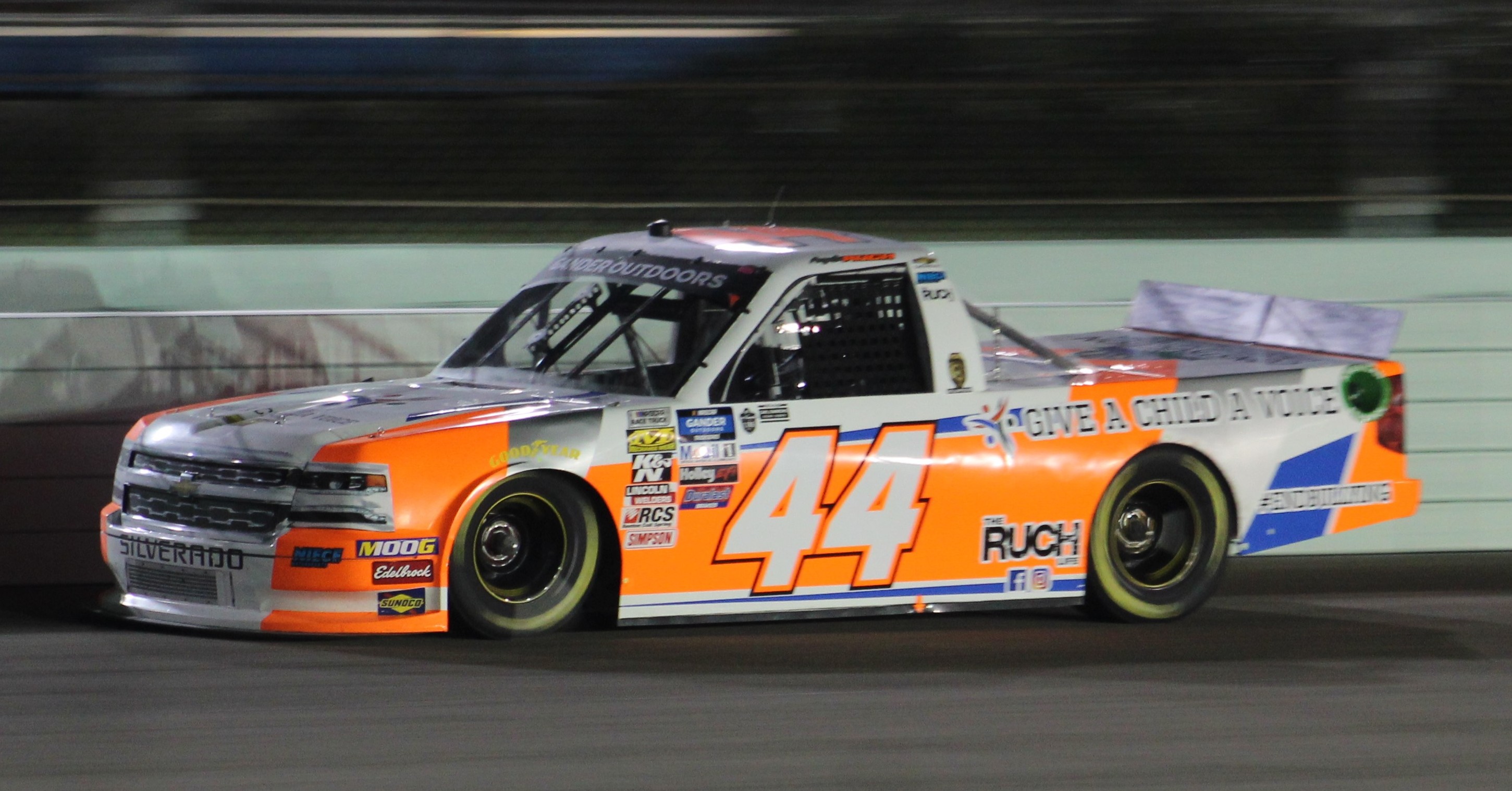
Chevrolet Silverado
"...centives they're offering. I think on, was it the Silverado? Like up to $16,000 this is at a Texas dealership..."
The Chevrolet Silverado is a large pickup truck made for towing and carrying things. People talk about it a lot because dealerships sometimes offer big discounts. That’s why it may come up when discussing current truck deals.
The Chevrolet Silverado is a full-size pickup truck built for heavy-duty work and everyday hauling. It’s often discussed in the context of incentives and pricing because demand and competition can drive large dealer discounts. In a podcast, it commonly comes up when hosts talk about what deals are available on popular truck trims.
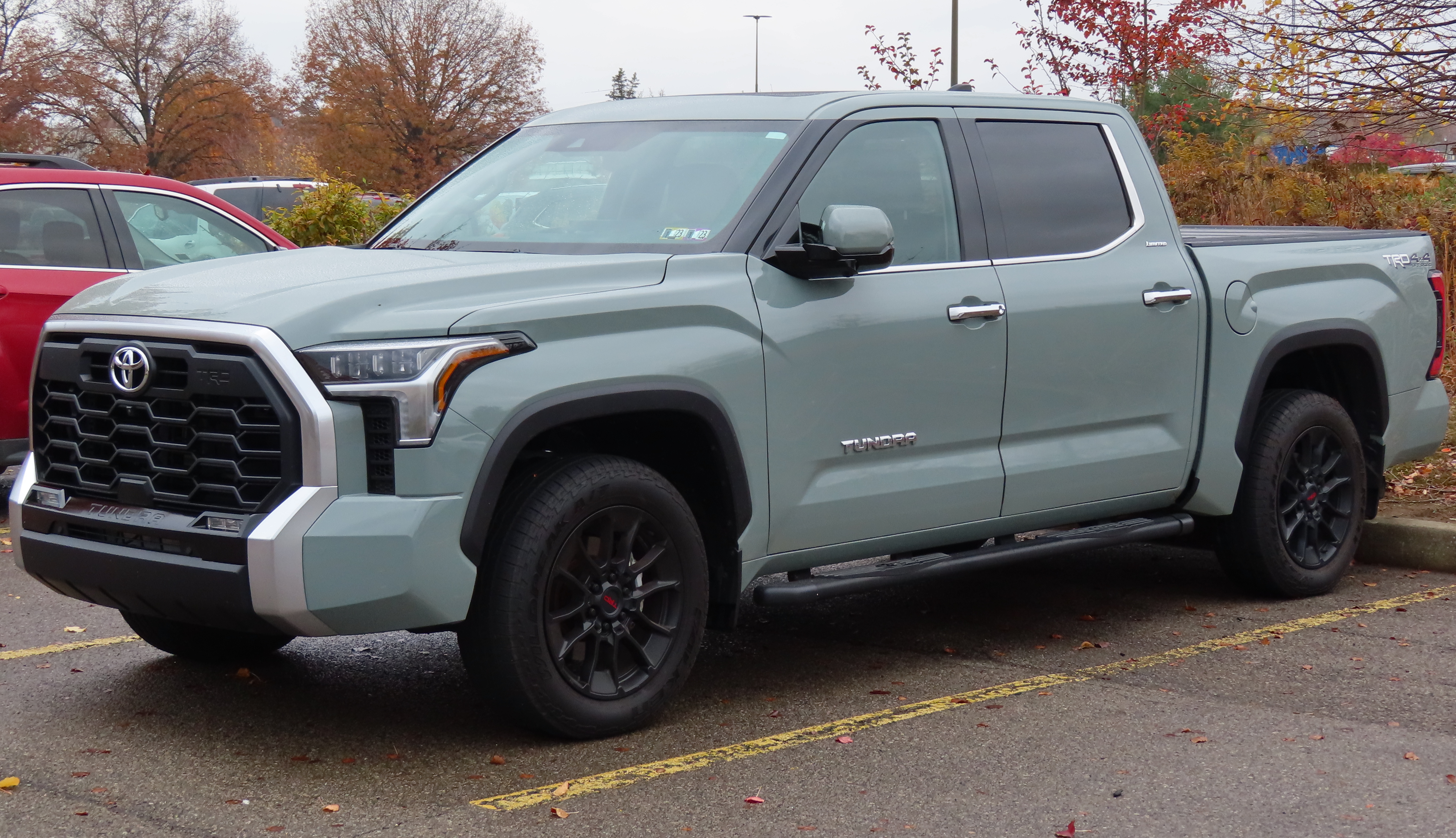
Toyota Tundra
"... for if you're looking for a full-sized truck the Tundra has got some really nice incentives right now and..."
The Toyota Tundra is a big truck designed for towing and carrying. It’s the kind of vehicle people consider when they want a full-size pickup. It may be mentioned because there are often incentives that lower the purchase price.
The Toyota Tundra is Toyota’s full-size pickup truck, aimed at buyers who want a larger truck for towing, hauling, and long-distance driving. It’s frequently mentioned alongside current incentives because it’s a high-interest model in the truck market. A podcast might bring it up when comparing what full-size trucks are offering in terms of pricing and promotions.

Lexus IS 350 F Sport
"Here's what I'm trying to decide between a BMW 430i Grand Coupe and a Lexus IS 350 F Sport. What say you?"
The Lexus IS 350 F Sport is a sportier version of the Lexus IS sedan. It usually comes with a stronger-feeling V6 engine and a suspension/setup meant to feel more responsive than the standard model.
The Lexus IS 350 F Sport is a performance-oriented trim of the Lexus IS sedan, with sportier styling and typically firmer suspension tuning than the base IS. The “IS 350” refers to the 3.5-liter V6 engine, aimed at smooth power delivery rather than track-focused behavior.

BMW 430i Grand Coupe
"Here's what I'm trying to decide between a BMW 430i Grand Coupe and a Lexus IS 350 F Sport. What say you?"
The BMW 430i Grand Coupe is a BMW that looks like a sporty coupe but is built to be more usable day-to-day. The “430i” usually means it has a turbocharged engine that’s meant to feel quick without being overly harsh.
The BMW 430i Grand Coupe is a 4-series “Grand Coupe” style BMW, meaning it blends coupe-like styling with a more practical, sedan-like rear seat and trunk. The “430i” indicates a turbocharged 3.0-liter inline-six in many markets, tuned for a balance of everyday comfort and strong acceleration.
Is500
"eight years and before that I had a five series so I love BMWs but my husband you helped him several years ago get an a Lexus IS 500 F Sport Performance Premium and he is sold so anyway he's kind of leaning towards a Lexus for me."
The “IS” here is a Lexus compact luxury sedan. The podcast specifically mentions an IS 500 F Sport Performance Premium, which is a higher-performance version. It’s brought up because someone who owned one liked it a lot.
In the podcast context, “IS” refers to the Lexus IS, a compact luxury sedan. The mention of an “IS 500 F Sport Performance Premium” points to a performance-oriented trim that’s designed to feel more powerful and sportier than standard versions. It comes up because the speaker’s husband previously owned one and was “sold” on it, making it a personal ownership reference.
resale value
"Well considering we're going to lease nothing leases as well as a Lexus and that's because [512.5s] the resale value is so good."
Resale value is what the car is likely worth later when you try to sell it. If a car holds its value well, leasing it often costs less because the company expects to recover more money when the lease ends.
Resale value is how much a vehicle is expected to be worth when you sell it later. It matters for leasing because the lessor’s pricing is heavily influenced by what the car is projected to fetch at the end of the lease term.
Classic car of the week
"Welcome back to the car pro show with Jerry Reynolds he's the car pro and I'm Todd Chambliss [586.2s] this week's classic car of the week on our Facebook page. [589.8s] Beautiful convertible but classic car back in the day and we're looking for your correct [594.9s] year make in model of the car."
They’re doing a weekly classic-car question on the show. Listeners are supposed to guess the correct year, brand, and model.
This segment is about the show’s “classic car of the week” feature, where listeners are asked to provide the correct year, make, and model. It’s a recurring interactive topic rather than a technical automotive concept.
Tesla
"Well you're seeing a lot of Teslas. [859.8s] We've seen Teslas a lot of Teslas they use for you don't see Uber but for taxis and private"
Tesla is a well-known electric car brand. In this segment, they’re saying Teslas are common there, including as taxis.
Tesla is an electric-vehicle brand best known for battery-electric cars and for making EVs mainstream in many markets. The hosts mention seeing a lot of Teslas in Italy, especially as taxis and private cars.
BYD
"Well what's kind of interesting is the BYD's and I don't know how it's pronounced [876.5s] which I asked around and looked up our Chinese. [879.4s] Yeah Chinese Electrics."
BYD is a car company from China that makes electric vehicles. The discussion is using BYD to point out that electric cars from more than just Tesla are becoming common.
BYD is a Chinese automaker known for producing large numbers of battery-electric vehicles and plug-in hybrids. In the segment, the host uses BYD as an example of electric cars showing up in Italy alongside Tesla.

Ford Expedition
"So I'm looking between a Chevrolet Suburban and a Ford Expedition. [960.7s] I really like the Suburban but I do to look on the outside."
The Ford Expedition is a large SUV meant for families and hauling. It’s often compared to the Chevrolet Suburban when someone wants a big, practical vehicle.
The Ford Expedition is a full-size SUV designed for seating capacity and towing/utility, competing directly with the Chevrolet Suburban. In this context, it’s part of a shopper’s comparison between two large American SUVs.

Chevrolet Suburban
"So I'm looking between a Chevrolet Suburban and a Ford Expedition. [960.7s] I really like the Suburban but I do to look on the outside."
The Chevrolet Suburban is a big, family-friendly SUV. It’s built to fit lots of people and gear, and it’s commonly compared to other large SUVs like the Ford Expedition.
The Chevrolet Suburban is a full-size SUV known for its long-wheelbase, roomy third-row seating, and ability to carry people or cargo comfortably. It’s often compared with other large American SUVs like the Ford Expedition for family and utility use.
6.2-liter engine
"It's got the suspect six point two. Now I will tell you that there the six point two has been problematic."
A 6.2-liter engine is a big V8-style engine size (it’s measured by how much space the cylinders take up). The host is explaining that this engine has had some problems, but he argues the number of failures is small compared to how many vehicles use it.
A 6.2-liter engine refers to an engine’s displacement—about 6.2 liters of total cylinder volume. Here, the host is specifically talking about the 6.2L V8 used across multiple GM brands and trucks/SUVs, and whether reported failures are truly common.
failure rate vs. percentage of failures
"It's been overplayed to some degree because when you look at the number of vehicles that that engine comes in... If you look at the population of engines out there and then you look at how many failures there were no question it's too many failures but as a percentage it's a very small number."
The host is basically saying: don’t just look at how many failures you hear about—look at the percentage compared to how many engines are out there. That’s how you judge whether something is truly widespread.
The host is contrasting raw counts of failures with failure rate as a percentage of the total engines in the field. This matters because a very popular engine can appear “problematic” in headlines even if the failure percentage is low.

Toyota Crown Signia
"my video the week was number two Amy Plymouth our executive producer she reviewed the Toyota Crown Signia that's a fine-looking vehicle"
The Toyota Crown Signia is a newer Toyota model with a more upscale, stylish look. In this segment, the host is basically saying it’s a good-looking car worth checking out.
The Toyota Crown Signia is a modern Toyota crossover/wagon-style model that’s positioned as a more upscale alternative to typical mainstream Toyotas. It’s notable here because the host calls it out as a reviewed vehicle and highlights its styling.

Toyota Crown
"...th our executive producer she reviewed the Toyota Crown Signia that's a fine-looking vehicle it's boy and..."
The Toyota Crown is a more upscale Toyota sedan, meaning it’s built to feel more comfortable and premium than basic models. The podcast mentions the Crown Signia, which is a specific version. It likely comes up because someone reviewed it and talked about what it’s like to drive and live with.
The Toyota Crown is a premium sedan that’s positioned above many of Toyota’s mainstream models, with a focus on comfort and a more upscale feel. In the podcast context, it’s being discussed after the executive producer reviewed the Crown Signia, which suggests attention to design and features. It’s a notable mention because the Crown nameplate is often treated as a more distinctive, higher-end option.
8 dollars a gallon
"filled the car back up so he wasn't paying eight dollars a gallon right right because that's what Hertz charges"
Rental companies often charge a high price for fuel if you don’t bring the car back with the right amount. The host mentions the per-gallon cost to show why the renter refilled.
“Per-gallon” fuel pricing is a common rental-car charge when customers don’t return the vehicle with the required fuel level. The host uses the $8/gal figure to explain why the renter tried to refill before returning.
Hertz
"he stopped on his way to drop it off filled the car back up so he wasn't paying eight dollars a gallon right right because that's what Hertz charges or something stupid like that"
Hertz is a company that rents cars. The story here is about Hertz sending a big bill after the wrong fuel was put in the rental.
Hertz is a major car-rental company that charges customers for fuel and other return-related items. In this story, the host describes Hertz billing a large amount after a fuel-type mistake.
diesel fuel into a gasoline rental vehicle
"they said that he put diesel fuel into a gasoline rental vehicle gosh he had the receipt thank goodness he the receipt showed exactly what the gas was regular unleaded"
Gasoline and diesel are not interchangeable. If you put diesel into a car that needs gasoline, it can mess up the engine and lead to a costly bill—so having the receipt matters.
Diesel fuel and gasoline are different fuels with different chemical properties, so putting diesel into a gasoline engine can cause serious drivability issues and expensive repairs. Rental companies often bill heavily when the fuel type is wrong, especially if the customer has a receipt that proves what was used.
regular unleaded
"the receipt showed exactly what the gas was regular unleaded probably it was regular unleaded yeah and it saved him the hassle"
Regular unleaded is a common gasoline grade used in many vehicles, typically with a lower octane rating than premium. In the segment, the host emphasizes that the receipt showed the exact fuel grade, which helped prevent a dispute.
keeping receipts
"likely and most of us if we do that do we keep receipts generally I think I'm gonna speak for myself and say no of course not one of us does starting today in the earlier show we had a caller from Chicago"
A receipt is proof of what you bought. The host is saying that if something goes wrong—like bad fuel—having the receipt can help you explain and back up your story.
Keeping receipts is about having written proof of what was purchased and when, which can matter if you need to dispute a claim or show causation for a problem. In this segment, the host argues that receipts can be useful for fuel-quality disputes, even if most people don’t keep them.
bad diesel fuel
"I've had I've had that case come up many times through the years of bad particularly bad diesel fuel wow so there you go 800 926 77 77"
This means diesel fuel that’s contaminated or not right. If it causes problems, having proof of where and what you bought can help you sort out responsibility.
“Bad diesel fuel” refers to diesel contaminated or otherwise out-of-spec fuel that can cause drivability problems and potentially damage fuel-system components. The host uses it as an example of why keeping documentation (like a receipt) can help when you need to prove what you bought after a fuel-related issue.

Volvo XC90
"I've test drove both the 2026 Lexus TX 500 yeah and the Volvo XC90 the Bravo 6 version the Ultra and wanted to get your thoughts"
This is Volvo’s big family SUV. The host is basically saying that after a certain mileage range, it may start costing more to fix than the Lexus.
The Volvo XC90 is Volvo’s flagship three-row SUV, commonly shopped as a premium family hauler. Here, the host’s advice hinges on ownership costs: they claim that once it reaches roughly 60,000–70,000 miles, repairs become more frequent and expensive, making it a less attractive long-term buy than the Lexus.

2026 Lexus TX 500
"right now I'm looking to get my wife a a new vehicle new SUV we've got a bunch of grandkids and I've test drove both the 2026 Lexus TX 500 yeah and the Volvo XC90"
This is a Lexus SUV. The point here is that the host thinks it’s the safer long-term pick—something that should need fewer expensive repairs as the miles add up.
The Lexus TX 500 is Lexus’s larger, family-focused SUV offering, positioned as a comfort-and-reliability choice rather than a performance machine. In this segment, the host frames it as a long-term keeper with low drama, emphasizing that it should be easier to live with over many years.
tire repair kits
"is the whole if you don't get a spare tire the tire repair kits are they a real replacement for a spare tire and the answer is absolutely not no they're not a replacement"
A tire repair kit is a temporary fix for a flat. The host says it’s not the same as having a spare tire, and it might not work if the damage is too bad.
A tire repair kit (often a sealant + compressor setup) is meant to temporarily seal a puncture so you can drive to safety. The host’s key point is that it’s not a true replacement for a spare tire, because it may not work depending on the type and location of the damage.
sidewall puncture
"it's a sidewall puncture at prepare kit don't even get it out of the the holder it's not going to do any good just call roadside assistance"
A sidewall puncture means the hole is on the tire’s side. Those flats are often too risky to fix with a quick kit, so you may need roadside help instead.
A sidewall puncture is damage to the tire’s side area, not the tread. Sidewalls are structurally important and are often not safely repairable with sealant or plug-style kits, which is why the host warns that a repair kit may not help in that situation.
roadside assistance
"it's not going to do any good just call roadside assistance and let them do it and yeah yeah absolutely and have it towed in"
Roadside assistance is the help you call when your car has a problem you can’t safely handle yourself. The host is saying to call them for a serious flat instead of trusting a quick repair kit.
Roadside assistance is a service that helps when your car can’t be driven safely—like after a flat tire. In this segment, the host recommends calling roadside assistance rather than relying on a tire repair kit when the tire damage is severe (like a sidewall puncture).
clear title
"good tires good paint clear title 134 000 miles it's 26 years old"
A clear title means the car’s paperwork is clean and legal to transfer to a new owner. It usually makes the sale smoother and less risky for the buyer.
A clear title means the vehicle’s ownership paperwork has no major legal issues or branding that would restrict sale or transfer. In a private-sale or collector context, having a clear title can make the car easier to buy and sell.
miles
"good tires good paint clear title 134 000 miles it's 26 years old so i'd like to sell it as a classic"
Miles tell you how far the car has been driven. Higher mileage often means more wear, which matters when selling an older vehicle.
Mileage is the total distance a vehicle has been driven, typically measured in miles. It’s commonly used as a quick proxy for wear and expected remaining life, especially when someone is trying to sell a high-mileage older truck.
V8
"engine beautiful red color what engine it has what kind of you know 600 v8 uh 98 was it easily could have been the 306 the straight six"
A V8 is an engine with eight cylinders arranged in two groups. It’s a common setup in trucks and performance cars because it can make strong power.
A V8 is an engine with eight cylinders arranged in two banks that form a “V” shape. It’s commonly associated with strong low- to mid-range power and a distinctive sound, which is why many trucks and muscle-era vehicles used it.
straight six
"could have been the 306 the straight six which was one of the best engines ever made but it could be"
A straight-six is an engine with six cylinders in a row. People often like it because it can run smoothly.
A straight-six is an engine with six cylinders arranged in a single line. Compared with many other layouts, it can be naturally smooth because of how the cylinder arrangement balances forces during operation.
consignment
"okay once you get there there's two choices you can get an instant bid on it which i don't recommend in your case because you got a 98 truck that's not their market but the other choice is to put it on consignment there's a company called retail my ride"
Consignment is when you don’t sell the car directly yourself. You give it to a place that lists it and tries to sell it, and they take a cut after it sells.
In car selling, consignment means you hand the vehicle to a dealer/marketplace to sell on your behalf. The seller markets it, handles the work, and then takes a fee “off the top,” paying you the remaining balance after it sells.
instant bid
"okay once you get there there's two choices you can get an instant bid on it which i don't recommend in your case because you got a 98 truck that's not their market but the other choice is to put it on consignment"
An instant bid is a quick offer price right away. It’s convenient, but it may not be the best price compared to selling the car through a listing.
An instant bid is an immediate offer price you receive without waiting for a listing and negotiation process. It’s often faster, but the tradeoff is that the offer may be lower than what you could get through a more targeted sale channel.
Request an Explanation
Heard something you'd like explained? We'll add it to this episode.
Sign in to request explanations for terms you heard.
Want to learn more?
Browse our glossary for plain-English explanations of automotive terms, jargon, and concepts.
Help improve this episode
See something that's not quite right? Our annotations are AI-generated and can sometimes miss the mark. Click the flag icon on any annotation to suggest a correction.