
Car Pro Radio Show May 9 26 Hour 3
About this episode
The show opens with listener call-ins and general promos, then pivots to urgent hot-car safety: “31 children died last year in hot cars,” with the hosts stressing how fast cabin temps climb and sharing prevention tips. After that, the conversation shifts to turbo and downsizing trends, plus vehicle previews like the Chevy Suburban and Lincoln Navigator L. Later segments tackle leasing vs buying for high-mileage ride-sharing, including how mileage penalties and wear fees work, and wrap with more owner questions on towing, warranties, and repairs.
Car Pro Radio Show May 9 26 Hour 3
Hosted by Simplecast, an AdsWizz company. See pcm.adswizz.com for information about our collection and use of personal data for advertising.
turbo
"I didn't think I was going to buy a used car again until I found out that Lexus is sticking a cotton pick in four cylinder with a turbo in it now."
A turbo is a device that uses the engine’s exhaust to push extra air into the engine. That helps a smaller engine feel stronger, but it can also create more heat that the car has to manage.
A turbocharger (often shortened to “turbo”) uses exhaust gas to spin a turbine that forces more air into the engine. More air lets a smaller engine make power like a larger one, but it also increases heat and places extra demands on cooling and durability.
heat kills an engine
"The heat is a killer. Just like, well, we're just talking about kids in the back seat. Heat kills an engine too."
They’re saying that too much heat can damage an engine over time. Turbo engines can create extra heat, so the car’s cooling system has to work harder.
The episode is pointing to thermal stress as a durability issue: high temperatures can accelerate wear and damage engine components, especially in turbocharged setups. Turbo engines tend to run hotter because compression and exhaust energy increase heat loads, so cooling systems become critical.
intercoolers
"They find more and more ways. The intercoolers today that keep those turbos running cool are so much better than they were in the 80s and even the 90s when turbos were completely huge problems."
An intercooler cools the hot, pressurized air from the turbo before it goes into the engine. Cooler air helps the engine run better and reduces heat stress.
An intercooler is a heat exchanger that cools the compressed air coming from the turbo before it enters the engine. Cooler intake air improves efficiency and helps prevent knock and excessive temperatures, which is why intercooler design is a big part of modern turbo reliability.

Chevrolet Suburban
"...p next week. This week I've had the big old Chevy Suburban with a 6.2-liter V8 under the hood and topping ou..."
The Chevrolet Suburban is a large SUV that can fit a lot of people and gear. It’s often chosen for family trips because it has plenty of room. The podcast mentions a 6.2-liter V8, which is the engine that helps it feel powerful.
The Chevrolet Suburban is a full-size SUV known for seating lots of people and carrying cargo, making it a common choice for families and road trips. In the podcast, it’s specifically discussed with a 6.2-liter V8, which highlights its strong power and “big SUV” presence. It’s the kind of vehicle people talk about when they want capability and space rather than compact size.
24-inch wheels
"24-inch wheels on a Suburban from the factory. Just gorgeous."
24-inch wheels are large wheels that make the car look more “serious.” They can also affect ride comfort depending on the tire setup.
“24-inch wheels” refers to large wheel diameter, which often changes the vehicle’s look and ride feel. Bigger wheels can improve visual presence, but they may also come with lower-profile tires that can be less forgiving over rough roads.

Lincoln Navigator
"...Suburban. Next week, another big SUV, the Lincoln Navigator L, which is the long wheelbase. And this is the b..."
The Lincoln Navigator is a big luxury SUV. The “Navigator L” is the longer version, which generally means more space inside. The podcast brings it up as another large SUV option they plan to talk about next week.
The Lincoln Navigator is a large luxury SUV, and the podcast specifically mentions the “Navigator L,” which has a longer wheelbase for more interior space. It’s discussed alongside other big SUVs, which usually means the conversation is about size, comfort, and capability. The long-wheelbase version is often highlighted when people want extra room for passengers.
long wheelbase
"Next week, another big SUV, the Lincoln Navigator L, which is the long wheelbase. And this is the black label."
Long wheelbase means the car is stretched between the front and back wheels. That typically gives passengers more legroom and can make the ride feel smoother.
“Long wheelbase” means the distance between the front and rear axles is extended compared with the standard model. That extra length usually improves rear-seat legroom and can make the ride feel more relaxed.

Toyota Chr
".... And on the other end of the spectrum, the Honda CHR, which is a little bitty. I'd suspect that the Ho..."
The Toyota C-HR is a small SUV crossover. It’s meant to be easier to drive and park than large SUVs. The podcast mentions it as the smaller option compared to bigger vehicles.
The Toyota C-HR is a small crossover SUV, positioned for drivers who want a compact size with a more distinctive look. The podcast contrasts it with a larger vehicle, calling it “a little bitty,” which fits its role as the smaller end of the SUV spectrum. It’s the kind of car that comes up when discussing how different SUV sizes meet different needs.

Lincoln MKX
"Well, my problem is I had a couple of Lincoln MKX's, loved them. First one, my daughter's car went out and gave to her."
The Lincoln MKX is a luxury SUV. Here, the speaker is talking about how they liked owning one and what changed after an accident.
The Lincoln MKX is a midsize luxury SUV from Lincoln (Ford’s luxury brand). In this segment, the host discusses owning multiple MKX examples and how they fit their day-to-day driving needs.
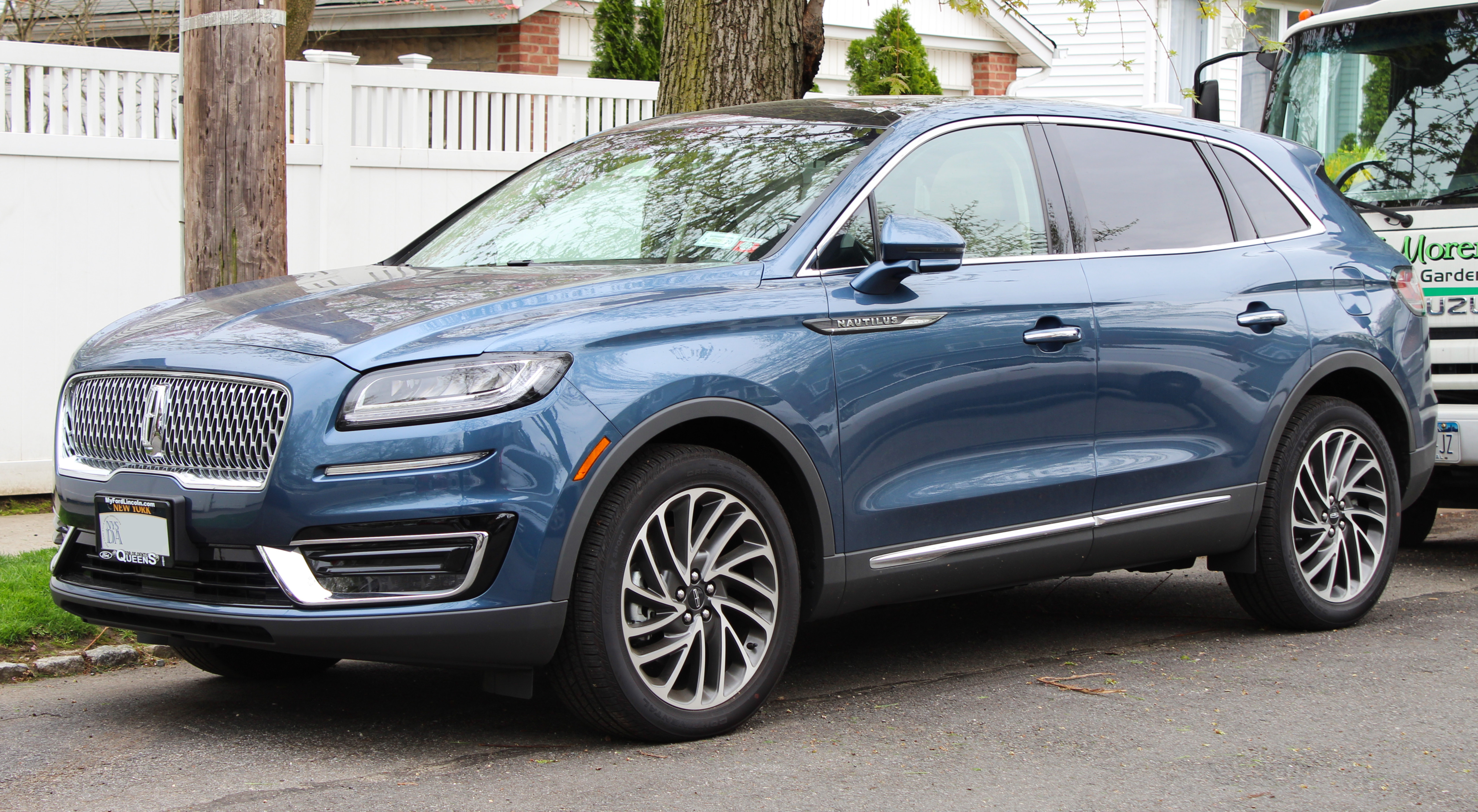
Lincoln Nautilus
"And so I went to get a new one and it had become a Nautilus and it just had a little four cylinder"
The Lincoln Nautilus is another Lincoln luxury SUV. In this story, the speaker didn’t like the power because it had a smaller four-cylinder engine.
The Lincoln Nautilus is Lincoln’s midsize luxury SUV that replaced the MKX nameplate. The speaker notes it came with a smaller four-cylinder engine and felt weaker for passing on two-lane roads.

Lincoln Aviator
"So I ended up with a... I bought an aviator, 2020 aviator and I love the car, engine, but that thing is just such a chore to drive."
The Lincoln Aviator is a luxury SUV. The speaker likes the engine, but they say it’s tiring to drive because it doesn’t hold speed well unless cruise control is used.
The Lincoln Aviator is a midsize luxury SUV known for having a more powerful engine option than smaller Lincoln SUVs. Here, the speaker says they love the engine but find the driving experience difficult—especially maintaining speed and needing frequent steering adjustments.
cruise control
"It won't maintain the speed unless I put on the cruise control. I mean, otherwise I have to push the gas, let the gas off, push the gas to keep it at a consistent speed."
Cruise control is a feature that helps your car hold a steady speed. The speaker says they have to keep adjusting the gas otherwise, but cruise control makes it easier.
Cruise control is a driver-assistance feature that helps keep a set speed without the driver constantly pressing the accelerator. The speaker contrasts normal driving (needing to adjust the gas) with cruise control (holding speed more consistently).

Genesis GV80
"Okay. I want you to go drive a Genesis GV80 twin turbo V6, feels like a V8. Great gas mileage..."
The Genesis GV80 is a luxury SUV. The podcast mentions a version with a twin-turbo V6 engine, which is designed to provide strong acceleration. It also says it can still get good fuel economy for a vehicle like this.
The Genesis GV80 is a luxury midsize SUV, and the podcast highlights a version with a twin-turbo V6. The host describes it as feeling like a V8 while also mentioning “great gas mileage,” which points to the appeal of strong performance without excessive fuel use. It’s discussed because it combines luxury comfort with a more powerful engine setup.
concierge
"Great gas mileage, 10 year, 100,000 mile warranty, concierge that comes with it. So they pick your car up and bring it back to you for service."
Here, “concierge” means someone helps you with car service. Instead of you bringing the car in, they handle pickup and return so it’s easier.
In this context, “concierge” is a service that helps manage ownership tasks—here, arranging pickup and return for vehicle service. It’s meant to reduce the hassle of dropping the car off at a shop.
10 year, 100,000 mile warranty
"Great gas mileage, 10 year, 100,000 mile warranty, concierge that comes with it. So they pick your car up and bring it back to you for service."
That phrase means the car is covered for repairs for a long time—10 years or up to 100,000 miles. It can make ownership less stressful because some problems may be paid for.
A “10 year, 100,000 mile warranty” is a long coverage period that protects the owner against certain repair costs for a set time and mileage. It’s often used as a selling point because it reduces financial risk versus shorter warranties.
lease mileage overages
"Okay. The over charges. Yeah, so the mileage over charges are going to drain her bank account."
Lease mileage overages are extra charges for driving more than the allowed miles in the lease agreement. If you go over, you can end up paying money when you return the car.
Lease mileage overages are charges assessed when you drive more miles than the lease contract allows. Because leases are priced around an expected mileage limit, exceeding it can create extra costs at turn-in.
lease turn-in
"It's a three year lease and she waits until the end of three years and turns that car in. It's going to cost a lot of money."
Lease turn-in is when you return the leased car at the end of the lease. The company checks the car and your mileage, and if you exceeded the limits or there’s extra wear, you may owe more money.
Lease turn-in is the process of returning the leased vehicle at the end of the lease term. At turn-in, the car is evaluated against the lease’s mileage and condition expectations, and any excess mileage or damage can lead to additional charges.
early lease termination
"So I said, I think you need to get out of the car and do the early lease termination. Maybe buy a car."
Early lease termination means ending a car lease before the lease term is over. You may have to pay extra fees, but sometimes it’s still the better move if you’re going to exceed the lease terms.
Early lease termination is ending a lease before its scheduled end date. It usually triggers fees and a payoff calculation, but it can be cheaper than waiting if the lease’s mileage and wear expectations don’t match how the car is being used.
vehicle residual value
"But then I realized if she buys a car and gets like a five year loan at the end of five years, the car is going to have 240,000 miles on it and not be worth anything to anybody."
Residual value is basically the expected resale value later on. If the car has extremely high mileage, it’s often worth much less, which can make the “buy now, sell later” plan not work out.
Residual value is what a vehicle is expected to be worth at the end of a financing or lease period. High mileage can reduce residual value significantly, which is why the host argues that a car with 240,000 miles may not be worth much later.
mileage penalties
"There is no mileage, no mileage penalties if you buy the car. There's no wear and tear fees if you buy the car."
With many leases, there’s a mileage limit. If you drive more than the limit, the contract can charge you extra at the end.
Mileage penalties are charges in a lease contract for exceeding the allowed miles during the lease term. They exist because higher mileage can increase wear and reduce the car’s value when it’s returned.
wear and tear fees
"There's no wear and tear fees if you buy the car. So if she loves the car, when she goes back, it'll have some miles on it, but it'll still"
Leases often have rules about the car’s condition. If it’s more damaged than expected for normal use, you can be charged when you turn it in.
Wear and tear fees are lease-end charges for damage or condition issues beyond what the contract considers normal use. They’re meant to cover the cost of returning the vehicle to an acceptable condition for resale or auction.

Toyota Prius
"Now, the only thing is, she was looking at a Prius because she's like, okay, the CRV is getting about 42 miles, the hybrid is getting about 42 miles, and the Prius can get about 40 miles."
The Toyota Prius is a hybrid car that uses both a gas engine and an electric motor. It’s often chosen because it can be very efficient with fuel.
The Toyota Prius is a mainstream hybrid hatchback known for fuel efficiency, using an electric motor alongside its gasoline engine. In this segment, it’s mentioned as an alternative based on expected miles per gallon.

Honda CR-V
"Now, the only thing is, she was looking at a Prius because she's like, okay, the CRV is getting about 42 miles, the hybrid is getting about 42 miles, and the Prius can get about 40 miles."
The Honda CR-V is a common SUV that’s built for daily driving and errands. In this discussion, it’s being compared to hybrid cars based on how far it can go on fuel.
The Honda CR-V is a popular compact SUV known for practicality and strong everyday usability. Here it’s brought up in a comparison of real-world fuel economy expectations versus hybrid options.
gas mileage
"Well, yeah, it's OK. Prius will get a lot better gas mileage in the CRV hybrid."
Gas mileage means how far the car can go on a gallon of gas. Higher gas mileage usually means you spend less money on fuel.
Gas mileage is a measure of how efficiently a vehicle uses fuel, commonly expressed as miles per gallon (MPG). Hybrid cars like the Prius are often chosen specifically because they can deliver better gas mileage than many conventional SUVs.
extended warranty
"You suggested the two year warranty or the extended warranty. OK, that's great."
A warranty is a promise from the seller to help pay for repairs. An extended warranty just means it lasts longer than the original one, so you’re less exposed to repair costs later—though it depends on the fine print.
An extended warranty is coverage that goes beyond the car’s original factory warranty period. It can help pay for certain repairs after the initial coverage expires, but the exact terms (what’s covered, deductibles, exclusions) vary by contract.
plug-in
"Then, you know, don't get a plug in if she gets out and starts looking in the market. Don't don't get any kind of plug in."
A plug-in hybrid can use electricity if you charge it at home or work. If you don’t plug it in often, you don’t get as much of the electric advantage.
A plug-in hybrid (often shortened to “plug-in”) can run on electricity from a battery that you recharge by plugging into an outlet. The tradeoff is that if you don’t regularly charge it, you may spend more time operating like a regular hybrid, reducing the benefit of the larger battery.
battery range
"She's going to run on the run out of the battery range in an hour."
Battery range is how far the car can go using electricity before the battery runs low. The point here is that if you can’t charge it, you’ll run out of electric driving sooner.
Battery range is the distance a plug-in hybrid or EV can travel using only the battery before it needs to switch to engine power. In this segment, the speaker is implying that the driver won’t keep the battery charged enough to make the plug-in worthwhile.
regular hybrid
"So a regular clear regular hybrid."
A regular hybrid charges its battery using the car’s own systems, like slowing down. You don’t have to plug it in, which can be easier if you’re driving a lot and can’t reliably charge it.
A regular (non–plug-in) hybrid uses a battery that’s charged by the car itself through regenerative braking and the engine. Unlike a plug-in hybrid, you can’t recharge it from an outlet, so the speaker is steering the buyer toward a setup that doesn’t depend on external charging habits.
leasing game
"Get out of the leasing game. You don't need to be leasing anything and and by I would buy a used one."
The “leasing game” means constantly renting cars through leases instead of owning one. The host’s view is that buying a used car can be smarter than leasing.
The “leasing game” is the idea that instead of buying a car, you keep cycling through leases. The hosts argue that leasing can be a bad deal compared with buying a used car because you may pay for depreciation and fees without building ownership value.
depreciation hit
"Let somebody else take that first depreciation hit and then her pick it up and drive it..."
A “depreciation hit” means the car’s value drops soon after you buy it. The host is saying it can be smarter to wait and buy after that biggest drop.
A “depreciation hit” is the early drop in a car’s value after it’s purchased, especially right after it leaves the dealer. The speaker suggests letting someone else absorb that initial value loss, then buying the used car later.
hybrids in demand
"they said, well, the problem is if you go low mileage, the used cars are in such high demand, especially electric that the price for a used car is about the same as a new one... hybrids aren't nearly as in demand right now."
“Hybrids in demand” just means more people want hybrid cars. The hosts say gas prices influence that: expensive gas makes hybrids more popular, and cheaper gas can reduce demand.
“Hybrids in demand” refers to how strongly buyers want hybrid cars at a given time, which affects used-car prices. The hosts connect demand to fuel prices—when gas is expensive, hybrids become more attractive, and when gas gets cheaper, that demand can drop.
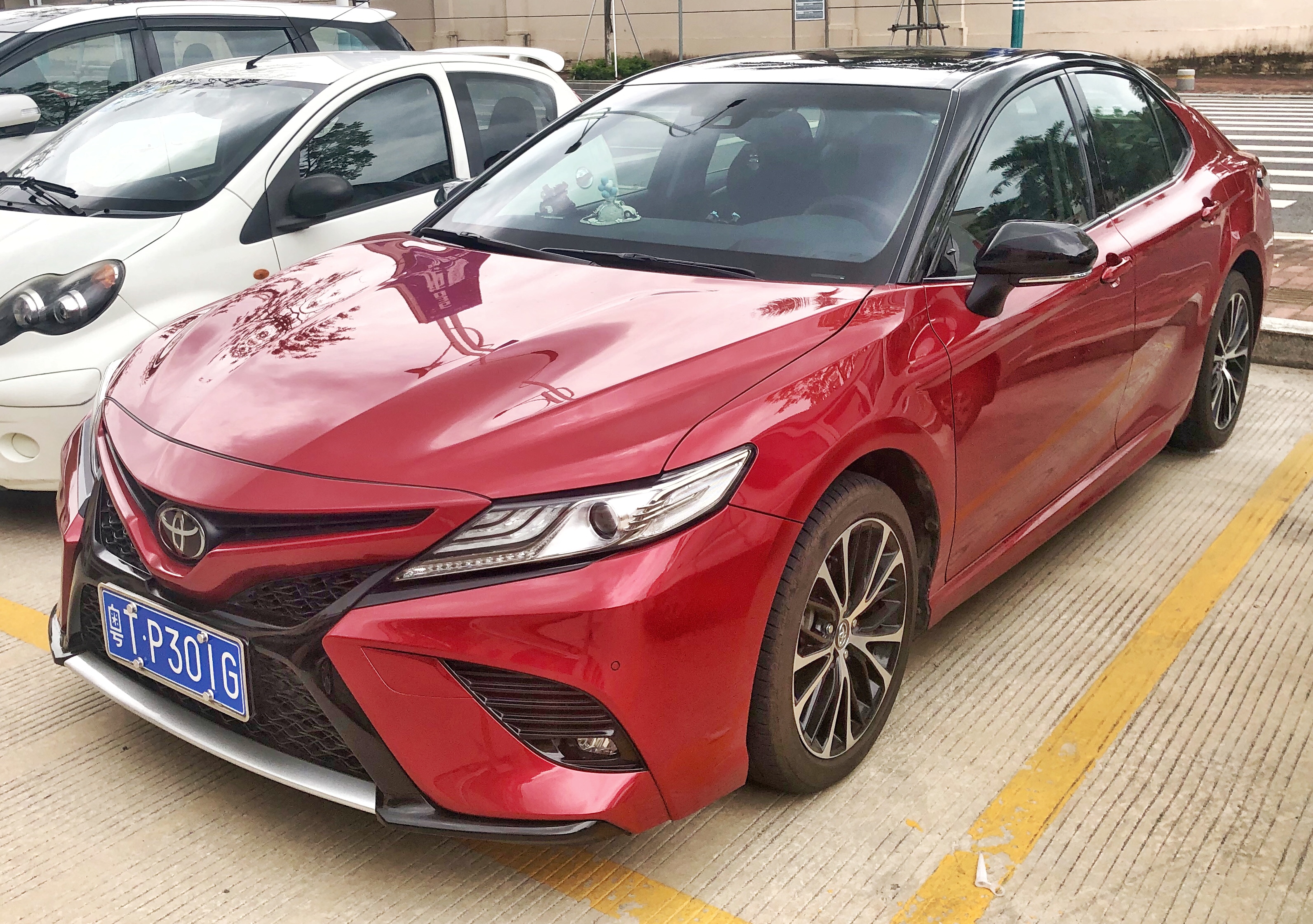
Toyota Camry
"I tell you about a guy that leased. A Toyota Camry, he did the same thing that Paul's wife does. She..."
The Toyota Camry is a midsize car (a sedan) built for everyday driving. People often choose it because it’s comfortable and simple to use. The podcast mentions it because someone leased one and did the same kind of thing as the CR-V owner.
The Toyota Camry is a midsize sedan known for being a straightforward, comfortable car for daily use. In the podcast, it’s mentioned in the context of someone leasing one, similar to the CR-V story, which points to how people choose it for convenience and routine driving. It’s often discussed as a “safe bet” type of vehicle when reliability and comfort matter.

Chevrolet Equinox
"Actually, did the reviews December of 25 on the Equinox and the Blazer and. Ended up having a day after Christmas after a total crash of the 2011 cruise engine wise versus repair and did up. Doing the complete I used four vehicles on your review choices. I tried the tracks, the trailblazer, Equinox and Blazer."
The Chevrolet Equinox is a Chevrolet SUV. The caller says they tried one as a rental and were considering it, but ended up leaning toward something else.
The Chevrolet Equinox is a compact/midsize SUV that’s mentioned here as one of the vehicles the caller reviewed. The caller notes they’d spent time with an Equinox rental and had expected it to be the one to choose before other factors changed their decision.
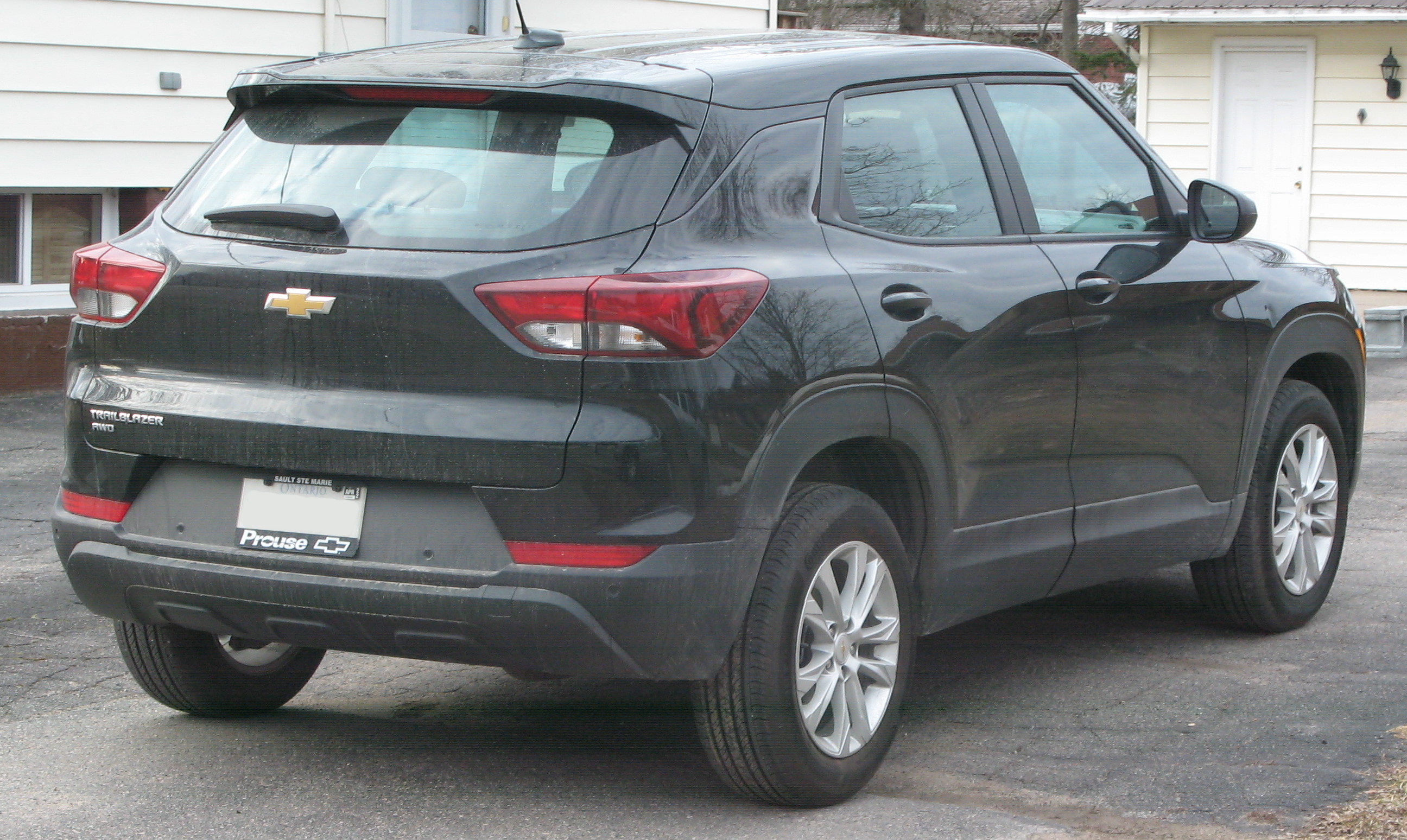
Chevrolet Trailblazer
"Doing the complete I used four vehicles on your review choices. I tried the tracks, the trailblazer, Equinox and Blazer. I'd actually been in the Equinox on a two week rental, thought that was going to be the one to tag with and ended up due to body fit."
The Chevrolet Trailblazer is another SUV from Chevrolet. They’re listing it as one of the vehicles they compared while deciding what to get.
The Chevrolet Trailblazer is another Chevrolet SUV that’s included in the caller’s comparison set. It’s mentioned alongside the Equinox and Blazer, implying it was part of the same shopping/decision process for an SUV replacement.

Chevrolet Blazer
"I was just interested to hear your thoughts on the Chevrolet Blazer. You know, I love the Blazer. I I refer to the Blazer as a Camaro SUV, because that's what it reminds me of. Yeah, it does. It's characteristic drive of a Camaro."
The Chevrolet Blazer is an SUV from Chevrolet. In this segment, they’re saying it feels and looks a bit like a Camaro—more sporty than a typical “family” SUV.
The Chevrolet Blazer is a midsize SUV that, in this discussion, is being compared to the Camaro in terms of feel and styling. The host frames it as a “Camaro SUV,” suggesting it has a sportier, more performance-oriented character than a typical family crossover.
"Camaro SUV" comparison
"You know, I love the Blazer. I I refer to the Blazer as a Camaro SUV, because that's what it reminds me of. Yeah, it does. It's characteristic drive of a Camaro."
They’re using “Camaro SUV” as a way to say the Blazer feels more sporty, like a Camaro, rather than like a typical plain family SUV.
Calling the Blazer a “Camaro SUV” is a shorthand comparison for how the SUV’s driving feel and character resemble the Camaro. It’s not a technical drivetrain term here—more of an enthusiast description of sportiness and personality.
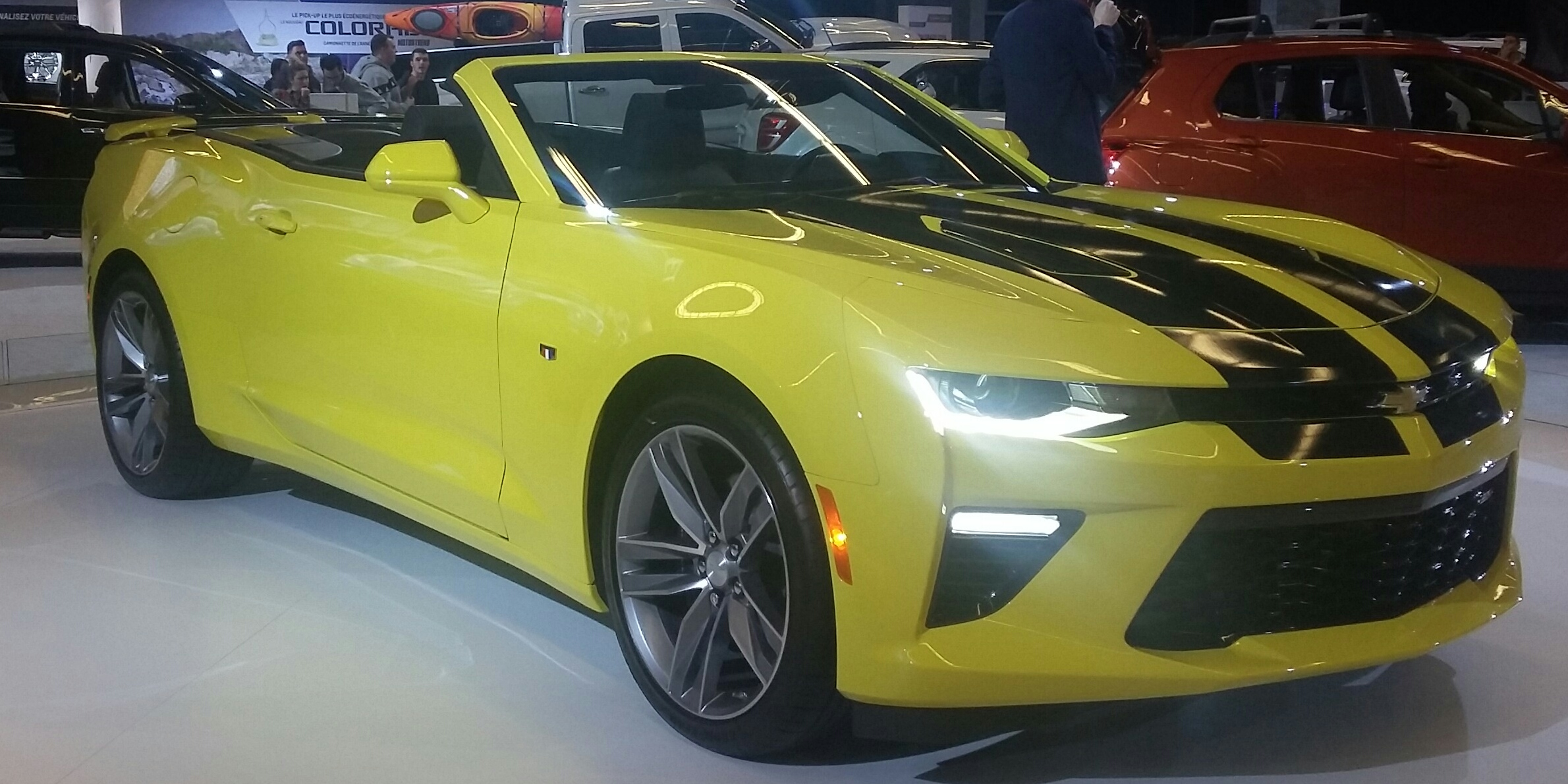
Chevrolet Camaro
"..., I love the Blazer. I I refer to the Blazer as a Camaro SUV, because that's what it reminds me of. Yeah, ..."
The Chevrolet Camaro is a sports car made to feel more exciting to drive. In the podcast, it’s used as a comparison point to describe a vehicle that reminds the speaker of that sporty vibe. It’s basically referencing the Camaro’s reputation for performance and style.
The Chevrolet Camaro is a performance-focused sports car, and it’s often brought up when people want a more exciting driving feel than a typical SUV. In the podcast, the host compares a Blazer to a “Camaro SUV,” using the Camaro name to describe the sporty styling or attitude. That’s why it comes up—Camaro is a shorthand for performance and character.
all electric
"GM put out a statement that said that they were going to go all electric with the Blazer and do away with the gas engine."
“All electric” means the car runs on electricity from a battery, not gasoline. Instead of stopping for gas, you charge it.
“All electric” means the vehicle is powered only by an electric motor and battery, with no gasoline engine. That affects everything from fueling (charging instead of gas) to how the car delivers power and how maintenance is scheduled.
tongue weight
"It seems to me that my research showed that the next level of vehicle up that could carry what I saw as a 600 and twenty pound tongue weight, which would cover all three of those components,"
Tongue weight is how much weight the trailer “pushes down” on the hitch. If it’s too high for the vehicle, towing can feel unstable and harder on the suspension and tires.
Tongue weight is the downward force the trailer exerts on the hitch ball. It matters because it affects how stable the tow vehicle feels and how much load is transferred to the rear suspension and tires.

Jeep Grand Cherokee
"is either a deep grand Cherokee. I think it recommended the most reliable years were twenty nineteen to 2021 and also the Dodge Durango. "
The Jeep Grand Cherokee is a family SUV that can tow trailers. Here, the speaker is looking at it as a used option that should be able to handle a specific towing load and has decent reliability in certain years.
The Jeep Grand Cherokee is a midsize SUV known for being a practical tow-capable family vehicle. In this segment, it’s being considered specifically because it can handle the stated trailer tongue weight and is compared on reliability by model years.

Dodge Durango
"I think it recommended the most reliable years were twenty nineteen to 2021 and also the Dodge Durango. "
The Dodge Durango is a bigger SUV with three rows, useful for families. In this conversation, it’s mentioned as another used option that may be a better bet for reliability when towing.
The Dodge Durango is a midsize three-row SUV that’s often chosen by buyers who need more interior space and towing capability. The speaker references it as an alternative to the Grand Cherokee based on which model years are considered more reliable.
used SUV towing/reliability shopping advice
"And I was wondering if you have an opinion if you could give me any help here because money wise, I'm going to have to probably go with something used. You know, I think, Ramona, the Ford Explorer will do the job as well. "
This part is basically about picking the right used SUV for towing, and trying to avoid years that may be less dependable. The speaker is giving guidance on what models and years to consider.
The segment focuses on choosing a used SUV for towing needs, balancing tongue-weight requirements with which model years are considered more reliable. It also includes advice-style commentary on what to look for when shopping.

Ford Explorer
"You know, I think, Ramona, the Ford Explorer will do the job as well. As long as you don't go past 2020 And I think long term, it's more it's a more reliable vehicle. "
The Ford Explorer is a popular SUV that many people use for everyday driving and towing. The speaker’s point is that older Explorers (up to about 2020) tend to be more dependable, even if newer ones can be hit-or-miss.
The Ford Explorer is a midsize SUV that’s commonly used as a practical daily driver and tow vehicle. Here, the speaker argues it’s a “workhorse,” recommends staying at or before 2020, and claims it’s been more reliable than some recent years of similar options.

Ford Bronco
"Well, I purchased a 2024 Bronco full size heritage edition with larger tires, a seven speed manual transmission. And I love this car. Yeah."
This is a Ford Bronco—an SUV built for off-road use. The caller has a 2024 Bronco Full Size Heritage Edition, and they’re talking about a problem they found when the dealer opened up parts of the drivetrain during service.
The Ford Bronco is a modern off-road SUV known for its rugged, trail-focused design and strong aftermarket support. In this segment, the caller specifies a 2024 Bronco Full Size Heritage Edition, which is a trim that typically adds heritage styling and equipment while still using the Bronco’s off-road hardware. The key point here is that the owner is describing a drivetrain/fluids issue discovered during scheduled service.
seven speed manual transmission
"Well, I purchased a 2024 Bronco full size heritage edition with larger tires, a seven speed manual transmission. And I love this car. Yeah."
This means the car uses a manual gearbox with seven gear choices. You shift it yourself with a clutch. If metal debris shows up in related fluid, it can be a sign of wear inside the drivetrain.
A seven-speed manual transmission is a gearbox where the driver selects gears using a clutch and gear lever, with seven forward ratios. More gears can help keep the engine in a better efficiency or power band, but it also means there are more internal components that can wear and shed debris if something is failing. In this segment, the caller later finds metal debris after service, which raises concerns about internal wear in the drivetrain.
differential fluids
"Change the transmission fluid, change the differential fluids, change the radiator fluid, you know, do everything because I just love this car. Sure. They open up the rear differential and out pours pieces of metal."
Differential fluid is the oil for the gears that help the wheels turn at different speeds. If you find metal bits when the dealer opens it up, that can mean the gears or bearings are wearing or damaged. That’s why the caller is asking what should be repaired or replaced.
Differential fluid lubricates the gears inside the differential(s), which allow the wheels to rotate at different speeds—especially when turning. Metal debris in or around differential service can point to gear wear, bearing damage, or a failure that may require component replacement. The caller’s concern is that they found pieces of metal after the dealer opened the rear differential, even though the car didn’t make noise.
transmission fluid
"But I said, you know what? Change the transmission fluid, change the differential fluids, change the radiator fluid, you know, do everything because I just love this car."
Transmission fluid is the oil that keeps the gearbox parts moving smoothly and cool. If there’s metal in or around that system, it can mean something inside is wearing abnormally. That’s why the caller is worried about what needs to be repaired or replaced.
Transmission fluid lubricates and helps cool the gears and bearings inside the transmission, and it also carries away wear particles. If metal shows up in the fluid or in components drained during service, it can indicate abnormal wear or damage. Here, the caller changes transmission fluid and then later reports metal debris coming out when the rear differential is opened, prompting contamination and repair questions.
rear differential
"Sure. They open up the rear differential and out pours pieces of metal. I mean, are we talking shavings?"
The rear differential is a part of the drivetrain that helps the rear wheels turn at different speeds when you’re cornering. If the dealer finds metal bits inside it, that can be a sign of damage or heavy wear. The caller is worried about what the dealer should fix under warranty.
The rear differential is the gearbox at the rear axle that splits engine torque between the left and right wheels and lets them rotate at different speeds in turns. Because it uses its own lubricant, finding metal debris when it’s opened can indicate internal wear or damage to gears or bearings. This segment centers on the caller discovering “pieces of metal” coming out of the rear differential during warranty service.
secondary contamination
"And, you know, it's under warranty and everything like that. But I'm afraid of like secondary contamination. I mean, where were these metals flying around inside there?"
Secondary contamination means the problem debris might have traveled to other parts, not just the one that failed first. If metal particles got into the fluid, they can grind up other components. The caller wants to know what should be replaced to prevent further damage.
Secondary contamination refers to the idea that metal debris or other contaminants can spread beyond the original failing component and damage other parts downstream. In drivetrain systems, particles can circulate through fluid passages and bearings, accelerating wear even if the initial failure wasn’t noisy. The caller is essentially asking whether the metal found in the differential could have contaminated other components and what the dealer should replace to fully address it.
Request an Explanation
Heard something you'd like explained? We'll add it to this episode.
Sign in to request explanations for terms you heard.
Want to learn more?
Browse our glossary for plain-English explanations of automotive terms, jargon, and concepts.
Help improve this episode
See something that's not quite right? Our annotations are AI-generated and can sometimes miss the mark. Click the flag icon on any annotation to suggest a correction.