
Cars They Got WRONG From The Factory
About this episode
The MartiniWorks crew riffs on “Cars They Got WRONG From The Factory,” starting with Subaru WRX design choices like “plastic cladding,” then zooming into how expensive factory parts and optioning can miss the mark. They critique real-world drivability on the Nissan Z—“The z looks good on paper, but it just / It ain't hitting / In physical real life”—and get specific about rev hang and delayed shifts. Between project-car wrenching (coolant leaks, tail-light seals) and suspension talk, they also debate pricing, trims, and what brands should’ve done differently.
Enjoy the podcast every Friday? Support it by getting your car mods at https://bit.ly/4vtk1kyToday on the podcast Alex, Dakota, and Gels sit down to discuss cars that just got it wrong from the factory.. Some of these cars had so much potential, but man what we wouldn't do to sit in on one of the design meetings and give our 2 cents. #cars #podcast #automotivePick up our Coffee here! https://bit.ly/3PIFl6JA HUGE thank you to Continental, Motegi, and Fortune Auto for being the official tire, wheel, and suspension of the MartiniWorks Podcast! Let us know if you need a set of tires or coilovers.Shop Continental tires here https://bit.ly/4ecbfAKShop Motegi wheels here https://bit.ly/4vp7VcgShop Fortune Auto suspension here https://bit.ly/4fnfqM8Check out the main channel! @MartiniWorksOfficialWe also have an unboxing channel @MartiniWorksUnboxedFollow Alex @alexmartini__Follow Dakota @dakotastoneeFollow Gels @akagels
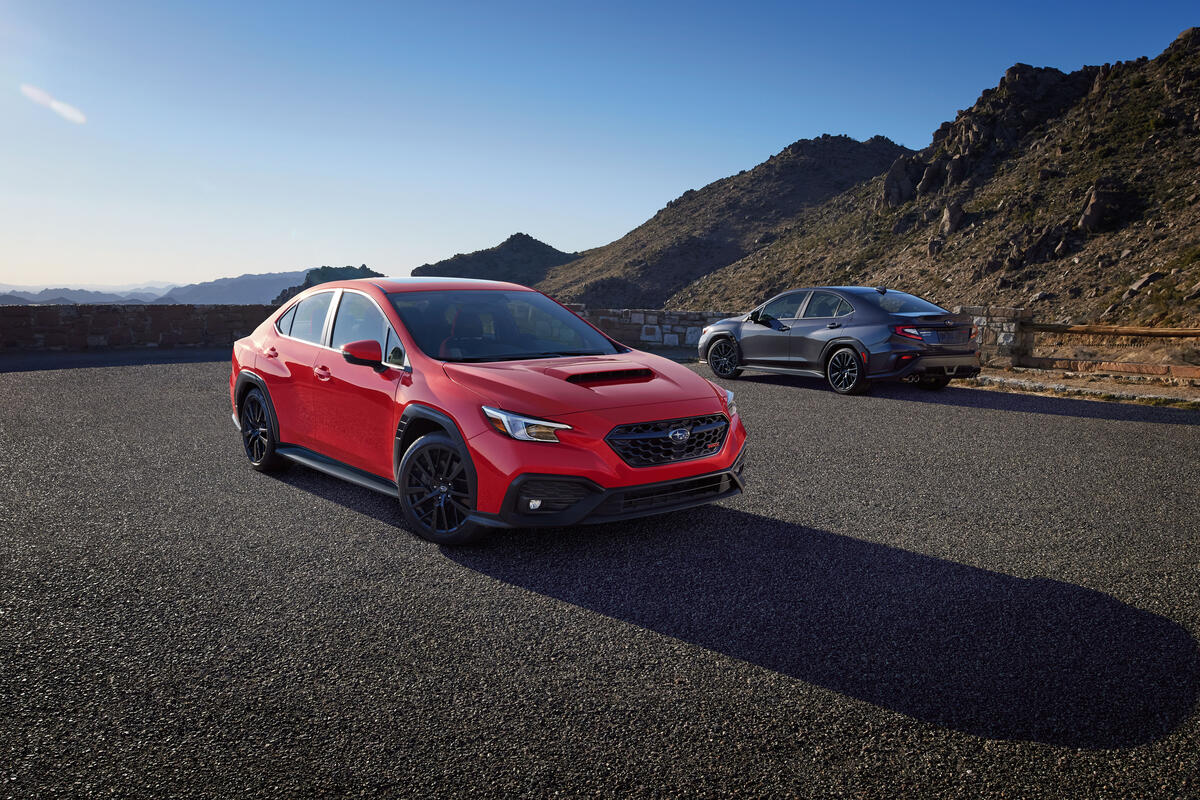
Subaru wrx
"I could just go to the the Subaru headquarters and just ask the guys [49.5s] Why the f*** did you put plastic cladding? [53.2s] Subaru wrx."
The Subaru WRX is a popular performance Subaru that’s built to handle well, especially in bad weather. Here, the host is criticizing a factory design detail (plastic cladding) and saying it could be fixed or improved.
The Subaru WRX is a turbocharged performance sedan/wagon platform known for rally-style all-wheel-drive traction and a strong aftermarket. In this segment, the host calls out a specific factory design choice—plastic cladding—implying it could be improved with better materials or styling.
plastic cladding
"I could just go to the the Subaru headquarters and just ask the guys [49.5s] Why the f*** did you put plastic cladding? [53.2s] Subaru wrx."
Plastic cladding is the plastic protective trim you see on some cars, usually on the lower parts or around the wheel areas. It’s meant to help protect the paint, but some people don’t like the look or how it holds up over time.
Plastic cladding is an exterior trim layer (often around wheel arches, lower bumpers, or side skirts) used to protect the body from road debris and to give a rugged look. On performance cars like the WRX, it can be controversial because it may affect perceived quality, durability, and how the car ages visually.
olands
"We've got some new product on the website. We have olands, which is a fantastic [98.0s] Uh coilover brand out there specializes in motorsport oriented, uh applications really high and really affordable"
Olands is a brand that makes coilovers, which are suspension parts you can install to change how the car rides and handles. The host says they’re aimed at motorsport use and are priced to be more affordable.
Olands is presented as a coilover brand focused on motorsport-oriented suspension setups. Coilovers are aftermarket suspension components that let you tune ride height and handling characteristics more precisely than many stock setups.
coilover
"We have olands, which is a fantastic [98.0s] Uh coilover brand out there specializes in motorsport oriented, uh applications really high and really affordable"
Coilovers are suspension parts that replace the factory shocks and springs with an adjustable setup. People use them to make the car sit how they want and to improve handling, especially for spirited driving or track use.
Coilovers are adjustable suspension units that combine a coil spring and shock absorber into one package. They’re popular for performance builds because they can improve handling and allow tuning ride height and damping to match driving style or track conditions.
coiler
"That's a 5000 dollar coiler. It's like when I had the motons like four of them"
A “coiler” usually means coilovers—upgraded suspension parts that let you adjust how high the car sits and how firm it feels. People use them to make the ride handle better.
A “coiler” is slang for a coilover suspension setup: an adjustable shock/strut paired with a coil spring. It’s commonly used to fine-tune ride height and damping for a more performance-oriented feel.
carbon fee break
"Saibon, yeah to the website. That's a big one carbon fee break. Yeah, so if you're looking for some more exterior"
I’m not sure what that phrase is supposed to mean here. It sounds like they’re talking about a discount or deal related to parts, but the exact wording is unclear.
This appears to be a mis-transcription of a “carbon fee break”/“carbon fee break” style phrase, but the context is about adding exterior parts and a discount. Because the exact term is unclear, it’s not possible to reliably define it as a specific automotive concept.
wheels and tires
"remember if you package wheels and tires together martiniworks.com"
“Wheels and tires” are the complete tire-and-rim package that affects grip, ride quality, and steering response. Bundling them is often used by retailers to reduce total cost and streamline installation.
mounting and balancing
"You can actually save like 200 dollars on the tires and wheels when you package them together Plus you don't have to pay for mounting and balancing"
Mounting is putting the tire onto the wheel. Balancing is adding small weights so the wheel/tire spins smoothly without shaking.
Mounting and balancing are the shop steps required to install tires onto wheels and ensure the assembly spins smoothly. Proper balancing reduces vibration and helps tires wear evenly.
catapult
"plus you get two percent back with catapult when you check out with them"
Catapult sounds like the checkout/rewards service they use. They’re saying you get a small percentage back when you pay through it.
Catapult is referenced as a checkout partner that provides a “two percent back” incentive. In this context it functions like a rewards or payment/financing platform rather than an automotive component.
drifts
"I did a little drifts. He's good drift skis with it going on on the public road because the tires are really cold"
“Drifts” here refers to drifting—driving with intentional oversteer so the car’s rear slips while the driver keeps control and maintains the slide. Doing it on public roads is risky, and the host notes the tires were cold, which can make grip and breakaway behavior feel different than when fully warmed.
cars and coffee
"but yeah, so hopped in it. You know, I was like, let's just take this to cars and coffee How bad could it be?"
“Cars and coffee” is a meet-up where car people get together, usually in the morning, to show their cars and hang out. Here it’s where the host takes the car to show it off.
“Cars and coffee” refers to a casual car meet where enthusiasts gather to show cars, talk, and often do short drives together. In this segment it’s the destination for taking the car after the host’s weekend trip.
second gear
"Um, second gear. It was like I looked down on 63 miles an hour or something like that."
A car’s transmission has different gears. “Second gear” is one of the lower gears that usually keeps the engine revving more than higher gears, which is why it’s often used when accelerating.
“Second gear” is a specific gear ratio in a manual or automatic transmission that changes how engine speed (RPM) relates to vehicle speed. Mentioning second gear alongside a speed number is a clue about how the car is being driven hard (high load) rather than cruising.

BMW E46
"...d up and jumped out of his car because he has his e46 and pushed me back Oh, he wasn't everybody though..."
The BMW 3 Series is a compact luxury car made by BMW. It’s known for being fun to drive and for having a sporty feel. People often talk about it because it’s popular and there are many versions over the years.
The BMW 3 Series is BMW’s long-running compact luxury sports sedan line, often associated with balanced handling and a driver-focused feel. It’s a common car to reference in enthusiast stories because many generations are widely owned and modified. In the podcast, it’s mentioned alongside an E46 reference, suggesting a specific era of 3 Series ownership.
wiring rats nest
"So today actually I took it because there's a wiring rats nest from the previous owner vw kid stuff New radio new radio."
That phrase means the car’s wiring looks messy and jumbled, usually because someone previously modified it. Messy wiring can lead to electrical issues and makes troubleshooting tougher later.
A “wiring rats nest” is an informal way to describe messy, poorly routed, or poorly connected wiring—often from previous modifications. It’s a red flag because it can cause intermittent electrical problems and make future repairs harder.
new radio
"vw kid stuff New radio new radio. No matter how clean it is can't escape. Yeah new radio getting put in"
A “new radio” refers to replacing the factory head unit with an aftermarket or different stereo system. The host implies the car needed it due to prior work, and that even a clean car can still have hidden issues from earlier installs.
cubby that holds the license plate
"And then too there's a little cubby that holds the license plate and that Fucker is known to be just a mess the the tabs break on it that hold it in"
The “cubby” holding the license plate is a specific trim/holder area that uses plastic tabs to retain the plate surround. The host says the tabs break, and the repair approach becomes either replacing the part or using an adhesive to re-secure it.
3m
"So uh, I used some 3m some rtv Any adhesive I really could reach from where I was standing and I shoved that in there"
3M makes adhesives and tapes used in cars. The speaker used a 3M adhesive to help hold the broken plastic piece in place.
3M is a brand commonly used for automotive adhesives and tapes. Here, the host uses a 3M adhesive to help reattach or reinforce a broken plastic trim area.
rtv
"So uh, I used some 3m some rtv Any adhesive I really could reach from where I was standing and I shoved that in there"
RTV stands for room-temperature vulcanizing silicone—an adhesive/sealant that cures at normal temperatures. It’s often used in automotive work to bond or seal parts where you need flexibility and resistance to heat and moisture.
plastic clamshell behind the steering wheel
"And then also, uh, the plastic clamshell behind the steering wheel Did you did you make that a problem for the next owner or just future you?"
The plastic clamshell behind the steering wheel is an interior trim housing that covers components in that area. The host is repairing only the top half, suggesting the clamshell is cracked or broken and needs reattachment to prevent rattles or exposure of underlying parts.
alcohol wipe down
"Okay. I do Just double checking. Uh, double checking You'd be really proud because I even took the time to alcohol wipe down everything so that adhesive would actually stick"
An alcohol wipe-down is surface cleaning before applying adhesive so the bond line isn’t contaminated by oils or grime. Better surface prep improves adhesion reliability, especially for plastic-to-plastic or plastic-to-trim repairs.
breaking tabs
"Again, another piece that is very well known for breaking tabs and stuff like that"
“Tabs” are little plastic clips that snap parts together. If they break, the piece can come loose and you might see gaps or exposed stuff.
“Tabs” are the small plastic retention features used to hold trim pieces, covers, or panels in place. When they break, the part may not stay secure and can rattle or expose wiring.
Hella
"Was uh, my hella green tail lights from Germany that I picked up"
Hella makes car lights. People buy their tail lights when they want good quality lighting or a replacement that fits well.
Hella is an automotive lighting brand known for headlamps and tail lights used across many vehicle applications. In enthusiast circles, Hella parts are often sought for fitment and quality when upgrading or replacing factory lighting.
seal
"The tail lights that were in it the one on the passenger side didn't have the seal any longer in it"
A seal is the rubber/plastic gasket that keeps water out. If it’s missing, water can leak in—especially after a car wash.
In this context, the seal is the weatherproof gasket that prevents water from entering where the tail light meets the car’s body. Missing or degraded seals are a common cause of trunk leaks after washing or rain.
tail light housing
"Water drained in through the tail light housing into my trunk. So now I have to get in water in the trunk"
The tail light housing is the part that holds the rear light. If the seal around it fails, rainwater can get in and end up inside the trunk.
The tail light housing is the structural enclosure around the rear lamp assembly. If the seal between the housing and the body fails, water can enter and collect in the trunk area.
Black Forest Industries
"I did a black forest industries one of 100 Specifically made harlequin shift knob... And I had a custom made Shift boot from black forest industries with harlequin stitching"
Black Forest Industries makes aftermarket interior parts. In this case, they made a special shift knob and a custom shift boot for the shifter area.
Black Forest Industries is an aftermarket parts brand that makes interior and shifter-related accessories for enthusiast cars. Here, they’re referenced for a limited-run harlequin shift knob and a custom shift boot with harlequin stitching.
limited run
"But they made a limited run of them and I found a guy that kept one new in the box"
A “limited run” means the manufacturer produced only a small number of units, often with a specific numbering scheme. Limited production can make parts more collectible and harder to find later.
shift boot
"So just the stitching on the corners is harlequin colors and I hit a cross stitch. So I installed new shift boot [567.5s] And new shift knob"
The shift boot is the rubber or fabric cover around the gear shifter. It helps keep dirt out and protects the inside parts from getting worn down.
A shift boot is the flexible cover around the gear shifter’s base. It keeps dirt and debris out of the shifter mechanism and helps prevent wear, while also protecting the interior from grime.
shift knob
"And new shift knob [569.6s] And then I installed a holster mount in my forerunner."
The shift knob is the part you grab to change gears. People swap them to change how it feels in your hand.
A shift knob is the hand-grip on top of the shifter. Changing it is a common interior mod because it affects feel, grip texture, and sometimes shift leverage.
concealed carry permit
"I bought a Glock and a holster and I took my concealed carry permit literally for a rap song [612.9s] And the fact that I owned a ferrari this is back in like 2020"
A concealed carry permit is permission to carry a handgun in public while keeping it hidden. The speaker brings it up to explain their personal situation.
A concealed carry permit is legal authorization to carry a handgun hidden from view in public. The speaker references it to explain why they bought a handgun and a holster for their car.
365 excel
"I've never even noticed that the Glock sucks by the way [621.2s] What I don't like it [623.4s] That's uh, the 365 excel is way better."
“365 excel” sounds like a compact SIG handgun model (likely the P365). The speaker is comparing it to a Glock and saying they prefer it.
“365 excel” appears to refer to the SIG Sauer P365 (often mis-transcribed as “365”), a compact handgun line. The speaker compares it to another Glock model based on how it feels and how they like it.
Glock 19
"That's uh, the 365 excel is way better. I don't know why I just like it more. I have a Glock 19 [629.3s] I love it. I like well, okay."
Glock 19 is a specific type of handgun. The speaker is just naming which one they have in the context of their holster setup.
Glock 19 is a specific handgun model from the Glock brand, commonly used because it’s compact and widely available. The speaker mentions it as their preferred handgun for the “home defense” and car-holster story.
810
"And so I wanted an 810 [651.3s] And they're like, okay, sure. What type would you like?"
“810” isn’t clear here—it's probably a model number the speaker mentioned. The transcript doesn’t provide enough context to confidently identify what it refers to.
“810” is ambiguous in this transcript and could be a mishearing of a handgun model number or another product reference. It’s not clearly tied to a specific, verifiable automotive part in the surrounding context.
engine hoist
"Progress we have an engine hoist now. We have an engine. That thing is a unit"
An engine hoist is a tool that lifts the engine safely so mechanics can remove it from the car. It helps them do the work without damaging anything.
An engine hoist is the lifting device used to raise and lower an engine during an engine-out job. It’s essential for safely removing the engine and then reinstalling it with correct alignment and clearance checks.

Honda S2000
"... unit So in case you guys and gals don't know the s2000 is is going to get worked and I will be clear I h..."
The S2000 is a small two-seat sports car from Honda. It’s known for revving very high and feeling exciting to drive. The podcast mentions it because the car is going to be worked on, likely with repairs or upgrades.
The Honda S2000 is a lightweight two-seat sports car famous for its high-revving engine and driver-focused character. It’s often discussed as a “workable” enthusiast car because it’s engaging to drive and has a strong aftermarket. In the podcast, the speaker references it as something that’s “going to get worked,” implying planned modifications or maintenance work.
chassis brace
"Uh, essentially a strut brace not strut brace, but like a chassis brace that we're fabricating right now"
A chassis brace is a structural reinforcement that ties parts of the body/frame together to reduce flex. In this segment, they’re fabricating one as part of the front-end work, and they’re timing the install so they can check clearances around the engine bay.
clearances
"And we don't want to put the engine in and then put that in because we need to check clearances of it"
Clearances are the space between parts inside the engine bay. They need enough room so nothing touches or gets in the way when the engine is installed and moving.
Clearances are the small gaps between components that must be maintained so parts don’t rub, overheat, or interfere with each other. Here, they’re delaying engine installation until the brace is ready so they can verify the engine and surrounding components have the required space.
coolant leak
"He owns a shop in ampleton. Yeah. Yeah, we have a coolant leak in the lower piping"
Coolant is the fluid that keeps the engine from overheating. If it leaks, the engine can run too hot, so they’re trying to find exactly where the leak is.
A coolant leak means the engine’s heat-transfer fluid is escaping, which can lead to overheating and potential engine damage. They mention it’s in the lower hard-piped section, so they’re planning a pressure test to pinpoint the exact leak location.
V-band
"It's all hard piped. Yeah, it's like almost like v-band. Yeah, and it has a v-band"
A V-band is a special clamp that connects two pipe ends using matching flanges. It’s made to seal well and be easier to take apart than some other connection types.
A V-band is a clamp-style connection used to join two pipes with a V-shaped flange, commonly seen in exhaust and sometimes in other high-flow piping. It’s designed to seal reliably and make disassembly/reassembly easier than traditional clamps.
hard piped
"It's all hard piped. Yeah, it's like almost like v-band. Yeah, and it has a v-band"
“Hard piped” means the fluid lines are made from stiff metal or rigid tubing instead of rubber hoses. Leaks often happen at the connections where the rigid pieces meet.
“Hard piped” refers to coolant or fluid lines made from rigid tubing rather than flexible hoses. Rigid lines can be more sensitive to fitment and vibration, so leak diagnosis often focuses on joints and connections.
pressure test
"Fabrication is not ... So I I'm having him take it to pressure test the coolant system to see where and how it's leaking"
A pressure test means they fill the system and pressurize it to see if anything leaks. It helps them locate the exact spot that’s letting coolant out.
A pressure test pressurizes a system (here, the cooling system) to find leaks that may not be obvious under normal conditions. By monitoring pressure drop or observing where fluid escapes, you can pinpoint the failure point before repairs.
turbo
"Do a little bolt down check on some of the bits and pieces around the turbo because there's a little oil leak there"
A turbo is a device that helps the engine make more power by forcing extra air in. Because it spins fast and relies on oil, leaks near the turbo can become a bigger problem.
A turbocharger (“turbo”) uses exhaust gas to spin a turbine that compresses incoming air, allowing more air (and fuel) to be packed into the engine for extra power. Turbo setups are also more sensitive to oiling and sealing, so small oil leaks around the turbo area matter.
bolt down check
"Do a little bolt down check on some of the bits and pieces around the turbo because there's a little oil leak there"
A bolt-down check is when you make sure bolts are tight and parts are properly mounted. They’re doing it around the turbo area because there’s an oil leak that could be caused by a loose or mis-seated connection.
A bolt-down check means verifying that fasteners are properly tightened and seated, often after parts were removed, installed, or modified. In this context, they’re checking components around the turbo area to address an oil leak.
aftermarket power steering column
"so I don't know you guys might know this if you're listening in ... I'm driving the dots and it's got an aftermarket power power steering column. It's electronic."
An aftermarket power steering column is a replacement steering part made by someone other than the car’s original manufacturer. Since it affects how the steering works (and may include electronics), it can cause problems if it isn’t set up correctly.
An aftermarket power steering column is a non-OEM steering column assembly installed to change steering feel, compatibility, or features. Because it’s part of the steering system and may include electronics, it can introduce new failure modes or calibration issues compared with the factory setup.
electronic
"I'm driving the dots and it's got an aftermarket power power steering column. It's electronic. It's electronic. Yep"
Here, “electronic” means the steering system uses electronics to control how much help the steering gets. If something’s not right with the electronics, the steering can act weird.
In this context, “electronic” indicates the power steering column includes electronic control components rather than being purely hydraulic/mechanical. Electronic steering systems can behave differently when sensors, wiring, or software calibration are off, which can show up as unusual steering assist behavior.
ecu
"The power I think maybe it's just like losing power or maybe even like the ecu has the voltage set Maybe the wrong way"
The ECU is the car’s main computer. It reads sensors and tells different systems what to do; if it’s “set wrong” or getting bad sensor data, it can make parts of the car act strangely.
ECU (engine control unit) is the car’s computer that monitors sensors and controls systems by sending electrical commands. When someone suspects the ECU is involved, they’re usually thinking about a sensor reading or control logic that’s causing the wrong behavior (like cutting or mismanaging power assist).
ishimoto
"But then after that we have new parts from ishimoto that I'll be installing on becasem4 because It's now at 63 000 miles"
They mention “Ishimoto” as the place they’re getting parts from. It’s likely an aftermarket parts supplier for car upgrades or repairs.
Ishimoto is referenced as the source of new parts that will be installed on the BMW M4. In enthusiast circles, this kind of mention usually points to aftermarket components rather than factory parts.
mileage maintenance repair
"It's now at 63 000 miles So we're going to go through and get them some things changed around do some mileage maintenance repair and then the ferrari is"
They’re talking about doing the car’s scheduled upkeep based on how many miles it has. That usually includes checking and replacing parts that wear out over time.
This phrase refers to routine service intervals and wear-item upkeep based on odometer mileage. In practice, “mileage maintenance” often means scheduled inspections and replacements rather than a single one-off fix.
new wheels
"I did find new lips for the new wheels that we're putting on so I just got to get those ordered this week I'm really excited for that."
They’re getting new wheels, which are the parts the tires sit on. They also mention “lips,” which are the outer parts of the wheel—so this sounds like a wheel upgrade or refresh.
Wheels are the rims the tires mount to, and changing them can affect steering feel, ride quality, and fitment. The host also mentions “new lips,” which suggests a wheel modification where the outer rim section is replaced.
blown up
"The s2k is blown up. It's about as bad as you get over there, but the rest of it"
“Blown up” is slang for “the car broke badly,” usually meaning the engine or something big inside failed. It typically takes a lot of repair to get it running again.
“Blown up” is enthusiast slang meaning the engine or major mechanical system has failed catastrophically—often from overheating, lubrication loss, or severe internal damage. It’s not a repairable “small issue” in most contexts; it usually implies major work or replacement.
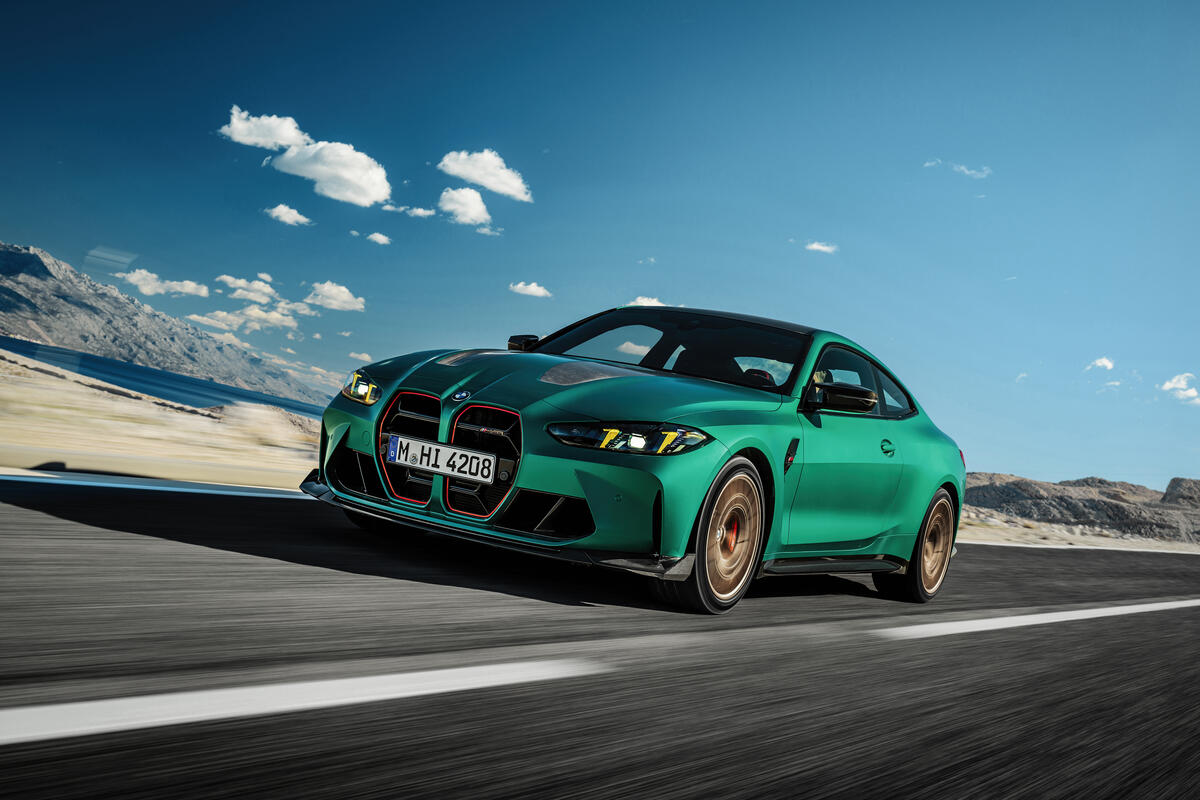
BMW M4
"Ferrari works dots and works s15 works r34 works m4 works great [1023.6s] Just not perfect"
The BMW M4 is BMW’s high-performance version of the 4 Series. Here they’re saying theirs runs really well, but it still isn’t completely sorted.
The BMW M4 is BMW’s performance coupe (and convertible) in the M division, known for its high-output turbocharged straight-six and track-capable chassis tuning. In this segment, it’s mentioned as one of the cars that “works great,” but still not “perfect,” implying there are minor issues or quirks to address.

Ford Crown Victoria
"[1364.0s] Is there a car out there that is like the pine tree of the car world? Ford [1368.5s] crown Victoria [1371.7s] That's actually pretty accurate."
The Ford Crown Victoria is a big, old-school Ford sedan that’s famous for being tough and lasting a long time. Here it’s compared to a pine tree because it’s sturdy and dependable, even if it’s not the prettiest.
The Ford Crown Victoria is a full-size, body-on-frame sedan that became especially known in the U.S. for durability and fleet use (police taxis, rideshare, etc.). In this segment, the host uses it as the “pine tree” of the car world—strong, long-lasting, and not always stylish.

Subaru Outback
"[1383.9s] That's 365 days away. You know what I would say? [1387.5s] Subaru Outback [1389.2s] Subaru Outback [1390.8s] Yep, I had outbag ones"
The Subaru Outback is a Subaru model that’s built for everyday practicality and rough roads, and it’s known for being dependable. In this conversation, it’s being compared to a pine tree because it’s tough and lasts.
The Subaru Outback is a wagon-like crossover built around Subaru’s all-wheel-drive focus and a reputation for being practical and durable. The hosts treat it as another “pine tree” example—common, tough, and able to handle rough conditions, even if it’s not always considered the most exciting choice.
back parking lot
"Why why why the f*** is that Subaru still in our back parking lot? To be fair I gave the car [1413.9s] To someone and they just wouldn't move it."
They’re talking about a parking area behind the main area where a car sits when it isn’t being used. The issue is that the car wasn’t moved when it needed to be.
A “back parking lot” is being used as a practical staging area for a vehicle that’s not being driven, effectively turning it into a temporary storage location. While not a technical automotive term, it’s part of the logistics problem they’re describing (a car that won’t get moved).

Nissan R34
"I obviously had to back in the r34 [1452.2s] So it inadvertently looked like both of us were posing up for the car show..."
The Nissan R34 is a specific generation of the Skyline that car fans really like. In this story, they’re talking about how they parked their R34 when visiting someone.
The Nissan R34 refers to the 1999–2002 Skyline generation, famous with enthusiasts for its performance potential and motorsport legacy. Here it’s mentioned in a personal story about backing into a driveway/garage, but the key point is that the host is talking about a specific, enthusiast-known Skyline variant.

Mazda Rx8
"[1463.6s] Um [1465.0s] I when I had the rx8, I would back it into the garage"
The Mazda RX-8 is a Mazda that’s famous for having a rotary engine, which is different from the normal engine most cars use. They’re mentioning it because of how they used to park it in their garage.
The Mazda RX-8 is notable for using a rotary engine (Wankel) instead of the more common piston engine layout. In this segment, it’s referenced as the car the speaker used to back into the garage, showing how parking habits differ between cars and spaces.
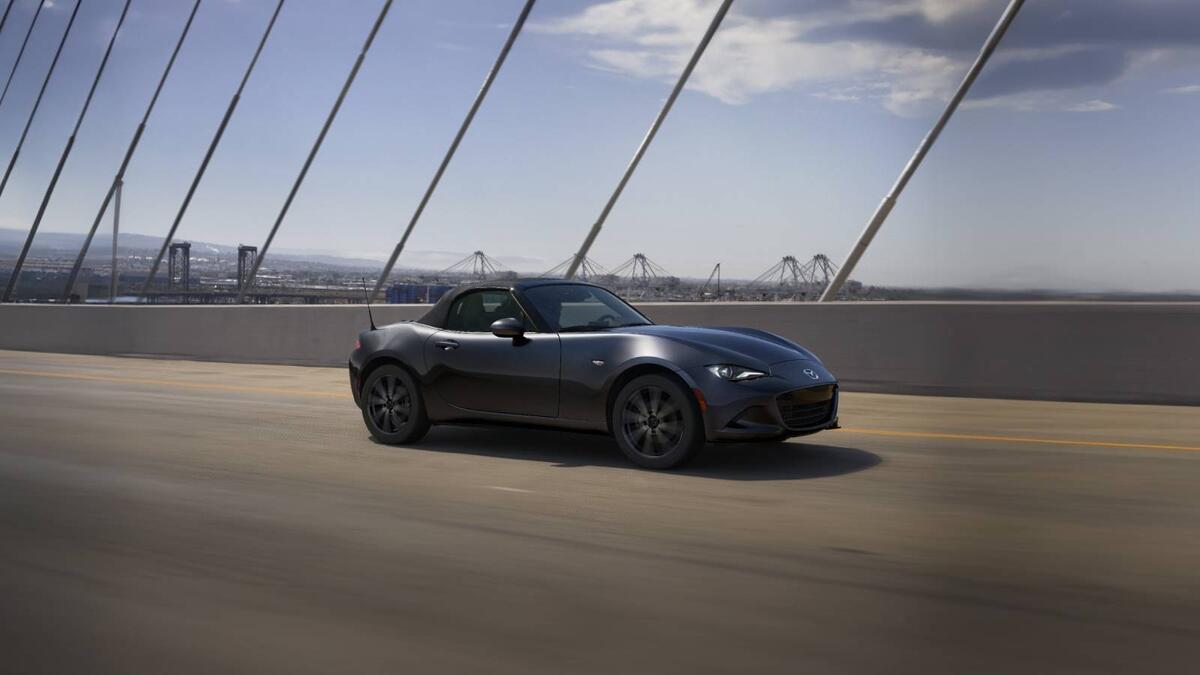
Mazda Miatas
"But they said it was an oversized two car And this was back when I was flipping Miata's to make money for college Would you like to know how many Miata's I fit in there at one time before I got in trouble by the landlord"
The Miata is a small two-seat convertible made by Mazda. It’s designed to be light and easy to drive, which is why many people like it. The podcast mentions it in a practical way—how it fits and how it was used for flipping cars.
The Mazda MX-5 Miata is a lightweight, affordable two-seat roadster designed for simple, engaging driving. It’s significant because it has a huge enthusiast following and is commonly used as a “flip” car—buying, modifying, and reselling—because it’s relatively straightforward to work on. The podcast context is about how many Miatas could fit in a space and how the speaker used to flip them for money.
wheel chucks
"And then you could turn it and then you could use these little wheel chucks and you could just push them into the corner Dude, those little wheel dollies open up so much."
Wheel chocks are blocks you put in front of (or behind) a tire so the car can’t roll. They’re a basic safety tool when moving cars or loading them.
Wheel chocks (often misspoken as “wheel chucks”) are blocks placed against a tire to prevent the car from rolling. They’re especially useful when loading, parking, or moving cars around in tight spaces.
wheel dollies
"Dude, those little wheel dollies open up so much. I was like, well, how many can I buy? So I just started looking for Miata's under a thousand dollars boom hard top boom boom boom"
Wheel dollies are little rolling platforms that help you move a car’s wheels around more easily. They’re handy when you’re working in a garage and need to reposition cars.
Wheel dollies are low-friction platforms that let you roll a car’s wheels around without fully lifting the vehicle. They’re commonly used in garages for repositioning cars, especially when you’re moving multiple vehicles or doing part-outs.
hard top
"So I just started looking for Miata's under a thousand dollars boom hard top boom boom boom And then I just started picking on a part and then I just parted them out and sold them There was one time I bought a Miata for 600 dollars All right, then I found a hard top for 600 dollars"
A hard top is the solid, rigid roof version of a convertible. It’s usually easier to live with day-to-day than a fabric roof, and it can be a valuable part when selling or flipping a car.
A hard top is a rigid roof panel (as opposed to a convertible soft top) for a convertible car. For Miatas, swapping to a hard top can change how the car looks and can make the car easier to store and sell to buyers who want less weather exposure.
Motegi racing wheels
"But we do want to give a huge shout out to Motegi racing wheels for being a partner of the martini works podcast They've been absolutely incredible"
Motegi Racing makes aftermarket wheels for cars. In this segment, the host is saying they’re using Motegi wheels for drifting and road events.
Motegi Racing is a wheel brand known for aftermarket wheels aimed at driving enthusiasts, including fitments for track and drift use. Here, the host is highlighting them as a partner and explaining why they chose these wheels for their S15 drift setup.
cogens
"We kept the cogens on the s15 post drift session just because I love how they look and they're going to be running around on Road america because we're going to a drift event actually this weekend and next weekend on them"
This sounds like a wheel name/model the host is using on their car. They’re basically saying they kept those wheels on after drifting because they like how they look.
“Cogens” appears to be a transcription of “cogens,” which in this context likely refers to a specific Motegi wheel model/finish. The key point is that they’re talking about the wheels they ran on their S15 after a drift session.
Road america
"We kept the cogens on the s15 post drift session just because I love how they look and they're going to be running around on Road america because we're going to a drift event actually this weekend and next weekend on them"
Road America is a famous race track. The speaker is saying they’ll be using their wheels there for a drift event.
Road America is a well-known road course in the United States, famous for its long, flowing corners and elevation changes. The host mentions running their drift wheels there, tying the wheel choice to real event use.
Flow formed
"They've been doing an incredible job at offering wheels in sizes That actually makes sense for people that love to slide their car and drive their car Flow formed. They're super light very strong."
Flow forming is a way of making a wheel so it can be lighter while still being strong. The host is saying these wheels are made that way, which helps them survive aggressive driving.
Flow forming is a manufacturing process for wheel barrels where material is plastically deformed over a mandrel. It’s used to create lighter wheels with good strength, which matters for hard use like drifting where wheels take repeated impacts and high loads.
thrashing
"Flow formed. They're super light very strong. I love them Obviously, they they've withstood the amount of thrashing that we've thrown at them when we've thrown quite a bit at them"
“Thrashing” here just means beating on the car—driving it hard and stressing parts more than normal. They’re saying the wheels survived that kind of abuse.
In enthusiast talk, “thrashing” means repeatedly stressing a component beyond normal everyday use—like hard launches, aggressive cornering, and frequent drifting. The host uses it to argue the wheels have held up under demanding driving.

Honda Prelude
"“...why in the living fuck are you making the Honda prelude a $50,000 car... Okay, if I wanted to fix the Honda prelude... Maybe the prelude has lots of civic parts... and then we we ship it as an entry level Front wheel drive fun sports car. Don't even change the powertrain...”"
The Honda Prelude is a Honda model that’s meant to feel sporty. Here, the hosts are saying Honda priced it too expensively, and they’d fix that by making it cheaper and more accessible—without changing the basic drivetrain.
The Honda Prelude is a sporty coupe from Honda’s lineup, known for being built around Honda’s front-wheel-drive layout and shared components with other Honda models. In this segment, the hosts argue the Prelude was priced too high and suggest re-positioning it as a more affordable entry-level front-wheel-drive “fun sports car.”
EV projects
"“So we we stop Hemorrhaging money from all of the terrible EV projects that Honda is doing... and we take that money... and we just put that into making the efficiencies of developing cars a little bit easier”"
“EV projects” means work a car company does to build electric cars. The host is arguing Honda spent too much money on that and should have put more of it into making other cars better and cheaper to develop.
“EV projects” refers to a company’s development efforts for electric vehicles, including new platforms, batteries, motors, and related software. The host claims Honda was “hemorrhaging money” on EV work and suggests redirecting that spending toward improving car development efficiency for the Prelude.
Front wheel drive
"“...and then we we ship it as an entry level Front wheel drive fun sports car. Don't even change the powertrain...”"
Front-wheel drive means the front wheels do the work of both steering and moving the car forward. The host is suggesting the Prelude should be positioned as a cheaper, accessible sporty car using that common layout.
Front-wheel drive (FWD) means the engine’s power is sent to the front wheels, which handle both steering and propulsion. The host frames the Prelude as an “entry level” FWD sports-style car, implying the layout should keep costs down and packaging practical.
powertrain
"“...ship it as an entry level Front wheel drive fun sports car. Don't even change the powertrain. Don't change anything about that”"
The powertrain is basically the car’s “go” system—what makes it move and how that power gets to the wheels. The host is saying they wouldn’t change that; they’d focus on other changes instead.
A powertrain is the set of components that generate and deliver driving power—typically the engine (or motor), transmission, driveshafts, and final drive. The host says they wouldn’t change the powertrain when “fixing” the Prelude, meaning the solution is more about pricing/positioning than redesigning the drivetrain.

Honda Civic
"Where did that sit in the Honda lineup? Like was it above the civic? Was it like? ...the civic was always seen as that's what yeah, because I'm like I'm like trying to figure out like what they're doing"
The Honda Civic is Honda’s mainstream compact car, and it’s often used as the baseline for pricing and positioning. The hosts compare the Prelude’s intended role to the Civic, arguing it doesn’t make sense to have the Prelude priced like a higher-tier model while also being too close to the Civic conceptually.
CVT
"Drop the CVT put a 1.5 liter earth dreams engine out of like the 10th gen civic si Just slap that in there and call her a day."
A CVT is a type of automatic transmission that can smoothly change ratios instead of shifting gears. The host thinks it makes the car feel less sporty, so they want it replaced.
CVT (continuously variable transmission) is a gearbox that uses pulleys and a belt/chain to provide a seamless range of gear ratios instead of fixed steps. The hosts argue the Prelude should not use a CVT, implying they want a more traditional “sporty” feel that a conventional geared transmission typically provides.
1.5 liter earth dreams engine
"Drop the CVT put a 1.5 liter earth dreams engine out of like the 10th gen civic si Just slap that in there and call her a day."
“Earth Dreams” is Honda’s name for a set of modern engines. They’re suggesting the Prelude should use a 1.5-liter version of that engine so it feels more like a real sporty Honda.
“Earth Dreams” is Honda’s engine family branding used on many modern Honda powertrains, including 1.5-liter turbocharged setups. The hosts specifically reference using a 1.5-liter Earth Dreams engine (from the Civic Si) to give the Prelude a more performance-aligned powertrain.
Honda Civic Si
"Drop the CVT put a 1.5 liter earth dreams engine out of like the 10th gen civic si Just slap that in there and call her a day."
The Civic Si is the sportier version of the Honda Civic. Here, they’re saying the Prelude should use the same kind of engine package that makes the Civic Si feel more like a real performance car.
The Honda Civic Si is the Civic’s performance-oriented trim, typically with a more driver-focused engine and tuning than the standard Civic. The hosts suggest dropping a specific 1.5-liter “Earth Dreams” engine from the 10th-gen Civic Si into a Prelude to make it more coherent as a sporty model.
global regulations
"That I'm not quite sure Honda knew where global regulations were going with cars and What we saw with the prelude is a rapid change"
Automakers have to follow rules that governments set for things like pollution and fuel use. If those rules change, car companies may have to redesign parts of the car to stay legal.
“Global regulations” refers to worldwide rules that automakers must follow, such as emissions standards and fuel-economy requirements. When these rules change, manufacturers often redesign engines, emissions systems, and even vehicle architectures to comply.
evy
"What 2024 was Like evy everything was talking evy I mean we were following the european regulations"
EV usually means electric vehicle—cars that run mostly on electricity from a battery. The host is saying the industry was moving toward that direction.
“EV” is the automotive abbreviation for electric vehicle, meaning a car powered primarily by an electric motor and battery rather than a gasoline engine. The host’s “evy” likely refers to the broader industry shift toward EVs and EV-related compliance and product planning.
tariff talk
"and then at the same time There's been a whole bunch of tariff talk and a whole bunch of changing on where production needs to be done"
A tariff is a tax on imported products. If tariffs rise, it can get more expensive to sell cars made abroad, so companies may move production.
Tariffs are taxes on imported goods. “Tariff talk” here points to how import taxes can change the cost of building cars in one country and selling them in another, pushing companies to shift production locations.
Hybrid
"And that like evy look tells me that they were planning on that being more of a Hybrid or probably even like an evy version of Front wheel drive right yeah 100"
A hybrid uses two power sources, usually a gas engine and an electric motor. The goal is better fuel economy than a normal gas-only car.
A hybrid vehicle uses more than one energy source—typically a gasoline engine plus an electric motor/battery—to improve efficiency. Automakers often choose hybrid systems as a transitional step while regulations and EV infrastructure evolve.
transmission
"I think we need to pull the transmission out I think we need to go to"
The transmission is what helps the engine send power to the wheels in the right way. If they want to pull it, they think the car’s “how it drives” feel isn’t working and needs fixing.
The transmission is the drivetrain component that manages how engine power is delivered to the wheels through different gear ratios. When someone says they need to pull the transmission, they’re implying the car’s current power delivery/feel isn’t right and may require deeper mechanical changes.
mark them up to 80 thousand dollars
"Here's in the boardroom But what if we make it so that the dealers can mark them up to 80 thousand dollars? Before a customer ever gets them."
They’re talking about dealers charging extra money before the car even reaches the customer. So instead of the car being a good deal, it becomes more expensive right away.
This is about dealer markup—raising the price above the factory/advertised amount before a customer buys the car. In practice, it can make a “factory-correct” product feel even worse because the buyer is paying more for the same perceived shortcomings.
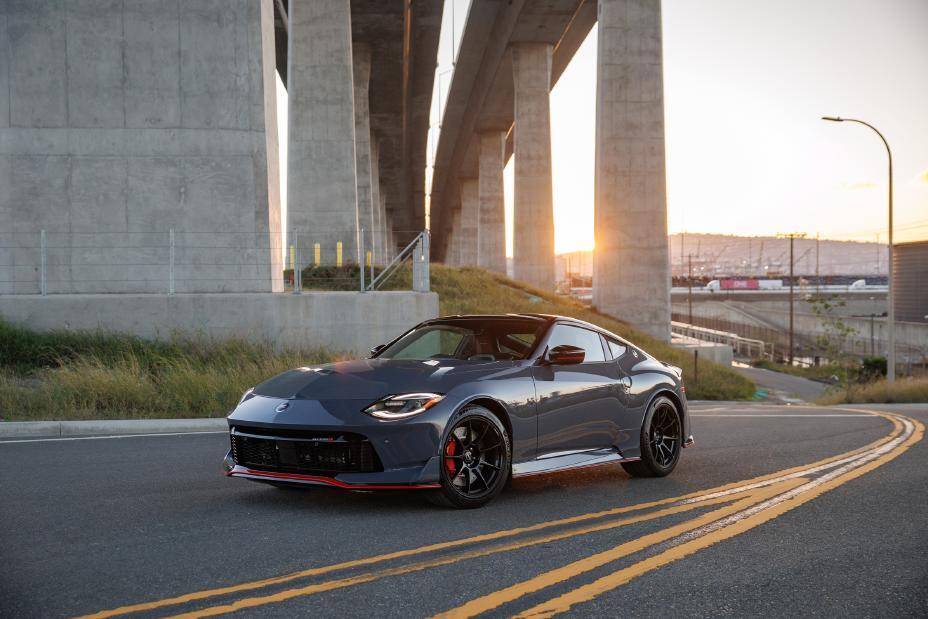
2024 Nissan z s 30 heritage edition
"But what the hell is this 2024 Nissan z s 30 heritage edition? Okay, so I go in there and I'm like, I wonder if it's a manual or an automatic transmission"
This is a special “heritage” version of the Nissan Z. In this part, they’re mainly talking about how it drives with different transmissions—manual vs automatic—and how that changes the feel.
This is a special-edition Nissan Z, and the “heritage edition” is a trim package meant to evoke the Z’s classic styling. The key point in this segment is that the host is evaluating how the 2024 Nissan Z S30 Heritage Edition drives depending on whether it has a manual or automatic gearbox.
nine speed automatic
"Okay, so I go in there and I'm like, I wonder if it's a manual or an automatic transmission Six speed manual or nine speed automatic. You can't have both"
A nine-speed automatic is an automatic gearbox with lots of gear steps. The host is saying it doesn’t shift quickly enough when they want it to, which makes the car feel less responsive.
A nine-speed automatic is an automatic transmission with nine gear ratios, designed to keep the engine in a favorable RPM range. Here, the host is judging how quickly it responds when you request a gear change, especially in sport mode.
six speed manual
"Okay, so I go in there and I'm like, I wonder if it's a manual or an automatic transmission Six speed manual or nine speed automatic. You can't have both"
A six-speed manual is a car where you pick the gears yourself. You use a clutch to switch gears, and the host is comparing how the manual feels versus the automatic.
A six-speed manual is a gearbox where you choose gears yourself using a clutch pedal and a shift lever. In this segment, the host contrasts it with the automatic and points out a specific drivability issue they noticed with the manual.
rev hang issue
"You know, we talked with the manual and had like the really bad like rev hang issue It just felt like sloshy"
Rev hang is when the engine RPM doesn’t drop immediately when you lift off the gas or change gears. That can make the car feel awkward or less responsive, which is what the host is complaining about.
“Rev hang” is a drivability behavior where the engine speed stays elevated for a moment after you release the throttle or clutch, delaying the RPM drop. The host says the manual had a “really bad rev hang issue,” which can make shifts feel less crisp and reduce the sense of connection.
sloshy
"It just felt like sloshy Like it didn't feel really connected and that was a big part of it and the car just felt overall big"
“Sloshy” here means the car feels a bit delayed or mushy when you ask for power. Instead of responding right away, it feels like the movement and acceleration come in a less direct way.
In this context, “sloshy” is a subjective description of how the drivetrain and throttle response feel—like the car doesn’t react immediately and the power delivery feels delayed or unsettled. The host links it to a lack of connection and responsiveness, which they interpret as making the car feel sluggish.
sport mode
"I'm like, okay. Well, maybe you know the automatic transmission. No flappy paddles could be a lot quicker It's gonna be a little more responsive Dude that thing the auto transmission in that in sport mode shifted slower"
Sport mode is a setting that’s supposed to make the car respond faster and shift more aggressively. Here, they’re saying the automatic still shifts too slowly even when sport mode is on.
Sport mode is a driving setting that typically changes throttle mapping and transmission shift logic to make the car feel more aggressive. The host’s complaint is that, even in sport mode, the automatic transmission in this Nissan Z shifts slower than expected.
flappy paddles
"I'm like, okay. Well, maybe you know the automatic transmission. No flappy paddles could be a lot quicker It's gonna be a little more responsive"
Flappy paddles are the little shift paddles behind the steering wheel. They let you tell an automatic transmission what gear you want, but this car apparently doesn’t have them.
“Flappy paddles” refers to steering-wheel paddle shifters that let you manually request gear changes on an automatic transmission. The host notes there are no paddle shifters, which they think could limit how quickly you can influence the automatic’s behavior.

Chevrolet Equinox
"Dude that thing the auto transmission in that in sport mode shifted slower than my fucking chevy equinox with sport mode"
They’re comparing the Nissan Z’s automatic shifting to a Chevrolet Equinox. The point is that the Z felt slower to change gears than a much more normal commuter SUV.
The host uses the Chevrolet Equinox as a comparison point for shift behavior, saying the Nissan Z’s automatic in sport mode was slower than the Equinox’s. This is less about the Equinox itself and more about highlighting how delayed the Z’s gear changes felt.
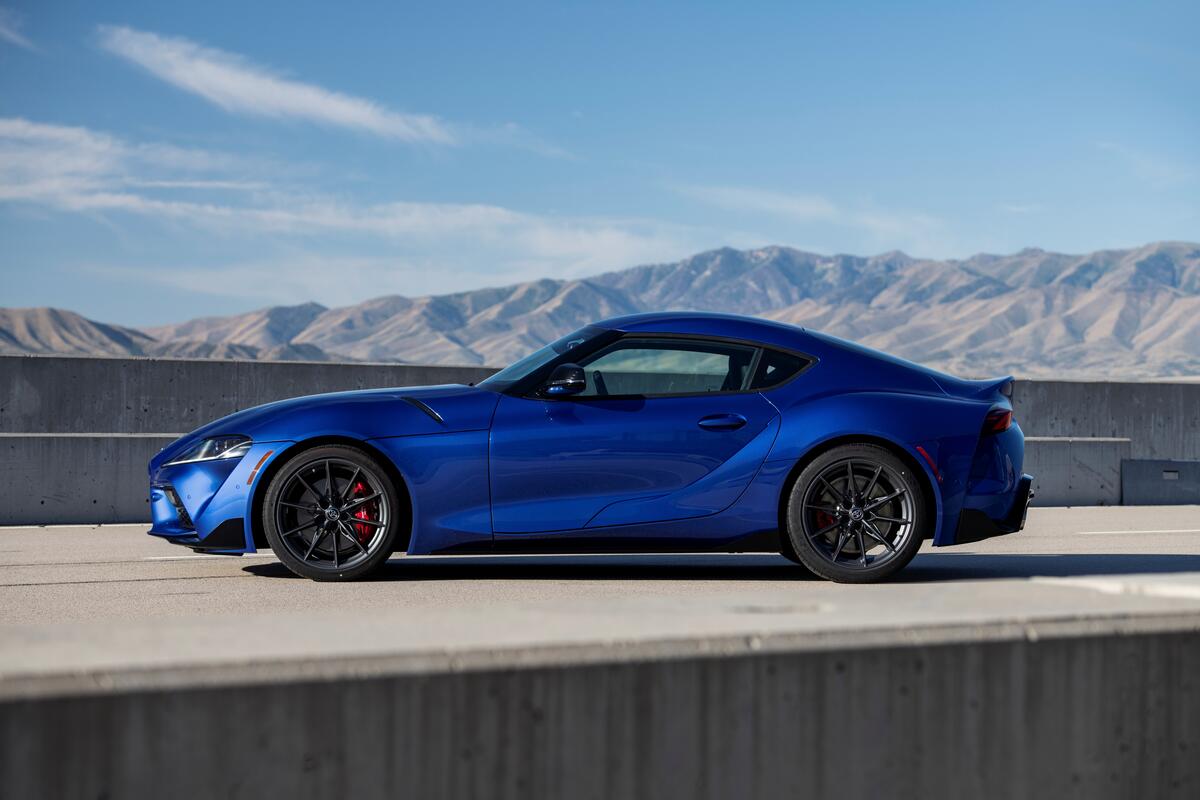
Toyota Supra
"...es 2400. It's not bad It's direct competitors the supra. Yeah, you're not getting one of those for like y..."
The Supra is a Toyota sports car made for fast driving. It’s usually a two-door coupe and is known for being a performance-focused model. The podcast mentions it in the context of how much you’d have to pay compared to similar sports cars.
The Toyota Supra is a sports coupe known for strong performance and a reputation as a desirable enthusiast car. It’s brought up in the podcast as a benchmark for what people might pay or what competitors cost. The context suggests a comparison around pricing and availability versus its “direct competitors.”
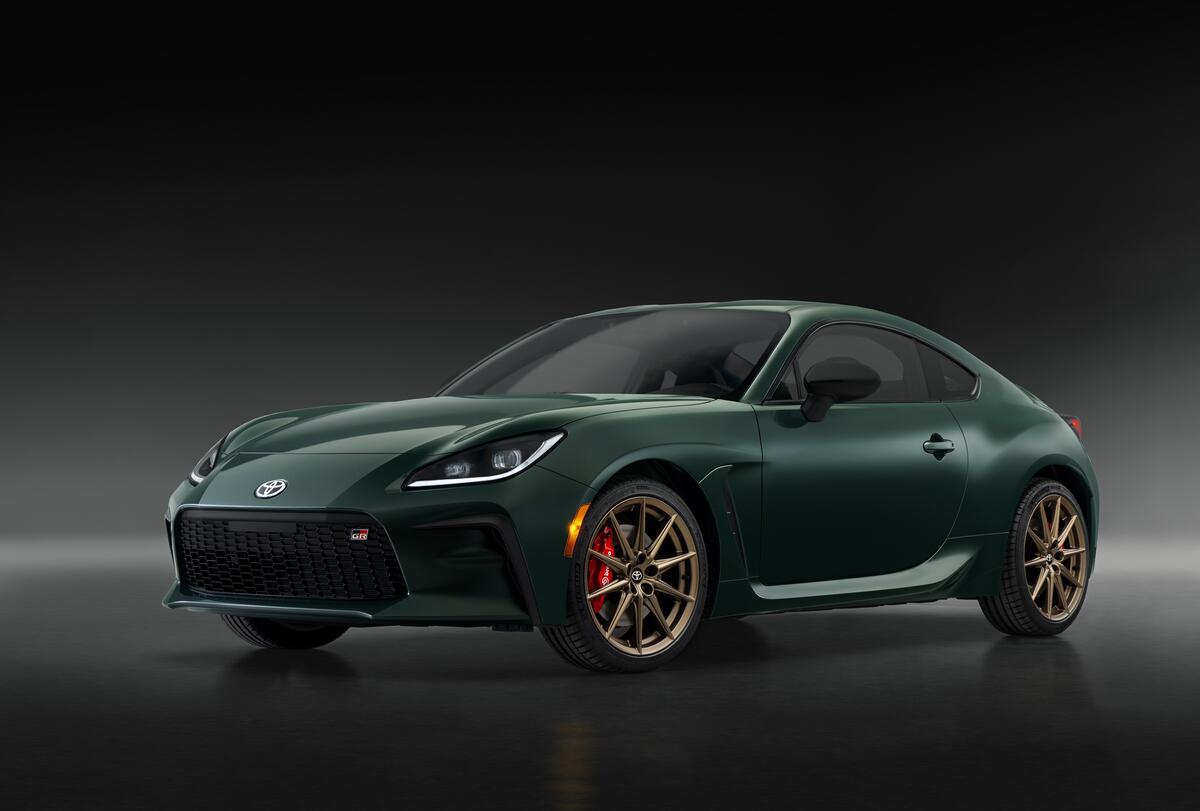
Toyota Gr86
"...'re getting that for You're getting that for like gr86 price now. Yeah, which Was my second car. Okay, t..."
The GR 86 is a small sports car from Toyota. It’s designed to be light and fun to drive, especially on twisty roads. The podcast mentions it because of what it costs and because the speaker owned one as a second car.
The Toyota GR 86 is a modern lightweight sports coupe built for fun handling and an engaging driving feel. It’s often discussed alongside the Subaru BRZ because they share a similar platform and design goals. In the podcast, it’s mentioned in the context of pricing and as a “second car” the speaker had.
msrp
"But what would you chop 10k off the msrp and it's perfect."
MSRP is the official starting price on the car’s window sticker. The host is saying that if the car cost about $10,000 less, they’d consider it a perfect deal.
MSRP (Manufacturer’s Suggested Retail Price) is the sticker price a carmaker publishes before taxes and dealer fees. The host suggests chopping $10k off MSRP would make the GR86 feel “perfect,” meaning the price-to-value balance is the issue.
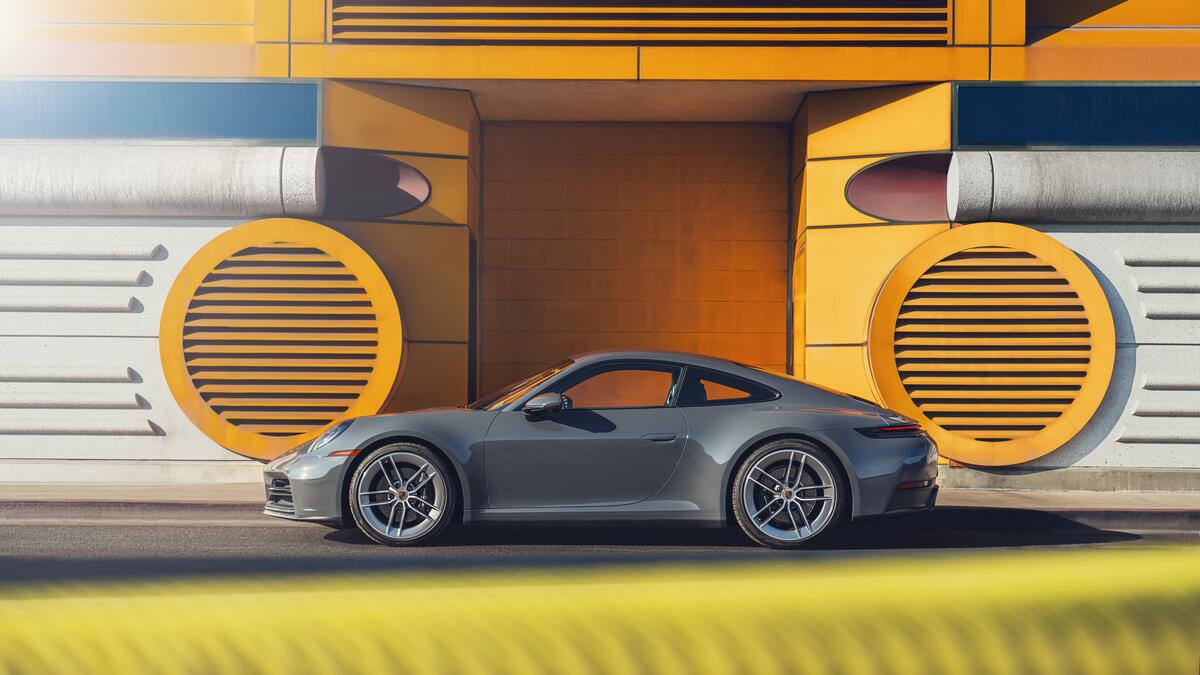
9 11
"throw it at whoever is deciding that Porsche needs to have like $400,000 in Incremental upsell opportunities when you spec out a 9 11 in 2026."
The Porsche 911 is Porsche’s famous sports car. The host is saying that when you add options, the 911 can get so expensive that it starts competing with Ferrari pricing.
The Porsche 911 is Porsche’s iconic rear-engine sports car, and it’s known for having a huge range of options and trims. Here, the host complains that in 2026 you can spec a 911 so aggressively that it reaches “Ferrari territory,” implying the factory option pricing has ballooned.
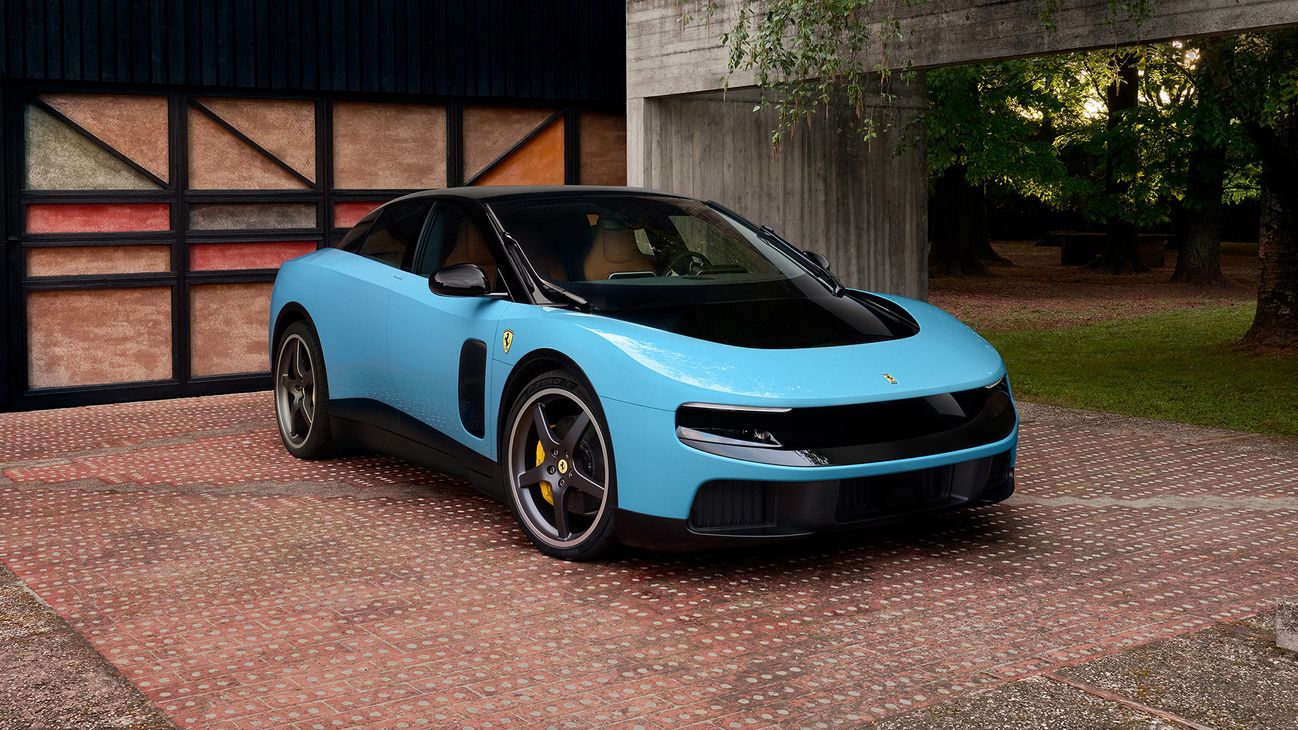
Ferrari Luce
"...e there's a tear Hold on. I would fix the Ferrari luce By just taking the prosangue and putting an ev po..."
The “Ferrari Luce” name in the podcast sounds like a specific Ferrari model, but the exact car isn’t clear from the name alone. The speaker talks about changing it by using parts/ideas from another Ferrari and turning it into an electric vehicle. If you confirm the exact model name, I can explain what that car is.
“Ferrari Luce” appears to be a reference to a Ferrari model name mentioned in the podcast, but it’s not a widely recognized Ferrari model designation as stated. Because the transcript context is about fixing it by combining ideas from another Ferrari and making it an EV, the discussion seems speculative or conceptual rather than about a specific production car. If you can share the exact model name as spoken (or a link), I can tailor the explanation more accurately.
spec out
"No, seriously if you go on uh, like a Porsche website and you spec out an i11 [2227.9s] It's actually kind of a fun game to see how expensive can you get it? That's insane"
“Spec out” means customizing a car by choosing options, like paint, wheels, and interior. The speaker is saying that those add-ons can make the final price jump a lot.
“Spec out” means configuring a car by selecting options and packages (trim, wheels, interior, paint, etc.) in a factory configurator. The speaker’s point is that the price can balloon quickly when you add many high-cost customization items.
paint to sample
"Almost almost. It's insane. And people like Porsche has the paint to sample program and they have all that stuff [2241.1s] But like that'd be so fun if I didn't mind to do that actually though"
“Paint to sample” means you can order a custom paint color instead of a normal factory color. It usually costs more because the paint has to be specially made.
“Paint to sample” is a custom paint program where you choose a specific color (often provided by the customer) rather than picking from the standard palette. Because it requires extra mixing, approvals, and production handling, it can add significant cost and lead time.
DuPont registry
"And the DuPont registry and I'll look at these like either super cheap race cars or super expensive collector cars [2270.7s] And I always look at the paint to sample or the bespoke program cars"
The DuPont Registry is a website where people list and browse expensive collector cars. The host mentions it because it’s where you can find examples of very customized cars.
The DuPont Registry is a collector-car listing site that focuses on high-end vehicles, including rare and expensive examples. The speaker uses it as a place to browse custom “paint to sample” and bespoke builds.
bespoke program
"And I always look at the paint to sample or the bespoke program cars the ones that were built [2275.1s] Specifically yeah for this customer"
A “bespoke program” is when the car maker builds a car to your specific custom requests. It’s usually more expensive because it’s not just picking from standard options.
A “bespoke program” refers to a manufacturer’s custom-order process where the car is built to a customer’s specific requests (often beyond normal option packages). In practice, it can include unique exterior/interior combinations and special materials, which is why it can produce very expensive, highly individualized builds.
steelies
"Throw just a fucking basic set of wheels on like fucking throw it on steelies for all I care [2341.6s] You know, whatever you have a trim that has that option."
“Steelies” means plain steel wheels, not fancy alloy wheels. The point here is that if you’re going to modify the car anyway, you don’t need to spend extra on the wheels first.
“Steelies” are steel wheels, usually the basic factory-style wheels that are cheaper than alloy wheels. The host is arguing that even a simple wheel choice is fine if you’re modifying the car, because the money can go toward the parts that matter more to them.
BMW engine
"Designer I'm gonna be like, yo, you fucking did it. I don't care. You put the BMW. You know what good idea Good idea putting the BMW engine because that shit was"
The host is talking about the Supra using an engine that comes from BMW. Their argument is that this made the car cheaper to build (and therefore easier to buy) while still delivering strong performance.
“BMW engine” here refers to the Supra’s factory powerplant being sourced from BMW’s inline-six family rather than using a Toyota-designed engine. The host’s point is that this collaboration helped the Supra meet performance goals while staying cost-effective compared with alternatives.
3jz
"But they went against the grain. They did it. I think it fucking worked. Would a 3jz been cool? Sure, that would have been cool and would have been a billion fucking dollars that I don't have"
The “3JZ” is a legendary Toyota engine associated with older Supras and a huge tuning scene. The host is saying it would’ve been awesome to have, but it would probably cost a lot more money than the version people can actually buy.
“3JZ” refers to the Toyota 2JZ/3JZ family of straight-six engines that became famous in the JDM and tuning world, especially in earlier Supra generations. The host is asking whether a 3JZ swap would have been “cool,” but notes it would likely have been far more expensive and harder to get than the factory setup.

Toyota Gt
"...g dollars that I don't have And would just been a Toyota GT that I I can get can't get and I won't ever get y..."
The GT 86 is a Toyota sports car that’s meant to be light and fun. It’s designed for driving enjoyment rather than being a high-cost supercar. The podcast mentions it because the speaker wanted one but couldn’t afford it.
The Toyota GT 86 (often referred to as the 86) is a lightweight sports coupe focused on affordable, enjoyable driving. It’s frequently discussed in the same breath as the Subaru BRZ because they were built with similar goals and shared core engineering. In the podcast, it’s mentioned as something the speaker wanted but couldn’t get, and as a “Toyota GT” they couldn’t afford.

Datsun 240Z
"...Mr. K a good old handshake for the success of the 240z I think the the 240z still stands as like one of ..."
The Datsun 240Z is an older sports car from the early 1970s. It’s known for being a popular, classic model that many car fans still talk about. The podcast mentions it as a major success and a car with a strong reputation.
The Datsun 240Z is a classic early-1970s sports car that helped establish the Z-car reputation for performance and style. It’s often discussed as a milestone because it became a benchmark for affordable sports cars. In the podcast, the speaker mentions it as a success story and highlights the 240Z’s standing among enthusiasts.
Request an Explanation
Heard something you'd like explained? We'll add it to this episode.
Sign in to request explanations for terms you heard.
Want to learn more?
Browse our glossary for plain-English explanations of automotive terms, jargon, and concepts.
Help improve this episode
See something that's not quite right? Our annotations are AI-generated and can sometimes miss the mark. Click the flag icon on any annotation to suggest a correction.