
Clark Sopper is back, and so is the Round Cat Rally - DWA! Podcast Ep. #943
About this episode
Clark Sopper returns to Driving While Awesome, kicking things off with Tokyo heat and how people cool off (including subway air blasts and portable AC units). They pivot to Clark’s Roundcat background—running events, supporting international business, and maintaining cars for owners—plus life in Tokyo with a toddler who loves car culture. Clark shares details from Como Car Week and why a fenced garden made it perfect for his son. The crew also looks ahead to Car Week, including the Round Cat Rally (DWA tour) and Clark’s plans to hit Quail and Laguna Seca.
We are joined by our good friend Clark Sopper of Round Cat Racing to talk about the upcoming RoundCat Rally and much more.
Find out more at www.roundcat.jp
Egocidal vehiculum
"[11.0s] Egocidal vehiculum. [12.6s] There's no doubt."
That phrase doesn’t match a real car term. It sounds like a joke or nickname, not something you’d find in a car spec sheet.
“Egocidal vehiculum” isn’t a standard automotive term. It appears to be a playful, made-up phrase rather than a defined car technology or category.
Laguna Seca
"go to the quail and then [264.9s] probably go to Laguna Seca to check out racing on Saturday. [268.4s] And then I mean, that's that's as much as I have planned."
Laguna Seca is a famous race track in California. They’re saying they’ll go there during Car Week to watch racing.
Laguna Seca is a well-known motorsports venue in California, famous for road racing events and the track’s challenging layout. The host mentions going there to check out racing, tying it to the Car Week schedule.

Subaru SVX
"And this is a jujaro thing, the situation is how the SVX got in. [296.2s] I think it got in because it's [298.3s] a distinctive Japanese touring car."
The Subaru SVX is a Subaru model that’s kind of famous for its unusual look and being a “grand touring” car. Here, they’re saying an SVX will be shown at The Quail.
The Subaru SVX is a distinctive Japanese grand tourer from Subaru, known for its unusual styling and V6-powered GT vibe. In this segment, the hosts mention it being at The Quail, implying it’s part of the event’s curated lineup.
Japanese touring car
"I think it got in because it's [298.3s] a distinctive Japanese touring car. [303.3s] I don't actually know"
“Japanese touring car” basically means a Japan-made car meant for comfortable trips, not just racing. They’re using it to describe the SVX as the kind of car that fits the vibe of the event.
A “Japanese touring car” refers to cars associated with Japan that are built and marketed for comfortable long-distance driving, often with a focus on everyday usability rather than pure track-only performance. In this context, the host uses it to explain why the Subaru SVX might fit the event’s selection criteria.

Nissan Gtrs
"... that that along with all this of the high dollar GTRs, there's going to be something, you know, funky w..."
The Nissan GT-R is a fast sports car made by Nissan. It’s designed to accelerate quickly and drive very aggressively. The podcast is mentioning that some GT-Rs can be expensive and may come in special variations.
The Nissan GT-R is a high-performance sports car built for very fast acceleration and serious track-capable driving. The podcast context references “high dollar” GT-Rs and suggests there may be unusual or special versions, which is common with how the model is offered. It’s frequently discussed because it blends everyday usability with extreme performance.
certification
"it pleases me that that along with all this of the high dollar [316.9s] GTRs, there's going to be something, you know, funky with certification. [321.5s] No, I appreciate that for sure."
Here, “certification” means official paperwork or approval that a car is allowed to be in a certain class or event. They’re hinting that the SVX’s situation might be a little unusual compared to the other cars.
In motorsports and collector-car contexts, “certification” refers to formal approval or documentation that a car meets a specific eligibility rule set (for example, for entry into an event or compliance with a category). The host suggests the SVX’s inclusion may involve an unusual or “funky” certification path compared with more straightforward entries.
Car Week
"I think this is a good time to mention that we're basically a month out [327.3s] from car week, which is terrifying and driving will awesome. [333.3s] The DWA tour is going to be taking place once again, Thursday of car week."
“Car Week” is a busy time of year when a lot of car events happen close together—shows, auctions, and racing. They’re planning their trip around it and mentioning the DWA tour during that same week.
“Car Week” is a recurring annual motorsports and collector-car festival period, packed with events like auctions, concours-style shows, and track activities. Here, the hosts frame their schedule around it and note the DWA tour happening during the week.

Hyundai Santa Cruz
"... a company called Roundcat that I I founded in in Santa Cruz with these guys, you know, in proximity to the DW..."
The Hyundai Santa Cruz is a small crossover that also has a bed like a pickup truck. That means it can carry items in the back while still being comfortable for regular driving. The podcast mentions it in the context of Santa Cruz, which is also the vehicle’s name.
The Hyundai Santa Cruz is a compact crossover utility vehicle with a pickup-style bed, designed to combine everyday comfort with light hauling capability. It’s often mentioned because it targets buyers who want a small truck-like function without going full truck. In a podcast, it may come up when discussing personal connections to places or brands, since the name matches Santa Cruz.
car spotting
"And so there's also plenty of car spotting on the street, just like in Monterey car week, [918.9s] if you just walk around, it's just the whole thing is a car show."
Car spotting is the enthusiast practice of watching for and identifying interesting cars in public places. At large events, it becomes a big part of the experience because many rare or special vehicles are out on the road.
slow parade
"So it turns into a very slow parade of [934.2s] really funny cars."
A “slow parade” describes how traffic bottlenecks can turn normal driving into a moving display of cars. For car events, this can increase visibility and make the street feel like part of the show.
concours
"And then the [956.7s] for a concorso is on a much more expansive garden that's sort of up this hillside, [961.6s] but they probably don't have more than,"
A concours is a fancy, judged car show. Cars are displayed and evaluated, usually with a more “special event” feel than a casual meet-up.
A concours (short for concours d’elegance) is a formal car show where vehicles are judged for originality, condition, and presentation. It’s typically more curated and less chaotic than general street-spotting events.
BMW
"But then there's, there's, you know, BMW has a big activation and there's another hotel in [974.1s] the lakes or in between the two events that, that, that is Chimera does a"
BMW is a German automaker that often brings branded “activations” to major car events. In this context, it suggests BMW had a dedicated presence/experience at the event area.
Chimera
"and there's another hotel in [974.1s] the lakes or in between the two events that, that, that is Chimera does a [980.1s] Peresto mod pop up sort of thingy there."
Chimera is referenced as the organizer/brand behind a “Peresto mod” style pop-up activation. The mention implies a custom-modification or curated car-related experience rather than a standard dealership display.
Zagato
"…these, a pair of these really cute electric, um, 70s city cars by Zagato on back to back inside our old, a rose garden…"
Zagato is an Italian company best known for styling and special car designs. In this story, it’s the name attached to the cute electric city cars they lined up for the event.
Zagato is an Italian coachbuilder and design house that’s known for distinctive, often lightweight bodywork and special editions. Here, the speaker mentions “electric 70s city cars by Zagato,” using Zagato to identify the design lineage of the cars used for the event display.
electric powertrain
"…a pair of these really cute electric, um, 70s city cars by Zagato…"
An electric powertrain is what makes an EV move. It includes the battery and electric motor system that turns electricity into motion.
An electric powertrain is the set of components that generate and deliver power in an EV—typically including an electric motor (or motors), battery, inverter, and related control electronics. The speaker’s “electric” city cars reference this technology, even though they don’t list the components explicitly.
DWA
"…it's a lot, it's different than, you know, we talk about our rally a lot, the DWA"
DWA is the name of another rally/event the hosts have discussed before. Here they’re saying the Round Cat Rally is different from that one.
DWA is referenced as the hosts’ other rally that they “talk about… a lot,” and it’s contrasted with the Round Cat Rally. In this excerpt, DWA functions as a named event label rather than a technical term.
DCT transmission
"SF production Gabe is asking what's your take on the manually actuated DCT transmission and the new Ferrari 12-cylindry..."
A DCT is a special type of automatic transmission that can shift very quickly. It uses two clutches so it can be ready for the next gear, which is why it can feel snappy like a manual.
DCT stands for dual-clutch transmission, a gearbox that uses two clutches to pre-select the next gear. That design enables fast shifts, and when you add a “manual” interface (like a gated shifter), it can feel closer to a traditional gearbox while still shifting automatically.
manually actuated
"SF production Gabe is asking what's your take on the manually actuated DCT transmission and the new Ferrari 12-cylindry..."
This means the driver still “acts like” they’re driving a manual—choosing gears and using a clutch-like control. But the car’s computer is doing the actual work of engaging the transmission.
“Manually actuated” here means the driver controls the gear selection with a human-like interface (like a gated shifter and clutch pedal feel), but the underlying drivetrain still uses an automated system. The goal is to blend manual driver input with the shift speed and efficiency of an automated gearbox.
simulated manual EV
"Are we getting closer to a mass market simulated manual EV?"
A “simulated manual EV” is an electric vehicle that uses an EV drivetrain but adds a manual-like interface—such as a gated shifter and clutch-like controls—so the driver can operate it like a traditional car. The idea is to preserve the engagement of manual driving while keeping the efficiency and instant torque of an EV.
gated shifter
"it is exactly that, right? It's a gated shifter that is telling the automatic, which gear to select."
A gated shifter is a gear lever that only allows you to move it into the proper gear positions. It gives you a more traditional, mechanical feel than a free-moving shifter.
A gated shifter is a gear lever with a physical “gate” pattern that restricts movement to the correct shift positions, like a classic manual. In this context, it’s used to let the driver select gears in a way that feels mechanical, even though the transmission is still automated.
synthetic clutch actuation
"And there's a clutch pedal associated with it with some sort of synthetic clutch actuation."
This is when the clutch pedal feel is real, but it isn’t mechanically connected to a conventional clutch. The car uses sensors and electronics to make the transmission behave like a clutch is being used.
Synthetic clutch actuation means the clutch pedal is “simulated” rather than directly connected to a traditional mechanical clutch. Instead, the pedal’s movement is translated into electronic control signals that manage the DCT’s clutch engagement and friction point behavior.
steer by wire
"It's just, it's, it's, it's like steer by wire or throttle by wire. If it's done well, you don't notice..."
Steer-by-wire means the steering isn’t connected to the wheels with a traditional mechanical link. Instead, electronics control the steering, and the driver can still get a natural feel if it’s done well.
Steer-by-wire replaces the mechanical steering linkage with electronic control and actuators. The comparison is used to explain that if the “feel” and control logic are engineered well, you can get a driving experience that’s effectively indistinguishable from a traditional setup.
throttle by wire
"It's just, it's, it's, it's like steer by wire or throttle by wire. If it's done well, you don't notice..."
Throttle-by-wire means the gas pedal doesn’t move the throttle mechanically. The car reads your input and electronically controls the throttle opening.
Throttle-by-wire uses electronic signals to control the throttle instead of a direct mechanical linkage (like a cable). It’s referenced as an analogy for how a simulated clutch/shift system can still deliver a consistent, “natural” feel if the control system is well tuned.
Koenigsegg
"Didn't [2031.9s] Koenigsegg do this a couple of years ago? I mean, and supposedly I remember here, [2036.9s] like it seemed to be like he seemed to do a pretty good job of it from what people said."
Koenigsegg is a company that builds very high-end supercars. The host is bringing them up because they’ve tried to make electronic/automated clutch behavior feel more like a real mechanical clutch. The claim is that it can be convincing enough that you can still stall the engine.
Koenigsegg is a Swedish hypercar maker known for advanced drivetrain and transmission tech, including experiments with how “real” clutch engagement can be simulated or controlled. In this segment, the host references Koenigsegg as an example of doing this kind of engagement-feel work successfully. The point is that the interaction can be convincing enough to even stall the car.
clutch engagement
"Like the engagement felt real and you could actually stall the car, [2050.1s] which was pretty incredible. So the clutch engagement was, you know, good enough or, [2057.7s] you know, there was enough of that like friction point where you had to nail the friction point"
Clutch engagement is when the clutch starts grabbing and sending power to the wheels. Drivers feel it as a bite point where the car goes from “not really moving” to “moving for real.” If it’s realistic, you can stall the engine if you don’t release the clutch correctly.
Clutch engagement is the moment the clutch starts transferring torque from the engine to the drivetrain. In practice, it’s felt as a “bite” or friction point where the car transitions from slipping to fully connected. If the engagement is well-calibrated, you can even stall the car because the connection can be too weak to keep the engine running.
friction point
"there was enough of that like friction point where you had to nail the friction point [2061.6s] that you could actually stall the car, which is cool."
The friction point is the spot where the clutch starts to really grab. Before that, the engine can rev but the car doesn’t pull strongly yet. Hitting that point correctly is what makes the car move smoothly—and missing it can stall the engine.
The friction point is the specific clutch position where the clutch plates begin to generate enough friction to transmit torque. It’s the threshold between slipping (engine revs rise without full acceleration) and fully engaged (power transfer is steady). A “real” friction point makes automated or electronic clutch behavior feel more like a conventional manual.
digitally tunable
"and then, I mean, this is [2122.9s] all theoretically digitally tunable. So, um, I think it could feel really good to drive."
Digitally tunable means the car’s behavior can be changed by software settings. Instead of only relying on physical parts, engineers can adjust how the clutch and drivetrain respond. That can help the car feel smoother or more realistic to drive.
Digitally tunable means the behavior (like clutch feel and engagement characteristics) can be adjusted via software calibration rather than only by mechanical design. That allows engineers to shape how quickly torque is transferred and how the car responds at the bite point. In theory, it can make the “feel” more consistent or more customizable across driving conditions.
Porsche E-Shift thingy
"Yep. I agree. Um, and I don't know anything about the Porsche E-Shift thingy, uh, either. [2166.3s] So I have to look further, further into that."
“Porsche E-Shift” is Porsche’s name for an electronic way of shifting gears. Instead of you doing everything with a clutch and shifter, the car uses electronics to manage the clutch/gear changes. The goal is to make it feel good to drive, not just fast.
“Porsche E-Shift” refers to Porsche’s electronically controlled shifting system concept—an automated approach to clutching and gear changes that aims to replicate (or improve upon) traditional manual feel. The host is saying they don’t know much about it yet, but it’s relevant because it affects how engagement and drivability feel. It’s essentially about how software and actuators manage the gearbox/clutch interaction.
Pagani
"Um, side note, uh, Pagani, uh, is talking about a car they're going to debut at Goodwood and it's,"
Pagani is a small Italian company that makes extremely special supercars. The host is saying Pagani is about to debut a new car at Goodwood, which is a big event for car enthusiasts. It’s a heads-up that the next topic will be that new Pagani.
Pagani is an Italian supercar manufacturer known for boutique, high-performance cars and for using advanced materials and bespoke engineering. Here, the host mentions Pagani in a side note about a car it’s going to debut at Goodwood. That signals the episode will likely shift toward Pagani’s upcoming reveal.

Pagani Huayra
"um, a Huayra with a gated shifted manual. It's the ugliest car I've ever seen probably, but, uh, [2188.8s] it does have a real manual transmission."
The Pagani Huayra is an ultra-expensive supercar. Here, the interesting part is that it’s described as having a real manual gearbox with a “gated” shifter, meaning you move the lever through a defined pattern like a classic race car.
The Pagani Huayra is a high-end supercar known for its exotic engineering and typically exclusive, bespoke feel. In this segment, the key detail is that the speaker is talking about a Huayra equipped with a gated-shift manual, which is unusual for Pagani compared with their more common automatic setups.
gated shifted manual
"um, a Huayra with a gated shifted manual. It's the ugliest car I've ever seen probably, but, uh, [2188.8s] it does have a real manual transmission."
A “gated” manual has a shifter that only lets you move the lever into the correct gear positions. It usually feels tighter and more controlled than a typical street shifter.
A gated manual transmission uses a shifter mechanism with a physical “gate” that restricts lever movement to specific shift positions. That makes the gear changes feel more precise and is common in performance and race cars.

fiat topolino
"Uh, pedal commute says, what do you all think of that new fiat? He's talking about the topolino. Is this the new Santa Cruz electric [2242.6s] cargo bike replacement?"
The Fiat Topolino is a very small electric car meant for short trips. In this segment they point out it only goes about 19 miles per hour, so it’s not really for highways.
The Fiat Topolino is a tiny electric microcar, and the segment focuses on its “neighborhood” use case rather than highway driving. The speaker highlights practical details like its very low top speed (19 mph) and two-seat layout, which strongly shape how and where it can be used.
19 mile an hour top speed
"It is a little, it's very cute. This is right up your Oasis and Lake Como vibes. Clark, uh, [2264.6s] if you're not aware, I'm super stoked about these. I've seen them in person. We had one at [2270.9s] Greenwich. It's like a year ago or I don't know where I was, but, um, they've been around [2276.7s] and they're really cool looking in person. I mean, they're very well done and, and great [2282.6s] proportions and colors and they're doing it right. I think it was at Detroit actually [2287.0s] that they showed a prototype in Detroit, 14 grand or something. They're climbing in 15. [2293.6s] It's the cheapest car in the U S now at $15,000. $14,985 is the new current cheapest vehicle you [2303.2s] can buy in the U S. And is it a neighborhood electric vehicle or is it a full like, even [2309.8s] though it's not a big range or anything, is it, can you, are you limited to how you use it on the [2313.9s] street? I think it's a totally legal car, but it only goes 19 miles an hour. So it's no highway."
Top speed is the fastest the car can go. Here, the point is that 19 mph is too slow for highways, so it’s meant for short, local trips.
Top speed is the maximum speed a vehicle can reach under its own power. In this segment, the Fiat Topolino’s 19 mph top speed is the defining limitation that determines it’s not suitable for highway driving and fits the NEV-style usage.
neighborhood electric vehicle
"And is it a neighborhood electric vehicle or is it a full like, even [2309.8s] though it's not a big range or anything, is it, can you, are you limited to how you use it on the [2313.9s] street? I think it's a totally legal car, but it only goes 19 miles an hour. So it's no highway."
A neighborhood electric vehicle is a low-speed electric car meant for local streets. It usually can’t be used like a normal car on faster roads or highways.
A neighborhood electric vehicle (NEV) is a legally defined class of low-speed electric vehicle designed for local streets. Because of regulatory and safety limits, NEVs typically have restrictions on where they can be driven (for example, avoiding higher-speed roads).
golf cart
"even if traffic is slow. Closer to a golf cart than a real car, 46 miles of range."
A golf cart is a small, slow vehicle usually used around golf courses. They’re comparing this vehicle to that kind of use, not normal highway driving.
A golf cart is a low-speed, short-range vehicle typically designed for golf courses or private communities rather than public roads. The speaker compares the discussed vehicle’s feel and range to a golf cart to emphasize how limited it is.
quadro cycle
"It's classified as a quadro cycle, but that said, Fiat will offer a street legal kit beginning later this year..."
A quadro cycle is a special legal category for a small vehicle. It’s treated differently than a normal car, so it can be limited on which roads you’re allowed to use.
A quadro cycle is a regulatory category for certain small, lightweight vehicles that don’t fit normal car or motorcycle rules. Because of that classification, it may be limited in where it can be driven and what speeds it’s allowed to reach.
street legal kit
"Fiat will offer a street legal kit beginning later this year, which adds a, which ups the top speed to 25 miles per hour..."
A street legal kit is a set of changes that helps a vehicle meet the rules for driving on public roads. In this case, it’s meant to raise the speed limit it can legally be set to.
A street legal kit is an aftermarket or manufacturer-supplied package intended to make a vehicle comply with road-legal regulations. Here, it’s described as increasing top speed to help the vehicle qualify as a low speed vehicle under local rules.
low speed vehicle
"...allowing it to meet the classification of a low speed vehicle able to be driven on roads with speed limits of 25 miles an hour."
A low speed vehicle is a type of vehicle that’s capped at a certain top speed. Because it’s slower, it’s allowed on roads where the speed limit is also relatively low.
A low speed vehicle is a government-defined class of vehicle that’s limited in maximum speed and allowed on roads with matching speed limits. The segment describes the kit raising top speed to 25 mph so it can meet this classification.
loophole
"So it's basically worthless. Well, it's like a loophole because it says that it's, it's no extra cost. So you buy it and it's, it's basically like buying one of those golf carts..."
A loophole is a way to follow the rules but still get around the spirit of them. In this case, the idea is that a kit can change what the vehicle is allowed to do on the road.
A loophole is a gap or workaround in rules that lets someone achieve an outcome that the rules didn’t clearly intend. Here, the speaker suggests the vehicle’s initial classification can be changed via a kit to make it legal at higher speeds.
Petal Commute
"Yeah. Yeah. This would cover that. It's basically like Petal Commute saying is like cargo bike replacement. And I think yes. Yes. Not a car replacement."
Petal Commute is mentioned like a commuting concept tied to bikes. They’re saying this vehicle could replace bike-based errands rather than replacing a normal car.
Petal Commute is referenced as a brand or service identity associated with cargo-bike-style commuting. In the segment, it’s used as an analogy for the vehicle’s role: replacing short trips that would otherwise be done by a cargo bike.
cargo bike replacement
"It's basically like Petal Commute saying is like cargo bike replacement. And I think yes. Yes. Not a car replacement."
Cargo bike replacement means using something else to do the same kind of short hauling errands you’d normally do with a cargo bike. They’re saying this vehicle is for that kind of daily running around.
Cargo bike replacement describes using an alternative vehicle to do the same job as a cargo bike—typically short-distance hauling and errands. Here, it’s used to frame the vehicle as an “errands and coffee shop” tool rather than a full car substitute.
Highway 17
"Renvolks Garage says, would a Honda Beat be a commutable car on Highway 17?"
Highway 17 is a major road route in California that includes stretches with higher speeds than typical neighborhood streets. The segment uses it as a real-world test of whether a very small car can safely “keep up” with traffic.
NVH
"Yeah. I don't even my mind doesn't even go to maintenance. It goes to NVH and safety commuter cars should be somewhere that you want to like sit and be comfortable in traffic amongst other large cars."
NVH means noise, vibration, and harshness. It’s basically how “smooth” and quiet the car feels inside—how much rattling, shaking, and harshness you notice. A car with better NVH feels nicer for daily driving.
NVH stands for noise, vibration, and harshness. It describes how much unwanted sound and vibration the car transmits to the cabin, and how “harsh” the ride feels. Lower NVH generally makes commuting feel calmer and more comfortable.
ABS brakes
"And then the other thing was you come around blind turns and all of a sudden traffic is just dead stopped and having a car without modern ABS brakes and stuff like that where you can't just like lay on the brakes."
ABS is a safety system that helps your brakes not lock up. When wheels lock, you lose steering control. With ABS, you can usually brake hard and still steer to avoid hazards.
ABS (anti-lock braking system) brakes prevent the wheels from locking up during hard braking. That helps the driver maintain steering control while braking, especially on wet or low-traction surfaces. The speaker contrasts older brakes that lack ABS with modern braking behavior.

Polestar
"but if I was in like the Polestar, I would have been just like, you know, ABS would have kicked in. It probably breaks like from 60, like 40 feet shorter than the 9 11"
They bring up Polestar as an example of a newer car. The idea is that modern safety systems like ABS help you brake more safely when you’re panicking and the road is slippery.
Polestar is mentioned as the hypothetical car the speaker would have been driving instead of the Porsche 911. They’re comparing modern braking behavior—specifically how ABS would intervene—to argue that a newer car would be more controlled in an emergency stop.

BMW E30
"I've commuted on that on that road in my GTI, which was very raw and the E 30 old car. And I think just like as a commuter, that's not the best use of a Honda beat like that."
They’re talking about an older BMW 3 Series from the E30 era. They’re using it as an example of a car that feels more raw and less forgiving for daily commuting on a stressful road.
“E 30” refers to the BMW 3 Series E30 generation, which the speaker calls an “old car” they also commuted with on the same road. The E30 is a classic enthusiast platform, and here it’s used to contrast older, more “raw” driving feel versus modern comfort/safety.
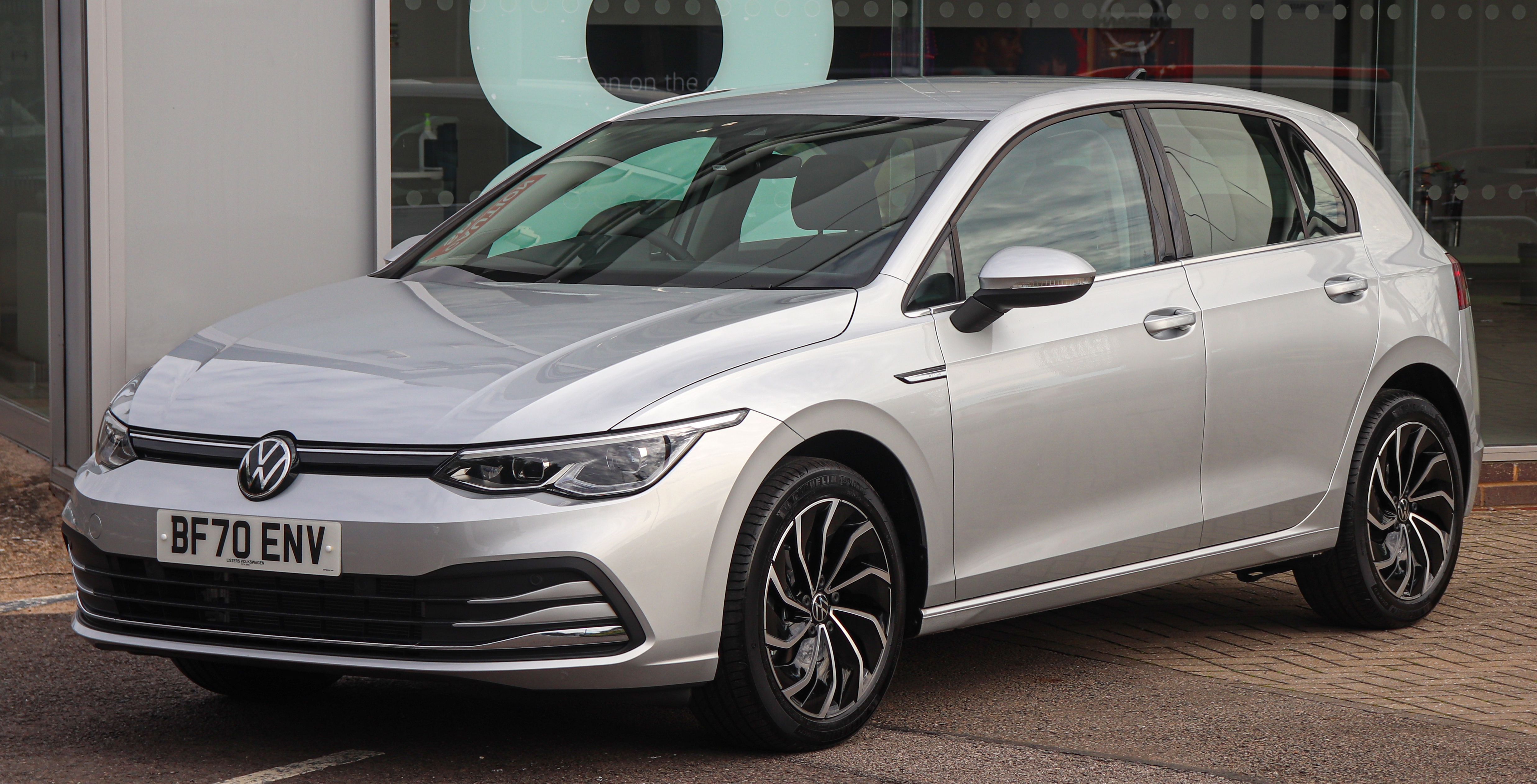
Volkswagen Gti
"I've commuted on that on that road in my GTI, which was very raw and the E 30 old car. And I think just like as a commuter, that's not the best use of a Honda beat like that."
They mention a GTI as a car they used for commuting on that road. The point is that even a fun car can feel stressful if the route is sketchy every day.
The speaker says they commuted on that road in a GTI, using it as an example of a car they’ve driven daily in the same sketchy conditions. In enthusiast terms, “GTI” typically refers to the Volkswagen Golf GTI, a compact hot hatch known for being fun but still practical for commuting.
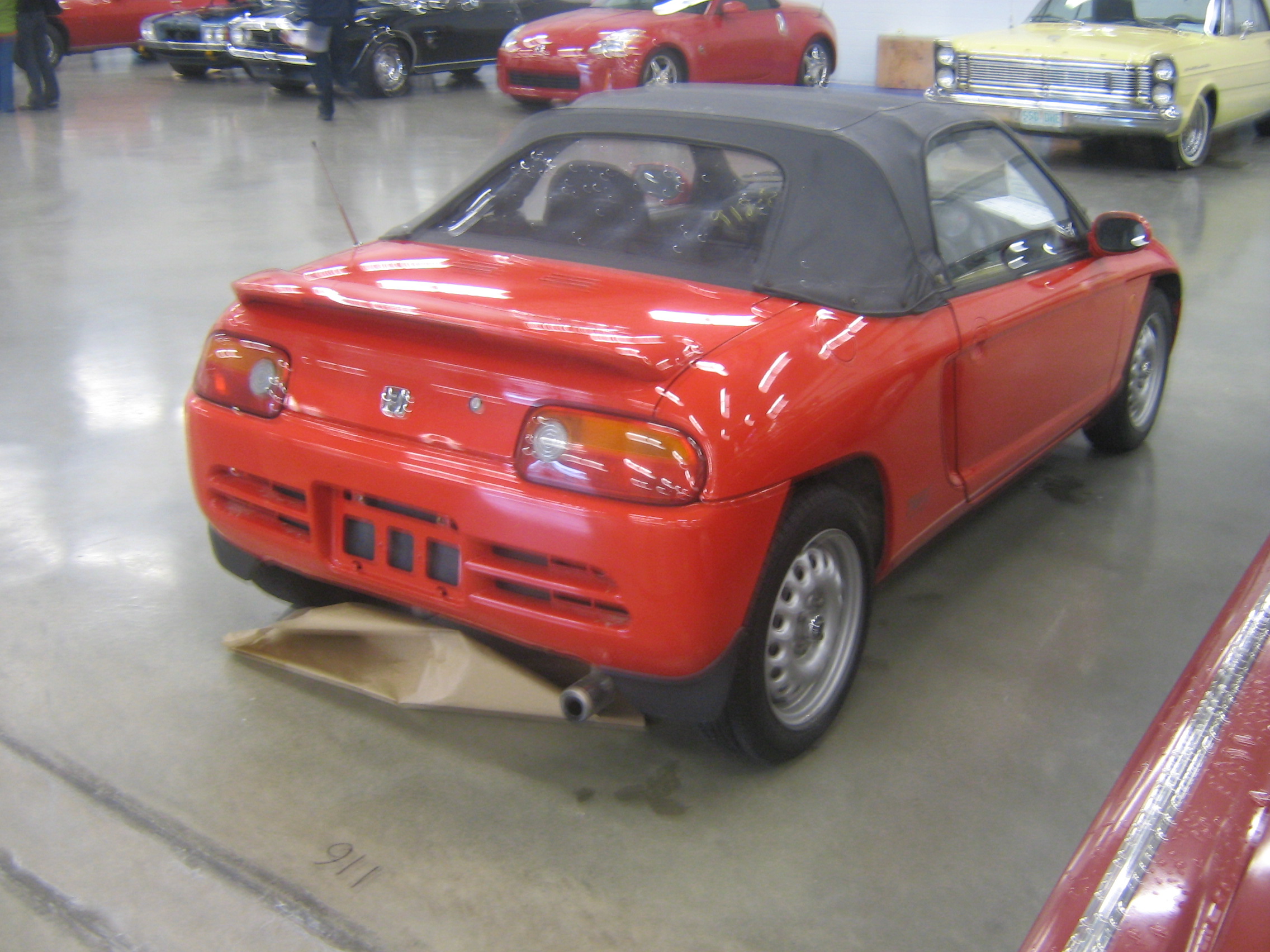
Honda beat
"And I think just like as a commuter, that's not the best use of a Honda beat like that. You're just going to agree. Yeah. Yeah."
The Honda Beat is a tiny Honda sports car that’s meant to be fun and a little rough around the edges. They’re saying it’s better for occasional driving than for everyday commuting.
The Honda Beat is a small kei-car sports coupe from Honda, known for its lightweight, open-top-ish “raw” driving character and enthusiast appeal. The speaker argues it’s not the best choice for daily commuting, because the experience can be tiring and you’d rather save it for occasional fun drives.

Suzuki Jimny
"...psule collection, I would probably start with the Jimny. This is a Jimny because it's super iconic as a v..."
The Suzuki Jimny is a small SUV that’s meant for off-road driving. It’s known for being tough and for its recognizable, boxy look. People like it because it can handle dirt roads and rough terrain despite its small size.
The Suzuki Jimny is a compact, off-road-capable SUV known for its boxy shape and simple, rugged design. It’s often considered iconic because it’s small but still built to handle rough roads and trails. In a podcast, it may be brought up as a standout choice for people who want something adventurous and characterful.
K car
"This is a Jimny because it's super iconic as a vehicle, as a K car, and they're great cars... So let's get into K cars for a second."
A “K car” is a special category of small Japanese cars. They’re built to be compact and efficient, and they often come with a lot of practical features while still being enjoyable to drive.
A “K car” (kei car) is a Japanese class of small vehicles with strict size and engine-displacement limits, designed to be affordable and tax-friendly. In this segment, the host uses the term to organize a collection around small, practical vehicles that can still be fun—especially trucks and hatchbacks.

Honda S660
"...really isn't a lot because Honda discontinued the S660, which is the little one-third scale NSX. But ass..."
The Honda S660 is a small sports car made by Honda. It was designed to be light and fun to drive. The podcast is saying it was discontinued, so it’s not something you can easily buy new anymore.
The Honda S660 is a small, lightweight sports car that Honda produced for a limited market, known for its compact size and fun, nimble driving feel. The podcast notes that Honda discontinued it, which is why it comes up as something enthusiasts remember or wish were still available. It’s often discussed as a modern take on the “small roadster” idea.
scissor lift
"Recently, I shared a post with Clark about a scissor lift K truck. Was it an Acti? I can't remember."
A scissor lift is a platform that can go up and down using a folding, scissor-like mechanism. In this context, it sounds like the truck has been converted to carry a lift for work.
A scissor lift is a type of lifting platform that raises and lowers using a linked “scissor” mechanism. Here it’s referenced in the context of a “scissor lift K truck,” implying a specialized utility conversion rather than a standard factory truck setup.
dump body
"A dump body, but it had a full scissor lift up and down. So you could lift the whole bed up"
A dump body is a truck bed that can tilt to dump whatever you’re carrying. It’s made for hauling things that you want to unload quickly.
A dump body is a truck bed designed to tilt so you can unload loose materials like dirt, gravel, or debris. It’s commonly used on work trucks because it makes emptying the bed much faster than manually moving the load.
rooftop tent
"Absolutely. Yeah. Yeah. Who needs a rooftop tent when you can raise the back of your truck up?"
A rooftop tent is a camping tent mounted on the roof of a vehicle, typically with a hinged base that opens when parked. It’s popular because it keeps you off the ground and can be faster to set up than traditional tents.
K truck
"It's that I'm just pro-K truck. I know, but you've had opportunities to own many K truck and you've never owned said van."
A “kei truck” is a small Japanese truck class with strict rules on size and engine. People like them because they’re compact and practical, and they’re often used for simple daily driving and camping setups.
A “kei truck” (often shortened to “K truck”) refers to Japan’s kei-car class: small, lightweight vehicles with strict size and engine limits. Because of those regulations, they’re usually limited in seating capacity and are popular for practical, compact driving and light-duty work.
camping conversion
"we should also say that you've dabbled in like cool camping conversion stuff for K trucks and even big, you know, uh, Fuso things."
A camping conversion means modifying a vehicle so it can be used like a camper. People add things inside (like sleeping space and storage) so they can camp more comfortably.
A camping conversion is a customized interior/exterior setup that turns a vehicle into a livable camping platform. It often involves adding storage, seating/bed arrangements, and sometimes electrical systems so you can cook, sleep, and spend time off-grid.
lift kit
"It was just a pretty normal, probably like late nineties, early 2000s van, but it had a little lift kit and some, some, like it wasn't fully all-terrain tires,"
A lift kit is what raises a vehicle higher off the ground. It helps the tires clear bumps and potholes, and it’s often used for off-road looks and capability.
A lift kit is a set of parts that raises a vehicle’s suspension to increase ground clearance. That usually helps with rough roads and allows bigger tires, but it can also affect ride quality and steering geometry.
all-terrain tires
"It was just a pretty normal, probably like late nineties, early 2000s van, but it had a little lift kit and some, some, like it wasn't fully all-terrain tires,"
All-terrain tires are tires meant to handle both regular roads and dirt trails. They have tread that grips better off-road while still being usable on the highway.
All-terrain tires are designed to work on both pavement and dirt by using a tread pattern that balances road comfort with off-road traction. They’re typically more aggressive than highway tires, but less specialized than true mud-terrain tires.
knobby tires
"but it was like a little bit more knobby tires and had to stick around the back and said lift"
Knobby tires have chunky tread meant to grab onto loose ground. They’re great for dirt and rough trails, but they can be louder and less efficient on smooth roads.
Knobby tires have larger, more pronounced tread blocks meant to bite into loose surfaces like dirt, gravel, and mud. They can improve traction off-road, but they often create more noise and can wear faster on pavement.
fender flares
"Did it have like flares on it? Fender flares? I mean, no, this one, it wasn't that far."
Fender flares are the extra plastic or metal pieces around the wheel area. They help keep dirt and rocks from hitting the body and can cover wider tires.
Fender flares are add-on panels that extend outward from the wheel arches. They help cover wider tires and protect the body from mud and debris, and they’re common on lifted or off-road-styled vehicles.
K-van
"and it's not a K-truck or a K-van. This is a real, a real boy."
A K-van is a tiny Japanese van in the kei class. The speaker is basically saying the van they saw is bigger and more substantial than those small kei vans.
“K-van” refers to kei vans—very small Japanese vans in the kei class. They’re known for compact dimensions and cost advantages, and the speaker uses the term to contrast them with a larger full-size van build.
pre-runner
"And so it was, it was sort of the perfect sort of pre-runner, back roads, dirt roads, still probably had pretty good manners on, on the highway."
A pre-runner is an off-road desert style build. It’s meant for rough dirt roads and often has a lift and tougher tires so it can handle the terrain better.
A pre-runner is a desert-racing style off-road build associated with vehicles that run ahead of the main race to scout routes. The look typically includes a lifted suspension, off-road tires, and a setup aimed at handling dirt roads at speed.
Radwood
"Well, I'm heartbroken to say that the rally is exactly when Radwood will be happening and I can't come."
Radwood is a car show/event celebrating retro cars and the culture around them. Here, it’s mentioned because it overlaps with the rally dates.
Radwood is a car event focused on retro and enthusiast culture, often centered around late-20th-century “cool” vehicles and styling. In this segment, it’s used as a scheduling conflict for the rally.

Toyota HiAce
"but, or maybe a relaxing Lake Como refreshment, perhaps, or a get you back out for a drive in the awesome rally, something, we'll figure it out. But yes, van is high on my list. I look at high aces out of Thailand, I believe, because they're left-hand drive..."
The Toyota HiAce is a popular Japanese van used for work and travel. The speaker likes it because it’s tough and comfortable enough for long trips, and they’ve driven some versions in different countries.
The Toyota HiAce is a long-running Japanese commercial van line known for its durability and simple, practical design. In the transcript, the host is specifically talking about HiAce variants that are left-hand drive, and how they’ve driven them in places like Africa.
left-hand drive
"I look at high aces out of Thailand, I believe, because they're left-hand drive and it'd be a horrible decision no matter what, but I had some time in a few high aces..."
Left-hand drive means the steering wheel is on the left side of the car. That matters because it changes how the car fits the country’s driving rules and how easy it is to drive there.
Left-hand drive means the steering wheel is on the left side of the vehicle. The host mentions left-hand drive specifically because it affects where the van can be used comfortably and legally, and they’re considering sourcing HiAces from Thailand.
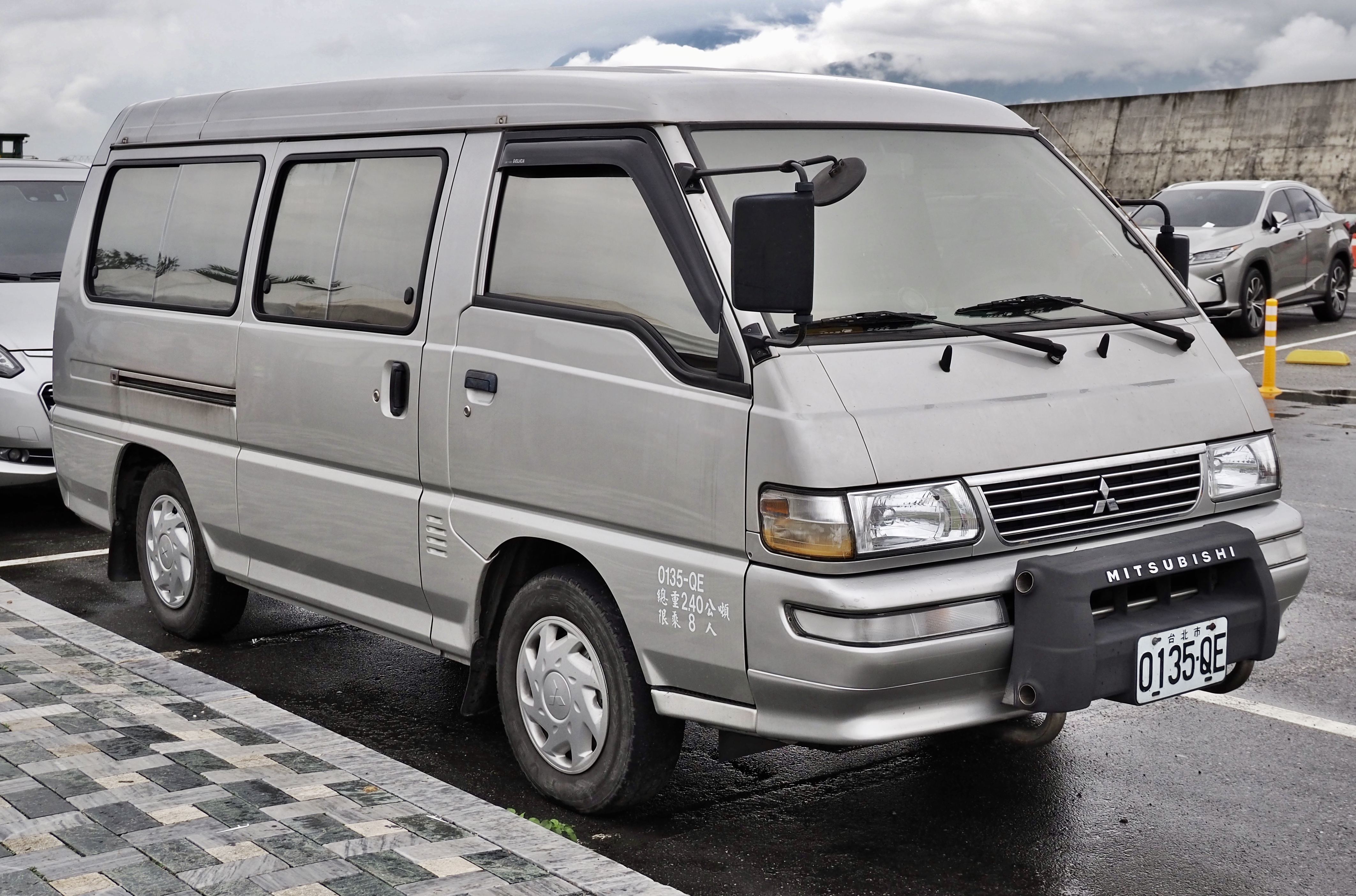
Mitsubishi Delica
"But yeah, Delicas and there's also another one, like the Excelsior or something. There's some other package that's like the luxury version, like the surf and those other ones are like clearly for camping..."
The Mitsubishi Delica is a versatile Japanese van that people often use for road trips and outdoor trips. The speaker is comparing it to other versions that are more camping-focused versus more luxurious.
The Mitsubishi Delica is a Japanese van/SUV crossover known for being popular with off-road and camping-oriented buyers. In the transcript, it’s grouped with other van “luxury” and “surf/camping” style variants, suggesting different trim packages aimed at different lifestyles.
Lexus minivans
"And I also love all those fancy ass Lexus minivans in Tokyo are amazing. And I mean, they're so expensive, I know."
Lexus is Toyota’s luxury brand, and it also sells high-end minivans. The speaker likes them because they feel more upscale than typical minivans, but they’re very pricey.
Lexus makes premium minivans (especially popular in Japan) that are positioned as more luxurious alternatives to mainstream family vans. The host is praising their styling and noting how expensive they are.

Toyota Sienna
"So have you seen guys do that here where they take like a modern Sienna and try to put all those, the front end, like grills and headlights and all the stuff."
The Toyota Sienna is a common family minivan. The speaker is saying some people modify a Sienna’s front styling—like the grille and headlights—to make it look like a different kind of van.
The Toyota Sienna is a mainstream minivan that’s often used as a base for custom builds. Here, the host describes people taking a modern Sienna and swapping in front-end styling like grills and headlights to mimic a different van look.
Rad vehicle
"Max says, hi friends, checking in from a cross country road trip in a newly acquired Rad vehicle made me wonder what some of the longest road trips you guys have been on..."
“Rad” here appears to refer to a specific vehicle brand or model the host just acquired. Since the transcript doesn’t spell out the full brand name, it’s best treated as a named product reference rather than a generic description.

1987 Toyota Corolla
"grade. So we, we stuffed my, my family stuffed ourselves into our 1987 Toyota Corolla. And [3429.0s] and we, my sister and I, my sister was three years younger than me, so she was, she was fairly young."
A 1987 Toyota Corolla is an older Toyota compact car. It’s the kind of car people pick because it’s dependable and good for long drives, which is why it shows up in this road-trip memory.
The 1987 Toyota Corolla is a late-1980s compact car known for being simple, durable, and easy to live with. In this story it’s the vehicle the family used for a road trip, which highlights how these older Corollas were often chosen for long-distance practicality.

Volkswagen Bus
"...'ve been down to Mexico, like our family rented a Volkswagen bus and drove all the way down to, um, like Puerto Va..."
The Volkswagen Bus is a van that’s known for being spacious and good for traveling. People often rent or drive them on road trips because there’s room for passengers and gear. The podcast is referencing a family trip using one.
The Volkswagen Bus is a classic van known for its roomy interior and long-running popularity as a family and travel vehicle. The podcast context mentions renting one for a road trip, which fits the Bus’s reputation for comfort and practicality on longer drives. It’s often discussed as an iconic “road trip” vehicle rather than a performance car.
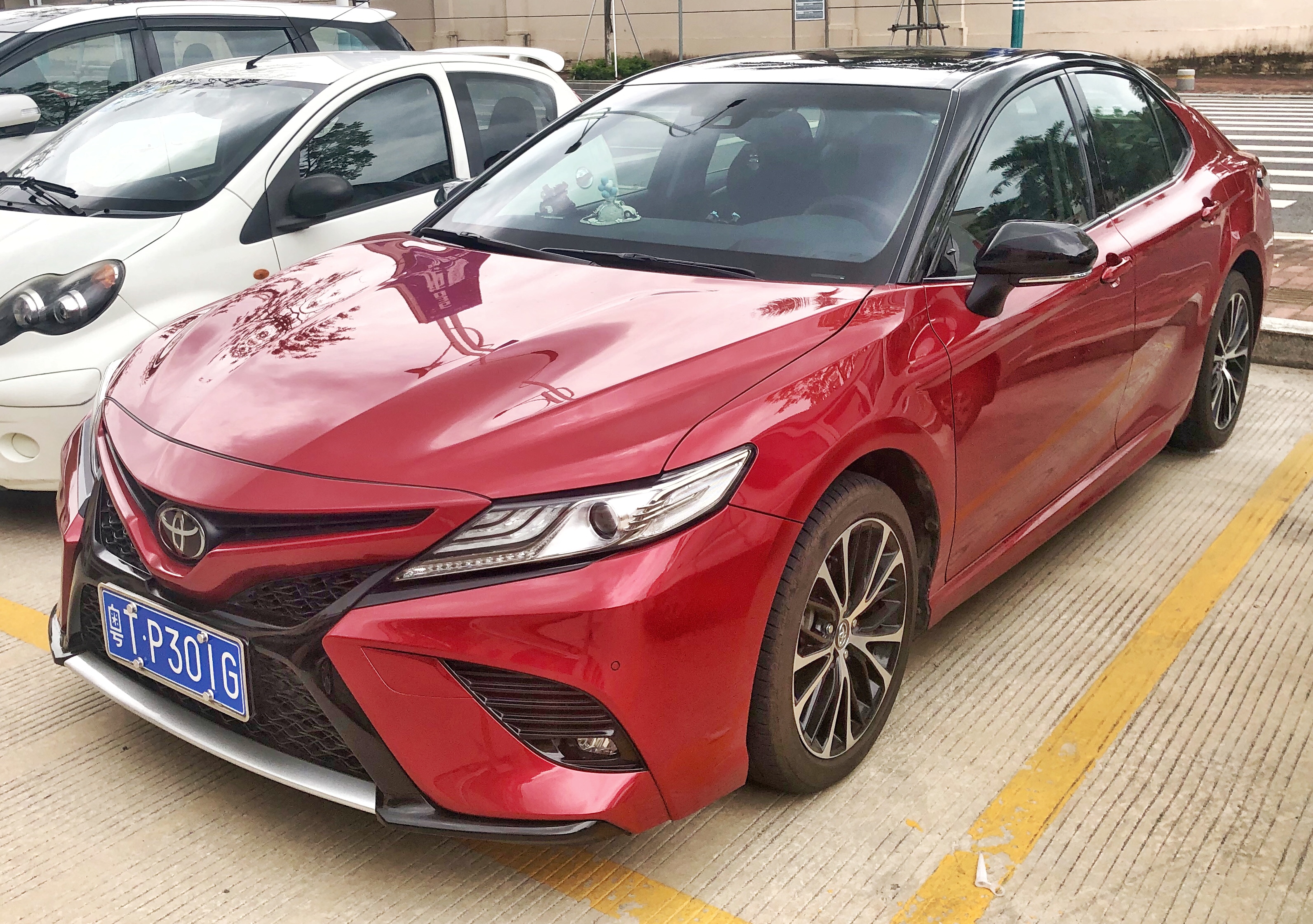
Toyota Camry
"his grandma's Toyota Camry. It's like an inheritance and he was 16."
The Toyota Camry is a very common, everyday car that’s known for being easy to live with. Here it’s mentioned as a first car/inheritance, which shows how people often start driving in a reliable sedan.
The Toyota Camry is a mainstream midsize sedan known for being practical, comfortable, and dependable—exactly the kind of car families use for long drives. In this segment, it’s also framed as a “grandma’s car” inheritance, which highlights how common and accessible the Camry is as a first car.

944 lemons car
"we stayed like in Montecito in the back of our car, um, sleeping in the Volvo wagon. Um, oh, that was for lemons. We rented a, uh, we, we, we drove down to San Diego to pick up a roll cage for the 944 lemons car."
A “944 lemons car” means they’re using a Porsche 944 for a goofy endurance race. The Porsche 944 is an older sports car that’s popular because it’s fun to work on and can be turned into a track car.
The “944 lemons car” refers to a Porsche 944 being prepared for a “Lemons” style endurance event. The Porsche 944 is a classic 1980s-era sports coupe known for its front-engine, rear-transaxle layout and for being a popular, relatively affordable platform for DIY racing and track fun.
roll cage
"Um, oh, that was for lemons. We rented a, uh, we, we, we drove down to San Diego to pick up a roll cage for the 944 lemons car."
A roll cage is a metal safety frame inside the car. It helps protect you if the car flips or crashes hard, which is why it’s used for racing.
A roll cage is a reinforced metal frame installed inside a car to protect occupants during rollovers and severe crashes. It’s especially common in track cars and endurance events because it also provides a stronger mounting structure for harnesses and other safety equipment.

Volvo wagon
"We put it in my Volvo wagon. It was gnarly to fit it in there, dude. You would think you're like, Oh, it'll fit."
A Volvo wagon is a car with extra cargo space behind the seats. Here, they’re trying to fit a big safety structure (a roll cage) inside it, so it shows how much room the car has—and how hard it can be to fit bulky racing gear.
A Volvo wagon is a station-wagon-style Volvo with a long roofline and cargo space, which is why it can be used for road trips and gear-heavy setups. In this segment, the host is talking about fitting a large roll cage into the wagon, which highlights the wagon’s practicality (and the packaging challenge).
sunroof
"It was like sticking out the sunroof or something. It was like, it did not really fit."
A sunroof is a panel in the roof that lets in light (and sometimes opens). They’re saying the roll cage didn’t fit cleanly because it interfered with the sunroof area.
A sunroof is a glass or metal panel in the roof that can open for ventilation and light. In this segment, the host mentions the roll cage “sticking out the sunroof,” which is a packaging/fitment issue caused by the cage’s size and shape.
road trip adventures
"Um, yeah, that's like, I guess those are, you know, those are our road trip adventures. Um, yeah, we used to do these road trips to sell flowers, um, for graduations."
They’re talking about what makes a road trip feel like a real trip—how you drive, where you stop, and even how you sleep along the way. The point is that it’s an adventure, not just getting from one place to another.
This segment focuses on how the hosts plan and experience long-distance drives, including sleeping arrangements and route choices. It frames “road trip” as more than just distance—more like a multi-day adventure with stops and detours.

Pontiac Firebird formula
"Pontiac Firebird formula, like an, uh, it's a square, a third gen? Sure. Whatever that is. Like at the Squarish ones? 1990. Yeah. Five speed of the 305."
The Pontiac Firebird is an old-school American muscle car. “Formula” is a specific trim level, and this one sounds like it had a 305 V8 and a manual transmission, which is what makes it interesting to car people.
The Pontiac Firebird is a classic American muscle car, and the speaker is specifically referencing a “Formula” trim. They’re also talking about a third-generation Firebird and a 305 V8 paired with a five-speed manual, which is a key enthusiast detail about how these cars were configured.
five speed
"Like at the Squarish ones? 1990. Yeah. Five speed of the 305. Yeah. Driving it out. A real shit box."
“Five speed” means the car has a manual gearbox with five gears. You choose the gears yourself, which can make the driving feel more connected.
“Five speed” refers to a manual transmission with five forward gears. In enthusiast talk, it usually implies a more driver-involved setup than an automatic, and it affects how the engine stays in its power band.
305
"Like at the Squarish ones? 1990. Yeah. Five speed of the 305. Yeah. Driving it out. A real shit box."
“305” is the engine size—about a 5.0-liter V8. People mention it because it helps you understand how powerful that particular version of the car is.
“305” is shorthand for the GM 5.0-liter V8 engine displacement (305 cubic inches). It’s a common reference point for how strong or “basic” a given Firebird/Camaro-era V8 was compared with larger engines.
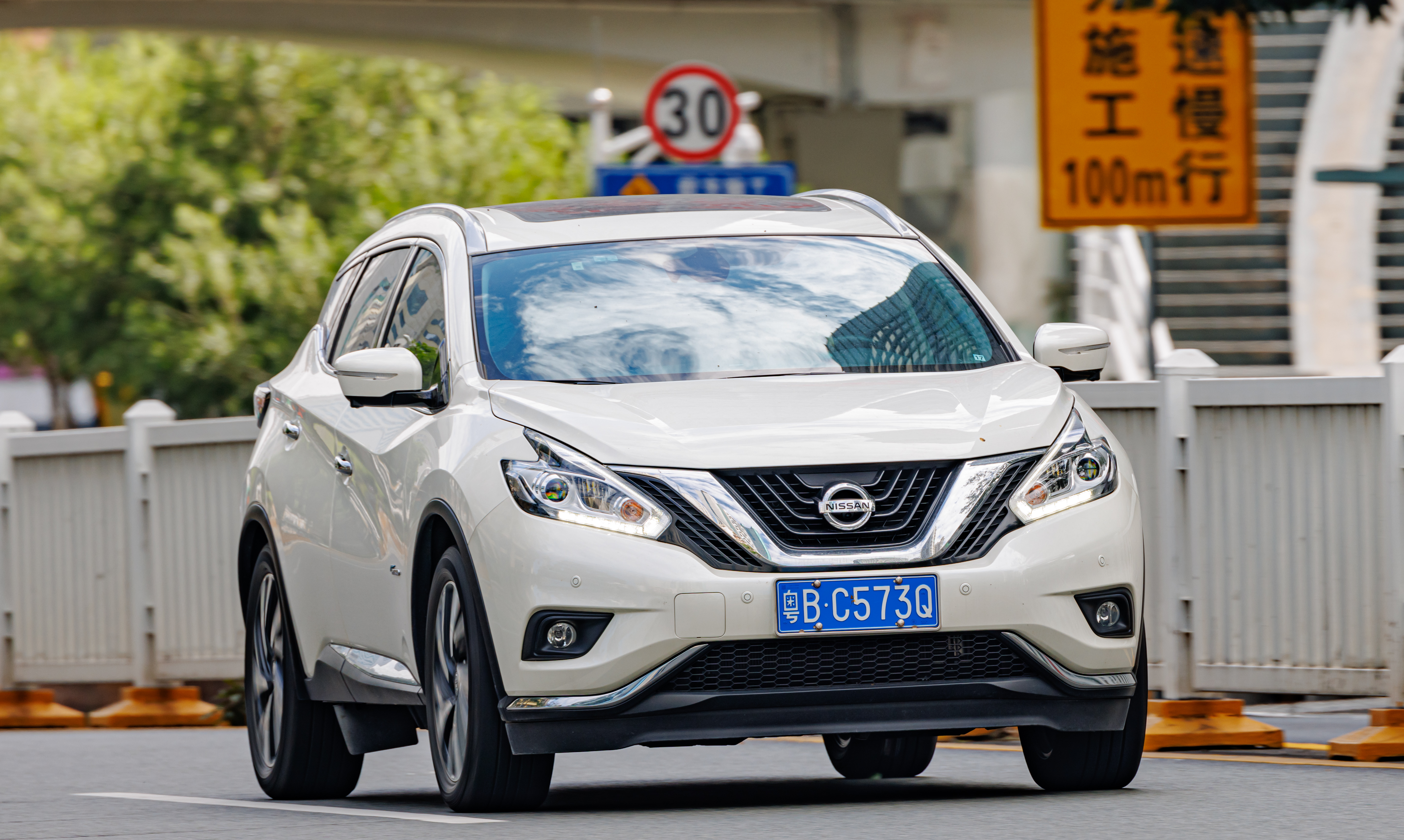
Nissan Murano
"There's someone in town that has a convertible Murano. No question. Just thought you'd be interested to hear that Nissan sold one. Well, we see them from time to time."
The Nissan Murano is a crossover SUV, and the speaker is discussing a rare “Murano convertible” variant. They describe a two-door Murano convertible that was built in very small numbers, then heavily discounted after it failed to sell.
crossover SUV
"Did that exist in, uh, Japan? Probably not. That's gotta be an American thing. Is this, this is a crossover SUV thing. Yeah."
A “crossover SUV” is basically an SUV shape, but it’s built more like a regular car underneath. That usually means a smoother ride than older, truck-based SUVs.
A “crossover SUV” is a vehicle built on a car-like unibody platform rather than a traditional body-on-frame truck design. That typically makes it ride more like a passenger car while still offering SUV-style packaging.
Pope Mobile
"but it's very like Pope Mobile up high roof down. It's a ghetto G wagon convertible is what we're dealing with here."
“Pope Mobile” is a nickname for the special, modified vehicle the Pope rides in that’s designed to be seen from far away. The host is using it to describe the tall, showy look of the car.
“Pope Mobile” is a nickname for the heavily modified, high-visibility vehicle used by the Pope, typically with a raised seating position and lots of glass/visibility. In car talk, it’s used as a visual comparison for a tall, attention-grabbing roof/upper structure.

G-Class G Wagon
"but it's very like Pope Mobile up high roof down. It's a ghetto G wagon convertible is what we're dealing with here."
The Mercedes-Benz G-Class is a tough, square-looking SUV that’s built to handle rough roads. This “convertible” version is rare and unusual, so it stands out a lot when you see it on the street.
The Mercedes-Benz G-Class is a boxy, body-on-frame off-road SUV known for its rugged design and ladder-frame construction. Here, the host is talking about a convertible version—an unusual, attention-grabbing coachbuilt style that turns the G-Class into a two-door open-top.
Round Cat Rally
"When is the next rally, dude? The rally is October 19th through 25th and you can check out more info and more details at www.roundcat.jp slash rally"
The Round Cat Rally is a planned car event where people drive together. The host shares the dates and where to find more details online.
The Round Cat Rally is an organized touring rally event associated with Round Cat Racing. The host gives the dates and points listeners to the event website and social channels.
touring rally
"Oh, but this is not a race. It's a touring rally. It's a, it's a road trip."
A touring rally is more like an organized road trip than a competitive race. You follow a route and enjoy the drive, but you’re not necessarily racing against other cars for position.
A touring rally is a rally-style road trip where the focus is on route, sightseeing, and driving experience rather than competing for race results. It’s still organized like an event, but it’s not treated like a traditional motorsport race.
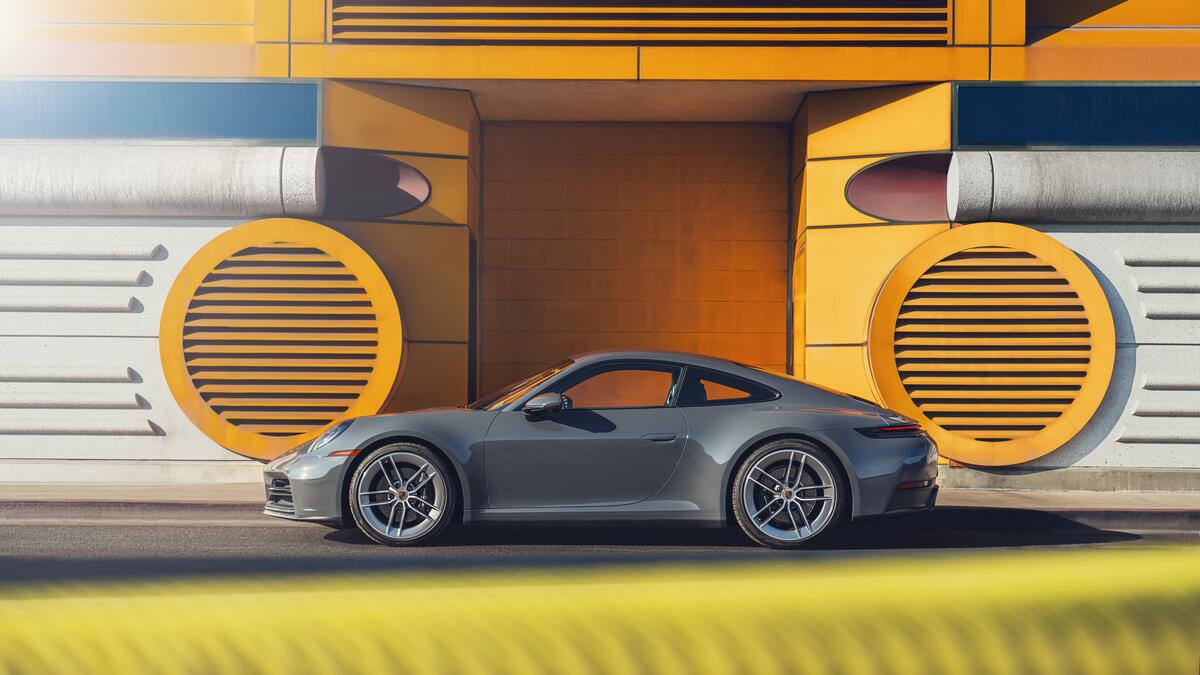
Porsche 911
"... know, if we, if we could sort of like magic your 911 and your M3 to Japan, you'd have a, you'd have an..."
The Porsche 911 is a high-performance sports car made by Porsche. It’s famous for its shape and for being quick and fun to drive. People talk about it a lot because it’s an iconic model with a long history.
The Porsche 911 is a long-running sports car known for its rear-engine layout, distinctive silhouette, and strong performance. It’s often discussed because it represents a “benchmark” for how a sports car should feel and handle, and it has a huge enthusiast following. In a podcast, it may come up when talking about iconic cars or dream trips and ownership experiences.
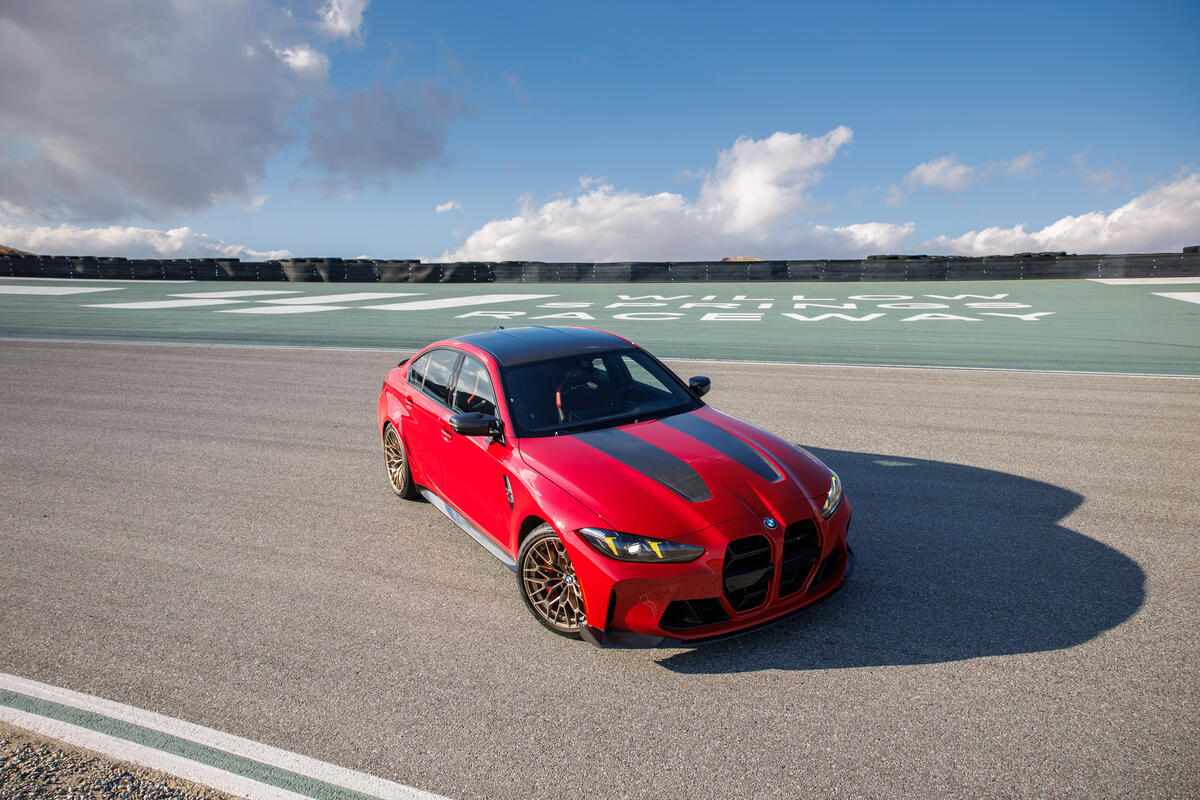
BMW M3
"You know, if we, if we could sort of like magic your 911 and your M3 to Japan, you'd have a, you'd have an experience that wasn't as different to your California driving experience."
The BMW M3 is BMW’s high-performance version of the 3 Series. The hosts mention it alongside the 911 to say that driving a familiar kind of fast car in Japan would feel more like home.
The BMW M3 is BMW’s performance “M” model, typically built around a high-revving, driver-focused engine and a chassis tuned for sharp handling. Here, it’s paired with the 911 to illustrate how bringing a familiar performance car experience to Japan would feel less different than local driving.
Porsche Los Gatos
"Oh, Clark, here's a funny one. A couple of weeks ago, I was at a Porsche car show or at Porsche Los Gatos and a guy and his son came up to me..."
Porsche Los Gatos is a local Porsche dealership in California. They often host events where Porsche fans and owners can meet in person.
Porsche Los Gatos is a Porsche dealership in Los Gatos, California. Dealership car shows and meetups are common ways Porsche owners and fans connect locally.
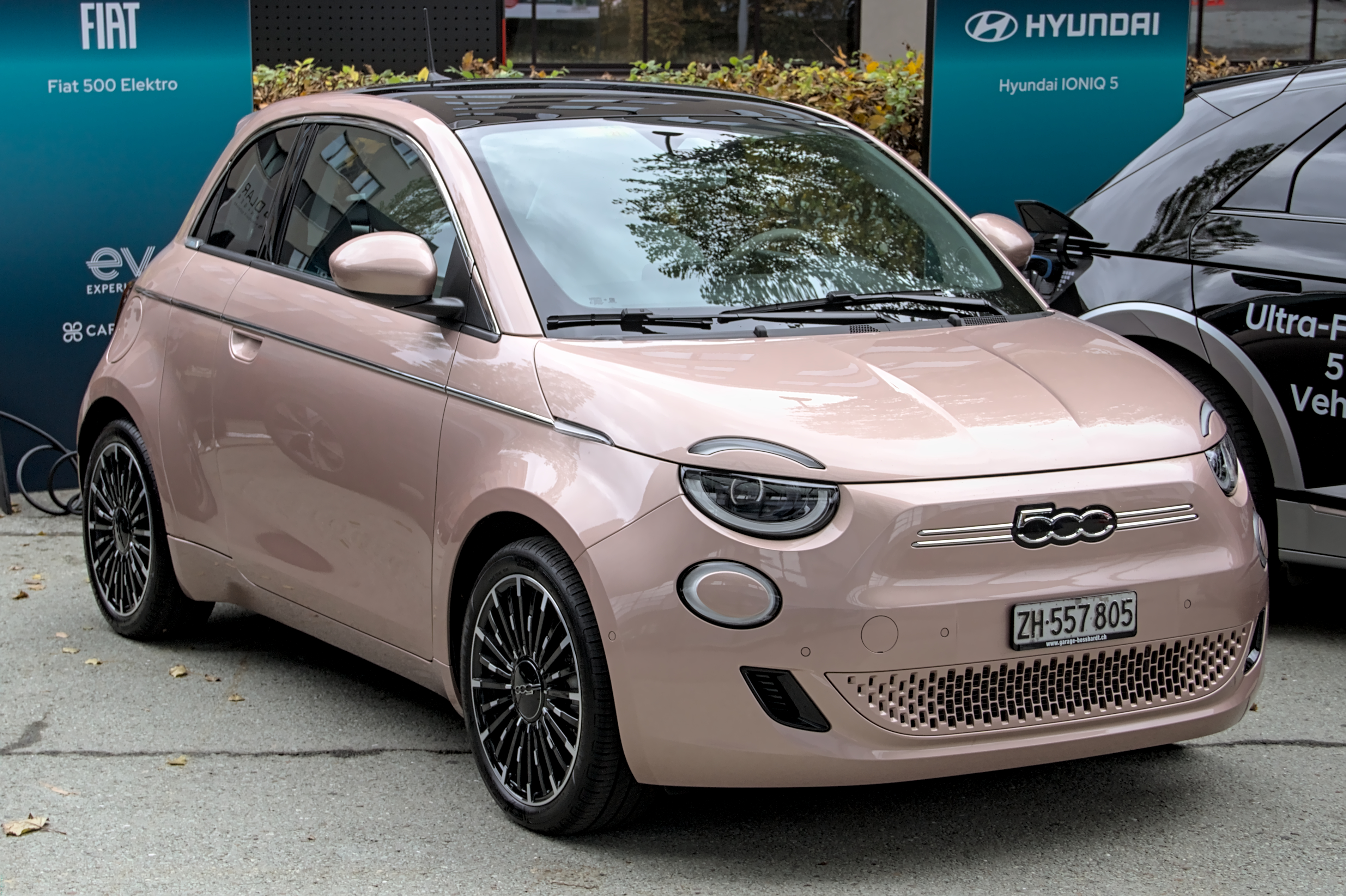
Fiat 500 E electric
"Let me start off by saying they have one model, the 500 E electric run, run about. This does not include the new Topolino Topolino, which isn't out yet."
The Fiat 500e is the electric version of the Fiat 500. In this trivia question, it’s the main Fiat model they’re counting for sales in 2026.
The Fiat 500e is Fiat’s electric version of the classic Fiat 500, using an EV powertrain instead of a gasoline engine. The host is using it as the key model that’s included in the sales count for Fiat’s 2026 U.S. results.
electric run
"Let me start off by saying they have one model, the 500 E electric run, run about. This does not include the new Topolino Topolino, which isn't out yet."
“Electric run” here is being used as a shorthand for an electric model’s sales/market period (i.e., the EV version being counted). It’s not a standard technical term, but it’s part of how the host frames what’s included in the sales total.

Fiat 500
"...ng it last year. Well, they discontinued the Fiat 500 Fiat 500 X, which was, uh, I guess. Pillar poop."
The Fiat 500 is a small car designed for driving around town. It’s easy to park and maneuver because it’s compact. The podcast is also pointing out that some related versions were discontinued.
The Fiat 500 is a small, city-focused car from Fiat, known for its compact size and easy maneuvering. The podcast context mentions the Fiat 500 X being discontinued, which highlights how Fiat’s lineup has changed over time. It’s a common topic when discussing practical small cars and what models remain available.
Fiat 500 E
"He charged it at work and, and he had a, I think, and he and his wife had like one normal car and the Fiat 500 E and he loved the, he drove it all over."
The Fiat 500 E is a small electric car made for driving around town. Because it’s compact, it’s easy to park and great for short trips and errands.
The Fiat 500 E is an electric version of the Fiat 500, aimed at short trips and city driving. It’s known for being compact and easy to park, which makes it a good “second car” for errands and commuting.
city runabout
"They say the E was always like the best one. I think it's, I think it's totally fine for a little city runabout."
A “city runabout” is a car you mainly use for short trips in town. Think errands, quick drives, and easy parking—not long road trips.
A “city runabout” is a small, practical car chosen mainly for quick trips around town. The concept usually emphasizes low-speed usability, easy parking, and low day-to-day hassle rather than highway range or high performance.
electric smart cars
"I mean, we had smart cars at my old shop and similar idea, electric smart cars. And they're pretty great."
This is talking about small electric cars from the smart brand. They’re built mainly for city driving—easy to maneuver and park.
“Electric smart cars” refers to smart’s battery-electric models (the brand’s small, city-focused cars). The key idea is that they’re designed for short, low-speed urban trips where compact size and simple EV operation shine.

Smart Electric Smart
"...e had smart cars at my old shop and similar idea, electric smart cars. And they're pretty great."
The Smart Electric Drive is a small electric car made for city driving. Instead of using gas, it runs on electricity. It’s meant to be easy to drive and convenient for everyday trips.
The Smart Electric Drive is an electric version of Smart’s small-car concept, designed for easy city driving and short-to-medium range use. The podcast mentions having smart cars at a shop and describes the electric idea as “pretty great,” which aligns with the car’s focus on simplicity and urban practicality. It’s commonly discussed when talking about compact EVs and everyday usability.
Brabus
"I saw a Brabus, a Brabus smart car came up for sale on bring a trailer and it was really night, like really low mileage, nice example, and it went for pretty decent money."
Brabus is a company that modifies cars to make them look cooler and often drive better. If it’s a “Brabus Smart,” it’s a Smart that’s been tuned and upgraded by Brabus.
Brabus is a German tuner best known for heavily modifying Mercedes-Benz vehicles, and it also produces performance-focused versions of the Smart line. When someone says “Brabus smart car,” they usually mean a Smart that’s been upgraded for styling and performance beyond stock.
convertible
"I think it was like 15 grand or something, which seemed like a lot, but that would be kind of a fun car. They made a convertible too, you know, like as like the dual exhaust outlets, funky, they had the leather and stuff."
A convertible is a car with a roof that can open up so you get more open-air driving. Here, they’re saying there was a Smart convertible version too.
A convertible is a body style where the roof can be folded down or removed, typically using a fabric or retractable hard top. In this context, the speaker is saying Smart offered a convertible variant, and they’re tying it to the Brabus-style details like exhaust outlets and interior materials.
dual exhaust outlets
"They made a convertible too, you know, like as like the dual exhaust outlets, funky, they had the leather and stuff."
“Dual exhaust outlets” means there are two exhaust tips instead of one. It’s mostly a styling and sound/flow setup that makes the car feel more performance-oriented.
“Dual exhaust outlets” means the exhaust system exits through two separate tips, usually one on each side or in a paired arrangement. It’s often used as a visual cue for a sportier exhaust setup, even when the underlying engine output isn’t dramatically different.
Request an Explanation
Heard something you'd like explained? We'll add it to this episode.
Sign in to request explanations for terms you heard.
Want to learn more?
Browse our glossary for plain-English explanations of automotive terms, jargon, and concepts.
Help improve this episode
See something that's not quite right? Our annotations are AI-generated and can sometimes miss the mark. Click the flag icon on any annotation to suggest a correction.