
Sporty Shortys, Chopped Valley, and Summer Events - DWA! Podcast Ep. #940
About this episode
Hosts bounce from quick car slang to neighborhood car spotting, then zoom into real-world maintenance and ownership math. They talk about a “Basically totaled.” side-swipe, why some repairs are worth outsourcing, and how high-value cars can make even scary failures feel less intimidating. The conversation also covers reliability patterns (timing-belt tensioners, exhaust manifolds, storage risk) and driver-assistance behavior, from last-second braking to attention warnings. It ends with practical used-car shopping and local event chatter.
The three amigos are back.
Enjoy the show, and if you like what you hear, give us 5 stars and rate and review the show.
You can also join us on Patreon at patreon.com/drivingwhileawesome
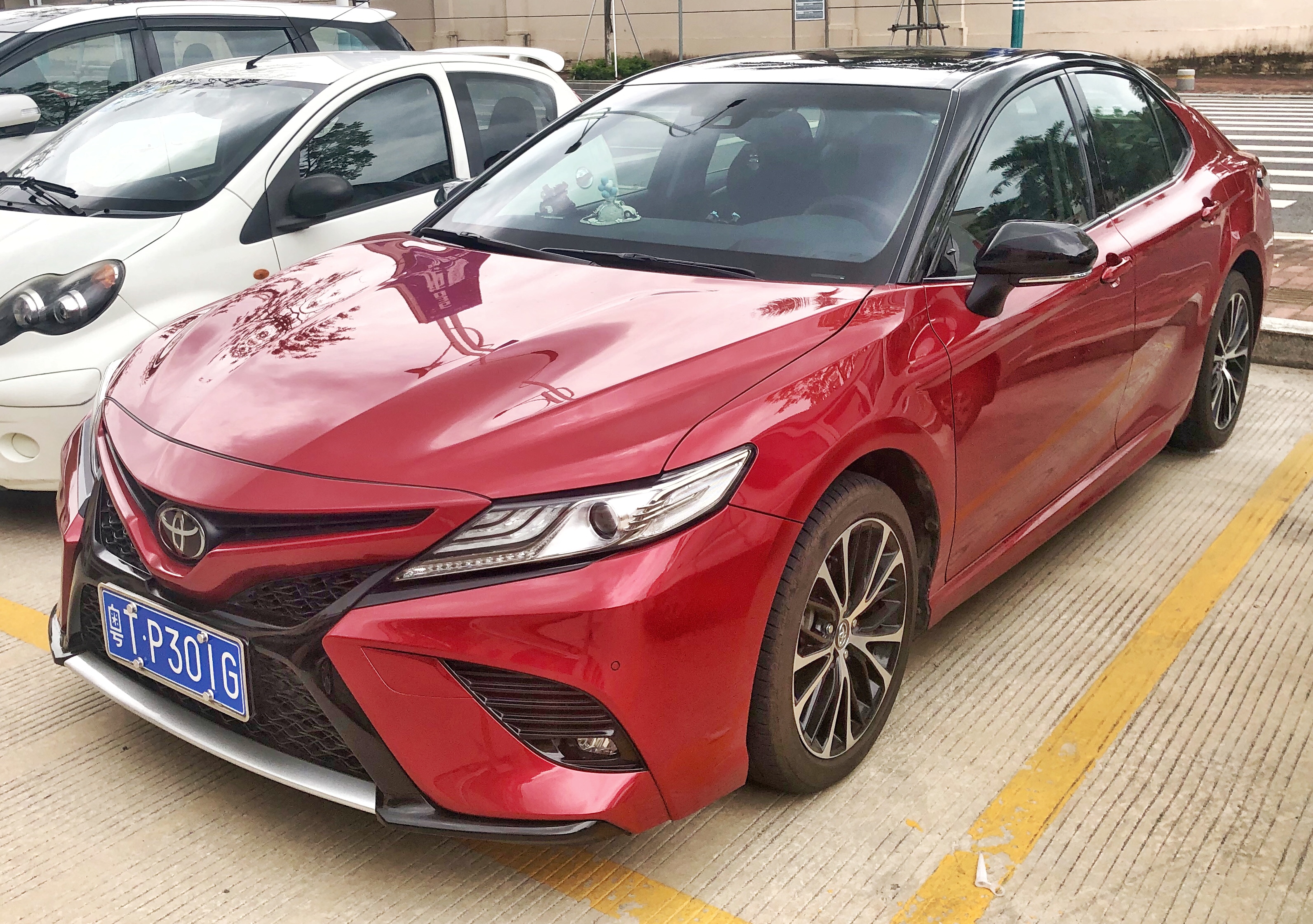
Toyota Camry
"Can you imagine like his I'd be inside his little white on gray Toyota Camry Egasitl vehiculum."
A Toyota Camry is a very common, everyday family sedan. Here, they’re just mentioning it as the car someone is in.
The Toyota Camry is a mainstream midsize sedan known for comfort-focused everyday driving and strong reliability reputation. In this segment, it’s used as a reference point for someone’s car, not as a technical deep dive.

Chevrolet Corvette
"There's no doubt Corvettes are fast."
A Corvette is a Chevrolet sports car that’s known for being quick and fun. They’re basically saying “Corvettes are fast.”
The Chevrolet Corvette is a performance sports car with a long history of being a fast, driver-focused American icon. The host mentions it to make a quick point about speed, without specifying a particular generation or model year.
riding dirty
"There's no doubt Corvettes are fast. I'm riding dirty right now."
“Riding dirty” is slang meaning you’re driving while you’re not following the rules. Here it’s more of a joke than a car-tech term.
“Riding dirty” is slang that, in car contexts, usually implies driving while breaking rules or carrying something illegal or prohibited. In this segment it’s used as a playful phrase rather than a literal technical description of the car.

Hyundai Santa Cruz
"...aw something random because I'm getting all these Santa Cruz like based influencer types because from the even..."
The Hyundai Santa Cruz is a small crossover that also has a bed like a pickup truck. The podcast is mentioning it because it’s showing up with certain types of owners online. It’s basically a practical vehicle with some extra utility.
The Hyundai Santa Cruz is a compact crossover with a pickup-style bed, designed to blend everyday driving with occasional hauling. The podcast mentions it in the context of seeing influencer-type owners, suggesting it’s a popular, modern choice. It comes up because it’s a recognizable recent model that stands out for its “car + small truck” concept.

Nissan Quest
"“I don't even know what. Old Nissan Quest. You're like how?”"
A Nissan Quest is a minivan—basically a family car with sliding doors and lots of space. Here, they’re using it as an example of a car that looked rough because of exhaust coming from the engine area.
The Nissan Quest is a minivan (a family-focused people-hauler) known for being common on suburban streets and in fleets. In this segment, the host mentions an “Old Nissan Quest” as the kind of vehicle that can look sketchy when it’s emitting exhaust or has leaks.
exhaust leaks
"“They're just the exhaust from the exhaust leaks in the engine bay.”"
An exhaust leak means the car’s exhaust is escaping somewhere it shouldn’t, like from a loose part or crack. That can make it look like smoke is coming from the engine area.
An exhaust leak is when exhaust gases escape from a crack, loose connection, or failing gasket instead of flowing through the exhaust system. When leaks happen in the engine bay area, they can look like “exhaust pouring out,” and they can also create strong fumes and heat near components.
side-swiped
"He parked it on the busy side and got fully side-swiped. No, dude."
“Side-swiped” means another car hit the side of your car. Even if it looks like body damage, side hits can be expensive because they can affect important parts of the car’s structure.
A “side-swiped” crash is when one vehicle strikes the side of another, often from an adjacent lane. Side impacts can be especially damaging because they can hit doors, rocker panels, and structural areas that affect how the car’s body holds alignment.
totaled
"Basically totaled. Oh, what a bummer, man."
“Totaled” means the car is considered a total loss after the crash. It usually isn’t worth fixing because the damage is too expensive to repair.
“Totaled” means the insurer or repair estimate concludes the car is a total loss—repairs would cost more than the car is worth. That’s why the host says it went from “a perfect car” to something that can only be salvaged cosmetically.
salvage it together
"I mean, it really went from a perfect car to yeah, you could salvage it together and make it look okay, but it'll never be what it was."
They mean the car might be repaired, but it won’t be like it was before the crash. Big wrecks can leave hidden damage or alignment issues that are hard to fully undo.
“Salvage it together” suggests the car could be repaired enough to drive or look acceptable, but not restored to its original condition. After a severe crash, even when repairs are possible, the car may never feel or perform the same due to alignment, structural, and hidden damage.
Beeline Motor Club
"Beeline Motor Club. They've got a full auto body. Actually, I should put a card on it and go, hey, man, you know, your car was cool, but"
Beeline Motor Club is a company they’re recommending for car repairs. They say they have an auto body shop that can fix damage after a crash.
Beeline Motor Club is mentioned as a service provider that has a full auto body shop. The host’s point is that if your car gets wrecked, you can use their body shop resources to get it repaired.
auto body
"Beeline Motor Club. They've got a full auto body. Actually, I should put a card on it and go, hey, man, you know, your car was cool, but"
An “auto body” shop is where they fix the outside of a car after an accident. They repair dents, replace damaged panels, and repaint it.
An “auto body” shop is where collision repairs are done—things like panel replacement, dent repair, and refinishing. It’s distinct from mechanical repair shops because the focus is restoring the car’s body and sometimes structural components after crashes.
timing chain guides
"[517.7s] Some move, dude. [519.0s] I mean, we know those. [520.0s] There's timing chain guides and there's, you know, valley pan gaskets and"
A timing chain is part of the engine that helps the valves open at the right time. The guides are like small supports that keep that chain in the correct position. If the guides wear out, timing can get off and the engine can run poorly or worse.
Timing chain guides are components that keep the engine’s timing chain positioned and controlled as it runs. If they wear or fail, the chain can develop slack or timing errors, which can lead to rough running or more serious engine damage. The host is implying this is a known maintenance/repair item on some BMW engines.
valley pan gaskets
"[519.0s] I mean, we know those. [520.0s] There's timing chain guides and there's, you know, valley pan gaskets and"
On some engines, there’s a spot on top where parts meet and oil can seep out if seals wear. The valley pan gasket is the gasket that helps keep that area sealed. If it fails, you may see oil leaks around the top of the engine.
Valley pan gaskets seal the “valley” area of an engine—typically where the intake manifold and cylinder heads meet. They help prevent oil leaks from that upper engine region. The host groups them with timing-chain-related items, suggesting these are common leak/maintenance concerns on certain BMW engine layouts.
maintenance
"it doesn't even matter how much the maintenance is now because those cars are so valuable... if you're spending you know ten grand a year on maintenance it's like big deal dude if you're driving the thing."
Here, “maintenance” means the regular upkeep and repairs you have to pay for to keep the car in good shape. The point being made is that if the car is worth a lot, those costs may feel less important.
In this context, “maintenance” is being used to mean ongoing ownership costs—scheduled services and repairs required to keep a high-value car running. The host is arguing that maintenance cost matters less when the car’s market value is high enough.
engine blows
"We're like it doesn't even matter if the engine blows dude. It's like those cars are so freaking valuable like the maintenance now is like you don't like it's not even a concern dude."
“Engine blows” means the engine fails in a serious way, often requiring major repair or replacement. They’re using it to make the point that the car’s value is so high that people focus less on worst-case repair fears.
“Engine blows” means a catastrophic engine failure—something goes wrong badly enough that the engine can’t keep running. The host is using it as an extreme example to emphasize how high the car’s value is relative to the risk/cost of repairs.
service
"So that no and now what you're spending what fifteen grand every three years on on a service big fucking deal dude on a car that's worth like 200..."
“Service” means taking the car to a shop for scheduled work, like inspections and maintenance tasks. The host is saying that paying for that repeatedly can add up.
“Service” here refers to paid shop work performed at intervals—typical examples are scheduled inspections, fluid changes, and other labor-intensive tasks. The host is framing it as a recurring cost that can be significant on expensive cars.

Ford F350
"reliability with this car and I'm like which car those cars are not f 350 five evaludo they're not unreliable and I'm like they're not unreliable."
They mention the Ford F-350 as a comparison point while talking about which vehicles are reliable. It’s basically “this one isn’t the problem,” in contrast to other cars they’re discussing.
The speaker is referencing a Ford F-350 pickup when discussing reliability. The point is that some cars (implied to be different from the F-350) aren’t as unreliable as people assume, but the F-350 is being used as a comparison baseline.
brass valve
"you have to replace the brass valve guys which a hundred have a hundred percent failure rate but you replace them with steel ones and a lot of the cars that are out there now with miles already have had that done."
They’re talking about a particular valve made of brass that they say fails very reliably. Their fix is to replace it with a steel version, which they claim prevents the problem.
The speaker is describing a specific failure-prone component they call a “brass valve,” claiming it has a 100% failure rate. They say replacing it with a steel version resolves the issue, and that many higher-mileage cars have already had the fix done.
exhaust manifolds
"replace them with steel ones and a lot of the cars that are out there now with miles already have had that done. And the exhaust cracks the exhaust manifolds a hundred percent failure rate. You put some fab speed exhaust manifolds or something similar."
Exhaust manifolds are the parts that collect exhaust gases from the engine and send them to the exhaust system. The host is saying they commonly crack on these cars.
Exhaust manifolds collect exhaust gases from the engine cylinders and route them toward the exhaust system. The speaker says exhaust manifolds have a “100% failure rate” in the context of the cars they’re discussing, implying cracking as a common issue.
fab speed
"And the exhaust cracks the exhaust manifolds a hundred percent failure rate. You put some fab speed exhaust manifolds or something similar. There's a bunch of options to be the rest is like old nineties Italian car shit."
Fab Speed is a company that makes aftermarket car parts. Here, they’re being suggested as an alternative exhaust manifold option.
Fab Speed is an aftermarket brand the speaker mentions as a solution for cracked exhaust manifolds. The implication is that aftermarket manifolds can be a better replacement than the original part on these cars.
timing belt
"and then the main thing is you have to drive them because the timing belt is under super high tension. They have these tensioners on there."
The timing belt is a belt inside the engine that keeps the engine’s moving parts working in sync. If it’s under high tension and the car sits for a long time, the belt and the parts that keep it tight can develop problems.
A timing belt synchronizes the engine’s internal timing between the crankshaft and camshaft(s). The speaker is emphasizing that, on these high-revving engines, the belt is under very high tension and uses tensioners that can wear or fail if the car sits.
tensioners
"They have these tensioners on there. It's obviously a very high strong high revving motor and people just let them sit for years because you know they're Ferraris and people don't drive them and now the tensioners will fail because of the bearings are just sitting on this one spot"
Timing belt tensioners are components that keep the timing belt tight and correctly tensioned as the belt stretches or wears. The speaker claims that on these engines, tensioners can fail when the bearings sit in one spot for years, and that this can also deform the belt.

BMW E46
"...like holy shit like I spent 10 grand a year on my E46 M3 a couple of times already. So like it's you kn..."
The BMW 3 Series is a luxury car that’s meant to feel sporty to drive. The podcast mentions the E46 generation, which is a specific older version. People talk about it a lot because some owners spend a lot of money keeping the performance models running well.
The BMW 3 Series is a compact luxury sedan (and wagon in some markets) known for balancing everyday usability with sporty driving. In the podcast context, the speaker is referencing an E46-generation 3 Series and the costs of owning a high-performance variant like an M3. It comes up because it’s a common platform for enthusiasts and upgrades, which can quickly add up in maintenance and repairs.
feel and feedback
"You know it is it is it's a little nicer. You have better feel and feedback. So that's the one detail but outside of that like the F 355 is better in every way but no longer a bargain or a value."
“Feel and feedback” refers to how clearly a car communicates what the tires and suspension are doing back to the driver through the steering wheel, pedals, and body motion. Enthusiasts use it to describe steering response, grip changes, and how predictable the car feels at the limit.

Ferrari F355
"You have better feel and feedback. So that's the one detail but outside of that like the F 355 is better in every way but no longer a bargain or a value."
The Ferrari F355 is a high-end supercar made by Ferrari. It’s the kind of car people buy for how it drives, not just for speed. The podcast is saying it used to be cheaper, but it’s not as good of a deal anymore.
The Ferrari F355 is a mid-engine supercar known for its driving feel and classic Ferrari styling. In the podcast, it’s compared as having better overall performance/characteristics than another car, but also noted as no longer being a bargain. It’s discussed because it represents a specific era of Ferrari ownership—often sought for feel, but with rising costs.

Lexus RX
"Oh really. [854.3s] Lexus rx. [856.0s] I for I've been."
The Lexus RX is a comfortable luxury SUV that’s meant for everyday driving. Here they’re talking about buying one used as a simple, reliable car for errands and normal use.
The Lexus RX is a midsize luxury crossover SUV known for a comfortable ride and easy daily driving. In this segment, it’s being discussed as an “around town” car—something you can buy used without needing to worry about it being a dedicated performance or weekend-only vehicle.
around town car
"[858.4s] I don't know just to have around maybe for Omelie and maybe just to have as [862.5s] like the around town car. [864.7s] It's perfect like find the perfect one on bring a trailer like they you can get"
An “around town car” is just a car you use for daily stuff—like errands and short drives. It’s not meant to be a special-purpose car; it’s meant to be convenient for normal life.
“Around town car” is a practical category meaning a vehicle you use mainly for short trips, errands, and commuting rather than long-distance road trips or track-style driving. The hosts are weighing whether to buy a higher-mileage used example versus a cheaper one, implying they want something that fits everyday use.
bring a trailer
"[864.7s] It's perfect like find the perfect one on bring a trailer like they you can get [870.2s] them for like around ten to twelve for like a 50000 mile one."
Bring a Trailer is a website where people auction cars, especially enthusiast and nicer used vehicles. In this conversation, they’re using it as a way to find a good-condition used car.
Bring a Trailer (often shortened to BaT) is an online auction site focused on enthusiast cars, where buyers can find specific trims and condition levels. The hosts mention it as a place to locate a “perfect” used Lexus RX with relatively low miles for a reasonable price.
50000 mile
"[870.2s] them for like around ten to twelve for like a 50000 mile one. [875.3s] Oh yeah like twelve grand 50000 mile like perfect condition"
“50,000 miles” is how far the car has been driven. They’re using it to compare what kind of deal you can get for a used car with fewer miles.
“50,000 mile” is a mileage threshold used in the used-car market to describe how much wear a vehicle has accumulated. In this segment, it’s part of the pricing/condition comparison—how much you pay for a lower-mileage example versus a cheaper one.
Rx300
"She like grew up in rx 330 be like hated that car dude rx 300"
This is a Lexus RX SUV (the RX 330 version). It’s the kind of car people often own as a daily driver, and the speaker is talking about personal experience with that specific model.
The Lexus RX 330 is a mid-size luxury SUV from Lexus’s RX line, known for being an easy-to-live-with daily driver. In this segment, the host mentions it as a car someone grew up with and disliked, which frames it as a common “early RX” ownership experience.
window regulators
"They just have the window regulators go out and a couple of those little things [947.5s] but or sorry the locks the lock system is horrible on those but besides that"
A window regulator is the part that controls how your power window moves. The speaker is saying that on these older Lexus RX cars, that part can sometimes fail.
Window regulators are the mechanisms that move a car’s power windows up and down. The host says early Lexus RX models are generally solid, but that window regulators can be a recurring failure point.
lock system
"but or sorry the locks the lock system is horrible on those but besides that [953.9s] they're pretty good."
The lock system is what controls the doors locking and unlocking. The speaker is saying that on these older Lexus RX models, the locking setup tends to be problematic.
The lock system refers to the vehicle’s power door-lock controls and related actuators/electronics. The host specifically calls the lock system “horrible” on those early RX cars, implying frequent annoyances or failures compared with the rest of the car.
daily
"So yeah that might be the next move dude. [967.3s] I wouldn't mind driving that around as like a little daily to if like [971.3s] Omly's using the Polestar and I had to use that"
A “daily” is just the car you drive most days for everyday stuff like work and errands. The speaker is saying they could see themselves using an RX like that.
In car talk, “daily” means a vehicle you use every day for normal commuting and errands. The host is considering an early Lexus RX as a low-effort, reliable daily driver option.
Lexus RX 350 (2008)
"Dude I just looked right now I found there 37,000 miles. And this but this is an RX 350 a 2008. [993.4s] Yeah see that's too late."
This is a 2008 Lexus RX 350 SUV with low mileage (around 37,000 miles). The speaker is considering it as a reliable daily driver, but they’re not sure they want that particular timing/age.
The Lexus RX 350 is a later RX-generation luxury SUV, and this segment focuses on a specific example: a 2008 with about 37,000 miles. The host is weighing it as a potential “next move” daily driver, but also says it’s “too late” for their preference.

Prado / Meru
"Yeah. So you just import like a JDM one like a Prado or whatever little mirror on the fender."
The Prado and Meru are Toyota SUVs that some people import from other countries. The podcast is pointing out that you can bring in a JDM-style version and that details can differ from what you’d see locally. It’s mainly about how imports can change the car’s setup.
The Prado and Meru are Toyota SUVs that are commonly associated with JDM-style imports, depending on the market. In the podcast, they’re mentioned as examples of vehicles you can import, with a quick reference to details like mirror placement on the fender. They come up because import options can affect availability, specs, and how the car is configured.
JDM
"So you just import like a JDM one like a Prado or whatever little mirror on the fender."
JDM means “Japanese Domestic Market.” It refers to cars that were originally made and sold in Japan, and sometimes they have different features than the versions you’d normally find in other countries.
JDM stands for Japanese Domestic Market, meaning cars that were originally sold in Japan rather than for export markets. Enthusiasts often look for JDM versions because they can have different trim options, styling details, or equipment compared with what’s common elsewhere.
rally spec
"...it was this RAV four GT four account that this guy has made like a full rally spec two door RAV four with like great suspension and a turbo motor and manual transmission"
“Rally spec” means the car is set up for rally-style driving, not just normal street use. It typically involves upgrades that help it handle bumps, loose surfaces, and hard driving more safely and effectively.
“Rally spec” refers to a build intended to handle the demands of rally driving—rough surfaces, repeated acceleration/braking, and frequent changes in traction. That usually implies upgrades beyond stock, such as stronger suspension components and powertrain tuning to keep the car controllable and fast on imperfect roads.
turbo motor
"...a full rally spec two door RAV four with like great suspension and a turbo motor and manual transmission"
A turbo motor is an engine with a turbocharger. It helps the engine make more power by pushing extra air into it, which can make the car feel quicker.
A turbo motor uses a turbocharger to force more air into the engine, which can increase power without needing a larger engine. In a rally-style build, that kind of setup is often chosen to improve acceleration and keep the car responsive under varying loads.
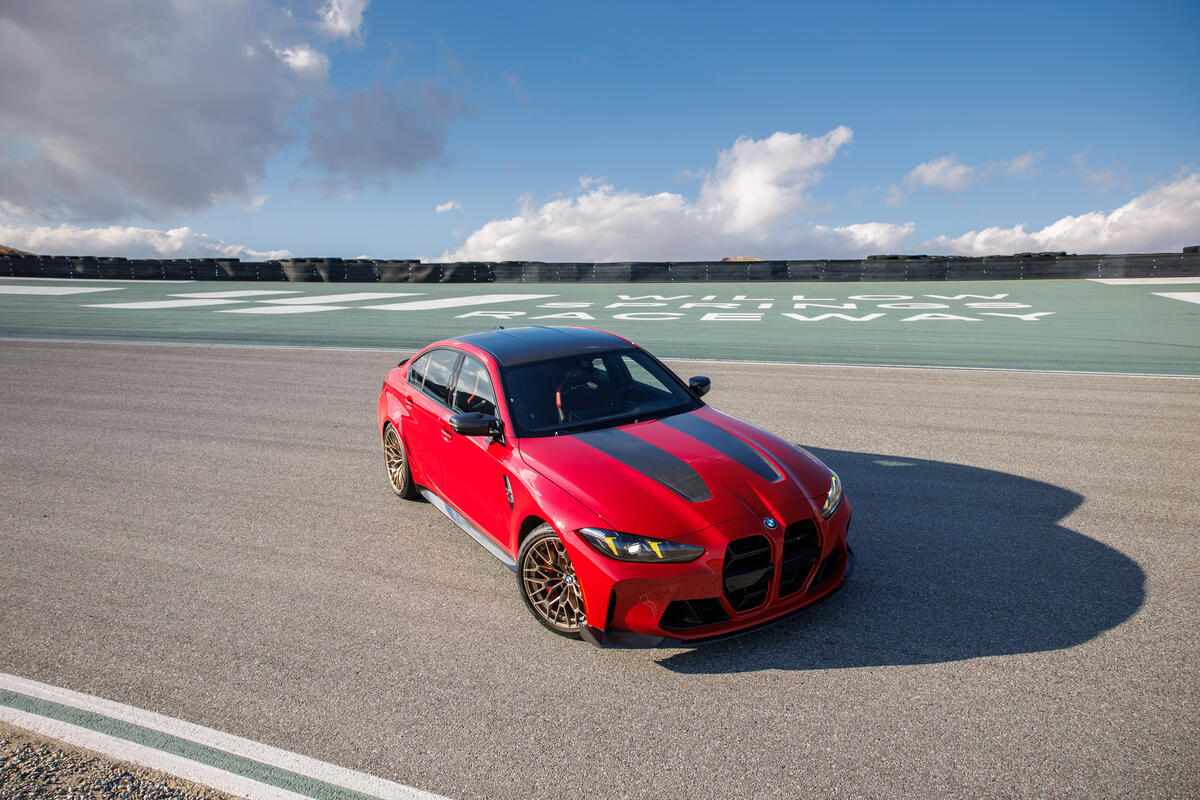
BMW E30 M3
"Ruben the other day who's you know famously has that E 30 M3 that I'm after and he's like yeah dude..."
The BMW E30 M3 is a classic BMW performance car from the 1980s. It’s well-known because it was built to compete in racing and it has a strong reputation among car enthusiasts.
The BMW E30 M3 is a legendary 1980s/early-1990s homologation-era performance coupe built for motorsport. It’s especially famous for its high-revving inline-six and its role in establishing the E30 as a benchmark “driver’s car.”
importation
"dude I don't know why you haven't imported a Renault Cleo V six yet dude they're like 50 to 60 grand in Europe all day long... and then you add the importation and all that stuff..."
Importation means buying a car from another country and bringing it home. Even if it’s cheaper where it’s sold, the shipping and paperwork can make the total cost much higher.
“Importation” here refers to bringing a car from another country (in this case, Europe) into the speaker’s market. That process often adds costs like shipping, taxes, and compliance/registration fees, which can push a “cheap in Europe” car beyond the original price.
Euro classics
"like would rather pay a premium to someone like Euro classics who has them regularly now and they and you know it's someone I can interface with I can see the car in person"
“Euro classics” is the name the host gives to a dealer that brings in cars from overseas. The host prefers them because you can see the car in person and deal with someone accountable.
Euro classics is referenced as a dealer/source that regularly has “unknown car from overseas” inventory. The host likes that they can interface with the seller, see the car in person, and feel more confident than buying sight-unseen.
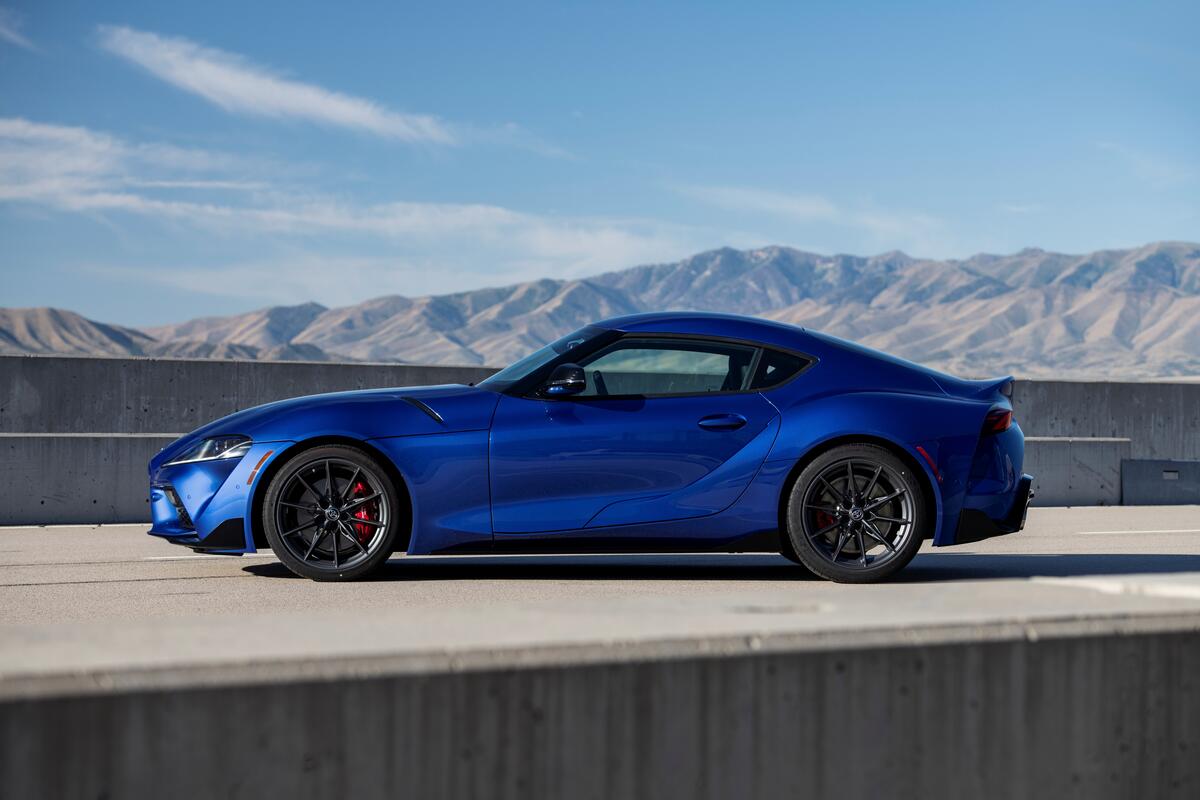
Toyota A90
"so you know 20 grand gets you a pretty nice a nice car what year is that so this is like a 90 91 RX seven turbo and you'd go hard top obviously make a turbo cab not in the US they did overseas okay or abroad yeah so that's the last"
The Toyota Supra is a sports car made for fast driving and good handling. The podcast is talking about how much performance you can get for a certain amount of money, depending on the year. It also mentions that some versions were sold in different places.
The Toyota Supra is a sports car known for strong performance and a big enthusiast following. In the podcast, it’s mentioned alongside other turbocharged sports cars and discussion about what different budgets can buy by year and market. It comes up because it’s a recognizable nameplate that people compare when talking about turbo-era sports-car value.
hard top
"this is like a 90 91 RX seven turbo and you'd go hard top obviously make a turbo cab not in the US they did overseas okay or abroad yeah"
“Hard top” means the car has a solid, fixed roof. The host is comparing that to a convertible version (“cab”).
A “hard top” is a fixed-roof body style (as opposed to a convertible/soft-top). In this segment, the host contrasts a hard-top RX-7 Turbo with a turbo cab that was done outside the US.
rotary
"and I still haven't scratched the rotary itch and you either go older which I don't want to do or you go with FD which is you know a good car now a good driver is 40 plus"
“Rotary” is Mazda’s special engine type where a spinning part makes the power instead of pistons. The host means they really want to drive a rotary car because it feels different.
“Rotary” refers to Mazda’s rotary engine concept, where power comes from a spinning rotor rather than pistons moving up and down. The host says they haven’t “scratched the rotary itch,” meaning they want to own/drive a rotary-powered Mazda for the unique feel and sound.

Nissan Maxima
"...s that's where we're at now it's all right NorCal Maxima says we're getting antsy when are we getting Radw..."
The Nissan Maxima is a regular-size sedan that’s meant to feel more exciting than a basic family car. The podcast mentions it in a local group context, implying people who like that model. It’s basically a comfortable daily car with some sporty intent.
The Nissan Maxima is a mid-size sedan known for a more performance-oriented driving character compared with many mainstream family sedans. In the podcast, it’s brought up in a local/enthusiast context (“NorCal Maxima”), suggesting a community around the model. It’s discussed because it’s a recognizable platform for enthusiasts and meets people’s expectations for everyday speed and comfort.
simulators
"yeah I mean you know there's there's simulators and things like that there's watching a lot of drivers racing right in car stuff"
A simulator is a video-game style setup that tries to mimic driving. It can teach you things like where to brake and how to steer, but it may not feel exactly like a real car, so you still need real-world practice.
Driving simulators can help you learn racing lines, braking points, and car behavior, but they don’t perfectly replicate real-world physics and sensations. The host notes that adapting to a sim can take time because the “feel” of the car and grip can differ from your actual vehicle.
right seat
"or writing with someone or having someone sit right seat with you on a twisty mountain road he didn't exclude performance driving on a public road"
“Right seat” means an experienced person sits in the passenger seat while you drive. They can coach you by telling you what to do as you approach corners and braking zones.
“Right seat” refers to having an experienced driver ride in the passenger seat to coach the driver in real time. It’s a common performance-driving learning method because the coach can point out what to do with steering, braking, and throttle inputs.
performance driving on a public road
"he didn't exclude performance driving on a public road so that's true getting you know get out in the hills away from everyone"
This means driving more aggressively than normal while still using regular roads. Even if you try to do it carefully, it’s riskier than a closed track because other traffic and conditions can’t be controlled.
“Performance driving on a public road” means pushing the car harder than normal commuting—braking later, cornering faster, and driving more aggressively—while still being on roads shared with other traffic. The host frames it as something you can do in a controlled way (e.g., “in the hills away from everyone”), but it’s inherently higher risk than track driving.
understeer
"like the braking and how it feels like the car moving around and when you [understeer oversteer] but the way that it behaves on a sim versus your car may not be the same thing"
Understeer is when you turn the wheel and the car doesn’t rotate enough. It tends to go wide in the corner instead of following your intended line.
Understeer is when a car turns less than the driver expects—typically the front tires lose grip first. The result is that the car pushes wide toward the outside of the turn.
oversteer
"like the braking and how it feels like the car moving around and when you understeer [oversteer] but the way that it behaves on a sim versus your car may not be the same thing"
Oversteer is when the back of the car loses traction and swings out more than you planned. It can make the car feel like it’s rotating too much in the turn.
Oversteer is when a car turns more than the driver expects—typically the rear tires lose grip first. The rear can step out, making the car feel like it’s rotating too easily in a corner.
let off the gas
"what happens when you let off the gas going into a turn and you know when you let off hard and what you what happens when you mash the throttle"
“Let off the gas” means you ease off the accelerator while you’re turning. In a corner, that can shift the car’s balance and change how it grips and turns.
“Let off the gas” refers to lifting off the throttle while entering a corner. In performance driving, that throttle change affects weight transfer and traction, which can change the car’s rotation and stability as you turn in.
mash the throttle
"and you know when you let off hard and what you what happens when you mash the throttle in a rear-wheel drive car"
“Mash the throttle” means you hit the gas hard and fast. In a turn, that can make the car’s tires lose grip or change how the car rotates, depending on whether it’s front-, rear-, or mid-engine.
“Mash the throttle” means quickly and aggressively applying accelerator pedal. In cornering, that sudden torque input can overwhelm tire grip and strongly influence oversteer/understeer behavior depending on drivetrain layout.
rear-wheel drive
"what happens when you let off the gas going into a turn and you know when you let off hard and what you what happens when you mash the throttle in a rear-wheel drive car compared to a mid-engine car"
Rear-wheel drive means the back wheels get the power. That changes how the car behaves when you turn and then press the gas—often it can feel like the back wants to swing out a bit more than other layouts.
Rear-wheel drive (RWD) means the engine sends power to the rear wheels. Because the rear axle is doing the work, the car’s balance under throttle changes can make oversteer feel more likely when you accelerate out of a corner.
mid-engine car
"when you mash the throttle in a rear-wheel drive car compared to a mid-engine car to compare to a front-wheel drive car"
A mid-engine car has the engine closer to the middle of the car. That can make the car feel more balanced and responsive when you’re turning and changing throttle.
A mid-engine car places the engine near the center of the vehicle, typically ahead of the rear axle. That layout helps with balance and steering response, so the car’s behavior when you lift off or add throttle can feel very different from front- or rear-engine designs.
front-wheel drive car
"compared to a mid-engine car to compare to a front-wheel drive car compared to a rear-wheel drive car like all those kind of aspects"
Front-wheel drive means the front wheels do the work. Because the front tires steer and also push the car, the handling feel in corners can be different from rear-wheel drive.
Front-wheel drive (FWD) means power goes to the front wheels. Under cornering, the front tires handle both steering and drive forces, which often changes how the car grips and how it responds when you lift off or add throttle mid-corner.
go kart racing
"a lot from and I didn't have any instruction in this was just was go kart racing and I don't know you know if you have a track nearby maybe that's a good investment that teaches you a ton of car control"
Go-kart racing is driving small race karts on a track. It teaches you how to steer smoothly and control the gas and brakes, which helps you learn better car control overall.
Go-kart racing is a low-speed, high-feedback form of motorsport that emphasizes steering precision and throttle/brake control. Because inputs are immediate and the kart has minimal mass, it’s often used to build “car control” habits that translate to driving faster cars.
car control
"maybe that's a good investment that teaches you a ton of car control but that is driving at the track right that's driving"
Car control means being able to steer and use the gas and brakes smoothly and accurately. It’s what keeps the car stable and helps you react correctly when grip changes in a corner.
Car control is the ability to manage the vehicle precisely—steering, braking, and throttle—so it stays balanced and predictable. At the limit, small input changes can have big effects, so car control is about learning what the car does when you change inputs.
car feel
"but I think it translates to just car feel and control because every input is so magnified"
“Car feel” is how well you can tell what the car is doing—like whether it’s gripping or sliding—based on what you feel through the steering and pedals. The better your feel, the easier it is to drive smoothly and safely.
“Car feel” is the driver’s ability to sense what the tires and chassis are doing through steering, vibration, and balance. Better car feel helps you anticipate grip changes and adjust inputs earlier rather than reacting too late.
every input is so magnified
"because every input is so magnified yeah I agree yeah I feel like I agree with what you're saying about the car"
This means that when you’re driving hard, small changes you make—like steering a little more or pressing the gas—can have a much bigger effect than you’d expect. That’s why precision matters more at speed.
When “every input is so magnified,” it means small steering, throttle, or brake changes produce bigger-than-expected effects. This is especially true at the limit, where the tires are near maximum grip and the car can transition quickly between stable and unstable behavior.
DIY vs shop work
"question I used to be a DIY at all costs kind of guy but recently been happy to have quality shops get through some of my projects"
They talk about whether it’s better to work on your car yourself or pay a shop. They mention things like tools, time, and whether you have the right equipment at home.
This segment discusses whether to do car work yourself or use a professional shop. The hosts focus on practical barriers like cost, access to equipment (like lifts), and how much time a project takes.
lift
"one for me is is not having a lift at home is I used to have a shop that for almost 10 years that I was around and had access to lifts all the time"
A lift is a garage machine that raises the car so you can work underneath it more easily. It usually makes the job faster and safer than working on the ground.
In a garage context, a lift is a vehicle hoist that raises the car so mechanics can access the underside without crawling on the ground. Having a lift can dramatically speed up many jobs and improve safety and ergonomics.
O2 sensor
"[1666.3s] recently the car needed an O2 sensor like I don't want to get on my back and it [1671.0s] take me so long to do that whereas if it's in for an oil change that's something"
An O2 sensor is a small sensor that checks how much oxygen is in your car’s exhaust. It helps the engine computer adjust the fuel mixture so the car burns fuel correctly. When it goes bad, the car may run worse and the check-engine light may come on.
An O2 sensor (oxygen sensor) measures how much oxygen is in the exhaust. The engine control unit uses that information to adjust the air-fuel mixture so the car runs efficiently and meets emissions targets. If an O2 sensor fails, you can get poor fuel economy and/or an illuminated check-engine light.
oil change
"[1671.0s] take me so long to do that whereas if it's in for an oil change that's something [1674.4s] they can do and you know half an hour or 12 I know I forget yeah"
An oil change is when a shop (or you) drains the old engine oil and puts in new oil. The new oil keeps the engine parts lubricated and helps the engine run cooler. It’s one of the most common maintenance items for any car.
An oil change is scheduled maintenance where used engine oil is drained and replaced with fresh oil. Fresh oil helps lubricate internal engine parts and carries away heat and contaminants. Many shops bundle oil changes with quick inspections because it’s a convenient service visit.
oil catch
"[1725.0s] at the shop because it was so easy you have an oil catch it's in the air you [1728.4s] have all the tools yeah yeah yeah"
An oil catch is the tray/container you put under the engine to collect the old oil when you drain it. It helps you avoid spills and makes cleanup much easier. It also keeps used oil from getting onto the ground.
An oil catch (oil drain pan) is the container used to collect used engine oil when it’s drained. Using the correct catch pan prevents spills and makes cleanup easier. It’s especially important for DIY oil changes because oil can be messy and environmentally harmful.
jack stands
"[1734.1s] like so that's the big one right it's like if it's if it's a project that is [1739.5s] that I can't do in one sitting I'm less inclined to have the car on jack stands"
Jack stands are the sturdy supports that keep a car safely lifted while you work under it. They’re used so the car isn’t just resting on a jack. The speaker is saying they don’t want to keep the car up on stands for too long.
Jack stands are safety supports used to hold a car up on the ground while you work underneath it. They’re used instead of relying on a jack alone, which can be unstable. The mention here highlights the practical hassle of leaving the car raised for multiple weekends.
washing a car
"well speaking of that kind of stuff yeah speaking of washing a car I think another factor for me is is the mess that's going to make"
They’re talking about how much time car projects take compared with simple stuff like washing the car.
The host contrasts time spent on car work with time spent on car care like washing. This frames the practical “bandwidth” problem of doing maintenance/mods.
coolant
"I have a new coolant tank for the van again it's aluminum and the old one is just a plastic you know thing but that requires draining coolant and burping"
Coolant is the liquid that keeps the engine from getting too hot (or freezing). It circulates through the engine and radiator to manage temperature.
Coolant is the fluid that carries heat away from the engine and helps maintain the correct operating temperature. It also protects the system from freezing and corrosion.
burping
"but that requires draining coolant and burping the car and all this stuff like it's it's kind of a big deal on a van again too"
“Burping” is a way to get air out of the cooling system after you open it. If air stays trapped, the engine can run hot because coolant can’t flow correctly.
In car cooling systems, “burping” is the informal process of removing trapped air after you drain or replace coolant. Air pockets can prevent coolant from circulating properly, which can lead to overheating.
cooling system
"again too you got radiator up front cooling system in the back like pipes and oh yeah that's all fucked up"
The cooling system is how the car keeps the engine at the right temperature. It uses coolant and hoses/pipes to move heat to where it can be cooled.
A vehicle’s cooling system is the network of components that moves coolant to control engine temperature. In this segment, the host highlights that the van’s layout includes radiator and plumbing in different areas.
hydros
"some people lift the front of the van with a rack and you like let it run like that for a little bit you can do back ass up to your fault we're not having hydros on your van I know that's the next mod"
“Hydros” usually means a hydraulic suspension setup. It’s a modification that can change the van’s ride height/stance using hydraulics.
“Hydros” is commonly shorthand for hydraulic suspension components used to adjust ride height or stance. The host frames it as a “next mod,” implying a planned upgrade to the van’s suspension/ride control.
transmission fluid
"I swapped out the transmission fluid and I usually hate doing that it's that's so annoying talk about smell and and fucking mess..."
Transmission fluid is the fluid that helps your gearbox work smoothly. It lubricates moving parts and helps the transmission shift correctly, so changing it can reduce weird noises or shifting problems.
Transmission fluid is the working fluid for an automatic transmission (and some manual/dual-clutch setups), providing lubrication and hydraulic pressure for shifting. In the segment, they’re talking about swapping it out before a rally because old fluid can contribute to bad shifting/behavior and noise.
ATF
"yeah ATF I know your your car takes gear oil but ATF is crazy how like a quart of ATF would spread over your whole garage like it is so thin..."
ATF stands for automatic transmission fluid. It’s the special fluid your automatic transmission uses to keep internal parts lubricated and shifting properly, and it can be messy because it’s very thin.
ATF (automatic transmission fluid) is a specific type of transmission fluid formulated for automatic transmissions. The host contrasts it with “gear oil” and notes its very low viscosity (it flows easily), which is why a small spill can spread widely in a garage.
gear oil
"yeah ATF I know your your car takes gear oil but ATF is crazy..."
Gear oil is a thicker lubricant used in gearboxes and some driveline parts. It’s not the same fluid as ATF, and the right one matters for smooth operation.
Gear oil is a lubricant designed for gearboxes and differentials, typically with a different viscosity and additive package than ATF. The segment uses it to distinguish what different driveline components may require (ATF for the transmission vs gear oil for other parts).
limited production number vehicle
"not talking about Corvette one-of-one stats because of a factory... asteroid delete here honestly limited production number vehicle talk"
This just means a car model that wasn’t made in huge numbers. Fewer cars built usually makes it rarer and more interesting to collectors.
A limited production number vehicle is a model built in relatively small quantities, which can make it rarer and more collectible. In the segment, they’re framing a question about the rarest vehicle someone has owned, emphasizing “limited production” rather than one-off custom cars.
production over the whole run
"are we talking like year of production are we talking like production over the whole run what are we looking at"
“Over the whole run” means counting how many were built from the start of production until it ended. That’s often the best way to judge how rare a specific model or variant really is.
“Production over the whole run” means the total number of cars built across the entire model’s production period, not just a single year. This is a key way enthusiasts estimate rarity because some variants only exist for short stretches.

BMW E34
"...is not the rarest car I have or I've owned but an e34 m5 they made 1678 for the North American market I..."
The BMW 5 Series is a larger luxury sedan than the 3 Series. The podcast is specifically talking about an older M5 version, which is the performance variant. They mention how few were sold in North America, which makes it more special to some buyers.
The BMW 5 Series is BMW’s mid-size luxury sedan line, positioned between the 3 Series and larger models. The podcast references an E34 M5 as part of the 5 Series family, emphasizing how many were made for North America and highlighting rarity. It’s discussed because the M5 variant turns the 5 Series into a high-performance, collectible-style sedan.

BMW E34 M5
"so here's here's an example of what I've got right like this is not the rarest car I have or I've owned but an e34 m5 they made 1678 for the North American market"
The BMW E34 M5 is a special, high-performance version of the BMW 5 Series from the E34 generation. The host is talking about how few of them were built for North America, which is why it can be hard to find.
The BMW E34 M5 is a classic performance sedan from the E34 5 Series era, known for being one of the most driver-focused “super-sedan” packages of its time. In this segment, the host highlights production rarity by citing how many were made for the North American market.
manuals
"they made 947 manuals right so that's like I couldn't find the overall number but it's something around like you know another 300 or whatever 400 call it right"
“Manuals” means cars with a stick shift transmission. If only a smaller number of buyers ordered stick shifts, then those cars are harder to find later.
“Manuals” here refers to cars equipped with a manual transmission rather than an automatic. Production counts for manual cars matter because fewer buyers choose them, making manual-equipped examples rarer in the real world.
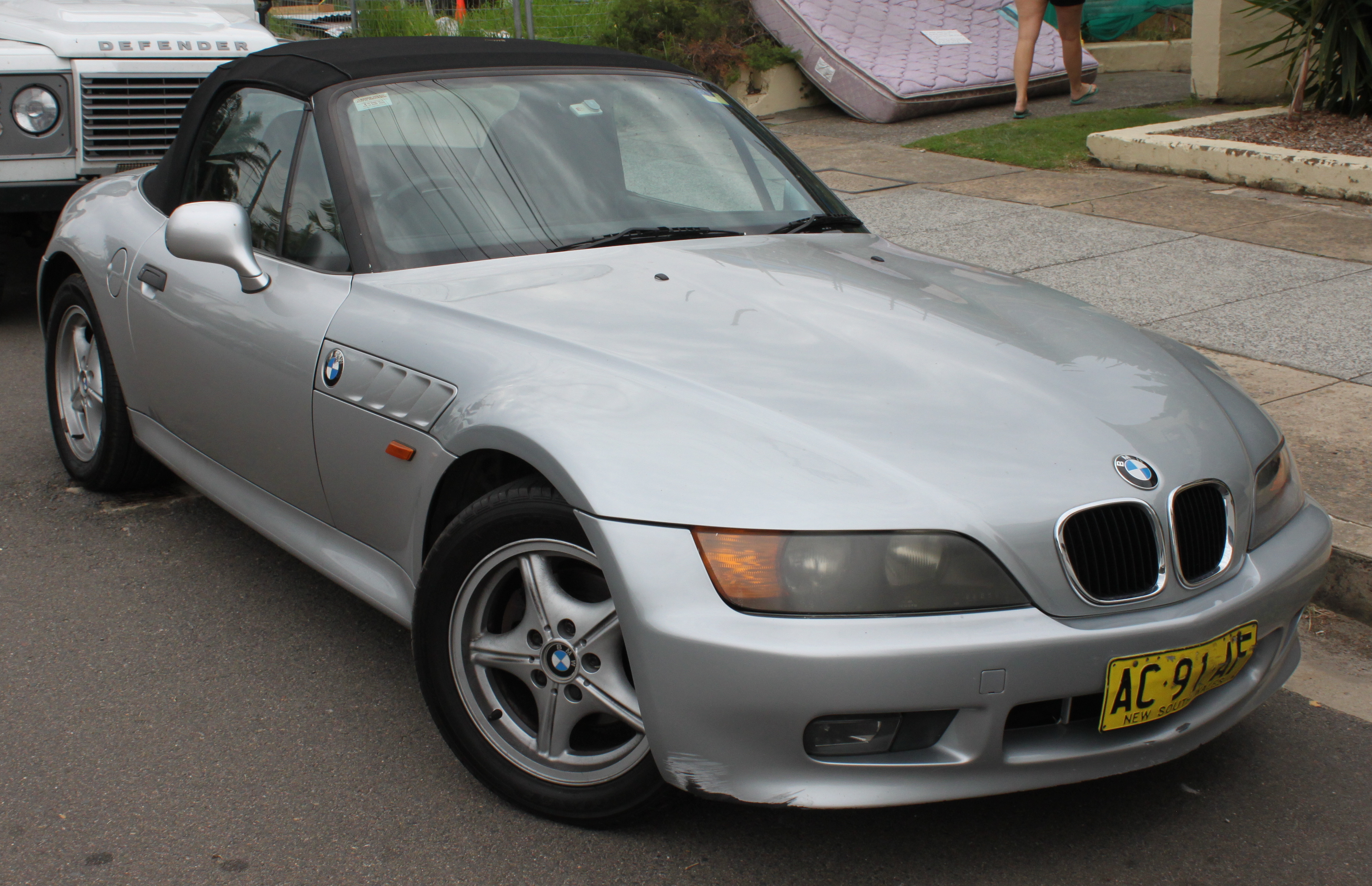
BMW Z3 3 liter coupe
"but the z3 3 liter coupe and that's a specific model right so now we're talking about ... this is the z3 3 liter coupe which they only made for two years and they made a 50 of them total and 670 manuals"
The host is talking about a particular BMW Z3 variant: the 3-liter coupe. They’re using it to show that some versions were made for a short time and in small numbers, so they’re much harder to find.
The BMW Z3 “3 liter coupe” is a specific Z3 variant the host treats as a rarity case study. They claim it was only produced for two years and cite total manual production, emphasizing how variant-specific runs can be far rarer than broader model lines.
manual transmission
"fives into car yellow with a manual transmission so okay okay but you're"
A manual transmission is a gearbox where the driver selects gears using a clutch pedal and a gear shifter. In enthusiast discussions like this one, it often matters because manual-equipped cars are typically more engaging to drive and can be rarer in certain model years or markets.

Opel Astra
"...ld even slice and dice this is if we go into like astra delete situations which is my Mercedes wagon was ..."
The Opel Astra is a compact car that many people drive. The podcast mentions it while talking about modifications, like removing or changing parts. That suggests it can be a common starting point for customizing a car.
The Opel Astra is a compact car line that’s widely produced and sold in many European markets. In the podcast, it’s mentioned in the context of “delete” situations, implying owners sometimes modify or remove certain components for specific goals. It comes up because it’s a common base platform that people tinker with.

G-Class Mercedes Wagon
"... go into like astra delete situations which is my Mercedes wagon was a weird car it was a v6 two-wheel drive car y..."
The G-Class is a luxury SUV with a very recognizable, boxy shape. It’s built to handle rough roads and off-road driving. The podcast is mentioning it as part of a conversation about different cars people own and modify.
The G-Class (Mercedes-Benz G-Wagen) is a rugged, boxy luxury SUV known for its off-road capability and distinctive design. In the podcast context, it’s mentioned alongside other vehicles in a discussion about ownership and “delete” situations, suggesting modifications or specific setups. It comes up because it’s a recognizable premium SUV that attracts both off-road and customization-minded owners.
wood package
"drive car yeah but it had all the crazy options so it has wood package the high end sound ventilated seats all the stuff"
A “wood package” means the car’s interior gets decorative wood-style trim. It’s mostly about the look and feel inside, not how the car drives.
A “wood package” is an option that adds interior trim made to look like real wood (often on the dash, center console, and door panels). It’s a common way automakers differentiate higher-trim interiors without changing the core mechanicals.
ventilated seats
"the high end sound ventilated seats all the stuff which is so weird like and it was in"
Ventilated seats have built-in fans that move air through the seat. That helps keep you cooler, especially on hot days.
Ventilated seats use small fans and ducts to blow air through the seat cushions (and sometimes the backrest). The goal is to reduce heat buildup and improve comfort in warm weather.
V6 two-wheel drive
"but this is a v6 two-wheel drive wagon so those that's probably a pretty rare like number wise for Mercedes"
A V6 is an engine with six cylinders. “Two-wheel drive” means the car only powers two wheels, which can make the car feel different from versions with all-wheel drive.
“V6” describes an engine with six cylinders arranged in a V shape, and “two-wheel drive” means power is sent to only one axle (usually the rear or front depending on the model). This matters because many buyers associate certain luxury wagons with V8 engines and/or all-wheel drive, so a V6 two-wheel-drive configuration is less typical.
formatic
"but all those cars would have usually had a v8 and formatic but this is a v6 two-wheel drive wagon"
This is referring to Mercedes’ all-wheel-drive system (4MATIC). It helps the car grip better because power can go to more than just two wheels.
“Formatic” is almost certainly the host referring to Mercedes-Benz “4MATIC,” the brand’s all-wheel-drive system. All-wheel drive can improve traction and stability, especially in rain or snow, compared with two-wheel drive.
rear-facing seats
"then the option packages of really strange for that car so that would have been like you know the rear-facing seats and all this other stuff"
Rear-facing seats in a wagon typically refer to a second-row setup that allows passengers to sit facing backward, which is unusual in modern cars. Depending on the design, it can be aimed at comfort for children or specific cabin layouts.
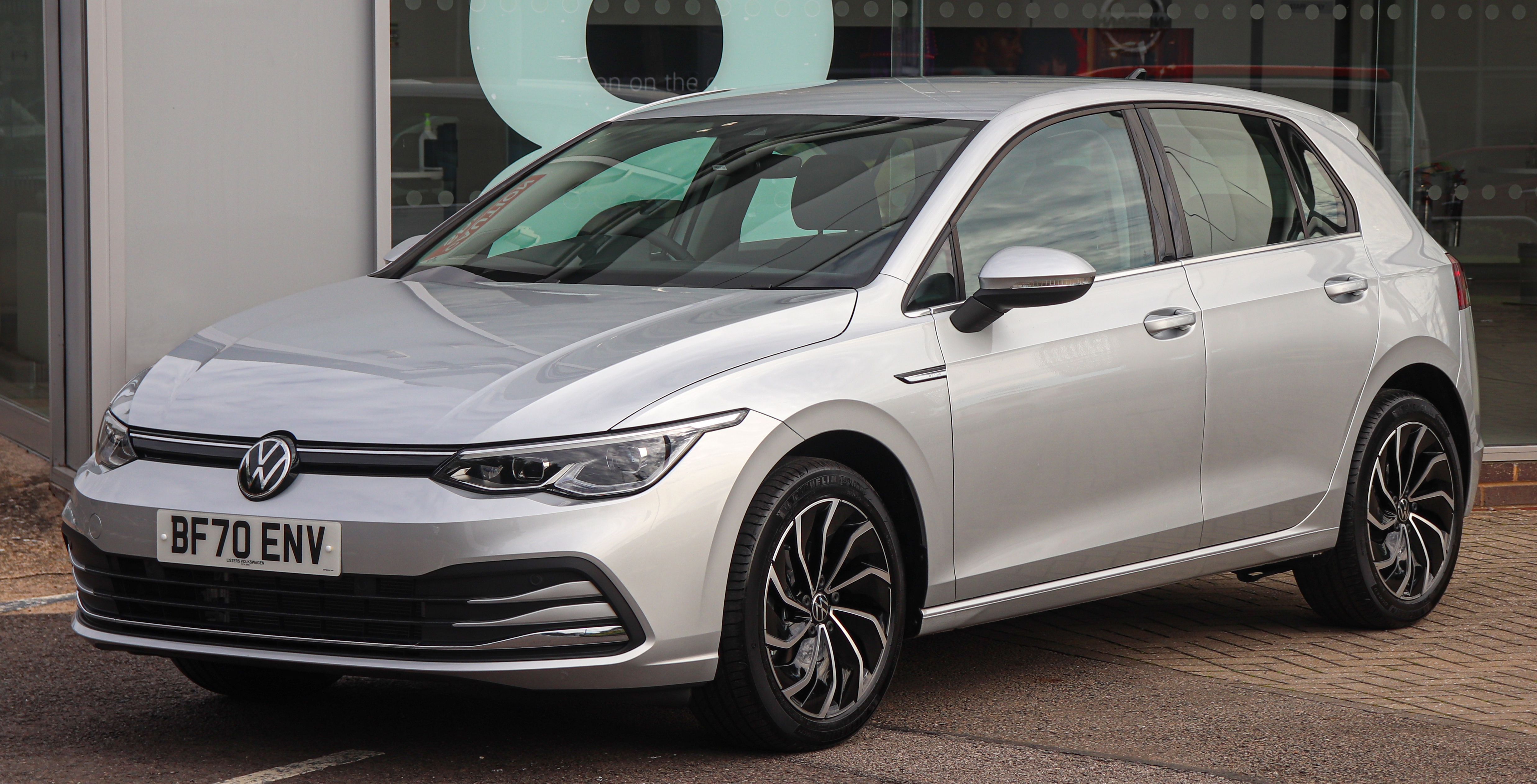
Volkswagen Golf
"... else is all it's I know you have like Volkswagen Golfs and stuff like crazy high production stuff E30 li..."
The Volkswagen Golf is a small everyday car that many people buy. The podcast mentions it because it’s very common and lots of them exist. That also means there are usually plenty of parts and know-how for repairs.
The Volkswagen Golf is a high-volume compact car that’s known for being practical, easy to live with, and widely supported by the aftermarket. In the podcast, it’s mentioned as part of the broader mix of cars people talk about, including older enthusiast models. It’s discussed because its popularity makes it common to see, modify, and maintain.

Volvo V70
"...ut definitely not like what about this you have a v70 r yeah they were no it wasn't a manual oh it wasn..."
The Volvo V70 is a wagon, meaning it has extra space behind the seats for cargo. The podcast mentions the V70 R, which is a sportier version of that wagon. They also talk about whether it came with a manual, which matters to some buyers.
The Volvo V70 is a wagon that’s built around comfort, practicality, and long-distance usability. The podcast references the V70 R, which is a higher-performance version, and discusses whether it was available with a manual transmission. It’s discussed because the V70 R is a more enthusiast-oriented twist on a mainstream family wagon.

Datsun 240Z
"...ooking at every I was like going through I'm like 240z they made like 50,000 in 71 I'm like I'm looking ..."
The Datsun 240Z is an older sports car from the early 1970s. The podcast is talking about how many were made in a specific year, which helps explain why it can be more or less desirable. People like it because it’s a classic Z-car.
The Datsun 240Z is a classic early Z-car sports coupe known for its timeless styling and strong enthusiast following. The podcast references production numbers from 1971, pointing to how many were made and how that affects interest today. It’s discussed because it’s a historically significant model that collectors and restorers often chase.

Porsche 928
"year though but like but like here with 1980 928 I yeah 920 ... eight might be weird car like even for Porsche they were having trouble because they're really expensive"
The Porsche 928 is a classic Porsche grand tourer—built to drive long distances in comfort. The hosts are pointing out that the 1980 version is rare and expensive compared with many other cars.
The Porsche 928 is a grand-touring (GT) Porsche from the late 1970s/1980s era, known for its V8 and long-distance comfort focus rather than the 911’s sports-car layout. In this segment, the hosts discuss how a 1980 Porsche 928 is extremely expensive and very low production compared to more common models.

Audi Quattro
"and then I was looking at for 4000 quattro numbers I bet there's a those aren't crazy high but yeah 928 might be it dude"
“quattro” is Audi’s all-wheel-drive system. The hosts are talking about how many quattro versions were made and whether that makes them rare.
“quattro” is Audi’s name for its all-wheel-drive system, and it’s commonly used as shorthand for specific quattro-equipped models. The hosts mention “for 4000 quattro numbers,” implying a limited production count or rarity discussion tied to quattro variants.

Volkswagen Rabbit
"yeah I was like it obviously like Volkswagen rabbits were like 200 thousand they built just for us and two in 1979 that's true"
The Volkswagen Rabbit is a common older compact car. The hosts are using it as a comparison point—saying it was built in huge numbers compared to the rare cars they’re discussing.
The Volkswagen Rabbit is a compact model that became especially well known in the U.S. for being widely produced and easy to find compared with rarer European cars. Here, the hosts contrast Rabbit production numbers with the rarity of cars like the Porsche 928 and Audi 80.

Porsche 944
"was the cheapest 944 was the most popular Porsche built for its basically its whole life"
The Porsche 944 is a Porsche sports car from the 1980s/early 1990s. It’s known for being a more affordable way to get into a Porsche, which is why people bought it in larger numbers.
The Porsche 944 is a front-engine, rear-transaxle sports coupe that became one of Porsche’s most mass-appeal models during its run. In this segment, the hosts mention it as the cheapest 944 and tie that to why it was popular when it was built.

Volvo 850
"then I had a Volvo 850 they were super pop you know turbo wagon"
The Volvo 850 is a 1990s Volvo car, and in wagon form it had enthusiast-friendly turbo versions. The host is basically saying the turbo wagons were popular and fun.
The Volvo 850 is a mid-1990s family sedan/wagon platform that’s especially remembered in enthusiast circles for the turbocharged variants. Here it’s described as a “turbo wagon,” pointing to the performance version of the 850 estate.

Polestar 2
"popular you know Polestar two they made 40000"
Polestar 2 is an electric car from the Polestar brand. They’re talking about how many were made, as part of a comparison of different popular models.
Polestar 2 is Polestar’s mainstream electric liftback, positioned as a performance-leaning alternative to other EVs. The hosts mention production numbers (“they made 40000”), using it as part of a broader discussion about how many of certain cars were built.
face slip
"like the face slip is I don't know what the deal is here but it says for the 99 model year"
This sounds like a term about how something in the drivetrain “slips” or behaves under load. The transcript isn’t clear enough to say exactly which part they mean, but it’s about traction behavior rather than a normal driving feature.
“Face slip” appears to be a transcription of a drivetrain-related term the host is discussing in the context of a specific model year. Because the transcript is unclear, it’s likely referring to a slip-related component or behavior (for example, how a limited-slip differential or similar system behaves), but the exact term can’t be confirmed from the audio text provided.
lsd
"my car was super rare because it was sport package lsd hardback sport seats"
An LSD (limited-slip differential) helps a car get traction when one wheel starts to spin. It can make the car feel more stable and more “grippy” when you accelerate hard or drive on wet/rough roads.
LSD stands for limited-slip differential, a differential designed to reduce wheel spin when one wheel loses traction. In this segment, the host says their car has an “lsd,” which is a meaningful enthusiast spec because it changes how the car puts power down in corners and on slippery surfaces.
IMS bearing
"so it's like three point four liter water cool flat 800 and 96 horsepower we will drive details the 99 along with ninety 13000 models utilize a highly robust dual row IMS bearing"
IMS bearing is a specific bearing inside the engine. On some Porsches, it’s known as a potential weak point, so people pay attention to it when buying used cars.
IMS bearing refers to the Intermediate Shaft bearing used on certain Porsche engines, most famously in some 911 models. A failing IMS bearing can be a serious engine problem, so enthusiasts often check for it during buying or ownership.
throttle cable
"the traditional throttle cable look at that yeah well yeah because it was twenty nine dude and that car weight 2976 pounds what's up"
A throttle cable is a physical cable that links your gas pedal to the engine’s throttle. When you press the pedal, the cable opens the throttle. Some cars use this older mechanical method instead of an electronic system.
A throttle cable is the mechanical cable that connects the accelerator pedal to the throttle body. Some cars use cable-actuation instead of electronic throttle control, which can change the feel and response characteristics. In this segment, it’s contrasted with a “traditional” setup, implying a discussion about how the throttle is actuated.
Request an Explanation
Heard something you'd like explained? We'll add it to this episode.
Sign in to request explanations for terms you heard.
Want to learn more?
Browse our glossary for plain-English explanations of automotive terms, jargon, and concepts.
Help improve this episode
See something that's not quite right? Our annotations are AI-generated and can sometimes miss the mark. Click the flag icon on any annotation to suggest a correction.