
Tire Talk Sucks - DWA! Podcast Ep. #944
About this episode
The hosts bounce from jokes and travel talk into “tire talk,” venting about van fitment headaches, limited tire availability, and how tire size changes can throw off speedometer/odometer readings. They compare tire grip behavior as tires warm up and debate all-season brands. The conversation then widens to EV and driving philosophy—why the Ioniq 5 N feels tossable, how battery placement shapes handling, and how transmission choices affect engagement—before ending with more driving stories and event chatter.
Warren hates tires, Lane needs tires and he drove a Firebird, and Art went to Spain.

Chevrolet Corvette
"Egasidal vehiculum. There's no doubt Corvettes are fast, but I'm riding dirty right now. The Cro..."
The Corvette is a sports car made by Chevrolet. It’s designed to be fast and fun to drive. People talk about it a lot because it can deliver strong performance.
The Chevrolet Corvette is a high-performance American sports car known for strong acceleration and a driver-focused layout. It often comes up in conversations about speed and “serious” sports-car capability. In a podcast, it’s a common reference point when discussing how fast a car can feel on the road.

AMC Javelin
"What's it called? It's like sliver or javelin or something, some name like that. I think yeah, ..."
The AMC Javelin is a classic muscle car. It’s from an older era of American performance vehicles. People mention it because it’s a distinctive, enthusiast-style car.
The AMC Javelin is a classic American muscle car associated with the late 1960s and early 1970s. It’s a less common nameplate than some other muscle cars, which can make it interesting to enthusiasts and collectors. In the podcast, it’s mentioned as a “Javelin”/similar-sounding car name, suggesting a discussion about older performance cars.

Hyundai Santa Cruz
"...rough. And it's one of the only drive-throughs in Santa Cruz. That's right."
The Santa Cruz is a small crossover that also has a bed like a light truck. It’s meant to be useful for hauling small items while still being comfortable for daily driving. The podcast mentions it while talking about driving in Santa Cruz.
The Hyundai Santa Cruz is a compact crossover with a truck-like bed, designed to mix everyday comfort with light utility. It’s often discussed as a practical option for people who want some “truck” capability without going full-size. In the podcast context, it’s mentioned in relation to driving around Santa Cruz, California.
tire size
"We can even shelve the specific tire talk, the type of tires, but I was going down the rabbit hole on size of tire with a 15 inch wheel to kind of keep your speedometer the same and odometer, you know, because you're going up in size and it's going to affect the readings and whatnot."
Tire size affects how big the tire is overall. A bigger or smaller tire changes how far the car goes each time the wheel turns, which can affect the speed and mileage readings.
Tire size isn’t just width—it includes the tire’s overall diameter, which changes how far the car travels per wheel rotation. That’s why changing tire size can alter speedometer/odometer readings and the effective gearing.
15 inch wheel
"but I was going down the rabbit hole on size of tire with a 15 inch wheel to kind of keep your speedometer the same and odometer, you know, because you're going up in size and it's going to affect the readings and whatnot."
A 15-inch wheel is the size of the wheel rim. If you change wheel or tire sizes, the tire’s overall size changes too, and that can throw off the car’s distance and speed readings.
A “15 inch wheel” refers to the wheel diameter, which strongly influences what tire sizes fit and how the tire’s overall diameter changes. When you change wheel/tire size, you also change tire circumference, which affects speedometer and odometer accuracy.
speedometer
"We can even shelve the specific tire talk, the type of tires, but I was going down the rabbit hole on size of tire with a 15 inch wheel to kind of keep your speedometer the same and odometer, you know, because you're going up in size and it's going to affect the readings and whatnot."
Your speedometer shows how fast you’re going. If you change tire size, the car can “think” you’re going faster or slower than you really are.
A speedometer is the gauge that displays vehicle speed to the driver. Its reading depends on the rolling diameter of the tires, so changing tire size can make the displayed speed inaccurate.
odometer
"We can even shelve the specific tire talk, the type of tires, but I was going down the rabbit hole on size of tire with a 15 inch wheel to kind of keep your speedometer the same and odometer, you know, because you're going up in size and it's going to affect the readings and whatnot."
The odometer tracks how many miles the car has gone. If you change tire size, it can count miles differently than before.
An odometer measures total distance traveled. Like the speedometer, it’s affected by tire circumference, so larger tires can cause the odometer to record fewer miles than you actually drive (or vice versa).
street radial
"However, the tires that they you need to do that with are lame as hell. You know, they're like the street, radial, the wimpiest tires."
A street radial is a normal everyday tire built for regular driving. It’s usually made to last and feel predictable, not to be a track tire.
A street radial is a tire designed for everyday road use, using radial construction (the tire’s cords run radially from bead to bead). It’s typically optimized for comfort, tread life, and predictable grip rather than track-focused performance.
garage door opener
"Oh, in fact, when we moved in, it was we had to add an entire row of garage door, you know, like the panels and raise the opening and like finish it off because there was like a ventilation soffit above the garage when the house was built."
Garage door opening is just how much space you have to drive a car into the garage. If the vehicle sits very low, you may need to raise the door or change the garage setup.
Garage clearance is the practical height/space constraint that determines whether a vehicle can fit when it’s parked or driven in. Lower vehicles (or vehicles with non-standard ride height) can require raising the opening or modifying the garage structure.
knobby boys
"If I go with the knobby boys or the beefy boys that my heart desires."
They mean off-road-style tires with big, chunky tread. Those tires can be taller and wider than normal tires, so they may rub or not fit in the space your car has.
“Knobby boys” is slang for tires with aggressive, raised tread blocks meant for off-road traction. The larger knobs can change the tire’s overall diameter and tread height, which affects whether the tire clears the wheel well and suspension components.
beefy boys
"If I go with the knobby boys or the beefy boys that my heart desires."
They mean bigger, thicker tires. Bigger tires can take up more space and may not fit without rubbing or clearance problems.
“Beefy boys” is slang for a larger, more substantial tire setup—typically a wider tire and/or taller sidewall. Bigger tires can increase overall diameter and tread height, which can create clearance issues at the garage threshold and inside the wheel well.
auto air down tires
"No, I got to get the auto air down tires. Like the off-roaders, you know, like every time I go on my drive and then or hydraulics one of the two."
“Air down” means letting some air out of your tires. Lower pressure can help the tire grip better on dirt or rocks by letting it spread out more.
“Air down” means reducing tire pressure, usually for off-road driving to increase the tire’s contact patch and improve traction over loose surfaces. “Auto air down” typically refers to a system that automatically manages pressure changes, which can help prevent over-deflating and makes the process repeatable.
tread height
"So forgive me, but not all tread height is equal. So even if it says like what it says, like there's going to be some variation there."
Tread height is how deep the grooves in the tire are. Two tires that look like the same size can still be different in how tall they are because the tread depth isn’t always identical.
Tread height is the depth of the tire’s tread pattern measured from the tread surface down to the wear indicators. Even if two tires share the same nominal size, tread height can vary by model and wear level, changing the tire’s effective diameter and clearance.
contact patch
"It's, you know, it's sagging with air. Yeah. So there's it's an interesting one."
The contact patch is the part of the tire that touches the ground. When tire pressure changes, that touching area changes too.
The contact patch is the portion of the tire that actually touches the road. When the tire is “sagging with air,” the shape and size of that patch changes, which can affect how the tire behaves and how it fits under load.
EV
"Fida lighted says what current EV best represents the DWA brand ethos. Why? Current EV. What is it?"
EV means electric vehicle. It’s a car that runs on electricity from a battery instead of using gasoline.
EV stands for electric vehicle, meaning the car is powered primarily by an electric motor and battery. In this segment, “current EV” is used to ask which specific EV best matches the DWA brand ethos.

Hyundai Ioniq
"The Ioniq five N. Oh, that's pretty good. Does electric sports car these days?"
The Ioniq 5 N is Hyundai’s sporty version of an electric car. Even though it’s an EV and usually heavier, it’s tuned to feel more fun and playful to drive, not just fast in a straight line.
The Hyundai Ioniq 5 N is an electric performance crossover built by Hyundai N, tuned to feel more like a sporty hatch than a typical EV. It’s designed to be “tossable” with driver-focused controls, even though it’s still heavy due to the battery pack.
electric sports car
"Oh, that's pretty good. Does electric sports car these days? You can shift it and it's like fun, like tossable hot hatch wannabe."
An electric sports car is a fast, sporty car that runs on electricity instead of gas. The question here is whether EVs can still feel exciting to drive like classic sports cars.
An electric sports car is a performance-focused car where propulsion is electric rather than gasoline. The host is questioning whether modern EVs can deliver the same kind of sporty, driver-engaged experience as traditional sports cars.
hot hatch
"You can shift it and it's like fun, like tossable hot hatch wannabe."
A hot hatch is a small hatchback that’s been tuned to be sporty and fun to drive. It’s usually quick and handles well, and that’s what they’re comparing the EV’s driving feel to.
A hot hatch is a performance-oriented hatchback that’s tuned for quick acceleration and agile handling, usually with a smaller, lighter body than many sedans or SUVs. The host uses it as a comparison for how the Ioniq 5 N tries to feel fun and “tossable,” not just brutally fast.
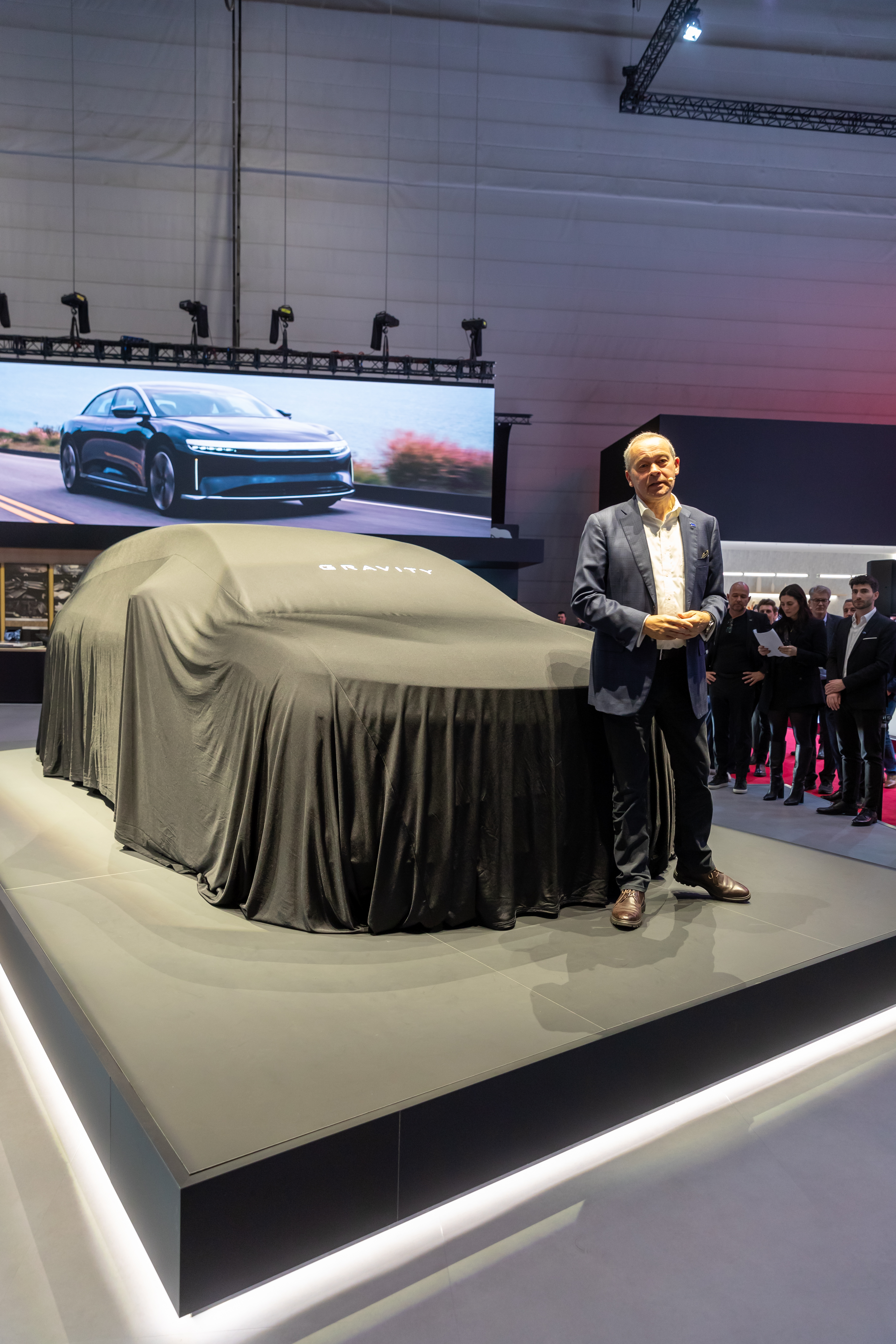
Lucid Gravity
"...like crazy super pressure, right? Like lucid air, gravity, blah, blah, blah. That's all."
The Lucid Gravity is an electric SUV. It’s made by Lucid and uses batteries instead of gas. It’s meant to be a bigger EV option.
The Lucid Gravity is an upcoming or recently introduced electric SUV from Lucid. It’s significant because it expands Lucid’s EV lineup into a larger, family-oriented body style. The podcast mention ties it to Lucid’s EV tech and branding.

Lucid Air
"Like lucid air, gravity, blah, blah, blah. That's all."
Lucid Air is a luxury electric sedan. Here it’s brought up as an example of an EV that feels more upscale and smooth than sporty and playful.
The Lucid Air is a luxury electric sedan from Lucid Motors, known for a comfort-first driving experience rather than a “hot hatch” style. In this segment, it’s mentioned as an example of an EV brand identity that leans more toward luxury than playful handling.

Volkswagen Egolf
"Everything else gets kind of big and. I mean, oddly enough, I'd say the other closest thing would be like my e-golf."
The Volkswagen e-Golf is a Golf that runs on electricity instead of gasoline. The host is comparing it to another car’s feel—basically, how an EV can still drive smoothly and handle well.
The Volkswagen e-Golf is an electric version of the Golf, using an electric powertrain to deliver instant torque. In this segment, it’s used as a comparison point for how an EV can still feel agile in everyday driving.
low center of gravity
"even though it has a softer suspension, because it has that super low center of gravity, like it actually, it has so much like road holding, like it's in composure too."
“Low center of gravity” means the car’s weight sits closer to the ground. That usually makes it feel more stable and planted when you turn, because it doesn’t lean as much.
A low center of gravity means the car’s mass is positioned closer to the ground. That reduces body roll and helps the tires stay more evenly loaded, improving grip and composure in corners.
road holding
"because it has that super low center of gravity, like it actually, it has so much like road holding, like it's in composure too."
“Road holding” is how well the tires stick to the road. If a car has good road holding, it feels confident and doesn’t lose grip as easily when you corner or change speed.
Road holding is a driver-focused way to describe how well a car’s tires maintain grip with the road. It’s strongly affected by tire choice, suspension setup, and how the car transfers weight during braking, turning, and acceleration.
eco tires
"It's like one of my favorite things to like on eco tires or whatever."
Eco tires are made to waste less energy while you drive, so the car goes farther per charge or per gallon. They can feel a bit different than “sport” tires, but the host says the car still feels great.
Eco tires are low-rolling-resistance tires designed to reduce friction and improve fuel economy (or efficiency for EVs). They can trade some ultimate grip or steering feel for lower energy use, which is why the host is commenting on how the car still feels fun even on them.
driver engagement
"I think it's like that's the part that's like the DWA part, like the driver's car, [1508.8s] the driver's part. [1510.9s] Yeah. You have to maximize engagement, right?"
Driver engagement means how much the car makes you feel involved while driving. The speaker is saying that the way the car shifts (and how you interact with it) can make an EV feel more fun and connected.
Driver engagement is the degree to which a car actively involves the driver—through steering feel, responsiveness, and controls that reward active input. The speaker ties this to transmission choice (DCT vs automatic vs manual) as part of making an EV sports car feel more like a “driver’s car.”
DCT
"...how to make a choice with like the DCT versus, or, or, automatic versus, um, manual situation,"
DCT means “dual-clutch transmission.” It’s a type of gearbox that can shift faster and smoother than a traditional automatic because it uses two clutches to prepare the next gear.
DCT stands for dual-clutch transmission, a gearbox that uses two clutches to shift quickly and keep power flowing with minimal interruption. The speaker is discussing whether an EV sports car should use a DCT versus other transmission approaches like automatic or manual.
manual transmission
"...automatic versus, um, manual situation, [1539.2s] but like if they had more, more budget and funds, I'm sure like I would think that they would have incorporated a manual"
A manual transmission is when the driver chooses the gears using a clutch pedal and a shift lever. The speaker is saying they wish more EVs would offer that kind of driver involvement.
A manual transmission is a driver-controlled gearbox where you select gears yourself using a clutch and gear lever. The speaker suggests that if a small EV sports-car company had more budget, they’d likely offer a manual option to increase driver engagement.
hybrid
"But the electric only or is it hybrid? What is it? No, it's hybrid. Yeah, it's hybrid."
A hybrid uses two kinds of power: a gas engine and an electric motor. The electric part can help the car move and can improve efficiency, but hybrids often weigh more than gas-only cars.
A hybrid vehicle uses both an internal-combustion engine and an electric motor/battery. The electric system can assist acceleration and help improve efficiency, but the vehicle can still be heavy because it carries both powertrains and the battery pack.
low weight materials
"So you're asking how much it weighs and I'm sure you had to use like low weight materials. So on top of that, right? Of course. I mean, it's their top. Yeah."
This means using lighter building materials to make the car weigh less. A lighter car usually feels quicker and handles better, and it can use less energy.
“Low weight materials” refers to using lighter construction materials (like aluminum, carbon fiber, or composites) to reduce vehicle mass. Lower mass generally improves acceleration, braking, and handling, and it can also help efficiency—especially important for heavier hybrid or SUV platforms.
Nürburgring
"How do we how do we know about Nürburgring in general? Like, is that we like? It's kind of hard."
Nürburgring is a famous race track in Germany. Car companies and drivers use it to test how good a car is because it’s long, twisty, and has lots of different kinds of corners.
The Nürburgring is a famous motorsport venue in Germany, best known for the Nordschleife (“North Loop”) circuit. It’s used as a benchmark for performance cars because it includes everything from fast straights to tight corners and big elevation changes.
Spa 24 Le Mans
"Spa 24 Le Mans, of course, you know, like being in that environment would be cool."
They’re talking about famous endurance-racing places. Spa is a well-known track in Belgium, and Le Mans is the famous 24-hour race that many racing fans consider the pinnacle of endurance racing.
This line is referencing endurance-racing venues/events in the same breath: Spa and Le Mans. Spa-Francorchamps is a Belgian circuit known for fast corners and elevation changes, while Le Mans is synonymous with the 24 Hours of Le Mans endurance race.
DTM
"It's like all like DTM and like BTCC stuff."
DTM is a German touring-car racing series. It features fast race versions of production-based cars and lots of manufacturer competition.
DTM (Deutsche Tourenwagen Masters) is a touring-car racing series from Germany. It’s known for high-performance, heavily developed race cars and close competition between manufacturers.
BTCC
"It's like all like DTM and like BTCC stuff."
BTCC is the main touring-car racing series in the UK. It’s known for close, aggressive racing between cars that are based on production models.
BTCC (British Touring Car Championship) is the UK’s premier touring-car series. It’s famous for intense wheel-to-wheel racing and short, sprint-style race formats within a weekend.
rally situation
"Swedish Cadillacs says if you had to drive a truck on a rally [1874.6s] situation, which truck you pick in?"
When someone says “rally situation,” they mean driving like a rally race—rougher roads and changing grip, not a smooth highway. It’s harder on tires and suspension, and you usually need more control and traction.
A “rally situation” refers to driving conditions and rules inspired by rally racing—typically mixed surfaces, rough roads, and a focus on traction and control rather than smooth track driving. It’s a different mindset than normal highway driving because the car (and tires) must cope with bumps, loose grip, and changing surfaces.
body on frame
"I think it has to be like body on frame truck, but you [1887.8s] can modify it."
“Body on frame” means the truck’s body sits on a separate metal frame underneath. It’s common on pickups and is usually better for heavy-duty use and modifications because the frame is the main structure.
Body-on-frame is a truck construction method where the body is mounted to a separate ladder-like frame. It’s common on traditional pickups because it’s strong for towing and off-road use, and it’s also popular for modifications since the frame can handle changes more easily than unibody designs.

1990 Toyota pickup
"We're talking like 1990 Toyota pickup with a 22 R or 22 RE [1909.4s] four cylinder, very simple trucks, but pretty reliable."
They’re talking about a 1990 Toyota pickup as a starting point for a rally-inspired street build. The idea is that it’s simple and tough enough that people can modify it without it immediately falling apart.
The 1990 Toyota pickup (a classic pickup platform) is being discussed as a rally-style street build starting point. The key point is that it’s a simple, durable truck that can be modified while still being “pretty reliable,” making it a common base for enthusiasts.
22R
"We're talking like 1990 Toyota pickup with a 22 R or 22 RE [1909.4s] four cylinder, very simple trucks, but pretty reliable."
“22 R” is the name of a specific Toyota engine used in older pickups. It’s a simple, long-running engine design that many people consider tough and easy to work with.
The “22 R” is Toyota’s 2.4-liter inline-four engine family (often associated with older Toyota pickups). It’s known in enthusiast circles for being mechanically straightforward and durable, which is why people build them for modified driving.
four cylinder
"We're talking like 1990 Toyota pickup with a 22 R or 22 RE [1909.4s] four cylinder, very simple trucks, but pretty reliable."
A “four cylinder” engine means the engine has four cylinders that burn fuel. It’s often simpler and lighter than bigger engines, which can help with reliability and ease of maintenance.
A “four cylinder” engine has four combustion cylinders in a single engine block, which usually makes it lighter and simpler than larger multi-cylinder setups. In this context, it’s part of why the truck is described as “very simple” and reliable.
spacers
"And they're low and they've got some wheels, maybe some spacers. [1922.92s]"
Wheel spacers are hardware placed between the wheel and the hub to push the wheel outward. They’re often used to change track width and fitment (for example, to clear suspension components or achieve a desired stance), but they can affect steering feel and require correct installation.
rotary
"You don't have talking about a rotary pickup that they that Mazda made."
In this context, “rotary” means a special type of engine Mazda uses. Instead of pistons moving up and down, it spins inside the engine, and that’s why it can feel very high-revving and different from normal engines.
“Rotary” here refers to Mazda’s Wankel rotary engine family, where the engine uses a spinning rotor rather than pistons moving up and down. That design is why rotary engines are often described as high-revving and smooth, with a very distinctive sound and feel.
13B
"Oh, it's 1974 to 771 point three liter, thirteen B, but super lightweight, like high revving..."
“13B” is Mazda’s internal name for a particular rotary engine. It’s the kind of engine enthusiasts talk about because it’s known for revving and for being a popular rotary choice.
The “13B” is a specific Mazda rotary-engine designation used in many enthusiast cars. It’s commonly associated with the rotary’s displacement class and is known for being a strong, high-revving platform compared with smaller rotary variants.

Dodge Viper
"I was thinking of the Dodge Viper v ten powered manual transmission rams that were around for a bit sick."
The Dodge Viper is a very aggressive sports car famous for a big V10 engine. Here, the host is using it as a reference point for how wild a V10-powered manual truck would feel.
The Dodge Viper is known for its big V10 engine and raw, analog driving feel, which is why it comes up when people talk about building something “monstrous.” In this segment, the host compares the idea of a rotary pickup to Viper V10–powered manual-transmission trucks.

Ford Lightnings
"...ll, wait a minute. How well do the first gen Ford lightnings drive? I mean, like first or second? I think a se..."
The F-150 Lightning is a pickup truck that runs on electricity instead of gas. It’s designed to keep the truck’s usefulness while using a battery. The podcast is discussing how the early versions drive.
The Ford F-150 Lightning is an all-electric version of the F-150 pickup, combining electric power with the everyday usefulness of a truck. It’s a major talking point because it shows how EVs can be applied to a mainstream, work-capable vehicle. The podcast specifically asks how the early (first/second) generations drive, which is about real-world driving feel.
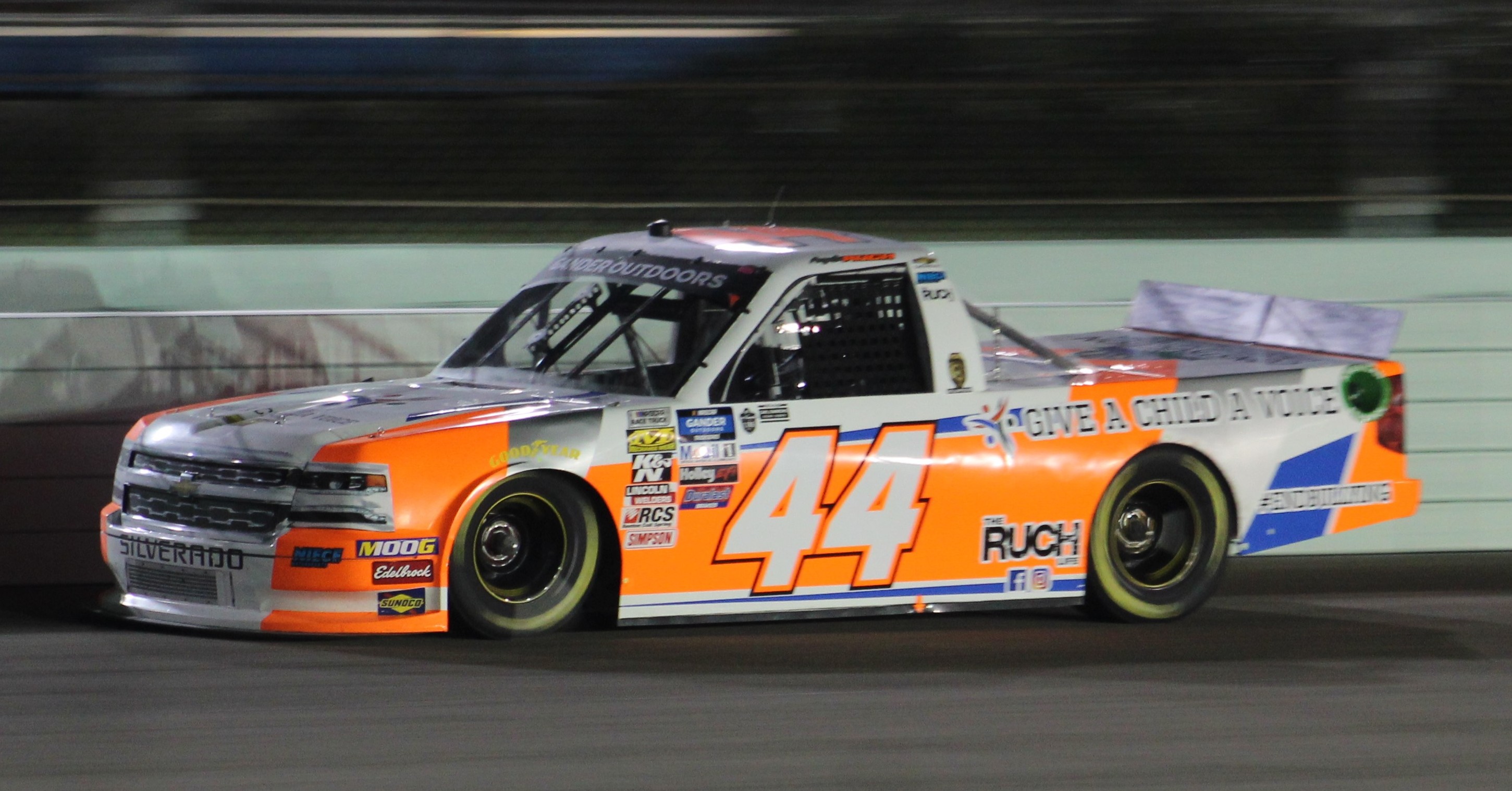
Chevrolet Silverado
"Yeah, like a 454 Silverado. If I could put bucket seats in it, like real bucket seats and some, you know, good brakes and suspension, I think would be pretty sweet."
That “454 Silverado” is a Chevy pickup (Silverado) with a very large V8 engine called the 454. People like it because it makes strong pulling power, and it can be fun if you upgrade the stopping and handling.
“454 Silverado” refers to a Chevrolet Silverado equipped with the big-block 454 V8. In enthusiast circles, the 454 is known for its large displacement and torque, which is why people talk about upgrading it with better brakes and suspension.
bucket seats
"If I could put bucket seats in it, like real bucket seats and some, you know, good brakes and suspension, I think would be pretty sweet."
Bucket seats are the single, shaped seats you sit in like a racing seat. They help keep you from sliding around when you turn, so the car feels more controlled.
Bucket seats are individual, contoured seats that hold you in place more than a bench seat. They’re popular for driving because they improve lateral support during cornering and can make a truck feel more “sporty.”
aero wheels
"yeah, that aesthetic. Good year. Yeah, like aero wheels with good year tires. Pretty sweet."
Aero wheels are wheel designs shaped to reduce aerodynamic drag compared with more traditional wheel styles. In practice, they’re often chosen for highway efficiency and sometimes for a more performance-oriented look.
side pipes
"I love it. Side pipes. Yeah, exactly. Side quests even."
Side pipes are exhaust pipes that come out along the side of the vehicle. They’re usually for style and sound, and they can change the way the exhaust feels.
Side pipes are exhaust outlets routed along the side of the vehicle rather than exiting at the rear. They’re mostly an aesthetic and sound choice, but they also change how exhaust gases flow out of the car.

Nissan Quest
"...sweet. I love it. Side pipes. Yeah, exactly. Side quests even. Wow. I don't know. See questions, questions..."
The Nissan Quest is a minivan. It’s made to carry people comfortably with lots of interior space. The podcast mentions it as a fun or interesting vehicle, including some custom-style details.
The Nissan Quest is a minivan built for family transportation, emphasizing space and ease of use. Minivans like the Quest are often discussed when someone wants comfort and practicality rather than sports-car performance. In the podcast, it’s mentioned with enthusiasm, including references to styling details like side pipes.
Rivian
"So you can't just say like Rivian saying something's a truck. Yeah, Rivian's a truck, right? It's a truck. Well, yeah, body and stuff."
Rivian is an electric-vehicle company that makes trucks and SUVs. The host is talking about how Rivian describes its vehicles and whether that counts under the rules.
Rivian is an EV brand known for trucks and SUVs, and the speaker references Rivian’s marketing/classification choices. The discussion is about whether a vehicle can be called a “truck” based on how it’s built and regulated.
all wheel drive
"Yeah, man, you have all wheel drive and then you're super rad."
All-wheel drive means power goes to all four wheels. That usually helps the car grip better, especially on wet or slippery roads.
All-wheel drive (AWD) sends power to both the front and rear axles to improve traction. It’s especially helpful in low-grip conditions and for vehicles that want confident acceleration and stability.
turbo
"It's blue and it's manual dog. So is that turbo? Of course. Yeah, son."
“Turbo” usually means a turbocharger. It helps the engine make more power by pushing extra air into it.
A “turbo” refers to a turbocharger, which forces more air into the engine so it can burn more fuel and make more power. It’s commonly paired with smaller engines to boost performance without needing a larger displacement.

Ford Maverick
"There's like the, I mean, New Ford Maverick, like there's the Lobo. What about, I mean, you know, Ford Raptors of the world are just massive, you"
The Ford Maverick is a smaller pickup truck. The hosts are using it to compare what counts as a “real truck” versus bigger off-road-style pickups.
The Ford Maverick is a compact pickup truck known for being smaller and more fuel-efficient than full-size trucks. In this segment, it’s mentioned as an example of a “truck” category that’s smaller than the big Ford Raptors.

Ford Lobo
"... the, I mean, New Ford Maverick, like there's the Lobo. What about, I mean, you know, Ford Raptors of th..."
“Lobo” in this conversation sounds like it’s referring to a Ford pickup option. The key idea is a smaller truck compared with big full-size pickups. If you’re shopping, confirm the exact model name on the listing or badge.
“Lobo” is commonly used as a nickname or shorthand for the Ford Maverick in some contexts, but the podcast appears to be referencing a Ford small truck/compact pickup idea rather than a specific, clearly identified model. If the intent is the Maverick, it’s a compact pickup known for being more affordable and efficient than larger trucks. The mention is in a broader discussion of Ford pickup options.

Ford F-150 Raptor
"What about, I mean, you know, Ford Raptors of the world are just massive, you know, and so a Pajero wouldn't count, right? That's not a truck."
The Ford F-150 Raptor is a rugged, off-road-focused pickup. The hosts are saying it’s huge compared to smaller trucks.
The Ford F-150 Raptor is a high-performance off-road version of the F-150 pickup, built for big tires, long-travel suspension, and rough terrain. Here it’s used as the benchmark for “massive” trucks compared to smaller pickups.

Mitsubishi Pajero
"and so a Pajero wouldn't count, right? That's not a truck. No, not a truck. LMO two is pushing it."
The Mitsubishi Pajero is an SUV known for off-road capability. In the conversation, it’s brought up to show that an SUV doesn’t really count as a truck.
The Mitsubishi Pajero is a body-on-frame SUV (often sold as a rugged, off-road-oriented vehicle) rather than a pickup truck. The hosts mention it to argue that not every “off-road-ish” vehicle counts as a truck.

Cupra Born
"... have gone funky, funky cold Medina. So, Andrew's born in 2016. I don't know what was out then. What am ..."
The Cupra Born is an electric hatchback. It’s designed to be a fun-to-drive EV in a smaller, everyday size. The podcast mentions it while talking about a specific car and year.
The Cupra Born is an all-electric hatchback from Cupra, a performance-focused brand within the Volkswagen group. It’s discussed as an EV option that’s still meant to feel sporty and engaging. In the podcast, it’s mentioned with a reference to a specific model year (2016), suggesting they’re talking about a particular Born example.
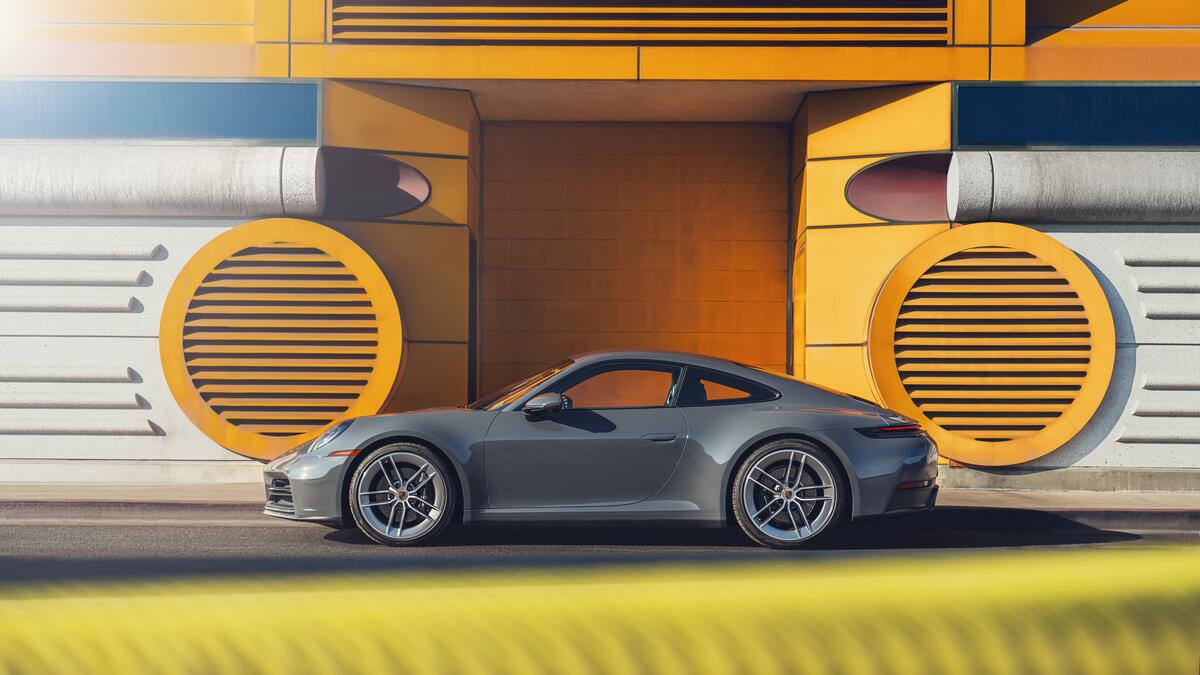
Porsche 911 SC
"So Lane, you're going with a 1965 something or 1979 911 SC."
Porsche 911 SC is a particular version of the 911 from the late 1970s. It has a flat-six engine and is popular with car people because it feels very “classic 911” to drive.
The Porsche 911 SC is a specific 911 variant from the late-1970s that uses a 3.0-liter flat-six engine. It’s known as an enthusiast “sweet spot” because it’s more analog and straightforward than later turbo-focused eras, while still delivering classic 911 character.

Volkswagen GTI
"E-Golf maybe. Yeah. GTI. GTI? You could get a GTI from the."
The Volkswagen GTI is the sporty, performance version of the Golf. It’s a popular “hot hatch,” and different model years can feel different.
The Volkswagen GTI is the hot-hatch version of the Golf line, built around a performance-oriented engine and a driver-focused chassis. In this segment, the host is discussing which GTI model year/era makes sense, implying the GTI’s “generation” matters for feel and desirability.

Porsche Boxster
"... a pretty good car. So you get like a Cayman or a Boxster. It's pretty good or but yeah, I don't know."
The Boxster is a Porsche sports car with two seats and a convertible-style design. It’s made to handle well when you drive it. People bring it up when they’re talking about fun, sporty cars.
The Porsche Boxster is a mid-engine two-seat roadster that’s built around handling and balance. It’s frequently mentioned alongside other Porsche sports cars because it offers a similar driving feel in a more open-top format. That makes it a natural topic when the podcast is comparing “good” sports-car options.

Porsche Cayman
"So that's a pretty good car. So you get like a Cayman or a Boxster."
The Porsche Cayman is a sporty Porsche with the engine mounted in the middle of the car. That layout helps it handle well, and the hosts are using it as a good daily-style option.
The Porsche Cayman is a mid-engine sports coupe from Porsche, known for its balanced handling and driver-focused feel. In this segment it’s mentioned as an example of a “pretty good car,” alongside the Boxster.
dailies
"Are we talking to dailies or what are we talking to? Yeah, dailies, dude."
“Dailies” just means the car you use for everyday driving. It’s the opposite of a weekend toy or a track car.
In car talk, “dailies” means the car you drive every day rather than a weekend-only or track-only vehicle. The host is discussing whether they’re talking about daily-driver tires and setups.

CTSV wagon
"because there as far as I can tell the the CTSV wagon that I was thinking of is actually to ends in 2014 that run."
A CTS-V wagon is a supercharged, high-performance Cadillac wagon. The host is saying they were considering one, and they’re trying to remember which years it was available.
The CTS-V wagon refers to the high-performance Cadillac CTS-V in wagon form, known for strong power and a more hardcore chassis tune than standard Cadillacs. The host discusses it as a specific car they were thinking about, and even mentions a production cutoff year.
all-season
"I've been doing the Conti's forever and they last like 4500 All season. Yeah, but the Conti's last 4500 miles"
All-season tires are meant to handle a mix of weather throughout the year. The hosts are comparing two all-season options and how long they last versus how grippy they feel.
All-season tires are designed to work across a range of temperatures and conditions rather than being optimized only for summer or only for winter. The host is comparing two all-season tire brands based on grip and tread life.

Volvo V70
"Yeah, of course v 70 our Volvo. There you go, dude."
The Volvo V70 is a wagon that’s built for real-life driving—space, comfort, and practicality. The host is saying it’s a fun daily choice.
The Volvo V70 is a practical wagon known for comfort and everyday usability, and it’s often chosen as a “daily” because it’s roomy and easy to live with. The host brings it up as a fun daily option.
911 turbo
"Just go nine fucking whatever 911 turbo of that era is going to be a great day. We go that's easy. There you go."
A Porsche 911 Turbo is the high-performance, turbocharged version of the 911. The host is basically saying it’s a reliable-feeling “safe choice” if you want something quick but still usable every day.
The Porsche 911 Turbo is the 911’s factory turbocharged performance model, famous for combining everyday drivability with serious acceleration and grip. The host says a 911 Turbo from “that era” is an easy, safe bet for a daily.
Michelin AS 4
"he was he's claiming I should get those Michelin A S 34 A S four is a whatever. What are they called? As fours are great."
Michelin AS4 is an all-season tire model from Michelin. The host is comparing it to other tires, focusing on grip and how long they last.
“Michelin AS 4” refers to Michelin’s all-season tire line (the host is specifically talking about the AS4 model). The discussion is about whether these tires are as grippy as another brand while lasting longer.
Contis
"I've been doing the Conti's forever and they last like 4500 All season."
“Conti’s” means Continental tires. The host is saying they’ve used them before and they last a certain number of miles.
“Conti’s” is shorthand for Continental tires, a major tire brand. The host says they’ve been running Conti tires for a long time and estimates their tread life in miles.
cold grip
"I mean, and the problem is they're just going to fall off faster. You know, so like even if you get initial cold grip, like once you start getting some temp in them, like they actually do fall off, but they're fine."
Cold grip is how well a tire sticks to the road when it’s still cold. The speaker is saying the tires may feel good right away, but once they warm up, the grip can change.
Cold grip is the traction a tire provides when it hasn’t warmed up yet. The speaker is saying the tires may feel grippy at first, but as they heat up they can lose some grip (or “fall off”) even though they still function well overall.
wet
"I think you'll be happy. Yeah, it's also you do drive quite a bit in the wet and they're amazing in the wet. Like it's ridiculous."
“Wet” means driving on rainy, water-covered roads. The speaker is saying these tires do noticeably better in the rain than they do in dry conditions.
“Wet” here refers to tire performance on rain-soaked roads, where traction depends heavily on tread pattern and the tire’s ability to manage water. The speaker emphasizes that the tires feel especially strong in wet conditions, describing it as the biggest real-world difference they noticed.

Porsche Cayenne
"...d of stuff sweet. I know two years. Yeah. And the Cayenne runs those right now. And yeah, they're very impr..."
The Cayenne is a Porsche SUV. It’s meant for people who want more space than a sports car but still want it to drive in a sporty way. That’s why it’s a frequent topic in car discussions.
The Porsche Cayenne is a performance-oriented SUV that blends everyday practicality with Porsche-style driving dynamics. It’s often discussed because it’s one of the brand’s most common ways to get into a “Porsche” experience without giving up cargo space. In a podcast, it can come up when talking about how sporty an SUV can be.
Willow Creek
"mean it's getting rough down there but when you go down there and you know below where I went to willow creek but below willow creek is where it gets really good"
Willow Creek is the name of a specific stretch of road on a popular drive. The host is saying that part of the route is where the driving gets really good.
Willow Creek is a named segment on a California coastal drive route that the hosts treat as a particularly fun stretch. They’re describing it as “below” another point, implying a specific section where the road quality and driving flow improve.

Lotus Exige
"even after all of the driving he's done all over Europe everywhere and all fucking cars his best drive ever he said was on driving Nick Woodman's Lotus Exige and he was by himself"
The Lotus Exige is a small, lightweight sports car built to feel very connected to the road. The host is saying it was the best drive he’s heard about because the timing and road conditions made it feel special.
The Lotus Exige is a lightweight, track-focused sports car from Lotus, known for its sharp handling and driver-first feel. In this story, it’s used as an example of a standout driving experience because the road run was essentially uninterrupted.
Carmel
"at the very end dude pulling into Carmel a helicopter started following him whoa and he got a gnarly ticket"
Carmel is a coastal town in California. In this story it’s where the driver ended up right before things escalated into a ticket.
Carmel (likely Carmel-by-the-Sea) is a coastal California town used here as the endpoint of the driver’s run. The mention matters because it’s where the host says the helicopter started following, leading to a “gnarly ticket.”
Ragged Point
"yeah willow willow creek to ragged point or whatever that that section is amazing"
Ragged Point is a famous spot along California’s coast. The host is using it to describe a great driving section of Highway 1.
Ragged Point is a well-known coastal viewpoint/area on California’s Highway 1 corridor. In the conversation, it’s referenced as part of the same “amazing section” of road, suggesting a scenic, twisty stretch that’s popular with drivers.

Kevin's 75 Firebird
"I met up with Kevin to Kevin from Paso sweet but and then last weekend or last earlier this week I guess I drove Kevin's 75 Firebird well under chicken dude thing right dude it actually so surprisingly I mean it's a little jiggly it actually drove pretty well"
A 1975 Pontiac Firebird is a classic muscle car from the 1970s. The host is basically saying it wasn’t perfectly smooth, but it still drove surprisingly well.
A 1975 Pontiac Firebird is a classic American muscle car platform known for its V8-era styling and straightforward, old-school driving dynamics. Here, the host notes it felt “jiggly” but still drove well, which matches how many older cars feel compared to modern suspension tuning.
big fat sway bars
"…it was like going down these this thing like has some big fat sway bars and stuff I guess from the factory and it just like it didn't feel like I was man having to manage it that much…"
Sway bars are parts that help keep a car from leaning too much when you turn. If they’re stiffer, the car usually feels more stable in corners, though it can feel a little firmer over bumps.
“Sway bars” (also called anti-roll bars) connect the left and right sides of the suspension to reduce body roll in corners. Thicker or stiffer sway bars generally make the car feel more controlled and less “tippy,” but can also make ride comfort harsher.
driving on a rally
"…you could see where you could get on top of it and and actually like driving on a rally and have fun driving it…"
Rally driving means pushing a car on rough, changing-traction roads instead of smooth pavement. It’s more about staying in control while the surface keeps changing.
“Rally driving” refers to driving on loose or uneven roads (like gravel or rough back roads) where traction changes constantly. It emphasizes car control—braking, steering, and throttle management—rather than smooth pavement grip.
sidewall
"because it's very it's like it's got very heavy-duty suspension right and like it's just a ton of sidewall like [3191.6s] it's very simple like all of that like it makes for a great combination"
The sidewall is the part of the tire on the outside edge. Taller sidewalls can help absorb bumps, while shorter ones feel firmer and more direct.
The tire sidewall is the rubber section between the tread and the bead that connects the tire to the wheel. Its height (often called “sidewall height”) affects ride comfort and how much the tire can flex over rough pavement.
traction and grip
"it's also very wide like so you have some pretty good like you know traction and [3200.6s] grip around corners"
Traction is how much force the tires can transmit without slipping, while grip is the tire’s overall ability to maintain that contact during braking, turning, and acceleration. Together they largely determine how confidently a car can corner and how stable it feels on rough roads.
burnouts
"do you say what well when he dropped me off he like did a burnout as he took off you know [3247.1s] it's like a friend and yeah exactly"
A burnout is when the driver spins the tires so they smoke. It’s usually done to heat the tires or just to show off, and it means the tires are losing traction briefly.
A burnout is when a driver spins the driven wheels (often while holding the car in place) to heat up the tires and sometimes to remove surface grime. It’s also used as a showy launch technique, and it can reveal how easily the tires can break traction.
low RPM
"like what a low rpm burnout that car could do it was like [3266.1s] Warren took a video of it and he must have been going like 1800"
RPM is how fast the engine is spinning. “Low RPM” means it’s not revving high—so if the tires still smoke, the car has enough pulling power to break traction even without high revs.
RPM (revolutions per minute) is the engine speed, and “low RPM” means the engine is turning relatively slowly. Doing a burnout at low RPM suggests the car can generate enough torque to spin the tires without needing high engine speed.
1800 rpm
"Warren took a video of it and he must have been going like 1800 [3269.5s] rpm and the tires are just smoking"
1800 RPM is a specific engine speed. The point is that the car was doing the burnout without needing to rev extremely high.
1800 RPM is a specific engine speed where the engine is producing torque but not revving aggressively. Mentioning the exact RPM helps quantify how easily the tires can be made to spin.
crazy markup
"and he imports the 21 window buses from from Brazil and sells them in Europe at like a crazy fucking markup because they're worthless down there"
A “markup” just means the seller is charging more than what it’s worth locally. If a car is hard to find in one place but people really want it there, importers may sell it for a lot more.
“Markup” here means the seller is charging far above the vehicle’s typical local value. In car culture, this often happens when a model is scarce in one region but popular in another, so importers can profit from the demand gap.
fun roads
"I can take you through the fun roads and I'm like fuck yeah let's go through the fun roads"
“Fun roads” just means a more enjoyable route to drive—usually curvy roads and a nicer drive than the boring highway. In this story, they choose that kind of route to make the trip more exciting.
“Fun roads” is a car-enthusiast way of describing routes that are more engaging than the fastest option—typically with better scenery, twisty turns, and less traffic. The host contrasts it with taking the highway route, implying a more driver-focused drive.

Tesla Model
"...et's go through the fun roads and like what car a Tesla Model 3 whatever you know but it's like it's an Uber ri..."
The Model Y is an electric SUV made by Tesla. Instead of gas, it runs on a battery. People talk about it because it’s a practical EV you can use for normal driving.
The Tesla Model Y is an all-electric compact SUV known for its practicality and widespread popularity. It’s often discussed in the context of everyday driving, charging, and how electric vehicles feel compared with gas cars. In a podcast, it’s a common reference point when talking about modern EVs and real-world usability.

Tesla Model 3
"like what car a Tesla Model 3 whatever you know but it's like it's an Uber right so yeah"
The Tesla Model 3 is an electric car (it runs on a battery instead of gasoline). Here it’s mentioned as the type of car the host was riding in while going to the track.
The Tesla Model 3 is an all-electric compact sedan known for its battery-electric powertrain and strong efficiency. In the segment, it’s used as an example of the kind of car the host rode in (an Uber) while choosing between highway and “fun roads.”

Shelby Cobra
"it's like oh yeah my uncle had a Shelby Cobra and you're like all right this is great that's classic that's my favorite"
The Shelby Cobra is a legendary old-school sports car. People love it because it’s a lightweight roadster with a huge engine, and it’s become a symbol of classic American performance.
The Shelby Cobra is a classic American sports car known for its lightweight roadster shape and big V8 power. It’s especially famous in car culture because it represents the 1960s “big engine, small body” era and shows up constantly in enthusiast stories.

Toyota Corolla
"I found like the cleanest a 86 Corolla's like you know and like 11 front end non-pop up headlight"
An “86 Corolla” is a Toyota Corolla from 1986. Corollas are known for being practical and long-lasting, and people often like older ones as affordable enthusiast cars.
The Toyota Corolla is a long-running compact car line, and “86 Corolla” points to an older 1980s generation that’s popular with enthusiasts for being simple, durable, and easy to find in the used market. In this context, the host is highlighting how a clean example can be cheaper abroad.
non-pop up headlight
"and like 11 front end non-pop up headlight like all over the place"
“Non-pop up headlight” means the headlights stay fixed in place instead of moving up and down. It’s basically a styling detail that can tell you which version of the car it is.
“Non-pop up headlight” describes headlights that do not retract or “pop up” from the front. It’s a visual/trim-era detail that can help identify which version of a model you’re looking at.

Gt Junior
"...ant premium for here like a lot of like the alpha GT junior stuff like you know yeah but yeah interesting lik..."
“GT Junior” sounds like a smaller, more basic performance car, but the exact car name isn’t clear from the quote. Different cars can use similar wording. If you tell me the brand or model details, I can explain the correct one.
“GT Junior” in the podcast sounds like a reference to a smaller, entry-level performance model, but the exact make/model isn’t clearly identified from the excerpt. Because of that ambiguity, it’s hard to tie the discussion to a specific vehicle with confidence. If you can share the brand or a clearer phrase from the transcript, the explanation can be made precise.
JDM rally shit
"because they have a huge like rally culture there like they're really into rally so I was just checking out like Facebook marketplace finding like all of this really cool like JDM rally shit"
JDM means “cars made for Japan’s market.” When someone says “JDM rally,” they usually mean Japanese cars or parts that are popular in rally racing and enthusiast circles.
JDM refers to Japanese Domestic Market cars—models and trims that were sold primarily in Japan. “JDM rally” implies rally-oriented Japanese cars (or rally-spec parts/variants) that enthusiasts seek out for their handling, tuning culture, and motorsport heritage.
all EV lineup
"unfortunately I'll say is that they have committed to like an all EV lineup now and I mean it is what they're doing but at least they're taking a good approach"
“All EV lineup” means the brand is selling only electric cars. The host is saying that even if a brand goes all-electric, you might still want a separate gas car for fun.
An “all EV lineup” means a company’s model range is entirely electric vehicles, with no internal-combustion cars offered. The host is contrasting this strategy with the idea of keeping both EVs and petrol “toys” in the same garage.

Alpine A110
"mean I can see myself in the future it's like it's like you know it's two different things right like you can have an EV a 110 in the garage and then maybe have you know other petrol powered toys hot hatch that"
The Alpine A110 is a small two-seat sports car. It’s built to feel quick and nimble when you drive. It’s the kind of car people consider for a fun weekend or a second car.
The Alpine A110 is a lightweight, two-seat sports car designed for agile handling and a classic “small car” feel. It’s often brought up when people want something that feels special without being huge or heavy. In the podcast context, it sounds like it’s being compared as a “garage” sports car alongside an EV.
Renault 5
"maybe have you know other petrol powered toys hot hatch that they had in the showroom what is that is that a Renault that's a Renault 5 underneath yeah right"
Renault 5 is a small, classic hatchback from Renault. Here it’s mentioned as the kind of fun gas car you might keep in addition to an electric car.
The Renault 5 is a classic small hatchback from Renault, best known for its simple, fun, city-friendly character. In this segment, it’s used as an example of a “petrol-powered toy” that could sit alongside an EV in the same garage.

5 Renault 5
"... showroom what is that is that a Renault that's a Renault 5 underneath yeah right so think it's basically lik..."
The 5 E-Tech Electric is an electric car based on the Renault 5 name. It uses a battery instead of gas. The podcast is describing it as a modern EV that keeps the small-car idea of the original.
The “5 E-Tech Electric” refers to the electric version of the Renault 5, an EV built around the classic small-car concept. It’s being discussed as a modern electric car that still feels like a throwback in size and character. In the podcast, the speaker notes it’s “basically” related to a Renault 5 underneath, emphasizing the connection to the original model.
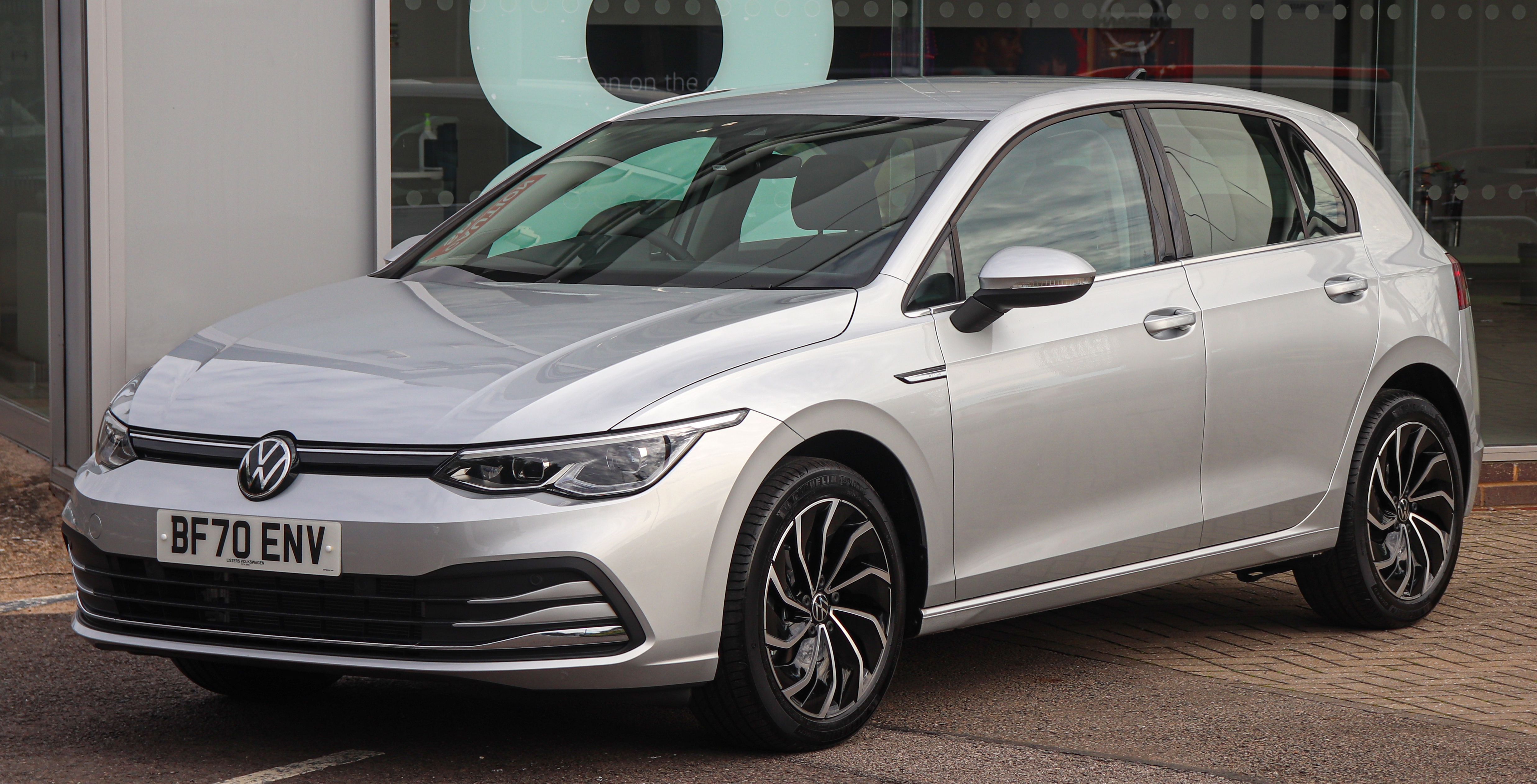
e-golf
"so totally yeah exactly it's because why not you have a tool for that purpose that's also very fun to drive and engaging it looks good and has nice materials and it's like yeah like I want I'm gonna be spending a lot of time in it right yeah but but yeah they had a sort of like a I don't even want to call it a crossover"
The e-Golf is Volkswagen’s electric version of the Golf. It’s being used here as a comparison for what an EV “hot hatch” could feel like day to day.
The Volkswagen e-Golf is an electric version of the Golf hatchback, designed to deliver everyday usability with an EV powertrain. The host compares it to the idea of an “electric alpine hatchback,” using it as a familiar EV reference point.

alpina a390
"but yeah they had a sort of like a I don't even want to call it a crossover because it was basically more like a lifted sedan like closer to a crown but very like sporty you know and that's the alpine a390 you know very nice materials it was looked very well built well put together nice seats"
The Alpina A390 is being talked about as a sporty car with a more “lifted sedan” shape and a focus on how nice it feels inside. The host also suggests the driving feel is heavily influenced by the car’s electronics.
The Alpina A390 is discussed as a sporty, lifted-sedan-style vehicle with an emphasis on build quality and interior materials. In this segment, it’s also tied to the brand’s philosophy of making cars feel engaging while using electronics to shape the driving experience.

Toyota Crown
"...ly more like a lifted sedan like closer to like a crown but very like sporty you know and that's the alpi..."
The Toyota Crown is a Toyota sedan model. In this discussion, it’s described as having a higher, more SUV-like stance while still being a sedan. It’s brought up because it can feel sporty even though it’s not a traditional sports car.
The Toyota Crown is a nameplate best known for being a refined sedan that can be offered in more sporty, driver-oriented trims. It’s being described in the podcast as a “lifted sedan” style that’s closer to a Crown but with a sportier vibe. That makes it relevant when discussing how certain sedans can blur into crossover-like roles.
electronics
"the interesting thing is because they're fucking with you know electronics ultimately and compus they are they actually programmed it with the three"
“Electronics” here means the car’s computer systems that control how it behaves while you drive. The host is saying the way the car is programmed is a major part of the experience.
In modern cars, “electronics” refers to the computer-controlled systems that manage things like throttle response, stability control, and other driving behaviors. Here, the host emphasizes that the car is “fucking with” electronics—meaning the tuning/programming is a big part of how it drives.
mid-engine cars
"diffs that it has to handle like a mid-engine car so it's like pretty funky"
A mid-engine car is one where the engine sits near the middle of the car, not up front. That usually helps the car feel balanced and fun to drive when you turn.
A mid-engine car places the engine closer to the center of the vehicle, typically behind the driver but ahead of the rear axle. That layout helps balance weight front-to-rear and can make handling feel more agile and “pointy” in corners.
Request an Explanation
Heard something you'd like explained? We'll add it to this episode.
Sign in to request explanations for terms you heard.
Want to learn more?
Browse our glossary for plain-English explanations of automotive terms, jargon, and concepts.
Help improve this episode
See something that's not quite right? Our annotations are AI-generated and can sometimes miss the mark. Click the flag icon on any annotation to suggest a correction.