Stewart Howden hosts a lively discussion with guests John Brooks and Keith Martin, diving into the world of classic cars, motorsport history, and the evolution of automotive literature. Brooks shares insights on his recent book covering the Le Mans races from 2000 to 2009, highlighting the intense competition and key players like Audi and Corvette. The conversation also touches on the importance of safety in classic cars, the resurgence of automotive books, and the unique experiences of car enthusiasts. With anecdotes and expert opinions, this episode is a treasure trove for automotive aficionados.
CAM Show #218 airdate 11-05-25 Stewart welcomes John Brooks, Author, Writer and Photographer as they discuss his career including his latest book "LeMans 2000-09 The Official History of the World's Greatest Motor Race" which also includes all photos shot by him. Stewart is also joined by Keith Martin Of Sports Car Market magazine bringing his blog to life, contemplating hosting a #GT350 Tour as well as seat belt use. #LeMans https://SportsCarMarket.com/testdrive6, https://www.evropublishing.com @F1 #Monaco #LasVegas https://www.goodwood.com
GET OUR FREE APP: https://ClassicAutoMall.appimize.app When it opens click on the ORANGE button to install on your phone or computer for DIRECT ACCESS to our VIDEO and AUDIO shows and our website.
CONTENT NOTE: Contests, Prizes, Offers, Vehicles & other items may no longer be available or offered after each show's original broadcast or posting date.
Recorded in our Showcase Studio just inside the entrance of the Classic Auto Mall in Morgantown, PA, Host Stewart Howden, Classic Auto Mall President and Classic Car Specialist Steve Saffier talk about this unique and amazing place often with amazing guests.
YES...Classic Auto Mall is a REAL former shopping mall that covers almost EIGHT football fields with an average of nearly ONE THOUSAND classic vehicles under one, climate controlled roof and they're all FOR SALE!
Be sure to LIKE and SUBSCRIBE to be informed of new episodes and SEE them on the Classic Auto Mall YouTube Channel. We also invite you to VISIT US IN PERSON at Classic Auto Mall, one hour west of Philadelphia at PA Turnpike Exit #298, VISIT us online at ClassicAutoMall.com or talk to real, live people about visiting, buying or selling your classic on consignment at 888-227-0914.
"managed to get motorsport, or at least international motorsport in the 50s up and running."
International motorsport means car racing that happens in many countries around the world. The 1950s was an important time for these races to grow in popularity.
International motorsport refers to competitive racing events that take place across different countries, featuring various types of vehicles and racing formats. The 1950s was a significant era for the development and popularity of such events, including Formula 1.
"Things like Cooper cars. Right. Just up the road."
Cooper cars were a company that made race cars in the UK. They became well-known for their success in car racing, especially in the 1950s.
Cooper cars were a British manufacturer known for their success in motorsport, particularly in Formula 1 during the 1950s. They are famous for their innovative designs and contributions to the development of rear-engine racing cars.
"...the teams are up there, Formula One's up there. We don't have quite so much here, but the historic side runs well."
Formula One is a top-level car racing series where teams compete with very fast cars on different tracks around the world. It's known for its exciting races and cutting-edge technology.
Formula One is the highest class of single-seater auto racing, known for its high-speed cars and prestigious races held worldwide. It features advanced technology and engineering, making it a pinnacle of motorsport competition.
"...I'm an hour or so away from Goodwood, which is a fantastic facility. So, yeah, we're, you know, we're looking out..."
Goodwood is a well-known place in the UK where car races and events happen. It's popular among car fans and has a lot of history in motorsport.
Goodwood is a famous motorsport venue in the UK, known for hosting events like the Goodwood Festival of Speed and the Goodwood Revival. It features a historic racetrack and attracts car enthusiasts from around the world.
"...to go to Modena for Ferrari or Goodwood, or I imagine still people come and want to see and have their picture made in front of AC cars."
Ferrari is a famous car brand from Italy that makes very fast and expensive sports cars. They are known for their bright red color and participation in car racing.
Ferrari is an iconic Italian sports car manufacturer known for its high-performance vehicles and rich racing heritage. Founded by Enzo Ferrari in 1939, the brand is synonymous with luxury and speed.
Brand
AC
"...or Goodwood, or I imagine still people come and want to see and have their picture made in front of AC cars."
AC is a British car brand that is famous for making the AC Cobra, a classic sports car that many people admire. They have been around for a long time and are known for their unique designs.
AC Cars is a British manufacturer known for producing the AC Cobra, a lightweight sports car that gained fame in the 1960s. The brand has a long history in automotive design and engineering.
"...a load of people set off for Brighton on the London to Brighton vintage run. Right. And I didn't I didn't get brave enough to be up there for six in the morning..."
The London to Brighton vintage run is a fun event where people drive old cars from London to Brighton. It's a chance to see classic cars and enjoy a drive with other enthusiasts.
The London to Brighton vintage run is an annual event that celebrates classic cars, where participants drive from London to Brighton. It typically features vehicles built before a certain year, showcasing the history and evolution of automotive design.
"...It's the book is about supercharging and turbocharging. Apparently, some like eighty years ago or seventy five years ago,..."
Supercharging helps an engine produce more power by forcing in extra air. This means the engine can burn more fuel and run faster.
Supercharging is a method of forced induction that increases an engine's power output by compressing the intake air. This process allows more air and fuel to enter the engine, resulting in greater performance.
"...It's the book is about supercharging and turbocharging. Apparently, some like eighty years ago or seventy five years ago,..."
Turbocharging makes an engine more powerful by using exhaust gases to push more air into the engine. This helps it run better without using more fuel.
Turbocharging is another form of forced induction that uses a turbine driven by exhaust gases to compress the intake air, increasing engine power. It is often more efficient than supercharging as it utilizes waste energy from the engine.
"I want to learn about the 2000 to 2009 Le Mans era or decade."
Le Mans is a famous car race that lasts for 24 hours. Cars compete to see which can go the farthest in that time, making it a big test of speed and endurance.
Le Mans is one of the most prestigious endurance racing events in the world, held annually in France. The race tests the durability and performance of cars over a 24-hour period.
"In 2005, the Pesco Rolos were faster. In 2008, there were six seconds a lap off the Peugeots. B..."
The Peugeot 2008 is a small SUV that's designed to be practical and easy to drive. It looks good and is comfortable, making it a nice option for everyday use.
The Peugeot 2008 is a compact crossover SUV that combines practicality with stylish design. It has gained popularity for its comfortable ride and efficient engines, making it a good choice for urban and suburban driving.
"...they would arrive every morning at seven thirty and spend the entire day practicing pit stops, practicing, changing things to minimize the amount of time they would spend in the pits."
Pit stops are when race cars stop during a race to get fuel, change tires, or fix things. How quickly they can do this can really change the outcome of the race.
Pit stops are critical moments during a race where teams stop their cars in the pit lane to refuel, change tires, or make repairs. Efficient pit stops can significantly affect a team's overall race performance and strategy.
"...but really probably the best struggles came with Corvette versus Viper, Corvette versus Ferrari Corvette versus Aston Martin..."
The Chevrolet Corvette is a famous American sports car that is known for being fast and stylish. It's often compared to other high-performance cars from Europe.
The Chevrolet Corvette is a high-performance sports car known for its distinctive design and powerful engines. It has a long history in American automotive culture and is often compared to European sports cars.
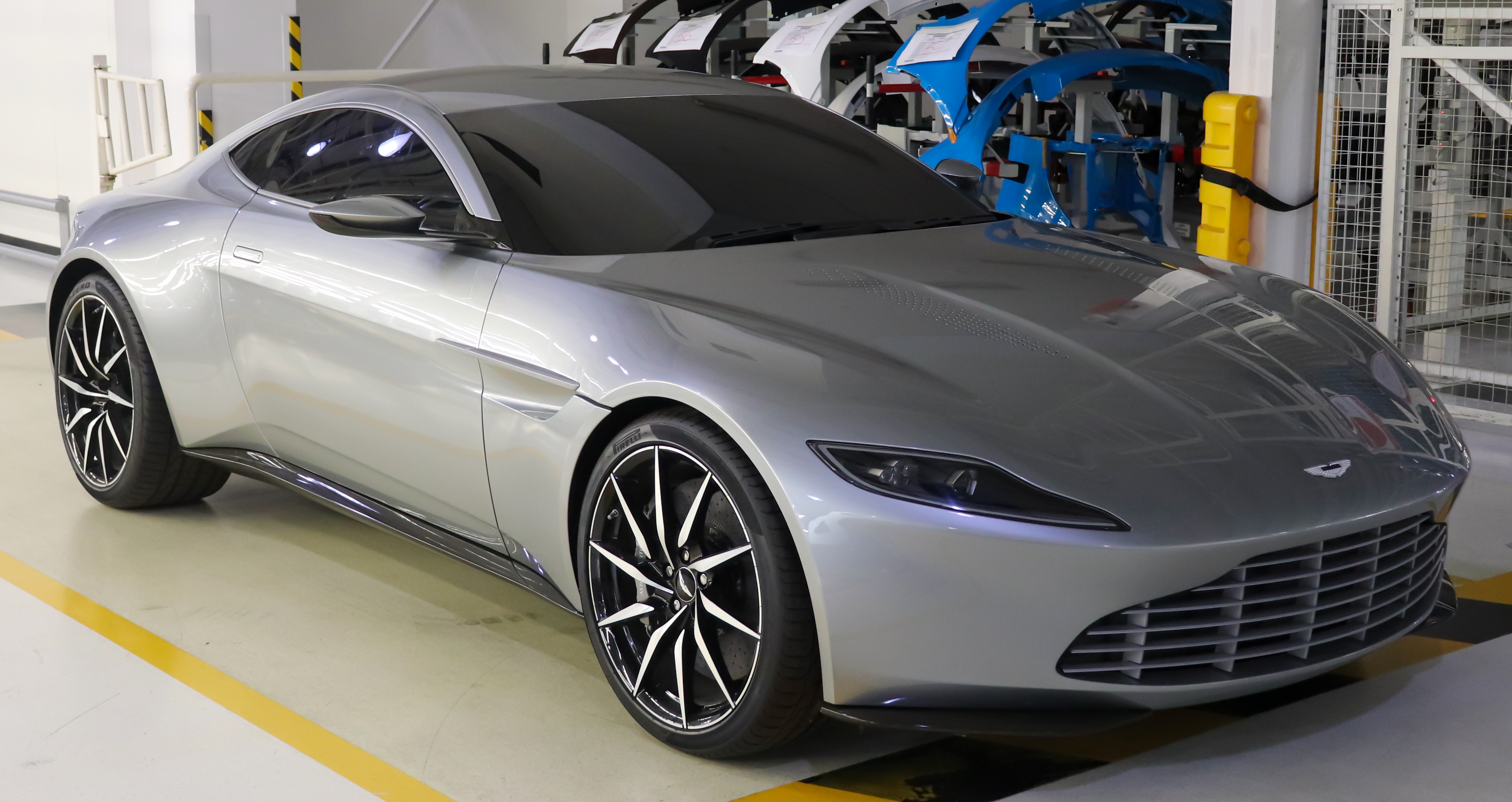
"...Corvette versus Ferrari Corvette versus Aston Martin..."
Aston Martin is a British car brand that makes luxury sports cars. They are known for their stylish designs and are often seen in movies like James Bond.
Aston Martin is a British luxury sports car manufacturer known for its elegant design and high-performance vehicles. The brand is often associated with James Bond films and a lifestyle of luxury.
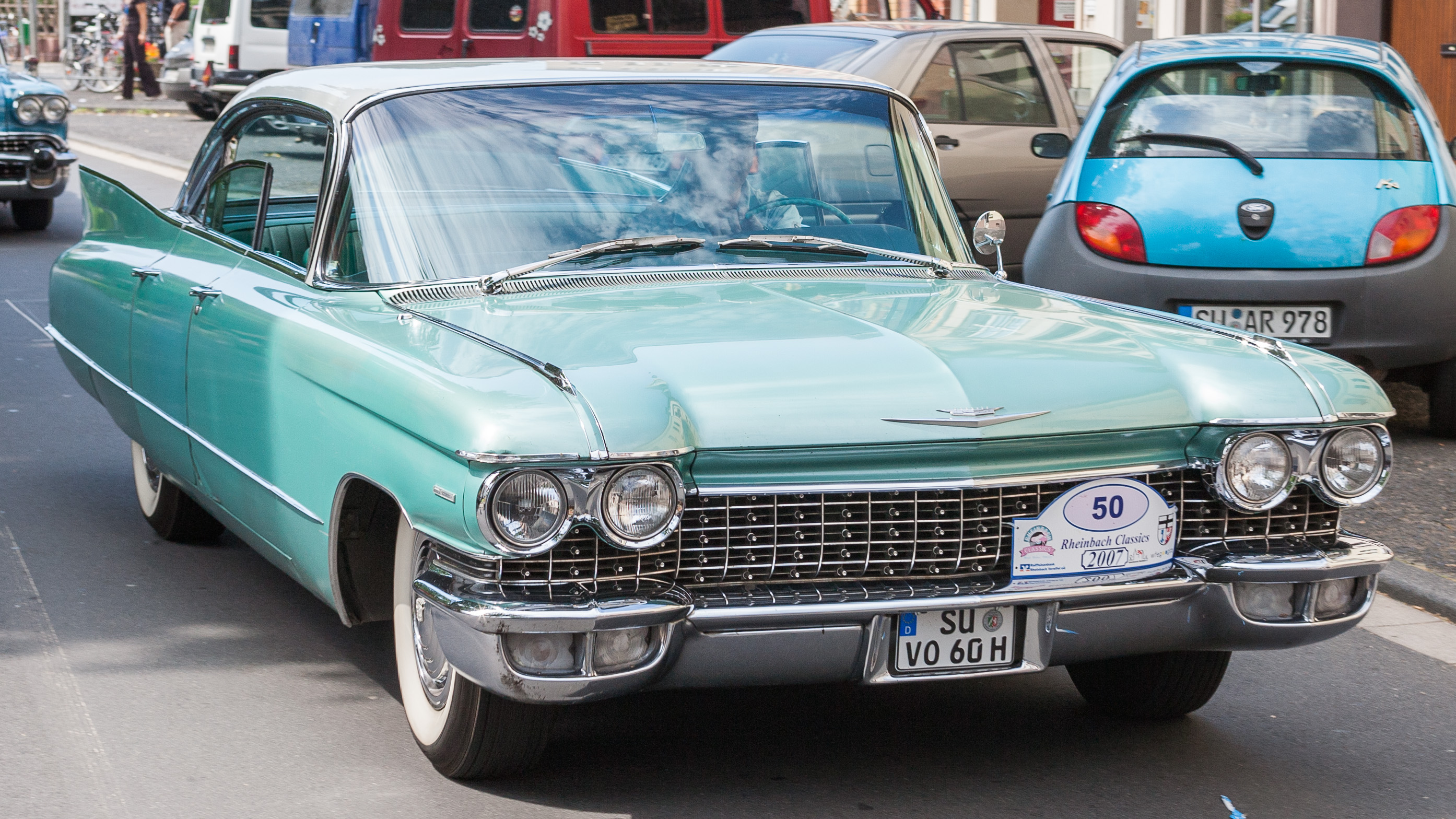
"Those who didn't, for whatever reason, like a Cadillac or like, well, Viper Chrysler in the prototypes didn't really put in the effort."
Cadillac is a brand of luxury cars made in the United States. They are known for their high-quality features and comfortable rides.
Cadillac is a luxury vehicle division of the American automobile manufacturer General Motors (GM). Known for its premium cars, Cadillac has a long history of innovation and performance.
"...the amount of money that Audi were throwing at the R8 and its development. You know, Audi didn't win by accident."
The Audi R8 is a luxury sports car made by Audi. It's known for being very fast and having a stylish design, making it a favorite among car lovers.
The Audi R8 is a high-performance sports car that combines luxury with powerful performance. It features a mid-engine layout and is known for its advanced technology and design.
"...000, one of the chapters in your book was Nest of Vipers. I love that."
The Dodge Viper is a super-fast sports car that stands out because of its big engine and bold look. It's popular among people who love powerful cars and racing.
The Dodge Viper is a high-performance sports car known for its powerful V10 engine and aggressive styling. It has a cult following due to its raw performance and is often discussed for its unique place in American automotive history.
"...People were people afraid of the Viper because of the V10. Did that mean anything or was that didn't really matter?"
A V10 engine is a type of engine that has ten cylinders arranged in a V shape. It's powerful and often found in fast cars like the Dodge Viper.
A V10 engine is a ten-cylinder engine arranged in a V configuration, known for delivering high power and performance. It is often used in sports cars and high-performance vehicles like the Dodge Viper.
"And they were into GT1 and they pretty quickly figured out that the GT1 cars, particularly by 97, weren't really GTs road going cars."
GT1 is a type of car racing class where cars are built for high performance. Over time, these cars became so specialized for racing that they were no longer suitable for regular driving.
GT1 refers to a category of sports car racing that features high-performance vehicles, often derived from production models but heavily modified for racing. By the late 1990s, GT1 cars had evolved into pure racing machines, losing their road-going characteristics.
"especially since BMW and Toyota were moving to Formula One."
BMW is a well-known car brand from Germany that makes luxury and performance cars. They also race in various competitions.
BMW is a German automobile manufacturer known for its luxury vehicles and performance-oriented cars. The brand has a strong presence in motorsports, including Formula One and endurance racing.
"especially since BMW and Toyota were moving to Formula One."
Toyota is a car company from Japan known for making reliable cars. They also compete in racing events.
Toyota is a Japanese automotive manufacturer recognized for producing reliable and fuel-efficient vehicles. The brand has also participated in motorsports, including Formula One and endurance racing.
"I like that. A 15 or 16 year old Hyundai i20. That's the third Hyundai that we've had when we'..."
The Hyundai i20 is a small car that's great for driving around town. It's known for being reliable and not too expensive, which makes it a good choice for many people.
The Hyundai i20 is a subcompact hatchback that offers practicality and efficiency, making it a popular choice for city driving. It is known for its reliability and affordable pricing, appealing to budget-conscious buyers.
"So some of the new inventory this week, new arrivals. My notes. The 1969 Chevrolet Camaro RS convertible."
The 1969 Chevrolet Camaro RS convertible is a classic car that many people love. It's known for being fast and having a cool look, especially with its special features like hidden headlights.
The 1969 Chevrolet Camaro RS convertible is a classic American muscle car known for its performance and stylish design. The RS (Rally Sport) trim typically features distinctive styling elements such as hidden headlights and special badging.
"Other new arrival is the 2006 Ford Mustang Selene S281 Coupe. We were just talking about Steve."
The Ford Mustang Saleen S281 Coupe is a special version of the Mustang made by a company called Saleen. It has more power and better performance than regular Mustangs, making it a sportier option.
The Ford Mustang Saleen S281 Coupe is a high-performance variant of the iconic Mustang, modified by Saleen, a well-known aftermarket manufacturer. It features enhancements in power, handling, and styling compared to the standard Mustang.
This is a car that also has a truck bed, making it useful for carrying things while still being fun to drive. The SS version is the sportier model with better performance.
The 1985 Chevrolet El Camino SS is a performance-oriented version of the El Camino, which is a unique vehicle that combines the features of a car and a pickup truck, known for its sporty design and powerful engine options.
"...every car you buy. I don't care if it's a mundane Hyundai i4 or whatever it is. Save everything."
The Hyundai i40 Wagon is a larger car that has a lot of space inside, perfect for families or carrying stuff. It's known for being reliable and a good value for the money.
The Hyundai i40 Wagon is a mid-size estate car that offers a spacious interior and a comfortable ride, making it suitable for families and long trips. It is known for its value, reliability, and practicality.
"I have a real, you know, my 65 alpha spider has got lap belts in it, two inch lap belts."
The Alfa Romeo Spider is a classic convertible car that was made in 1965. It's known for its good looks and fun driving experience, making it popular among car enthusiasts.
The Alfa Romeo Spider is a classic sports car known for its stylish design and engaging driving experience. Produced from the 1960s to the 1990s, it has become a symbol of Italian automotive design.
"...a 996, it's got airbags. It's just, even my Lotus Elise has got four airbags. If you're enjoying driving ..."
The Lotus Elise is a small, very light sports car that is really fun to drive. It's designed to be fast and handle well on the road, which is why people who love driving often talk about it.
The Lotus Elise is a lightweight sports car known for its exceptional handling and performance. It features a minimalist design and is often celebrated for its driving dynamics, making it a favorite among driving enthusiasts.
"... just, you know, have you heard about Lee Cross's GT350 tour? Oh, absolutely, 100%."
Ford is a well-known car company that makes many different types of vehicles, from trucks to sports cars. People often talk about Ford because of its long history and popular models.
Ford is a major American automotive manufacturer known for producing a wide range of vehicles, including trucks, SUVs, and performance cars like the Mustang. The brand has a long history and is often discussed for its impact on the automotive industry.
"...e American pickers was in a crash and his Porsche 356? Yeah, how terrible."
The Porsche 356 is an older sports car that many people admire because it helped start the Porsche brand. It's known for being stylish and fun to drive, making it a classic among car lovers.
The Porsche 356 is a classic sports car that was produced from 1948 to 1965 and is often regarded as the first production car from Porsche. It is significant for its role in establishing Porsche's reputation for performance and style.
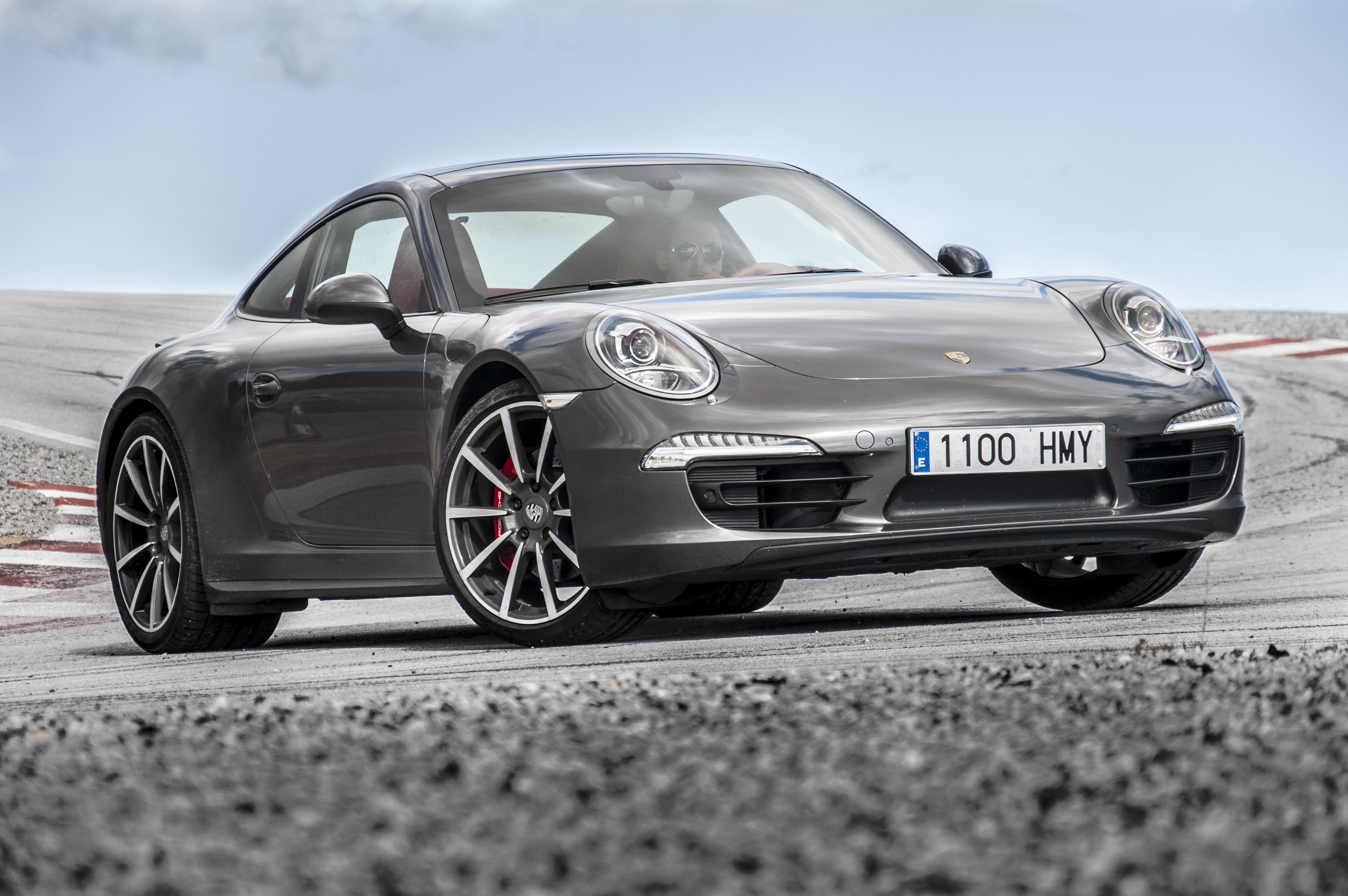
"...u're selling the 9, what, the 912? I've got a 75, 911S Sportomatic. That's right, the Sportomatic."
The Porsche 911 is a famous sports car that has been around for a long time. It's known for its unique shape and powerful performance, making it a favorite among car enthusiasts.
The Porsche 911 is an iconic sports car that has been in production since 1964, known for its distinctive design and rear-engine layout. It has a strong motorsport heritage and is celebrated for its performance and engineering excellence.
"...2.7 is a great car. That car weighs the same as a Carrera RS. Wow."
The Porsche Carrera RS is a classic sports car that is famous for being light and fast. It's very popular among collectors because of its racing history and unique features.
The Porsche Carrera RS is a legendary model known for its lightweight construction and racing pedigree, produced in the early 1970s. It is highly sought after by collectors and enthusiasts for its performance and historical significance.
Select text to request an explanation
This is the Classic Automall Show.
Broadcast from the studios inside the Classic Automall in Morgantown, Pennsylvania, just one
hour west of Philadelphia at Pennsylvania Turnpike Exit 298, featuring nearly 1,000 classic
vintage and barred-fine vehicles for sale under one climate control roof.
Now, here's your host, Classic Automall president and the man with all the toys,
Stuart Houdin.
And here we are.
Welcome to show number 218.
How are you doing?
I'm good.
How are you?
I'm doing pretty good.
Do you have trouble with your volume over there?
Yeah, I don't know.
You sound...
I sound handsome.
That's when you sound good.
He's off a little bit.
We've got to retrain him.
Exactly.
He used to be my favorite saying.
Am I too handsome for my height?
So I think we should start a new program on the guessing game.
Okay, all right.
And instead of guessing how many cars in inventory, guess how many subscribers
we have.
Oh.
So that would be more fun.
So we have 920 cars in inventory.
Wow.
Okay.
And last week was 915.
So we're actually gaining a little bit as we go over the street.
But how many subscribers on YouTube, Steve, you get to go for it?
Well, we got our 100,000 plaque.
So we know we've exceeded 100,000.
Is it handy?
Hold it up.
No, it's not handy.
It's in the box, but we're going to put a picture of it on the screen.
We are.
We are absolutely.
I'm going to say with about 118,000.
All right.
And I'll say 122.
Well, you are way off 111.
Oh, no.
Making me look.
Oh, I.
Some reason I thought we were had.
Oh, that's good, though.
Yeah.
Huge number.
111 is nothing shabby.
We got, what was it, a week ago Saturday that we, or two weeks ago Saturday, we
got to 100,000.
And I choose something like we're like a million, some millions of views on particular
things.
Oh, 4.7 million views total on, on YouTube.
Yeah.
We're subscribers.
Correct.
Correct.
Yeah.
So anyway, let's get to our guest.
Yeah.
Welcome.
Welcome to the show.
John Brooks, author, writer, photographer coming to us from across the pond in somewhere
in the UK today.
Good morning, afternoon, evening, John.
Good afternoon, everybody.
Yes.
I'm actually based just south of London, not far from Brooklyn's, in fact.
Oh, nice.
That's some historic stuff going on there.
And we were talking about off air right around the corner from AC Cars, the
Vole Factory.
And in fact, there's the main road out of London that passes by here, the A3, really
managed to get motorsport, or at least international motorsport in the 50s up and
running.
Things like Cooper cars.
Right.
Just up the road.
In fact, my wife went to school with John Cooper's eldest daughter, I believe.
I'll be darned.
I know.
What made that area so popular with the AC and Cooper and some of the others?
Well, Heathrow Airport probably has something to do with it.
Sure.
I mean, recently things have moved more towards Silverstone and the Motorsport
Valley up there.
The suppliers are up there, the teams are up there, Formula One's up there.
We don't have quite so much here, but the historic side runs well.
You know, I'm an hour or so away from Goodwood, which is a fantastic facility.
So, yeah, we're, you know, we're looking out and the sun has disappeared and it's
getting dark and it's getting cold.
Yeah, we're getting that as well here too.
So don't feel bad there.
You know, it's interesting to see that the history of automobiles and the pilgrimage
that people make to go to Modena for Ferrari or Goodwood, or I imagine still people come
and want to see and have their picture made in front of AC cars.
I mean, that's such a historical, significant, not only to Europe, but also to the United
States.
Indeed.
I mean, we've just had Motoring Week here in London.
I mean, I'm just outside London and that ranged from the Motoring Book of the Year
Awards on Wednesday.
There was a big dinner somewhere.
There's been exhibitions.
There was a Palmao and St.
James's were closed to traffic on Saturday and they had 100 or 200 cars there.
And then very early on Sunday morning, a load of people set off for Brighton on the
London to Brighton vintage run.
Right.
And I didn't I didn't get brave enough to be up there for six in the morning.
I'm afraid to say I had other things to attend to over the weekend.
Well, it's it's the London to Brighton would be a fun one.
That's a bucket list for everybody.
I think that.
Well, I think so.
And the RAC club, they have two main venues.
One is in Epsom, which is not far from here near the famous race course,
the horse racing course.
But they also have a clubhouse in Palmao and it's a very, very impressive place.
I said I was lucky enough to get an invitation to go along last Wednesday
to the Book of the Year Awards.
And I didn't win anything, but just being asked is an honor in itself.
Can you reveal what the book is yet?
Or is that still a secret?
Oh, no, no, no.
In fact, they they had a number of categories.
But the overall Book of the Year went to an American.
Hmm.
A gentleman called Carl Ludvigson, who at ninety one shames most of us.
I've seen the book.
It's the book is about supercharging and turbocharging.
Apparently, some like eighty years ago or seventy five years ago,
he wrote a paper when he was a junior engineer at Ford
talking about turbocharging.
He he was on our show about three or four weeks ago.
And we were talking about the book.
It's the heaviest three volume set of books I've ever seen in my entire life.
And it's amazing and fascinating.
You know, you you almost wonder how can you make something like that?
Fascinating, even for those of us who are car guys,
you know, three volumes of turbocharging and supercharging
probably covers every square inch of supercharging and turbocharging.
Right. It certainly is a niche topic, I would think.
But if you consider, you know,
Carl was not only just an author of things
like excellence was expected by the Quicksilver Mercedes and other books,
but he was also senior executive with Ford and others.
Right. Right. What was how did he manage to find the time?
Yeah, that's always say that about people who who delve into things like that.
How do they find the time to do everything that they do?
And of course, with Carl,
he told me that when they asked him to proofread the book a second time
just to make sure. And I said, how long did that take?
And he said, about a year and a half.
Yeah. That's one thing I've learned with my book
that nothing moves quickly when it comes to
composing, creating, checking, rechecking,
rechecking, rechecking, then finding another mistake. Sure.
It could have.
That's my excuse as to why my book was a 18 months to two years out.
Sure. Sure. And automotive books are really kind of going through a renaissance
right now. I mean, they're becoming very, very popular.
And there was a lull for years on an automotive books.
There wasn't a lull in them being published.
There were just kind of they weren't they weren't as popular as they are now,
it seems to be. No, I mean, there are an amazing,
amazing sets of books were in in the competition.
The probably most interesting one in a way was
a Formula One author called Morris Hamilton, who's been around since the 70s.
And he got engaged by or commissioned by one of the major publishing houses.
I forget which one to do.
A book aimed at 11 year olds on Formula One. Right.
And he's done a series of them and they are driver profiles.
So he's done one on Lewis Hamilton.
Lando Norris was this one.
And that's got a that got shortlisted for one of the categories in motorsport.
Right. And apparently it's sold very well.
And it's reversing a trend that youngsters
aren't buying books. They just look at the phone. Right.
And that would appear now they found books, et cetera.
And I remember when I was young and that was a long time ago.
You know, I live not far from the local library.
I was in and out of there driving them up the wall.
About books on World War Two. Right.
Yeah. It's it's we forget that libraries still exist sometimes.
I mean, if you think about it in the old days, if you needed to learn something,
you always almost always went to the library.
If there was something that you didn't know about that you needed to know about,
you would go to the library and I can't tell you that.
I don't even remember the and I love libraries
and I can't remember the last time I was even in a library.
No, I've been trying to agree with you there.
I walk past. We've got one here in Asia in down in Surrey
and I walked past it, you know, coming from the car park some days.
But I've got my own library.
So yeah, you know, and when I was preparing for this book,
you know, we had covid in the middle of it all. Right.
And there are a manner of resources on the internet available,
like the Wayback machine, right?
That's copied websites since 96. Right.
And OK, you can't look at some of them, not for that reason.
But Adobe Flash is regarded as terrible.
So if your modern computer picks up the websites got flash, it won't load it.
Right. There are ways around it.
And sometimes the websites didn't always get picked up.
But there was enough information there to add to what's already out there.
And the other thing about the period that I was writing is that a lot of websites
developed like Daily Sportscar and Sportscar 365
and then the TV companies and the magazines themselves.
A lot of them invested as much money in putting stuff on the web
as they did in printing it. Sure. Sure.
Well, and and there's a lot of information on the web.
There's no question about that's the understatement of the year.
However, not everything is on the web.
There's a lot of things that we still have.
We still have to refer to certain books like the Standard
Catalog of American Cars is one that we will go back to.
Because sometimes we can't find anything on a certain subject.
It's getting less and less as time goes by.
Indeed. But fortunately, there is the old gap in the market
and it allows someone like myself to write a book.
Well, I think because in a in a it's it's one thing to go and
search something in Google and say, I want to learn about
turbocharging or supercharging for Carl Ludwig's Center.
I want to learn about the 2000 to 2009 Le Mans
era or decade.
But it's it's it's another thing to get it in a concise format
that you can follow and it's logical when you follow it.
And for your book, I mean, the official history of the
World Greatest Motor Race Le Mans 2000 2009.
You know, that seems so pigeonholed and narrow in focus.
And I thought, I wonder how that could be interesting.
Not thinking about you probably got the greatest decade ever
because it was that dominance of Audi during that era
that was probably unprecedented.
Porsche might disagree with you there.
But then they would probably disagree with you on principle.
Yeah, I mean, although Audi won eight out of the 10 races,
they weren't always the fastest.
In 2005, the Pesco Rolos were faster.
In 2008, there were six seconds a lap off the Peugeots.
But typically for Audi sport, they went away and thought,
right, how can we do this?
So for you have the Le Mans test day or at the time
you had the Le Mans test day two weeks before the race.
So they arrived before the test day and then for every day
after the test day up until, you know, for 10 days,
they would arrive every morning at seven thirty
and spend the entire day practicing pit stops,
practicing, changing things to minimize the amount of time
they would spend in the pits.
And they felt if they could keep within touch of the Peugeots,
even with their speed, something might happen.
And that thing happened was the rain, right?
The rain came unbelievably about three or four in the morning
and Christensen Capello and McNish were within striking distance.
And frankly, their car was better set up for
conditions like that.
And they ended up winning a race.
They had no business being at the top of sure.
Peugeot went away and learned the lessons there
and reversed the result the following year.
So it was a great decade to be there.
And if I may say, we talk about the front,
but really probably the best struggles came with Corvette versus Viper,
Corvette versus Ferrari Corvette versus Aston Martin.
And you throw salines and other things in there.
The GTs were amazing.
Yeah, that was that was a whole.
You seem to have a lot of focus on that.
I mean, it's interesting that that there's more well known drivers
in the lower classes, if you will, for lack of a better term.
I mean, they're not household names, the guy in the top class.
I mean, Christensen arguably is the most well known of those guys.
But most of those guys are not, you know, Andretti or Foyt
or names that you would readily recognize.
Yeah, because there's been a kind of specialization
the days of, you know, running in the Le Mans and Formula One
in one season of long past. Right.
You know, Mario was probably the last of the the gang to do that.
Sure. And I I I saw him a few times racing.
I got to meet him in 2000 when it was his last.
I think it was his last race ever.
And, you know, you could tell he still was terribly competitive.
He didn't like he didn't like the idea that the panels wasn't going to win.
But right.
And he wasn't as quite as fast as he had been 10, 15 years beforehand.
But his co-drivers, David Brabham, I think it was, and Raphael,
all said, yeah, you know, they had full respect for him.
Sure. But, you know, you're right.
The I mean, Corvette racing changed Le Mans in many, many ways
and mostly for the better. Sure.
And I'm not just saying that because it's an American thing.
But, you know, I got to know some of the people involved with it.
You know, the Doug Fee and they did the program.
But all the guys there, there was a level of respect between them and Pro Drive.
And in fact, that's one of the themes I felt most
it was probably most different about that from, say, F1. Right.
A number of times a team like Peugeot would lose
and they would be invited then to Audi's celebration.
And the reverse happened in 2009.
When Corvette first went there, they invited the workers in.
Remember Doug Fee and telling me this and he he said,
we invited them, not the VIPs or the guys in the suits, etc.
We wanted the people who actually made the race happen. Right.
The ticket office, the people on security, etc.
And they didn't have a great turnout the first year,
but the word got round at Le Mans and they were well over subscribed.
The second right.
And, you know, they got into the spirit of it straight away.
So, yeah, it was a great decade to be part of.
And it's, you know, it's interesting.
You break it down by year and chapters and sub chapters.
And of course, year one, 2000, which was the first year inclusive of this book,
the sub chapter on the Corvette was the big yellow taxi.
I kind of like that.
It was like almost they were going to have to prove themselves
which they certainly did.
And you can tell in just in your writing as it goes forward to 2009
that they did improve themselves and they did answer the call.
I think when they first came there, everybody were like,
yeah, we'll see what they can do and they did pretty well.
Yeah.
Well, the first year would always be a bit difficult.
And they learned along the way.
I mean, what the thing is, you will make mistakes.
You will have made wrong choices.
What they were good at was analyzing that and saying, OK,
we need to change the tires.
We need to change certain drivers.
We need to change the way we do things.
Right.
And I'm picking on Corvette, but you could say the same of Audi.
You could say the same of Peugeot.
The factory teams, they have to learn and they have to improve.
Those who didn't, for whatever reason, like a Cadillac or
like, well, Viper Chrysler in the prototypes
didn't really put in the effort.
And I think what happened was everyone got scared of the amount of money
that Audi were throwing at the R8 and its development.
You know, Audi didn't win by accident.
No. And they won.
I mean, in 2000, they were finished one, two, three.
Right. And and indeed, I love the title of that chapter as I came.
I saw I won.
I guess that's pretty impressive, right?
Oh, God, yes.
I think in in the time that they were there up until 2016,
I think they had three other one, two, three.
Wow.
Don't quote me on that.
I like everything else.
I like to go back and check.
Yeah, I like to say things with a caveat just to make sure, you know,
you just never know.
Well, also in 2000, one of the chapters in your book was Nest of Vipers.
I love that.
And that was true of them.
People were people afraid of the Viper because of the V10.
Did that mean anything or was that didn't really matter?
Well, I think what had happened was it appeared in what?
1990, they had a couple of vipers running in 94, but they were factory cars.
The factory effort started in 96.
Right.
And they were into GT1 and they pretty quickly figured out that the GT1 cars,
particularly by 97, weren't really GTs road going cars.
They were actually pure racing cars.
So the management hired a raker, a French engineering consultancy,
very smart move, and they developed the cars for GT2.
And they eventually overtook Porsche.
I mean, in 2000, they won Daytona 24 hours.
Yeah.
The Rolex.
The Rolex 24, there you go.
They won the Rolex outright, which then Corvette managed to match the following year.
Right.
You know, it's interesting that the year 2000 was such a pivotal point in at Le Mans,
especially since BMW and Toyota were moving to Formula One.
Mercedes had kind of gone away.
You know, Nissan was in dire straits.
I mean, it seemed like the perfect storm for Audi and then the others,
Bentley and Peugeot and so on.
And then Dodge Vipers and Corvettes and all that to be kind of in the wings
and ready to pounds. Indeed.
I mean, I believe Napoleon always said he liked generals who were lucky
rather than good and the ACO got very lucky back in 93 when a little chap
called Michel Cosson took over as president.
Now, you know, he looked a very quiet, softly spoken guy,
but he took the race in 93, 28 cars started by the time he left in 2002
2003, you know, there was a full grid of 55 cars, which is what Le Mans is supposed
to be, right? Exactly.
But not only that, he developed the American Le Mans series, the European
Le Mans series. He brought the motorbikes back.
He'd managed to sell the circuit to the local authorities and just rent it back.
So, you know, he completely transformed what was going to be
potentially a bankrupt organization.
And that strength, that drive is evident throughout the whole decade.
OK, there were a couple of years where things didn't quite go.
But then the diesel era came in in 2006, which then enticed Persia to return.
And then we had amazing battles for the next three or five years, six years.
I'm just doing the next book and I'm writing about 2011.
And one Audi survived out of the three.
The other two crashed heavily. Right.
And it won by 13 and a half seconds after 24 hours. Wow.
And it wasn't fixed.
This was they were flat out from start to finish. Right.
You know, my admiration for the kind of people who can do that stuff
is fairly boundless, to be honest.
Sure. And 2006, for those of you don't know,
was not the first year for diesels at Lamont.
It was actually in the fifties that there was diesel powered cars.
Indeed, a couple of a couple of brothers whose name escapes my poor memory
at the moment, they found, I believe, a jeep or a truck in a field that they
was an American truck left there by the liberating forces.
So they thought, oh, let's let's put it into a race car and see how we go.
And they finished one year and weren't classified the second year.
And I think that was 51 and 52. Right.
So you're right, there's nothing new under the sun.
Well, yeah, we know that we learn that every day.
But you know, it's interesting talking to people that have driven
those Peugeot's and Audi's, the diesel powered ones.
They say the hardest thing to get used to in driving one of those
is how fast you have to shift the car.
You literally are just it's just constant.
You don't there's no hesitation.
You just shift, shift, bang, bang, bang, bang.
You know, that's just that quick because the red line is so low.
Why? And, you know, amazing amounts of talk and power.
You know, the the Audi, the Audi engine development
through Ulrich Boretsky, who was the kind of genius behind all that.
I mean, he pitched the idea of diesels to the ACO in 2003.
And eventually they all, you know, they thought, well,
there was a tendency at that time for people to drop petrol cars
and move up market with diesels.
I mean, that's now been reversed with for one reason or another.
And there was one statistic I often quote when
Audi arrived at Le Mans in 2000, sorry, 1999.
I think they were selling about 635,000 cars.
By the time they left in 2016,
I think the figure was near a 1.6 million.
Went on Sunday's sell on Monday, right?
Exactly. You know,
it's it's it could be a coincidence, but I don't think so.
I don't think so either.
I think that motor racing is still in an influencer into what people buy
and what people's loyalty, where their loyalty lies.
And but it's interesting, too.
You can go into a local Mercedes Benz dealer here in the States and you'll
ask them, are you rooting for Lewis this weekend?
And they'll go, who?
When Lewis was with Mercedes, who you work at a Mercedes store
and you don't know the Formula One driver?
No, I think that may be a bit less than it was, though, thanks to the
the efforts of, you know, the new people in charge of Formula One.
They've brought American marketing style and effort to it.
And you can see that reflected in the huge crowds now.
Absolutely. I mean, I think Vegas is coming up soon.
Yeah. And it's interesting because people that were not normally even into racing
at all, I'm not talking about people making a transition from watching
sports cars that rode Atlanta to go into F1.
I'm talking about people never watch race motor sports at all or now
all of a sudden into it.
Even my wife and my son and I watch the F1 races, no matter how early
it starts in the morning and or how late in the evening it is.
And it's it's it's drawn a different crowd.
And a lot of it has to do with Drives to Survive, obviously had a lot to do
with it with the television show.
But you're right, they're the Americanized style of marketing
and the fact that everybody speaks English when they have to talk,
which has got to be frustrating if you're not from around here.
Something to do with that as well.
Yeah. And I was talking about this to a friend of mine
who, well, we were exchanging emails.
He's a marketing guy out in Las Vegas.
And he was saying that, you know, the top end,
the top end, if you like, VIP program for the Vegas Grand Prix
is more expensive than Monaco.
That's crazy.
And yet they fill the place with people.
Yeah.
And I'm not saying that, you know, I've been to Vegas a few times
and, you know, some of it I liked and some of it I wasn't too bothered with.
Yeah.
And I could say the same for Monaco.
I went to Monaco in eighty one and eighty two for the Grand Prix
and some of it was fantastic.
Right. And quite a lot of it, you would just leave to one side.
Sure.
And it's completely different now.
Well, a lot of people will tell you that the most fun time
to go to Monaco is the week before the race.
When everything's already set up and everything's there,
the yachts are all there, you know, all the hoopla's going on.
It's just not chaos and and like it can be then.
And, you know, I mean, listen, Vegas is cool, but it's certainly no Monaco.
No matter how hard they try, they're never going to be that
because Vegas caters to a different clientele.
It's blue collar and high end rollers.
And Monaco may be not so much blue collar.
Well, quite.
And, you know, zero income tax levels.
Right. And to bring in certain sorts of people.
And also it's a historic race.
I mean, the first Grand Prix was, I think, 1929 or 1930.
Sure. And, you know, people say, oh, they've got to change.
They've got to do this. They've got to do that.
Doesn't seem that way to me.
But anyway, we're drifting away from.
Yes, we are.
The beauty of Le Mans and sports car racing.
Yes, we are.
One of one of your in one of your sub chapters,
well, the chapter on 2001, a hard rain is going to fall.
I love that title because of the weather.
And I love the two things, the two of the chapters,
the fangs drawn on the vipers and Steve's Salines,
the new kid on the LMGTS block.
They made quite the impression there.
And even Saline did, right?
That wasn't just exercise in futility.
No, well, they they actually won their class
in I think the last year of the GT1 era.
When they came to Sebring in 2001, which was their opening race,
they beat Corvette, right, which rather shocked them.
And Corvette being not, you know, not foolish
to one look at one of the drivers, Oliver Gavin,
and they signed him up right here.
We want you.
Well, and he stayed with them till 2015, 20, whatever.
He's now an ambassador for it.
But you're quite right.
I did actually have quite a bit of fun with the headlines.
I could tell that.
I mean, there was art for art's sake.
In 2007, the chapter was The Torque Show,
which I think is great.
I mean, it sounded like you really put a lot of effort
into naming the sections and subsections,
as opposed to just being more methodical with it.
Well, yeah, it's part of the fun of writing this.
Like, you know, I'm approaching 17 now
and in my mid 60s, to be offered an opportunity
to do something like this is quite amazing.
Sure. So you want to pour everything into it.
I don't know about you, but as I get older,
I don't want to do things poorly.
It's either going to be done to the best or not.
And of course, like this show.
Yeah, there you go.
Thank you for that great segue.
And I loved in 2005 that one of your subchambers
was a metter in a club down in Old Soho reference to Lola.
That's great.
See, not everybody gets that.
And I like that, that not everybody gets that.
No, well, not all of us are old enough to remember.
Ray and Dave Davis in the Kinks.
That's exactly right.
And two music references in 2005.
Georgia on my mind with Panos was one of the subchambers
that talked about what they did
and what they did was pretty astounding. Yes.
Yeah, Don came in and I remember,
in fact, going back to Michel Cosson said, we should,
you know, thank God every day for the fact
that Don Panos decided to come and join us.
Right. And, you know, American
sports car racing grew and grew after that.
And eventually, NASCAR came in
or the France family came in and took it over.
But what seems to have happened is if you like,
it's a prototype for what we were talking about before.
Me, the one because NASCAR brought their marketing
smarts, their ideas on how to promote to make fans happy, etc.
And they applied it to endurance sports car racing.
Sure. Sure.
And it doesn't have to be something you and I agree with
to make it the right choice. Yes.
I was a bit cynical about the whole thing
in 2014. I went along.
I think I flew in to do Petit Le Mans.
It was one of my last years where I was doing much in the states.
And I felt that was going to be the end. Right.
And I was wrong. Right.
In fact, the show has improved enormously.
Well, and we're glad that you were wrong
and you're probably glad that you're wrong.
Oh, yeah. Look, just look at it now.
Porsche have withdrawn from the world championship,
but they're still in. Exactly.
I'd love. I mean, and of course, I grew up on in the 70s,
and that was my favorite racing series back in the day.
And so before we go, correct me if I'm wrong.
Did you take every photograph in this book?
I'm afraid guilty as child. Wow.
That's almost unheard of that somebody writes and photographs
an entire book of this magnitude.
Well, I was working for quite a number of magazines
working for the Lamona annual.
I had people like Audi, Lola, a whole heap of clients.
It's funny, actually.
I'm now making quite a reasonable amount of money
selling pictures of the cars in the day to the new owners.
Oh, right. Yeah.
I never thought of it because a lot of these wealthy guys
who have these vintage, they call vintage racing cars.
And they're, I don't know, vintage racing is hard to say on a 2000 anything.
But but it is.
Well, I mean, last not last week, the week before last,
I build one client just under $20,000.
Wow. Now, that's not all profit.
About half of it goes.
I look after archives for other photographers.
Right. And the difference is back in the day
when I was doing it for some of the teams and drivers, etc.
Trying to get paid was an interesting process.
They didn't remember your name.
I sent the invoice or the invoices to the one client.
And I thought I wonder three days later, the money's in the account.
Got to love that. Got to love that.
Yeah, I won't be doing the same for the next volume that I'm doing
because in 2011, I switched over to doing PR for one team.
And we we ended up doing a couple of films
and your ability to just wander off and do whatever you want is restricted
because the team owner had a pretty good idea of value for money
from his perspective.
He wants to get what he paid for. Exactly.
And he wasn't frightened to look you straight in the eye and say,
you better be here. Yeah. And you know what?
I admire people like that because, you know what?
At least you know where you stand.
There's no gray area with a guy like that or person. Exactly.
And, you know, he was a very successful businessman.
Not everything he did work, but a lot of it did.
We had a lot of fun.
And also it gave me a different perspective
because I was part of a team rather than an individual on the outside.
And I think, you know, a lot of the media could learn from that.
I think 100 percent you are correct.
So my last question that I always love to ask everybody is
what is your daily driver? Oh, dear.
I love that response, too. That's perfect.
Yes.
Somewhat humble these days.
I like that.
A 15 or 16 year old Hyundai i20.
That's the third Hyundai that we've had when we've asked people this question
for motorsport people.
So there must be something to it.
It must be a practical, yet somewhat fun to drive.
Yeah. Well, I don't do as much driving as I used to, you know,
going to the shops about it.
I am thinking about changing it in
because I'm a member of the Guild of Motoring Writers here in the UK
and Kia, who obviously a part of the Hyundai Group,
right, give us a very good deal.
Sure. That's right. That would make sense.
So well, I can't tell you how much I've enjoyed having you on today.
And Randy will put up on the screen about your book.
But if you haven't had a chance to get it, go out and get it.
It's a fantastic book.
It's got great, great photography, great writing,
just very impressive overall and just couldn't be happier to have you
on the show today, John.
John Brooks, everybody.
OK, thank you for the pleasure and privilege of being on the show.
Absolutely. And I look forward to seeing it at some stage.
I would love.
We'll send you an email that lets you know when all the details are.
And we'll be back in just a couple of minutes with the Classic Automall
show. Clear. Thank you so much.
That was wonderful.
Oh, I'm glad you liked it.
I mean, it was fun for me as well.
Oh, good. You know.
So I mean, if at some stage you want to do something else about
Lamon or sports cars or whatever, I'm happy to try and help out.
Absolutely. When do you anticipate your your book being done next year?
Well, maybe one of the tables are all done both for each year and for
the stuff at the back, because it's done to a kind of format.
I've done chapter one.
I'm about a third of the way through chapter two.
And I'm in touch with yesterday, one of the lead engineers of Audi finally
wrote back to me to say he had some information that nobody else knows.
Oh, wow. Cool.
And
I'm I'm aiming to try and have it finished by this time next year.
Right. Well, hopefully we'll have you on before then.
And then we'll hopefully have you on after that one comes out as well, too.
We'd love to talk.
I mean, we could talk.
We could talk about the early years of the American Lamon series.
Sure. We could talk about, I don't know,
Lamon itself and the history of the event.
We could even talk about Don Peinos.
I knew quite a bit.
I mean, I shot for Don a little bit.
Sure. He had that hybrid car.
Oh, yeah, I'd forgotten about that.
Yeah, yeah, I'd forgotten about that.
Yeah, that would be fun to talk about.
Well, we will definitely put you on the roster again and thank you so
much again for being on the show and hope you have a wonderful week.
Yep. Thank you, sir. OK, then take care.
Bye.
Are you bored with your commute listless in your lane and you don't even have
the get up and go on green night out of 10 doctors recommend classic
Auto Mall to cure the common drive.
The classic Auto Mall in Morgantown, PA, is a veritable classic car
supermarket with classics of all prices, types and years.
So if you need a cure for the common drive, check out classic
Auto Mall in Morgantown or classic auto mall dot com.
Side effects include not wanting to come home, going to car hop
drive-ins, recent to your fingernails, old car smell and bias play bias.
And we're back with the classic
Auto Mall show from the classic Auto Mall studio in Morgantown, Pennsylvania.
Pot that down.
Yeah, pod down, pod up.
Studio talk.
We're rockin' long, man.
We're rockin', baby.
Go for 30 seconds.
We're going to be paying royalties.
Yeah, watch the royalties.
You need to have a little little little red line thing.
Yeah, right. Yellows are right there.
Oh, we got to go. We got to stop.
Like a tachometer.
Yeah, great, great, great.
What a book to write a book about one decade of one track of, you know,
one type of, it's pretty, it's got to be a daunting task.
You've got to be thinking, how am I going to get past three or four pages?
But he does it beautifully.
I mean, great writer and a great guest and love having him on.
See something that's not quite right? Our annotations are AI-generated and can sometimes miss the mark.
Click the flag icon on any annotation to suggest a correction.