01:03
This is the Classic Automall Show.
01:08
Broadcast from the studios inside the Classic Automall in Morgantown, Pennsylvania.
01:13
Just one hour west of Philadelphia at Pennsylvania Turnpike Exit 298.
01:18
Featuring nearly 1,000 classic vintage and barn-fine vehicles for sale under one climate-controlled roof.
01:25
Now, here's your host, Classic Automall President and the man with all the toys, Stuart Howden.
01:33
And welcome show number 231.
01:36
For those of you keeping score at home.
01:39
It's a good engine.
01:41
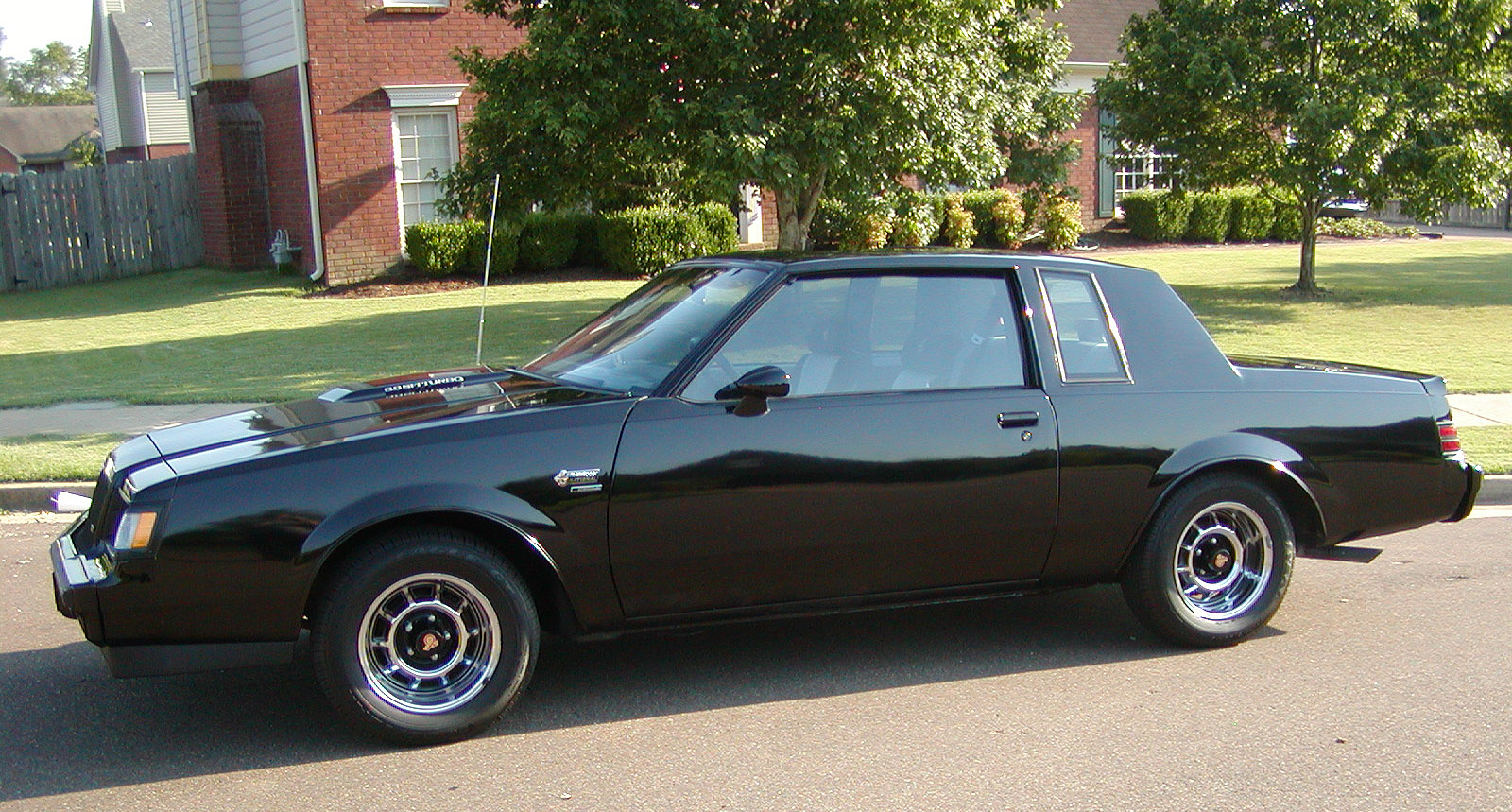
A Buick at a V6 Grand National.
01:45
I don't think they came up with that.
01:46
Let's see, should we call it 231 or whatever it takes.
02:00
And before we get to our guests, we'll do our question of the day or a question of the
02:05
How many cars in inventory?
02:06
Steve, go first this week.
02:07
I'm going to stick with my question.
02:09
Oh, it's a Porsche reference there.
02:11
I'm going to go 907.
02:13
I'm going to go 908 just because I'm going to do it.
02:18
This is the Classic.
02:21
And he played his voice again.
02:22
Is he going to get extra royalties for that?
02:24
Too many sound effects.
02:25
Too many different clappings.
02:28
Let's get our guest.
02:29
We have Joining Us in the Studio, which is rare.
02:31
We don't have people joining us in the studio very often.
02:33
Most often they're on Zoom or some form of that or the telephone.
02:37
Yeah, this is a rare occasion.
02:38
Nice to have somebody in the studio with us.
02:40
Yeah, I had to be here.
02:42
Show up or you'd be kicked out of the club.
02:44
Joining us, Steve Erlichman, automotive enthusiast, former pit crew member.
02:49
Collector, purveyor, dealer of Automobilia.
02:52
Consultant, salesperson, historian, freelance writer, anything that I missed there.
02:57
That'll give us plenty of time.
02:58
Overall car geek, I guess.
02:59
I can see that with your Rolex 24 day tonus.
03:01
Yeah, fresh from the Rolex 24.
03:03
Were you there this year?
03:06
How much of the actual race do you watch?
03:08
How much can you actually take in?
03:10
In the old days, I used to stay almost all night when I was a kid.
03:15
You know, I'd climb up in the grandstands, and I think one time I made it to like 2,
03:21
The one year where I was working for Al Holbert on the pit crew, I was stuck out at the old
03:26
Oh, so there's not much sleep in there.
03:28
Cyberia, and the car broke at 2 a.m., thank goodness.
03:31
It's way colder in Daytona that time of year than people realize.
03:35
Especially overnight.
03:36
But no, this year I stayed till the fireworks, which was 10 p.m.
03:40
In fact, they yellow flagged the race for six hours because of the fog.
03:43
And the fireworks were like, where are they?
03:48
We're hearing them.
03:49
We're not seeing them.
03:49
So I left after that.
03:50
You know, I'm an old guy, so I was back at my hotel sleeping while they yellow flagged
03:54
the race for six hours.
03:56
And of course, you know, an obvious win with Pinsky and Porsche.
04:01
Once again, three years in a row.
04:03
That's, you know, people don't realize the significance of how hard that is to do on
04:08
a 24-hour race to win it three years in a row.
04:11
Especially that this year was a completely new driver crew, except for one.
04:16
Except for one guy.
04:17
So, you know, they're a well-oiled machine, but the wheel and Cadillac ran them hard
04:23
It's funny how you go 24 hours and they're that close at the end, way closer than a F1
04:26
race after two hours.
04:28
That's where I love endurance racing.
04:30
I like it because somehow they manage to stay close and they keep it close and they don't
04:34
have to do some silly rule thing that, you know, creates unnecessary drama or whatever
04:38
you want to call it.
04:39
So, what got you started going to Daytona?
04:41
Did you just randomly say, I want to go to Daytona?
04:46
It's like a military school.
04:47
Steve has heard this story.
04:48
I was working for Al Holbert as a salesperson.
04:53
I'd been there about a year and I got a call from him from the track.
04:57
Week before the race, the Wednesday before the race, Tuesday before the race.
05:02
And what are you doing this week?
05:04
Well, I'm trying to sell some cards for you.
05:07
He said, well, you know, we got the, you know, this silver 75, 9, 11 out there said, yeah,
05:11
He said, well, I sold it.
05:12
I sold it to a photographer and he's here in Daytona and we need the car brought down
05:16
here and we were going to have one of the kids in the shop do it.
05:19
And he got napped for speeding at 110 miles an hour over on route 263.
05:24
So, he's not going to do it.
05:25
So, how would you like to do it?
05:27
Drive it down to Daytona.
05:28
He said, yeah, get here by 4 p.m. on Saturday before the race starts.
05:31
And, you know, and you and Doc Bundy will drive the motor home.
05:36
So, I said, why not?
05:38
You know, I was like, a lot of fun.
05:39
22 years old, stupid.
05:40
So, I, you know, grabbed the 9-11 and ran home, grabbed a bag and my camera and drove nonstop.
05:47
Well, I stopped for about two hours because I was being chased by a cop.
05:51
And I hid behind a tree here.
05:53
I hid behind a gas station for two hours.
05:54
They never think to look there.
05:57
I had to pee anyway.
05:58
So, double head sword.
06:00
So, I took a couple of, you know, a couple of hours of sleep.
06:03
And those back in the days where 95 was not clean yet.
06:07
I had to get off on the surface road in Georgia.
06:12
So, after like two hours of shut-eye, I barreled down and then getting off of 95 right at
06:20
A half hour after the race started, I hear that telltale sound coming from the back of
06:24
an old 9-11 of a cam chain tensioner collapsing.
06:27
But I knew what it was and I knew what to do.
06:30
In those days, they had a hand throttle, which was seat.
06:31
So, I pulled up the hand throttle to like 3500 RPM and kept it at that and drove over to
06:36
the track entrance where there was supposed to be a credential waiting for me, which of
06:40
course, there wasn't.
06:41
Somebody forgot that.
06:42
And so, I, you know, I'm sitting there and are, okay, what am I going to do now?
06:46
I'll buy a general admission ticket.
06:48
And I'll walk in and I'll try and find everybody.
06:50
And just then, Al and Bob Holbert come driving out of the tunnel.
06:54
Al and Doc Bundy were driving at 935 for another driver that broke.
06:57
And so, they were headed to dinner.
06:59
So, I said, hey, I'm here.
07:01
I said, oh, terrific.
07:02
We'll go to dinner.
07:03
And I said, well, you know, of course, making a noise.
07:06
I think it's a chain tensioner.
07:12
Let's go to dinner.
07:13
You and Doc will drive it up to Brumos on Monday in Jacksonville.
07:16
So, that's exactly what we had dinner.
07:18
Which was a pretty good, I mean, it's not, you know, next door.
07:21
Which is a lot to ask for the chain tensioner to survive.
07:24
So, Doc and I flipped the coin.
07:25
Who's going to drive the car?
07:26
Who's going to drive the motor home?
07:29
And Al and Bob threw home that night.
07:33
Not to extend this story anymore, but I went back.
07:36
You know, they dropped me off at the track.
07:37
I walked back inside and found the motor home and figured,
07:39
I'm just going to go to sleep.
07:41
So, you know, I just fell asleep and there's a noise at the door.
07:44
And I look over and there's a hand coming through the door trying to reach the latch.
07:49
And I'm like, what the heck was that?
07:51
So, you know, I opened the door and look and there was an old racer named Steve Bear.
07:56
Who you raced with?
08:00
He raced with Mike Kaiser.
08:01
I'm one of the toad haul guys.
08:03
And he's trying to get in with a girl.
08:05
Because he figured that Al's gone.
08:07
He knew that Al and Doc weren't using it.
08:09
I mean, Doc was off.
08:11
So, he's trying to get in with this girl.
08:13
And I opened the door and he's like, whoa, who are you?
08:15
I said, well, you know, I'm, blah, blah, blah.
08:17
I said, oh, okay, I'll go somewhere else.
08:20
Cause I'm not going to put up with that.
08:24
So, did you watch any of the race while you were there?
08:27
I woke up and I grabbed my camera and went right into the pits.
08:31
And that was the year that Danny Angaius was driving the Interscope car.
08:34
Oh, Danny on the gas.
08:36
Quit right before, you know, like two laps to go.
08:38
It quit at start finish.
08:40
So he did a, did a Dan Gurney.
08:42
He stopped, had enough of a lead.
08:44
And when they threw the checkered flag, he got it across the line on the starter.
08:48
And I was right there in the pits.
08:50
And in those days, we just walked out onto the grass.
08:53
Well, and because people don't realize that, you know, the attendance to a 24 hour race
08:57
versus like a NASCAR race is night and day.
08:59
I mean, there's lots of empty space and people aren't quite as.
09:02
And it's all in the infield.
09:03
And people aren't worried about stuff like that as they used to be.
09:07
That's, you know, it's, it's one of the things that separates some racing forms
09:11
from other drag racing always comes to mind because they were always so good at opening
09:15
up the pits and that whole center area to the general mission ticket, you get to see
09:20
You know, not every racing discipline lets you do that, you know, NASCAR, you don't
09:24
F1 doesn't, NASCAR doesn't, but sports car racing, and that's, that's one of their
09:27
big marketing things is that you come into the, you may have to pay extra for it, but
09:30
you get into the garage area.
09:32
But everybody's part of the team.
09:33
So selling cars for Holbert back in 79, you almost been moving a lot of iron back then.
09:38
We were still a small dealership.
09:40
We were probably the third most famous dealership in the country.
09:43
Behind Brumos and Vashik Polak.
09:47
So people came to us from around the country and had some, we had some great mechanics.
09:53
Including Al's cousin, Bobby, who could work on any Porsche.
09:56
And so there were lots of people coming to us, we would sell 30, 40 cars a month.
10:00
There were three of us as salesmen.
10:02
When Brumos would be selling, what, 100 at the time?
10:04
No, they were probably doing 50 or 60.
10:06
So you weren't far off.
10:07
The biggest dealer in the country in those days was in DC, HBL in Vienna, Virginia.
10:11
Oh, I don't remember them.
10:12
In fact, when I told Al I wanted to buy a 911 for myself, he said that you can't afford
10:18
No, I can't afford it.
10:21
He says, all right, we'll go down to HBL and buy it because they get more cars than
10:24
Yeah, I don't want to give up one of our 911s.
10:25
Yeah, I don't want to give up one of our 911s.
10:27
So eventually I talked him into it when I realized that having a salesman with a $600
10:31
a month payment is not a bad idea.
10:33
Yeah, he's probably, you're not going anywhere for a while.
10:36
He got a car payment to make, $600.
10:39
And I still have the car.
10:43
Oh, and what color?
10:45
When black was special order.
10:46
And Al got some things on it for me that were only available on turbos, like headlight
10:50
washers, a black roof liner, and that's an heirloom.
10:53
How many miles on it?
10:57
You still drive it?
10:59
It's on a battery maintainer.
11:01
It's always ready to go.
11:02
I can't not drive it.
11:04
So after taking the car down there, did Al see, you know, hey, this guy may be more
11:10
involved in the racing side of it, or how did that kind of transfer?
11:13
He realized that I was a sucker.
11:15
And it could work for low money and.
11:18
You know, he died work six days a week, sometimes with a day off, 12 hour days.
11:23
And you know, he'd walk up to my desk the day before my day off.
11:25
What are you doing tomorrow?
11:27
What are you doing?
11:28
I didn't have any plans.
11:29
Well, how about running out to Lamont Gear out in wherever and pick up this ring and
11:36
And if you drop it, don't come back.
11:39
You know, stuff like that.
11:41
But I, you know, I'd come out to my desk and there'd be a boxed jacket on my desk.
11:46
You know, when he ordered Holbert Racing Jackets for everybody, he ordered one for me.
11:49
So yeah, he paid me.
11:50
You're part of the team.
11:53
And was part of the 924 project.
11:57
In fact, I was right in that from the beginning.
12:00
That was, Al was a big enthusiast of the 924.
12:03
I mean, what made him like that?
12:05
Because the early 924 was not a very nice car.
12:09
It had a Volkswagen truck engine.
12:11
Well balanced, good-looking and comfortable.
12:15
They were bulletproof.
12:16
They were bulletproof.
12:17
And we sold a lot of them.
12:18
Excuse me, because it was, it was $99.95 was the base price.
12:22
And red was a good color on those.
12:24
Red, yellow, whatever one, whatever.
12:26
And he had us all driving them as demos.
12:29
So we did sell some and it improved a little bit with the turbo, but Al decided he wanted
12:34
to give the car a reputation and Porsche was kind of on board, but not with a big budget.
12:38
So he made a deal with the racing director here in the U.S., a guy named Joe Hoppin,
12:43
to start this program.
12:44
And Porsche agreed to build a kit that could be shipped in a, like in a knockdown form,
12:52
And then sold as a turnkey, the production car.
12:55
So they did a prototype of that, sent that over, Al evaluated it and didn't like it.
12:59
So he gave them ideas of what to do to make it better.
13:03
And Joe Hoppin gave them a Street 924 that had been a road test car, EP8 test car, had
13:09
the crap beat out of it.
13:10
So on my day off, he sends Doc and I up to North Jersey to get this car 280,000 miles
13:17
You know, rattling down the Jersey turn, like of course Doc made me drive that.
13:23
And we turned that into the deep production national champion.
13:27
There was very little budget, so they recruited me after I'd worked 12 hours, I'd go out
13:33
back to the race shop, change into jeans and a t-shirt and the car was on a rotisserie
13:37
and with torches and scrapers, we'd scrape off the undercoating and we got the car down
13:42
They put a roll cage in it, got an engine from a guy named Caldwell, who later would
13:47
go on to build Toyota engines and was two guys on their crew.
13:52
There was a horsepower of that car back there.
13:53
I think they estimated that the racing engine was about 175.
13:57
Which, I mean, if you take all the heavy stuff out of a 9.4, it's probably fairly light
14:03
I think the car got down to like 1700 pounds with everything scraped off of it and God,
14:08
It was bullet proof and Doc won every race that he entered with it, won the national
14:12
championship at the runoffs.
14:15
And then they started selling kits.
14:17
They sold four or five, nine, 24 kits.
14:19
I sold one to a guy.
14:21
To you mean a consumer or other racers?
14:23
Yeah, other racers.
14:24
Yeah, racers started contacting us and the shop was furiously building, putting these
14:28
kits together and these guys would come and pick them up.
14:30
And then the Herman and Miller guys up in Jersey, they bought a kit and they won the
14:35
championship the next year.
14:36
So they were very happy, the 9.24 project.
14:38
And Rick Mears was driving for the 9.24 team back then, right?
14:42
What happened there was Al drove the 9.24 GTP, part of a three car team at LeMolne, and
14:48
he was supposed to drive with Peter Gray.
14:50
And Peter had a road accident Thursday with the race.
14:56
And fortunately, it led to taking his own life because he had double vision F, wasn't
15:00
able to drive, obviously wasn't able to race.
15:02
Worst thing ever to have to do a racer.
15:03
Well, and to a high achiever like him.
15:06
I mean, he had just.
15:06
He'd better be better off blind than double vision.
15:08
He had just gotten married.
15:10
He had the dealerships.
15:11
He was a world-known racer and if he couldn't race, he didn't want to live.
15:14
So they recruited Derek Bell to drive with Al in this 9.24 GTP and all three cars finished.
15:22
Yeah, for a brand new car with still an Audi based engine.
15:26
So Al bought the car that he drove and they shipped it over to Holbert Racing and ran
15:30
it at Daytona in 81 with Al, Doc, and Rick Maverick.
15:34
And then the plan was to race that in the Trans Am series with Doc, but then Al decided,
15:40
no, we're going to take a GTR, 9.24 GTR and improve it.
15:44
So they actually raced both cars, Doc drove one, Al drove one for a couple of races and
15:48
then Al sold the car with a GTR to Bruce Levin, Bayside Disposal, for he and Hurley
15:55
That was a great livery.
15:57
Yeah, the trash guy.
15:58
He was a character.
15:59
Oh man, there's a lot of characters back then.
16:00
We were talking about Preston Hinn from T-Bird Swap Shop and all these guys.
16:05
So you, but you kind of helped, you got involved with Porsche and more corporate as well too
16:11
Corporately, not really.
16:12
Corporately Al was with Mercedes-Benz.
16:14
But I mean, didn't you write some contributing stuff to the Porsche magazine?
16:18
There were a couple of magazines that were published.
16:20
There's a Ferrari magazine called Cavalino.
16:22
Is it still around?
16:24
It's owned by Haggerty now.
16:27
It was created by a guy named John Barnes, an artist, and he decided to do a Porsche
16:32
So there was a woman that I knew from the Porsche Club named Suzanne Miller, also a
16:36
So she was set up as editor and she was looking for contributors.
16:40
So I jumped in and I wrote a bunch of articles for a magazine called Gamoon.
16:44
Gamoon, I remember.
16:46
It ran for, I don't know, I guess about four years.
16:48
Did you have a writing background or did you just know?
16:53
There was a guy named Al Bachrock who wrote a book with the Halberds.
16:56
Just a basic racing book.
16:58
He was a world-renowned writer, worked for Road and Track, wrote a number of books.
17:01
So you could send him something and he could give you a little bit of...
17:05
And I developed a style based on the way he wrote.
17:08
Then we later co-authored a book on the Trans Am series together.
17:11
And so, yeah, I wrote for this run magazine and then Suzanne started publishing a annual
17:17
based on the old Porsche Sport annuals that were contracted back in the 70s.
17:23
So we did that for a few years.
17:25
So, yeah, that was fun.
17:26
And I used to get paid in books.
17:28
I still have a box of books somewhere.
17:30
When did Porsche and Audi stop being a thing?
17:34
Did they split at some point in time?
17:37
How did that work exactly?
17:38
In 1984, Porsche had the brilliant idea to take possession, take ownership of all of
17:44
their dealership, which is illegal in the open.
17:46
I was going to say, didn't that bring some franchise law that maybe pesky franchise laws?
17:51
I thought they would get around it.
17:53
And I was working for another dealer at that point across town.
17:56
So my dealer and Al Holbert got together, got in Al's airplane and flew up to Detroit
18:01
where they were based, where Volkswagen of America was based and threatened and said,
18:05
We'll sue the hell out of you, blah, blah, blah.
18:08
And they said, well, we're going to do it anyway.
18:09
So they set up a headquarters in Reno, Nevada.
18:12
Well, because that makes sense.
18:13
Yeah, it makes a lot of sense.
18:14
Germany being already six hours.
18:16
Yeah, then you had the whole go across the United States.
18:19
That made a lot of sense.
18:21
So they sent termination notices to all the dealers and they were going to set up regional
18:27
dealerships and big metro areas and these franchisees would have rights to do service
18:32
and could sell from a centralized inventory.
18:36
A brumos must have been furious as well.
18:38
I mean, Peter was gone by then, but Bob Snodgrass had taken over the dealership.
18:43
They were absolutely furious.
18:44
And there was a huge lawsuit and Porsche, of course, had to back off of that.
18:47
But they did split from Volkswagen of America.
18:50
They did set up Porsche Cars North America in Reno, kept their dealers.
18:54
And they still exist.
18:56
They're in Atlanta now and obviously have been successful.
18:58
So maybe Porsche is selling five times in cars these days with the SUVs.
19:02
And I think then they did back then.
19:04
But that was a pretty stupid.
19:05
But, you know, sometimes the worst late ideas are things that maybe in the long term, maybe
19:10
work or don't work.
19:11
You don't always know.
19:12
Well, they looked at the model in Europe and a lot of the manufacturers, particularly
19:16
today, like for instance, Mercedes-Benz owns almost all of their cars.
19:20
In England, they own all of them.
19:22
And it's not against the law there.
19:24
They don't have franchise law.
19:25
You'd think that they would.
19:26
But, you know, they probably didn't have as many franchise type businesses over there.
19:30
It was more individually owned type.
19:32
Every business over in Europe used to be kind of in.
19:34
There was no chain.
19:35
There wasn't a row of 7-Elevens.
19:38
They didn't have dealer groups.
19:39
There were, you know, there were families that were connected, you know, like Porsche
19:42
was on the dealer network.
19:44
You know, they went to their racer in Holland, Ben Pahn.
19:47
So he became their importer there.
19:49
And, you know, here in the U.S., it was all about Max Hoffman.
19:51
So, yeah, that's the way it worked.
19:54
It makes perfect sense now when you think back about it, right?
19:57
So, you talked about, you worked for Mercedes in the AMG program.
20:01
I'm a huge AMG Mercedes fan.
20:03
I mean, a huge, I just sold my S65 Coupe Twin Turbo V12 and I'm kicking myself every day
20:10
for doing black, black, 16, black, black.
20:15
Oh, you should have kept that.
20:16
You know, that was my favorite company car.
20:19
That was black and black.
20:21
That obsidian black and that Napa black interior.
20:25
And what I loved about the Coupe, the S65 and prior to that, the CL versions, which I
20:30
have a CL 55, 2006, I like them is that not many people really know what they are.
20:35
They're one of those cars that people look at and go, oh, okay.
20:38
They don't really understand.
20:40
But if they do know, and especially the sound that that S65 Coupe, when you fired that
20:44
thing up, it's just funny to watch in the rear of your mirror.
20:46
That was all part of the AMG startup signature.
20:48
That was on purpose.
20:50
And when we used to, my job was to go into dealers and do training.
20:53
And we always started the car up that we brought in.
20:57
Made sure that, first of all, the dealership was just empty over where the car was.
21:00
That's all part of it.
21:02
And it's got to make a bang.
21:04
I mean, it made the sound like no other sound you've ever heard come out of a car before.
21:08
And, you know, like a great, like you said, what a great selling point.
21:12
I mean, what a great thing to tell a potential buyer.
21:13
This is what people are going to hear that are standing behind your car.
21:16
I watched salespeople use it as a closing.
21:18
You know, I used to stand, like to stand on the show and watch them sell and watch them
21:22
learn a lot about the process.
21:24
And so more than once, I pull a salesperson over and say,
21:28
just almost have them go get the key and get it started.
21:31
Let them be standing in the back.
21:33
And you could see them.
21:34
Yeah. And AMG was a private layer, not necessarily privately, but they were a
21:39
separate company from Mercedes-Benz when they first started.
21:41
And they were just modifying no different than a lot of.
21:43
They were tuners. Yeah, they were tuners.
21:44
They both worked at Mercedes-Benz as engineers.
21:47
And, you know, Mercedes-Benz engines were way over-engineered
21:51
and under-performing. Right.
21:52
So they saw the potential.
21:55
And the engine guy, who was the M in AMG,
21:59
he had Mausia. Right.
22:00
He just came up with his own cylinder head design, four valve.
22:04
You know, this was back in the 70s. Right.
22:05
The company was formed in 76.
22:07
It's funny to see those old 70s modified cars that were done back in there.
22:11
They were kind of crude looking, but cool.
22:12
Actually, the company was formed in 67 and they made a name for themselves
22:15
when they ran a big 300 SEL on the Spa 24 hour race.
22:19
6.3 6.3 that finished second overall.
22:22
That's when they made their name and they just started getting business
22:25
got closer and closer to Mercedes.
22:27
And in the mid 90s, Mercedes bought into the company
22:30
and they started selling their cars through their ships.
22:33
And in 2005, they took it over completely.
22:35
And that's when I was brought into a project.
22:37
Right. They wanted to start here in the U.S.
22:39
with setting up a group of high performing dealers in big markets
22:42
who sold a lot of AMGs and they were going to make them performance.
22:46
Right. And with a little investment from the dealer
22:48
for a display and a commitment to training.
22:51
And the originally signed up 25 dealers and myself and another trainer
22:54
were recruited to go around the country and speed and give them targeted training
22:58
so they'd understand what they're getting into.
23:01
To build the value and elevate the customer experience.
23:03
Right. And it grew to over 100 dealers.
23:06
And we added two more trainers became the model for worldwide training for AMG.
23:11
And I retired from MBUSA.
23:14
I was an MBUSA employee, but AMG paid half my salary.
23:16
So I retired from MBUSA in 17.
23:19
And then AMG hired me as a consultant directly.
23:22
Well, it worked out pretty good.
23:23
It worked out terrific.
23:24
I didn't have to go to a general manager for international travel.
23:27
Right. Google all that.
23:28
Here you're going to Beijing.
23:30
Here's a business class ticket. Just go. Right.
23:32
So I did that for about four years directly with AMG.
23:35
Were the dealers reluctant of AMG at first?
23:38
Did they think it was going to hurt them or not help them?
23:41
And was there ever any kind of feeling like, oh, we're having to do something.
23:44
Maybe this wheeler won't work or this wheeler.
23:46
No, the dealers that we pitched it to were the dealers that sold a lot of them anyway.
23:50
They knew they knew.
23:51
And they were very profit. Sure.
23:52
And they were extremely loyal customers.
23:55
They'd have three, four of them.
23:56
Right. You know, there'd be a Porsche in the garage or a Ferrari in the garage, too.
23:59
But they drove an AMG every day. Right.
24:01
And, you know, the spouse drove an AMG and they'd buy one for the kids.
24:05
So, you know, incredibly wealthy demographic and very loyal customer.
24:10
And, you know, it was a Mercedes Benz, but it was fast.
24:12
But it was fast. And they weren't known for that.
24:15
It was funny. We were, I was just in California.
24:17
And we were talking about the pecking order of cars that you see in California are
24:22
Tesla, Coop or Tesla Sedan, Tesla Cybertruck and G-Wagon.
24:28
I know. It's goes from.
24:30
Oh, my God, the G-Wagon. Everybody loves the G-Wagon.
24:33
I don't. I don't. They don't drive that nice.
24:35
They don't drive. They don't drive nice at all.
24:38
But when you consider what they were made for.
24:41
Right. They were they were utility trucks.
24:43
They were, you know, it was it was the Shah of Iran commissioned Daimler Benz
24:47
to build this vehicle that could go off-road through the desert and carry six.
24:51
Right. And that's asking, you know.
24:53
Yeah. And then he was deposed. Right.
24:55
So he paid for the design.
24:56
So Mercedes got the design and put it in production.
25:00
And they didn't even make it themselves.
25:01
It's made in Austria for them. Right.
25:03
And, you know, it's they didn't change much of it at all until about 10 years ago.
25:07
When mostly U.S. and Chinese customers said, hey, you know what?
25:11
We really don't like solid axles.
25:12
Right. A little rough riding. Yeah.
25:14
Yeah. So they stretched it.
25:17
They put independent suspension on the front and put a nice e-class interior in it.
25:22
But still three locking diffs and all that.
25:24
And it still feels narrow.
25:25
Even even now, it still feels like you're right there.
25:29
But there's nothing like the sound of that door.
25:31
Oh, that could jump.
25:32
And then the exhaust sound of that, especially right under the.
25:35
I mean, they know how to market the G-Class and then a lot of them.
25:38
Yeah. And I mean, I don't think they, you know, that's not where
25:40
somebody's not coming in and haggling over that one.
25:42
No, you can't choose for three of them.
25:45
It's like either you'll either take that one.
25:47
Give me three color choices.
25:48
I'll see what I can find or order it and it'll take you.
25:51
Yeah. Yeah. Or get a used one.
25:52
And nobody, none of the rich guys want used ones, right?
25:54
Yeah. Well, because they have to pay too much for them.
25:55
Well, yeah, because I mean, that's like the Corvettes.
25:58
I remember there was a time when you could certain Corvettes were more expensive
26:01
used than they were new because the dealers would mark up the used ones.
26:04
They Chevrolet said, you can't mark up the ZR1. Right.
26:07
And it's got to sell for retail.
26:08
Well, then the minute they went on to the private market, boom,
26:10
it went for, you know, 20 percent more, 30 percent more, whatever it is.
26:14
The dealers used to suggest that you don't mark up a car,
26:16
but you know, its manufacturers suggested retail price.
26:20
And it still says that to this day. That's suggested.
26:22
That's the Monroney law. That's so funny.
26:24
Yeah, it's because after the war, when cars were so short,
26:27
dealers were charging, whatever they get for them.
26:29
So this senator Monroney passed this, got this law through
26:32
that the price had to be posted. Right.
26:34
You didn't have to sell it for that.
26:35
You can sell it for above or below.
26:37
But the customer had to know how it was priced.
26:39
Well, I see on our bags of potato chips, 7.95.
26:42
I don't think we actually pay that.
26:43
So I think, see, that's a psychological thing.
26:46
So you're still dabbling in cars.
26:48
Yeah, I always will.
26:49
It's still your thing.
26:51
But you're you're you're dealing in a die cast
26:54
and automobile and things like that.
26:55
I love that segment of the hobby.
27:00
I started collecting when I was three, four years old, my grandmother,
27:03
whom I used to see every Sunday.
27:04
Always had a little dinky or a corgi form.
27:07
And she always knew what she bought for me, so she never doubled.
27:10
And that's what started me.
27:12
And my father, taking me in his triumph,
27:14
three to my first race when I was four.
27:17
In Vineland, that didn't hurt either.
27:18
I got the car gene from him.
27:20
Right. It comes from the family business.
27:22
And I still have the first portion model ever.
27:26
I wish I'd have saved all the matchbox and hot wheels.
27:28
Oh, there's so many I should have saved.
27:30
I saved a handful of them.
27:31
My collection now is is mainly hand-built and in 143rd scale
27:36
and some in the 19th.
27:37
And I and I've got a few thousand.
27:39
And I'm wow, I'm over 70.
27:41
And our sisters will have to deal with that.
27:44
So it's typical car collector, you know, the same thing.
27:47
So I'm I'm selling trying to thin the collection.
27:50
And how are you doing that through eBay and auction?
27:52
eBay is the best source.
27:54
I'm selling books, too.
27:55
And for some reason, books don't sell on eBay.
27:58
And it's funny because automotive themed or related books
28:01
seem to be doing better now, new than they've ever done.
28:04
Oh, the prices are ridiculous.
28:05
Yeah, ridiculously.
28:06
Probably Carl Ludwigson's book on the three volumes of power
28:09
about a superchargers and turbochargers, it was like, it was like this tall.
28:13
He's very, he's Carl's very smart.
28:15
He's very thorough.
28:16
His original portion book, Excellence Was Expected, right?
28:19
Was a tome and it was 50 bucks when it came out in like 79 and ready.
28:23
Yeah. Now it's four volumes and it's 500 bucks.
28:27
What a great guy, though.
28:28
You know, it's so great that there's people like that that will put all
28:31
that information down so it won't be lost to history.
28:34
And write it so you can read it.
28:35
Yeah, it's not something that you go, I don't know what they're talking about.
28:39
This is too confusing.
28:40
There's so many things you read that are exactly that way.
28:42
Some of the specialty books, like our friend Matt, who's building a book
28:45
collection and he says he started a couple of books that he just had so bad.
28:50
Well, he's an English, you know, he's an English teacher.
28:52
Sure. Oh, I'm, you know, I'm horrified because when I write,
28:55
you know, our little three paragraph newsletter, I'm always thinking,
28:58
there's some English guy that's going to say, you don't know what you're doing.
29:02
Quit trying to fake me in a writer.
29:04
I used to drive editors crazy.
29:06
But people like Ludwigson, in fact, I'm working my way through his two
29:09
volume book on Reed Railton, who was the guy who designed a lot of Lancers.
29:12
Right. Yeah, that'd be interesting.
29:14
What, so what gets you excited in the car world nowadays?
29:18
What do you like, electric cars at your thing?
29:21
No, I have nothing against them.
29:25
I like to burn hydrocarbons.
29:26
I like the sound and feel of a car.
29:28
That's why I have an air cooled 911.
29:30
Sure. I mean, it's fine.
29:32
It's if you want an electric car.
29:34
And it works for you.
29:34
There's good ones out there.
29:35
There's bad ones out there.
29:36
If it works for you, it wouldn't work for me.
29:39
I just love, you know, I'm fortunate with my retirement package from Mercedes.
29:43
I get to get a new Mercedes every year, not free, but cheap.
29:47
And I choose an AMG.
29:50
Yeah, of course. Why not?
29:51
Because I still love the feel of them, the sound of them,
29:53
plus the comfort and safety and all that.
29:55
So people forget how bulletproof Mercedes are.
29:58
You know, they've become something different than they used to be.
30:01
But back in the day, I mean, they were always bulletproof.
30:03
Well, you had the 300 SEL as we were talked about with that
30:06
hydropneumatic suspension might have been a little not quite so bulletproof.
30:09
But the engine was bulletproof, man.
30:11
And it was a beast. Yeah.
30:12
And if you knew what those were back in the day,
30:14
I never forget there was a guy in in our neighborhood in Tennessee
30:18
that when I was growing up that had one, which we didn't even see a Mercedes,
30:22
anything. And but it was a 300 SEL, you know, and he was the cool guy
30:26
in the neighborhood or the Ray Ban aviators flew, had a small plane.
30:30
Yeah. That's the type of guy I used to sell a 911 to back in the seven.
30:34
Guys who were just, you know, through and through car people before it was a thing.
30:38
Mostly, you know, what I hear from my people that I know that were around
30:42
in that time is that we were nerds.
30:45
People didn't think we weren't cool.
30:46
They were in the cars. That was the opposite of that.
30:48
So. But I think all of us, you know, growing up in the United States of America,
30:53
cars were such an integral part of everything that we and every everything
30:56
that happened in your life, a car was involved, whether you were when you were
31:00
born, when you died, when you went on your first day, you know, everything that you did.
31:04
It's culture. It's part of our lives.
31:05
And it was and my family were successful because of it.
31:09
My grandfather founded a trade show after market trade show.
31:12
Wow. Just after the war that today is the SEMA show. Wow.
31:15
Yeah. Two generations removed.
31:16
It would kill him to see how big it is. Yeah. Yeah.
31:19
And after he passed, my father ran it and made it big. Right.
31:23
It used to alternate between Chicago and New York and the Exhibition Center.
31:26
Did they did he sell it to SEMA or did SEMA just become involved?
31:29
SEMA was an exhibitor. Right.
31:31
And in those days, it was the speed equipment manufacturing association.
31:35
And they were an exhibitor.
31:37
And I used to go when the show was in New York and alternate years,
31:40
I would go with my father and he'd walk me around and I met all the guys.
31:43
Vic Edelbrock, Edis Condarian, Hedman, Mickey Thompson.
31:47
You read about all these guys.
31:48
Yeah. It was a close friend of my father's.
31:50
I used to get Christmas cards from Mickey every year.
31:52
And so I met all these guys and the show had gotten very big.
31:56
And he made one big mistake.
31:58
He was based in Philadelphia. Right.
32:00
And they had opened a new convention center in Philly.
32:02
This was in 1968, the one that's over by Old Convention Hall.
32:05
Right. From Children's Hospital. Yeah.
32:07
And they made my father an incredible deal to be the first trade show.
32:10
And he was like, great.
32:11
It's all on one floor because in New York, it was on three floors, blah, blah, blah.
32:14
So he said, OK, we're going to move the show there.
32:16
And the notorious trade unions, Billy.
32:19
They just made it horrible for the exhibitors.
32:22
And the exhibitors all said, all right, we're never going to come back to Philly.
32:24
My father said, fine, we'll go back to New York and Chicago like we did.
32:27
You know, blah, blah.
32:29
And they didn't even give him a chance to do that. Oh, no.
32:31
SEMA went with another operation.
32:34
They formed their own association and literally took the show away from.
32:38
And nothing he could do.
32:39
No, put him out of business.
32:40
Oh, but, you know, what a great legacy.
32:42
Yeah, that's where I get the nuts of my car.
32:43
Jean comes from, his father.
32:45
So what's your daily driver today?
32:46
What are you driving now?
32:49
Those are great cars.
32:50
They're terrific, you know, and driving out here in the fog and the wet road.
32:53
That's what they're built for.
32:54
That's Germany miles an hour.
32:55
You still feel so safe.
32:57
Yeah, that's Germany.
32:58
That's people don't realize that that's what it is.
33:00
My wife is that's every time I drive in Germany.
33:03
I mean, you know, it's amazing.
33:04
You get out of the left lane and over into the right
33:06
right in the Autobahn where you have to and a big ass class.
33:09
Yeah, I just blow by at 160, you know, and, and, you know,
33:12
the guys in the backseat reading the newspaper sipping a latte.
33:15
Yeah. So so have you driven the Autobahn?
33:17
Obviously, how fast have you gone on the Autobahn?
33:21
Portion. No, it was in an S 60.
33:24
One time was that when I was at AMG, which was in a little town
33:27
north of Stuttgart called the Falterbach, right?
33:29
And I had an afternoon off and I wanted to go up to see Hockenheim.
33:32
Yeah. And so I promoted a car out of them.
33:35
So I got on the Autobahn and it's OK, you know, this is the Autobahn.
33:38
You got to do what you got to do.
33:39
I'm going to go fast.
33:40
So I'm in the left lane going about 140 and headlights are coming up behind me.
33:45
So I figured, oh, those headlights are catching me fast.
33:47
So I get out of the left lane into the right lane and an S class coupe.
33:50
Right. AMG coupe, you know, just blew by like, you know, almost.
33:54
So of course, I had to catch up with him. Oh, sure. Yeah.
33:57
So the two of us are, you know, we got up to 170.
34:00
That's when I started to, you know what?
34:01
I'm not used to driving at this speed.
34:04
Yeah, it's it's a different realm in a different world.
34:06
It's not just 20 miles an hour faster than 150.
34:08
No, it's exponential.
34:09
Yeah, it really is.
34:10
Yeah, you start getting into that.
34:11
And the lines become, you know, one line and the guard guard rail is just blown.
34:15
I'm like, you know what, I'm not used to this.
34:17
So I let him go. He kept going. Wow.
34:19
And those guys do that every day, probably.
34:21
Well, it's for the for an executive who has a car like that,
34:24
whether he has a driver or not, it's it's cheaper and faster than getting on a train.
34:28
Right. Or getting on an airplane.
34:29
You could get from Frankfurt to Berlin for a meeting in the morning and drive back
34:33
in the afternoon when you couldn't do that at 55.
34:37
That would never happen.
34:38
So anyway, Steve Ehrlichman, so wonderful having you on the show today.
34:41
I mean, we could talk all afternoon, but we will be back
34:44
with a classic autumn show in just a couple of minutes. We'll see you then.
34:54
Ever since the first time you saw it, perhaps even as a child,
34:59
you knew you wanted one.
35:00
Now you're at a point in your life where you have the means to buy and keep one.
35:06
Your significant other is even in agreement.
35:10
But where and how can you find one and trust, you know,
35:13
as much as you can about it before the purchase?
35:18
That's why there's classic auto mall dot com.
35:22
One thousand classic vehicles of almost every conceivable
35:26
make model and here all under one climate controlled roof.
35:30
You can visit and look to your heart's delight or do everything online
35:34
from the comfort of your own home, shipping nearly everywhere worldwide.
35:40
Classic Auto Mall can make your dream come true.
35:43
Visit the World Wide Web at classic auto mall dot com.
36:03
And here we are back at you.
36:05
Morgantown, PA on a beautiful is this snow ever going to melt?
36:10
And I mean, it's been around for three weeks now.
36:13
It's the one storm.
36:15
And then we had the big storm and this and it's never warmed up enough to melt it.
36:19
And it's I mean, it's that's why all the fog is going up.
36:22
Yeah, that's God's calling it back.
36:24
Get up, get up, get up, get up, come on, get up.
36:28
Yeah, so so fun to talk about guys like that
36:32
who have something interesting to say and are easy going to talk about.
36:35
And I've done so much stories and done so many cool things.
36:38
His memory is just.
36:38
Yeah. And we see that a lot with people
36:41
that have memories that you think that's just surprising
36:44
that people can remember like exact days and like September 7th.
36:48
You know, 1971, I was on a plane to, you know,
36:52
where I stood guard.
36:53
And I mean, it's like, wow, how do you remember all this?
36:56
I just heard a baseball player talking about some game that was, you know,
36:59
from 1973 and he's talking about pitching that game.
37:02
Well, how about we've had race car drivers who'll tell you about a certain
37:05
turn and a certain race in the late 70s and how he had to get off the throttle
37:09
a little bit. Wow. Wow.
37:11
So where do we sell cars this where?
37:14
How about is it pre-vosed or pre-vote California or Canada?
37:19
No idea. Is there a T on the end?
37:20
Yes. Canada, let us know.
37:24
Pre-vote. How about Pre-vote Canada?
37:26
New York, New York, Miami, Florida, Washington, DC, big towns.
37:30
Yeah. Wachung, New Jersey, Chester Springs,
37:32
Pennsylvania, Sneeds, Ferry, North Carolina, Morgantown, Pennsylvania.
37:36
Hey, you know, had to get a shipper for that.
37:38
Yeah. Newark, Delaware, Miltown, New Jersey,
37:39
Parksburg, Pennsylvania, Hollandale Beach, Florida.
37:42
Oh, there's a great club that was in Hollandale, Florida.
37:44
Oh, yeah. The Buttons South.
37:47
The Buttons South nightclub. Oh, OK.
37:48
You know, rock bands and so on. I got you.
37:51
And it was in Holland.
37:52
The Buttons South, it was called.
37:53
So a lot of great bands. The Buttons South.
37:55
The Buttons South. Shout out to the Buttons South.
37:56
They're probably probably don't exist.
37:58
Probably a strip mall now. Right.
37:59
No pun intended. Or strip club.
38:01
Spring City, Pennsylvania and Midlothian, Texas.
38:05
Spring City, right down the street.
38:07
Just right down the street.
38:08
So, man, oh, man, we have been busy on the sale side
38:12
and slow on the consignment side.
38:14
That's one of those things that happens.
38:16
And it's not always just bad weather.
38:18
It just, for some reason, sometimes it does.
38:20
I think this is obviously based on bad weather.
38:22
But the problem is we don't sell any less.
38:24
When we consign less, it's not, you know, congruent with
38:28
how much we sell or don't sell.
38:30
So we need consignments.
38:32
Bring us your tired, your poor, your hungry.
38:35
But you're running poor and running hungry.
38:38
Or just review what we've had here for a while.
38:41
And sometimes you go, you know what, that is pretty nice.
38:44
Yeah. And we've got a lot of great cars here
38:45
that maybe started out that were a little bit overpriced
38:48
and they've come down on price after a period of time.
38:51
And they're, you say, well, why are cars overpriced?
38:53
Well, I mean, its perception is a part of it as well too.
38:58
You can say cars are overpriced in every discipline that you
39:01
watch, whether it's an auction on TV or an online auction,
39:06
retail sale, whatever.
39:07
So, you know, it's subjective to say the least.
39:09
But why are some cars overpriced?
39:11
Well, somebody may have bought at the top of the market
39:12
and the market's going in the wrong direction than it used to be.
39:15
Or they, you know, they bought it and they were thinking
39:20
that it was going to go up in value and they bought it
39:22
because it was going to go up in value and it doesn't.
39:25
Or they put a lot of money into it.
39:26
Or they put too much into it that they didn't plan
39:28
on putting into it because maybe there's something wrong
39:30
with the car that they didn't know about ahead of time.
39:33
Or added wheels and tires and a stereo or whatever it is.
39:36
That don't really add value to anybody else.
39:39
You could put a $10,000 stereo in a car
39:41
and it is not going to bring $10,000 worth of value back to you.
39:43
Now, I'm not discouraging you from putting a $10,000 stereo
39:47
That's what you're into then go for it.
39:49
Put it in there, enjoy the heck out of it,
39:50
whatever it brings you, it brings you.
39:52
Don't buy these things.
39:53
Don't do the modifications if you're thinking
39:55
you're going to make a profit from it.
39:56
But people get caught up in the moment in buying these cars
39:58
and it's, you know, people go, well, you're just overpriced.
40:01
Well, it's a hard pill for people to swallow sometimes.
40:04
I mean, a guy buys a car, you know, in the hopes
40:07
that he's going to make a profit on it
40:08
or hopes that he won't lose any money on it.
40:10
And sometimes that happens and sometimes it doesn't.
40:12
But I always caution people, buy a car because you like it,
40:15
because you want it, do the modifications
40:16
because that'll make you happy.
40:18
And then if you can sell it for more money than you pay for it,
40:20
then Glory B, Hallelujah.
40:22
Well, one of the greatest things too is the auctions on TV.
40:25
But the double edge of that sort is you see these cars
40:28
that are pristine, that are selling for crazy money
40:32
at the hot time in the market.
40:33
And you think, well, I got the same thing.
40:35
And it's where you don't have the same.
40:37
It isn't the same car.
40:38
There are, you know, this car is done, you know,
40:41
$200,000 was spent on the restoration
40:43
that they're selling for $100,000.
40:44
Your car was $50,000 to restore.
40:47
And you're thinking it's worth it.
40:48
And you don't have all the documentation.
40:49
And you don't have all the documentation.
40:50
Or no, any of the history of it either.
40:52
Or it might be the same car, but the auction factor,
40:55
the Barra Jax and the Mead.
40:56
You know, the excitement of that and Jack Daniels.
40:58
And Lightning Constra...
40:59
Jose Cuervo is, I guess I said last week, yeah.
41:03
But, you know, the auction environment can be great for buyers
41:06
and it can be great for sellers.
41:08
And it can be horrible for buyers
41:09
and it can be horrible for sellers.
41:10
You know, you just never know when something's going to catch fire.
41:14
And there's not a lot of rhyme or reason to it.
41:16
There's not, it isn't obvious why some car,
41:19
all of a sudden where it was $50,000 sells for $250,000.
41:23
And it happens a lot.
41:24
And I think people just get caught up in the moment
41:26
and it's not about the money.
41:28
It's just about I want that and I don't want the other person.
41:29
Like that Lincoln that sold it.
41:31
Yeah, for a million bucks.
41:32
So, new arrivals that we have here.
41:34
How about the 1995 AM General Humvee M998 pickup?
41:40
Is that olive drab?
41:44
Redone from the ground up.
41:46
6.5 liter Navistar diesel VA with a 4L80E four speed automatic transmission.
41:52
Got them rod haul extended shocks.
41:54
It's good for tall snow.
41:57
It's apocalypse ready.
41:59
I mean, everybody should have one of these.
42:01
I think you should.
42:02
Just don't go through the drive-thru.
42:04
The burger can go, you'll never get through.
42:05
How about the 1964 Dodge Polara four door sedan?
42:10
This is a great starter classic car.
42:12
Something that's cool.
42:13
Something you can take the grandkids or the kids in to go get ice cream.
42:16
This is medium tan metallic and light tan over taupe and tan.
42:20
A lot of tans in there.
42:22
98,000 actual miles.
42:24
It's got the 318 inch cubic inch V8 with a Holly Sniper EFI, which is interesting
42:28
to make it a little bit more reliable.
42:30
You don't have to dink around with the carburetor and that kind of thing.
42:33
It's got Wilwood front power disc brakes, which is a good thing to add to a car.
42:37
And I would say the price, this is a good example.
42:39
The price doesn't reflect the Holly Sniper in there too.
42:42
It's a well-priced car.
42:43
And an upgraded stereo that's in it.
42:45
I mean, this thing is nicely done.
42:48
And yeah, there are probably things in it that don't factor into the price
42:51
as much as they actually put in it.
42:53
How about the 1956 Chevrolet Corvette convertible?
42:57
Cascade green and beige, beige coves.
43:01
And it's got the beige coves over beige interior, long-term ownership.
43:04
The Datecorrect 265 cubic inch V8 and dual carter for barrel carbs, the dual quads.
43:11
Datecorrect means it was an engine that was built around the time
43:13
that this would have been built and so it should work out fairly well in that respect.
43:20
Great colors and it's got the hard top.
43:22
So it's got two tops, got soft top and hard top.
43:25
Next on the list, this is about a great car for a starter classic car.
43:30
1986 Ford Mustang GT convertible.
43:33
Blackover charcoal, 46,000-inch-one-miles.
43:35
Garage caps, a time capsule.
43:38
Got a great sound, fun to drive, plenty of power.
43:46
Is that automatic or?
43:47
And it's an automatic.
43:47
And it's automatic.
43:48
So you can enjoy a car like that and they're fun to drive.
43:51
An 86 is classic, you say.
43:54
How about the 1964 Chrysler 300 convertible.
43:58
Rosewood poly over white and black.
44:00
383 cubic inch 4-barrel V8.
44:02
Very original example.
44:04
Got power steering and brakes, which is very important to a lot of people.
44:08
Especially, you know, you can man get a car with no power steering.
44:10
It can be a little tricky driving, especially at low speeds.
44:14
You know, I love no power steering when you're on a higher speed,
44:17
you know, sweeping turns at 50, 60 miles an hour.
44:20
Round town, not quite the same.
44:22
So, but this is, you know, drop top.
44:24
Again, reasonably priced, something that you, it's affordable to get into.
44:29
And then last but not least, the 1961 Ford Thunderbird convertible,
44:33
Corinthian wide over black, long term ownership,
44:35
Radner Hunt winner, 390 cubic inch 4-barrel V8.
44:38
These things, you know, they weighed a lot, but they had big power.
44:41
Cruzomatic automatic.
44:42
And it's got the Roadster cover included, which is,
44:45
it's a fiberglass cover that goes over the back seat that makes it look more sporty.
44:49
So that's our new inventory for the week.
44:52
And when we come up before we, before we go away,
44:56
this has been a very emotional week.
44:59
Long term, I mean, long term, like 10 days after we started,
45:03
Bill Borneman came to work for us.
45:05
And I had met him at Radner Hunt in 2017 before we'd started,
45:09
right as we'd moved here a week after I'd moved here and met him,
45:13
car guy through and through, hot rod builder, knowledgeable, knowledgeable,
45:16
knowledgeable, just lost him a couple of days ago.
45:20
And he was as dedicated as employees you'd ever see.
45:23
He's one of those take a bullet for you kind of guys.
45:26
He was just a, and he was a car guy's car guy.
45:29
And he ruled that string go.
45:30
If you ever haven't seen the string go that we have here,
45:32
it's a vehicle mover.
45:35
It's got hydraulic things that pull the wheels up on a car
45:38
and you can just move cars into places you never thought possible.
45:42
And Bill was a master at it.
45:43
And like I said, I'd met him at Radner Hunt
45:46
and I remember when I first met him and talking to him about Classic Auto Mall,
45:49
I could see he was like a whole mall full of cars.
45:53
And then I'll never forget, he came out in the first week of January
45:57
when we'd officially opened and he walked in the door and you could just tell,
46:00
I was standing right there and you could just tell he got it.
46:04
He didn't quite get it until he walked in the door of this place and he said,
46:08
And just a great guy and a great family.
46:10
His son Dave Borneman has taken over the family business,
46:12
which is hot rods that they build down in Pottstown area.
46:18
And has been doing that and doing an excellent job of it.
46:20
And you know, it just, it just, that's the worst part about this business is that,
46:24
you know, a lot of our guys are, and our customers are older and, you know,
46:29
it's just part of, it's part of life, but it's, it's a bitter pill to swallow.
46:33
And we love Bill and he was our guy and he could, he could fix just about anything.
46:38
He's a guy, if you're on the road trip, you wanted him next to you.
46:40
He would certainly take care of just about anything.
46:44
So rest in peace, my friend.
46:45
We'll see you on the other side.
46:46
And when we return, we'll return with our friend Keith Martin,
46:49
publisher of Sportscar Market Magazine.
46:50
We'll see you in a couple of minutes.
47:41
Zoom, our friend Keith Martin, publisher of Sportscar Market Magazine.
47:48
Is that, I like the little Lotus picture,
47:50
or is that must be Bradley behind you with the yellow Lotus on the,
47:54
And it's license plate reads Elise.
47:59
You don't have that.
47:59
I will always maintain that the Elise S2 is the greatest pure sports car ever built.
48:05
It's like a go-kart with, but, but, you know, bigger.
48:09
Well, and with four airbags and working AC, the Toyota engine,
48:13
when I did my 10,000 mile service, it was $84, I think.
48:18
That doesn't happen very often in these rarefied air cars that we seem to put ourselves into.
48:23
I put 10,000 miles on that car.
48:24
I mean, I, I just love it.
48:26
Just, it's just, it's because it's so analog.
48:30
And that's in a good way, right?
48:32
You know, I mean, people think that everything's got to be computer this and computer that.
48:35
And analog is a good thing.
48:37
We were just talking about power steering.
48:38
How you like it at low speeds because it's hard to muscle around, but at high speeds,
48:43
it's nice to have that manual steering feel of the car.
48:46
It just has a better feel for it.
48:48
So your, your latest blog is, would you spend $2,000 for a top?
48:53
I'm not thinking that the kid top where you pull the string and then it goes the thing.
48:57
This must be an automotive top for a possibly.
49:00
It's for a 91 alpha spider.
49:04
I've had the top spin on the car for 36 years.
49:08
Cars always been inside my, my son, uh, his Volvo wagon needed work,
49:12
which we'll talk about in another time.
49:14
He took the alpha home to Eugene and, and parked that out in their outdoor garage.
49:20
And it was 30 degrees out.
49:22
So the next day when he put the top up, the rear window split.
49:28
The car had never, ever been outside overnight before.
49:33
I mean, it just, it's a 36 year old plastic window.
49:36
No, the, so I started doing some research and it's about 2,000 bucks.
49:42
It's because you have to get the top from Robbins.
49:45
And then several people said, well, just replace the rear window.
49:48
So I started doing some research and everybody told me that was a stupid idea.
49:52
Because I've got a 36 year old canvas.
49:55
I put there, which looks good.
49:57
But, but it also, the amount of labor involved to cut out the rear window properly and then
50:04
restitch in a new one gets you pretty close to the notion of a, of buying a whole new top
50:09
and having the whole thing installed.
50:11
So my thought was it's, it's given me 36 years of pleasure.
50:15
Why not, you know, why not be nice back to the car?
50:17
Yeah, spend a little, get it at a new top.
50:19
Yeah, you know, just, you know, the car, it's an automatic.
50:23
So its value is somewhere between $12,000 and zero.
50:27
Depending on who you ask, right?
50:30
Depending on whether I'm coming to you to buy or sell.
50:32
Yeah, it's a whole, we just talked about that too.
50:35
It's funny how this all comes full circle, doesn't it?
50:38
But I, I'm going to go ahead and have it done and just, I did look into having a zip
50:42
out rear window put in it because when I had a 63 alpha, I had a new top put on and I had
50:46
a zip out rear window and it changed the car because in hot weather, you can just put the
50:52
And have that, but even in cool weather, when you're getting the windows fogged up and stuff,
50:56
sometimes having that little bit of airflow through there helps as well too.
51:00
But what the, what the shop told me was that Robbins doesn't, who makes the tops,
51:05
doesn't make a zip out rear window for the duetto configuration.
51:09
They do for the earlier Giulia and Giulietta because the structure of the top and the top
51:16
Of course it is because that's just, they had to do it different, right?
51:22
Some of the things that should have been more universal that they made over the years.
51:25
You know, it's funny how that's all changed and everything is so specific to this particular
51:30
model and you hate that because it just makes the price and repair so much more expensive
51:36
because they can't stock 100,000 different parts of the same type of top.
51:40
Well, I restored a 62 Chevy II noble wagon and the,
51:46
That sounds so far from you.
51:47
I can't even fathom.
51:49
I missed that car and wish I had it back.
51:51
It was a 283 three-speed car.
51:55
We put a four-speed in it.
51:56
Bucket seats, Nova dash, you know, the dash with the tack and it just,
52:01
I made the mistake with that car.
52:03
I thought I'll just make it really correct and I'll take it to Barrett Jackson.
52:06
I'll make a killing.
52:09
Let's see how this story ends.
52:12
You take it to Barrett Jackson.
52:13
I had the only Nova wagon that wasn't raised 13 feet in the air with 12 subwoofers on the
52:22
So arguably to argue, to say that you didn't do well with that car.
52:26
Well, Ken Lincoln filter bought it and he told me a sleep in the front row and this
52:33
kind of okay looking Nova came across, but it wasn't raised up.
52:37
But it was like, it sold for 28,000.
52:39
He said, 28, I'll buy that.
52:41
He said, that's, that's, that's one hour of business for him.
52:47
About two years ago, I decided I wanted to buy it back and he said,
52:49
I don't know who got that car for me, but I think they raised it all up.
52:53
Of course they did.
52:55
But you know, those were, those shoebox Chevy's were so pretty.
53:00
Isn't it funny how a car, I always say it about the, we've talked about this,
53:03
the Datsun 510 is the same thing.
53:05
It's a pretty car in a boxy configuration.
53:08
And it's, it's hard to describe that to some people don't quite understand it
53:12
and they are dead to me.
53:15
So you had a little jaunt in the DS21 Citroen last week, right?
53:21
Well, the story with that was that I was driving with my son on the freeway at dusk
53:27
and the car just stopped.
53:30
The Citroen just stopped.
53:31
And then cars, I'm, I pull off to the shoulder, cars are going by at 80 miles an hour.
53:35
That's the worst feeling ever.
53:36
The Citroen emergency light is, is like a three watt light bulb.
53:44
Outer space will not see it.
53:46
No, I have to confess, I was pretty stressed out.
53:54
A towing company did come get it right away, which was really good.
53:57
But I had been, while the car was running, I had been bidding on this Alpha S4.
54:04
So I didn't want to miss the car because it was a 14,000 mile car.
54:07
So you're on the phone and.
54:09
While the car is being winched onto the back of the flatbed, I'm bidding on the Alpha.
54:13
You know, you have to sell that Citroen because it will be mad at you forever for,
54:17
you know, not caring about it so little that you're buying another car.
54:20
I don't think the Citroen would be mad.
54:23
I think it would just be French.
54:26
Well, that's probably true.
54:28
So how do you get a tow truck at dusk on a, you know, a dark night?
54:33
Do you call triple A?
54:35
I call like, I don't know whether it was triple or haggardy because they kind of
54:40
And luckily I got something.
54:42
There was Hood River was nearby and unbelievably within 15 minutes, there was a flatbed there.
54:47
That's that's that's the weird thing was there's a there's like a 50 page manual on how to put a
54:53
Citroen that has no park selector onto a flatbed truck because you can't put it in part.
54:59
I don't even know what you put it in.
55:04
So I, the driver and I decided that we didn't know what we were doing.
55:08
So we wouldn't even, we just winch it up and tie it down.
55:11
Drag it up there and whatever happens happens.
55:14
But it was, you know, I, I, it was, that was a particularly great car.
55:19
But I, I fell out of love with it at that moment because I don't like to be let down like that.
55:25
It's, and even though somebody showed up within 15 minutes, there's nothing more unnerving
55:29
than being in an unfamiliar area is dark.
55:32
You have no way to get away from any wrongdoing.
55:35
And, and you're just, you know, you're just out there.
55:38
And, and really it was the traffic different.
55:41
And all it takes is one guy and not, not paying too much attention and you've got to mess.
55:45
I was looking at my wife's Mercedes SUV and I was opening up the back compartment to get
55:50
And I realized I have no idea how this whole spare and pump and tank work and do you do this?
55:57
And then, then I got to thinking about my son had a flat tire one time on the side of the highway
56:01
and he had a minivan and there was some kind of had to get out like a ratchet and lower it down
56:06
and the wheel was underneath the rear floor.
56:10
It's like you use your head as a brace.
56:12
You put it right between the tire and the ground.
56:15
Or a chalk, maybe a chalk.
56:17
I think that's chalk would be a better use for my head.
56:21
I have a philosophical question to ask.
56:24
Well, you know, we're secretly, we're going to do a tour in 2028.
56:28
Nobody knows though.
56:29
It's our 40th anniversary.
56:30
I'm not telling anybody about it.
56:32
So if anybody's listening, just shut up and don't speak.
56:36
But I'm looking, it'll be my, you know, our 40th anniversary tour.
56:39
I'm looking at the years of the cars that I want and we used to be 74.
56:43
I think I want to go all the way through 98 cars that are three years old.
56:48
I think you're exactly right.
56:50
And I think you, as long as you're selective of what the cars are and you are, you're going
56:53
to be selective on what you allow in and what you don't allow in.
56:56
And then it'll have to be, you know, based on our agreeability that, you know, it's the
57:01
right car for the event.
57:02
But I think there's nothing wrong with that.
57:03
And listen, you know, you want to encourage more people to do things like this and not
57:09
discourage and by doing that, a lot of guys don't have the wherewithal to fix a car on
57:13
the side of the road when they're on one of these tours.
57:15
And I know there's helpers and people that can help and do all that.
57:18
Some people like the ability to get in and know that the car is going to start,
57:22
know that the car is going to ride pretty comfortably.
57:25
That's not, we're not looking down our nose at people like that.
57:29
It's really, you know, my, the C4S that I just bought that 911, it's a 2005.
57:35
It's a 20 year old car already.
57:37
It's hard to believe that.
57:38
People think when they look at a car like that, we say this all the time.
57:40
It looks like a brand new car, but it's 20 something years old.
57:44
Because the new ones look the same.
57:46
They tell, everything looks the same, right?
57:48
That's so you think, you think that it's not going to be too big to let two new car in.
57:53
It's not a problem.
57:54
I mean, I think you, like I said, you got to pick the right car.
57:56
I mean, you got to pick something.
57:58
You can't just be something that's so mundane that you go,
58:01
what would this possibly be doing?
58:02
And why would they want to put this in?
58:04
You know, you don't want to put in a Cavalier station wagon,
58:07
not that I'm against Cavalier station wagons or something like that.
58:10
But I'm just saying, you know, if it was something that had some significance
58:14
in the automotive world, I think that we too, too often in this hobby business,
58:19
look down at people that are driving newer cars than, you know, 78 or 74 or whatever
58:24
the number is, and that's silly.
58:26
Well, 30 years is old enough.
58:30
If 30 years used to be an old car, it's not anymore.
58:33
Because they'll go 200,000 miles and, you know.
58:37
I'm so I'll keep you posted on that.
58:38
But I'm, like I said, it's a big secret right now.
58:41
Well, and please let us know so we can let our watchers and listeners know when they can sign
58:46
Because I know there's a lot of them out there that would like to be a part of this.
58:49
And, you know, we're going to I'll tell you the secret as to how we're going to keep it
58:53
Now you keep this a secret too.
58:56
The reason that a lot of these big tours have gotten up into the 15,000 and 18,000
59:01
dollar a car range is they they treat it like a cruise ship all inclusive.
59:05
They book your room.
59:06
They take all the food.
59:08
The Porsche Club here has a role model that I'm going to follow.
59:10
You pay an entry fee of two or three thousand bucks.
59:13
You book your own room.
59:14
We reserve blocks of rooms at hotels.
59:18
They get a discount rate.
59:19
You take care of your room.
59:21
On meals will be in cities where we'll provide a couple of meals.
59:25
But, you know, a banquet meal is like 200 bucks at a hotel and it's crappy.
59:29
It's a dry chicken and dry roast beef.
59:31
So yeah, I like that idea.
59:33
I say what you do then is you go to open table and you tell the guys, look, Tuesday and
59:37
Thursday nights, you're on your own.
59:38
These are four restaurants we recommend.
59:41
Because they have a nice opening and nice closing.
59:43
I think you can get the cost down to like one-third of what the California
59:48
Millay and the all-inclusive thing.
59:51
When we book all your rooms, we take care of your luggage.
59:53
It's really expensive.
59:56
And I think it's one of those things that just because you have a lot of money doesn't
59:59
mean you always want to stay in the, you know, four-star resort.
00:02
Sometimes just to, you know, hamp it in is okay.
00:05
You know, it's nothing wrong with that.
00:07
I see more and more tours now where they say, you know, five-star hotel every night.
00:12
And you're going to eat.
00:14
Wouldn't you rather have great, great back roads?
00:19
And I'd like to be able to park right at the door of my hotel, too.
00:21
I'd like to be able to be right there, especially if I've got, you know, a high-dollar
00:25
car with me that I'm running around.
00:27
You have a high-dollar car?
00:28
When did that happen?
00:30
If I'm saying if I were to have a high-dollar car.
00:32
Anyway, good to have you back, Keith.
00:36
And we'll see you again next week.
00:38
Keep all these secrets now.
00:39
Keep all these secrets.
00:41
And we'll be back next week with the Classic Automall Show from the Classic
00:45
Automall Studio in Morgantown, Pennsylvania.
00:47
We'll see you then.
00:47
And thanks for stopping by.
00:50
The Classic Automall Show with their host, Stuart Howden, executive producer, Steve
00:56
Sethair, produced and engineered by yours truly, JR Russ, video editor, Randy Lamby,
01:01
available on classicautomall.com, YouTube, or wherever you get your podcasts.
01:07
Music, courtesy of the Pat Travers Band, for tour dates, contact, and stuff,
01:12
visit pattravers.com, produced by CarSmart's Media Copyright All Rights Reserved.
01:20
That's the sound of uncertainty lurking under your hood.
01:23
You know the feeling.
01:24
That sudden sinking sensation when you see a check engine light or your car unexpectedly
01:29
breaks down and you're faced with sky-high repair bills.
01:32
It's time to shield against unexpected repairs with car shield.
01:36
Car shield is America's most trusted auto protection company and has an A rating
01:40
with a better business bureau.
01:43
You'll thank me later.
01:47
Don't let the fear of a breakdown keep you up at night.
01:52
And say goodbye to terrifying repair bills.
01:54
And hello to peace of mind.
01:56
Your plan also comes with 24-7 roadside assistance, courtesy tolling, rental car
02:01
options, and so much more.
02:03
Don't wait till it's too late.
02:04
Call car shield now before a breakdown.
02:06
Protect your wallet.
02:08
Protect your car with car shield.
02:10
Get our best protection ever.
02:15
That's 800-245-4139.