
Classic Auto Mall - #248 Stewart Howden welcomes Don Weberg, Founder, Publisher and Editor of Garage Style Magazine
About this episode
Broadcast from the studios inside the Classic Auto Mall in Morgantown, Pennsylvania, the show celebrates hitting show 248/250 and dives into the mall’s big inventory and online growth. Stewart Howden and Don Weberg (Garage Style Magazine founder, publisher, and editor) talk about why garages and car stories matter, how magazine deadlines shape planning, and why welcoming newcomers keeps classics preserved. The conversation ranges from Shelby vs. Enzo Ferrari to Fiat anecdotes, plus practical auction and bidding details.
Show #248 airdate 06-17-26 Stewart Howden welcomes Don Weberg, Founder, Publisher and Editor of GarageStyleMagazine.com. Discussion includes his early life around #LosAngeles, his magazine concept, how a garage is often a "happy place" why good salespeople should not be too quick to judge customers, his nickname #Camaro and why collectors need an "automotive trustee". Steve stops by and discussion includes new arrivals, departing vehicles and visiting race teams including that of #KyleCummins, 2025 @USAC. #NationalChampion #Avanti, #PettyPerformanceRacing. @K_Cummins3c, @USAC, @_PPR3c, @Fiat, @Ferrari, @Mercedes, @BMW, @McLaren, #Lamborghini, @Ford, @Dodge, @Chrysler, @Bosch, @Audi, #Pasadena, #BeverlyHills, #Bonneville, #Glendale, #ElMirage, #JayLeno, #BruceMeyer, #Cobra, #San Francisco,, #Vail Colorado,
CONTENT NOTE: Contests, Prizes, Offers, Vehicles & other items may no longer be available or offered after each show's original broadcast or posting date.
Recorded in our Showcase Studio just inside the entrance of the Classic Auto Mall in Morgantown, PA, Host Stewart Howden, Classic Auto Mall President and Classic Car Specialist Steve Saffier talk about this unique and amazing place often with amazing guests.
YES...Classic Auto Mall is a REAL former shopping mall that covers almost EIGHT football fields with an average of nearly ONE THOUSAND classic vehicles under one, climate controlled roof and they're all FOR SALE!
Be sure to LIKE and SUBSCRIBE to be informed of new episodes and SEE them on the Classic Auto Mall YouTube Channel. We also invite you to VISIT US IN PERSON at Classic Auto Mall, one hour west of Philadelphia at PA Turnpike Exit #298, VISIT us online at ClassicAutoMall.com or talk to real, live people about visiting, buying or selling your classic on consignment at 610-901-3804.
GET OUR FREE APP: https://ClassicAutoMall.appimize.app When it opens click on the ORANGE button to install on your phone or computer for DIRECT ACCESS to our VIDEO and AUDIO shows and our website.
Enzo Ferrari
"and you [276.2s] think to yourself, you know, Shelby, he was king of the hill and you had Enzo Ferrari [280.7s] with the battle."
Enzo Ferrari was the founder of Ferrari. He was a major force behind Ferrari’s racing success, and in classic-car talk his name often represents the European side of the old performance rivalries.
Enzo Ferrari was the founder of Ferrari and a central figure in the company’s racing-first identity. The “battle” reference is a nod to the historic rivalry between American performance makers (like Shelby) and Ferrari’s European racing dominance.
Shelby
"and you [276.2s] think to yourself, you know, Shelby, he was king of the hill and you had Enzo Ferrari [280.7s] with the battle."
“Shelby” is talking about Carroll Shelby, a famous racing and performance-car guy. He’s strongly linked with some of the most iconic classic sports cars, especially the Cobra.
“Shelby” here refers to Carroll Shelby, the American racing driver and engineer most closely associated with the Shelby Cobra and other high-performance projects. When the host says Shelby “was king of the hill,” they’re pointing to Shelby’s dominance in the 1960s performance-car spotlight.
restoring it
"You work on an old car and I don't care if you're detailing it or if you're actually [290.2s] working on it, restoring it."
Restoring a car means fixing it up so it looks and works like it did in the past. People do it to preserve classic cars and keep them running for the long term.
Restoring an old car means returning it to a previous condition—often by repairing worn parts, replacing missing components, and sometimes refinishing bodywork and interiors. In classic-car culture, restoration is a major way people preserve the car’s original character and historical value.
fiat
"And he says, this is a fiat. And I said, yeah. And now the fiat is 79 spider."
Fiat is a car company from Italy. The conversation shifts to how long Fiat has existed, not just what the specific car is.
Fiat is an Italian automaker with a long corporate history dating back to the late 1800s. In the segment, the discussion pivots from identifying the car to how long Fiat has been in business.

Ferrari 288 GTO
"[509.8s] maybe a plain Jane Corvette versus a ZR1. [513.3s] It's the difference between a Ferrari 288 GTO and a Ferrari 308. [518.3s] They kind of look the same, but they don't."
The Ferrari 288 GTO is a special, older Ferrari that’s known for being a serious performance car. The host’s point is that it can look similar to another Ferrari, but it’s not the same model.
The Ferrari 288 GTO is a homologation-style performance Ferrari from the 1980s, built around a turbocharged V8 and famous for its motorsport pedigree. The host points out that it can be mistaken for a different-looking Ferrari, even though the models are distinct.

Ferrari 308
"[513.3s] It's the difference between a Ferrari 288 GTO and a Ferrari 308. [518.3s] They kind of look the same, but they don't. [519.7s] And so when people make the mistake of saying, oh, is that a 308?"
The Ferrari 308 is another classic Ferrari model. The host is saying that even if two Ferraris look similar, they can be totally different cars.
The Ferrari 308 is a different classic Ferrari model line than the 288 GTO, and while they share a similar-era look, they’re separate cars with different engineering and identities. The host uses the 308 vs 288 GTO comparison to illustrate how enthusiasts should avoid dismissing people who misidentify cars.

Ferrari Daytona Spider
"And I'll never forget, we walked in the Ferrari dealership and bright yellow Daytona Spider was sitting right there in the showroom and I'm a Daytona junkie."
This is a Ferrari sports car called the Daytona Spider. “Spider” usually means it’s an open-top version, like a roadster or convertible, so you get to enjoy the engine sound and driving with the roof down.
The Ferrari Daytona Spider is a rare, open-top version of Ferrari’s Daytona nameplate, built around the iconic front-engine, V12 sports-car formula. “Spider” means it’s a convertible/roadster style with the top removed or folded, which is a big part of why these cars are so desirable.

Mercedes-Benz SL 500
"But he's taking pictures of SL 500s. [855.5s] Right, right. [856.2s] And he's taking pictures of BMW 3 Series convertibles..."
The Mercedes-Benz SL 500 is a fancy Mercedes roadster (a convertible). It’s the kind of car people buy for comfortable cruising and a stylish look.
The Mercedes-Benz SL 500 is a luxury roadster from Mercedes-Benz, known for its grand-touring comfort and typically V8 power in the “500” trim. In enthusiast circles, the SL line is often associated with a classic, stylish convertible/roadster look rather than hardcore track focus.

BMW 3 Series convertible
"And he's taking pictures of BMW 3 Series convertibles and I'm like, yeah, odd. [860.4s] Why are you taking pictures?"
The BMW 3 Series convertible is a BMW 3 Series with the roof that can open like a typical convertible. It’s meant to be fun to drive while also being open-air.
The BMW 3 Series convertible is part of BMW’s long-running 3 Series lineup, but with an open-top body style. The “convertible” version is notable because it combines the 3 Series’ driver-focused feel with the added complexity and weight of a retractable roof.
Kansas
"He looks at me, he says, Don, you got to thank in Kansas, we don't have any of these cars. [879.3s] Yeah. [879.8s] Yeah,"
Kansas is a U.S. state. In this story, it’s mentioned to explain why these cars aren’t common where the person lives.
Kansas is referenced as the host’s (or the photographer’s) home region, explaining why certain cars are rare there. The point is that local availability affects what people get excited about when they travel.
Beverly Hills
"There are not that many of them where he lives in Kansas. [892.9s] Well, we hit Beverly Hills. [895.5s] Holy cow."
Beverly Hills is a famous wealthy area in California. The joke here is that expensive cars are more common there than in Kansas.
Beverly Hills is referenced as a place where luxury cars are more common, which is why the person “goes crazy” seeing them. It’s being used as a shorthand for wealth and car variety compared to Kansas.

Ford Explorer
"I mean, we're and we're in this little Ford Explorer, you know, just buzzing along."
The Ford Explorer is a common SUV you can see on lots of roads. Here, it’s mentioned as the normal car they’re driving while they go look at and photograph much more expensive cars.
The Ford Explorer is a mainstream SUV that’s known for being practical and widely available, which makes it a contrast to the exotic cars being discussed. In this segment, it’s the “everyday” vehicle they’re using while spotting and photographing much rarer supercars.
SL 500s
"and SL 500s were the barometer or 560 SLs or 450 SLs, you know,"
The Mercedes-Benz SL is a fancy convertible/sports-luxury car. “SL 500” is a particular version of that model, and the speaker is saying it was seen as a big status symbol.
The Mercedes-Benz SL is a luxury roadster/convertible line, and “SL 500” refers to a specific model variant in that lineup. In the segment, the speaker treats SL 500s (and related SL models) as the benchmark of wealth in their region.
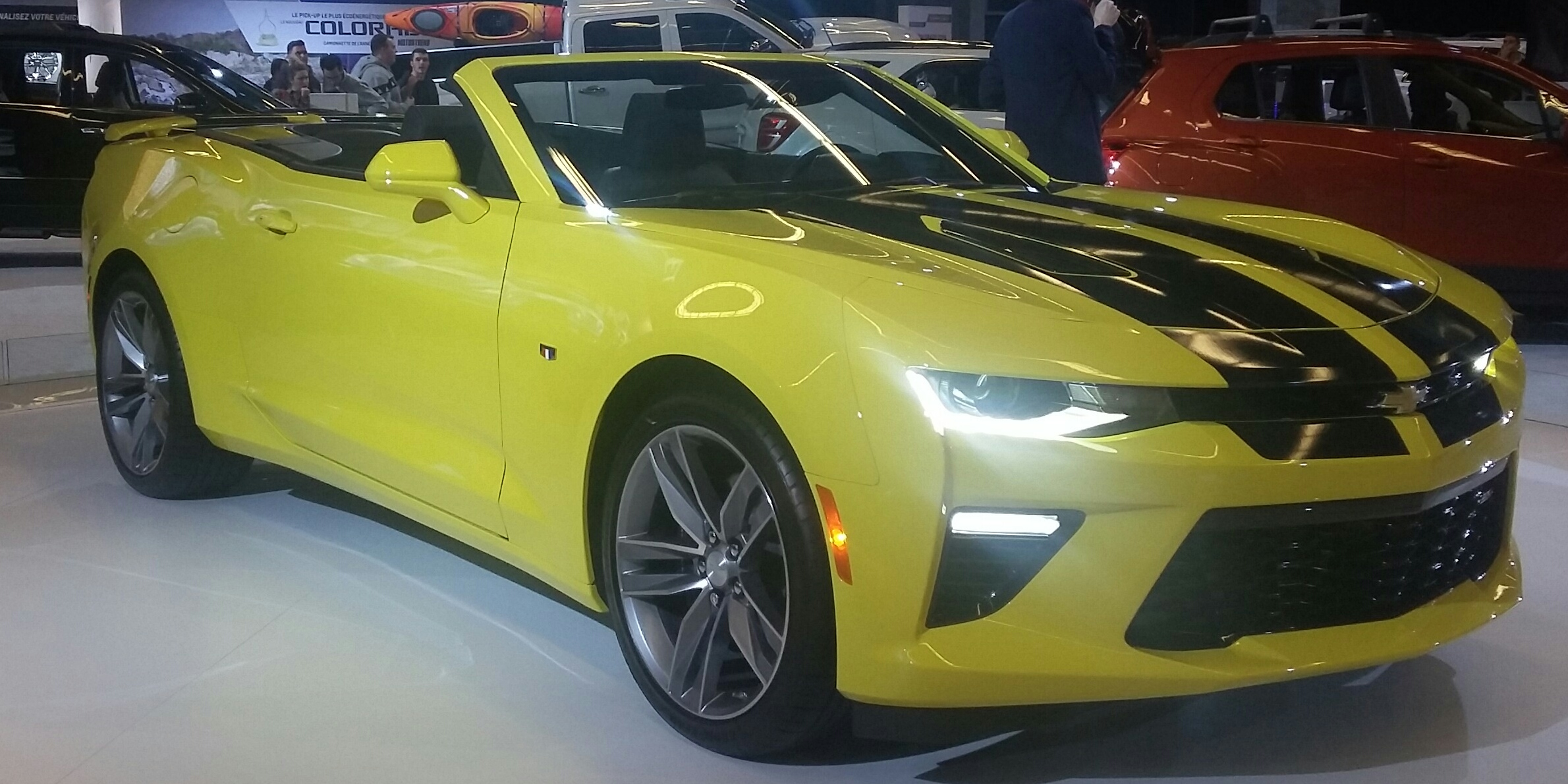
Chevrolet Camaro
"... So legend has it that my second word in life was Camaro, which had to be a real insult to my dad because ..."
The Chevrolet Camaro is a sporty car made by Chevrolet. People talk about it a lot because it’s known for performance and a distinctive look. In the podcast, it’s mentioned as something personally important to the speaker.
The Chevrolet Camaro is a classic American sports coupe that became a long-running symbol of performance and style. It’s often discussed in car stories because it has a strong identity and a big fan base, making it a frequent “legend” topic in automotive conversations. In this episode, it’s referenced as a meaningful childhood/identity moment.
Ford blue
"He's going to bleed Ford blue. Right."
“Bleed Ford blue” means being a die-hard Ford fan. The speaker is saying his dad was that kind of fan, so saying “Camaro” upset him.
“Bleed Ford blue” is an enthusiast phrase meaning someone is intensely loyal to Ford. Here it’s used to contrast the speaker’s childhood “Camaro” obsession with his dad’s strong allegiance to Ford.
day to day use
"Yeah, well, so for like day to day use, it was terrible. [1106.8s] But on the drag strip, that car knew exactly what it had to do."
They’re talking about how the car is for normal everyday driving. The point is that a car can be built for racing, but still be frustrating or unreliable when you use it like a regular car.
“Day to day use” is the contrast between how a car behaves in normal life (commuting, errands, frequent starts) versus how it performs in a specialized environment like racing. In this context, the speaker is saying the car’s weaknesses show up in everyday reliability and drivability.
drag strip
"But on the drag strip, that car knew exactly what it had to do. [1109.8s] And that was to kill."
A drag strip is a track made for straight-line races. Cars race to see who accelerates fastest, so a car might be awesome for racing but still be a pain to live with day-to-day.
A drag strip is a purpose-built straight-line race track where cars compete over a short distance (typically a quarter-mile or similar). It emphasizes acceleration and traction, so a car can feel “great” there even if it’s unreliable for everyday driving.
Bonneville
"But they were at Bonneville. [1116.2s] They were at El Mirage. [1118.8s] They were at all these places."
Bonneville is a famous salt-flat area in Utah where people try to set speed records. It’s more about going fast for a long distance than racing around corners.
Bonneville refers to the Bonneville Salt Flats in Utah, a famous venue for land-speed records. Because it’s measured over long, flat distances, cars are often set up for sustained speed and stability rather than short-track handling.
El Mirage
"But they were at Bonneville. [1116.2s] They were at El Mirage. [1118.8s] They were at all these places."
El Mirage is a dry lakebed in California that’s used for speed runs. It’s popular because it’s flat and open, so cars can go fast in a straight line.
El Mirage refers to El Mirage Dry Lake in California, another well-known venue for land-speed attempts and racing on a flat, dry lakebed. Like Bonneville, it’s used because the surface is wide and relatively smooth for high-speed runs.

Volkswagen Up Volkswagen
"...ne it down and I'd tell him it basically a souped up Volkswagen. I mean, that's really what it is."
The Volkswagen up! GTI is a small hatchback that’s been tuned to feel more sporty. It’s basically a regular up! but with upgrades meant to make it quicker and more fun to drive. The speaker is using it as an example of a “better version” of a normal model.
The Volkswagen up! GTI is a small, sporty version of the up! hatchback, built to deliver a “hot hatch” feel in a compact package. It’s significant because it takes a practical city car and adds performance-focused tuning, which is why it may be described as a “souped up” version. The podcast references it as a simplified way to explain what the car is.
detailing
"And I got into detailing where I couldn't turn around. [1200.5s] I could run a rag. [1201.5s] And that was my uncle Howard's Audi."
Detailing is the careful, thorough cleaning of a car—usually more than just a quick wash. People do it to make the paint and interior look their best. In the story, it’s how the host got really interested in cars.
In car culture, detailing means carefully cleaning and restoring a vehicle’s appearance—typically including washing, polishing, and protecting paint and surfaces. It’s more involved than a quick car wash, and it can be a gateway into learning about cars and building relationships with owners. Here, the host says detailing was the start of his path into collections and journalism.

Audi Quattro
"...pe GT. If you know what those are, kind of like a Quattro. And my uncle, he loves cars, he loves money even..."
Audi Quattro is a type of all-wheel-drive setup used on certain Audi cars. All-wheel-drive means the car can send power to more than one set of wheels, which can help with grip. The podcast mentions it to describe the kind of drivetrain a car has.
Audi Quattro refers to Audi’s well-known all-wheel-drive system and the cars built around it, which helped make traction a major part of performance. In the context of the podcast, it’s used as a shorthand for a specific kind of drivetrain capability. That’s why it comes up when someone is describing what a car is like or how it compares to another model.

Ford F-150 Lightning
"...n't tell you it was rain and snow and thunder and lightning. It doesn't matter. I'm going from garage to gara..."
The Ford F-150 Lightning is an electric version of the F-150 pickup. Instead of using gasoline, it runs on electricity stored in a battery. The podcast mentions it to emphasize that it’s meant for normal driving, even in bad weather.
The Ford F-150 Lightning is an electric pickup truck based on the F-150 platform, designed to bring EV power to a full-size truck role. It’s discussed in the episode in the context of weather and everyday usability—highlighting that it’s still a practical “go from garage to garage” vehicle. That makes it a notable modern example of how trucks are evolving.

Cadillac Escalade
"There's a Cadillac Escalade out there. [2656.3s] There's an Escalade, Escalade, Escalade."
The Cadillac Escalade is a large luxury SUV. People often buy it for comfort and a more upscale look, and it shows up a lot at car auctions because it’s popular with mainstream buyers.
The Cadillac Escalade is a full-size luxury SUV known for its big, comfortable cabin and high-end features. It’s a common “dealer auction” type vehicle because it attracts buyers who want a status-oriented family hauler rather than a niche enthusiast car.
barn fine type
"I've looked at it and it's like, wow, that's really clean. [2665.0s] It's not, you know, like a barn fine type."
A “barn find” is a car that’s been sitting unused for years, usually in storage. The host is saying this car is in much better shape than something you’d expect to be rough and needing restoration.
“Barn find” refers to a vehicle that’s been stored away for a long time—often neglected—then rediscovered. The host is contrasting a clean, ready-to-sell car with one that would be more likely to need restoration work.
Classic Golf Club
"We have done very well with, I hate that I'm jinxing this with not tearing up [2736.3s] cars here at Classic Golf Club in the eight year, nine years we've been here. [2739.7s] We've torn up a couple."
This is the name of the venue where the host says they’ve been running events for several years. They’re describing how often cars get damaged during those outings.
Classic Golf Club is the venue the host references while talking about how often cars have been “torn up” there. It’s mentioned as the location where the racing/track activity has been happening over multiple years.
race car haulers
"So when I came in, there were all these race car haulers. [2751.1s] I just wanted to do a quick shout out if you don't mind."
A race car hauler is a trailer or truck used to transport a race car to events. It’s how teams get the car to the track safely and quickly.
Race car haulers are specialized trailers/transport trucks used to move race cars to and from events. They’re common at motorsport venues because race cars are typically transported rather than driven on public roads.

Studebaker Avanti
"...s, I was talking to a lady coming by and it's the Avanti Petty Performance Racing Team, Kyle Cummins."
The Studebaker Avanti is a classic car made by Studebaker. It’s known for its unusual, eye-catching design and for being a performance-style vehicle. In the podcast, it’s mentioned alongside a racing team, linking it to motorsport.
The Studebaker Avanti is a classic American grand touring car known for its distinctive styling and performance-oriented reputation. It’s significant in collector circles because it represents a unique era of Studebaker’s history and has strong enthusiast interest. The podcast references the Avanti in connection with a racing team, tying it to motorsport heritage.
Avanti Petty Performance Racing Team
"There's, I was talking to a lady coming by and it's the Avanti Petty Performance Racing Team, Kyle Cummins. [2761.8s] He's the 2025 USAC National Champion trailers out here in a parallel."
That phrase is the name of a racing team. It’s the group that organizes and supports the driver’s race car and race weekend.
“Avanti Petty Performance Racing Team” is a named racing team identity. In motorsport, team names often reflect sponsorship/branding and can indicate the outfit running the car(s) and logistics for a driver.
Kyle Cummins
"There's, I was talking to a lady coming by and it's the Avanti Petty Performance Racing Team, Kyle Cummins. [2761.8s] He's the 2025 USAC National Champion trailers out here in a parallel."
Kyle Cummins is a race driver. The host says he won a major USAC national championship in 2025.
Kyle Cummins is identified here as a driver associated with the Avanti Petty Performance Racing Team. The host ties him to a major achievement: being the 2025 USAC National Champion.
USAC National Champion
"There's, I was talking to a lady coming by and it's the Avanti Petty Performance Racing Team, Kyle Cummins. [2761.8s] He's the 2025 USAC National Champion trailers out here in a parallel."
USAC is a big American racing organization. If someone is a “USAC National Champion,” it means they won the top championship in their USAC racing category for that year.
USAC is the United States Auto Club, which runs American open-wheel and oval-track racing. Being a “USAC National Champion” means the driver won the national championship in a specific USAC series/class for that year.

1965 Sunbeam Alpine Convertible
"How about the 1965 Sunbeam Alpine Convertible? Oh, yeah, like get smart. ...And this one is got a 1725 cc four cylinder with dual SU carbs."
This is a classic British open-top sports car. The important part here is that it has a 1,725 cc four-cylinder engine and two SU carburetors, which are older-style fuel systems that give it a very “classic” driving feel.
The Sunbeam Alpine is a classic British roadster, and the 1965 Convertible is known for its simple, lightweight sports-car feel. In this listing, the key details are its 1,725 cc four-cylinder engine and dual SU carburetors, which help explain the car’s period-correct throttle response and sound.
dual SU carbs
"And this one is got a 1725 cc four cylinder with dual SU carbs. And why is my computer talking to me over here?"
Carburetors are older fuel systems that mix air and fuel before it goes into the engine. “SU” is a specific carb brand/design, and “dual” means two of them, which can make the engine feel more responsive.
SU carbs are SU-brand carburetors, a popular British design that meters fuel using a variable venturi (a moving piston/needle). “Dual” means there are two carburetors feeding the engine, typically improving throttle response and tuning flexibility compared with a single carb setup.
four speed manual transmission
"Four speed manual transmission and a very nice driver, this is. Other new arrival is the 1999 Jeep Wrangler Sahara four by four."
This means the car has a manual gearbox with four gears. You use a clutch and shift lever yourself, which often makes the driving feel more connected and “old-school.”
A four-speed manual transmission is a gearbox with four forward gears operated by a clutch and gear lever. On older cars like the 1965 Sunbeam Alpine, it usually means simpler mechanical design and a more engaging, driver-controlled feel than modern multi-speed automatics.

1999 Jeep Wrangler Sahara four by four
"Other new arrival is the 1999 Jeep Wrangler Sahara four by four. This is funny. The exterior color is dark green rhino liner."
This is a 1999 Jeep Wrangler in the Sahara trim. “Four by four” means it drives all four wheels, and the dark green Rhino Liner is a tough coating that helps protect the body for rough use.
The Jeep Wrangler Sahara is a late-1990s trim of Jeep’s off-road-focused Wrangler, and the “four by four” indicates it’s equipped for four-wheel drive. In this segment, the host also calls out the exterior color as dark green Rhino Liner, which is a common protective coating used on off-road vehicles.
Rhino Liner
"Other new arrival is the 1999 Jeep Wrangler Sahara four by four. This is funny. The exterior color is dark green rhino liner."
Rhino Liner is a tough, spray-on protective coating. It’s meant to help prevent scratches and dents, especially on vehicles that see rough roads or off-roading.
Rhino Liner is a brand name for a spray-on truck bed and body coating used to protect surfaces from dents, abrasion, and corrosion. When applied to a Wrangler, it’s typically done to make the exterior more durable for off-road use and impacts.

Mercury Marauder
"...ou? I told you the story of when we had a mercury marauder. We had the flat black trunk deck."
The Mercury Marauder is an older car model made by Mercury. It’s known for its distinctive look from that time period. The podcast mentions it because of a specific styling detail the speaker remembers.
The Mercury Marauder is a mid-century Mercury model that’s remembered for its bold styling and period presence. In the episode, it’s specifically called out with a visual detail (“flat black trunk deck”), which suggests it’s being discussed as a memorable personal or family car. That kind of anecdote is typical when classic cars are brought up—people recall how they looked and stood out.
supercharged
"This one, this Wrangler Sahara has got three built 4.3 liter supercharged inline 65 speed manual, Dana axles, four inch long, long arm lift kit."
A supercharger is a device that pushes extra air into the engine. More air means the engine can make more power, which helps the vehicle feel stronger when you need it.
A supercharger forces extra air into the engine, which lets it burn more fuel and make more power than it would with only atmospheric pressure. It’s a common performance and off-road upgrade because it can improve throttle response and pulling power.
inline
"This one, this Wrangler Sahara has got three built 4.3 liter supercharged inline 65 speed manual, Dana axles, four inch long, long arm lift kit."
“Inline” means the engine’s cylinders are lined up in one row. It’s just a way of describing how the engine is built.
“Inline” describes an engine layout where the cylinders are arranged in a single row. That layout affects how the engine fits in the vehicle and can influence balance and packaging compared with V-shaped or flat engines.
Dana axles
"This one, this Wrangler Sahara has got three built 4.3 liter supercharged inline 65 speed manual, Dana axles, four inch long, long arm lift kit."
Dana axles are the drivetrain parts that help transfer power to the wheels. Off-road builders like them because they’re built stronger for rough use.
Dana axles are heavy-duty axle assemblies made by Dana, a major supplier for off-road and commercial drivetrains. They’re popular in lifted or trail-focused builds because they’re designed to handle higher loads and tougher conditions.
long arm lift kit
"Dana axles, four inch long, long arm lift kit. And this rhino line body is crazy."
A long arm lift kit raises the Jeep and changes the suspension so the wheels can move more effectively over bumps and ruts. It’s a common upgrade for better off-road handling.
A long arm lift kit raises the vehicle and replaces key suspension links with longer versions. Compared with basic lift setups, long-arm kits often improve ride quality and wheel articulation—useful for off-road traction and suspension travel.
rhino line body
"And this rhino line body is crazy. It is."
Rhino Line is a protective coating sprayed onto parts of the vehicle. It helps prevent dents and scratches and can make the surface easier to live with off-road.
“Rhino Line” refers to a spray-on truck bedliner/coating product used to protect the vehicle’s surfaces. It creates a tough, textured layer that resists scratches and helps keep the body looking good in harsh use.

1957 Oldsmobile Super 88
"This car, 1957 Oldsmobile Super 88, two door hard top. It's Alken wide over white red. Just got that one little red stripe that is very subtle, but very effective. Is that the one with the continental kit? It's got a continental kit, 371 cubic inch, 277 horsepower rocket V8, four speed hydramatic transmission, four speed automatic back in the day."
This is a classic 1957 Oldsmobile Super 88. It’s known for a large V8 engine and an automatic transmission that makes it feel smooth and easy to drive.
The 1957 Oldsmobile Super 88 is a classic full-size Oldsmobile from the late-1950s, notable for its big V8 and cruiser-focused feel. In this segment, the host highlights its 371 cubic-inch V8 and “rocket V8” character, plus the Hydramatic four-speed automatic that was a big part of how these cars delivered effortless power.
continental kit
"Beautiful car. Is that the one with the continental kit? It's got a continental kit, 371 cubic inch, 277 horsepower rocket V8, four speed hydramatic transmission, four speed automatic back in the day."
A “continental kit” is a styling add-on that was popular on some 1950s luxury cars. It usually adds distinctive trim around the rear area, often including a spare-tire cover.
A “continental kit” is an aftermarket-style body modification associated with late-1950s luxury cars, typically involving a distinctive spare-tire cover and trim that visually “fills out” the rear deck area. It’s a recognizable styling cue that can make a standard car look more upscale and customized.
hydramatic transmission
"It's got a continental kit, 371 cubic inch, 277 horsepower rocket V8, four speed hydramatic transmission, four speed automatic back in the day."
Hydramatic is an automatic transmission brand name used by GM. It means the car shifts by itself, so driving feels easier and more relaxed.
Hydramatic is General Motors’ brand name for automatic transmissions, and in this context it refers to a four-speed automatic used in mid-to-late-1950s cars. It’s a key part of why these cars feel like relaxed cruisers rather than requiring constant shifting.
rocket V8
"It's got a continental kit, 371 cubic inch, 277 horsepower rocket V8, four speed hydramatic transmission, four speed automatic back in the day."
“Rocket V8” is a name Oldsmobile used for its V8 engines. It’s basically saying this car has a big, powerful V8 that was meant to feel energetic and smooth.
“Rocket V8” is Oldsmobile’s marketing name for its V8 engines in this era, emphasizing their smoothness and power. In the segment, it’s tied to the 371 cubic-inch, 277-horsepower output that defines the car’s classic muscle-cruiser character.
371 cubic inch
"Is that the one with the continental kit? It's got a continental kit, 371 cubic inch, 277 horsepower rocket V8, four speed hydramatic transmission, four speed automatic back in the day."
“Cubic inch” is a way to measure engine size. A 371 cubic-inch engine is very large, which usually means strong pulling power for cruising.
“Cubic inch” is an engine displacement measurement—how much total volume the engine’s cylinders can move. A 371 cubic-inch V8 indicates a large-displacement engine typical of 1950s American performance and torque-heavy cruising.

Corvette
"It was parked next to a Corvette when I saw it. And it was like almost like two Corvettes on. Yeah, yeah, it's amazing."
The host mentions Corvette because it’s a famous American sports car. They’re basically saying the Oldsmobile looked almost as striking as a Corvette when parked together.
The host compares the 1957 Oldsmobile Super 88 to a Corvette to communicate how visually and stylistically “sporty” it looked in the lineup. Corvette is Chevrolet’s iconic American sports car brand, so the comparison is about presence and attitude, not that the cars are mechanically the same.
Connecticut
"Fire engine red over black museum quality. It's an exacting replica made by our buddy up in Connecticut, who is a fanatic. And I say that fanatic was, you know, with all due respect."
Connecticut is where the person who built the replica is located. The host mentions it to give credit for the craftsmanship.
Connecticut is referenced as the location where the replica builder/craftsman is based. It’s relevant here because the host is crediting the maker’s craftsmanship and “museum quality” work.

1973 Plymouth Roadrunner Coupe
"Other new arrivals, the 1973 Plymouth Roadrunner Coupe. [3036.6s] This one's been sold. [3038.0s] Lemon twist over black numbers matching 340."
This is a 1973 Plymouth Road Runner, a famous American muscle car. The host is talking about a particular one that’s been restored and kept as close to original as possible, including the original engine/drivetrain details.
The 1973 Plymouth Road Runner Coupe is a classic American muscle car from the early 1970s, known for its bold styling and performance heritage. In this segment, the host highlights a specific example with “340” power and a “numbers matching” setup, which is a big deal for collectors because it ties the car’s identity to its original drivetrain.
numbers matching
"Lemon twist over black numbers matching 340. [3040.6s] You could have had it if you got near sooner. [3043.1s] And beautifully restored with tons of documentation in this car,"
“Numbers matching” means the car still has the original big parts it left the factory with. Collectors like it because it proves the car hasn’t been swapped around.
“Numbers matching” means the major components (most importantly the engine and sometimes the transmission/rear axle) are the original ones that were installed at the factory, and their serial numbers match the car’s identification records. For collectors, it’s a key authenticity marker that can strongly affect value and desirability.
340
"Lemon twist over black numbers matching 340. [3040.6s] You could have had it if you got near sooner. [3043.1s] And beautifully restored with tons of documentation in this car,"
Here, “340” is the engine size designation—about 340 cubic inches—so it tells you what kind of engine this Road Runner has.
In the context of a 1973 Plymouth Road Runner, “340” refers to the 340 cubic-inch V8 engine option. It’s a well-known displacement/engine designation that helps identify which performance package the car has.

Buick Model
"...r. And last but not least on our list is the 1913 Buick model 25, 24, 25 series touring car, wine and black ove..."
The Buick Model 27 is an early Buick car from the 1910s. It’s a touring-style vehicle, meaning it was built for longer drives rather than just short trips. The podcast brings it up as part of a group of early Buick models.
The Buick Model 27 refers to an early Buick touring-car series from the 1910s, the kind of vehicle that helped define Buick’s presence in the brand’s formative years. The podcast’s mention places it in a list of related early touring models, suggesting a historical overview of Buick’s lineup. These early cars are often discussed for their role in automotive history and how they were marketed and built.
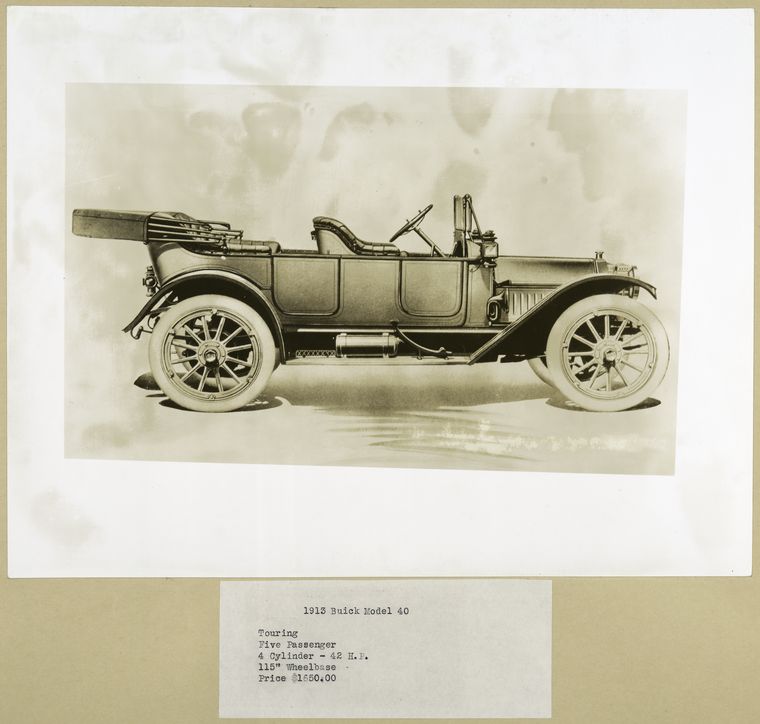
1913 Buick model 25, 24, 25 series touring car
"And last but not least on our list is the 1913 Buick model 25, [3055.5s] 24, 25 series touring car, wine and black over black, [3059.5s] AACA national first place winner in this car."
This is a 1913 Buick touring car from the very early days of automobiles. The host is saying it’s a top award winner, which usually means it’s been restored carefully and kept historically correct.
The 1913 Buick Model 25 (in the 24/25 series touring-car context) is an early-automobile “brass era” Buick, notable for being a pre-World War I touring car. The host also points out it won an AACA national first place, which signals it’s historically significant and well-preserved/restored.
AACA national first place winner
"wine and black over black, [3059.5s] AACA national first place winner in this car. [3063.0s] 165.7 cubic inch four cylinder with three speed manual."
AACA is a classic-car club that holds judging events. If a car is an AACA national first place winner, it means it won the top award at a major classic-car show judged by experts.
AACA stands for the Antique Automobile Club of America, which runs judging events for classic cars. “National first place winner” indicates this Buick earned the top score at an AACA national-level competition, which is a strong credibility signal for restoration quality and historical correctness.
Brass era
"I mean, that is a true antique. [3070.2s] Brass era at its finest. [3073.0s] It's a Buick."
“Brass era” is what collectors call the earliest age of cars—when you often see lots of brass trim and a very old-school look. It’s basically a label for cars from the early 1900s.
“Brass era” refers to the early period of automobiles (roughly the 1890s through the 1910s) when many cars featured prominent brass fittings and a more coachbuilt, craft-focused look. It’s also a collecting category, so calling something “brass era at its finest” is shorthand for its historical styling and period correctness.
Request an Explanation
Heard something you'd like explained? We'll add it to this episode.
Sign in to request explanations for terms you heard.
Want to learn more?
Browse our glossary for plain-English explanations of automotive terms, jargon, and concepts.
Help improve this episode
See something that's not quite right? Our annotations are AI-generated and can sometimes miss the mark. Click the flag icon on any annotation to suggest a correction.
1 community members have helped improve this episode.