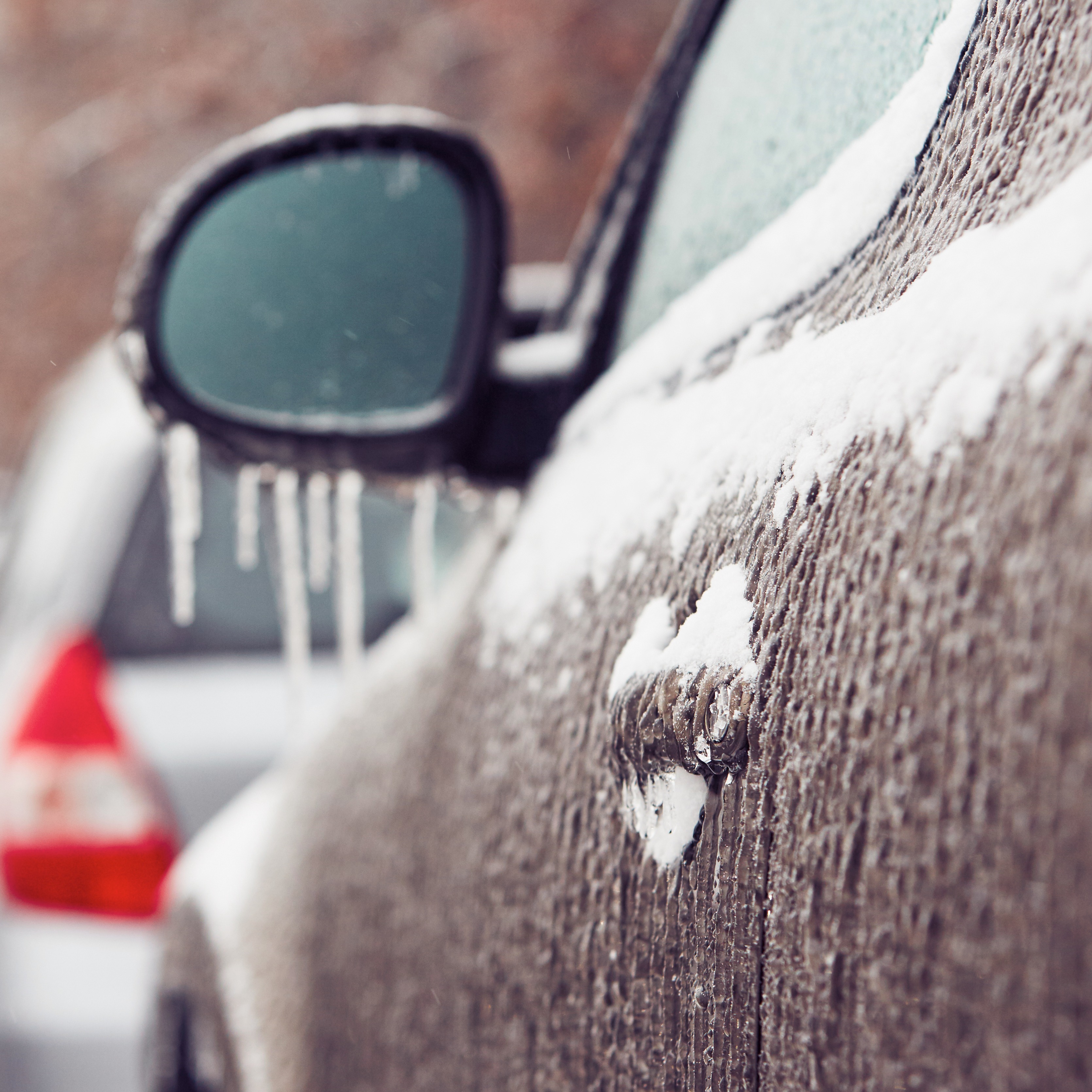
Cold Weather Questions Get Answered, Maintaining Your Vehicle Fluids, Tire Pressure Trouble
About this episode
Cold weather brings unique challenges for vehicle maintenance, and this episode dives into listener questions about starting issues, battery checks, and the impact of frigid temperatures on car fluids. Nick Stoffel from Lloyd's Automotive provides expert advice on how to handle cold starts, the importance of monitoring battery health, and tips for maintaining tire pressure in extreme conditions. The discussion also touches on service bulletins for specific vehicle models and the best practices for washing cars in winter. Tune in for practical insights to keep your vehicle running smoothly in the cold.

Toyota RAV4
"It's about a 2019 Toyota RAV4 hybrid. Driving it for a few minutes here and there yesterday, I believe it was, it was fine and then left it for four or five hours and it wouldn't start."
The Toyota RAV4 Hybrid is a type of car that uses both gas and electricity to run, making it more fuel-efficient. It's a popular choice for families because it has a lot of space and safety features.
The Toyota RAV4 Hybrid is a compact SUV that combines a gasoline engine with an electric motor for improved fuel efficiency. It is known for its practicality, spacious interior, and advanced safety features.

Toyota Highlander
"A listener says it's sent this via text. How do you check the battery on a 2021 Toyota Highlander hybrid? Should it last five years and how do you access it to check it?"
The Toyota Highlander Hybrid is a type of SUV that uses both gas and electricity to run, which helps save on fuel. The 2021 version has many modern features that make it safe and comfortable for families.
The Toyota Highlander Hybrid is a midsize SUV that combines a gasoline engine with an electric motor for improved fuel efficiency. The 2021 model features advanced technology and safety features, making it a popular choice for families.
high voltage battery
"There are two separate batteries of the high voltage battery that operates the hybrid system. That's nothing that the general public, the driver of the vehicle should deal with."
A high voltage battery is a special type of battery used in hybrid and electric cars. It stores a lot of energy to help power the car's electric motor.
A high voltage battery is a crucial component in hybrid and electric vehicles, providing the necessary power to drive the electric motor and operate the hybrid system. It typically operates at a much higher voltage than standard automotive batteries, allowing for greater energy storage and efficiency.
12 volt battery
"The 12 volt battery, which we've had in vehicles forever is something that needs to be maintained depending on the location."
A 12 volt battery is the regular battery found in most cars. It helps start the engine and powers things like the lights and radio, and it needs to be checked and replaced sometimes.
The 12 volt battery is the standard battery used in most vehicles for starting the engine and powering electrical systems like lights and radio. It needs regular maintenance and replacement as it can degrade over time.
check engine light
"The check engine light came on. Does not say what kind of vehicle this is. The check engine light came on eight days ago."
The check engine light is a light on your car's dashboard that tells you something might be wrong with the engine. It could be a small issue or something more serious, and you usually need to have it checked by a mechanic.
The check engine light is a warning indicator on a vehicle's dashboard that signals a problem with the engine or emissions system. It can indicate a range of issues, from minor to serious, and typically requires diagnostic testing to determine the exact cause.
O2 sensor
"I had the code read it said an O2 sensor, and then the light went out in four days before that light came back on."
An O2 sensor is a part of your car that checks how much oxygen is in the exhaust. It helps the car's computer manage fuel use and keep emissions low. If it fails, it can cause the check engine light to come on.
An O2 sensor, or oxygen sensor, measures the amount of oxygen in the exhaust gases of a vehicle. It helps the engine control unit (ECU) optimize fuel efficiency and reduce emissions by adjusting the air-fuel mixture based on the sensor's readings.
oil filter
"Listener sent this in. Is the car manufacturer's oil filter a good choice?"
An oil filter helps keep the oil in your car clean by removing dirt and debris. Some people wonder if it's better to use the filter made by the car's manufacturer or if other brands are just as good.
An oil filter is a crucial component in an engine's lubrication system, designed to remove contaminants from engine oil. Using a manufacturer's oil filter can ensure compatibility and maintain warranty coverage, but aftermarket options may offer better performance or filtration.
OEM filter
"You can determine what the cost of the OEM filter is. You can look at some of the aftermarket options."
An OEM filter is a part made by the original company that built your car. It's designed to fit perfectly and work well with your vehicle's system.
An OEM filter refers to an Original Equipment Manufacturer filter, which is made by the same company that produced the vehicle. These filters are designed to meet the specific standards and requirements of the vehicle.
aftermarket options
"You can look at some of the aftermarket options. You can ask the parts people, parts department, they can kind of help navigate that."
Aftermarket options are parts made by other companies that you can use instead of the original parts from the car's manufacturer. They can sometimes be cheaper or offer different benefits.
Aftermarket options refer to parts and accessories made by companies other than the original manufacturer. These can often be less expensive and may offer different features or performance compared to OEM parts.

Jeep Wrangler
"Here's a 2019 Jeep Wrangler Unlimited four wheel high."
The Jeep Wrangler Unlimited is a larger version of the Jeep Wrangler that has four doors. It's designed for off-road driving and is popular for its tough look and ability to handle rough terrain.
The Jeep Wrangler Unlimited is a four-door variant of the classic Jeep Wrangler, known for its off-road capabilities and rugged design. The 2019 model features modern technology while maintaining the traditional Jeep aesthetic.
all wheel drive
"Is this like all wheel drive? The question is, is it okay to drive..."
All-wheel drive means that power goes to all four wheels of the car, which helps it grip the road better, especially in bad weather like rain or snow. It's useful for driving on different types of surfaces.
All-wheel drive (AWD) is a drivetrain system that provides power to all four wheels of a vehicle simultaneously, enhancing traction and stability on various surfaces. It is commonly found in SUVs and some cars, making them better suited for off-road conditions or adverse weather.
four wheel drive
"...is it okay to drive in four wheel high for long periods of time? And at what speeds?"
Four-wheel drive means that all four wheels of the car can get power from the engine, which helps when driving on rough or slippery surfaces. It's often used in trucks and SUVs for off-roading.
Four-wheel drive (4WD) is a drivetrain system that allows all four wheels of a vehicle to receive power from the engine, typically used for off-road driving or in challenging conditions. It often includes a low-range gearing option for better torque and control on rough terrain.
coolant
"My mechanic says my coolant is only good to 40 below. How about an EV card?"
Coolant is a special liquid that helps keep your car's engine from getting too hot. It moves around the engine and radiator to keep everything running smoothly.
Coolant is a fluid used in vehicles to regulate engine temperature and prevent overheating. It circulates through the engine and radiator, absorbing heat and dissipating it to maintain optimal operating temperatures.
EV
"How about an EV card? Does the battery freeze up at that temperature?"
An EV, or electric vehicle, is a car that runs on electricity instead of gas. It uses big batteries to power the car, and you can charge it at home or at special charging spots.
EV stands for electric vehicle, which is a type of car that runs on electricity instead of gasoline. They use large batteries to power electric motors and can be charged at home or at charging stations.
struts
"But the suspension, the bushings, the struts, the seat of your car stiff, right?"
Struts are parts of the car's suspension that help absorb bumps in the road and keep the car stable. They work with other parts to make the ride smoother.
Struts are a key component of a vehicle's suspension system, combining shock absorption and structural support. They help maintain the vehicle's alignment and stability while driving.
bushings
"But the suspension, the bushings, the struts, the seat of your car stiff, right?"
Bushings are small parts in a car's suspension that help make the ride smoother by reducing noise and vibrations. They act like cushions between different metal parts.
Bushings are rubber or polyurethane components that provide cushioning and reduce friction between parts of a vehicle's suspension system. They help absorb shocks and vibrations, improving ride quality and handling.

Gmc Sierra
"Here's the 2017 GMC Sierra, had all the fluids flushed and changed by a local dealership last fall."
The GMC Sierra is a large truck that's great for carrying heavy loads. The 2017 version has different engine choices and some cool tech features to help with towing.
The GMC Sierra is a full-size pickup truck known for its durability and capability. The 2017 model features a range of engine options and advanced technology for towing and hauling.
flushed
"had all the fluids flushed and changed by a local dealership last fall."
Flushing is when you clean out the old fluids in a car to get rid of dirt and make sure everything works well. It's like giving the car's systems a fresh start.
Flushing refers to the process of cleaning out the fluids in a vehicle's systems, such as the engine coolant or transmission fluid, to remove contaminants and ensure proper operation.
temperature gauge
"Well, now the temperature gauge shows the engine does not get as warm as before being flushed."
The temperature gauge tells you how hot the engine is running. If it's showing a lower temperature than usual, it could mean there's a problem with the engine's cooling system.
The temperature gauge is an instrument that shows the temperature of the engine coolant. If it indicates lower temperatures than normal, it may suggest issues with the cooling system or thermostat.
thermostat
"...maybe the thermostat has seen better life meaning that that wax pellet isn't doing its job, but that thermostat is bypassing."
A thermostat helps keep the engine at the right temperature by controlling the flow of coolant. If it doesn't work properly, the engine might not heat up enough, especially in cold weather.
A thermostat is a critical component in an engine's cooling system that regulates the flow of coolant to maintain the engine's optimal operating temperature. If it fails, it can cause the engine to overheat or run inefficiently.
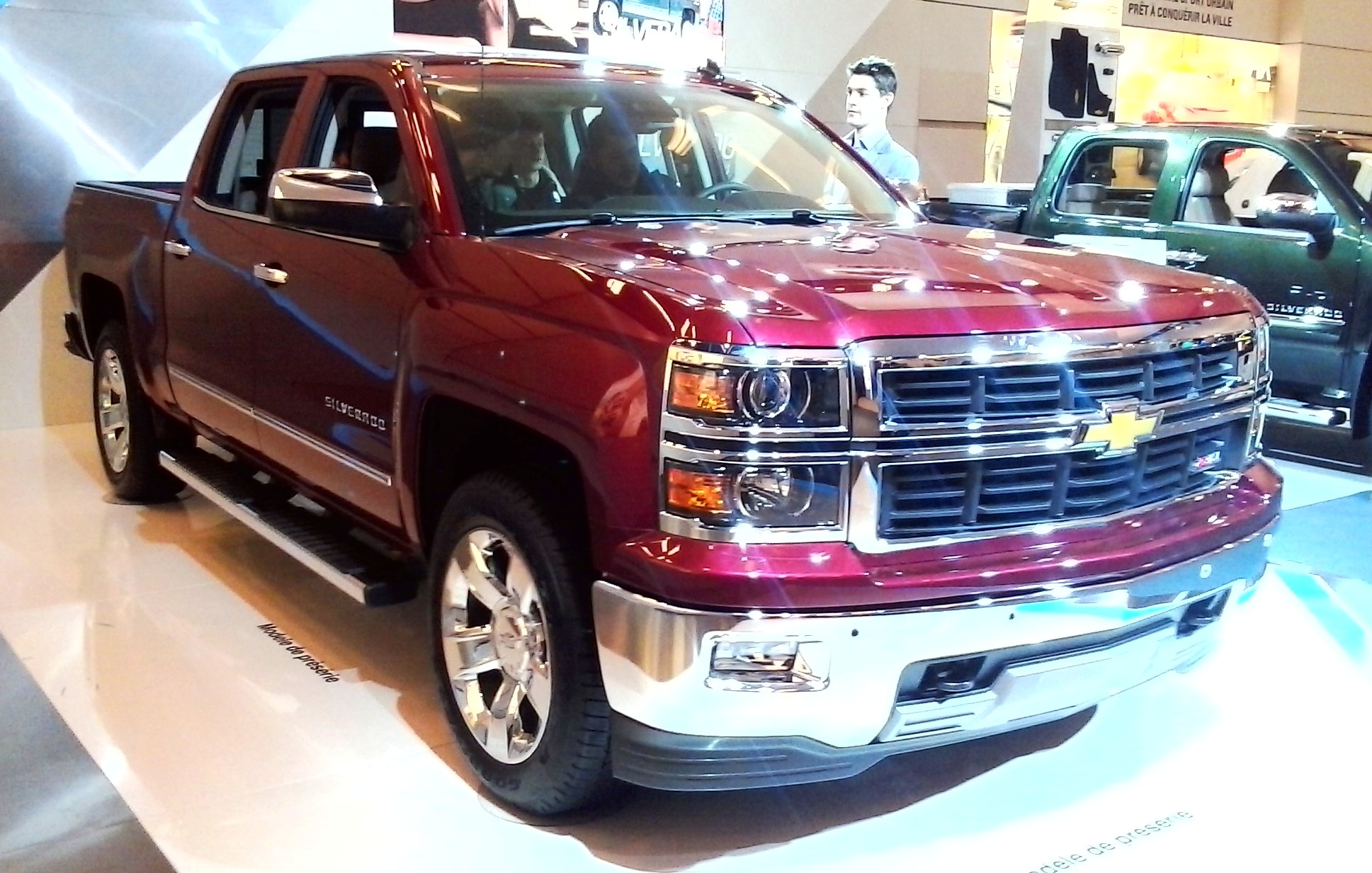
Chevrolet Silverado
"It's a 2012 Silverado half ton. What do you think about the oil level there?"
The Chevrolet Silverado is a large truck that's great for carrying heavy loads. The 2012 version is known for being strong and reliable.
The Chevrolet Silverado is a full-size pickup truck known for its durability and capability. The 2012 model features various engine options and is popular for both work and personal use.
oil level
"What do you think about the oil level there? No, I don't know yet."
The oil level is how much oil is in the engine. It's important to check it to make sure the engine runs smoothly and doesn't get damaged.
The oil level refers to the amount of engine oil present in the engine, which is crucial for proper lubrication and function. Checking the oil level regularly helps prevent engine damage.
weight of oil
"Make sure you grab a cart or two so you have the right weight of oil that you need. And as needed, you don't need to top it up."
The weight of oil tells you how thick or thin the oil is. Different cars need different types of oil to work well, especially in hot or cold weather.
The weight of oil, often referred to as viscosity, indicates how thick or thin the oil is. Different engines require specific oil weights for optimal performance, especially in varying temperatures.

Buick Encore
"Here's a 2019 Buick Encore."
The Buick Encore is a small SUV that is easy to drive and has a lot of features. It's a good option for people who want a vehicle that is practical and can fit in tight spaces.
The Buick Encore is a subcompact SUV known for its practicality and efficiency. It offers a comfortable ride and a range of modern features, making it a popular choice for urban drivers.
direct injection
"...Newer vehicles have what we call direct injection, which is a high pressure fuel system."
Direct injection means the gas goes straight into the engine's combustion chamber, which helps the car use fuel more efficiently and can make it run better.
Direct injection is a fuel delivery system where fuel is injected directly into the combustion chamber of the engine. This method allows for better fuel efficiency and performance compared to traditional fuel injection systems.
high pressure fuel system
"...direct injection, which is a high pressure fuel system. So there's a secondary pump up on the engine itself."
A high pressure fuel system pushes gas into the engine at a stronger force, which helps the engine burn the fuel better and run more efficiently.
A high pressure fuel system is designed to deliver fuel at a higher pressure than standard systems, which is necessary for direct injection engines to atomize the fuel properly for combustion. This leads to improved efficiency and power output.
valve stem
"It's usually part of the valve stem. So if something's coming apart there, I'd be worried of the flat tire to be honest."
The valve stem is the part on your tire where you pump air in. It's important for keeping your tires inflated and working properly.
The valve stem is a small component on a tire that allows air to enter or escape. It connects to the tire pressure sensor and is crucial for maintaining proper tire inflation.
tire pressure monitoring system (TPMS)
"if your vehicle is equipped where it tells you the pressures of the tires are just the light. But, you know, we can ping with a little handheld tool"
TPMS is a system that checks if your tires have enough air. If one tire is low on air, it will warn you so you can fill it up and stay safe while driving.
A tire pressure monitoring system (TPMS) is a safety feature that monitors the air pressure in your vehicle's tires. If the pressure drops below a certain level, it alerts the driver, helping to prevent tire blowouts and improve fuel efficiency.
tire pressure sensors
"all four sensors or five sensors if there's one in the spare, determine if they're working."
These are small devices in your tires that check how much air is inside. They help keep your tires at the right pressure, which is important for safety and fuel efficiency.
Tire pressure sensors are devices installed in each tire that measure the air pressure and send this information to the vehicle's TPMS. They help ensure that the tires are properly inflated for safe driving.
battery life
"you can see the battery life or the battery charge of it. So you can see if it's getting weak, if the battery's getting weak,"
Battery life is how long a battery lasts before it needs to be changed. For tire sensors, it's important to check this so they keep working properly.
Battery life refers to the duration a battery can effectively power a device before it needs to be replaced or recharged. In the context of tire pressure sensors, monitoring battery life is important to ensure they function correctly.
three quarter ton truck
"...my truck's at three quarter ton. And so it has the higher capacity tires."
A three quarter ton truck is a type of pickup truck that can carry more weight than smaller trucks. It's good for hauling heavy items or towing trailers.
A three quarter ton truck is a classification of truck that can carry a maximum payload of approximately 1,500 pounds. These trucks are often used for heavier loads and towing compared to half-ton trucks.
PSI
"...And my tires said they were at 58 PSI when I left."
PSI means how much air pressure is in your tires. It's important to have the right amount of air in your tires for safe driving and better gas mileage.
PSI stands for pounds per square inch, a unit of measurement used to indicate the pressure of air in tires. Proper tire pressure is crucial for vehicle safety, fuel efficiency, and tire longevity.
overinflated tires
"...not overinflated tires, but we don't have the light on..."
Overinflated tires are tires that have too much air in them. This can make it harder to drive safely and can wear the tires out faster.
Overinflated tires occur when the pressure inside the tire exceeds the manufacturer's recommended level. This can lead to reduced traction, uneven tire wear, and a harsher ride.
hand wax
"But I will tell you, if you do actually take the time to hand wax your vehicle, it will look like it's a new vehicle when you're done. It's amazing what that little elbow grease will do."
Hand waxing is when you apply wax to your car's paint by hand to make it shiny and protect it. It can help your car look like it's brand new.
Hand waxing is a process of applying a protective layer of wax to a vehicle's paint by hand, which helps to enhance the shine and protect the surface from environmental contaminants. This technique can make a car look new and improve its overall appearance.
clay bar
"and maybe once a year, maybe once every couple of years, I will clay bar my car before I wax it."
A clay bar is a special tool that helps clean your car's paint by removing dirt and other stuff stuck to it. It's used before waxing to make sure the wax sticks better and the car looks smoother.
A clay bar is a detailing tool used to remove embedded contaminants from a vehicle's paint surface, such as dirt, grime, and industrial fallout. It is often used before waxing to ensure a smooth and clean surface for better wax adhesion.
Request an Explanation
Heard something you'd like explained? We'll add it to this episode.
Sign in to request explanations for terms you heard.
Want to learn more?
Browse our glossary for plain-English explanations of automotive terms, jargon, and concepts.
Help improve this episode
See something that's not quite right? Our annotations are AI-generated and can sometimes miss the mark. Click the flag icon on any annotation to suggest a correction.