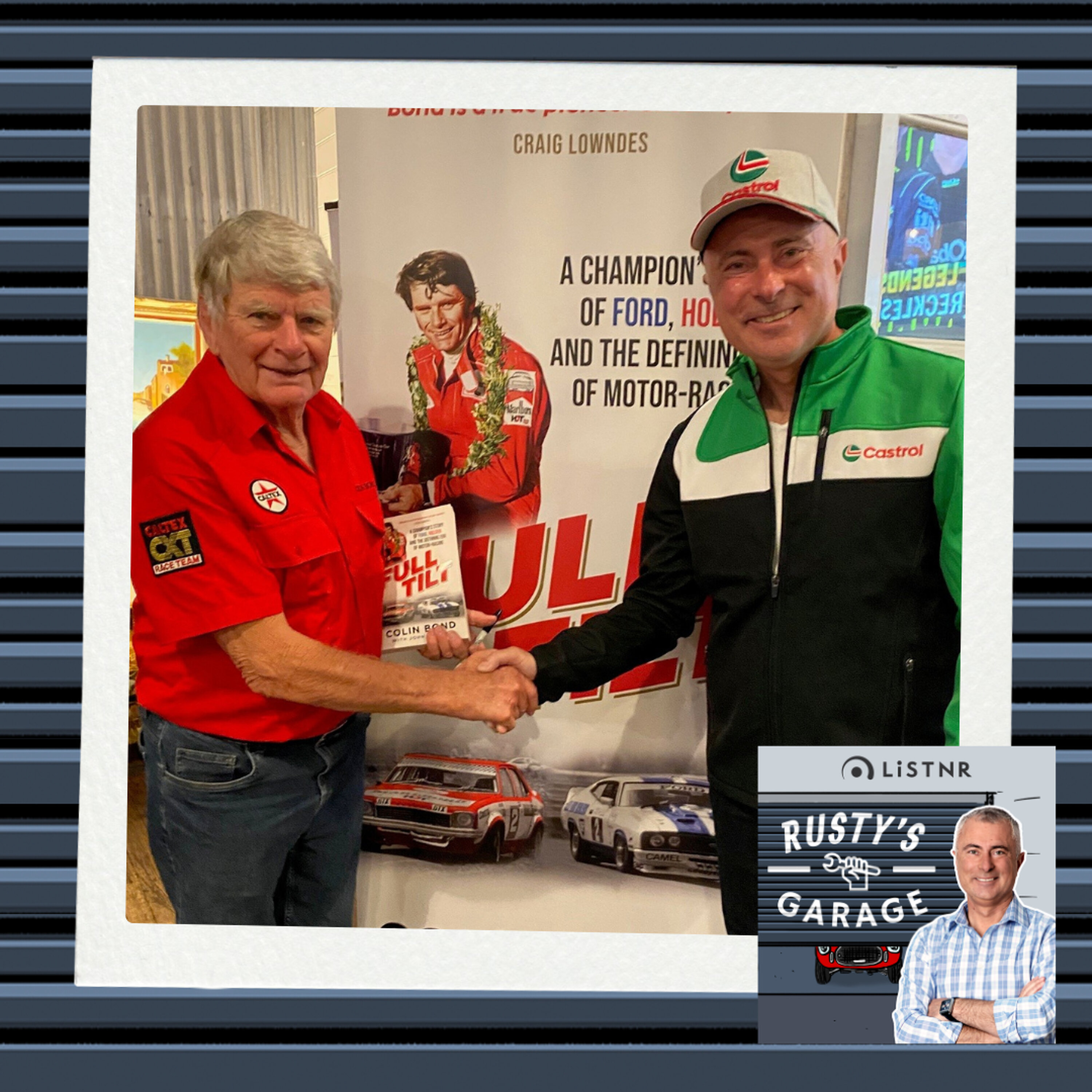
Colin Bond shares his incredible journey through Australian motorsport, reflecting on his early days, notable achievements, and the evolution of racing in the country. From his childhood in Sydney and competitive soccer to becoming a celebrated driver for iconic teams like Holden and Ford, Bond's story is rich with experiences. He discusses his diverse career, including rallying and hill climbs, and the significance of throttle control. The conversation also touches on his relationships with legendary figures like Peter Brock and Alan Moffat, as well as insights from his new book, 'Full Tilt'.
Growing up on Sydney’s lower North Shore and marrying the girl across the road to learning the mechanical skills that would serve him so well in his career.
Success at club level and how those fundamentals became a cornerstone of his achievements at the highest level.
From Hill Climbs to Round Australia and forging a reputation that meant he was good in just about any discipline.
There are memories of race tracks that are long gone and beating some international stars of the day on the way to wins at Bathurst, the Australian Rally Championship and more.
Recorded on the Monday after an epic Bathurst 1000 Rusty sat in the lounge at the Hall of Famer’s house and the pair just chatted. We don’t get to every car or race but you’ll enjoy the relaxed convo.
The idea of finally getting Colin on Rusty’s Garage came about following the release of his fantastic new book ‘Full Tilt’ written by respected author and broadcaster John Smailes who joined us for a Feature Episode recently too.
Head to Rusty's Facebook, Twitter or Instagram and give us your feedback and let us know who you want to hear from on Rusty's Garage
"...after a very memorable Bathurst 1000, won by young Kiwi Matt Payne for the first time, and Garth Tander, his sixth win in the great race."
The Bathurst 1000 is a famous car race in Australia that takes place on a special track. It's known for being very challenging and is a big event for car racing fans.
The Bathurst 1000 is an annual endurance race held at the Mount Panorama Circuit in Bathurst, Australia. It is one of the most prestigious events in Australian motorsport, featuring touring cars and attracting significant attention from fans and competitors alike.
"the Australian touring car championship, which later became the supercars we know today."
This is a type of car racing series in Australia where modified everyday cars compete against each other. It has become very popular and is now known as the Supercars Championship.
The Australian Touring Car Championship is a touring car racing series in Australia, which has evolved into the Supercars Championship, featuring modified production cars racing on various circuits.
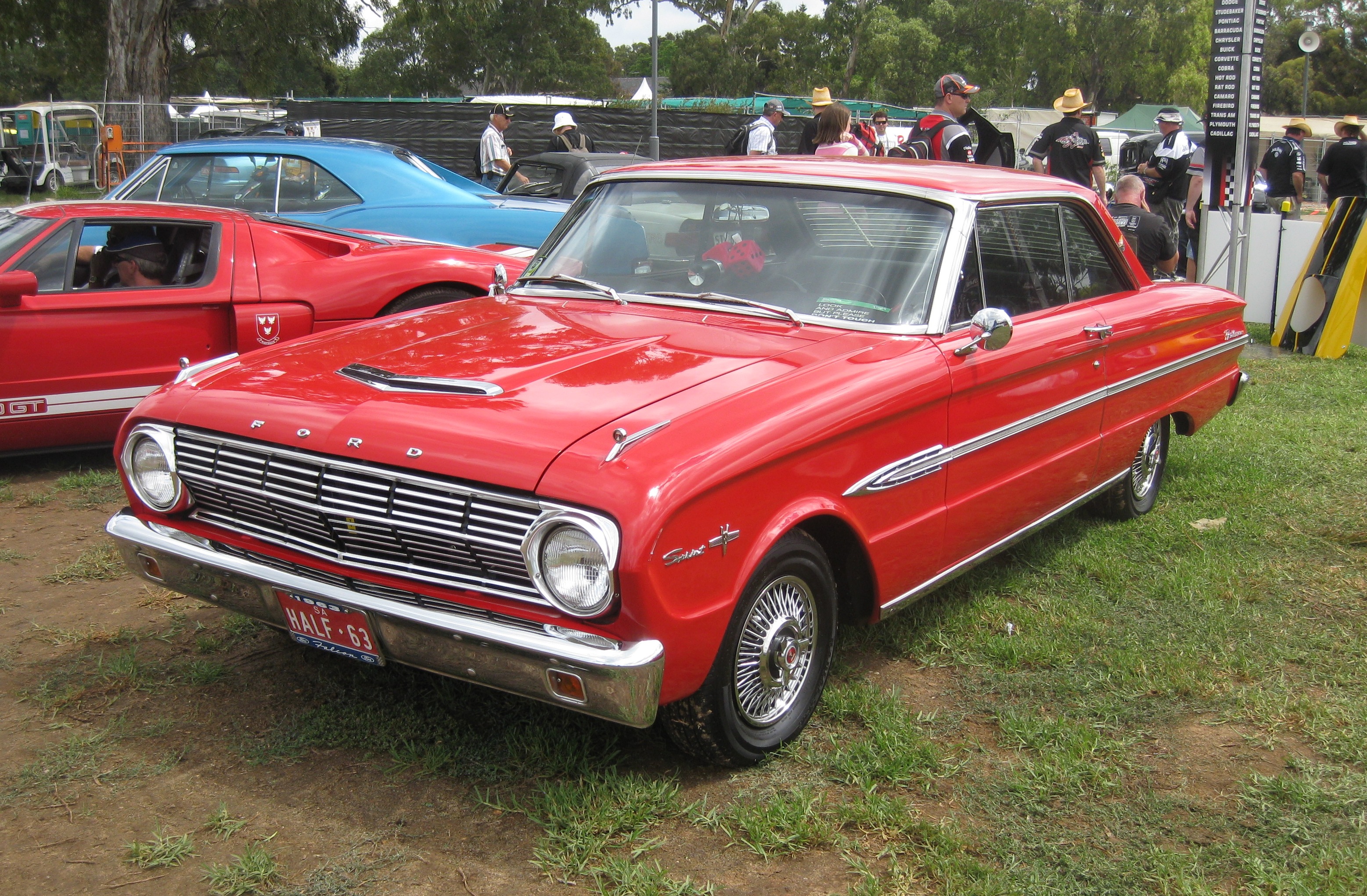
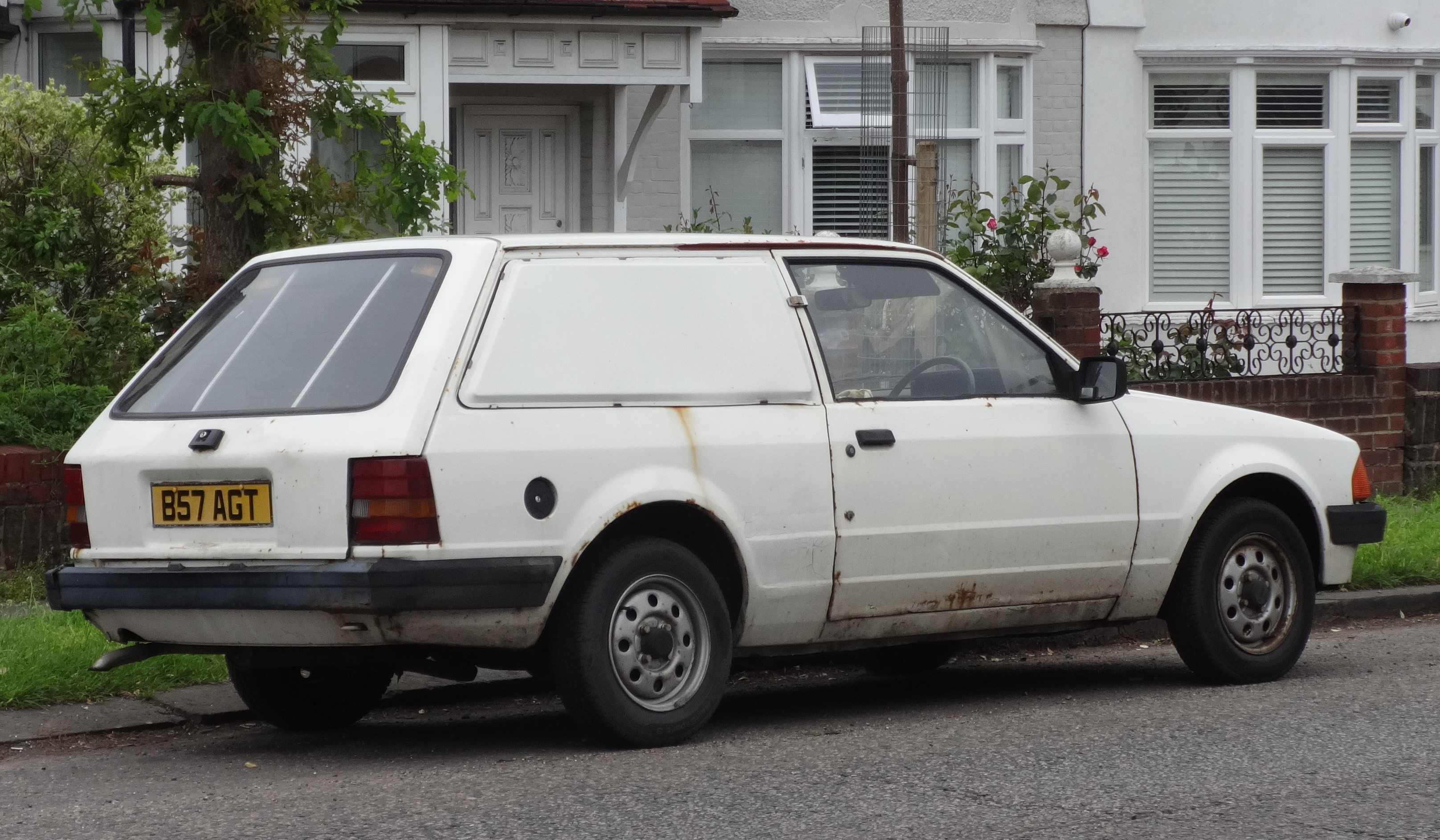
"...now today. Sports cars and a whole lot more. VWs, Mitsubishi Colts, Ford Escorts, Falcons, Holden Taranas, the Ford ..."
The Mitsubishi Colt 3 Doors is a small car with three doors that makes it easy to get in and out of. It's a good choice for people who want a simple and affordable car for everyday driving.
The Mitsubishi Colt 3 Doors is a compact hatchback that was popular in various markets, especially in Europe and Asia. Known for its nimble handling and efficient use of space, it appeals to those looking for an affordable and practical vehicle.
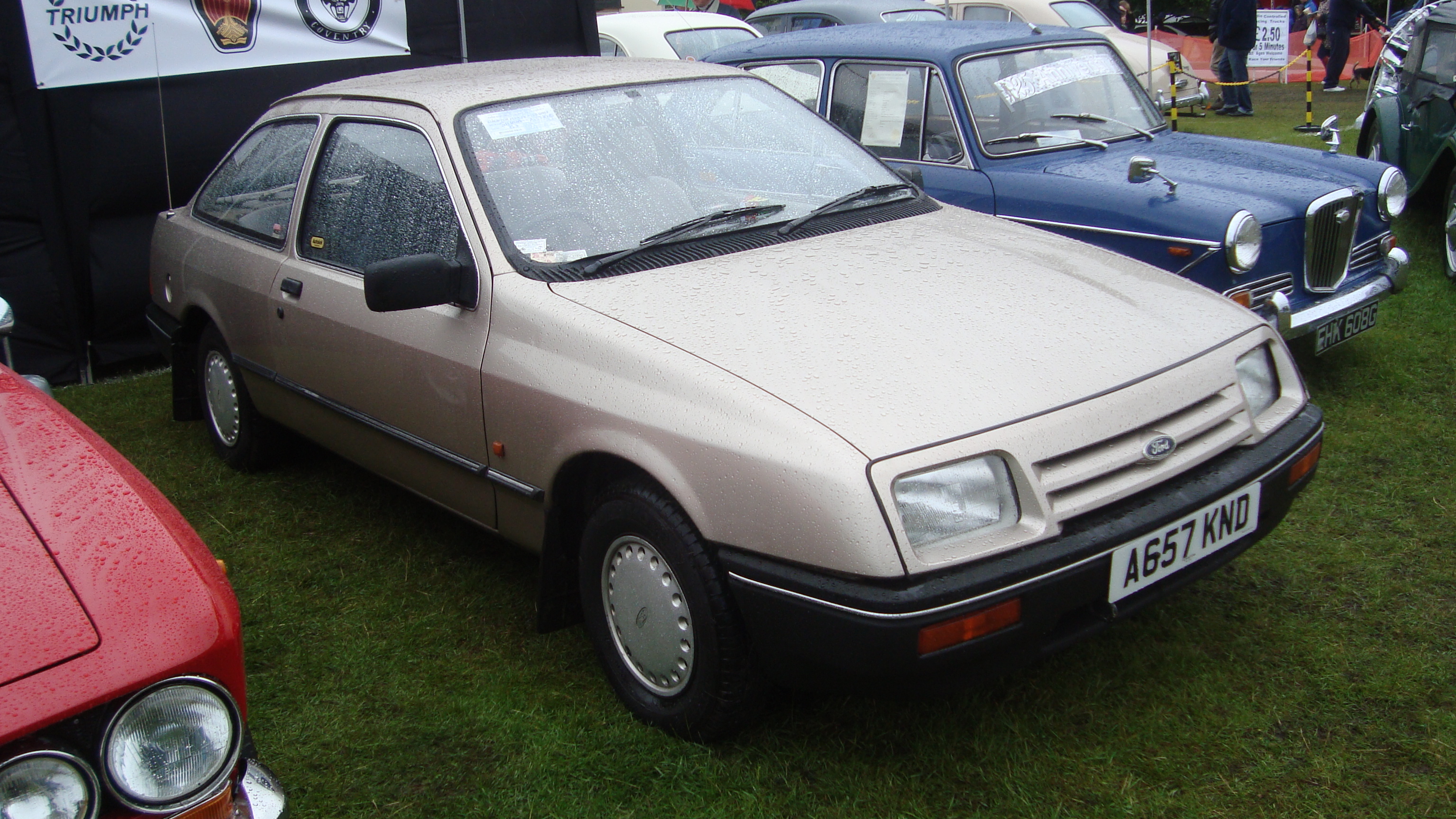
"the Ford Sierra, Alfa Romeo's Porsche, the list of cars is huge."
The Ford Sierra is a car made by Ford that was popular in Europe and known for its unique shape. It also had a good reputation in racing.
The Ford Sierra is a mid-size car produced by Ford Europe, known for its aerodynamic design and success in motorsport, particularly in touring car racing.
"Holden Taranas, the Ford Sierra, Alfa Romeo's Porsche, the list of cars is huge."
The Holden Torana is a small car made in Australia that was popular for racing and among car fans. It has a strong motorsport history.
The Holden Torana is a compact car that was produced by Holden in Australia, known for its performance in motorsport and as a popular choice among car enthusiasts.
"...ho and someone will pull me up for not saying the Corolla too, no doubt. We're not going to get to every as..."
The Toyota Corolla is a small car that many people buy because it's dependable and doesn't use much gas. It's been around for a long time, so lots of people know about it and trust it.
The Toyota Corolla is one of the best-selling cars in automotive history, known for its reliability, fuel efficiency, and practicality. It has been a staple in the compact car segment since its introduction in 1966, making it a popular choice for budget-conscious consumers.
"...ds straight there, haven't you? You were with the Cortina Car Club. We're celebrating a fantastic new book...."
The Ford Cortina is a car that was made in the UK a long time ago and was loved by many families. It was known for being practical and was even used in some races.
The Ford Cortina was a popular mid-size car produced by Ford in the UK from the 1960s to the 1980s. It is remembered for its affordability and versatility, often used as a family car or for motorsport, and has a strong following among classic car enthusiasts.
Car
MG TC
"...there were MGTCs. There must have been a hundred of them, I think, you know, one Aston Martin and one Healy or something..."
The MG TC is a small, sporty car from Britain that was made a long time ago. It's known for being fun to drive and is loved by car fans.
The MG TC is a classic British sports car produced by MG from 1945 to 1949. It is known for its lightweight design and agile handling, making it popular among enthusiasts.
"...it was funny, it was a little track that went down around a hill, I suppose, started down. A hairpin was..."
A hairpin turn is a sharp bend in the road that makes you turn almost back on yourself. It's tricky to drive around and often seen in racing.
A hairpin turn is a very tight turn in a road or track, often requiring a significant reduction in speed to navigate safely. These turns are common in racing and can test a driver's skill.
"...Braden was there in a race car, you know, in his Cooper Climax, you know, and it was really special in those days..."
The Cooper Climax is a type of race car that was popular in the 1950s. It was known for its unique design and was used in various racing competitions.
The Cooper Climax was a racing car developed by the Cooper Car Company in the 1950s, notable for its innovative design and success in motorsport, particularly in Formula 1 and sports car racing.
"...they had Volkswagen and all that as well. And so I used to, I used to somehow really get..."
Volkswagen is a car company from Germany that makes many popular cars. They are known for their well-built vehicles and have been around for a long time.
Volkswagen is a German automotive manufacturer known for producing a wide range of vehicles, including the iconic Beetle and Golf. The brand has a reputation for reliability and engineering excellence.
Car
Bug-Eyed Sprite
"How'd you cobble together the money to get the bug-eyed sprite? Because you're a young fella. This would have been quite an outplay."
The Bug-Eyed Sprite is a small, classic sports car from the late 1950s. It's known for its unique look with big round headlights and is loved by car fans for being fun to drive.
The Bug-Eyed Sprite is a classic British sports car produced by Austin Healey from 1958 to 1961. Known for its distinctive round headlights and lightweight design, it became popular among enthusiasts for its fun driving experience.
"...it had your judge and supercharger on. That was hopeless, basically. Because it had drip feed oil to lubricate the veins. Okay. And when you're just in traffic and everything goes..."
A supercharger helps an engine produce more power by pushing extra air into it, which lets the engine burn more fuel. This makes the car go faster and perform better.
A supercharger is a device that forces more air into the engine's combustion chamber, allowing for more fuel to be burned and increasing power output. It is typically driven by a belt connected to the engine's crankshaft.
"couple of spark plugs and all this sort of Oh my God. Yeah. So we decided that's got to go, you know."
Spark plugs are small devices in an engine that create a spark to ignite the fuel, helping the car to start and run smoothly.
Spark plugs are essential components in gasoline engines that ignite the air-fuel mixture, enabling the engine to run. They play a crucial role in engine performance and efficiency.
"And we, we're then members, we joined the MG car club New South Wales. Yep. And just still strong today."
An MG car club is a group of people who love MG cars. They get together to talk about their cars, go to events, and help each other with car-related issues.
An MG car club is a community of enthusiasts who own and appreciate MG vehicles, often participating in events, shows, and gatherings to share their passion for these classic cars.
"...It's how we approach hill climbs. You know, we were three times New South Wales hill climb champion. And we had the far, we had the outright record on all the hills we ever went..."
Hill climbs are races where cars drive up a hill or mountain on a narrow, twisting road. Drivers try to finish the course as quickly as they can, and it's a test of both speed and skill.
Hill climbs are a type of motorsport where drivers race against the clock on a steep, winding course. The goal is to complete the course in the shortest time possible, often featuring challenging terrain and elevation changes.
"...if we wanted to change, you know, put some new uni joints in the back or something like that, we would have to wait till Friday night to get paid..."
Uni joints are parts that help connect different parts of a car's drivetrain. They allow the parts to move at angles without breaking, which is important for smooth driving.
Universal joints, or uni joints, are mechanical devices that allow for the transmission of rotary motion between two shafts that are not in a straight line. They are commonly used in driveshafts to connect the transmission to the wheels.
"...they got away because they had bigger tyres and better brakes in the..."
Tyres are the round rubber parts that help a car grip the road. Different sizes and types can make a car drive better or worse.
Tyres are the rubber coverings that fit around the wheels of a vehicle, providing traction and stability. The size and type of tyres can significantly affect a car's performance, handling, and safety.
Brakes are what help a car slow down or stop. They are very important for safety while driving.
Brakes are the components of a vehicle that slow down or stop the car. There are various types of brakes, including disc and drum brakes, and their performance can greatly influence a car's safety and handling.
"And then we had an alternator problem and we didn't have any spears."
An alternator is a part of the car that helps generate electricity while the engine is running. It keeps the battery charged and powers things like the lights and radio.
An alternator is a crucial component in a vehicle's electrical system, responsible for converting mechanical energy into electrical energy to charge the battery and power the electrical systems when the engine is running.
"because they were only using Capri diffs, basically,"
The Ford Capri is a sporty-looking car that was popular many years ago. People liked it because it was fun to drive and looked cool.
The Ford Capri is a classic sports coupe that was produced from the late 1960s to the early 1980s, known for its stylish design and performance. It became an icon of the era, appealing to drivers looking for a sporty yet affordable car.
"And I think at one stage you're one of the local navigators and I think you scared the living"
The Lincoln Navigator is a big, fancy SUV that can carry a lot of people and stuff. It's known for being really comfortable and has lots of nice features inside.
The Lincoln Navigator is a full-size luxury SUV that offers spacious seating, high-end features, and a powerful engine. It is significant for its blend of comfort and capability, making it a popular choice among families and those who need a vehicle for towing or off-road adventures.
Select text to request an explanation
A Listener production.
I'm automotive commentator and journalist Greg Rust, and this is Rusty's Garage.
For this episode, I've taken a couple of mics and an audio recorder and headed round
to Colin Bond's house here in Sydney. It's mid-morning, it's warm, on a Monday after a very memorable
Bathurst 1000, won by young Kiwi Matt Payne for the first time, and Garth Tander, his
sixth win in the great race. GT would later decide it was kind of the perfect bookend
to his supercar's driving career. Bondy was at the mountain for some appearances. He's
among the names that made the Bathurst race and the Australian touring car racing scene
such a success, and laid the foundation for people like GT in the decades that followed.
My decision to get Colin on follows the recent John Smales feature episode that you can
find in our library. JS has written a fantastic new book. It's called Full Tilt on Colin's
career, and Colin's observations of so many areas that he made his presence felt
in in the Australian motorsport landscape, and the surrounding region for that matter
too. Colin, as you'll hear, has done it all. He worked with Harry Firth, drove in teams
with the late Peter Brock and Alan Moffat. He's in the unique position of driving
for the big factory squads back then too, Holden and Ford. There's round Australia's
hill climbs, single-seaters against some absolute guns, the Australian rally championship,
the Australian touring car championship, which later became the supercars we know today.
Sports cars and a whole lot more. VWs, Mitsubishi Colts, Ford Escorts, Falcons, Holden Taranas,
the Ford Sierra, Alfa Romeo's Porsche, the list of cars is huge. I forgot to mention
the Lynx Persho and someone will pull me up for not saying the Corolla too, no doubt.
We're not going to get to every aspect of his story or every car. This is a relaxed
convo that gently meanders across some key things while leaving you with plenty to read
in the book. John and Colin, in my opinion, have done a terrific job on it. There's no
commercial connection for us here. I just think that it's kind of right to support
the industry where I can. So if you're looking for a Christmas gift, search for full tilt.
You can find it in my colleague Aaron Noonan's V8 Sleuth online store, for example.
Aaron's wife, Robin, has kindly made us a coffee and I'm a sweet tooth, which I reckon
she knows or remembers. So there's some biscuits here too. And we have a couple of hours before
his daughter visits. This is Colin Bond. Humble, someone with great mechanical empathy, which
served him well in his career. He could have had quite the international aspect of his career
too, as the 1980 Formula One world champion Alan Jones reminds us in the book. But
the family man chose to make a career here and he chalked up some seriously impressive
achievements along the way. Supercars and the Australian Motorsport Halls of Fame and rightly
recognised in the Queen's birthday honours in the early 90s with an OAM or Order of
Australia Medal. Enjoy the conversation with Colin Bond. Colin, I'm immensely grateful
that you've agreed to do a bit of this and we're doing it basically after an epic
Bathurst 1000. And you've almost spent two weekends straight there, haven't you? You were
with the Cortina Car Club. We're celebrating a fantastic new book. It was terrific at the
mountain and then even at that car club gathering that people are celebrating your great story,
isn't it? It is because it's not just me. It's 50 years of motorsport through my
eyes basically. And when you consider all the times of motorsport, I suppose we've
done. And not only that, all the manufacturers that were involved and the people in the
manufacturers who were sort of pulling the strings at the time and making it all
happen, I think makes an interesting reading because it's not just about me and
what you've done and that it's just the whole industry. The connection, the people
and so on. I've put the link for the book, which is called Full Tilt and
written by a great friend and colleague in John Smiles. I put that in the
app description so people can go and buy that. Well, I think we're just
going to touch here on various aspects of your career. Can I start with your
childhood because you've basically remained true to your roots in terms of
where the Bond family were settled and established in Sydney. And you were
quite a good soccer player as a young fellow, weren't you? Or maybe even
potential to go that path? It was. Look, in hindsight, I had a three-year-old
brother. He was interested in sport as well and he always took on funny
sports like pole vaulting and things just because he could. And we all
played soccer. We all played cricket. My mum and dad played tennis. They
played tennis. But because he was three years old, you were sort of always
playing against them. Not that you're trying to be better, but you want to
play at their level. So was that the competitive thing? Did that become a
competitive thing for you? Very competitive, you know. And look, soccer
was easy. We started soccer sat six, you know, and you probably started
cricket at six. And you go through all the, you know, every two years
you keep going up a level, up a level, up a level. And yeah, when we
got to when I was 17, I played for representative soccer, you know, as
well. And we offered, you know, a couple of clubs, you know, one Arpia,
which was the Italian people, you know, and the other Croatia, which
all the Croatians, you know. And I went there, you know, the
Croatians only taught Croatian. And then speaking English, I bet they
could. But the same with the Italians. But the quality of their
football, I mean, that sort of underscores the level that you
were playing at. We were at the top level. I think the first, I then
played actually for the local team, which is not, you know, Gladesville
ride. And Gladesville ride with sort of the old poms that played
the division over there. But at least they spoke English and you
could talk to them. And I played one game in second grade. And I
was straight up into the first team and played there. And it was
sort of something that I always wanted to do. I was always good at
sport, generally any ball sport. And so I thought, well, there's
only two sports that you could still do in those days when
you were 50 and win. One was golf and the other was motorsport.
Because like you look at the motorsport thing, he was about 40
or so. I'm not really, but it was a related life. So I thought,
well, that's a good sports that you could probably do. So they
make a living out of, you know, cricket was good. I was really
good at cricket. I used to be open bat, open ball, all that
type of thing. But in those days, carry back, I hadn't got
onto cricket. So there was no money in cricket. You'd heard
golf. So I thought, no, okay. So soccer was good. But I was 17.
And then I got a car. And that changed things, of course, again,
because with the car, you go, ah, that's more like it. So anyway,
we used to after the relics troll days, I mean, when I was a
kid, that sort of really got my interest in motor cars. And the
fact that they were sort of, you didn't have to leave. And I
think you had to give us any sound in the, in the, in
town or something, where they have the newsreels and keep going
around. And you could watch it three times or something. So, but
you know, it was one of those sort of situations that then we got
our push bikes, we were younger kids, and you sort of pretended
we're rallying around the Browning Park bush here.
I think that is sort of where, if I'm right, the fascination
with speed or manoeuvrability came from. You become quite a
good golfer in later life, these things like that, I
know. But that is, I think the true spark, because the
family didn't necessarily have a connection to motor racing,
did they? No, not at all. No, we never had a car, you know. I
mean, it was unbelievable, I suppose, in this day and age.
So it was your grandmother that had the car? Oh, absolutely.
You know, it was, my dad, in the war, you know, went to
Darwin, and he took the box that he never drove, was I
hadn't driven or something, but he learned to drive up
there on trucks, of course. This is World War Two, we're
talking about. Yeah, World War Two. Anyway, and then when
we came back, you know, mum and dad lived opposite of
each other, you know? Yeah. So, you know, you say, married
the girl next door, who was actually the girl across the
street, you know? But anyway, your mum's mum, you know? So
she brought the dodge. Okay. And my uncle was back from the
war as well. So he used to drive, and we'd all pile into
this and go down to Colorado or something on a Sunday. So
Sunday's girl went out the window, basically. And you'd
all be standing up behind the seat, you know, hanging on
to there's a thing where you could hang your coats in
those days. And you'd say, Overtake him, come on,
you know, and use no seat belts and as many as you could
pack in the car, of course, you know. But the bikes and I
guess that particular car lit a spark for you. Take us to
what happens next. Was it an invitation to go to a motor
car? Or did you borrow a car? How did it start? No,
possibly Andy Frankle's dad was a member of the ARDC,
right? And he was just one of the mates who used to
ride the push bikes around with us. And he took us
to Mount Drillet. And which was very different to what it is
now, obviously. Because it was a shopping center where it
probably was. But what in the early days, there were lots
of Air Force strips built during the war, just in case I
think it happened if it happened in Sydney. And the
guys took off their planes and they bombed the airport
here. You've got a secondary airfield kind of thing,
don't you? And they were all over the place, like
Pittown, everywhere, you know. So anyway, so we went
there. And there was a guy on a Dodge, Don Gibson, in
his side valve Dodge, same as my arse, you know. And he
was up against all these holdings that was looking
pretty good now. Fantastic. And of course there were
MGTCs. There must have been a hundred of them, I think,
you know, one Aston Martin and one Healy or something. That
was about the racing. But it was good. I mean, it
was funny, it was a little track that went down
around a hill, I suppose, started down. A hairpin was
a 44 gallon drum at the end. But, you know, Jack
Braden was there in a race car, you know, in his
Cooper Climax, you know, and it was really special in
those days. And there was this kid sitting here, it
happened to be George, I didn't know him at that stage
of the game. Yeah, so it was something like that. And
you looked at it. Were you hooked? Were you hooked
straight away? Was it like, this is amazing? Or
I wouldn't say straight away because we didn't have
any money. You know, it was one of those things.
And besides that, I hadn't got a license now. This is
well before, you know. But, you know, we're just, we're
coming back from Bathurst, and this is probably, we went
to Bathurst a couple of times and slept, you know, in the
camp and watched the racing that was on at the time. And
this is when we were still before we had a car. But
we're coming back from Bathurst was when I was, you
must have had to sing a night at the time I
was a apprentice mechanic at Grenville Motors at
Sydney on to the Harbour Bridge. Yeah. And this
bugle, it's right when passed, you know, we've gone to
the line of road. Yeah. And I looked at it and I said,
God, that's something I've got to have, one of those.
So you're an apprentice mechanic at this stage? Or
what are you? What are you doing to earn the money to buy
this? Yeah, if I was over 17, I was an apprentice
mechanic at Grenville Motors. And they were part of
the industry as a course in those days. So they
had Volkswagen and all that as well. And so I used
to, I used to somehow really get, I don't know,
well, I get the job in the back in the city when
someone was on holidays, and you would sort of go and
register cars for them and all this sort of stuff. And
if we sold Land Rover, say to someone post office
or something. You're almost delivery come test, let's
call it test driver. If you're doing for, if you're
doing for, the boys are driving out and you go
out in the Volkswagen and bring the boys back.
So when you're bringing you back, it was, you'd
scare the living daylights out of me.
I mean, it was always a bit of a joke. How'd you cobble
together the money to get the bug-eyed sprite? Because
you're a young fella. This would have been quite an
outplay. A thousand dollars, a thousand pounds, I
should say. Look, you know, Andy Frankel found one
for us. It was, you know, he's got a lot on
Paramount Array. And it was super charged for
some reason. I don't know about the guy, you
know, he'd jump into the wheels, a thousand bucks.
I thought I didn't have a lot of money, but I
probably had enough, you know. And my mum said,
I'll give you the rest, you know. Lovely. And I said,
I'll pay you back, which I'm not sure whether I
actually did fully pay you back. That's beside the
point. Yeah. Because then when you got it, it
had your judge and supercharger on. That was
hopeless, basically. Because it had drip
feed oil to lubricate the veins. Okay. And when
you're just in traffic and everything goes,
it didn't get too much oil and you fell a
couple of spark plugs and all this sort of
Oh my God. Yeah. So we decided that's got to
go, you know. Are you are you hands on and
fixing this? Absolutely. Absolutely. So we
did what you normally do and those things
you bought out the 1060, get a web and all
that, camshafts and whatever. And we, we're
then members, we joined the MG car club
New South Wales. Yep. And just still strong
today. Yeah. They are very strong
anyhow. I was club champion, I think in
about 1965, you know. And before that,
we, there was what they used to call the
camsquare robbery, which was the biggest
motor car event we had in New South Wales
every year. Nice. And all the car clubs we
go to Pit Town, which is another old
airstrip. Yeah. And I won that twice out
of two attempts. Yeah. And looking back
at it now, it's one of the, one of the
things that I think was really good
because with motor cars, even like
straight flag bends and things, you had
to be close and do it smoothly and
short distance and just do the right
turn and come back. And that was fast.
When you attacked it, and you think,
yeah, you know, you think, oh, that's
really fast, but it's really fast.
Yeah. It's really slow. I'm intrigued by
that because I mean, your career is so
diverse from circuit racing and
rallying and so on. But you put a
lot of value in that period, don't you?
I took it, I took it all my way.
It's how we approach hill climbs. You
know, we were three times New South
Wales hill climb champion. And we had
the far, we had the outright
record on all the hills we ever went
to. But I got done twice in the
Australian ones by Tim Shanken and
the other by Alan Hamlin. The first
one was in Melbourne and Tim had
this, you know, go-kart with a bloody
500 CC motor in the back or something.
Do you two wind each other up about
that even now? Oh, I know. I used to
keep saying Tim, when you went
overseas, did you tell, you know,
in a Ferrari that you beat me and
that gave you, it got you the job
or something like that, but it was just a joke.
Love it. No. And the other one was
when we were in Collingrave, you know,
the following year of Alan Hamlin out
of Porsche, you know, box of thing.
And I still only had the link to Peugeot,
which was a great car. But anyway,
but I needed a supercharged Peugeot
motor in a proper open-wheel car. It
was quite a big car, really. Yep.
So, you know, and even in rallying,
you know, I used to go for night,
which you could do in those days.
And you could go up to Gosford
when I had my Volkswagen's and
things. And you'd, you'd, you'd
go through some of the stages
which you knew and you'd drive
it really out, not out of control,
but you're just sliding it and
sliding it. But with that
perfection you're talking about from
the motor car, is that what you're
trying to say? No, no. Then I'd do it
like a race car, you know, and drive
it straighter and tighter and things.
And it was more constant doing it
that way than attacking it.
But I must admit, when we got the
BDAS goods later on, you know,
with a lot more horsepower and
things, it was, when you'd be
good to me was one of the best
areas for rallying. It's like
a conic, got conic roads down there.
Yeah, yeah. The, yeah, the
Shire roads would have to be the
best Shire roads in the, in the
world, I reckon, because they're
really well packed. Yep. They're
banks. Yeah. You know, so the
water runs off them. A bit of
Canberra almost, so to speak.
Yeah, just Canberra. Yeah.
And, and you're sitting it up
and you, you know, you've
got one and you're already set
for the next corner, but you're
not there yet, you know, and
all this sort of stuff. And it's
a fantastic thing. It's, it's
one thing I liked about rallying
over racing, that in rallying, if
you tried really hard, you went
faster. Yeah. Whereas in racing
sometimes, you try really hard and
go slower. And you think, well,
that's doesn't, that's, that's not
right. You know, I should have
been going faster because I was
trying harder. Yeah. So you had
to work out what's fast and
what isn't fast. I love it. You've
already sparked a couple of
things in the conversation which
I want to dive around. Firstly,
can we come to Lynx Persia? Because
in, in the book, there's, there's
a number of signature cars, right?
And I feel like that's a stand-out
car for you. Tell me about it and,
and, you know. Yeah. Well, it was
after the round Australia, we went
with Andy Frankel and that we did
it in 65. There was an award for
the crew under the age of 25, which
we all were. And we thought, oh,
this is pretty simple. Go on that,
win that. It was 250lb of prize.
That will pay for the, for doing
the event. You did it with your
brother, is that right? No, I
don't remember the car. Oh, he
liked, sorry, thank you, thank
you. Thank you for correcting me.
We'll get there in a second. I think
my brother was my first sponsor
when I, when I considered it because
back to Lynx Persia, well done.
But anyhow, Bob Holden was in the
same event in a Persia, of course.
Okay. I mean, we didn't have any
accommodation. I think we used to
sleep in the grandstands and
things, you know, in those days
and yeah, sleeping bags and that
was it. Anyhow, and Bob was sort
of there and, and he was saying
he had this Lynx Persia and he
really thought he should sell it,
you know, and he said, why don't
I buy it? And I said, oh, you
know, maybe. Anyhow, we decided
Bob Riley himself then we said, oh,
we sell this bright and that, and
we can buy the car. So we went to
Oren Park because he, Bob was
racing it there and, and you
always, in those days, you always
bought the car as soon as it came
off the racetrack. Gotcha. Of
course, if you let him go home,
you never know whether you're
going to get the same engine
or whatever, but anyway. We'll
take delivery now, thank you.
Yeah, exactly. But what actually
happened, the back, he broke an
axle, back axle and the wheel
disappeared, you know. Didn't do
much damage to the car at all
because it sat down on the
lower up. Anyway, so we put the
car in the trailer, that's how
it's paid for it, took it back
home and dabbed as it worked.
So I put it in the garage,
didn't have a car. Well, we
might have had a car. Anyway,
so I put a brick under the
suspension and just put the
tyre in its proper place.
Propped it up kind of thing, did
you always? I was sitting there
and he came down to have a
look at it when he came home
and he kicked the tyre and of
course it went in the garage. Oh no.
You see, shit son, I think it's
a bit fragile. It's alright though.
But I mean those were the
days where you never, like if
we wanted to change, you know,
put some new uni joints in the
back or something like that, we
would have to wait till Friday
night to get paid to then
go and buy the uni joints, you
know, and then you'd be working
all Friday night to do it all,
put it back together again, you
know, and we did, I think we
did 28 races with it, 121 of
them, plus owning all the
hill, like all the hill clump.
We didn't realise it was a hill
clump car, but the very first
race meeting was interesting,
it was a Christmas time down
at Humeware. And if you've
been to Humeware, well in
Humeware, you know, they have
the starting grid is off the
track, so you go on the next
race up before the other race
is finished. And not only that,
you go out and practice and
you only get about three or
four laps anyway. And then, so
I go to line up and the guy
says over here, and I'm on
pole, see, okay, so anyway,
next minute, we had Barry
Collison, it might have been
as someone in a rabble, I'm
on pole. Mate, if you want it
you can have it. I'm not
fast really. Anyway, as it
turned out, yeah, so that was
the first, we went well,
actually only finished third
or something like that. What was
that place like to drive? I
mean, it's held in such
esteem now, what was it like
to race? Well, look, it was
the bottom of the, when they
built the dam, you know, to
hold up all the water. So it's
just the base of the dam, and
when you went down, it was
only Fettie and Alho, and you
went around the corner, you
came back and there was just
a fence, you went down, did a
loop, came back. So the other
cars are going, like, it's
almost like on the highway, you
know, just with a bit of
armcage between you're sort of
eight months ago and this way,
one going that way, at one
area only. No, but it was
good. I mean, you go there,
and on one day, you could
practice, you know, have
25 practice sessions and
have 25 races. It was all
over and done one day,
you know, because... That's
how they did it then, they
just keep moving them
through, didn't they? Absolutely.
And it was quite a great
idea that you didn't line
up on the grid, there was no
warm-up laps, of course, or
anything like that, you just
got there in the way you went.
But that was you and me, but
I must admit that the
links was good. I mean, we
drove it at Bathurst. Well,
we went to Adelaide at
One Stage, Andy and I, because
we wanted to run the hill
climb, it was the Australian
hill climb championship, it
was going to be held there
later on the year, this is
the calling route. So we
went early, and this is on
when Bathurst used to be
on the weekend, and I think
the bikes are on Friday,
Saturday, and the cars were,
you know, Sunday, Monday.
So we went across there, did
the hill climb, broke it
and upright, but the guys
said, oh, you'd go and get
Harold Wint, he's an expert
welder in town, sort of.
Fix it for you? Fix it, man.
So he fixed it for us, and
he was a lovely guy. Anyway,
and then we drove all the way
back to Bathurst through the
race the next day. And so
we took off and there was,
you know, Spencer Martin
and KB in the two-and-a-half
leather cars, you know.
You can borrow it, yeah.
And I was actually, I could
say with him that they got
away because they had bigger
tyres and better brakes in the
end, but in performance-wise,
you know, I think in those
days, 162.4 miles an hour
down Condonance Peak, which
was fairly narrow with only
barbed wire fences
at the sides of it.
Yeah, but no chase back then.
They changed that.
No, no, no. Well, that chase
came much, much later.
Slater, yeah, yeah.
I mean, and over the last
hump, I mean, the bikes,
you know, Greg Hansford
and all those guys were
be following over the last
hump and things. And besides,
you know, it killed a few
people as well, Don Gibson.
You know, Gibson, Gibson from
that lived in Orby, not Don Gibson.
It's Don Watson.
Don Watson, you mean
from Watson Transport?
Is that the... No, no.
No, no. The young kid that
was driving for
Bob Jane at the time,
Bevan Gibson.
Okay.
Bevan Gibson.
Where the car just took off
and flipped on its back
and just get it down the road,
you know.
And Tom Solman, I think
Tom Solman might have
had that one there.
So, look, it's
it was, I don't know.
You say dangerous, but I think
in those days motor racing
was dangerous. Dangerous, yeah.
Generally speaking, it was
had a sigma to it to say
that motor racing's dangerous,
you know, and all that type of
thing. And when you look
at it, the cars were pretty
dangerous and the tracks
were very dangerous and
made a combination of both.
Whereas today, the cars are
much, much safer and the
tracks are much safer.
And you sort of, whereas I
guess in the old, I would
say old days, you know,
but when Jack Bram was
around, you know, I'm
killing one a day or one a week
or one a month or so.
But you didn't know any different.
That's how it was back then,
wasn't it? You know, that's
what you did. What I'm intrigued
about in this phase,
maybe I haven't covered
everything in the timeline,
that doesn't matter.
But are you sort of working
and doing this part-time?
Are you now starting to get
to the point where you're
making a name for yourself
and maybe this is going to
lead to something?
Where are you in your career
at this point?
Yeah, you know, what actually
happened, we were paying
for everything, except
Mitsubishi came on board.
Doug Stewart, these two
cars came from Mitsubishi
and they just wanted to-
Were they Colts or Colts?
Yeah, the Colts.
These are early Colts, right?
Number 10, they're living
off the assembly line, they
actually work.
That's how it works.
Anyhow, and Doug got some
of his mates together
and the two Japanese turned up
and they just did some
trips in Australia,
like as though it was
the red X-Troll again,
more or less, you know.
And I mean, it was a funny
situation, you know, Doug
said their first,
when they took off from
Sydney, you know,
they're going across
the Harbour Bridge
in those days and you had
to pay the toll.
And he pushed back
to get his money out
and broke the back seat
and he finished lying down
in the car,
so he had to turn around
and go back,
world and all up again.
He said, but that was fine.
But they did this test
and in the end,
they left the cars here,
the Japanese,
like now they just
crunch them up
or do something again.
Yes.
But so they left them here
and Doug Donaldson,
who I think was then,
you know, Griffin Motors
and so on,
which was selling them.
So Doug Stewart was the mate of his
and they,
he said,
look, can we make some rally cars?
He said, yeah, sure.
So he got me and he said,
you know,
so we bobbed our eyes
so we had them in our place.
So we,
you know, garage became
the Mitsubishi rally team.
That's amazing.
And we started them off
very basically, you know.
And then the Japanese
got a little bit enthusiastic
about it.
So Southern Cross turned up,
they bought out a new car
for us and,
but the old ones
around the 850 CC.
So the next one was probably
950 or something.
Okay.
And then the following year
was a thousand or something.
The next one was 1100.
And the last one I drove
for them was a 1500
and that was in 69
just after winning Bathurst.
So Mitsubishi,
you know,
in those days,
when you had to stay holding
that 50% of the market,
forwarding that 20%,
Chrysler had 10,
BMC had 10.
And there was only 10 left
over for everybody.
It was like even Peugeot,
Renault.
Because Mitsubishi was like
an emerging brand.
Absolutely.
The Japanese had this much of
the atonement rather, yeah.
And the big boys
didn't say I'm coming.
Here we have the limo emu
in its natural habitat,
helping people customize
their car insurance
and save hundreds
with Liberty Mutual.
Fascinating.
It's accompanied by
his natural ally, Doug.
Limu, is that guy
with the binoculars watching us?
Cut the camera.
They see us.
Only pay for what you need
at libertymutual.com.
Liberty, Liberty, Liberty, Liberty.
Savings very underwritten
by Liberty Mutual Insurance
Company and Affiliates
Excludes Massachusetts.
What you did,
and I think that became
a hallmark later on
when you did the
the four escorts and so on,
you and Bob
and I guess the crew
that you formed there,
you were very good at
building a world-class
car more or less.
Oh, yeah.
You did some very good things,
didn't you,
around the build?
No.
When we went to Ford,
obviously in 77,
when Moffat, you know,
said we want to drive
and Harry at this stage
of the game was
telling me it was a bit
suspect, you know,
and we agreed
and it was a good deal,
you know,
and when we went to
Moffat the first year
with the Falcons,
you know,
we were first and second,
everything first and second
in the championship.
Yep.
You go to Bathurst
and you're first and second,
you know,
so it was a great year
and because the Ford
in that particular time
were the car.
The next year,
I think the A&R Next
come on board
and it was probably
a bit better
mousetrap than the Ford at the time,
you know.
Anyhow,
but
when we went with Ford,
I was talking to Jeff Pilates,
Ford, you know,
and Jeff in those days
was just a junior
coming through the ranks
and I said,
look, you know,
we should have a rally car
because easily I know
we brought them out
once before,
you know,
with all these,
you know,
their top drivers
and things,
cost us a bomb,
he said, you know,
and they all broke down
and sort of didn't do any good.
This was in the Southern Cross, man.
I said, yeah,
but they're winning
the real championship.
They just won the East.
Our things are firing.
They've got to be okay, you know.
So he agreed
and what he did,
he got two BDAs scored.
We're talking Martin 2s, aren't they?
Yeah.
Sorry, keep going.
That's okay.
I got one in New Zealand,
got one.
And, you know,
we had a bit of swing
because they didn't really
want to send them out
in the first place anyway.
Okay.
So that's okay.
So,
I went down
with Greg Carr
and Greg was actually,
well, we had a,
we made an escort
just an ordinary two litre thing,
you know,
for him initially.
And then the BDA,
so I took it to Canberra
and said,
take it for a drive.
You know,
and he came back
with a big smile on his face.
Love it.
He said, love it.
You know.
And then when we went
to the Southern Cross,
you know,
and in those days,
you know,
the Nissan people sort of
would bring out about
five or six overseas drivers
and things,
you know,
and then top of cars.
After about three stages,
Greg was about six minutes
in the lead,
you know,
absolutely annoying.
And then we had
an alternator problem
and we didn't have
any spears.
This is just a new car.
So anyway,
and in the end,
you know,
we had to change batteries
and you'd have to have
torch out the window
or something at night.
And they still finished,
but you know,
they were down the field
probably fourth
or something like that.
But you know,
and then we,
he ran that in the
Routy Championship, of course,
and we,
in those days,
we only revved it
to eight and a half revs
the first year.
And a half thousand more
has still been sounding sweet.
Oh, they do sound as well.
But anyway,
so at the end of the year,
we thought we'll send
the motor back
to Cherry Oil.
It was a Cherry Oil motor
in England,
which we did.
But then we got it back
and all he did
was put two new carbredders
on it and put some in
big end bolts in it.
I said,
shit,
we could have done that.
Yeah, yeah, yeah.
The only reason why
the carbredders
of course the spindles are worn,
you know,
in the big end bolts
are things you can change,
which, you know,
but so after that,
we did all our own work
on the cars,
yourself.
We did the engines
and everything.
But what was really nice
about it was that,
that Ford were building
escorts just over
at Homebush,
which wasn't very far from us,
you know,
we were glades
for those things.
Yeah.
And what we could do,
we could take one
of the boys in a trailer
and we take a two door body
that's just been dipped
to make it rust proof.
Yep.
Put it on the trailer,
bring it back to the workshop,
take all the brackets off
we don't want,
modify the guards
and things
and what have you.
We could modify the floor
for the ZF gearbox.
You could,
you know,
we do all that.
And what we end up,
we made our own dip
for it as well
because they were only
using Capri diffs,
basically,
in their cars
with limited slip diffs.
We could use the Falcon
which uses the
Borgwarn R78 series
with the tubes.
The tubes are heavier
and thicker
and you could have
different sized thickness
in the tubes
if you want them as well.
Okay.
And then we just made
the fully floating
things for them.
And then we put
the forward nine inch
centre in it
which was
a 31 fine splined axle.
Okay.
The old ones
but they were using
what I think
was something like
Land Rail for Axles
or something.
And as soon as they ran
a flat,
they would change
an axle over there.
Got you.
So,
so we had much bigger
axles and things in there.
Feels like you're
building them tough?
Were you,
you were building them?
Oh, you were building it
a bit tougher.
And the other thing was
it was nice
that we could do too
because of this.
When we,
when we finished
doing all the
factory
and four linking
the rear suspension
and doing all that
sort of stuff,
of course we copied
now off the original car
all that sort of stuff.
I take it back
to the factory.
They put it back
on the line
that we get dipped again
and go down the line
without a motor gearbox
to have wheels and things.
Two days
and we'd have a back
at the workshop
complete a car
with everything swinging painted.
Wow.
So we only ever took it
when I'm painting yellow.
That's pretty impressive
for a small team to do.
I mean,
that's a great example
of what motor racing is like.
You have to be like that, don't you?
I think we made six like that in there.
Did you?
Just for other people, wouldn't you?
And that naturally leads me
to the fact that
that program
must have been
so well respected.
I mean, you had
Ari Vartanen come and drive
and all sorts of things.
No, we'll see.
The good thing about that was
that the cars we had here
were identical basically
to what they're racing
in Europe.
Fantastic.
And winning, getting.
So
when I did the first time
we bought beyond Watergarden
and of course Sealy is our
when they were world champions.
And they ran the Southern Cross
rally.
And they were terrific.
The boys loved them.
And we could still break axles.
But what we did,
I had a Detroit locker
which Ford brought out
for their race teams.
But we never used them
because they weren't any good
as a race.
Everyone just runs spills
in race cars
because you can break better.
That's the biggest thing.
But in the rallying,
the spill worked perfectly
because you're on loose surfaces
all the time.
And because it's gear driven,
you had to spin the wheels
to get the gears both locked in
and then you would just power out.
And you could drive on one wheel
because it was a proper
lock diff.
And whereas if you had a limiter
step diff,
the limiter step diffs
to still work for a while
on one axle.
And then all of a sudden
you'll wear the
thing away of this
and just wouldn't have enough
grip anymore
when you're driving to a halt.
You know.
So it got,
it can get you then out of
trouble that which happened to
be on.
You know, like,
you should get to the end of the stage
but you're going to drop time.
And, you know,
so we put a new diff
and everything else in it
for him for the next day.
And after the first stage
he says to me,
oh Colin,
this rally could end
very soon for me.
I'm driving very fast.
And of course,
when,
with Ari and the guys in New Zealand
would know all about it,
Ari, because Ari
used a couple of events
over there, you know.
And I think at one stage
you're one of the local navigators
and I think you scared the living
bailouts out of him.
Anyway, that was just Ari.
But we competed against Ari
in Canberra
before this,
before we brought him out
and with David
and he was driving the
Masport car
which was out in New Zealand
and the New Zealand boys were there.
And now it was like
an event which they run over
even at times of the second
and things now,
you know what, have him.
So we had Greg and myself.
Greg Carr, yeah.
So anyhow,
the first stage
is a bitumen stage
around the building thing
that hadn't been built yet.
It was a housing development.
Yeah, yeah, yeah.
No houses.
Yeah.
But anyway,
and it had low,
the gutters were just low.
They didn't have big gutters,
they just had low ones
which I thought was terrific
because if you built a house
you could just,
you could make it run
wherever it was
without smashing up
all the concrete
and then putting it in.
So anyway,
but we, I was running on better times
in our area,
area of the Dunlop switch
every one they ate too
is what everyone was using overseas.
We had Bridgestone
we'd made.
Anyhow,
an area,
when he up to it,
he had to look at,
there's a movie made on this
and he said to me,
oh Colin, you had much more grip than me.
And I sort of,
of course I'd get an area here.
We had better ties in here.
So I was beating him
on those bloody bitumen stages.
Yeah.
And when there's shot in the book
where I'm up on two wheels
because I'm hit the curb.
But you can see areas,
skid marks, you know,
worse than previous on the road
because he was ahead of us on the road.
Anyway,
and after that you're into the dirt again.
And he and Greg were having
a really dig-long battle, you know.
And Greg knew the area
that well of course.
And that,
so it was going along well
with those two.
And I was third
because, you know,
they were just that little bit more
than game them
and know the road anyway.
So at one stage of course,
you know,
Harry comes around in one of the corners
and the still digs in
and he rolls over.
And all the cameramen
are there taking photos,
of course, you know.
Anyway, they finally give him a hand,
push him back on the wheels
and he gets back.
And it was really funny.
And he says,
because he comes into control
and the car's a bit bent.
And he says,
what happened?
And I go, oh, I had,
I stood off the road
and rolled over.
And if your people
would have pushed me out quicker,
I'll be still winning this event.
And then he goes,
oh, but of course,
I should not have rolled over.
It was a golden period of rallying.
I mean,
Greg won by 40 seconds.
That was the movie
that was called 40 Seconds.
Yes.
But then Dave Richards,
you know,
his navigator
and his wife Karen,
and they had the baby.
They come and stay with us
here afterwards, you know.
And then when we used to go to England
when we were going to stay with David.
And in those days,
he just had the Rothmans money.
He looked after the Rothmans money
because he had four of them.
So if someone in Motorsport
went to Rothman,
they'd say, just go and see,
you know, David Richardson.
And we'll talk to David,
you know,
and see whether it's a good deal or not.
So anyway,
and of course,
what actually happened there,
like when they went group A
or whatever it was.
And he got the Superu,
you know,
yes.
And, you know, it was a good deal.
And he was over there with him.
We came,
he talked us to the airport.
And he just said,
oh, he said,
I was just at the best meeting
with British Tobacco today.
I've got an open checkbook
for the rally team,
but I've got to win the championship this year.
OK.
We're talking probably around the time
of Colin McCrae
or what are we talking?
Yeah, Colin McCrae.
Well, and,
but not only that,
Toyota were there,
of course, Mr Bishop were there.
Amazing.
It wasn't just as though
they're the only one,
probably Fiat and Lancia anyway.
Lancia, yeah, yeah, yeah.
And they won that year.
Yeah.
And since then,
he's just gone,
you know,
because after that,
he got the BAO Formula 1 too.
Formula 1 too, yeah, yeah, yeah.
You know,
and the Superu thing was terrific.
And then he was chairman of Aston Martin.
And now he's had a pretty
motorsport or whatever it is.
Yeah.
And a lovely guy.
I mean,
when we go over there,
of course,
they use their helicopter like we do,
use a shopping truck.
That's great that you've been able to...
Oh, yeah.
We've been,
look,
we haven't been for a little while,
but we were just talking to them just recently,
and they said,
you better come over.
My daughter's getting married,
you know,
early next year.
So we said,
okay, we'll come over.
Probably.
Um,
but, you know,
I mean,
it was a different,
just a different world over there.
He made a money and that,
like for argument's sake,
even when he had
the first Superu when he had Ari driving,
he was paying Ari four million pounds
for the drive.
In those days,
it was three times,
like if you,
that would be equivalent to 12 million in Australia.
None of the teams in Australia
would have had
any money,
anything like that.
Anywhere near that,
do you know what I mean?
Yeah.
Um,
it's just,
it's just old money,
I guess,
and there's a lot of people there.
I think that's a great reflection of you
that you've had
these sorts of relationships along the way.
Can I come back
to round Australia?
You talked about your brother before
in the car and so on,
and you,
you
contested that event
on a number of occasions.
Yeah.
It's an event that's kind of part of the folklore
of Australian motorsport,
isn't it?
What was that like
when you did those?
Well, look,
when you look forward to them,
I guess,
you know,
like in hindsight,
I mean,
the Volkswagen,
I mean,
it was just like a Volkswagen race
because somehow or other,
that right,
we all lined up together,
all the Volkswagen's,
they put you in it,
like a group for that,
I mean.
Okay.
And they regrouped you
after all the
thing I said,
and so you kept on,
and you know,
you'd slipstream everyone,
and you'd get in the front,
then you'd be,
the back of the wheel.
You would give me.
This is all the way around Australia,
not really,
and that was a bit of fun.
But, you know,
we had one of the factory cars
start behind us,
and we used to see
when we were driving,
who could drive the furthest
before we got overtaken by them,
because they only had two people
in the car,
and they had a 1500 motor,
and they had all,
but you know, spare parts.
Yeah.
Anyway,
and then that was a bit of fun.
But then this next one
was for
in the Monara,
just after winning Bathurst
and the 12-hour race
with Danny Roberts.
So,
we got to run the Milarets.
We had three Milarets,
and so
there was Brian,
I hope,
myself,
and Danny Roberts,
you know,
in our car.
And then there was John Keiran
and I think Roger Bonner,
in the other car,
and probably Barry Ferguson
and David Johnson
in the other one.
So in those days,
it was a funny event
because you started
a bit like some of the ones
overseas,
where they start from different places
and they all come to a central point.
And then from there,
it was a common route to here.
To the next thing.
Yeah, yeah.
Yeah.
But the main event
started from this one.
Okay.
Right?
Yeah.
So,
Harry elected,
just for us not to even do this
but we'll just finish up there.
We say Harry,
you mean Harry first, don't you?
Harry first, yes, yes, yes.
Only because he's at a cock,
if you're in your car,
really a bit of come down
and start working on it.
Okay.
So, we're a week late
for scrutiny hearing
and you've got penalized
one point a minute, right?
So, I don't know how many millions
that's a fair few or something, right?
So, we really didn't have to worry
about this, you know,
all this bit.
So, we finish up here
and then we go straight from there
up to where it started
then at Alice Springs.
Yep.
And of course,
you know, it was dirt in those days
and so we took off and said,
well, if we get going,
we'll be there a day earlier
and we're going to have an ice fleet
and all this, which we did.
We looked at the car
and the back made guys
whooped in a bit, you know,
because it was serious production
in those days
and it bottomed me out on the struts.
It just sort of whooped the unguarded.
Okay, okay.
All right.
Anyway, that's okay.
But so anyhow, the,
when the others got there,
you know,
next day,
we drove down through
and controlled the wrong direction
because we're just on out of town,
coming in.
And the guy wanted to pig us
another 250 points.
And hope he's there blowing with him.
He said,
where do you think we're freaking
will come from, though?
Anyway, I was like, all right,
we're already down 5 million,
9 million.
What's another 200 million?
But I mean, that got wiped,
you know, when you started the event.
And anyway, then the city part
about that event was
we started Alice Springs.
The first day,
you went all the way up to three ways,
then across to Mount,
which the mining town.
Anyway.
Are you talking in country,
New South Wales?
Yeah, even New South Wales
or Queensland,
but I don't know.
He's anywhere there.
Forget about that.
Doesn't matter anyway.
And they had this really stupid stage
through the,
not very long,
about 20, 30 k something.
Anyway, and it was just
like a little dirt road.
And it went into a creek full of sand.
And we were one of the first cars, of course.
So I go through,
stuck in the sand
and you weren't supposed to have
outside assistance.
So we've got the surface so out.
So this thing is beached
in the river sand?
Is it in the river sand?
Yeah, we weren't the only one
there was,
and in any one that came along,
they got beached as well.
Anyway, but we had the surface
so we're off, you know,
we winch, winch, winch, winch.
This guy turns up
in a four-word line
and he,
you know, 50 bucks,
I'll pull you out or something.
And I hope you said,
we weren't supposed to have been
outside assistance.
Oh, no, no, we're nearly here.
So this guy then started pulling
everyone out.
Yeah.
It wasn't 50, maybe 30 or so.
Anyway, it doesn't matter.
Anyhow, he made a pretty good
living out of it.
Yeah, but, yeah.
And our other two cars
got pulled out, of course.
Okay, okay.
So we're off to the very first
stage.
I'm coming last, I think.
You know, because everybody
you've been pulled out
of the river sand.
So all of a sudden,
Harry doesn't love me anymore.
Okay.
So we started working on our own
car because, like, the service
crews would keep up with
with the care of them.
So you're having to do it
on your own, basically?
Yeah, basically, yeah, down the
back of it.
Anyway.
So we finally got going
and we were knocking off
things the other way.
Anyway, for two weeks.
Anyhow, we finished up,
well, we should have
finished up winning at Bitby.
OGA and Edgar Herman,
we were first on the same
points and I was next,
you know, so I don't know
whether I'm second or
third.
So we were first on the
same points and I don't know
whether I'm second or third.
But the amount of time we lost
in the creek, you know, we
would have been ahead of them.
But that was that one.
That was beside the point.
But it must have been a
rewarding thing, was it?
I mean, to go around, you
probably didn't have much time
to take in the countryside,
but you went to some
amazing places, didn't you?
Oh, you do.
But not any, though.
I mean, I used to really
like the Malaro, actually.
I rallied it the following
year instead of doing an
XQ1 for, it was,
yeah, can I say,
the XQ1.
And that's how you made it fast,
even racing.
You use the higher gears all
the time because it was
easier to drive.
It was putting the power down
better.
It wasn't sliding, you know,
and it was utilizing the
torque.
They had torque, though,
because they were serious
production, unlike a current
car, you know, which would
have more horsepower.
But anyway, so, yeah,
the difference between the
Malaro, basically, and the
Mitsubishi Colt frage,
I would say, you know,
if you had a mis-Q
when you speed off the road,
a bit, you're going through
the trees a bit,
you know, with the,
with the little...
The Colt.
Mitsubishi, you know,
you have to back, back, back
and go again.
With the Malaro, you keep going,
you're not given any go-over
and go back on the road.
Keep bowing through.
Get back on the road.
That's the end of part one
of my feature episode
with Australian motor racing
legend Colin Bond.
We're having a nice cuppa
and the convo is flowing,
so don't worry,
there is more to come for you.
Jump back to the library
and there you'll find part two,
all loaded up in the garage,
ready for you to hit play on.
There's recollections
of some cool cars,
the great work the Wives Club
did to improve safety
during a very dangerous period
for the sport,
plus Peter Janssen,
Peter Brock,
Ari Vartanen
and much, much more.
Bliens.com
Bliens.com
Bliens.com
DIY or let us install
Bliens.com
Bliens.com
Free design consultation
Free, free, free, free, free, free
Plus free samples and free shipping
Free, free, free, free, free
Bliens.com now
for up to 50% off with minimum purchase
plus a free professional measure
Rules and restrictions may apply.
Bye.
Request an explanation for:
9 cars
Scroll for more
9 cars featured
Request an Explanation
Heard something you'd like explained? We'll add it to this episode.
Sign in to request explanations for terms you heard.
Want to learn more?
Browse our glossary for plain-English explanations of automotive terms, jargon, and concepts.
See something that's not quite right? Our annotations are AI-generated and can sometimes miss the mark.
Click the flag icon on any annotation to suggest a correction.