
About this episode
Abbas Wahab and the hosts riff on how car culture shapes his stand-up, with his material landing especially well among gearheads who finally hear someone joke about cars the way they talk about them. The conversation veers into Dax Shepard’s car-heavy movie work, stunt driving, and the weird economics of podcasting, including massive sales and generational-wealth deals. They also debate live-show setlists, encore etiquette, and how comedians and musicians balance crowd favorites with new material.
Abbas Wahab is a standup comedian most known for his hilarious, accurate comedy reels that make fun of the car industry and various enthusiasts communities.
Patreon questions include:
- What's the funniest car?
- Which car group has the worst sense of humor?
- Best road trip snack?
- The Subaru is no longer the most-ticketed car.
- Unreliable cars we want to own
- We went faster after getting stuck in 4th. How?
- How does Ferrari get away with it?
- The one race car we'd drive on the street.
https://www.abbaswahab.com/live-shows
https://www.instagram.com/abbaswahab_/
Recorded April 22, 2026
Show Notes
Aura Frames
Exclusive $25-off Carver Mat at https://on.auraframes.com/TIRE. Promo Code TIRE
DeleteMe
Get 20% off your DeleteMe plan when you go to https://joindeleteme.com/tire/and use promo code TIRE at checkout.
Drive Podcast
Drive Season 4
Listen to Drive with Jim Farley Season 4 at
https://lnk.to/drivewithjimfarleyPS!thesmokingtire
Use Off The Record! and ALWAYS fight your tickets! For a 10% discount on your first case go to https://www.offtherecord.com/TST
Want your question answered? Want to watch the live stream, get ad-free podcasts, or exclusive podcasts? Join our Patreon: https://www.patreon.com/thesmokingtirepodcast
Instagram:
https://www.Instagram.com/thesmokingtire
https://www.Instagram.com/therealzackklapman
Enter to WIN our AMAZING 2025 Porsche 911 Turbo S!! https://www.dreamgiveaway.com/tickets/porsche?promo=SMOKINGTIRE
Promo Code Offer: Get 4X bonus tickets with any donation of $25 or more. With every donation you are helping benefit some wonderful veterans' and children's charities.
Podcast Promo Code: SMOKINGTIRE
Want your question answered? Want to watch the live stream, get ad-free podcasts, or exclusive podcasts? Join our Patreon: https://www.patreon.com/thesmokingtirepodcast
Use Off The Record! and ALWAYS fight your tickets! Enter code TST10 for a 10% discount on your first case on the Off The Record app, or go to http://www.offtherecord.com/TST.
Watch our car reviews: https://www.youtube.com/thesmokingtire
Tweet at us!
https://www.Twitter.com/thesmokingtire
https://www.Twitter.com/zackklapman
Instagram:
https://www.Instagram.com/thesmokingtire
https://www.Instagram.com/therealzackklapman
moving violation points
"You see, if you get points on your license, [22.8s] you could be at risk for insurance premium increases, possibly employment issues if you [28.9s] have to have a clean driving record for your job, and more, not to mention the fines and [33.9s] all the other inconveniences."
Some states add “points” to your driver’s license when you get tickets. More points can mean higher insurance prices and sometimes can hurt jobs that require a clean driving record.
“Points on your license” are a penalty system used by many U.S. states to track driving infractions. Accumulating points can raise insurance costs and may create employment or eligibility issues for jobs that require a clean driving record.
Chips (TV show remake)
"He made a movie, the remake of the TV show Chips. Did you ever know that show? It was about a minute before my time. Oh, it definitely was before your fucking time. But it's your kind of show. It's about two California Highway Patrol motorcycle officers."
They’re talking about the “CHiPs” TV show remake. It’s about two California Highway Patrol officers who ride motorcycles, and it’s played as action-comedy.
The hosts discuss “CHiPs,” the TV show remake, which centers on two California Highway Patrol motorcycle officers. It’s referenced as action-comedy, tying into the episode’s car/motorcycle culture angle.
Hit and Run (movie)
"So Dax also directed a movie called Hit and Run before that. Yeah. Which like was a little bit of a hokey movie. Was it Mid 2000s? Yeah, yeah, yeah."
They’re talking about Dax’s movie “Hit and Run.” The point is that it has lots of car chases and the driving is meant to feel real.
The hosts discuss Dax’s movie “Hit and Run,” focusing on its car-chase-heavy structure and how the driving is presented as accurate. It’s used as an example of a filmmaker prioritizing real driving action over purely cinematic tricks.
stunt driving
"But he just wanted to do all his own stunt driving. And there's like six car chases in this movie. That's hilarious. Very little happens in the movie, but like a bunch of car chases."
Stunt driving means doing the dramatic driving tricks you see in movies. It’s planned and practiced so it looks intense on camera but is still controlled and safe.
Stunt driving is when a driver performs choreographed maneuvers on camera—things like high-speed runs, controlled slides, and close-quarters driving—often with safety planning and specialized coordination. In movies like this, it’s a big part of the “gearhead credibility” because the driving looks authentic rather than being faked with edits or a separate professional driver.
post Travis Pastrana era
"level us up for 2020 post Travis Pastrana era? And he came on our podcast to talk about it."
They’re referencing a time period after Travis Pastrana helped popularize extreme stunts. The idea is that the movie’s action feels like it’s built on that newer stunt culture.
“Post Travis Pastrana era” is a reference to the modern wave of mainstream action sports and stunt culture, where extreme driving and freestyle-style stunts became more common in entertainment. The hosts are basically saying the movie’s chase/stunt approach feels like it’s leveling up after that era’s influence.
GoPro mounted shot
"Mounted shot. Yeah. Had it on the arm. Was it all like GoPro? And then he had his own podcast suspiciously soon after that."
A GoPro mounted shot means putting a small camera on the car (or driver) so you see the chase from a more “in the action” viewpoint. It makes the scene feel faster and more intense.
A “GoPro mounted shot” is an onboard camera angle—typically attached to a vehicle or person—to capture the action from a more immersive perspective. In car-chase scenes, it helps sell speed and proximity, making the driving feel more real to viewers.
ice race
"I met a dude... Okay. Cool. Okay. In Montana. And he has a podcast. Yeah. It's a tech podcast."
An ice race is a car event held on frozen ground. Since the surface is slippery, drivers have to be careful and the tires and handling setup matter a lot. It’s a different kind of driving than normal road racing.
An ice race is a motorsport event where cars compete on frozen surfaces, typically emphasizing traction and control over outright power. Because grip is extremely limited, setups like tires and suspension tuning matter a lot, and driving technique is crucial. Listeners may find it useful context for why the host mentions meeting someone at an ice race.
solid state batteries
"This show is actually going to be all about solid state batteries today. That's why you guys brought in, you're trying to increase the value."
Solid-state batteries are a type of EV battery that uses a solid material inside instead of a liquid. The goal is to store more energy and be safer. The challenge is making them reliably and cheaply enough for everyday cars.
Solid-state batteries are a newer battery design that replaces the liquid electrolyte found in most modern lithium-ion packs with a solid material. That can enable higher energy density and improved safety, which is why automakers are investing heavily in them for future EVs. The big question is whether they can be produced at scale and last reliably in real-world conditions.
valuation
"Welcome to the Smokingsons entrepreneurship hour. Yeah. You guys brought me in. What's your rising grind routine? To spike your numbers, try to increase the valuation uphill battle that we do."
Valuation is basically how much people think a company is worth. If a company is working on something important for cars—like new battery tech—its value can change quickly as it proves it can deliver results. It’s about business value, not vehicle performance.
In this context, valuation refers to how much a business is estimated to be worth, often tied to growth prospects and revenue potential. For automotive-related startups (like battery tech), valuation can swing based on technical milestones, manufacturing progress, and partnerships. It’s not a car term per se, but it’s directly connected to how new automotive technologies get funded.
switch gears
"...there's a moment of the show where it's kind of like, what is kind of do a joke like this is the whole show, by the way. And then I'll switch gears into like, you know, life and it's not 100%."
They’re using “switch gears” as a figure of speech. It just means “change topics” or “shift to something else,” not literally changing a car’s gears.
“Switch gears” is used here as a metaphor for changing topics or tone. In car terms, shifting gears changes how the drivetrain operates, but in comedy/podcasting it means moving from one subject to another.

BMW E46
"...even us, you even 20 minutes into being like E 46. And like that guy works out, you know, you know, that guy's at whatever Jiffy loop..."
“E46” is BMW’s code name for a specific generation of the 3 Series. Car people say it like shorthand because it instantly tells them which era of car they mean.
“E 46” is a shorthand for the BMW 3 Series generation known as the E46. Car enthusiasts use generation codes like this to quickly reference the platform and era, since the E46 is a distinct design with its own engine and tuning options.
compliment sandwich
"...You want their new thing to be sandwiched in between hits. I want them to open middle and close with hits. You want the compliment sandwich. It's not the same with comedy..."
They’re talking about how to arrange a show: play the popular songs at the beginning and end, and put the newer material in the middle. The goal is to keep people happy the whole time.
The hosts coin the idea of a “compliment sandwich” for live performances: put the “new thing” in the middle and surround it with familiar hits. It’s a programming/format concept for how to structure a setlist to keep audiences engaged.
Mars
"He's going to be president of Mars. He's going to be worshipped on Mars. Like 100 years from now, Mars will have people on it and he will be like the guy that will be his cult."
They’re imagining humans living on Mars. That would require building places that can keep people safe and alive for a long time.
The hosts are talking about a future where people live on Mars. In real-world terms, that implies major engineering challenges like radiation protection, life support, and long-duration habitats.
cheap domes that don't have UV resistance
"We'll be gone. And if you don't, we have Mars, Moscone and I'll praise be to the name of the planet. But he'll use cheap domes that don't have UV resistance, which will turn the people into mutant freaks."
They’re describing living in dome-shaped shelters that aren’t protected from the sun’s UV rays. Without UV protection, the shelter materials and the people inside would be in trouble over time.
This is a speculative reference to habitat domes lacking UV-resistant materials. UV (ultraviolet) radiation is a real concern for long-term human survival, because it can degrade materials and increase health risks.
UV tint
"“You want to upgrade your dome, right? We need recurring revenue, you guys… I’m just saying. I think I’m going to put UV tint on the windows of my house.”"
UV tint is a film you put on windows to block the sun’s UV rays. People use it to help keep things from fading and to make the space feel more comfortable.
UV tint refers to window film or coatings designed to block ultraviolet (UV) radiation. It’s often marketed to reduce fading of interior materials and to improve comfort by limiting some solar energy entering the cabin or building.
infrared
"“The UV, but UV doesn't do too much heating like infrared. Like the lower end of the spectrum does more of the heating.”"
Infrared is another type of sunlight energy that tends to feel like heat. The transcript is comparing UV (more about damage/fading) versus infrared (more about warming).
Infrared is part of the solar spectrum associated with heat transfer. In the context of window films, the idea is that UV is more about material degradation, while infrared contributes more directly to perceived heating.
paint finishes
"“The UV, they'll do more of like biological damage or like degrade, you know, paint finishes.”"
Sunlight can slowly wear down car paint. UV rays can make the color fade and the surface break down faster.
Paint finishes can degrade when exposed to UV radiation over time. UV accelerates fading and breakdown of protective layers, which is why UV-blocking films are often discussed for both cars and homes.
angle grinder
"Marlboro, Chocobacola, two cartons of Marlboro Reds, and somewhere I could smoke indoors while I use an angle grinder. Yeah."
An angle grinder is a power tool with a spinning disc that can cut or grind metal. They’re basically describing a busy workshop scene where tools are being used.
An angle grinder is a handheld power tool used for cutting, grinding, and polishing metal. The hosts mention it in the context of a shop setup, implying active fabrication or modification work happening alongside the “smoking” bit.
Herman Miller
"But this is a Herman Miller boss, give him your fucking chair, Steve. And bring the ottoman."
Herman Miller makes high-end office chairs. The hosts are joking that the shop setup is so nice they even bring in a premium chair for the guy working there.
Herman Miller is a well-known furniture brand, and here it’s used to describe the “boss” chair being brought into the shop. It’s a nod to the kind of premium, ergonomic seating that people associate with creative or professional workspaces.
HEPA filters
"Get some filter, HEPA filters in, because you got a show. If he doesn't smoke, you're going to ruin it. Like, this is not going to be a good show for you."
HEPA filters are high-efficiency air filters designed to capture very fine particles, including smoke particulates. In the transcript, they’re discussing using HEPA filtration to keep an indoor “show” from being ruined by smoke-related air quality and residue.
indoor smoking rules no longer apply
"If you hit a certain level of artistry in whatever you do, indoor smoking rules no longer apply to you. Sure. That's a crime for poor people. Yeah, exactly."
They’re joking that if you’re really good at what you do, people stop enforcing the usual rules. It’s not a technical car idea—more of a social joke about status.
This is a humorous concept about “rules” changing based on perceived status or artistry. In the car context, it’s framed as if a certain level of skill makes normal constraints (like indoor smoking) irrelevant.
Ford
"Guys, taking a break from the action because support is coming in fast, like Jim Farley, [1597.7s] the CEO of Ford, who's now got a podcast. And you're always asking me what I'm listening to"
Ford is a major car company. Here they’re talking about Ford’s CEO and a podcast where he talks about cars and driving.
Ford is the automaker whose CEO, Jim Farley, is discussed here. The segment references Ford’s leadership and a Ford-branded podcast where the CEO talks about driving and what motivates people.
Drive with Jim Farley
"when not recording this show. And right now it's this, the new season of Drive with Jim Farley. [1608.7s] In it, the Ford CEO talks to some of his favorite people about what they're driving"
“Drive with Jim Farley” is a podcast where Ford’s CEO talks about cars and what inspires people. It’s car-focused, so it’s interesting even if you’re not into business talk.
“Drive with Jim Farley” is a podcast featuring Ford’s CEO discussing what he and others are driving and what motivates them. It’s relevant to car enthusiasts because it connects executive perspectives to real driving experiences and automotive culture.
Formula One
"Like Formula One driver Daniel Ricardo. Listen, [1618.7s] there's a well-worn trope about racing drivers not being interesting to listen to."
Formula One is the highest level of race car competition. It’s where drivers and teams build and race very high-tech cars.
Formula One (F1) is the top level of open-wheel racing, known for advanced aerodynamics, hybrid powertrains, and strict engineering rules. Mentioning an F1 driver in a conversation about what drives people highlights how elite motorsport culture influences careers and personal motivation.
RWB Manila
"Yeah, we're gonna have to take that north face and wall out. It appears that this is RWB Manila. So they have probably built a outdoor like stadium in the Philippines for him to come build cars."
RWB is a company that customizes certain Porsches with big, dramatic bodywork. “RWB Manila” just means they were doing that work in Manila, Philippines.
“RWB” refers to Rauh-Welt Begriff, a Porsche-focused restyling shop known for widebody conversions. “RWB Manila” indicates the event/location where the RWB team was building cars in the Philippines.
body shop work
"And he is an icon because have we talked about any other body shop work? I mean, ring brothers, they do amazing work, but we don't go look at the picture of them building the thing."
A body shop is where they do the car’s outer sheet metal work—things like panels and body shape. In this conversation, they’re saying some shops make the body changes the main “show” of the car.
“Body shop work” here is about custom body modifications—panels, fitment, and shaping—rather than just repairs. The hosts contrast RWB and Ring Brothers as examples of shops where the bodywork itself is the performance/identity of the build.

Chevrolet Impala
"The badge looked like it should be mounted in the rear window of an Impala. I mean, this is an old one."
They’re just using the Chevrolet Impala as a reference point for what the badge looks like—like it belongs on an older car. It’s a visual joke about size and style, not something actually related to the Impala.
The speaker compares the firefighter badge’s look to an older Chevrolet Impala. The Impala is a long-running full-size sedan known for classic styling cues, so the comparison is about visual “period” and scale rather than any direct connection to the car.
wheel size
"This is right here is where you've gone plus one on your wheel size here, but you don't want to go plus two."
Wheel size is basically how big the rims are. If you go up a size or two, the tires and clearance have to be matched so everything still fits correctly.
“Wheel size” refers to the diameter of the wheel (and often the overall tire-and-wheel package), which affects fitment, stance, and clearance. When people talk about going “plus one” or “plus two,” they’re usually referring to increasing wheel diameter and the corresponding tire size needed to keep the car’s overall dimensions reasonable.
plus one
"That's like, this is right here is where you've gone plus one on your wheel size here, but you don't want to go plus two."
“Plus one” means upgrading to the next bigger wheel size. People do it to change the look, but they try to keep the tire size matched so the car doesn’t rub or look/drive weird.
“Plus one” is a common fitment/customization shorthand meaning you increase wheel diameter by one step (for example, from 17-inch to 18-inch) and choose a compatible tire size. It’s used to improve appearance or performance while trying to avoid problems like rubbing or an overly tall/short overall tire diameter.
plus two
"but you don't want to go plus two. Oh, right. Yeah. It just gets crazy. This is like a 17."
“Plus two” means going up two wheel sizes instead of one. That can make fitment harder—tires may rub, and the ride can get harsher if the setup isn’t chosen carefully.
“Plus two” means increasing wheel diameter by two steps (e.g., 17-inch to 19-inch, or 18-inch to 20-inch) rather than just one. Going “plus two” often increases the risk of clearance issues (rubbing), changes in ride comfort, and difficulty maintaining the correct overall tire diameter.
17
"It just gets crazy. This is like a 17. No, it's like an 18."
“17” means the wheel is 17 inches across. When you change wheel size, you usually have to adjust the tire size too so the car still fits and drives normally.
“17” is shorthand for a 17-inch wheel diameter. Wheel diameter is a key part of fitment math because changing it usually requires selecting a different tire sidewall height to keep the overall tire diameter close to stock.
18
"This is like a 17. No, it's like an 18. That's an 18. Go back to that guy."
“18” means the wheel is 18 inches. It’s often a common upgrade size, and the tire has to be chosen so it still clears and doesn’t mess up the car’s overall dimensions.
“18” refers to an 18-inch wheel diameter. Moving to an 18-inch wheel is a typical “plus one” upgrade from 17-inch, and it often changes the tire’s sidewall height for a different look and feel.
20
"This is like a 20. That's dub deuces right…"
“20” means 20-inch wheels. Bigger wheels usually come with shorter, stiffer tires, which can look great but may ride rougher and need careful fitment.
“20” refers to a 20-inch wheel diameter. Larger wheels typically require lower-profile tires, which can improve appearance but may reduce ride comfort and increase the chance of rubbing if the offset/fitment isn’t correct.
dub deuces
"This is a 20. That's dub deuces right…"
“Dub deuces” is slang for 20-inch wheels. People use it like a nickname for wheel size.
“Dub deuces” is slang for 20-inch wheels (because “dub” = 20 and “deuces” = 2). It’s common in car culture to quickly refer to wheel diameter without saying the full measurement.
firefighters fighting an actual fire
"Well, these are all photos of them fighting an actual fire. For sure. But and the one of the first one, if you go back to the really big one, it had like"
They’re talking about real fires firefighters respond to. That’s why they’re mentioning gear and setup that helps during the job.
The hosts are describing firefighters responding to real structure fires, not staged footage. That context matters because it explains why specialized gear and accessories would be used in the field.
cop cars
"If the Eagles win, they set the fucking building on fire. If the Eagles lose, they set the building on fire and roll the cop cars. Like it's crazy."
They mean police cars. It’s just part of the story they’re telling, not a specific vehicle being discussed.
“Cop cars” refers to police vehicles used for patrol and rapid response. In the transcript, it’s used as part of a joke about what happens during big sports events.
Volkswagen
"Anyway, I got the, I got a tick one right now from Volkswagen and driving these new cars, everything, bro, everything. No one has something to"
Volkswagen is a car company from Germany. The host is saying they’re driving newer Volkswagen cars and noticing how things work with modern tech.
Volkswagen is a major German automaker known for everything from mainstream family cars to performance models like the GTI and Golf R. In the context of this episode, the host mentions getting a “tick one” from Volkswagen, tying it to driving newer cars.

Dodge Charger
"I was just had the new charger and it has a shifter and it's actually like a quote pistol grip shifter. That's just like marketing name."
They’re talking about the Dodge Charger and how it still has a real gear shifter. Newer cars often remove that center shifter, so your right hand has fewer natural places to rest.
The speaker mentions a Dodge Charger with a traditional-style center shifter. They’re using it as an example of how some cars still keep a real gear shifter you can rest your hand on, unlike newer designs that push you toward steering-wheel controls and screens.
pistol grip shifter
"it has a shifter and it's actually like a quote pistol grip shifter. That's just like marketing name. It's more like a mollusk grip..."
A pistol grip shifter is a gear lever you hold like a grip, not a long stick. The host’s point is that the shape can make it easier (or harder) to rest your hand comfortably.
A pistol grip shifter is a gear selector shaped like a handgrip, often mounted in the center console. The speaker uses it to illustrate how the shifter’s shape and placement can affect where your hand rests and how your body feels while driving.
lane departure
"All of the, all of the cars have lane departure, follow distance. They, they optimized and they're so set up for you to have very little input."
Lane departure systems watch the road lines and help if you start to drift out of your lane. The host’s point is that when the car does more of the work, your body position and steering habits can feel different.
Lane departure warning/assist systems monitor lane markings and alert or intervene if the car drifts. The speaker argues that modern driver-assist setups reduce the need for driver input, which changes how you sit and hold the wheel.
follow distance
"All of the, all of the cars have lane departure, follow distance. They, they optimized and they're so set up for you to have very little input."
Follow distance is about keeping a safe gap from the car in front automatically. The host is saying that when these systems handle more of the driving, it can change how you sit and where your arms naturally go.
“Follow distance” refers to adaptive cruise control behavior—maintaining a chosen gap to the car ahead. The speaker connects it to how driver-assist tech can make the car feel like it’s doing more, which affects posture and comfort on long drives.
driver-assist optimization
"They, they optimized and they're so set up for you to have very little input. Yeah. And then so your, your arms naturally leave the steering wheel."
They’re talking about how newer cars use technology to help you drive with less effort. But if the car is doing more, your body may not feel as comfortable because your hands and posture aren’t used to it.
The speaker describes a trend where modern cars are “optimized” to require very little driver input via features like lane keeping and adaptive cruise. That can change the driver’s physical interaction with the car—arms, posture, and where you rest your hands—sometimes making people feel imbalanced or uncomfortable.

Ford Crown Victoria
"I did that. Dude, what, I just, my body feels so imbalanced on a quality. We'll put your hands 10 and two... I drove a Crown Vic for two, three years and it, no bolstering or anything."
They’re referencing the Ford Crown Victoria to make a comfort point. If the seat doesn’t hold you in place well, you may lean and that can mess up your back over time.
The Ford Crown Victoria is brought up as a long-term example of a car with less supportive seats (“no bolstering”). The point is that when you lean on the seat/arm area for long drives, it can contribute to back pain.
arm rest
"I actually get bruises on my elbows from resting them on either the arm rest or whatever. I"
They’re saying that after long drives, resting your elbows on the armrest can cause bruising. It’s a reminder that comfort details like armrest shape and height affect how you feel later.
The speaker mentions getting bruises on their elbows from resting them on the armrest during long drives. It’s a practical comfort point: seat and armrest ergonomics matter for preventing fatigue and soreness.
big wide screen
"The big, the big wide screen is the new thing. Have you seen the new Mercedes? Yeah. We talked about it last show."
They’re talking about the large screens in the dashboard. Their point is that newer cars focus on screens a lot, which changes how the whole cabin feels.
“Big wide screen” refers to the large infotainment/display panels increasingly used in modern cars. The speaker argues that these screens dominate the cabin experience and can feel like the car is designed around screens rather than physical controls.
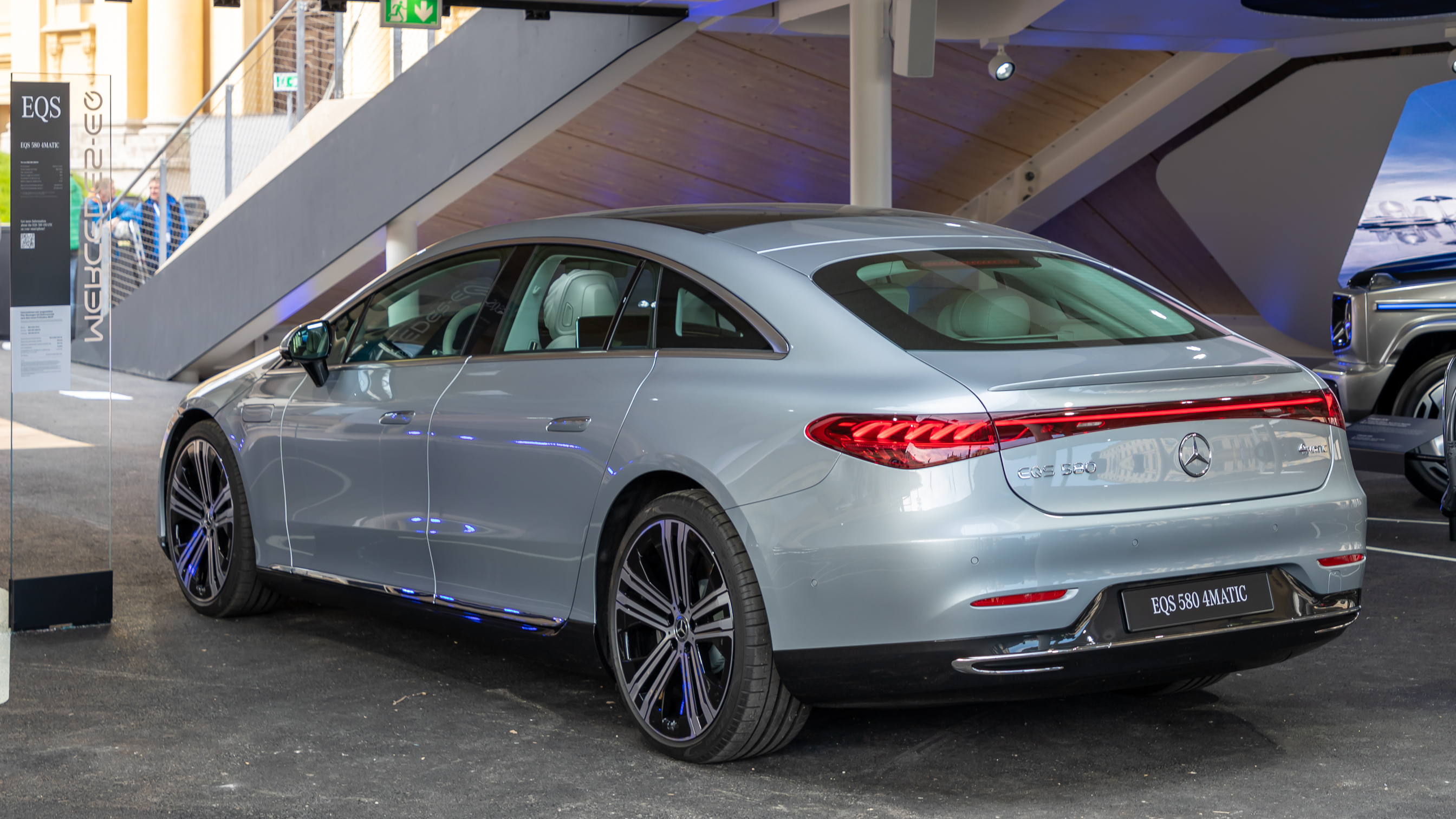
Mercedes-Benz EQS
"I thought after the last, the EQs and whatever that they would maybe dial back the screen a little bit, but they doubled it. They doubled it. Yeah. I was really surprised after because no one had good things to say about that. That EQS or EQE that I drove was like driving around like a fucking Coachella tent."
They’re talking about the Mercedes-Benz EQS and how its cabin uses very bright screens and lots of colorful lighting. The complaint is that it can feel like too much and may strain your eyes.
The Mercedes-Benz EQS is an all-electric flagship sedan, and the hosts are criticizing its interior user interface—especially the large, bright screens and ambient lighting. They describe it as visually intense, causing eye fatigue, and compare it to an over-the-top “future concept” look.

Mercedes-Benz EQE
"That EQS or EQE that I drove was like driving around like a fucking Coachella tent. But it was too bright. Put off that interior. The screen is is aggressive."
They mention the Mercedes-Benz EQE as another electric Mercedes with a big, bright digital setup inside. Their point is that the screens and lighting can feel like “too much” for some people.
The Mercedes-Benz EQE is referenced alongside the EQS as another electric Mercedes with a similar “screen and lighting” approach. The hosts imply the cabin experience can be overly bright and distracting, even if the car is otherwise impressive.
mood lighting
"This is the mood lighting or whatever. Yeah. Oh, is this it? That's the EQS. That's what you drove."
Mood lighting is the colored ambient light inside the car that sets the vibe. Some cars make it react to music or change colors, which can be cool but also distracting.
Mood lighting refers to ambient interior lights—often LEDs—that change the cabin’s atmosphere. In modern cars it may be tied to driving modes, music, or user settings, which can be visually striking but also contribute to eye fatigue if it’s too bright or constantly changing.
eye fatigue
"That's too much. It's a lot. That's like, that's, that's what concepts in 20, like that's every future concept. And also like the, you know, the blue lighting that halos around the, the dash. And there's just so much eye fatigue. Yes. Absolutely."
Eye fatigue is the strain your eyes feel after staring at intense or constantly changing light sources. The hosts connect it to aggressive interior displays and animated ambient lighting, arguing that too much brightness and motion can be tiring during longer drives.
windshield screen
"When do you think you think we're going to have like the windshield screen thing? I think if with Waymo and self driving, I think they'll have it in like 10 to 20 years."
A windshield screen would put information right on the glass in front of you. The hosts think self-driving tech could make this kind of display more realistic in the future.
A windshield screen refers to projecting information directly onto the windshield area, often as an augmented-reality style display. The hosts speculate that autonomous driving could make this more practical and common, since the driver wouldn’t need to focus on the road in the same way.
Waymo
"I think if with Waymo and self driving, I think they'll have it in like 10 to 20 years. Oh, we're looking at the windshield is just stuff. Nothing is 10 to 20 years away, honestly, at this space."
Waymo is a self-driving car company. The idea is that if cars can drive themselves, the dashboard and windshield could become “screens” for information and entertainment instead of things you need to watch while driving.
Waymo is a company focused on autonomous (self-driving) vehicles, operating driverless technology in real-world settings. The hosts discuss how self-driving could enable new in-car experiences—like a windshield display—because the driver’s attention and responsibilities change when the car handles driving.
insurance
"It won't be ubiquitous soon... It won't be ubiquitous until someone figures out the insurance... Well, who's going to insure them?"
Insurance is what determines who pays if there’s an accident. For self-driving cars, it’s complicated to figure out who’s responsible, so insurance rules can slow down how widely they’re allowed to operate.
Insurance is a major gating factor for autonomous-vehicle deployment because insurers and regulators need clarity on liability when something goes wrong. The hosts argue that uncertainty around coverage is why Waymo’s footprint is limited in some states.
autonomous vehicles
"It won't be ubiquitous until someone figures out the insurance... Well, the state has to allow it, right? You have to explicitly allow autonomous vehicles."
Self-driving cars can’t just show up everywhere—they need permission from local laws. The hosts point out that states have to approve autonomous vehicles before they can operate.
Autonomous vehicles require legal permission to operate, and that permission is usually handled at the state level. The segment highlights that states must explicitly allow self-driving cars, which is why adoption can vary widely across the U.S.
self insured
"Waymo's self insured. They're owned by Google. So they don't need, they can insure themselves."
Self-insurance means the company covers its own losses instead of paying an outside insurance company. The hosts imply that this helps Waymo deal with the insurance problem.
Self-insurance means the operator sets aside funds and assumes the financial risk instead of buying a traditional insurance policy from a third party. The segment suggests this is part of why Waymo can operate despite broader insurance uncertainty.
"Waymo's self insured. They're owned by Google. So they don't need, they can insure themselves."
Google is the company behind Waymo. In this discussion, they mention that Waymo can insure itself rather than relying on a traditional outside insurer.
Google is the parent company behind Waymo, which the segment notes is owned by Google. The hosts connect that ownership to Waymo’s ability to handle risk differently through self-insurance.
full self-driving
"But I heard Tesla's on full self-driving Europe right now. They finally allowed in Europe what they've had here for the last whatever. They don't have something better."
“Full self-driving” is a Tesla software feature that helps the car drive more on its own. But you usually still have to pay attention and be ready to take over, and the rules can differ by country.
“Full self-driving” refers to Tesla’s driver-assistance software marketed as enabling automated driving features. Even when enabled, it’s typically still a driver-supervised system that may require hands-on/attention and can be limited by region and regulations.
put your hand back on steering wheel
"It's still the one here where it's like, put your hand back on steering wheel. It's the same. Got you. You were not allowed to use that at all in Europe until now."
This describes a common requirement in advanced driver-assistance systems: the system may allow hands-off or semi-automated driving, but it periodically demands driver interaction (like placing hands on the wheel) to confirm supervision. It’s a safety/regulatory control to reduce the risk of driver inattention.
EV market is like 1950s NBA
"They're about to let them in. They're going to take over. I do a joke. I'm like, the EV market is like 1950s NBA and BYD is like black guys."
It’s a joke-metaphor: the hosts are saying the EV market feels early and chaotic, like a league in its early days. They’re implying BYD is moving very fast and shaking things up.
This is a metaphor comparing the EV market’s early, fast-changing competitive landscape to the NBA’s earlier era. The underlying idea is that a new, aggressive player (BYD) is entering and rapidly changing the rules through speed and scale.
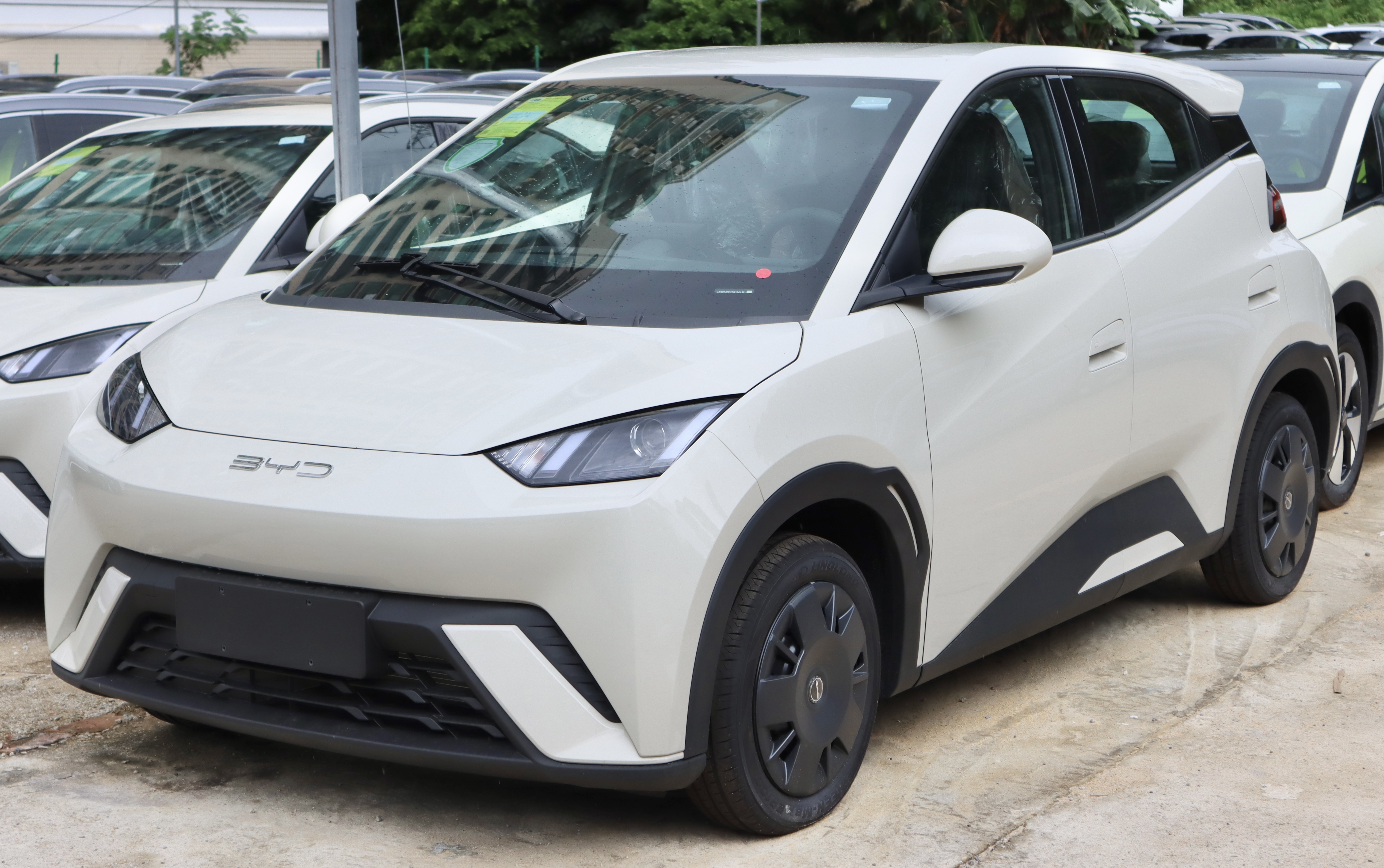
Seagull
"But apparently that's Seagull, that BYD Seagull is like 11. That's like the cheap BYD cars, like 11 grand."
The BYD Seagull is a budget BYD electric car. The point here is that even after added costs like tariffs, it’s still expected to be one of the cheaper EVs.
The BYD Seagull is referenced as a very low-cost BYD EV, positioned as one of the cheapest options in the lineup. The segment uses its rumored pricing to illustrate how tariffs and market conditions might still leave it affordable.
tariff
"So even out of 100% tariff, it's like 20 grand. It would still be one of the cheapest cars."
A tariff is an extra tax on imported products. Here it’s being used to explain why an imported cheap EV might cost more, but could still remain relatively inexpensive.
A tariff is a tax added to imported goods, often used to protect domestic industries or influence trade. In the transcript, tariffs are discussed as a factor that could raise the price of imported EVs, but not necessarily enough to remove them from the “affordable” category.

Honda Fit
"It looks like a Honda fit, doesn't it? Yeah, it looks like a sad Honda fit."
The Honda Fit is a small hatchback. The speaker is using it as an example of a newer, simple car that should run reliably for a long time.
The Honda Fit is a small, practical hatchback known for being efficient and easy to live with. Here it’s used as a comparison point for a “small and basic, but new car” that should be reliable for years.
fast charging
"...they have like five minute charging... on like batteries, battery chemistries that are like, just charge fast."
Fast charging means you can recharge an EV much quicker than usual. The speaker is saying newer EV tech and chargers make that possible.
Fast charging is the ability to recharge an EV battery quickly using high-power chargers. The transcript ties it to “battery chemistries” and very high voltage charging, implying that modern EVs can add meaningful energy in minutes under the right conditions.
high voltage chargers
"...they have like five minute charging... Well, they have high, they have very high voltage chargers."
High-voltage chargers are EV chargers that use higher electrical voltage. That helps the car add energy faster during charging.
High-voltage EV charging refers to charging systems that operate at higher electrical voltage to move more energy efficiently. Higher-voltage setups help enable faster charging times compared with older, lower-voltage approaches.
500 kilowatt hour
"...it'll be like 500 kilowatt hour or five kilowatts. Yeah."
They’re talking about fast charging. The key idea is that some chargers can deliver a lot of power so the battery can recharge quickly, even though the exact unit they said sounds off.
“500 kilowatt hour” is a unit mix-up in the transcript: kilowatt-hours (kWh) measure energy capacity, while kilowatts (kW) measure charging power. The context suggests they’re talking about very fast charging capability (high power) that can add a lot of energy quickly.
price of progress
"...But yeah, yeah. Price of progress, right? You know, there's a few things."
“Price of progress” is a framing idea: the benefits of new technology (cheaper, more efficient EV production) come with tradeoffs and costs. The host mentions factors like labor, integration, and control of the battery supply chain as part of that tradeoff.
fires
"...there, you know, there's fires, et cetera. But yeah, yeah. Price of progress, right?"
They’re mentioning that EV batteries and charging can, in rare cases, lead to fires. The point is that even with modern safety improvements, battery tech is still something people watch closely.
The transcript briefly mentions “fires” in the context of EV charging and battery technology. This points to the real-world concern that battery systems can be associated with rare but serious thermal events, which is why safety engineering and charging standards matter.
EVs
"...there's half the cars on the road seem to be electric, 33%. A lot. Tesla's like crazy..."
EVs are cars that run on electricity instead of gas. The speaker is saying that in their area, EVs are already very common and they expect that trend to keep growing.
EVs (electric vehicles) run on electricity stored in a battery rather than gasoline. The host notes how EV adoption is high in LA and frames EVs as the likely future for personal transportation.
Tesla
"...there's half the cars on the road seem to be electric, 33%. A lot. Tesla's like crazy..."
Tesla is one of the biggest electric-car companies. The host is pointing out that Tesla cars are everywhere in their area.
Tesla is a major EV manufacturer known for popularizing long-range electric cars and building a large charging network. In this segment, Tesla is mentioned as a big reason EVs are so common in LA.

Genesis GV60
"...I just spent a week in a gas car, a brand new one. And I got back and I just got into this new Genesis GV60 right now."
The Genesis GV60 is an all-electric Genesis SUV/crossover. The host is saying that after driving a gas car for a week, switching back to the GV60 feels dramatically better for daily use.
The Genesis GV60 is an electric crossover from Genesis (Hyundai’s luxury brand). In the segment, the host contrasts it with driving a new gas car and describes the EV experience as a major improvement for everyday driving.
all wheel drive
"...it's 73,000 because it's the performance... This is just called performance all wheel drive."
All-wheel drive (AWD) sends power to all four wheels, improving traction in low-grip conditions like rain, snow, or uneven surfaces. The hosts are discussing a specific AWD setup on the car they’re reviewing.

Genesis G90
"I'm getting the G 90 black prestige. That's gonna be dope from Genesis. It's a bummer because I'm like in British Columbia for three, four days for shows alone... has a button to open and close the door."
The Genesis G90 Black Prestige is a flagship luxury sedan from Genesis, and the hosts are excited about its features and comfort. They also connect it to the idea of being chauffeured, emphasizing the rear-seat experience and convenience features like power door operation.
long wheelbase
"...there's a car you want to be in the back seat of this is like long wheelbase. Yeah. That back seat is on some s-class shit."
Long wheelbase just means the car is stretched a bit. That usually gives rear passengers more legroom and makes the back seat more comfortable.
A long wheelbase means the distance between the front and rear axles is increased, which usually creates more rear-seat legroom. In luxury cars, this is often done to make the back seat feel more like a limousine.
air suspension
"I think it's got air suspension or at the very least very nice adaptive shocks."
Air suspension uses air-filled bags instead of traditional steel springs, allowing the car to adjust ride height and damping for comfort. It’s commonly used on luxury sedans to smooth out bumps and maintain a consistent ride feel.
adaptive shocks
"I think it's got air suspension or at the very least very nice adaptive shocks."
Adaptive shocks automatically adjust the suspension to match the road. So it can feel softer on rough roads and firmer when you need more control.
Adaptive shocks (adaptive dampers) change how stiff or soft the suspension feels based on driving conditions. This helps balance comfort and control, especially in luxury vehicles.
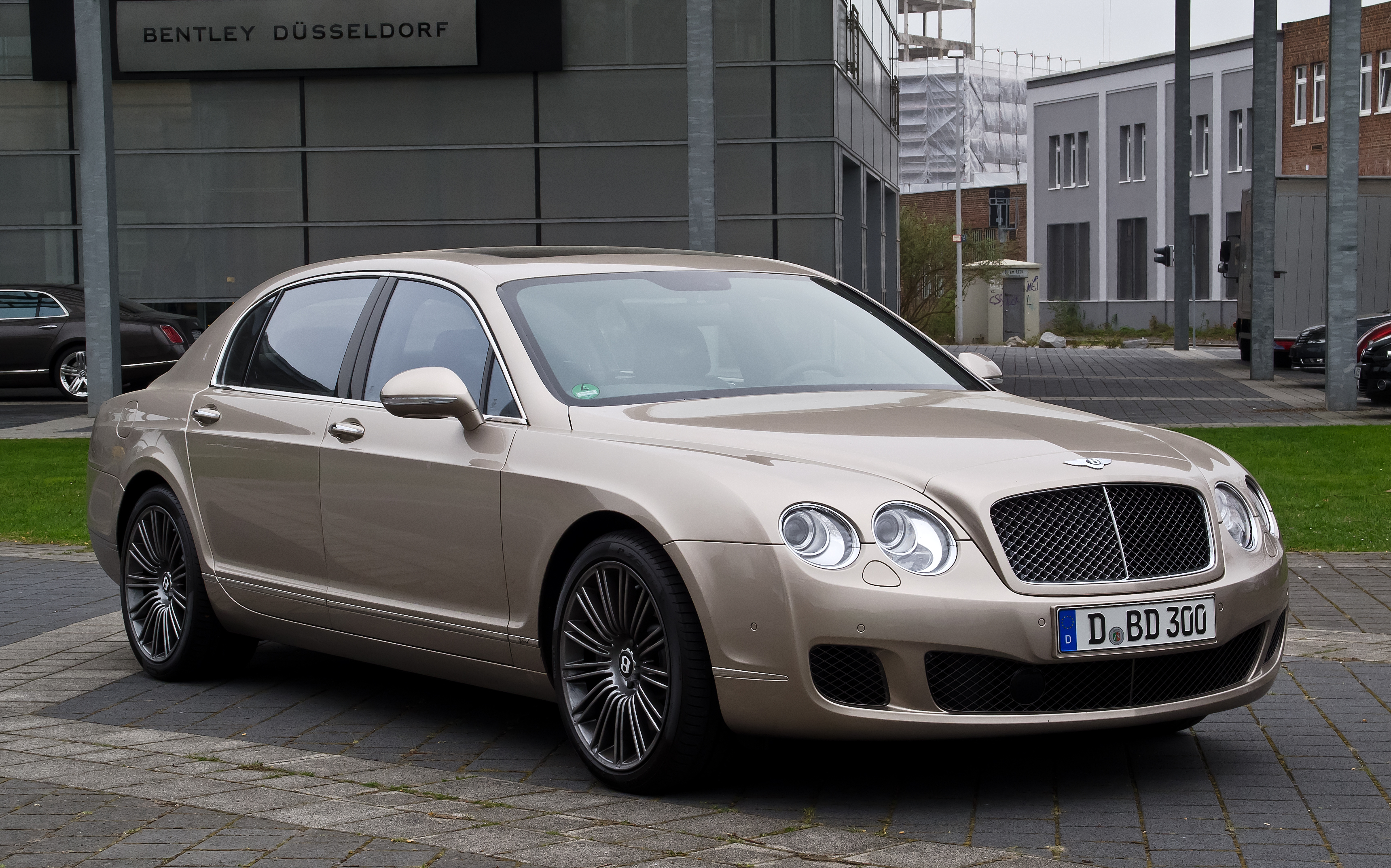
Bentley Flying Spur
"... like kind of like, what the? This is the budget flying spur for sure. Yes. Yes. Yes. Yes. Yes. I think it's g..."
The Flying Spur is a luxury sedan made by Bentley. It’s designed to be very comfortable and feel upscale, especially for long drives. The podcast mentions it as a “budget” version, meaning a less expensive take on the Flying Spur idea.
The Bentley Flying Spur is a luxury sedan known for high-end comfort and powerful performance. It’s the kind of car people discuss when they want a big, upscale grand-touring feel. The podcast calls it a “budget flying spur,” implying they’re comparing it to other versions or expectations of the model.

BMW 7 Series
"And better looking than the new seven series. Yeah. Oh, dude. Oh my God, Refresh. Oh my God, dude. Seven series and s-class used to be like this, bro."
The BMW 7 Series is BMW’s big, top-tier luxury sedan. The speakers are basically saying the newer styling doesn’t look as good as it used to.
The BMW 7 Series is BMW’s flagship luxury sedan line. In this segment, the hosts critique its newer design direction, comparing it to other luxury flagships like the Mercedes-Benz S-Class.
flagship luxury sedan design evolution
"Every time I see a seven series, I'm like, what the fuck happened? Yeah, I don't know. What is it? It's like a giant rectangular prism..."
They’re talking about how the “top” luxury sedans look over the years. The idea is that some generations look timeless, while newer ones can feel weird or overly angular.
The segment discusses how flagship luxury sedans’ styling has evolved over time—moving from classic, proportioned shapes to more aggressive, angular “statement” designs. The hosts use the BMW 7 Series and Mercedes-Benz S-Class as examples of how design choices affect perceived quality and desirability.

Mercedes-Benz S-Class
"Seven series and s-class used to be like this, bro. As far as luxury flagship sedan go, s-class is just so far."
The Mercedes-Benz S-Class is Mercedes’ top luxury car. They’re comparing it to the BMW 7 Series and saying the S-Class has held up better visually.
The Mercedes-Benz S-Class is Mercedes’ flagship luxury sedan, known for comfort, tech, and a long history as a benchmark in the segment. Here, the hosts contrast how the S-Class “used to be” versus how the BMW 7 Series looks now, implying the S-Class has aged better in design.
rectangular-prism / angular styling
"It's like a giant rectangular prism. It's not great. And I haven't liked the seven series in, I gotta say, 20 years."
They’re describing the car’s shape as getting more boxy and sharp-edged. Some people like that aggressive look, but they’re saying it doesn’t work for them.
The hosts describe the newer 7 Series styling as becoming more “rectangular prism” and increasingly angular. This is a common design critique: sharper surfaces and boxier proportions can make a car look more aggressive, but also less elegant depending on execution.

Audi S8
"This and the Audi S eight from that period work. Oh, the Audi, bro. The 2002 Audi, the one that Scotto has..."
The Audi S8 is Audi’s top luxury sedan, but tuned for more performance than the regular A8. They’re saying it looked good in that era.
The Audi S8 is the performance-focused version of Audi’s flagship A8 sedan, typically with a higher-output V8/V10 depending on generation. The hosts bring it up as another “from that period” flagship that still looks great, contrasting it with the newer design language they dislike.
deferred maintenance / keeping an older luxury car running
"Oh, the 2002 Audi, the one that Scotto has that, you know, God help you if you own one of these and have to keep it running."
They’re basically warning that older luxury cars can be expensive to maintain. Even if they look great, keeping them running can turn into a hassle.
When the hosts say “God help you if you own one of these and have to keep it running,” they’re pointing at the real-world ownership reality of older luxury performance sedans: maintenance can be expensive and time-consuming. This is especially relevant for higher-end models like the Audi S8 from the early 2000s era.
sequential box forward and down
"[3810.0s] That bro would fucks. That is like a guitar. The plus minus shifting that when I saw that as a [3817.3s] valet, I was like, whoa, yeah, dude. Exactly. It's like a sequential box forward and down."
Sequential shifting means the gear changes happen in a set order—usually one step at a time—rather than choosing gears like in an H-pattern. It often feels more like a race car because the shifts are more direct.
“Sequential” shifting refers to a transmission control style where you move the shifter in one direction at a time (typically forward for upshifts and back for downshifts) rather than using an H-pattern. The host is describing the feel of a sequential gearbox, which can make shifts feel more immediate and race-like.
plus minus shifting
"[3810.0s] That bro would fucks. That is like a guitar. The plus minus shifting that when I saw that as a [3817.3s] valet, I was like, whoa, yeah, dude."
Plus/minus shifting is when you use controls marked “+” and “−” to change gears up or down. It’s often used with paddle shifters and makes shifting feel more like a race car.
“Plus/minus” shifting usually refers to paddle shifters or a shifter with buttons labeled + and − for upshifts and downshifts. It’s commonly used with automated manual or dual-clutch transmissions to mimic sequential gear selection.

BMW X5
"[3849.3s] thought that was the coolest fucking shit. Dude, I was looking at x fives and like 2020 or 2019 [3855.3s] is the final year they had they stopped having analog dials."
They’re talking about the BMW X5 and how newer versions moved from traditional analog gauges to digital screens. Some people miss the physical needles and dials because they feel more connected to the car.
The host mentions the BMW X5 and complains about the shift away from analog dials to digital displays in later model years. This is a common modern design change: digital instrument clusters can look cleaner but may feel less “mechanical” to some drivers.
analog dials
"[3855.3s] is the final year they had they stopped having analog dials. Yeah. And they just switched to just [3860.6s] that digital."
Analog dials are the classic gauge cluster with needles you can see moving. The host likes them because they’re easy to read at a glance and feel more “real” than digital screens.
Analog dials are traditional gauge instruments with physical needles and markings. The host prefers them because they provide immediate, glanceable information and a more tactile, mechanical feel compared with fully digital clusters.
digital instrument cluster
"[3860.6s] that digital. What and everything is that now. Yeah. I'm like, man, it's such a bummer. Something [3865.4s] about digital."
A digital instrument cluster is the dashboard screen that shows your speed and other info. Some people don’t like it as much because it doesn’t have the moving needles and physical gauges.
A digital instrument cluster replaces traditional gauges with screens that can display speed, RPM, and other data in configurable layouts. The host argues that digital feels less satisfying than analog because it removes the physical “needle and gauge” experience.
speedometer goes to 550
"So go down the street to the Bugatti and the speedometer goes to 550. Yeah, kilometers, kilometers."
That’s just the gauge on the dashboard that shows speed. When it “goes to 550,” it means the car’s instrument cluster is designed to show extremely high speeds.
A speedometer’s maximum marking is the highest number the gauge is designed to display. Some cars—especially performance cars—use very high numbers to visually reinforce their top-speed capability, even if real-world speeds are far lower.
kilometers
"Yeah, kilometers, kilometers. I mean, I think I think of kilometers as a Canadian, you know, and most of the world, I'm putting that out there."
Kilometers are a unit for measuring distance and speed. The conversation is basically about how speedometers show speed in km/h versus miles per hour.
Kilometers (km/h) are the metric unit used for speed in most countries outside the U.S. The hosts contrast that with how Canadian speedometers and driving culture often still feel “different” depending on the unit markings on the gauge.

Chevrolet Corvette
"there was a badass Corvette parked outside of McDonald's. I looked inside and they had the speedometer up to 300."
A Corvette is Chevrolet’s famous sports car. The host is remembering seeing one parked somewhere and noticing how “serious” the speedometer looked.
“Corvette” refers to Chevrolet’s long-running sports car line, known for performance and a strong enthusiast following. Here it’s used as a childhood memory of seeing a Corvette with a high-speed-looking speedometer.
speedometer markings vs real-world speed
"Because it was like 320 in real life. The speedometer was for 300 miles... you could clearly see a speedometer that goes to 300 like that, which is a pretty baller move."
Car speedometers can be labeled with huge numbers, even if you’d never drive that fast. The point here is that the gauge is part of the car’s “performance image,” not a promise you’ll actually hit those speeds.
This is the idea that a car’s dashboard can be “calibrated” or marked for very high speeds, but the real-world top speed (and what you’d ever drive) may be different. The hosts use the Veyron example to highlight how manufacturers market performance through gauge design and display.

Bugatti Veyron
"It was a big deal when the when Bugatti came out with the Veyron. Because it was like 320 in real life. The speedometer was for 300 miles and miles and miles and miles."
The Bugatti Veyron is a super-expensive, ultra-fast hypercar. The joke here is that its dashboard speedometer was marked for very high speeds, so it looked “wild” even when you weren’t actually driving that fast.
The Bugatti Veyron is one of the most famous hypercars ever made, and it became known for extreme top-speed capability. In this segment, the hosts are joking about how the Veyron’s speedometer markings (and the way the car was displayed) reflected its high-speed reputation.
German
"Zach, will you flip it back to the other page and make the words? Are you German? No. Yeah. I'm a Jew. It's kind of the opposite."
They’re talking about Germany, which is known for a lot of car brands. The joke is about how German cars/people are perceived.
“German” here is referring to Germany and, by extension, German automakers and their reputation. German brands are often associated with engineering-focused design and a strong motorsports/precision culture.

Pontiac Aztec
"Every time I see a Pontiac Aztec, it kind of makes me laugh a little bit. It makes me kind of smile a little bit. Funniest car. I mean, an Aztec is pretty funny to me."
The Pontiac Aztec is a Pontiac car that looks really weird and memorable. People joke about it because the design is so unusual that it stands out even decades later.
The Pontiac Aztek is a quirky, boxy crossover-style vehicle from Pontiac (GM) that became famous for its unusual styling. It’s often remembered less for performance and more for its polarizing, “what were they thinking?” design choices.
two-stroke
"Oh no, he's just burning oil because I think the sambar was like a two-stroke or something. Oh, that's what all that smells like. They're adorable. Yeah, I love it."
A two-stroke engine is a type of engine that works in a simpler cycle than most modern engines. It can smell different and often feels a bit more “old-school,” which is why the speaker thinks that’s what’s causing the odor.
A two-stroke engine completes its power cycle in two strokes of the piston, which can make it feel punchier and simpler, but it typically produces more smell and emissions than a modern four-stroke. The speaker is connecting the odor to the possibility that the vehicle uses a two-stroke setup.
press cars
"Well, the funniest thing is now I get press cars. So I got a Nissan Armada recently and right when you say Nissan, they come."
“Press cars” are cars given to reviewers so they can test them and write about them. The speaker is saying it can be hard to stay objective when people already have strong opinions about the brand.
“Press cars” are vehicles provided to journalists and reviewers for evaluation, usually before or around a model’s release. The speaker contrasts trying to review objectively with the public’s immediate bias toward a brand.

Nissan Armada
"Well, the funniest thing is now I get press cars. So I got a Nissan Armada recently and right when you say Nissan, they come. They come."
The Nissan Armada is a big family SUV with three rows. The speaker is saying that when they get press cars like this, people immediately react to Nissan—so it’s harder to review it completely objectively.
The Nissan Armada is a full-size three-row SUV, and the speaker mentions receiving “press cars” for it. The point is about how people react to Nissan news and how that affects the press experience, not about specific Armada performance.
Stalantis
"But you know, obviously, Stalantis didn't do a lot of good for the PR of Nissan. So people right away attack Nissan. Wait, Stalantis? What do you mean?"
They meant Stellantis, a big company that owns multiple car brands. They’re talking about how that ownership history affects how people react to Nissan.
“Stalantis” is a mishearing of Stellantis, the multinational automaker formed from Fiat Chrysler Automobiles and PSA. The speaker is correcting themselves while discussing how brand ownership and reputation can affect public perception.

Nissan Sentra
"Either way, the Carlos Ghosn era and after the fact, you know, my first car was a Nissan Sentra. So there's a billion problems. But Nissan is what people come at nowadays."
The speaker says their first car was a Nissan Sentra, then mentions “a billion problems,” using it to explain why people criticize Nissan. This is personal anecdote rather than a detailed reliability breakdown.
CVT
"That's because the ultimate meme. The CVT kind of fucks you up for them. The worst sense of humor. I mean, I think the 911 people are kind of like"
CVT means “continuously variable transmission.” Instead of fixed gears, it smoothly changes the ratio so the engine can stay in a good range. Some people hate the feel because it can sound and feel weird compared to normal gear shifts.
CVT stands for continuously variable transmission, which uses a belt or chain and pulleys to keep the engine near its most efficient RPM. The speaker frames CVTs as a “meme” because many drivers dislike the feel—often described as rubber-bandy or drone-like—especially compared with traditional automatics or manual gear changes.
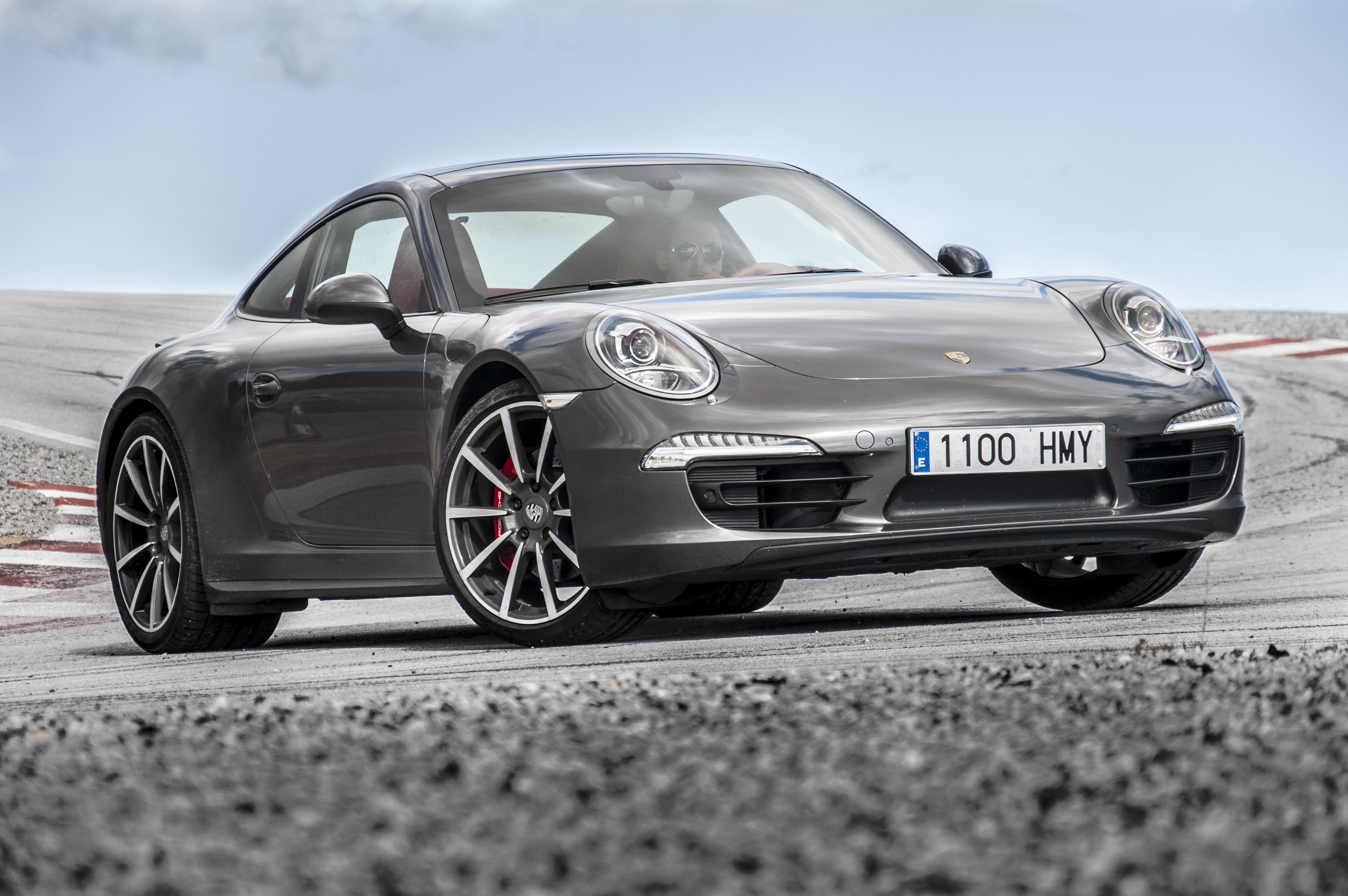
Porsche 911
"not that 911 is kind of becoming used to be like, that's the car to get to work hard, get that. Now it's kind of like they're all 200 grand for like a base 911."
They’re talking about the Porsche 911. It’s a famous sports car, and the point here is that people are buying it more like a collectible/investment than just for driving.
The Porsche 911 is being discussed as a desirable “car to get to work hard,” but also as an increasingly expensive, collector-focused purchase. The speaker contrasts older air-cooled 911s with today’s pricing and buyer motivations, framing it like an investment/asset rather than just a car hobby.
Request an Explanation
Heard something you'd like explained? We'll add it to this episode.
Sign in to request explanations for terms you heard.
Want to learn more?
Browse our glossary for plain-English explanations of automotive terms, jargon, and concepts.
Help improve this episode
See something that's not quite right? Our annotations are AI-generated and can sometimes miss the mark. Click the flag icon on any annotation to suggest a correction.