
Dealer Lots Are FULL of These Cars - Nobody Wants Them | Episode 1103
About this episode
Ray and Zach dig into CarEdge data showing dealer lots packed with unsold “leftover” new cars—over 103,000 units that are 2025 model year or older still sitting on lots as 2027 arrivals ramp up. They explain why dealers push aged inventory out (turn policies, auction pressure, and sales spiffs that can lead to aggressive pricing). Nissan and Hyundai get spotlighted for high counts of unsold cars, including examples of vehicles with thousands of miles sold as “new,” likely demos or service loaners—creating deal-hunting opportunities if shoppers ask the right questions.
aged units
"Typically what you don't want are aged units and what's an aged unit?... most dealerships have a 60 to 90 day turn policy"
“Aged units” are just used cars that have been sitting on the dealer lot too long. Dealers treat them differently—often sending them to auction rather than waiting for a retail buyer.
In dealer-lot talk, “aged units” are used vehicles that have been sitting unsold long enough to be considered past their ideal selling window. The host ties it directly to the dealership’s turn policy, explaining that these cars are typically moved to auction.
60 to 90 day turn policy
"Typically what you don't want are aged units... most dealerships have a 60 to 90 day turn policy... then that vehicle instantly goes to the auction"
Dealers set a time limit for how long a used car can sit unsold. If it doesn’t sell within that window, they usually stop trying to sell it on the lot and send it to an auction.
A “turn policy” is a dealership’s internal rule for how long a used car can sit on the lot before it’s considered stale. In this case, if the car doesn’t sell within 60–90 days, it’s sent to auction instead of being kept for longer retail sales.
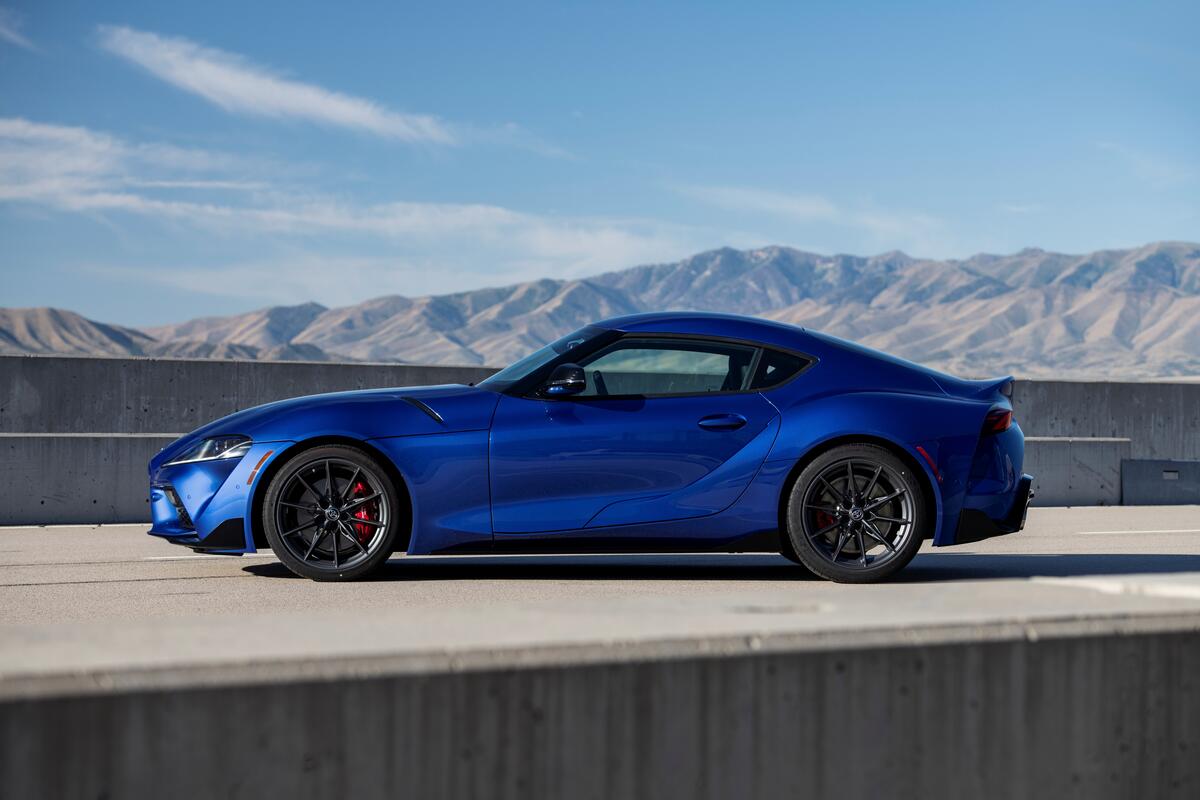
Toyota A90
"that used car in 60 days, if it's a 60 day turn policy, or within 90 days of a 90 day turn policy, then that vehicle instantly goes to the auction"
The Toyota Supra is a sports car made for fast, fun driving. When people talk about it in used-car auctions, they’re usually talking about how quickly these cars can be resold if they don’t sell within a set time. Low-mileage examples often get attention first.
The Toyota Supra is a performance sports coupe known for its sporty driving feel and strong enthusiast following. In a used-car or auction context, it’s the kind of vehicle that can move quickly because demand for low-mileage examples is typically high. That’s why it may come up when discussing short return windows and how quickly inventory can be sent to auction.
goes to the auction
"then that vehicle instantly goes to the auction"
If a car doesn’t sell after a set amount of time, the dealer may sell it at an auction instead of keeping it on the lot. That’s often how they get rid of cars that have been sitting too long.
When a vehicle “goes to the auction,” the dealership sells it through an auction marketplace rather than trying to sell it directly to a retail customer. This is commonly used for cars that miss the dealership’s target time window on the lot.
unsold new vehicles
"for all the obvious reasons for dealers to get rid of these unsold cars. There are a few brands in particular"
“Unsold new vehicles” are brand-new cars sitting at dealerships that nobody has bought yet. If there are a lot of them, it usually means the cars aren’t moving as fast as the dealer wants, so incentives may get bigger.
“Unsold new vehicles” refers to brand-new cars that are already in dealer inventory but have not been sold to customers. When lots have many unsold units, it often signals weak demand or pricing/incentive mismatch, which can lead dealers to offer stronger incentives to clear stock.
Nissan
"And the first one I'm gonna pick on, Dad, gonna be Nissan. Nissan has right now at this moment."
Nissan is a car brand. In this part of the show, they’re saying Nissan dealers have lots of brand-new cars that haven’t sold yet, even while offering special financing deals.
Nissan is a major Japanese automaker, and in this segment the host uses it as an example of a brand with many unsold vehicles sitting on dealer lots. The key point is that Nissan has both 2026 models with aggressive financing and still has a large inventory of older new cars.
0% financing offers
"because they have four vehicles for the 2026 model year that have 0% financing offers for July 2026 right now. Yet they still have 4,242, 2025s out there"
“0% financing” means you borrow the money with no interest added (for the deal period). It’s a marketing incentive dealers use to make a car easier to afford and sell faster.
A “0% financing offer” means the lender charges no interest on the loan for the promotional period, so the buyer pays back only the principal. Dealers often use these incentives to move inventory, especially when a model is not selling quickly.

Nissan Armada
"And it's interesting looking at some of these. For example, this Nissan Armada has been on this dealer's lot only for 98 days."
The Nissan Armada is a large family SUV with three rows of seats. The host is pointing to one specific Armada that’s been sitting on a dealer lot for a long time without selling.
The Nissan Armada is Nissan’s full-size, three-row SUV aimed at buyers who want space and towing capability. Here, it’s used as a concrete example of a specific model sitting unsold on a dealer lot for a long time (98 days), which helps illustrate the broader “unsold inventory” problem.
price history chart
"if I come down here, Dad, this price history chart is craziness. They've been like seesawing the price back and forth."
A price history chart shows how the car’s asking price has changed over time. If it keeps going up and down, it can be a sign the car isn’t selling easily and the dealer is trying different prices.
A price history chart tracks how a vehicle’s listed price changes over time across updates. When the chart “seesaws,” it usually means the dealer (or market) is repeatedly adjusting pricing—often reflecting demand, incentives, or attempts to avoid price drops.
price drop alerts
"I think to get like price drop alerts and things like that from the various car searches."
Price drop alerts are notifications that tell you when a car gets cheaper. People use them to spot discounts as soon as they happen.
Price drop alerts are notifications that tell you when a vehicle’s listed price decreases. They’re typically tied to online searches and can help shoppers catch incentives or dealer discounting sooner.
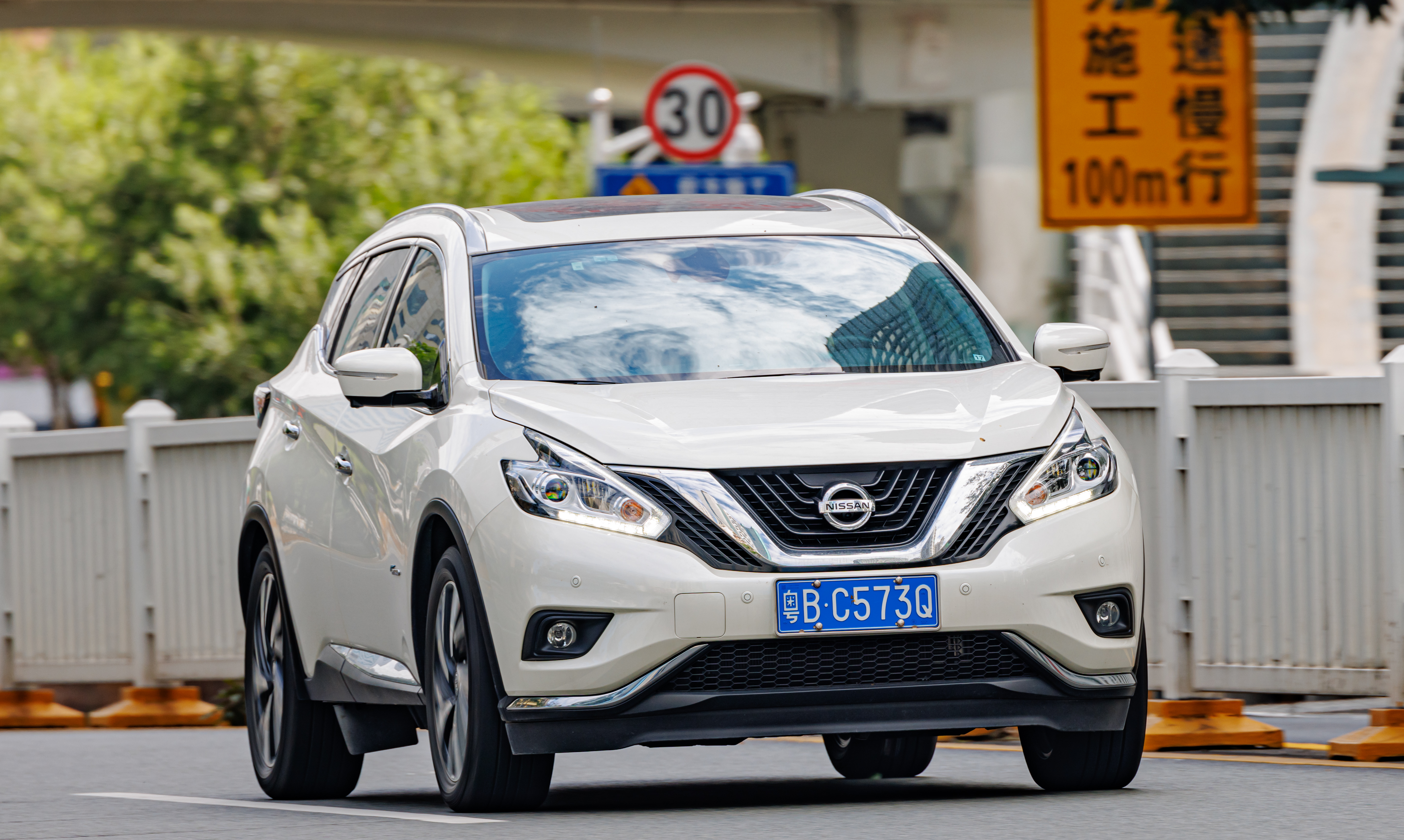
Nissan Murano
"Or we've got a Nissan Murano, think same dealership, 444 days on the market. So Nissan's one of the first brands I wanted to pick on here."
The Nissan Murano is a family-sized SUV. Here, they’re pointing out that it’s been sitting at dealerships for a long time, which usually means you can find better deals.
The Nissan Murano is a midsize crossover SUV known for comfort-focused tuning and a mainstream, family-oriented layout. In this segment, it’s used as an example of a model sitting on dealer lots for a long time, which often signals weaker demand and more discounting.
days on the market
"Or we've got a Nissan Murano, think same dealership, 444 days on the market."
Days on the market is how many days a car has been listed for sale. If it’s been there a long time, it can mean the car isn’t selling easily, and you may have more room to negotiate.
Days on the market (DOM) measures how long a specific vehicle has been listed for sale. Longer DOM often suggests weaker demand or pricing that hasn’t matched what buyers want, which can create negotiation leverage.
leftover unsold inventory
"They've got some leftover unsold inventory and they've got their 2026 as many of them."
Leftover unsold inventory just means cars that dealers still have but haven’t sold yet. If there are a lot of them, dealers and manufacturers usually offer better deals to get them off the lot.
Leftover unsold inventory refers to vehicles that haven’t sold within the normal sales cycle. When a brand has a lot of this sitting on dealer lots, it often leads to stronger incentives or discounts to clear cars before newer model-year units arrive.

Nissan Frontier
"They've got their 2026 as many of them. The Frontier, was it the Rogue that's on a 0% financing right now?"
The Nissan Frontier is a mid-size truck. They’re bringing it up to show that Nissan has multiple models that aren’t moving quickly, so shoppers may find incentives or discounts.
The Nissan Frontier is a midsize pickup truck positioned as a work-capable alternative to larger trucks. The hosts mention it alongside other Nissan models to illustrate how certain Nissan inventory is lingering on lots, which can correlate with incentive-heavy pricing.

Nissan Rogue
"The Frontier, was it the Rogue that's on a 0% financing right now? Halffinder and I think the Murano."
The Nissan Rogue is a popular small SUV. They mention it because it may be getting a strong financing deal right now, which can help move cars that are sitting longer.
The Nissan Rogue is a compact crossover SUV and one of Nissan’s best-known volume models. In this segment, it’s referenced in the context of a current incentive (“0% financing”), which is a common manufacturer tool to stimulate sales when inventory is building.
marketing dollars
"And if you're sitting on some of those 2025's and there's no more marketing dollars being spent from Nissan corporate,"
Marketing dollars are the money a company spends on ads and promotions. If they spend less, fewer people may hear about the cars, so the cars can sit longer on lots.
Marketing dollars are the budget a manufacturer allocates to advertising and promotional campaigns. If those budgets are reduced, fewer buyers may be reached, which can contribute to slower sales and more dealer discounting.
lump sum payment
"which means that there was a lump sum payment"
A lump sum payment is a one-time payment. Here, they’re suggesting Nissan corporate may be paying dealers in a single chunk instead of funding ongoing promotions.
A lump sum payment is a one-time payment rather than ongoing installments. In dealer-incentive contexts, it can describe how manufacturers compensate dealers for promotions or inventory support.

Nissan Sentra
"if somebody comes in and they say they're looking for a Sentra, fine. Let me show you this Armada first."
The Nissan Sentra is a regular, everyday compact sedan. Here, the host is saying a customer might ask for a Sentra, but the dealer tries to steer them toward older cars sitting on the lot.
The Nissan Sentra is a compact sedan that’s typically positioned as an affordable, high-volume commuter car. In this segment, it’s used as the “normal” customer request that the dealer tries to redirect toward older inventory.
aged vehicles
"you park these aged vehicles around the showroom, in the showroom. So that everybody has to walk past one of them"
In dealer-speak, “aged vehicles” are cars that have been sitting in inventory for a long time. Dealers may use showroom placement and sales incentives to move these units because they’re harder to sell as time passes.
spiffs
"And you reward your salespeople with spiffs. And what's a spiff? An extra bonus for selling an aged unit"
A spiff is a bonus a salesperson gets for hitting a specific sales goal. In this case, it’s used to push older cars that have been sitting on the lot.
A spiff is a sales incentive paid to a salesperson on top of their normal pay. Here, the host explains spiffs are used to encourage selling “aged units” (older, slower-moving inventory) rather than focusing on the customer’s original choice.
minimum commission
"and say the minimum commission, if you sell one of these at whatever DOI accept is $500 or $750 or $1,000,"
“Minimum commission” means the smallest amount a salesperson is guaranteed to earn from a sale. The point here is that some discounted deals can end up paying more than that baseline.
“Minimum commission” is the lowest commission amount a salesperson earns for a sale under the dealership’s pay plan. The host argues that selling certain discounted, older inventory can pay more than the minimum compared with other deals.
in-stock unit
"it is many times more than what the minimum commission would be for taking a discounted deal on an in-stock unit that's newer."
An “in-stock unit” is a car the dealership already has on the lot. It’s different from older cars that have been sitting there for a while and may be discounted.
An “in-stock unit” is a car that’s already on the dealer’s lot and available immediately. The host contrasts this with selling “aged vehicles,” implying different pricing and commission dynamics between ready-to-buy inventory and older cars that have been sitting.
economic motivators
"So as you're describing here, there are economic motivators for why these cars get sold at lower price points."
This means money-based reasons that influence what salespeople do. If bonuses or commissions are set up a certain way, they may focus on older or discounted cars to earn more.
“Economic motivators” refers to financial incentives that push sales behavior—like bonuses or commission structures. In this context, it explains why salespeople might target older or discounted inventory instead of only newer cars.
leftover inventory
"And these dealers have Nissan dealers we're focusing on right now have that leftover inventory. The next brand I would turn our attention to dad, we're gonna run through five of them here together, Hyundai."
Leftover inventory just means cars that didn’t sell when they were expected to. If a car has been sitting, you should ask what it was used for and why it’s still there.
Leftover inventory is unsold stock that remains on dealer lots after it should have moved. In practice, it often means the car is older model-year inventory or has been sitting long enough that buyers should ask extra questions about its history.
service loaner fleet
"Here's a perfect example of something that a lot of customers and a lot of people in the carage community are going to run into. These 2025s, like this one that's been on this dealers lot for 179 days. Look at this, it has 3,507 miles on it. The alarm bells are going off in my head. This is a vehicle that's being sold as a new car, but has been in service loaner fleet."
A service loaner fleet is the dealership’s “loaner cars” they give people while their car is in for service. If a car was used as a loaner, it may have been driven a lot more than a true brand-new car.
A service loaner fleet is the set of cars a dealership uses to loan customers while their own vehicles are being serviced. Even if the car is later sold as “new,” loaner use can mean it was driven and logged like a used vehicle, so buyers should treat it as having real mileage and wear.
manager's demo
"So it doesn't really matter. Might have been, typically service loaners are sold as used cars. This could have been a manager's demo for all we know."
A manager’s demo is a car the dealership’s manager uses to show customers how it works. It can rack up miles and be handled like a used car even if it’s still being marketed as new.
A manager’s demo is a vehicle used by dealership management to demonstrate features to customers or for internal use. These cars can accumulate miles and minor wear, so they may not represent the same condition as a factory-fresh new car.
MSRP
"It's well in excess of 10% off of MSRP, but this is one of the things you're going to run into with some of these dealer lots that are full of leftover cars."
MSRP is the price the manufacturer says the car should cost. Dealers can sell for less than that, which is why discounts are measured against it.
MSRP stands for “Manufacturer Suggested Retail Price.” It’s the sticker price the automaker sets as a baseline, and dealers may sell for less—like the discount being discussed here.
leftover cars
"but this is one of the things you're going to run into with some of these dealer lots that are full of leftover cars. Some of them have become demo cars for the managers..."
“Leftover cars” are cars that have been on the lot for a while and didn’t sell when they first arrived. Dealers may discount them to make room for newer cars.
“Leftover cars” are vehicles sitting unsold on dealer lots from earlier production or model years. They often get discounted because the dealer needs to move inventory before newer model-year cars arrive.
demo cars
"Some of them have become demo cars for the managers, meaning the managers drive them around as their car, or you go into service loaner fleet."
A “demo car” is a car the dealership uses to show off and drive around internally. It may have miles on it, even if the dealer still calls it “new.”
A “demo car” is a vehicle a dealership uses as a sales manager’s personal or showroom-use car. Even if it’s listed as “new,” it’s typically been driven and may have extra wear compared with a true zero-mile car.
Hyundai
"These leftover cars, some of them get miles on them, but Hyundai, that is another brand where they have a lot of inventory and leftover inventory from two model years ago, because Hyundai already has 2027s on the dealer lots."
Hyundai is the car brand being mentioned. The point is that Hyundai dealers may have lots of unsold cars from earlier model years, which can lead to bigger discounts.
Hyundai is the automaker being used as an example of a brand with a lot of inventory sitting on dealer lots. The host is pointing out that Hyundai may have leftover units from older model years because newer model-year cars are already arriving.
manager demo
"I bet you this one is a manager demo. It's the highest trim level"
A “manager demo” is a car the dealership’s manager used before selling it. Even if it has low miles, it’s not the same as a brand-new car straight from the factory.
A “manager demo” is a dealer-used vehicle that’s been driven by dealership management, typically for errands, client meetings, or occasional demonstration. It’s a subset of demo usage, and the key point is that the car has been in real service even if it’s being sold as “new.”
highest trim level
"It's the highest trim level and it's only out 1,500 miles on it."
A “trim level” is the version of the car with a certain set of features. “Highest trim level” means it’s the most fully equipped version, so it’s notable when a top-spec car is still sitting around and being marketed like new.
“Trim level” is the specific equipment/package version of a model (features, interior, wheels, tech, etc.). Saying it’s the “highest trim level” implies the car is the most optioned version, which can affect both price and how surprising it is that it’s sitting on the lot as if it were new.

Hyundai Palisade calligraphy
"Then you've got another Palisade calligraphy, 141 miles, 312 days."
The Hyundai Palisade is a family SUV with three rows. “Calligraphy” is the nicer, higher-end version. The hosts are pointing out that these cars have already been used (miles/time), but the dealer is still marketing them like they’re new.
The Hyundai Palisade is a three-row midsize SUV, and “Calligraphy” is its top-style trim level. In this segment, the hosts use the mileage and time-on-lot to argue these high-trim Palisades are being treated like new cars even though they’ve already been driven.

Hyundai Elantra
"You've got $25,000, 2025, Hyundai Elantra. It tells you right up front, demo vehicle."
The Hyundai Elantra is a compact car. Here, the hosts are talking about a 2025 Elantra priced around $25,000, and they point out the listing says it’s a demo vehicle. That matters because a demo has already been used by the dealer.
The Hyundai Elantra is a compact car, and this segment highlights a specific pricing situation for a 2025 model. The hosts also note the listing explicitly says “demo vehicle,” which is important because it changes how you should interpret the car’s “new” marketing.
demo vehicle
"You've got $25,000, 2025, Hyundai Elantra. It tells you right up front, demo vehicle."
A “demo vehicle” is a car the dealership used for things like test drives or showing it to customers. It might have low mileage, but it’s still been used, so it shouldn’t be treated exactly like a brand-new car.
A “demo vehicle” is a car used by a dealership for test drives, showroom display, or manager/employee use before being sold. Even if it has low miles, it’s not truly brand-new, so pricing and warranty expectations can differ from a factory-new car.
Stalantis
"I mean, Stalantis started figuring it out last year [939.0s] when they realized that they had overpriced"
Stalantis appears to refer to Stellantis, the automaker formed from the merger of Fiat Chrysler and PSA. Here, they’re described as responding to overpricing by cutting MSRP and increasing incentives to reduce unsold inventory.
incentives
"and they increased the incentives dramatically [953.0s] either customer direct incentives [955.9s] or to the dealership, those incentives [959.5s] in order to encourage the dealers"
Incentives are manufacturer-backed discounts or financial offers that reduce the effective price of a vehicle. The hosts distinguish between customer-direct incentives (offers to the buyer) and dealer incentives (money or support to the dealership) to encourage dealers to move inventory.

Jeep Grand Cherokee
"So yeah, if you're looking for a Jeep Grand Cherokee, [980.2s] I would think now, I don't know why you're looking for it, [983.4s] yes, that's true."
The Jeep Grand Cherokee is a popular Jeep SUV. Here, the hosts are talking about it as an example of a vehicle that might be discounted or easier to find because dealers have a lot of them.
The Jeep Grand Cherokee is a midsize SUV from Jeep, known for offering a mix of family practicality and off-road capability. In this segment, it’s used as an example of a model that may be sitting on dealer lots and getting price/incentive pressure to move inventory.
Dodge Gladiator Sport
"Here's a 20, 25 Gladiators Sport. Look at this dealer discount."
The Dodge Gladiator Sport is a pickup truck that’s built for everyday driving but also has off-road roots. The host is using it to show how dealers may offer big discounts that you can sometimes negotiate further.
The Dodge Gladiator Sport is a midsize pickup truck based on the Jeep Gladiator platform, known for combining truck utility with Jeep-style off-road capability. In this segment, the host uses it as an example of how dealer pricing can look negotiable even when the buyer hasn’t negotiated yet.
dealer discount
"Look at this dealer discount. You've done zero negotiating up until this point and they're giving you $11,597 off the top."
A dealer discount is the amount the dealership knocks off the price of the car. It’s basically a direct price reduction, like “$X off.”
A dealer discount is the amount a dealership reduces the vehicle’s price from its starting figure. It’s often presented as a dollar-off incentive, and in this segment it’s used to illustrate how much money can be taken off “off the top.”
dock fee
"Now, they're adding back their dock, they're adding back their, there it is, dock fee."
A dock fee is a charge the dealer adds for moving the car from where it’s built to where the dealer gets it. Even if you see a big discount, the final price can go back up when fees like this are added.
A dock fee is a dealership charge tied to getting the vehicle from the manufacturer to the dealer, often bundled into the dealer’s paperwork and pricing. The host says the dealer is “adding back” this fee, meaning the discount may be partially offset by fees on the final deal sheet.
accessories
"And they're also giving you optional $1,900 and accessories, which obviously you'll pass on."
Accessories are extra add-ons for the truck or SUV, like add-on gear or styling items. Dealers sometimes include them in the deal, but you can usually choose not to pay for them.
Accessories are add-on items installed or bundled with the vehicle—such as appearance parts or convenience equipment—that can increase the transaction price. The host notes the dealer is including optional accessories, but that the buyer would likely decline them.
off the top
"But this is the type of just off the top type of deal that you're able to get, which to be clear here"
“Off the top” means the dealer is taking money off the price first. But the final deal can still change if they add fees back later.
“Off the top” describes a discount applied early in the pricing structure—before other line items and fees are considered. The host contrasts this with fees that may be added back later, which can change the real total savings.
negotiate
"[1066.2s] Like you still have to negotiate and all that funds. [1068.4s] But you're not gonna see 11, five off the top"
They’re saying that even if a dealer advertises a discount, you usually still talk about the final price. The real number you pay can still depend on negotiation.
The host is describing that even when there’s a discount, you still typically have to negotiate the final deal terms. In dealer-speak, “off the top” discounts don’t always mean the out-the-door price is fixed.

Jeep Gladiator
"[1072.5s] But yeah, to Mark Miller's point [1074.3s] on a puke green 25 Gladiator, here you go."
They’re talking about a 2025 Jeep Gladiator truck. The point is that dealers may discount cars more when the color is unpopular, because they need to move that inventory.
This refers to a 2025 Jeep Gladiator pickup. The host is using the truck’s specific color (“puke green”) to illustrate how dealer pricing can be tied to inventory that buyers don’t want.
employee leases
"[1104.9s] and there was a mini Clubman S4 that I wanted [1110.5s] because they had some great leases on them, [1113.3s] especially employee leases."
An “employee lease” is a car lease deal that’s available to dealership employees. It usually comes with better pricing than what regular customers can get.
“Employee leases” are lease deals offered to dealership employees, often with special pricing or incentives. In practice, they can be cheaper than standard retail lease offers, which is why the host mentions them as part of the “deal” strategy.
Chevrolet
"It's not Toyota. No. I don't know. Chevrolet 9883 new Chevy cars from 2025 or older, still sitting on dealer lots right now."
Chevrolet is a big American car brand. The hosts are saying there are a lot of certain Chevrolet models still unsold at dealerships, which can mean better deals for buyers.
Chevrolet is a major American automaker (a brand within General Motors) that sells trucks and passenger cars in huge volumes. In this segment, the hosts are talking about Chevrolet inventory sitting on dealer lots and how that can create discounts.
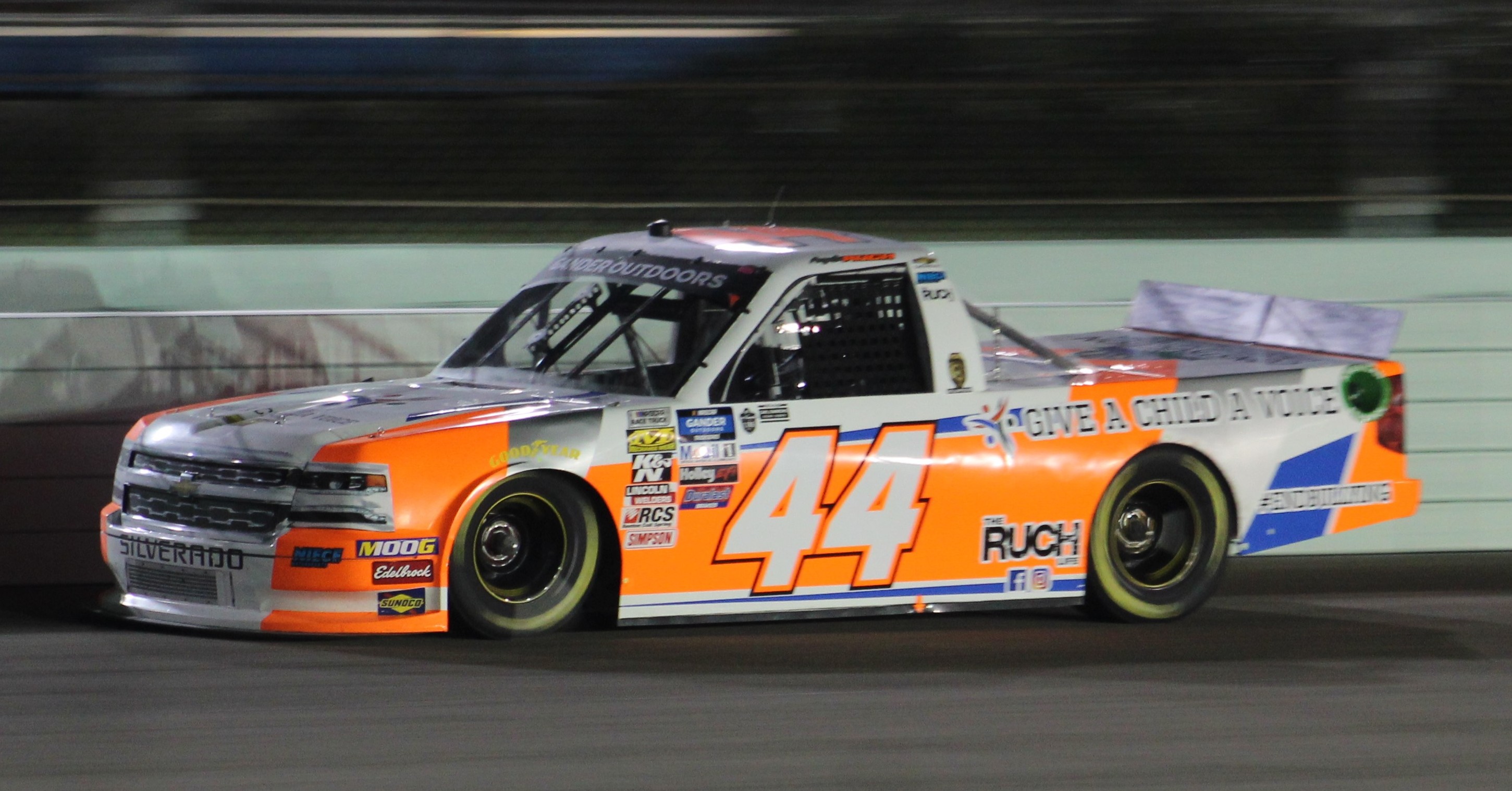
Chevrolet Silverado
".... Now the one that I'll pick on here, dad, is the Silverado. Now the Silverado 1500 actually has 0% financing"
The Chevrolet Silverado 1500 is a large pickup truck, often used for hauling and towing. “0% financing” means the lender charges no interest for the financed amount during the promo period. The podcast brings it up because it can make the truck cheaper to pay for over time.
The Chevrolet Silverado 1500 is a full-size pickup truck commonly used for work and towing, with a wide range of configurations. The podcast specifically calls out that it has 0% financing, which is a marketing incentive that can significantly reduce the cost of borrowing. That’s why it’s likely mentioned in a sales or inventory discussion.
unsold 2025 Silverados
"On the 2026 variant, there are still over 1,000 unsold 2025 Silverados out there. Highly motivated dealers to get rid of those as well."
“Unsold” inventory refers to vehicles already on dealer lots that haven’t been purchased yet. When a model has a lot of unsold units, dealers may be more motivated to discount or use incentives to move them.
Penske dealership
"I know if it was a Penske dealership, they needed to be out of those in 2025 before the calendar year flipped."
The host mentions “Penske” as an example of a dealership group. The idea is that some large dealers have schedules and goals for getting certain cars sold by certain dates.
Penske is referenced here as a dealership group, implying a corporate-style inventory and sales timeline. The host is using it to illustrate how some dealers may have internal targets for clearing certain vehicles by a deadline.
2025 Chevy Silverado 1500 LT
"Here's a perfect example. This is a 2025 Chevy Silverado 1500 LT, 611 days on the market, $58,109 MSRP."
This is a Chevrolet Silverado pickup truck, in the 1500 size. “LT” is a mid-level trim, meaning it comes with more features than the base version. The point here is that the host is using one specific truck listing to explain how hard it is to find certain inventory and how that can change the deal.
The Chevrolet Silverado 1500 is a full-size pickup truck, and the “LT” trim is a mid-level equipment package. In this segment, the host uses a specific 2025 Silverado 1500 LT listing to show how inventory scarcity and dealer motivation affect pricing and negotiation.
dealer's inventory
"I'm looking at this dealerships inventory, and forgive me, I said 72 months, it's 0% financing for 60 months right now in the 2026 Silverado 1500."
A dealership’s inventory is the specific set of vehicles currently on the lot (or allocated to the store). Inventory levels and mix by model year can influence how aggressively a dealer discounts or offers special financing.
60 months
"it's 0% financing for 60 months right now in the 2026 Silverado 1500. They're actually doing $10,500 off, it seems like, on the 26s."
“60 months” means the loan is set up to be paid off over five years. A longer term can make payments smaller, but the overall deal depends on the financing terms.
“60 months” is the loan term length—how long you have to pay the vehicle off. Longer terms can lower the monthly payment, but the total cost can still vary a lot depending on interest rate and incentives.
deal calculus
"So this is actually where the calculus can become so interesting, because I'm not aware of these 0% financing for 60 months on the 25s."
“Deal calculus” just means doing the math to see which offer is actually the better deal. Here, the host is comparing incentives on different model years to figure out what costs less.
“Deal calculus” is a dealer-shopping way of describing how you compare incentives—like discounts versus financing offers—to figure out which option is truly cheaper. In this segment, it’s used to explain why model-year inventory and incentive structure change the best buy.
leftover 25
"They're giving you $2,000 more of a discount on the leftover 25, of which they only have one at this. They have a ton of 26s."
“Leftover 25” means unsold 2025 trucks sitting on the lot. Dealers may cut the price more to get rid of older model-year inventory.
“Leftover 25” refers to remaining 2025 model-year inventory that hasn’t sold yet. Dealers often discount older model-year stock more heavily to clear space and reduce carrying costs.
36 months
"Oh, 36 months. 36 months. They are not stepping up"
“36 months” means the payment plan is for three years. The length of the plan can affect what you pay each month and how the deal works.
“36 months” refers to a three-year financing or lease term length. Shorter or longer terms can change monthly payments and the total cost, which is why it comes up in deal discussions.

2025 Ford Broncos sports
"They are not stepping up in the way that they need on these 2025 Ford Broncos sports."
The Ford Bronco is Ford’s off-road SUV. Here they’re talking about the Bronco Sport (the smaller Bronco) and whether the manufacturer and dealers are offering enough to satisfy buyers.
The Ford Bronco is Ford’s rugged off-road SUV built around go-anywhere capability. In this segment, the speaker is specifically talking about the 2025 Bronco Sport, and how the deals and incentives aren’t matching what buyers want.
three-cylinder turbo
"And it's only leverage if you're willing to accept a three-cylinder turbo for your off-road vehicle."
This means the car uses a small 3-cylinder engine, and a turbocharger helps it make more power. Some buyers might accept it to get a better deal, even if they wanted something bigger for off-road use.
A three-cylinder turbo is an engine with three cylinders that uses a turbocharger to increase air intake and boost power. For buyers, it’s a trade-off: smaller engines can be efficient, but some people prefer larger, naturally aspirated engines for feel and smoothness—especially in an off-road vehicle.
unsold new 2025s
"and we still have 100,000 plus, 100,000 plus unsold new 2025s."
This means brand-new cars from the 2025 model year that haven’t been sold yet. Lots of unsold cars can lead to price cuts or deals to get them off the lot.
“Unsold new 2025s” refers to brand-new vehicles from the 2025 model year that are still sitting in dealer inventory. When this happens in large numbers, it can pressure automakers and dealers to offer discounts or incentives to move aging inventory.
tire and glass coverage
"I also bought the tire and glass coverage, and rocks blasted the windshield on the Autobahn"
That’s extra rental insurance for things like tires and windshield/glass damage. If something hits the windshield or you damage a tire, the coverage helps pay for it.
“Tire and glass coverage” is an add-on rental protection plan that typically helps pay for damage to tires and glass (like windshields) during the rental period. It’s meant to reduce out-of-pocket costs from common road hazards.
Autobahn
"and rocks blasted the windshield on the Autobahn at 165 miles per hour."
The Autobahn is Germany’s highway system, famous for very fast driving. It’s where people often test cars at high speeds.
The Autobahn is Germany’s high-speed highway network, known for long stretches where speed limits may not be posted. It’s a common place to test how well cars handle sustained high-speed driving and wind/road conditions.
subcompact crossover SUV
"It's a subcompact crossover SUV listed at $22,000."
This means a small SUV that’s built to be practical and affordable. It’s usually not as strong on steep hills as bigger SUVs, but it’s easier to live with day to day.
A subcompact crossover SUV is a small SUV-style vehicle built on a car-like platform, usually with higher ride height and a more upright seating position than a sedan. It’s designed to be easier to park and cheaper to buy than larger crossovers, but it can feel less powerful on steep grades.

Kia Sportage
"I want everyone to know that the Kia Sportage and Hyundai Venue will most likely get you from point A to point B, so you are okay. But yeah, these are definitely more affordable vehicles."
The Kia Sportage is a regular, everyday SUV from Kia. Here, the host is basically saying it’s a dependable choice for getting you where you need to go without spending a ton.
The Kia Sportage is a compact SUV from Kia, known for being practical and relatively affordable compared with larger or more performance-focused SUVs. In this segment, it’s used as an example of a mainstream vehicle that can reliably get you from point A to point B.
tires had a lot less rubber
"The tires had a lot less rubber on it because they were spinning."
They’re talking about the tire tread—the part that makes contact with the road. If the tires spin instead of gripping, they can wear down faster and lose traction.
“Rubber” here refers to the tire’s tread and how much usable grip is left on the tire surface. When the host says the tires had less rubber because they were spinning, they’re describing wheelspin that can quickly scrub away traction on worn or low-grip tires.

Hyundai Venue
"And a Hyundai Venue, is that what it was? [1882.6s] Or a Kia, whatever? [1883.7s] Kia Sportage and Hyundai Venue."
The Hyundai Venue is a small SUV that’s usually priced to be budget-friendly. The host mentions it as a practical choice if you just need basic transportation.
The Hyundai Venue is a subcompact SUV from Hyundai, typically positioned as a budget-friendly, easy-to-live-with option. In this segment, it’s brought up alongside the Kia Sportage as an affordable way to get from point A to point B.
credit profile buyers
"These stale cars mostly appear to be those [1923.1s] that cater to Ho-hum credit profile buyers [1925.7s] as much as their Ho-hum cars looks like economic indicator."
This phrase means people who get car loans based on their credit history. The host is saying a lot of the cars sitting unsold are the kind that are marketed toward those typical credit/financing situations.
A “credit profile buyer” is someone whose credit history and score make them fit a certain financing category—often meaning they’re more likely to qualify for specific loan terms or incentives. The host is arguing that many of the unsold cars on dealer lots are aimed at these buyers, not at enthusiasts or higher-demand shoppers.
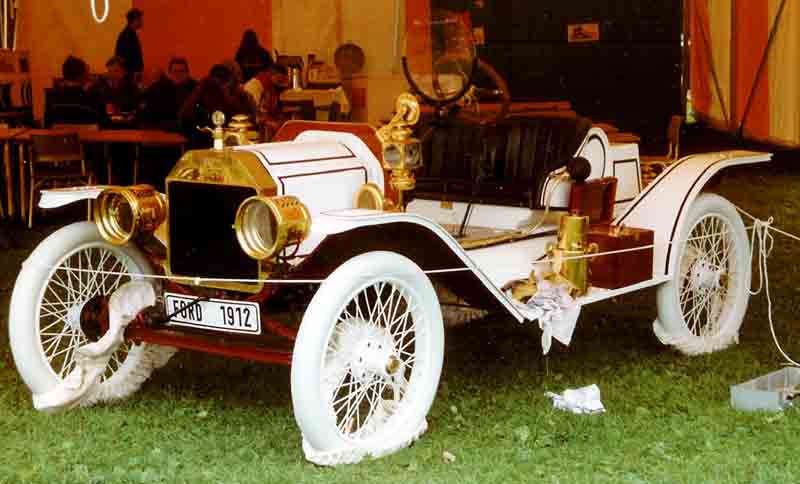
Ford Model T
"It is OK to settle. If you, when the Model T came out, it was like exactly what shade of black..."
The Ford Model T is a very old car from the early days of automobiles. People often talk about it because it was one of the first cars made in huge numbers. The color detail is about what it looked like when it was first produced.
The Ford Model T is an early, historically important car that helped popularize mass-produced automobiles. The podcast’s mention about its color (“a shade of black”) ties to how the Model T became strongly associated with a specific look during its production era. It’s discussed as a reference point for how cars were made and marketed when the Model T first appeared.

Toyota Sienna
"[2002.1s] 2013 to 2016, 3.5 liter V6 Toyota Sienna"
The Toyota Sienna is a family minivan. The host is talking about the 2013–2016 models with a 3.5-liter V6 engine, which are popular because they tend to be dependable.
The Toyota Sienna is a minivan known for practical family use and typically strong reliability. In this segment, the host specifically calls out the 3.5-liter V6 versions from the 2013–2016 model years, which are a common choice for buyers who want a balance of space and durability.
3.5 liter V6
"[2002.1s] 2013 to 2016, 3.5 liter V6 Toyota Sienna [2005.0s] is both what you want and what you need."
A 3.5-liter V6 is an engine with six cylinders. It’s called a “V6” because the cylinders are arranged in a V shape, and “3.5 liter” is the engine’s size.
A 3.5-liter V6 is an engine with six cylinders arranged in a “V” shape, with a total displacement of 3.5 liters. Displacement is a rough measure of engine size, and the V6 layout is often chosen for smooth power delivery in minivans and crossovers.
Van Life
"[2007.4s] Van Life is the way lads think about Mall Cop. [2010.8s] Definitely some of these more reliable, decade old Toyotas."
“Van Life” is when people turn vans into homes on wheels and travel while living in them. The host is using it as a reference for how some people think about vans.
“Van Life” is a lifestyle trend where people live out of vans, often converting them for sleeping, cooking, and travel. In this segment, the host uses it as a pop-culture reference point to describe how some buyers think about certain vehicles.
gas mileage
"[2026.1s] It might not be the best gas mileage in the world, [2028.8s] but you know, sometimes you're just better off."
Gas mileage means how far the car can go on a gallon of gas. Higher gas mileage usually means you spend less on fuel.
Gas mileage is how efficiently a vehicle uses fuel, usually expressed as miles per gallon (MPG) in the U.S. The host notes that these minivans may not be the best on fuel economy, but can still be the better choice depending on your needs.
Request an Explanation
Heard something you'd like explained? We'll add it to this episode.
Sign in to request explanations for terms you heard.
Want to learn more?
Browse our glossary for plain-English explanations of automotive terms, jargon, and concepts.
Help improve this episode
See something that's not quite right? Our annotations are AI-generated and can sometimes miss the mark. Click the flag icon on any annotation to suggest a correction.