At dealerships, the person who talks to you about repairs (the service advisor) sometimes says it’ll be done sooner than it really will. The goal is usually to keep you from canceling or getting upset.
“Collision” work often has longer and less predictable timelines than routine maintenance because it can involve teardown, damage assessment, parts sourcing, and coordination with insurers. That uncertainty is why advisors may quote different timeframes depending on the job type.
A “commission draw” is a guaranteed payment against future commissions. If you don’t sell enough to earn back the draw, you may owe it back or it may be adjusted later depending on the dealership’s pay plan.
The episode mentions “restructured and retooled” the service department during/around COVID, implying changes to staffing, processes, and workflow. In dealership terms, this often means updating how work is scheduled, how advisors communicate, and how the shop handles throughput.
It means tightening the wheel bolts to the exact tightness the manufacturer wants. That keeps the wheel secure and helps avoid problems from being too loose or too tight.
Sway bar links are small suspension parts that help the car stay steadier when turning. If they’re worn, you can hear knocking or rattling, especially over bumps.
Sometimes the car’s computer doesn’t store any error codes and the problem won’t happen during testing. When that happens, the technician has to rely more on what the driver reports and careful checks to narrow down the cause.
Scanning is plugging in a computer to see if the car stored any error codes. If there aren’t any codes, it can be harder because the problem might be intermittent.
It’s basically a checklist for diagnosing a problem. Instead of guessing, it helps the shop ask the right questions and organize the clues so the technician can find the cause faster.
“Diag time” is the time a mechanic spends troubleshooting to find the cause of a problem. It’s not the final repair itself, but it’s often the hardest part.
A pay plan is how the dealership decides who gets paid and how much for different kinds of work. If the plan doesn’t match how the job really goes, it can make people feel like they’re not being treated fairly.
A test drive is when the mechanic takes the car out to see if the problem happens while driving. It’s often necessary to figure out what’s really wrong.
Flat-rate pay means mechanics get paid a fixed amount for a repair, based on a schedule. If the job takes longer than expected—or if extra time like testing isn’t counted—you can feel like you’re working but not getting paid for all of it.
The hosts are talking about how customers often come back when they feel known and trusted. It’s not just about the repair—it’s about who you talk to and whether they take care of you.
Concept
dealership vs independent shop
They’re comparing dealership service to independent mechanics. The main idea is that who you work with and how consistent the experience is can matter more than the badge on the building.
Advisor retention means keeping service advisors from quitting or switching jobs. The hosts suggest it’s not just money—how the job is run and how supported people feel matters too.
A “career mindset” means thinking long-term about your job and your customers, not just getting through today’s paperwork. It’s about staying in touch and helping people plan their next service.
An oil change appointment is when the car’s oil gets serviced on a schedule. The point here is that the best schedule can depend on how you drive, not just a fixed mileage number.
Gross profit percentage is a way dealerships track how profitable work is. If managers focus too much on that number, they may make decisions that aren’t best for the customer or the technicians.
Back flagging warranty means the shop marks a past warranty job as questionable. If the paperwork or parts return wasn’t handled correctly, the dealership may not get paid for that work later.
The water pump moves coolant through the engine to keep it from overheating. For warranty claims, shops may require photos and proper returns to prove what failed.
“All Data” refers to a vehicle repair information database used to look up labor times and procedures. Shops compare their internal flat-rate billing to database times to judge whether they’re paying/charging above or below market.
Door rate is the dealership’s “sticker” labor price before any deals. The point here is that the shop can lower what customers pay by adjusting margins and labor pricing.
OEM parts are the same brand/spec as what the car manufacturer uses. The hosts are saying OEM brake parts often work better and last longer than cheaper aftermarket ones.
Yokohama is a tire brand. The host uses it as an example of what a customer says they already have, and how the quote can change depending on where you shop. The takeaway is to compare like-for-like tires, not just the first price you hear.
Discount Tire is a tire store the customer called for a quote. The host says it came back cheaper than what the dealer was offering first. The point is that customers often compare prices from other shops and expect the dealer to match or explain the difference.
Michelin is a well-known tire brand. In the story, it’s one of the more expensive options shops try to sell after starting with a cheaper tire quote. The point is to understand how upselling affects your final price.
Cooper is a tire brand. The host mentions it as one of the brands shops try to sell you after giving a cheaper starting price. It’s part of the discussion about how tire quotes can be influenced by upselling.
It’s basically a pre-priced list of common services (like filters, wipers, brakes) using non-dealer parts. Instead of figuring out a price from scratch every time, the shop can quote quickly. It helps customers compare options without confusion.
This filter cleans the air that comes into the car’s cabin (where you sit). If it gets clogged, the fan may feel weaker and the air can smell musty. It’s a routine maintenance item.
This filter keeps dust from getting into the engine. When it’s dirty, the engine can breathe less easily. It’s usually a straightforward, routine replacement.
Brand
Advanta Kenda
Advanta and Kenda are tire brands. The host is saying they might not be the top choice, but they can be a good option if the customer can’t afford the premium tires. It’s about matching the tire to the budget and needs.
A phantom noise is a sound that shows up sometimes, but not when the car is in the shop. Because it’s hard to duplicate, it can be difficult to diagnose. The episode is about how time and pay structure can make these problems especially frustrating.
The Rolls-Royce Phantom is a very high-end luxury car, built to be comfortable and quiet. If someone talks about a “phantom” noise or “phantom” drivability problem, they usually mean the Phantom model has an issue that’s hard to pinpoint. Mechanics may discuss how to find the source of strange sounds or how the car feels when driving.
An intermittent issue is something that doesn’t happen all the time. It might work fine most of the day, then fail briefly. These are hard to fix because the shop can’t always reproduce the problem when you bring the car in.
A jump start is when you use another battery (or a booster pack) to get the car running. If you have to jump it repeatedly, it usually means the battery is being drained or something electrical is staying on. That’s what the story is trying to uncover.
A parasitic draw test checks whether something in the car is slowly draining the battery when it’s parked. If the battery keeps dying, this test helps find the culprit. It’s a common method for diagnosing “mystery” battery problems.
A battery charger is used to test or charge the battery to see if it’s healthy. Sometimes it takes a while to get a clear answer. The episode uses it to show how you can waste time if you don’t keep digging.
Term
special lasers
The host is talking about special equipment in the shop that can help detect problems while the car is moving through a test area. But if the issue disappears during the test, it’s harder to find the cause. That’s why the advisor needs lots of details from the customer.
PDI usually means “pre-delivery inspection,” the checklist steps a dealer performs before handing a new/used vehicle to the customer. The hosts talk about how PDI work is often assigned to specific technicians, how it affects shop hours, and why dealers may staff it differently.
This means a repair to the car’s wiring that the manufacturer pays for under warranty. The point here is that wiring problems can take time, and that can mess with scheduling and technician workload.
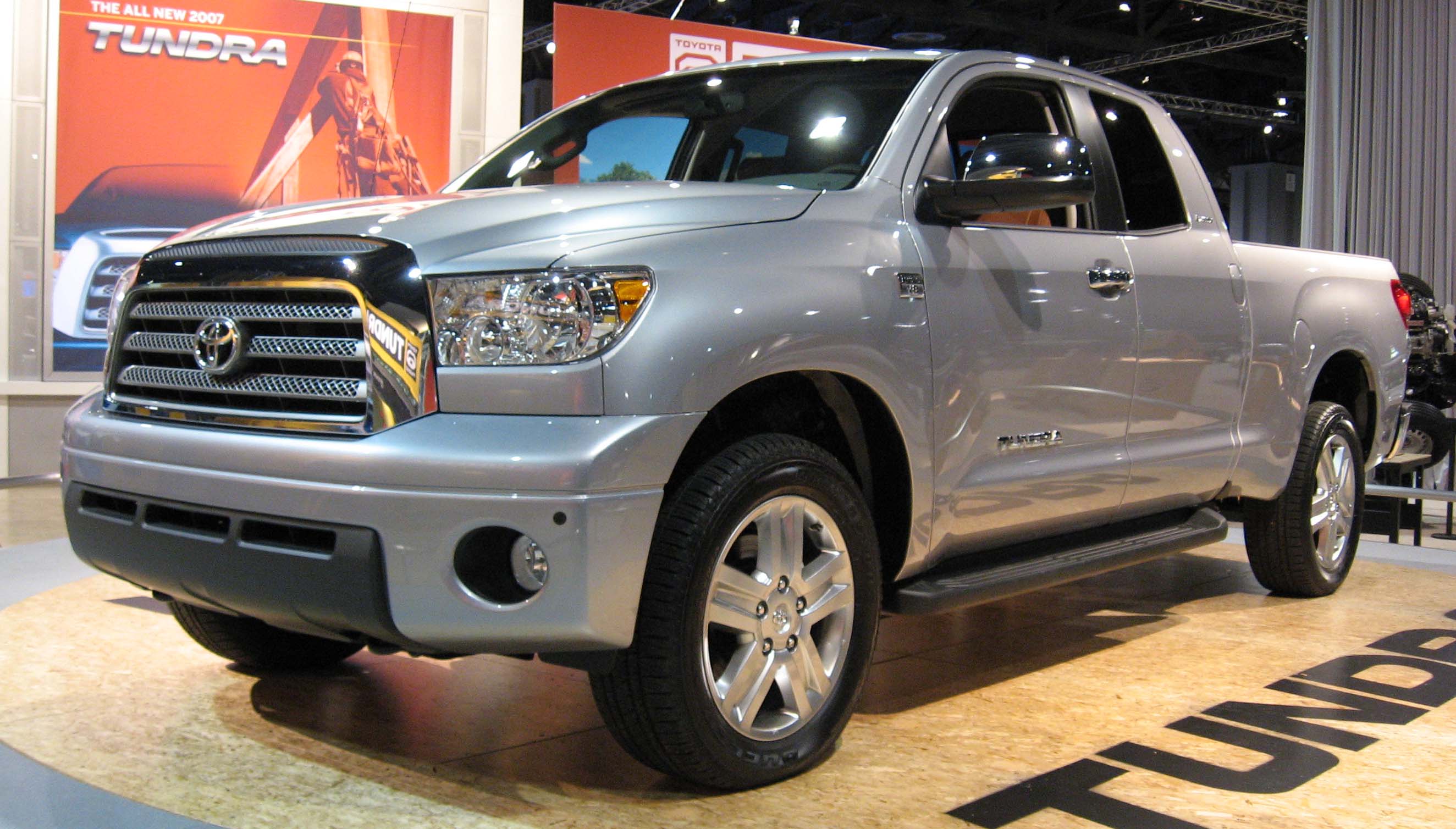
They bring up the Toyota Tundra as an example of a truck where the new engine took some time for techs to learn. The takeaway is that knowing the specific engine details helps you avoid wasting time and missing issues.
Hyundai is mentioned alongside Kia as another brand the speaker has experience with. The discussion frames brand-specific engine knowledge as important for efficient dealer service and avoiding repeated mistakes.
Kia is mentioned as one of the brands the speaker has worked with, in the context of learning engine-specific knowledge for PDIs and repairs. The point is that different brands/engines require different diagnostic and workflow habits.
Honda is included in the list of brands the speaker has worked with, again to emphasize that technicians need to learn each brand’s engine and service patterns. It supports the broader theme of dealer efficiency and training.
The hosts reference a “tranny’s shot,” which is shorthand for a failed transmission. They use it to illustrate how big jobs can be scheduled quickly when the shop assigns enough labor, but also how expectations and timing can become a problem.
A “loaner car” is a replacement vehicle provided to the customer while their car is in the shop. The hosts discuss using a loaner strategy to manage customer expectations during longer repair timelines, especially for major engine jobs.
Collision repairs are estimated in labor hours, but the real calendar time is longer because the car has to go through multiple steps and departments. So even if the paperwork says a certain number of hours, the shop may still need a full week.
Concept
service-advisor overpromising vs real repair time
This is about how repair timelines can get promised too optimistically. If the car isn’t done by the time the customer expects, they may not want to approve extra recommended work.
Enterprise Rent-A-Car is cited as a major rental provider used by the dealer to keep customers in a rental while repairs are underway. The hosts discuss how high rental volume can help sell larger jobs, but also how the economics may not always pencil out long-term.
Recalls are manufacturer-mandated repairs for safety or compliance issues. The speaker notes that technicians in the three-to-five-year range transition into doing more recalls and diagnostics, which can change the job mix and affect scheduling and pay.
“Master Technician” is a top-level designation used by dealerships/manufacturers to recognize advanced skills and certifications. In the transcript, it’s part of a structured career ladder (level 1/2/3 up to master) that affects what work a tech is assigned and how they can earn.
An engine replacement is when the shop removes the old engine and installs a different one. It’s a big job, and the speaker is using it to show that some shops get technicians doing serious repairs sooner than others.
“Warranty diag” refers to diagnosing problems on vehicles under the manufacturer’s warranty. Warranty work often has stricter rules, documentation requirements, and sometimes less favorable labor times, which can make it harder to reach a technician’s flat-rate hour goals.
“Heavy diag” means complex diagnostic work—finding the cause of a problem rather than just replacing a known part. The speaker argues that heavy diagnostics can be harder to monetize under flat-rate because it may take longer and doesn’t always lead to quick, billable maintenance tasks.
In a dealership, dispatch is the process of assigning repair orders/tickets to technicians. The speaker highlights that dispatching affects fairness and income because the job mix (quick maintenance vs heavy diagnostics/engine line work) determines how many billable hours a tech can produce.
“30Ks and 40” is shorthand for scheduled maintenance at certain mileage milestones, like 30,000 or 40,000 miles. These are usually more routine services compared to diagnosing a tricky problem.
Upsell rate is how often customers agree to extra services that the shop recommends. The speaker is saying that when the right trusted technician checks the car, customers are more likely to say yes.
It’s like a checklist inspection, but instead of writing everything down on paper, the tech takes pictures or video with a tablet/phone and sends it to the customer. That way the customer can actually see the issues.
Techeon is a software system dealers use for inspections. It helps the technician scan a QR code, record a video, and automatically attach it to the customer’s service ticket.
A QR code is a scannable code that quickly opens a specific workflow on a phone or tablet. Here, it’s used to connect the technician’s captured video/photo to the correct repair order so the media uploads to the ticket automatically.
A repair order is the paperwork (digital or paper) that tracks what the customer brought the car in for and what the shop finds and does. It’s the “record” for that visit.
Term
safety stop start steer
It’s a way to organize an inspection around the car’s safety-critical systems—things like stopping, starting, and steering. The shop uses it to make the checklist faster for technicians to complete.
This is a fixed list of things the technician checks on every car. It helps them be consistent, and it can record issues without automatically turning them into a sales quote.
Capture rate is basically how often customers say “yes” to the recommendations the shop makes. Higher capture rate means more of the suggested work gets approved and paid for.
A multi-point inspection is a checklist the shop uses to look over a car in several areas. The idea is to find issues early and explain them to the customer.
The advisor is the service department representative who typically reviews inspection findings before sending recommendations to the customer. The episode describes an automated workflow where the video is sent without advisor review, which the speaker says reduces friction but can create occasional customer complaints.
TikTok is referenced as a platform where short videos influence dealer processes and customer expectations. The speaker describes how a viral video led to internal changes at their shop and prompted dealers to reach out with questions or feedback.
A service advisor is the person who talks to you about your car’s service needs. They help set up the repair and keep you updated, kind of like the “middle person” between you and the mechanic.
Cross training is when people learn different roles by working in them for a bit. In a dealership, it helps everyone understand what the other person does, so the whole process works better for customers.
Fuel system service is work that helps the car get fuel to the engine the right way. It can include cleaning parts that help the engine run smoothly.
Term
brake flu exchange
The phrase “brake flu exchange” appears to be a transcription error for a brake fluid exchange (brake fluid service). Brake fluid is a hydraulic fluid that transfers pedal force to the brakes, and it can degrade over time, affecting braking performance.
A caliper is the part that squeezes the brake pads against the spinning brake rotor. If it sticks or wears out, braking can feel off or be less effective.
A tire repair fixes a puncture so you don’t have to replace the whole tire. It usually takes more work than it sounds because the tire has to come off and be checked properly.
A service writer (service advisor) is the role that writes up the customer’s concerns, creates the work order, and coordinates with technicians. It’s a different skill set than hands-on mechanical work, so cross training can help people transition into it.
“Pigeonhole them” means putting someone into one box—like assuming they can only do one kind of job. The idea here is to let people try different roles so they can grow.
Concept
finance manager to service manager career move
They’re talking about moving from a finance job to running the service department. The point is you don’t have to be a car expert yourself if you can lead and hire people who are.
Topic
Dealer Plate Guy Compares Dealer Pricing with the Aftermarket
Even though the episode title mentions dealer vs aftermarket pricing, this part of the conversation is mostly about how to get and keep good mechanics. They compare how dealers and independent shops train people and support their careers.
Modules are like small computers inside the car. Each one helps control a different part of the vehicle, so troubleshooting can take more work when there are many of them.
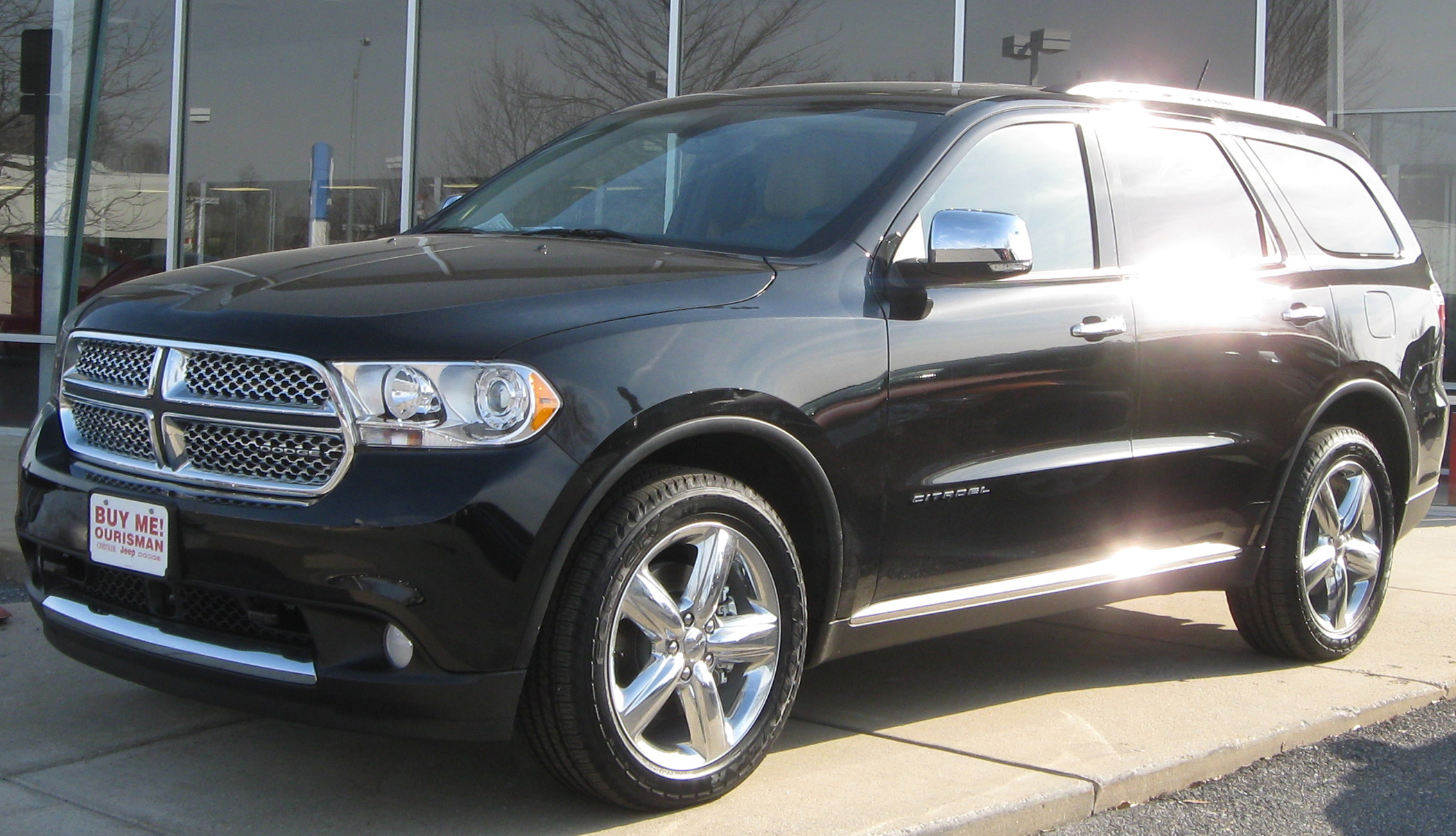
They’re saying that newer cars like a 2018 Dodge Durango are packed with electronics. That means repairs can be harder because there are more computers and wires to troubleshoot.
A “technician shortage” means there aren’t enough trained people to do car repairs. The hosts talk about solving it by training and keeping technicians instead of constantly trying to find new ones.
An apprentice program is when a beginner learns by working with a more experienced person. The idea is to train new techs step-by-step instead of throwing them in without support.
Term
TO no
The speaker is basically saying you shouldn’t just hand a new technician tools and let them work without help. On day one, they need someone to guide them and make sure they’re doing things correctly.
A quick lube shop is where people start with simple jobs like oil changes. The host says those workers might not see a long-term career there, so a dealership can offer training to keep them growing.
Ford comes up as an example of a manufacturer trying to improve the technician pipeline. They’re described as doing outreach and training programs to get younger people interested in dealership work.
Company
Mr. Farley
They’re talking about Ford’s CEO, Jim Farley. The point is that his comments got people talking about technician pay and how to solve the hiring problem.
Concept
batch the content
Batching means you film a bunch of videos at once instead of every day. It helps you stay consistent while keeping your regular schedule.
The “missing 10 millimeter” is a long-running mechanic joke: the idea that a 10mm socket always disappears during repairs. It’s a shorthand for the frustration of losing small tools mid-job.
LIVE
You know, in a dealer world with advisors, 16 hours are like, oh yeah, we'll get that done today. It's like, wait, you know, collision. Like they would give you a whole week to do that and be okay with it. Be like, no, that's how long it should take. And the service advisor is always going to over promise, you know, at times. Oh, just to sell the job or, you know, or whatever it is. And it's like, they don't have to do that. I mean the fear is at 2 o'.
Clock, if I recommend all this gravy work, if it's not done by 5, the customer's not going to do it. It's just a fear.
Welcome back, ladies and gentlemen, to another exciting episode of the Jaded Mechanic podcast. It's been a while since I've been on here, so I mean, not to you guys, you guys are like, it's just another day, another episode. But I haven't been on in a while. I've kind of been giving my voice a break and I have somebody who has a very recognizable voice, very recognizable face, very big on social media. Right again, his Austin Conroy, but we know him as the dealer plate guy. So Austin, how are you tonight, brother?
I'm doing good, Jeff. I'm glad I'm getting you back in the game. I actually feel way better about that now that get you back in the content game. So whether, no matter how big or small your platform is, this is the thing that it's the new thing to do. Let's talk about the industry, let's try to change it. Let's have some cool conversations and make those connections too. Which, you know, where are you located in Canada?
Yes, sir. Ontario. Canada.
Yeah, I mean this is an international podcast. I'm in the United States. This is an international podcast right now. So how cool is that?
Yeah. And for the, the last little run a little while, some of the episodes, the customer are customers.
It's been a while.
Jeff, I guess have been Canadian. So you know, we try to mix it up pretty good. But no, when I was in SEMA was kind of the last time I was getting a bunch of episodes recorded. So I mean this is, this is good. But where are you located? Austin.
So I'm in Indiana. I am just an hour north of Indianapolis and then we are about two and a half hours south of Chicago. So there's a nice highway, interstate, whatever you call them in Canada that runs, you know, right there. And so we're in a college town, if you know, Purdue University, if you follow NCAA basketball at all. They are in, they are in our town here. So we're a college. We're proud of our, our boiler makers. And you know, we get quite a crowd in here during school and then quite a crowd that comes out.
So we're, we're doing a lot of servicing for, you know, college kids and selling cars to college kids and different things.
But yeah, because, like, so we. I know you, I first saw you doing some of your skits online and, and some of them really resonated because it's like, it's always from the, the dealer perspective. Right. Which is I was a dealer tech for a long, long time. Right. I've floated around this industry and everything. And I mean, your stuff immediately jumped right up me. It's like it grabs you.
It catches. Everybody is so relatable, but so kind of give us a background because you're not, I don't want to say you're not a technician, but you do work in a deal. Yeah, but, yeah, you got the lube tags figured out perfect.
Like. Well, here's the thing is, like, when you've hired and managed as many technicians and advisors and parts people as I have, you kind of get a good feeling for them, you know. So, yeah, I. How I started in the industry, I started in sales. I started selling cars. I had. So I worked for a very large auto group and they have stores in Indiana and Illinois and then there's one in Wisconsin. But the, the man who started it, his grandson I went to college with.
And so the. We went. Played on the same college golf team together. And so he was always saying, hey, come sell cars for me. Come sell cars for me. So I finally bid on it, you know, I move out to Lafayette, Indiana and start selling cars for $400 a week draw, you know, on your. On your commission, which if you don't know what that means, is if I don't sell a car that week, I get paid 400 bucks.
Yeah.
But then the next week when I sell a car, that commission goes to pay back for what they paid me before. So being married for a year and doing that seems crazy. But, you know, here we are today. So I went through sales, new car sales manager, finance manager. I went to bed a finance manager and woke up a service manager. So that's like my claim to fame. I don't know that anyone else has ever done that, you know, but I, I have a real passion for leadership, for team building, for motivating people. And I also just, I love Being thrown into crazy situations and just figuring it out like that, I feel like that's one of the things that I thrive on.
So the more chaotic and crazy and, you know, out of control a situation is I, I tend to thrive in, like, that problem solving and adding structure and, and growing a business.
So what was, what was that first morning waking up as a service manager?
Like, man, like, I had never, I'd never written an R. Like, people would not believe this. I'd never written an ro. I had never greeted a customer for an oil change. Like, I, I had maybe done one oil change in my life. Like, not really a car guy. Still not really a car guy. I mean, it's.
I hope I'm not disappointing, like a ton of people here with this, but just being real, right? And so, yeah, it was, it was hectic. You know, you're. The old adage like you're drinking from a fire hose, but, you know, people are still people at the end of the day. And that doesn't matter what role you're in. People are still people. They're motivated by the same things. Customers still want the same things. I grew up working, and I stress this, working at country clubs, not belonging to them.
And like, I was the one working there, right, for $5 an hour. And a lot of those hospitality skills, you know, have carried with me very nicely into customer interactions within the service department. You know, so you kind of get
a good basis about what it's like to serve a customer, right? And then you can, you can certainly bring that into the automotive sector quite easily. Like, it's not a situation of, you know, we were talking, you know, you don't have to have the grease under your fingernails to be relevant or valuable to this industry. You know, it's still, at the end of the day, it's about serving the customer. You know, it's serving the. That are public. It's, it's not a, it's not a boys club where it's like, oh, if you've never done an oil change, we don't, you know, we don't need you. Like, you have, you have input, you have value. So for sure, yeah, yeah.
I think, you know, one of the ways, just as a leader, right? So it's like now I'm. I'm adding value kind of the opposite way to the employees. And very early on, you know, we. I did very well. It was a Toyota store that I sold cars at and then was a service manager at. And so through Covid, because I was a service manager, like, six months before COVID happened. And so out of COVID you know, we really restructured and retooled the department and kind of built it. And then, you know, I had a conversation with some of the guys that were above me and just said, hey, a couple of things I'm trying, you know, I'm doing here that are having success.
Let me try them somewhere else. And I wasn't asking to get paid or anything like that. It was just, like, I wanted to see if my ideas worked at another store.
Yeah.
And so, you know, that kind of led into the role I have today, where I oversee multiple stores and, you know, have. Have done some group initiatives, like a technician career path that I would love to talk more about, which is probably one of the things in my career I'm most proud of to this day that I. That I created for the group. So, yeah, you mentioned that, like, never really getting my hands dirty. I have a few times I go back and help the guys as much as I can. Like, you know, I thought it was cool when I learned how to rotate tires and properly torque the wheels. I thought that was cool, you know, in, like, my dress shirt. But.
But, yeah, like, that's where I can provide support, you know, for those guys because they do really important work. And the unfortunate part about it is they don't get the connection with the customer. You know, they don't get to see who they're serving. They don't get to see that, hey, you know, without this vehicle, those people don't go to work. Without this vehicle, those people don't visit their relatives over, you know, Christmas or Thanksgiving. And so, you know, the work that the mechanics do is really, really important, whether you're at a dealership or an aftermarket shop.
Now, Austin, what do you think about the idea, though, that sometimes, like, because we've heard the old stereotype that, you know, you probably shouldn't have some of your technicians out talking to the customers because of their personality, the way they are sometimes, the way they can be. And I. You know, this is called the jaded mechanic for a reason. Because sometimes I have not been, you know, the most friendliest to every type of customer that I've ever had to endure. And I would be lying if I said that I absolutely love talking to customers. That's a bit of a stress. It sometimes makes me a little uneasy. Right.
Because I feel like I'm sometimes being judged. But what do you think that going forward, we have to bring that more up to the forefront of the industry?
Here's what I'll say. I know, you know, part of being in leadership, you tend to get a lot of emotional baggage from people. And, you know, you get people at their worst. And so one of the. One of my roles is to turn them around, right? Get some positive momentum in their life. And so I know I've had some technicians that are jaded. I'll use the word since then, you know, your name. And it is amazing just to challenge them to, man, just come out and talk to a customer.
Like, come out and connect with the customer. Or when you pull the car up, like, say, hey, you know, before you leave today, you know, I was a technician that worked on your car, guys, and just want to make sure everything's okay with you. Anything I can help you with past that, or go out with the recommendations. Hey, I just want to talk through a couple things the advisor said maybe had. And it's amazing just, like, how much that gets them out of their funk. Because, you know, for me, and again, I've never done the job, but I know a lot of people who have done the job. It's like, you're just back there, like, working on the car, and you don't get to see the result. Like I talk about, you don't get to see the result of that where the customer's like, man, they.
They don't want to get their car service, and it's like they come in and they actually have a good experience, then they can keep driving their car and, you know, or this issue gets fixed or whatever. It is like connecting them, you know, connecting the technicians with the work that they do, I think is super important and, you know, breaking them out of that funk or, you know, that maybe bad attitude. Now, I don't like every customer either. So that goes both ways. It's. It.
The customers that I always struggle with were the ones that kind of came in with that condescending attitude of like, oh, you know, like, I hate this car. You've owned the car three months and you already hate it. Right? And what I always went back to, awesome, was like, a lot of time it seemed like the sales experience for them wasn't very good. So then it trickled into the service department, right? Because you've seen it, like, a lot of the time after the customers bought the vehicle, like, I did the care of. I. I was a Chrysler tech for a long, long time. So after they had their new Caravan, right? They never really saw that salesman too much after that. But being a Caravan, it was in the Service department a lot.
Right. So you would have. They come in like, I hate this car. And it's like, man, you know, like, I'm sorry, your Sway bar links are already noisy at, you know, 15,000 miles. Like, it's, it's a, it's a known thing. Like, yes, we'll, we'll change them out for you, no problem. And yeah, I had to do a lot of road tests with a lot of customers for noises. That was my.
I spent a lot of time road testing with customers for no. And then as I, I moved into drive boom electrical, I had to do even more interrogation with the customer about like the weird things that, you know, sometimes it doesn't start sometimes or runs rough or, you know, and of course you're scanning it. There's no codes, there's no, can't duplicate it. So I became pretty good at talking to them. But I did have some, that if they came at me with this condescending attitude of like, you're not going to be able to solve this or like, it's my third time back and blah, I immediately just like flicked off, you know, like, I was like, I don't want to deal with this because for me that was now above my pay grade in terms of like, I just want to fix your car, man. Like, I don't want to hear your complaints about the cost or the coffee or the wi fi or like the last technician that doesn't work here now that tried to work on, like, that's all completely out of my realm, you know, Like, I'm just, I'm just trying to help fix your car.
Yeah. And see, like, I thrive with. I love those customers really. I see it as a challenge. Right. And so, yeah, like, as a service, like, who do those customers go to? The service manager. Right. So, you know, that's one of the things in my role that I do miss to some extent is some of that customer interaction.
Because I do genuinely enjoy the customers that are just like, I just, I like flipping the script on people.
Right.
And I, and maybe it is just working growing up the country clubs, you know, super demanding people. And I just kind of got used to it. But yeah, it's like they're in there for a reason. Like they just want their problem solved. And I always look at it as an opportunity, like be their go to guy for, for something that could happen, you know. And like, I try not to spend too much time in the past with like their prior experiences, like, let's stay present and then look towards the future. Like, hey, the sway bar links great. You know, I'm so sorry this happened.
The good news is we're here. The good news is we have great technicians in the back. The good news is we know what it is. The good news is Chrysler is going to pay for it. We get paid. You don't have to pay me. Like, those are the best repairs. It's a win win because I like getting paid.
You like getting your car fixed for free. You know, we're on the same team here. And then, hey, next time, let's go ahead and set that biz for next time. You know, my name's Austin. I want you to come work with me directly. You know, text me, email me, whatever you want to do to set up the appointment. I'll be here for you.
Right, okay.
And so I kind of, in a secret way, like enjoy that, but I know a lot of people don't, so that's, that's very rare. Again, you know that I enjoy those
customers sometimes from my, from the technician standpoint, Austin, like going back to it, I would sometimes spend 40 minutes on a road test with a customer and like on the flat rate side of things, that's hard time paid.
Right? Yeah.
You know what I mean? So if we had to do it too many times, where I was like, you know, in and out and in and out trying to track this stuff down, it did affect sometimes my little bit of my attitude or my personality, for sure. You know, that's where a lot of it came from.
And when it's tied to your pay, it is totally different. Right. Because you know, as a manager, it's like I got a little salary and you know, I get, you know, a percentage of what the department does. And so yeah, my pay structure is a little bit different, which is why I like to step up in those situations, you know, as much as I can. Or, you know, we, we came out with a couple years ago, we did a diagnostic worksheet. So I know every manufacturer has one and some of them have one for engine transmission noise. I mean, some of them have. So I condensed it into one little sheet that I felt like was at least giving the customer value for diagnosis.
And then it would cross off some of those things, you know, when did it start happening? Slowing down, speeding up, what's the temperature? Is it on start? Is, you know, some of those little checkbox items. So builds value in the diagnostic and gives the advisor something where they just check it off, give that technician a head start on it. Right. So, you know, in some of those cases. It's, it's not fair. And this is where I would say the industry is still behind. It's not fair to have flat rate techs like yourself on 40, 45 minute test drives that aren't going to be paid.
Yeah.
You know, and sure there's some, you know, Z time or whatever you want to call it for the, you know, diag time, whatever the manufacturer calls it, they don't want to pay it. But you know, there's ways to get that paid too where, you know, you can do your notes. So I totally understand. You know, that's where the two different roles.
Yeah.
You know, in pay structures. I totally get where it would be frustrating to be on a test drive and not be paid for it.
Yeah. And, and that's the thing, like we always, you make lots of reference in your, in your material. I'll say to, to the flat rate thing. And I mean we, it's a, it's a hot button topic. It's never going to go away. Right. And we obviously talk a odd on the, on the, on the podcast and I have to keep going back to like I worked in a long time and I enjoyed doing it. Like I made money doing it, I was successful at it.
But it was one of those things where it was just like if it ebbed and flowed, good, I didn't mind, you know, it. But if it was like, you know, you were three days in and you had 12 hours for the week, you know, and then you had Mrs. Smith that you had to go on a 45 minute road test again. Right. And the car's been in three times and the technician that looked at Mrs. Smith last time, she doesn't even work here anymore and blah, blah, blah, that played into it. Right. I have to be very, how do I say that? I have to be always reminding myself that that doesn't matter to the customer.
My situation, my pay that week doesn't, doesn't, you know, they don't even understand how we're paid. They don't care. It's not, it's not their issue. I have to keep that in mind when I'm dealing with them so I can be the best that I can for them. You know, that's what it's all about. And sometimes I failed at that. But you know, I, for the most part, I was pretty good. I had a lot of customers by the time I was at the dealer a few years, they would just come in, see the advisor, say, you know, Jeff is who I want to work on my car.
Call me when it's done, you know, and that was great. That's the kind of the rapport we. You're. You aim to build, right? You. You want to build that relationship up. Because that's where I think sometimes when people compare the dealership to the independent shops, they. That's a very much a real thing. You know, like I walk in handy keys to John.
John's been working at my car forever, right? Like I know the technicians, I bring them donuts or something. But the dealership, it can be such a big thing. They don't even. They may come in and Austin wasn't my service manager last time, you know. And yeah, and my service writer that I was familiar with, they're gone. They're maybe moved to another store. That's where I think people lose it on the idea that because you see the comments, oh the dealer. I don't take your car there for anything but warranty last month.
And I just shake my head because man, like I had so many good customers that the car was long at a warranty and I was still working on it. They. And they, they don't love to come and fix the car. But I mean we did a super job of keeping that car reliable main, you know, maintenance done perfectly like safe. All those key things that are such a huge priority. I felt we were doing a stellar job of like keeping that after the warranty was up out of the car still as their service provider per se. So it always makes me laugh and kind of gets me a little irritated sometimes when I read the comments as you see them where it's, you know, all the dealers such a terrible opt option to fix my car or service my car. Like you shouldn't do that.
You know, they charge too much. And what do you feel about like that? How do you approach those kind of conversations?
Yeah, so two things. So we do with our auto group, we do these regional training sessions and so we'll get all the service advisors and managers out of the store. Not all at the same time. We do like, you know, two days. So half and half. And interestingly enough, my topic, one of the topics I really want to I'm going to say preach on is what is the career oriented service advisor like, you know, kind of touching on that relationship piece of the aftermarkets independence. Like, you know, Jeff's my mechanic. I go to him.
Well, Jeff's at the dealership. Right. But like again, going back to those personal connections mean so much for those advisors. What does an interaction look like if you take a career mindset to it, you know, And I think the problem is a lot of like what we're having with retention of advisors. It's not pay plan, it's not ours, trust me. Because in the old days it was, you know, we call it ding da dong six days a week for these advisors. Like, I have the guys set up to where they're working 40 hour weeks. If they work a Saturday, you know, they have a day off during the week.
One of my stores did, does a, we're closed on Sundays in the service department here in Indiana, but they have a Tuesday to Saturday shift. So they have technicians and advisors that work Tuesday to Saturday and then they have other guys that work Monday to Friday. And it's worked out really nicely. But you know, work life, it's not that. Like, what it is is you're not taking a career mindset to your job. You're not saying, my name's Austin, I want you to come ask for me. Hey, let's set up that next oil change appointment. You know, the manual says 10,000 miles, but never do that.
Please just come back to me. 5,000 miles based on your driving habits. Five months. Let's go ahead and put some on the calendar. Are you okay with that? Great. Again, my name's Austin. You know, I'm going to send you an email, whatever it is, like, come back and ask for me. If you have any questions in the meantime, call me.
Talk. They'll never call you, but like they're going to remember that interaction because you're actually wanting again, stay in the present, take care of the present and then look for the future.
Right.
And that's a big thing. Like, so I love hearing that, you know, as a technician, you have people coming back and asking for you, which again is like the value in some of these customers that we don't want to talk to. They can become the biggest fans of yours.
Yes.
You know, if you do that interaction. Well, so I, I wanted to touch on one thing too that you had said about like going on test drives and not getting paid for it. I think that's another dealer mindset. Where, man, Jeff, like in a week, how many times would that happen? One or two, maybe. Yeah, if that, like, yeah, what's, what's an extra one or two hours of training pay to take care of your guy or throw him a couple PDIs, you know, and I think these dealers get, they get so obsessed with, oh my, only my low level guys can do PDIs, because that's a gross profit percentage. You know, we. We got to keep that gross profit percentage. But at the end of the day, and I made the comment before, people are people managing people.
Like, how would you want to be treated in that situation? Recognize the fact that, yeah, that was. That was a bad deal for Jeff to go on a test drive for an hour with that customer. And he spent all the time, A, he went with the customer, B, trying to figure it out. C, he had to deal with them. Like, he didn't get paid for that. So let me give him a little time because I think that helped the shop, you know, and at your rate, you know, cool. You know, the shop can absorb a couple of those a week for the guys. It's not that big of a deal.
So I think that goes again, back to, like, managing service departments. Well, and sometimes where guys will get, you know, they. They miss the forest for the trees, I think. Is that the same? They missed the forks because of the tree? Something like that.
Yeah, yeah, yeah. They get uber focused on the. The. The amount of hours, right. And it's like, so. And it's funny. I had weeks where I made 60, and if I was still donated an hour or two hours, right. I was bummed.
I was as bummed if I only made 42, you know, and I donated to, like, it didn't matter. It just seemed to be. I was always focused on the two that I didn't have versus the 60 versus the 40 that I did. You know what I mean?
Which. It's. I mean, it's like, you know, it's like a lawyer or a cpa. I mean, they bill by the hour. And so, you know, if. If they were billing free, it's like, well, wait a second. Like, I did the work, I should get paid for it.
Yeah.
Like, you know, back flagging warranty is one of the things, too. I did a video about that not too long ago. Now, that can go both ways. If the technician doesn't hold their part up and taking a picture of that water pump or, you know, putting the part return on the counter. Yeah. You know, have a conversation with it. You may want to back flag them next time. Something like that.
I. I get it. But, you know, just to say, like, you know, my notes were good in there, I took pictures, I clocked the time, I did everything I needed to do. And then you guys, like, just didn't get paid for it. I mean, you know, a lot of dealers, like, no, not paying it. You know, take it by a case by case basis. You Know, it's like, I would rather find a way to pay a technician because, you know, they're kind of hard to get now. You know, they're, they're easier to grow.
Yeah.
And that's where like this, the technician career path that we have established is helping us grow technicians from. In the smart dealers are doing that, you know, because you're not gonna, you're not really gonna hire certified technicians off the street. I mean, once in my, you know, six years around the service department, I've had a guy literally email me and say, I'm a master Toyota technician, I'm moving to town. Do you guys have an opening? Yeah.
Yeah.
But it was because, you know, someone in his family was tied in with universities and they were coming to work for Purdue and like, it was just. That's not gonna happen. Like, I have more stories where, you know, I posted a hiring technician sign on the sidewalk and I have two young guys walk in three and a half, four years later, probably four years now, you know, they're master technicians at a Hyundai store. So it's like there's more of those stories that I'm creating through a system versus hiring guys straight in. So again, take care of your people right at the end of the day and don't miss that forest long term career because you're focused on like, you know, no, we can't bill hours. We can't give you credit for that.
I want, I might want to say awesome that the fact that you didn't have a traditional like service department upbringing, if, within your career might have been a help for you in being able to come forward with some of these, you know, new way of thinking about some of the things because, you know, you've seen the established dealerships in the, in the old way of doing things. Is that always like it was just a pay your dues thing and you know, like it was, you know, we couldn't necessarily promote this person until that person died or moved on or something like that. Like it just, I'm being a little bit facetious, but not too much. Right. Like, we did see that it was, you could see the natural succession of, of some things in the, in the dealership when you come in and you don't have that. It feels to me like you just went at it with an open mind, you know.
Yeah, I mean, I think that's a great point is I don't have any preconceived notions of how things should be or how they have been. And you know, I look at other Areas of life, too. I guess that helps then because sometimes you're like, you're just asking different questions or it's. Instead of saying, no, that's not how we do it, you're like, well, if I do put an apprentice with you, what would you want for it? I don't. I want paid. Okay, well, how's 100 bucks a week? Sure. You know, or how's $2 for every hour he turns or the first week, you know, what if I just pay you guys on everything and then I give him 10 hours out of your pay or 20, you know, like, how do we work it? So I think, yeah, taking that mindset to it of like, how do we just figure this out instead of, nope, not how we do it. Nope, not how we do it.
Was it.
I think that's a good point.
Did you get met with some kind of pushback when you first came in? Some. Some older established people kind of look at you and go, no, I'm not going to play ball with, with Austin
or I remember, I feel like they kind of set me up for something because I had to change flat rate times on some of the maintenance services, like my first month. And man, when I do that now, which I haven't, I don't like doing that.
Right.
You know, at all. But there are times where it's like, okay, from a profitability standpoint, like, it makes sense. It was brakes, okay. Like brakes and rotors and then brakes and turning the rotors. And so we want to be competitive. So what we really were doing was we take a little bit of flat rate time here, which I looked it up the other day. We're paying more than all data right now. So I joked with the guys like, ah, maybe I should take it back down again.
Yeah, like, if you take an operation from like a 17 to a 1 5, like, what are you guys doing? Well, not only. And I just explaining it to them, not only did I do that, we went to the parts department, they decreased their margin. Instead of charging full door rate, we're decreasing our margin. You know, so it's like we're lowering this to, to sell more. And you know what the beauty of it is? I can track that through data. I can report back to you guys in 30, 60, 90 days and see if we've sold more breaks. Because would you rather sell one break job at 1.7 or two at 1.5 or even two at 1.3? Like you're going to make more hours overall. But then the connection piece of like that leadership is making sure you report back with data.
And I always like to say, I'm going to let the data be the guide. And guess what, guys? In 90 days, if it didn't work, I'll say it didn't work and we'll go back to doing how we were doing it.
Yeah.
And so one of the technicians that was the biggest, you know, he, he did not like that at the time. I've caught him multiple times and we still joke about it to this day when he's carrying brakes and rotors in his arms. I was like, hey, we don't sell brakes though. Remember? We don't, we don't sell breaks. So. And then I just. Recently, there's a large tire chain that's in town. They have a couple locations and I got one of their estimates because we were price matching and their door rate is $3 higher than ours.
Yeah.
And their parts, their parts were. If you got aftermarket, the same aftermarket pads from me as a dealer, I would not mark them up as much as they did. Now where they, where they were beating us on. The quote is they had an hour off of the labor time. So we were like 70$80 higher with, with OEM pads and rotors. But yeah, it was just interesting to see that quote. And I think it just really opened my eyes to, man, these independents have like swooped in and created a reputation that they're cheaper than the dealer. Where it's like, well, they're really not anymore.
They're really not, no since. And again, because I talked to a lot of obviously independent shop owners in, in this form, a lot of them have really gotten. Not aggressive isn't the right word, but they're, they're paying a lot more attention to their parts margin, you know what I mean, in terms of the market. But what they buy it for, what they put it out at, all that kind of stuff. And as a dealer guy, like, I know there's a big, big difference between the quality of the OE part versus the aftermarket part. And then not only is there a big difference in quality, but there's, there's not a whole as many layers. You could buy a set of brake pads for $7 or $170, you know, like, I mean, and there's all stuff in the middle. You can't go to the dealer really and get that.
You can get two options. And that's about it. When we start actually comparing apples to apples, you realize that a lot of the OE parts are just a Better part. And they do cost a little bit more. So people are always like, when we. It frustrates when people want to talk about price. Let's talk like premium and premium versus and then let's talk labor and labor versus. Not like, I just know that I drove out the door and it was $250 and the dealer wanted 800 bucks for a brake job.
We're not comparing an apple to an apple at that point. We're comparing like a kumquat to an orange. Like it's a complet thing, you know, is. Is the 250 out there for some customers, and that's good. Yes, that's what they want. You know, it's all about that, that cheap price. But, man, you, you've seen it. Some of that cheap parts that we put on, like, the customer is never satisfied with the way the brakes feel, sound, last, all that kind of stuff.
So we have to be a lot more communicating to our customers what we're actually doing. It's not just about the warranty either, because I can take a warranty, a cheap part, and I can put a really good warranty on it, stand behind it, and you get the same warranty. But if you're not happy with the product from the. What does it matter if it's guaranteed for two years? It's guaranteed it's going to make noise for two years and it's going to drive me crazy. You know, we have to move past that if we're going to educate these customers, is what we're actually showing the real value at, you know?
Well, and I think like a couple things as a dealership, we should give options too. You know, the, the OEMs, when I talk to them about this, they're like, why would you do that? Well, guys, I either give them an aftermarket option and an OEM option, or they just go get the aftermarket option. I mean, it's like, it just makes sense. You know, we're doing business and like, at the end of the day, it's the customer's car. They're the ones that make the decision of, of what they're going to do and what they're not going to do. Now we can tell them, hey, you have a tundra this model year. Do not get aftermarket pads because they're going to be fine for a week and then they're going to start to squeak, and then you're going to be back to us. You know, it's like, we don't even want to quote Those.
But we'll say that we can if you want, but when you come back, like, don't. And then a lot of times customers will choose that option, but they need to be educated on it. One of the things that happened with us with tires, we. We have our own deal with the tire distributor because we realized a few years ago it's these manufacturers buy it from a tire distributor who's bought it from the tire manufacturer who's marked it up. So it's like this gets marked up. And what we found was there's so many of these tire shops you call a tire shop. What's the first one that they quote? It's a. I know what it is.
It's an arizonian tire for $59 a tire. I don't even know if you guys have that brand there. But, like, why are we not offering as a first option? Because then what do they do when they come in? They upsell them. They upsell them to the Michelin, to the Cooper, to the, you know, whatever tire. So it's like, as a dealer, if I'm like, well, what, you know, what tires do you have on your, you know, Chrysler van? Oh, I got the Yokohamas. Here's the Yokohama quote. And they're like, dude, what are you talking about? I just called discount tire. And like, they're way cheaper.
So now it's like, now we can offer different options to the customer because Advanta Kenda, you know, we may say that's not a great tire, but you're looking at that family that, like, it's a choice between getting that tire versus like, they just can't afford it. And so giving them options is the best way to do it. But I think that sums up, you know, a lot of the parts pricing differences that you see from the different aftermarket shops is, you know, we. We have a aftermarket maintenance menu for one of the brands that we're trying that has cabin air filter engine, air filter wipers, and then brakes and rotors. And it's a set price no matter what model you come in. And we. So then the advisors, the thought behind it was I can give them an OEM and an aftermarket quote without them having to do a ton of extra work. So we really just like, cost averaged, you know, brakes, pads and rotors, whatever.
Still a decent margin for us. But that way they can say, hey, here's your OE quote. And then we also have this, you know, this option where if you go to one of the aftermarket competitors, these are the same parts that they will use. So we can do that too, you know, if you guys want to. So it's. Again, it's like one of those things. Like, I think that's where the sales background helps a little bit as well. I can.
I can see things a little bit differently from a. Like a sales side. A sales side of it. But yeah, I mean, and there are. I don't want people to lose, you know, lose sight of, like, there are some great aftermarket shops out there. Like, we have one in town. They're awesome. Like, they kick our butt, you know, in a lot of ways.
You know, a couple of our employees have gone over there and, you know, is what it is. But, man, like, there are some great aftermarket shops that have great relationships with their customers. And that's probably what I envy the most is, you know, they have more people that are saying, hey, Jeff's my guy. Hey, go to this place to get your car serviced. And I. I want them to say that about the dealer. Right. But I think it starts with having more of that career mindset and that.
That servant mindset of, you know, hey, it's not just the OEM option. Like, that's great that we give that, but let's give the customer all the options. You know, I always say they're either gonna. If we just give them the OEM option, there's still two options in that scenario. It's yes or no. Where if I give them an OEM option and an aftermarket option, they typically choose between one of the two that no kind of gets, like, pushed to the side. So again, kind of sales 101, like, giving the customer options and letting them decide at the end of the day.
The biggest thing I've seen with talking to so many people through this platform is that where the independent shop seems to win a lot of customers over is say, on the. Trying to get to the bottom of this phantom noise or phantom drivability complaint or something like that. They will spend a whole bunch of time and they will find it. They will fix it. Right? They'll find it. Right. That you might have eight hours into it, bill the customer for. Right.
That's a career mindset, thinking to that customer. It's a recruitment of the customer. It's a retention. It's trying to be that person. And I've tried to explain it I don't know how many different ways, and it seems to not be very effective in explaining it at the dealership. Sometimes there's. We don't have that Allowance to be able to do that, to spend. Because in a flat rate scenario I want to be able to fix the car.
But if, if I can get two hours diag tops, tops, that's it, right? And then after that flat rate, I'm not getting paid anymore. You're getting two hours out of me. Maybe two and a half, maybe three. And that's it. In the independent side of things, when it's the shop owner that takes that car in which a lot of times what happens? They'll spend one day, two days, three days, get it figured out, tracked out six hours, give the customer a bill for three door rate being different, you know, same whatever. Maybe it's a less bill. They've got that customer for life now. Oh yeah, sometimes I look at that and I go, we're not really comparing again, apples to apples.
We're comparing a different way of doing business. And sometimes I'm not saying one is right or wrong, but when I see these people that are so anti dealer in my comments, it's because of that very reason. Well, they couldn't fix my car. There's a lot of smart guys at both sides, both dealerships and independents. I believe a lot of the technicians right now we can fix a lot of the problems. We're just not given the time to fix the problem. And that's the biggest, biggest thing. The paid becomes second.
But if the just the time isn't there, the time's not there and the customer is like, well, I expect it to be fixed. Okay, I can understand that but, but we're at $200 an hour door rate now and the car's under warranty and it's this intermittent, you know, connection issue with your cell phone in the car. How much is that really worth to resolve to you? Six hundred, eight hundred? A thousand dollars? To me it's not worth much. Like it's just, it's, it's. On the scale of what's going to drive Jeff crazy today, it ranks very low. Whereas if the car doesn't start, that ranks very high on the priority of where I would want to put my money and my time. You know what I mean? That's where I think we get into the difference of oh, these guys can't solve this. You know, I've had so many customers that it's like because I failed to find that squeaker rattle that only happened once every three weeks warranty, they're bound and determined now that when the car is yeah.
Out of warranty and broke, I'm not Gonna be able to fix it. Oh, shoot.
We were afraid. I think you're back. You're back.
Yeah, we're back. We're back. So that's the kind of thing that was always like, they judged me on that. You know what I mean?
Yeah.
And then it was like, whereas as soon as they're paying for that phantom squeaker rattle noise, they're like, oh, I can live with it.
You know, I remember we had one. Gosh, this is probably one of my favorite stories. I need to write this down because, you know, as the years go on, it gets a little fuzzy. But it actually was a prior employee of ours. Okay. Who I started on the sales floor with about the same time. So his wife was having an issue with the car that it was not starting, and, you know, it would just be totally dead. And so she would have to jump start it after work and bring it to us.
Jump start after work and bring it to us multiple. Multiple times. So we're like, we're all getting frustrated. And I always like to the customer, like, look, this is, you know, not that it makes it any better, but, like, this is as frustrating for us as it is for you guys, because, you know, when the car's here, it's fine. And so what we found out, I was like, all right, guys, take me through. And this is where I may not, like, get my hands dirty, but I do feel like I'm decent with diagnostic. I'm getting pretty good with, like, diagnostic stuff. I'm like, all right, take me through your day.
What do you do? You pull up to work. What do you do? Well, we found out that every day before she goes into work, she pulls her visor down, she looks at herself in the mirror, checks her makeup, puts it back up. Guess what was not happening. That light was not turning. And it was like, just enough to where throughout the course of her shift, 10 hours, it always died right there. And it was like, whoa. You know, you replace the visor. Boom.
Nothing ever happens again. So you're doing these, you know, you know, draw test, parasitic draw tests. You're doing the. The stupid factory battery charger that takes two freaking hours to tell you that the battery's good. You know, like, when you're getting paid. Point two. And it's like, man, this thing just comes back and back and back and back. And, you know, then it's like you finally figure it out, and it is the just dumbest thing that, you know, you would never think that.
You would never think that it's that. Yeah, but anyway, that's one of my favorite stories to tell about, like, you know, problem vehicles. And then that's the other thing.
Oh, sorry, go ahead.
I said the other thing. Customers don't realize we. You know, with the garage doors at the dealership, there is special lasers. You know that these intermittent issues as they pull through the lasers, they go away. So I always like to explain that part, too.
That's. And that's what I love, is a really good, strong advisor. Like, slows down and does exactly what you just did, which is like, okay, give me every little detail. Don't leave anything out. Don't worry if it sounds crazy. Just put it in there, please. Because that's how. That's how we flesh out problems, right? Like, if I know that, it's like, oh, of course there's a switch on the sun visor when you drop it down.
And if you don't push it up all the way, it doesn't close the switch and the light stays on. And like, you can't. You walk away from that car. You can't see that light on, but it's on, and it's sitting there pulling on that battery all day long. And then. Or the technician, the first thing they do is they open up the glove box and give it a slam, right? You might have just fixed the car then. Or you drop the headliner or sun visor down, you look, you push it back up, you might have fixed the car right then. Like, there's so many things that we have all done that in our career, and we did.
Essentially, we were right there. We were right on the problem, but we fixed it temporarily or whatever, and. And we never got it resolved. We never went down to it, you know. Yeah, those are the kind of cars that kept me up at night.
They.
They caused my hair to turn gray and fall out. And, you know, I remember them all. It's the ones that always, always, always, always kick my butt. That. Or, like, ingrained and now develops my process, right? Like, that's the beauty of it. It helps sharpen me to where my process is a result of this. Like, it's. It's fantastic.
And how many times do you, like, just kind of skip some fundamental things and move on to, like, you know, it's like, okay, I gotta put my socks on before my shoes before I walk, where it's like, you just walk first, and then you spend all this time. You're like, oh, dang it. I should have checked, like, the easiest thing that was on there. So. So I don't know, those always fun things about the business. But yeah, going back to, you know, the other thing is that does not happen that often either. And you know, that's kind of the mindset too of like, you know, flat rate is terrible, blah, blah. Well, a lot of people love flat rate.
You know, I do think there's times where you got to prop your guys
up a little bit.
Like I always talk about, you know, that one or two hours of like training pay, you know, the one or two PDIs that I'm going to toss that guy or like hold aside for him. You know, those mean a lot and those go a long way and they don't really cost you much other than just being aware of like how that person is probably feeling in the moment and giving it to them. Right. And you're going to create loyalty that way. And it kind of gets around this flat rate stigma, you know, because we have guys that man, they are so successful on flat rate and like we keep them fed. I was just having a conversation today about one of our, one of our other directors. We were talking about like profitability at one of these stores and he's like, man, you know, we're going to have a, one of the highest paid guys doing used cars and you know, that's going to affect our profitability. But I said, well, look at it this way, if I have one guy that, and I'm just going to throw like bogus numbers out there.
So I'm going to go super high. If I have one guy that I pay a hundred dollars an hour flat rate and he can do 70 hours or I could have two guys that each do 35 that I have to pay them $70 an hour. Like I'm actually saving money if I have the guy that can produce more hours and is more efficient. Right? And so that was kind of the conversation we had was yeah, but look at the big picture. This guy is capable, he is very good, you know, in terms of quality. He knows a lot of makes and models and if we can get him to producing 60, 65 hours, he maxes out his pay plan. And it's actually better for us because I have one guy doing the work of what he would normally take, you know, two mid level guys. And so I think that's something that, that's something that's missed a lot too when dealers try to fixate on, you know, and I don't know where it came from, general managers or nada or whoever was like, you know, you gotta, you got to have the low level guys doing the PDIs, you got to have the low level guys doing that.
And it's like you just get in your trap of, well, no, at the end of the day, like, yeah, we want to be a profitable shop, but we're also managing people and like, we want to take care of our people too.
So going back to what we were talking about with my, my experience with the used cars especially was like a lot of deals I worked in, they wanted to have one technician just do all the used cars because it seemed like it was an easier relationship between the used car department and service if it was always one technician and we in the shop like that because if the car came back for any reason, you know, off brand or not, whatever, didn't matter. It was, it was, he took care of it. You know what I mean? Like, it was one of those things. We didn't want to get stuck necessarily on an off brand. And you know, if it was something weird, you know, it, they just let him take care of it. The PDI thing was weird because like the dealer I worked at, they had one guy that he was the only one that did them. And there would be a lot of weeks where we were like, we were down on hours and we had nothing to do and he would be, all of a sudden he'd bang out like 12 in one day and we'd be like, now he was paid way less an hour than us, like half. But we're like, man, that would be really nice to have that couple at the end of the day to make up for this, you know, warranty wiring job that kicked my tail, you know? Yeah, yeah.
And that's where I think, like, I just go back to that where dealers have gotten a bad reput for a reason. You know, it's not a big deal to like just know, you know, when we first had these Tundra engines that came out, I mean, that's big news for Toyota. I would say the same thing with like I, I work with a Kia and Hyundai brand as well. And then there's a Honda store. And so like knowing those engines, like the Tundra engines, took a minute for some of the text to figure out. It's like, why not? Hey, dude, here's a couple PDIs. I'm just going to feed you because like, you're not the first couple that you do. You're not going to make time on them.
Like, it's not going to be very efficient. And so, you know, the biggest thing with the engines where what I've Learned is you have to leave the text alone. You can't. You can't be like, hey, here's an engine that's going to take you two full days if you focus on it. And I'm gonna, oh, I need an oil change. I need this, I need that, I need this. You know, so it's like constantly checking, hey, do you need anything? Do you hit a stalling point? You know, do you need to take a break and do a pdi? I have a couple available. You know, just some of those conversations.
But that's more. Again, people, management that. I feel like a lot of dealers. There are some dealers that get it. There are. I. I know some that do. But overall, I think that's the reputation that has driven a lot of master tax out of the dealer life and potentially into aftermarket or into other, you know, lines of work.
Yeah, I, I know the big, big jobs that, like, with that we would hate it. Sometimes the customer come in on like, say a Thursday and be like, and the tranny's shot, you know, like, well, I know, I know. We bang these out. Like, can he pick it up Friday afternoon? And I'm like, oh, man. Like, are you serious right now? Like, I mean, yes, we can, we can whip these out pretty. Pretty good. But I mean, a. It goes back to that, that.
I've heard you had that conversation once before. It's like, well, we sold six hours worth of work at 2 in the afternoon, and we promised to be done by five.
That's a skit. I don't think I've done that one. That's a good skit.
Customer's like, wait a minute. And I, I saw more than one advisor go, well, how'd you get it done that fast? Well, we put two guys on it, which was like a little white lie. But, you know, it was, it was done that way. The big job thing, though, is like I always said, if I was ever going to run it, it'd be like, okay, so. So, Mr. Smith, you know, it's Monday morning. We're going to start with your engine here on Monday. Here's your loaner car.
We're going to hope to have this sucker turned around by Friday, you know, because I want to. I want to do a nice quality control on it. I want to be able to, you know, all that kind of stuff. Yeah, I got a guy that knocks the time out, you know, cuts it in half. But expect this for Friday, because you know how that can go. One bolt can break off, you know, the, The. You Know, how many times have we done a big engine job and somebody forgets to plug something in or a ground is not. And then you're, you wind up with this electrical problem that was like, okay, now was it there before?
And by the way, you got to test drive it. I mean you got to Test drive it 20, 30 miles, you know, get a, get a porter to do that. Or sometimes the techs, you know, they want to do 10 miles first on their own and they have something. But I got involved with our body shop a couple years ago as well. And what's interesting about the collision center, you know, obviously it takes a lot longer to work on these cars. But let's say a job is 16 hours per the insurance company. You know, it should take that job like five days. So they look at it three to four hours a day based upon rental and different things like that.
So I do think that's interesting where, you know, in a dealer world with advisors, 16 hours are like, oh yeah, we'll get that done today. It's like, wait, you know, collision. Like they would give you a whole week to do that and be okay with it. Be like, no, that's how long it should take. And I think that's, you know, there's always the, the service advisor is always going to over promise at times. Oh, just to sell the job or whatever it is. And it's like, they don't have to do that. I mean you don't really have to.
We got options. But the fear is at 2 o', clock, if I recommend all this gravy work, if it's not done by 5, the customer's not going to do it. Right. And so it's just a fear of what it is. But yeah, I don't know, I just thought that was interesting from collision because they actually say, you know, four hours a day. That's kind of how you estimate how many days the job's going to take. Now there's more, you know, paint and moving between some of the different departments. It's definitely, it's a, there's a lot of moving pieces there for sure.
Yeah, I was going to say because like my father was in collision. That's where, how I got into this. And so there was a lot of times where it was just like, yeah, it's going to be ready for paint Wednesday, but it may not get out of paint booth until Friday or Monday depending on, you know, because there's a, there's a. You're not the only car in the body shop. You know, so there's a, there's a parade of them going through the paint booth and like my painter is awesome but there's a prep time to that. There's a Bake off, there's the whole thing, you know, like it's. Sometimes I think in our side of the thing the collision industry right now is looking a little like eh, I'm glad I'm not in there. But there are, they do some things I think I really like the way they do it in terms of how they communicate with the customer.
Now again a lot of that has to do with the fact that the insurance company is just paying for the rental car. So the customer's driving around in a rental and out absolutely loving it while they're making decisions and you know like I don't find out if the car's written off or not. But I mean we at the dealer, we don't necessarily have that luxury right. So it's, it's push, push, push. I'm without my vehicle. I know the most effective dealer I worked at, we, we Enterprise Rent a Car is a big rental company up here. And we were on, yeah like we were getting 10 cars a day from them. You know that was just one of our, our methods of retention was get them in a rental car, get them out, you know.
And then I don't think financially it made sense towards at the end of the year. But I mean it did help us sell a lot of big jobs for sure. You know the thing that we had to chase them was like, you know, it was a one day job and they didn't want to bring it back till Thursday. Well then you know like who's paying for that rental? Right? Like that's where it kind of or
it gets done Friday afternoon and oh sorry guys, we can't get there till Monday.
Yeah, yeah, yeah.
What.
So can you talk a little bit about your, you talk about your young mechanic career development. Can you kind of share a little bit more of that what you've developed in with us? Because I think that's really interesting.
Yeah. So I think one of the stories I like to tell just to preface this and I don't, I don't know if he likes me sharing the story but I have, but my uncle was a diesel mechanic and he, he went to prison for a few years and he gets out and like you literally have nothing. Nothing, right? And so he walks into this place in, in downtown and like got with this manager and he's like hey, I'm a diesel tech. Like I just got out of prison, I need a job. And the guy's like, do you have a resume? He said, no. And the guy legitimately just rips out a piece of paper, puts it in front of him, is like, write down what you've done. And he writes it down and he's like, all right, we'll hire you. And like, that gave him such a great start, you know, to get out of prison and different things.
And so I, I've. I've just always tried to find a way to like, get people into this business because, you know, I feel like it really, being a mechanic and having that skill set, like, really saved my uncle's life, you know, when, when he got out because he had, like, something to do. And when I got involved in, you know, the car business, being around mechanics, there were just so many of these great stories of, well, I was a porter when I was 16 and they said, hey, can you change oil? And I was like, I'll try. And I fell in love with it, you know, and 10 years later, I'm a master technician or, hey, I remember working on cars with my dad and like, I fell in love with it and, and, you know, I got my foot in the door here at my uncle's shop and they, they trained me up. So it was just kind of a light bulb moment for me of, man, we need to have a structure in place for this. And what I saw was, and this was a, you know, at our dealership was the dealer's pushing for do training, do training, do training. Well, what happens when I pass the ase? What happens when I, when I do the training class? Who does that benefit? It benefits the dealer because, you know, with their dealer license, they have to have a certain amount of, you know, techs that are certified and like, really, it, it helps the dealer more than the tech. And so I kind of wanted to defend that technician of saying, hey, we're going to have a very well defined career path.
Which, man, I tell you, when you first roll that thing out and you're classifying people, if anyone listening to this wants to do it, I would not say A tech, B tech, C tech, dtec, because there's people that don't think they're a C tech when they are a C tec, you know, it's like, I've. I've since made it like level 1, 2, 3. But, you know, it. It's based upon a lot of different things. I think a key element of it, you know, about 0 to 0 to 18 months we'll bring somebody in hourly, plus a small flat rate incentive. That flat rate incentive can increase as they get more experience and potential. And then within that 12 to 18 month period is where, you know, we want to be able to progress them to a point where they could support themselves on a full flat rate pay plan. And then at that time, you know, we would present that pay plan to them if they feel comfortable with it.
Cool, go on it. And, and because, you know, the, the onboarding time, I think is really important. And what we found was that first year it's pretty easy to keep people, it's pretty easy to keep technicians. It's like most of the time we were, you know, we were terminating them because of mistakes they made or they couldn't show up or, you know, they had food poisoning every Monday, which is interesting. Food poisoning only happens on Monday. I it. Anyway, I digress. Or every other Tuesday for one of these technicians, which I found out there was a car show Monday night.
Every other Monday. Anyway, anyway, so. But that one to three year technician was really where I felt like the rubber meet met the road of man. If I could get them out of that one to three years. And then the three to five years was the other danger zone, which is probably a bigger danger zone because then they're transitioning between the quick maintenance repairs to doing some of these recalls, to doing some of these diags. And so I really just took that vision and said, all right, how can I craft to where I'm pretty clear? I could always be clear on like, what it means to be entry level, tech level one, level two, level three, and then a master technician. And each brand could be different. Like the road to a master technician at a Kia store is much shorter than the road to a master technician at a Toyota store.
Yeah.
You know, only because of some of the manufacturer certifications and like, dude, I got guys, you know, that are two years in at Kia that are doing engine replacements. They're doing heavy line work.
Yep.
The other guys that some of these quick maintenance manufacturers, like they're quote unquote easier hours, but they're not doing like that heavy line type work. So it's like we have enough structure but also the flexibility to kind of move it around. But it's really just aimed at retaining technicians between years one and three and then three and five is where we're really focused. So in my role, I sit down with, with all the technicians, which there's about 75 that are kind of under my area, I sit down with them Twice a year. And I personally go and talk to them and, you know, these conversations are, they could be life conversations. They're not like, you're not turning enough hours. Those are the things I really just truly am, like, are we doing enough to support you in your progression in your career? You know, are, did the manager send you to training? Are you doing your web training classes? Are you moving it? Because guess what, as you do these certifications, like, I have this path set out in front of you of like, you're going to earn more when you do it. And I felt like that was a big missing piece, that the technicians didn't want to do it, or it's like anytime I get a raise, it's just because I asked for it right now.
On the flip side, I tell them every six months we're going to sit down. That doesn't mean you get a raise every six months. Months, right. But there are some guys within the company that, man, I, I've given them a raise like the last five times we've sat down because they go after it. They improve. You know, they're working with customers, they're, you know, they're doing all the right things. And I want to continue to reward that and, you know, keep people. Because I know if I keep them for five years, the chances of them becoming a career employee with us are, are so much greater.
Yeah, it's, it's, it's big. I mean, I, I bucked that trend because I, I stayed at the dealer longer than five and I still left because. But that was again, on a personality change. Like we, we went through a management change and it just, you could feel like the, the, the passion gets sucked right out of the room as soon as he was gone.
Yeah.
And the new one came in and it was like. And my experience as a dealer was like, we were all paid the same hourly rate, and then it was just a fight for the best hours, the best jobs, the best work. And I, I've talked to a lot of other people that when they're a real proponent for flat rate, they talk about like, I get a lot of this type of work and it's not, it's not the most. Like, it's, it's a lot of. It's heavy diag or it's heavy engine line or whatever. But, man, like, I'm paid like 10 bucks more than that guy over there that's relatively new to the product, that he's banging 50. I hit 40. But my, I still took home way more than him.
At the end of the week because my, my rate is way above his in terms of my certs are there all that kind of stuff. That's what we were always in my, my dealership experience. We're always struggling for that. How do I make more per hour? Because sometimes the hours are just not there, you know what I mean? Like, it's one thing to be able to do a bunch of breaks in the gravy and the flushes and all that kind of stuff, you know, the services and stuff, but if you're one of those text that's heavy line or heavy diag, it's really hard some weeks to turn more than 40, especially if it's a lot of warranty diag. You're, you're lucky to hit Your, your, your 40 hours for being there. You know what I mean? And you solve all the problems, got all the cars done, but you didn't really get a lot of chances at, you know, those flushes or the, or the key services. So that's dispatch was always the big problem in the dealers for me when I was there. It wasn't always fair.
Was just guys that play the game. Look, I've heard you talk about guys that show up late. Well, that was like we had a couple guys habitually come in late because you'd miss that waiter rush in the morning, you know what I mean? I walk in 35 minutes late. Like the 10 waiting oil changes are already dispatched. You know, I pull that, I pull that ticket for breaks or a tune up, you know, because all the weighted oil changes are already done. And then the whole other thing was waiters, but they're not really waiting, you know, that was already in the shuttle and they're already headed home. Like that was the other game that they played a lot too, right?
So that's, that's on my, that's on my skit to do list because I haven't done that one yet. Where, yeah, the advisor, like, you know, the tech gets the ticket and it's like, oh, it's a waiter. I'm gonna hurry up and get it done.
Yeah.
Gives it back to the advisor. The guy's like, oh no, it's a drop off. He's not getting it till the end of the day. It's like, what?
Yeah, where's he waiting? Well, he's waiting at home, right? Like, because you go out there and you'd be like, well this, this car, car, you know, this caravan is just here for oil change and rotate like the brakes are shot on the Front, you know, it needs a transmission flush and all that kind of stuff. Let's do for this and that and everything and be like, okay, I'll call him. Call him. Is he not in the waiting room? No, he's waiting at home. To like one advisor wanted to get his work in ahead of the other ones. Right? That was how it was.
I marked it as a waiter so you guys would get it done faster. That really defeats the purpose. But. But yeah, you know, on the flip side, I would say like, because sometimes with these, the higher level guys, you know, they don't want to do the 30Ks and 40, which I always thought was odd because they want to complain about the gravy. But then they never want to do one of those tickets where if they realized, and here's what I realized, if I give one of those Master Techs a 30K and the Advisor knows that the master technician has it, it they like sell everything because they end up telling the customer, hey, your car actually got. Was one of our best techs back there. You know, so. And so he checked it out.
So here's what he found. And they have just so much confidence and belief in like what's being recommended because it's that person. But like they literally, they sell everything. And so it is kind of interesting, you know, not that they're gonna. Not that I want to give them every 30k but every once in a while it's nice. Hey, can you help me out with this one? One? And it just time after time after time, like the upsell rate on those. I wish I could pull that data point because I bet it is just astronomical. Our best tech, you know, look to your car now.
What's your DBI process?
What does that stand for? That might be a Canadian like multi Video inspection.
Yeah, Digital visual inspection.
Okay. So we called MPI mpvi. What? I don't know, I'm learning Canadian
using the tablet or a cell phone now. And a lot more. Yeah.
So we, we have the Techeon platform. I don't know if you were familiar with that. Techeon is, it's very user friendly in terms of like there's a QR code in the RO and like the technician can scan it, it opens up their phone, they can do a video and attach it. You know, if your water pump is online, you c. You can take a picture of the water pump and you can do the QR code, take a picture of the water pump, assign it to line C and it uploads to the ticket. Like it doesn't save to their phone, it doesn't do any of that. So if the guys don't want to use their phone, get them a tablet, you know, whatever else it is. But that makes it super easy.
The other cool part about that platform is extremely customizable. So I actually just went through, we're going to make a big push with our dealer group at selling we're calling them under fifteen thousand dollar price cars. So the inspection process is going to be more of a safety stop start steer. And so we created a very special, it's a 26 item checklist with the digital inspection. So I was, I built that line by line, rolled it out for the entire group and it's, it's much easier for the technician to go through and check those items and then they don't have to like, like not everything needs to be recommended. So I say everything needs to be noted but not necessarily recommended, you know, because these cars, like if they have a little bit of an oil leak, like that's okay, just, just write minor oil leak. You don't have to quote it the, you know, whatever gasket you want to, you don't have to do that. Like just note it on there so we can, you know, let the customer know.
But it's more of a, you know brakes and tires have the measurements but it's, there's no yellow. It's like.
Yeah.
Are they up to threes? They're red and anything else is a green. So it makes it a lot easier for them to go through it. But yeah, that as far as that inspection process, like it's very easy for the technicians. I know the videos are a hot topic too. Yeah, you know I've done a couple skits about that. I personally, we have a month end bonus that I put on for the technicians. So as long as they do an 85% capture rate on the customer paying warranty, we do a retro bonus back to the hours that they turned for that month. So really check the box for me and because I, I realized very quickly that and I think a lot of dealers need to wake up to this, they don't have a video to send to the customer unless the technician does it.
Well, the technician is a flat rate employee and here's what I've challenged a lot of dealers on. If we believe that multi point inspections sell that much more work, why would we not be willing to pay a technician an extra dollar or two to do one?
Yeah.
And you know the guys in my, you know, fixed ops group or whatever else it's like, well, well, I guess that's a good point. Yeah, it's a good point. Because again, like, if you, if you're saying that we go from one hour per ro to 1.6, why would I not give a technician an extra dollar or two or three or four or five? Like, because they're the ones making the video. And if the video sells that much, I don't know, it just. That was one of the things too. That just makes sense. I get a lot of grief for paying them. I also get a lot of grief for.
Automatically we have a setting in the system where once the technician completes that digital inspection form, he up, the video is already uploaded, he completes it, it automatically sends to the customer without the advisor reviewing it. I get a lot of grief for that too. But I'm like, I've only had a couple bad reviews where the customer was like, they sent me a video and it's a nine second video of the floor. Well, then I can deal with the technician, right? Like, I can be a manager and I could deal with that. But yeah, again I go back to like, I think the guy should be compensated for it because have you seen
that skit that's going around? You might have seen a tick tock. I can't remember who created it. And he's like, he holds the picture of his kids up next to the tire and he has his little point. Because we're getting tires done today. You know, Raphael and Jose are gonna be able to eat today.
It's so good. It's.
Yeah. Thank God mechanics have a sense of humor. Because I mean, it's like some of the. You just have to. You know what I mean? Like, that's what I love about your stuff is it's like, it's so relatable, but at the same time it just makes me laugh because it's like, yeah, I can. Yeah, you know?
Yeah.
Like break that tension up, you know?
Yeah. People are always like, dude, you're so funny. Like, where do you get the ideas? I like, I really, I truly don't think I'm that like, funny in a sense, but I maybe have a knack for like taking a situation over, dramatizing it, or like a couple of the videos I've done recently, which, man, I, it's not all about views, but it's just like, I, I've had the last three videos I posted on TikTok have done over a million views. Those same videos on Instagram are over a million views each. Like, I. The views are just ridiculous. And it's almost like there's a pressure that like I hide logos and I hide like I always wear a vest in my videos because I just covered up the auto group that I work for which they love. Like at the end of the day they love it.
Like we've kind of have a navigate this together because we don't. It's like, man, this is really blown out of proportion and gotten a lot of traction. But they're super supportive of it. We just, you know, we just want to keep it, keep it separate. And then some of the manufacturers too. It's like I try to keep the manufacturer logo out of it as much as I can because it's really not about that. But one of them that I posted recently is a good example of. Of I like putting out those situations and like just reading the comments because I know it's a good video when they both sides are in the comments.
So like the one I had with the Dropbox that didn't have an envelope in it that I posted pretty recently. Like people are arguing like that's the dealer's fault for not having the envelope envelopes. I agree with that. 100 like that should be a nightly check of have your envelopes there. Well and then other people are like just be an adult and call them in the morning and say hey, there weren't any envelopes in there. I just want to make sure sure you guys got the information on my car. And so like that's when I know it's a great video topic is when the comments can see both sides. I just did one that was the customer that came in for the 7:00am Oil change.
Yes.
And the door wasn't open yet. Right. And then it's like, well, why would you schedule me if like the texts don't come in at 7:30? And like the purpose of that video is so dealers and I have dealers reach out to me and they're like man, thank you so much. Because. Because I had never seen it that way. Or it's like a general manager that's like I just went back to my service manager and talked to him to see if that happens at my shop. Because. And then he's like.
And it does. And so we changed the way we do business because of a stupid TikTok video that I posted. Yeah. Or another one I could think of is the key cutting one where it's like go to parts, go to labor or go to service for the labor, go to part. Like, and I had there was probably Five or six dealers that messaged me and were like, like, hey, thank you so much. I didn't realize how bad that process was with getting a key. And, like, they are really expensive. And so, like, I don't know.
That's, like, been the interesting part of the content, but I always know it's a really relatable idea when, you know, you get both sides of it represented in the comments. And, you know, sometimes a video is taken totally different than my original intent, but I'm like, oh, that's not bad. Like, that's said. I'm. I'm fine with it because these are, like real world events. I just. Sometimes I make them up. You know, it's like tech was watching the Cubs game in the break room.
You know, that's why the oil change was taking so long. That was just like the Cubs were playing in the playoffs at the time. I. I just wanted to make that video, you know, But I don't know, it's. The content's been crazy, you know, it's grown some legs of its own, and I'm. I'm just really thankful that, you know, and what. What I get a sense of purpose in is just that people tell me, man, that made my day a little better. Like, I smiled at it or, man, I didn't realize that that's how it came off.
From a customer standpoint, it's like, I'm gonna change the way that I do things. And that's really how it started because I started with training. Some of the trainings that I did, I just. I found I had a better response when I showed the bad part of it. And I'll give you an example. I did a video one time where I'm trying to teach advisors to promptly greet the customer promptly. So I had a video where I filmed and I told the guys, like, I'm gonna walk in. And this is part of the training exercise.
I just want you guys to ignore me for one minute. Just a minute. And I recorded it, and then I played it for the advisors in the training. And Jeff, they, like, start to squirm after 15 or 20 seconds because their POV in the service department, watching the advisors work at the very end of it, I'm like, how was that, guys? Dude, that was terrible. Like, we couldn't even watch it. Well, guess what? That was only a minute. Yeah, only a minute. So that's how your customer feels when they walk in.
Like, I feel like I get more change out of that type of material than when I stand up there. And say, greet the customer promptly because that's how it should be done. Yeah. And that was really, I think when the video started to take off is when I started to do more of that relatable type content that read between the lines, read into it, whatever you want of like people are going to draw their own conclusions of, man, we need to check for Dropbox envelopes. Or that customer is going to say, next time that happens, I'm going to call the dealer and just, you know, make sure they get it. Yeah, you know, that's the thing.
The advisor is such an unappreciated role, or not unappreciated, but I mean, it's still. I, like, I wouldn't be where I was if I didn't have a couple key, really key players in my career that have helped me out and backed me and, and really supported me and helped me, you know, develop that rapport with the customer because the same thing. But you know, it comes down to an individual's choice, right? Like, you can go to work every day and you can try to be like you said, you can face it as a career choice or this is just a job. And you know, like, we've seen those burnt out advisors, man. Like, my heart breaks for them because I want to think that like they all at one point wanted to be really good at what they were doing because it's, it's not an easy job. And they genuinely always seem to be people people and want to serve people, but some of them, the meat grinder gets to them, right? And they're just like, they're already checked out, you know, and they're just like, I wonder if I could go to this store and it would be better. And oh, I hear that. And you know, it's the same for technicians.
I mean, that division between advisor and technician, I wish I could shorten that up a little bit because, I mean, we have a lot more in common than we really do. That makes us different, you know, that's what.
Yeah. So a couple years ago, I had a technician that was kind of, I'm gonna say he was running his mouth that, that there's probably a better term for it. Like, I can do the advisor job, whatever. It's like, all right, bro, come up here on a Saturday with us.
Yeah.
He's like, really? Yeah, come up here and he worked a couple Saturdays as an advisor and then goes back to the shop and is like, guys, this is why they tell us to do this. This is why they tell us to do this. This is why they tell us to do this. And so, so cross training is so important. We've just moved a couple pieces around at one of the stores. We just took a technician who's kind of burned out in his career. We moved him back to the parks department. We had another technician.
That man, he just, he's bilingual and he's super good with people. And we're like, what would this look like if you came up front as an advisor? So he tries it, you know, Fridays and Saturdays. He was kind of a tech during the week, and now he's like, I kind of. I want to try this if I can. Like, I want to be an. Okay, cool, cool. So you make them an advisor for a little bit. And so I think again, going back to like, cross training is so important for they can see both sides of it.
I think important for the advisors to go back there too. And I tell entry level advisors this all the time. How do you sell something if you've never seen it done before? And part of it's probably my experience of like, I didn't know what a fuel system service was. I didn't know what a brake flu exchange was. I barely even. I mean, a caliper and a road, like, I couldn't tell you how to brake system works. Like, like, but so how hard is it to sell that when you don't know? And so, like, getting back there and seeing it and feeling it and touching it. Like, if you spend one day with a technician and just ask them, why are you doing that? Why are you doing that? Why are you doing that? Like tire rotation.
Even just seeing a tire repair. Yeah, like, you sell a tire repair for 50 bucks to a customer. Like, that's expensive. I can do it. Well, here's why. Do you know what the technician has to do? He's got to dismount the thing. He's got to grind this, he got to do that, do that, remount it, balance. Like, there's a lot of work that goes into this.
Then the customer.
Yeah, yeah.
They're like, oh, 50 bucks is actually kind of a deal. Right. But again, that's a career mindset. You know, that's a cross training opportunity. Or really, they probably just say training in general. Yeah, but you'll find a lot of. You find a lot of efficiencies, you know, if you have a rotation where, hey, let's take a parts guy out to the shop. Let's take someone from the shop up front.
Let's take someone from the advisor, like back to the park parts and you know, spend a couple hours there and just pick their brain, see how that side of the system works. Yeah, I, it's really interesting experiment.
I wish I could see more technicians showing them a road towards service writing as, as a way. Yeah, because I know, like as a 50 year old technician, like, I know retirement is supposed to be 65. I don't have 15 more years that I can, you know, physically do the job, you know, not, not in any way, shape or form in terms of lifting tires on and all off and you know, lugging on this and pulling on that, like I don't have it. So if I can see my way into getting that the service writer position opening up for me, I would really like to, to see how that would go. But I mean, it's. Yeah, it's a different mindset, you know, so pay thing, I think, like when you talk about, you know, your guys going from being a tech to a parts guy like that, how does that work, pay wise? Because I want to think that's probably a bit of a pay cut.
Yeah, yeah. I mean, it was a little bit of one. Yeah.
Yeah.
But, you know, I think if someone's at. It's not always about the money. Like, I think we say that a lot, but, you know, and we have conversations. It's not like we forced him to do it. You know, it's like, hey, he just wants to change a pace and he, he wants to do something a little bit different. Okay, cool, let's do it. You can learn this. Who knows? Like, there's another guy in that same parts department that was a technician a couple years ago.
He's been in the parks department for two years now. And like Mike, he's a great parts guy, you know, he was a good technician too, but I mean, he's a great parts guy and he loves it. And you know, that, that's the thing is like, you never want to hold somebody back or you know, terms like pigeonhole them into, you know, one way of doing things. And yeah, you know, I think my career and in our dealer group, just in general, that's one of the big things we try to get, you know, the. We try to get the right people on the bus and then it's up to us to find the right seat for them on that bus. But we truly live that out. Like, it's not just a. I'm a perfect example.
What, what person has ever gone from a finance manager to a service manager?
Yeah.
You know, but it was like I didn't like the finance role because it was an individual contributor role. I didn't like that. I, I want to be part of the team. I wanted to lead people, you know, I wanted to solve problems and that. And I grew up working at country club, so they were kind of like, well, this is a good fit. Why don't you try to be a service major? Well, I don't know cars. I, I don't. You don't really have to know cars, like if you know, you know how to hire people that know cars.
Yeah.
You know, I've been lucky enough to have a couple field reps. One in particular who he has helped me so much in my career. Just to call him and be like, hey, my techs are telling me this. Are they pulling my leg? Like, are they, are they lying to me? Is this really how it is? You know, and like that's just, I don't know, just, just along the way, the relationships and the people that you get. But, but it's, it's. If you hire the right people, you can find roles for them, you can create roles for them and, and just you build a great team and you build the retention that way.
And I think a big part of it we forget to do as leaders sometimes. It's like, yeah, you want to be a leader but stay out of the way. You know what I mean? Like, if you put the right people in the right spot, man, you don't have to be right in front of them. You know what I mean? You can kind of bring it up the rear, like just, you know, tweaking things as we go. I think that's a big part of it. Like the traditional service manager role was always like this. What I saw was this very old, broke down, sore senior technician. Right.
That got that, understood the business side of like, I need these guys out here getting cars fixed, I need that. But like by then it was like they were so fed up with the new technology and you know, my, you know, I remember my guy was like, I remember when the K car came out, it was so simple to work on, it was so easy. And now we've got, you know, like a 2018 Durango and it's got, you know, 40 friggin modules and all this wire and what a stupid. That's where he was at, you know what I mean?
Yeah.
And it's like, I see his point, but what made him a good technician was still being able to be transferred down to the next younger generation that is now working on this modern stuff. But we had to keep him. Like, he, you know, don't talk to too many of the customers because at the end of the day, he, he'd had a career of listening to customer complaints and he wasn't necessarily the best for that, but he was good at keeping the technicians, like, vital and viable and, you know, productive. That's what his key role was. You know, so we, we kind of the, he had to talk to customers once in a while, but we were the, the advisors did a pretty good job of like, buffering that, you know, what are they for? What is the thing like? And he was good. He wasn't great at it, but he was, he made it work. He was, he was good. You know, he was definitely an asset to me.
Like, he, he had a lot of wisdom to be able to share from a technical standpoint. So I think it. Not what I'm. Guess what I'm saying is you don't have to be a great technician to be a good manager like you. You know, if you know how to get out of the way and let your people just be your people, you know, be. Yeah, yeah, let them lead. You know what, how do we fix this technician shortage? Big questions.
Yeah. So, like, it's funny that I think the dealers, the dealers that are not complaining about the tech shortage have figured out a way to grow their own.
Okay.
I mean, really, like, you know, look, back in the heyday, there were apprentice programs. Like, there's still those kids out there that, you know, have a natural inclination to use their hands and want to fix things. That's never going to go away. Like, it's never going to go away. And you know, even as much as everything's digitized and social media and all that stuff now, like, there's still kids that are growing up and want to work on things and fix things. And, and the problem is these other industries have kept their apprentice program programs. You know, they've kept the come in and train with a guy, come in and ride along with an H Vac technician, train under an electrician in the union or whatever it is. And the automotive industry is just like, that's a waste of money.
You know, it's because of our bottom line this month. You know, it's such a month to. Month to month business that we've really shot ourselves in the foot. But, you know, I would say to your point of like, you know, where you feel like you're getting in your career, where, you know, you don't want to lift the heavy tires, you don't want to do that. Okay, well, you know, we had a technician that's almost been with us 40 years. Yeah, it'll. I think it'll be 40 years next year. And we've put apprentices with him.
That dude, we'll let them lift the tires for you. Who cares? We'll let them do the heavy work. Who cares? You know, and then like, so now he's training them and, and that's where I think the mindset shifts of, like, if you have a technician that is in the, you know, the latter part of his career, it's like, why wouldn't we just use that an opportunity to train, you know, because it's the best of both worlds. It's like it helps Jeff prolong his career, you know, as a mechanic a little bit. And you're going to pass along some knowledge to this kid. Now, I caution it because some dealers will just hire, you know, whoever walks in off the street and put them back with that technique. Hey, day one, here's your TO no, like, you know, you should be involved if you're going to be the guy, you know, leading this person. You should be involved in the interview process.
You should be involved with, hey, I want to work with this kid, you know, or I had lunch with him, I think I can, you know, hang out with him. He seems eager to learn. You know, he seems like he's not going to know everything and, and you know, he, he's someone. I feel like I could let him borrow my tools for a little bit. You know, that. That's kind of the litmus test. So again, I think the dealers that are struggling with this are the ones that A, are not treating their people well and B, don't have a future mindset or like, maybe they just have that mindset that they just want to complain about it. They don't want to do anything about it.
They just want to complain about it.
Yeah.
You know, and for manufacturer CEO to get up there and say, you know, that.
Yeah.
And that that manufacturer, they do a lot of lot in terms of supporting dealers. But at the end of the day, like, the dealers are the ones who pay the mechanics. Like the, the, the manufacturer is not the one that has these120,000 a year jobs. And that was the part that I had issue with in that statement was I am not aware that the manufacturer actually pays. Like if I was a technician for that manufacturer, I don't think they're the ones that pay me 120 grand a year. It's the deal. So, like the manufacturer's role is to create the conditions or to train. You know, one of the manufacturers that I'm involved with, they, they have a technician recruitment and training class that is by far my favorite class that I've been to.
They had a version 2 this year and I signed up and went and it, it's just phenomenal. Like real world advice of what do you do on the first day? You know, have the logins, have this, support this like, like just some awesome information and. But they realize their role of like they want to support dealers with that information, not like, hey, we're paying them 120 grand and blah, blah, blah, blah. It's like, you know, if you want to be helpful as a manufacturer, like hey, partner with a tool company and offer 50% discount to the dealer to like buy toolboxes, like stuff like that, like, yeah, truly help. Now what I will say is, you know, those comments did create a lot of buzz and those comments got a lot of people talking about it, you know, but at the end of the day it's like I don't want dealers to get off the hook because it's dealers responsibility to grow and maintain their technicians. I mean if you have a quick lube facility in your town, you literally have the best recruitment because there's a ceiling there for these people. Like there's a ceiling there. They all they can do is change oil or do they're doing coolant flushes and filters.
Yeah, whatever. But like they don't have a career path. So if I can go in and say, hey, oh you've worked at a quick little place for a year. Here's a career path. If you would want to join a dealership, like here's how we support you with training, blah, blah, blah, Cool. I mean there's not a shortage. Like especially in these bigger markets. There's not a shortage at all.
It's a good way to look at it. I like that, I really do. Yeah, Mr. Farley got a lot of traction out of that. And you know, I think, you know, there's a whole bunch of people now driving around going, ford technicians make $120,000 a year. Some do, you know, some don't. And there's a lot of layers to that to be able to hit that number right for, you know, again it comes down to market and the kind of work that you get and all that kind of jazz, all the bottlenecks have to be removed and but yeah, at first I thought, thought he's a really disconnected, you know, kind of fool for what he said. And then now as I watch the, the interview, more and more I go, he's kind of, I think he knew what he was really saying when he was saying, you know, think in a lot of ways he was trying to, to shift a thing to say Ford is really big about, you know, trying to address this problem.
Yeah. Which I would say, I mean, Ford has, we do in our group, we have a Ford dealer. I mean, they, they have done a lot and I'm a little fuzzy on the details, but like, I'm pretty sure they go into high schools and like, these kids are 16 and they can enroll in like a program with Ford. So they are doing a lot, like, you know, as much pushback and flack as he got. They, they are kind of putting their money where their mouth is to some extent. And again, I go back to like, he got a lot of people talking about it, A lot of people, and they're still talking about that was. How many months ago was that? You know, and we're still, we are still having conversations about it and bringing it up. So again, I, I think mission accomplished by him for sure.
Yeah. I, I, as somebody that speaks with a lot of people in the aftermarket side of things too, we have to do better in the aftermarket side of what a lot of the, the OEs have been about trying to, to get people into the industry. Right. And I, I've caught a lot of flack for this because I said sometimes times it's like the wild, wild west. Like, there is not a lot of consistency between going to work at this independent shop versus that independent shop. But a lot of young people, if you work at this particular dealer and then say you move over to the next state and you go stay with the same brand, it's still a lot of familiar. You're familiar with the product, but you're gonna be familiar with a lot of processes and the service information and all that kind of stuff. We have to, in the aftermarket side, really, really start to think about, like, how going to put these people in the base and, and there's some things that we can learn from somebody like yourself, Austin.
So I want to thank you for being on here tonight, man. I'm sorry about all the technical glitches and stuff that we were having, but I mean, no worries, dude. I'm a big fan of yours. Where can everybody find you, man?
Dealer Play guy.
Yeah. All over social media, people. Dealer play guy all over.
So Tik Tok Tik Tok. Facebook and Instagram, primarily. I have a YouTube but I, I don't post there, so I probably should. I know, but no, yeah, primarily Tick tock. I, I have the most followers on Facebook and then I, I love the Instagram crowd. That's probably my favorite crowd.
And LinkedIn is Instagram.
Yeah, Linked. I do a little bit of LinkedIn too. Yeah. So, yeah.
Okay.
That's how people find my secret identity on LinkedIn.
Yeah. Well, I appreciate you coming and joining with me tonight. That was a lot of fun. You know, it took a while to get in here, but I mean that's, that's, that's, you know, you had a good reason. Is, is anybody having your fourth child? So congratulations on that.
Thanks.
Yeah, we'd love to have you back at some point so maybe, you know, discuss further what the kind of new things were, you know, that you're seeing the challenges and stuff like that. If Mr. Farley does another video, maybe we can come on and talk about that. So, you know, but I really appreciate you coming with us tonight and, and you know, anybody, if you have any questions for them, find them, talk to him, watch his stuff. It's great. It'll, it'll make you smile every day. It honestly does.
I recently changed my bio direct message responses. I, I, I do respond but it's 0.3 flat rate hours. No, I, I do, I do try to respond. I, I love the, I love the support, you know, that I get from people and obviously appreciate the kind words and it helps me keep going. Like I said, I think it's, it's, I film, we didn't even get into this really. I film one night a week. Try to every week. Sometimes I don't but like we did, I did 10 videos on Thursday night.
Yeah, I, I recorded 10 skits. We were there from 5:30 until 8:00'. Clock. I just, I batch the content that way and keep it outside of work hours. And so you'll notice I, I, I quit caring about wearing the same thing in all the videos. Like I have my little technician shirt. But yeah, no, it's a lot of fun. So, yeah, appreciate the kind words.
Thanks for having me on. And yeah, you need to get consistent again with your podcast. So I'd love to, I'd love to get on with, you know, somebody who owns like an independent shop and just try to maybe have a conversation about how can our two worlds exist and I don't know, it'd be fun.
I have the guy for you. I, I can, I could certainly set that up. For sure. Yeah, lots of people would be. They'll be putting their hand up. They'll be, my phone will be blowing up going as soon as this is like, yeah, yeah, I have lots of people that would do that. So if you're. If you're willing for that, I mean, we can love to have you back for sure.
Either that or someone that's really good with mobile service that's not paid by a manufacturer. That's. That's my hunters.
Hey, if you could do me a favor real quick and, like, comment on and share this episode, I'd really appreciate it. And please, most importantly, set the podcast to automatically download every Tuesday morning. As always, I'd like to thank our amazing guests for their perspectives and expertise, and I hope that you'll please join us again next week on this journey of change. Thank you to my partners in the ASA group and to the Changing the Industry podcast. Remember what I always say, in this industry, you get what you pay for. Here's hoping everyone finds their missing 10 millimeter, and we'll see you all again next time.
About this episode
Austin Conroy, better known as Dealer Plate Guy, joins Jeff to talk about life inside dealership service and how his background in sales, finance, and management shaped his perspective. They dig into the tension between dealer pricing and aftermarket shops, why advisors often overpromise, and how technicians can be better connected to customers. The conversation also covers leadership, building a technician career path, and the value of hospitality skills in automotive service.
Launch your tool game to the next level with Launch Tech USA! HERE
In this episode, Jeff sits down with Dealer Plate Guy (Austin Conroy), who has a HUGE following on social media. Austin shares his unconventional career path from sales to service manager, emphasizing the importance of building customer and employee relationships in the dealership environment. They also talk about the most common misconceptions about dealership pricing compared to independent shops and the crucial role of technician career development and mentorship programs in addressing the ongoing technician shortage. Timestamps: 00:00 International Connections: Jeff & Dealer Plate Guy Meet 02:05 Growing Up Near Purdue & Serving College Town Clients 03:17 From Car Sales to Multi-Store Manager: Austin’s Journey 05:00 First Day as Service Manager: No Wrenching Background Needed 07:10 COVID Resets the Department – Building New Structures 08:53 Why Techs Should Talk To Customers (and Break Out of the Funk) 10:10 Handling Difficult Customers & Flipping the Script 13:36 The Unseen Cost of Long Test Drives & Flat Rate Frustrations 16:28 Why Relationships Matter: Dealer vs. Independent Shop Service 18:31 Career-Oriented Advisors & Building Repeat Business 20:44 Managing Pay, Hours, & Mentality in Service Departments 24:01 Changing Flat Rate Times: Pushback & Tracking Results 29:12 Dealer vs. Aftermarket Parts Pricing: The Real Story 33:43 Should Dealers Offer Aftermarket Parts? Educating Customers 35:16 The Independent Shop Advantage in “Impossible” Diagnostics 38:41 The 20-Minute Battery Draw: Stories From the Bay 42:58 Why Dealers Still Need Flat Rate—With Real Solutions 44:38 Feeding Your Best Techs: Who Should Get The Gravy Work? 46:56 The Reality of Used Car Work, PDI, and Technician Dispatch 49:28 Overpromising Service Times: Collision vs. Dealer Mentality 52:16 Developing the Tech Career Path: Retaining Talent 57:06 Mapping Out Progression Steps & Regular 1-on-1s With Techs 1:02:45 Multi-Point Inspections: Making Video Pay Off 1:09:29 How Social Media Skits Are Changing Dealerships 1:13:42 Bridging the Advisor & Tech Divide: Cross-Training Works 1:17:04 Beyond Money: Finding the Right Role for Each Employee 1:20:17 The Real Fix for the Technician Shortage 1:24:05 Apprenticeship, Dealer Responsibility & Recruitment 1:28:47 Final Thoughts & Where to Find Dealer Plate Guy Online
Follow/Subscribe to the show on social media! TikTok - https://www.tiktok.com/@jeffcompton7 YouTube - https://www.youtube.com/@TheJadedMechanic Facebook - https://www.facebook.com/profile.php?id=100091347564232